
The Ultimate Beginner’s Guide to Afro Hair Care
Disclosure: Some of the links in this post are affiliate links. This means if you click on the link and purchase an item, I will receive an affiliate commission at no extra cost to you.
I know it’s not just this my client, many of you out there act the same way. But you should know this, you don’t just carry your hair without taking care of it and expect it to behave like other people’s hair that are well taken care of.
When you admire something, you should find out every detail about it and then work toward achieving it. If you see someone’s hair and you love it, the next thing you should do is find out what they do to keep it that way. Most times, the answer is never a miracle product. It’s care, and it’s consistency.
A lot of people want beautiful Afro hair, but they skip the part where they actually learn about it. They buy products without knowing what their hair needs. They try routines that weren’t built for their hair type. Then they give up and say their hair just doesn’t grow, or their hair is too hard to manage.
That’s not a hair problem, that’s a knowledge problem.
This guide is for anyone who is just starting out with their Afro hair journey and wants to do it the right way from the beginning. We are going to cover everything, from understanding your hair to building a routine that actually works for your life.
If you want to go deeper after reading this, you should also check out How to Build the Perfect Afro Hair Care Routine, it pairs well with everything we are about to talk about here.
The Ultimate Beginner’s Guide to Afro Hair Care
1. Understanding What Afro Hair Actually Is
Before you start any routine, you need to understand what you are working with.
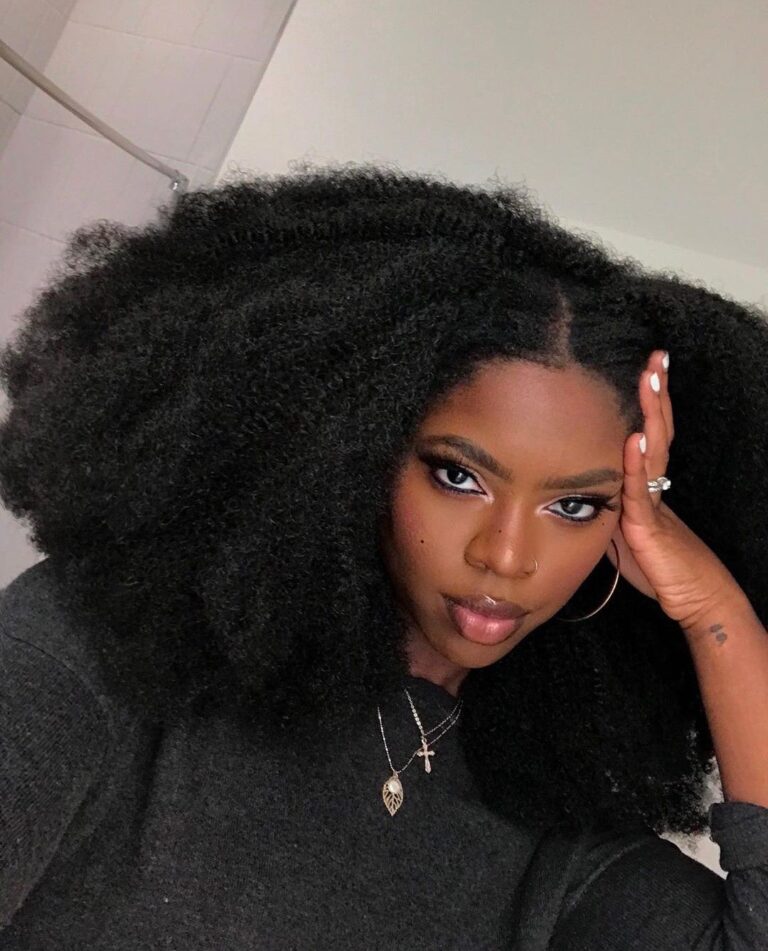
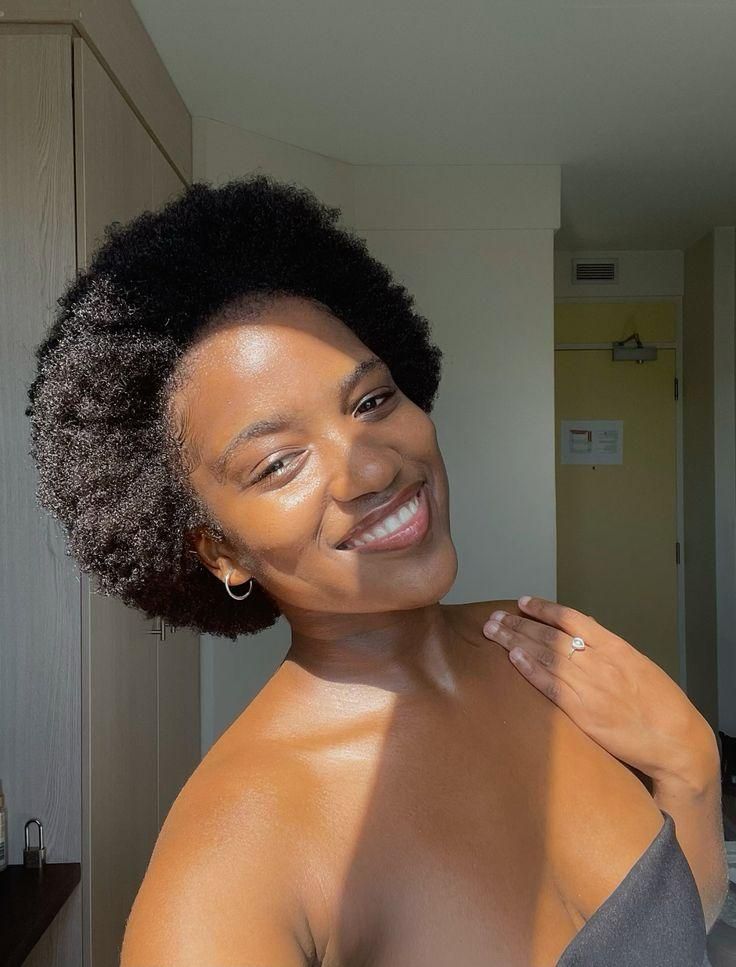
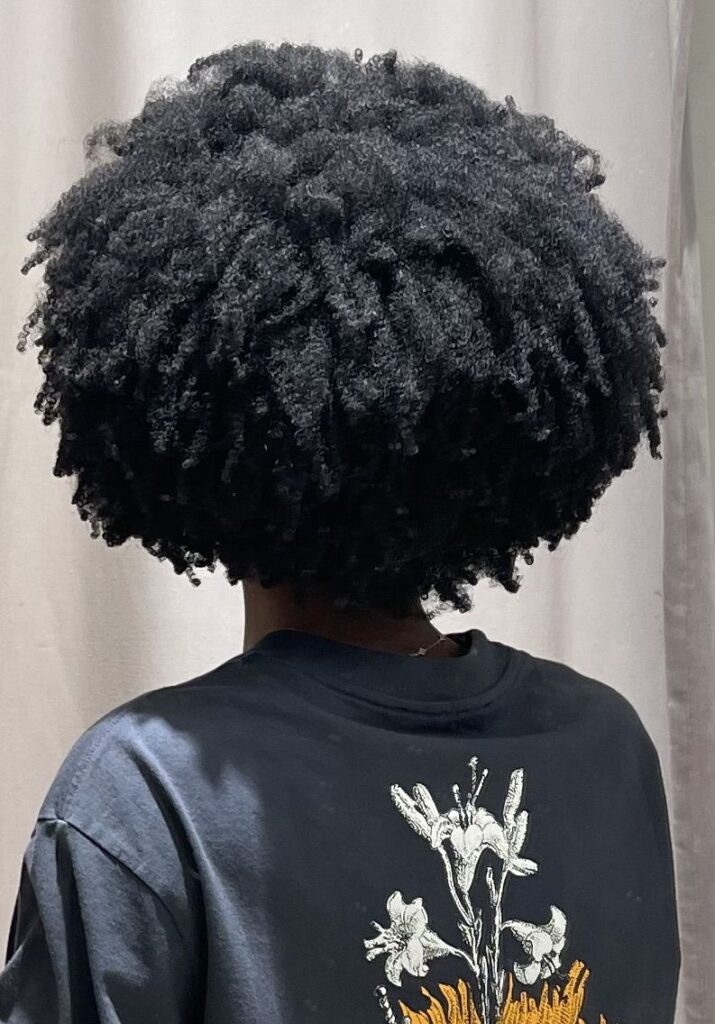
Afro hair is naturally coily or curly, and it grows upward and outward instead of falling straight down. The curl pattern is tight, which means the hair strand has to travel a longer path to grow the same length as straight hair.
This is one reason Afro hair can seem like it’s not growing, when it actually is. It’s just growing in a way that makes it harder to see the length right away.
Afro hair also has a drier nature than other hair types. The natural oil from your scalp has a hard time traveling down a tight, coily strand. So the ends of your hair are often the driest part, and they need extra attention.
Once you understand this, you stop fighting your hair and start working with it. And that’s when things actually start to change.
2. Know Your Hair Type
Not all Afro hair is the same. There are different curl patterns, and knowing yours helps you pick the right products and routines.
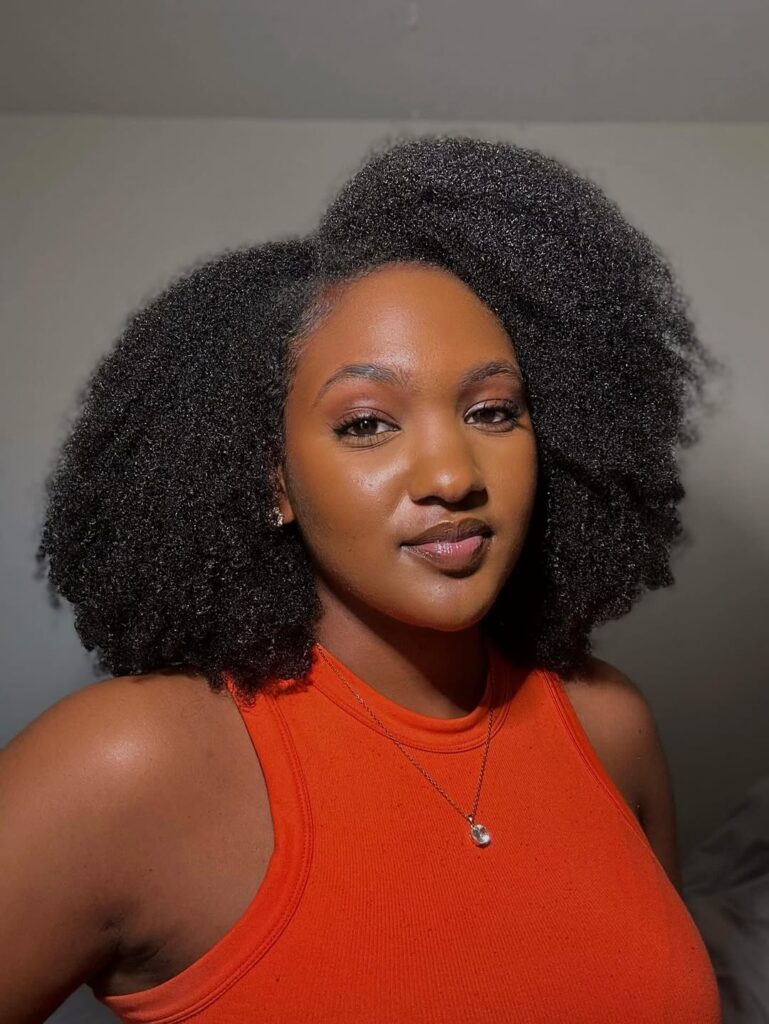
The most common Afro hair types fall under type 4, which is split into 4A, 4B, and 4C.
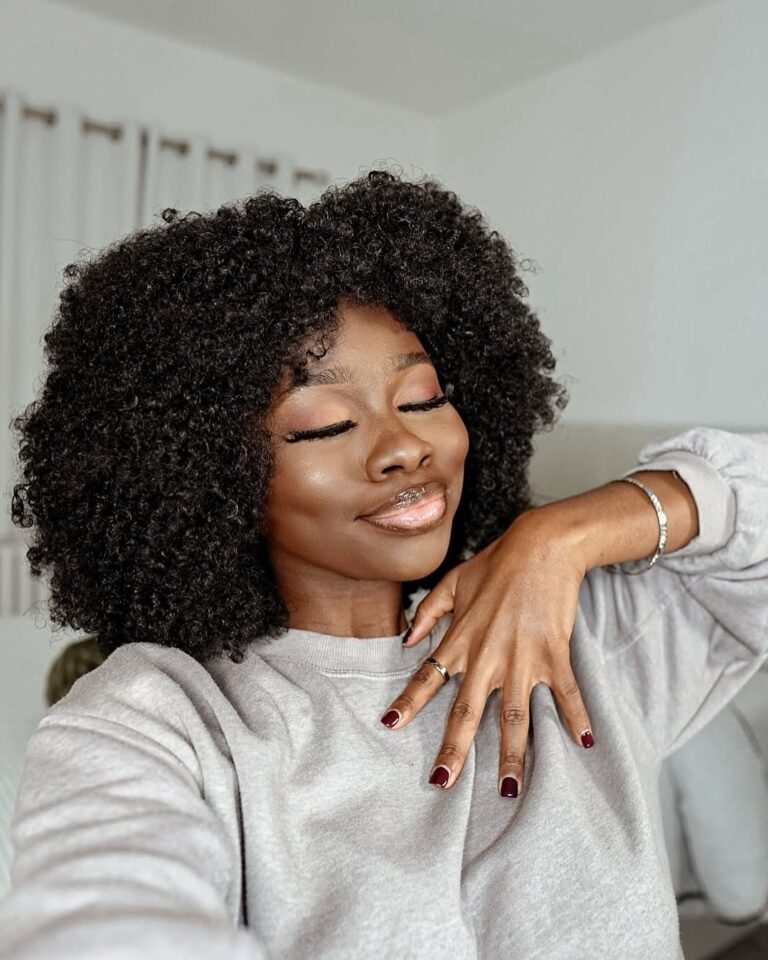
4A hair has a soft, defined curl pattern that looks like a small S shape. It holds moisture a little better than the other types.
4B hair has a tighter curl that bends in a Z shape rather than curling in a round coil. It shrinks a lot when dry.
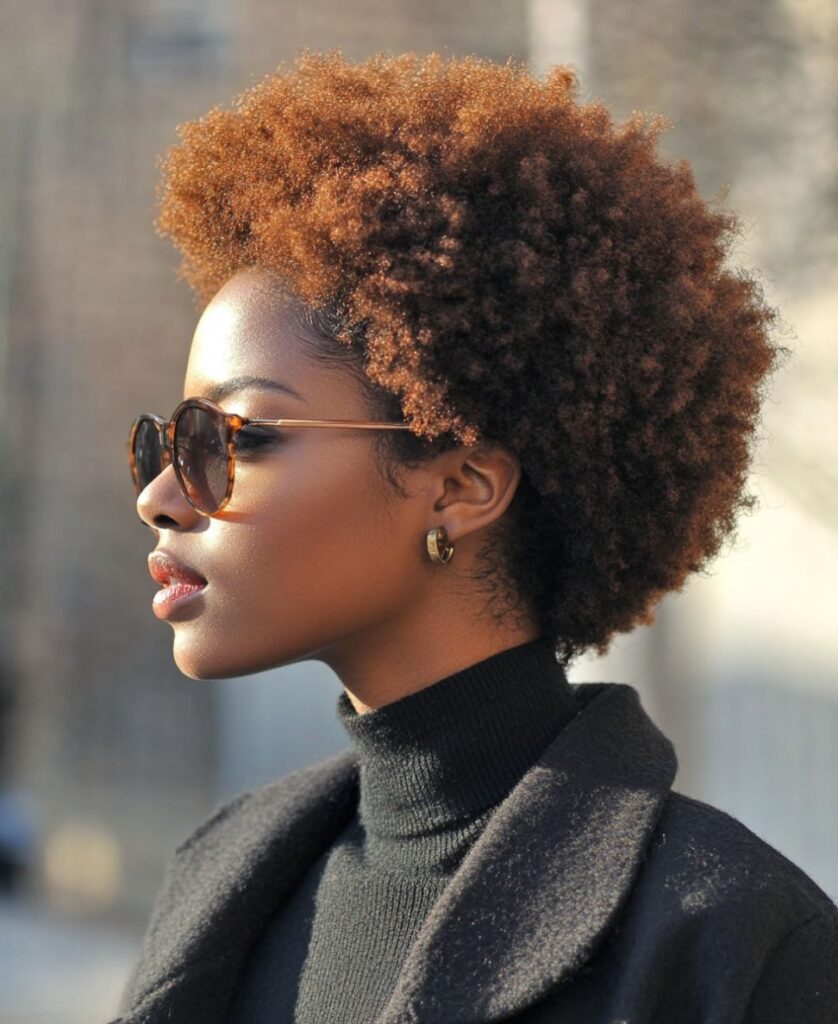
4C hair is the tightest of all. It shrinks the most, sometimes up to 75 percent of its real length. It also needs the most moisture because it loses it the fastest.
You might have more than one type on your head, and that’s completely normal. Most people do.
3. Start With a Clean Scalp
A lot of beginners focus on the hair itself and forget about the scalp. But a healthy scalp is where everything starts.
Your hair grows from your scalp. If your scalp is dirty, blocked, or irritated, your hair cannot grow well, no matter what you put on it.
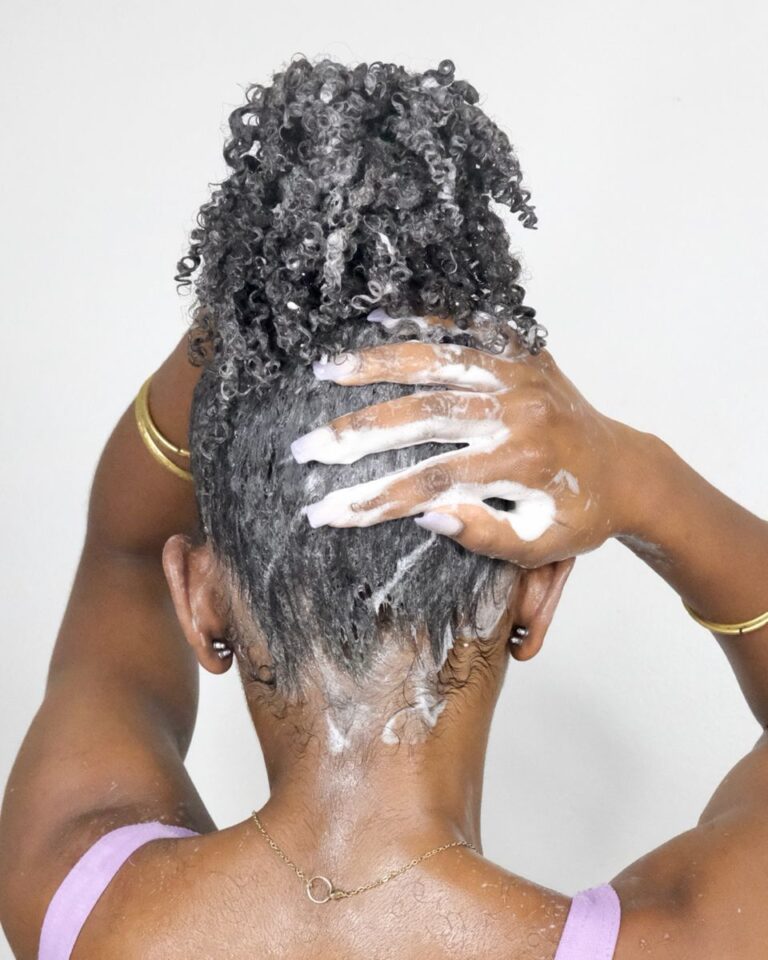
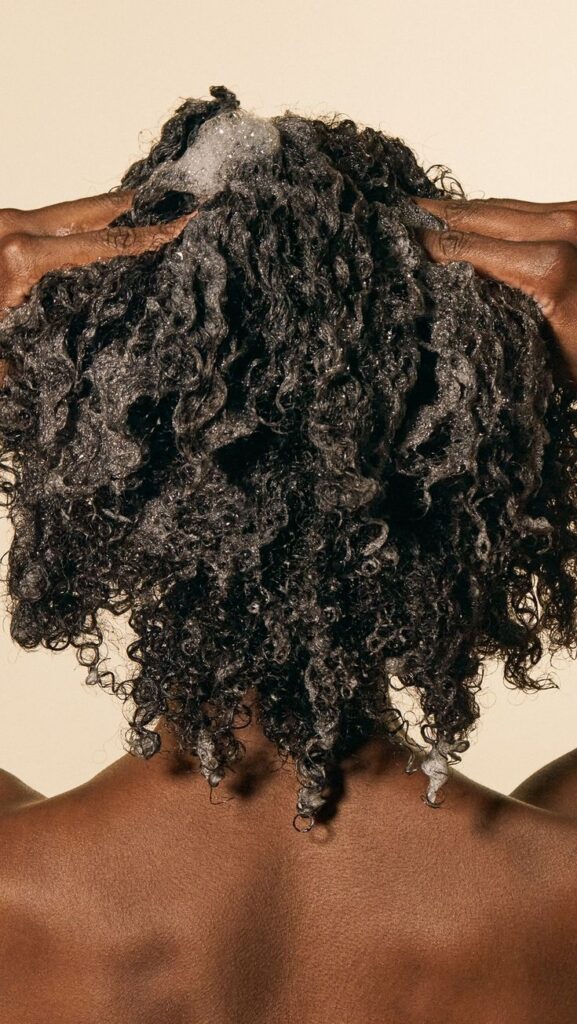
Wash your scalp regularly, use a gentle shampoo that cleans without taking all the natural moisture out of your hair. Stay away from shampoos with a lot of harsh ingredients, since they can leave your scalp dry and tight after washing.
If your scalp ever feels itchy, flaky, or tight, that’s a sign it needs more attention. Don’t ignore those signs. Your scalp is telling you something.
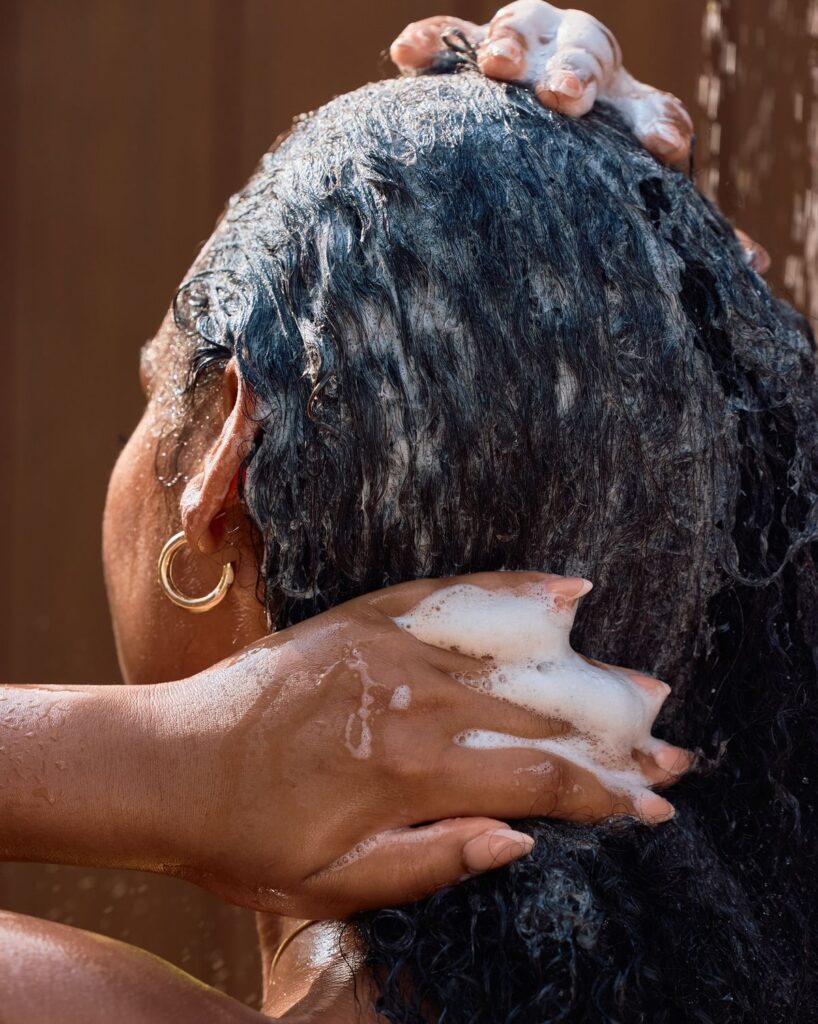
After washing, give your scalp a gentle massage with your fingers. This helps blood flow to your hair roots, which supports healthy growth over time.
4. Moisture Is Everything
If there is one thing you take away from this guide, let it be this: Afro hair needs moisture, and it needs it often.
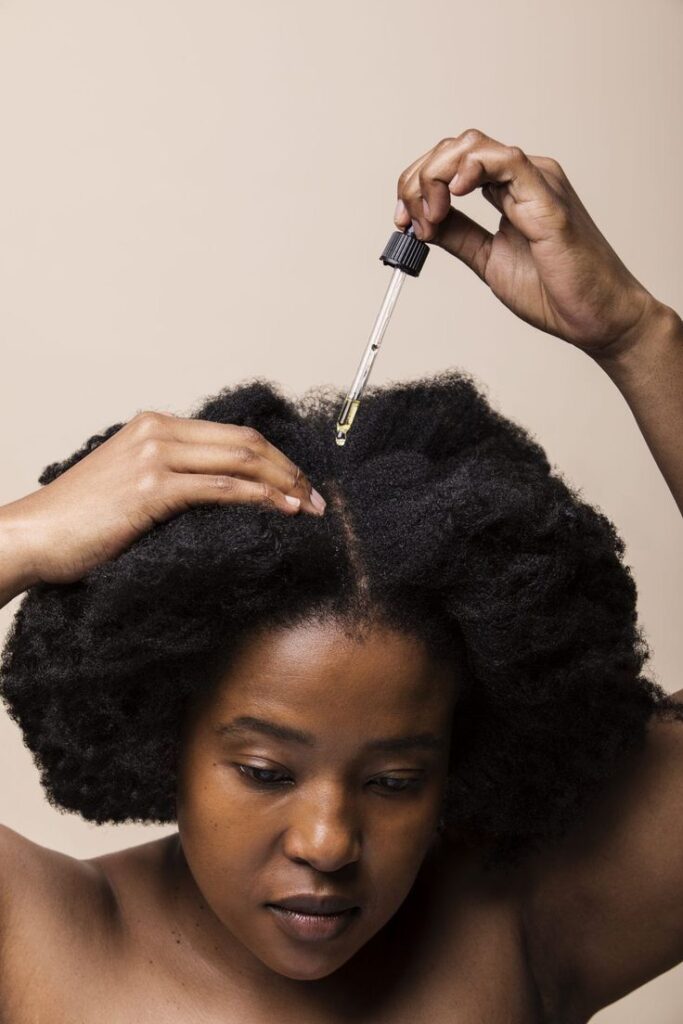
Because the hair strand is so tightly coiled, natural oil from the scalp can’t easily travel down to the ends. This means your hair dries out faster than other hair types, and you have to add moisture yourself.
The best way to do this is with the LOC method. This stands for Leave in conditioner, Oil, and Cream. You apply them in that order, starting with a leave in conditioner on wet or damp hair, then sealing with an oil, then a cream to lock everything in.
A client of mine used to complain that her hair was always dry no matter what she tried. When I asked her what she was doing, she told me she only used oil. No water, no leave in, just oil straight on dry hair.
Oil cannot add moisture. It can only seal in moisture that is already there. Once she started using the LOC method properly, her hair stayed soft for days instead of drying out by the next morning.
Keep a spray bottle with water and a little leave in conditioner. Use it during the week to refresh your hair without doing a full wash. This small habit alone can change how your hair feels every single day.
For more on building a moisture routine that works, read Daily Habits That Keep Afro Hair Healthy.
5. Detangling the Right Way
Detangling is one of the steps that causes the most breakage when done wrong.
Never detangle dry Afro hair. Dry hair is fragile, and forcing a comb through it without any moisture or product will snap the strands.
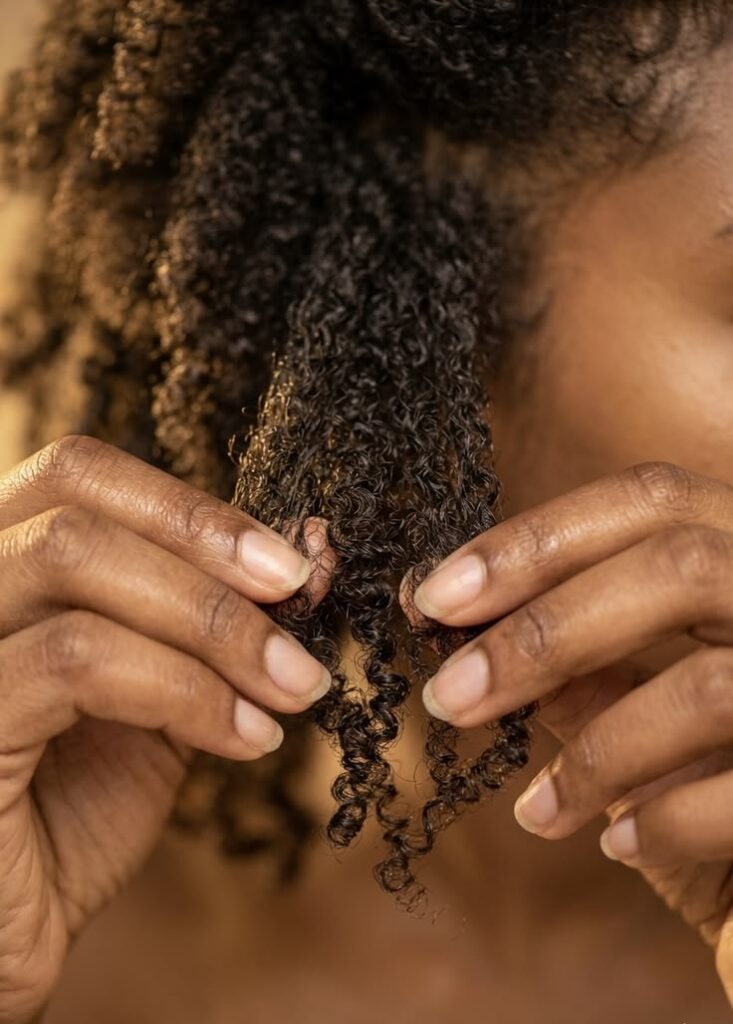
Always add a leave in conditioner or a detangling product before you start. Then use your fingers first to gently separate the bigger knots, before going in with a wide tooth comb.
Work in sections. Divide your hair into four or more parts and detangle one section at a time. This makes the process easier and reduces the pulling that leads to breakage.
Start from the ends of your hair and work your way up to the roots. Starting from the root and dragging down forces knots to tighten instead of loosening.
Be patient. Detangling Afro hair takes time, but rushing it costs you hair.
You may be interested in : Box Braids vs Knotless Braids : Which is Better?
6. Wash Day Basics
Wash day is not just about cleaning your hair, It’s the foundation of your whole routine.
For beginners, once a week or once every two weeks is a good place to start. Your scalp and hair will tell you over time if you need to wash more or less.
Before you even touch water, detangle your hair first. This prevents massive tangling under the shower, which is one of the biggest causes of breakage on wash day.
Shampoo your scalp, not just your hair. Let the shampoo sit on your scalp and clean it properly, then let the water carry it down the rest of your hair as you rinse.
Follow with a conditioner every single time you shampoo. Shampooing opens up the hair and cleans it, but it also removes moisture. Conditioner puts some of that moisture back.
For a full step by step breakdown of how wash day should go, read The Complete Wash Day Routine for Afro Hair.
7. Deep Conditioning Is Not Optional
Deep conditioning is something a lot of beginners skip because they don’t fully understand what it does.
A regular conditioner works on the surface of your hair. A deep conditioner goes deeper into the strand and adds back strength and moisture that regular washing removes over time.
Use a deep conditioner at least once a month. If your hair is very dry or damaged, once a week is better.
Apply it after shampooing, section by section, making sure every part of your hair is covered. Then put on a shower cap and leave it for at least twenty to thirty minutes. The heat from your head helps it sink in properly.
Rinse with cool water when you’re done. Cool water helps close the hair back up, which keeps moisture sealed inside the strand.
Looking for more ideas: Feed-In Braids that Protect Your edges
8. Protective Styling
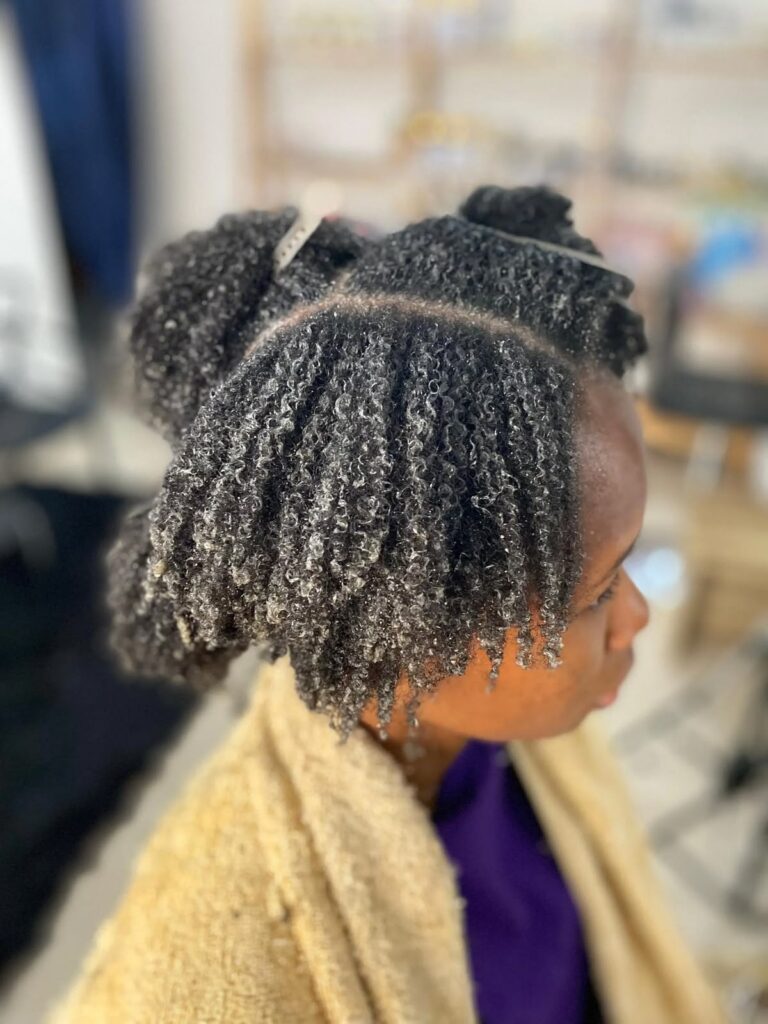
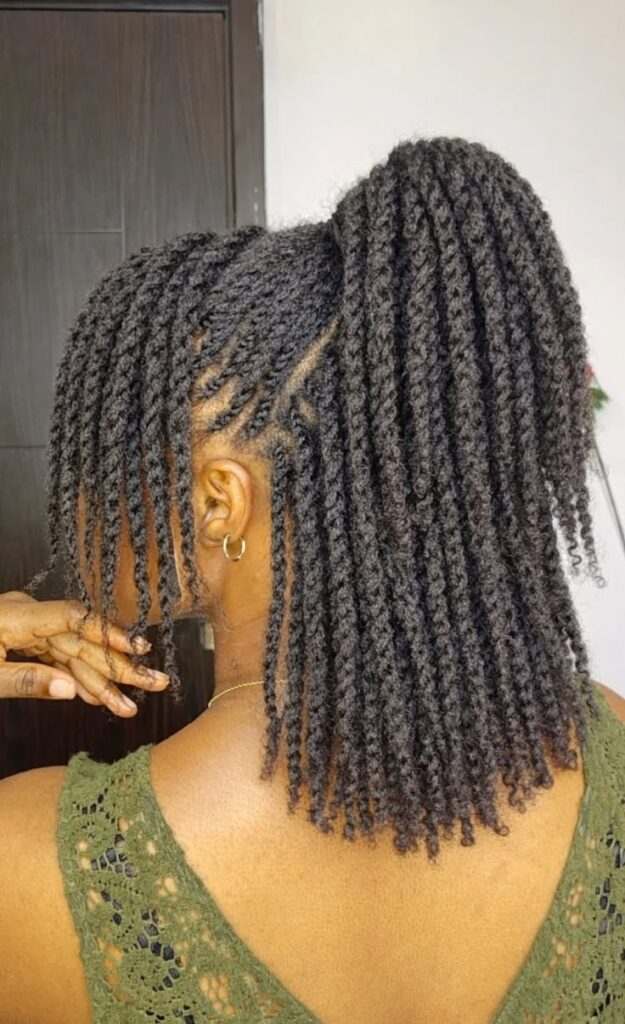
Protective styles are styles that tuck your ends away and reduce how much your hair gets touched or pulled every day.
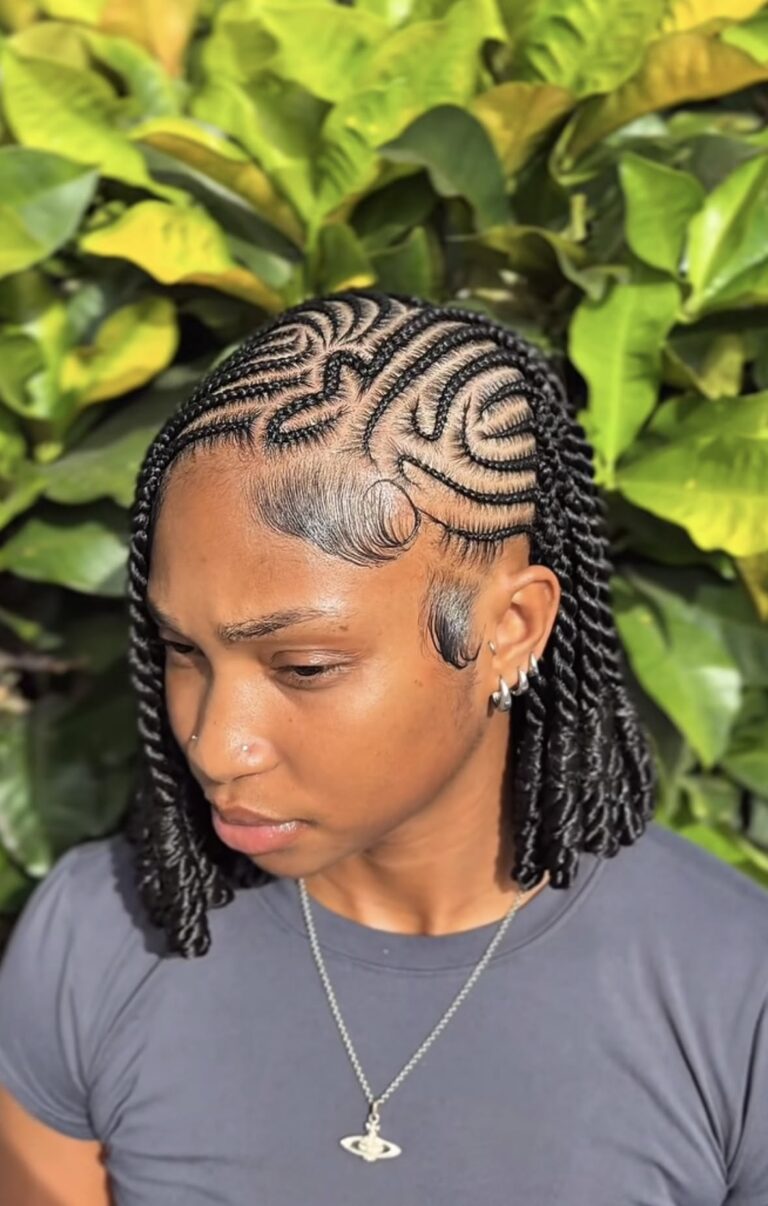
Braids, twists, buns, and cornrows are all protective styles. They give your hair a break from daily handling, which helps it hold onto length better over time.
My friend had been trying to grow her hair for years with no real progress. She was styling it every single day, pulling it, combing it, and handling it constantly. Once she started wearing protective styles for two to three weeks at a time, her hair started holding onto length for the first time.
But protective styles only work if you still take care of your hair underneath them. Moisturize your scalp and hair even while in a protective style. Don’t leave styles in for too long. And never install them so tight that your scalp hurts.
For everything you need to know about protective styling, read Everything You Need to Know About Protective Styling.
9. Trimming Your Hair
A lot of people avoid trimming because they feel like it’s taking away length they worked hard to grow. But skipping trims actually slows your growth down, not the other way around.
Split ends travel up the hair strand if you leave them. Once they get far enough up, the strand breaks from that point, and you lose more length than a small trim would have taken.
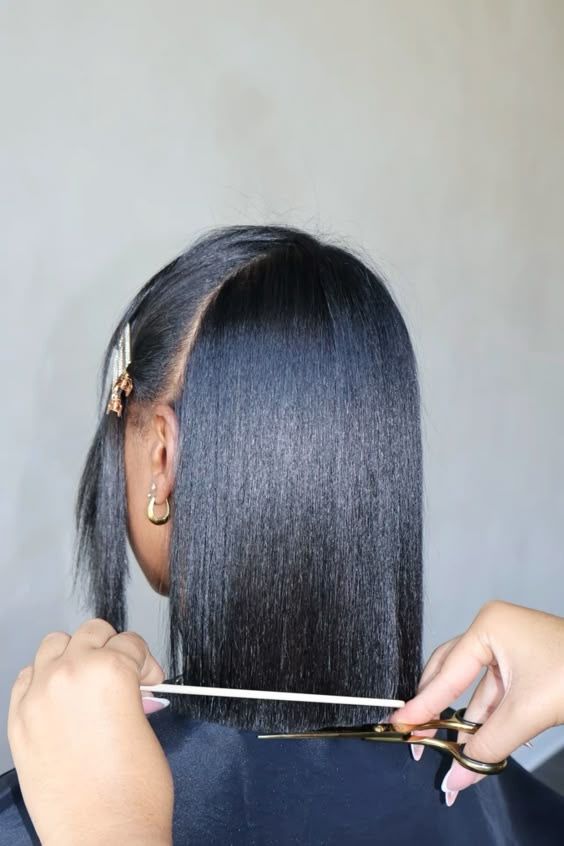
Trim your hair every eight to twelve weeks, or whenever your ends start to feel rough and look thin. You don’t have to take off much, just enough to remove the damage.
Always trim on stretched hair so you can see the ends clearly. Trimming tightly coiled hair without stretching it first can lead to uneven results.
See also: Knotless Braids: Complete Beginner’s Guide
10. Building Your Product Shelf
As a beginner, you don’t need a shelf full of products. You need a few good ones that work for your hair.
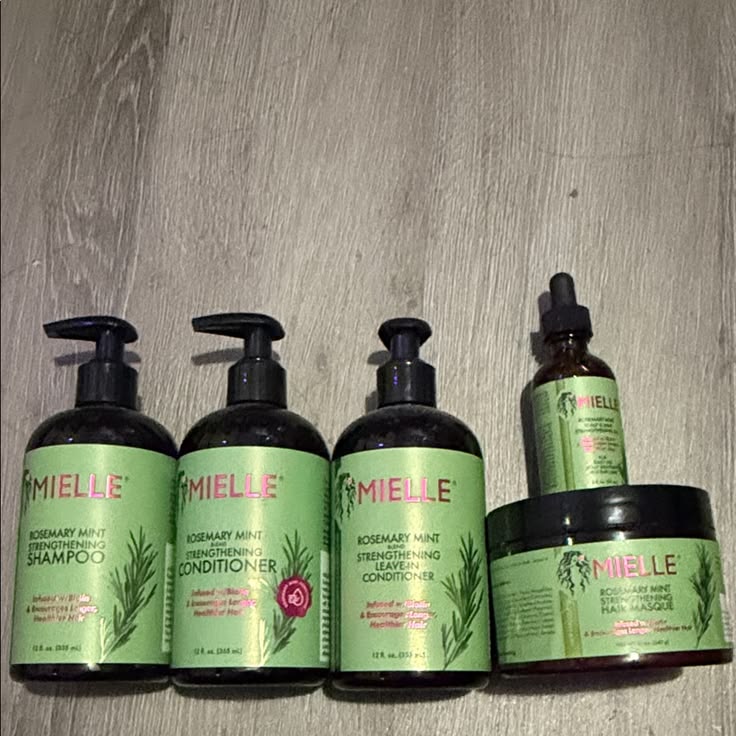
Start with these basics: a gentle shampoo, a regular conditioner, a deep conditioner, a leave in conditioner, an oil, and a cream or butter for sealing.
That’s it, Six products. Master those before adding anything else.
The mistake most beginners make is buying too many products at once and layering them all together. This can cause buildup on the scalp and leave hair feeling heavy and sticky instead of soft and clean.
Give a new product at least four weeks before deciding if it works or not. Hair doesn’t always respond immediately, so be patient before moving on to something new.
For help figuring out which products are right for your specific hair, read How Often Should You Wash Afro Hair?, it talks about how your wash frequency should match the products you use.
11. Handling Your Hair at Night
What you do at night matters just as much as what you do during the day.
Cotton pillowcases pull moisture out of your hair while you sleep. They also create friction that leads to breakage over time.
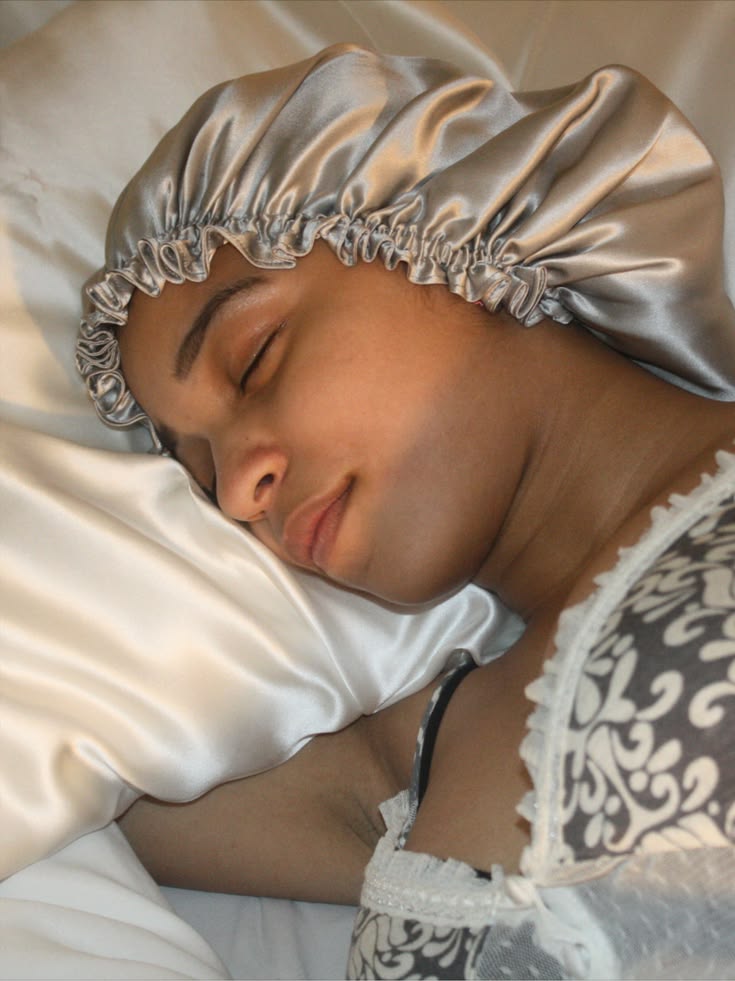
Switch to a satin or silk pillowcase. It lets your hair glide instead of rubbing against a rough surface all night.
You can also wrap your hair in a satin scarf or bonnet before bed. This keeps your style in place and protects your hair from rubbing on anything while you sleep.
If you don’t like wearing anything on your head at night, the pillowcase switch alone will make a real difference.
You will love to see this: 27 Best Protective Styles for Afro Hair
12. Food and Water Matter Too
Hair health doesn’t start from the outside, It starts from the inside.
Drinking enough water every day keeps your scalp and hair hydrated from within. If you are not drinking enough water, no amount of moisturizing products will fully fix dry hair.
Eating foods rich in protein, iron, and vitamins also helps. Hair is made of protein, so a diet that’s low in protein can lead to weak, slow growing hair.
Eggs, beans, leafy greens, and nuts are all good for hair health. You don’t need to change your whole diet, just make sure you’re eating a balanced range of foods regularly.
Take a look at this: 25 Afro Puff Hairstyles You’ll Love

13. Be Patient With Your Journey
This is the part nobody wants to hear, but it’s the most important part of this whole guide.
Afro hair growth and health takes time. You will not see big changes in a week or even a month. Real progress shows up over several months of consistent care.
Don’t compare your journey to someone else’s online. You don’t know how long they’ve been doing this, what their hair type is, or what they looked like before the photos they’re posting.
Focus on your own hair, your own routine, and your own progress. Take photos every month so you can see how far you’ve come, even when it feels like nothing is happening.
The people with the most beautiful Afro hair you’ve ever seen didn’t get there overnight. They showed up for their hair consistently, even on the days it felt pointless. That’s the real secret.
For style inspiration to keep you motivated along the way, check out 75 Beautiful Afro Hairstyles You’ll Want to Save.
14. Common Mistakes to Avoid
Now that you know what to do, here are the things you should stop doing right away.
Stop washing your hair with hot water. Hot water strips moisture and leaves your scalp dry. Use warm or cool water instead.
Stop skipping conditioner after shampooing. These two always go together, no exceptions.
Stop combing your hair when it’s dry. Always add moisture or product first.
Stop wearing tight styles every day. Constant tension on the same spots weakens your hairline over time.
Stop using too many products at once. More is not better when it comes to Afro hair care.
And stop giving up too soon. Your hair is responding to your care, even when you can’t see it yet.
For quick styles that work even on your busiest days, read 31 Quick Natural Hairstyles for Busy Mornings.
15. Your First Month Plan
To make this easier, here is a simple plan for your very first month of Afro hair care.
Week one: Do your first proper wash day. Shampoo, condition, deep condition, and moisturize with the LOC method.
Week two: Focus on keeping your hair moisturized daily. Use your spray bottle every morning and protect your hair at night with a satin bonnet or pillowcase.
Week three: Try your first protective style. Keep it loose and comfortable, and moisturize your scalp even while the style is in.
Week four: Assess how your hair feels. Is it softer? Less dry? Are you losing less hair when you detangle? These are signs your routine is working.
Take a photo at the start of week one and another at the end of week four. The difference might surprise you.
For easy styles to wear during your first month while your hair gets used to proper care, check out 35 Easy Afro Hairstyles for Beginners.
A Few Final Things Worth Knowing
Starting your Afro hair journey can feel like a lot at first. There’s so much information online, and a lot of it tells you different things.
Keep it simple. Clean scalp, moisturized hair, gentle handling, and protective styles. Those four things will take you further than any expensive product ever will.
Build your routine around your life, not someone else’s. If you can only do a full wash day every two weeks, that’s fine. Just be consistent with whatever you choose.
Your hair is not the problem, It never was. It just needed someone to understand it, and now that someone is you.
For more on wash and go styles that work well while you’re still building your routine, read 27 Wash and Go Hairstyles That Actually Last.