
60 Healthy Hair Routine Ideas You’ll Actually Use
Disclosure: Some of the links in this post are affiliate links. This means if you click on the link and purchase an item, I will receive an affiliate commission at no extra cost to you.
A good hair routine does not need to be complicated to actually work. Most people overthink their routine and end up skipping steps out of frustration. This list breaks down sixty simple routine ideas you can actually keep up with.
Pick a few that fit your schedule instead of trying to do everything at once. If you are still building how to learn to love your natural hair again, a steady routine can make that relationship feel a lot easier.
Not every idea here needs to happen every week. Some are daily habits, and some are monthly resets, so read through and see what fits your life right now.
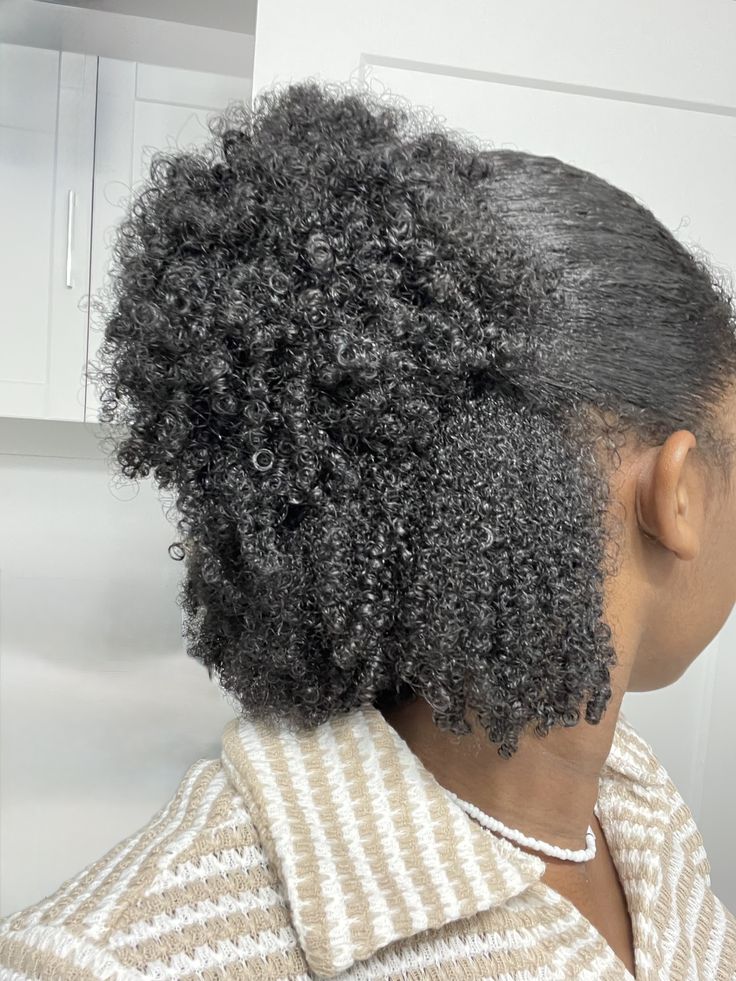
A lot of naturalistas quit a new routine after just a few days because they expected instant results. Hair care is slow, and most changes take weeks before you notice a real difference. Give any new step here honest time before deciding it does not work for you. Think of this list as a menu, not a checklist you need to complete all at once.
60 Healthy Hair Routine Ideas You’ll Actually Use
1. Follow The LOC Method For Moisture
The LOC method stands for liquid, oil, and cream, applied in that order. This layering helps lock moisture into your strands.
It works especially well for drier hair types. This is a low cost way to improve your routine without buying new products. This works for most hair types with only minor adjustments.
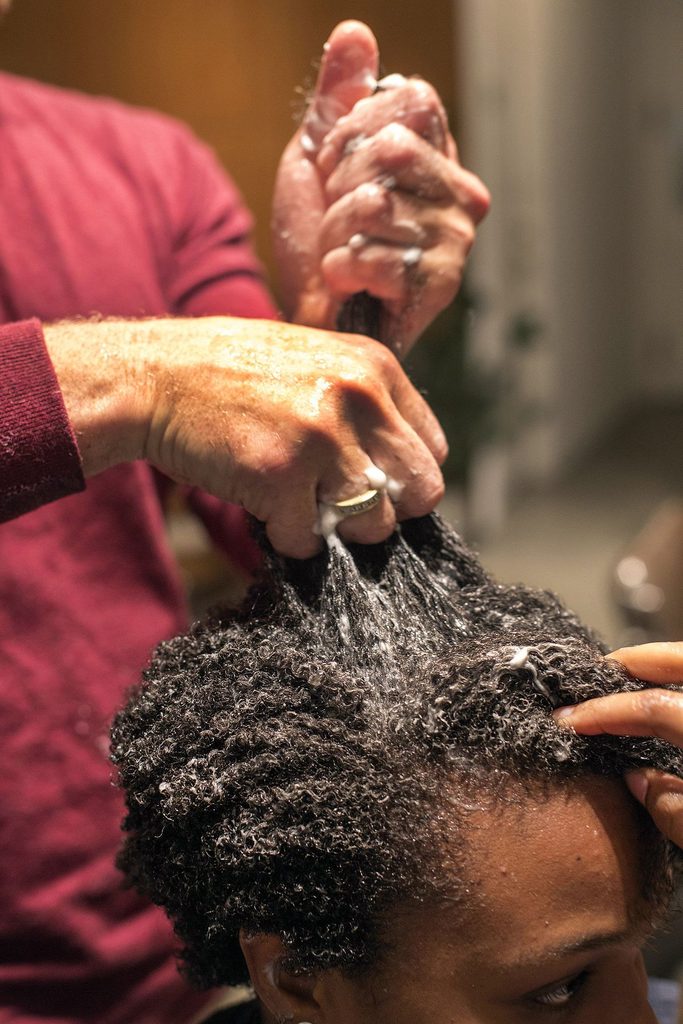
2. Try The LCO Method Instead
The LCO method swaps the order to liquid, cream, and oil for a different result. Some curl types respond better to this order than LOC.
Testing both helps you find what your hair actually prefers. Pay attention to how your curls respond, since every hair type reacts a little differently. Small tweaks here often make a bigger difference than expected.
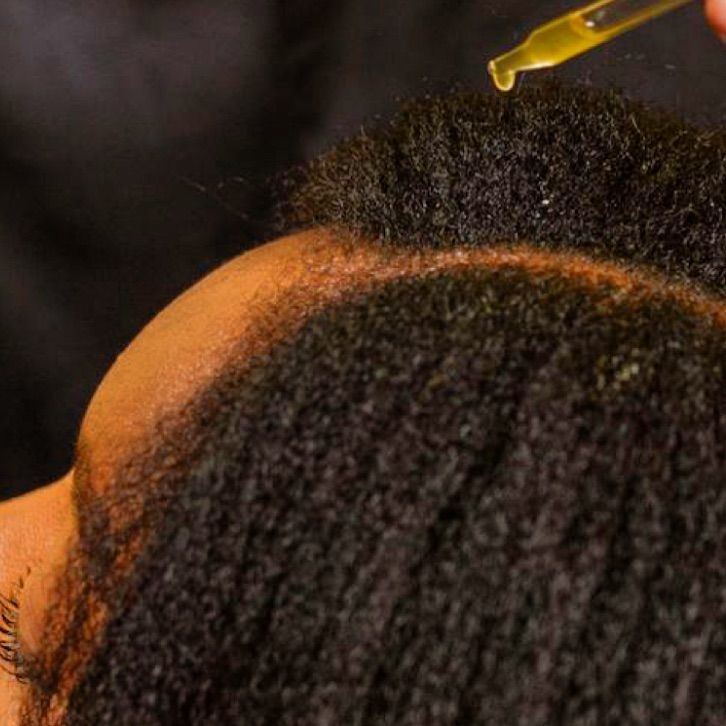
3. Deep Condition Every Wash Day
Deep conditioning should be a regular part of wash day, not an occasional treat. It restores moisture that daily styling can strip away.
Even fifteen minutes under a cap makes a noticeable difference. This is one of the easier habits to stick with once it becomes routine. This can be as simple or as detailed as you want it to be.

4. Add A Weekly Protein Treatment
A light protein treatment strengthens strands that feel weak or overly stretchy. Understanding what keratin does for afro hair helps explain why this step matters so much for structural strength.
Skipping protein for too long can leave hair feeling limp and fragile. Adjust the frequency of this step based on how your hair actually responds.
Keep this step flexible depending on your schedule that week.
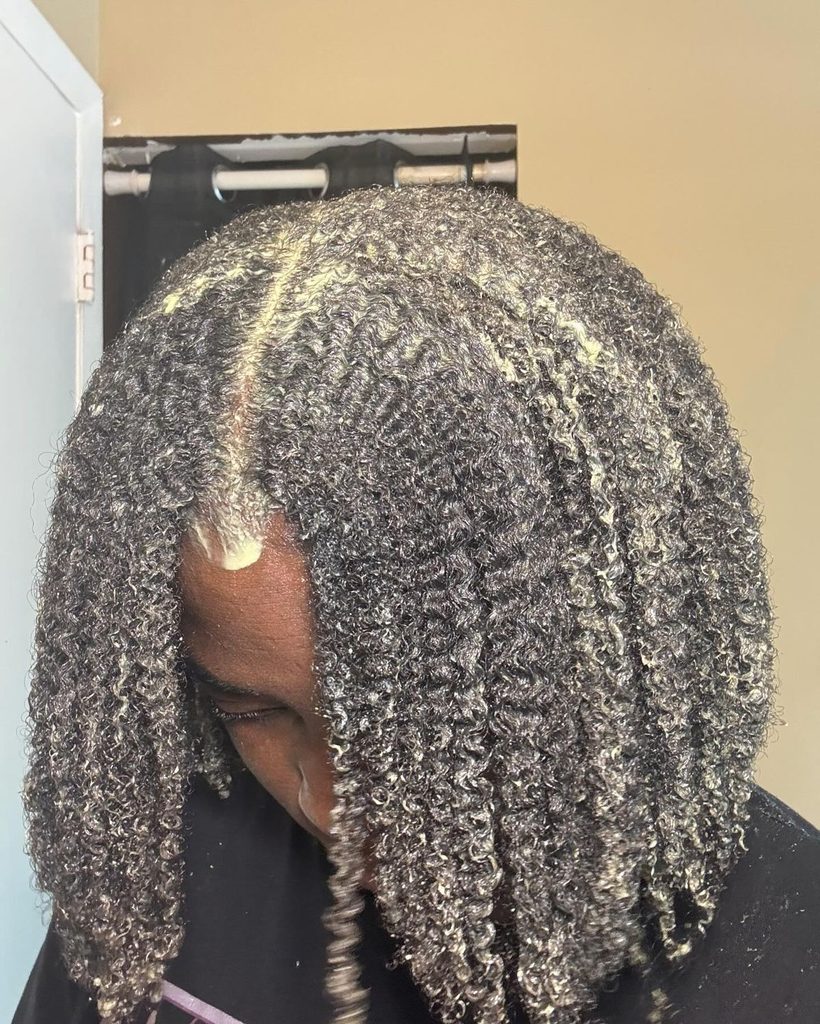
5. Do A Monthly Clarifying Wash
A clarifying shampoo removes product buildup that regular washing can miss. This step keeps your scalp and strands truly clean.
Doing this monthly prevents buildup from weighing your curls down. This is a low cost way to improve your routine without buying new products.
Keep track of any changes so you know what is actually helping.
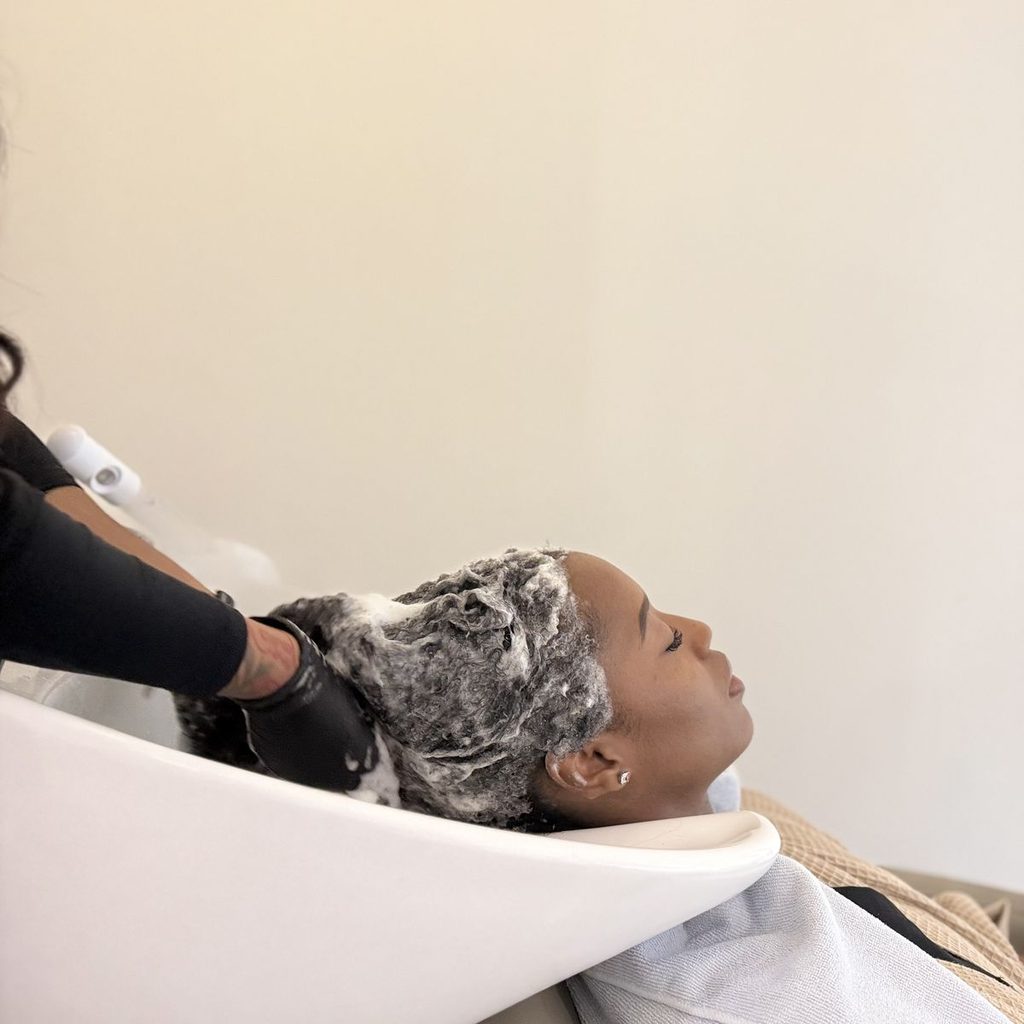
6. Pre-Poo Before Every Wash
Applying oil or conditioner before shampooing protects hair from stripping. This step is called pre-pooing and cuts down on breakage during washing.
It also makes detangling much easier afterward. Pay attention to how your curls respond, since every hair type reacts a little differently. This works for most hair types with only minor adjustments.

7. Detangle On Wet, Conditioner-Coated Hair
Detangling works best when hair is wet and coated in conditioner for slip. Dry detangling causes far more breakage than most people realize.
This small change protects your length over time. This is one of the easier habits to stick with once it becomes routine. Small tweaks here often make a bigger difference than expected.
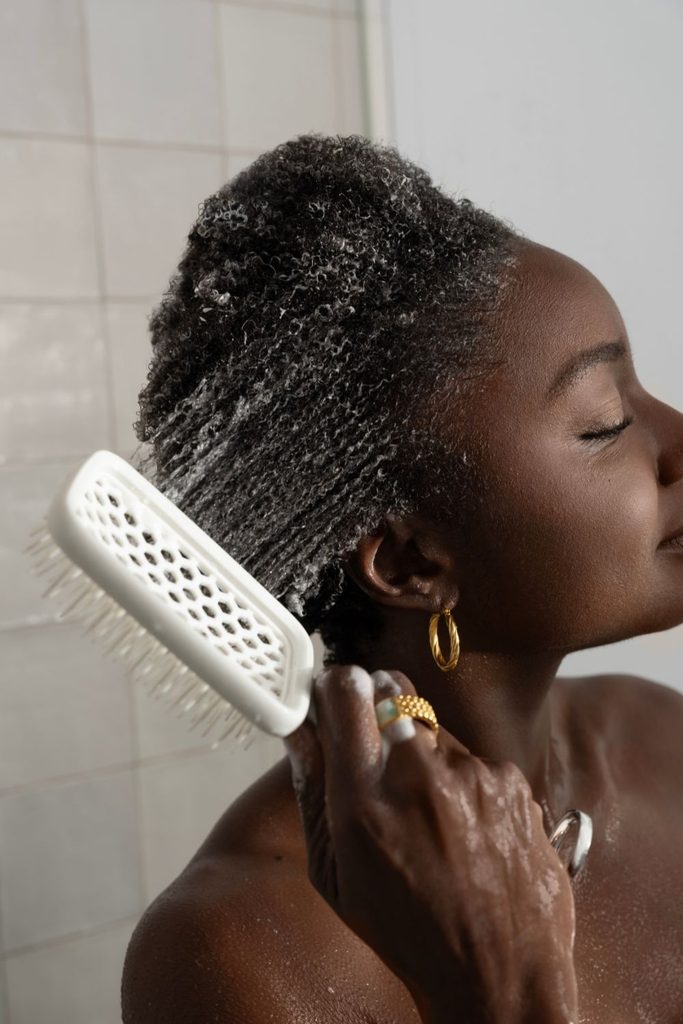
8. Use A Wide Tooth Comb First
Starting with a wide tooth comb reduces stress on your strands. It removes larger knots before you move to finer detangling tools.
This step should always come before brushes or fine combs. Adjust the frequency of this step based on how your hair actually responds. This can be as simple or as detailed as you want it to be.

9. Finger Detangle Before Combing
Finger detangling lets you feel knots before pulling a comb through them.
Understanding afro hair elasticity helps explain why gentle finger work causes far less breakage than rushing straight to a comb. This step takes patience but saves your ends in the long run.
This is a low cost way to improve your routine without buying new products. Keep this step flexible depending on your schedule that week.
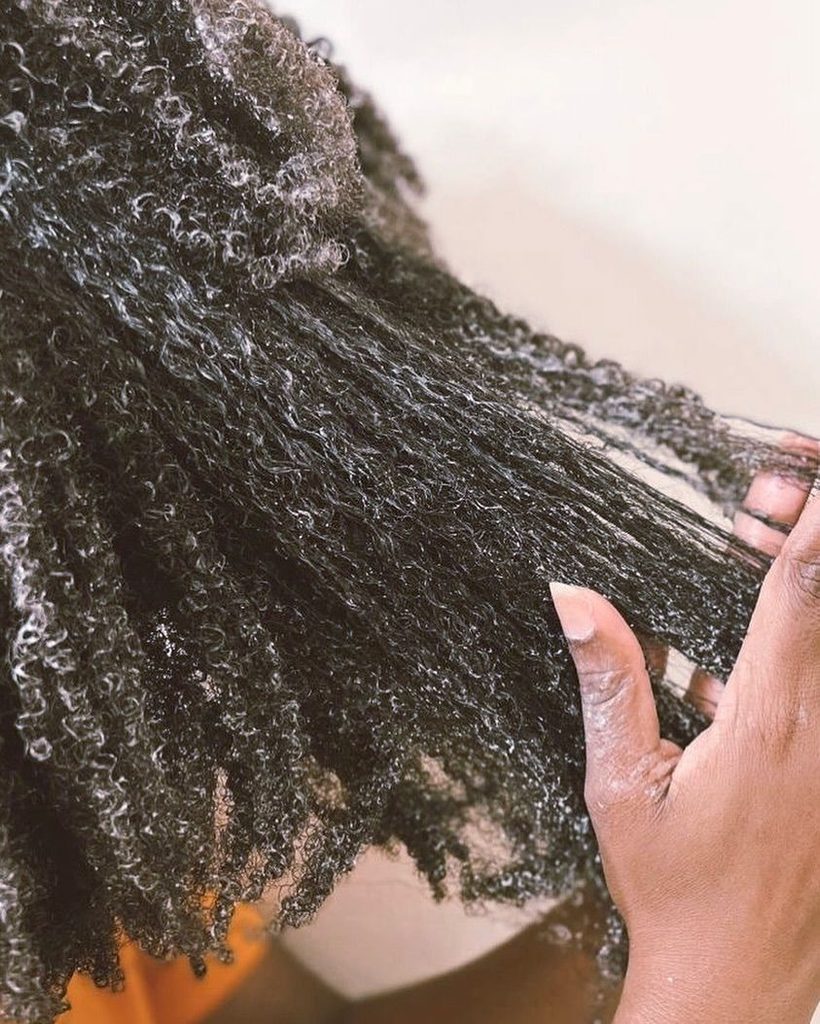
10. Section Your Hair Before Washing
Sectioning hair into four to six parts makes washing far more manageable. It ensures every section actually gets cleaned and conditioned.
This step alone can cut wash day time significantly. Pay attention to how your curls respond, since every hair type reacts a little differently.
Keep track of any changes so you know what is actually helping.
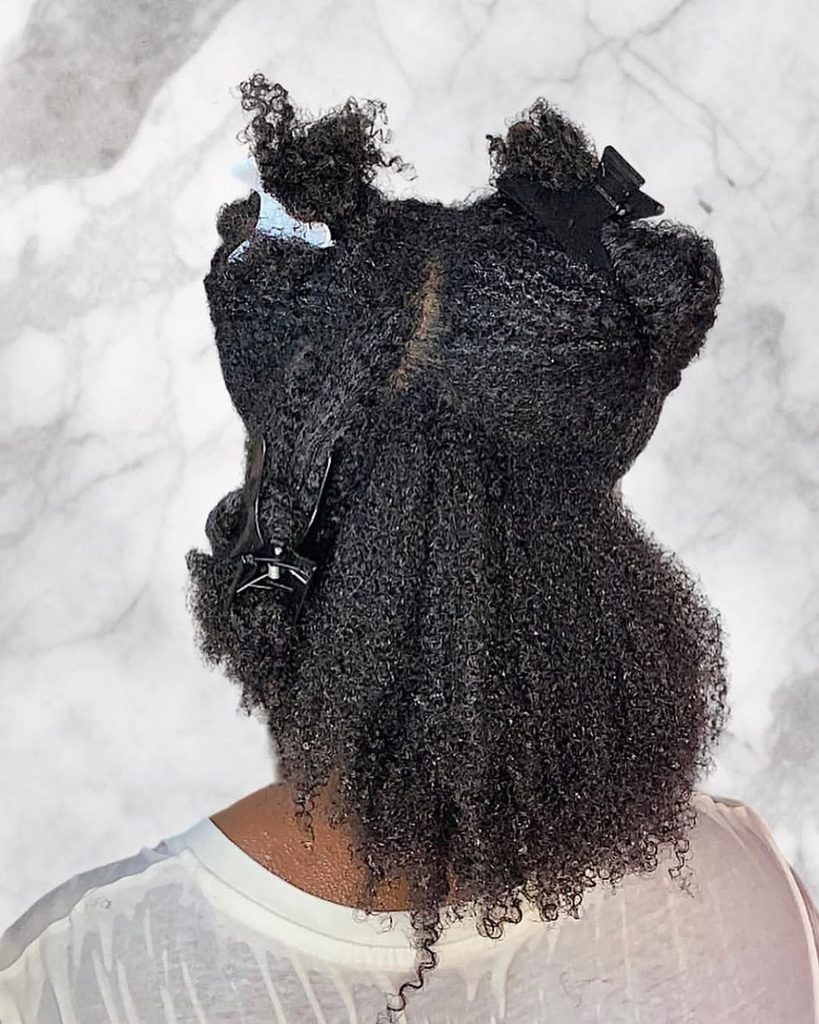
11. Double Cleanse On Product Buildup Days
A double cleanse means shampooing twice in one session on heavy buildup days. The first wash removes surface dirt, and the second gets deeper.
This is not needed every wash day, just when buildup feels heavy. This is one of the easier habits to stick with once it becomes routine. This works for most hair types with only minor adjustments.

12. Use Lukewarm Water, Not Hot
Hot water can strip natural oils and leave hair feeling dry. Lukewarm water cleans just as effectively without the extra dryness. Save very warm water for rinsing out heavier products only.
Adjust the frequency of this step based on how your hair actually responds. Small tweaks here often make a bigger difference than expected.
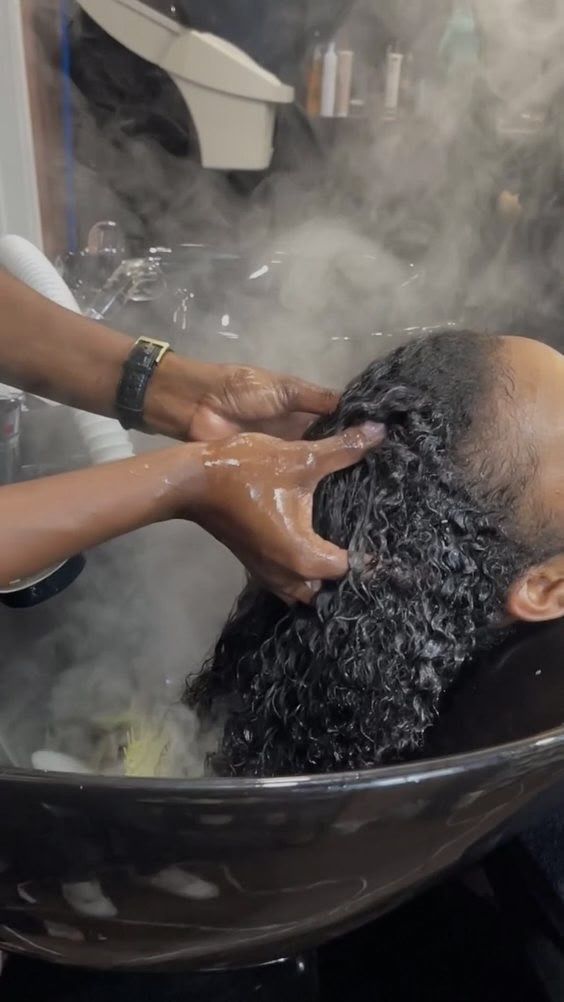
13. Rinse With Cool Water To Seal Cuticles
A final cool water rinse helps smooth the hair cuticle after conditioning. This step adds shine and helps lock in moisture.
It only takes a few extra seconds at the end of wash day. This is a low cost way to improve your routine without buying new products. This can be as simple or as detailed as you want it to be.
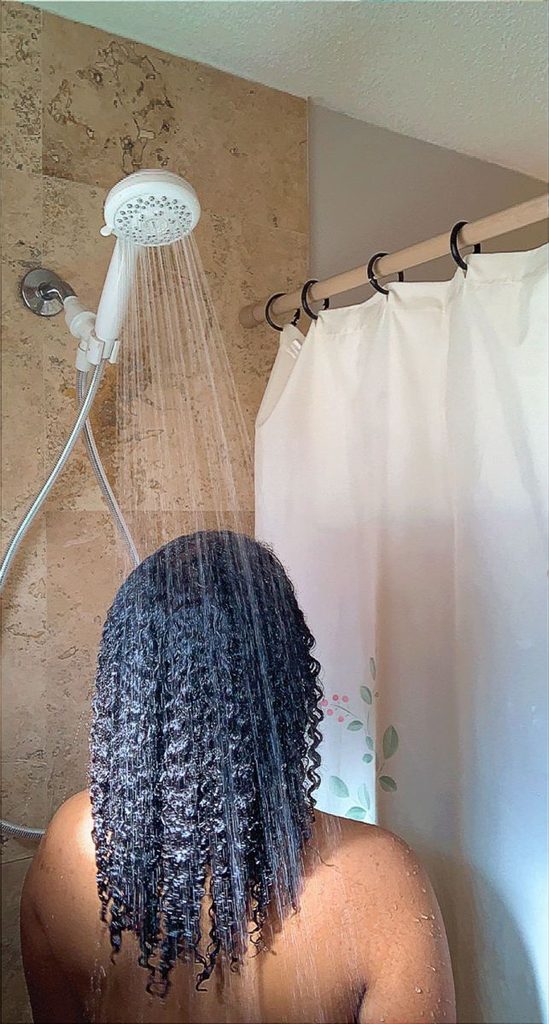
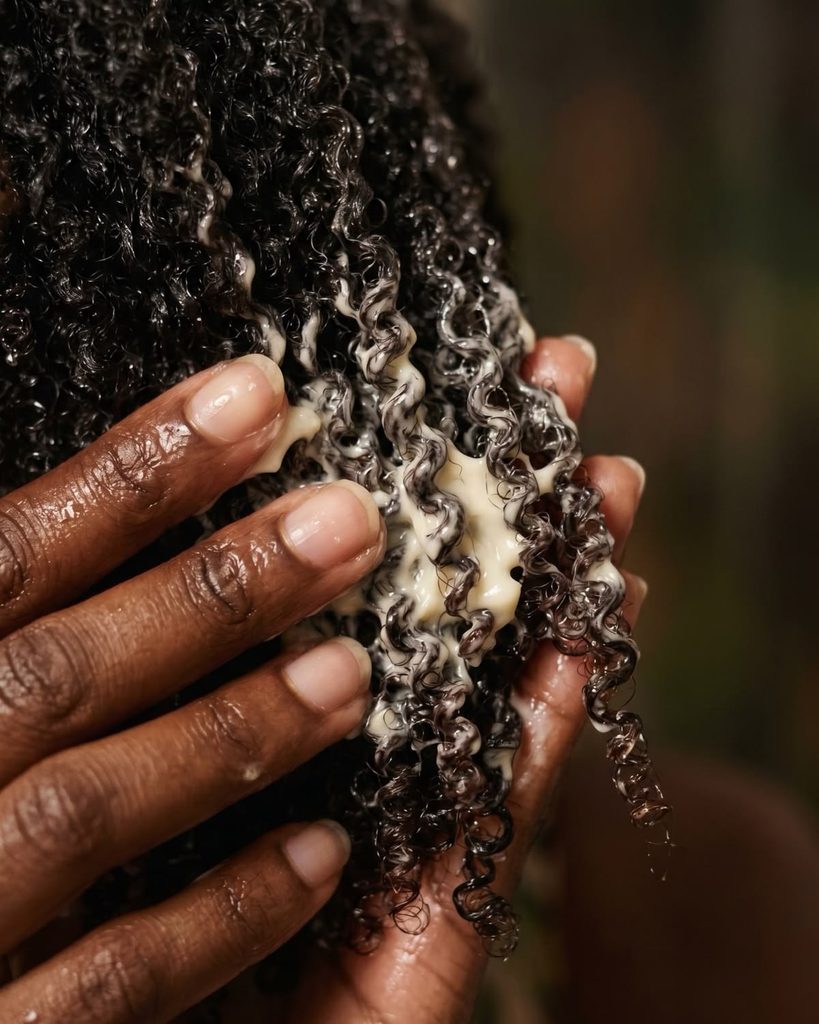
14. Apply Leave-In On Soaking Wet Hair
Leave-in conditioner absorbs best when applied to soaking wet hair, not damp hair.
Understanding why afro hair shrinks so much helps explain why timing this step correctly makes such a visible difference in curl definition.
Waiting too long reduces how well the product actually penetrates. Pay attention to how your curls respond, since every hair type reacts a little differently. Keep this step flexible depending on your schedule that week.
15. Seal Moisture With A Light Oil
Sealing with oil after your leave-in helps trap moisture inside the hair shaft. A little goes a long way, so avoid overloading your strands.
This step matters most on drier ends. This is one of the easier habits to stick with once it becomes routine. Keep track of any changes so you know what is actually helping.

16. Try The Baggy Method Overnight
The baggy method involves covering ends with a plastic bag or cap overnight. Body heat and trapped moisture soften dry, brittle ends.
This is especially helpful during colder, drier months. Adjust the frequency of this step based on how your hair actually responds. This works for most hair types with only minor adjustments.
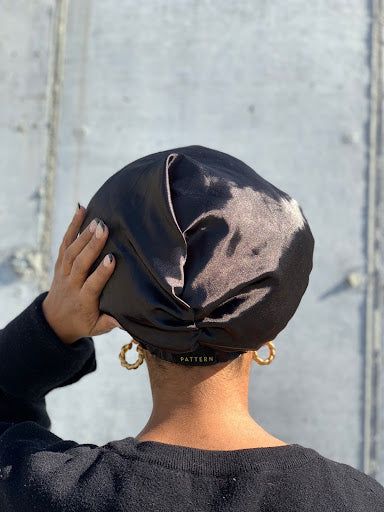
17. Moisturize Your Hair Daily, Not Just Wash Day
Daily moisture matters just as much as wash day products. A light spritz and seal each morning keeps curls soft between washes.
Skipping this step often leads to dryness by midweek. This is a low cost way to improve your routine without buying new products. Small tweaks here often make a bigger difference than expected.

18. Refresh Curls With A Water And Leave-In Spritz
A simple spray bottle mix of water and leave-in refreshes curls without a full rewash. This trick extends the life of a wash and go significantly.
Keep the bottle in your bathroom for quick access. This is one of the easier habits to stick with once it becomes routine. This can be as simple or as detailed as you want it to be.
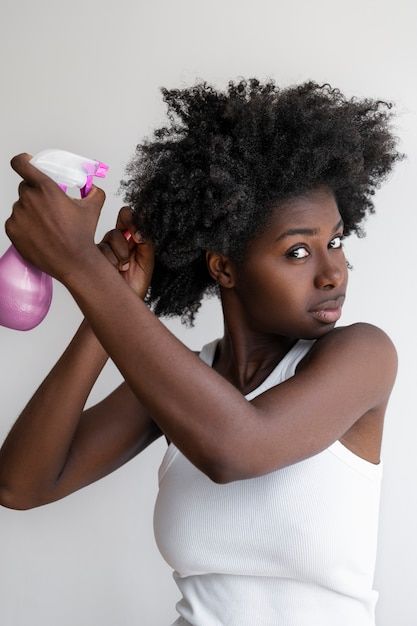
19. Sleep On A Satin Pillowcase
A satin pillowcase reduces friction that causes frizz and breakage overnight.
Pulling ideas from 50 wash day setups every naturalista will love can help you build small nightly habits that protect your wash day results longer.
This swap is simple but makes a real difference over time. Adjust the frequency of this step based on how your hair actually responds. Keep this step flexible depending on your schedule that week.

20. Wear A Silk Bonnet Every Night
A silk or satin bonnet protects styles and locks in moisture while you sleep. Cotton pillowcases and bonnets absorb moisture that silk simply does not.
This habit alone can extend a style’s life by several days. Pay attention to how your curls respond, since every hair type reacts a little differently.
Keep track of any changes so you know what is actually helping.
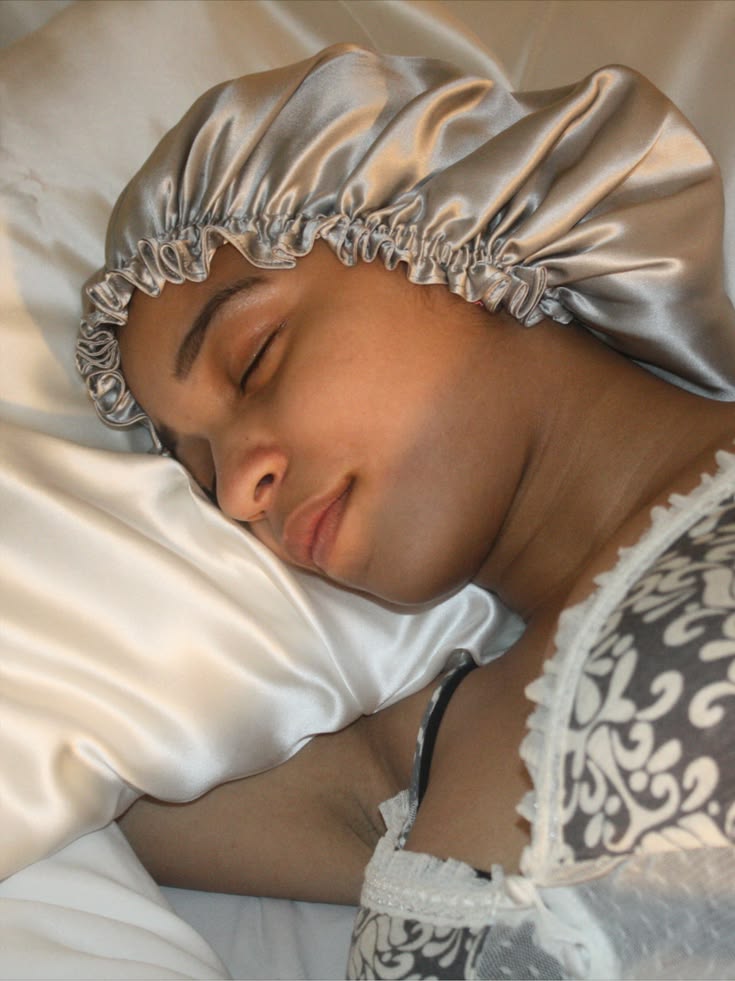
21. Pineapple Your Hair Before Bed
Gathering curls into a loose high pineapple protects shape while you sleep. This trick works especially well for people with longer curl patterns.
It reduces tangling and flattening overnight. This is one of the easier habits to stick with once it becomes routine. This works for most hair types with only minor adjustments.
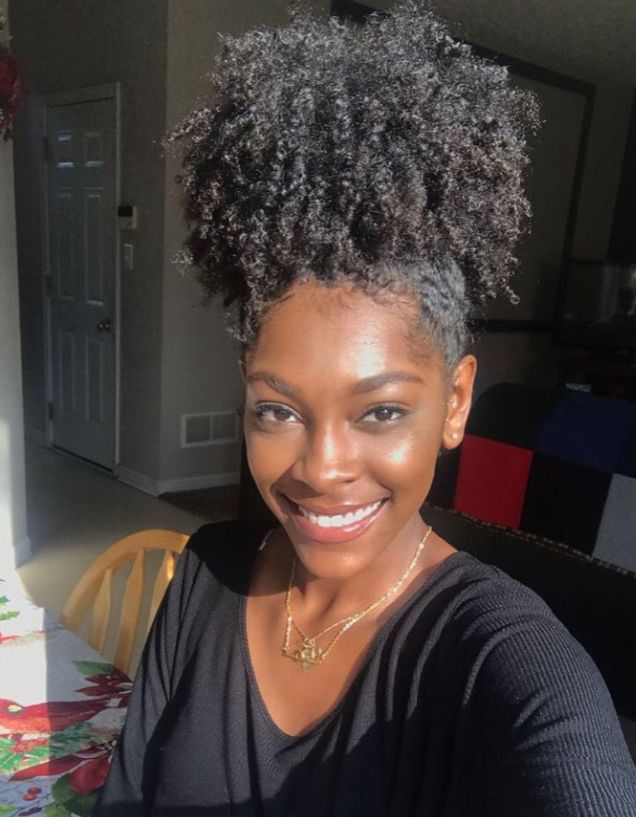
22. Massage Your Scalp Weekly
A weekly scalp massage improves circulation and just feels relaxing.
Understanding how hair is formed at the follicle level shows why a healthy scalp environment supports stronger growth over time.
A few minutes with your fingertips is all it takes. This is a low cost way to improve your routine without buying new products. Small tweaks here often make a bigger difference than expected.

23. Use A Scalp Brush For Circulation
A soft bristle scalp brush can boost circulation during shampooing. It also helps loosen product buildup near the roots.
Use gentle pressure, since scrubbing too hard can irritate the scalp. Adjust the frequency of this step based on how your hair actually responds. This can be as simple or as detailed as you want it to be.
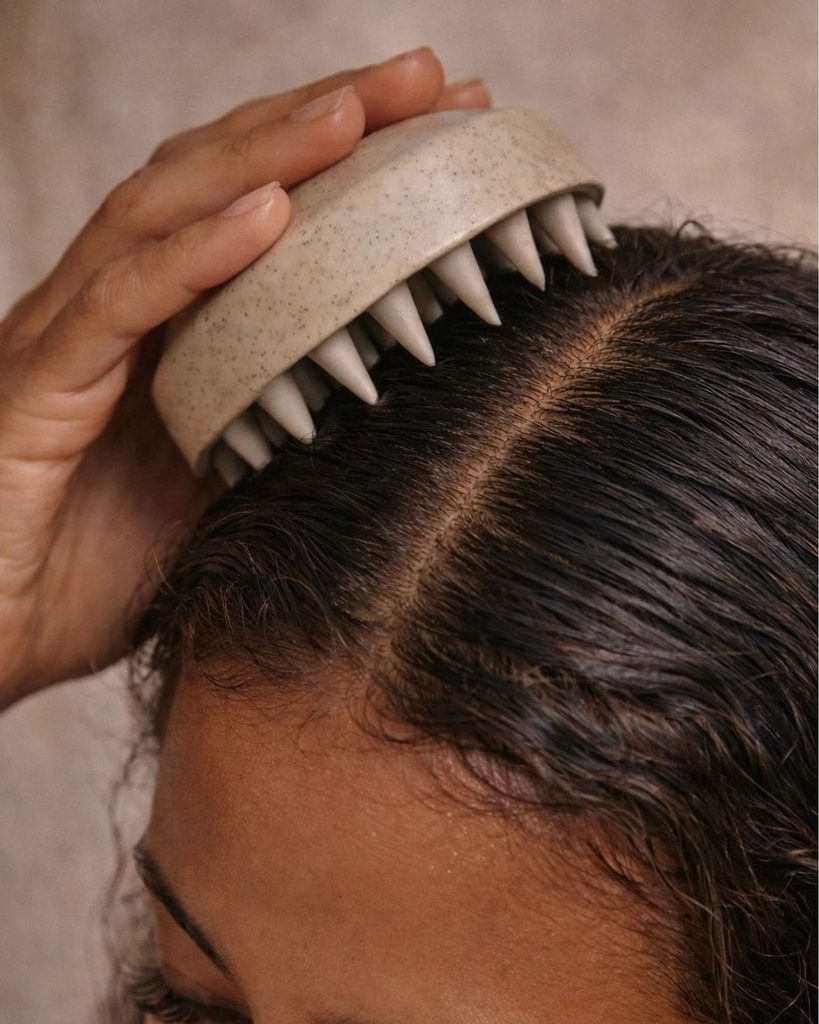
24. Oil Your Scalp Between Washes
A light scalp oil between washes can soothe dryness and flaking. Avoid heavy oils that can clog follicles or weigh hair down.
A little goes a long way here too. Pay attention to how your curls respond, since every hair type reacts a little differently. Keep this step flexible depending on your schedule that week.

25. Keep A Hair Journal Of What Works
Writing down what products and steps work keeps your routine from feeling random.
Keeping a healthy hair vision board alongside this journal turns both into one useful system for tracking real progress. This record becomes incredibly useful when something changes later.
This is one of the easier habits to stick with once it becomes routine. Keep track of any changes so you know what is actually helping.

26. Track Your Wash Day Routine In Notes
A simple notes app entry after each wash day builds a helpful pattern over time. Note what you used, how your hair felt, and any changes you noticed.
This habit takes minutes but pays off months later. This is a low cost way to improve your routine without buying new products. This works for most hair types with only minor adjustments.
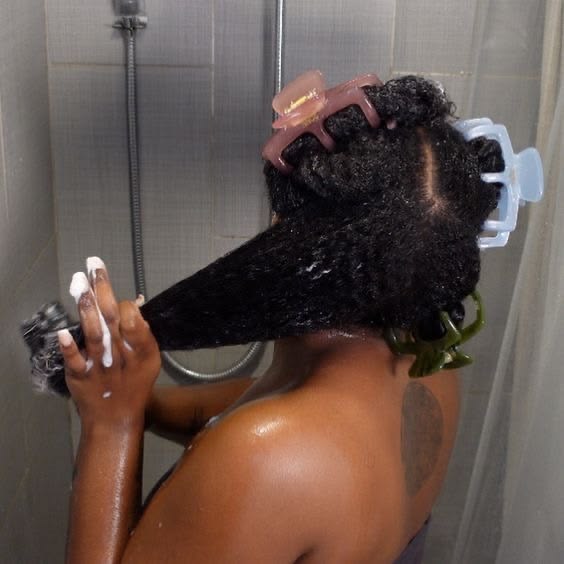
27. Trim Your Ends Every Ten To Twelve Weeks
Regular trims prevent split ends from traveling further up the hair shaft. Understanding the afro hair growth cycle helps explain why trims support length retention instead of working against it.
Skipping trims for too long often causes more breakage than it prevents.
Pay attention to how your curls respond, since every hair type reacts a little differently. Small tweaks here often make a bigger difference than expected.
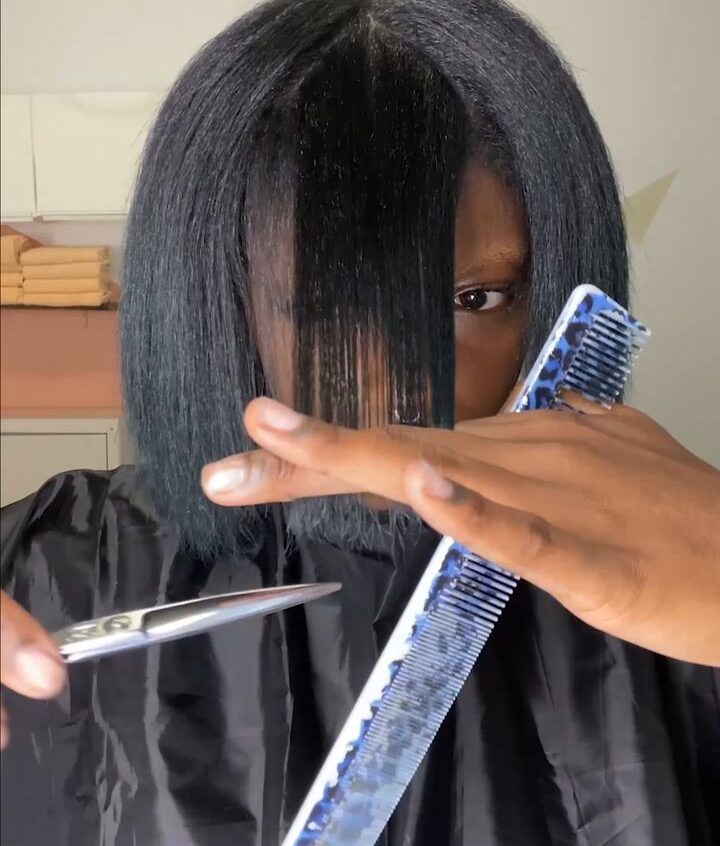
28. Do A Search And Destroy Session Monthly
A search and destroy session means snipping only visibly split ends, not a full trim. This method preserves length while still removing damage.
It works well between full salon trims. This is one of the easier habits to stick with once it becomes routine. This can be as simple or as detailed as you want it to be.

29. Avoid Over Manipulating Hair Daily
Constant touching, restyling, and combing adds unnecessary stress to your strands. Less manipulation generally means less breakage over time.
Try to limit styling changes to a few times a week. Adjust the frequency of this step based on how your hair actually responds. Keep this step flexible depending on your schedule that week.

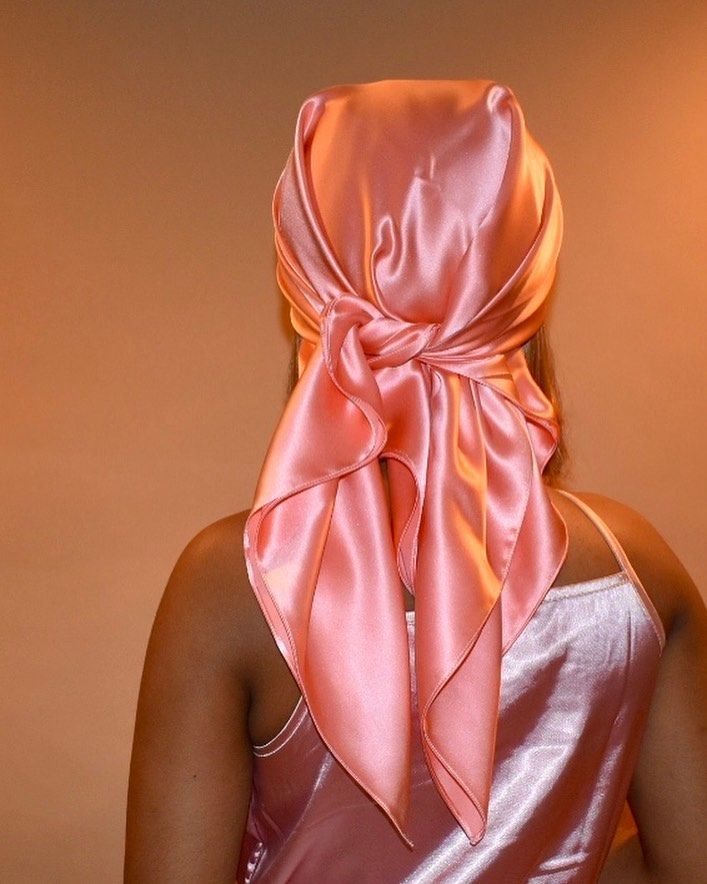
30. Protect Your Ends With A Buff Or Silk Scarf
Wrapping ends in a silk scarf or buff protects them from friction throughout the day. This small step matters especially during colder months.
It also helps styles last longer between washes. This is a low cost way to improve your routine without buying new products. Keep track of any changes so you know what is actually helping.
31. Take Down Protective Styles On Time
Leaving protective styles in too long can cause tangling and breakage at the root. Most styles have a recommended wear window worth respecting.
Taking styles down on time protects your length in the long run. Pay attention to how your curls respond, since every hair type reacts a little differently.
This works for most hair types with only minor adjustments.
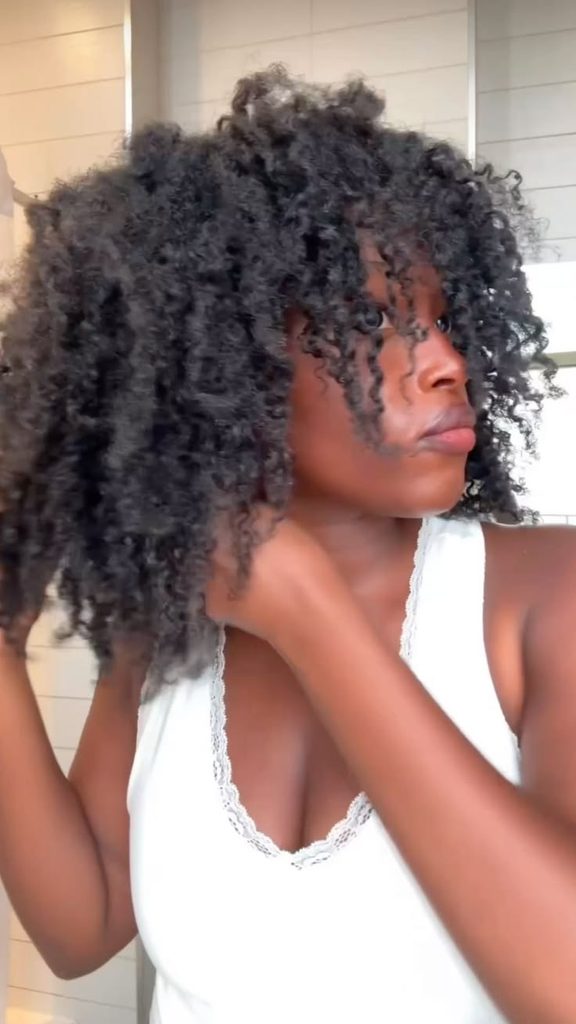
32. Give Your Hair A Rest Between Installs
A short break between protective styles lets your scalp and edges recover.
Browsing 75 protective styles for every hair goal can help you plan your next install while your hair rests between now and then. This rest period is easy to skip but genuinely important.
This is one of the easier habits to stick with once it becomes routine. Small tweaks here often make a bigger difference than expected.
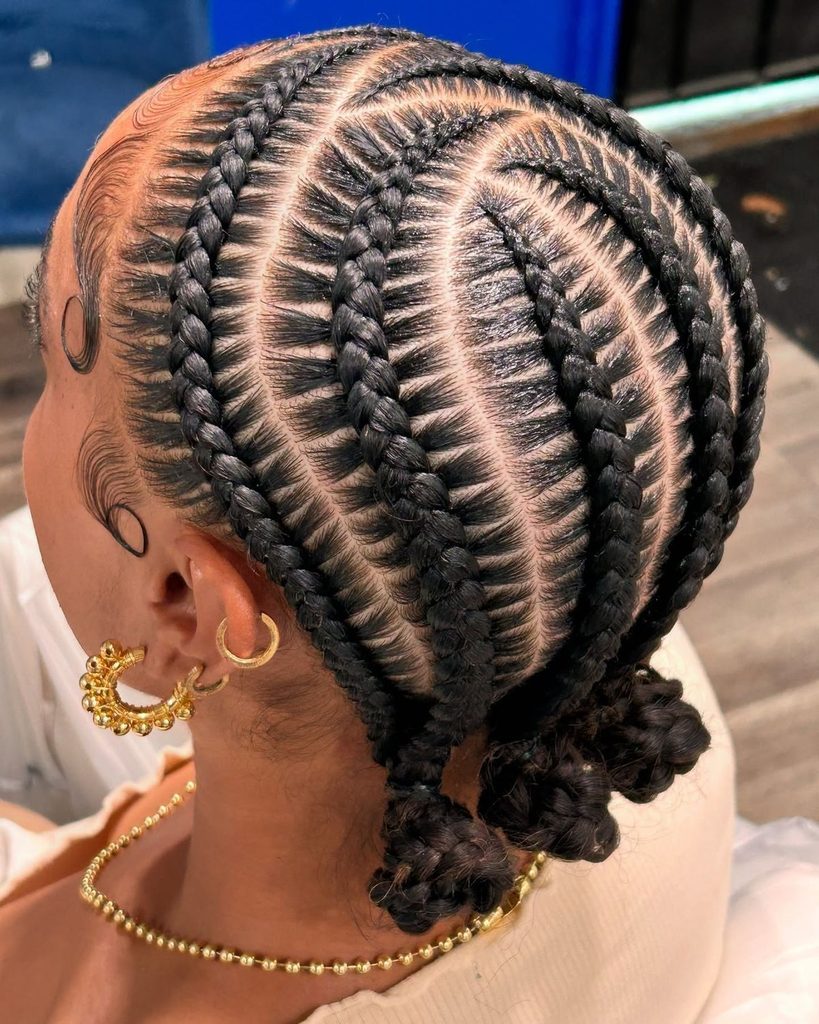
33. Rotate Between A Few Go To Styles
Rotating between a handful of reliable styles reduces daily decision fatigue. Looking through 100 afro hairstyles to save before your next salon visit can help you build that rotation with variety built in.
This habit also keeps your routine from feeling repetitive. Adjust the frequency of this step based on how your hair actually responds. This can be as simple or as detailed as you want it to be.

34. Reduce Heat Styling To Special Occasions Only
Saving heat tools for special occasions protects your natural texture most of the time. Frequent heat use gradually weakens curl pattern and elasticity.
Reserving heat for rare moments keeps your hair healthier overall. Pay attention to how your curls respond, since every hair type reacts a little differently.
Keep this step flexible depending on your schedule that week.

35. Use A Heat Protectant Every Time You Use Heat
A heat protectant should never be skipped when using hot tools. This step creates a barrier that reduces direct heat damage.
Applying it evenly matters just as much as applying it at all. This is one of the easier habits to stick with once it becomes routine. Keep track of any changes so you know what is actually helping.

36. Air Dry Instead Of Blow Drying When Possible
Air drying reduces heat exposure and preserves natural curl pattern better. It takes longer, but the trade off is worth it for hair health.
Plan wash day around extra drying time when you can. This is a low cost way to improve your routine without buying new products. This works for most hair types with only minor adjustments.
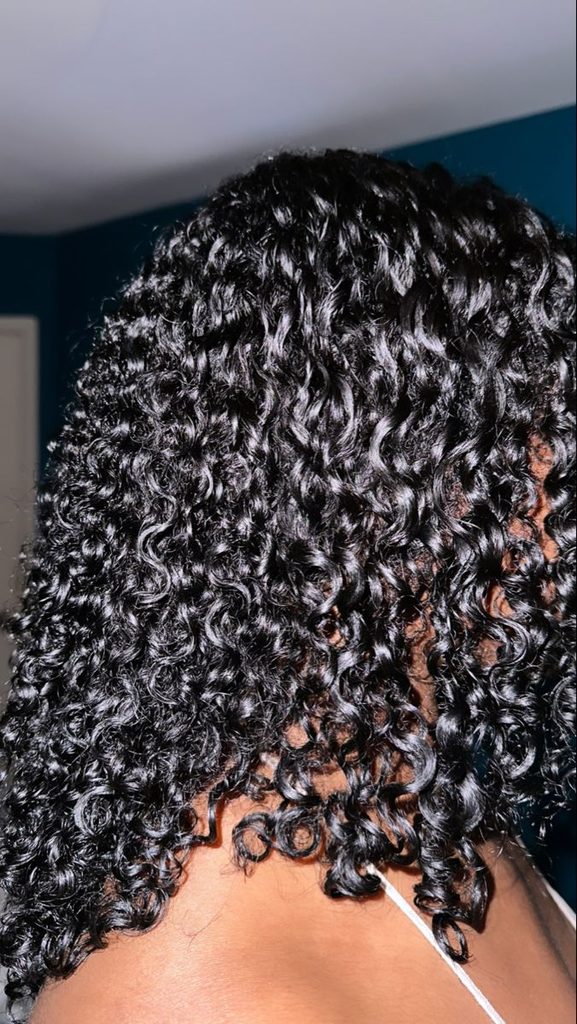
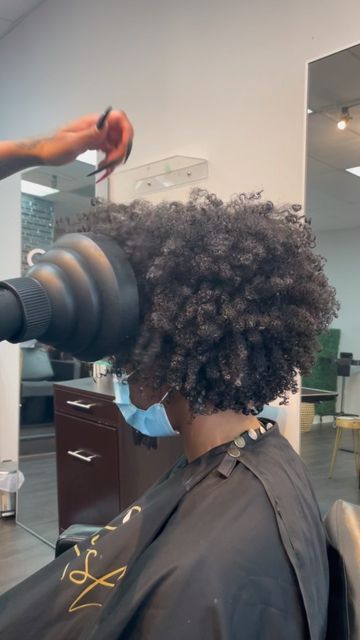
37. Diffuse On Low Heat For Volume
A diffuser attachment on low heat can add volume without excessive damage. This method works well when air drying is not practical.
Keep the heat setting low and the airflow gentle. Pay attention to how your curls respond, since every hair type reacts a little differently. Small tweaks here often make a bigger difference than expected.
38. Avoid Sulfates In Your Shampoo
Sulfates can strip natural oils more aggressively than gentler cleansers. Sulfate free shampoos clean effectively without leaving hair overly dry.
Checking labels becomes second nature after a while. This is one of the easier habits to stick with once it becomes routine. This can be as simple or as detailed as you want it to be.
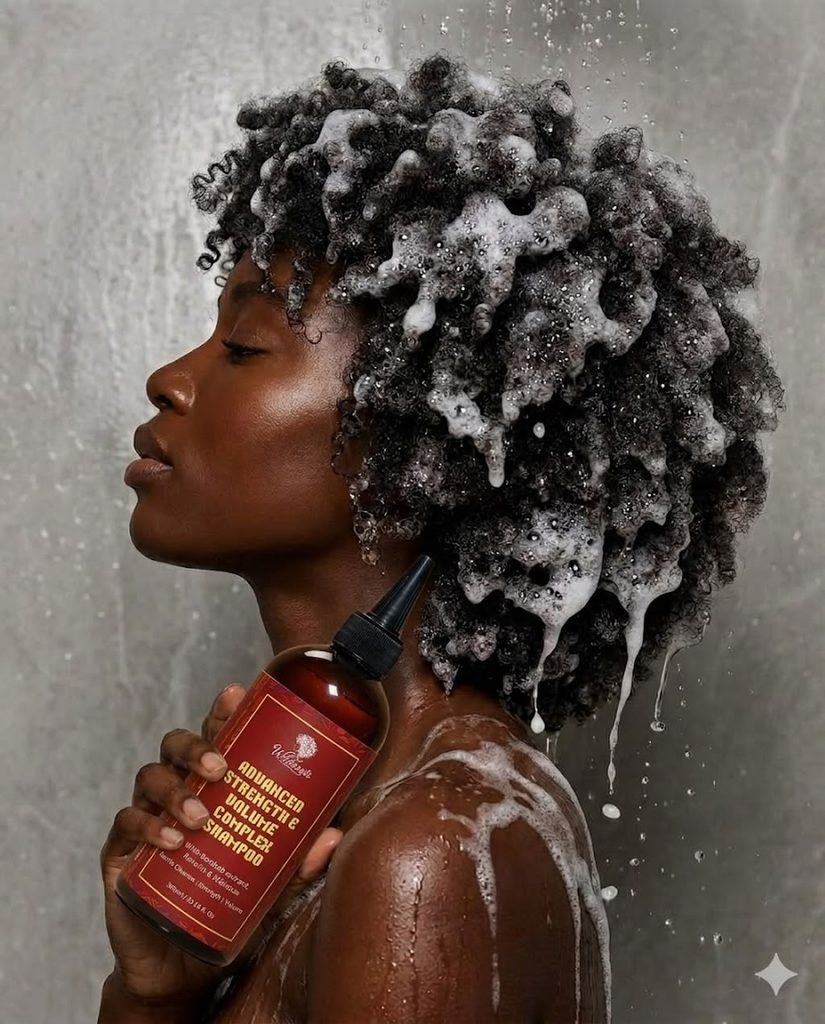
39. Choose Products For Your Actual Porosity
Matching products to your porosity, not someone else’s, makes a noticeable difference.
Learning how to stop comparing your hair to influencers matters here, since a product line that works for one curl type may not suit yours.
Testing on your own hair always beats copying someone else’s routine. Adjust the frequency of this step based on how your hair actually responds.
Keep this step flexible depending on your schedule that week.
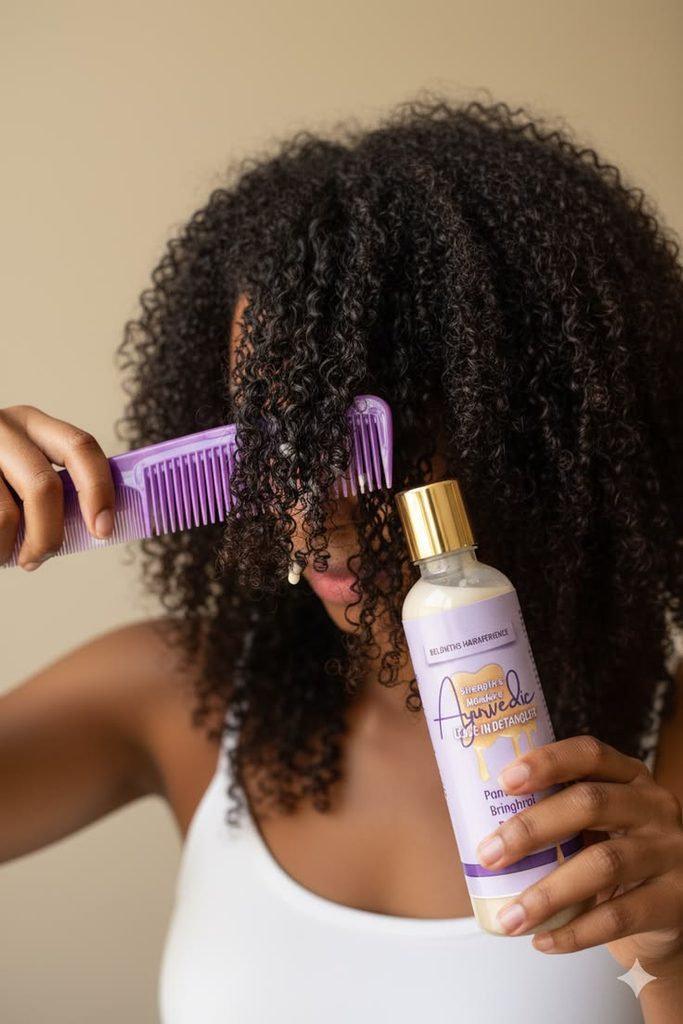
40. Learn Your Curl Pattern And Shop Accordingly
Understanding your specific curl pattern helps you shop smarter instead of guessing. Reviews from people with different textures rarely apply directly to your hair.
This small research step saves money and frustration over time. Pay attention to how your curls respond, since every hair type reacts a little differently.
Keep track of any changes so you know what is actually helping.
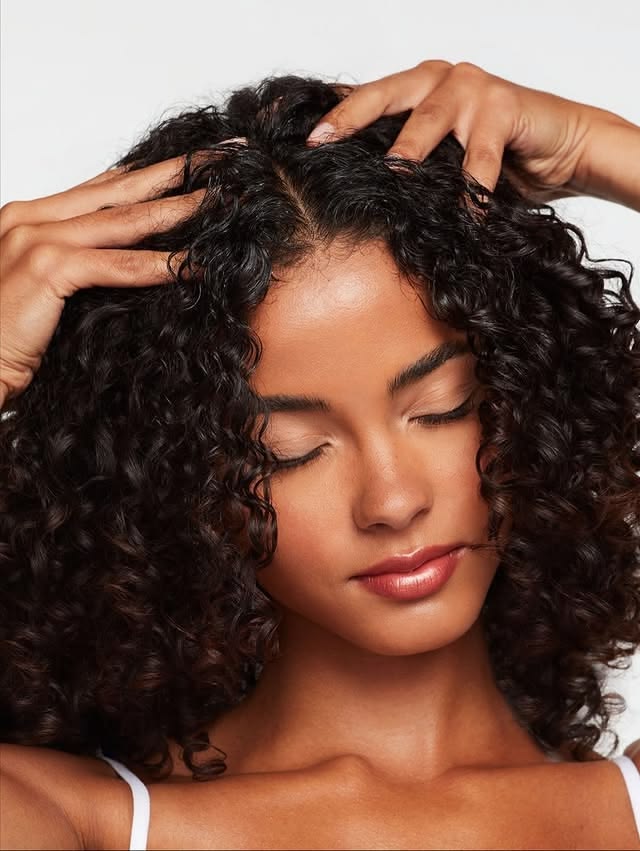
41. Do An LOC Refresh Mid Week
A quick midweek LOC refresh on dry ends can extend a style comfortably. This does not need to be a full reapplication, just a light touch up.
It keeps hair from feeling crunchy or dry by the end of the week. This is one of the easier habits to stick with once it becomes routine. This works for most hair types with only minor adjustments.
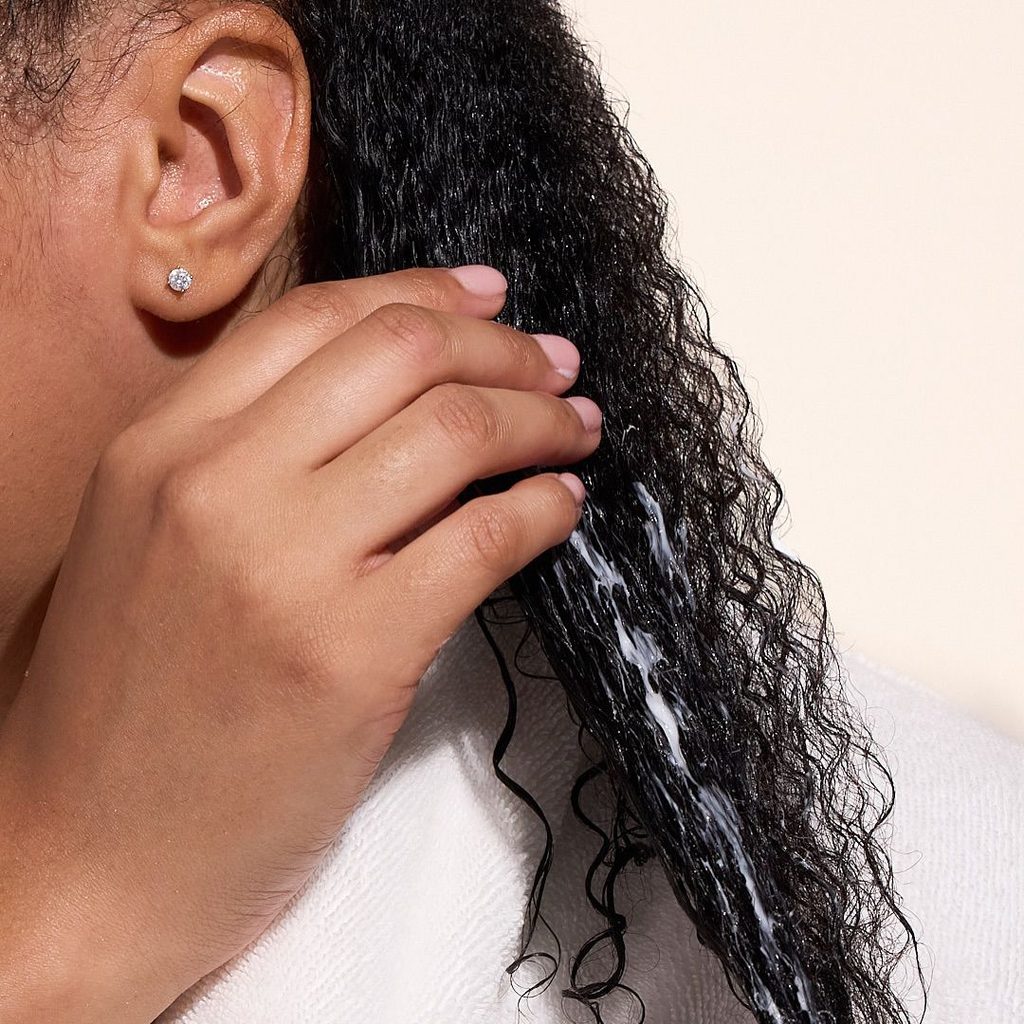
42. Keep A Spray Bottle In Your Bathroom
A spray bottle with water and a little leave-in should live in your bathroom. Quick refreshes are far easier when the tool is already within reach.
This small setup change removes a common excuse for skipping moisture.
Pay attention to how your curls respond, since every hair type reacts a little differently. Small tweaks here often make a bigger difference than expected.

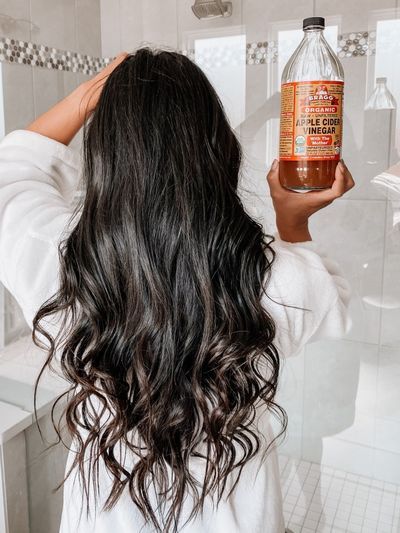
43. Use Apple Cider Vinegar Rinses Occasionally
An occasional apple cider vinegar rinse can help balance scalp pH. This step also adds shine and can reduce buildup between clarifying washes.
Diluting it properly matters to avoid any irritation. This is one of the easier habits to stick with once it becomes routine. This can be as simple or as detailed as you want it to be.
44. Try A Rice Water Rinse Once A Month
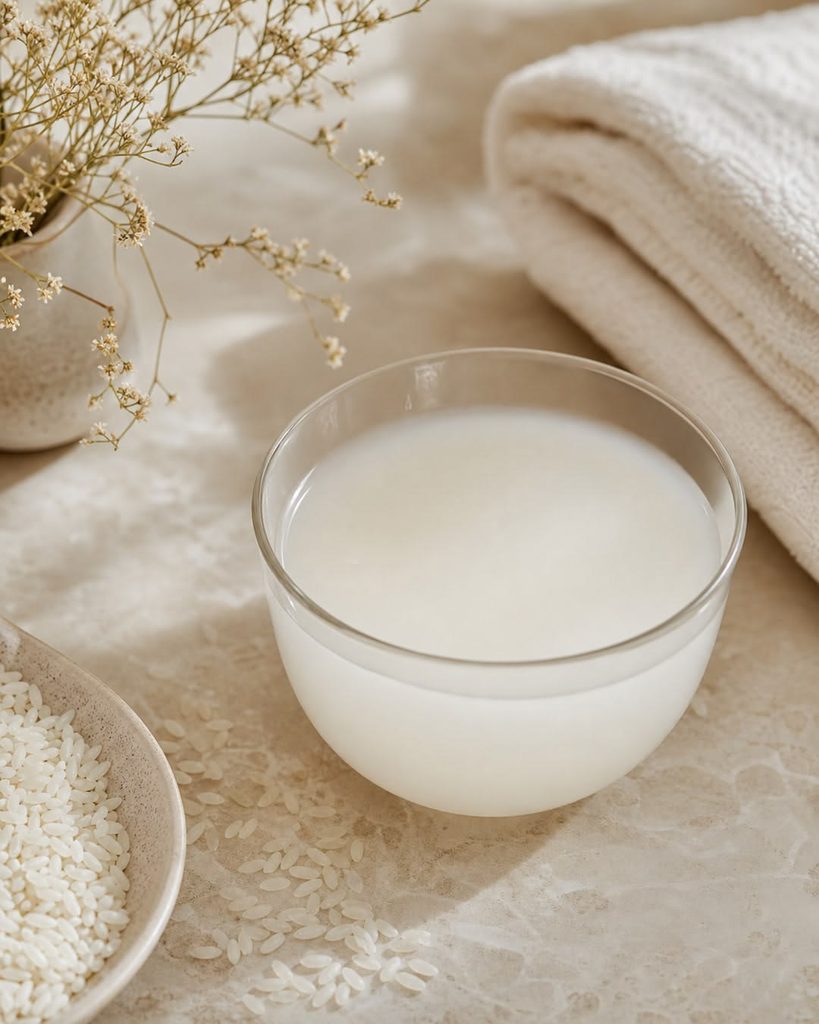
A monthly rice water rinse is a long standing tradition some naturalistas swear by.
Pairing new treatments like this with proven basics from 45 twist hairstyles that never go out of style keeps your overall routine balanced.
Results vary, so patience and consistency matter here too. Adjust the frequency of this step based on how your hair actually responds. Keep this step flexible depending on your schedule that week.
45. Add Aloe Vera Gel To Your Routine
Aloe vera gel can soothe the scalp and add lightweight moisture to strands. It works well mixed into a leave-in or used on its own. This natural ingredient has stayed popular for good reason.
This is a low cost way to improve your routine without buying new products. Keep track of any changes so you know what is actually helping.

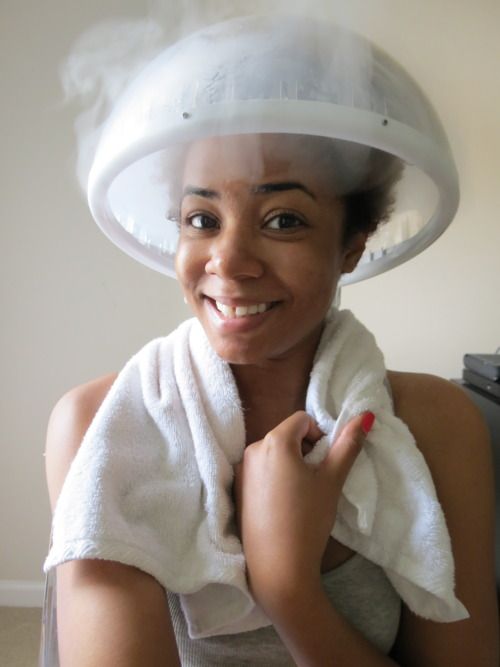
46. Use A Hooded Dryer For Even Conditioning
A hooded dryer distributes heat evenly during deep conditioning sessions. This tool helps products penetrate more effectively than air drying alone.
It is a worthwhile investment for anyone doing regular treatments at home.
Pay attention to how your curls respond, since every hair type reacts a little differently. This works for most hair types with only minor adjustments.

47. Steam Your Hair During Deep Conditioning
A hair steamer opens the cuticle gently, allowing deeper product absorption.
This step can boost the effectiveness of any deep conditioner you already use. Steaming once or twice a month is often enough to notice a difference.
This is one of the easier habits to stick with once it becomes routine. Small tweaks here often make a bigger difference than expected.
48. Rotate Protein And Moisture Treatments
Alternating between protein and moisture treatments keeps hair balanced instead of overloaded. Too much of either one alone can cause its own set of problems.
Paying attention to how your hair responds guides the right rotation. Adjust the frequency of this step based on how your hair actually responds. This can be as simple or as detailed as you want it to be.
49. Follow The Protein Moisture Balance Method
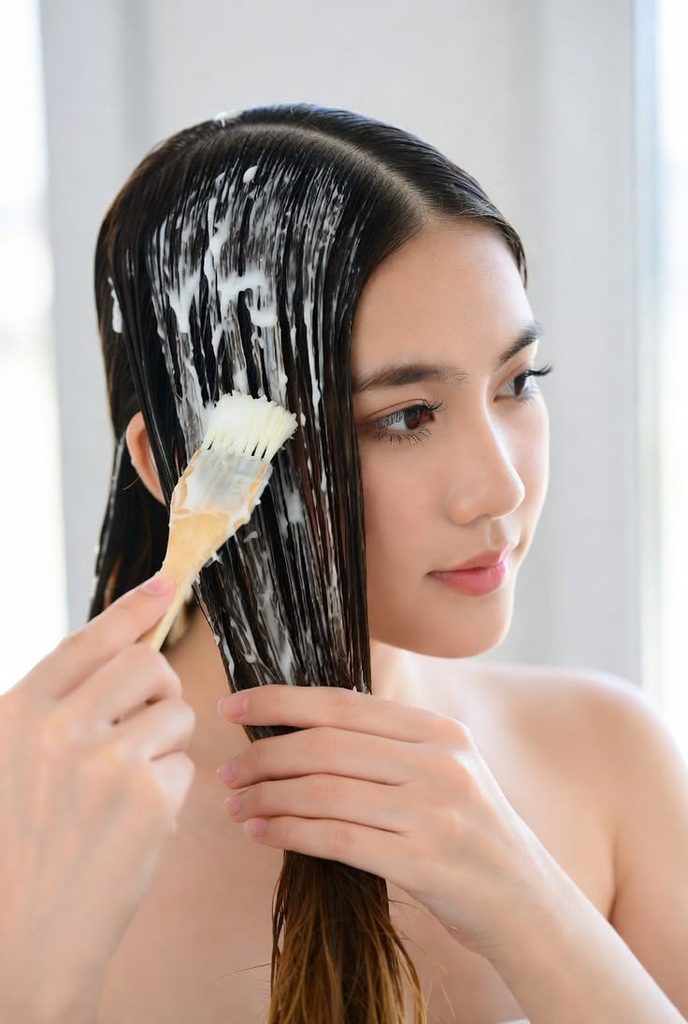
Learning to read your hair’s signals helps you know when it needs protein versus moisture. Overly stretchy hair usually needs protein, while stiff, dry hair usually needs moisture.
This balance takes practice but becomes intuitive over time. This is a low cost way to improve your routine without buying new products. Keep this step flexible depending on your schedule that week.
50. Avoid Combining Too Many New Products At Once
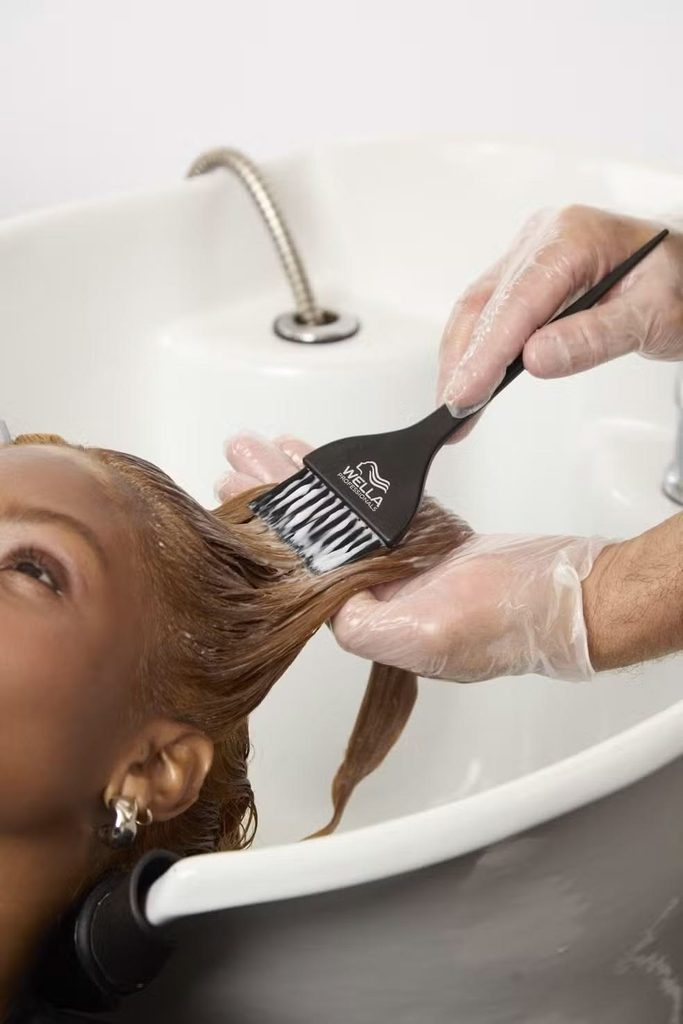
Introducing several new products at the same time makes it hard to know what is working. Testing one new product at a time gives clearer, more useful results.
Patience here saves confusion and wasted money later. Pay attention to how your curls respond, since every hair type reacts a little differently.
Keep track of any changes so you know what is actually helping.

51. Patch Test New Products On A Small Section
A small patch test before full application can prevent a bad reaction on your whole head. This step takes a little extra time but protects your hair and scalp.
It is especially important with any new chemical or protein treatment. This is one of the easier habits to stick with once it becomes routine. This works for most hair types with only minor adjustments.
52. Shampoo Less Often If Your Hair Runs Dry
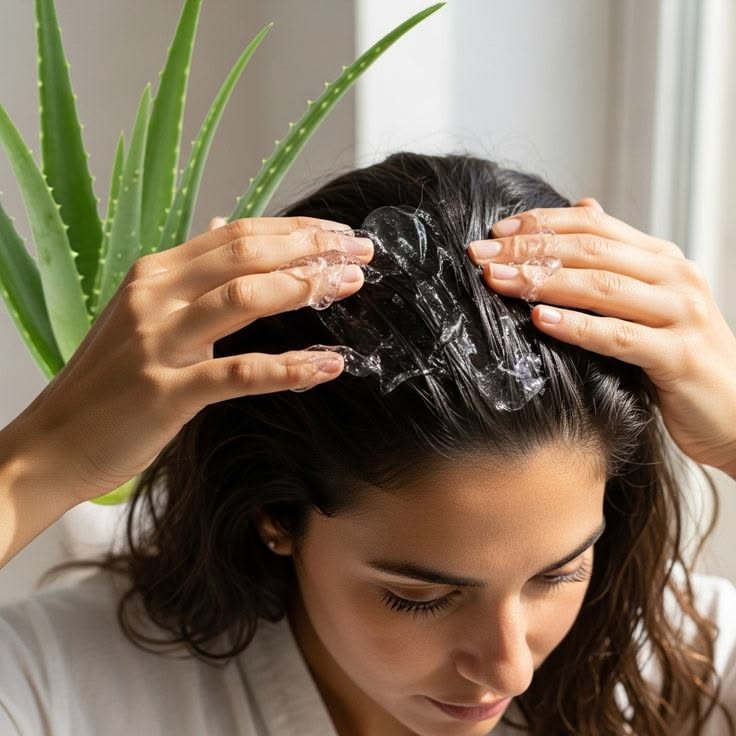
Naturally drier hair types often do better with less frequent full shampoo sessions. Overwashing can strip oils your hair actually needs to stay healthy.
Adjusting frequency to your hair type matters more than following a strict schedule.
Adjust the frequency of this step based on how your hair actually responds. Small tweaks here often make a bigger difference than expected.
53. Co-Wash Between Full Shampoo Sessions
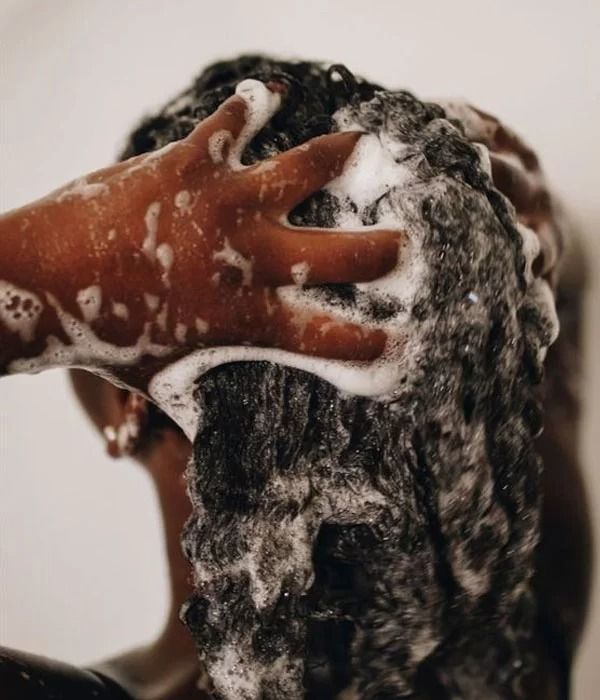
Co-washing with conditioner between full shampoos keeps hair clean without over stripping it.
Building confidence through your afro hair journey often comes from learning which small routine choices genuinely fit your hair type.
This method works especially well for drier or coilier textures. This is a low cost way to improve your routine without buying new products. This can be as simple or as detailed as you want it to be.
54. Keep Your Products Simple And Consistent
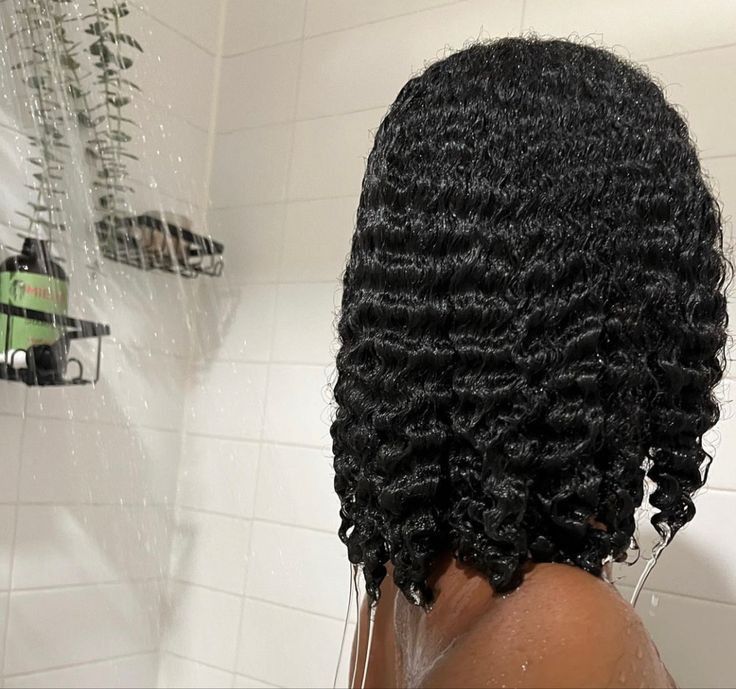
A simple, consistent product lineup is often more effective than constantly switching things up. Give a routine at least a few weeks before deciding it does not work.
Consistency reveals results that constant changing never will. Pay attention to how your curls respond, since every hair type reacts a little differently.
Keep this step flexible depending on your schedule that week.
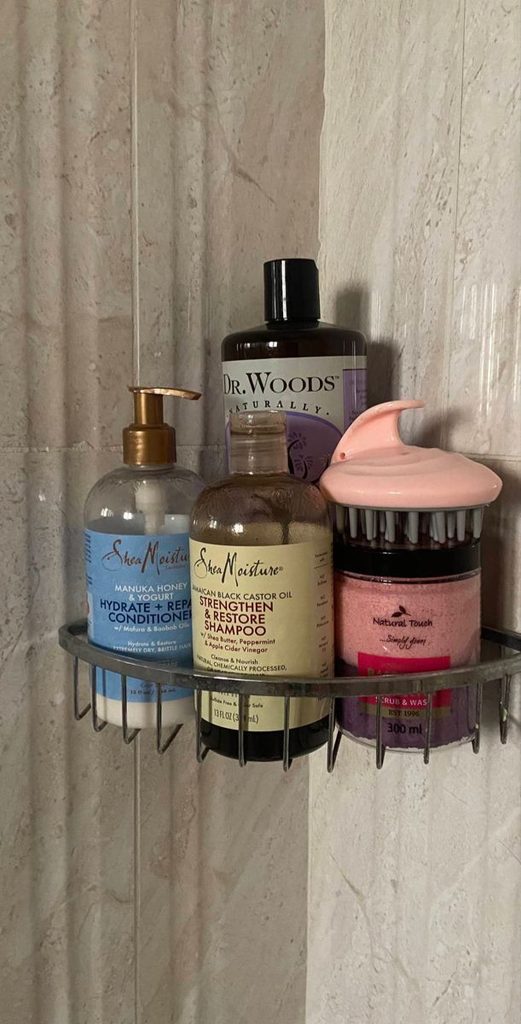
55. Set A Weekly Wash Day Schedule
Having a set wash day, even a flexible one, keeps your routine from falling apart. Structure reduces the mental load of deciding what to do and when.
This schedule can always shift as your life and hair needs change. This is one of the easier habits to stick with once it becomes routine. Keep track of any changes so you know what is actually helping.
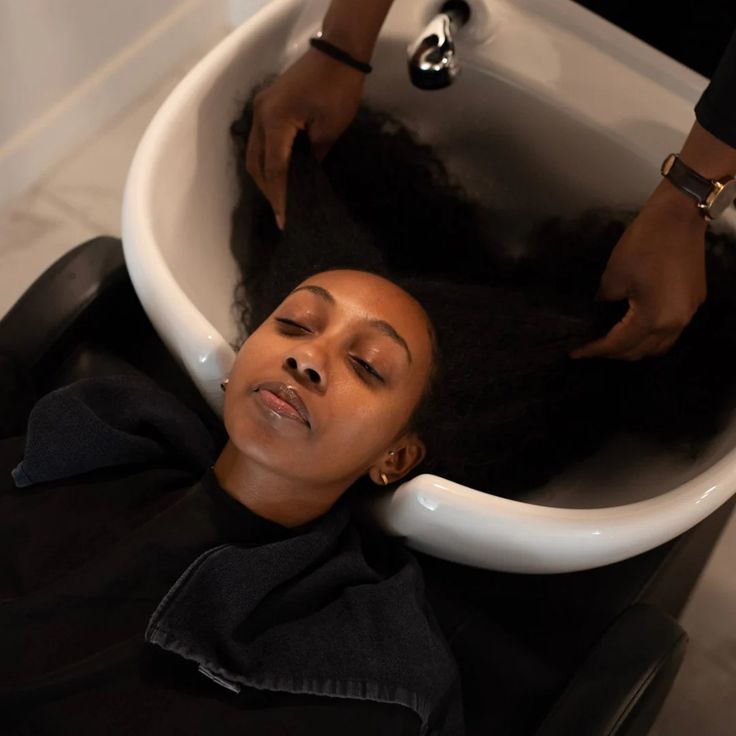
56. Prep The Night Before Wash Day
Prepping products and sections the night before makes wash day mornings far less stressful. This small habit turns a dreaded task into a smoother routine.
Laying everything out ahead of time saves real morning time. Adjust the frequency of this step based on how your hair actually responds. This works for most hair types with only minor adjustments.

57. Divide Wash Day Into Smaller Sessions
Splitting wash day into two shorter sessions works better for some busy schedules. Washing one day and deep conditioning or styling the next reduces overwhelm.
This flexible approach keeps the routine sustainable long term. This is a low cost way to improve your routine without buying new products.
Small tweaks here often make a bigger difference than expected.
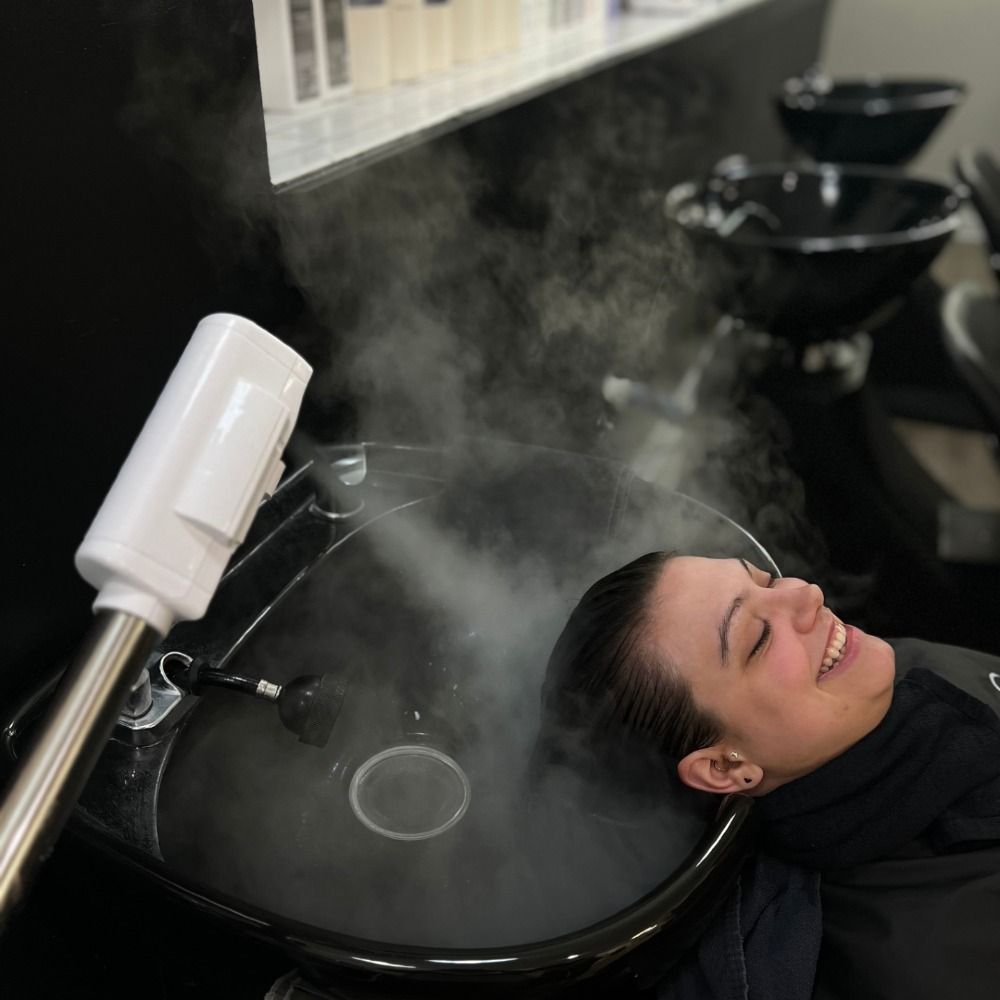
58. Keep A Basic Routine For Busy Weeks
Having a stripped down backup routine for busy weeks prevents total routine burnout. This basic version skips extras but still covers the essentials.
It keeps consistency alive even when life gets hectic. Pay attention to how your curls respond, since every hair type reacts a little differently. This can be as simple or as detailed as you want it to be.
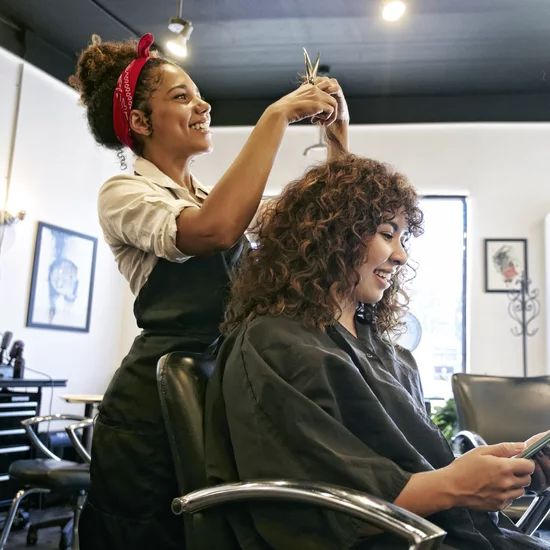
59. Revisit Your Routine Every Few Months
Your hair changes with seasons, age, and lifestyle, so your routine should too. Revisiting your steps every few months keeps things relevant instead of outdated.
What worked last year may not be what your hair needs now. This is one of the easier habits to stick with once it becomes routine. Keep this step flexible depending on your schedule that week.
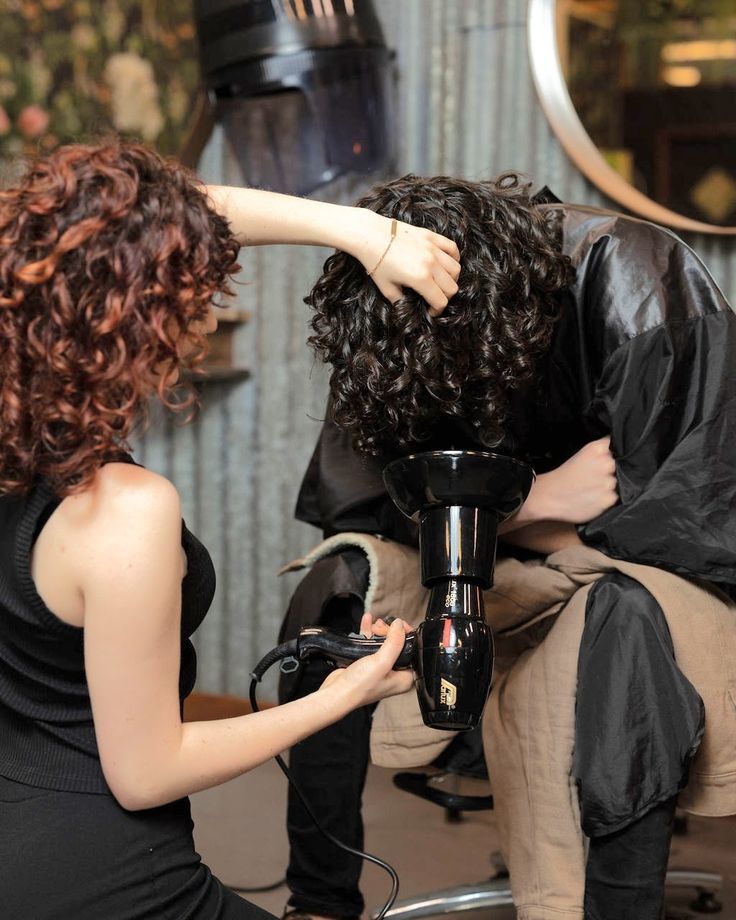
60. Celebrate Small Wins In Your Routine
Noticing small wins, like an easier detangling session, keeps motivation alive.
Reflecting on how to celebrate every stage of afro hair growth applies just as much to your daily routine as it does to length milestones.
A sustainable routine is built from small, consistent wins like these. Adjust the frequency of this step based on how your hair actually responds.
Keep track of any changes so you know what is actually helping.

Building A Routine That Actually Sticks
Sixty ideas is a lot to take in, so start small and build gradually. Pick three or four ideas that genuinely fit your current schedule and hair needs.
A routine that is realistic will always beat a perfect routine you cannot maintain. Give any new habit a few weeks before deciding whether it truly works for you.

3 Comments