
How Hair Is Formed: A Beginner-Friendly Guide
Disclosure: Some of the links in this post are affiliate links. This means if you click on the link and purchase an item, I will receive an affiliate commission at no extra cost to you.
Every strand of hair on your head is, technically speaking, already dead. What you see and touch each day is actually protein your body built weeks ago. Understanding this simple fact changes how you think about hair care entirely.
Once you know how hair actually forms, every routine choice starts making more sense. This knowledge connects directly to topics like understanding the afro hair growth cycle, which builds on these basics.
Consider this your foundation, the science behind everything else on this blog. Let’s walk through exactly how hair forms, grows, and behaves the way it does.
Don’t worry if science isn’t usually your thing; we’ll keep this genuinely simple. No prior knowledge is needed to follow along and understand these concepts. By the end, you’ll see your own hair in a completely new light.

How Hair Is Formed: A Beginner-Friendly Guide
Hair Starts Inside the Follicle
Every strand of hair begins its life inside a tiny structure called a follicle. Follicles sit just beneath your scalp’s surface, embedded in living skin tissue. This is the only part of your hair that’s actually alive.
Inside the follicle, cells divide rapidly, pushing older cells upward and outward. As these cells move away from their blood supply, they gradually die.
This process, though it sounds dramatic, is completely normal and continuous.
Think of it like a factory constantly producing new material from the bottom up. The living factory stays hidden beneath your scalp the entire time.
What emerges above the surface is simply the finished, exported product.
Understanding your follicles helps explain why foundational care matters from day one. Our guide on how to care for a twa covers habits that support healthy follicles right from the start.
Strong follicles create the foundation for every strand that grows.
Every person has a fixed number of follicles, determined entirely by genetics. You can’t create new follicles, but you can absolutely support the ones you have.
This makes follicle health a genuinely worthwhile investment for the long term.
What Hair Is Actually Made Of
Hair is primarily made of a protein called keratin, the same protein found in nails. This protein gives hair its strength, structure, and overall resilience.
Without healthy keratin, hair becomes weak, brittle, and prone to breakage.
Keratin proteins link together in long chains, forming the backbone of each strand. These chains bond together tightly, creating the rope-like structure you see and touch.
Stronger bonds generally mean stronger, more genuinely resilient hair overall.
These bonds can be temporarily broken by water and permanently broken by strong chemicals. Understanding this helps explain why wet hair stretches more than dry hair does.
It also explains why chemical relaxers permanently alter your hair’s natural structure.
Reading what keratin does for afro hair explains this protein’s role in even more specific detail.
Understanding keratin helps you make sense of why certain treatments and products work. Protein treatments, for example, work by reinforcing these same keratin bonds.
Other proteins and amino acids in hair products work similarly to support this structure.
Reading ingredient labels becomes more meaningful once you understand what these ingredients actually do.
Knowledge genuinely transforms confusing labels into useful, actionable information you can use.

The Three Layers of a Hair Strand
Each strand of hair actually consists of three distinct, layered structures. The outermost layer, called the cuticle, acts as a protective shield.
Beneath that sits the cortex, which provides most of the hair’s strength and color.
At the very center sits the medulla, a soft core that’s not always present. Thicker hair strands typically have a more developed, noticeable medulla layer.
Finer hair strands sometimes lack this innermost medulla layer entirely.
The cuticle consists of overlapping scales, similar to shingles on a roof. When these scales lie flat, hair looks smooth and reflects light nicely.
When they lift, hair often looks frizzy, dull, and more prone to damage.
The cortex beneath contains the keratin proteins that give hair its strength and elasticity.
This layer also holds the melanin pigments responsible for your hair’s natural color. Most of what we think of as hair health actually depends on this layer.
This cuticle layer plays a huge role in how hair interacts with moisture in the air. Our post on how to protect afro hair from humidity explains how these lifted scales let excess moisture rush inside.
Understanding this structure explains exactly why humidity so easily causes frizz.
Products that smooth the cuticle layer genuinely reduce frizz by flattening these tiny scales. This is the actual mechanism behind why certain products create shinier, smoother-looking hair.
Understanding this helps you choose products based on function, not just marketing claims.

Why Some Hair Is Curly and Some Is Straight
Hair’s shape comes down largely to the shape of the follicle it grows from. Round follicles tend to produce straighter hair, while oval or asymmetrical follicles produce curls.
This structural difference explains a huge range of natural hair textures.
This single structural difference explains the entire spectrum of hair textures worldwide.
From pin-straight to tightly coiled, follicle shape drives nearly all of this variation. Genetics determine follicle shape, which is why curl pattern often runs in families.
Curlier hair follicles are often curved beneath the skin’s surface too. This curvature affects how the hair emerges and shapes itself as it grows.
More curved follicles generally produce tighter, more defined curl patterns.
Hair also grows at an angle rather than straight up from the scalp. This angle, combined with follicle shape, creates the specific curl pattern you see.
Every head contains a genuinely unique combination of these structural factors.
This curl pattern affects styling in ways that become especially obvious during transitional lengths.
Our guide on how to style awkward-length natural hair explains techniques that work with your hair’s natural curved structure.
Understanding your curl pattern helps every styling decision feel more intentional.
Fighting your natural curl pattern often requires more effort than working alongside it. Techniques that respect your hair’s natural shape tend to produce better, longer-lasting results.
This principle applies to nearly every styling choice covered throughout this blog.
Understanding the Hair Growth Cycle Basics
Hair growth isn’t constant; it moves through distinct, repeating phases throughout its life.
The growth phase, called anagen, can last anywhere from two to seven years. This is when hair actively lengthens and extends from the follicle.
Genetics largely determine how long each individual’s anagen phase actually lasts. This explains why some people can grow hair much longer than others naturally.
There’s a genuine biological limit, unique to each person, on maximum hair length.
After the growth phase, hair enters a brief transitional phase called catagen. This short stage prepares the follicle for rest before the cycle continues.
Catagen typically lasts only a few weeks before moving to the next phase.
During this phase, the follicle actually shrinks and detaches from its blood supply. This prepares the strand for its eventual, natural release from the scalp.
It’s a brief but genuinely important part of the overall cycle.
The final phase, telogen, is a resting period before the strand eventually sheds. Not every strand is in the same phase at the same time.
This staggered pattern is exactly why you don’t lose all your hair at once.
Losing fifty to a hundred strands daily is actually considered completely normal. This number can feel alarming without understanding the natural cycle behind it.
Context transforms an anxiety-inducing number into a reassuring, expected biological process.
If you’re currently growing out a twa: month-by-month guide, this cycle explains a lot about your monthly progress.
Understanding these phases helps you set realistic expectations for visible growth. Patience makes far more sense once you understand this underlying biological rhythm.
Stress, illness, and nutrition can all influence how this cycle actually unfolds. Supporting your overall health genuinely supports this biological process working as intended.
Whole-body wellness connects directly back to what you see growing on your head.
What Determines Hair Color
Hair color comes from a pigment called melanin, produced by cells within the follicle. Two types of melanin combine to create the full range of natural hair colors.
Eumelanin produces brown and black tones, while pheomelanin produces red and yellow tones.
These specialized pigment-producing cells sit right alongside the cells that form hair itself.
As hair forms, melanin gets deposited directly into the growing strand. This is why color appears consistent along a single strand’s length.
The amount and ratio of these two pigments determines your specific, unique hair color. More eumelanin generally produces darker hair, while less produces lighter shades.
Genetics largely determine how much of each pigment your follicles actually produce.
Environmental factors like sun exposure can also subtly affect visible hair color over time. UV rays can break down melanin, causing gradual lightening in some hair types.
This is part of why hair sometimes looks lighter after a sunny summer.
As people age, melanin production naturally slows down and eventually stops. This is why hair gradually turns gray or white over many years.
This process is completely natural and happens to every hair type eventually.
Genetics largely determine when this process begins for each individual person. Some people notice gray hair in their twenties, while others notice it much later.
There’s tremendous natural variation in exactly when this transition happens.
The Role of Sebum and Natural Oils
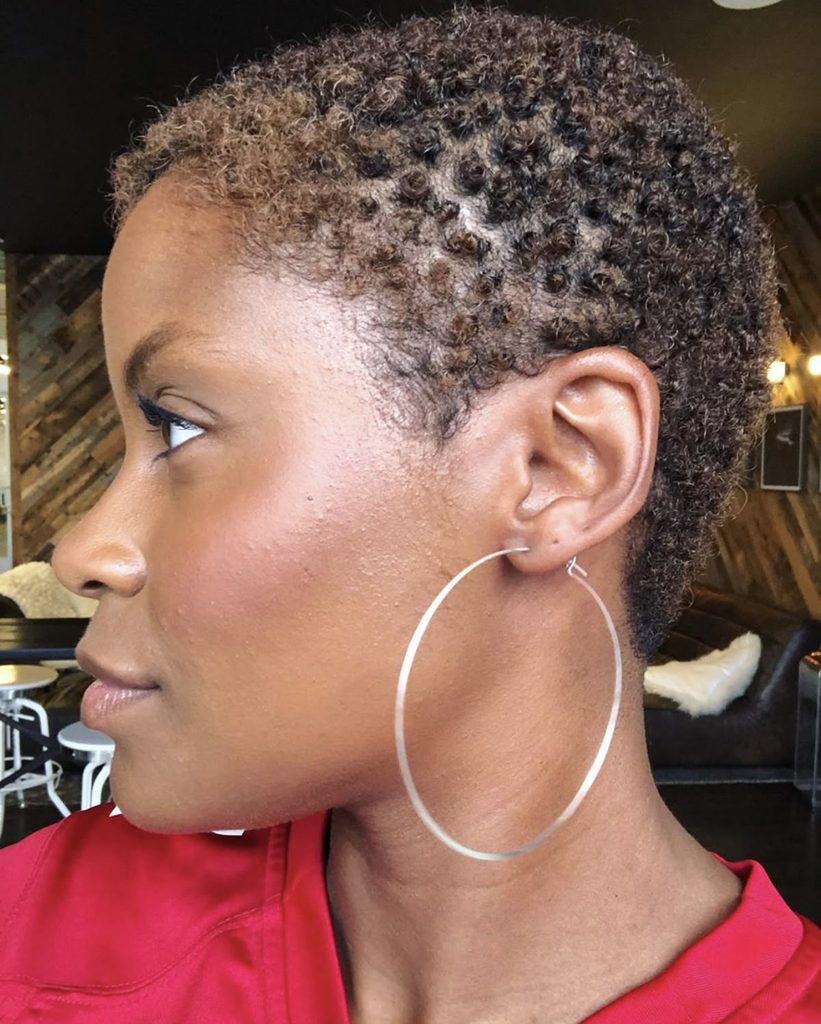
Sebum is a natural oil produced by glands connected to each hair follicle. This oil travels along the hair shaft, providing natural moisture and protection.
Sebum plays an important role in your hair’s overall health and shine.
These oil glands, called sebaceous glands, sit directly attached to each individual follicle.
Their output varies based on genetics, hormones, age, and even the current season. This variation explains why oiliness differs so much from person to person.
Coily hair often struggles to receive adequate sebum along its entire length. The hair’s curved shape makes it harder for oil to travel down each strand.
This partly explains why coily hair often feels drier than straighter hair types.
This is why coily hair often benefits from added, external oils and moisture. Your scalp may produce plenty of sebum, but it simply can’t travel effectively.
Understanding this reframes moisturizing as compensating for structure, not fixing a flaw.
Understanding sebum production helps explain seasonal shifts in your hair’s needs too. A summer hair care routine for afro hair often addresses how heat affects sebum production and distribution.
Warmer weather can increase oil production, changing how often you need to wash.
Cooler weather often slows sebum production, which is part of why winter hair feels drier. Understanding this connection helps every seasonal product adjustment make more logical sense.
Your routine should shift alongside these natural, predictable biological changes.
Why Afro Hair Behaves Differently
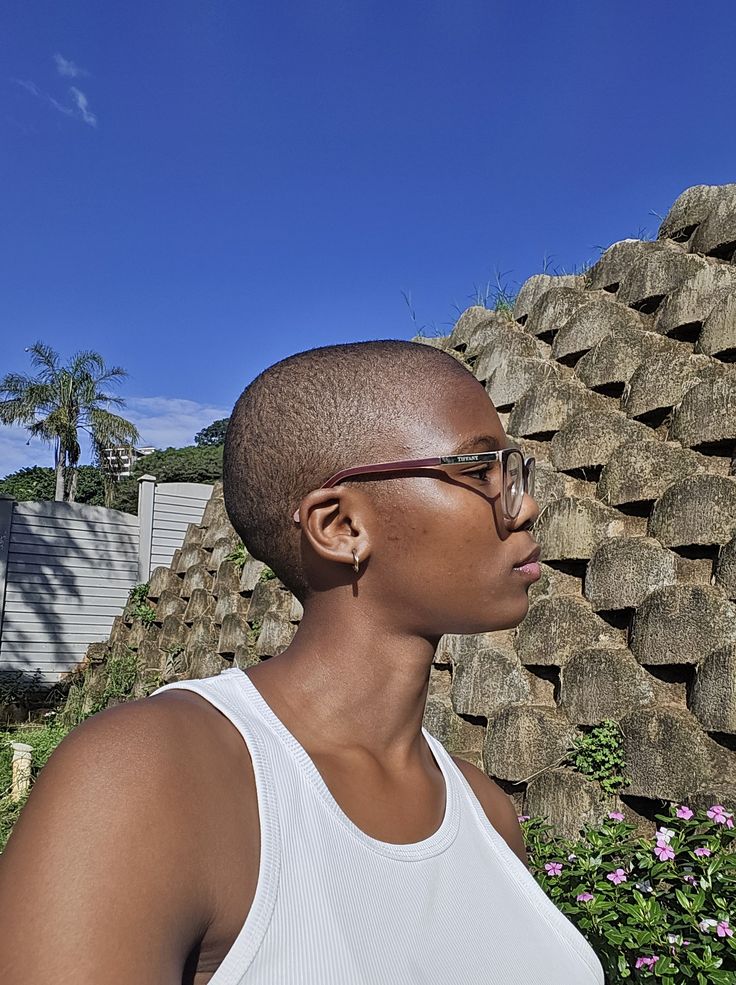
Afro hair’s unique follicle shape creates specific behaviors worth understanding deeply. The tight curl pattern means hair bends back on itself many times along its length.
Each bend represents a potential weak point where breakage can occur.
This is precisely why gentle handling matters so much for coily hair specifically. Fewer manipulations mean fewer opportunities for stress at each of these vulnerable bend points.
Understanding this structural reality explains nearly every gentle-handling recommendation you’ll encounter.
This structure also explains why afro hair often appears shorter than it actually is. The many bends and curves compress the hair’s true length visually.
Stretched out, the same hair often reveals surprising, unexpected length.
This compression can range from twenty to seventy percent, depending on curl pattern tightness.
Tighter curl patterns generally show more dramatic shrinkage than looser, wavier patterns. Knowing your typical shrinkage percentage helps you track real progress more accurately.
As hair grows longer, understanding these unique behaviors becomes even more important.
A medium-length afro hair care routine addresses challenges that specifically stem from this unique structural pattern.
Knowledge of your hair’s basic structure supports better care at every single length.
Longer hair has more bend points overall, simply due to having more total length. This is part of why longer coily hair sometimes requires more careful, patient handling.
Structure, not just length, drives many of these evolving care requirements.
How Porosity Affects Your Hair
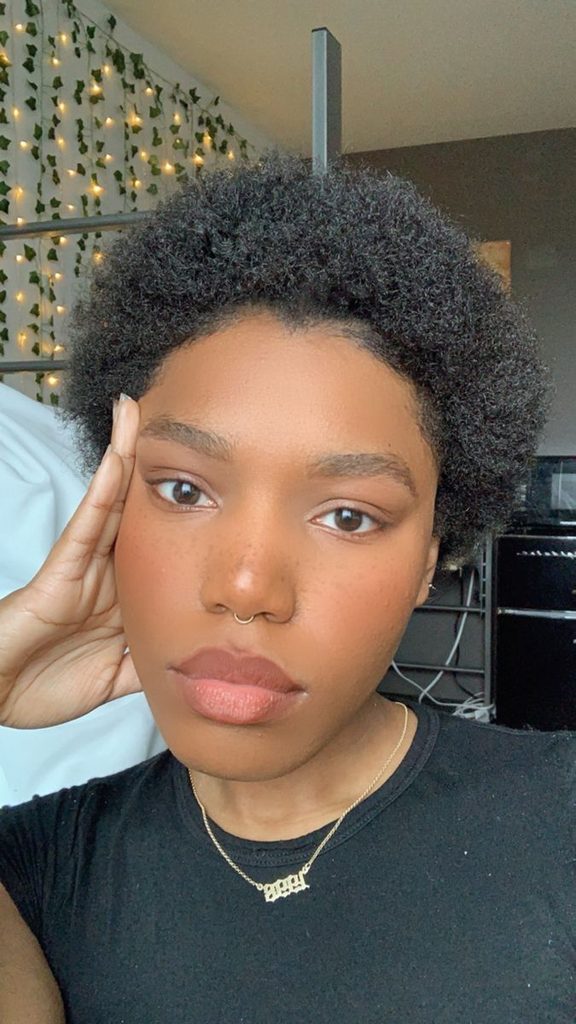
Porosity describes how easily your hair absorbs and releases moisture from its environment. This property depends largely on how tightly your cuticle layer’s scales lie together.
Raised cuticles create higher porosity; flat cuticles create lower porosity.
Porosity can be influenced by genetics but also by damage from heat or chemicals. Damaged cuticles tend to sit raised, increasing porosity beyond its natural genetic baseline.
This is why damaged hair often absorbs and loses moisture unusually fast.
High porosity hair absorbs products quickly but can also lose moisture just as fast. Low porosity hair resists absorption initially but retains moisture once it finally gets in.
Understanding your porosity type helps you choose more effective products and techniques.
Medium porosity hair generally represents a healthy, balanced middle ground between these two extremes.
This type typically absorbs and retains moisture fairly efficiently without much extra effort. Most healthy, undamaged hair naturally falls somewhere within this balanced range.
Porosity and elasticity are closely related concepts worth understanding together.
Reading understanding afro hair elasticity explains how these two properties interact to determine your hair’s overall behavior. Both concepts stem directly from your hair’s basic underlying structure.

Understanding Hair Elasticity Basics
Elasticity refers to how much your hair can stretch before returning to its original shape. Healthy hair generally stretches and bounces back without breaking or losing its form.
This bounce genuinely indicates a strong, well-balanced internal protein structure.
You can test elasticity by gently stretching a single wet strand between your fingers. Healthy hair stretches noticeably before springing back to its original curled shape.
This simple test offers real insight into your hair’s current condition.
Elasticity depends heavily on the balance between protein and moisture within each strand. Too much protein without enough moisture creates stiff, brittle hair prone to snapping.
Too much moisture without enough protein creates limp, overly stretchy hair.
Finding this balance often takes some experimentation, since every person’s hair differs slightly.
Paying attention to how your hair responds after different treatments builds this understanding over time. This balance shifts seasonally too, requiring ongoing attention rather than a one-time fix.
This balance connects directly to visible characteristics like shrinkage that many people notice daily.
The topic of why afro hair shrinks so much explains how elasticity and curl pattern combine to create this phenomenon. Understanding elasticity helps you interpret shrinkage as health, not damage.

What Happens When Hair Is Damaged
Damage occurs when the protective cuticle layer becomes lifted, cracked, or entirely worn away.
This exposes the more vulnerable cortex layer underneath to environmental stress. Damaged hair often looks dull, feels rough, and breaks more easily.
Visible signs of damage include split ends, tangling, dullness, and reduced elasticity. Recognizing these signs early helps you adjust your routine before damage becomes more severe.
Awareness genuinely serves as your first and most important line of defense.
Heat, chemical processing, and excessive manipulation are common causes of this kind of damage.
Once the cuticle is significantly damaged, it cannot fully repair or regenerate itself. This is why prevention matters more than trying to reverse existing damage.
Products marketed as hair repair generally improve appearance rather than truly reversing structural damage.
They smooth and temporarily fill in gaps without restoring original cuticle integrity. Understanding this helps set realistic expectations for what products can actually achieve.
Understanding this process explains why gentle handling remains a consistent theme across hair care.
Every recommendation about minimizing heat or reducing manipulation stems from protecting this delicate cuticle layer. Prevention truly is more effective than any treatment after damage occurs.
This is also why regular trims remain important despite not affecting growth speed directly. Removing damaged ends prevents further splitting that would otherwise travel up the strand.
Prevention and maintenance work together to support your hair’s overall health.
How Moisture Actually Enters Hair
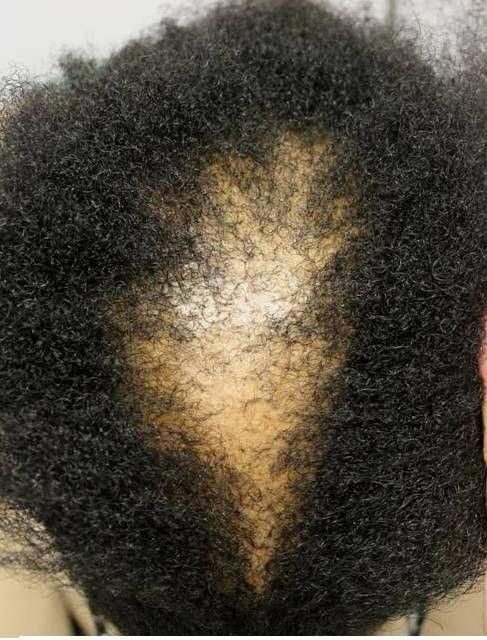
Moisture enters hair through the same cuticle layer that determines your hair’s porosity. Water molecules pass through gaps between raised cuticle scales into the cortex beneath.
This is why wetting hair before applying product often improves absorption.
This is also why applying products to completely dry hair often yields weaker results. Products need some entry point to genuinely penetrate beyond the surface layer.
Damp or wet hair generally provides the best conditions for real absorption.
Once inside, moisture can either stay locked in or gradually evaporate back out. Sealing products like oils and butters help slow this evaporation process significantly.
This is the actual science behind the popular LOC moisturizing method.
Oils and butters don’t actually add moisture themselves; they simply help retain it. This distinction matters when troubleshooting a routine that isn’t producing expected results.
Moisture must come first, with oils and butters supporting retention afterward.
Seasonal changes affect this entire moisture exchange process in predictable, understandable ways.
A winter moisture routine for natural hair addresses how cold, dry air pulls moisture out more aggressively. Understanding this exchange helps every seasonal adjustment make logical sense.
Why Trimming Doesn’t Affect Growth Speed
A common misconception suggests that trimming hair somehow makes it grow faster. In reality, growth happens exclusively at the follicle, far from your hair’s ends.
Trimming has zero direct effect on how quickly new hair actually grows.
This myth persists because trimmed hair often looks and feels healthier afterward. Improved appearance gets mistakenly attributed to faster growth rather than damage removal.
Understanding the actual mechanism helps correct this common, widespread misunderstanding.
What trimming does accomplish is removing damaged, split ends before they travel upward. This prevents damage from compromising more of your hair’s overall length over time.
The result can look like faster growth, even though the actual rate hasn’t changed.
Understanding this distinction helps set more realistic, science-based expectations for your hair journey.
Growth rate is largely determined by genetics, health, and consistent scalp care instead. Trimming supports retention, not the biological speed of growth itself.

The Connection Between Scalp Health and Hair
Since hair grows exclusively from follicles in your scalp, scalp health directly impacts hair health. A well-nourished scalp with good circulation generally supports stronger, healthier hair growth.
Neglecting scalp health can compromise growth regardless of how well you treat your lengths.
Many people focus heavily on their lengths while accidentally neglecting this crucial foundation. Redirecting some attention back to the scalp often improves overall results significantly.
The healthiest hair routines always start at the root, quite literally.
Blood flow delivers oxygen and nutrients directly to each individual hair follicle. Massage and other circulation-boosting techniques may support this delivery process meaningfully.
A healthy scalp environment genuinely gives every strand its best possible start.
Inflammation, buildup, or irritation can all interfere with healthy follicle function over time. Addressing these scalp issues promptly protects your hair’s growth potential moving forward.
Scalp care isn’t separate from hair care; it’s actually the true foundation.

How This Knowledge Applies to Your Routine
Understanding hair’s basic structure transforms how you approach every single styling decision. Knowing why curl pattern forms helps you choose techniques that work with your hair.
Knowing about porosity helps you select products that actually absorb effectively.
This knowledge also helps you troubleshoot when a routine unexpectedly stops working well.
Understanding the underlying mechanisms lets you diagnose problems rather than randomly guessing at solutions.
Science-backed troubleshooting genuinely beats random, frustrating trial and error alone.
This foundational knowledge applies across every stage, season, and styling choice you’ll ever make.
Our 21 best hairstyles for one-inch afro hair post makes more sense once you understand curl pattern science.
A spring hair reset checklist becomes more intuitive once you understand porosity and moisture exchange.
Even seasonal adjustments like those in fall hair care tips for type 4 hair connect directly back to these fundamental structural principles.
Every piece of advice throughout this blog traces back to the biology covered here. Understanding the “why” makes every “how” significantly easier to remember and apply.
Wrapping Up: Knowing Your Hair From the Inside Out
Hair is more complex and fascinating than most people ever realize. From the living follicle to the dead, protective strand, every part serves a purpose.
Understanding this structure transforms confusing care instructions into logical, memorable principles.
You don’t need a science degree to benefit from this foundational knowledge. Even a basic understanding of follicles, keratin, and porosity improves your everyday decisions.
Small pieces of knowledge add up to genuinely more confident, effective hair care.
Carry this understanding forward into every other guide and routine you explore. The biology explained here underlies everything else this blog will ever cover.
Your hair’s story starts at the follicle, and now you know exactly how it unfolds.
Revisit this guide anytime a new concept feels confusing or unclear elsewhere. Understanding the fundamentals makes every advanced topic easier to grasp and remember.
Your hair care journey genuinely benefits from this strong, science-based foundation.



18 Comments