
Healthy Scalp Habits That Lead To Healthier Hair
Disclosure: Some of the links in this post are affiliate links. This means if you click on the link and purchase an item, I will receive an affiliate commission at no extra cost to you.
Your scalp does more work than most people ever give it credit for. Every strand of hair actually begins right there.
If your scalp struggles, your hair struggles too, even when you cannot see it happening directly.
Many naturals spend all their time and money on products for their strands, forgetting their scalp entirely.
This imbalance often shows up as dryness that never seems to fully go away. Read why your afro hair feels dry all the time to see how deeply connected these two things really are.
This guide walks you through simple, consistent habits that genuinely support a healthier scalp and healthier hair.
By the end, you will have practical steps you can start using during your very next wash day.
None of these habits require expensive products or complicated routines to actually follow through with.
Small, steady effort is all it genuinely takes to see real, lasting change.

Healthy Scalp Habits That Lead To Healthier Hair
Why Your Scalp Matters More Than You Think
Think of your scalp as soil, and your hair as the plant growing from it.Neglected soil rarely grows anything strong, full, or genuinely healthy over time.
A struggling scalp can quietly contribute to more than just dryness. It can also affect how easily your hair breaks.
Understanding the difference between breakage and shedding often starts with looking closely at your scalp first.
Once you start treating your scalp as the true foundation it is, everything else becomes easier.
Small daily choices, repeated consistently, genuinely shape how your scalp behaves over time.
This shift in mindset alone changes how naturals approach their entire hair care routine. Once your scalp feels good, everything else about your routine tends to fall into place.
Cleanse Your Scalp Regularly Without Overdoing It
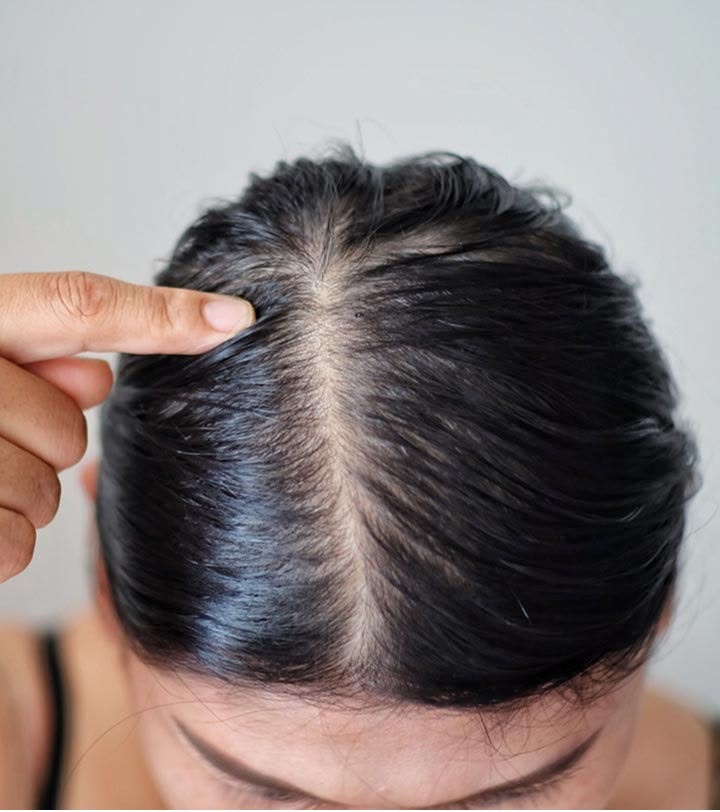
Regular cleansing removes buildup, sweat, and product residue that can clog your hair follicles.
But cleansing too often can strip your scalp of oils it genuinely needs to stay balanced.
Aim for a cleansing routine that matches your own scalp’s natural rhythm, rather than a strict rule.
Pay attention to how your scalp feels between washes to guide this timing over several weeks.
Some people do well washing weekly, while others need a slightly different rhythm entirely.
There is no single correct schedule that works for every single scalp type. Trust your own scalp’s feedback over any rigid, one size fits all rule.
Some weeks your scalp may need washing sooner, and that shift is completely normal. Stay flexible rather than locking yourself into one fixed number forever.
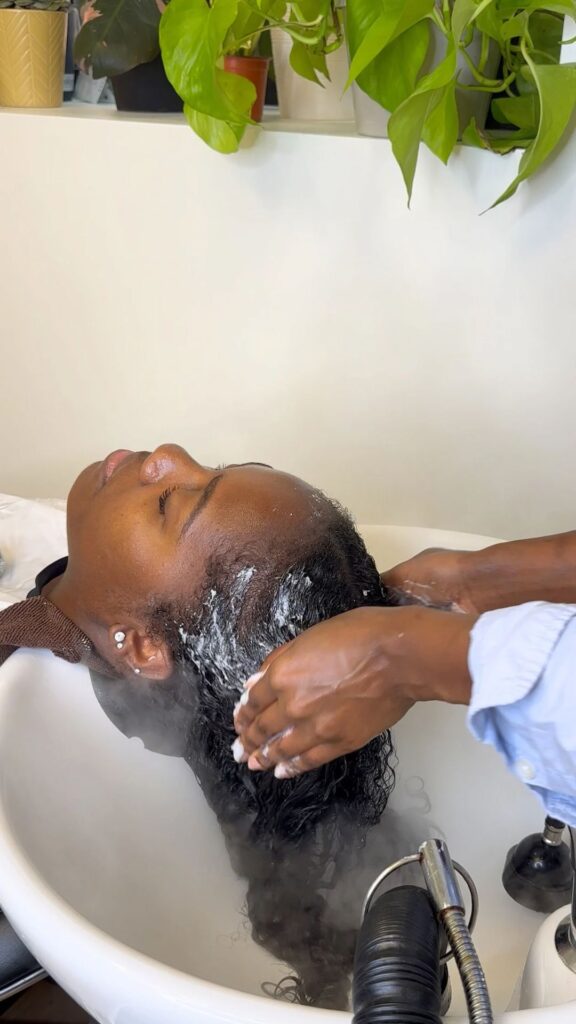
Massage Your Scalp To Boost Circulation
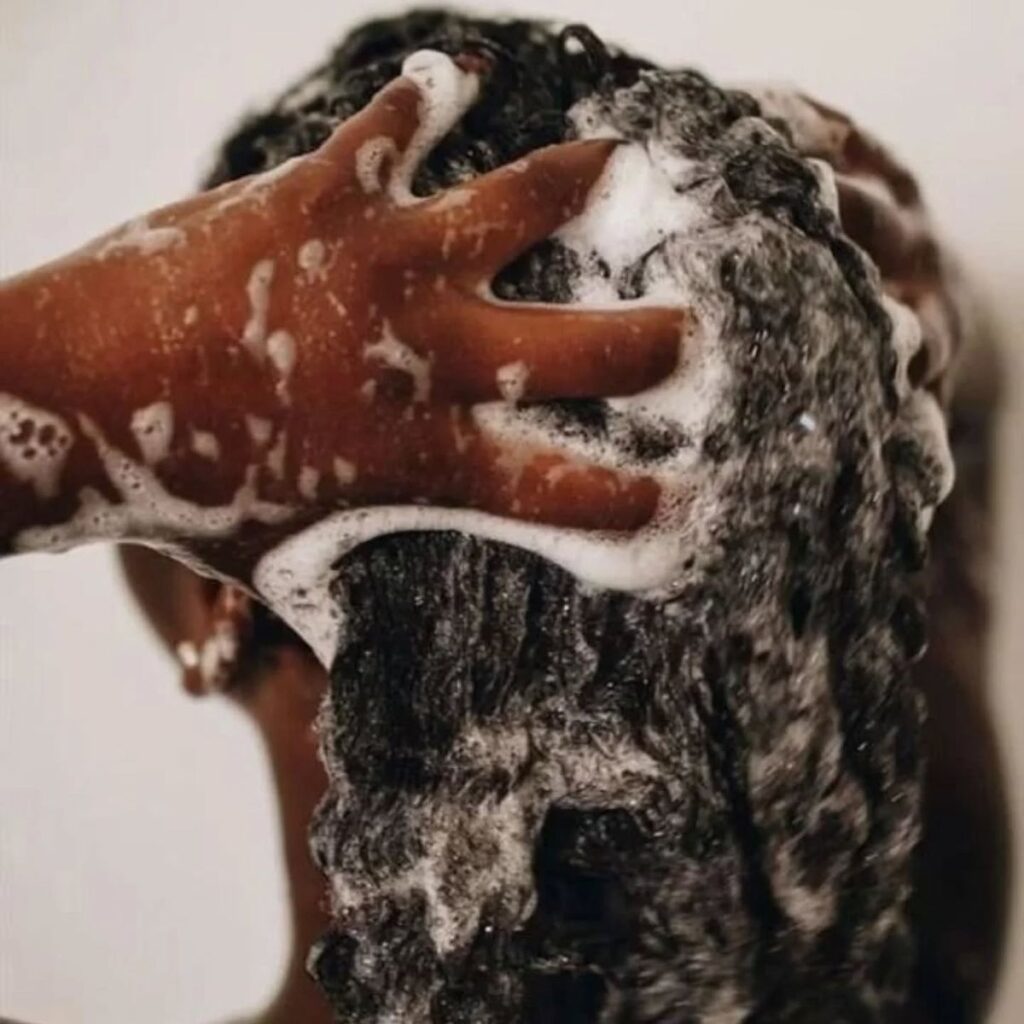
Gentle scalp massage improves blood flow directly to your hair follicles underneath.
Better circulation means better nutrient delivery, which genuinely supports stronger, healthier hair growth.
Spend just a few minutes massaging during every wash day, using your fingertips rather than your nails.
This simple habit costs nothing and takes very little time to build into your routine. Consider pairing your massage with a lightweight oil for an even more soothing experience.
Consistency here matters more than intensity, so gentle and regular always beats occasional and rough.
Even a few minutes daily can noticeably improve how your scalp feels overall.
Try massaging before bed as a calming, relaxing habit that also supports your hair. This ritual doubles as genuine self care, not just a hair maintenance step.

Keep Your Scalp Moisturized, Not Just Your Strands
Many naturals moisturize their hair generously while completely forgetting their scalp underneath.
A dry scalp can feel tight, flaky, or uncomfortable, even when your visible strands look perfectly fine.
If you are ever unsure whether your scalp is dry or genuinely dehydrated, this distinction actually matters. Read how to tell if your scalp is dry or just dehydrated to understand the real difference.
Lightweight, water based products often work best for keeping your scalp properly hydrated.
Apply directly to your scalp, not just your lengths, during every moisturizing session. This small adjustment closes a gap many naturals never realize exists in their routine.
Try applying your moisturizer directly with your fingertips, working it gently into your scalp.
Do this a few times a week, even between full wash days, for lasting comfort. Your scalp responds well to this kind of steady, ongoing attention.
Protect Your Scalp From Product Buildup
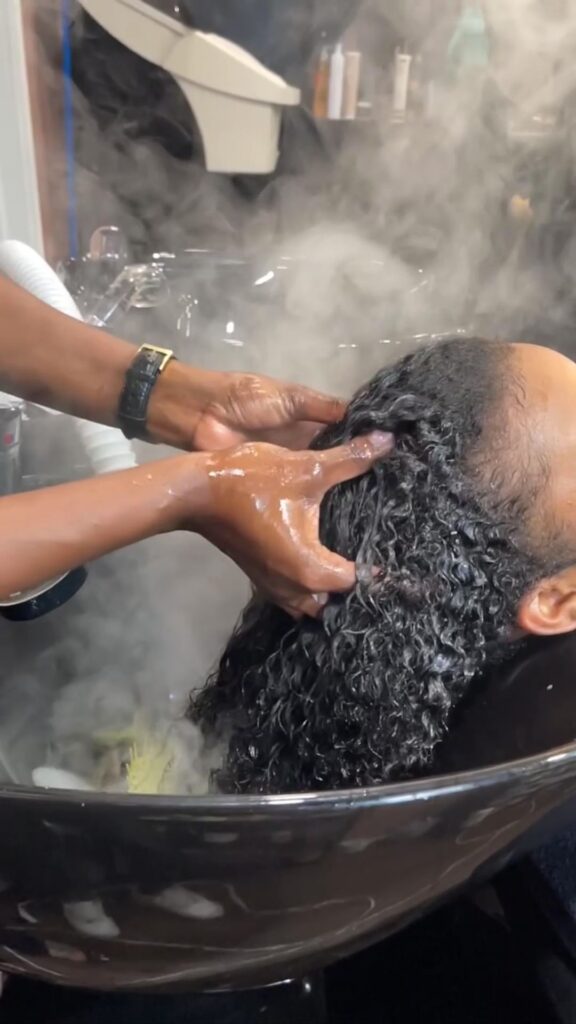
Heavy products, used too often, can quietly build up and clog your hair follicles over time.
This buildup blocks moisture and can even slow down your hair’s natural growth process.
Clarifying your scalp every few weeks helps remove this buildup before it becomes a bigger issue.
Follow any clarifying step with proper moisture to avoid leaving your scalp feeling stripped afterward.
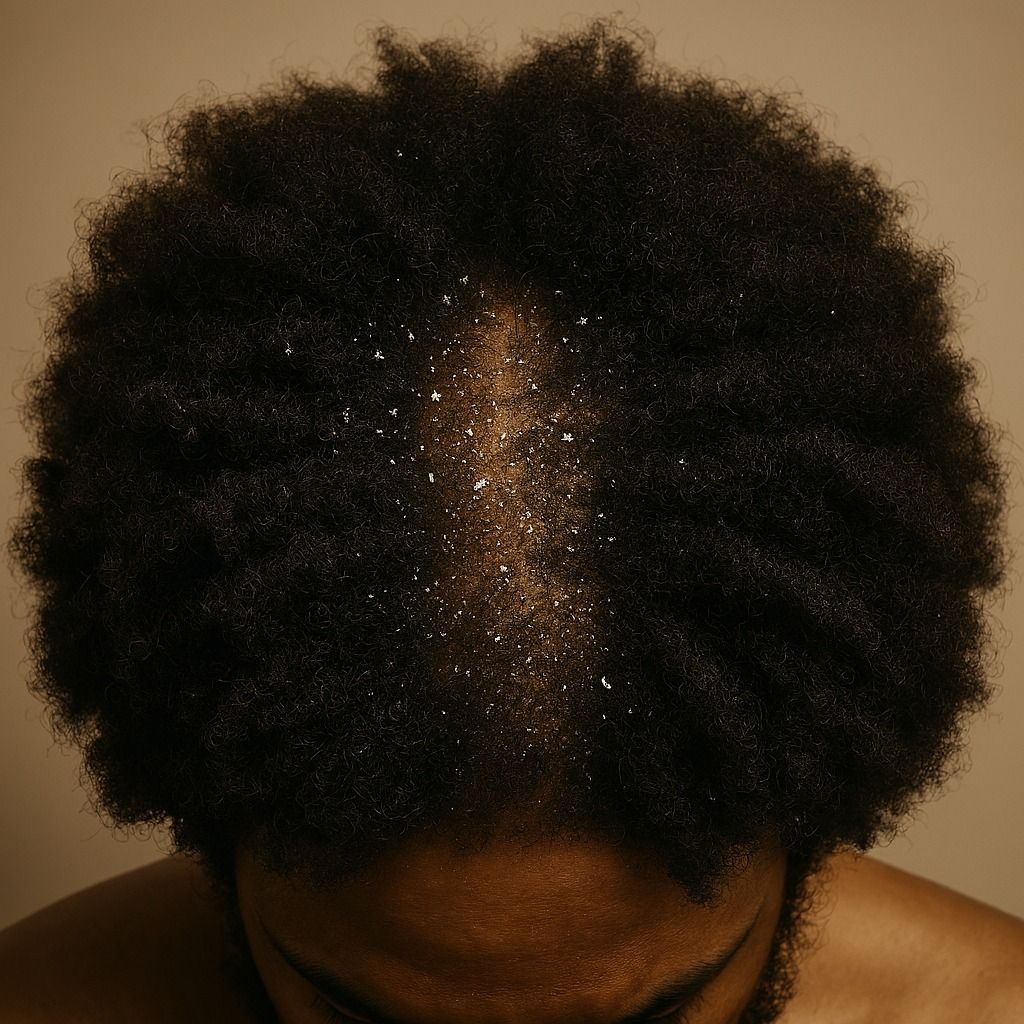
Watch for signs of buildup, like flaking or a heavy, coated feeling on your scalp. Catching this early prevents it from turning into a bigger, harder to solve problem.
A simple monthly check can help you stay ahead of any noticeable buildup. Run your fingers through your roots occasionally to feel for anything unusual building up.
This quick, simple check takes seconds but genuinely protects your scalp long term.
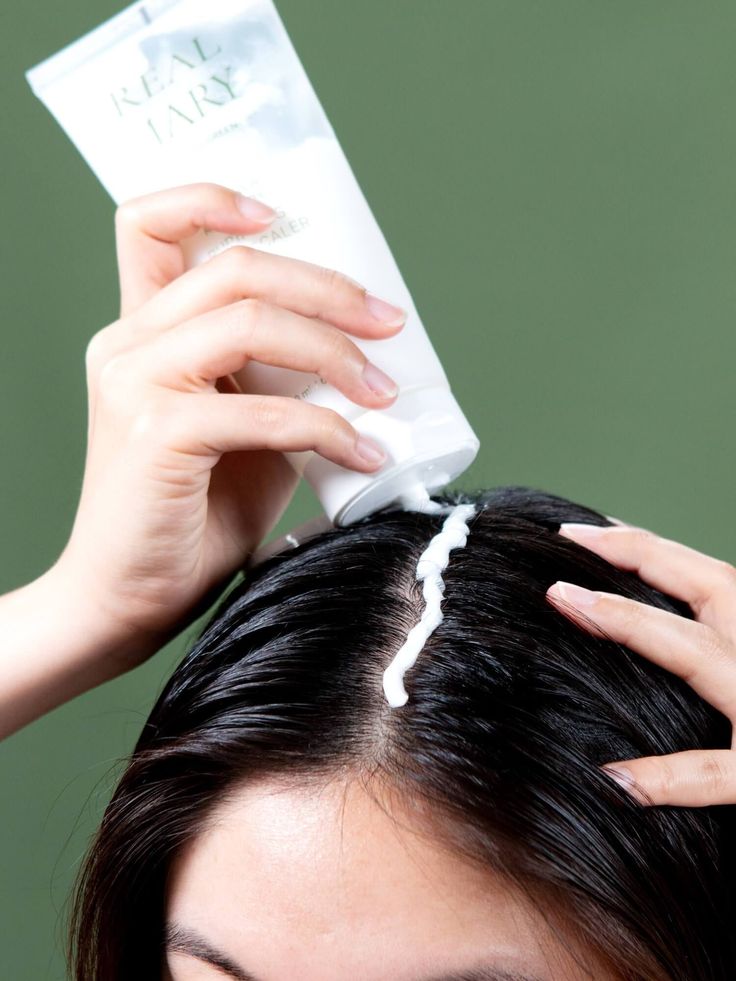
Choose Scalp Friendly Products
Not every product marketed for natural hair is actually gentle on your scalp specifically.
Avoid heavy fragrances, harsh alcohols, and other ingredients that can irritate sensitive skin over time.
Look instead for soothing ingredients like aloe vera, tea tree oil, or peppermint in small amounts.
Testing new products slowly, one at a time, helps you spot anything that does not agree with your scalp.
Keep a small mental note of how your scalp reacts to each new product you try. This simple tracking habit saves you from repeating the same irritating mistakes twice.
Reading ingredient labels closely becomes easier and faster the more you practice it. Over time, you will instinctively recognize which ingredients your scalp genuinely enjoys.
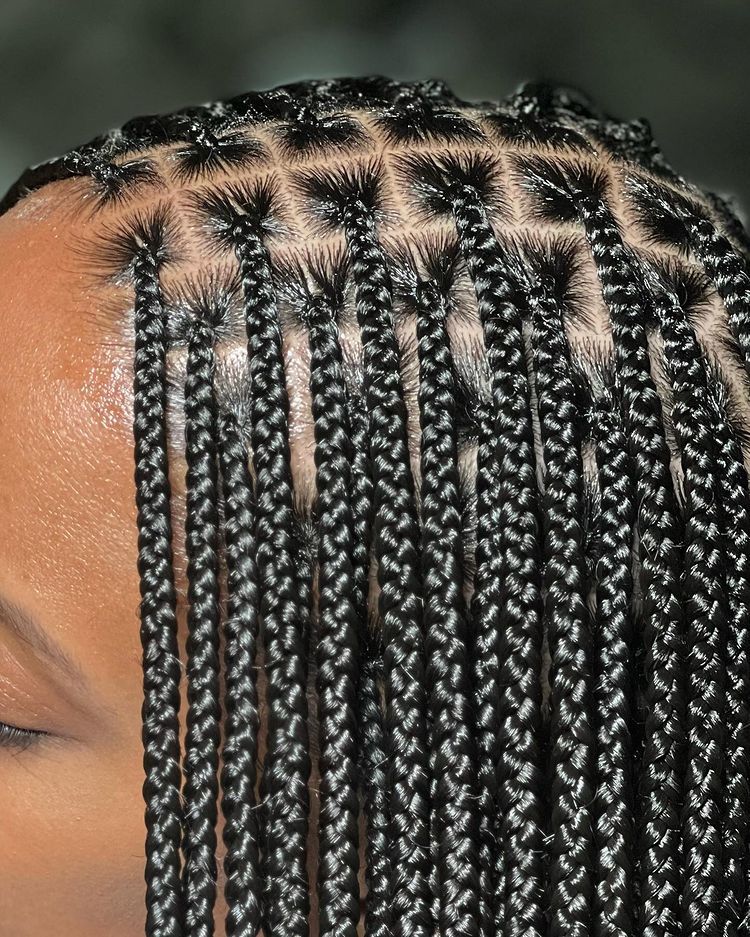
Give Your Scalp Breaks From Tight Styles
Tight braids, buns, or ponytails can place constant pressure on your scalp and hair follicles.
Over time, this pressure can lead to tenderness, discomfort, or even hair loss along your edges.
Alternate between tighter and looser styles to give your scalp regular, much needed relief.
Your edges especially benefit from this kind of thoughtful, intentional rotation. If any style causes real pain on day one, it will likely damage your scalp over time.
Listening to this early discomfort protects your hairline for many years to come.
A comfortable style can still look neat and polished without causing unnecessary strain. Ask your stylist to check tension honestly, rather than guessing on your own.
Watch For Signs Your Scalp Needs Extra Care
A scalp that constantly feels tender, tight, or uncomfortable is trying to tell you something important.
Ignoring these signs for too long can quietly contribute to more noticeable hair loss. Read how to stop excessive hair shedding if you have noticed more shedding than usual lately.
Catching these signals early makes correcting them significantly easier and faster. Trust your own scalp over any advice that ignores how it actually feels day to day.
Your body genuinely communicates clearly, if you take the time to listen closely. Ignoring discomfort rarely makes it disappear, it usually just delays a bigger problem.
Address small signals right away instead of waiting for them to become undeniable.
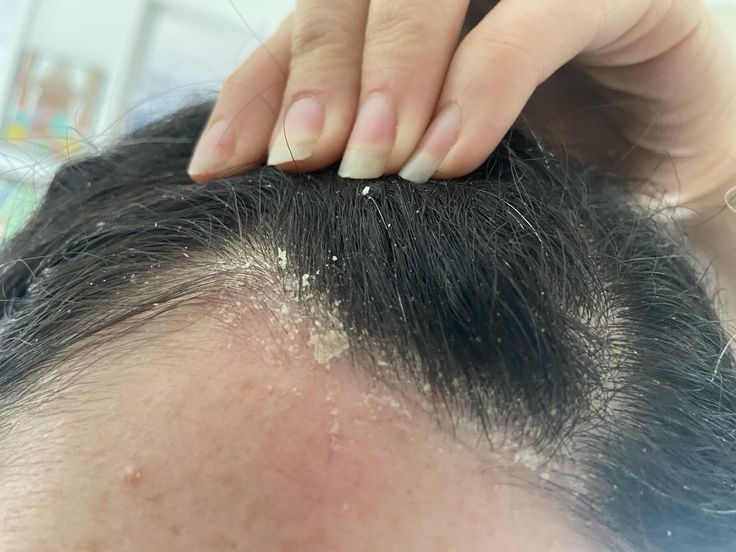
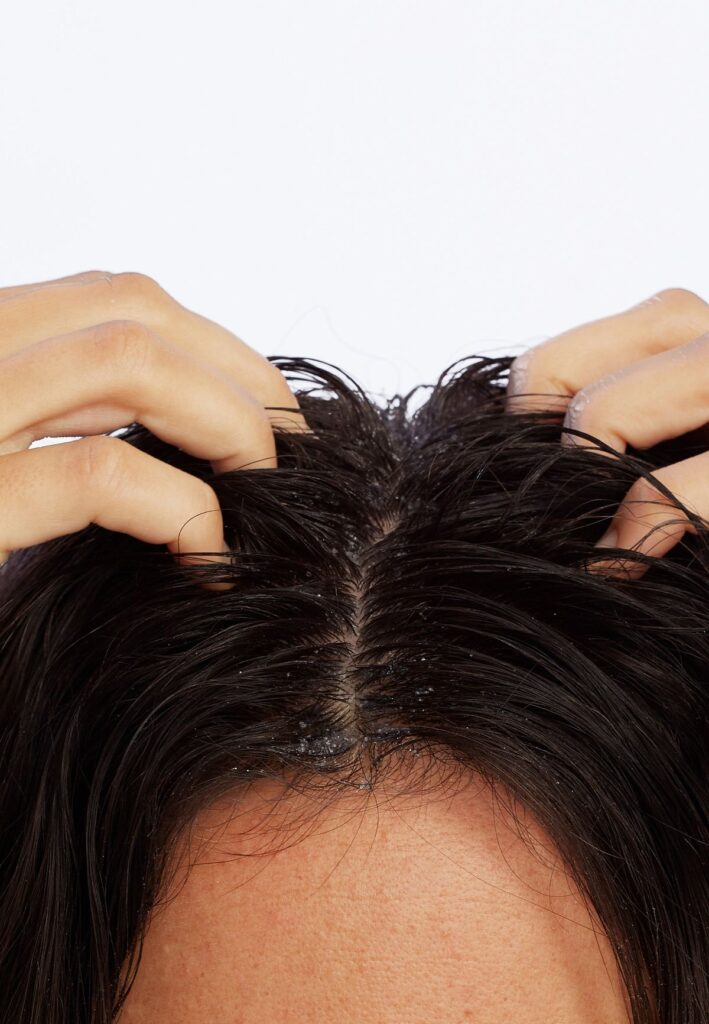
Address Itching Before It Becomes A Bigger Problem
An itchy scalp is more than just a minor, temporary annoyance to push through.
Constant scratching can actually damage your hair right at the root, leading to further problems.
If this sounds familiar, read why your scalp always feels itchy and how to fix it for real, practical solutions.
Solving the itch protects both your comfort and your hair’s long term health.
Avoid scratching directly, since this can worsen irritation and even break your fragile strands. A cooling, soothing product often provides quicker relief than scratching ever could.
Identifying the actual cause of your itch matters more than temporarily masking the feeling. Common causes include buildup, dryness, or sensitivity to a specific product ingredient.
Avoid Hidden Habits That Slow Growth
Some scalp habits cause harm so slowly that you barely notice them happening at all.
These small, overlooked mistakes can quietly stall your hair’s natural growth over many months.
Read the hidden scalp mistakes that slow hair growth to identify and correct these patterns early.
Small corrections here often lead to noticeably better results within just a few weeks. These mistakes are rarely obvious, which is exactly why they go unnoticed for so long.
A little extra awareness genuinely goes a long way toward protecting your growth. Take a moment occasionally to honestly review your full routine from start to finish.
Small blind spots often hide in habits you have followed without question for years.
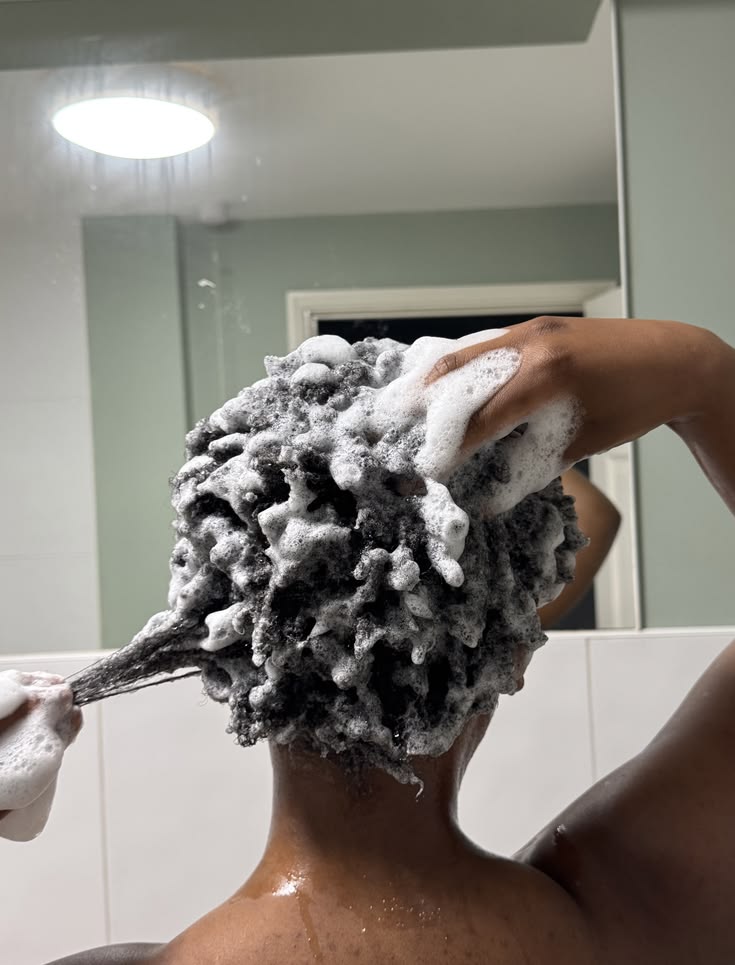
Know When Your Scalp Needs A Detox
Sometimes your regular routine is not quite enough to keep your scalp genuinely balanced.
A proper scalp detox removes deep buildup that ordinary washing often fails to fully clear.
Check signs your scalp needs a detox to see whether this extra step applies to you right now.
A clean, reset scalp often supports noticeably healthier growth in the weeks that follow. This step is not needed every wash day, but it matters occasionally throughout the year.
Listen to your scalp to know when this deeper reset genuinely feels necessary. A heavy or off feeling is usually your clearest signal that this step is due.
Once completed, follow up with proper moisture to keep your scalp feeling balanced.
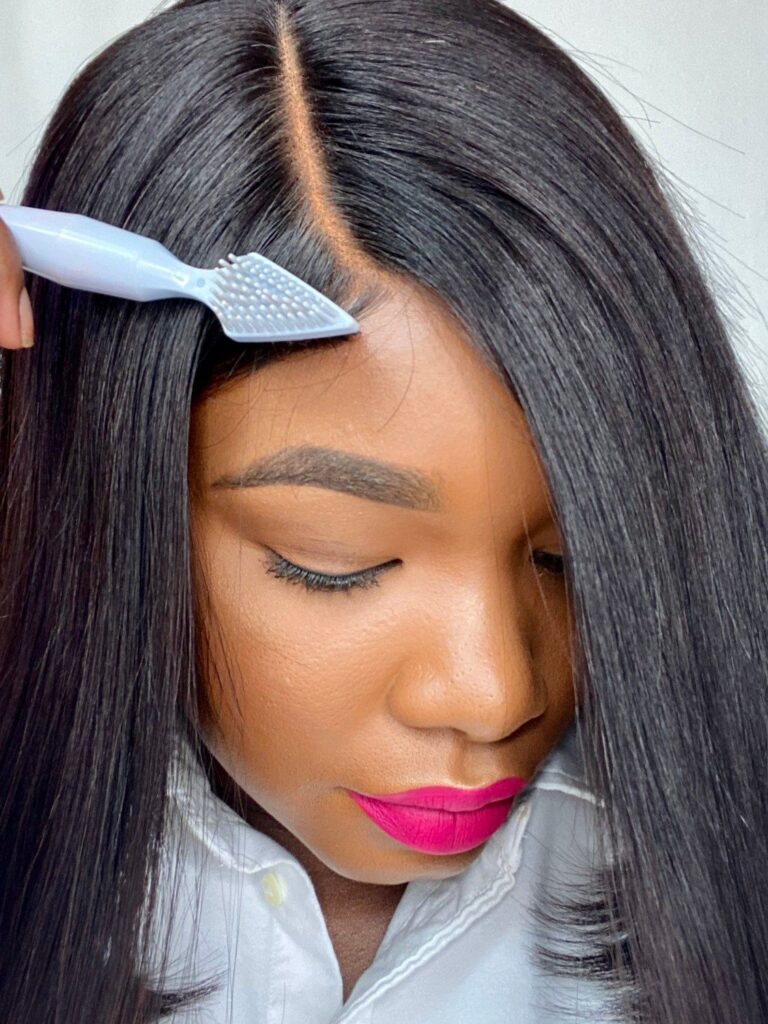
Support Your Scalp While Wearing Wigs
Wigs are wonderful for giving your natural hair a break, but your scalp still needs attention underneath.
Ignoring your scalp for weeks at a time, just because it is hidden, causes real problems eventually.
If you wear wigs regularly, our beginner’s guide to wearing wigs over natural hair covers proper scalp care too.
Treat your scalp with the same consistent care, whether it is visible or currently covered.
Set a reminder to check in on your scalp regularly during longer wig installs. This small habit prevents hidden problems from quietly building up over several weeks.
Take your wig off periodically, even briefly, to let your scalp breathe freely. This small break makes a genuine difference over weeks of continuous wear.
Support Your Scalp During A Faster Wash Routine
A shorter wash day does not mean your scalp deserves any less genuine attention.
Simple habits, like a quick massage during shampoo, fit easily into even the busiest routine.
Learn how to cut your wash day in half without sacrificing healthy hair to see this balance in action.
Speed and proper care are not opposites when your routine is thoughtfully designed.
Building small scalp habits into your existing steps means you never need extra time separately.
A well organized routine protects your scalp without slowing down your entire week. Small, intentional habits genuinely fit into even the most time crunched schedule.
Efficiency and genuine care can absolutely coexist within the same simple routine.
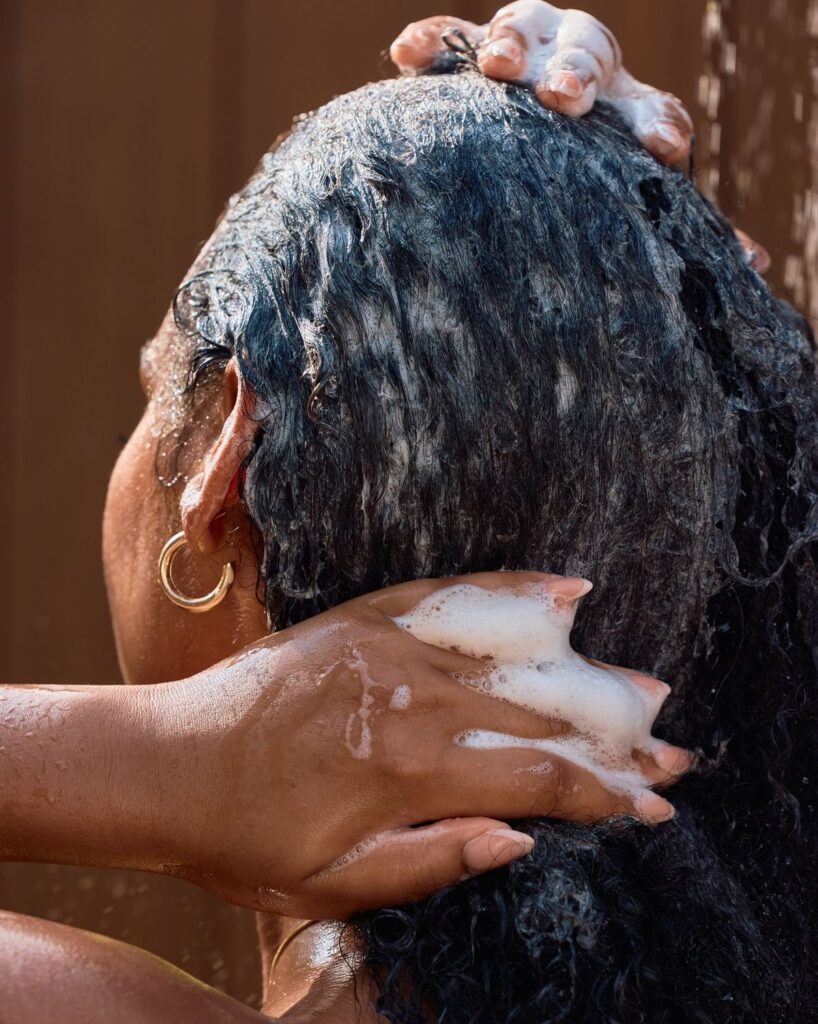
Avoid Common Wash Day Mistakes That Hurt Your Scalp
Some everyday wash day habits quietly work against your scalp without you ever realizing it.
Rough scrubbing, harsh products, and skipped steps all add up to real, lasting harm over time.
Avoiding 15 wash day mistakes that could be causing breakage protects your scalp just as much as your strands.
Small corrections here genuinely support your entire hair care routine going forward.
Reviewing your habits occasionally helps you catch mistakes before they cause lasting damage. A little self awareness protects both your scalp and your strands together.
Small, gentle corrections almost always outperform any dramatic, sudden overhaul of your routine.
Give yourself permission to fix one habit at a time, rather than everything at once.
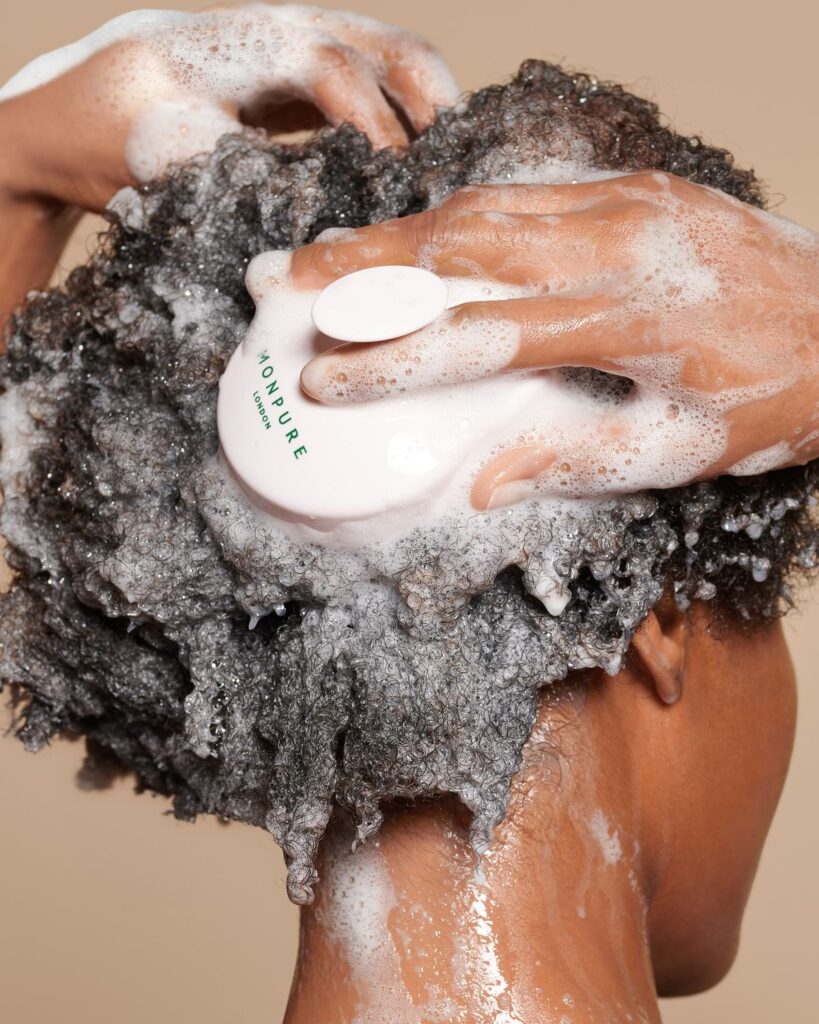
Your Scalp And Your Curl Pattern
Different curl patterns interact with your scalp a little differently, based on their unique structure.
If you have 4A hair, the perfect wash day routine for 4A hair includes scalp specific guidance. If your texture is 4B, the perfect wash day routine for 4B hair offers similar support tailored to your hair.
If your curls are 4C, the perfect wash day routine for 4C hair addresses this denser texture’s unique needs.
Understanding this connection helps you build a truly complete, well rounded routine. Your scalp needs shift slightly as your curl pattern changes, so pay attention to both together.
This combined awareness leads to noticeably better results than focusing on just one alone. Your scalp and your curls are always working together, never truly separate from each other.
Treating them as one connected system leads to the healthiest, most consistent results.
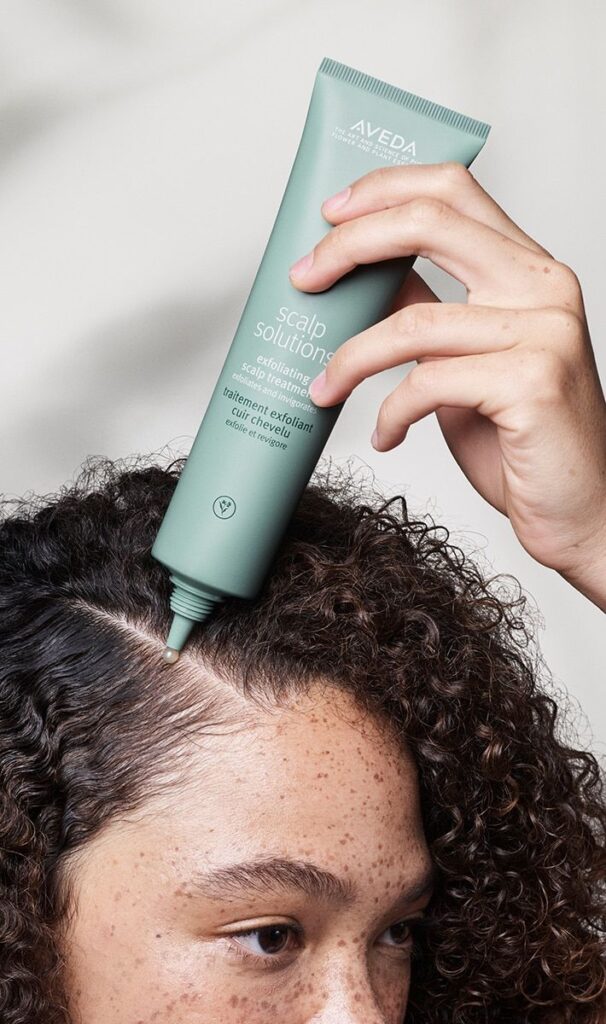
Confidence Grows From A Healthy Scalp
Feeling good about your hair often starts with feeling comfortable in your own scalp.
A calm, healthy scalp lets you focus on enjoying your hair instead of managing constant discomfort.
Read how to build confidence wearing your natural hair to see how these two things genuinely connect.
Taking care of your scalp is, in many ways, taking care of your confidence too.
A comfortable scalp lets you move through your day without constant, distracting discomfort. This kind of ease genuinely shows in how you carry yourself daily.
Small scalp fixes often lead to a surprisingly large boost in overall confidence. Comfort and confidence genuinely grow together, side by side, more than people expect.
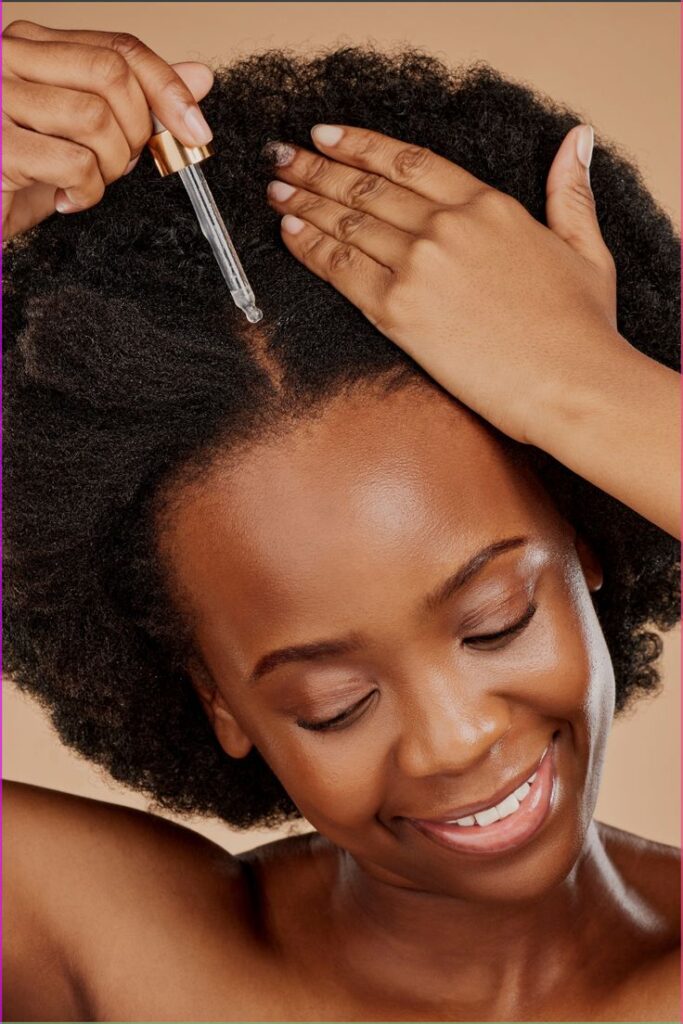
Your Diet And Water Intake Support Scalp Health Too
What you eat and drink shows up on your scalp just as much as it shows on your skin.
Staying properly hydrated supports your scalp’s ability to stay balanced and comfortable throughout the day.
Foods rich in omega fatty acids, like fish and nuts, also support a healthier scalp environment.
None of this replaces your topical routine, but it genuinely works alongside it well.
Small dietary changes, made consistently, add another layer of support to your overall scalp care.
Building better eating habits alongside your hair routine supports lasting results from both directions.
Small, sustainable changes to your diet tend to stick far better than drastic ones.

Sleep And Stress Also Affect Your Scalp
Poor sleep and high stress levels can quietly show up as scalp sensitivity or discomfort.
Your body repairs itself mostly during rest, including the skin covering your scalp.
Building better sleep habits supports more than just your energy levels throughout the day.
Managing stress, even in small ways, can genuinely calm a sensitive, reactive scalp over time.
Your scalp is connected to your whole body, not an isolated part working alone.
Prioritizing rest is not indulgent, it is a genuine part of proper hair care. A well rested body genuinely supports a calmer, more balanced scalp overall.

Final Thoughts On Building Healthy Scalp Habits
A healthy scalp is the true foundation of healthy, thriving hair over the long run. Small, consistent habits matter far more than any single expensive product or dramatic change.
Give your scalp the same attention and care you already give your visible strands. Over time, this simple shift in focus will show clearly in how your hair looks and feels.
Start with just one or two habits, adding more as they become natural and easy. Your scalp, and your hair, will genuinely thank you for this steady, consistent attention.
Small habits, practiced daily, always beat big efforts practiced rarely or inconsistently. Your scalp is patient and forgiving, but it does reward genuine, sustained attention.
Give it that attention consistently, and healthier hair will naturally follow close behind.