

How to Stop Comparing Your Hair to Influencers
Disclosure: Some of the links in this post are affiliate links. This means if you click on the link and purchase an item, I will receive an affiliate commission at no extra cost to you.
It’s midnight, you’re scrolling, and somehow every single video makes your own hair feel like it’s not enough. This late-night comparison spiral is more common than most people ever admit out loud. Social media has genuinely changed how we see and judge our own natural hair.
The good news is that this comparison habit can be recognized, understood, and gradually loosened. Our post on how to build confidence through your afro hair journey covers a closely related process worth exploring.
Together, these two skills genuinely support a healthier relationship with your hair. Let’s walk through exactly how to stop comparing your hair to influencers online.
This isn’t about quitting social media entirely or rejecting inspiration altogether. It’s about developing a healthier, more intentional relationship with the content you consume. Small shifts in awareness genuinely make a meaningful, lasting difference.

How to Stop Comparing Your Hair to Influencers
Why Comparison Feels So Automatic Online
Comparison happens almost automatically once you start scrolling through curated, polished content daily.
The human brain naturally scans for social benchmarks, even without conscious intention. Social media simply gives this natural tendency an endless, constant supply of material.
This automatic response isn’t a personal weakness or a character flaw worth criticizing. It’s a deeply wired psychological pattern that affects nearly everyone who spends time online.
Understanding this removes some of the guilt that often accompanies comparison.
Even people who appear supremely confident online experience this same automatic comparison response.
Nobody is genuinely immune to this deeply wired psychological pattern entirely. Recognizing this shared vulnerability can make the struggle feel less isolating.
Understanding your hair’s actual structure can help you evaluate content more objectively and calmly.
Reading how hair is formed: a beginner-friendly guide explains why every curl pattern is genuinely unique, not a flaw. That knowledge becomes a quiet anchor during overwhelming comparison spirals.
This anchor doesn’t eliminate comparison entirely, but it genuinely softens its emotional impact.
Knowledge offers a steady, reliable counterweight to the pull of online comparison. Returning to this foundation genuinely helps during especially difficult scrolling sessions.

Understanding What You’re Actually Seeing
What you see online is rarely a complete or accurate picture of someone’s everyday hair.
Lighting, angles, and careful styling all shape how a photo or video ultimately looks. Understanding this production process genuinely changes how you interpret what you’re seeing.
Professional lighting alone can dramatically alter how curl definition and shine actually appear.
A single ring light or well-placed window can transform an ordinary look entirely. This technical reality rarely gets mentioned alongside the polished final result.
Many influencers spend significant time and money achieving that single, polished moment.
Professional stylists, quality cameras, and hours of preparation all contribute to the final result. This context rarely comes through in a fifteen-second video clip.
Some content creators genuinely treat this work as their full-time profession and livelihood.
Comparing your everyday effort to their professional output isn’t a fair or accurate comparison. Recognizing this difference in context genuinely levels the emotional playing field.
Building a healthier relationship with your own hair starts with recognizing this gap honestly.
Our post on how to learn to love your natural hair again explores this broader relationship in genuinely helpful detail. Recognizing this gap honestly is a genuinely meaningful first step.
This recognition doesn’t happen once and stay fixed; it requires ongoing, gentle reinforcement.
Revisiting this understanding regularly genuinely keeps it active in your daily mindset. Repetition, more than a single realization, genuinely builds lasting change.
The Hidden Editing Behind “Effortless” Hair
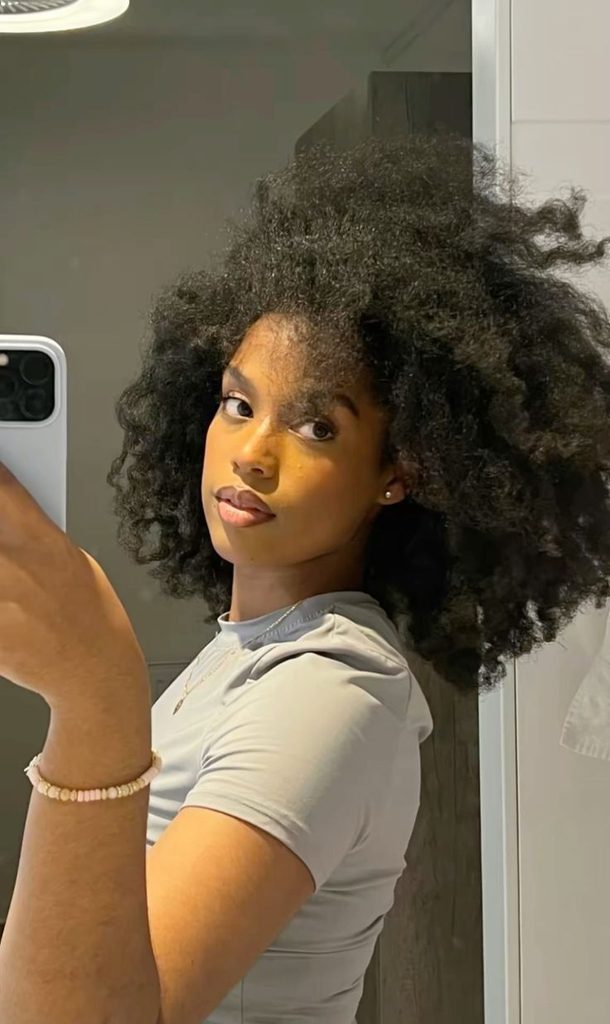
Editing plays a bigger role in effortless hair content than most viewers ever realize.
Filters, color grading, and selective cropping all shape the final image significantly. What looks natural is often the result of careful, deliberate technical work.
Many editing apps now offer specific tools for smoothing hair texture and reducing frizz.
These tools are widely available and commonly used, even by casual content creators. Knowing these tools exist genuinely helps recalibrate your daily expectations.
Some editing goes even further, subtly altering curl definition or reducing visible frizz. This level of manipulation is nearly impossible to detect without specialized, trained knowledge.
Assuming authenticity in every piece of content sets you up for unfair comparison.
This isn’t meant to make you distrust every single piece of content you encounter. It’s meant to help you hold comparisons more loosely and with more context.
Healthy skepticism genuinely protects your emotional wellbeing without requiring outright cynicism.
Recognizing these editing techniques, even generally, genuinely changes how you consume this content.
Once you know editing is common, unedited reality stops feeling like a personal failure. This awareness alone can meaningfully reduce the sting of comparison.
Share this awareness with friends or family who might also benefit from this context. Spreading this understanding genuinely helps create a more supportive, realistic community overall.
Collective awareness often genuinely outperforms individual effort tried entirely alone.
Recognizing Your Own Comparison Triggers
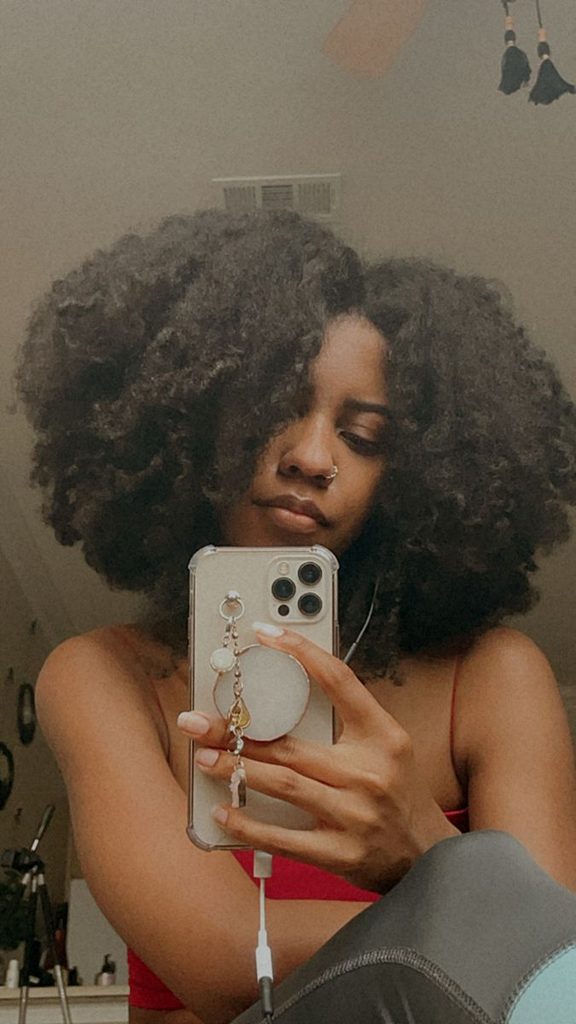
Identifying your specific comparison triggers is a genuinely important step toward managing them.
Certain accounts, hairstyles, or types of content may affect you more than others. Noticing these patterns helps you respond more intentionally instead of automatically.
Triggers often relate to insecurities you already carry, amplified by specific types of content.
Understanding this connection helps you address the root insecurity, not just the trigger. Addressing root causes genuinely produces more lasting and meaningful change.
Keep a simple mental or written note of what content leaves you feeling worse afterward. Patterns often emerge quickly once you start paying genuine attention to this.
This awareness becomes a practical tool for making better choices about your feed.
Review this informal record periodically to notice patterns that might not be immediately obvious.
A week or two of tracking often reveals clearer patterns than a single day. This small investment of attention genuinely pays off over time.
Shrinkage-related content is a particularly common trigger worth understanding more deeply.
The topic of why afro hair shrinks so much explains the biology behind a phenomenon that influencers rarely show. Understanding this science can genuinely defuse a common, frustrating trigger.
Many influencers stretch their hair before filming, hiding shrinkage that everyone else genuinely experiences.
Knowing this helps you understand why your everyday shrinkage feels so different from what you see. Context genuinely resolves what initially feels like an unfair, confusing discrepancy.

Curating a Feed That Supports You
Your social media feed is genuinely within your control, more than it might initially feel.
Unfollowing or muting accounts that consistently trigger comparison is a legitimate, healthy choice. Curating your feed intentionally supports a genuinely healthier daily mindset.
You don’t owe any account your continued attention, regardless of their follower count or popularity.
Unfollowing isn’t rude or unkind; it’s genuinely a form of self-care. Protecting your feed genuinely means protecting your daily emotional environment.
Seek out accounts that show realistic, everyday hair alongside their more polished content.
This balance genuinely helps normalize the full range of how natural hair actually looks. A varied feed supports a more accurate, less distorted perception of normal.
Accounts that share unfiltered, honest content often provide genuine relief from constant, polished perfection.
Seek these voices out deliberately, since algorithms don’t always surface them naturally. A little intentional searching genuinely improves your overall feed quality.
Visualizing the kind of content and mindset you want to cultivate can guide this curation process.
Our post on how to create a healthy hair vision board offers a creative way to clarify supportive content. Clarity about your goals genuinely helps you curate your feed intentionally.
Revisit your curated feed periodically, since your needs and triggers can shift over time.
What supported you six months ago may need adjusting as your journey continues. Regular review genuinely keeps your feed aligned with your current needs.
Separating Inspiration From Imitation
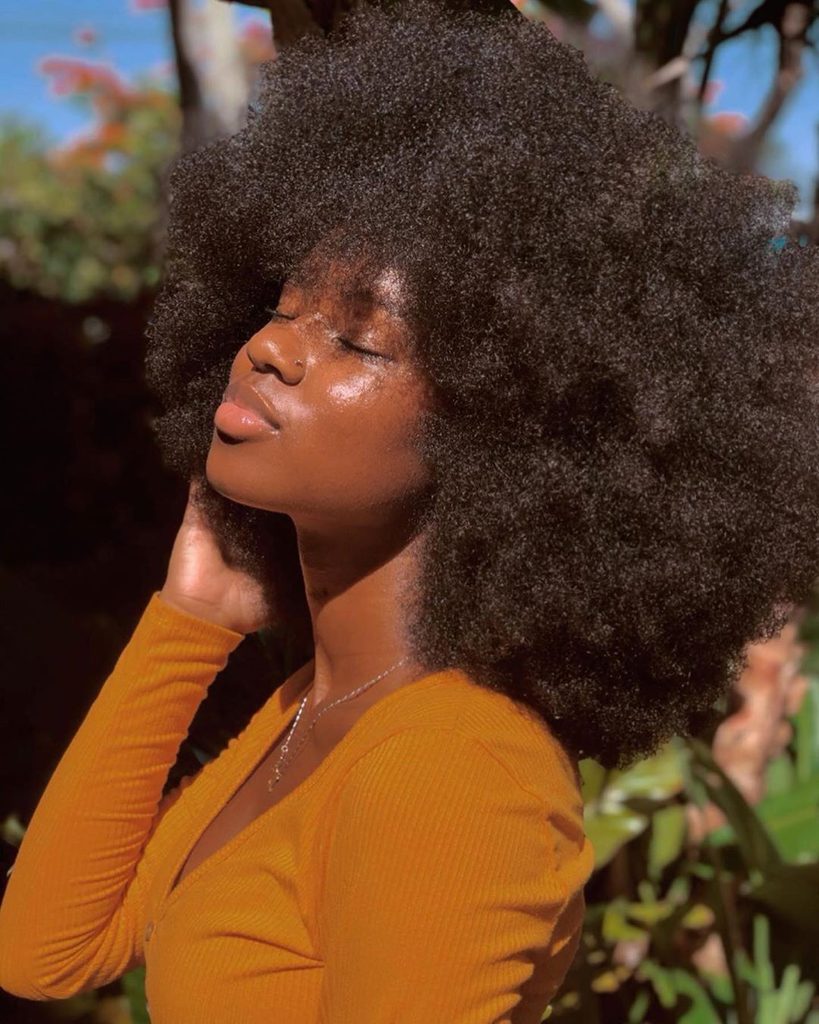
Inspiration and imitation are different, though they’re often confused with each other online.
Inspiration means drawing ideas while adapting them to your own unique hair and life. Imitation means trying to replicate someone else’s exact look regardless of fit.
This distinction can feel subtle at first, but it becomes clearer with practice. Ask yourself whether you’re adapting an idea or chasing an exact, specific replication.
That simple question genuinely clarifies which mode you’re currently operating in.
This distinction matters because imitation often leads to disappointment and unnecessary frustration. Your hair, face shape, and lifestyle all differ from the influencer you’re watching.
Adapting inspiration to your own reality produces far more satisfying, sustainable results.
Adaptation requires more creativity than imitation, but it genuinely produces better, more personal results. This creative process also builds your own styling skill and confidence over time.
Skill-building genuinely beats simple, surface-level copying nearly every single time.
For inspiration you can genuinely adapt rather than rigidly copy, curated lists can help. 100 afro hairstyles to save before your next salon visit offers a wide range of starting points worth adapting.
Variety genuinely supports real inspiration rather than narrow, rigid imitation.
Understanding Your Own Unique Hair Type
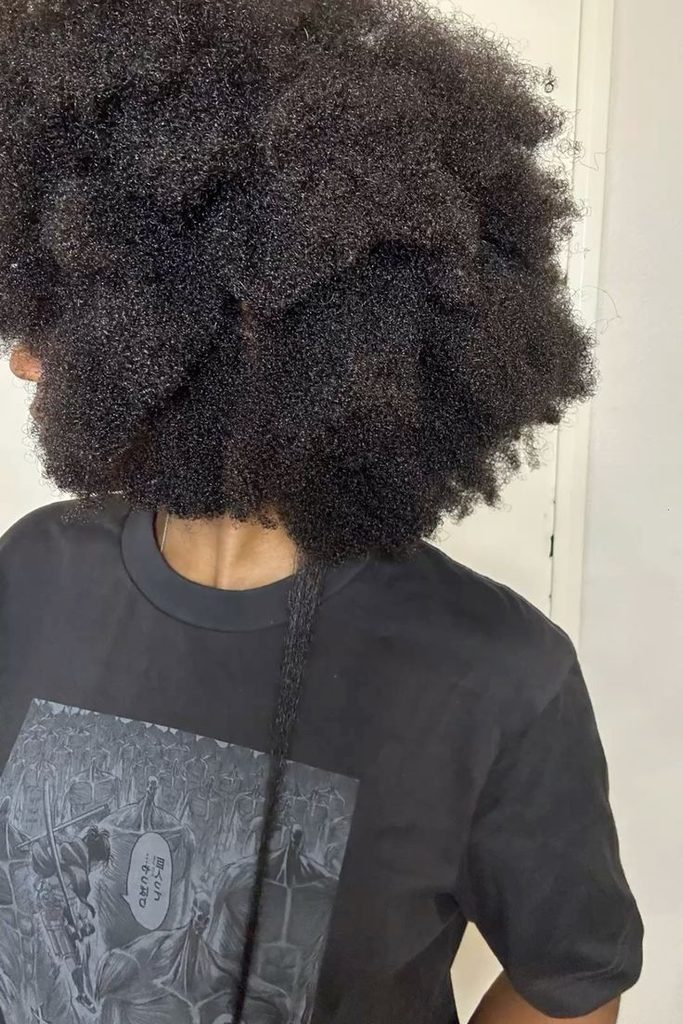
Every head of hair is genuinely unique, shaped by its own specific structure and properties.
Comparing your hair to someone else’s often ignores this fundamental, biological reality. Understanding your own hair type helps you set standards that actually fit you.
Even within the same curl type classification, genuine variation exists between different individuals.
Two people with similar curl patterns can still have meaningfully different porosity or density. This variation genuinely makes direct comparison less useful than it initially seems.
Porosity, density, and curl pattern all influence how your hair behaves and styles differently. What works beautifully for one hair type may simply not translate to another.
Recognizing this removes a lot of unfair, apples-to-oranges comparison entirely.
Learning your own specific hair properties takes some time and genuine, hands-on observation.
This investment of time genuinely pays off in more relevant, useful comparisons going forward. Understanding yourself first makes any comparison afterward more fair and accurate.
Understanding the protein your hair is actually made of supports this individualized perspective.
Reading what keratin does for afro hair explains the biological foundation that makes every single head of hair unique. This understanding genuinely grounds comparison in biology rather than opinion.
This biological grounding offers a genuinely stable foundation whenever comparison starts to feel overwhelming.
Facts about your hair’s actual composition don’t shift with trends or algorithms. Stability here genuinely supports a calmer, more consistent daily mindset.
Setting Boundaries With Social Media
Setting boundaries with social media use genuinely protects your mental and emotional wellbeing.
This might mean limiting scrolling time or avoiding certain platforms during vulnerable moments. Boundaries aren’t about restriction; they’re genuinely about self-protection and care.
Experiment with different boundary types to find what genuinely works best for you. Time limits, content filters, and scheduled breaks all offer different kinds of protection.
Personalizing your approach genuinely makes boundaries feel sustainable rather than restrictive.
Consider designated screen-free times, especially before bed when comparison spirals feel most intense.
Protecting these windows genuinely supports better sleep and a calmer, more settled mindset. Small boundaries like this add up to meaningful, sustained protection over time.
Replace scrolling time with a genuinely enjoyable alternative activity during these protected windows.
Reading, journaling, or simply resting all offer healthier alternatives to comparison-triggering content. Substitution often works better than willpower alone during difficult moments.
Notice how you feel physically and emotionally during and after scrolling sessions regularly.
This awareness helps you adjust boundaries based on real, personal data rather than guesswork. Your own reactions are genuinely the most reliable guide here.
Reframing What “Good Hair” Means to You
The phrase good hair carries a lot of cultural baggage worth examining honestly. Redefining this phrase for yourself genuinely shifts how you evaluate your own hair.
Good hair can simply mean healthy, well-cared-for hair, regardless of specific look.
This phrase has historically been used to rank and divide different natural hair textures.
Reclaiming and redefining it genuinely disrupts that harmful, outdated ranking system. Your definition genuinely matters more than any inherited, historical standard.
This redefinition removes external, often harmful standards from the equation entirely. Health becomes something you can actually track and support through your own daily choices.
This practical shift genuinely makes the standard feel achievable rather than impossible.
Share this redefined standard with others who might benefit from a healthier, kinder perspective.
Language genuinely shapes perception, and shifting your language can shift your mindset too. Small linguistic choices genuinely support bigger and more meaningful mindset shifts.
Elasticity offers one genuinely useful marker for this healthier, more practical redefinition.
Reading understanding afro hair elasticity explains that real health shows up as bounce and resilience, not a look. Redefining good hair around health genuinely supports a fairer standard.

Finding Real-Life Role Models Instead
Real-life role models often offer more genuine, relatable inspiration than distant online influencers. Someone in your community, workplace, or family may model a healthier hair relationship.
Their proximity makes their example feel more achievable and genuinely relevant.
You can ask these role models direct questions in a way that’s impossible online. This direct access genuinely provides more useful, personalized guidance than distant content ever could.
Real relationships offer depth that parasocial online connections genuinely cannot replicate.
Pay attention to people whose hair journey and mindset genuinely inspire you in person. Their everyday reality, including bad hair days, offers a fuller, more honest picture.
This fuller picture genuinely supports healthier and more realistic expectations overall.
Don’t hesitate to tell these role models how much you genuinely appreciate their example.
This appreciation strengthens your relationship and encourages continued openness about their real, everyday journey. Genuine connection genuinely benefits both people involved in this exchange.
Celebrating milestones alongside real-life role models can deepen this supportive, grounded connection.
Our post on how to celebrate every stage of afro hair growth offers ideas for honoring progress together.
Shared celebration genuinely strengthens community over distant, one-sided online comparison.

Practicing Gratitude for Your Own Hair
Gratitude genuinely shifts focus away from comparison and toward appreciation for what you actually have.
Taking a moment to notice something you genuinely like about your hair interrupts the comparison cycle. This small practice, repeated consistently, genuinely reshapes your daily mindset.
Gratitude doesn’t require your hair to be perfect or fully cooperative that day. It simply requires noticing something genuine, however small, worth appreciating right now.
This low bar makes the practice genuinely accessible on even difficult, discouraging days.
Try naming one thing you appreciate about your hair each morning during your routine. This doesn’t require your hair to look perfect or influencer-ready that day.
Genuine appreciation can coexist with an imperfect, completely ordinary wash day.
Consider keeping a small gratitude list specifically dedicated to your hair journey. Reviewing this list during discouraging moments offers a genuine, immediate mood boost.
This simple tool becomes more valuable the longer you consistently maintain it.
Understanding your hair’s biological rhythm supports this practice of patient, grounded gratitude.
Reading understanding the afro hair growth cycle explains why your hair’s pace deserves appreciation, not constant comparison.
Gratitude genuinely grows easier once you truly understand this biology.
Using Comparison as Information, Not Judgment
Comparison isn’t inherently harmful; it becomes harmful when it turns into harsh, unfair judgment.
Noticing that you like a certain style can be genuinely useful, neutral information. The harm comes from turning that noticing into self-criticism instead.
This reframe genuinely changes your relationship with comparison rather than eliminating it entirely. Comparison itself is neutral; the meaning you attach to it determines its impact.
Choosing a kinder interpretation genuinely protects your overall emotional wellbeing.
Practice separating the noticing from the judging as a deliberate, conscious mental exercise. Notice a style you like, then consciously redirect toward curiosity rather than criticism.
This small mental shift genuinely changes how comparison affects your daily mood.
This practice takes conscious effort at first but genuinely becomes more automatic with repetition.
Like any new skill, it feels awkward before it feels natural and easy. Patience with this learning curve genuinely supports lasting, meaningful change.
Protective styles offer a great, low-stakes space to practice this neutral, curious noticing.
75 protective styles for every hair goal provides options to explore with curiosity rather than comparison-driven pressure.
Curiosity genuinely feels lighter and more sustainable than constant, harsh judgment.
Teaching This Skill to Others
Teaching comparison-resistance to others, especially younger people, genuinely reinforces your own learning too.
Explaining why comparison feels automatic helps you internalize that understanding more deeply yourself. Teaching is often one of the most effective ways to learn something fully.
Simplify these concepts when teaching younger people, focusing on the core, essential ideas. Complex psychological explanations can wait until they’re genuinely ready for that depth.
Age-appropriate simplicity genuinely makes the lesson more accessible and memorable.
Model healthy social media habits in front of children or mentees whenever genuinely possible. Your own visible behavior teaches more effectively than any verbal explanation alone ever could.
This modeling genuinely shapes how the next generation relates to comparison and social media.
Sharing practical routines together can become a genuine bonding opportunity around this topic.
50 wash day setups every naturalista will love offers ideas perfect for teaching younger family members alongside these comparison-related lessons.
Practical bonding genuinely reinforces the emotional lessons you’re actively teaching.

When Comparison Creeps Back In
Even after building genuine awareness, comparison will likely creep back in occasionally over time.
A particularly polished video or a discouraging day can both reignite old comparison patterns. This return doesn’t erase the progress you’ve genuinely already made.
Expect this return rather than being surprised or discouraged when it eventually happens.
Old patterns rarely disappear completely; they simply become less frequent and less intense. Managing the return matters more than trying to prevent it entirely.
Notice the return without harsh self-judgment, and gently redirect your attention elsewhere.
Awareness itself, even after a lapse, genuinely represents real progress worth acknowledging. Perfection was never actually the realistic goal here to begin with.
Having a reliable, comforting routine to return to genuinely helps during these vulnerable moments.
60 healthy hair routine ideas you’ll actually use offers dependable options that ground you when comparison starts to creep back.
A trusted routine becomes a genuine anchor during these more difficult stretches.

Building a Personal Definition of Success
Building your own personal definition of hair success genuinely protects you from constant external comparison.
This definition might include health, manageability, or how your hair makes you genuinely feel. External appearance doesn’t need to be the primary, defining metric.
Revisit and refine this definition periodically as your priorities and journey naturally evolve.
What matters most to you now may shift as time and circumstances change. Flexibility in this definition genuinely keeps it relevant and useful.
Write down what success genuinely looks like for you, specifically and honestly. This personal definition becomes a genuine reference point whenever comparison starts to feel overwhelming.
Clarity here genuinely protects you from chasing someone else’s undefined, shifting standard.
Share this definition with trusted friends who can genuinely support you in maintaining it. Accountability from others genuinely reinforces your own commitment to this personal standard.
Shared understanding genuinely strengthens your resolve during more difficult, tempting moments.
Twist styles offer a versatile space to explore your own personal definition of success.
45 twist hairstyles that never go out of style lets you experiment while staying grounded in your own standards. Exploration within your own framework feels far more sustainable than comparison.

Wrapping Up: Your Hair, Your Own Standard
Comparing your hair to influencers is an understandable, common habit, not a personal failing.
Understanding why it happens and how to manage it genuinely changes your daily experience. This skill, like any skill, strengthens with consistent, intentional practice over time.
Be patient with yourself as you build this genuinely valuable, ongoing skill. Progress here looks like fewer, shorter comparison spirals, not their complete elimination.
Small, gradual improvement genuinely counts as real and meaningful progress.
Your hair was never meant to match someone else’s, no matter how polished their content looks.
Your own standard, built on health and genuine self-knowledge, is the only one that truly fits. Trust that standard over any distant, carefully curated online benchmark.
Every strand on your head has its own unique story, shaped by your own life. That story deserves celebration on its own terms, not measured against someone else’s highlight reel.
Own your story fully, and let comparison genuinely lose its grip.
Revisit these strategies whenever comparison feels particularly strong or difficult to manage.
Small, consistent practice genuinely builds lasting resilience against this common, modern challenge. Your hair, exactly as it is, deserves to be judged by your own fair standard.



3 Comments