
Understanding Afro Hair Elasticity
Disclosure: Some of the links in this post are affiliate links. This means if you click on the link and purchase an item, I will receive an affiliate commission at no extra cost to you.
By now, you’ve probably noticed how often the word elasticity shows up across this blog. It connects to nearly every other topic, from shrinkage to keratin to daily styling choices. That’s because elasticity sits at the very center of what makes hair healthy or fragile.
Understanding it properly ties together nearly everything else you’ve learned so far. Our why afro hair shrinks so much post touched on elasticity briefly, but this guide goes deeper. Consider this the missing piece connecting many concepts covered throughout this blog. Let’s walk through exactly what elasticity is and why it matters so much.
Think of this guide as tying a bow on everything you’ve explored so far. Elasticity is the thread running quietly through nearly every other topic. Understanding it deeply genuinely deepens your understanding of everything else too.

Understanding Afro Hair Elasticity
What Elasticity Actually Means
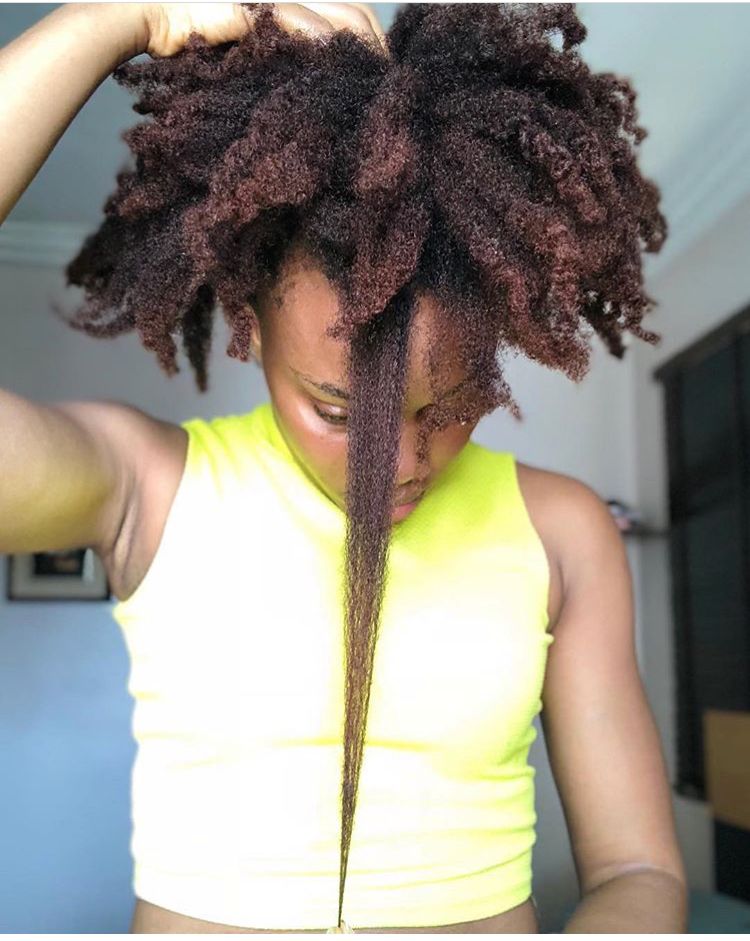
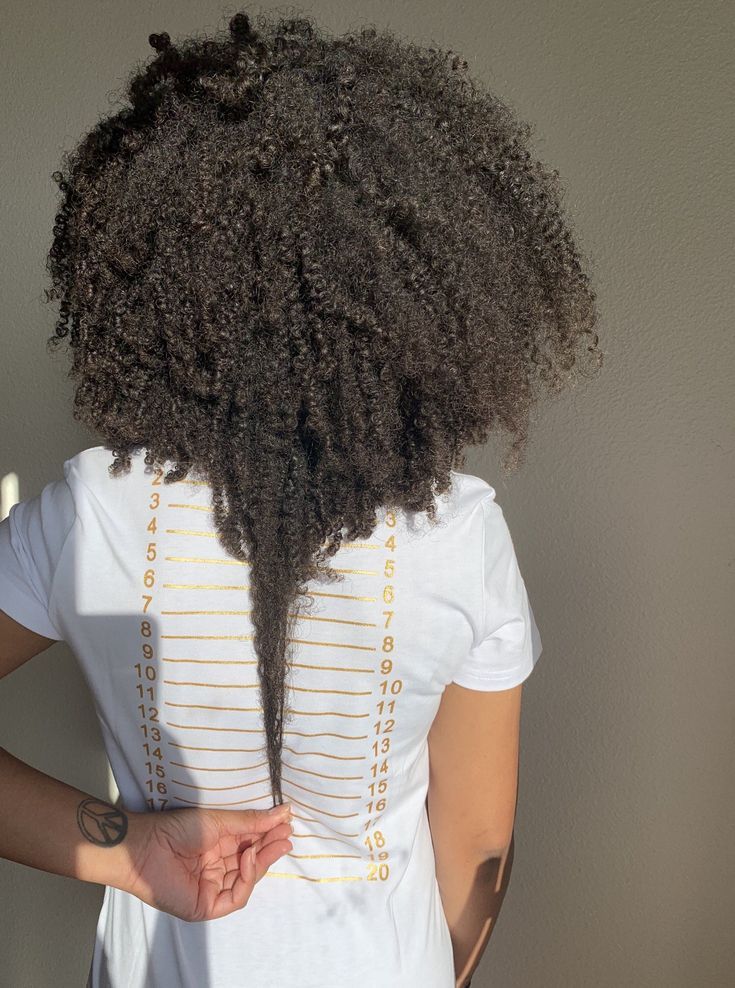
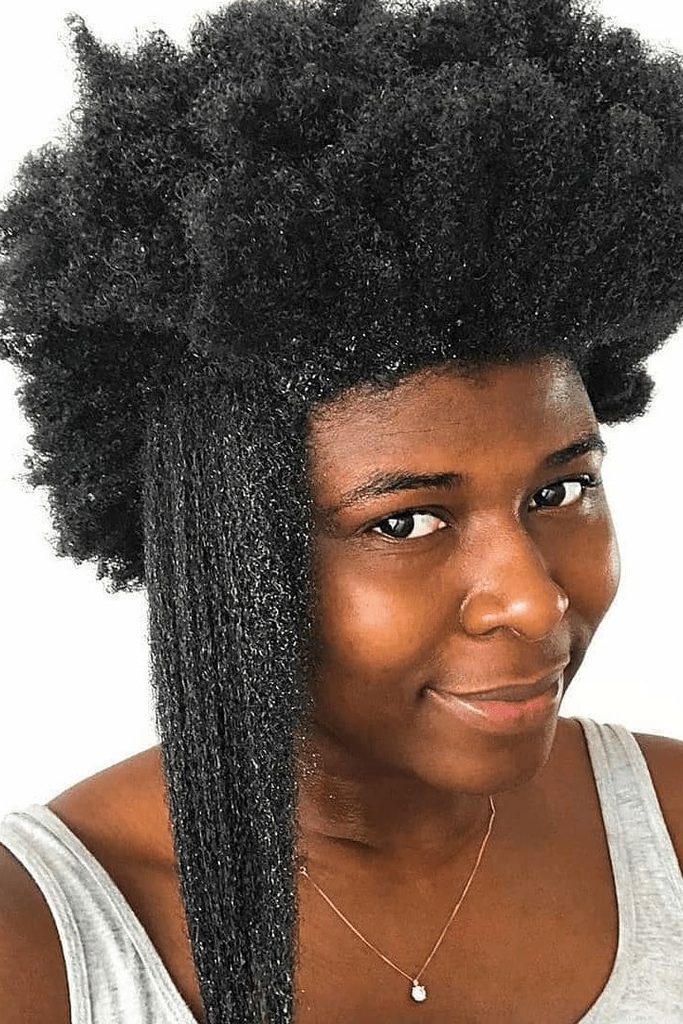
Elasticity refers to your hair’s ability to stretch under tension and return to its original shape. Healthy hair stretches noticeably before springing back without breaking or losing form.
This bounce reflects strong, well-balanced internal structure within each strand.
This property isn’t unique to curly or coily hair, though it behaves differently there. Every hair type has some degree of natural elasticity built into its structure.
Coily hair’s tight curl pattern simply makes this stretching especially visible and dramatic.
This visibility is actually a genuine advantage when it comes to monitoring your hair’s health. You can observe elasticity changes more easily than someone with straighter, less expressive hair.
This makes coily hair genuinely easier to read once you know what to look for.
Understanding your hair’s basic structure helps explain why elasticity varies as much as it does.
Reading how hair is formed: a beginner-friendly guide covers the follicle and protein structure behind elasticity. That foundational knowledge makes elasticity feel like a logical concept.
Genetics set your hair’s baseline elasticity, but care and environment shape it daily. This means you have genuine influence over your hair’s elasticity, even within genetic limits.
Understanding this balance between nature and care feels empowering rather than limiting.

How to Test Your Hair’s Elasticity
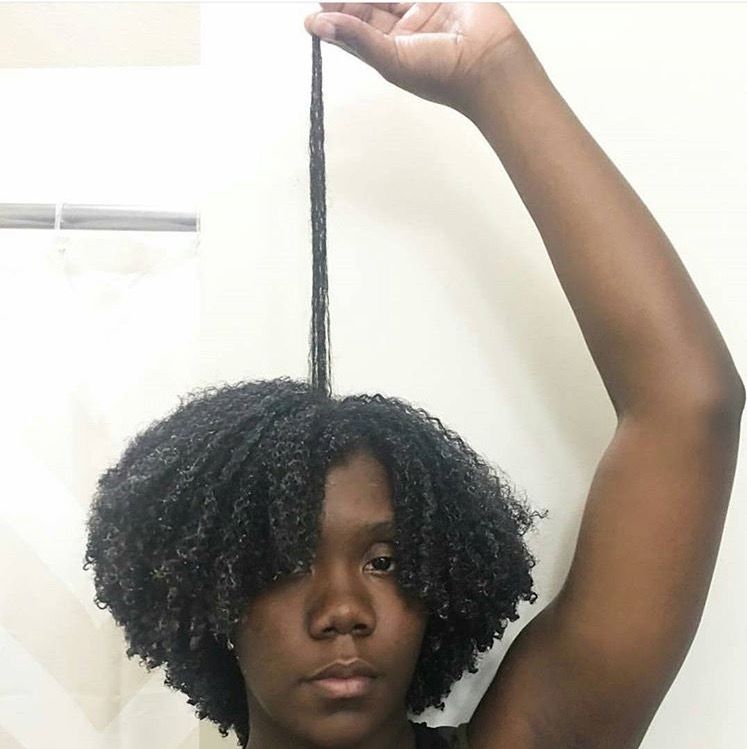
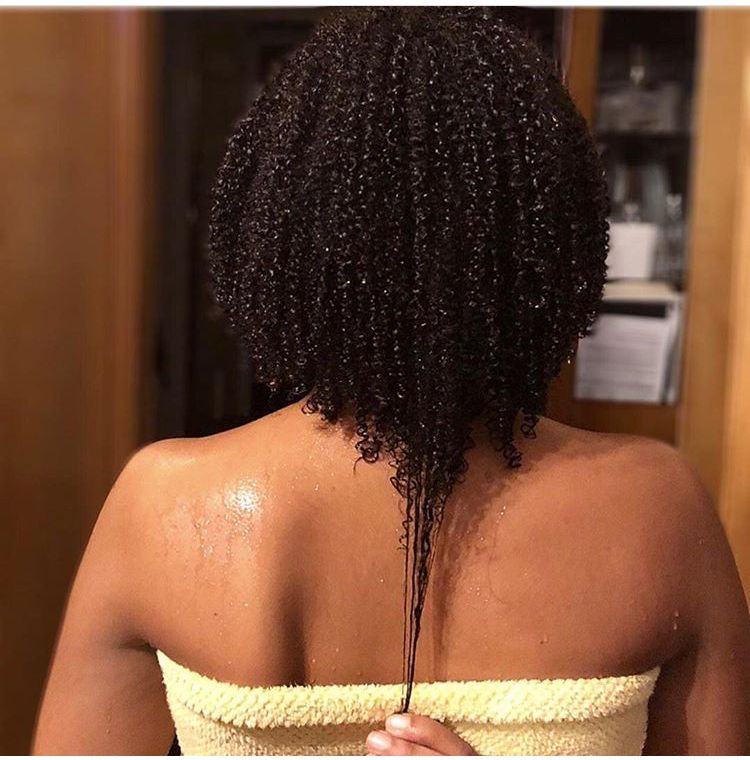
Testing elasticity is simple and requires no special tools or equipment. Take a single strand of clean, wet hair between two fingers. Gently stretch it and observe how it behaves as you pull.
Perform this test on a shed strand rather than one still attached to your scalp. This avoids any discomfort while still giving you accurate, useful information.
A shed strand from your comb or brush works perfectly for this purpose.
Healthy hair stretches somewhat before slowly returning to its original curled shape. It shouldn’t snap immediately, nor should it stretch excessively without any resistance.
This balance indicates a healthy ratio between protein and moisture within the strand.
Practice this test on hair you know is healthy to establish your personal baseline. Once you know what healthy feels like, spotting changes becomes noticeably easier.
This baseline becomes a genuinely useful reference point for future comparison.
Testing regularly helps you notice changes before they become more serious concerns. Our guide on how to care for a twa covers early care habits that support healthy elasticity from the start.
Building this testing habit early helps you track your hair’s health.
Monthly testing offers a reasonable rhythm without becoming an obsessive, anxiety-inducing habit.
This frequency catches meaningful changes without turning testing into unnecessary daily worry. Balance, once again, is genuinely the goal to keep in mind.
The Protein-Moisture Connection
Elasticity depends heavily on the balance between protein and moisture within your hair.
Protein provides structure and strength, while moisture provides flexibility and softness. Both elements need to work together for genuinely healthy elasticity.
Think of protein as the frame and moisture as the cushioning within that frame. Neither element alone creates comfort or resilience without the other present too.
This partnership genuinely defines how your hair feels and behaves daily.
Too much protein without enough moisture creates stiff, inflexible hair prone to snapping. Too much moisture without enough protein creates limp, overly stretchy hair that won’t hold shape.
Finding the right balance takes observation and occasional adjustment over time.
This balance isn’t a one-time fix but an ongoing, ever-shifting relationship worth maintaining. Weather, product changes, and even styling frequency all influence this balance regularly.
Staying attentive genuinely beats setting a routine once and forgetting about it.
This balance connects directly to the protein that gives hair its fundamental strength.
Reading what keratin does for afro hair explains how this specific protein forms the bonds responsible for healthy elasticity.
Understanding keratin’s role makes this balance much easier to manage.
Knowing this connection helps you choose treatments more intentionally rather than guessing randomly.
A protein treatment addresses one side of this balance; a moisture treatment addresses the other. Matching the treatment to the actual need genuinely improves your results.
Signs of Healthy Elasticity
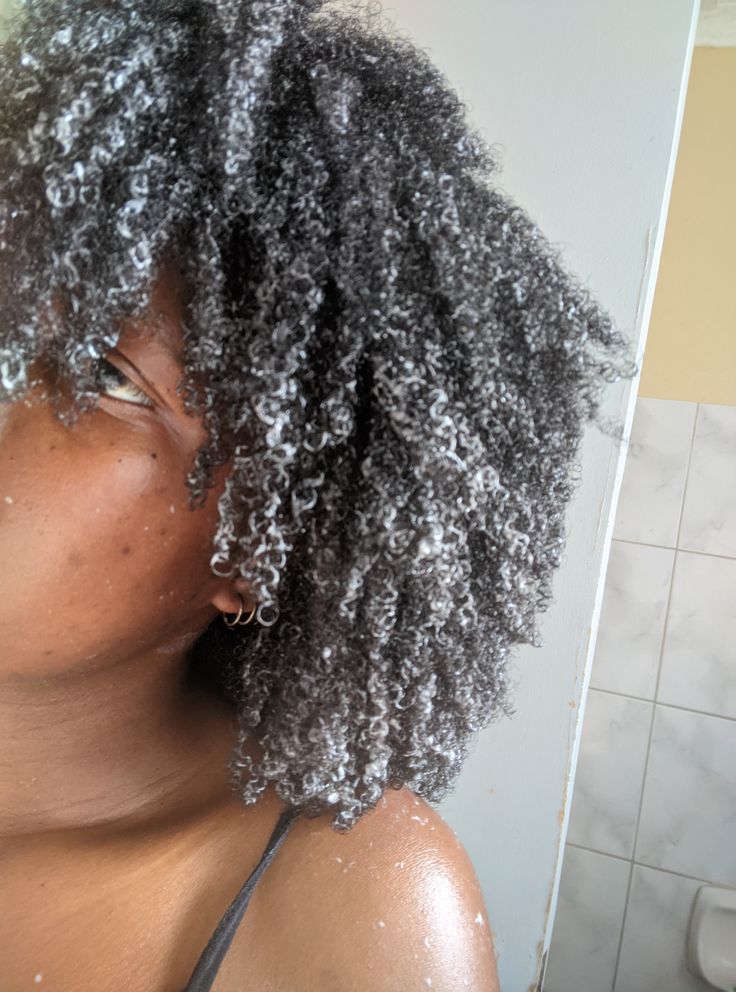
Healthy elasticity shows up in several observable, everyday signs worth learning to recognize. Hair stretches noticeably when pulled and returns to its original shape afterward.
It feels resilient during detangling rather than fragile or prone to snapping.
Shine and softness often accompany healthy elasticity, though these signs are somewhat secondary.
The primary indicator remains that genuine stretch-and-recover behavior described throughout this guide. Secondary signs offer supporting evidence but shouldn’t replace the actual stretch test.
Curls that hold their shape well through styling also indicate healthy elasticity. Twist-outs and braid-outs that last several days without falling flat suggest strong underlying structure.
These everyday styling successes are actually meaningful signs of genuine hair health.
Celebrate these everyday wins as genuine indicators rather than simply lucky styling outcomes. A great wash day often reflects underlying health more than perfect technique alone.
Recognizing this connection helps you appreciate your hair’s health in everyday moments.
This health connects to the ongoing biological processes happening beneath your scalp constantly.
Reading understanding the afro hair growth cycle helps explain why new growth often shows the healthiest elasticity. Fresh growth simply hasn’t experienced as much cumulative wear and tear.
This is part of why regular trims support consistently healthy elasticity throughout your hair. Removing older, more weathered ends leaves a higher proportion of naturally elastic, newer growth.
Trimming and elasticity maintenance genuinely work together toward the same overall goal.
Signs of Low Elasticity
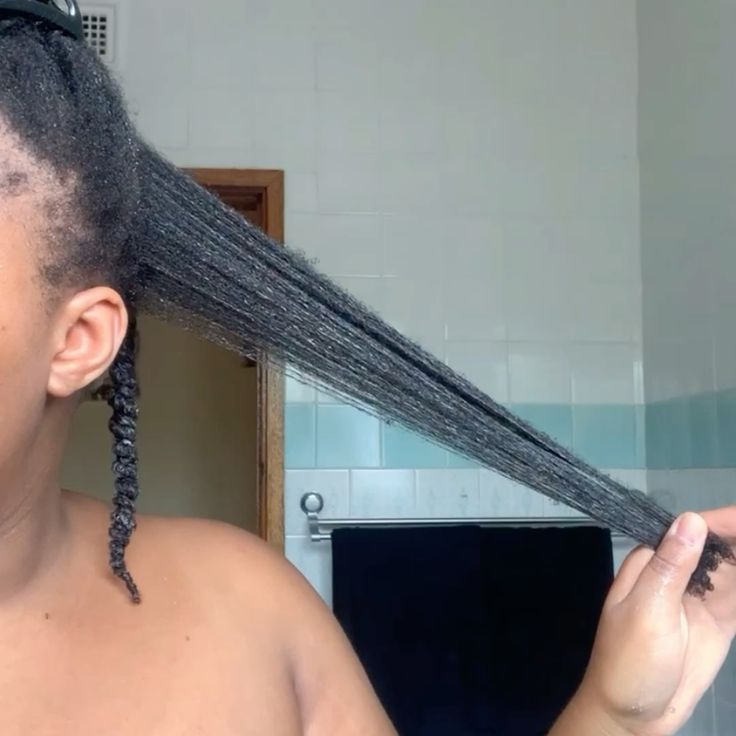
Low elasticity shows up as hair that snaps easily without much stretching beforehand.
This brittleness often accompanies dryness, since inadequate moisture typically causes this specific imbalance. Hair may feel rough, stiff, or unusually resistant to gentle manipulation.
This condition often develops gradually rather than appearing suddenly overnight without warning. Regular elasticity testing helps you catch this gradual decline before it becomes severe.
Early detection makes correction significantly easier than waiting until damage feels obvious.
Breakage during simple tasks like detangling or styling often signals low elasticity specifically. This differs from occasional shedding, which is a normal, separate biological process entirely.
Recognizing this distinction helps you address the actual underlying cause correctly.
Shed hairs typically have a small, visible bulb at one end, unlike broken strands. Learning to distinguish between these two types genuinely improves your ability to self-diagnose.
This small detail makes a real difference in understanding what’s actually happening.
Addressing low elasticity often starts with restoring adequate moisture throughout your routine.
A winter moisture routine for natural hair addresses this exact challenge, since cold weather commonly triggers low elasticity.
Seasonal moisture strategies genuinely support healthier elasticity throughout the entire year.
Consistency matters more than intensity when restoring elasticity through improved moisture habits.
Daily, gentle moisture additions genuinely outperform occasional, heavy-handed deep treatments alone.
Small, sustainable habits build lasting improvement more reliably than dramatic, sporadic efforts.

Signs of Overly High Elasticity
Excessively high elasticity shows up as hair that stretches too far without springing back properly.
This overstretching indicates a protein deficiency relative to the amount of moisture present. Hair may feel mushy, gummy, or unusually soft when wet.
This mushy feeling is one of the more distinctive, easy-to-recognize signs worth remembering. Once you feel it, you’ll likely recognize this specific texture immediately in the future.
This tactile memory becomes a genuinely useful diagnostic tool over time.
This imbalance often surprises people, since moisture generally seems like an unambiguously good thing.
In reality, moisture without adequate protein support creates its own distinct set of problems. Balance, not maximum moisture, is genuinely the goal to aim for.
This surprise often leads people to keep adding moisture when protein is actually needed. Breaking this cycle requires recognizing the specific signs covered throughout this section.
Awareness genuinely interrupts an otherwise frustrating and counterproductive pattern here.
As hair grows longer, this balance sometimes requires more careful, deliberate attention.
A medium-length afro hair care routine explains how length changes can shift your hair’s ideal protein-moisture ratio over time.
Longer hair often needs different support than it did at shorter lengths.
Older sections near the ends often need more protein support than newer growth. This creates genuine variation across a single head that’s worth acknowledging and addressing.
Section-specific care often outperforms a single, uniform approach applied everywhere equally.
Elasticity and Curl Pattern
Elasticity and curl pattern work together to determine how your hair looks and behaves daily. Healthy elasticity supports well-defined, bouncy curls that hold their shape reliably.
Poor elasticity can cause curls to look limp, stretched out, or inconsistently defined.
This relationship explains why identical products sometimes produce noticeably different results on different days.
Your hair’s current elasticity state genuinely shapes how any given product ultimately performs. Understanding this connection helps you troubleshoot rather than blame the product alone.
This connection explains why the same styling technique can produce different results on different days.
Elasticity fluctuates based on moisture levels, weather, and overall hair health at any given time. Understanding this helps you troubleshoot inconsistent styling results more effectively.
Rather than abandoning a technique after one disappointing result, consider elasticity as a factor first.
A quick assessment might reveal a temporary imbalance rather than a flawed technique. This perspective genuinely saves you from unnecessarily giving up on good methods.
For style inspiration that showcases healthy, well-defined curl patterns, curated lists can help. Our 21 best hairstyles for one-inch afro hair post features looks that depend on strong, healthy elasticity.
Achieving these looks consistently starts with supporting your hair’s underlying elastic properties.
Before attempting a new style, a quick elasticity check can help set realistic expectations. Healthy elasticity generally means the style will turn out closer to what you envision.
This small assessment step genuinely improves your overall styling satisfaction.
Elasticity and Everyday Styling
Elasticity directly influences how your hair responds to daily styling and manipulation. Hair with good elasticity handles detangling, twisting, and general handling more comfortably.
This resilience makes everyday styling routines feel less stressful and more predictable.
This predictability genuinely reduces the mental burden of everyday hair care over time. Knowing your hair will handle normal manipulation reasonably well builds real confidence.
This confidence often shows up in how comfortable you feel trying new styles.
Poor elasticity, by contrast, can make even gentle styling feel risky and stressful. Every detangling session becomes a source of anxiety about potential breakage. Improving elasticity genuinely transforms the everyday experience of caring for your hair.
This anxiety can create a cycle where fear leads to avoidance, which leads to more tangling. Breaking this cycle starts with addressing the underlying elasticity issue directly.
Improved elasticity genuinely restores confidence alongside restoring your hair’s physical health.
If you’re navigating tricky in-between lengths, elasticity matters even more during this transitional stage.
Our guide on how to style awkward-length natural hair covers techniques that work best when elasticity is well-supported.
Strong elasticity makes every technique feel noticeably more forgiving and reliable.
This stage often involves more manipulation as you experiment with new techniques and styles.
Strong elasticity provides a buffer that makes this increased experimentation feel genuinely safer. Supporting elasticity during this stage pays off across every style you try.
How Damage Affects Elasticity
Damage from heat, chemical processing, or excessive manipulation directly compromises hair’s natural elasticity.
Damaged hair often loses its ability to stretch and recover properly. This is one of the clearest, most measurable signs of cumulative damage.
This measurability makes elasticity testing a genuinely useful tool for tracking damage over time.
Regular testing can reveal gradual decline before it becomes visually obvious to others. Early detection through testing genuinely beats waiting for visible signs to appear.
Once significant damage occurs, elasticity doesn’t fully restore without cutting away the affected section.
Products can temporarily improve the appearance and feel of damaged hair. True restoration of elasticity requires new, healthy growth to eventually replace the damaged section.
This reality can feel discouraging, but it also clarifies what genuinely helps versus what doesn’t.
Understanding this prevents wasted money on products promising impossible, permanent repair. Realistic expectations genuinely lead to more effective, appropriate care decisions.
This reality connects directly to why gentle handling matters throughout your entire hair journey.
Our growing out a twa: month-by-month guide emphasizes gentle care specifically because early damage compounds and affects elasticity.
Prevention genuinely matters more than any treatment applied after the fact.
Every stage of your hair journey benefits from this same underlying prevention-focused mindset. Treating your hair gently today protects the elasticity you’ll rely on tomorrow.
This long-term perspective genuinely shapes better daily habits throughout your entire journey.
Elasticity and Porosity Together
Elasticity and porosity are closely related properties that often get confused with each other. Porosity describes how easily hair absorbs and releases moisture from its environment.
Elasticity describes how hair responds to physical stretching and tension specifically.
Confusing these two terms is common, but understanding the distinction genuinely improves your troubleshooting.
Porosity issues call for different solutions than elasticity issues, even though they’re related. Precision in diagnosis genuinely leads to more effective, targeted solutions.
These properties interact significantly, since porosity affects how much moisture reaches your hair’s cortex. Adequate moisture, in turn, directly supports healthy elasticity throughout each strand.
Understanding both properties together gives you a more complete picture of your hair’s overall health.
High porosity hair may need more frequent moisture to maintain consistently healthy elasticity. Low porosity hair may need different techniques to ensure moisture actually penetrates effectively.
Tailoring your approach to both properties together genuinely improves your overall results.
Managing both properties together often means addressing similar underlying environmental factors.
Our post on how to protect afro hair from humidity offers strategies that support both healthy porosity and elasticity.
A holistic approach to moisture management genuinely benefits both properties at once.
This interconnectedness is a recurring theme throughout hair care, not a coincidence specific to these two properties.
Nearly everything about hair health connects back to a few shared underlying principles. Recognizing these connections genuinely simplifies what can otherwise feel like overwhelming complexity.
Restoring Elasticity Over Time
Restoring compromised elasticity takes patience, consistency, and a genuinely balanced approach to care.
Deep conditioning treatments that address both protein and moisture needs support this restoration process. Regular, gentle care over weeks and months produces the most reliable results.
Set realistic timelines for this restoration process rather than expecting overnight, dramatic change. Genuine improvement typically shows up gradually over several weeks of consistent effort.
Patience during this process genuinely pays off with more sustainable, lasting results.
Avoid harsh treatments or excessive heat while actively working to restore elasticity. These practices can undo progress and further compromise already-fragile hair structure.
Patience during this restoration period genuinely pays off with healthier, more resilient results.
Simplify your routine temporarily while focused specifically on this restoration goal. Fewer variables make it easier to identify what’s genuinely helping your progress.
A simplified approach often produces clearer, more trustworthy results during this period.
Seasonal changes can support or complicate this restoration process depending on timing.
A summer hair care routine for afro hair often naturally supports elasticity restoration through increased humidity.
Working with seasonal conditions rather than against them genuinely speeds up recovery.

Elasticity Across Different Hair Lengths
Elasticity behaves somewhat consistently across different hair lengths, though visible effects can vary.
Shorter hair may show elasticity changes less dramatically simply due to less overall length. Longer hair often reveals elasticity issues more visibly, especially toward older, more weathered ends.
This doesn’t mean shorter hair is inherently healthier; it simply shows less visible history. Every length has its own specific considerations worth understanding as you grow.
Adjusting your expectations at each stage genuinely supports a smoother overall journey.
Understanding this length-specific variation helps you interpret what you’re observing more accurately.
A single head of hair can show different elasticity at the roots versus the ends. This variation reflects the different ages and history of hair at different points along the strand.
Testing elasticity at multiple points along a single strand can reveal this variation directly. Roots often show healthier elasticity than ends, which have experienced more cumulative wear.
This simple comparison offers genuinely useful insight into your hair’s overall condition.
Seasonal transitions add another layer of complexity worth understanding as your hair grows longer.
Our fall hair care tips for type 4 hair note how elasticity needs shift as hair transitions between lengths. Staying attentive to both factors genuinely supports better long-term results.

Seasonal Changes and Elasticity
Elasticity fluctuates throughout the year alongside broader seasonal and environmental changes. Humid summer months often support more visible bounce and stretch in most hair types.
Dry winter months often reveal reduced elasticity due to lower ambient moisture levels.
Tracking elasticity across a full year reveals patterns that shorter observation periods might miss.
This longer view helps you distinguish genuine seasonal rhythm from anything worth real concern. Patience in observation genuinely rewards you with deeper, more useful understanding.
Understanding this seasonal rhythm helps you adjust expectations and routines throughout the year. What looks like declining elasticity in winter often simply reflects normal seasonal variation.
Recognizing this pattern prevents unnecessary worry during naturally challenging seasonal stretches.
Seasonal resets offer a natural opportunity to reassess and support your hair’s elasticity intentionally.
A spring hair reset checklist often includes steps that specifically support restoring elasticity after a harsh winter season.
Building this reassessment into an existing seasonal habit makes it easier to remember consistently.
Elasticity and Protective Styling
Protective styles can support or challenge elasticity depending on how they’re installed and maintained.
Styles installed with excessive tension can strain hair and compromise elasticity over time. Gentle, properly tensioned styles support rather than undermine healthy elastic properties.
Moisturizing regularly while wearing protective styles helps maintain elasticity throughout the style’s duration.
Neglecting moisture during a long-term style can leave hair feeling brittle once finally taken down. A consistent maintenance routine genuinely protects elasticity even during extended protective periods.
Choosing looser, more comfortable styles generally supports better long-term elasticity outcomes. Comfort during installation is often a reliable indicator of appropriate tension levels.
Trusting this comfort signal genuinely protects your hair’s elastic properties over time.

When to Worry About Elasticity Changes
Occasional fluctuations in elasticity are completely normal and rarely cause for genuine concern. Sudden, dramatic changes without a clear explanation deserve closer attention and investigation.
Changes accompanied by excessive breakage or unusual texture warrant particular focus.
A new product, treatment, or significant environmental change is often the underlying cause. Reverting recent changes can help you identify whether something specific triggered the shift.
This simple elimination process often reveals the answer fairly quickly.
If concerning changes persist despite your best efforts, professional guidance can genuinely help.
A trusted stylist can assess your hair’s condition with a trained, experienced perspective. Don’t hesitate to seek this guidance when self-troubleshooting isn’t producing clear answers.
Wrapping Up: Trusting Your Hair’s Natural Bounce
Elasticity is one of the most telling, useful indicators of your hair’s overall health. Understanding it helps you interpret countless everyday signals your hair sends you regularly.
This knowledge ties together nearly everything else covered throughout this entire blog.
Test your hair’s elasticity periodically, and let what you learn guide your routine. Small, consistent adjustments based on real signals genuinely outperform any generic, one-size-fits-all approach.
Your hair’s bounce is a genuine conversation, not a mystery to solve alone.
Trust the process, stay attentive, and let your hair’s natural elasticity guide your care. Every stretch and every springy recoil tells you something real about your hair’s health.
Understanding elasticity means understanding one of your hair’s most honest, reliable languages.
Thank you for following along through this entire series of guides and routines. Every concept covered connects back to the fundamentals explored across these fifteen topics.
Here’s to healthier, more confident hair care built on genuine understanding.
13 Comments