
How To Stop Excessive Hair Shedding
Disclosure: Some of the links in this post are affiliate links. This means if you click on the link and purchase an item, I will receive an affiliate commission at no extra cost to you.
Have you noticed more hair in your comb lately? Maybe your shower drain looks worse than usual.You are not alone in this. So many of my clients bring up the same worry.
Hair shedding is normal. But when it feels like too much, it becomes scary fast.The good news is this. Most shedding can be traced back to a clear cause.
Once you know your cause, you can actually fix it. That is what this post is all about.
If you already read why your afro hair feels dry all the time, you know dryness and shedding often go hand in hand.
Let’s break shedding down step by step. No confusing terms. Just simple, honest talk.
By the end, you will know exactly what to check first. You will also know what habits to build.
How To Stop Excessive Hair Shedding
What Hair Shedding Actually Means
Shedding is your hair’s natural way of renewing itself. Every strand has a life cycle. It grows for a while. Then it rests. Then it falls out to make room for new hair.
This happens to everyone, every single day. It is not a sign that something is wrong. The real question is not “am I shedding.” The real question is “how much am I shedding.”
Your hair actually moves through three stages during its life. Growing, resting, and shedding are all part of the plan.
Most of your hair sits in the growing stage at any given time. A smaller part rests and prepares to fall.
Knowing this cycle exists helps take away some of the fear. Your body is simply doing its job.
Understanding this cycle also helps you set realistic expectations. Hair does not grow or shed on command.
Normal Shedding Versus Excessive Shedding
On average, people shed between 50 and 100 strands a day. That number can feel like a lot.
But spread across your whole scalp, it barely makes a dent. Your hair still looks full and healthy.
Excessive shedding is different. You notice clumps, not single strands. Your hair feels thinner overall.
You may also notice more hair on your pillow, in your sink, or stuck to your clothes.
If you are also dealing with strands that snap in the middle instead of falling from the root, that might be something else entirely. Check out the difference between breakage and shedding to understand which one you are actually facing.
A simple pull test can help you check where you stand. Gently pull a small section of hair and count what comes out.
If more than a few strands come out easily, your shedding might be higher than normal right now.
Doing this test once a month gives you a clearer picture over time. It also helps you track progress as you make changes.
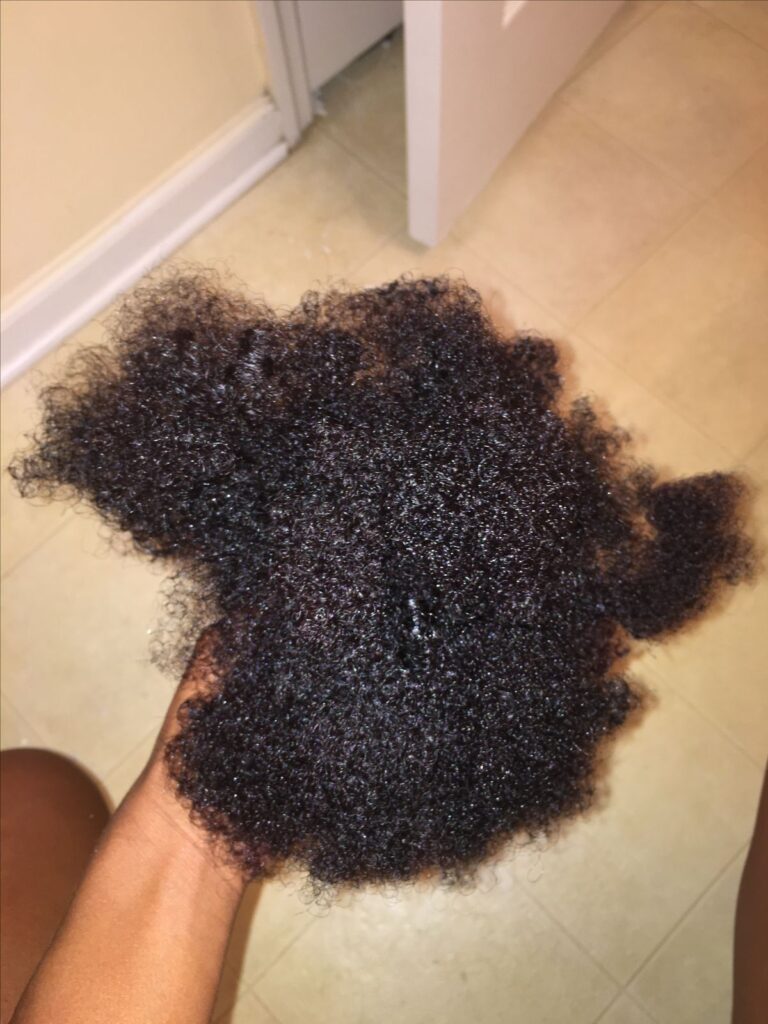
Stress Is A Bigger Cause Than You Think
Stress affects your whole body. Your hair is not left out of that.
High stress can push more hair strands into the resting phase at once. This leads to noticeable shedding weeks later.
This type of shedding even has a name. Doctors call it telogen effluvium.
The tricky part is the delay. Stress today can show up as shedding two or three months from now.
This makes it hard to connect the dots. But once you know this link exists, it gets easier to manage.
Managing stress is not just about your mind. Your scalp reacts to stress too, and calming it down helps. See healthy scalp habits that lead to healthier hair for simple ways to start.
Simple habits like deep breathing, better sleep, and regular exercise can lower your stress levels over time.
You do not need to eliminate stress completely. Just reducing it a little can make a real difference for your hair.
Journaling or talking to someone you trust can also help release built up tension over time.
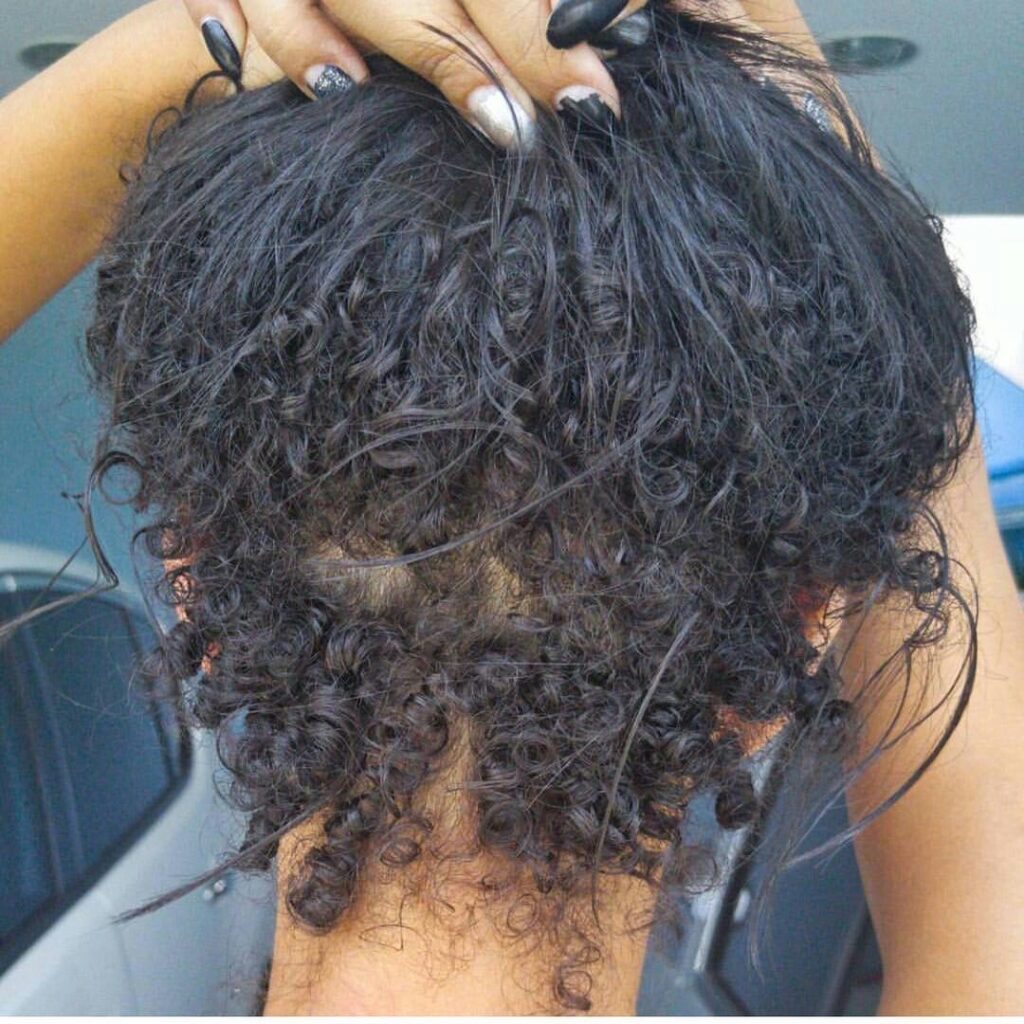
Nutritional Deficiencies Can Trigger Shedding
Your hair needs fuel to grow properly. That fuel comes from what you eat every day.
Low iron levels are one of the biggest hidden causes of shedding. Many people do not even know their iron is low.
Low protein intake causes a similar problem. Your hair is literally made of protein, so a shortage shows up fast.
Vitamin D and zinc deficiencies also play a role here. These are easy to miss without a proper blood test.
A simple visit to your doctor can clear up a lot of confusion. A blood test tells you exactly what your body is missing.
B12 and folic acid also support healthy hair growth from within. A lack of these can quietly slow your progress.
Vegetarians and vegans should pay closer attention to these nutrients, since plant sources are more limited.
Supplements can help, but food should always come first. A balanced plate does more than any pill alone.
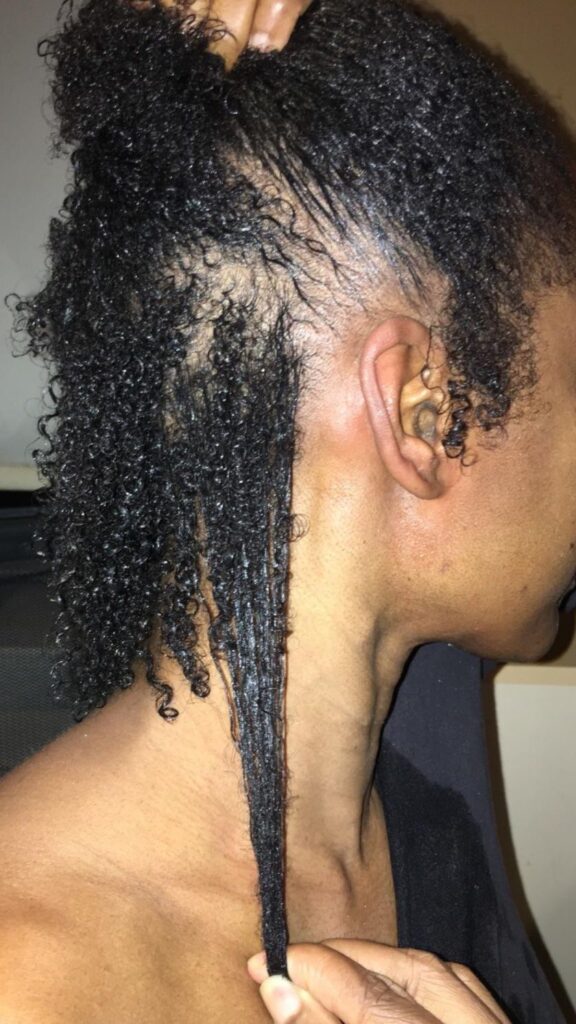
Age Changes Your Hair Growth Cycle Too
As you get older, your hair naturally grows a little slower. This is a normal part of aging.
Strands can also become thinner over time, especially after your late thirties or forties.
This does not mean you cannot have healthy hair as you age. It just means your routine may need small adjustments.
Focusing on scalp care and gentle handling becomes even more important as your hair matures.
Regular trims and gentle protective styling can help your hair stay fuller for longer as the years go by.
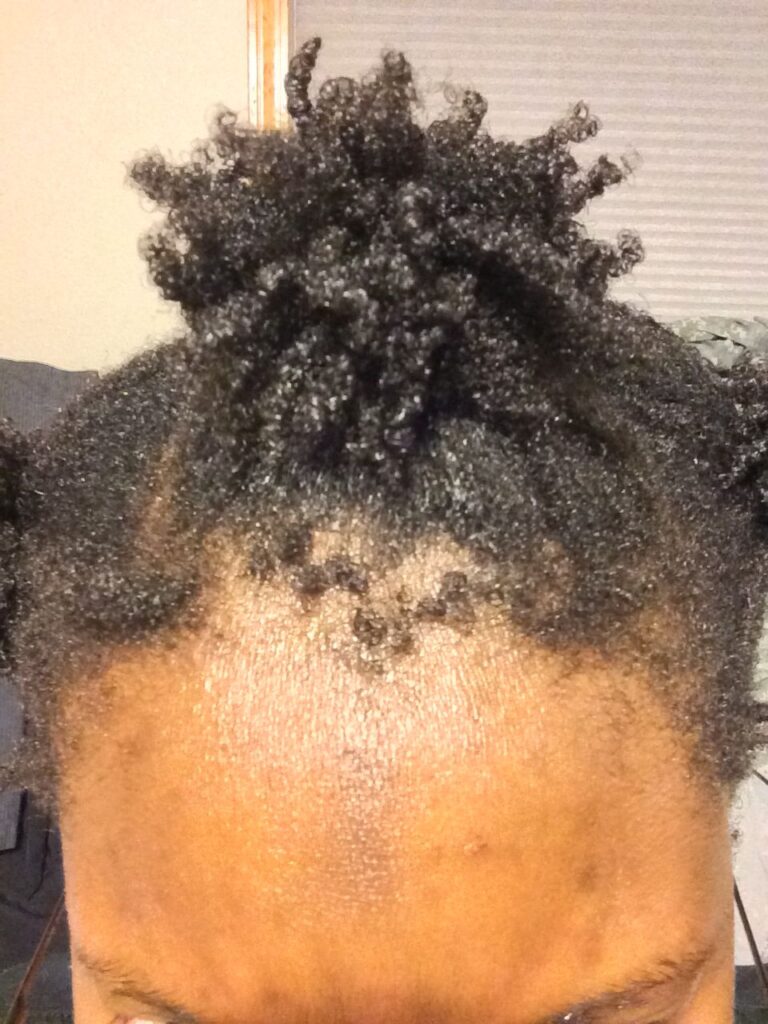
Hormonal Changes Affect Your Hair More Than You Realize
Hormones control so much in your body, including your hair growth cycle.
Thyroid problems are a common hidden cause of shedding. An overactive or underactive thyroid throws your whole system off.
Birth control changes can also trigger shedding. Starting or stopping certain pills shifts your hormone levels quickly.
Menopause is another major hormone shift that often comes with noticeable hair thinning and shedding.
If your shedding started right after a hormone change in your life, that timing is not a coincidence.
Hormonal shedding usually settles once your body adjusts fully. This can take a few months in most cases.
Tracking when your shedding started can help you and your doctor spot the real trigger faster.
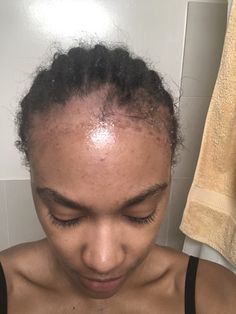
Genetics Can Play A Role Too
Some people naturally have a shorter hair growth cycle than others. This means more strands rest and shed at once.
This is not something you can fully control, but it is helpful to understand. Family history often explains a lot.
If your mother or grandmother dealt with thinning hair, your pattern might follow a similar path.
This does not mean you are doomed to the same outcome. Good habits can still slow things down significantly.
Genetics sets the starting point, but your daily choices decide how your story actually unfolds.
A Quick Client Story
One of my clients came to me in a panic about her shedding hair. She thought she was going bald.
We looked closely at her routine together. She had started a new birth control just three months earlier.
Once we connected the timing, she felt relieved instead of scared. Her body was simply adjusting to a hormone shift.
Within a few months, her shedding calmed down completely on its own. Sometimes patience really is the answer.
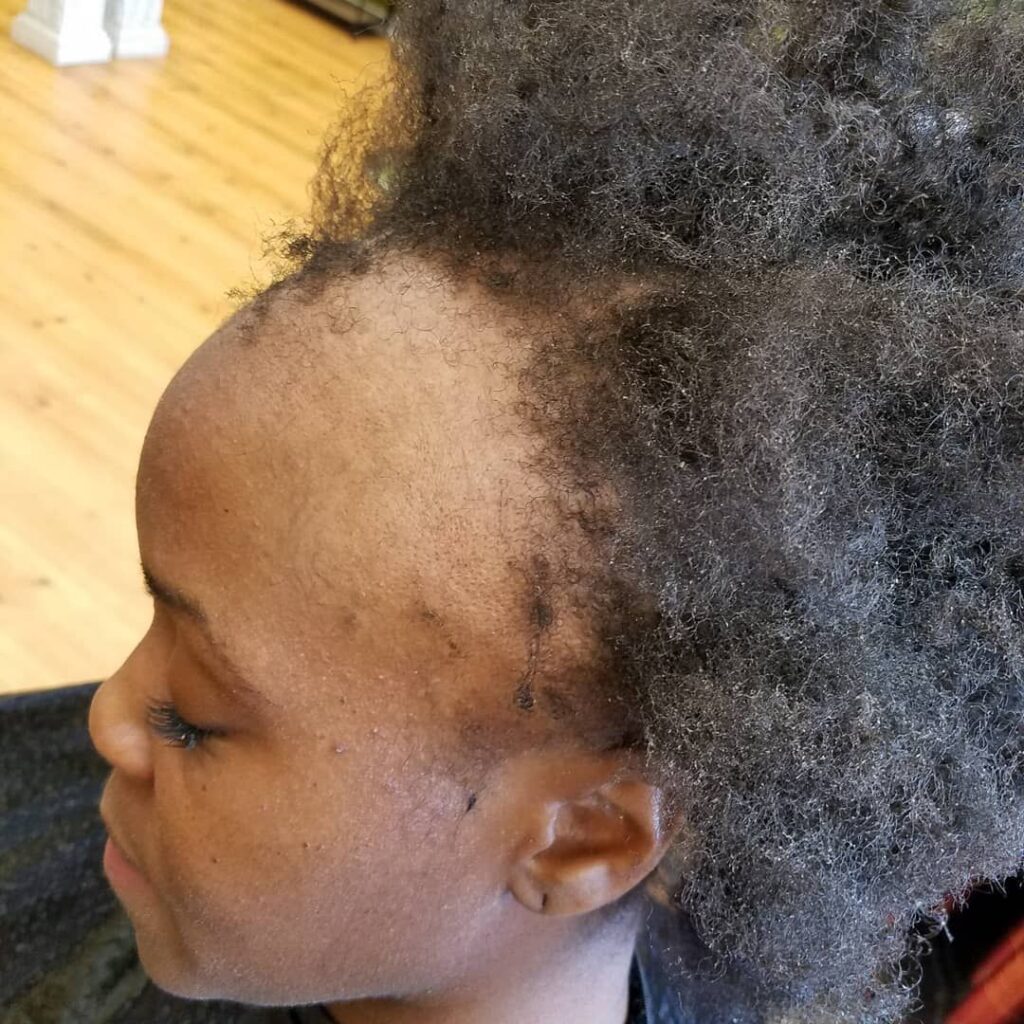
Postpartum Shedding Is Very Common
Many new mothers panic when their hair starts falling out heavily after birth. Please know this is normal.
During pregnancy, high hormone levels keep more hair in the growing phase than usual. Your hair feels fuller.
After birth, hormone levels drop fast. All that extra hair enters the resting phase at once.
This causes noticeable shedding around three to six months after delivery. It usually settles down on its own.
Patience is key here. Your hair cycle needs time to reset back to its normal rhythm.
Gentle care during this period helps a lot. Avoid tight styles and harsh brushing while your hair recovers.
Most mothers see their shedding slow down completely by the one year mark after delivery.
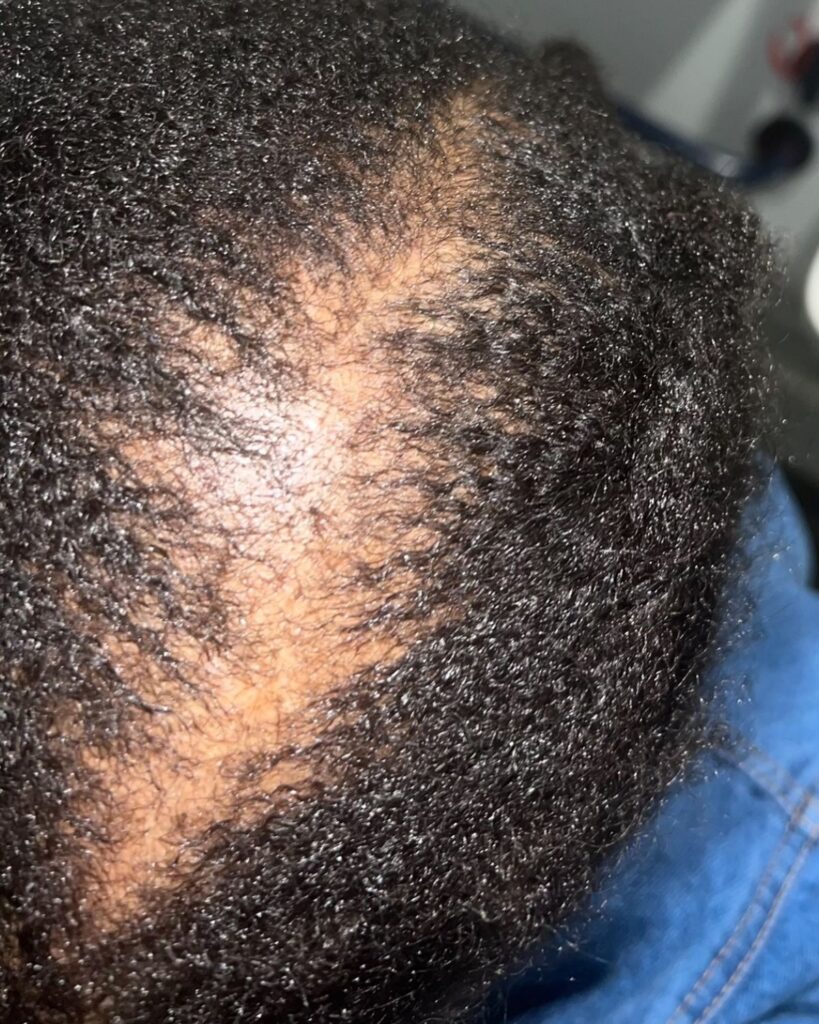
Wrong Products Can Quietly Cause Shedding
Some products build up on your scalp over time. This buildup can clog your hair follicles.
Clogged follicles struggle to hold hair in place properly. This can speed up shedding without you realizing why.
Harsh sulfates can also irritate your scalp with regular use. An irritated scalp is rarely a healthy one.
Reading your product labels matters more than people think. A few small swaps can protect your scalp long term.
This mistake is actually one of the most common ones stylists see during consultations every week. Check out 15 wash day mistakes that could be causing breakage for more on this.
Switching to gentler, sulfate free formulas can protect your scalp without stripping your hair completely.
Clarifying your scalp every few weeks removes buildup before it becomes a bigger problem.
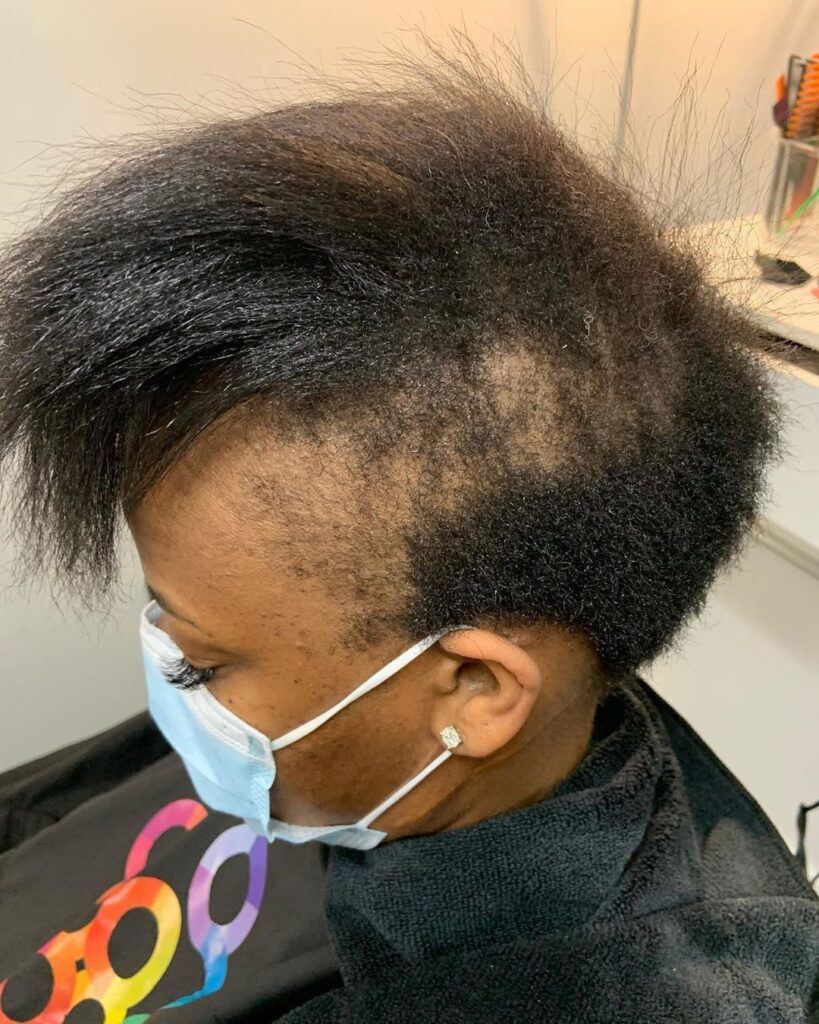
Environmental Factors Can Add Up Too
Chlorine from swimming pools can dry out your scalp and weaken your strands over time.
Excessive sun exposure without protection can also stress your hair and scalp during long days outside.
Pollution in the air settles on your scalp daily, especially if you live in a busy city.
Rinsing your hair after exposure to these elements helps reduce their effect on your shedding.
A simple leave-in with UV protection can also shield your strands during long days in the sun.
Tight Hairstyles Put Constant Pressure On Your Roots
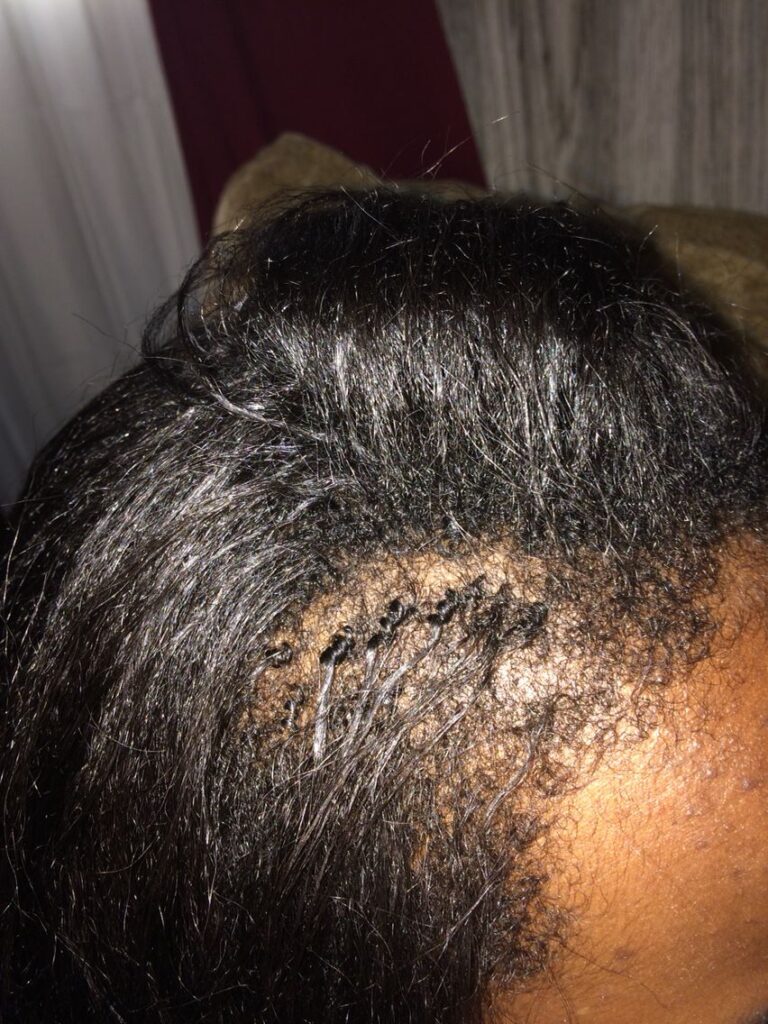
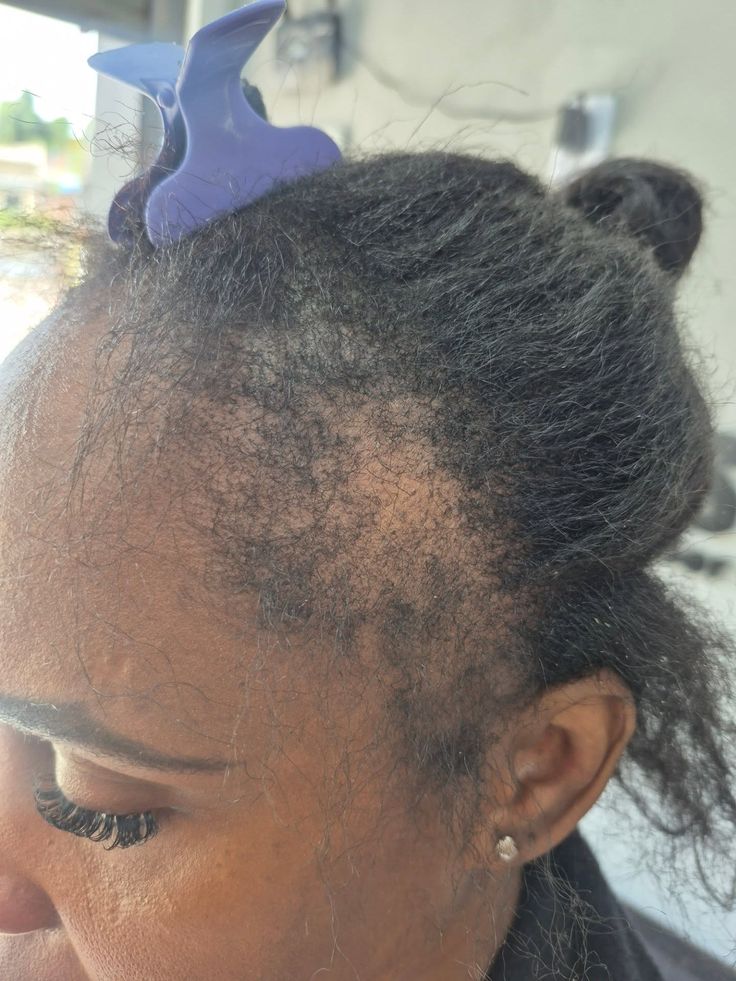
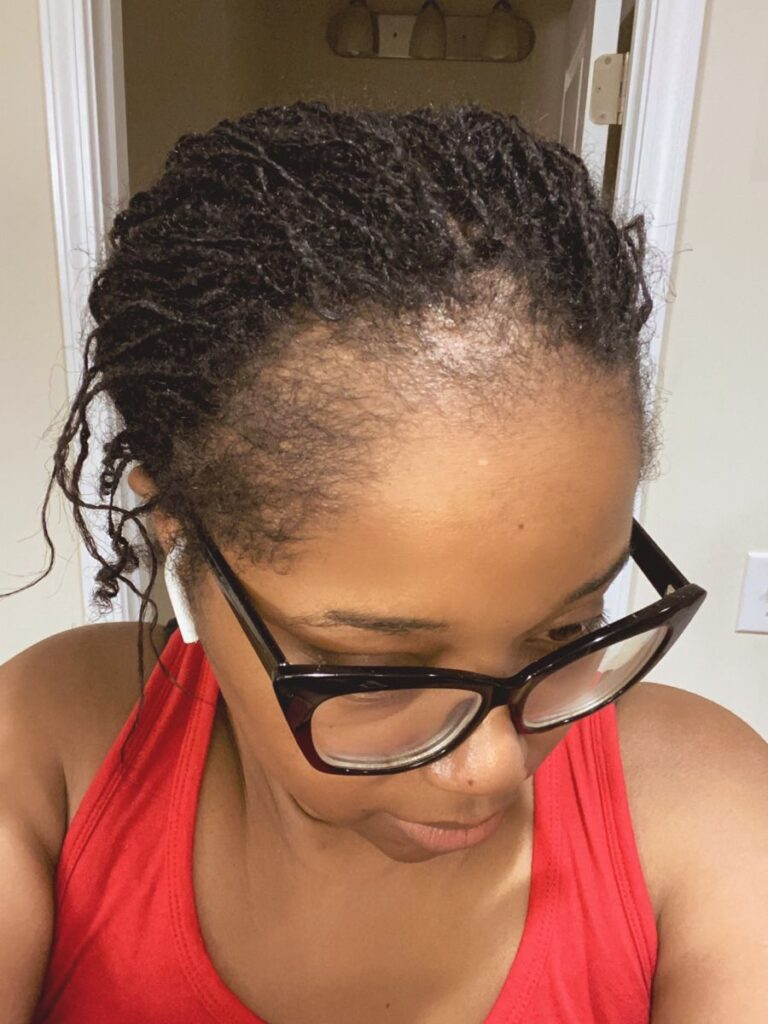
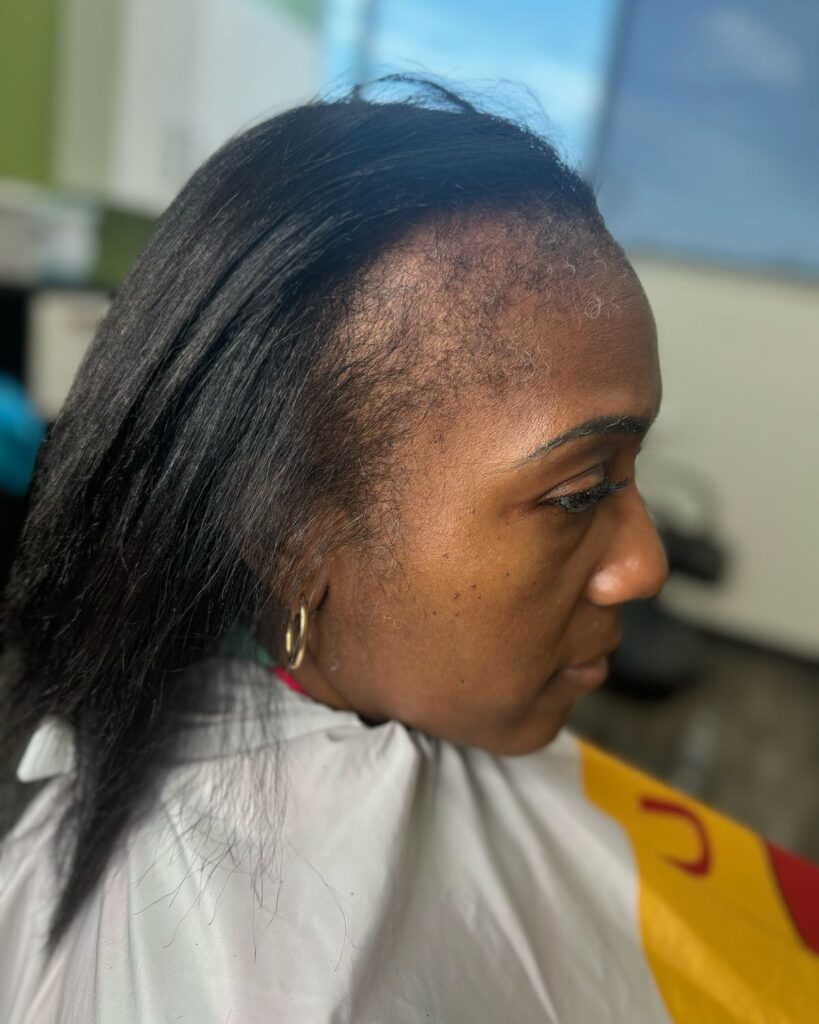
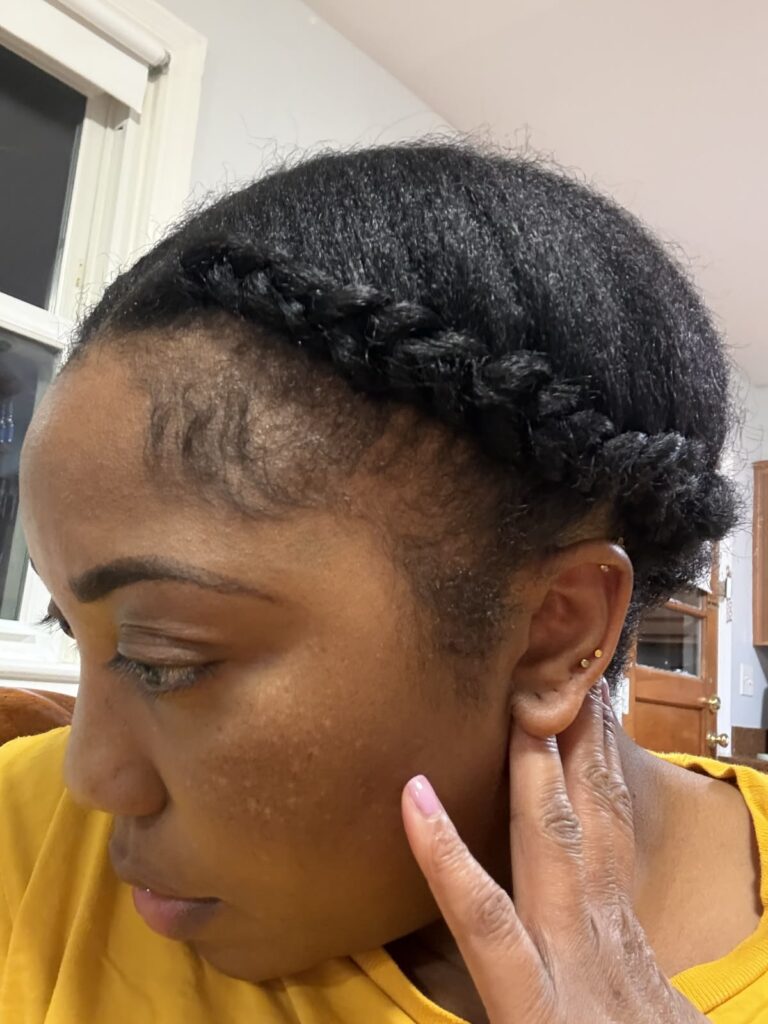
Braids, weaves, and tight ponytails all pull on your hair follicles. Over time, this pulling weakens the root.
This type of hair loss even has its own name. It is called traction alopecia.
The scary part is that it builds up slowly. You might not notice until your edges start thinning.
Wigs can also cause this if the band or clips sit too tight against your scalp for too long.
If you wear wigs often, learning to install them properly protects your natural hair underneath. Take a look at our beginner’s guide to wearing wigs over natural hair for tips on doing this safely.
A good rule to follow is simple. If a style hurts on day one, it will damage your edges over time.
Loosening your parts and giving your edges a break between styles protects your hairline long term.
Your Scalp Health Plays A Bigger Role Than You Think
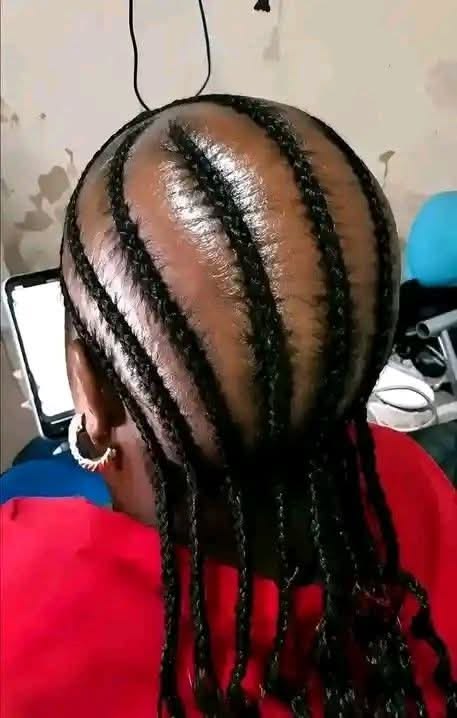
A healthy scalp grows healthy hair. This is not just a saying, it is actually true.
An unhealthy scalp struggles to hold hair firmly in place. Weak roots shed faster than strong ones.
Scalp buildup, dryness, and inflammation all interfere with your hair’s natural growth cycle.
Many people focus only on their strands and forget their scalp completely. That is a mistake worth fixing.
A good place to start is figuring out what your scalp actually needs. Read how to tell if your scalp is dry or just dehydrated to understand the difference.
Your scalp is basically the soil your hair grows from. Neglected soil rarely grows anything strong or lasting.
Simple habits like regular cleansing and gentle care go a long way in supporting this foundation.
Checking your scalp regularly, not just your strands, should become a normal part of your routine.
Over Manipulating Your Hair Speeds Up Shedding
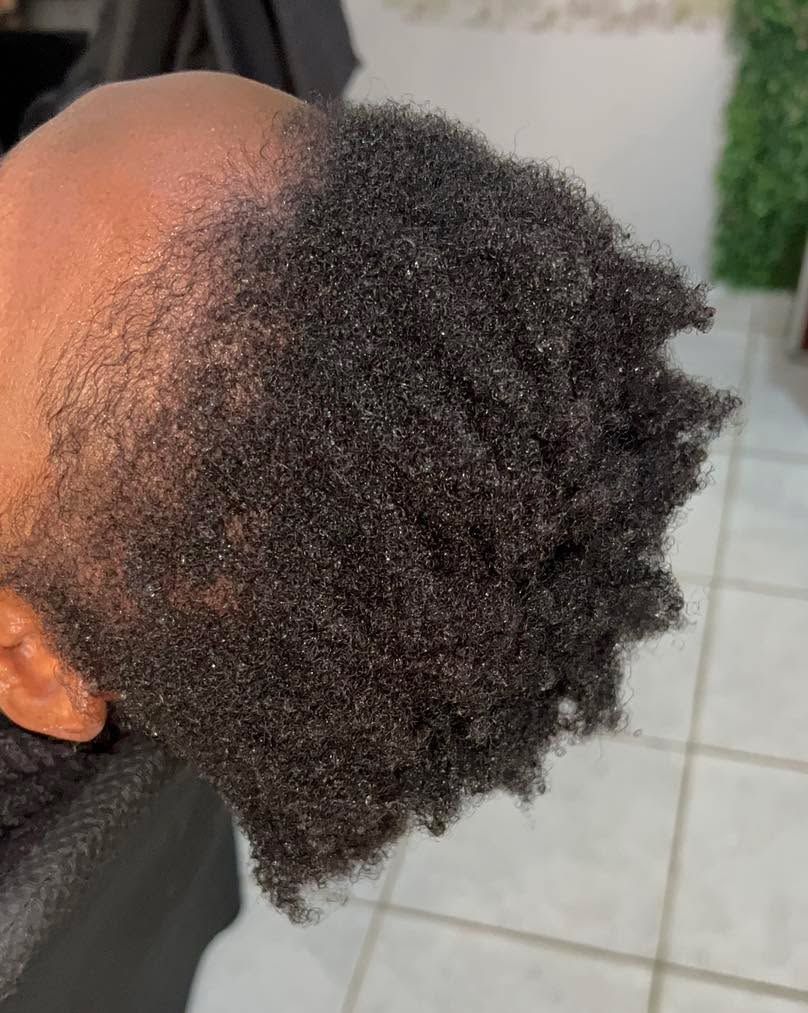
Constant brushing, combing, and restyling puts stress on your strands and your roots. Detangling with force, instead of patience, pulls hair out that was not ready to fall yet.
Switching styles too often does not give your scalp time to rest between installs. Give your hands a break sometimes. Less touching often means less shedding over time.
If your scalp already feels sensitive from too much manipulation, it might be trying to tell you something. See signs your scalp needs a detox to check if this applies to you.
Try setting a few rest days each week where you avoid combing or restyling completely.
Your scalp and strands both benefit from these small breaks more than people expect.
Some Medical Conditions Are Linked To Shedding
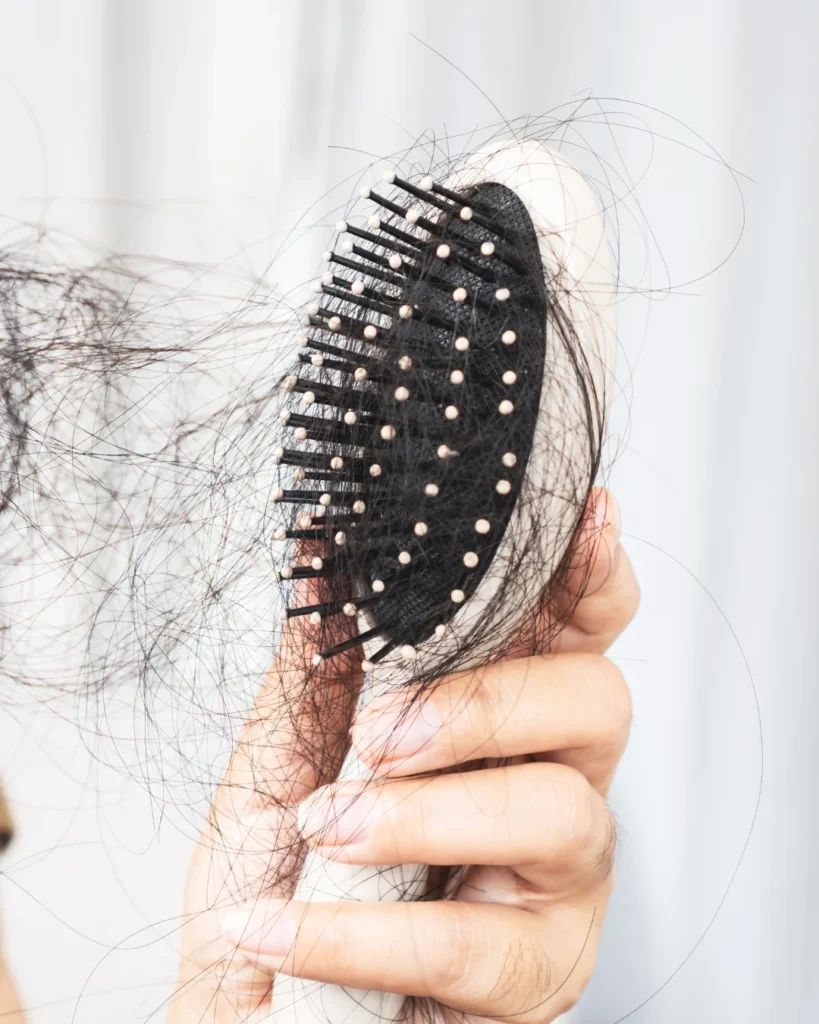
Certain health conditions cause hair shedding as a side effect. This includes things like anemia and autoimmune disorders.
Alopecia areata is one specific condition where the immune system attacks hair follicles directly.
Skin conditions on the scalp, like psoriasis or eczema, can also disturb your hair growth cycle.
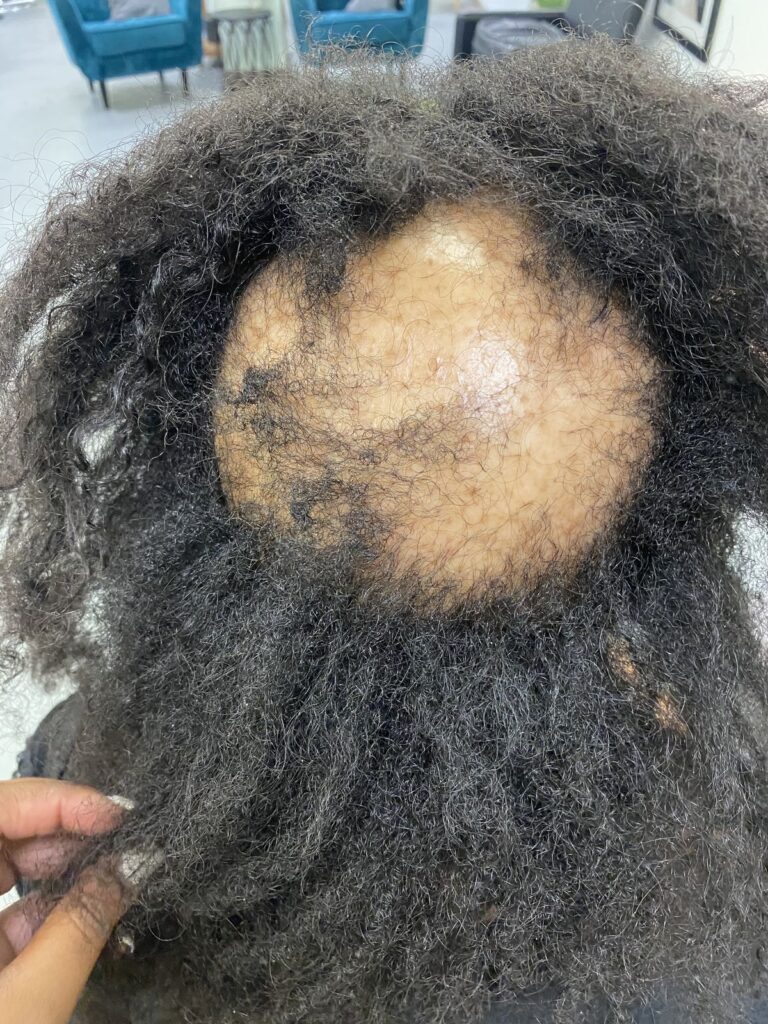
If your shedding feels sudden, severe, or comes with bald patches, please see a doctor. Do not wait too long.
Some scalp issues quietly build up before shedding even becomes visible. Read the hidden scalp mistakes that slow hair growth to catch these early.
Getting checked early makes treatment easier and faster in almost every single case.
There is nothing wrong with asking for help when your hair feels out of your control. Early treatment often leads to better outcomes, so do not delay booking that appointment.
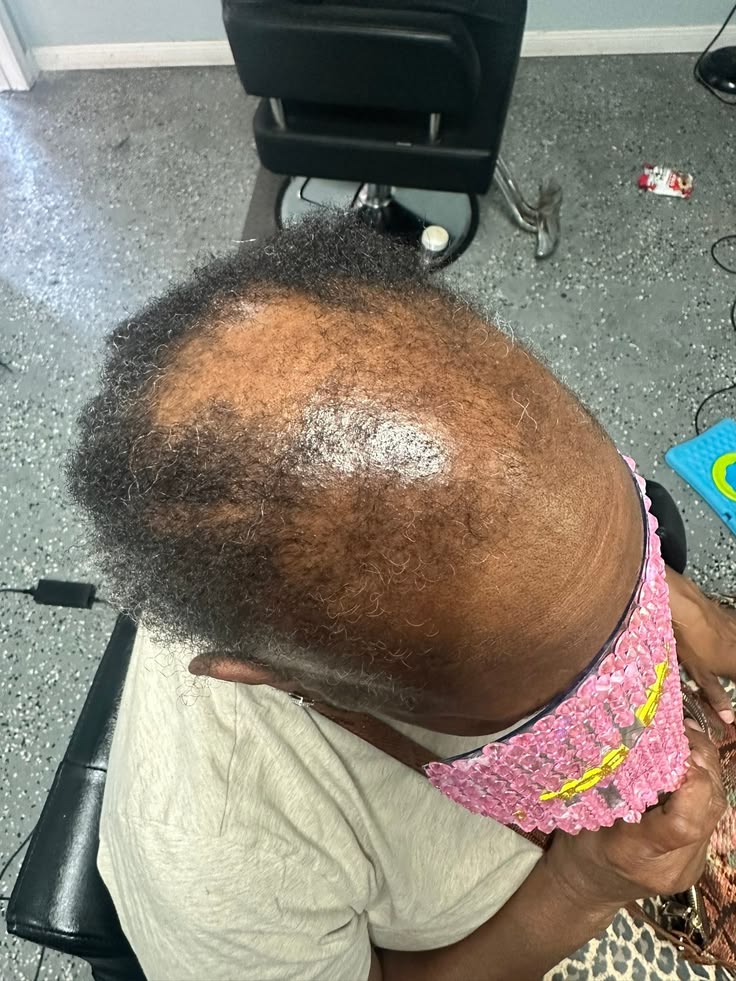
Building A Shedding Friendly Wash Routine
How you wash your hair matters just as much as what you wash it with. Rough scrubbing motions pull on strands that are not ready to fall out yet.
Using your fingertips gently, instead of your nails, protects your scalp during every wash. Detangling before you shampoo, not after, reduces the amount of hair loss during washing.
A calmer, gentler wash routine can make a noticeable difference within a few weeks. If your current routine feels long and stressful, our guide on how to cut your wash day in half without sacrificing healthy hair can help.
Section your hair before washing to keep things neat and reduce unnecessary tangling. Rinsing with cool water at the end can also help calm your scalp down after washing.
Pat your hair dry gently with a soft towel instead of rubbing it roughly after every wash.
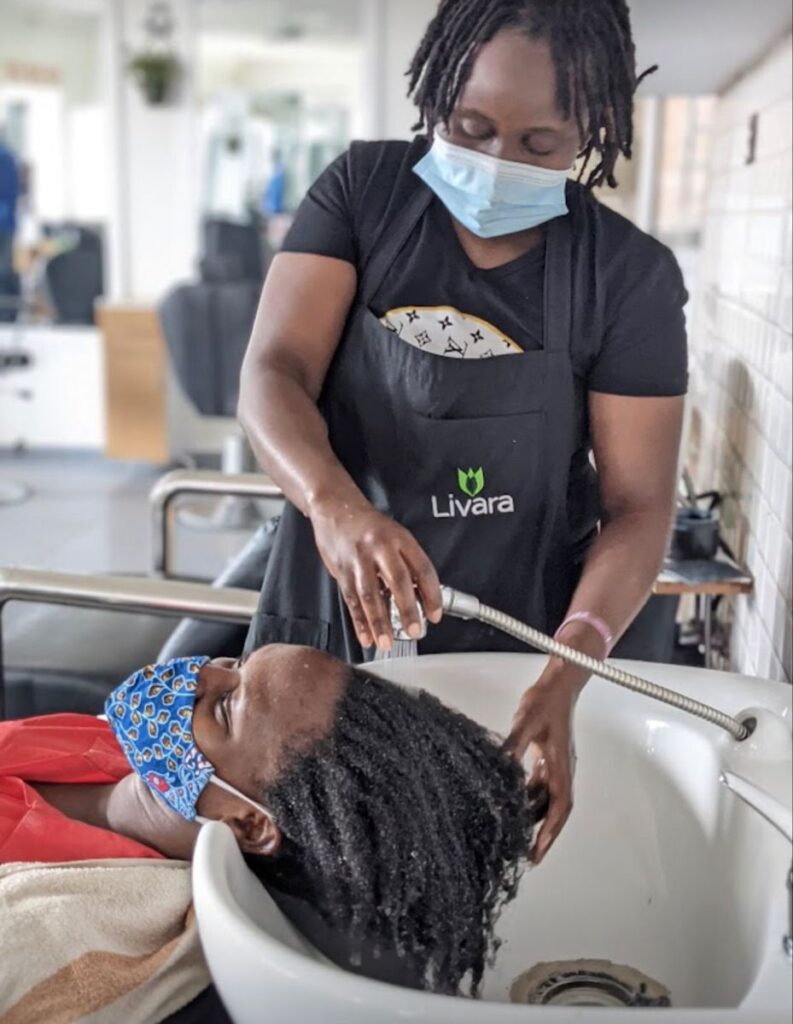
Scalp Massages Can Support Healthy Growth
Massaging your scalp improves blood flow to your hair follicles. Better blood flow means better nutrient delivery.
A few minutes of gentle massage, a few times a week, is enough to see benefits. You do not need expensive tools for this. Your fingertips work perfectly well on their own.
Adding a lightweight oil during your massage can make the experience even more soothing.
An itchy, uncomfortable scalp makes consistent massage difficult. If itching is a constant issue for you, read why your scalp always feels itchy and how to fix it.
Try massaging before bed as part of your nightly routine. It doubles as a relaxing habit too.
Consistency matters more than pressure here. Gentle, regular massage beats one aggressive session every time.
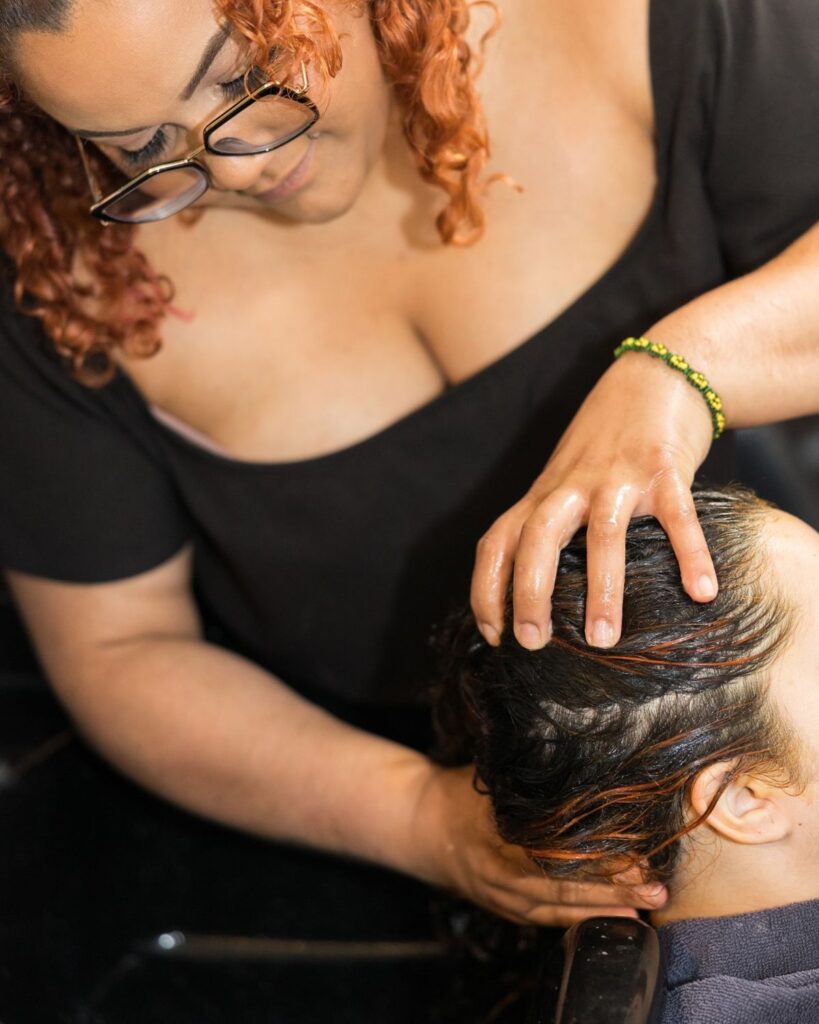
Small Diet Changes Can Reduce Shedding Over Time
You already know nutrition plays a role here. Small, consistent changes matter more than big overnight ones.
Add more leafy greens, eggs, and beans to your meals where you can. These support healthy hair growth.
Cut back on excessive sugar and highly processed foods when possible. These offer little benefit to your hair.
Drinking enough water daily supports your whole body, including your scalp and hair follicles.
Your hair type also determines how these changes show up over time. Pair this with the right routine using the perfect wash day routine for 4B hair.
Meal prepping simple hair friendly meals ahead of time makes healthy eating easier during busy weeks.
Give these changes a few months before expecting big results. Hair growth is always a slow process.

Protective Styles Can Help, If Done Right
Protective styles reduce daily manipulation, which can help slow down shedding. But they must be done correctly.
Styles that are too tight cause more harm than good, no matter how neat they look.
Give your scalp breaks between styles instead of moving from one tight install to another. Keep your scalp clean and moisturized even while wearing a protective style.
This matters even more for 4C hair, since the coily pattern already fights to hold moisture on its own. See the perfect wash day routine for 4C hair for a routine that works well alongside protective styles.
Avoid leaving any style in for too many weeks at a stretch, no matter how convenient it feels.
Removing a style slowly and gently also protects your strands from unnecessary shedding during takedown.
Moisturizing your scalp between installs keeps everything underneath healthy while your style stays neat.
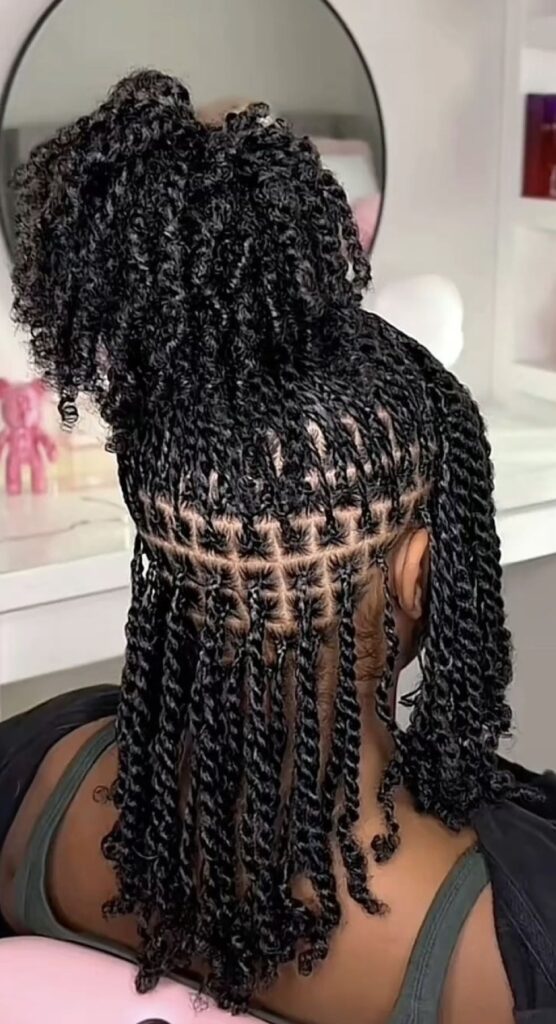
When You Should See A Dermatologist
Most shedding resolves on its own with time and small lifestyle changes. But some cases need professional help.
If you notice bald patches, sudden hair loss, or scalp pain, please book an appointment right away.
A dermatologist can run tests to check your hormones, iron levels, and scalp health properly.
Do not feel embarrassed about seeking help. Hair loss is common, and doctors see it every single day.
Taking care of your hair is also part of feeling good about how you look and show up daily. Read how to build confidence wearing your natural hair for more on this side of the journey.
Bring notes about when your shedding started and anything that changed around that time.
This information helps your dermatologist find the cause faster instead of guessing blindly.
Signs Your Shedding Is Finally Slowing Down
You will notice less hair in your comb during your normal routine. Your drain will look cleaner too. Your ponytail or puff will start to feel fuller than it did a few months ago.
New baby hairs may appear along your hairline. These are a great sign of regrowth happening. Your scalp will feel calmer overall, without constant tenderness or discomfort.
If you are still building your full moisture and wash routine, our guide for 4A hair pairs well with everything covered here. Check out the perfect wash day routine for 4A hair to round out your full hair care plan.
Celebrate these small wins as they come. They are proof that your efforts are actually working.
Keep going even when progress feels slow. Consistency always pays off in the end.
Common Myths About Hair Shedding
Many people believe shaving your head makes hair grow back thicker. This is simply not true at all.
Others think brushing a hundred strokes a day helps growth. In reality, this only causes more manipulation and shedding.
Some believe natural hair sheds more than relaxed hair. Shedding rates are actually similar across most hair types.
Believing these myths can lead to habits that hurt more than they help. Sticking to real information protects your hair better.
How Long It Takes To See Real Results
Hair does not respond overnight to any change you make. Give your routine at least eight to twelve weeks.
This matches roughly one full hair growth cycle for most people. Real change becomes visible around this time.
Tracking your progress with monthly photos can help you notice improvements you might otherwise miss.
Do not switch your entire routine every few days out of impatience. Give each change proper time to work.
Consistency over months always beats intensity over a single week when it comes to hair growth.
Final Thoughts On Stopping Excessive Shedding
Shedding can feel scary, especially when it happens suddenly. But most causes are manageable once identified.
Look at your stress levels, your diet, your products, and your styling habits honestly. Small consistent changes matter far more than any single miracle product.
Give your body and your hair time to respond. Real change takes weeks, not days.
You know your hair better than anyone else. Trust yourself as you work through this, one step at a time.
Shedding is a chapter, not the whole story of your hair. It passes once the real cause is handled.
Be kind to yourself through the process. Your hair, and your confidence, will thank you for it later.
Every strand you save now adds up to a fuller, healthier head of hair down the road.