
What Is Hair Porosity And Why Does It Matter?
Disclosure: Some of the links in this post are affiliate links. This means if you click on the link and purchase an item, I will receive an affiliate commission at no extra cost to you.
Porosity is one of the most important things to understand about your hair. A client once came to me confused, since her hair never seemed to absorb any product.
She would apply cream after cream, yet her hair stayed dry all day. Once we tested her porosity together, everything suddenly made sense. Her hair was low porosity, meaning it resists moisture unless handled the right way.
This single piece of knowledge changed how she approached every part of her routine. This post explains porosity clearly, so you can understand your own hair better too.
If you have not read Understanding Type 4 Hair: A Complete Guide, that post pairs well with this one.
What Is Hair Porosity And Why Does It Matter?
What Porosity Actually Means
Porosity describes how easily your hair absorbs and holds onto moisture. It depends on how open or closed the outer layer of your hair strand is.
This outer layer is called the cuticle, and it works like tiny, overlapping scales.
When these scales lie flat, moisture struggles to get in or escape easily. When these scales sit more open, moisture moves in and out more freely.
This simple structure explains why different people experience such different results with the same products.
Save this for later: How To Identify Your Curl Pattern
The Three Types Of Porosity
There are three main porosity types, each behaving differently with moisture and products.
Understanding which one applies to you changes how you should approach your entire routine.
Low Porosity
Low porosity hair has tightly closed cuticles that resist moisture entry. Products often sit on top of the hair instead of soaking in properly.
This can lead to buildup if you are not careful with product choice.
Medium Porosity
Medium porosity hair usually absorbs and holds moisture without much extra effort. This porosity type is often considered the easiest to manage overall.
Most standard product instructions tend to work well for this porosity type.
High Porosity
High porosity hair has cuticles that are too open or damaged in places. Moisture enters quickly but also escapes just as fast, leaving hair dry again.
Chemical processing, heat damage, or aging can all contribute to higher porosity levels.
Take a peek: Low Porosity Hair Routine
Why Porosity Matters So Much
Understanding porosity changes how you choose products and how you apply them daily.
Without this knowledge, many naturalistas waste time and money on products that were never right for them.
The Cost Of Ignoring Porosity
Using the wrong products for your porosity often leads to constant frustration. Low porosity hair loaded with heavy products can feel greasy and weighed down quickly.
High porosity hair left without enough sealing can feel dry within hours of moisturizing.
How Porosity Connects To Other Hair Traits
Porosity works closely alongside curl pattern and hair density to shape your overall routine. 4A vs 4B vs 4C Hair Explained explains another piece of this larger puzzle.
Together, these traits give you a much clearer picture of what your hair truly needs.
How To Test Your Own Porosity
Testing your porosity at home is simple and does not require any special tools.
The Float Test
Take one clean strand of hair and drop it into a glass of water. Low porosity hair often floats near the top for several minutes.
High porosity hair tends to sink fairly quickly toward the bottom.
Bookmark this post: How To Grow Healthy Afro Hair Without Chasing Length
The Spray Test
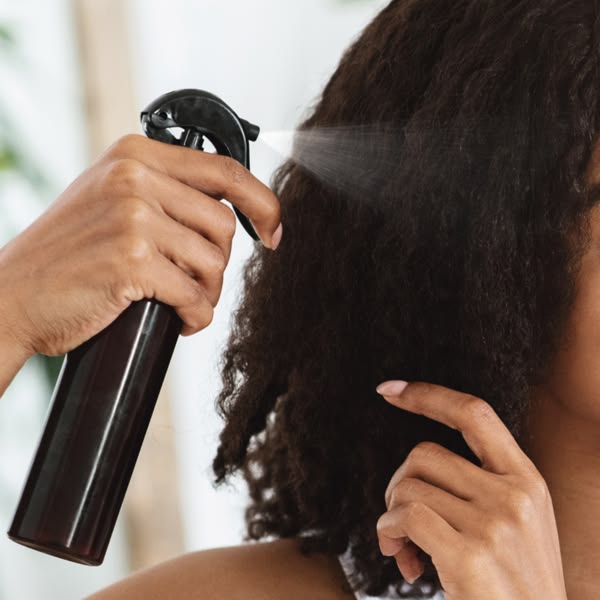
Spray a small section of dry hair with water and watch closely. Water that beads up and sits on top suggests low porosity.
Water that absorbs almost instantly suggests high porosity instead.
Choosing Products Based On Porosity
Once you understand your porosity, choosing the right products becomes far easier and more effective.
Products For Low Porosity Hair
Lightweight, water-based products work best for low porosity hair overall. Heat can also help open the cuticle slightly, improving product absorption.
The Best Shampoos For Afro Hair can help you find gentle options suited to this porosity type.
Products For High Porosity Hair
Richer creams and butters help high porosity hair retain moisture more effectively.
Hair Cream vs Hair Butter: Which Should You Choose? explains which sealant works best for this porosity type.
Porosity And Your Moisturizing Routine
Porosity should guide how often and how you moisturize your hair each week.
Don’t miss this: The Best Hair Growth Routine For Afro Hair
Adjusting Frequency Based On Porosity
Low porosity hair often needs less frequent moisturizing, since moisture stays locked in longer.
High porosity hair often needs more frequent moisturizing, since moisture escapes more quickly.
Observing how your hair feels a day after moisturizing helps confirm the right frequency.
The LOC Method And Porosity
The LOC method, using liquid, oil, and cream, can be adjusted based on porosity. Low porosity hair often benefits from lighter layers applied to very damp hair.
High porosity hair often benefits from heavier layers to seal in moisture properly.
Porosity And Protein Sensitivity
Porosity also affects how your hair responds to protein treatments and protein-based products.
Take a peek: The Best Conditioners For Type 4 Hair
Why This Connection Matters
Low porosity hair can sometimes feel stiff or straw-like with too much protein. High porosity hair often benefits more from regular protein treatments to strengthen weakened cuticles.
Understanding this connection helps you avoid common product mismatches many naturalistas experience.
Porosity And Detangling
Your porosity can also influence how your hair behaves during detangling sessions.
Worth a look: The Best Detangling Brushes For Afro Hair
How Porosity Affects Slip
High porosity hair sometimes feels rougher, which can increase tangling during detangling. Low porosity hair, when properly moisturized, often detangles more smoothly overall.
Using a slippery conditioner helps regardless of your specific porosity type.
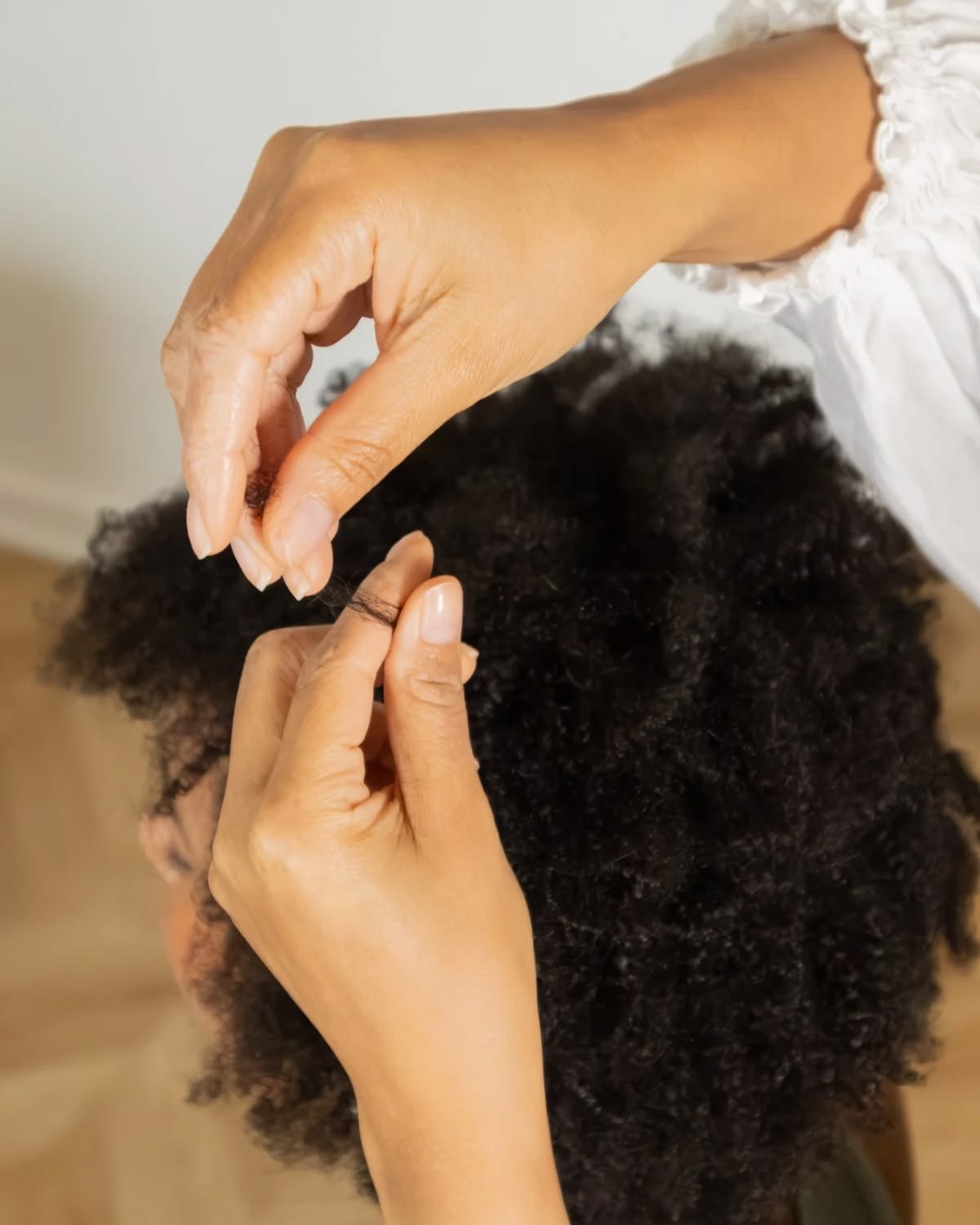
Porosity And Scalp Health
While porosity mainly describes the hair strand, it can also relate to overall scalp health.
Read this next: Healthy Scalp Habits For Faster Hair Growth
Why This Connection Exists
A healthy scalp supports healthier hair growth, regardless of your specific porosity type.
Addressing scalp health alongside porosity gives you a more complete approach to hair care overall.
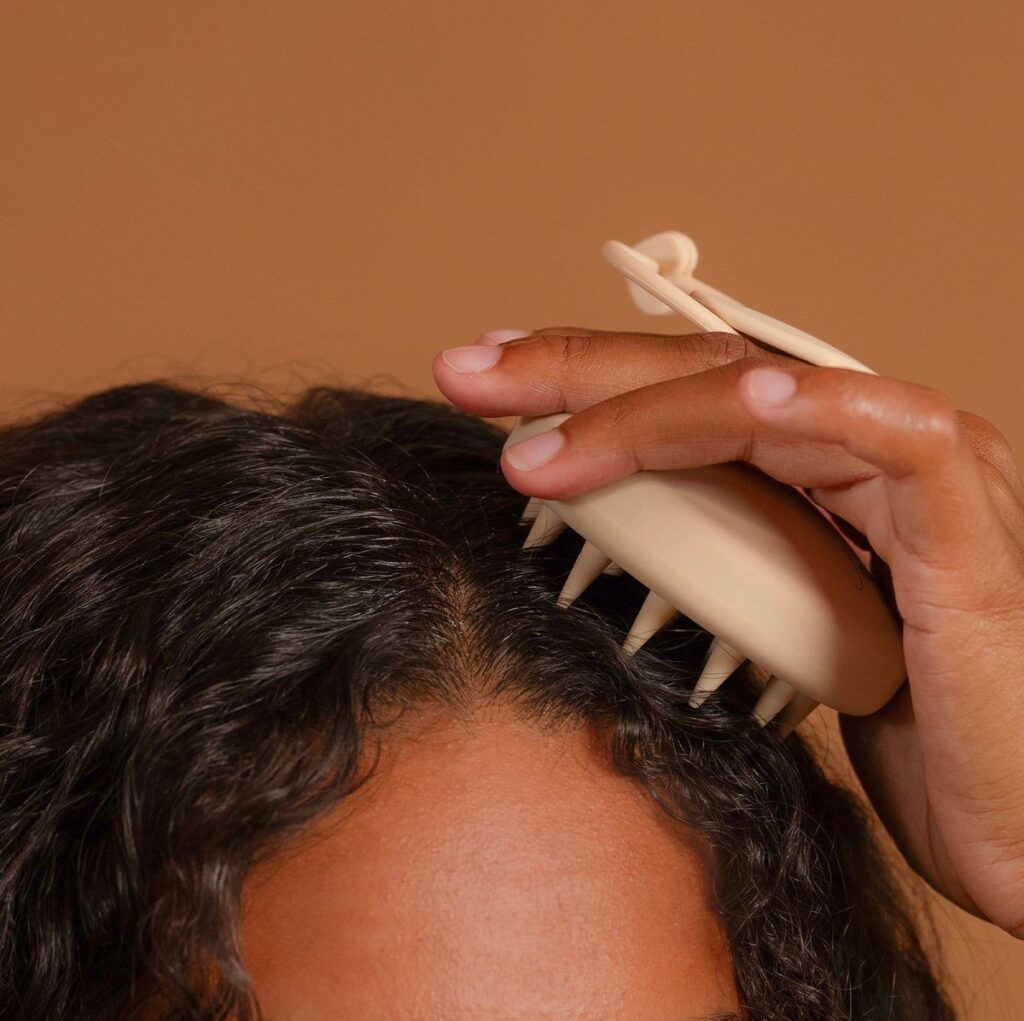
Porosity And Length Retention
Understanding your porosity also plays a role in how well you retain length over time.
Pin this for later: Length Retention Tips Every Naturalista Should Know
Why This Connection Matters
Dry hair, regardless of porosity type, breaks more easily than properly moisturized hair.
Addressing porosity directly supports better moisture retention, which in turn supports better length retention.
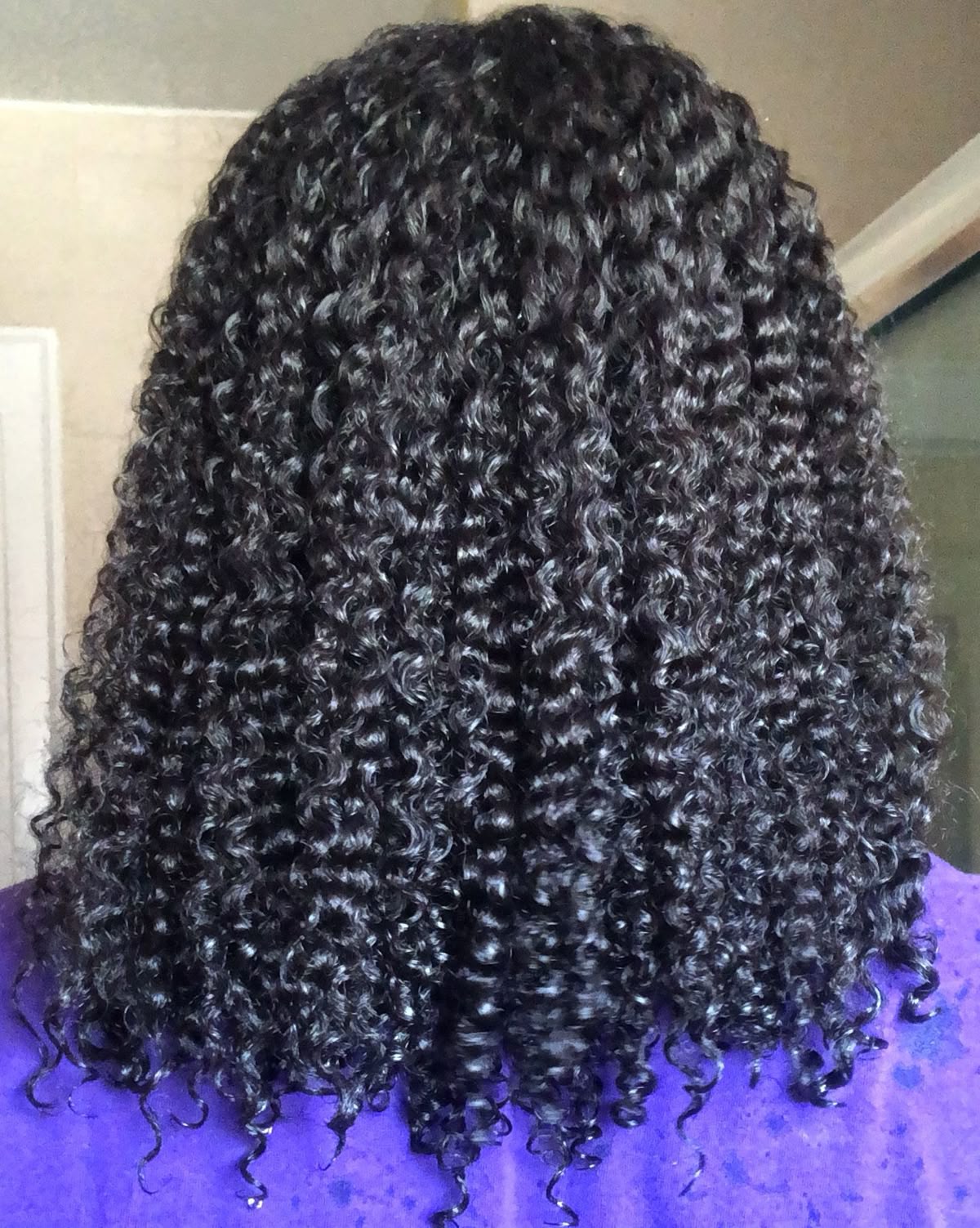
Porosity And Oil Use
Oil plays a different role depending on your specific porosity type.
Explore more ideas: The Truth About Hair Growth Oils
Matching Oil To Porosity
Low porosity hair often does better with lighter oils applied to damp hair. High porosity hair often benefits from heavier oils that help seal in moisture longer.
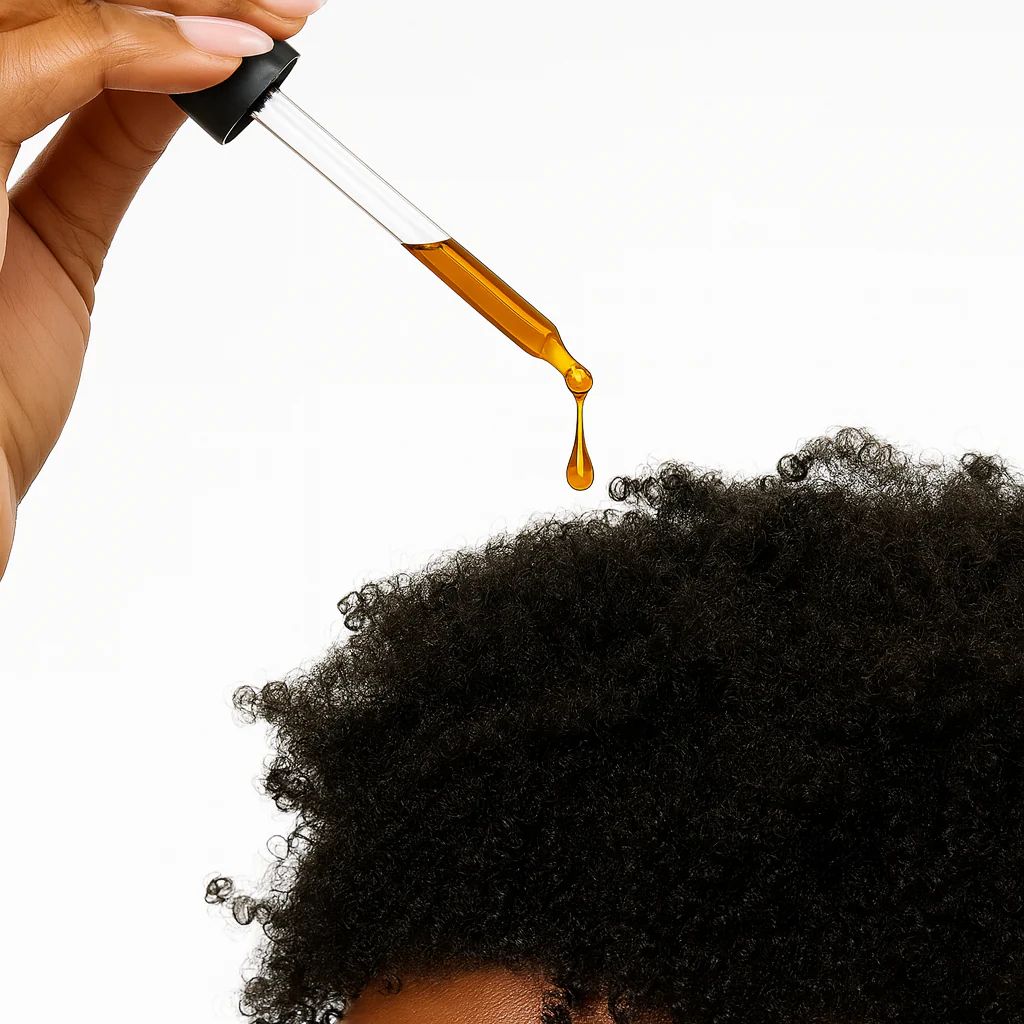
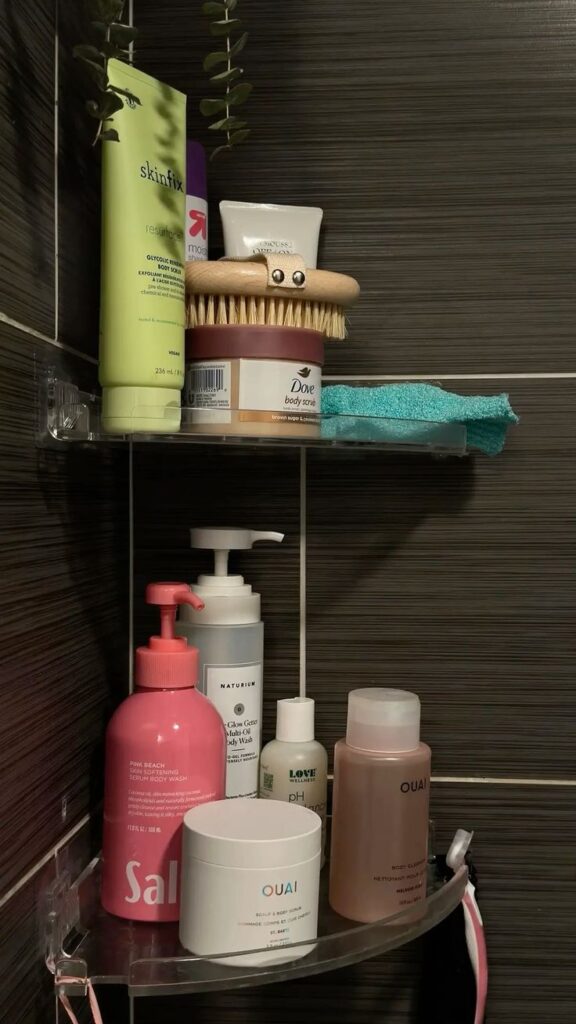
Building A Product Shelf Around Your Porosity
Understanding porosity also helps you build a smarter, more effective product shelf.
Save this for later: Must-Have Products For A Healthy Hair Routine
Keeping Your Shelf Focused
Choosing a few well-matched products for your porosity works better than a large random collection. This focused approach saves money and reduces daily confusion during your routine.
Common Porosity Mistakes To Avoid
A few common mistakes can undermine even a well-intentioned hair care routine.
Ignoring Your Porosity Entirely
Many naturalistas skip understanding porosity altogether, relying only on trends or reviews. This often leads to disappointing results, since products are not matched to actual hair needs.
Assuming Porosity Never Changes
Porosity can shift slightly due to damage, chemical treatments, or general hair health changes. Reassessing occasionally helps you catch these changes before they cause ongoing frustration.
My sister assumed she had low porosity for years, based on one early test. After some heat damage, her porosity shifted higher, though her routine never adjusted.
Retesting revealed the change and helped her fix months of ongoing dryness.
Why The Cuticle Matters So Much
The cuticle is the outer protective layer covering every strand of your hair. Understanding how this layer behaves helps explain nearly everything about porosity itself.
How The Cuticle Is Structured
Picture the cuticle as small, overlapping scales, similar to roof shingles stacked together. When these scales lie flat and tight, they block moisture from entering easily.
When these scales lift or separate, moisture moves through much more freely.
What Causes Cuticle Damage
Heat styling, chemical treatments, and rough handling can all lift or damage the cuticle. Sun exposure and harsh weather can also gradually wear down this protective outer layer.
Understanding these causes helps you protect your cuticle through gentler, more mindful daily habits.
Genetics And Porosity
Porosity is partly determined by genetics, meaning some people are simply born with a certain baseline.
Understanding this helps remove unnecessary blame or frustration around your natural starting point.
Working With Your Natural Baseline
You cannot completely change your genetic porosity baseline through products alone. What you can do is adjust your routine to work with your hair’s natural tendencies.
This approach produces far better results than fighting against your hair’s built-in structure.
How Damage Can Shift Your Baseline
While genetics set a starting point, damage can still shift your porosity over time. Chemical treatments, heat, and harsh handling can raise porosity beyond its natural genetic level.
This is why reassessing porosity periodically remains a valuable, ongoing habit.
Porosity Testing: Going Deeper
The float and spray tests offer helpful starting points, but combining methods gives clearer results.
The Slip And Feel Test
Run your fingers along a dry strand from tip to root slowly. Smooth strands from tip to root often suggest lower porosity levels.
Rough or bumpy strands often suggest higher porosity, especially toward the ends.
Testing Multiple Sections
Test strands from different areas of your head, since porosity can vary across sections. Heat-damaged or color-treated areas often show higher porosity than untreated sections.
Testing several areas gives you a more complete, accurate overall picture.
Porosity Across Different Climates
Your environment can influence how your porosity behaves on a day-to-day basis.
Humid Climates And Porosity
High porosity hair often absorbs excess humidity quickly, leading to frizz in humid weather.
Low porosity hair may resist humidity absorption, staying more stable throughout humid days.
Dry Climates And Porosity
Dry climates can be especially challenging for high porosity hair, since moisture escapes even faster. Low porosity hair may fare slightly better in dry climates, though it still needs consistent care.
Adjusting your routine seasonally helps address these climate-related porosity challenges effectively.
Porosity And Product Layering Order
The order in which you apply products matters even more once you understand your porosity.
Layering For Low Porosity Hair
Apply products to soaking wet hair, since low porosity hair absorbs best under these conditions. Lighter layers, applied with gentle heat, help products penetrate more effectively overall.
Layering For High Porosity Hair
Apply products to damp, not soaking wet, hair for better initial absorption control. Heavier, richer layers help seal in moisture before it has a chance to escape quickly.
My friend struggled for months applying products the same way regardless of her actual porosity.
Once she adjusted her layering technique to match her high porosity hair, her results improved significantly.
Porosity Myths That Cause Confusion
Several persistent myths make understanding porosity more confusing than it needs to be.
Myth: Porosity Never Changes
As covered earlier, damage and chemical treatments can shift porosity over time. Believing porosity is fixed forever often leads to outdated, mismatched routines.
Reassessing periodically keeps your understanding accurate and your routine effective.
Myth: High Porosity Is Always Damaged Hair
While damage can raise porosity, some people naturally have higher porosity from birth. Not all high porosity hair is unhealthy, though it does need specific, intentional care.
Understanding this distinction removes unnecessary shame from a naturally occurring hair trait.
Myth: One Test Result Is Always Accurate
A single float or spray test can sometimes give misleading or unclear results. Combining multiple testing methods, done on clean, product-free hair, gives more reliable results.
Retesting occasionally also helps confirm your findings over time.
Porosity And Chemical Treatments
Chemical treatments, like relaxers or color, directly affect your hair’s porosity levels significantly.
How Relaxers Affect Porosity
Relaxers break down the hair’s natural protein bonds, often raising porosity in the process.
This means relaxed hair frequently needs richer, more intentional moisture than untreated natural hair.
Understanding this helps you adjust your routine appropriately after any chemical service.
How Hair Color Affects Porosity
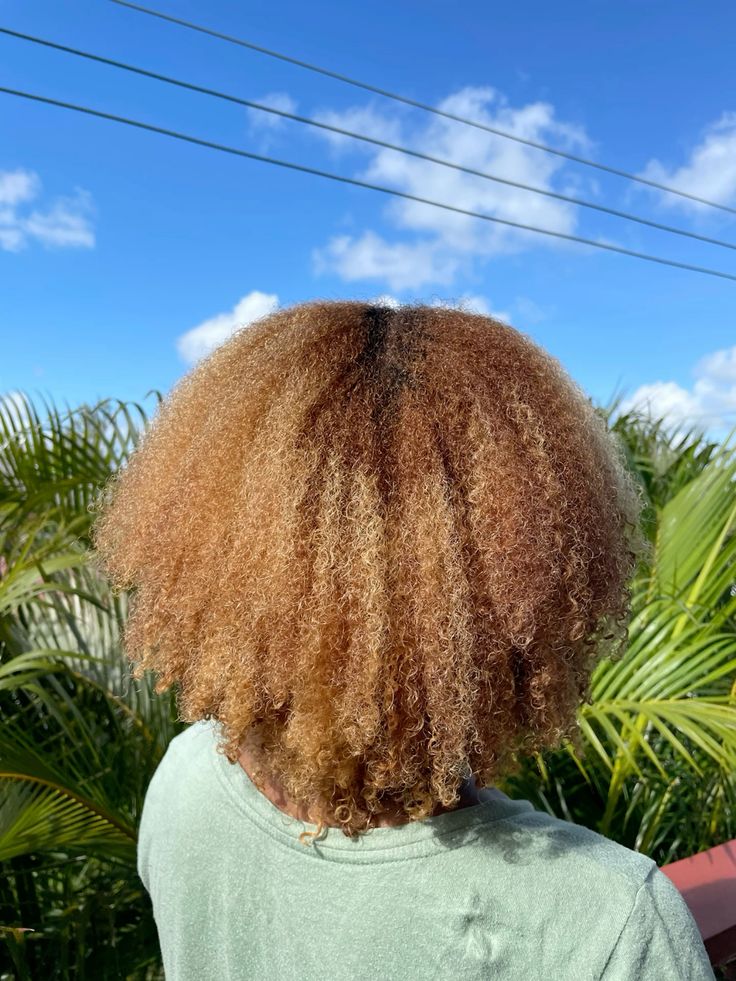
Coloring, especially lightening, can also raise porosity by opening the hair’s cuticle layer. Deep conditioning becomes even more essential after color treatments to counteract this effect.
Regular protein treatments can also help strengthen hair weakened by the coloring process.
Porosity And Heat Damage
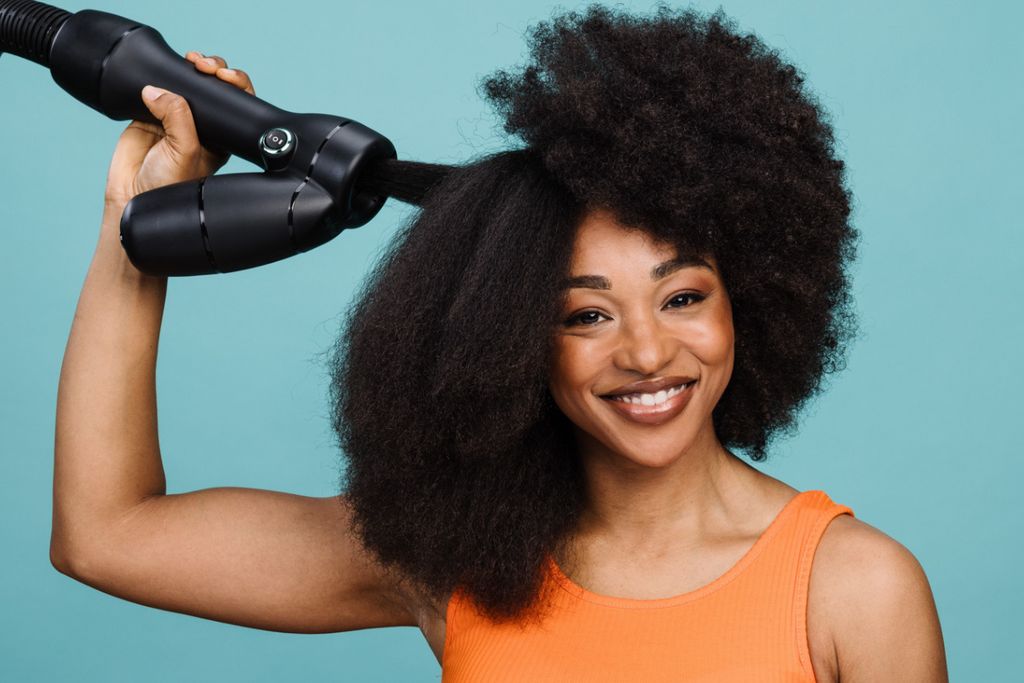
Heat styling tools can gradually increase porosity, even with careful, moderate use over time.
Recognizing Heat-Related Porosity Changes
Hair that once held moisture well but now dries out quickly may show heat damage. Comparing newer growth to older, more heat-exposed sections often reveals this kind of change.
Reducing heat frequency helps prevent further porosity changes from occurring.
Repairing Heat-Damaged Porosity
While cuticle damage cannot be fully reversed, proper care can improve how hair feels and behaves.
Regular deep conditioning, protein treatments, and gentle handling all support damaged, high porosity hair.
Patience remains important, since repair happens gradually rather than overnight.
Porosity And Hair Density Together
Porosity and density are separate traits, but understanding both together gives a fuller picture.
Why This Combination Matters
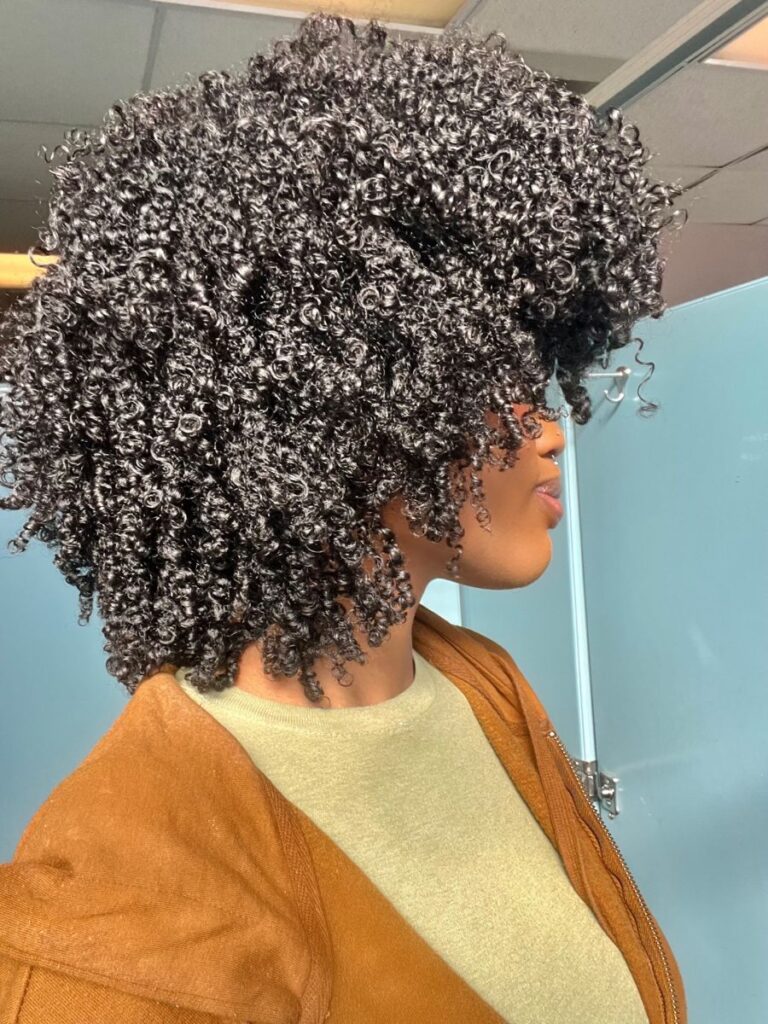
High density, low porosity hair may need extra time and product to fully hydrate. Low density, high porosity hair may need lighter products to avoid feeling weighed down.
Recognizing both traits together helps you fine-tune your routine with more precision.
Building Confidence Through Understanding Porosity
Understanding porosity often brings a sense of relief after years of confusing, inconsistent results.
Replacing Guesswork With Knowledge
Many naturalistas spend years guessing at products, hoping something will finally work consistently.
Understanding porosity replaces this guesswork with clear, actionable knowledge about your hair’s real needs. This shift often saves significant time, money, and ongoing frustration.
My client, mentioned earlier, described this understanding as finally getting the missing piece of a puzzle.
Her routine became simpler and more effective almost immediately after we identified her porosity accurately.
Porosity And Wash Day Planning
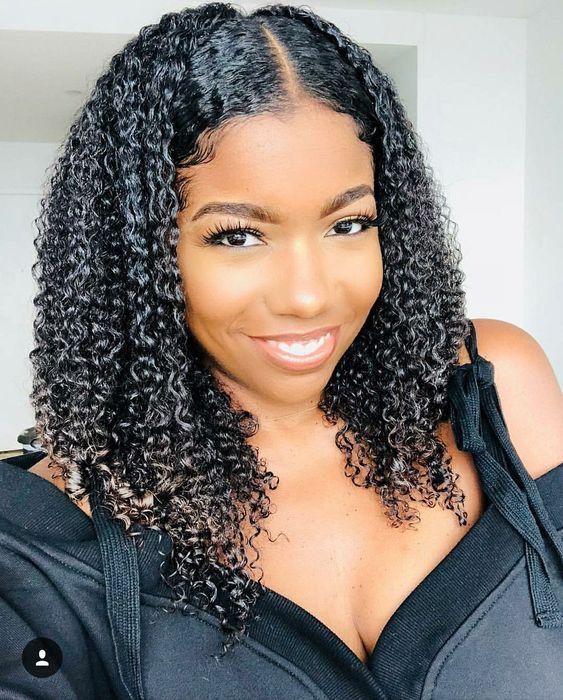
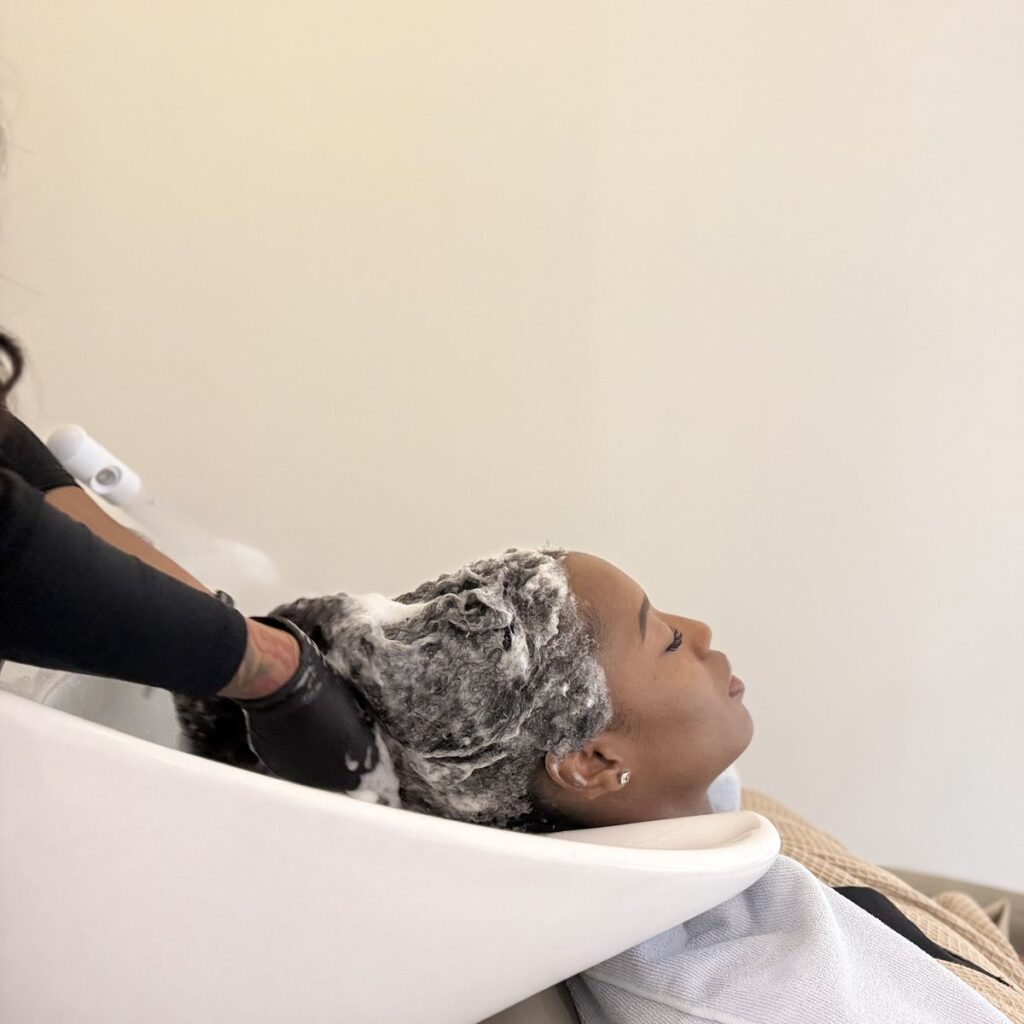
Understanding your porosity helps you plan a more efficient, effective wash day routine overall.
Wash Day Adjustments For Low Porosity Hair
Use warm water and gentle heat to help open the cuticle during cleansing and conditioning. Steam treatments can also help low porosity hair absorb moisture more effectively during wash day.
Avoid rushing through conditioning, since low porosity hair needs extra time to absorb properly.
Wash Day Adjustments For High Porosity Hair
Use cool water at the end of your routine to help close the cuticle afterward. This simple step helps seal in the moisture you just worked to add.
Avoid excessive manipulation during wash day, since high porosity hair can be more fragile.
Porosity And Protective Styling
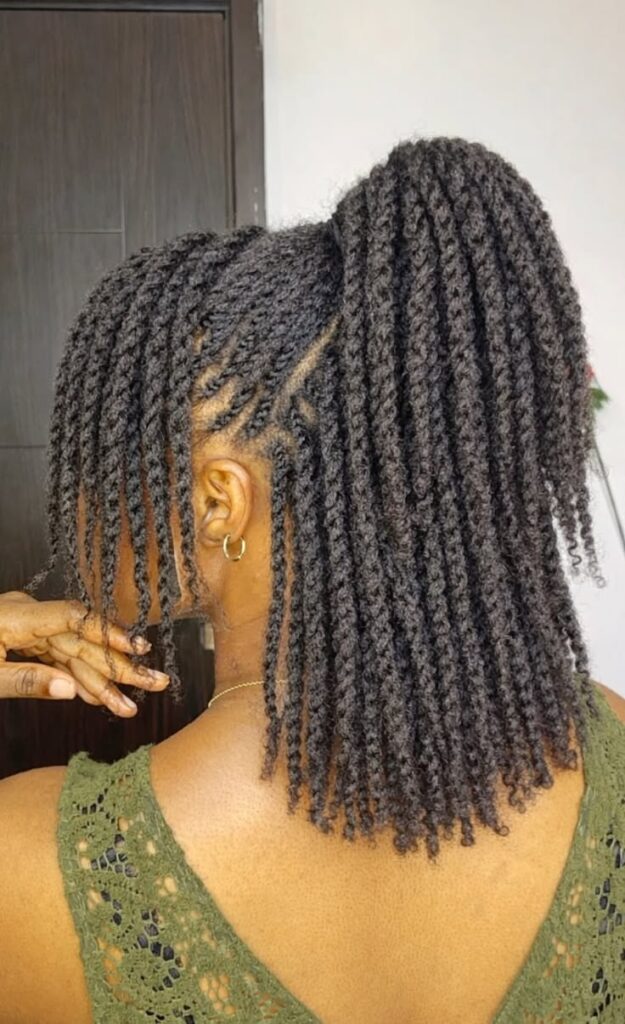
Protective styles interact differently with hair depending on your specific porosity type.
Protective Styling For Low Porosity Hair
Low porosity hair may need extra moisture applied before installing any protective style. This helps prevent dryness during the weeks the style remains in place.
Lighter, water-based sprays work well for refreshing low porosity hair underneath a style.
Protective Styling For High Porosity Hair
High porosity hair may need richer sealants applied before installing a protective style. This helps slow down moisture loss during the extended wear of the style.
Checking in more frequently helps catch dryness before it becomes a bigger problem.
Porosity And Product Ingredient Awareness
Understanding porosity also helps you read and interpret product ingredient lists more effectively.
Ingredients That Help Low Porosity Hair
Humectants like glycerin can help draw moisture into low porosity hair effectively. Lightweight oils, listed near the middle of an ingredient list, often work well too.
Avoiding heavy waxes or silicones helps prevent unwanted buildup on this porosity type.
Ingredients That Help High Porosity Hair
Proteins, like hydrolyzed keratin, can help strengthen and temporarily fill gaps in the cuticle. Rich butters and oils, listed near the top of an ingredient list, help seal moisture in.
Avoiding harsh sulfates helps prevent further stripping of already vulnerable, open cuticles.
When To Seek Professional Guidance On Porosity
Most porosity concerns can be managed at home with proper knowledge and consistent care.
Signs You May Need Extra Support
Severe, ongoing dryness despite a well-matched routine may benefit from professional evaluation.
Sudden, unexplained changes in porosity could point to an underlying health concern worth checking. A trichologist or dermatologist can offer more specialized guidance in these situations.
What A Professional Can Offer
A professional can conduct more detailed testing beyond simple at-home methods. They can also help identify whether an underlying condition is affecting your hair’s porosity.
This additional insight can be valuable for particularly stubborn or unusual cases.
Tracking Your Porosity Journey Over Time
Keeping simple notes on your porosity findings helps you stay informed as your hair changes. This does not need to be complicated, just a quick record after each test.
What To Record
Note the date, the method used, and what result you observed each time. Include any recent chemical treatments, heat use, or major health changes alongside your notes.
Reviewing this record periodically helps you catch shifts before they cause ongoing frustration.
Quick Answers To Common Questions
A few questions come up often when people learn about porosity for the first time.
Can porosity change over time? Yes, damage, chemical treatments, and overall hair health can all shift porosity levels.
Is one porosity type better than another? No, each porosity type simply requires a different, tailored care approach.
Can I have different porosity in different areas? Yes, this is common, especially with color-treated or heat-damaged sections.
Does porosity affect how fast hair grows? No, porosity affects moisture retention, not the actual speed of hair growth.
Can diet or health conditions affect porosity? Indirectly, yes. Poor nutrition or certain health conditions can weaken hair structure, sometimes raising porosity over time.
Is it possible to lower high porosity back to normal? Not completely, since cuticle damage cannot be fully reversed.
Consistent care can improve how the hair behaves, even if the underlying porosity remains elevated.
A Few Final Things Worth Knowing
Understanding your porosity gives you a clearer, more informed foundation for your entire hair care routine.
Knowing whether your hair is low, medium, or high porosity changes how you moisturize, seal, and style. This knowledge saves money and reduces the frustration of mismatched products.
Test your porosity occasionally, since it can shift due to damage or chemical treatments over time.
Use this understanding alongside your curl pattern and hair type for a fuller picture. Your hair will respond best when every part of your routine reflects what it truly needs.
Porosity is not something to fear or feel discouraged by, regardless of which type you have.
It is simply information, and information gives you the power to care for your hair more effectively.
The more you understand this one trait, the more confidently you will approach every future hair decision.