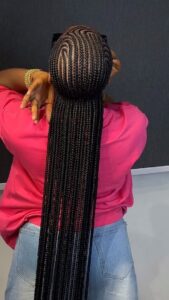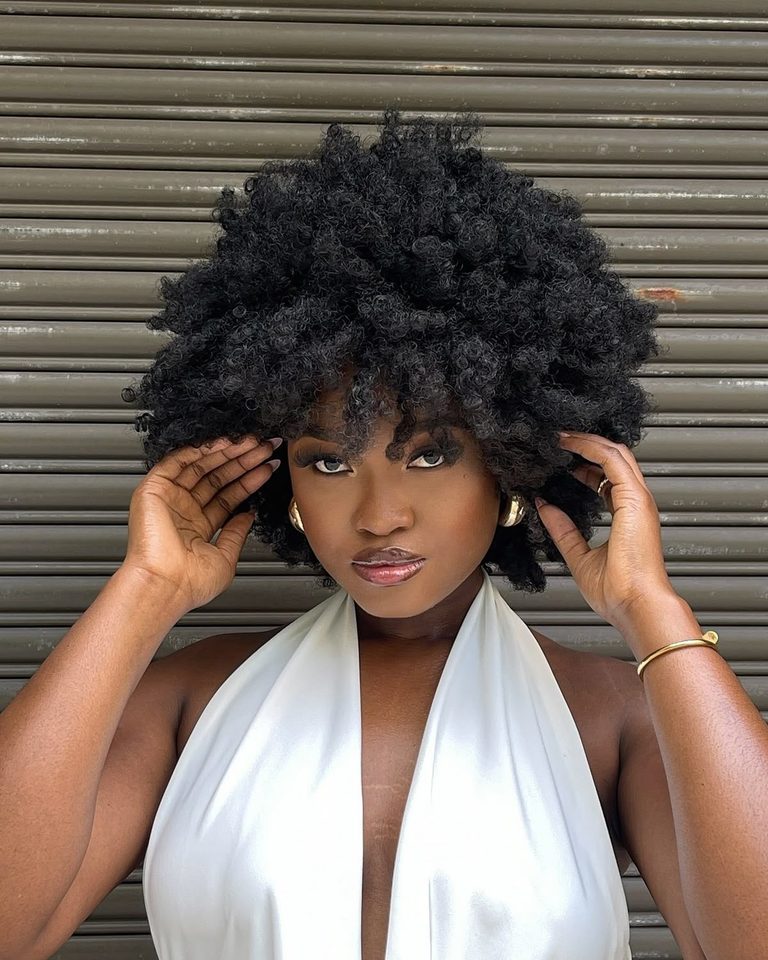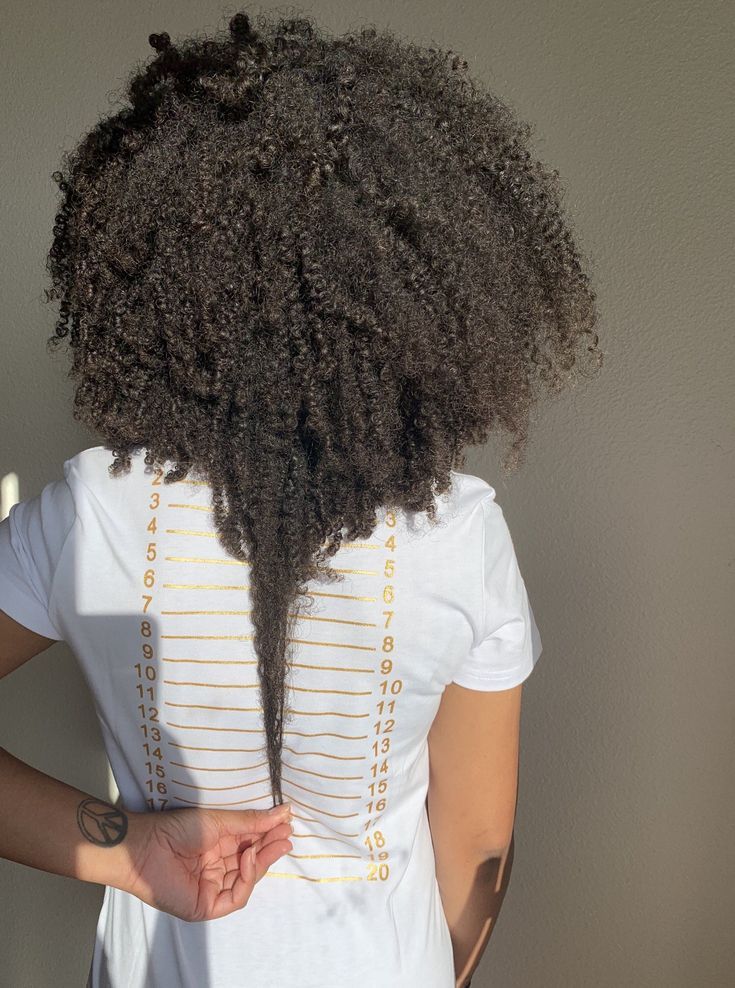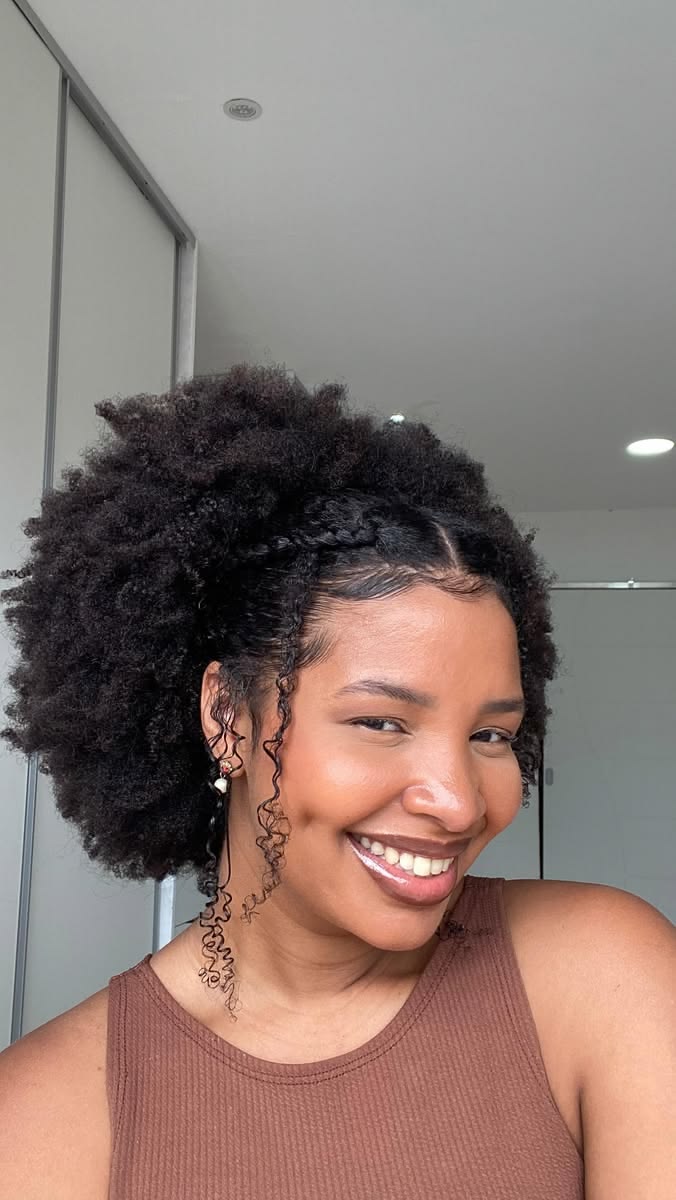

How To Grow Healthy Afro Hair Without Chasing Length
Disclosure: Some of the links in this post are affiliate links. This means if you click on the link and purchase an item, I will receive an affiliate commission at no extra cost to you.
Most people think having longer hair means your hair is in good condition or well taken care of. Some people get so carried away by their hunger for long hair that they forget to take proper care of their hair.
When you take care of your hair as you should, growth will come naturally. This exact thing was what I told my client some time ago.
She walked into my shop frustrated, holding pictures of hair she wanted to copy.
Her hair had barely grown in eight months, and she blamed the products she was using. But when I looked closer, the real problem had nothing to do with products.
Her hair was dry, thin at the edges, and breaking off almost as fast as it grew. She was not lacking length.
She was lacking care, that conversation changed how she saw her hair journey, and it is the same message I want to pass to you today.
Before we go further, it helps to know your hair type first, so start with Understanding Type 4 Hair: A Complete Guide.
How To Grow Healthy Afro Hair Without Chasing Length
Why Chasing Length Can Hurt Your Hair
A lot of naturalistas get stuck in a length-chasing mindset. They measure success by inches, not by how healthy their strands actually feel.
This mindset pushes people to skip important steps like deep conditioning or scalp care.
They just want to see growth, so they rush past the basics. But hair that grows fast without proper care will break just as fast.
Growth and retention are two different things, and most people only focus on one.
When you chase length, you also start comparing your hair to other people’s hair.
This comparison can be harmful, since not everyone’s curl pattern behaves the same way.
Some people have naturally fast-growing hair. Others grow slower but retain length better because they take care of their strands well.
Not everyone falls into the same category, so it helps to know where you stand.
I have seen women use every growth product on the market, yet their hair stayed the same length for years.
It was not because their hair refused to grow. It was because their hair kept breaking at the same rate it grew.
This is why length chasing rarely works long term. Once you shift your focus to health, growth becomes a natural result instead of a struggle.
The Real Cost Of Rushing
Some people damage their hair further by chasing quick fixes. They try harsh treatments hoping to speed things up overnight.
This usually backfires, leaving the hair weaker than it was before. Relaxer overlaps, heat, and unregulated growth pills are common examples of this rush.
A rushed routine also wastes money over time. Buying a new product every month, hoping one will work faster, adds up fast.
Most of that money ends up spent on things your hair never actually needed. Slow, steady care almost always wins over shortcuts in the long run.
There is also an emotional cost to rushing. Constant disappointment from unmet expectations can make people give up entirely.
This is sad, because most of these people were closer to progress than they realized. Patience protects your hair and your motivation at the same time.
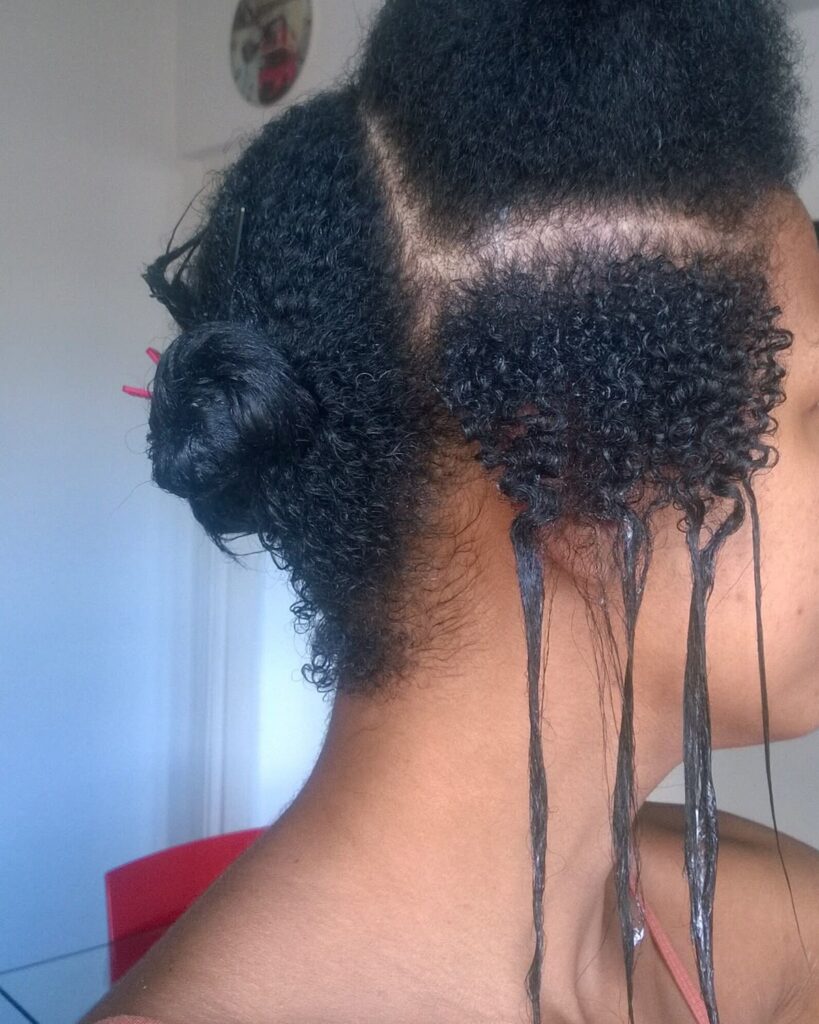
What Healthy Hair Really Looks Like
Healthy afro hair is not always the longest hair in the room. It is hair that feels strong, moisturized, and full of life.
Healthy hair bends without snapping, and it holds moisture well after washing. It also has minimal breakage when you comb or style it.
These signs matter more than length, because they show your hair is actually thriving.
One thing many people overlook is porosity. Porosity tells you how well your hair absorbs and holds moisture, and this plays a huge role in how healthy your hair looks.
Pin this for later: What Is Hair Porosity and Why Does It Matter?
Healthy hair also means a healthy scalp. Your scalp is the soil your hair grows from, and no plant grows well in bad soil.
A flaky, dry, or irritated scalp can quietly slow down your progress without you even noticing. This is something we will talk about more later in this post.
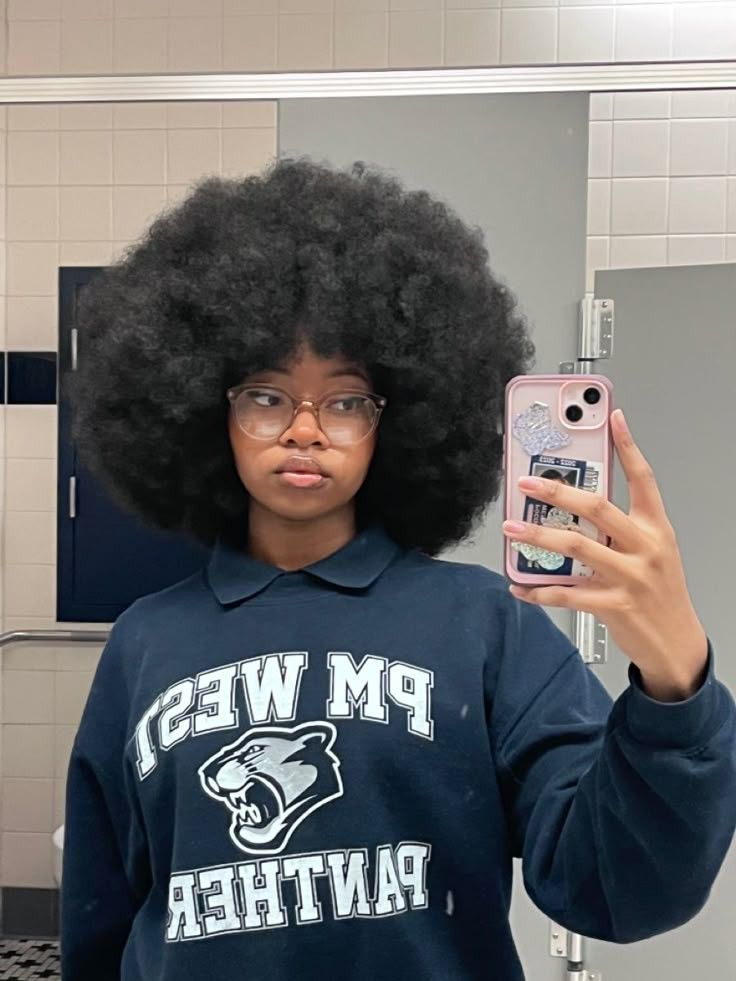
A Simple Health Check You Can Do At Home
Take a small section of clean, wet hair and stretch it gently. Healthy hair will stretch slightly and bounce back without snapping. If it snaps easily, that is a sign of dryness or protein loss.
Check your ends too, since they show damage before anywhere else.
Rough, see-through, or frayed ends mean it is time for a trim. Shiny, smooth ends usually mean your hair is in decent shape.
Shine itself is another sign people often misread. Naturally healthy type 4 hair does not always look glossy the way straight hair does.
That does not mean it is unhealthy. Judging your hair by standards meant for other textures will only leave you confused.
Elasticity tells you even more than shine does. Hair with good elasticity can stretch and return to its original shape easily.
Hair without elasticity feels stiff and snaps under the smallest pressure.
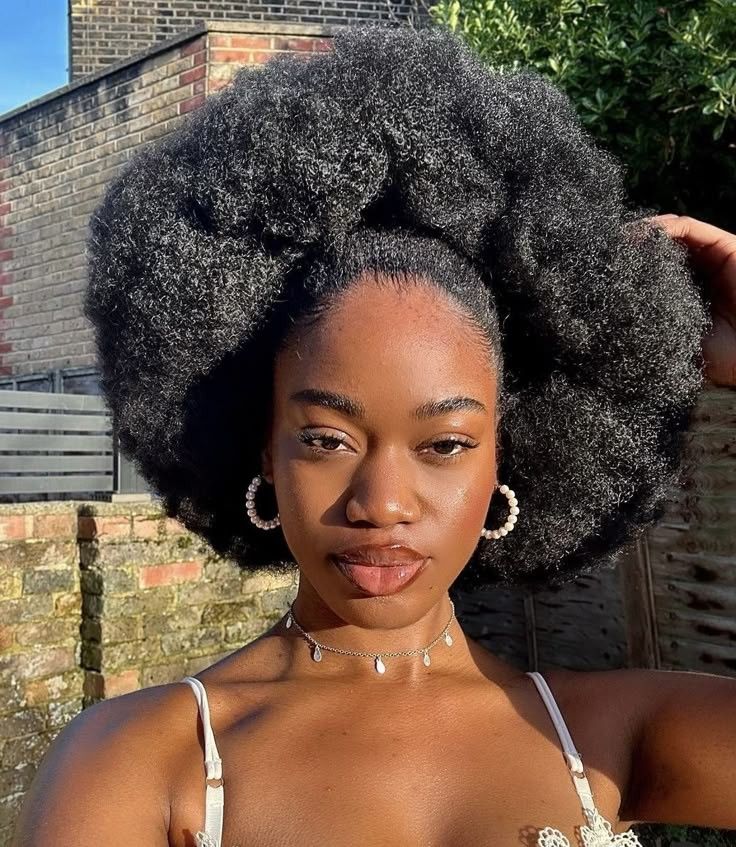
Start With Understanding Your Hair
You cannot care for something you do not understand. This is one mistake I see often, especially with people who are new to their natural hair journey.
They try products and routines other people use without knowing if it even suits their hair.
Every head of type 4 hair is different, and understanding your unique pattern saves you time, money, and stress.
Start by learning your curl pattern properly. Some people assume this is obvious, but curl patterns can be tricky, since type 4 hair often has more than one pattern on a single head.
If you are unsure where to start, How To Identify Your Curl Pattern breaks it down step by step.
Porosity also plays a role here. Low porosity hair behaves very differently from high porosity hair, especially when it comes to moisture.
If your hair takes forever to dry, or products just sit on top without soaking in, you may have low porosity hair.
Save this for later: Low Porosity Hair Routine
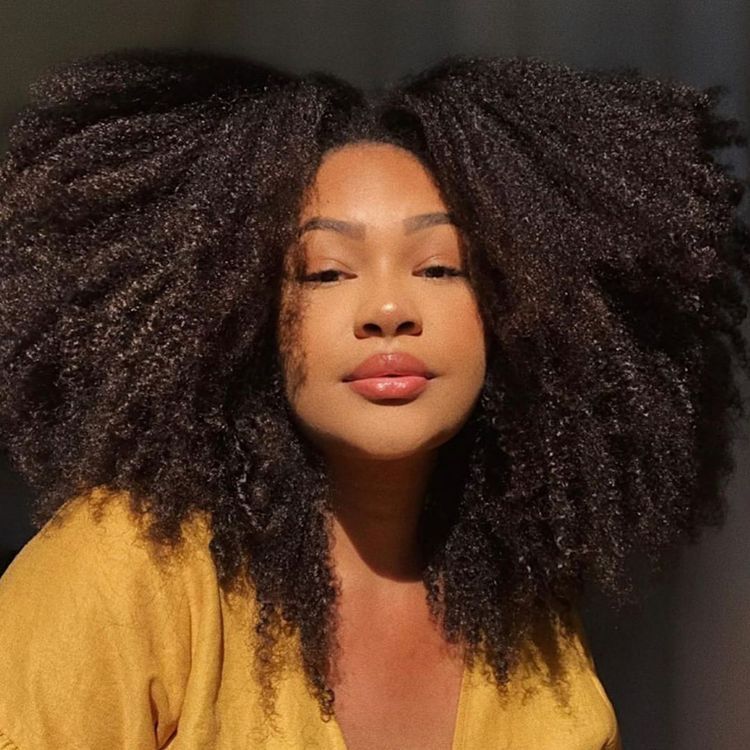
How To Actually Study Your Own Hair
Set aside one wash day just for observation, not styling.
Watch how your hair reacts as you cleanse, condition, and detangle it. Note how long it takes to dry fully without heat.
Write these details down somewhere you can find again later. A short note in your phone works fine for this. Over a few wash days, patterns will start showing up clearly.
Pay attention to how your hair behaves in different weather too. Humid days, dry harmattan air, and rainy seasons all affect type 4 hair differently.
Knowing this helps you adjust your routine ahead of time instead of reacting after damage.
Building A Foundation Before You Style
Before you even think about styles or growth challenges, you need a strong foundation. This foundation includes knowing your hair type, your porosity, and your scalp condition.
Skipping this step is like building a house without checking the ground first. It might look fine at the start, but problems will show up eventually.
Understanding your hair is not a one-time task either. Your hair can change over time due to age, hormones, weather, or even stress.
Paying attention to these changes helps you adjust before problems start. This is part of what it means to truly care for your hair the right way.
Build A Routine That Works For You
A good hair routine is not about doing the most things possible. It is about doing the right things consistently.
Many naturalistas jump from one routine to another, hoping to find a miracle combination. But hair thrives on consistency, not experiments every single week.
Your routine should include cleansing, conditioning, moisturizing, and protecting your hair from damage. Each step plays its own role, and skipping any of them can slow down your progress.
Cleansing removes buildup and keeps your scalp healthy. Conditioning restores moisture and strength after washing.
You’ll want to come back to this: The Best Hair Growth Routine For Afro Hair
A Simple Weekly Structure
Wash and deep condition once a week, or every two weeks if your hair is very dry.
Moisturize and seal every two to three days between washes. Protect your hair at night with a satin bonnet or scarf, without fail.
This structure sounds simple, but simple is exactly what type 4 hair needs. Overcomplicating your routine often leads to skipped steps and inconsistency.
Stick to the basics before adding extra treatments or products.
Where People Go Wrong With Moisture
My neighbor once told me she stopped moisturizing her hair because she thought oil alone was enough.
Her hair became dry and brittle within weeks. Oil alone cannot replace water-based moisture, no matter how good the oil is.
Water is what actually hydrates your hair strands. Oil simply locks that hydration in once it is already there. This is why the order of application matters so much for type 4 hair.
A good moisturizing method follows this order: water first, then a leave-in cream, then an oil or butter to seal.
Skipping the water step and going straight to oil is a common mistake. This one adjustment alone can transform how your hair feels daily.
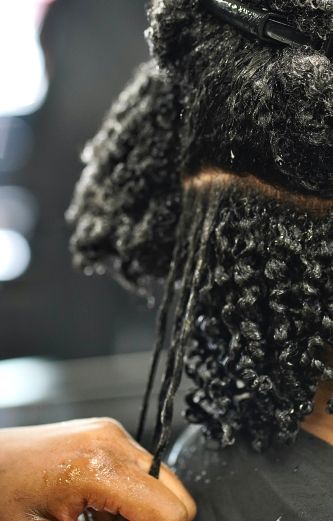
Protective Styling Done Right
Protective styling is another part of a good routine. Styles like twists, braids, or buns can help reduce daily manipulation.
Less manipulation means less breakage, and less breakage means better retention over time. But protective styles only work well if your hair was healthy before you installed them.
Timing matters too. Leaving protective styles in for too long can cause matting and buildup at the roots. A good rule is to take styles down before they start feeling heavy or itchy.
Moisturize your scalp even while wearing protective styles. A light spray bottle mix of water and leave-in works well for this.
Skipping scalp care during protective styles often leads to dryness underneath.
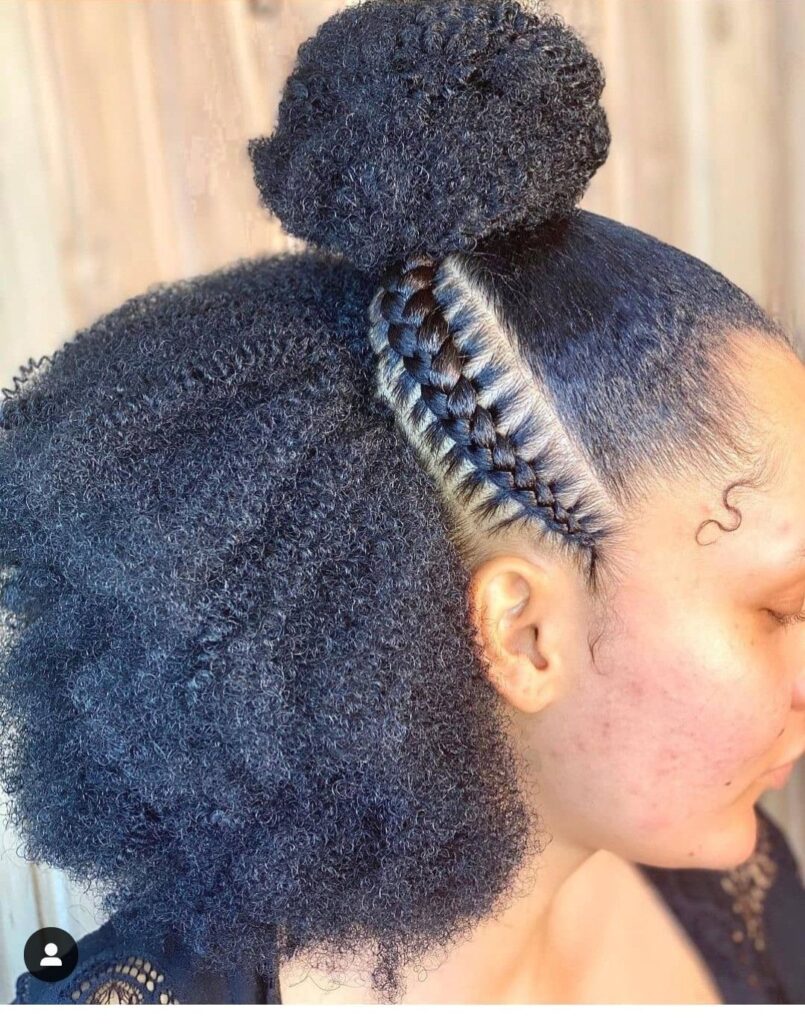
Take Care Of Your Scalp First
Your scalp deserves just as much attention as your hair strands. A healthy scalp creates the right environment for hair to grow strong.
Neglecting your scalp can lead to slow growth, itching, and even hair thinning over time.
Massaging your scalp regularly helps improve blood flow, which supports healthy hair follicles. You do not need any special tools for this.
Your fingers, a little oil, and a few minutes each week are enough.
Bookmark this post: Healthy Scalp Habits For Faster Hair Growth
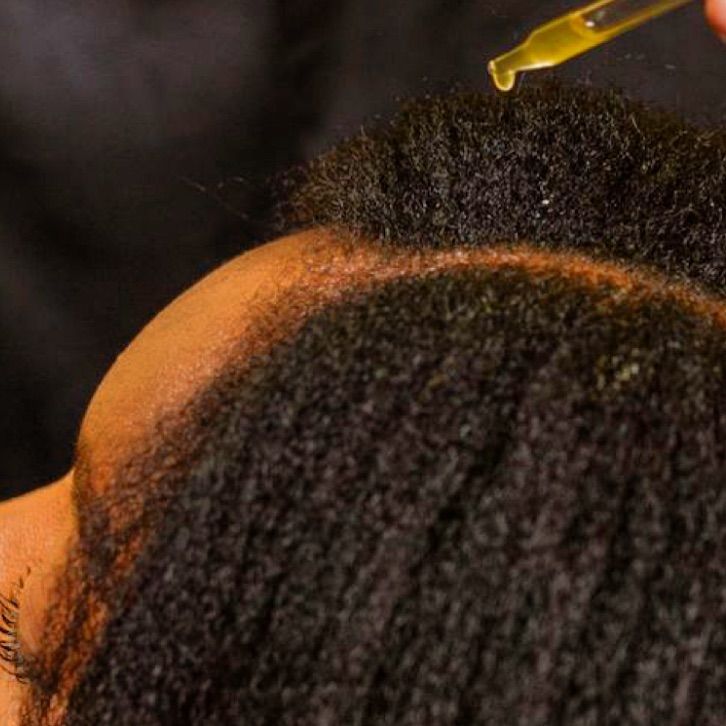
A Basic Scalp Massage Method
Section your hair into four parts before starting the massage. Use your fingertips, not your nails, and apply gentle circular pressure.
Spend about two minutes on each section, working from front to back.
Do this two to three times a week for the best results. Consistency matters more than pressure, so keep your touch gentle throughout.
Over time, this simple habit supports stronger, healthier growth from the root.

Keeping Buildup Under Control
Keeping your scalp clean is equally important. Buildup from products, sweat, and natural oils can clog your follicles if left unaddressed.
This buildup can slow down growth and even cause irritation. Washing your scalp properly, without over-washing, keeps this buildup under control.
Some people avoid washing too often because they fear it will dry out their hair. But a dirty scalp causes more harm than a clean, well-moisturized one.
Balance is what matters, not avoiding water altogether.
A clarifying shampoo once a month helps remove stubborn product buildup. Follow it immediately with a deep conditioner to restore lost moisture.
This combination keeps your scalp clean without leaving your strands feeling stripped.
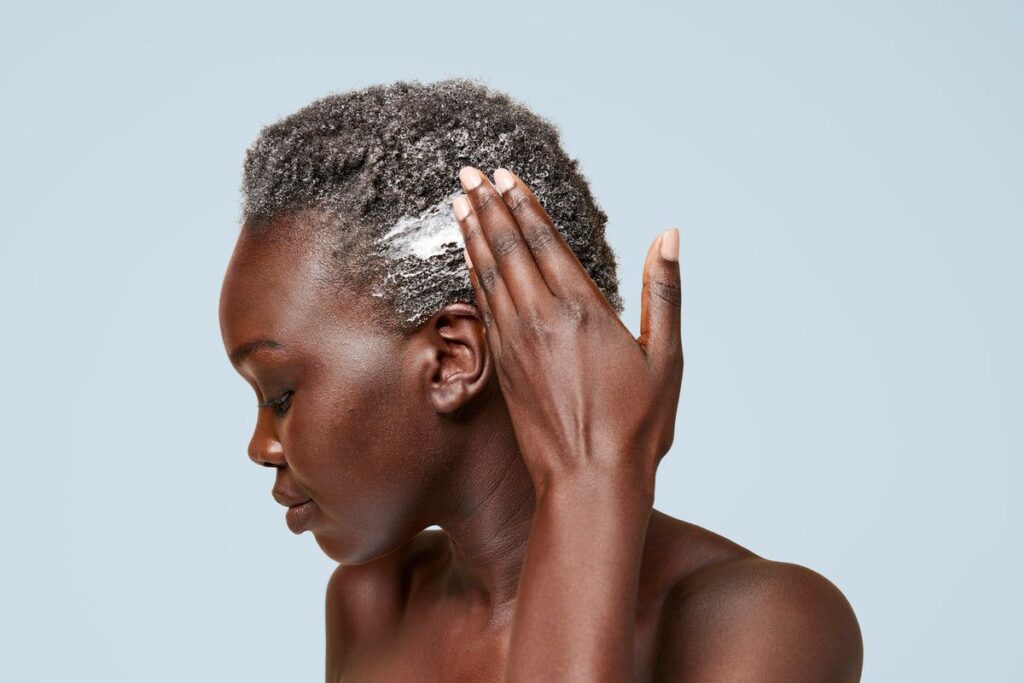
Understand What Oils Can Really Do
Many people believe oils are the answer to every hair problem. But this is not always true. Some oils help, while others simply sit on the scalp without offering real benefits.
Knowing the difference saves you money and disappointment.
Take a peek: The Truth About Hair Growth Oils
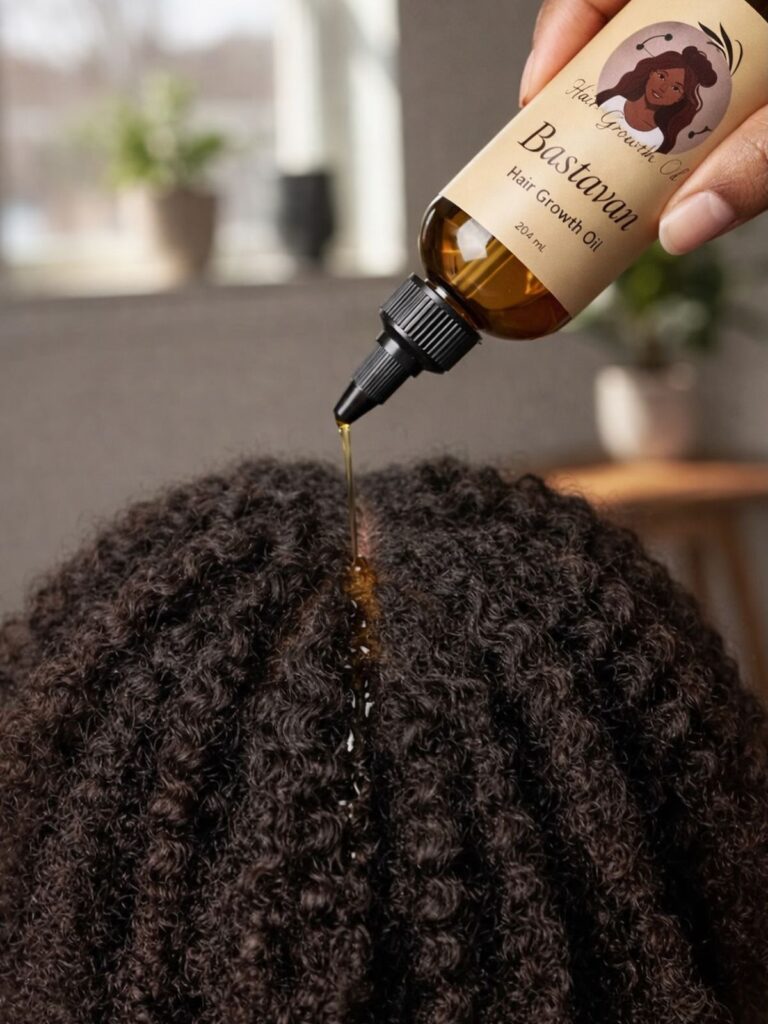
How To Use Oils Correctly
Oils work best when they seal in moisture that is already there. They are not magic potions that grow hair on their own.
Applying oil to dry hair without water first rarely gives the results people expect.
Warm your oil slightly before massaging it into your scalp. Warmth helps it absorb better and feels relaxing during application.
Always apply on damp hair, never on completely dry strands, for the best result.
Rotate your oils occasionally instead of relying on just one type. Different oils offer different benefits, from sealing to soothing an itchy scalp.
Pay attention to how your scalp responds and adjust based on that feedback.
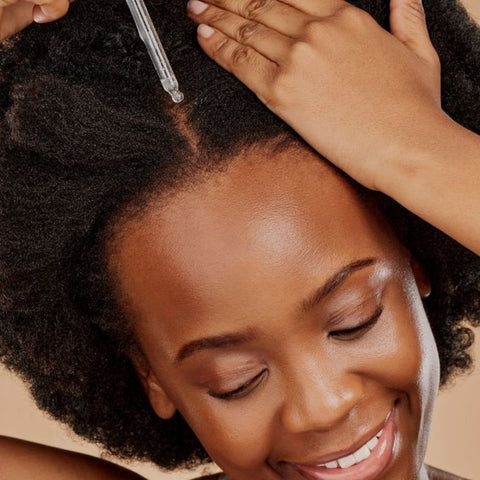
Choose The Right Products
Product choice can make or break your hair care routine. With so many products on the market, it is easy to get overwhelmed or confused.
But not every product marketed for growth or natural hair is actually good for your specific hair type.
Start with your shampoo, since this is the first step in most routines. A harsh shampoo can strip your hair of natural oils, leaving it dry and prone to breakage.
The Best Shampoos For Afro Hair can help you choose one that cleanses gently.
Conditioners matter just as much as shampoos, if not more. A good conditioner restores moisture, softens your strands, and makes detangling easier.
Skipping this step or choosing the wrong conditioner can leave your hair rough to manage.
Don’t miss this: The Best Conditioners For Type 4 Hair

Reading Product Labels Without Getting Confused
Look for water as the first ingredient on any moisturizing product. If oil or butter appears first, the product may not hydrate well on its own.
This small check saves you from products that look good but underperform.
Avoid products loaded with alcohol near the top of the ingredient list. Alcohol can dry out type 4 hair quickly, undoing your moisture efforts.
A short, simple ingredient list is often better than a long, complicated one.

Sealing In Moisture The Right Way
Sealing in moisture is another important step, and this is where many people get confused between creams and butters.
Both have their place, but they work differently depending on your hair’s needs. Hair Cream vs Hair Butter: Which Should You Choose? explains the difference simply.
Apply your sealant while your hair is still damp, never fully dry. This locks in the moisture from your water or leave-in step.
Applying sealant to dry hair only coats the surface without real benefit.
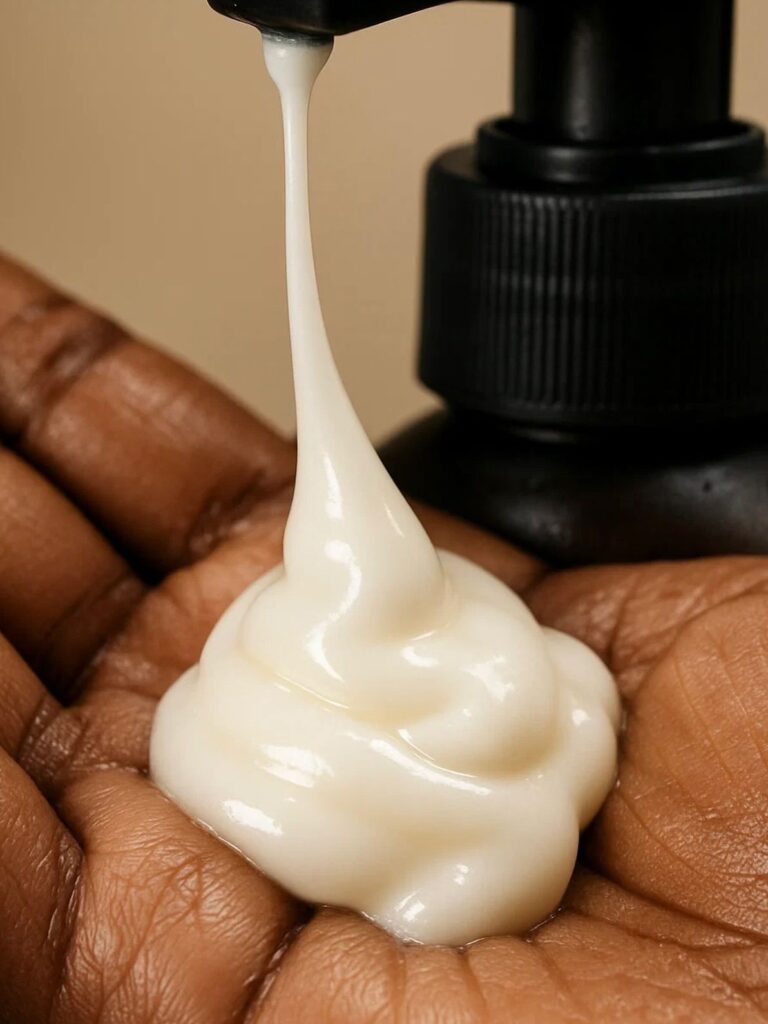
Rounding Out Your Product Shelf
Beyond these basics, having the right tools also matters. A well-stocked routine should include a few essential products that cover cleansing, moisturizing, and styling needs.
Must-Have Products For A Healthy Hair Routine gives you a simple starting list.
Detangling is another area where product and tool choice matter a lot.
Rough detangling causes unnecessary breakage, especially on dry or tangled hair. Fan favorite: The Best Detangling Brushes For Afro Hair
Buying too many products at once rarely helps. It often leads to confusion about what is actually working.
Start small, add one product at a time, and pay attention to how your hair responds before adding more.
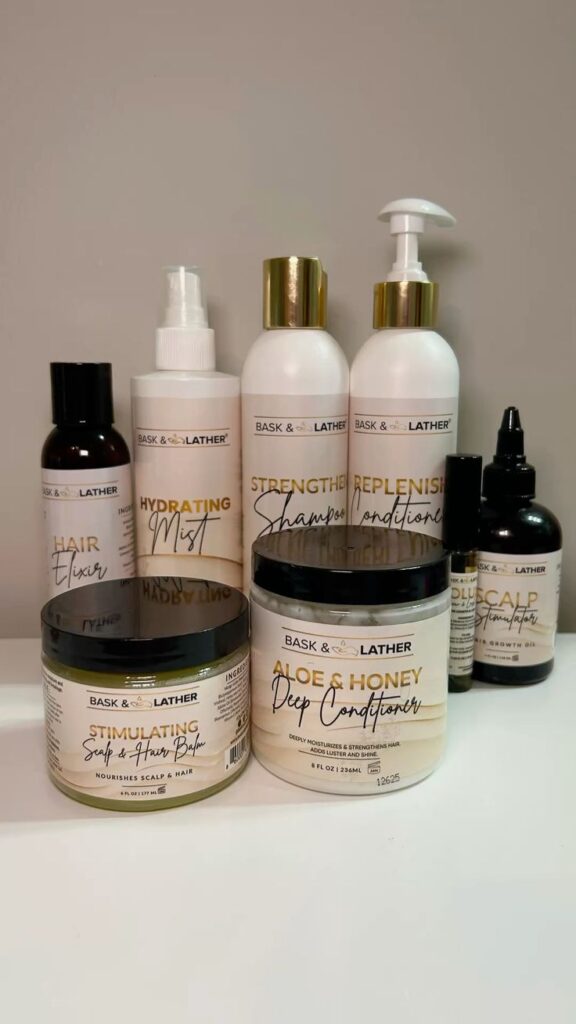
Be Patient And Consistent
Patience is one of the hardest parts of any hair journey. It is easy to want fast results, especially when everyone around you seems to be growing their hair quickly.
But real, healthy growth takes time, and rushing it usually leads to more harm than good.
My friend struggled with this for years before she finally understood the importance of patience. She used to switch products every few weeks, hoping for faster results.
Her hair stayed the same length for almost two years because it never had time to adjust to anything.
Once she picked a simple routine and stuck with it, she finally started seeing real progress.
Read this next: Length Retention Tips Every Naturalista Should Know

Tracking Progress Without Obsessing
Take a photo of your hair once a month, in the same lighting each time. This gives you an honest way to see change over time.
Daily checking in the mirror rarely shows real progress and can feel discouraging.
Give a new routine at least three months before judging its results.
Hair growth cycles are slow, and quick verdicts are usually inaccurate. Trust the process instead of chasing instant proof.
What To Expect As The Weeks Pass
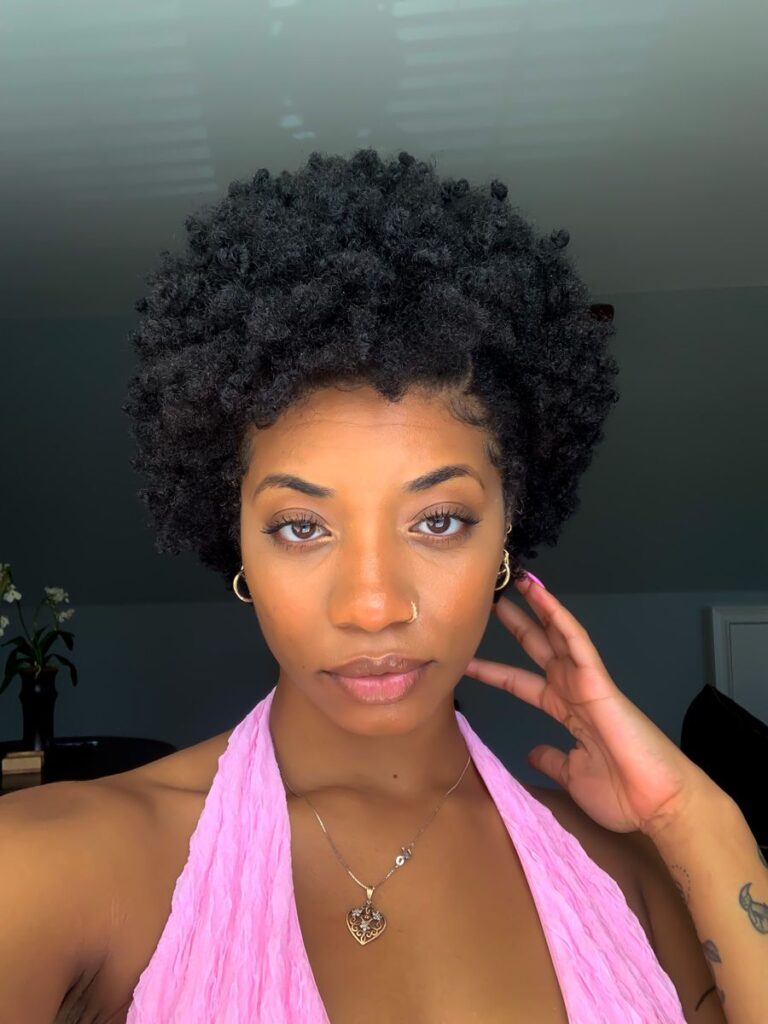
Understanding a rough timeline helps you stay calm during the process. Hair does not transform overnight, and knowing this ahead of time protects your patience.
Here is a simple idea of what most people notice along the way.
In the first few weeks, you will mostly notice how your hair feels, not how it looks. Softness, less shedding, and easier detangling usually show up first.
These are small wins, but they matter more than people realize.
By month two or three, your scalp usually feels healthier if you have been consistent.
Itching reduces, flaking clears up, and your hair starts feeling stronger at the root. This is often when people start trusting their new routine more.
Around month four to six, length becomes slightly more visible, though still gradual.
This is also when old damage, like dry ends, starts to stand out more clearly. A trim at this stage often helps the hair look and feel healthier overall.
By month six and beyond, consistent habits usually show real, visible results. Fullness improves, breakage reduces, and length becomes easier to notice and measure.
This timeline is a guide, not a strict rule, since every head of hair moves differently.
Common Mistakes That Slow Down Growth
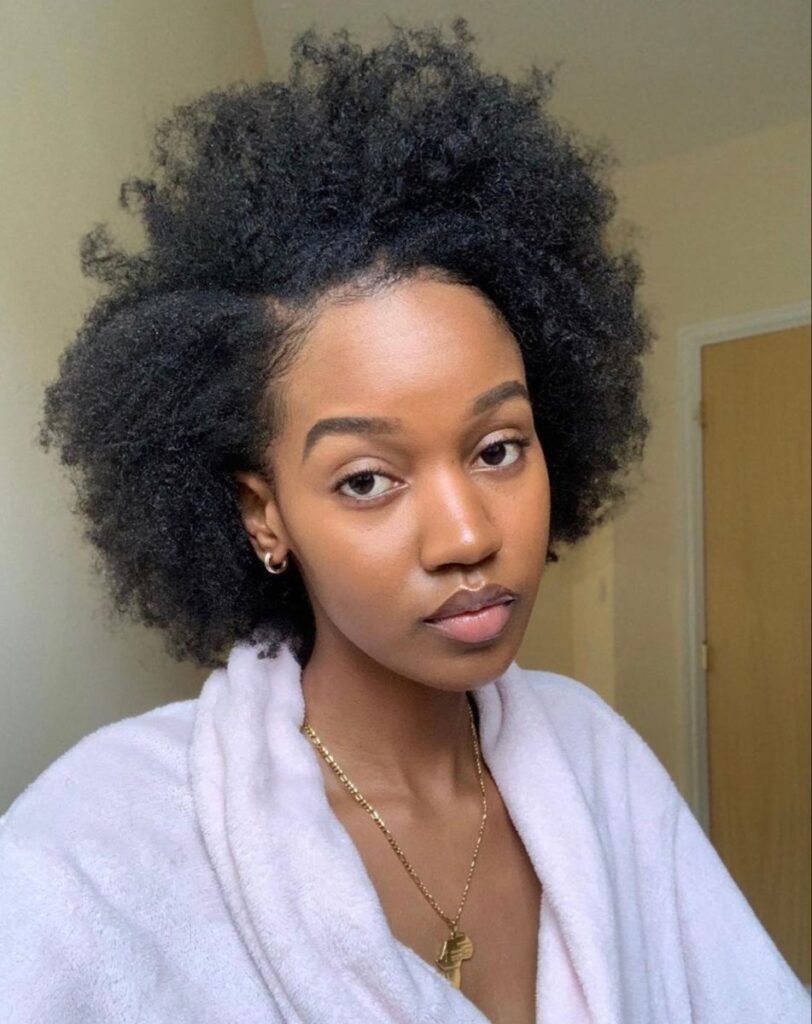
Even with good intentions, many naturalistas make mistakes that slow down their progress.
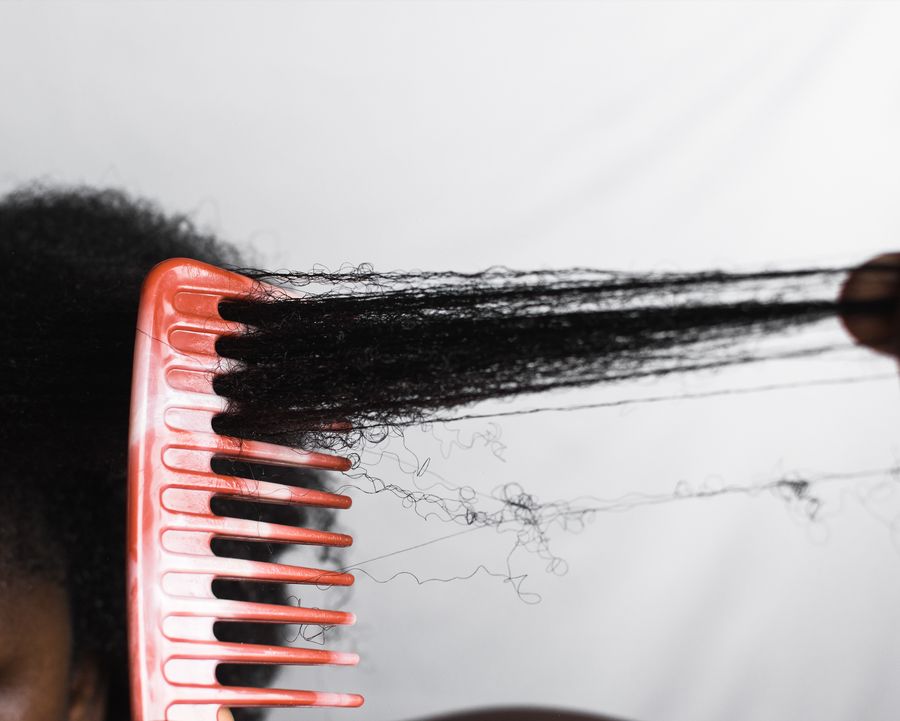
One common mistake is over-manipulating the hair through excessive styling or combing. This constant handling weakens the strands and leads to more breakage over time.
Another mistake is ignoring the ends of your hair. The ends are the oldest and most fragile part of your strands.
Neglecting them, especially by skipping trims, can lead to split ends that travel up the hair shaft.
Small Habits That Cause Big Damage
Many people also make the mistake of using too much heat or harsh chemicals. These practices weaken the hair structure and make it more prone to breakage.
Reducing heat use and being gentle during styling protects the progress you have already made.
Sleeping without protection is another quiet culprit. Cotton pillowcases pull moisture from your hair overnight. A silk or satin bonnet solves this problem easily and costs very little.
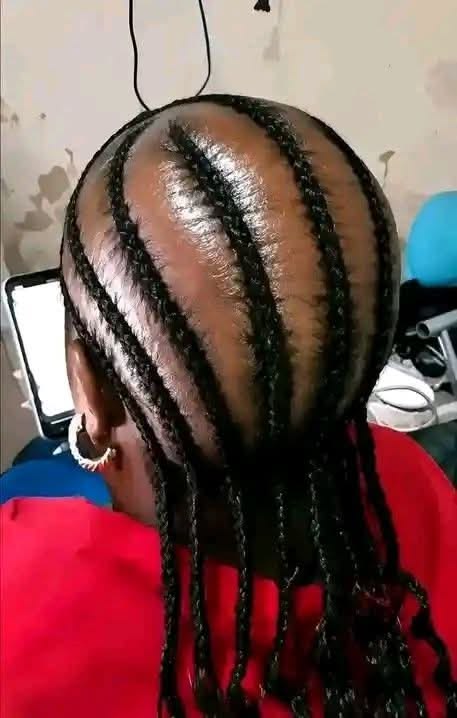
Tight styles pulled too close to the edges cause slow, quiet damage over months.
This damage often goes unnoticed until the edges are visibly thinning. Choosing looser styles protects your edges while still looking neat.
Quick Answers To Common Questions
A few questions come up again and again from people starting this journey. Answering them here saves time and clears up confusion early.
Can stress really affect hair growth? Yes, stress can push more hair into a resting phase than usual.
often shows up as extra shedding a few months after a stressful period.
Does trimming really help hair grow faster? Trimming does not speed up growth from the root.
But it removes damaged ends, which prevents breakage and protects the length you already have.
Is it normal to see shedding during wash day? Some shedding is completely normal, since hair naturally falls out daily.
Excessive shedding, though, may point to a scalp or health issue worth checking.
Should diet be part of a hair growth routine? Yes, hair reflects overall health, so a balanced diet supports stronger growth.
Protein, iron, and enough water all play a role in healthy hair.
When Length Comes Naturally
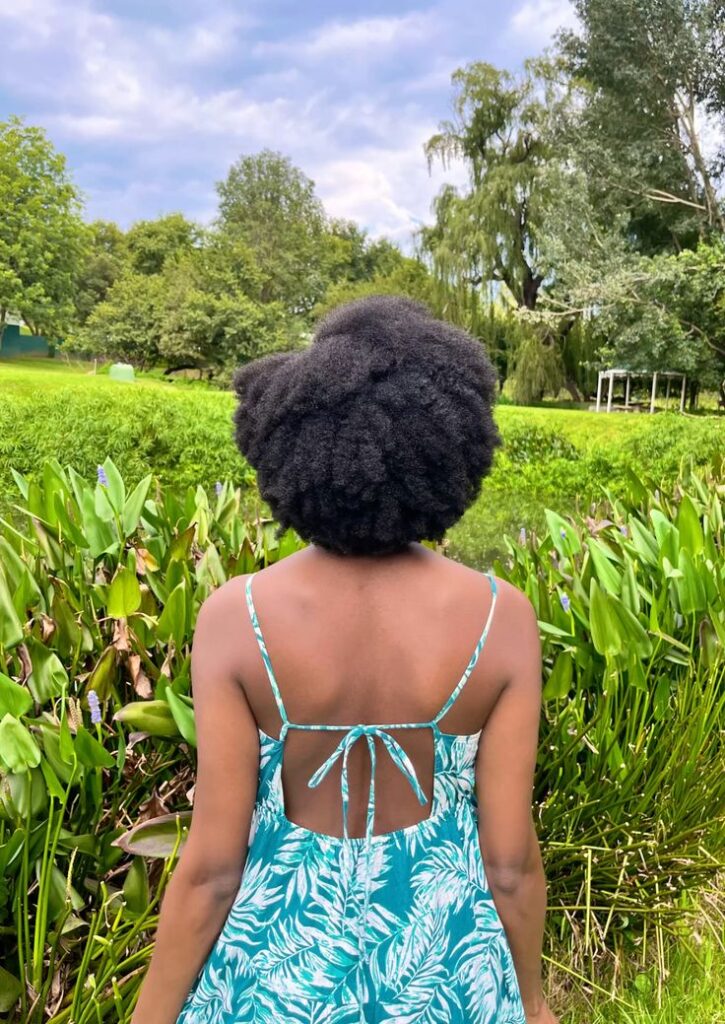
Once you shift your focus from chasing length to building genuinely healthy hair, growth tends to follow on its own.
Your hair grows every day, but retaining that growth is what actually shows results over time.
Healthy hair habits protect the length you already have while allowing new growth to thrive.
This is exactly what I explained to my client that day in my shop. She stopped chasing length and started focusing on health instead.
Within a few months, her hair looked fuller, felt stronger, and yes, it was longer too. But the length came as a result of her new habits, not the main goal she was chasing.
A Few Final Things Worth Knowing
Healthy afro hair care is not complicated, but it does ask for consistency.
Focus on understanding your hair type, your porosity, and your scalp before anything else. Build a simple routine, and give it real time to work.
Protect your hair at night, moisturize the right way, and choose products that actually suit your hair.
Avoid chasing quick fixes, since they rarely deliver lasting results. Small, steady habits will always beat rushed, dramatic changes.
Your hair journey does not need to feel like a race. When you focus on health first, healthy afro hair, and the length that comes with it, becomes a natural outcome rather than a constant struggle.