
The Best Hair Growth Routine For Afro Hair
Disclosure: Some of the links in this post are affiliate links. This means if you click on the link and purchase an item, I will receive an affiliate commission at no extra cost to you.
A good routine is the backbone of every healthy hair journey. Without one, even the best products end up wasted.My client once told me she owned more than twenty hair products, yet her hair still looked dull and weak.
She had serums for growth, oils for shine, and creams for moisture, all bought at different times with different hopes. But none of them were working together in any real order. She would use whatever felt right on a given day, switching things around based on mood rather than method.
The problem was never the products themselves. The problem was that she used them randomly, with no order or consistency behind any of it.
Once we sat down and built a simple, structured routine together, her hair started responding within weeks. She was shocked at how little actually changed in terms of products, and how much changed in terms of order and timing.
This kind of confusion is common, especially for people who never took time to understand their hair type first.
If that sounds like you, Understanding Type 4 Hair: A Complete Guide is worth reading before you go further. This post is about building a routine step by step, without confusion, for the long term.

The Best Hair Growth Routine For Afro Hair
Why A Routine Matters More Than Products
Many naturalistas believe growth comes from finding the right product. But growth actually comes from consistency, structure, and gentle handling over time.
Products only support a routine, they do not replace one. This is a hard truth for people who have spent years searching for a miracle bottle.
A scattered approach, where you do different things every wash day, confuses your hair.
Your scalp and strands respond best to predictable care, not sudden changes.
This is why the same three products used consistently often outperform ten products used randomly. Structure gives your hair a chance to actually adjust and respond.
Growth without proper care rarely shows visible results, no matter how fast your hair grows naturally.
If you have not yet read How To Grow Healthy Afro Hair Without Chasing Length, it explains why health always comes before length.
A routine is simply the practical version of that same idea, put into daily action.

Consistency Beats Intensity
A gentle routine followed consistently will always outperform an intense routine followed occasionally.
Hair does not respond well to sudden, aggressive treatments done once in a while. It responds to steady, repeated care over weeks and months instead.
This is one of the hardest lessons for naturalistas eager for fast results. Slowing down and repeating simple steps feels boring at first, almost too basic.
But boring, consistent care is exactly what produces real, lasting growth over time.
People often abandon a routine after just two weeks, assuming it has failed. Hair growth cycles move slowly, so short trials rarely show true results.
Give any new routine at least six to eight weeks before judging it fairly.
Why Structure Reduces Decision Fatigue
Having a set routine removes the daily guessing that wears people down eventually. When every wash day feels like a fresh experiment, motivation runs out quickly.
A clear structure means you are not reinventing your approach every single week.
This matters more than it sounds, especially for people juggling work, school, or family. Knowing exactly what to do on wash day saves time and mental energy.
Simplicity is often what keeps a routine alive long enough to actually work.

The Four Pillars Of A Growth Routine
Every solid hair growth routine rests on four simple pillars. These are cleansing, conditioning, moisturizing, and protecting your hair from daily damage.
Skipping any one of these pillars weakens the entire structure of your routine.
Cleansing removes dirt, sweat, and product buildup from your scalp and strands.
A clean scalp supports healthy follicles, which directly affects how well hair grows.
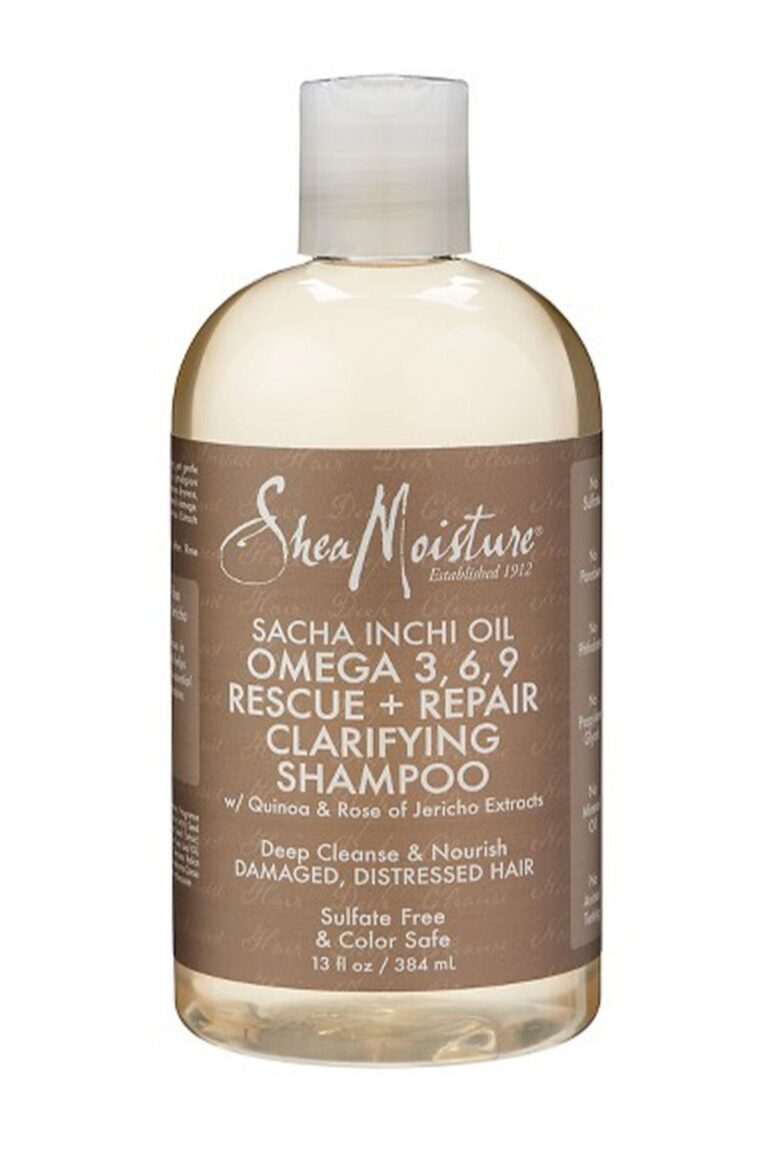
The Best Shampoos For Afro Hair can help you choose a gentle option that cleanses without stripping natural oils.
Conditioning restores moisture and strength after cleansing takes place.
This step should never be skipped, even on busy or rushed wash days. Don’t miss this: The Best Conditioners For Type 4 Hair
Building Your Weekly Wash Day Flow
A simple wash day should follow a clear order every single time. Start with a pre-wash oil treatment if your hair tends to feel dry.
This step softens hair before shampoo even touches it.
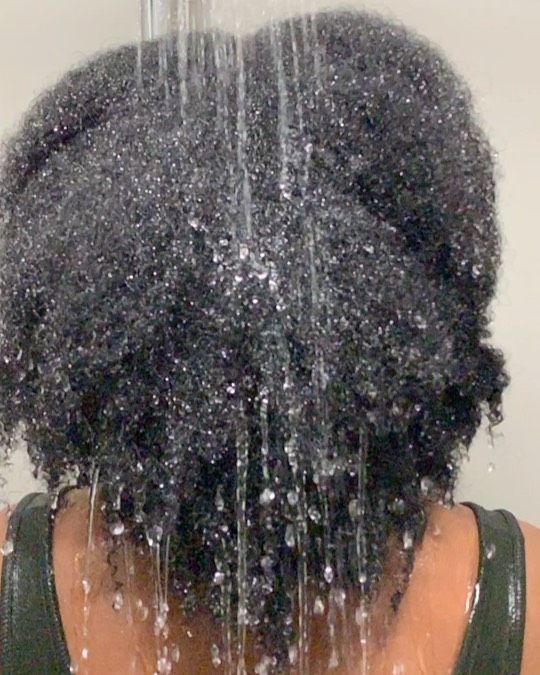
Follow with a gentle shampoo, focused mainly on the scalp rather than the length. Rinse thoroughly before applying a deep conditioner for at least twenty minutes.
Heat from a warm towel can help the conditioner absorb more deeply.
Rinse with cool water to help seal the hair cuticle afterward. Detangle gently while your conditioner is still sitting in the hair.
This reduces friction and protects your strands from unnecessary breakage during the process.
Once rinsed, gently squeeze out excess water using a soft microfiber towel. Avoid rubbing your hair roughly, since this causes frizz and weakens wet strands.
Wet hair is at its most fragile, so patience here truly matters.
Why Order Of Steps Actually Matters
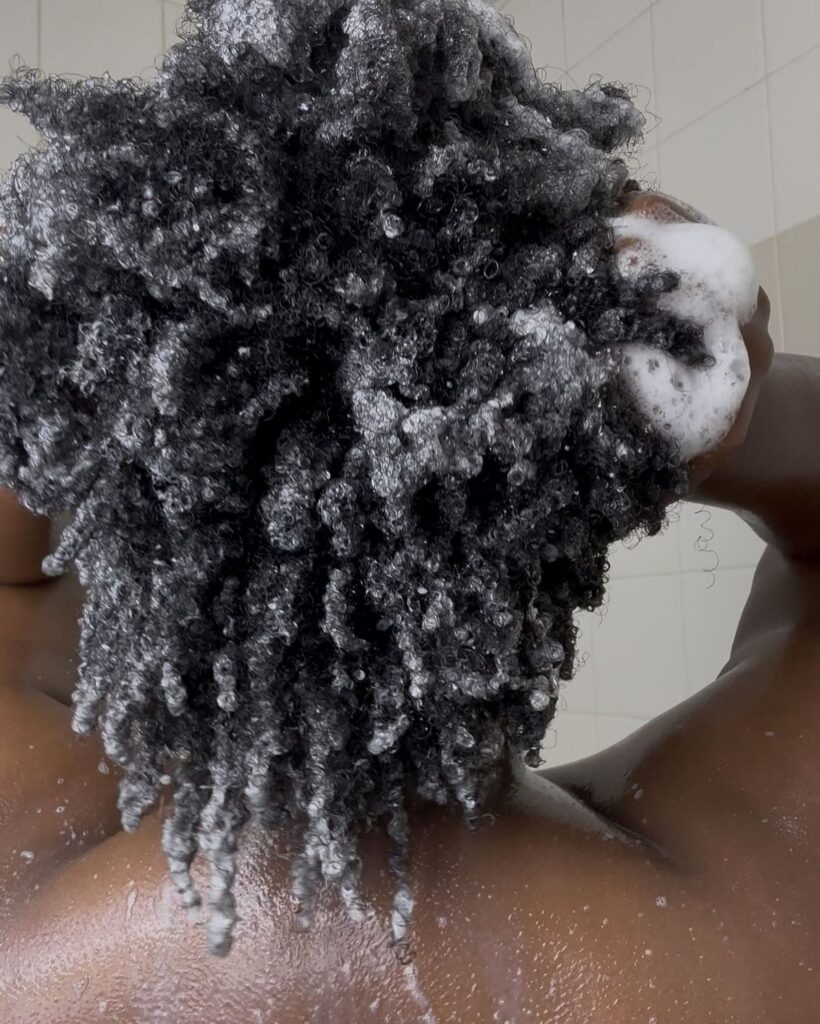
Applying products in the wrong order can undo the benefit of each one. Shampoo before oil, conditioner before styling product, always in that direction.
Reversing this order often leaves hair either greasy or under-conditioned by the end.
This is a small detail many people overlook when building their own routine. But small details like this often separate a routine that works from one that does not.
Paying attention here saves time, product, and frustration later.
Moisturizing As A Daily Or Near-Daily Habit
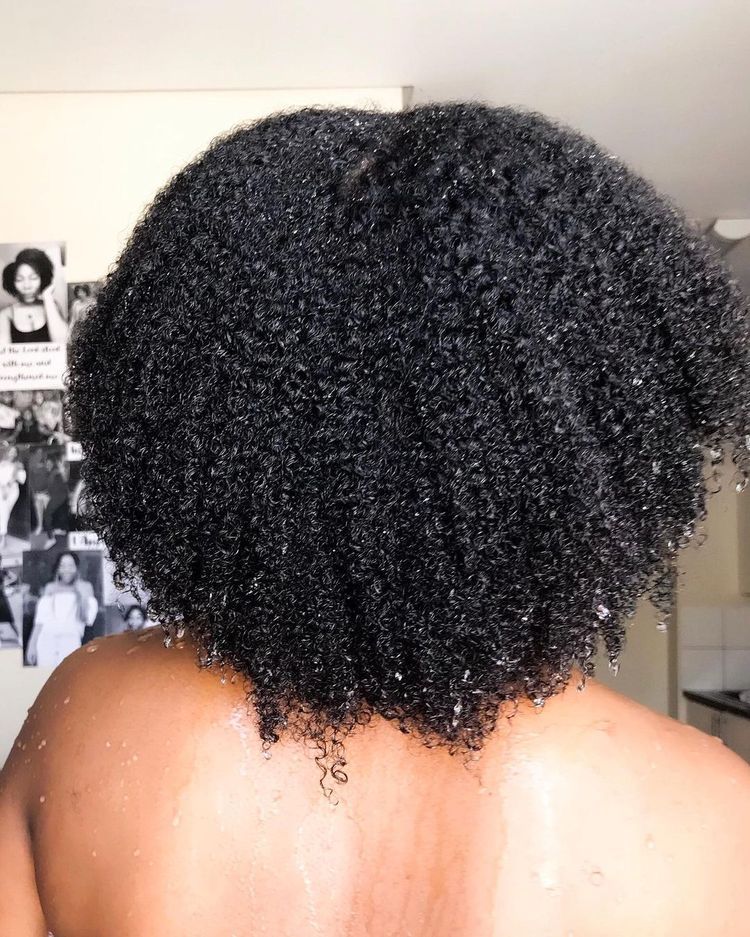
Moisture is the single most important part of any growth routine. Dry hair is fragile hair, and fragile hair struggles to retain any length it grows.
This is why moisturizing cannot be treated as an occasional afterthought.
Bookmark this post: Low Porosity Hair Routine
Understanding your porosity changes how you approach moisturizing completely.
What Is Hair Porosity and Why Does It Matter? explains why some hair absorbs moisture quickly while other hair resists it stubbornly.
Skipping this step often leads to frustration with products that seem to simply “not work.”
The LOC Method Explained Simply
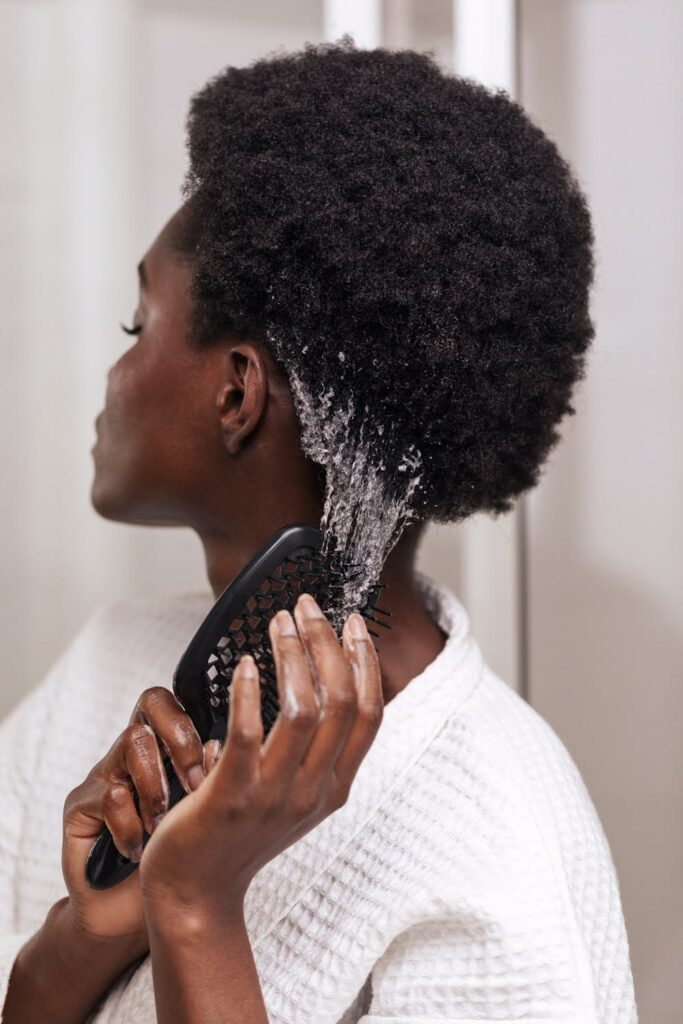
LOC stands for liquid, oil, and cream, applied in that specific order. Start with water or a water-based leave-in as your liquid step.
This hydrates the hair from the inside first, before anything else touches it.
Follow with a light oil to help seal that moisture in place. Finish with a cream to lock everything down and add extra softness.
This order matters more than people realize when building a routine that actually works.
Some naturalistas prefer LCO instead, swapping the cream and oil order around. Low porosity hair often does better with LCO, since it needs lighter layers overall.
High porosity hair often prefers LOC, since it needs stronger sealing to hold moisture in place.
My sister struggled with dry hair for months before learning this simple order. She was applying oil before water, which left her hair feeling coated but still dry underneath everything.
Switching the order alone made a noticeable difference within just two weeks.
Adjusting Moisture Frequency To Your Hair
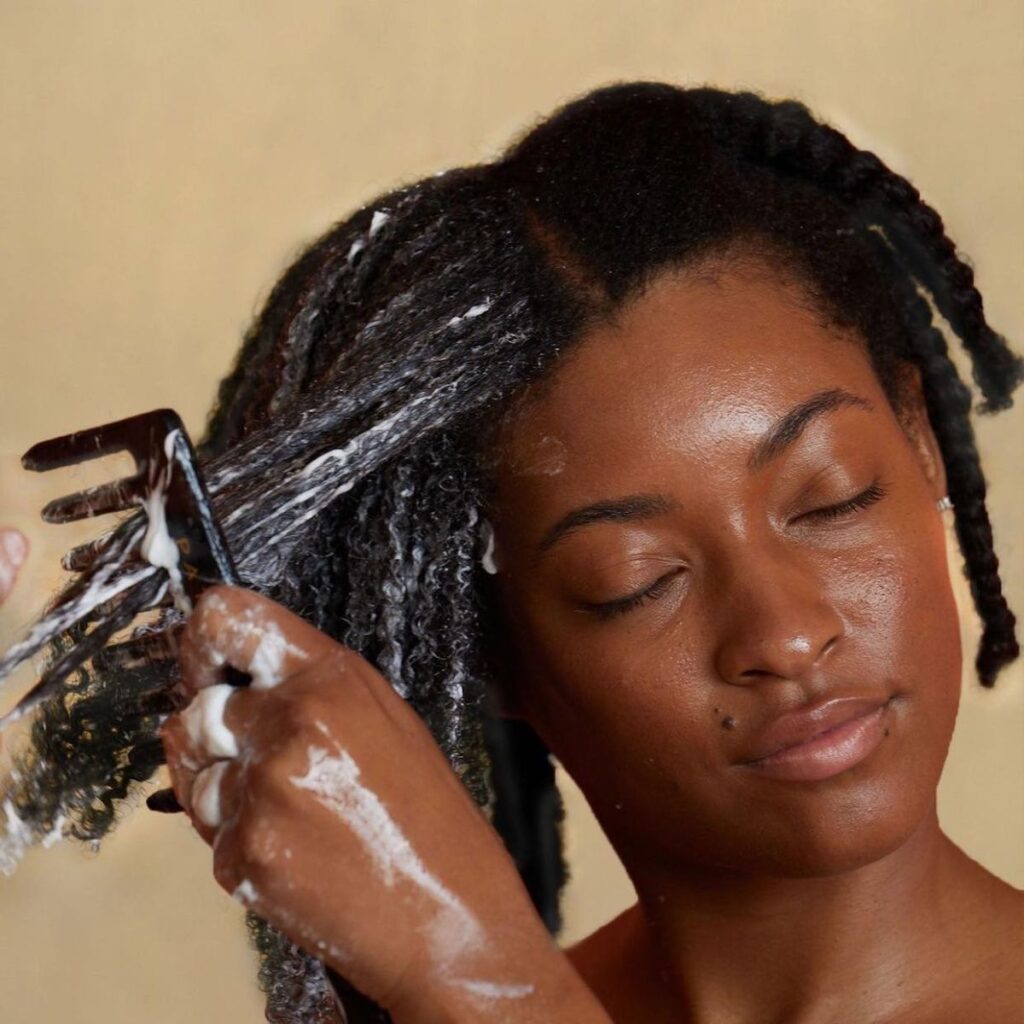
Some hair types need moisture daily, while others do well every two to three days.
This depends heavily on porosity, climate, and how your hair was styled that week. Pay attention rather than following a fixed schedule blindly.
Hot, dry weather often calls for more frequent moisturizing sessions. Humid seasons may need less, since the air itself adds some moisture naturally.
Adjusting with the seasons keeps your routine realistic and effective year-round.
Signs Your Moisture Routine Needs Adjusting
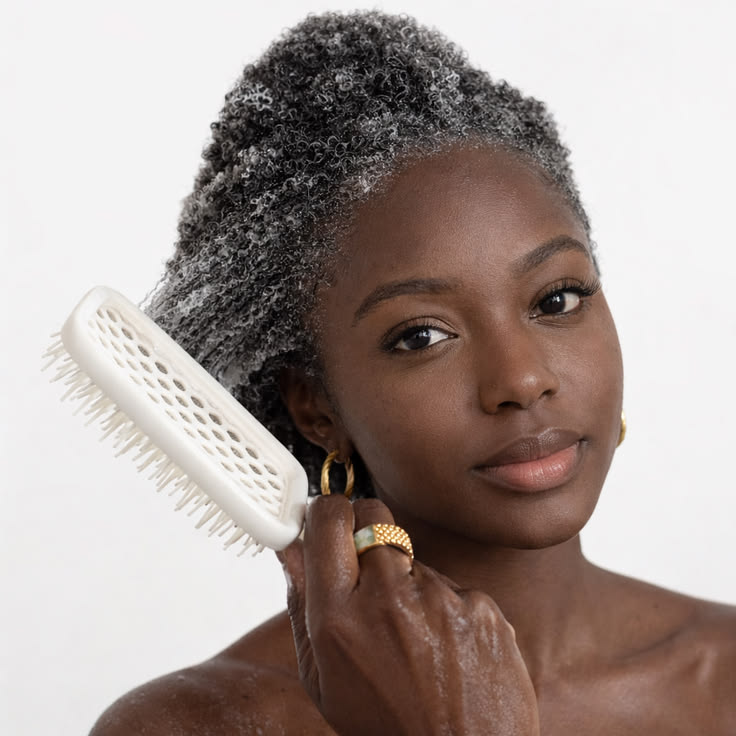
If your hair feels dry again within hours of moisturizing, something needs changing. This could mean your products are too light, or your technique needs adjusting.
Layering an extra light oil after your cream can sometimes solve this quickly.
On the other hand, hair that feels greasy or weighed down may be over-moisturized.
This often happens when heavy products are used too frequently on fine strands. Balance is the goal, not simply applying more product every time.
Scalp Care As Part Of The Routine
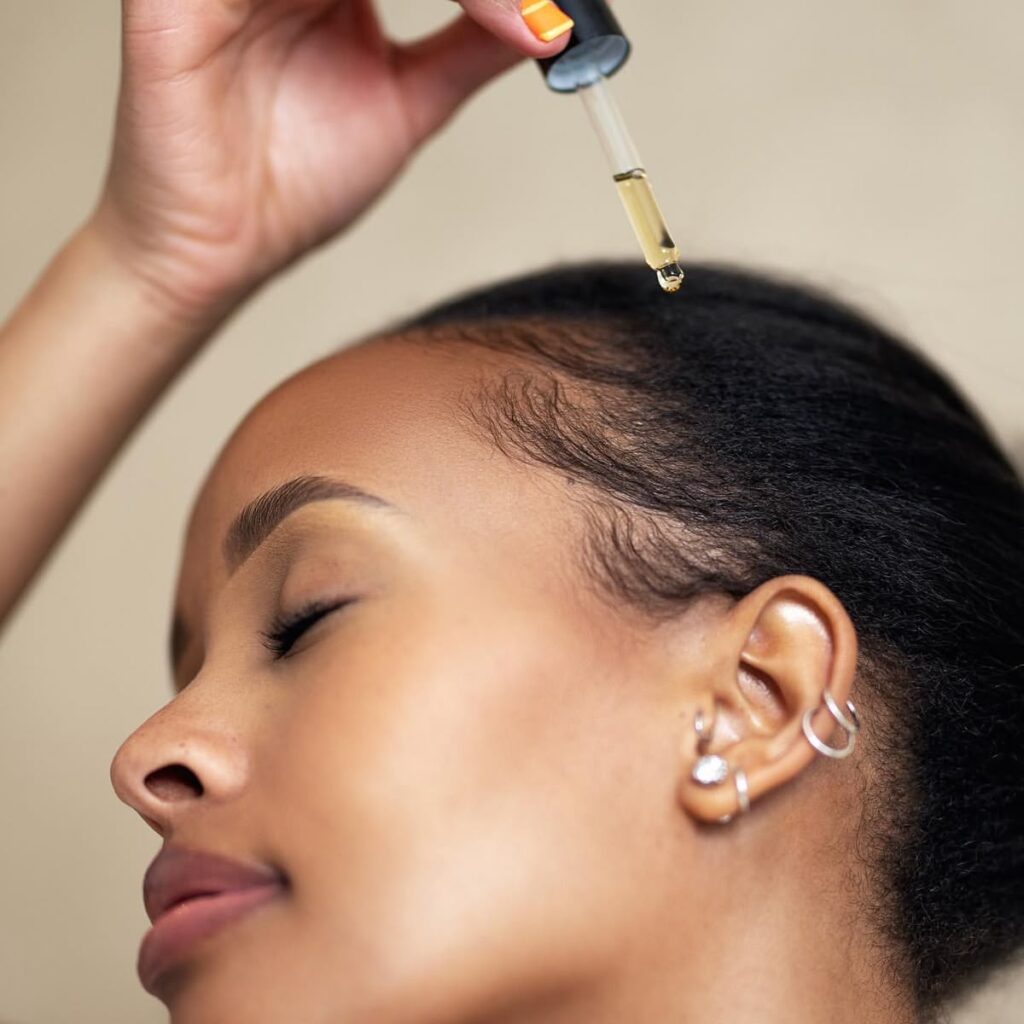
A growth routine that ignores the scalp is only half complete. The scalp is where hair growth actually begins, so it deserves consistent, dedicated attention.
Neglecting it slows down progress no matter how well you treat your strands.
Take a peek: Healthy Scalp Habits For Faster Hair Growth
Weekly Scalp Stimulation
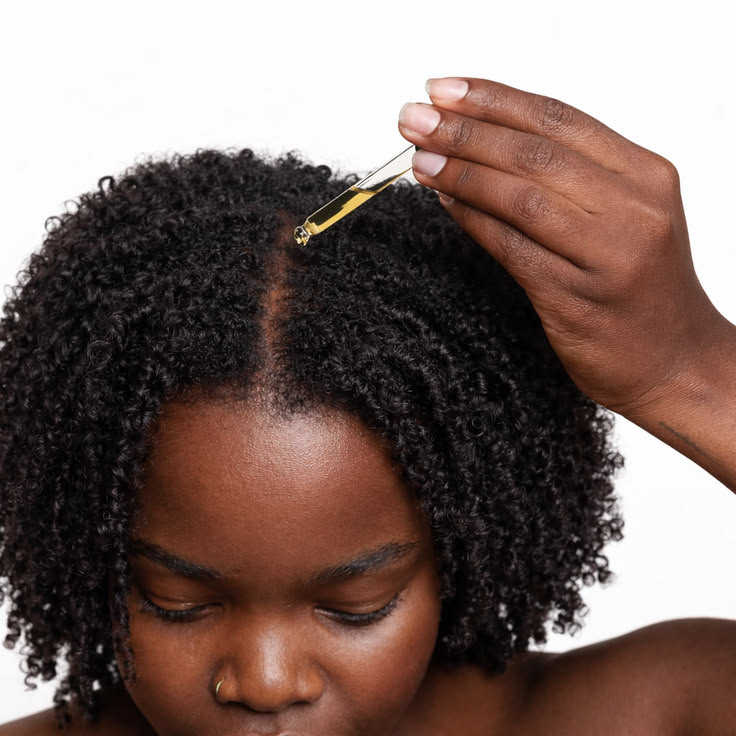
Set aside a few minutes each week for a simple scalp massage. Gentle circular motions with your fingertips help improve blood flow to the follicles.
This small habit supports stronger, healthier growth over time, without costing anything extra.
Avoid scratching your scalp with your nails, even when it feels itchy. Scratching can cause micro tears, which lead to irritation or infection later.
A soft touch protects your scalp while still relieving discomfort effectively and safely.

Choosing The Right Scalp Products
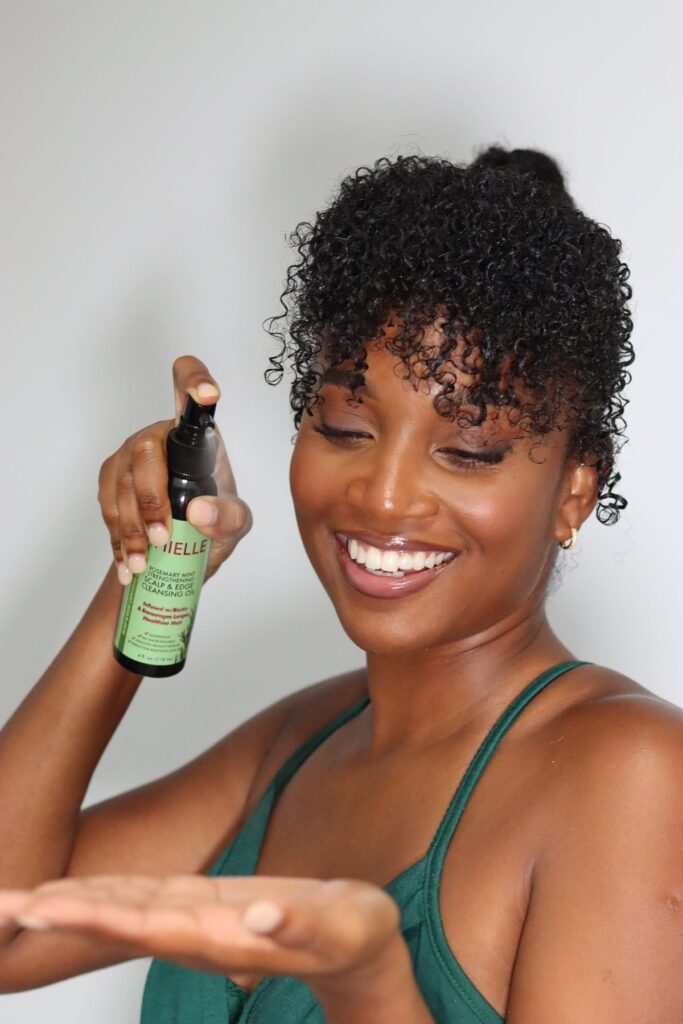
Not every scalp product is necessary or even genuinely helpful. Some heavy oils can clog follicles rather than support them properly.
The Truth About Hair Growth Oils explains which oils genuinely support scalp health versus which ones simply sit there.
Lightweight, natural oils generally work better for regular scalp use throughout the week. Heavier oils and butters are better saved for sealing the length of your hair instead.
Knowing this difference prevents unnecessary buildup right at the root.
Reading Your Scalp For Warning Signs
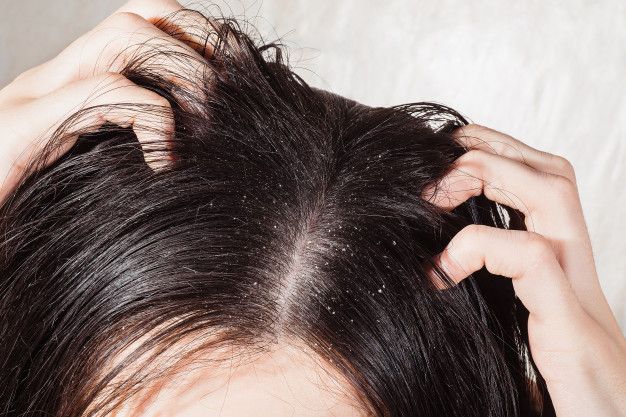
A healthy scalp should feel comfortable, without persistent itching or tenderness.
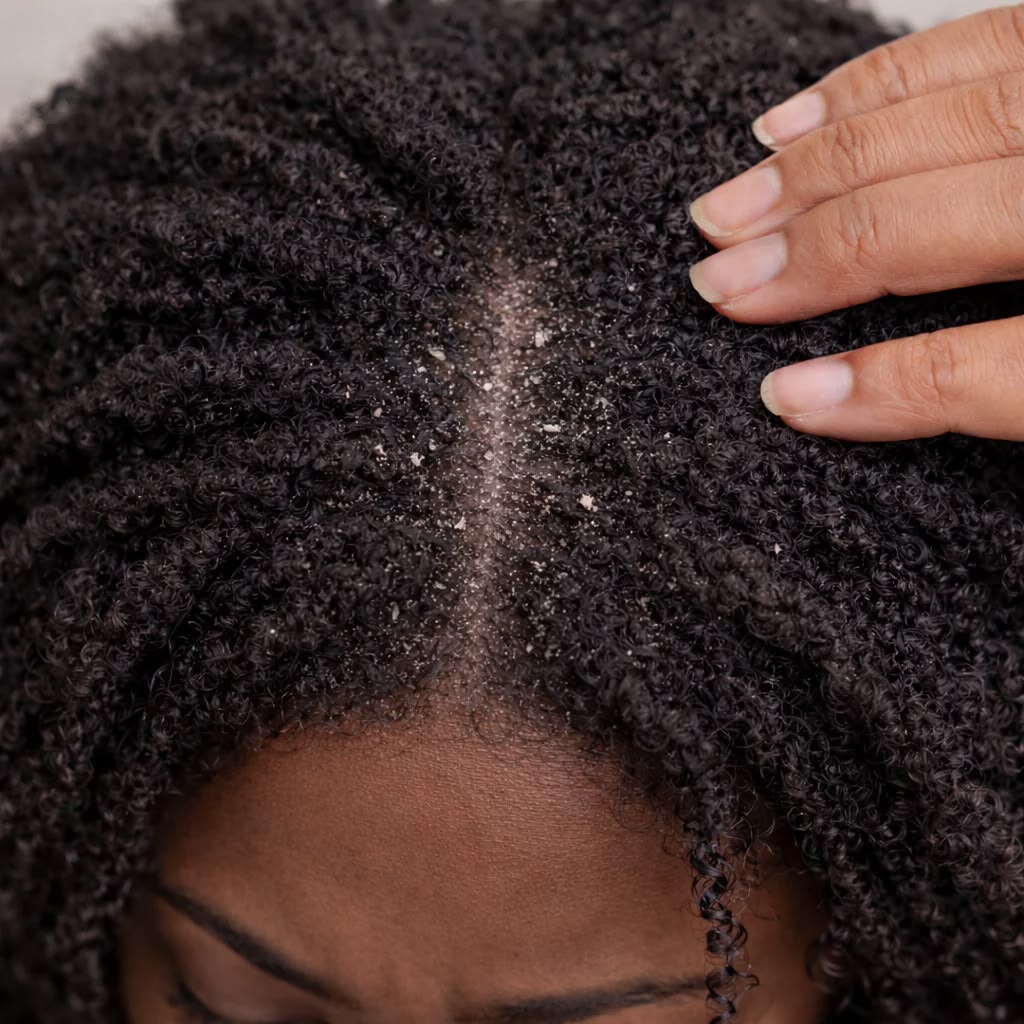
Redness, flaking, or a burning feeling after products are signs something needs adjusting. Catching these signs early prevents bigger scalp issues down the line.
If a product consistently causes discomfort, stop using it immediately, regardless of its reputation.
Everyone’s scalp reacts differently, so what works for someone else may not suit you. Trust what your own scalp is telling you over outside opinions.
Protective Styling Within A Growth Routine
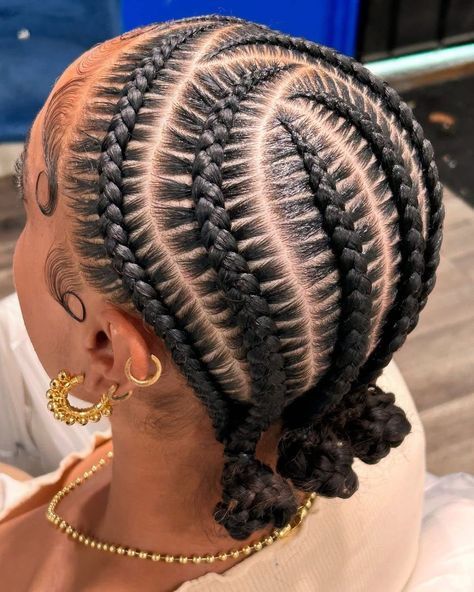
Protective styles play a supporting role inside a solid growth routine.
They reduce daily manipulation, which lowers the risk of breakage significantly over time. But they only work well when paired with proper care underneath the style.
Pin this for later: The Best Detangling Brushes For Afro Hair
Detangling Before Protective Styling
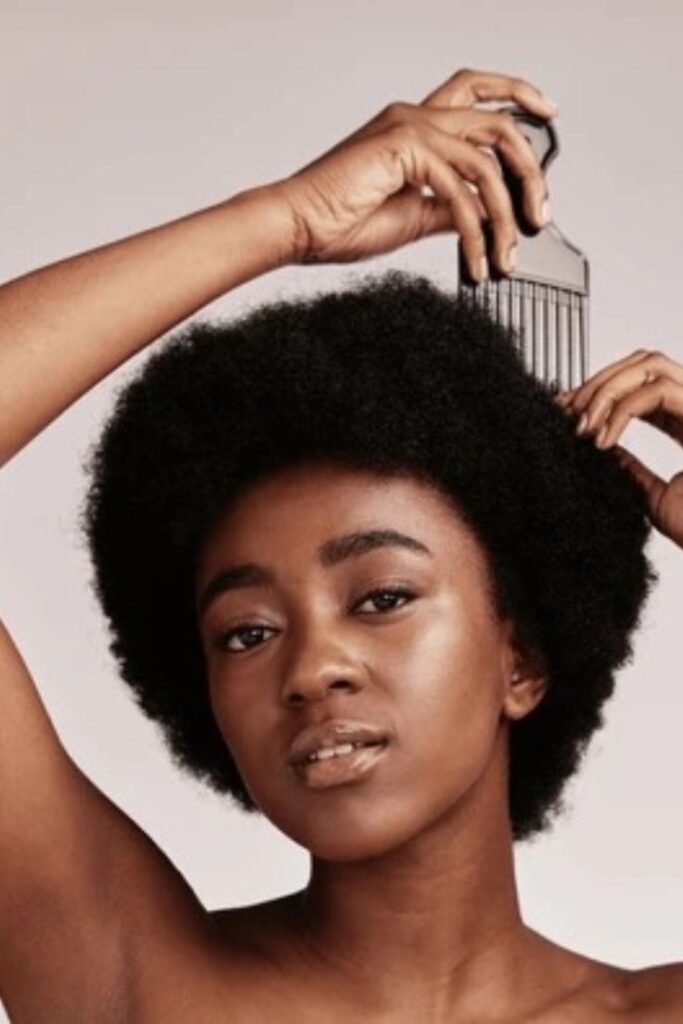
Always detangle thoroughly before installing any protective style on your hair. Trapping knots and tangles under a style leads to matting later on.
Take your time here, since rushing causes unnecessary breakage during installation.
Use a wide-tooth comb or a gentle detangling brush for this step. Start from the ends and work upward slowly and carefully each time.
This method protects your strands far better than rushing through with fingers alone.
Maintaining Styles Without Neglecting Your Scalp
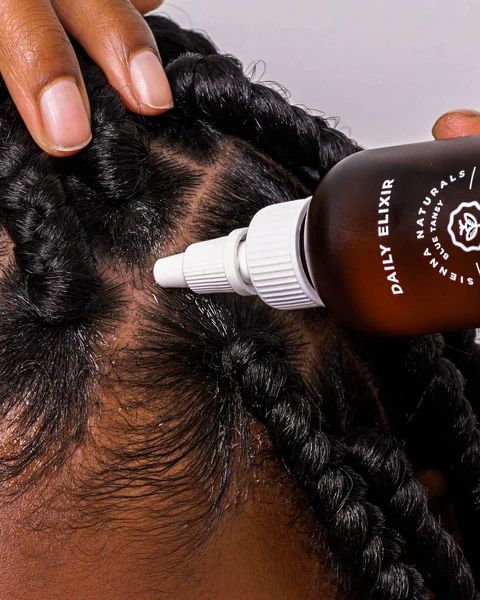
Keep your scalp moisturized even while wearing a protective style for weeks. A light spray bottle mix works well for refreshing dryness between full washes.
Neglecting this step often leads to dry, itchy discomfort underneath the style.
Avoid leaving protective styles in for too long, even if they still look neat. Extended wear increases the risk of matting and buildup at the root.
Two to six weeks is a reasonable range, depending on the style and your scalp.
Choosing Styles That Match Your Routine
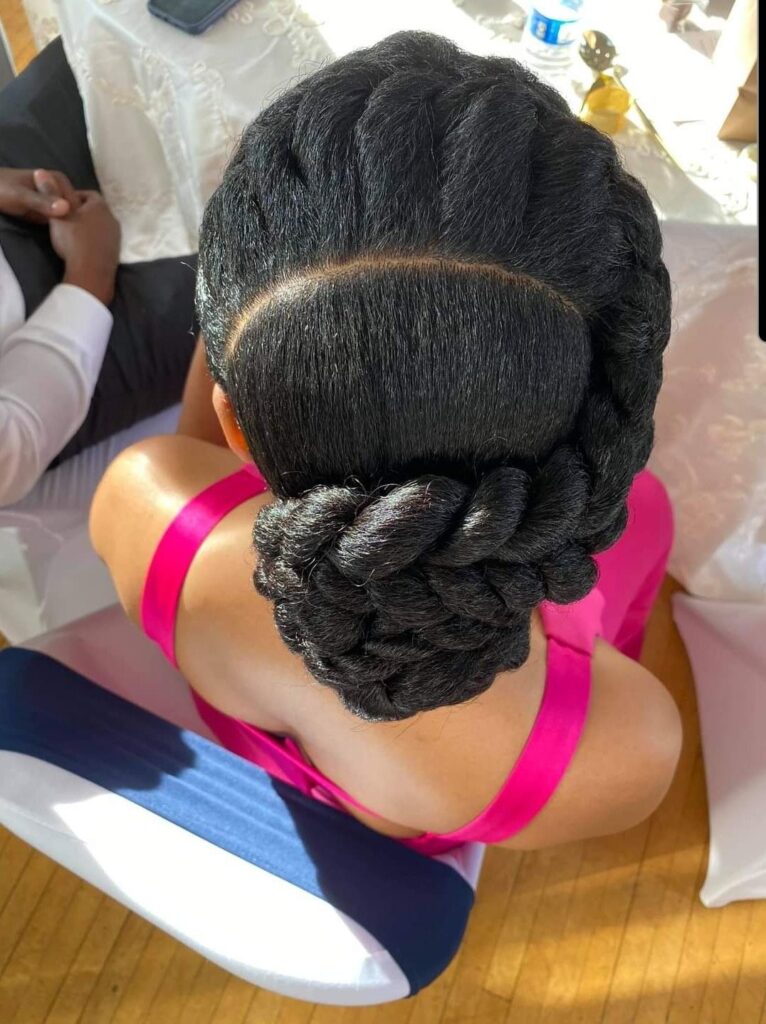
Some protective styles require more upkeep than others, so pick based on your schedule. Braids and twists tend to last longer with less daily effort.
Buns and updos may need more frequent adjustment to avoid tension at the roots.
Whatever style you choose, make sure your hair was fully clean and moisturized before installing it.
Trapping dirt or dryness under a style only creates problems later. A good style starts with good preparation beforehand.

Choosing Products That Fit Your Routine
Product selection should always follow your hair type and porosity, not passing trends. What works well for someone else may not suit your hair at all.
This is why understanding your own hair matters so much before shopping around.
4A vs 4B vs 4C Hair Explained can help you understand how your specific subtype responds to different products.
Curl pattern also plays a role here, since tighter coils often need richer, heavier products. Save this for later: How To Identify Your Curl Pattern
Sealing Products Within Your Routine
Sealing is the final step in most moisture routines, right after your leave-in cream.
Hair Cream vs Hair Butter: Which Should You Choose? explains which sealant suits different porosity types best.
Choosing the wrong one can leave hair either greasy or still dry underneath.
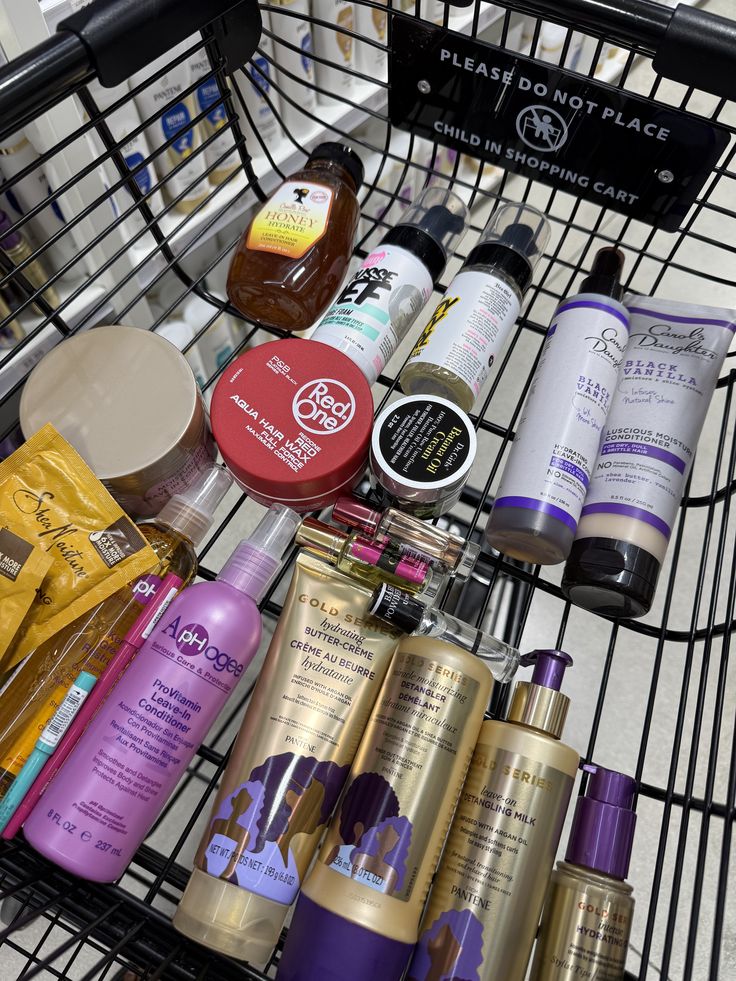
A well-organized product shelf makes routines easier to follow consistently, week after week.
Must-Have Products For A Healthy Hair Routine outlines the essentials worth having on hand at all times.
A cluttered shelf full of unnecessary products often leads to inconsistency and confusion.
Avoiding Product Overload
More products do not always mean better results, despite what advertising suggests. A routine with five well-chosen products often beats one with fifteen random ones.
Simplicity makes it easier to notice what is actually working.
Introduce new products one at a time, spaced a few weeks apart. This helps you see clearly whether something is helping or causing problems.
Adding several new products at once makes it impossible to know what caused a reaction.
Sample Weekly Routine You Can Follow
Having a general structure to follow removes a lot of guesswork. This sample routine can be adjusted based on your own hair’s specific needs.
Wash day happens once a week, including cleansing, deep conditioning, and detangling fully. Days two and three focus on light moisturizing and sealing as needed.
Midweek, a quick scalp massage and refresh spray keep things hydrated properly.
Toward the end of the week, check your ends and edges for dryness. Apply extra moisture or oil to areas that feel drier than the rest.
This small check prevents minor dryness from turning into breakage later on.
Adjusting The Routine To Your Lifestyle
Not everyone has time for a long, detailed routine every single week. Simplifying steps is fine, as long as the core pillars stay intact throughout.
A shorter, consistent routine beats a long, complicated one you constantly skip anyway.
Busy weeks might mean skipping deep conditioning once, and that is acceptable occasionally.
What matters most is returning to your routine as soon as possible afterward. Perfection is not the goal here, consistency over time truly is.
Traveling can also disrupt a routine, so pack a simplified version for trips. A small leave-in, a light oil, and a satin bonnet cover the basics.
This keeps your hair protected even when your full routine is not possible.
Adapting The Routine Across Seasons
Dry, harmattan-style weather often pulls moisture from hair faster than usual. During these months, increase moisturizing frequency and lean on heavier sealants.
Humid or rainy seasons may allow for lighter products without sacrificing hydration.
Life changes like travel, illness, or busy work periods can also affect consistency.
During these times, aim to maintain the basics rather than abandoning the routine completely. A simplified version practiced consistently still beats no routine at all.
Common Mistakes Inside A Growth Routine
Many naturalistas build routines that look good on paper but fail in practice. Overloading hair with too many products at once is a common issue.
This often leads to buildup, which weighs hair down and clogs the scalp over time.
Switching routines too frequently is another common mistake people make early on. Hair needs time to respond to any consistent approach you choose.
Constant changes make it impossible to know what is actually working for you.
Ignoring Signs Your Hair Is Sending
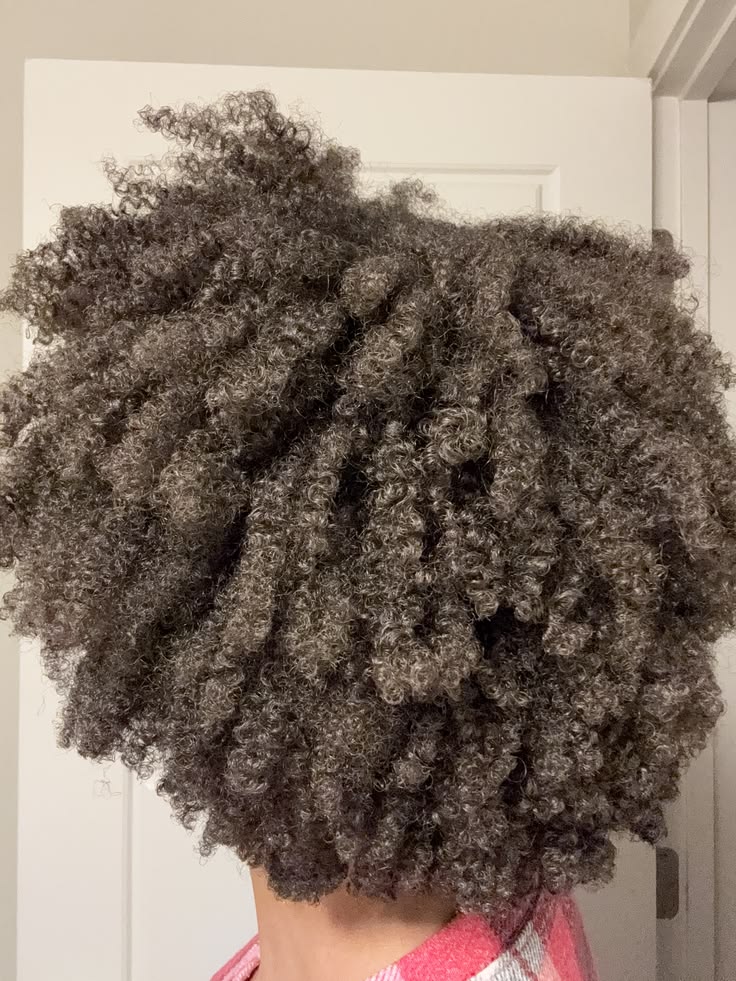
Hair often communicates what it needs through small, visible signs along the way. Dryness, excess shedding, or dullness usually point to something missing in the routine.
Ignoring these signs allows small problems to grow into much bigger ones.
My neighbor ignored persistent dryness for months, assuming it would resolve on its own eventually. It eventually led to noticeable breakage along the length of her hair.
Paying attention early would have prevented most of that damage entirely.
Copying Someone Else’s Routine Exactly
Watching videos and reading posts for inspiration is fine and often genuinely helpful. But copying someone else’s routine exactly, without adjusting for your own hair, rarely works well.
Their porosity, curl pattern, and climate may be completely different from yours.
Use other people’s routines as a starting guide, not a strict rulebook. Adjust products, timing, and frequency based on how your own hair actually responds.
This flexibility is what turns a borrowed idea into a routine that truly works for you.

Expecting A Routine To Fix Damage Overnight
A good routine prevents further damage, but it cannot undo years of harm instantly.
Severely damaged hair needs patience, sometimes alongside professional treatments or trims.
Setting realistic expectations protects your motivation during the early weeks.
Growth and repair both take time, no matter how disciplined your routine is.
Rushing this process, or expecting instant transformation, often leads to disappointment and giving up early.

Quick Answers To Common Questions
A few questions come up often when people are building a routine for the first time.
How long before a new routine shows results? Most people notice small improvements within four to six weeks of starting.
Bigger, visible changes usually take a few months of steady consistency.
Should I follow the exact same routine every week without changes? A general structure should stay the same, but small adjustments are normal.
Weather, stress, and even seasons can affect what your hair needs.
Is it okay to switch products within a good routine? Yes, as long as the core steps stay consistent throughout.
Switching an occasional product is different from switching the entire structure often.
Can a routine be too simple to actually work well? No, simple routines often work better than complicated ones do.
What matters is covering all four pillars consistently, not the number of products used.
What if my hair stops responding to a routine that used to work? Hair needs can change with seasons, age, or health shifts over time.
Reassess your porosity and scalp condition before assuming the routine itself has failed.
A Few Final Things Worth Knowing
A strong hair growth routine does not need to be complicated or expensive to work. It needs to be consistent, structured, and suited to your specific hair type.
Cleansing, conditioning, moisturizing, and protecting form the foundation everything else builds on.
Pay attention to your scalp as much as your strands, since growth starts there first. Adjust your routine gently over time, based on what your hair shows you.
Avoid chasing new trends that ignore what your own hair actually needs.
Growth becomes far easier to manage once a clear, simple routine is in place. Stay patient, stay consistent, and let your hair respond in its own natural time.