
4A vs 4B vs 4C Hair Explained
Disclosure: Some of the links in this post are affiliate links. This means if you click on the link and purchase an item, I will receive an affiliate commission at no extra cost to you.
Many naturalistas struggle to figure out exactly where their hair fits within type 4. A client once told me she was “definitely 4C” simply because her hair shrank a lot. After a closer look, her hair actually showed clear 4A patterns in some sections.
This mix-up happens often, since type 4 hair varies more than people expect. Understanding the real differences between 4A, 4B, and 4C helps you care for your hair properly.
It also helps you stop comparing your curls to patterns that are not actually yours. This guide breaks down each subtype clearly, without the usual confusion online.
If you are still unsure how typing works overall, Understanding Type 4 Hair: A Complete Guide is worth reading first.
4A vs 4B vs 4C Hair Explained
Why Curl Typing Exists At All
Curl typing was created to help people understand and shop for their hair more easily. It groups hair into categories based on shape, from straight to tightly coiled.
Type 4 sits at the coiliest end of this entire spectrum.
Typing is a helpful starting point, not a strict, scientific rulebook to follow exactly. Many people have more than one pattern across different parts of their head.
Understanding this flexibility prevents unnecessary stress over fitting neatly into one single label.
Save this for later: How To Identify Your Curl Pattern
Understanding 4A Hair
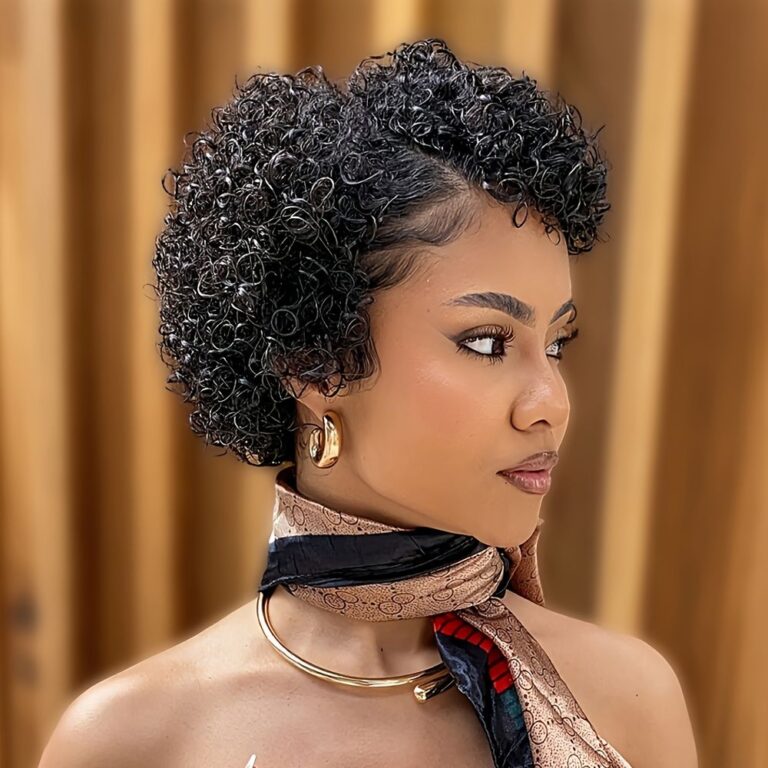
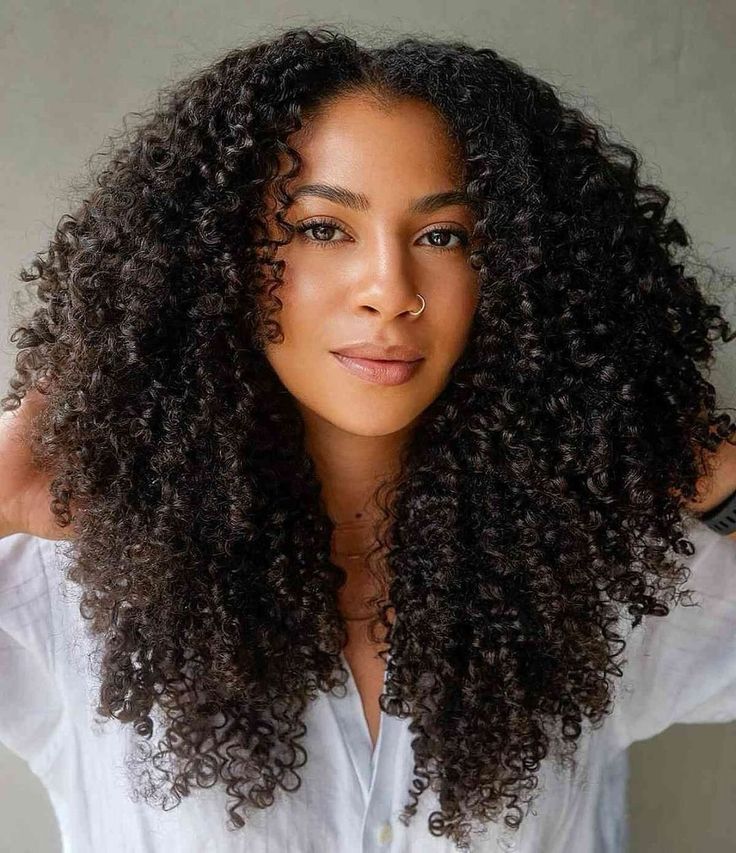
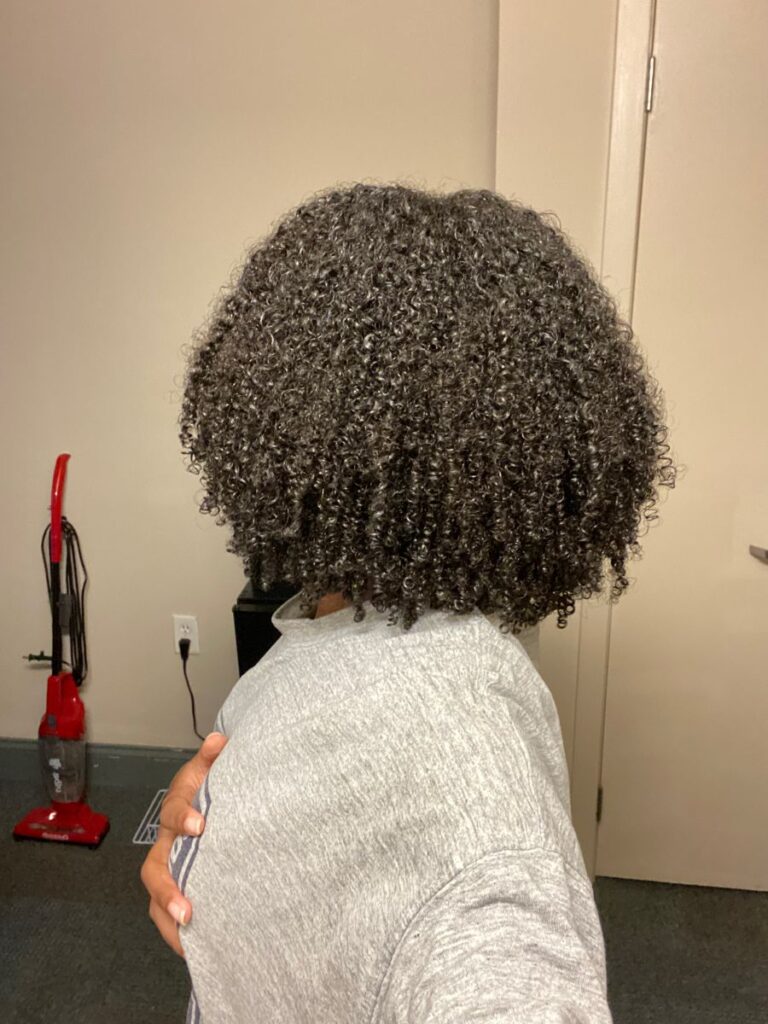
4A hair has the most defined curl pattern within the type 4 category. Its coils are springy, often resembling a well-defined corkscrew or letter S shape.
This pattern tends to have slightly more shine than tighter type 4 patterns.
How 4A Hair Typically Behaves
4A hair often shrinks less than 4B or 4C hair when fully dry. It also tends to hold moisture slightly better due to its more open coil structure.
This does not mean 4A hair needs less care, simply a slightly different approach.
Common Products That Work Well For 4A Hair
Lighter creams and gels often work well for defining 4A curls without weighing them down. Heavier butters can sometimes feel too thick for looser 4A patterns specifically.
Hair Cream vs Hair Butter: Which Should You Choose? explains this difference in more detail.
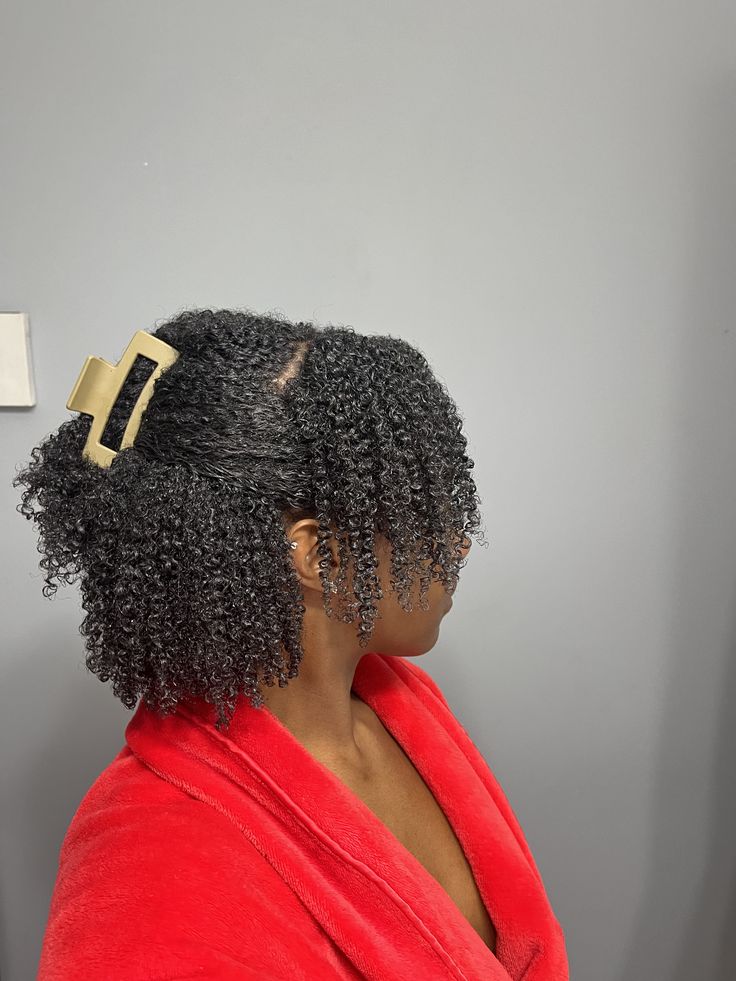
Understanding 4B Hair
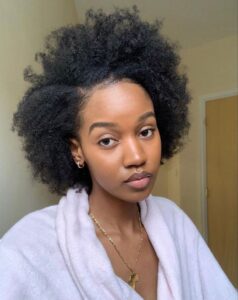
4B hair has a less defined curl pattern, often described as a Z-shaped bend. This pattern lacks a clear, uniform curl, giving it a fluffier, more textured appearance.
4B hair sits between the more defined 4A and the tighter, more compact 4C.
How 4B Hair Typically Behaves
4B hair often shrinks significantly, sometimes appearing much shorter than its actual length.
It also tends to be naturally drier, since oils travel less easily along its zigzag shape.
Understanding this helps explain why 4B hair often needs consistent, intentional moisture.
Take a peek: What Is Hair Porosity and Why Does It Matter?
Common Products That Work Well For 4B Hair
Rich leave-in conditioners and creamy stylers tend to suit 4B hair’s moisture needs well.
Layering products, rather than relying on just one, often produces better definition and hydration.
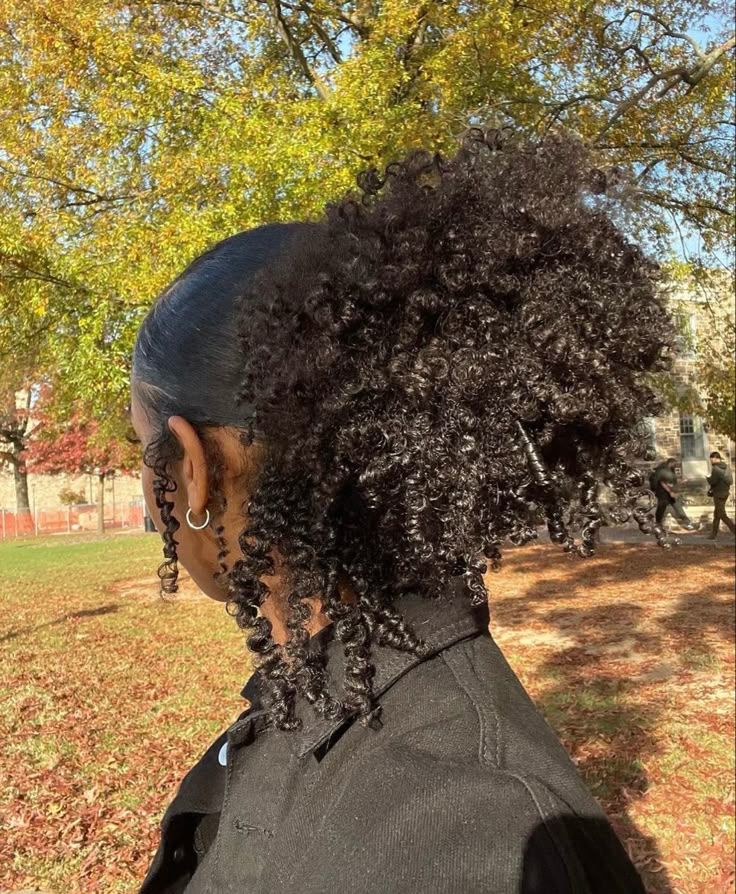
Understanding 4C Hair
4C hair has the tightest, most compact coil pattern within the entire type 4 category. Its curl pattern is often difficult to see clearly with the naked eye.
This texture tends to shrink the most dramatically of all three subtypes.
How 4C Hair Typically Behaves
4C hair is often the most fragile of the three subtypes, given its many tight bends. It also tends to be the driest, requiring the most intentional moisture routine overall.
This does not make 4C hair inferior, simply more particular about consistent care.
Bookmark this post: Low Porosity Hair Routine
Common Products That Work Well For 4C Hair
Heavier butters and creams often suit 4C hair’s higher moisture needs effectively. The LOC or LCO method, using water, oil, and cream together, works especially well here.
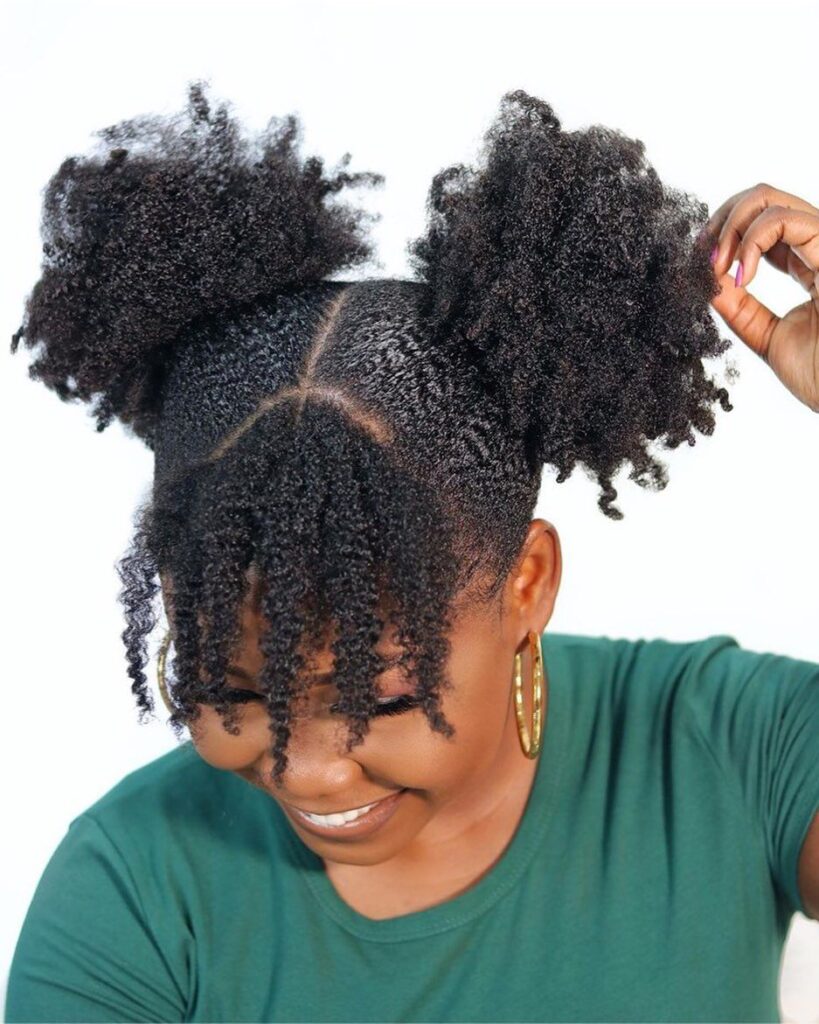
Why Many People Have More Than One Pattern
It is completely normal to have 4A, 4B, and 4C patterns within the same head. Different areas, like the crown, nape, and edges, often behave differently from each other.
Recognizing this prevents unnecessary confusion when trying to identify “your” single curl type.
Caring For Mixed Curl Patterns
Focus on each section’s specific needs rather than applying one product everywhere equally.
Finer edges may need lighter products, while a denser crown may need richer ones. This section-based approach often produces more even, balanced results overall.
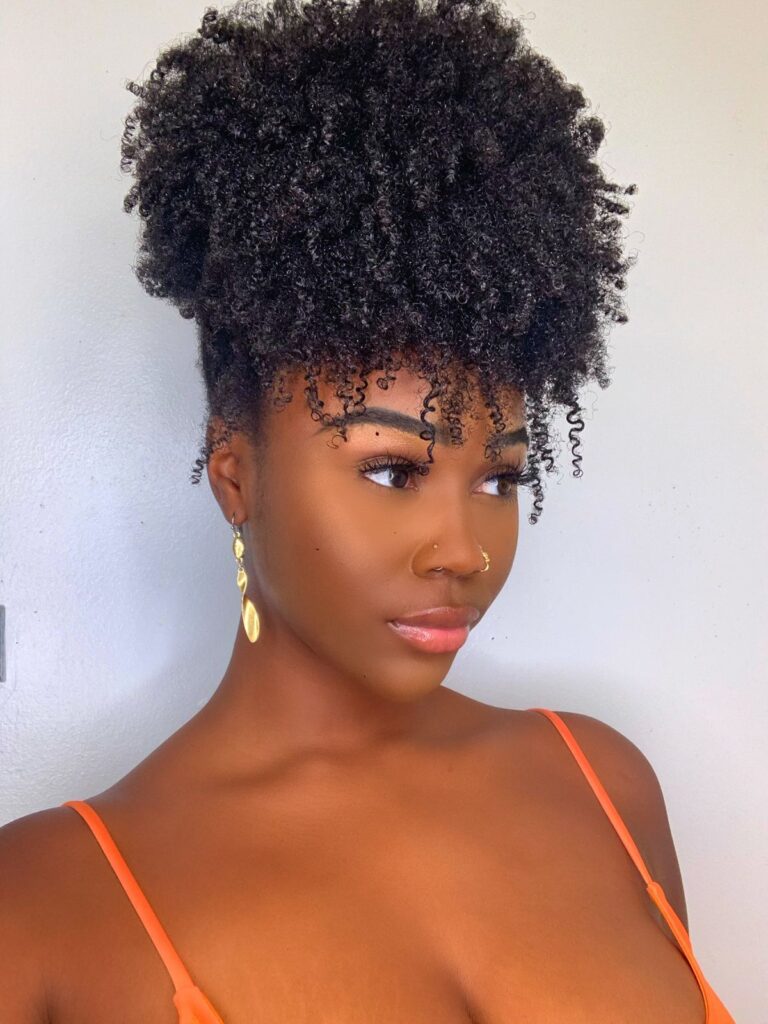
Porosity Across 4A, 4B, And 4C Hair
Porosity does not automatically align with any specific curl subtype directly. A person with 4C hair can have high, medium, or low porosity, just like anyone else.
Understanding your porosity separately from your curl pattern gives a fuller, more accurate picture.
Don’t miss this: The Best Shampoos For Afro Hair
Why This Distinction Matters For Product Choice
Two people with identical curl subtypes may need very different products based on porosity alone.
This is why copying someone else’s exact routine, based on curl type alone, often disappoints. Testing products against your own hair’s actual response remains the most reliable approach.
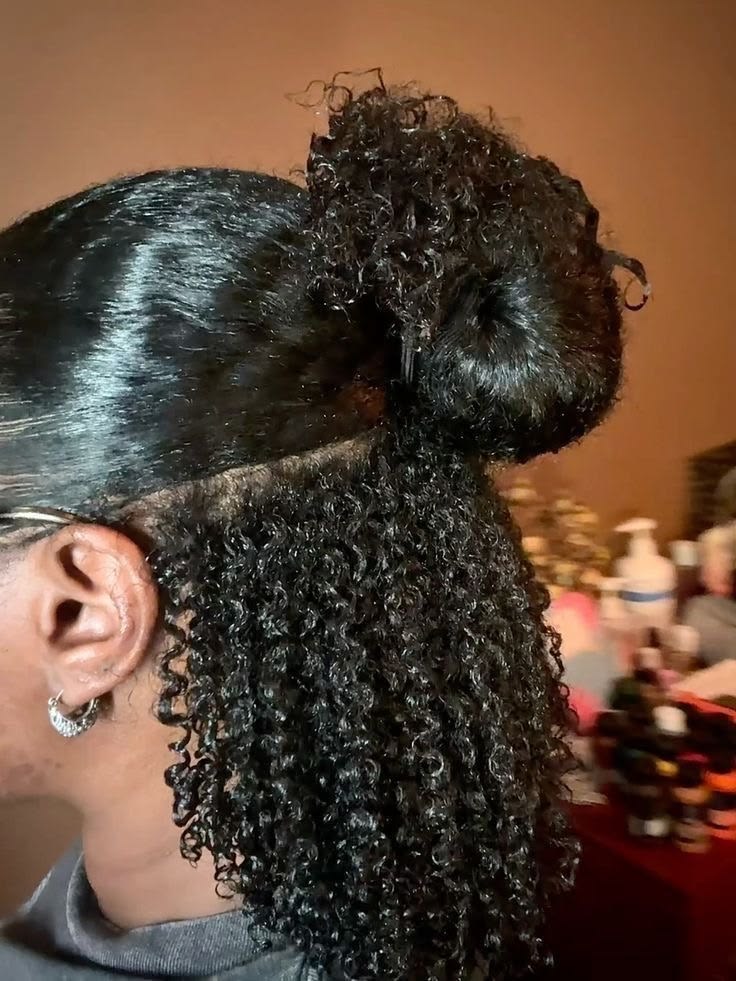
Common Myths About 4A, 4B, And 4C Hair
Several persistent myths surround these subtypes, often leading to unnecessary comparison or frustration.
Myth: 4C Hair Cannot Be Defined
With the right products and technique, 4C hair can absolutely show clear definition. This often requires more product and technique than looser patterns, but it is achievable.
Patience and the right layering method usually produce the desired result.
Myth: 4A Hair Is Automatically Healthier
Curl definition has nothing to do with how healthy a person’s hair actually is. A poorly cared for 4A head can be far less healthy than a well cared for 4C head. Health depends on care, not on which subtype a person happens to have.
Myth: Your Subtype Never Changes
Curl pattern can shift slightly due to health, hormones, or even styling habits over time. This is normal and does not mean something is wrong with your hair.
Reassessing your pattern occasionally helps you adjust your routine as needed.
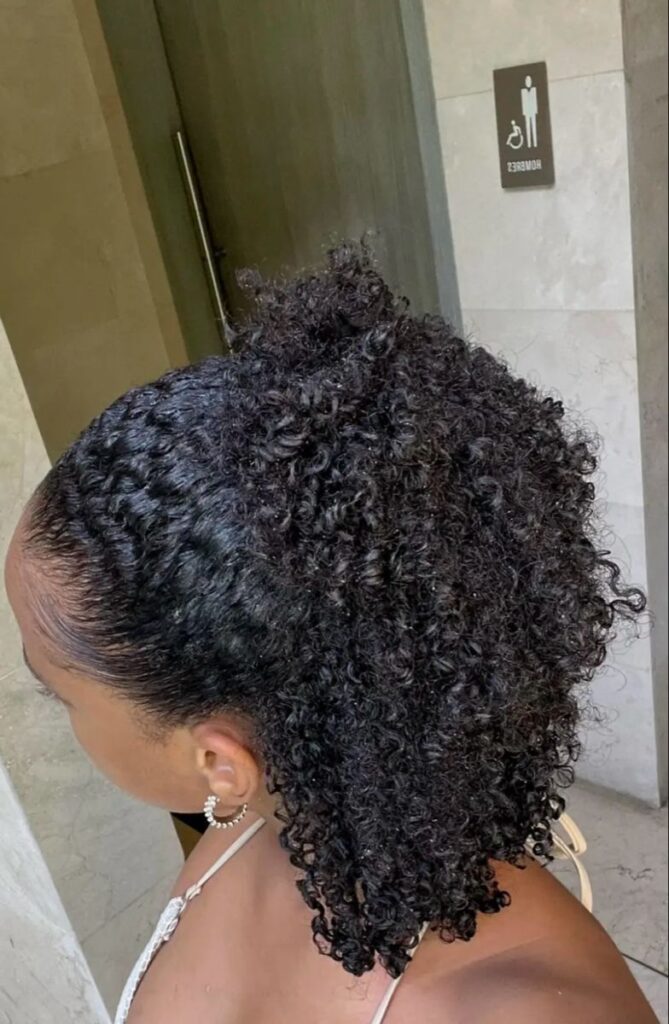
Building A Routine Based On Your Subtype
Once you understand your specific subtype, or mix of subtypes, building a routine becomes easier. The Best Hair Growth Routine For Afro Hair offers a solid foundation to adjust from.
Read this next: How To Grow Healthy Afro Hair Without Chasing Length
Adjusting Product Amount And Layering
Looser 4A patterns often need less product than tighter 4C patterns to achieve definition.
Layering lighter products first, then adding richer ones only where needed, prevents unnecessary heaviness.
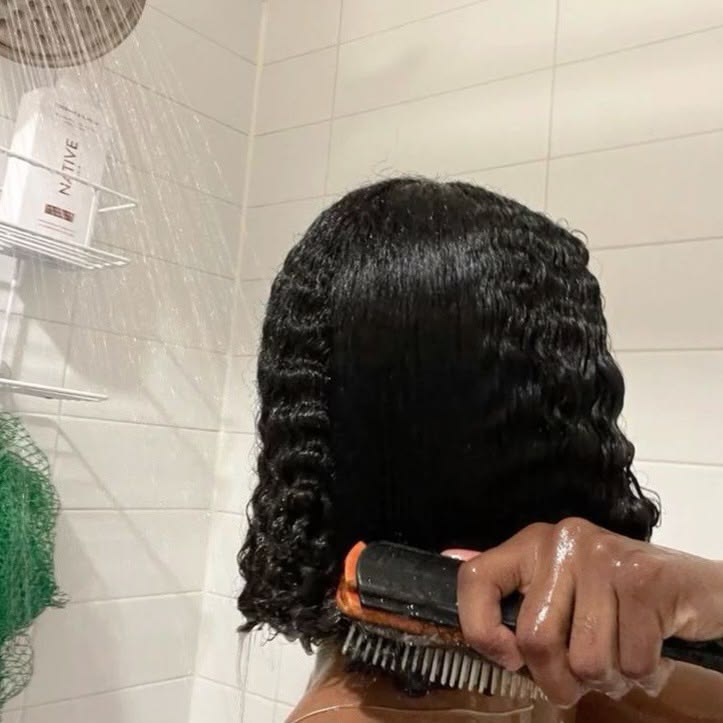
Detangling Differences Across Subtypes
Detangling needs can vary slightly depending on your specific curl subtype. Tighter subtypes generally require more patience and gentler technique during this process.
Pin this for later: The Best Detangling Brushes For Afro Hair
Tips For Gentle Detangling By Subtype
4A hair often detangles more easily, given its more open, defined curl pattern. 4B and 4C hair usually benefit from more slip, more time, and smaller sections.
Rushing detangling on tighter subtypes often leads to unnecessary breakage and frustration.
Scalp Care Considerations By Subtype
Scalp care remains important across all three subtypes, though density can affect access. Denser 4B and 4C hair may make reaching the scalp slightly more challenging.
Take a peek: Healthy Scalp Habits For Faster Hair Growth
Adjusting Scalp Care For Your Specific Pattern
Sectioning hair carefully before scalp massage or product application helps regardless of subtype.
This small step ensures every part of your scalp receives proper attention consistently.
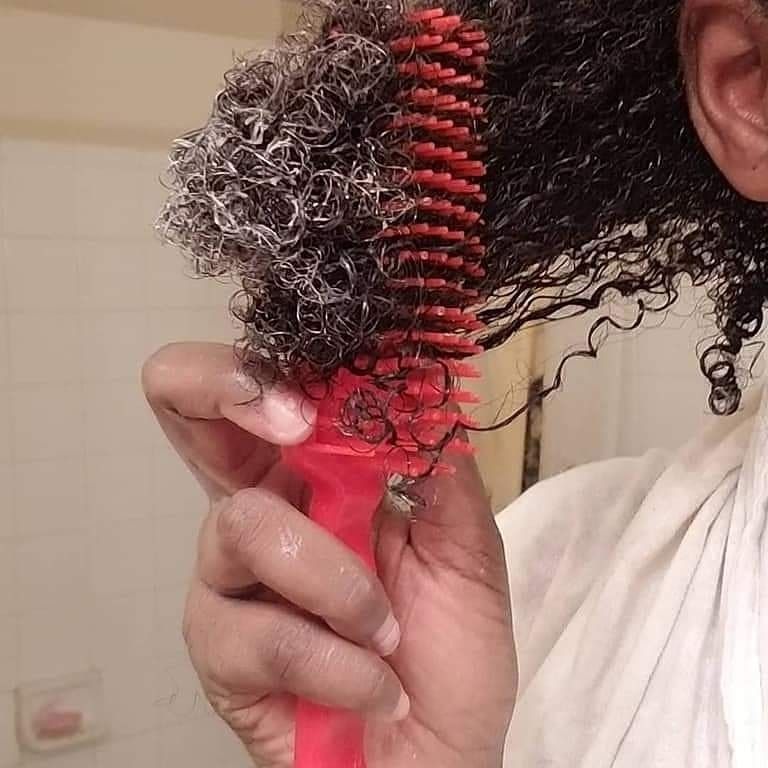
Choosing Sealants Across Subtypes
Sealants play a role for every subtype, though the ideal amount can differ slightly.
Worth a look: Must-Have Products For A Healthy Hair Routine
Matching Sealant Weight To Your Pattern
Lighter oils often suit 4A hair’s slightly more open structure well. Heavier oils and butters typically suit 4B and 4C hair’s tighter, drier structure better.
Testing different weights helps you find what truly works for your own strands.
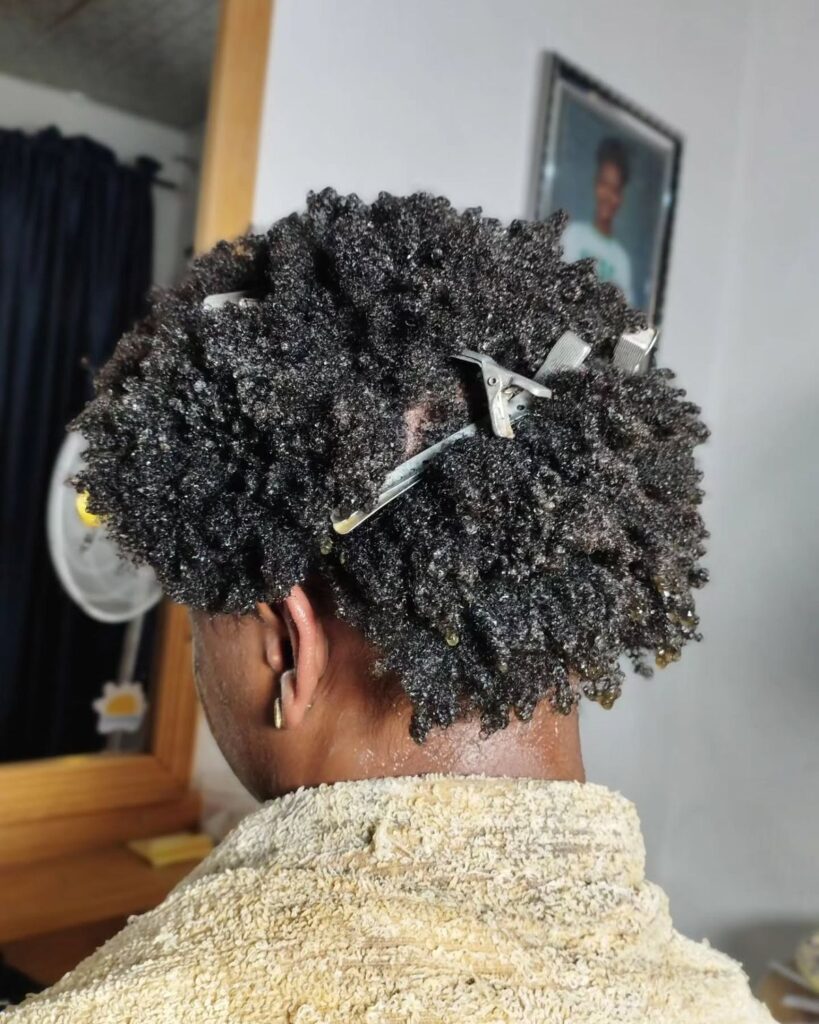
Length Retention Across Subtypes
Retention challenges can look slightly different depending on your specific curl subtype.
Understanding these differences helps you set realistic, informed expectations for your own journey.
Explore more ideas: Length Retention Tips Every Naturalista Should Know
Why Retention Strategies Still Apply Broadly
Despite subtype differences, the core principles of retention remain the same across all three.
Moisture, gentle handling, and protective styling all support healthy retention, regardless of curl pattern.
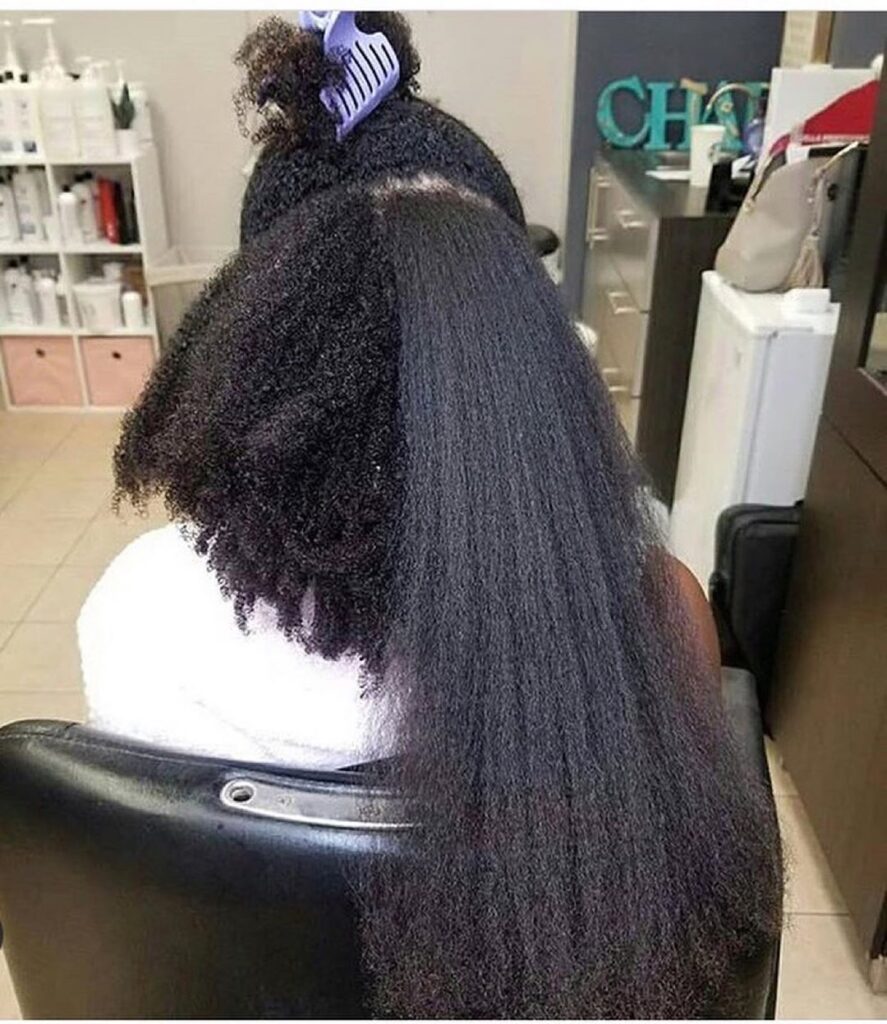
Oils And Subtype Considerations
Oil choice can also shift slightly depending on your specific curl subtype’s needs.
Save this for later: The Truth About Hair Growth Oils
Matching Oil Weight To Your Subtype
Lighter oils generally suit looser 4A patterns without weighing them down unnecessarily. Richer oils often suit tighter, drier 4B and 4C patterns more effectively overall.
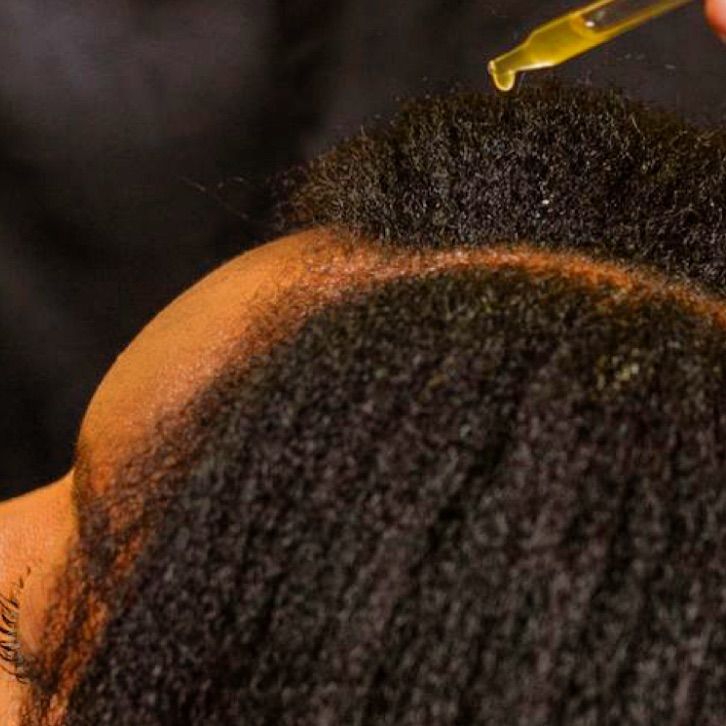
Conditioners Across Subtypes
Conditioner choice also benefits from consideration of your specific curl subtype’s needs.
Fan favorite: The Best Conditioners For Type 4 Hair
Why Slip Matters More For Tighter Subtypes
4C hair especially benefits from conditioners with strong slip, given its tangle-prone structure.
This slip makes detangling gentler and significantly reduces unnecessary breakage during the process.
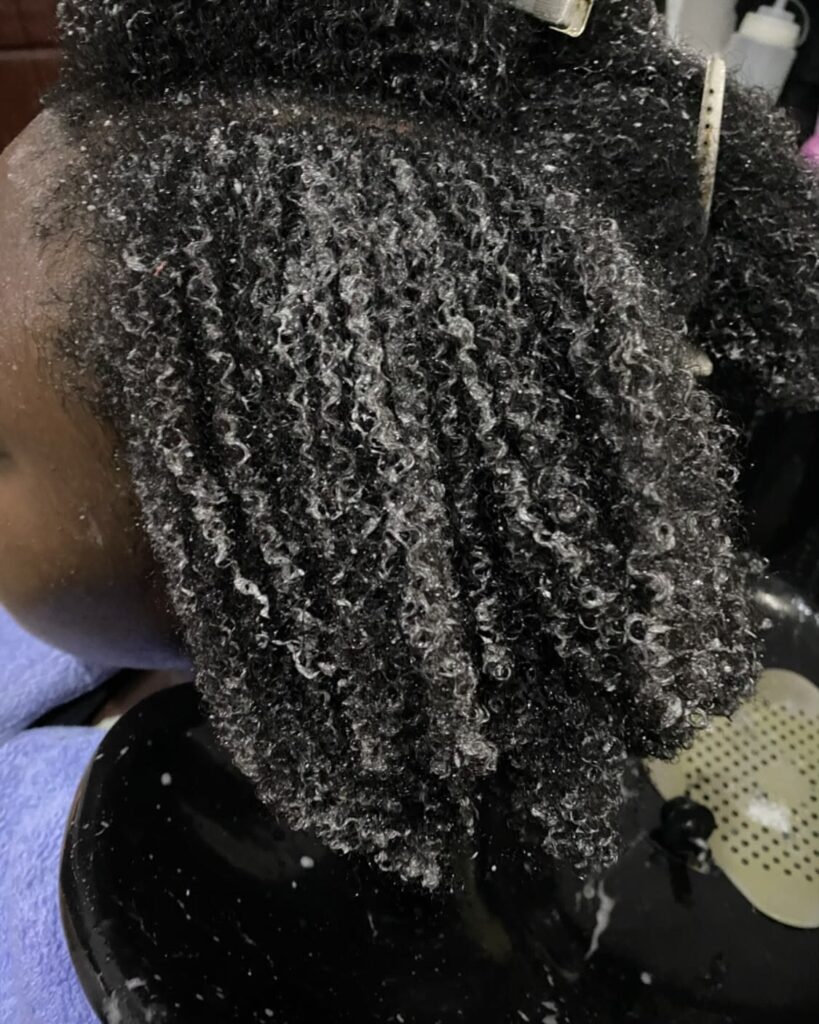
How Curl Pattern Relates To Shrinkage
Shrinkage is one of the most talked-about traits within the type 4 hair community. It refers to how much shorter hair appears when fully dry compared to when stretched.
Each subtype experiences shrinkage differently, which often causes confusion when identifying a pattern.
Shrinkage Levels Across Subtypes
4A hair typically shrinks the least among the three subtypes discussed here. 4B hair shrinks noticeably more, often appearing several inches shorter when fully dry.
4C hair usually shrinks the most, sometimes appearing half its actual stretched length.
Why Shrinkage Should Not Cause Worry
Shrinkage is simply a sign of healthy elasticity, not a sign of damage or slow growth.
Many naturalistas mistakenly believe heavy shrinkage means their hair has stopped growing.
Understanding this prevents unnecessary panic and encourages more accurate progress tracking over time.
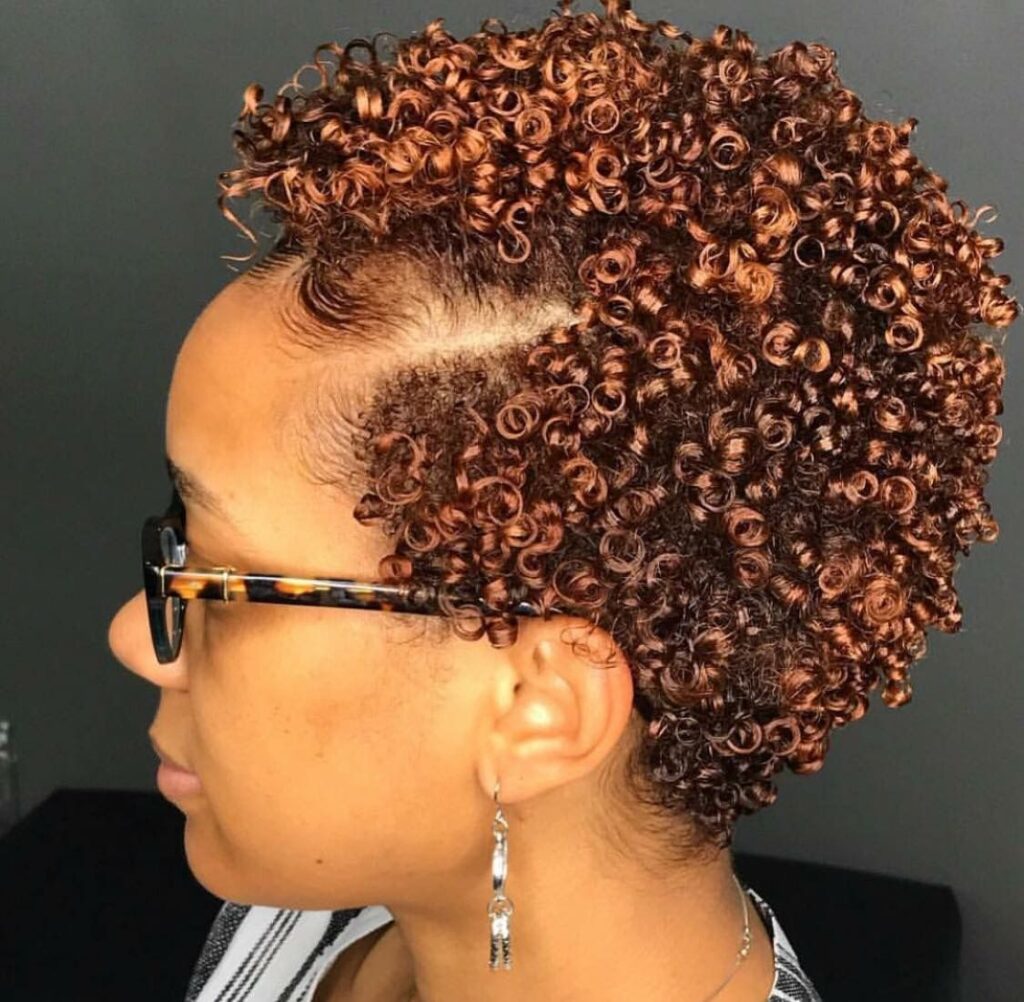
Identifying Your Pattern Through Simple Observation
Figuring out your specific subtype does not require expensive tests or professional help. Simple observation, done consistently over a few wash days, usually reveals clear patterns.
What To Look For During Wash Day
Watch how your hair curls as it dries without any product applied. Note whether you see clear, defined coils or a more textured, less defined cluster.
Pay attention to different sections, since patterns often vary across the head.
Avoiding Common Identification Mistakes
Wet hair often looks different from fully dried hair, so avoid judging pattern while soaking wet.
Comparing your hair to filtered or heavily styled photos online rarely gives an accurate picture. Trusting your own hair’s natural, undisturbed behavior gives the most reliable results.
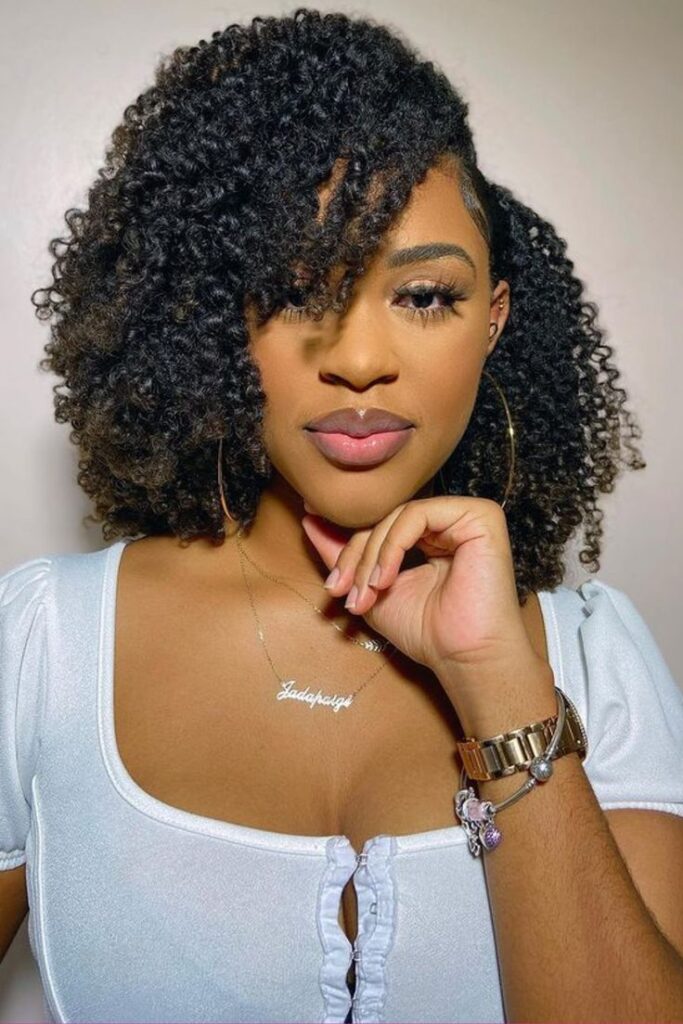
Styling Approaches That Work Across Subtypes
While each subtype has its own tendencies, some styling principles apply broadly across all three.
Wash And Go Styles
Wash and go styles tend to show the clearest curl definition on 4A and looser 4B hair. Tighter 4B and 4C hair may need extra product and technique to achieve similar definition.
Patience during application usually produces better, longer-lasting results regardless of subtype.
Twist Outs And Braid Outs
These styles work well across all three subtypes, offering stretched definition without heat. Adjusting twist size based on desired definition helps tailor the style to your specific pattern.
Smaller twists generally create tighter, more defined curls on any subtype.
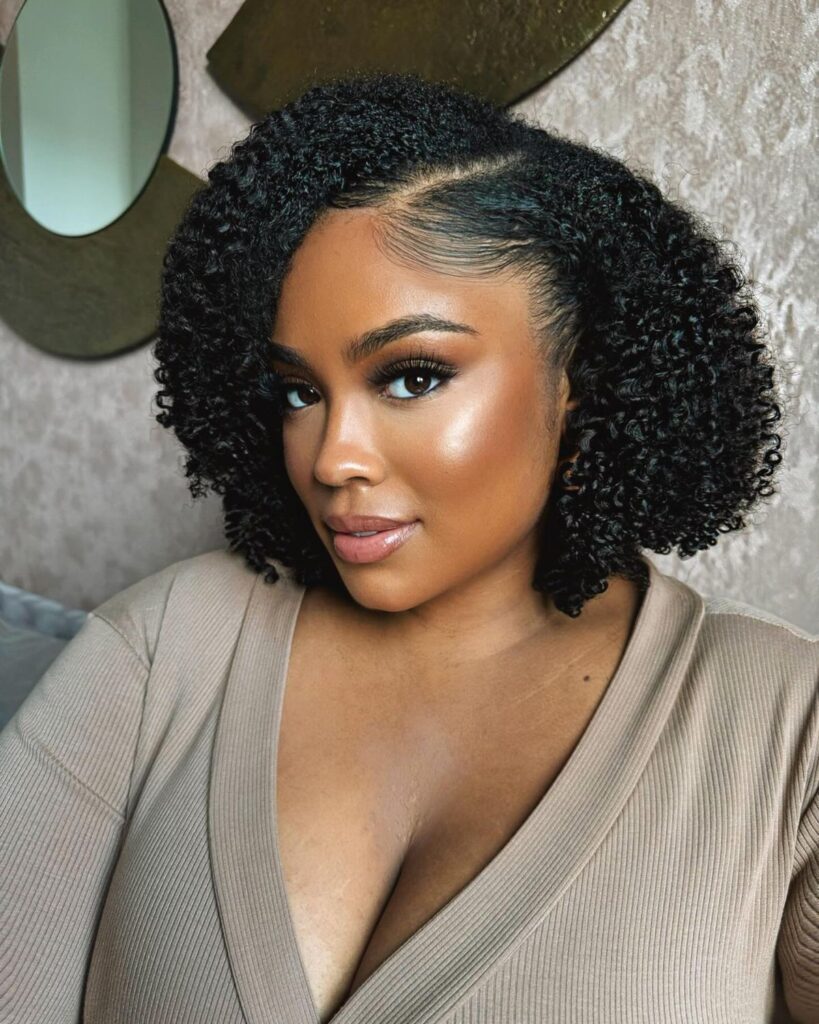
Common Frustrations By Subtype
Each subtype tends to bring its own specific frustrations during a natural hair journey.
Frustrations Common To 4A Hair
4A naturalistas sometimes feel their curls are “not coily enough” to be considered truly type 4.
This comparison rarely helps and often stems from unrealistic expectations set by curl pattern charts.
Frustrations Common To 4B Hair
4B naturalistas often struggle with achieving consistent definition due to the pattern’s less uniform shape.
Understanding that fluffier, less defined styles are simply natural to this subtype eases this frustration.
Frustrations Common To 4C Hair
4C naturalistas frequently deal with comments dismissing their hair as “difficult” or “unmanageable” unfairly.
Building confidence in proper care techniques helps counter this harmful, inaccurate narrative over time.
My client, mentioned earlier, spent years believing her 4C sections meant her hair was simply harder to manage.
Once she learned proper technique, she realized her hair was never the actual problem.
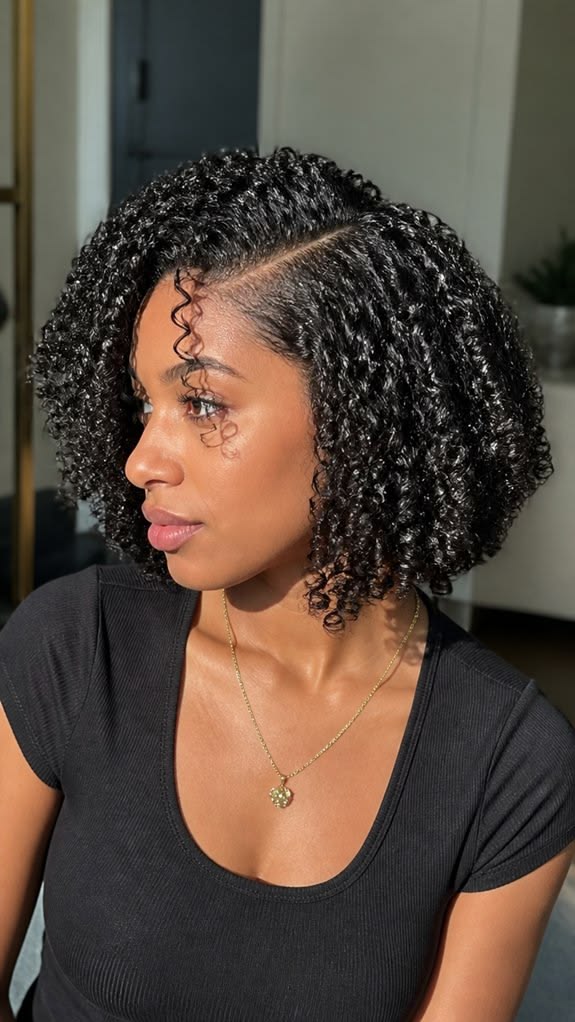
How Density Interacts With Subtype
Density, or how many strands grow per square inch, adds another layer to understanding your hair.
A person can have any density paired with any of the three subtypes discussed here.
Why Density Changes Your Approach
High density 4C hair may need more product overall than low density 4C hair. Low density 4A hair may need lighter products to avoid looking weighed down or greasy.
Recognizing your density alongside your subtype helps fine-tune product amount more accurately.
Testing Your Density At Home
Take a small section of hair and check how much scalp shows through. Hair that easily reveals scalp usually indicates lower density overall.
Hair that hides the scalp completely usually indicates higher density instead.
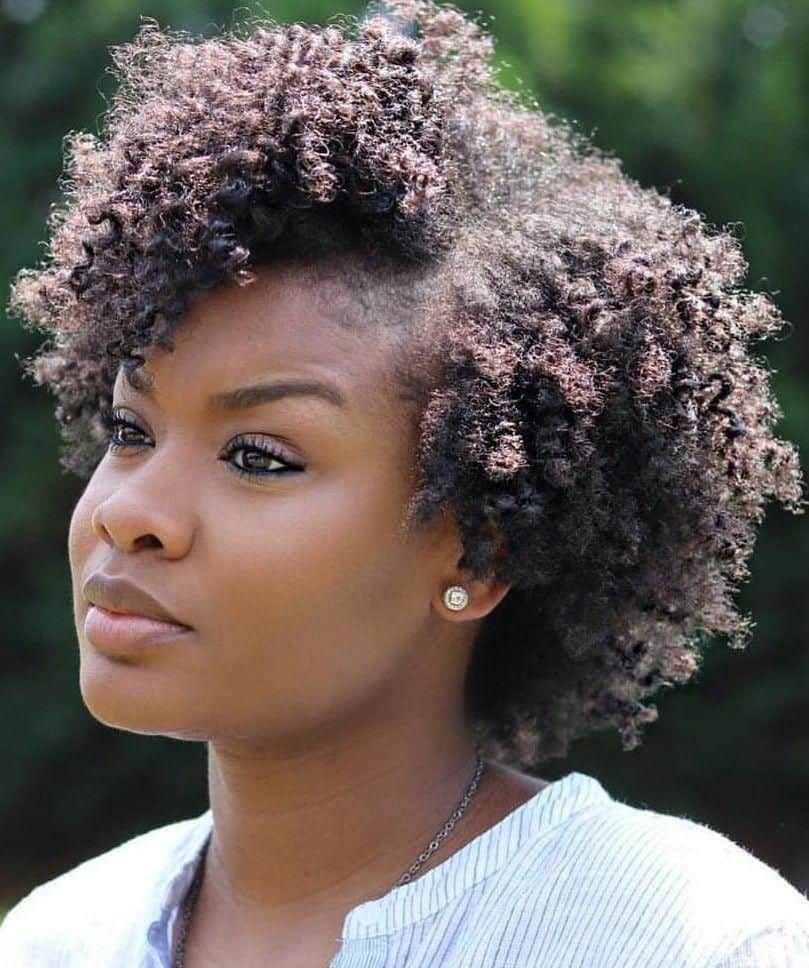
Curl Pattern And Heat Styling Results
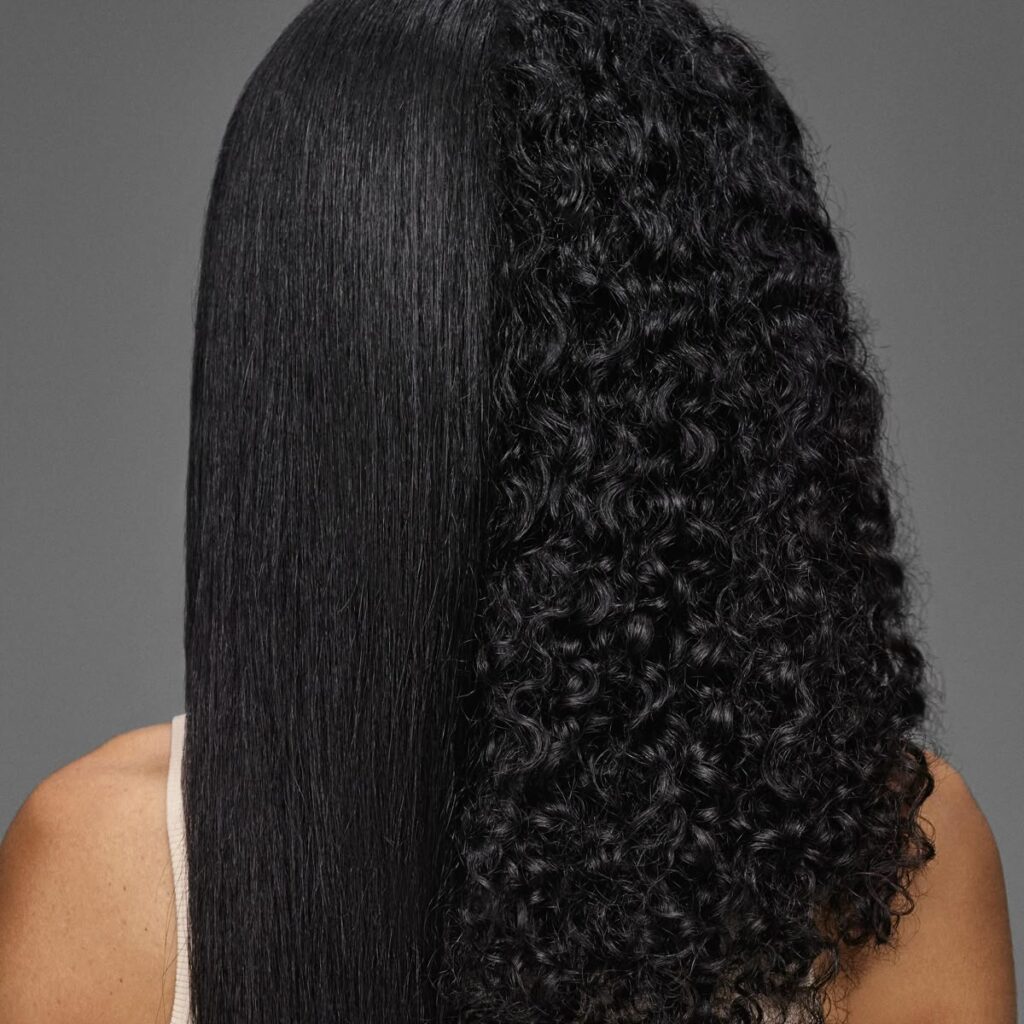
Heat styling affects each subtype slightly differently, which is worth understanding before reaching for hot tools.
How 4A Hair Responds To Heat
4A hair often stretches smoothly with moderate heat, given its more open curl structure. Lower heat settings usually achieve the desired result without excessive risk of damage.
How 4B And 4C Hair Respond To Heat
4B and 4C hair often require slightly higher heat or more passes to fully stretch. This increases the importance of heat protectant and careful, unrushed sectioning during styling.
Limiting heat frequency remains important regardless of how easily your hair responds to it.
Building Confidence Around Your Curl Pattern
Understanding your subtype is not just practical, it also supports a healthier relationship with your hair.
Comparison, whether to strangers online or to family members, rarely serves your actual hair care goals.
Shifting Focus From Comparison To Care
Instead of asking “what subtype am I,” ask “what does my hair actually need.” This shift moves the focus toward practical care rather than chasing a specific label.
Over time, this mindset produces better results than obsessing over exact categorization ever could.
My neighbor spent months trying to force her hair into looking like textbook 4A photos online.
Once she accepted her natural mix of patterns, her styling results actually improved significantly.
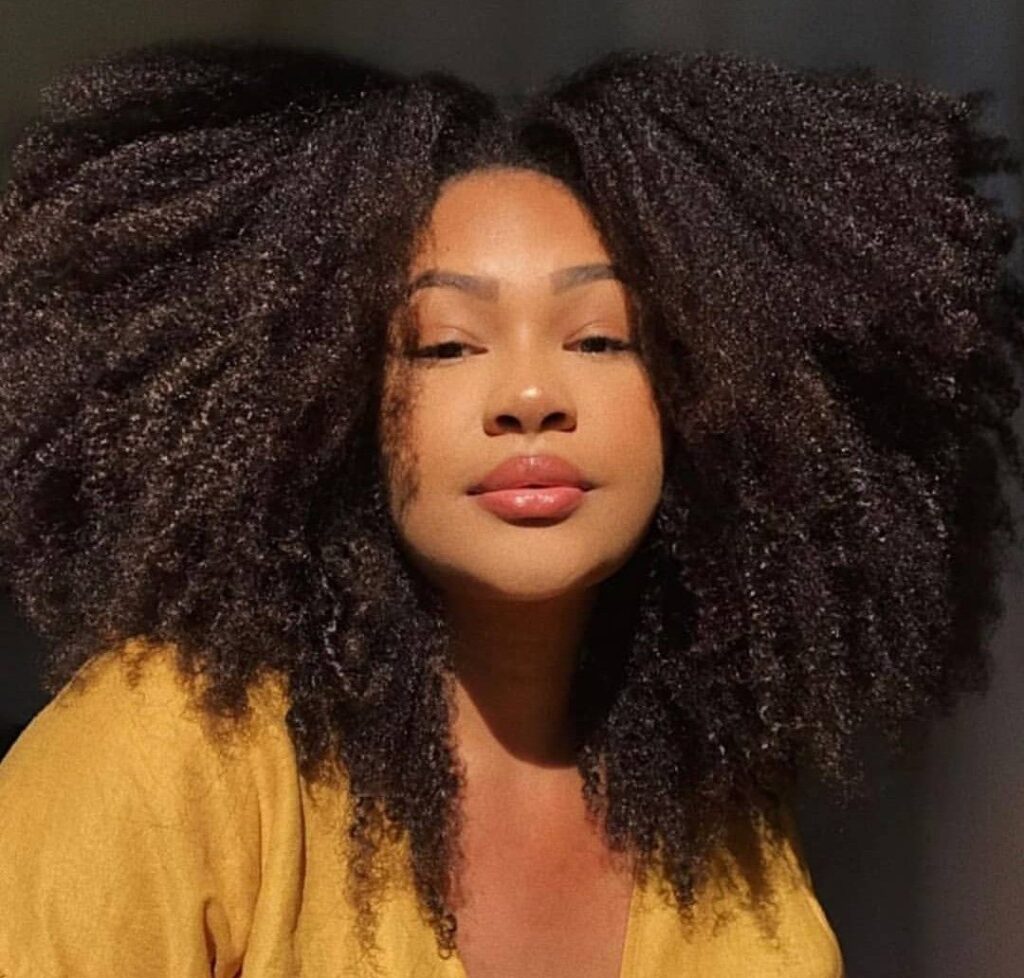
Product Layering By Subtype In Practice
Understanding your subtype becomes most useful when applied to actual product layering during styling.
A Simple Layering Approach For 4A Hair
Start with a lightweight leave-in on damp hair to establish a moisture base. Follow with a light gel or curl cream to define without excessive heaviness.
Avoid layering too many products, since 4A hair can quickly feel weighed down.
A Simple Layering Approach For 4B Hair
Start with a richer leave-in, since 4B hair often needs more upfront moisture. Follow with a curl cream, then a light gel if extra hold is desired.
This layered approach supports both moisture and mild definition simultaneously.
A Simple Layering Approach For 4C Hair
Start with water or a heavier leave-in to combat this subtype’s natural dryness. Follow with a butter or thick cream to seal moisture effectively along tight coils.
A final light oil can help smooth the surface without adding unnecessary heaviness.
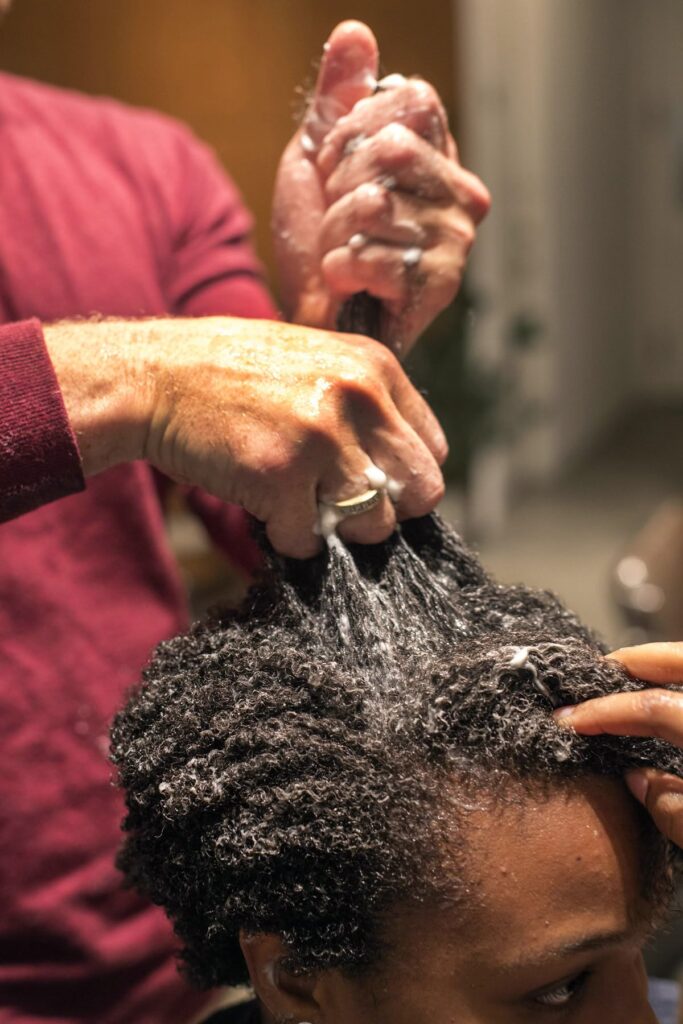
Understanding Curl Pattern Charts Without Overreliance
Online curl charts can offer a helpful starting point for understanding general categories. But relying on them too strictly often causes more confusion than clarity for many naturalistas.
Why Charts Cannot Capture Everything
Charts show simplified, often idealized examples of each subtype in isolation. Real hair rarely matches these examples perfectly, since most people have some pattern variation.
Using charts as loose guidance, rather than strict identification tools, works far better.
Trusting Your Own Hair Over General Categories
Your hair’s actual behavior under your own care routine matters more than any chart. Two people labeled the same subtype can still need noticeably different products and techniques.
Personal observation, over time, will always outperform generic categorization for real results.
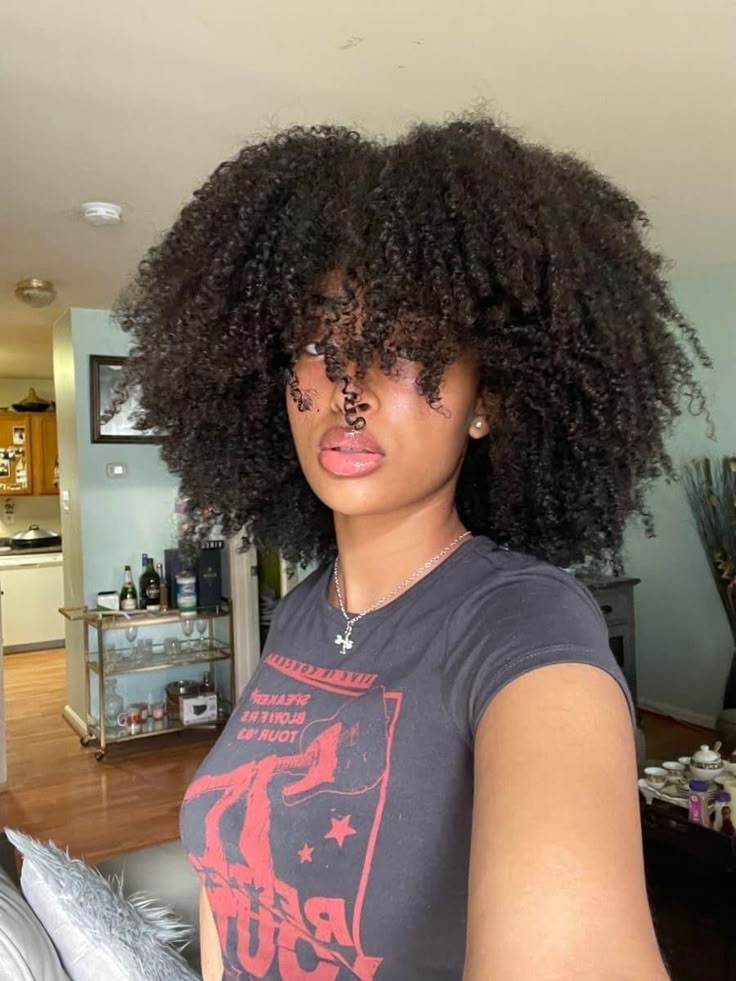
Seasonal Changes And Curl Pattern Appearance
Weather can subtly affect how defined or shrunk your curl pattern appears throughout the year.
Humidity’s Effect On Curl Definition
Humid weather can enhance curl definition for some people while causing frizz for others. This depends heavily on porosity and product choice as much as subtype itself.
Adjusting products seasonally often produces more consistent results than sticking to one routine year-round.
Dry Weather’s Effect On Curl Pattern
Dry air can cause more noticeable shrinkage and a slightly less defined curl appearance. Increasing moisture during these months often restores more visible pattern definition.
This reinforces how connected moisture and visible curl pattern truly are.
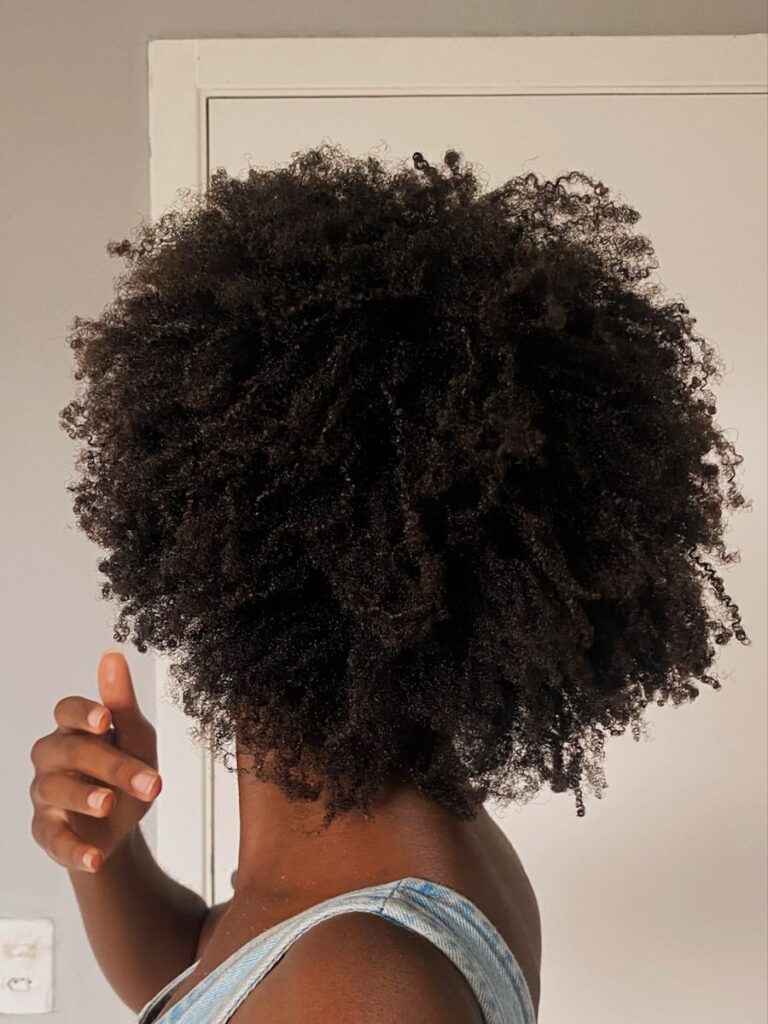
How Professional Stylists Assess Curl Subtype
Professional stylists often assess curl pattern differently than the average naturalista does at home. They consider strand thickness, density, and porosity alongside visible curl shape together.
What A Professional Assessment Often Reveals
A trained eye can often spot pattern variation across your head more accurately than self-assessment.
This assessment can reveal helpful details that inform product recommendations and styling techniques going forward.
Seeking a professional opinion occasionally can complement your own ongoing observations well.
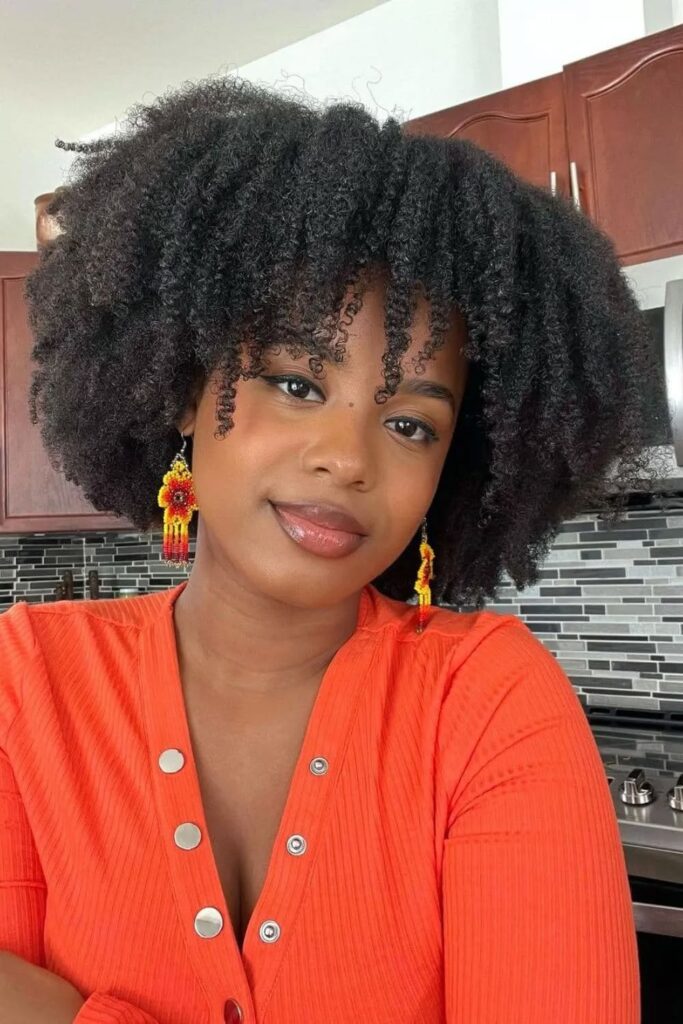
Talking About Curl Pattern With Your Stylist
Communicating your curl subtype clearly can help your stylist choose better techniques and products. Bringing photos of your hair in its natural, undisturbed state helps convey this accurately.
Why This Communication Matters
Stylists unfamiliar with your specific pattern may default to generic techniques that do not suit you.
Explaining your subtype, porosity, and any specific concerns helps them tailor their approach.
This small conversation often leads to noticeably better results during your appointment.

Questions Worth Asking Your Stylist
Ask which products they recommend specifically for your subtype and porosity combination. Ask how they would adjust technique for any tighter or looser sections you have.
A good stylist welcomes these questions and adjusts their approach accordingly.
Quick Answers To Common Questions
A few questions come up often when people try to identify their curl subtype.
Can I have all three subtypes on one head? Yes, this is completely normal and quite common among naturalistas.
Does my subtype determine how fast my hair grows? No, growth rate is unrelated to curl subtype and depends on other factors entirely.
Is one subtype considered better than the others? No, each subtype simply requires a slightly different care approach to thrive.
Can products change how my curl pattern looks? Yes, certain products can temporarily enhance or loosen the appearance of your natural pattern.
Will my subtype change if I switch products? Products can temporarily alter how defined your pattern looks, but they do not change your underlying structure.
Your natural pattern will return once you stop using pattern-altering products consistently.
Does age affect curl subtype over time? Slightly, yes. Hormonal shifts and aging can loosen or tighten curl pattern gradually for some people over the years.
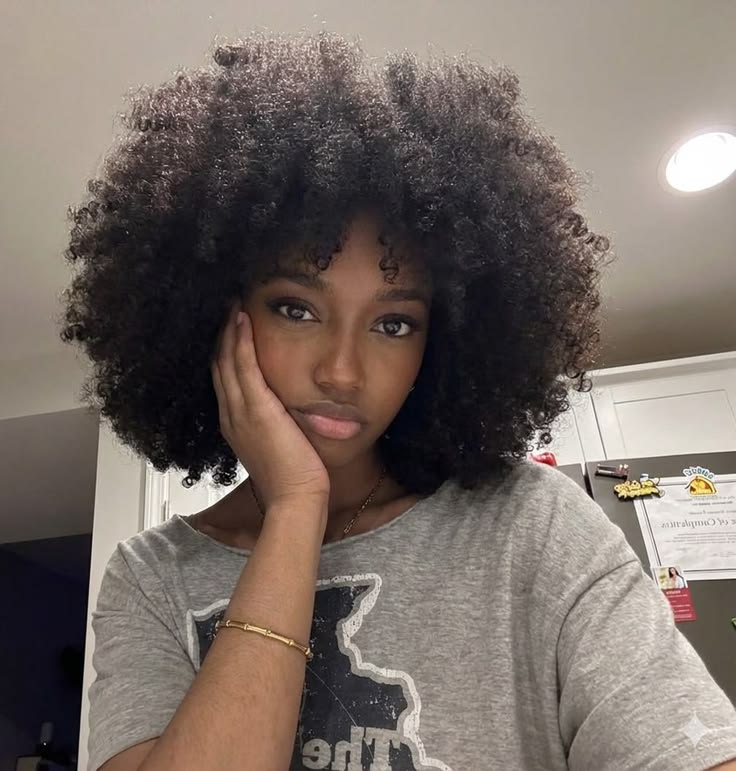
A Few Final Things Worth Knowing
Understanding your curl subtype, or mix of subtypes, helps you build a more effective routine. 4A, 4B, and 4C hair each have their own strengths and specific care needs.
None of these patterns are better or worse, simply different from one another.
Porosity, density, and personal preference all shape your ideal routine just as much as subtype. Use this guide as a starting point, then adjust based on how your own hair responds.
Your hair’s actual behavior will always teach you more than any label ever could.
Remember that most naturalistas have some blend of these patterns across their head, not just one. This blend is completely normal and does not need to be simplified into a single category.
Approach your hair with curiosity rather than pressure to fit a specific label, and the care will follow naturally from there.
At the end of the day, the goal is not a perfect label but healthy, well cared for hair. Whether you identify as 4A, 4B, 4C, or some natural mix of all three, consistent care matters most.