27 Best Protective Styles for Afro Hair
Disclosure: Some of the links in this post are affiliate links. This means if you click on the link and purchase an item, I will receive an affiliate commission at no extra cost to you.
Styles that are okay for other hair types might not be okay for Afro hair. What works beautifully on straight or wavy hair can cause serious damage on Afro hair.
This happens when the tension is wrong, the installation is too heavy, or the style isn’t suited to the coil structure.
A lot of people don’t realize this until the damage has already happened. They see a style on someone with a different hair type and try it on their Afro hair.
They end up with thinning edges or breakage that takes months to grow back.
Afro hair has specific needs when it comes to protective styling. The styles that work best are ones that respect the natural strength and limits of the coil.
They keep tension low especially around the hairline and allow the scalp to breathe while the style is in.
The good news is that there are so many beautiful protective styles that are genuinely perfect for Afro hair.
Styles that protect your ends, give your hair a real break from daily manipulation, and still look incredible while doing it.
This guide covers the 27 best protective styles for Afro hair with a clear explanation of each one. You will know exactly what to expect before you choose any style from this list.
If you haven’t read Everything You Need to Know About Protective Styling yet, start there first. It covers all the rules and care habits that make every style on this list work properly.
27 Best Protective Styles for Afro Hair
Braided Protective Styles
Braids are the most widely used protective style category for Afro hair and for good reason. They tuck your ends away completely, reduce daily manipulation, and last several weeks with the right care.
The most important thing to remember with any braided style is tension. Low tension installs protect your hair and edges while high tension installs damage them over time.
Always tell your stylist how the tension feels during installation. A good stylist will always adjust without making you feel like you’re asking for too much.
Don’t miss this: The Ultimate Beginner’s Guide to Afro Hair Care
1. Knotless Braids
Knotless braids are installed by feeding extension hair gradually into the braid from the root. This removes the heavy pressure point that traditional box braids create right at the scalp.
This makes them significantly more comfortable to wear and much gentler on your edges. They are one of the most recommended protective styles for Afro hair today.
They also look more natural than traditional box braids because there is no visible knot at the root. This gives a more realistic and organic appearance that many people prefer.
Knotless braids can be installed in small, medium, or large sizes depending on how long you want them to last and how heavy you want the style to feel.
For a complete guide on getting knotless braids, read Knotless Braids: Complete Beginners Guide.
2. Box Braids
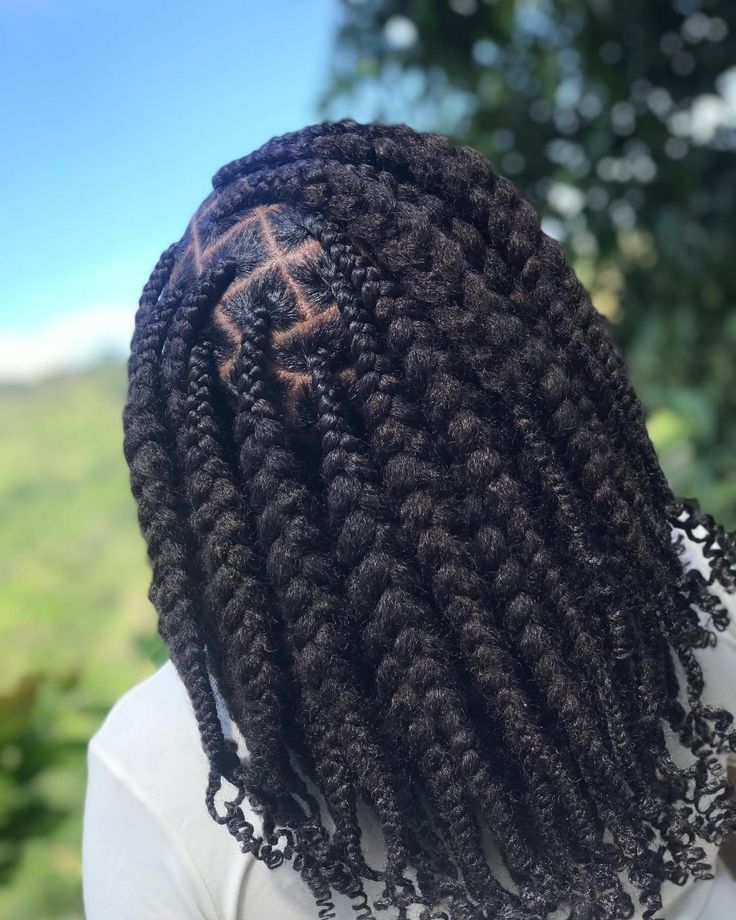
Box braids are individual braids installed in square sections all over the head.
Extension hair is added at the root for length and fullness and they remain one of the most classic protective styles worldwide.
They can be worn in jumbo, medium, or small sizes depending on how bold or delicate you want the finished look to be. The key is making sure the installation isn’t too tight at the root.
The weight of extension hair combined with a tight knot at the base puts significant pressure on the scalp and hairline over time.
Always communicate with your braider about tension throughout the process.
Box braids last four to eight weeks when properly maintained with regular scalp moisturizing and nighttime satin protection throughout the entire wear period.
Readers also loved this: Box Braids vs Knotless Braids: Which Is Better?
3. Feed In Braids
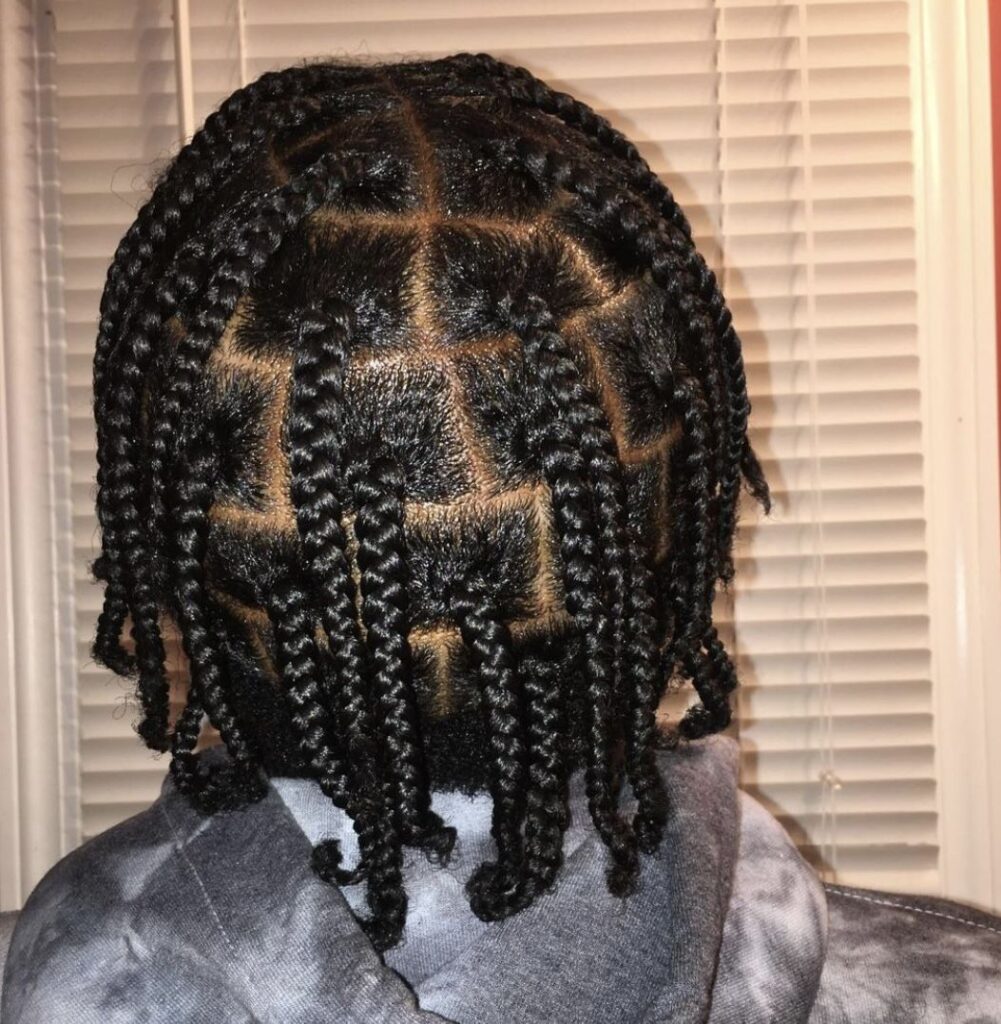
Feed in braids are cornrows where extension hair is gradually added in small pieces as the braid progresses toward the back.
This creates a very natural looking result where the braid starts thin and builds gradually.
This technique is much gentler on the edges than regular cornrows with extensions. The gradual feed in method distributes the weight of extension hair more evenly along the braid.
Feed in braids are one of the best options for protecting your edges specifically. The low tension technique means your most vulnerable hairline sections are not being stressed during installation.
They can be done in straight rows, curved patterns, or creative designs and typically last three to six weeks with proper care.
Read this next: Feed-In Braids That Protect Your Edges
4. Cornrows
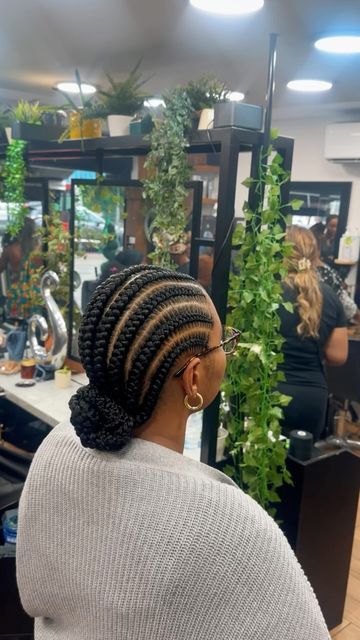
Cornrows are flat braids that lie close to the scalp in neat, even rows from front hairline to nape. They are one of the most time tested and reliable protective styles for Afro hair.
They are very protective because the flat installation keeps hair completely secured against the scalp.
This removes it entirely from daily friction and manipulation that causes breakage throughout the week.
The tension should always be comfortable during installation and the parts should be clean and even. This ensures the neatest result that lasts through the full recommended wear period.
Cornrows are also the base for many other styles like crochet installs and wig placements, making them incredibly versatile as a starting point.
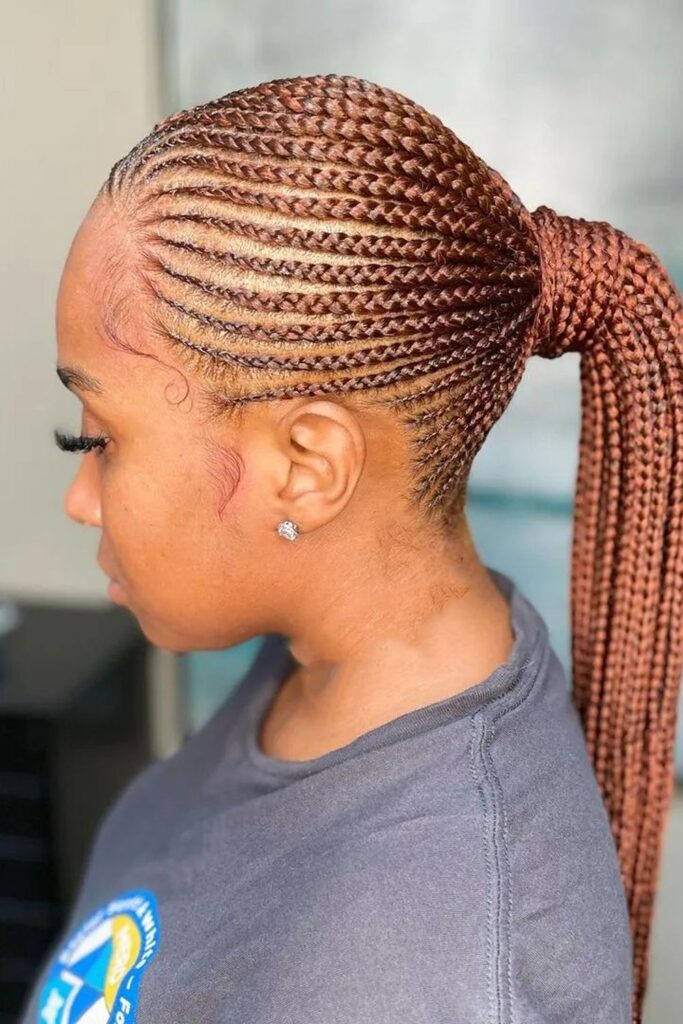
5. Ghana Braids
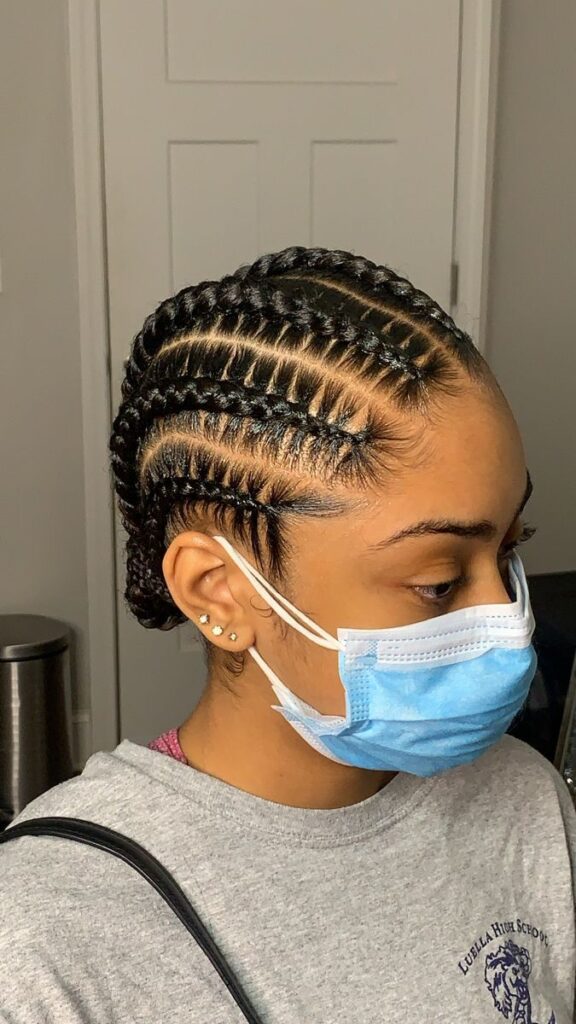
Ghana braids are thick, raised cornrows that start extremely small and thin at the very front hairline. They gradually build in size and thickness as they progress toward the back of the head.
The raised appearance is created by gradually feeding extension hair into the braid as it progresses.
This gives each row a thick, prominent, and very eye catching appearance that sits visibly above the scalp.
Ghana braids are best installed by an experienced braider since the gradual build technique requires real skill. Keeping the rows even and size progression consistent from front to back is essential.
They typically last three to five weeks and look particularly striking for events, celebrations, and any occasion where you want your protective style to make a strong visual statement.
6. Lemonade Braids
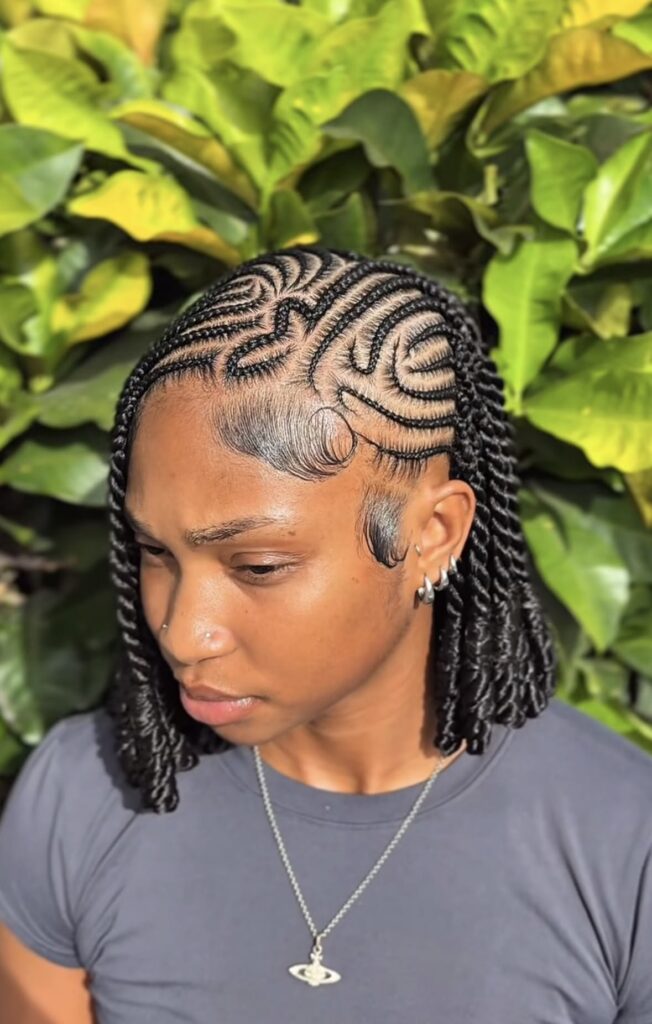
Lemonade braids are side swept cornrows that go across the head from one side to the other rather than straight back.
They give a completely different and fashion forward look compared to regular cornrows.
They sit flat and close to the scalp just like regular cornrows but the horizontal direction creates a completely different silhouette.
This distinctive look has kept this style consistently popular worldwide.
The installation tension should be kept comfortable especially along the side of the head where the braids start.
The sideways direction can sometimes create more tension along the hairline than straight back cornrows.
Lemonade braids typically last three to five weeks and suit all face shapes beautifully throughout the full wear period.
7. Stitch Braids
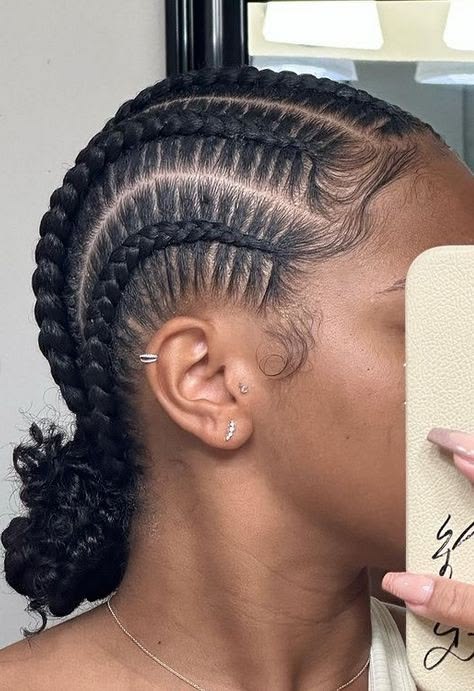
Stitch braids are cornrows with a clean horizontal parting cut through them at regular intervals as the braid progresses from front to back.
This creates a very precise and detailed look that stands out significantly.
The stitch lines add a geometric, structured quality to the braids that makes them look very sharp and deliberate from every angle.
This is why the style has become very popular for people who want a particularly polished finish.
They require a skilled braider to keep the stitch lines even and consistent throughout the whole install. Uneven stitch lines make the style look messy rather than precise and intentional.
Stitch braids typically last two to five weeks and maintain their sharp appearance best when the scalp is kept moisturized and protected at night with a satin bonnet.
You’ll thank yourself later: Daily Habits That Keep Afro Hair Healthy
8. Tribal Braids
Tribal braids combine cornrows along the scalp with individual braids hanging loose, decorated with beads, cuffs, and colored thread. This creates a detailed, layered style with deep cultural roots.
The combination of the cornrow base and the individual braids gives a style that has both structure and movement. This makes it look more complex and elaborate than a single technique style alone.
The accessories are what really define tribal braids and make each install completely unique.
The choice and placement of beads, cuffs, and thread creates a personalized result that reflects individual creativity.
This style is particularly popular for cultural celebrations, events, and photoshoots but works well for everyday wear too.
9. Goddess Braids
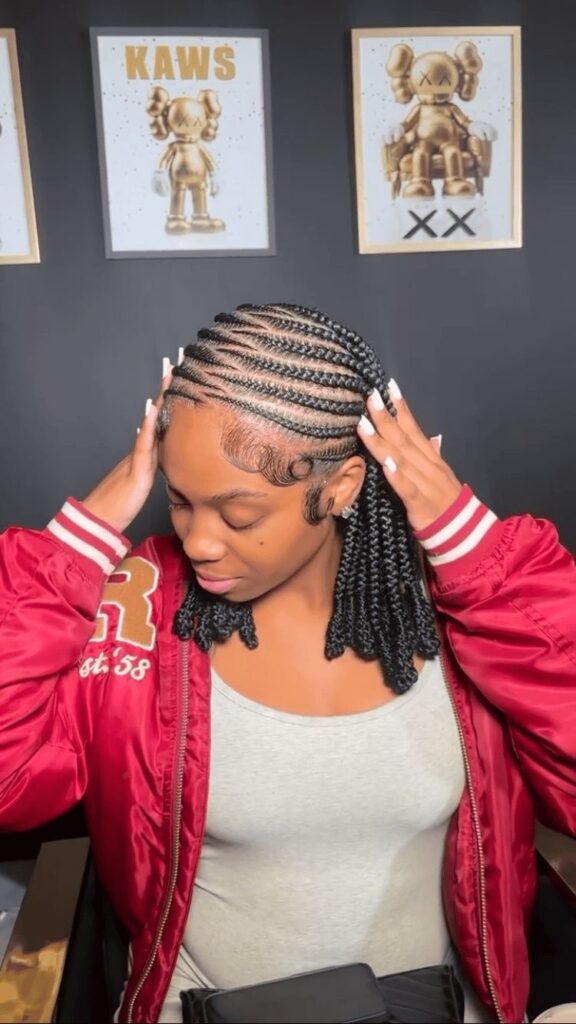
Goddess braids are large, thick braids that sit prominently raised on or very close to the scalp. They give a very bold and commanding appearance that makes a strong visual statement on any head.
The large size means they install significantly faster than regular or small braid styles.
This makes them a great option for people who want a full braided style without spending many hours in a salon chair.
They can be installed in various patterns including straight rows, curved designs, and asymmetric layouts depending on the look you want.
They look equally beautiful worn straight back, to the side, or in creative arrangements.
Goddess braids typically last four to six weeks with regular scalp care and nightly protection.
Don’t lose this list: 35 Easy Afro Hairstyles for Beginners
Twisted Protective Styles
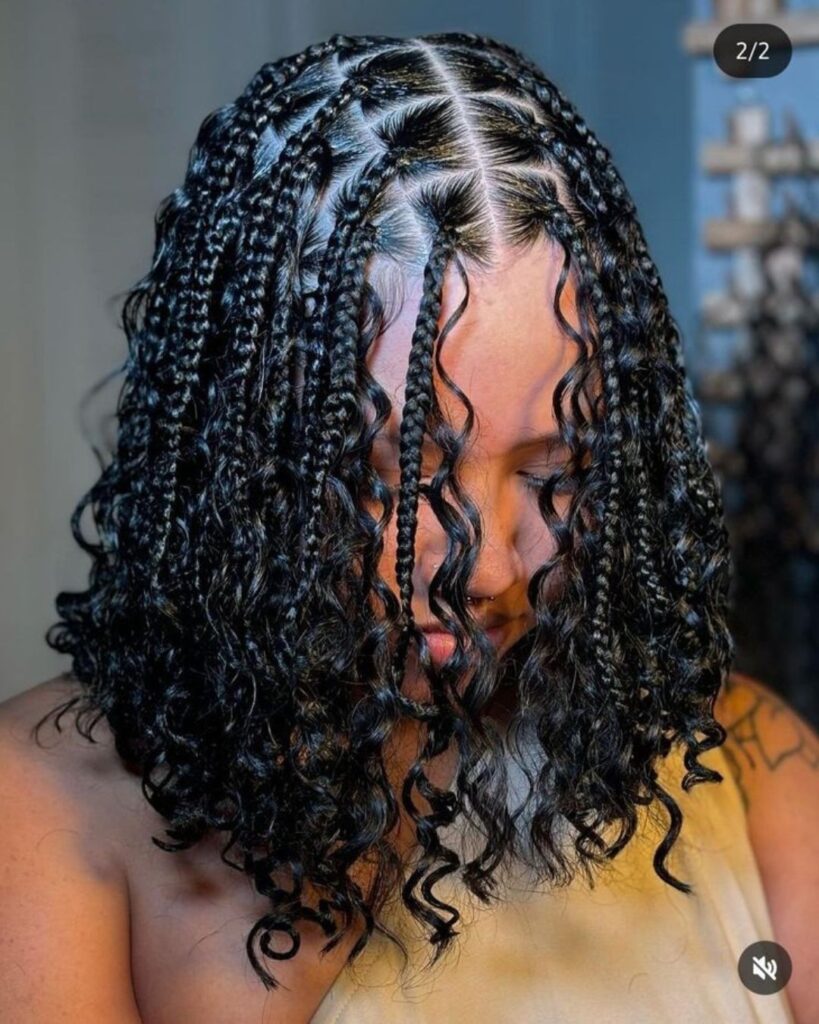
Twists are a gentler alternative to braids that use less tension during installation and are easier to do at home without professional help.
They are a great starting point for anyone new to protective styling.
Keep this guide nearby: How to Build the Perfect Afro Hair Care Routine
10. Two Strand Twists
Two strand twists are the most basic and beginner friendly protective style in this category. They are done by dividing hair into sections and twisting two strands around each other from root to tip.
They protect your ends by keeping them wrapped within the twist rather than loose and exposed to daily friction.
This significantly reduces breakage over the two to four weeks the style is typically worn.
Two strand twists can be done on your natural hair alone or with extension hair added for more length and fullness. They work beautifully on all Afro hair types from 4A through 4C.
The style is very versatile since the twists can be worn loose, gathered into a puff or bun, or pinned up into an updo throughout the wear period.
11. Flat Twists
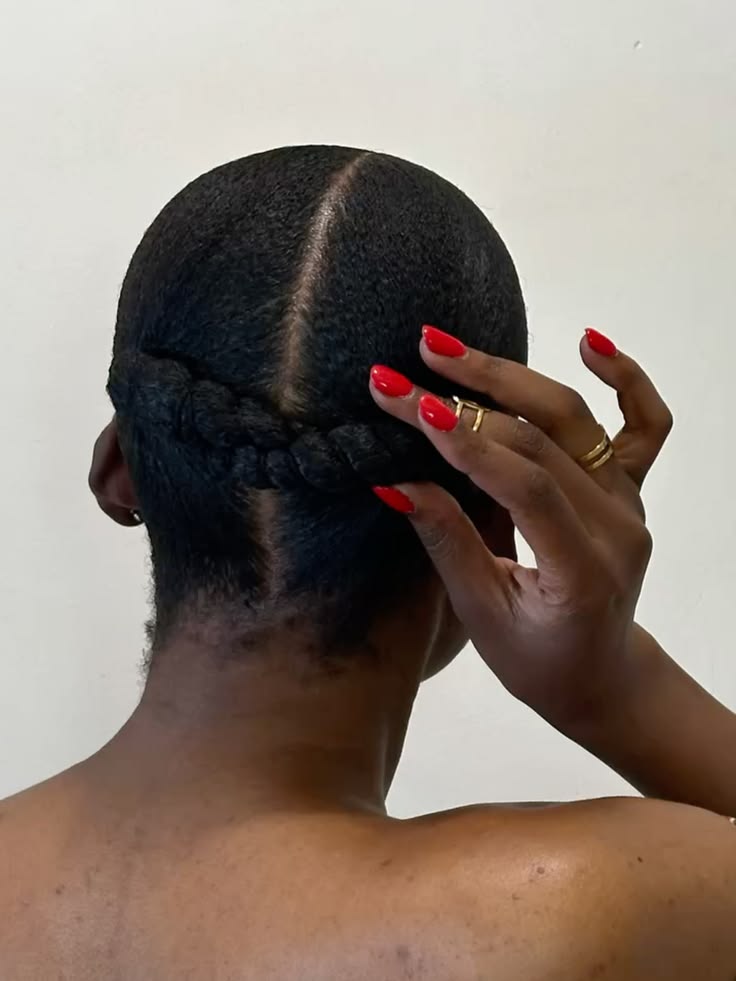
Flat twists lie close to the scalp similar to cornrows but use a two strand twist technique instead of a three strand braid. This makes them slightly easier for beginners to learn and install at home.
They look very neat and polished close to the scalp and create a beautiful, defined pattern on the head.
This gives a flatter, smoother appearance that suits people who prefer a sleek, low profile protective style.
Flat twists last one to three weeks and create a stunning flat twist out when unraveled after the wear period ends.
This means the end of the style gives you a beautiful second style without any additional effort.
They work best on well moisturized hair with a cream or butter applied to each section before twisting to help the twists hold their pattern.
12. Havana Twists
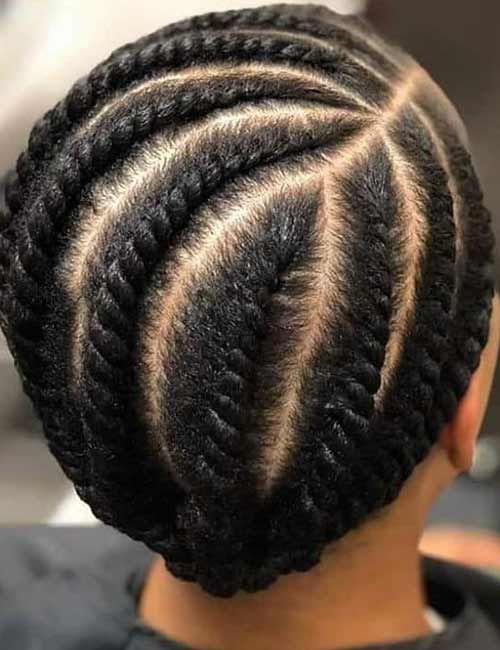
Havana twists use a specific type of thick, textured extension hair that closely mimics the look and texture of natural Afro hair. This gives a very full, voluminous, and natural looking result.
The extension hair is twisted around sections of your natural hair using a two strand technique. The result is a very full, chunky twist that looks very close to natural enlarged Afro hair.
Havana twists typically last three to five weeks and are one of the more comfortable twist styles to wear.
The extension hair is relatively lightweight despite how full and voluminous the finished style looks.
They are a great option for people who want a large, dramatic twist style that still looks and feels natural rather than obviously artificial.
13. Marley Twists
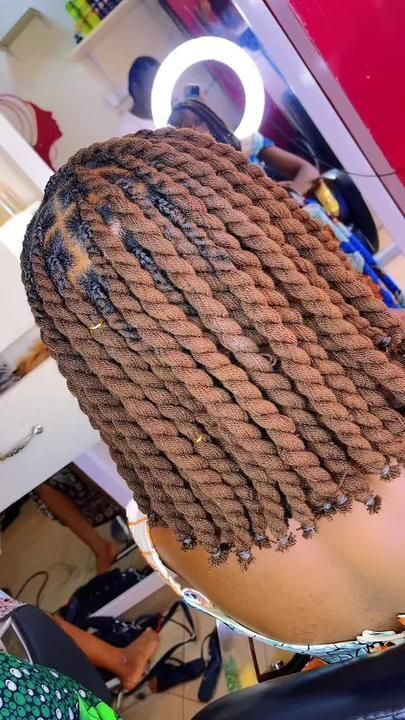
Marley twists use Marley hair extension, which has a very tightly textured, almost Afro like surface.
It blends particularly well with 4C hair types and gives a more organic finish than many other extension types.
The tight texture of the extension hair means it grips and holds onto natural Afro hair very securely during installation. This keeps the installation gentle and low tension throughout the entire process.
Marley twists look very natural and full and are popular among people who want their style to look as close to their own natural hair texture as possible. They typically last three to five weeks.
Regular scalp moisturizing and nightly satin protection are key to keeping the style looking fresh throughout the full wear period.
You’ll want to read this: How Often Should You Wash Afro Hair?
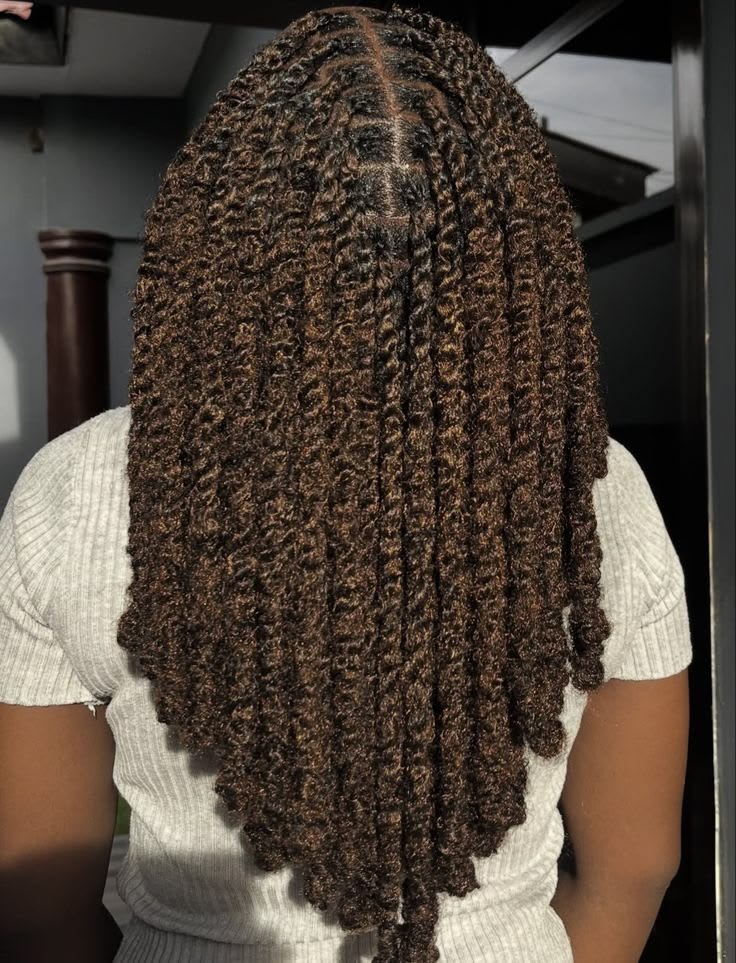
14. Senegalese Twists
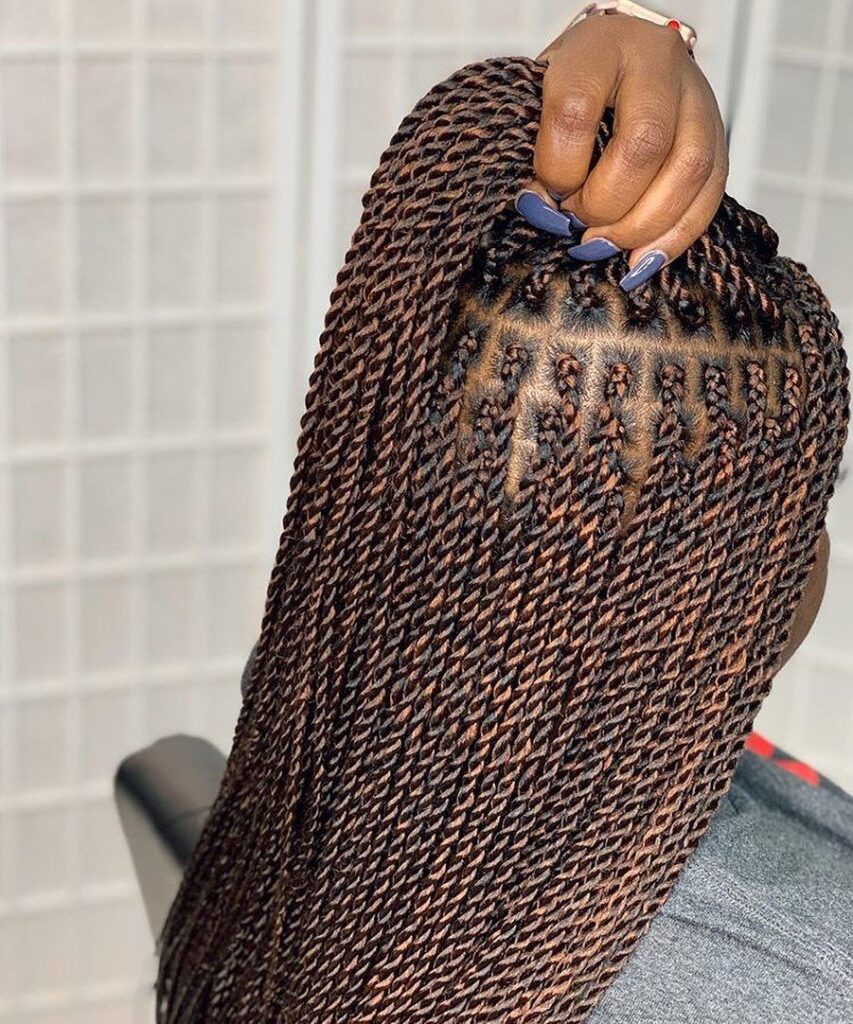
Senegalese twists use a silkier, smoother extension hair than Havana or Marley twists. This gives a sleeker and more defined finish that looks polished and very neat throughout the entire wear period.
The smoother extension hair also means Senegalese twists are slightly easier to take down than styles using more textured extension hair.
The smoother surface doesn’t grip or lock around natural hair as tightly during wear.
They are available in different sizes from very thin to chunky and look particularly elegant when worn long. They are one of the most popular twist styles for people who want a neat, refined look.
Senegalese twists last three to six weeks and can be styled in puffs, buns, and half up half down styles for variety throughout the wear period.
Updo and Bun Protective Styles
Updo and bun protective styles are the simplest and most accessible category of protective styling because they require no braiding or twisting technique. They can be done at home in minutes.
They are the best starting point for complete beginners and also the most flexible option for people who want to change their style frequently.
See what everyone’s talking about: 31 Quick Natural Hairstyles for Busy Mornings
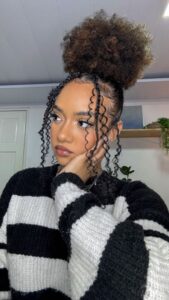
15. High Bun
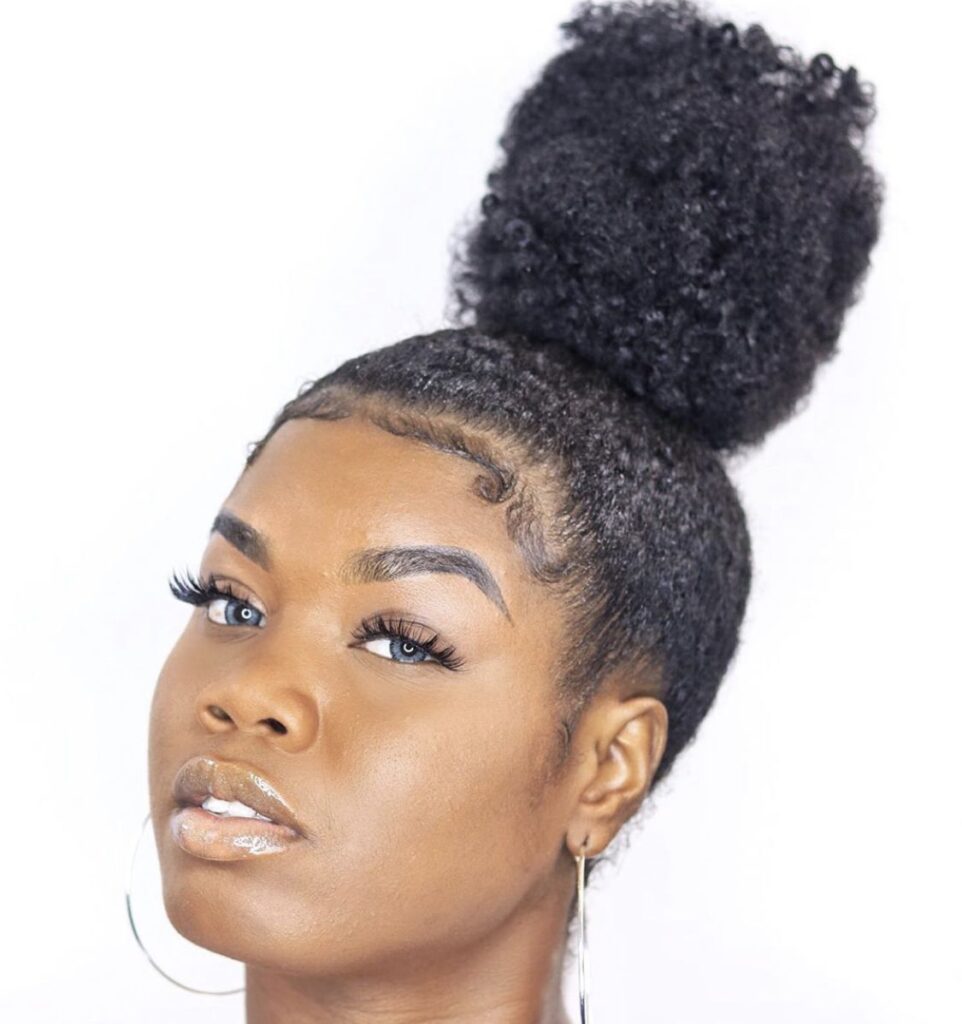
A high bun gathers all of your hair to the crown of your head and secures it with a satin covered hair tie. This keeps your ends completely tucked away from daily friction and environmental exposure.
It is one of the fastest protective styles available, taking under two minutes to complete on hair that was moisturized and detangled the night before. This makes it perfect for busy people.
The key is using a satin covered hair tie rather than a regular elastic and keeping the tension comfortable rather than pulling your hair tightly.
Sleep with a satin bonnet to protect both the style and edges overnight.
A high bun works on all Afro hair lengths from shorter hair to very long natural hair that creates a very full bun at the crown.
16. Low Bun
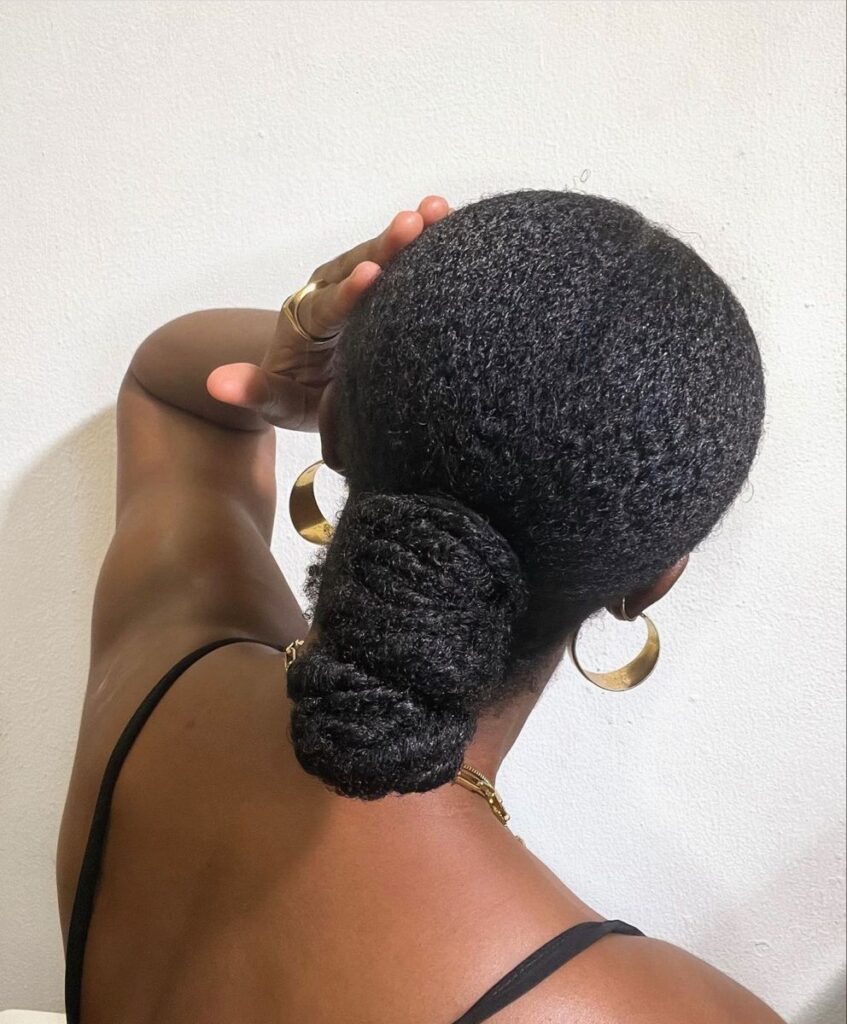
A low bun positions the gathered hair at the nape of the neck rather than the crown. This can be more comfortable for people whose scalps are sensitive to the tension of a high bun.
It looks slightly more polished and professional than a high bun. This makes it a great protective option for work, school, and formal settings where your hair needs to look neat and deliberate.
A low bun provides the same end protection as a high bun since the ends are tucked into the bun regardless of where it is positioned on your head.
Decorating a low bun with a decorative pin, a wrapped scarf, or hair cuffs around the base instantly elevates the style from a simple everyday option to something that looks much more intentional.
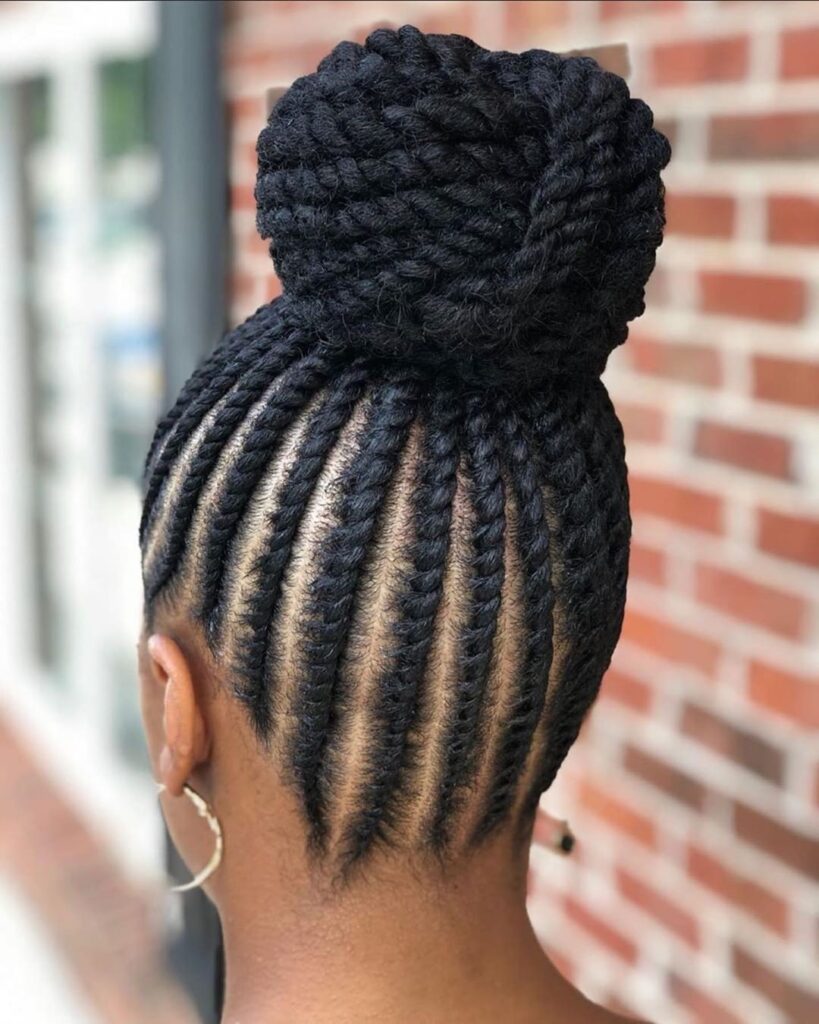
17. Flat Twist Updo
A flat twist updo combines flat twists along the scalp with the ends gathered and pinned up into a bun or puff at the crown or nape. This gives a more detailed and polished result than a plain bun.
The flat twists add a beautiful patterned element to the sides and back of the head.
This makes the overall style look much more elaborate and intentional even though the technique is manageable at home.
This style is particularly flattering because the flat twists give structure and definition to the sides while the gathered section at the crown adds fullness that balances the sleekness of the twisted sections.
It works best on well moisturized hair and typically lasts one to two weeks with regular scalp moisture and nightly satin protection throughout the wear period.
18. Pineapple Updo
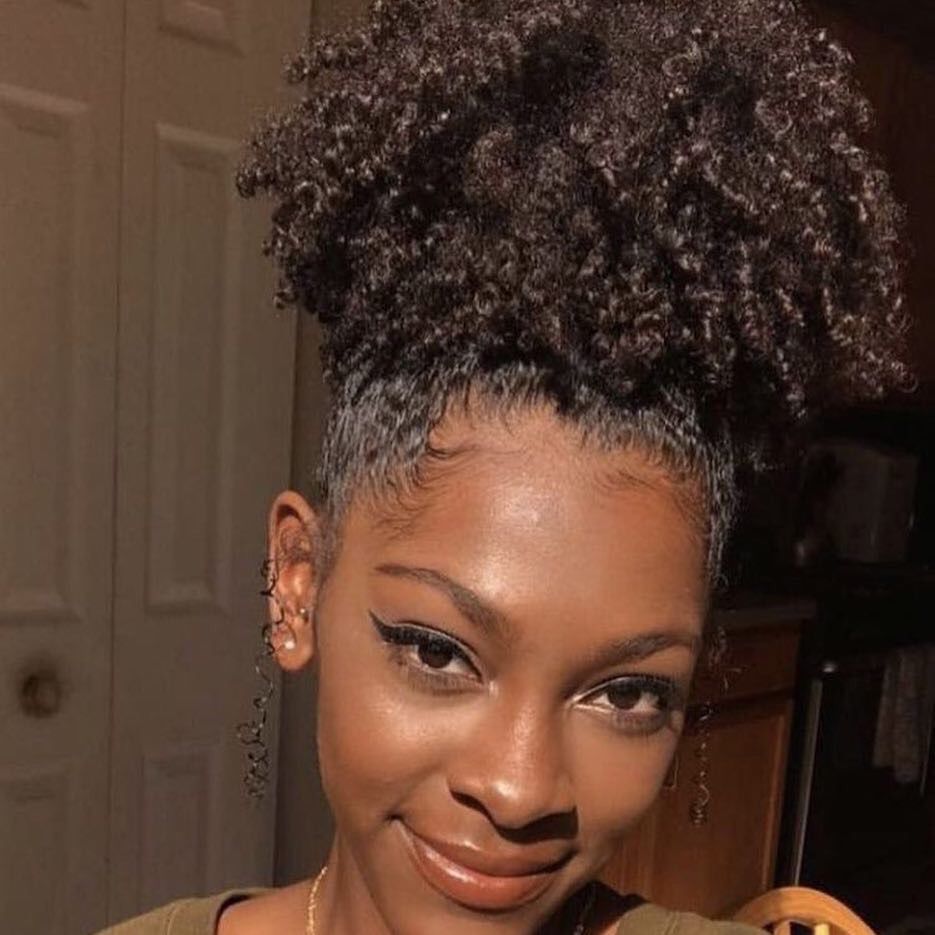
The pineapple updo gathers all of your hair very loosely at the very top of your head without flattening or compressing the curl pattern.
It is secured with a very loose satin covered hair tie.
It is primarily used as a nighttime protective style to preserve curl definition and prevent matting while sleeping.
also it works as a casual daytime style that shows off your natural curl pattern beautifully.
The very loose gathering is what makes this style protective without being damaging. It keeps the hair together and out of the way without applying tension to any section of the scalp.
Combining the pineapple with a satin bonnet or scarf at night is one of the most effective ways to extend the life of any wash and go or twist out style across multiple days.
Worth a look: 27 Wash and Go Hairstyles That Actually Last
Crochet and Wig Protective Styles
These styles use external hair or pieces that sit over your natural hair to protect it completely from daily manipulation and environmental exposure.
They are some of the longest lasting and most versatile protective options available.
They are particularly good for people who want to give their natural hair a complete rest from styling for an extended period while still maintaining a beautiful and put together appearance.
Bookmark this: The Complete Wash Day Routine for Afro Hair
19. Crochet Box Braids
Crochet box braids use pre made braided extension hair that is crocheted onto a cornrow base. This gives the full look of a traditional box braid install in a fraction of the installation time.
The cornrow base underneath should always be installed with low tension to protect the scalp and hairline.
The crochet braids should not be overloaded onto each cornrow since too much weight causes tension and breakage at the roots.
This style gives all the visual impact and protective benefits of regular box braids while being much faster to install.
It is often more comfortable to wear since the attachment method puts less direct tension on each hair section.
Crochet box braids typically last four to six weeks with regular scalp care and nightly bonnet protection throughout the full wear period.
20. Crochet Twists
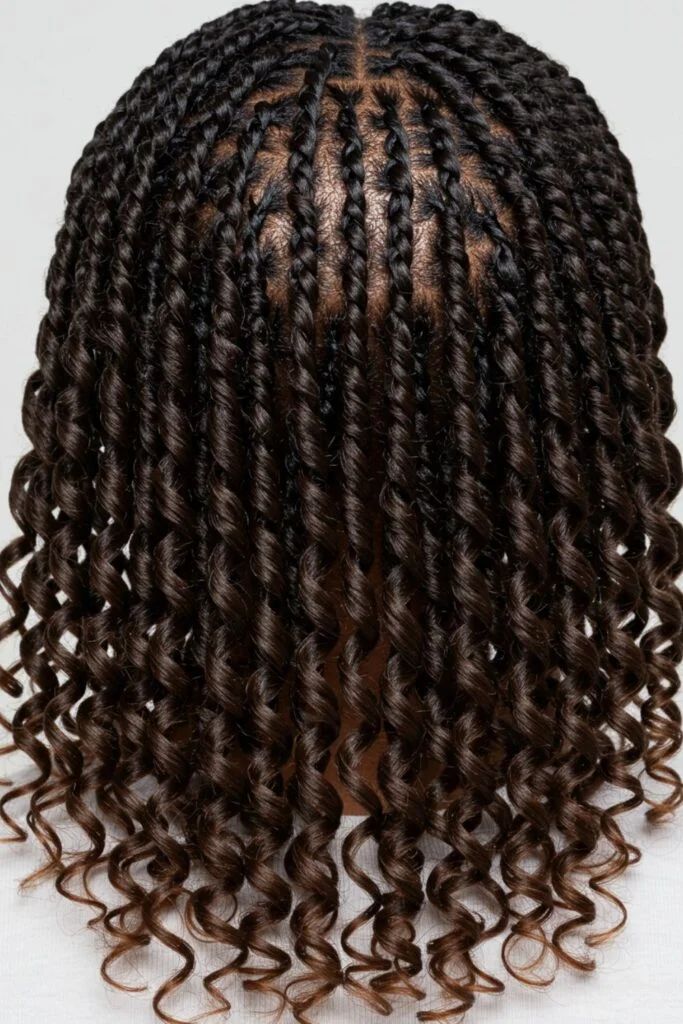
Crochet twists use pre made twist extension hair crocheted onto a cornrow base.
This gives a full, beautiful twist style that takes significantly less installation time than hand twisted styles done directly on natural hair.
The variety of extension hair textures available means you can achieve anything from a very natural looking Afro textured twist to a sleeker, more defined twist depending on your preference and occasion.
Crochet twists are particularly good for people who love the look of twist protective styles but struggle to achieve neat results at home.
The pre made extension hair takes the technique difficulty out of the equation entirely.
They typically last three to five weeks with regular scalp moisturizing and nightly bonnet protection throughout the wear period.
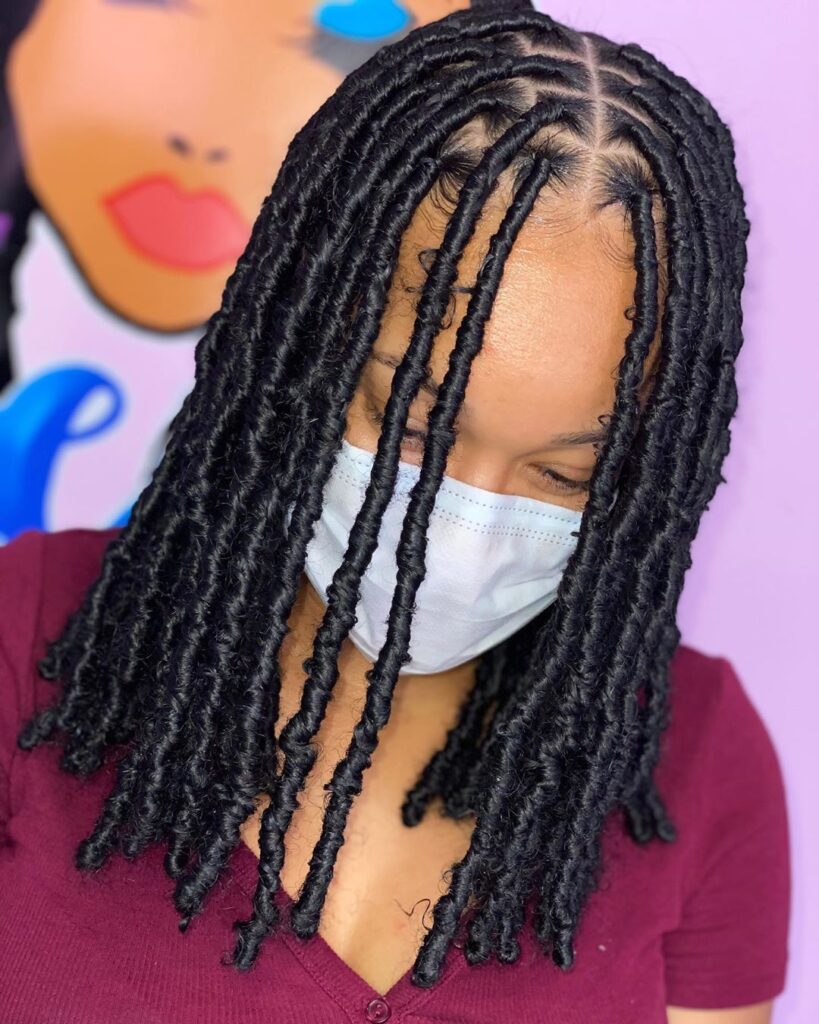
21. Crochet Locs
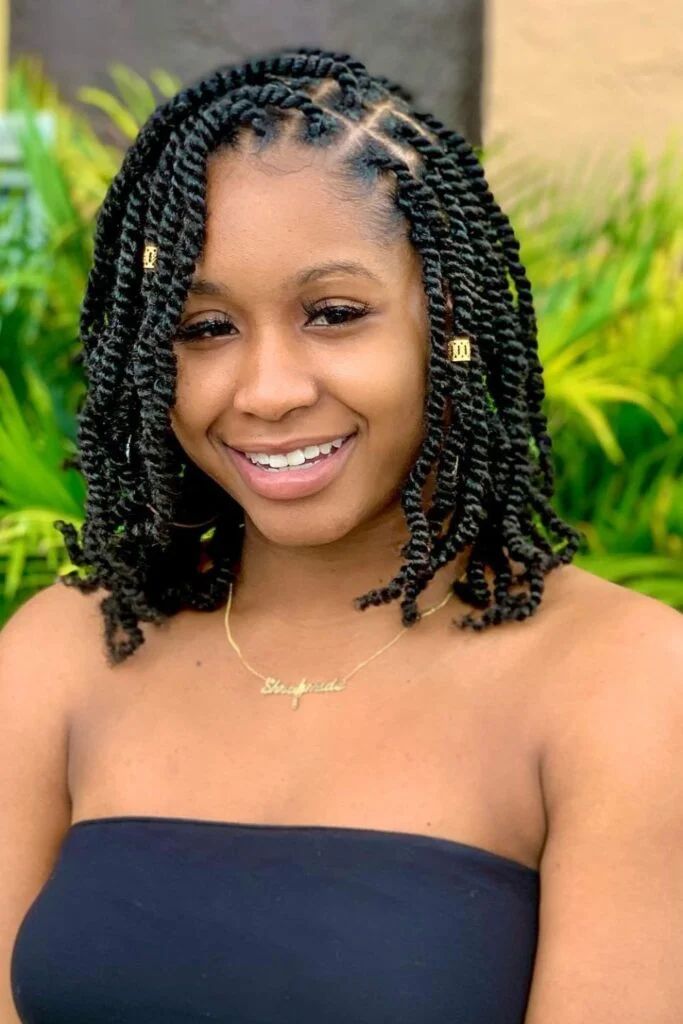
Crochet locs use pre made faux loc extension hair crocheted onto a cornrow base.
This creates the appearance of fully formed locs without the long commitment of growing real locs on your natural hair.
They give a very realistic loc appearance and have become increasingly popular as an accessible way to enjoy the loc aesthetic.
You can remove the style after a few weeks and return to your regular routine.
The weight of faux loc extension hair is something to consider carefully before installation since heavier extension hair puts more strain on the scalp and hairline over the wear period.
Crochet locs typically last four to eight weeks with regular scalp moisturizing and careful nightly protection throughout the entire wear period.
22. Protective Wig Style
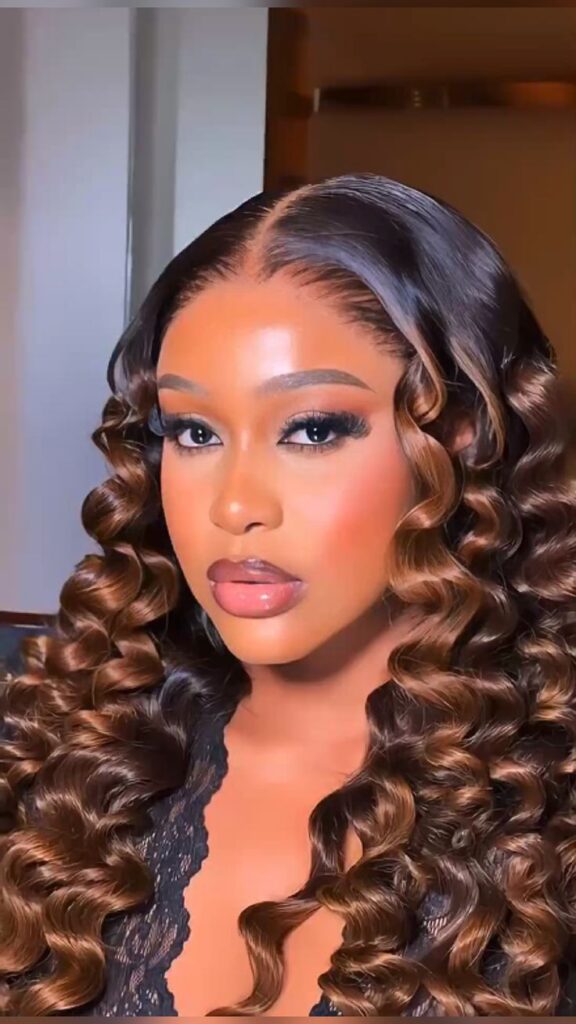
Wearing a wig over properly prepared natural hair is one of the most complete and versatile protective style options available.
The wig covers your natural hair entirely, protecting it from all manipulation without any tension applied underneath.
The preparation underneath matters enormously for this style to be genuinely protective.
Your natural hair should be freshly washed, deeply conditioned, and moisturized before being cornrowed flat against your scalp.
Wigs can be changed daily if desired, which gives you the most styling flexibility of any protective option.
Your natural hair stays completely protected underneath regardless of how frequently you switch styles on top.
Give your natural hair proper wash days every one to two weeks even while wearing wigs consistently to keep the scalp and hair underneath in good health.
23. Half Wig With Natural Edges
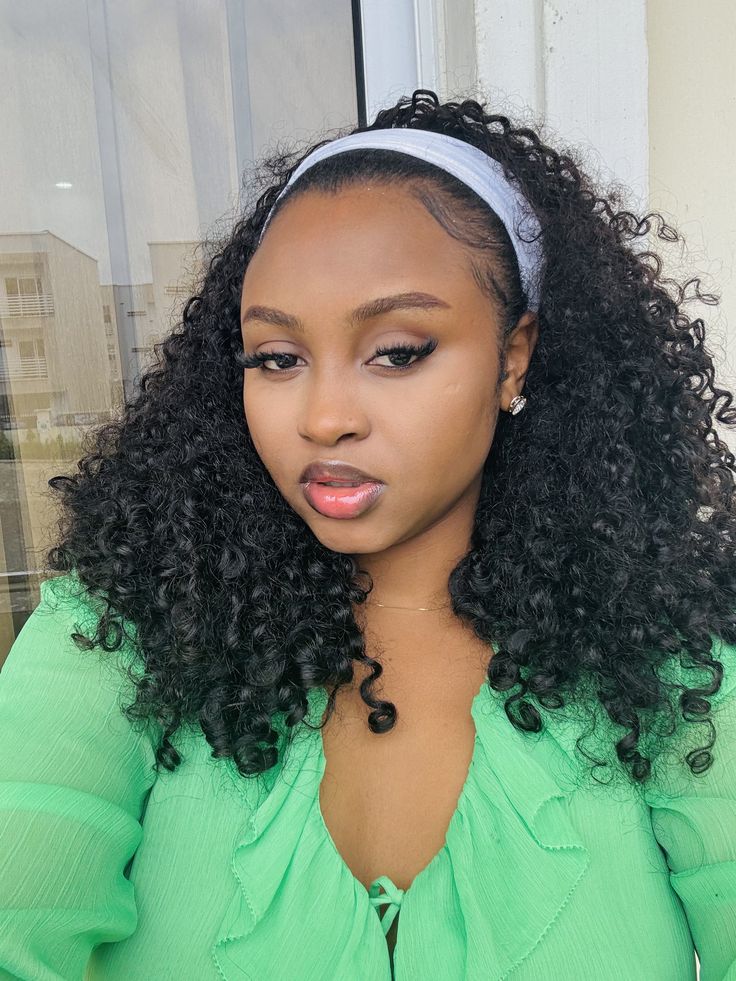
A half wig covers the back half of your head while leaving your natural edges and front hairline completely exposed.
This blends the fullness of extension hair at the back with the natural appearance of your own edges at the front.
This style protects the bulk of your natural hair underneath while showcasing your natural edges.
It requires keeping the front of your hair well moisturized and defined so the blend looks seamless and intentional.
Laying your edges with a light edge control before putting on the half wig creates the most polished and natural looking result. Defined, smooth edges blend much more convincingly with the wig hair.
This is a great style for people who want some of the protection of a wig while still showing off their natural hair at the front.
See why this is so popular: 75 Beautiful Afro Hairstyles You’ll Want to Save
Low Manipulation Protective Styles
These styles don’t tuck the ends away as completely as braids or wigs but they significantly reduce the amount of daily manipulation the hair goes through.
They still provide meaningful protection and reduce breakage compared to freely styling hair every day.
Fan favorite: 25 Afro Puff Styles You Will Like
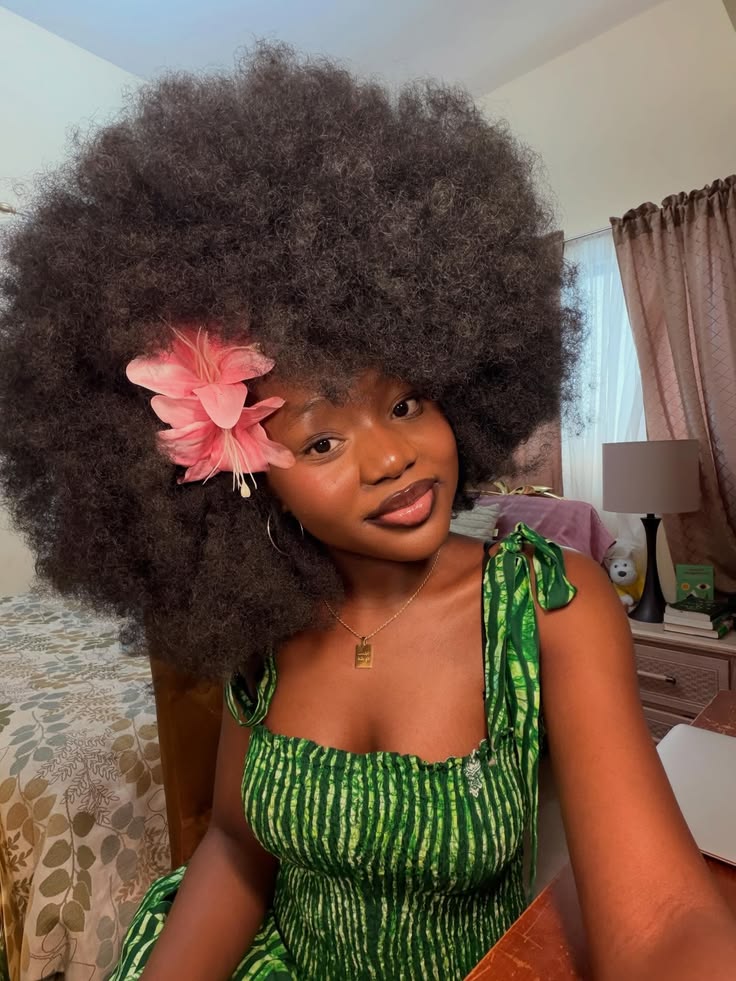
24. Stretched Afro
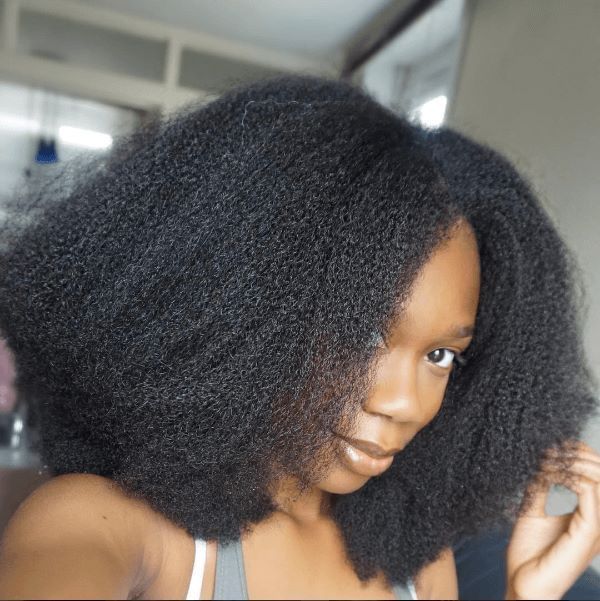
Wearing your hair in a stretched Afro using the banding method or African threading is a low manipulation protective approach.
It reduces shrinkage related tangling and single strand knots that happen when tightly coiled hair rubs against itself constantly.
Stretching the hair reduces the amount of friction between strands, which is one of the main causes of breakage in 4C hair types.
Constant coil on coil contact throughout the day causes significant damage over time.
This style works best when maintained with a light oil applied to the stretched sections each morning to keep them soft and prevent the stretched hair from becoming dry and brittle during the day.
It is most protective when the stretched style is also protected at night with a satin bonnet or scarf to prevent the hair from shrinking back completely overnight.
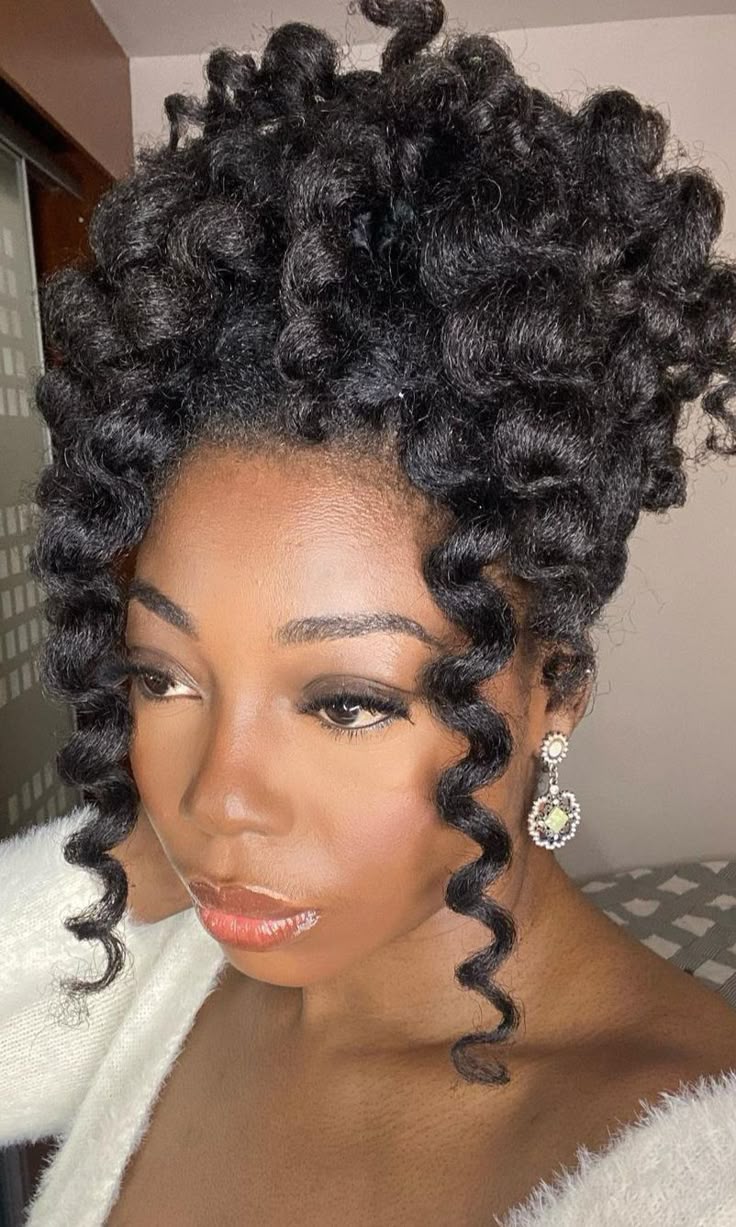
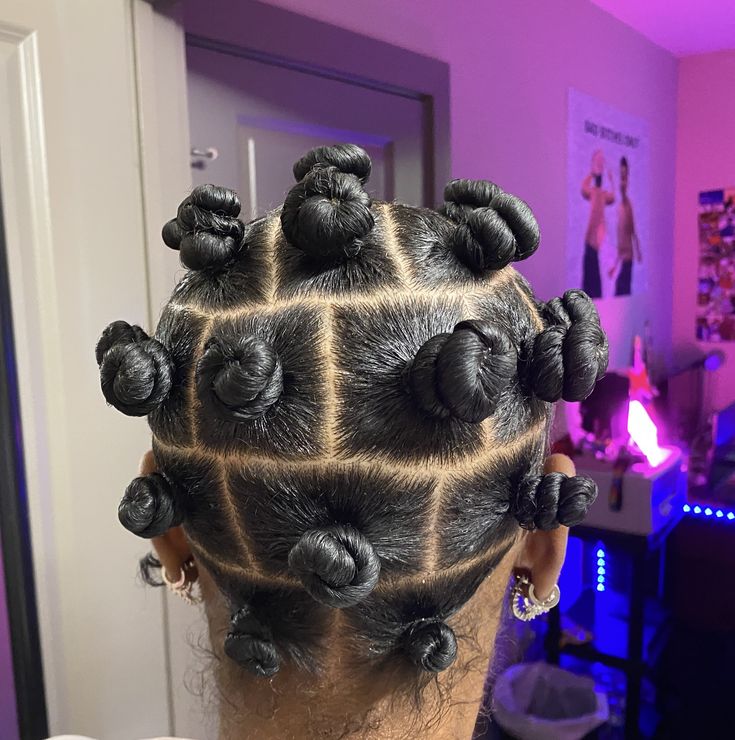
25. Bantu Knots
Bantu knots are created by twisting sections of hair tightly and coiling each section flat against the scalp.
The end is tucked underneath to secure it in place without any pins, creating small, neat knots all over the head.
They are genuinely protective because the coiling tucks the ends under each knot completely. This removes them from any friction or environmental exposure for the full duration of the wear period.
Bantu knots also double as a styling technique since leaving them in overnight on well moisturized hair and unraveling them the next morning produces beautiful, defined coils.
These coils are a complete and stunning style on their own.
They work on all Afro hair lengths but are most effective on medium to longer hair where each section has enough length to coil several times and tuck securely underneath.
26. Twisted Puff
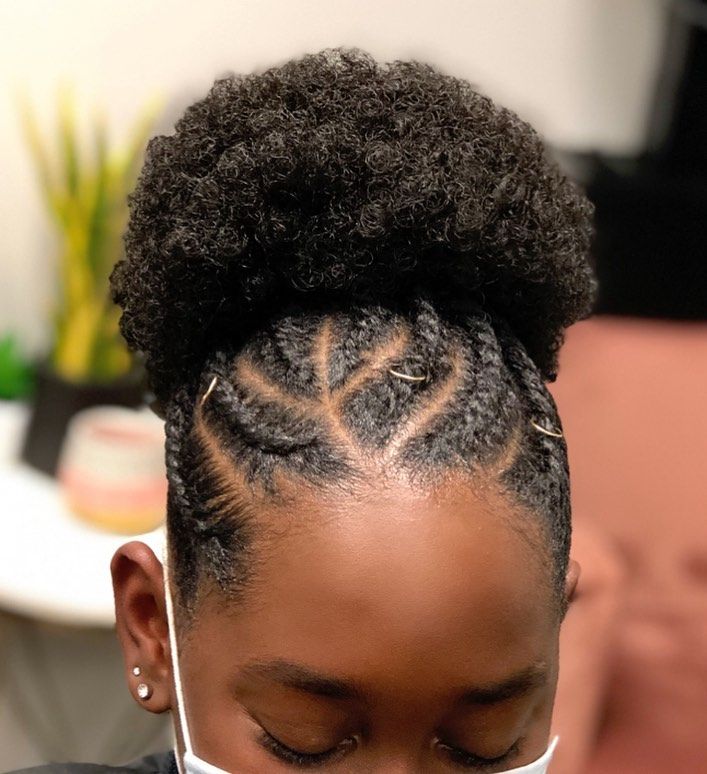
A twisted puff combines flat twists or two strand twists at the front and sides of the head with a gathered puff at the crown or nape.
This gives a style that is part protective and part decorative at the same time.
The twists at the front and sides protect those sections of hair from daily manipulation and friction throughout the day.
The puff at the back keeps the ends gathered and less exposed than if the hair were worn fully loose.
This style is easy enough to do at home with just basic twisting skill and a hair tie. It takes about fifteen to twenty minutes to install and lasts one to three days with nightly satin protection.
It is one of the most versatile low manipulation styles because the twists can be done in different patterns and the puff can be positioned at different heights for a fresh look each time.
27. Braided Updo
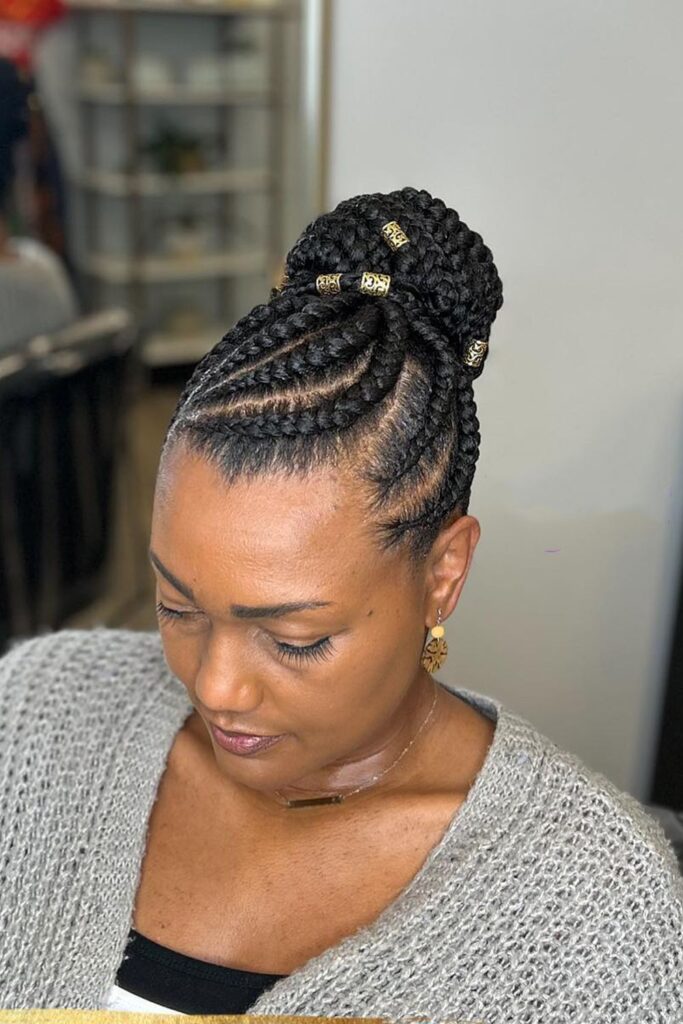
A braided updo combines different braiding techniques with pinning to create a full, detailed updo that keeps your ends tucked safely into the pinned sections rather than hanging loose and exposed to breakage.
This style gives significantly more end protection than a plain bun because the braided sections keep the hair more secure and stable within the updo.
Loose strands are much less likely to slip out and get exposed.
It works particularly well on medium to longer Afro hair where there is enough length to create braids long enough to pin securely without unraveling. It looks beautiful for events and formal occasions.
A braided updo can last three to seven days with proper nighttime protection and light daytime maintenance, bridging the gap between a quick everyday style and a longer term protective install.
A Few Final Things Worth Knowing
The best protective style for your hair is the one that fits your lifestyle, suits your hair’s current condition, and can be properly maintained throughout its wear period.
Don’t choose a style just because it looks good on someone else. Consider how long you can realistically commit to maintaining it and whether your hair is strong enough to handle it right now.
Every style on this list can be genuinely protective and beneficial for Afro hair when done correctly. Every style on this list can also cause damage when done incorrectly.
The rules are simple: low tension, clean and moisturized hair at installation, regular care while it’s in, and a gentle takedown when it’s time to come out.
Follow those rules with any style on this list and your hair will always come out in better condition than it went in.