Mini Twists vs Mini Braids – What you should know
Disclosure: Some of the links in this post are affiliate links. This means if you click on the link and purchase an item, I will receive an affiliate commission at no extra cost to you.
Mini twists and mini braids look alike from far away, but they behave very differently on your head. Choosing the wrong one can cost you time, money, and healthy hair.
Both styles use small sections of hair, and both can last for weeks. Still, the way they are made changes how they feel, how they look, and how you care for them.
This guide compares the two styles in plain, simple terms. You will learn about time, cost, tension, wash day, and how long each style stays fresh.
Both are protective styles, so 75 protective styles for every hair goal is a great place to explore more options. By the end, you will know which style fits your life best.
Let us start by looking at what each style really is. Clear basics make every other choice much easier to understand.
Mini Twists vs Mini Braids – What you should know
What Mini Twists Are
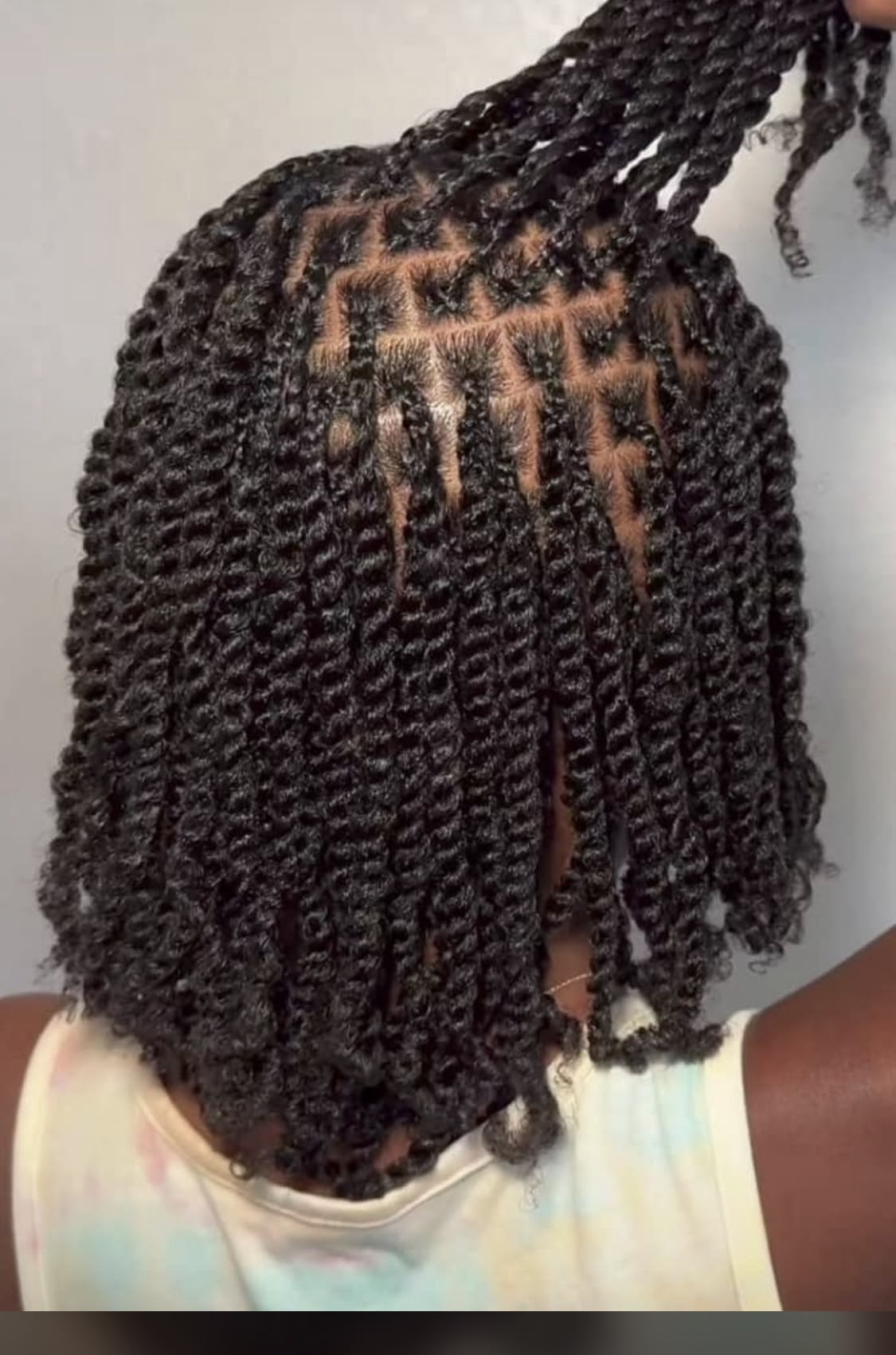
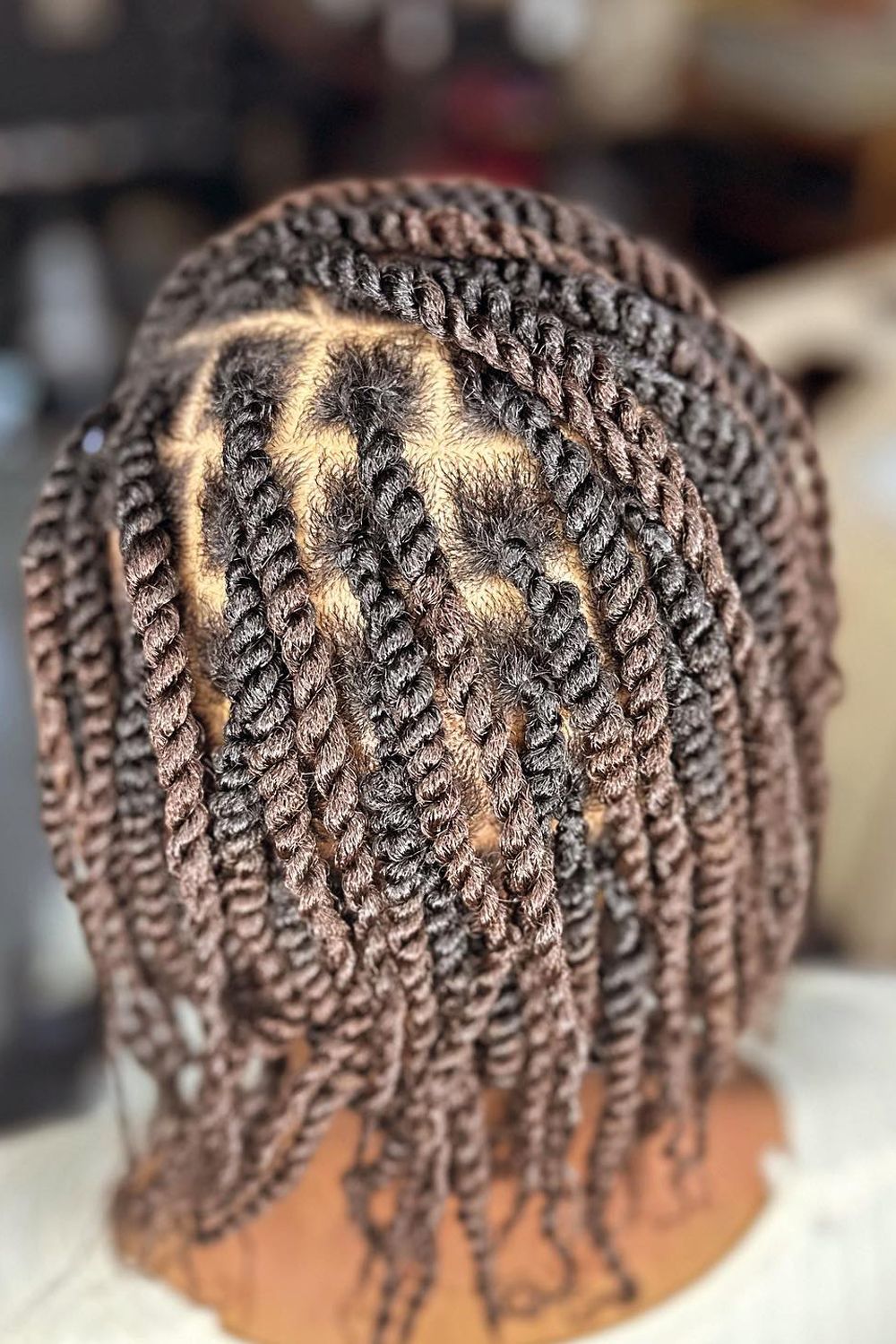
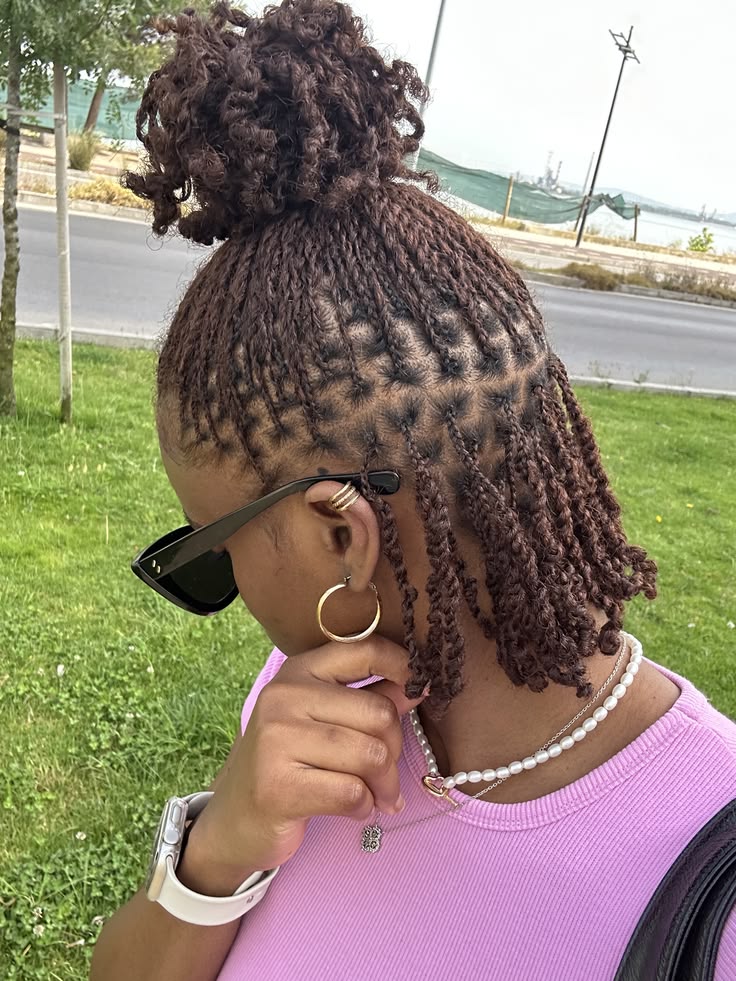
Mini twists are small two-strand twists made all over your head. Each twist is made by wrapping two sections of hair around each other.
You can make them with your own hair or with added extension hair. Natural twists are lighter, while extension twists give you more length.
The twist has a rope-like look with a clear spiral pattern. This look is soft, textured, and a little more natural.
Twists are popular because they are simple and gentle to install. Many people even learn to do them at home on their own.
There are many ways to wear twists, and 45 twist hairstyles that never go out of style shows you plenty. You can wear them down, up, in a bun, or pinned back.
Mini twists are usually done on damp hair with a cream or butter. The product helps the twist stay smooth, soft, and well defined.
Twists also work well for people who love a lived-in, textured style. They blend with your natural curl pattern as they age.
Most twist sets use a medium amount of product so they stay light. Too much cream can leave a sticky film on your scalp.
Because the hair is twisted rather than braided, the ends can curl up naturally. Many people love that fluffy, curly finish at the tips.
What Mini Braids Are
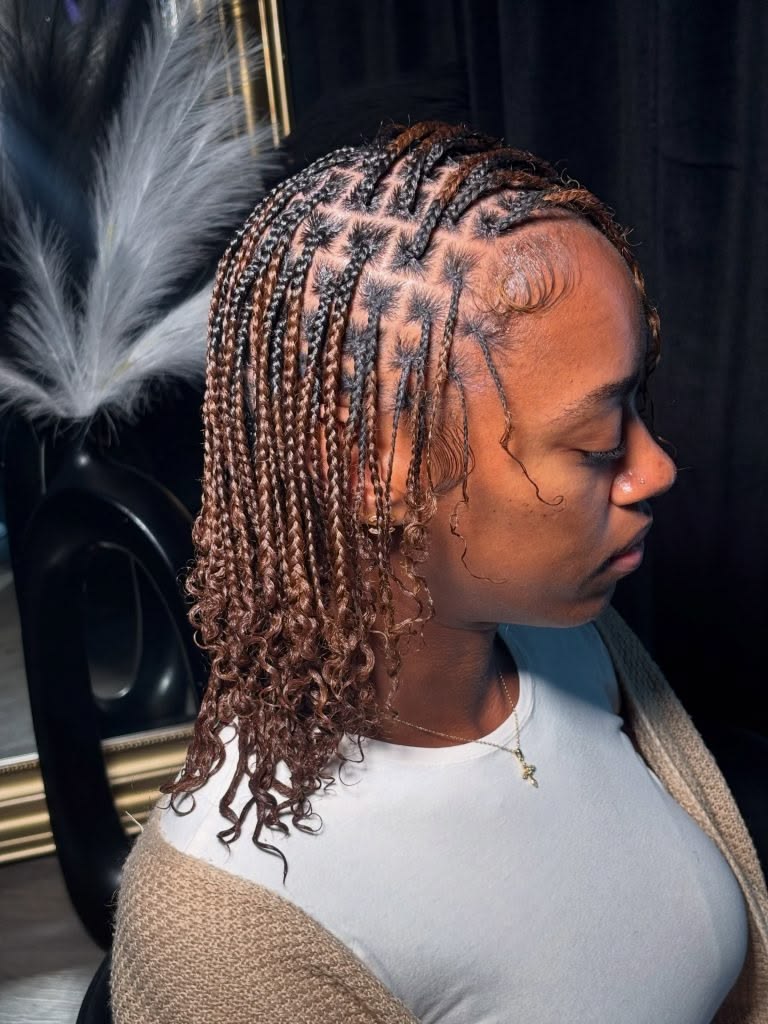
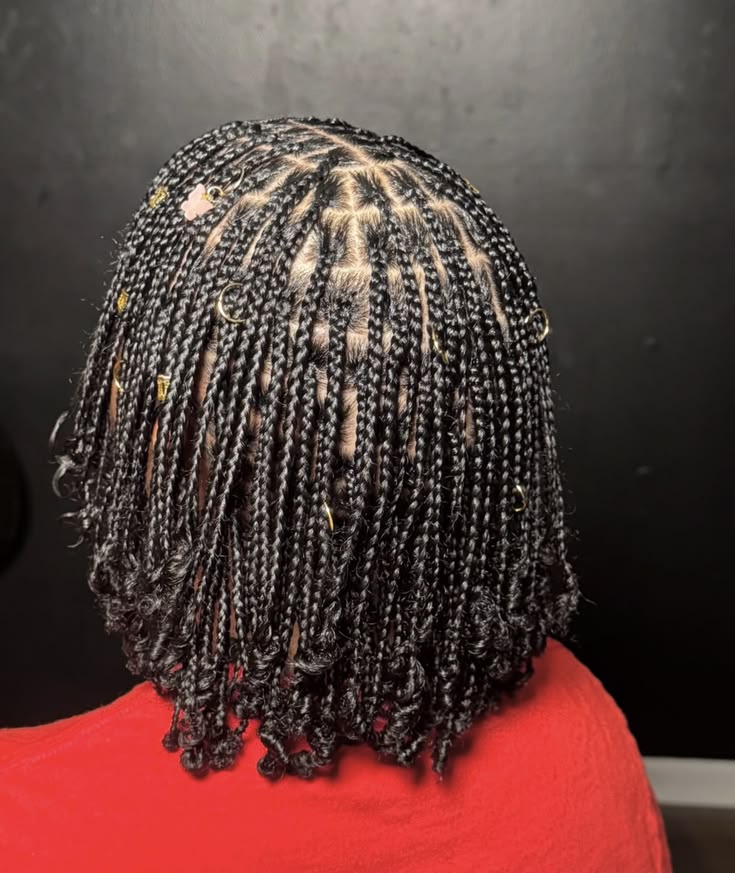
Mini braids are small three-strand braids made across your whole head. Each braid weaves three sections of hair over and under each other.
Like twists, braids can use your own hair or extension hair. Many people add extensions to get more length and a fuller look.
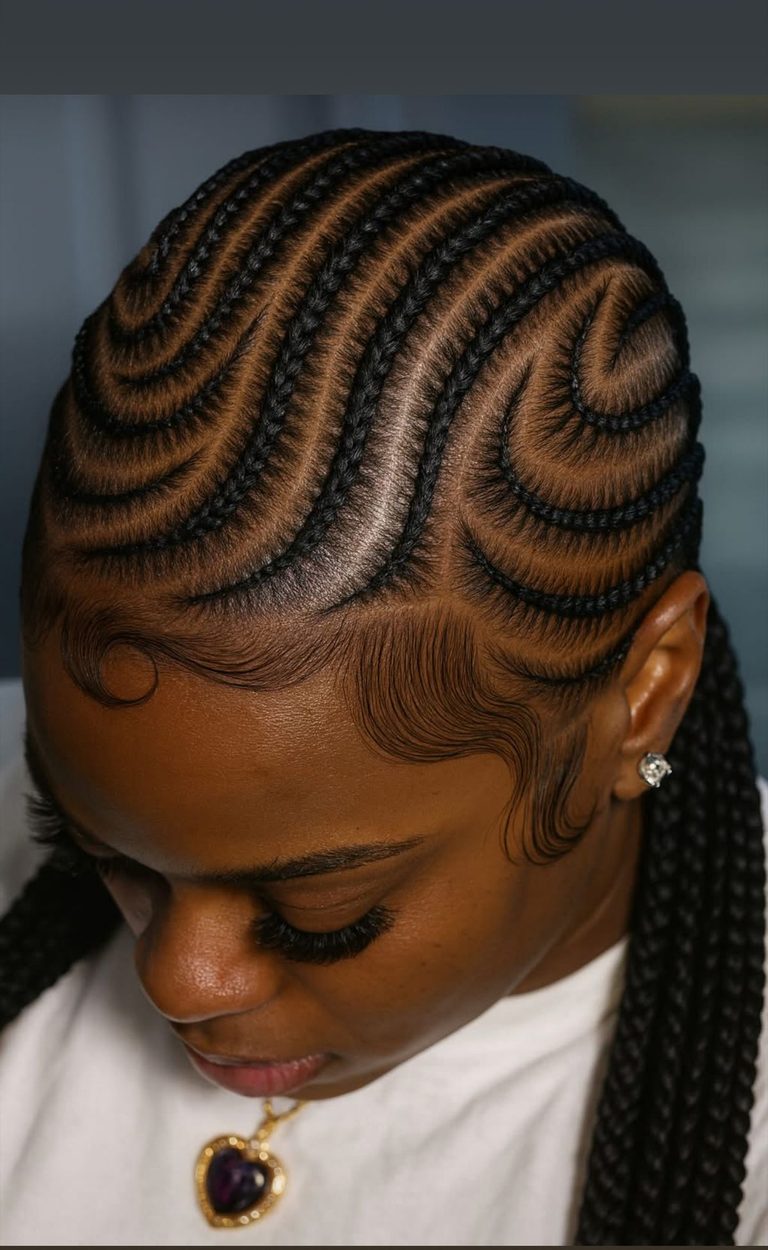
A braid has a flat, plaited pattern that looks neat and sharp. This look is tidy, smooth, and a little more polished.
Braids hold their shape very well, even after many days. That is why they are a favorite for travel, school, and long work weeks.
Braids come in many styles, and 100 afro hairstyles to save before your next salon visit has lots of inspiration. You can wear them long, short, up, or in a crown.
Braids are often done with a gel or mousse for a smooth hold. Some braiders also use a light oil to add shine.
Many braiders begin with a clean, straight part to guide the whole pattern. Neat parts make your braids look sharp for many weeks.
Braids can also be fed in with extra hair for a smoother start at the root. This gives a flat and tidy look near the scalp.
Knotless braids are a popular type that start with your own hair. They feel lighter and gentler than older braid styles with knots.

How the Two Styles Look Different
The biggest difference is the pattern that each style makes on your head. Twists look rope-like and round, while braids look flat and woven.
Twists often look fuller and softer all around the edges. Braids look sharper, cleaner, and more structured from root to tip.
Twists can frizz and puff up as the weeks go by. That fuzzy look suits people who love a relaxed, natural style.
Hair also shrinks when it twists, and why afro hair shrinks so much explains the reason. Braids hold more of your length, so they look longer.
Twist ends can be left to curl, which gives a pretty spiral tip. Braid ends are usually sealed or dipped for a neat finish.
In photos, braids tend to look bolder and more defined. Twists tend to look softer, lighter, and a little more natural.
Light also reflects differently off each pattern on your head. Braids give a smooth shine, while twists give a soft, matte glow.
Think about your outfits and your daily life when you choose a look. Some people feel braids match formal clothes a little better.
Neither look is better, since it all comes down to taste. Pick the pattern that makes you smile when you see it.
How Long Each Style Takes to Install
Both styles take a long time because the sections are so small. Plan for four to eight hours, depending on your hair and the size you choose.
Jasmine, a nurse from Florida, booked a full Saturday for her mini braids. She brought snacks, a charger, and a long playlist to stay comfortable.
Twists are often a little faster to install than braids. A twist needs two strands, while a braid needs three.
Plan your look before the appointment, and how to create a healthy hair vision board shows you how. A clear picture saves time and helps you avoid mistakes.
Wash, deep condition, and fully detangle your hair before you start. Smooth, soft hair is much faster to twist or braid.
Take short breaks to stretch your neck, arms, and back. Long sitting can leave you sore if you never move.
Ask your stylist for an honest time estimate before you book. A clear plan helps you avoid stress on the day.
Bring your own comfort items, such as a neck pillow and a small blanket. Your body will thank you after such a long session.
Eat a good meal before you sit down for the install. A full stomach and a calm mind make the long hours easier.

Which Style Is Gentler on Your Hair
Both styles can be gentle when they are done with care. The difference comes from how much weight and pulling each one adds.
Mini twists made with your own hair are usually the lightest option. They put very little stress on fine or fragile strands.
Hair that stretches well handles styling better, and understanding afro hair elasticity explains how it works. Weak, brittle hair needs extra care before any small style.
Braids with extensions can feel heavy, especially if they are long. Heavy braids can pull on your roots and edges over time.
Knotless braids reduce that pull at the roots quite a lot. They are usually kinder than braids that start with a tight knot.
Tiny sections of either style can strain your hair if they are too small. Slightly larger parts spread the weight and protect your roots.
Check how heavy the extension hair feels before it is added. Lighter hair types are much easier on your natural roots.
Ask for a smaller length if your hair feels weak or thin. Shorter styles put far less weight on your whole scalp.
In short, light twists are often gentler, while light braids come close. Weight and tightness matter more than the name of the style.

How Much Tension Each Style Puts on Your Scalp
Tension is the biggest risk with any small protective style. Too much pulling can cause pain, bumps, and even hair loss.
Braids tend to pull more at the root because of the tight weave. Twists usually sit looser and feel softer at the scalp.
Healthy growth needs a calm scalp, and understanding the afro hair growth cycle shows why. Constant tension can disturb that natural cycle and slow growth.
A good style should never make your head ache or throb. If it does, ask your stylist to loosen it right away.
Look at your hairline and edges in the mirror after the install. Small bumps or redness are signs the style is too tight.
Do not wait for the pain to fade, since it may not. Taking a style out early is better than losing hair.
Sleeping on a soft satin pillowcase also reduces pulling on your roots. Try not to sleep on your braids in a tight position.
Wear loose hairstyles when you can, such as a low bun or a half-up. Heavy top knots can add extra stress at the roots.
Choose a braider who listens and asks about your comfort. A kind, skilled stylist protects your scalp and your hair.
How Long Mini Twists Last
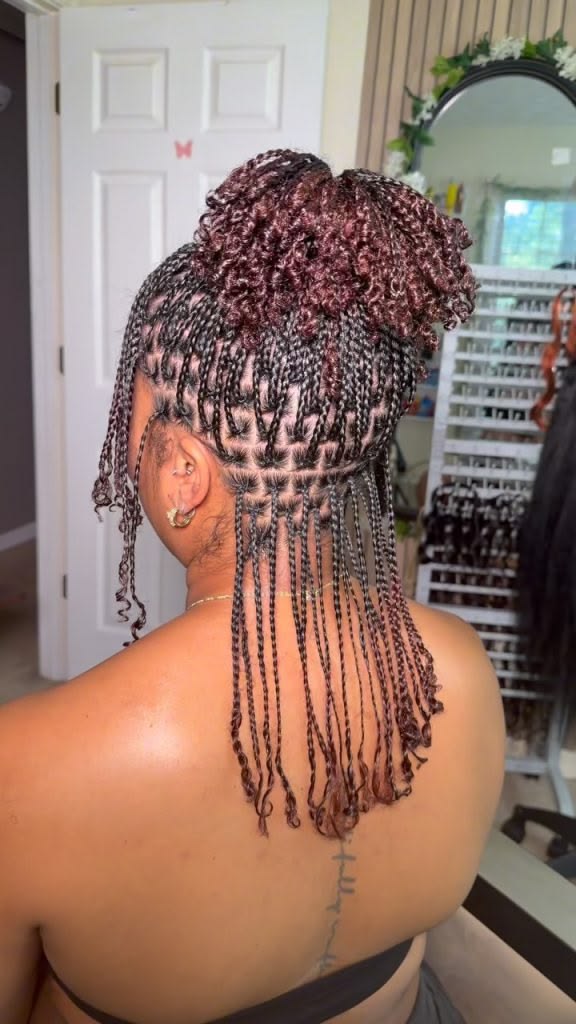
Mini twists usually last about four to six weeks for most people. With careful care, some people stretch them to eight weeks.
Twists tend to frizz and loosen a little faster than braids. New growth also shows up quickly at the roots of the twists.
Plan your wash days ahead, and 50 wash day setups every naturalista will love offers great ideas. A good setup keeps your twists neat and fresh for longer.
Re-twist the roots only when the new growth gets thick. Do not over-handle the style, since that creates more frizz.
Twists made with only natural hair often loosen sooner than extension twists. Smaller twists also tend to hold up longer than larger ones.
Cover your twists with a satin scarf or bonnet every single night. This cuts down on friction, frizz, and tangles while you sleep.
Keep a small bottle of oil and a spray bottle near your bed. This makes your quick morning touch-ups much easier to do.
Add a little edge control only to the front hairline. Heavy products can build up and weigh down the twists.
Take them down when they look too fuzzy or start to tangle. Waiting too long can cause matting and breakage at the roots.

How Long Mini Braids Last
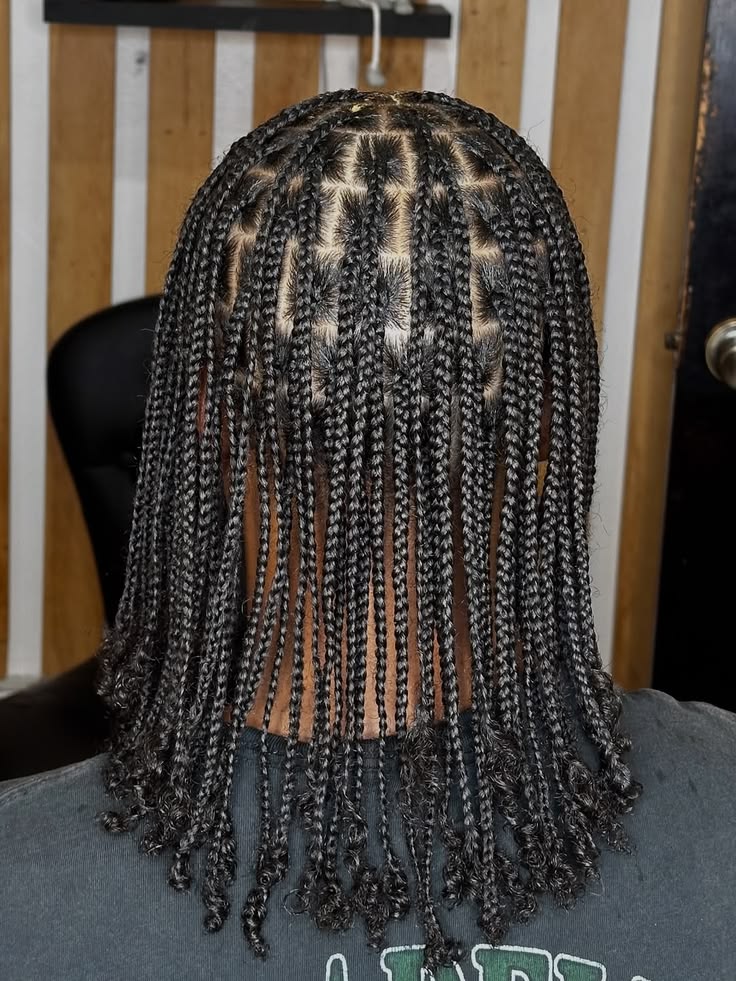
Mini braids often last about six to eight weeks with care. Some people wear them for ten weeks, but that is usually too long.
Braids stay neat longer because the woven pattern locks the hair in place. Frizz shows up slowly, and it mostly appears at the roots.
Strong hair stays healthier under long wear, and what keratin does for afro hair explains why. Protein and moisture must stay balanced to keep strands strong.
Even if braids still look good, do not leave them in too long. Your own hair keeps growing and can start to tangle at the base.
Longer braids may need to come out sooner because of the weight. Short braids can often stay in for a bit more time.
Keep your scalp clean and moisturized to stop itching and buildup. A dirty scalp can cause flakes and discomfort under braids.
Braids can look neat for a long time, but your scalp still needs care. Do not ignore itching, flakes, or any tender spots on your head.
Switch up the style each week to avoid pulling in one spot. Try a bun, a ponytail, or a low half-up for a change.
Plan to take the braids out before they mat at the roots. Mark the date on your calendar so you do not forget.

How to Moisturize Each Style
Both styles need steady moisture to stay soft and healthy. Dry hair under a protective style can break without you noticing.
Mist your twists or braids with water and a leave-in spray every two to three days. Seal the moisture with a few drops of light oil.
A simple weekly plan helps, and 60 healthy hair routine ideas you’ll actually use can guide you. Pick two or three steps and repeat them each week.
Twists soak up moisture easily because they sit more loosely. Braids are tighter, so use a nozzle bottle to reach the scalp.
Avoid heavy butters and thick creams that build up between small parts. Light products keep the style fresh and the scalp clean.
Do not over-moisturize, because soggy hair takes ages to dry. Damp hair trapped for several days can start to smell.
Use a water-based leave-in as your main moisturizer each week. Water is the best source of moisture for dry coily hair.
Always moisturize your hair before you sleep in a bonnet. A dry head of hair loses even more moisture overnight.
Moisturize in the morning and again before bed if your hair is very dry. Short, light sessions work better than one very heavy session.

How to Wash Each Style
Washing small twists or braids takes a little bit of planning. Clean hair and scalp are important for health and comfort.
Brandon, a teacher from Georgia, washed his mini twists every two weeks. He used a diluted shampoo and never had itching problems.
Hair structure matters when you wash, and how hair is formed: a beginner-friendly guide explains the basics. Knowing your strand type helps you pick gentle and suitable products.
Mix a little shampoo with water in a spray bottle or applicator. Focus on the scalp and let the suds run down the length.
Rinse very well so no soap stays trapped between small parts. Leftover soap can cause itching, flakes, and dull, tired hair.
Squeeze out the water gently, and do not rub or twist the hair. Rubbing can cause frizz and loosen your twists or braids.
Wash your hair on a day when you have time to let it dry. Plan the wash for a weekend or a day off.
Dry the hair fully with a towel and air, or a hooded dryer. Braids and twists must never stay wet for a long time.
Which Style Suits Different Hair Types
Your hair type changes which style will work best for you. Fine, thick, short, and long hair all behave in different ways.
Fine or fragile hair usually does better with light twists. Braids with heavy extensions may be too much for delicate strands.
Thick, strong hair can handle both styles very well in most cases. It can hold braids with less strain on the roots.
Short hair twists well and braids can be harder to grip. Many stylists prefer twists when the hair is only a few inches long.
Long hair works well with braids, since the length gives you a firm hold. Twists on long hair may need extra product to stay neat.
Loving your hair matters most, and how to learn to love your natural hair again offers kind support. Your texture is lovely in every style that you choose.
Hair density also matters, since thick hair hides parts more easily. Thin hair may show the scalp more with very small styles.
Talk with your stylist about your hair health before you book. A short talk can save you from a style that does not suit you.

How Much Each Style Costs
Prices change a lot depending on where you live and who does your hair. Mini styles are usually more expensive because they take so long.
Mini twists often cost a little less than mini braids. They take less time, and they need less extension hair.
Mini braids with extensions can cost more, especially knotless ones. Long braids add extra hair, which adds to the final bill.
Do not forget to count the cost of hair and products. Extension hair, gel, oil, and a satin scarf all add up.
Doing mini twists at home can save a lot of money. It takes patience, but the skill stays with you for life.
Braiding at home is harder and may not look as neat. Many people prefer to pay a trained braider for braids.
Ask about the price before you sit down, and get it in writing if you can. Clear prices help you avoid unpleasant surprises at the end.
Think about the cost per week, not just the total price. A style that lasts longer can be a better deal.
Which Style Is Easier to Take Down
Taking down your style takes time, so plan for it. Rushing this step is the most common reason for breakage.
Alicia, a student from California, took down her mini twists in one afternoon. She used oil and her fingers, and she felt proud of her healthy hair.
Twists are often easier to undo because they unravel in one motion. Braids need more careful picking and sorting of each strand.
Each stage of your hair journey deserves joy, and how to celebrate every stage of afro hair growth shows how. Take-down day can feel like a little celebration of your progress.
Soak your hair in a mix of conditioner and oil before you start. This adds slip and makes each section easier to separate.
Start at the ends and slowly work toward the roots. Never pull or yank, since hidden tangles can snap your hair.
Take breaks while you work, so your hands and your hair both stay calm. Put on music or a movie to make it fun.
Some shedding is normal, since old hair builds up inside the style. Do not panic when you see a lot of loose hair.

Common Mistakes With Both Styles
Many problems with small protective styles come from a few simple mistakes. Knowing them early can save your hair and your money.
One mistake is copying a look you saw online without checking your hair. Comparing yourself to others can push you into the wrong style.
Online trends are tempting, and how to stop comparing your hair to influencers can help you stay grounded. Your hair has its own needs and its own beauty.
Another common mistake is choosing sections that are far too small. Tiny parts look cute, but they can strain your roots.
Leaving the style in for too long is another big problem. Matting and breakage often begin after the eight-week mark passes.
Skipping moisture and scalp care is a big mistake as well. Dryness and buildup can make your hair weak and itchy.
Using too much gel is another mistake that causes flakes and stiffness. A small amount of product is usually more than enough.
Ignoring pain is the most harmful mistake of all of them. Always speak up if the style feels too tight on your scalp.

How to Choose Between Mini Twists and Mini Braids
The right choice depends on your hair, your budget, and your daily life. Ask yourself a few simple questions before you book your appointment.
Choose mini twists if you want a soft, light, natural look. They suit fine hair, short hair, and a tighter budget.
Choose mini braids if you want a sharp, neat look that lasts. They suit people who prefer less frizz and fewer touch-ups.
Think about how much time you have for care each week. Twists need a little more daily attention to stay neat.
Feeling good in your style matters, and how to build confidence through your afro hair journey can help. Confidence makes any look shine brighter and feel more natural.
Try one style first and see how your hair responds. You can always switch to the other style next time.
Write down what you love and what you worry about for each style. The list will make your final choice much clearer to see.
Whichever you pick, keep the tension low and the moisture high. Healthy hair always looks better than any passing hair trend.
Final Thoughts on Mini Twists vs Mini Braids
Mini twists and mini braids are both lovely protective styles. Twists feel softer and lighter, while braids look sharper and last longer.
The best choice is the one that fits your hair, your budget, and your time. Keep the tension gentle, moisturize often, and take the style down on time.
Your hair is beautiful in every form, and it deserves kind care. Thank you for reading, and happy styling to you and your hair.