
Daily Habits That Keep Afro Hair Healthy
Consistency can be exhausting, that was what my client told me the other day. She’s somehow right but let’s get something clear, consistency can only be exhausting when you don’t derive joy in what you are doing and also when you don’t see good results in what you are doing.
But here is the thing. When you start seeing your hair grow, when it starts feeling softer, when people around you start noticing the change, consistency stops feeling like a burden. It starts feeling like something you actually want to do because you can see it working.
The problem is that most people give up before they get to that point. They do the right things for a few weeks, see no big change, and stop. Then they wonder why their hair isn’t growing or why it always feels dry.
Daily habits are what bridge the gap between wash day and the next wash day. What you do every single day matters just as much as what you do on wash day, sometimes even more. Small daily actions add up over time into big results.
This guide is about those daily habits. The simple things you can do every day that keep your Afro hair healthy, strong, and growing the right way.
If you haven’t gone through The Ultimate Beginner’s Guide to Afro Hair Care yet, read it first. It set the foundation for everything we are about to talk about here.
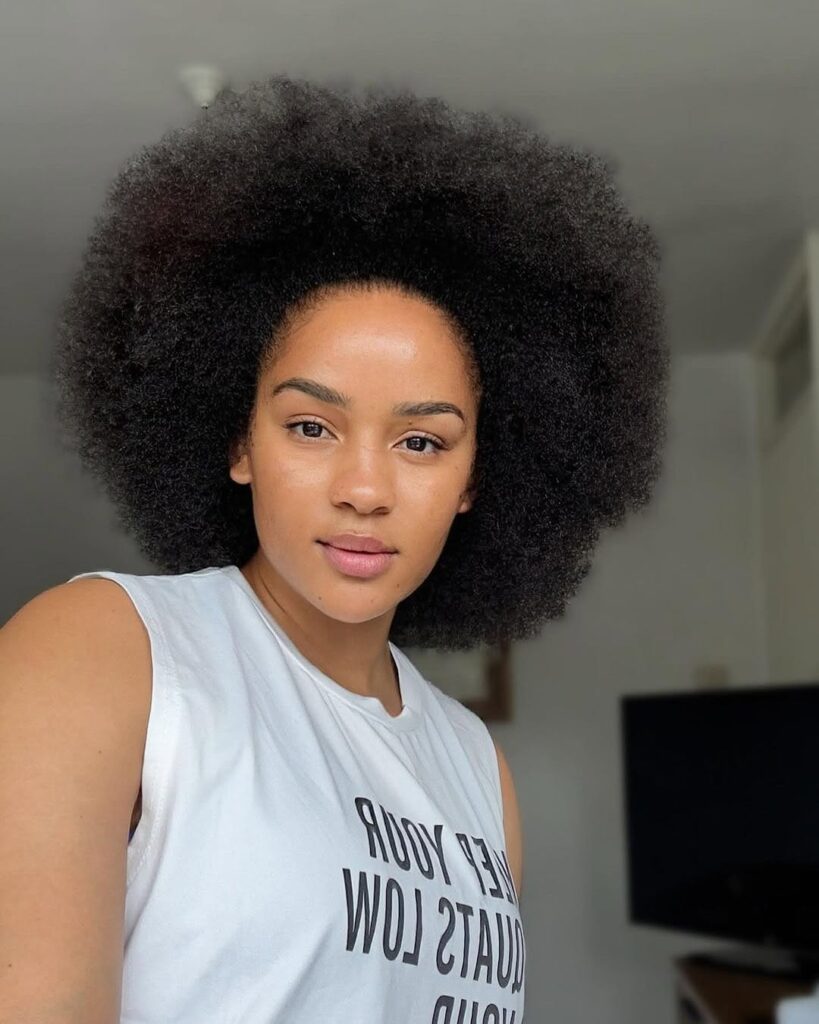
Daily Habits That Keep Afro Hair Healthy
1. Moisturize Your Hair Every Single Day
This is the most important daily habit you can build. Afro hair loses moisture fast, and if you’re not adding it back every day, your hair will be dry more often than not.
You don’t need to do a full routine every morning. A quick refresh is enough. Keep a spray bottle filled with water and a little leave in conditioner. Spray it lightly over your hair, then seal with a small amount of oil or cream.
The whole thing should take less than five minutes. But those five minutes every day make a difference you will actually feel by the end of the week.
Dry hair breaks easily. When your hair is consistently moisturized, it becomes more flexible and stronger, which means less breakage every time you touch or style it.
For a full routine that supports your daily moisture habit, read How to Build the Perfect Afro Hair Care Routine.
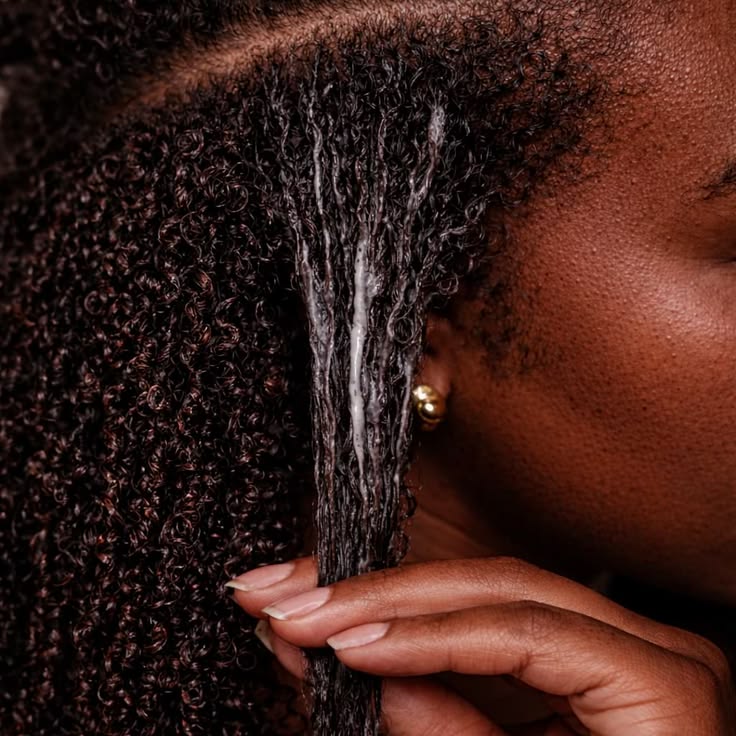
2. Hands Off Your Hair as Much as Possible
This one is hard for a lot of people, but it matters more than most people realize.
Every time you touch your hair, you disturb the curl pattern, remove moisture, and create opportunities for tangles and breakage. The more you handle your hair throughout the day, the more wear and tear it experiences.
Try to style your hair once in the morning and leave it alone for the rest of the day. Avoid constantly running your fingers through it, adjusting it, or pulling at it when you’re bored or distracted.
A client of mine had a habit of touching her hair all day long without even realizing she was doing it. She would twist sections, pull at her ends, and fluff her roots every hour.
Once we talked about it, she started paying attention and was shocked at how often her hands were in her hair. Reducing that habit alone helped her retain more length within just a few months.
If your hands are always in your hair, your hair never really gets a chance to just sit and be, give it that chance.
Find your favorite: Box Braids vs Knotless Braids: Which Is Better?
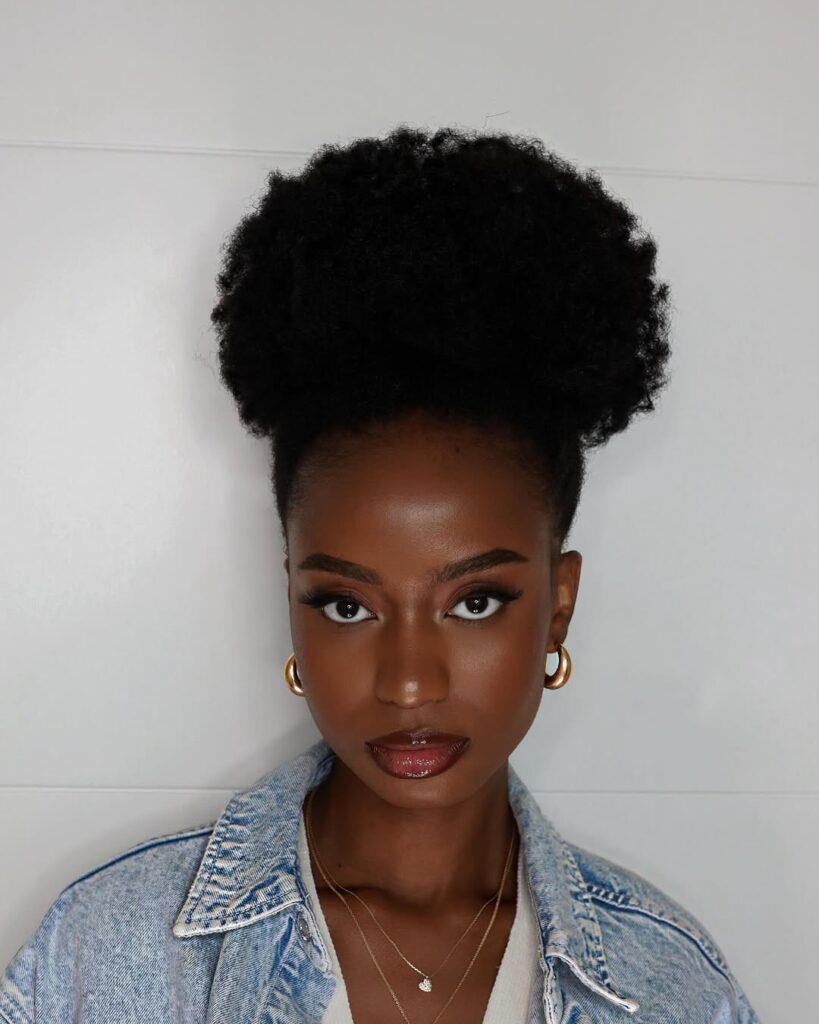
3. Protect Your Hair Before Bed Every Night
What happens while you sleep affects your hair more than most people think.
Cotton pillowcases pull moisture out of your hair and create friction that causes breakage overnight. You could do everything right during the day and still undo a lot of it by sleeping on the wrong surface.
Switch to a satin or silk pillowcase. If you don’t want to change your pillowcase, wear a satin bonnet or wrap your hair in a satin scarf before bed. Either option protects your hair from the friction and moisture loss that cotton causes.
Also put your hair in a protective style before sleeping. A loose pineapple on top of your head, two loose braids, or a low bun all work well. The goal is to keep your hair gathered and protected so it doesn’t rub all over the place while you move in your sleep.
This habit takes less than five minutes at night. But it protects your hair for the full eight hours you’re asleep, which adds up to a lot of protection over time.
For styles that hold up well overnight, check out 27 Wash and Go Hairstyles That Actually Last.

4. Drink Enough Water Every Day
Hair health starts from the inside, not just from the products you put on the outside.
Your hair needs water to grow well and stay strong. When you’re not drinking enough water, your scalp becomes dry, your hair becomes brittle, and growth slows down. No product in the world can fully make up for what water does from the inside.
Aim for at least eight glasses of water a day. If you struggle with this, start by keeping a bottle of water near you at all times and sipping throughout the day instead of trying to drink large amounts at once.
A client of mine had very dry hair that never seemed to respond well to any moisturizing product we tried. When I asked about her daily water intake, she admitted she barely drank water, mostly juice and soft drinks throughout the day.
Once she made a conscious effort to drink more water daily, her scalp became less flaky and her hair felt noticeably softer within just a few weeks.
Water is free and it works. Don’t overlook it.
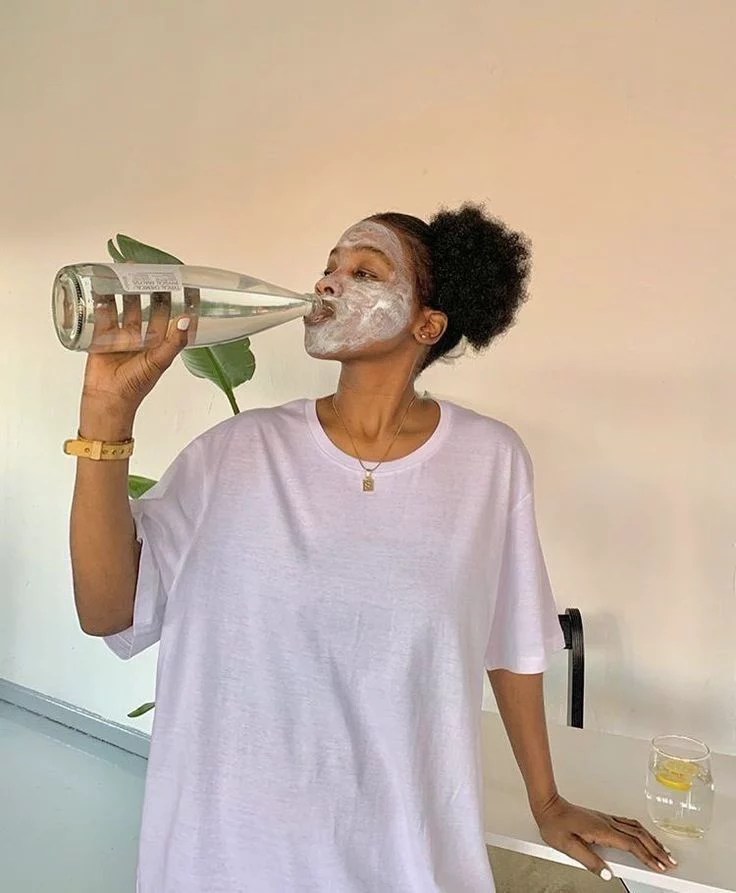
5. Eat Foods That Support Hair Growth
What you eat shows up in your hair over time. A diet that is missing key nutrients will slow down your hair growth and make your strands weaker than they should be.
Hair is made mostly of protein. So if you’re not eating enough protein, your hair will be the first place it shows. Add eggs, beans, fish, chicken, or nuts to your meals regularly.
Iron is also important because it helps carry oxygen to your hair roots. Low iron is one of the most common reasons for slow hair growth and increased shedding. Leafy greens, red meat, and lentils are all good sources of iron.
Vitamins also play a big role. Vitamin C helps your body use iron better. Vitamin E supports scalp health. Biotin, which is found in eggs and nuts, is well known for supporting hair strength.
You don’t need to overhaul your whole diet. Just make sure you’re eating a good mix of real food regularly. Your hair will reflect it over time.
More ideas you will love: 25 Afro Puff Styles You Will Love

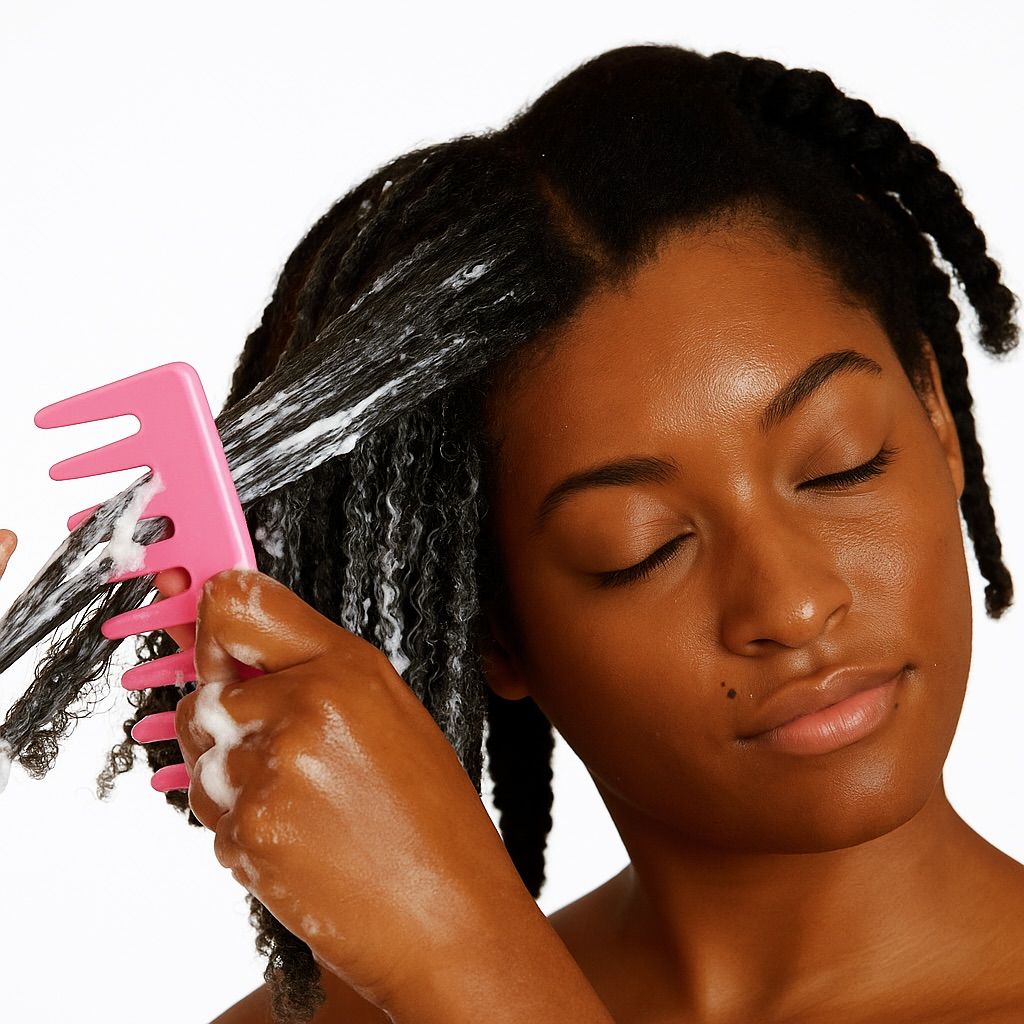
6. Detangle Gently and Carefully
Detangling is something most people do daily or every few days, which means it’s one of the habits with the most opportunity to either protect or damage your hair.
Always detangle on damp hair with product in it. Never try to comb through dry Afro hair. It will snap and break far more than it needs to.
Use a wide tooth comb or your fingers. Start from the ends of your hair and work your way up slowly toward the roots. This way you’re releasing knots from the bottom instead of forcing them down from the top, which is what causes the most breakage.
Work in sections. Trying to detangle all of your hair at once leads to more tangles, more pulling, and more frustration. Divide your hair into four or more sections and work through one at a time.
Be patient, If you hit a knot, don’t yank through it. Hold the section above the knot with one hand to reduce tension on your scalp, then gently work the knot out with your fingers before going back in with a comb.
You’ll love this too: 31 Quick Natural Hairstyles for Busy Mornings
7. Massage Your Scalp Regularly
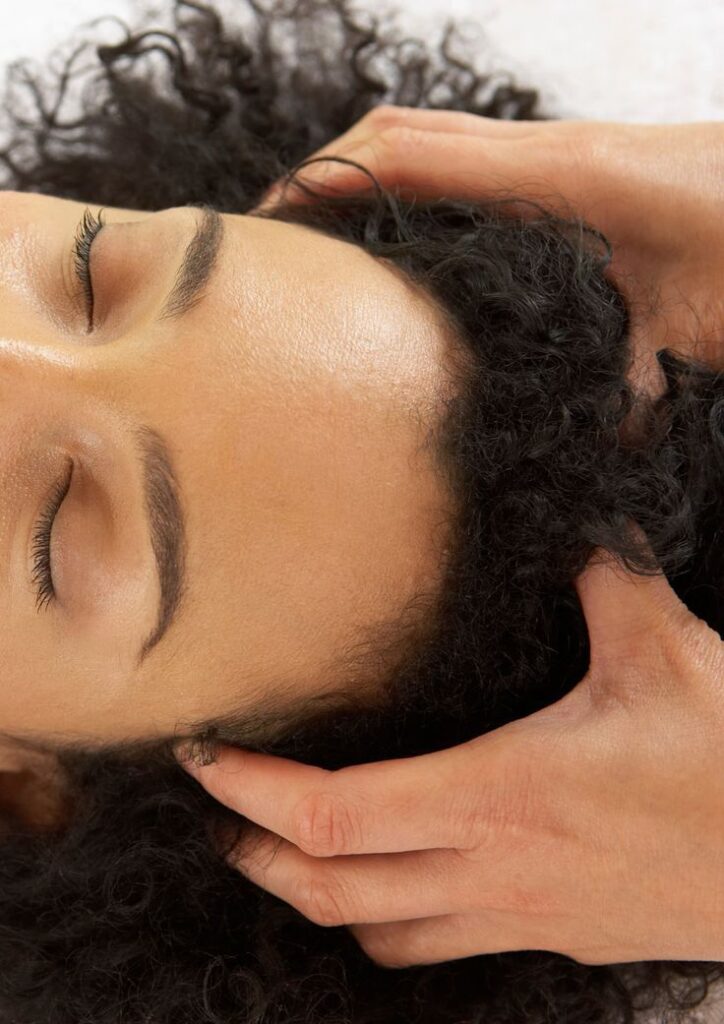
Scalp massages are one of the simplest and most overlooked daily habits for hair growth.
When you massage your scalp, you increase blood flow to your hair roots. More blood flow means more nutrients reaching your follicles, which supports stronger and faster growth over time.
You don’t need oil every time you do this. A dry scalp massage with just your fingertips works well. Use the pads of your fingers, not your nails, and move in small circular motions across your whole scalp.
Do this for three to five minutes a day. You can do it in the morning while your hair is damp, or at night before bed. It also relieves tension in the scalp, which is especially helpful if you wear tight styles often.
If you want to use oil during your massage, light oils like jojoba or peppermint diluted in a carrier oil work well for stimulating the scalp.
For more on how scalp health connects to your overall routine, read How Often Should You Wash Afro Hair?.
8. Keep Your Ends Moisturized
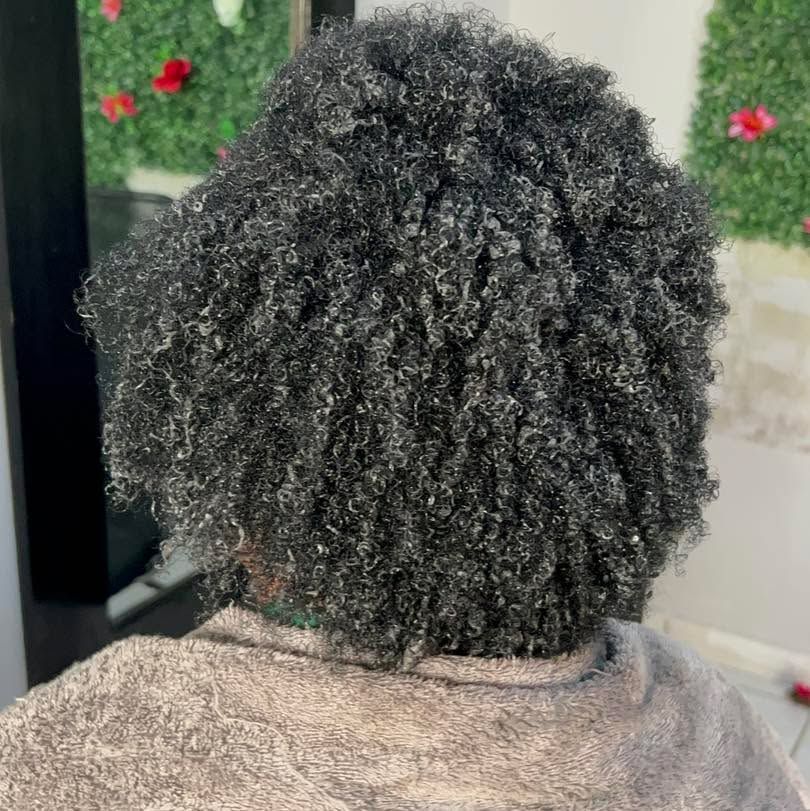
Your ends are the oldest part of your hair. They’ve been through the most handling, the most styling, and the most exposure to the elements. So they need more attention than the rest of your hair.
When you moisturize your hair daily, pay extra attention to your ends. Add a little more product there than you do at the roots. Seal your ends with an oil or butter every day to keep them from drying out and splitting.
Protective styles also help protect ends because they keep them tucked away from constant rubbing against your clothes and shoulders. If you’re not in a protective style, check your ends every few days to see how they’re feeling.
Rough, dry, or thin ends are a sign they need more moisture or a trim. Don’t ignore those signs. Catching them early saves you from more breakage later.
Worth a look: Feed-In Braids That Protect Your Edges
9. Avoid Heat Every Day
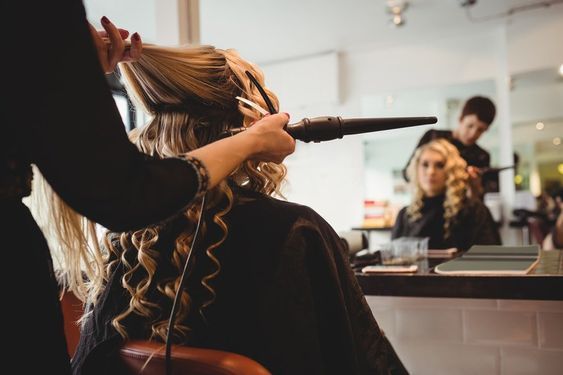
Heat is one of the biggest causes of long term damage in Afro hair, especially when it’s used too often.
Blow dryers, flat irons, and curling wands all work by using high temperature to change the shape of your hair. Done occasionally with the right protectant, they’re fine. Done daily or even weekly without protection, they slowly break down the structure of your hair strand.
Make low manipulation and heat free styles your everyday default. Twist outs, braid outs, puffs, and bantu knot outs all give beautiful results without any heat at all.
Save heat for special occasions. And when you do use it, always use a heat protectant first, keep the temperature as low as possible to get the result you want, and never go over the same section more than once.
For beautiful heat free style ideas to wear every day, read 35 Easy Afro Hairstyles for Beginners.
10. Be Consistent With Protective Styling
Protective styling isn’t just something you do once in a while. It should be a regular part of your hair care habit.
When your hair is in a protective style, it gets a real break from daily manipulation. Your ends are tucked away, your strands aren’t being pulled or touched constantly, and your hair can just grow in peace.
Aim to wear a protective style for at least two weeks out of every month. During that time, focus on keeping your scalp moisturized and clean even while the style is in.
Don’t neglect your hair just because it’s in a protective style. Protective styles protect the hair you can see. But the hair underneath still needs moisture and scalp care to stay healthy.
For style ideas that protect your hair well, read 27 Best Protective Styles for Afro Hair.
11. Trim Regularly
Trimming is a habit, not a one time event. And it belongs in your regular routine just like washing and moisturizing.
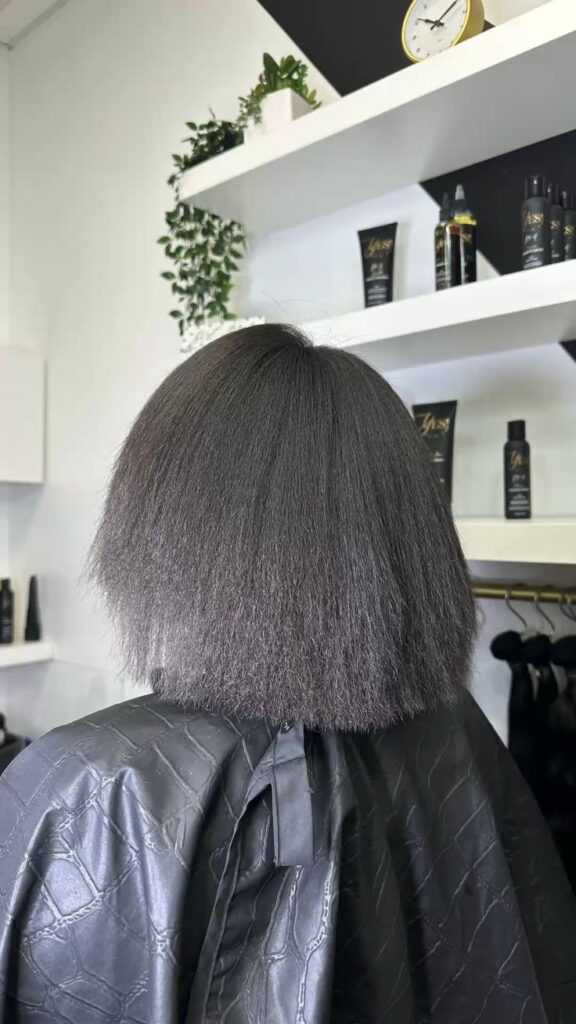
Split ends don’t stay at the tip of your hair. They travel up the strand over time, and as they do, the strand becomes weaker and breaks higher and higher up. This is why people who skip trims often feel like their hair isn’t growing, when really it’s breaking off at the same rate it grows.
Trim every eight to twelve weeks. It doesn’t need to be a lot. Even just taking off the very tips is enough to remove damage before it travels further.
Make it a habit to check your ends between trims too. If you feel rough, thin, or see through sections before your scheduled trim, go ahead and take them off early. Waiting for a scheduled date when the damage is already visible isn’t serving your hair.
You need this for your Afro Hair journey: Everything You Need to Know About Protective Styling
12. Stay Consistent Even When Progress Feels Slow
This is the habit that holds all the others together.
There will be weeks where your hair doesn’t look or feel any different from the week before. There will be days where your hair doesn’t cooperate no matter what you do. These moments are normal, and they are not a sign that your routine isn’t working.
A client of mine almost stopped her whole routine after two months because she felt like nothing was changing. I told her to keep going and take a photo. When she compared it to her photo from two months earlier, the difference was clear. Her hair was softer, her edges were fuller, and her ends looked healthier. She just couldn’t see it because she was too close to it every day.
Progress in hair care is slow and quiet. It doesn’t announce itself. You only really see it when you look back at where you started.
So keep going. Keep moisturizing, keep protecting, keep trimming, keep showing up. The results are building even when you can’t see them yet.
For style inspiration to keep you motivated on the journey, read 75 Beautiful Afro Hairstyles You’ll Want to Save.
A Few Final Things Worth Knowing
Daily habits are what separate people who talk about wanting healthy hair and people who actually have it. Products help. Wash day helps. But what you do every single day is what really moves the needle.
You don’t have to be perfect every day. Missing one day of moisturizing won’t ruin your hair. Forgetting your bonnet one night won’t undo months of work. What matters is what you do most of the time, not what happens on your worst days.
Start with two or three habits from this list and build from there. Don’t try to change everything at once. Pick the ones that feel most manageable and do them consistently until they feel natural. Then add more.
Your hair is worth the daily effort. And the more consistent you become, the easier it gets, until the habits stop feeling like habits at all. They just become part of how you live.
For more on wash day as the anchor of your weekly routine, read The Complete Wash Day Routine for Afro Hair.