
Could Your Favorite Hairstyle Be Damaging Your Hairline?
Disclosure: Some of the links in this post are affiliate links. This means if you click on the link and purchase an item, I will receive an affiliate commission at no extra cost to you.
Your hairline is getting thin but you do not notice it, Because you love your favorite hairstyle more than you love your edges.
Your go-to hairstyle might be doing more harm than you realize right now. The style you reach for on busy mornings could be quietly thinning your edges.
That sleek bun, that tight ponytail, that laid style you post every week, it looks good on camera. But it might be pulling your hairline apart, one small tug at a time.
This is not about scaring you away from styles you genuinely love wearing. But a lot of people only realize what I’m saying after reading things like 15 reasons your afro hair isn’t growing. They read it and slowly realize their own edges fit the pattern too closely.
Once you understand how tension works, you can enjoy your favorite styles more safely. Most people never suspect their go-to style until a stylist points it out during a visit.
Even stylists who love a particular look will often flag it if worn too often. Let’s look at what might really be happening at your hairline, which styles are the real problem here. Let’s also talk about how you can still look sharp without losing your hairline in the process.
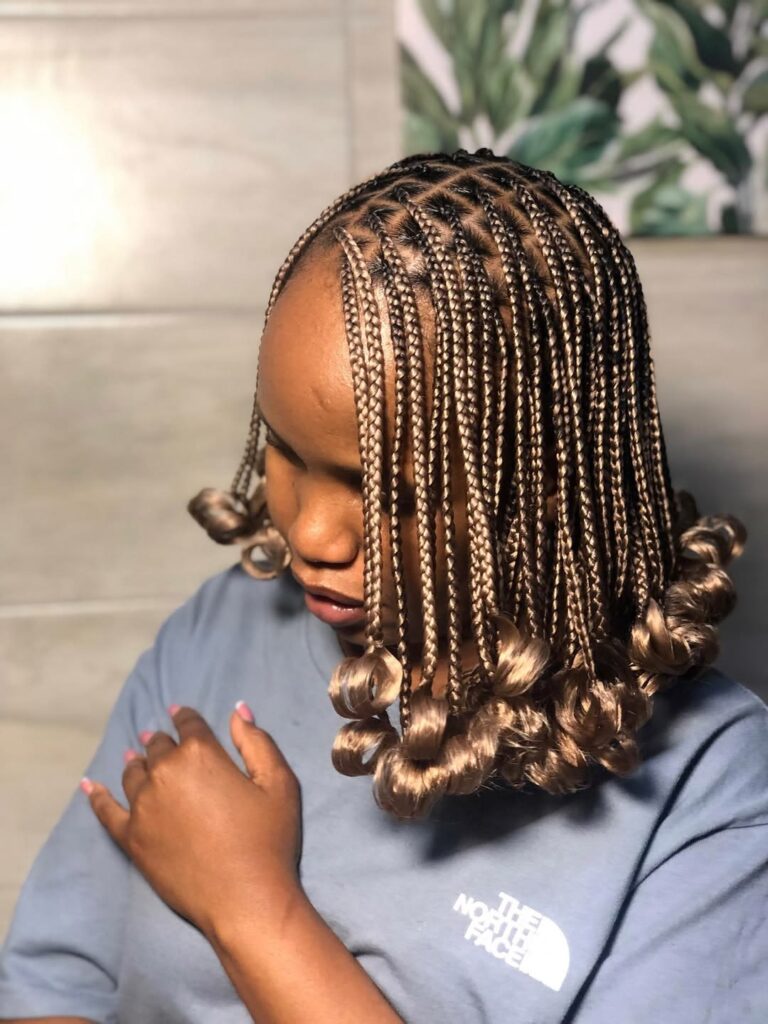
Could Your Favorite Hairstyle Be Damaging Your Hairline?
Why This Question Is Worth Asking
Most people never think about their hairline until it starts visibly thinning out. By then, months or even years of quiet tension have already done damage.
Asking this question early gives you a real chance to catch problems sooner. It is not about giving up styles you love, just wearing them more wisely.
A little awareness now can save you from frustration and regret much later. Prevention takes far less effort than trying to reverse damage after it fully sets in.
Most people find prevention surprisingly easy once they know exactly what to watch for. A single honest look at your usual styling routine is often all it takes to start.
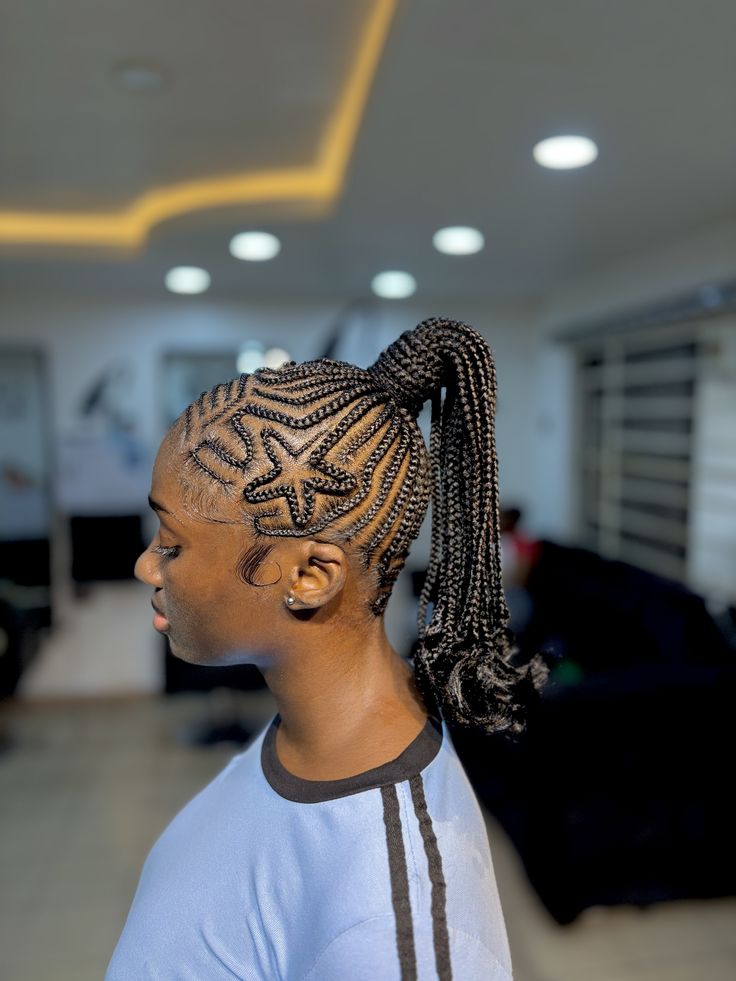
What Traction Alopecia Actually Means
Traction alopecia is hair loss caused by repeated pulling or tension at the roots. It usually shows up first along the hairline, edges, or temples of your scalp.
Unlike other types of hair loss, this kind is often preventable with small changes. Catching it early makes recovery far easier than catching it after months of damage.
The earlier you notice tension, the more control you have over the outcome. Left unaddressed for years, this type of hair loss can eventually become permanent in some cases.
This is exactly why awareness matters more than any single product or technique. A doctor or dermatologist can confirm the diagnosis if you are ever unsure.
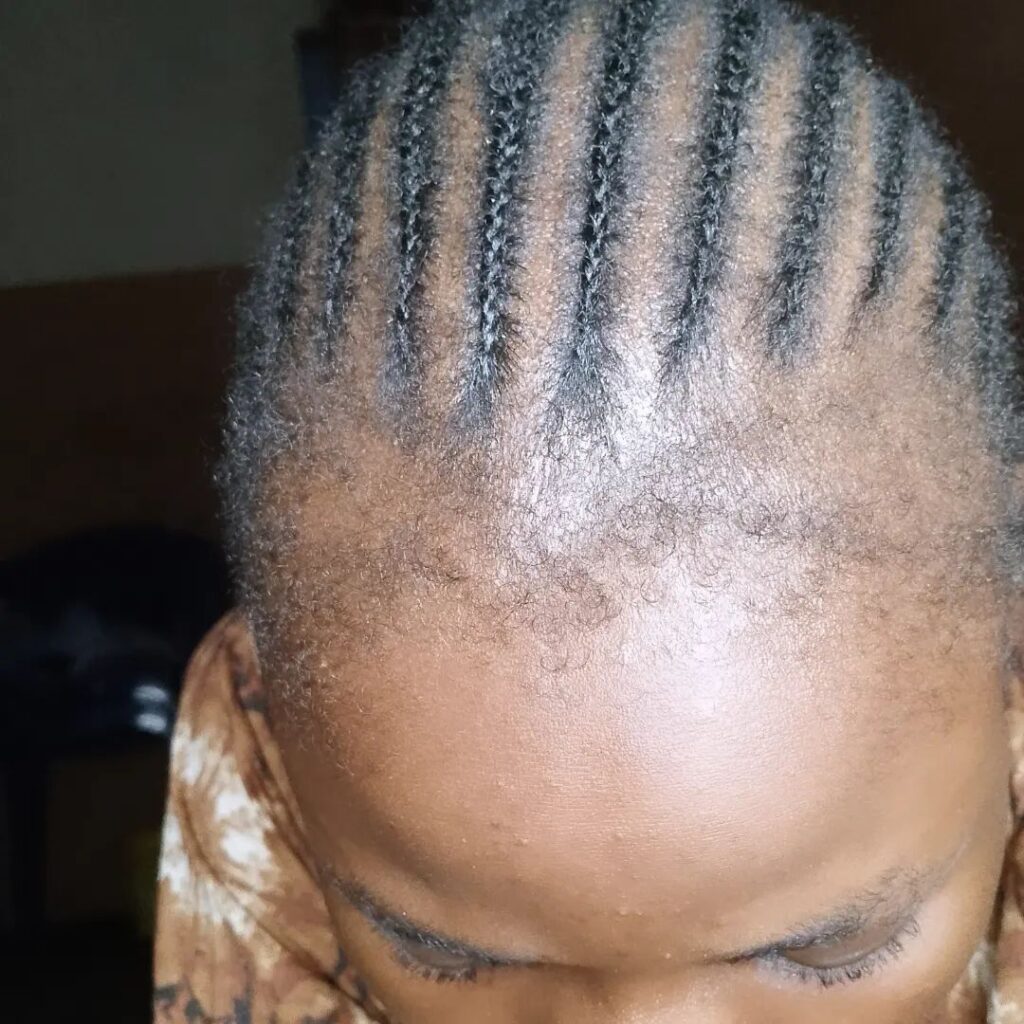
How Tight Styles Pull On Your Hairline
Any style that pulls your hair tightly at the root puts stress on your follicles. Over time, this stress weakens the follicle’s ability to hold hair in place.
You might not feel pain every time, but pain is not the only warning sign. A style can feel fine and still be causing slow, steady damage underneath.
Tightness that feels normal today may not have felt normal a year ago. Your scalp can adapt to constant pressure, which makes the damage even easier to miss.
This adaptation is exactly why so many people are caught off guard by thinning edges. By the time tension feels normal, real caution is usually already overdue.

The Ponytail Problem No One Talks About
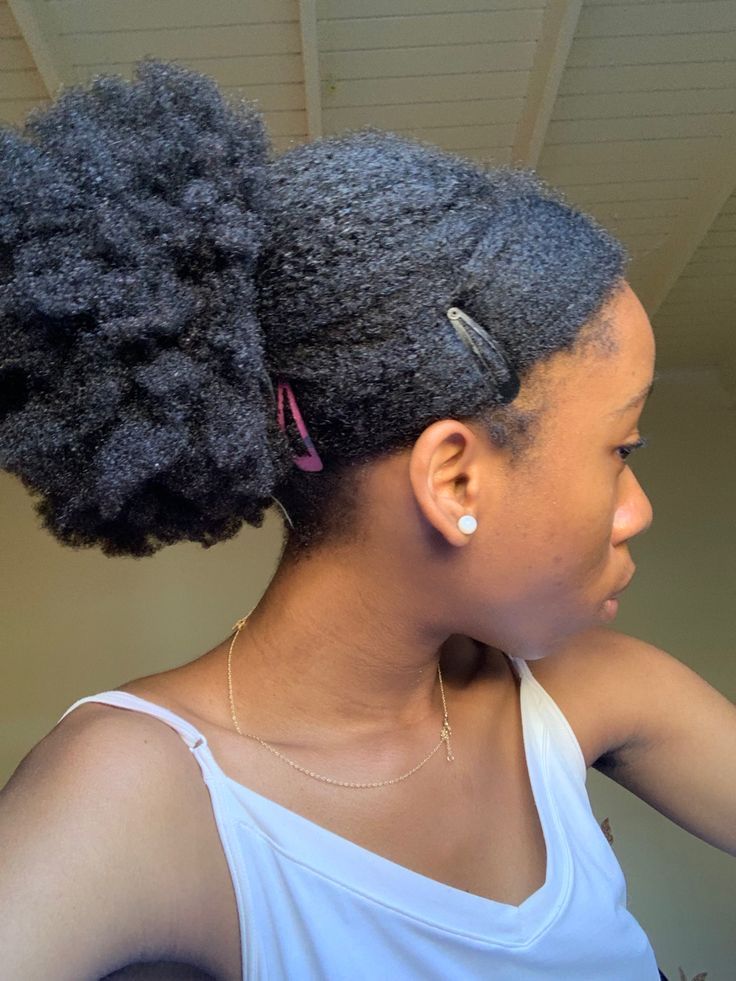
High, tight ponytails are one of the most common causes of hairline stress. The higher and tighter the pull, the more pressure your edges absorb daily.
Wearing this style occasionally rarely causes lasting harm on its own. Wearing it nearly every day, for months, is where real damage tends to start.
Alternating your part and pull direction can reduce repeated stress in one spot. A slightly lower ponytail often looks just as sleek while pulling far less on your edges.
Small styling adjustments like this rarely sacrifice the look you are actually going for. Even a half inch lower can meaningfully reduce the pull on your hairline.
Braids, Locs, and Tension You Might Not Notice
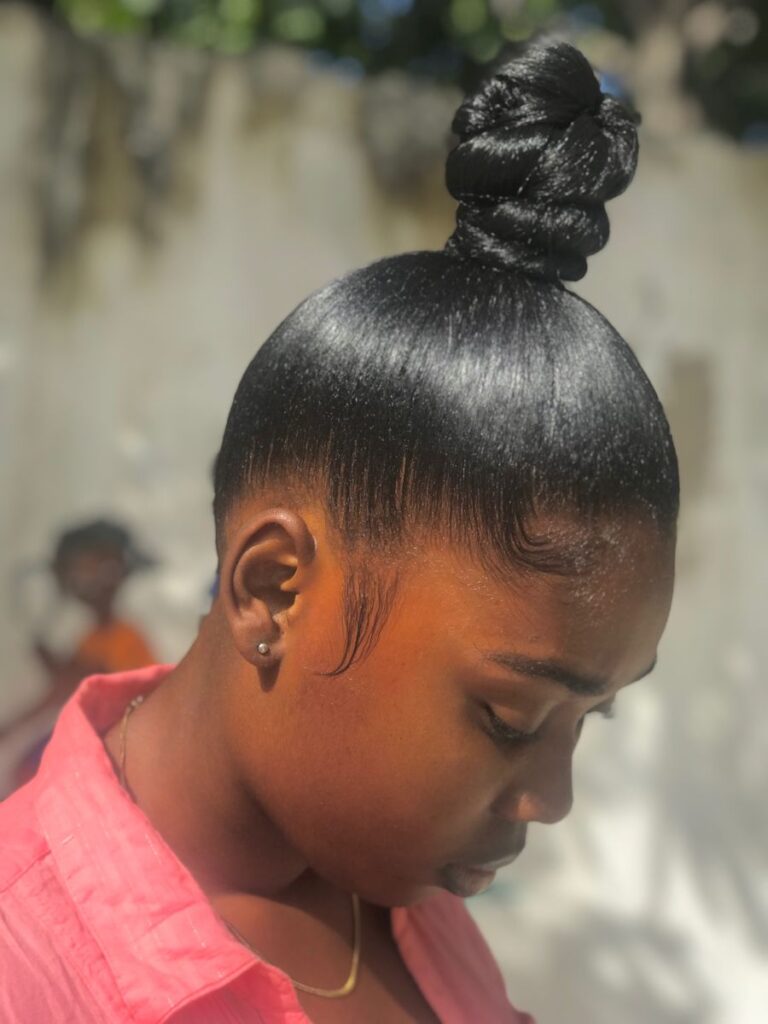
Braids and locs are wonderful protective styles when installed with the right amount of tension. Problems start when the base of each braid or loc is pulled too tightly.
This tension often feels normal after a day or two, even when it is not. Nicole, a longtime client, wore tight braids for years without realizing the damage building up.
By the time she noticed thinning edges, months of tension had already taken a toll. She now asks her stylist to check tightness carefully at every single install.
That one conversation has made a real, visible difference in how her edges look today. Nicole says she wishes she had asked that question years earlier than she did.

The Truth About Slicked Edges
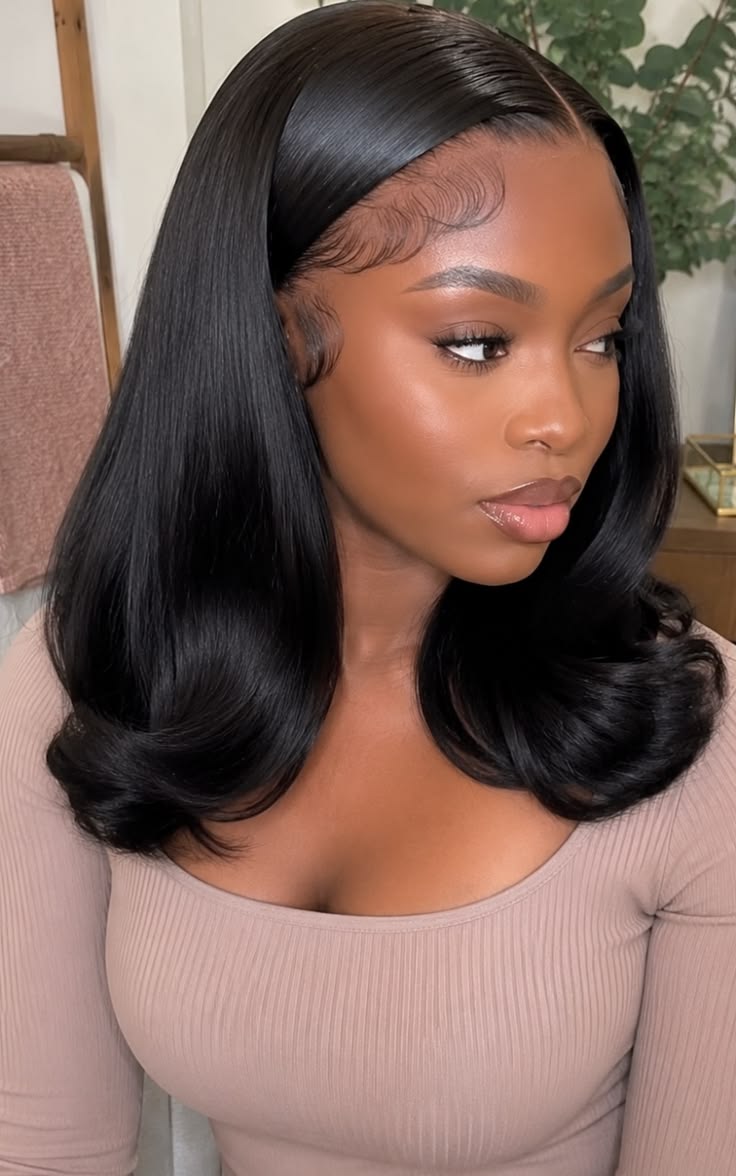
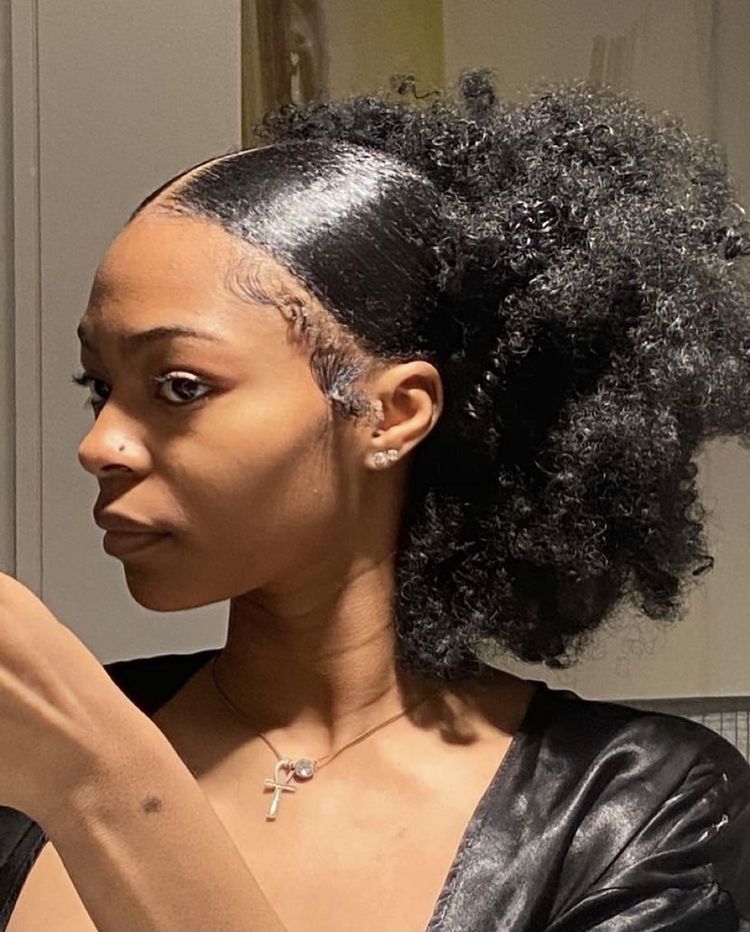
Slicked edges look sleek and polished, but the process behind them is not always gentle. Brushes, gels, and constant smoothing can quietly stress the hairline over time.
This becomes even more of a concern paired with how to blow dry afro hair without damage. Heat adds further strain right on top of existing tension.
Heavy product buildup near the hairline can also weaken strands already under tension. A softer edge style, done less often, protects your hairline far better long term.
Softer styles also cut down on daily brushing, which reduces friction near the roots. Giving your edges a rest day now and then makes a real difference.
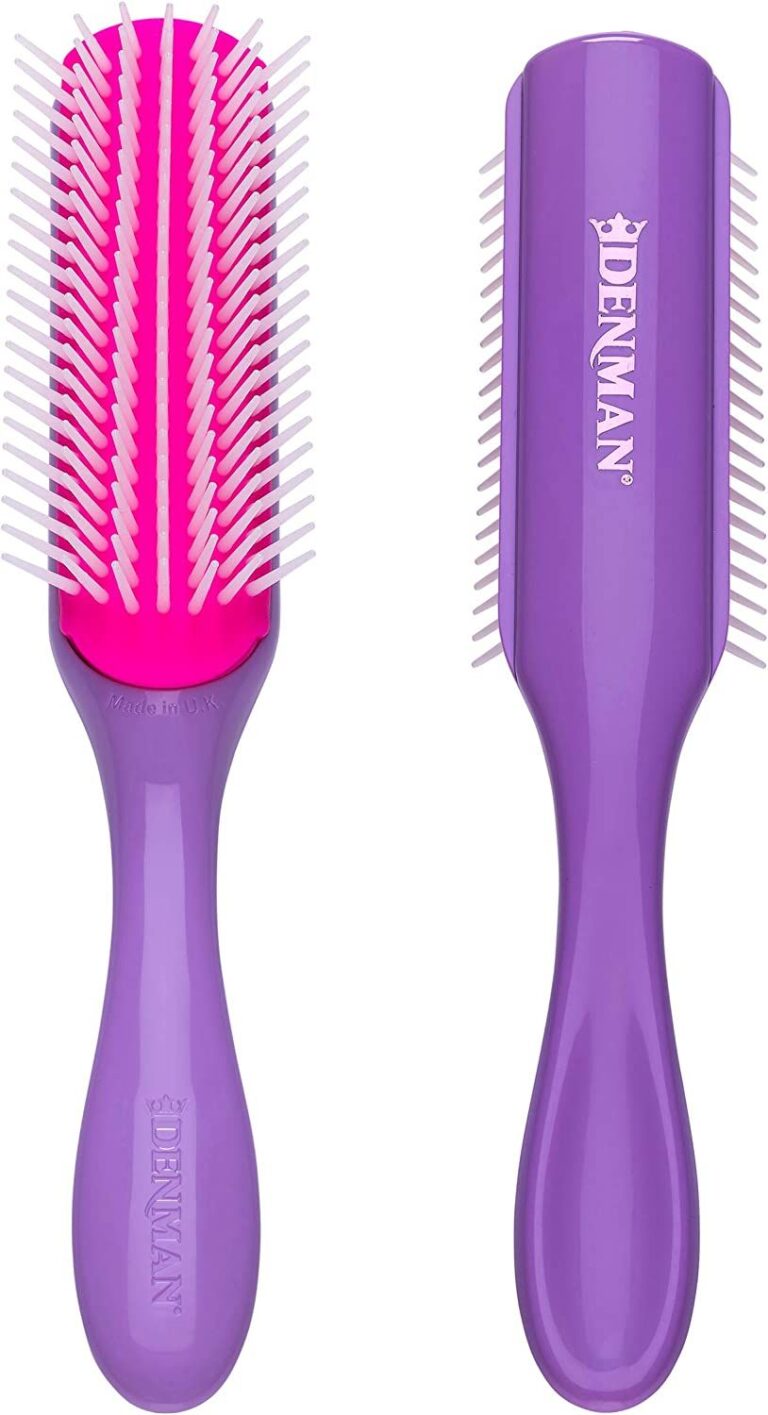
Even switching brush types, from bristle to a softer boar brush, can lower daily stress.
How Wigs and Closures Can Stress Your Hairline
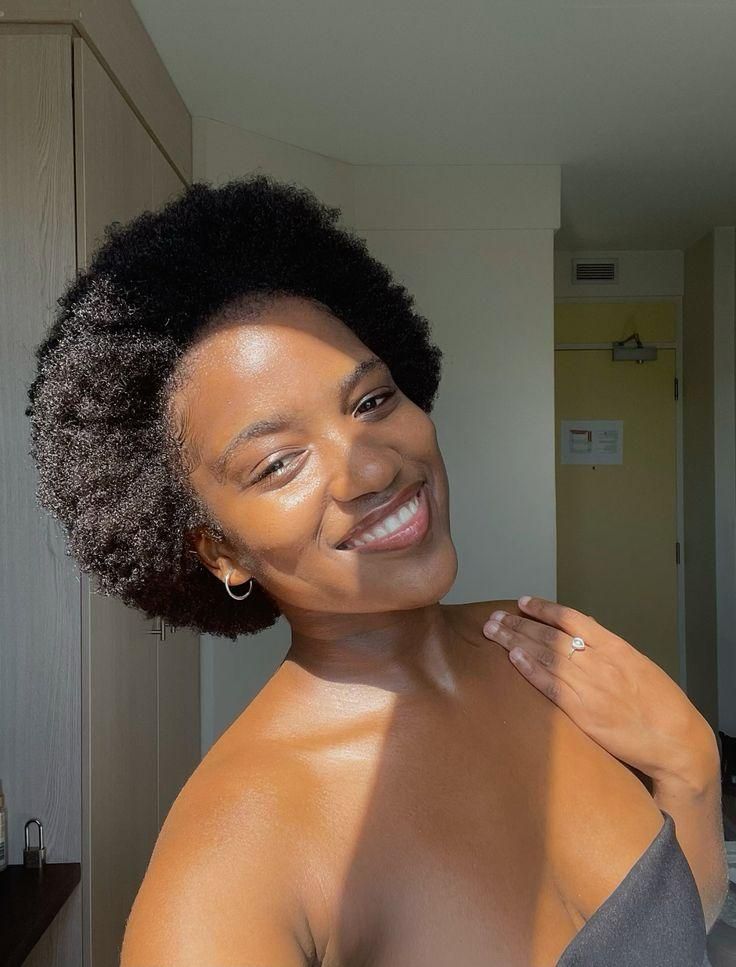
Wigs and closures rely on tension to stay secure, which can strain your natural hairline.
This connects directly to a beginner’s guide to wigs for natural hair, since proper application makes a real difference.
Skipping proper technique is one of the biggest wig mistakes that damage your hair people make repeatedly.
Melting a closure too tightly, or gluing directly onto stressed edges, adds unnecessary risk. A secure fit does not have to mean an uncomfortably tight one.
Ask your installer to test the hold gently rather than pulling as tight as possible. A well trained installer should never need excessive tension to make a style last.
If a fitting leaves your scalp sore for days afterward, that is worth mentioning at your next visit.
Signs Your Hairline Is Already Under Stress
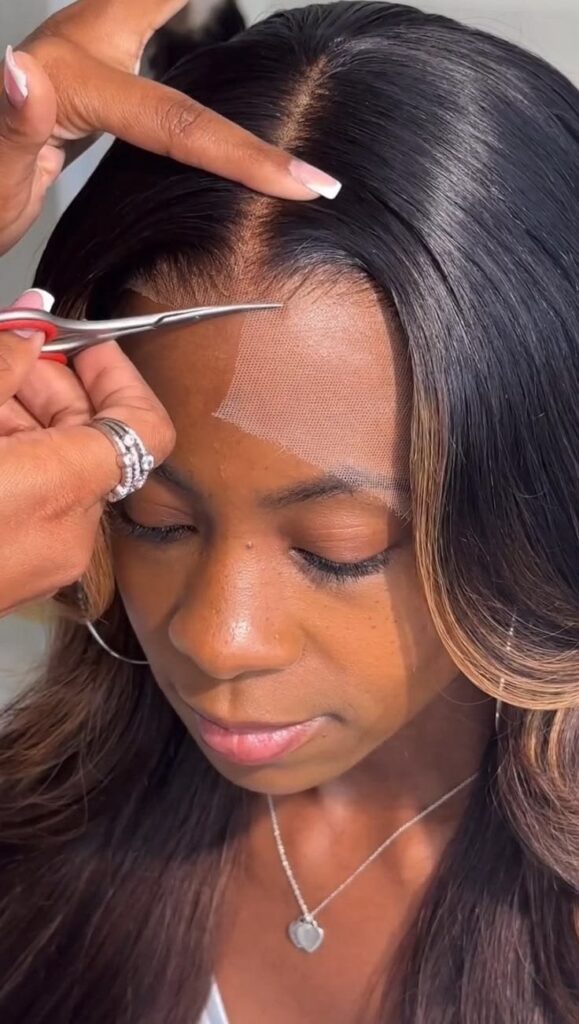
Small bumps along the hairline are often an early, easy to miss warning sign. Redness, tenderness, or mild pain after removing a style should never be ignored.
Thinning that seems to appear gradually, rather than all at once, is another clue. This pattern often overlaps with the hidden mistake that’s breaking your hair every week.
Small stresses tend to quietly stack together and build over time. Catching these signs early gives your hairline the best chance to fully recover.
Waiting for obvious bald patches usually means the damage has already gone on too long. A quick monthly check in the mirror can catch changes long before they feel obvious.
Comparing photos taken a few months apart can also reveal changes that daily glances miss entirely.
Why Some Hairlines Are More Sensitive Than Others
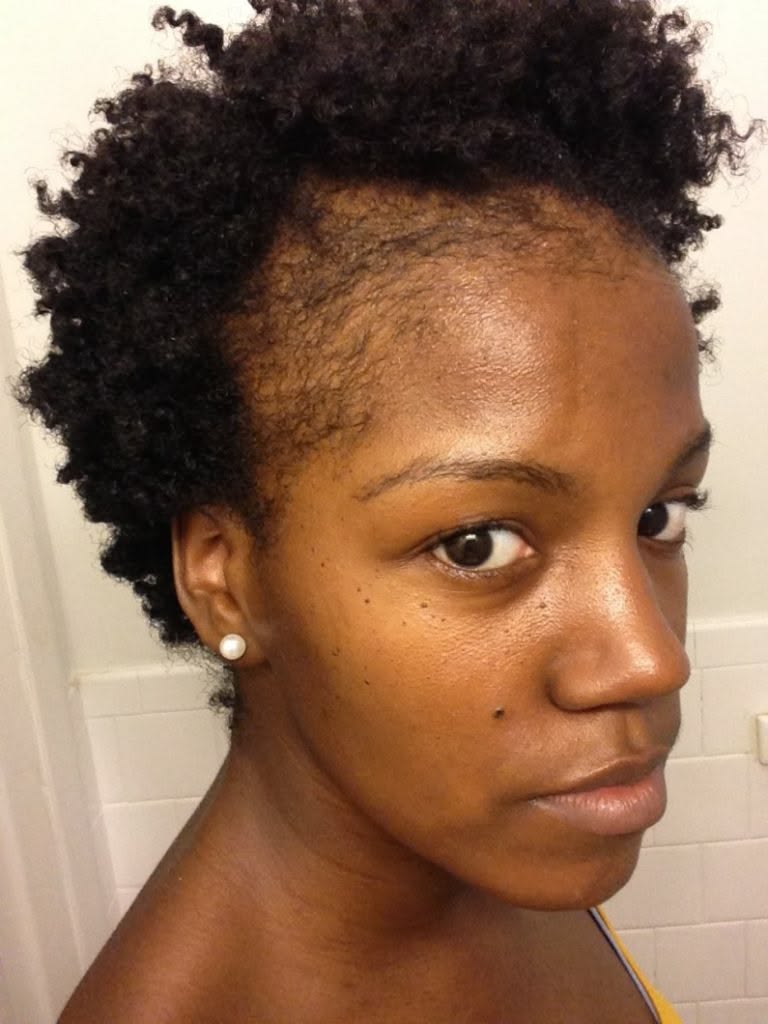
Not everyone’s hairline reacts to tension in exactly the same way or at the same pace. Genetics, hair texture, and past styling history all play a role in sensitivity.
Someone with a naturally finer hairline may need to be extra cautious with tight styles. Someone with a more resilient hairline still is not fully immune to long term damage.
Knowing your own sensitivity helps you make smarter choices about which styles to wear often. Pay attention to how your own hairline has reacted to specific styles in the past.
Comparing notes with a stylist who knows your history can also reveal useful patterns. Family history of thinning edges is also worth mentioning during your next salon visit.
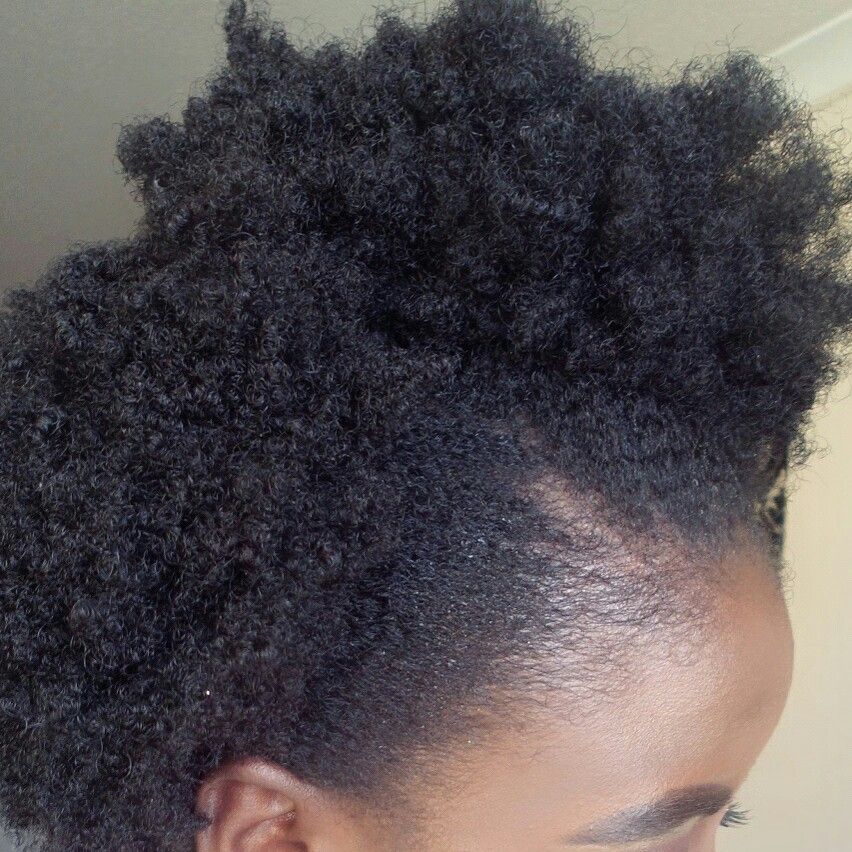
The Role of Styling Products in Hairline Damage
Heavy gels and waxes used near the hairline can trap tension against the scalp. Alcohol based products can also dry out already stressed skin along the edges.
This is worth considering if you also enjoy the complete beginner’s guide to silk presses, since product buildup compounds easily.
Lighter products near the hairline reduce unnecessary strain on already sensitive skin. Choosing gentler formulas is a small change that protects a very visible part of your hair.
Reading labels closely near your hairline matters just as much as it does everywhere else. A short ingredient list is often a good sign for this delicate area specifically.
Testing a new product on a small patch first can also help avoid unwanted surprises.
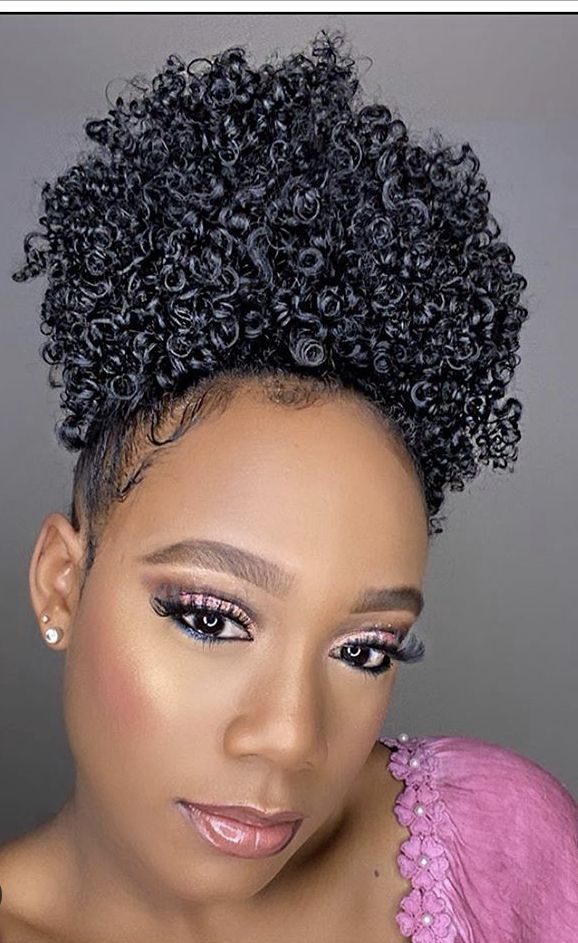
How Often You Wear a Style Matters Too
A tight style worn once in a while rarely causes lasting hairline damage. The same style worn constantly, week after week, tells a very different story.
This is similar to weighing silk press vs blowout, what’s the difference. Frequency often matters more overall than the actual method itself.
Rotating your styles gives stressed areas real time to recover between installs. Variety is not just for looks, it genuinely protects your hairline’s long term health.
Think of frequency as the dial that controls how much stress accumulates over time. Even a two week gap between repeated styles can make a noticeable difference.
Rotating between three or four go-to styles is often enough to give your hairline real rest.
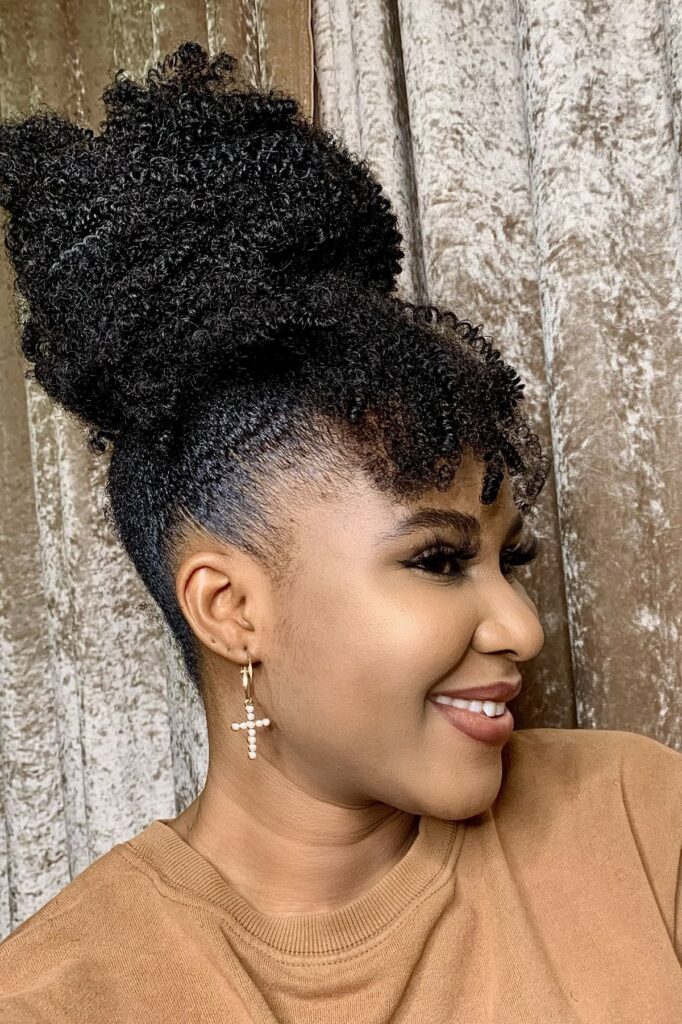
Why Repetition Makes This Worse Over Time
Repeating the exact same tension pattern in the same spot compounds the damage each time. Follicles that never get a break struggle to fully recover between styles.
This connects to heat protectant mistakes you might be making, since repeated stress without protection speeds up harm.
Small breaks between repeated styles give your hairline genuine room to bounce back. Consistency in protection matters just as much as consistency in styling itself.
Even shifting your part line slightly can spread the pressure across a wider area. Small variations like these cost nothing and add up to real protection over time.
Over months, this kind of small rotation habit becomes almost automatic.
How to Check If Your Style Is Too Tight
Press gently along your hairline right after installing a new style. Noticeable pain, tightness, or a headache are all signs the style is too tight.
Your scalp should feel secure, not sore, tender, or uncomfortably stretched. This ties into why your twist-out never looks like everyone else’s, since excess tension can also flatten curl definition.
If a style hurts on day one, it will likely cause more damage over time. Trust your own comfort over anyone else’s opinion about how the style should feel.
A style that looks great but hurts constantly is rarely worth the trade-off. Speaking up early, before the discomfort becomes routine, is always worth the awkward conversation.
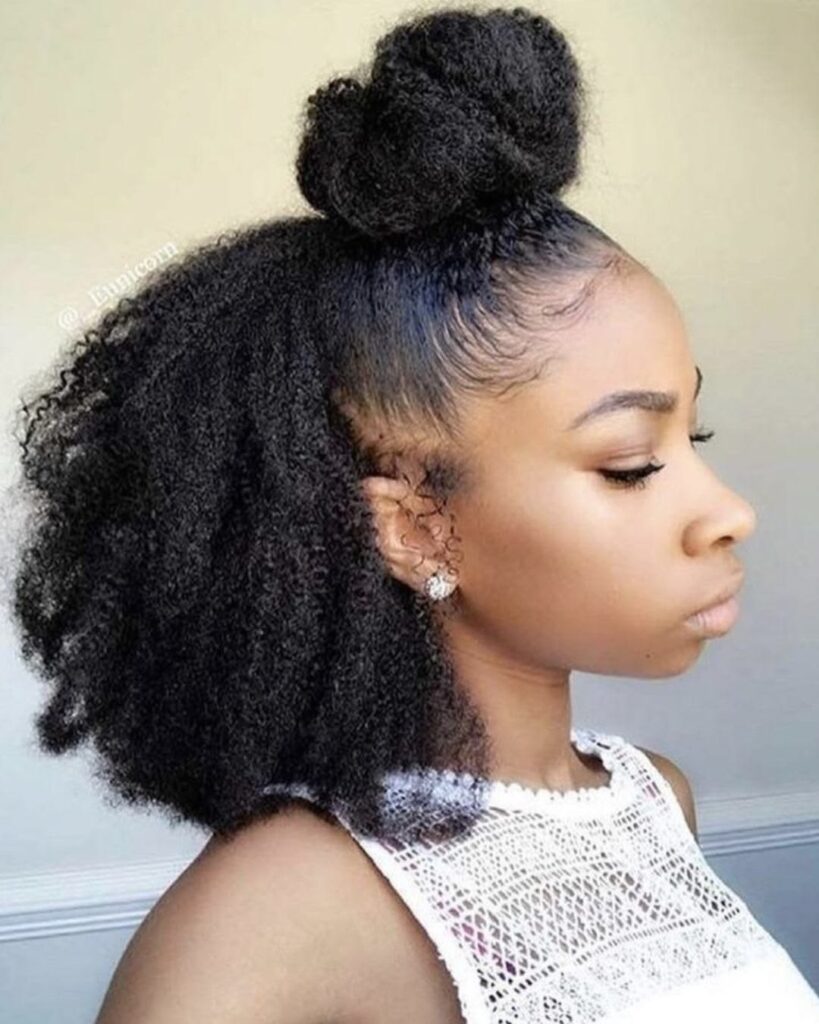
Simple Adjustments That Protect Your Hairline
Asking your stylist to slightly loosen your part or edges makes a real difference. Following how to prep your hair before installing a wig properly also reduces unnecessary tension at the root.
Choosing lower, looser versions of your favorite styles protects your hairline without sacrificing style. Jordan, a client who loved sleek buns, switched to a slightly looser version instead.
He kept the look he loved while giving his hairline real room to recover. Small adjustments like these rarely change how a style looks from the outside.
Most people who see the difference cannot even tell the tension was ever reduced. Jordan now recommends the same small tweak to every client who asks about his edges.

When to Give Your Hairline a Real Break
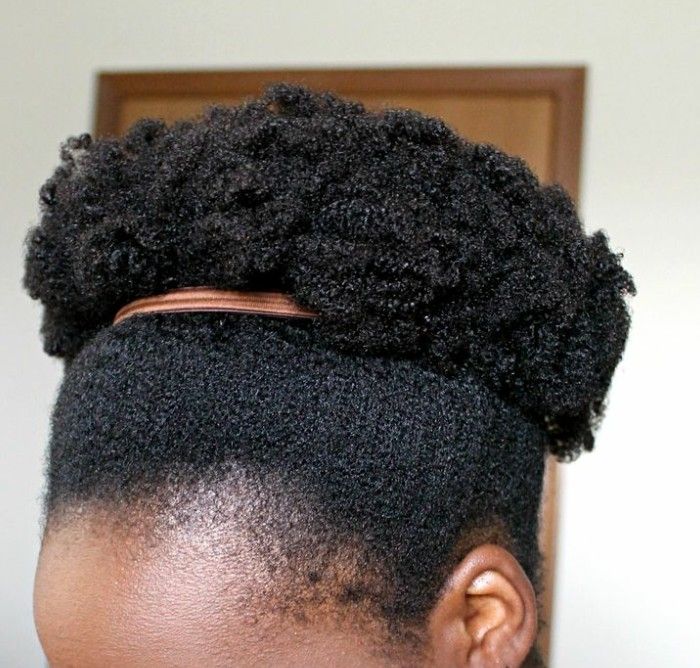
A hairline break means low or no tension styles for a few weeks at least. Following how to care for afro hair under a wig during this time supports recovery even further.
Loose twists, buns, or simply wearing hair down all count as genuine breaks. This period lets stressed follicles rest before facing tension again in future styles.
Think of it as maintenance, not a punishment for wearing styles you love. Scheduling a break between installs, just like scheduling the install itself, keeps you consistent.
Marking it on a calendar makes it far less likely to get skipped entirely. Treat the break as non negotiable, the same way you would treat any other appointment.
How This Connects to Other Hair Habits
Hairline stress rarely exists completely on its own, separate from everything else.
It often overlaps with why your hair still feels dry after moisturizing, since dry, weak strands break under tension faster.
Addressing multiple small habits together produces better results than fixing just one alone. A full routine review often reveals more connected issues than people initially expect.
Small adjustments across several habits add up to much stronger long term protection. Looking at your whole routine, not just one habit, gives you the clearest picture.
Once you see the full picture, priorities usually become much easier to set. Tackling one connected habit at a time keeps the process from feeling overwhelming.
Common Myths About Hairline Damage
Many people believe pain means a style is working, not warning you of damage. This myth alone has caused countless hairlines to thin unnecessarily over the years.
Another myth claims only certain hair types are prone to this kind of damage. This simply is not true, since tension affects nearly every hair type given enough time.
If you also follow how to keep a sil‘k press looking fresh longer, remember that tension myths apply there too.
Questioning advice that normalizes pain is one of the best habits you can build. A stylist who dismisses your discomfort is not necessarily giving you accurate information.
Trust your own body over any tradition that treats pain as a sign of success.

How Long Recovery Actually Takes
Mild hairline stress often improves within a few weeks of reduced tension. More significant thinning can take several months of consistent, gentle care to improve.
This mirrors the patience required in how long should you wear a wig continuously, since hair habits rarely change overnight.
Patricia, a neighbor who dealt with noticeable thinning, saw real regrowth after roughly four months. Consistency, not speed, is what ultimately determines how well your hairline recovers.
She now credits patience, more than any single product, for her regrowth. Patricia still checks her hairline monthly, even now that her edges have mostly filled back in.
She says the habit of checking has become as routine as washing her hair.

Final Thoughts on Protecting Your Hairline
Your favorite hairstyle does not have to be permanently off limits because of tension concerns. Small adjustments, occasional breaks, and paying attention to warning signs go a long way.
Your hairline can handle tension occasionally, it just cannot handle constant, unrelenting pressure. Protecting it does not mean giving up style, it means styling a little smarter.
Small, informed choices now protect the styles you will still want to wear years from now. Nothing here requires giving up the looks that make you feel most like yourself.
Most people find that once they know the signs, protecting their hairline becomes second nature.
Awareness is the real first step toward protecting your hairline long term. Pay attention, adjust when needed, and give your edges the breaks they deserve. Your hairline works hard for every style you wear, so give it the same care back. Consistent, small choices now are what protect your options for years to come. Start with one small adjustment today, and let the rest follow naturally from there.


9 Comments