
The Difference Between Breakage And Shedding
Disclosure: Some of the links in this post are affiliate links. This means if you click on the link and purchase an item, I will receive an affiliate commission at no extra cost to you.
You touch your hair and see loose strands everywhere. Panic sets in fast. But wait, not all hair loss means the same thing is wrong with you. Some people notice this after a wash. Others notice it while sleeping or styling.
Some of it is shedding, which is completely normal and happens to every single person daily. Some of it is breakage, which usually points to a real problem that needs fixing quickly before it spreads further.
They look similar at first glance, but they come from very different causes and need very different solutions entirely.
Knowing which one you are actually dealing with changes everything about how you approach fixing it. If you have already read how to stop excessive hair shedding, you already understand one half of this puzzle clearly.
This post fills in the other half so you can finally tell the two apart with real confidence, instead of guessing every time you find loose hair.
Many people spend months trying random products, hoping something eventually works, without ever figuring out which problem they are actually facing.
That kind of guessing wastes both time and money, and it often leaves your hair no healthier than before you started. Once you learn to properly identify the real cause, your entire approach to hair care becomes far more focused and effective.
The Difference Between Breakage And Shedding
What Is Hair Shedding, Really
Shedding is a completely normal part of your hair’s natural life cycle, something every single strand goes through on its own timeline.
Every strand on your head grows for a while, rests for a bit, then eventually falls out on its own to make room for brand new growth underneath it.
This happens to everyone daily, even people with the healthiest, fullest looking hair you can imagine walking around with confidence.
It is simply part of how hair naturally renews itself, whether you personally notice it happening or not throughout your day.
Shed strands usually come out cleanly from the root without much resistance at all.
If you look closely at a shed strand, you can often spot a tiny white bulb sitting right at the very end of it.
That little bulb is actually the hair follicle’s way of releasing the strand once its growth cycle has fully finished.
Seeing it should not alarm you, since it simply confirms the strand completed its natural journey.
Most people find a handful of shed strands scattered around their home each day, whether on their pillow, in the shower, or caught inside a brush.
This is completely expected and nothing to worry over, even if it feels like a lot when you first notice it collecting together.
What Is Hair Breakage, Really
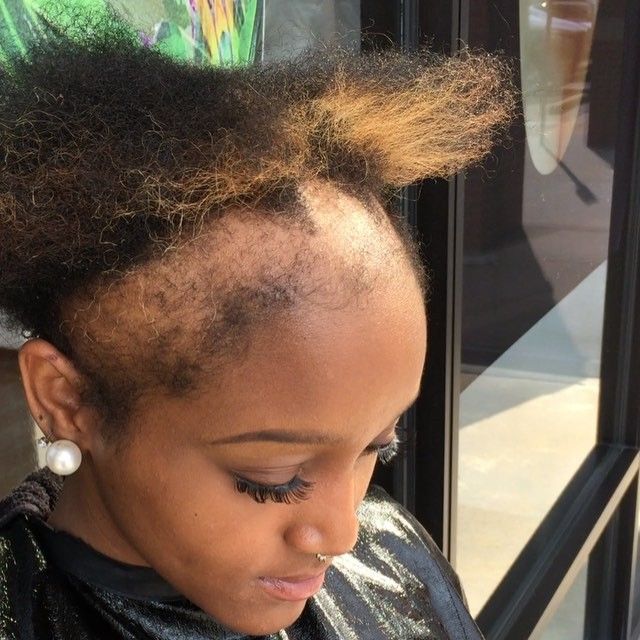
Breakage works very differently from shedding in almost every way that matters.
It happens when a strand snaps somewhere along its length, rather than falling out cleanly from the root the way shed hair does.
You will usually notice short pieces of hair scattered around your space, often with rough or frayed looking ends that feel dry to the touch.
There is no white bulb here at all, since the strand did not shed naturally through its normal cycle.
Breakage almost always means your hair is weak, dry, or damaged in some specific and identifiable way.
It points directly to a problem that genuinely needs attention, correction, and a change in your current routine.
Sometimes breakage happens gradually over weeks, becoming more obvious only once you notice thinner ends or uneven length.
Other times it happens suddenly, right after a rough detangling session or a harsh chemical treatment.
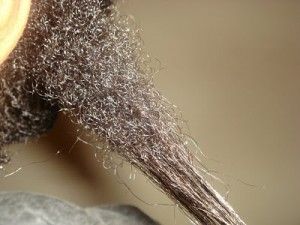
Breakage can also show up as visible frizz along your length, since damaged strands lose their smooth outer layer and start catching against each other more easily.
Once you notice this texture change, it usually means the damage has been building for a while already.
The Simple Test To Tell Them Apart
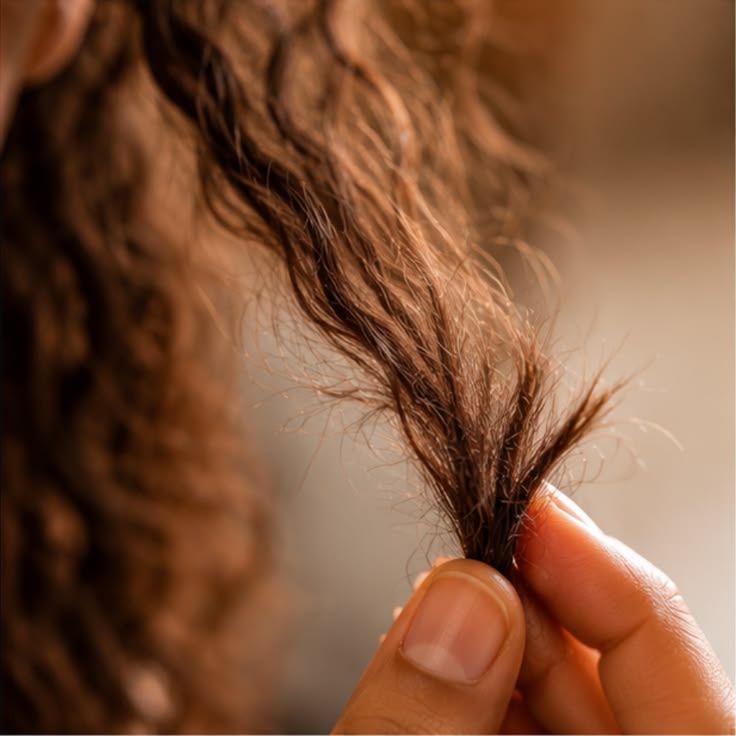
Look closely at any loose strand you happen to find lying around your home or caught in your brush.
Check both ends of the strand carefully before deciding exactly what you are dealing with that day.
If one end has a tiny visible bulb, that strand shed naturally as part of its expected cycle.
If both ends look thin, rough, or frayed instead, the strand almost certainly broke somewhere along its length instead of shedding.
This small check only takes a few seconds, but it saves you from guessing incorrectly and worrying over the wrong problem entirely.
Try it the very next time you find loose hair on your clothes, your pillow, or your comb.
Doing this regularly, maybe once every few weeks, helps you build a much clearer picture of what your hair is actually experiencing.
Over time, you will start noticing patterns without even needing to think about it consciously.
You can even keep a small mental note, or a quick photo, of what you find during each check.
Comparing these over a few months shows you clearly whether things are improving or getting worse.
Why Dryness Often Leads To Breakage
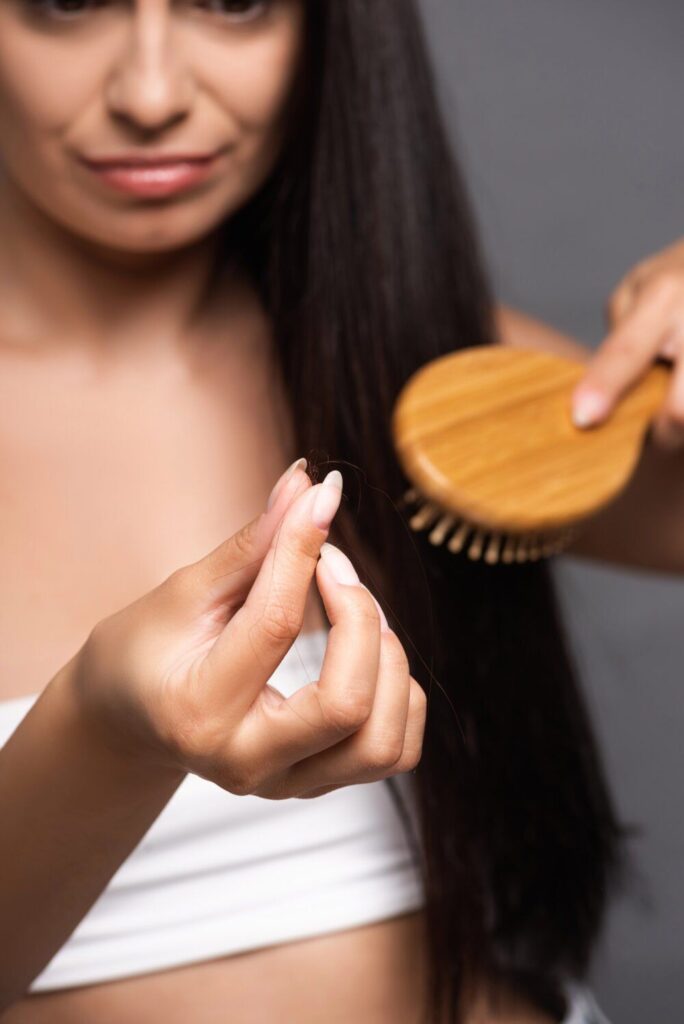
Dry hair is brittle hair, plain and simple, no matter how nice it might look freshly styled.
Brittle strands snap easily during combing, styling, or even simple everyday movement throughout a normal day.
This is actually one of the biggest reasons breakage happens so frequently in afro hair specifically, more than in some other hair textures.
Proper moisture keeps your strands flexible enough to bend without snapping under completely normal, everyday pressure.
If your hair constantly feels dry no matter what products you try or how often you moisturize, this could genuinely be your main underlying issue driving the breakage.
Read why your afro hair feels dry all the time to understand the real root cause behind this extremely common problem many naturals face.
Once your hair holds onto moisture properly, you should notice fewer snapped ends and less overall breakage within just a few weeks of consistent care.
Small, steady improvements in your moisture routine often lead to noticeably stronger strands.
Layering your moisture correctly, sealing it in with the right products, and avoiding harsh drying methods all work together to keep your strands flexible instead of brittle.
Why Stress And Hormones Cause Shedding, Not Breakage
Shedding usually comes from something happening inside your body, not from any outside damage done directly to the strand itself.
Stress, hormones, illness, and your overall health all play a meaningful part in triggering this kind of hair loss.
This is exactly why shedding can feel so confusing and frustrating to deal with at times.
Your hair might look completely fine one month, then suddenly start falling out heavily the very next month with seemingly no obvious warning beforehand.
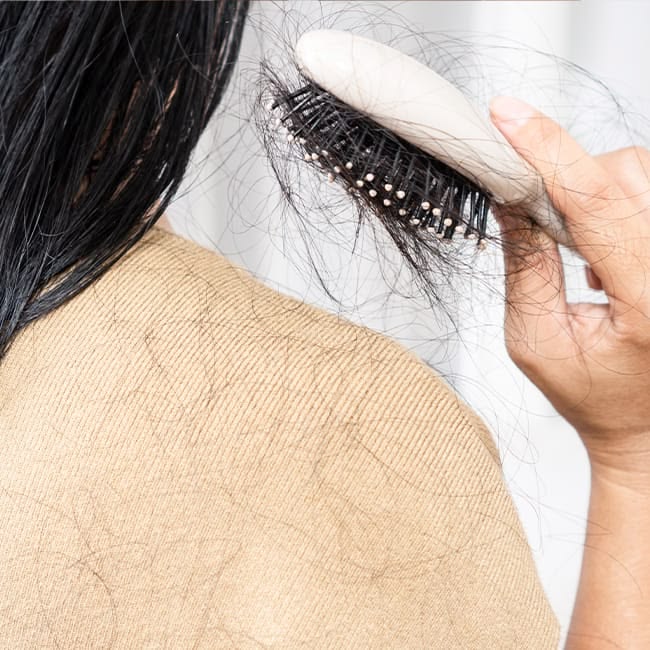
If you are dealing with noticeably more hair than usual in your comb, your shower drain, or your pillow, this is more likely shedding rather than breakage happening to your strands.
Understanding this difference helps you stop guessing blindly and start actually addressing the real underlying problem.
Once you identify whether stress, diet, or hormones are behind your shedding, the solution usually becomes far clearer and easier to follow consistently.
It also helps to remember that shedding caused by internal factors rarely responds to external products alone.
Real change usually requires addressing whatever is happening inside your body first, alongside any topical care you continue using.
How Wash Day Mistakes Cause Both Problems
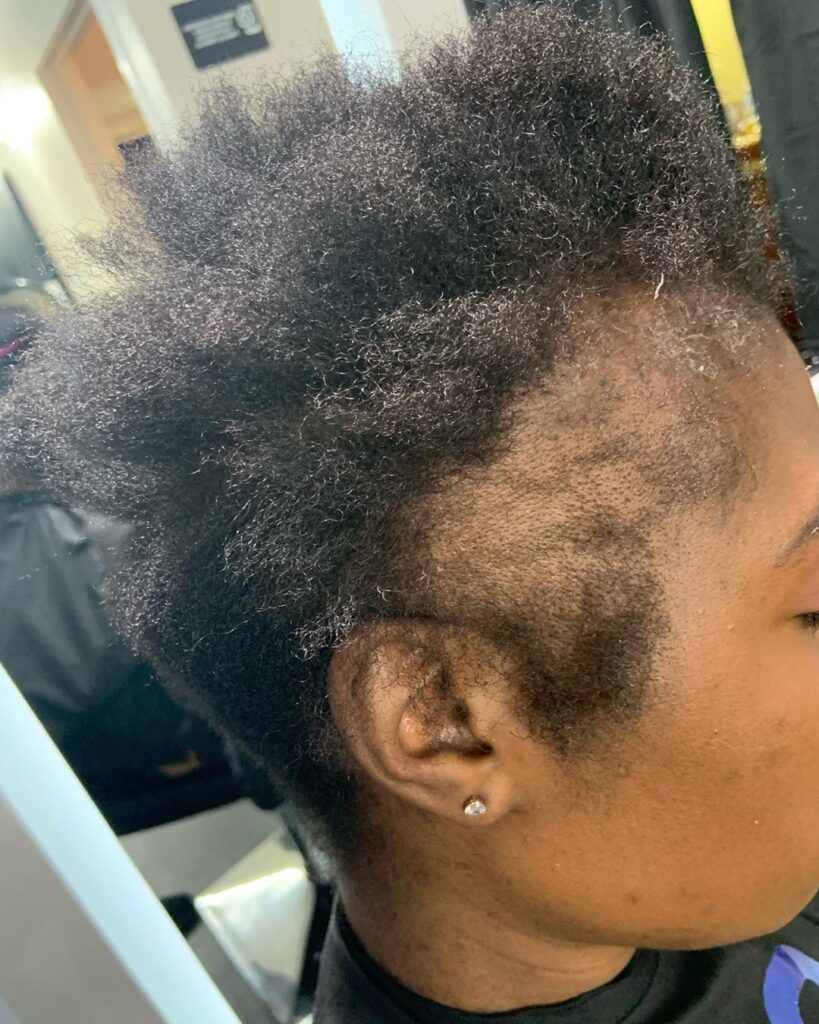
Wash day can either protect your hair properly or damage it quite badly, depending entirely on how carefully you approach the process each single time.
Rough scrubbing motions and harsh, poorly matched products both cause real, lasting harm to your delicate strands over time.
Both shedding and breakage can increase noticeably when your wash routine works against your hair instead of genuinely supporting its health.
Small habits, like detangling gently before shampooing rather than after, protect your strands from unnecessary stress during every single wash session.
Avoiding common pitfalls matters more than most people ever realize until they start noticing real damage building up.
Take a look at 15 wash day mistakes that could be causing breakage, since several of those same mistakes quietly contribute to shedding as well, not just breakage alone.
Reviewing your entire wash day process from start to finish can reveal small habits worth adjusting, even ones you never suspected were causing harm.
Something as simple as the water temperature you use, or how long you leave a product sitting in your hair, can quietly affect both shedding and breakage over time.
How A Rushed Wash Routine Adds To The Confusion
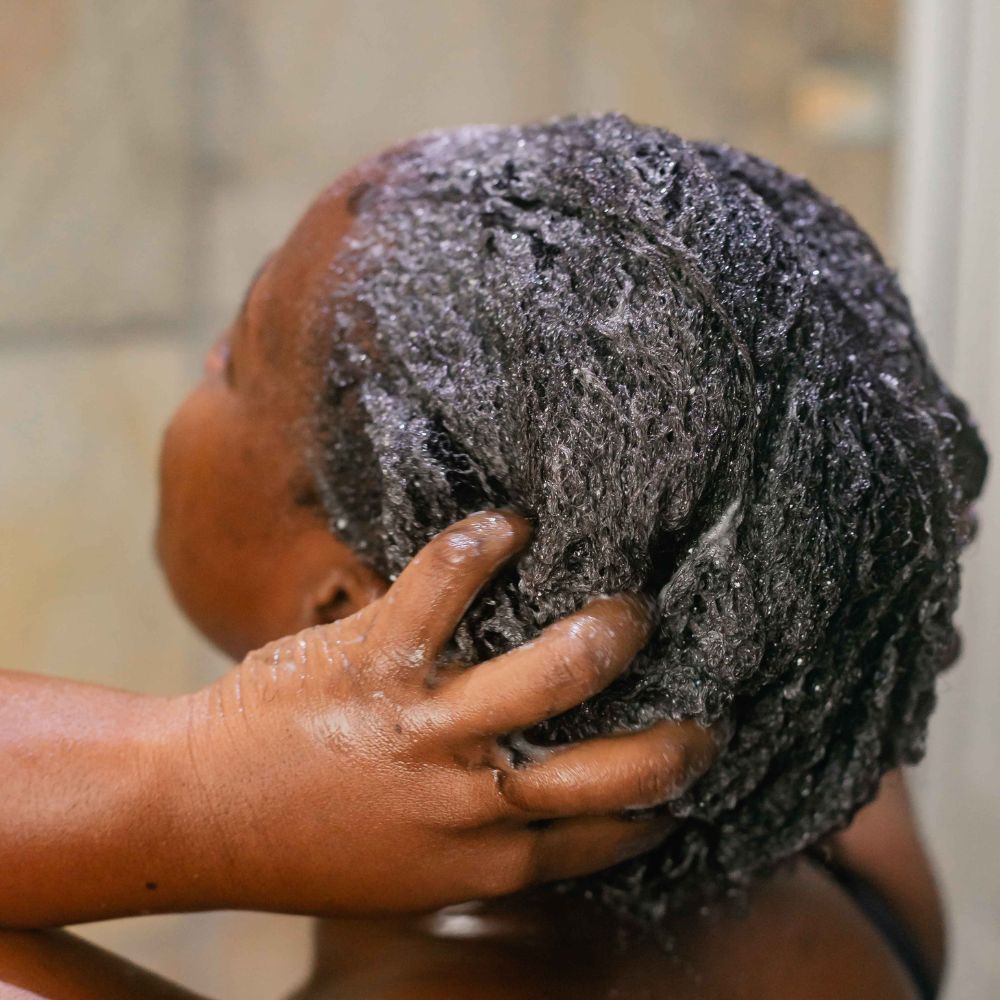
Rushing through wash day often means skipping important steps like proper detangling, thorough conditioning, or gentle rinsing entirely just to save a bit of time.
This rush leads directly to more tangling, more unnecessary pulling, and considerably more breakage by the time you finish your routine.
You do not need to spend hours every single week just to properly protect your hair though, contrary to what many people assume.
A smarter, faster routine can still keep your strands genuinely healthy without sacrificing quality or thoroughness along the way.
Learn how to cut your wash day in half without sacrificing healthy hair so speed never has to come at the cost of your hair’s actual, long term health and strength.
Planning your wash day steps ahead of time, instead of rushing through them randomly, often saves both time and unnecessary strain on your strands.
Setting aside a specific day and time each week for your wash routine can help you avoid the temptation to rush through it during a busy schedule.
Wigs And Protective Styles Can Hide Both Problems
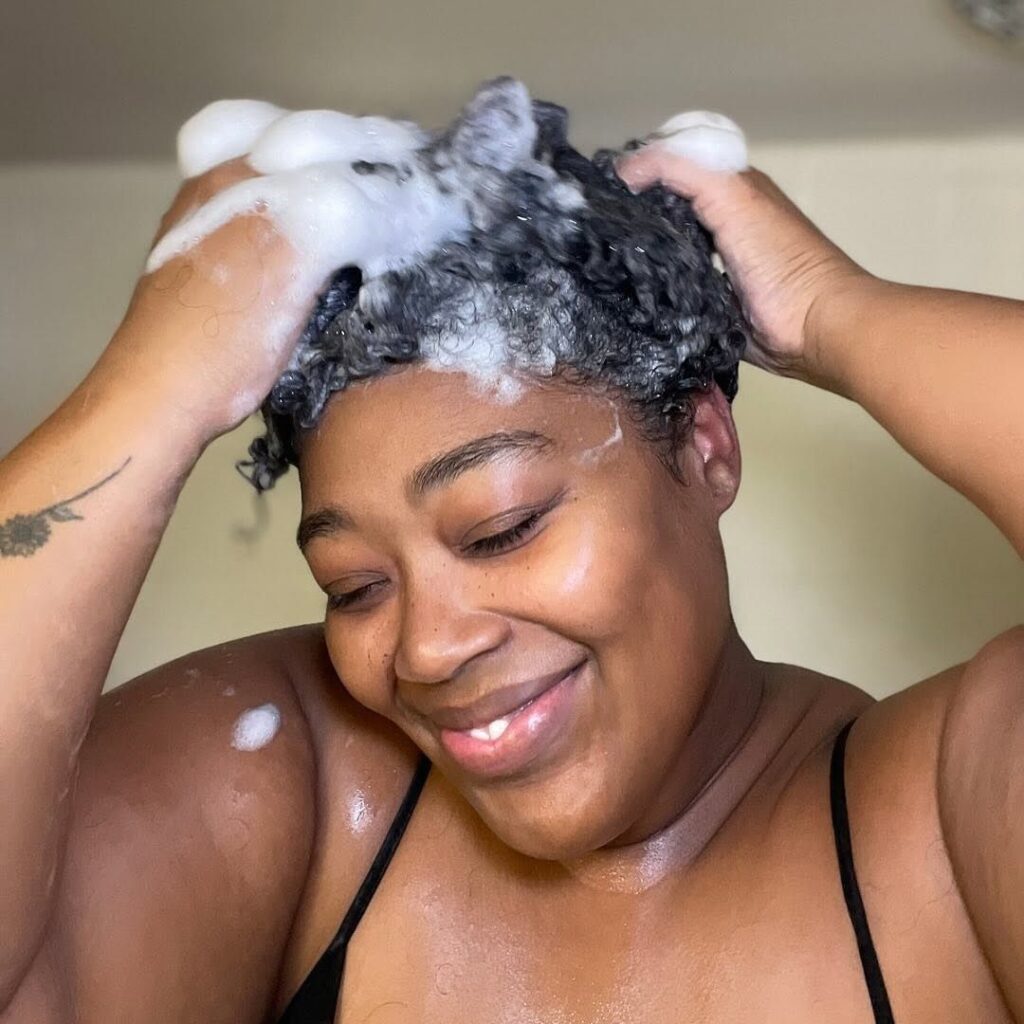
Wigs and protective styles are genuinely great for giving your natural hair a much needed break from constant daily styling and manipulation.
They can also quietly hide real damage happening underneath without you realizing it right away, sometimes for weeks at a time.
Tight bands often cause visible breakage right at your edges, while poor scalp care underneath a wig can slowly worsen shedding at the very same time.
Both problems can build up together quietly without any obvious outside signs for quite a while.
If you wear wigs often as part of your regular styling routine, proper installation and gentle removal genuinely protect your natural hair underneath significantly.
Our beginner’s guide to wearing wigs over natural hair walks you through doing this the right way from start to finish, step by step.
Checking underneath your wig regularly, rather than leaving it installed for too long without inspection, helps you catch small problems before they become bigger ones.
Giving your scalp and edges proper rest between installs also allows any early damage to heal before you cover it up again with another tight style.
Your Curl Pattern Affects How Breakage Shows Up
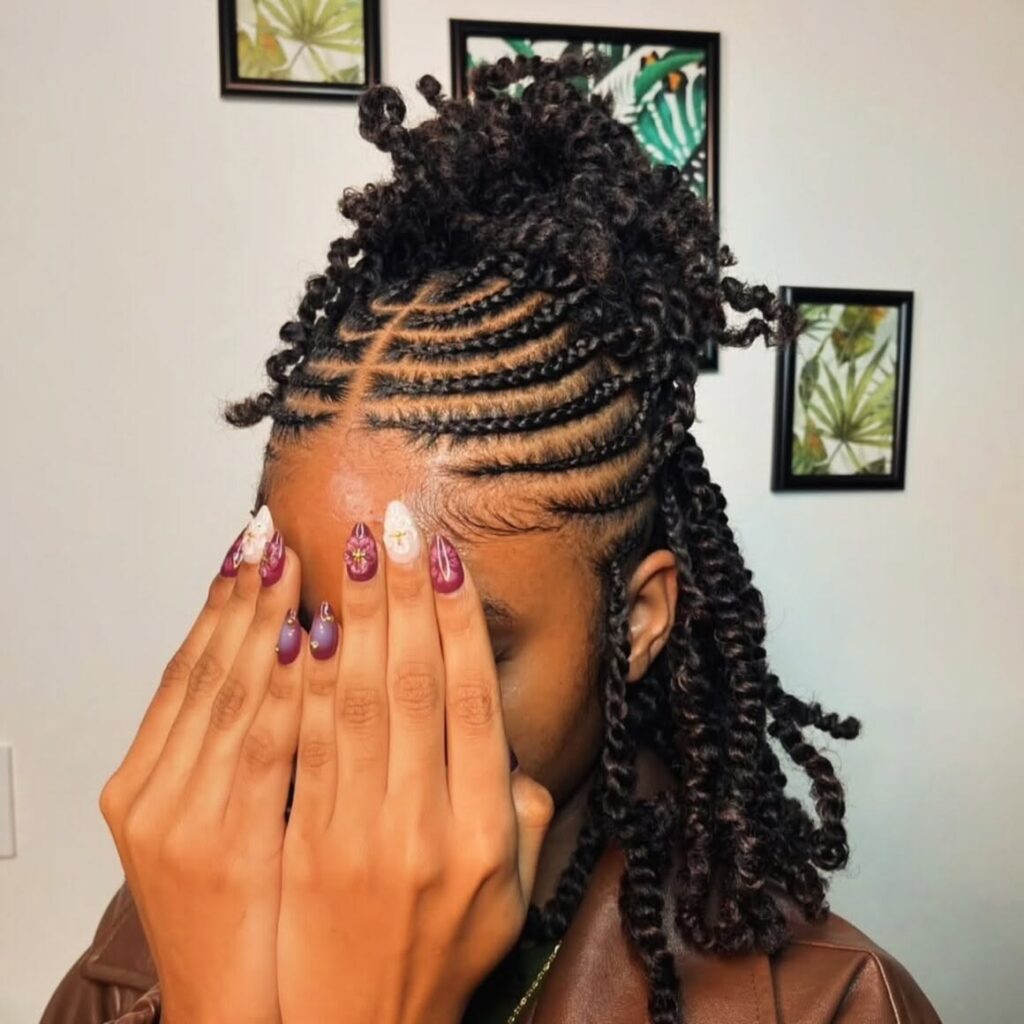
Looser curls, like typical 4A patterns, tend to show breakage a little differently compared to tighter, more tightly coiled curl textures.
The individual strand itself tends to be somewhat stronger and more resilient overall in this looser pattern.
Still, 4A hair can absolutely break easily if it is not given proper moisture and gentle handling consistently during every single wash day and styling session.
No curl pattern is fully immune to breakage without the right kind of care behind it consistently.
Following the perfect wash day routine for 4A hair helps protect your specific curls from unnecessary snapping, strain, and everyday manipulation damage that can build up slowly.
Even naturally strong strands need consistent care over time, since neglect eventually catches up with any hair type regardless of curl pattern.
Comparing your hair to someone else’s texture rarely helps, since every curl pattern has its own specific needs and its own way of showing damage.
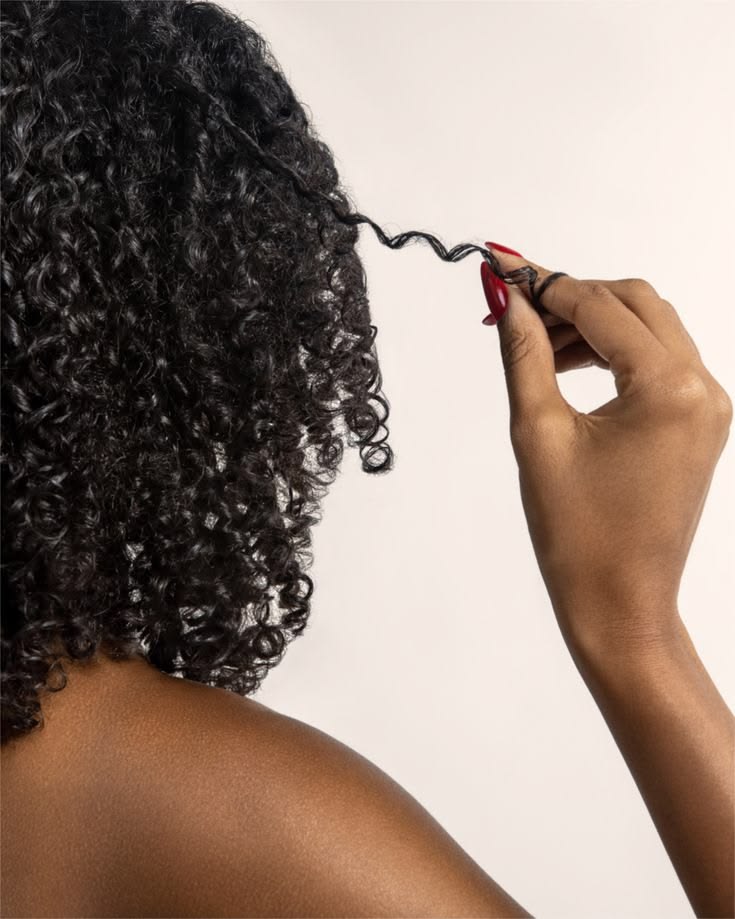
4B Hair Faces Its Own Unique Challenges
4B hair sits somewhere between looser and tighter curl patterns, combining certain traits from both textures within one single head of hair.
This unique mix means it genuinely needs a very specific, carefully balanced care approach that many generic routines fail to provide.
Without the right combination of moisture and protein working together in balance, 4B strands can weaken noticeably and break far more than most people initially expect.
Getting that exact balance right often takes a little trial and error at the beginning of your journey.
A proper, consistent routine makes a genuinely big difference here over time, especially once you understand what your specific strands respond to best.
Check out the perfect wash day routine for 4B hair to help keep your particular strands strong, balanced, and resilient against everyday damage.
Paying attention to how your hair reacts after each wash helps you fine tune your routine more precisely over several months.
Keeping a simple record of which products and steps worked well can save you from repeating the same mistakes on future wash days.
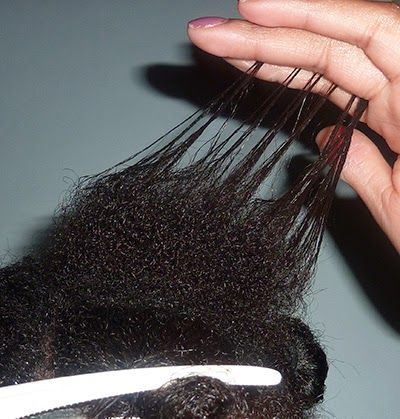
4C Hair And Breakage
4C hair has the tightest curl pattern among all the type four textures, with more twists and coils packed tightly into every single strand.
This tighter structure makes it noticeably more prone to breakage than looser hair types overall, simply due to its shape.
Every twist and coil along the strand creates a natural weak point where snapping can happen more easily under completely regular, everyday pressure.
This is simply part of how tightly coiled hair is naturally structured from the very start, not a sign of unhealthy hair.
Gentle handling and consistent moisture matter even more here than with other, looser curl types across the board.
See the perfect wash day routine for 4C hair for a full, detailed routine built specifically around this exact texture and its unique needs.
Being extra patient during detangling sessions can meaningfully reduce breakage for this particular curl pattern more than almost any other single change.
Working in small sections, rather than tackling your entire head at once, also makes detangling far gentler and considerably more manageable overall.
Your Scalp Could Be The Hidden Cause
Sometimes the real underlying problem actually starts at your scalp, not directly at your visible strands themselves as most people assume.
A struggling, unhealthy scalp affects your entire head of hair in ways that are genuinely easy to overlook or dismiss.
Both breakage and shedding can often trace back to scalp issues that quietly go unnoticed for a surprisingly long stretch of time.
Fixing the scalp frequently fixes the visible hair problem right along with it, almost as a natural side effect.
Understanding your specific scalp condition is a genuinely great place to start looking for real answers.
Read how to tell if your scalp is dry or just dehydrated to figure out exactly where you currently stand with your own scalp health.
A healthy scalp foundation supports stronger strands overall, making both breakage and excessive shedding noticeably less likely to occur regularly.
Treating your scalp with the same care you give your visible strands often produces results far faster than focusing on the ends alone.
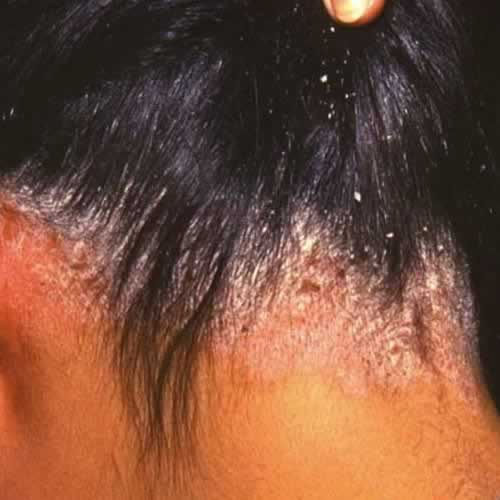
An Itchy Scalp Can Lead To Both Problems
A constantly itchy scalp often means something underneath genuinely needs closer attention and proper, consistent care from you.
Scratching too much or too roughly can actually damage hair right at the root over time, even without you realizing it.
This kind of frequent scratching can cause visible breakage near your scalp, while the underlying irritation itself can also quietly speed up your overall shedding at the same time.
Both problems often show up together within the very same person, making the situation feel even more confusing.
Fixing the itch properly fixes far more than just your immediate comfort alone, believe it or not.
Read why your scalp always feels itchy and how to fix it to solve this common issue the right way, once and for all.
Identifying the root cause of your itching, instead of just scratching through it, protects both your scalp and your strands long term.

Healthy Scalp Habits Prevent Both
Building simple, consistent, healthy scalp habits genuinely protects your hair from both shedding and breakage at the exact same time.
Prevention here is always easier and less stressful than trying to reverse noticeable damage later on down the road.
Regular gentle cleansing, consistent scalp massage, and proper ongoing moisture all support a scalp that can reliably hold onto healthy, strong, growing hair.
None of these particular habits require expensive products or complicated multi step routines to actually follow through with.
These habits do not need to feel complicated or overwhelming at all once you break them down properly.
Our post on healthy scalp habits that lead to healthier hair covers everything you genuinely need to get started right away with confidence.
Building these habits slowly, one at a time, makes them far easier to stick with over the long run.
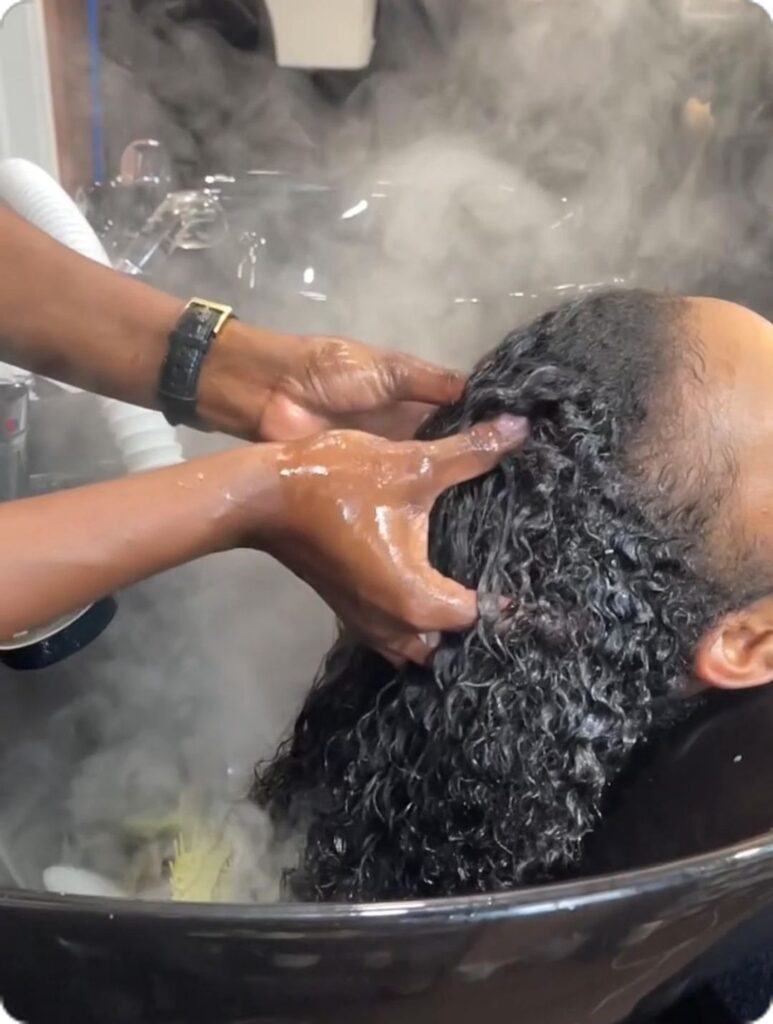
Hidden Scalp Mistakes Slow Down Recovery
Some scalp mistakes are so small and subtle that you barely even notice them happening within your regular daily routine.
Not Knowing they quietly slow down your hair’s natural recovery process over many weeks and months without you realizing the cause.
Things like using the wrong tools, ignoring visible buildup, or skipping proper cleansing steps can keep both breakage and shedding going far longer than they otherwise genuinely need to.
Small oversights like these add up significantly over time if left unaddressed.
Catching these small mistakes early on makes a genuinely real difference in how quickly your hair actually recovers from either problem.
Read the hidden scalp mistakes that slow hair growth to spot and correct them before they cause any lasting, harder to fix damage.
Reviewing your routine every few months helps you catch small mistakes before they turn into bigger, harder to reverse problems.
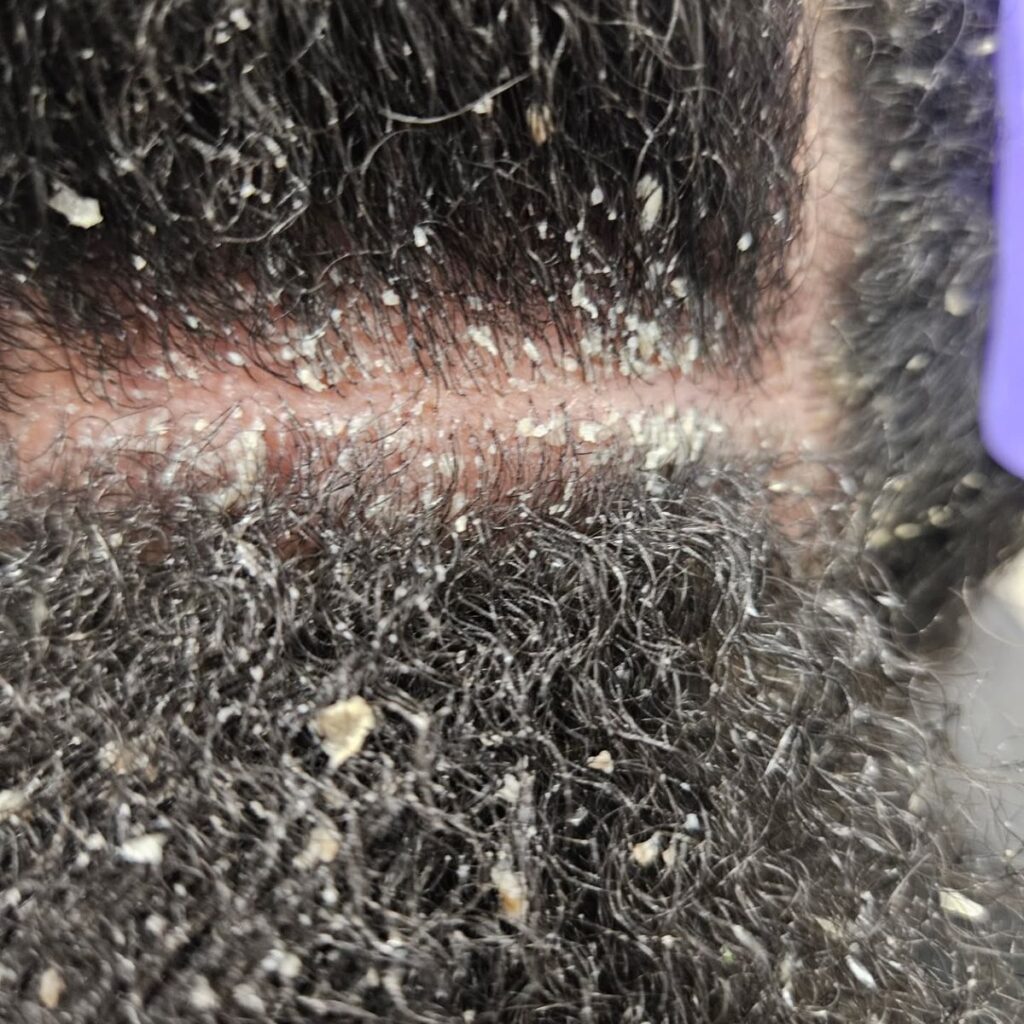
When Your Scalp Needs A Full Detox
Sometimes your scalp genuinely needs more than just a regular, everyday wash to feel truly clean, balanced, and refreshed again.
A proper detox clears out deep buildup that ordinary washing usually misses entirely, no matter how thorough you think you are being.
This kind of deep clean can meaningfully support healthier hair growth and reduce unnecessary stress placed on both your strands and your roots underneath.
It essentially resets your scalp back to a much healthier starting point for future growth.
If your scalp feels heavy, itchy, or simply off lately despite following your normal routine faithfully, this might genuinely be the missing step you actually need.
See signs your scalp needs a detox to check carefully whether this situation currently applies to you.
A proper detox every few months can prevent both breakage and shedding from creeping back in unnoticed over time.
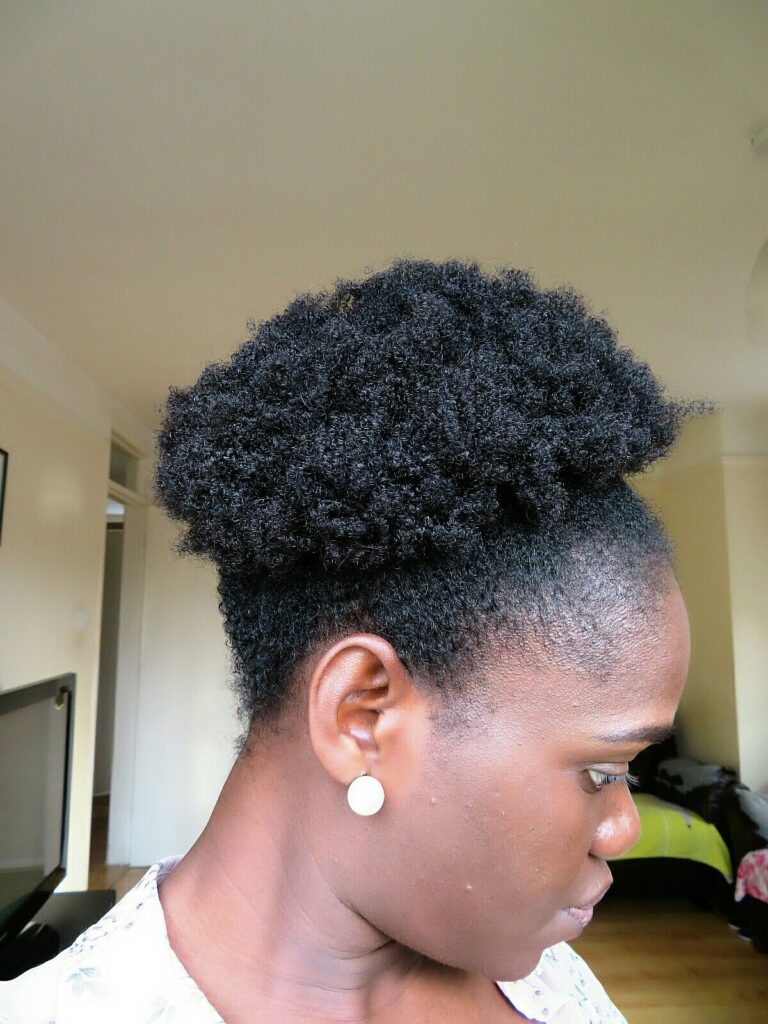
Feeling Confident While You Fix It
Dealing with breakage or excessive shedding can feel genuinely discouraging, especially when you are actively trying to grow your hair out longer and healthier.
It is completely normal to feel frustrated or even a little defeated during this entire process.
Try not to let these temporary hair struggles affect how you feel about yourself and your overall appearance day to day.
Your genuine worth is never tied to how full, long, or perfect your hair looks at any single given moment.
Confidence and genuinely healthy hair tend to grow together side by side over time, feeding into one another naturally.
Read how to build confidence wearing your natural hair for real support and honest encouragement on this important part of your personal journey.
Remember that every head of hair goes through rough patches occasionally. What matters most is how you respond and keep moving forward.
Final Thoughts On Breakage And Shedding
Breakage and shedding are simply not the same problem, even though they can feel remarkably similar to deal with at first glance without closer inspection.
Knowing the clear difference changes your entire approach to fixing whichever specific one you are actually facing right now.
Shedding usually just needs patience, time, and a bit of honest investigating into your stress levels, diet, or hormones.
Breakage usually needs gentler daily handling, more consistent moisture, and a closer look at your regular styling and wash day habits.
Once you know exactly which one you are dealing with, fixing it becomes so much simpler and far less overwhelming than it first seemed at the start.
Pay close attention to your hair, stay patient with the entire process, and it will respond well to consistent, thoughtful care over time.
Your hair tells you a story every single day, through how it feels, how it looks, and how it behaves during styling.
Learning to read that story clearly is one of the most useful skills you can build on this journey.