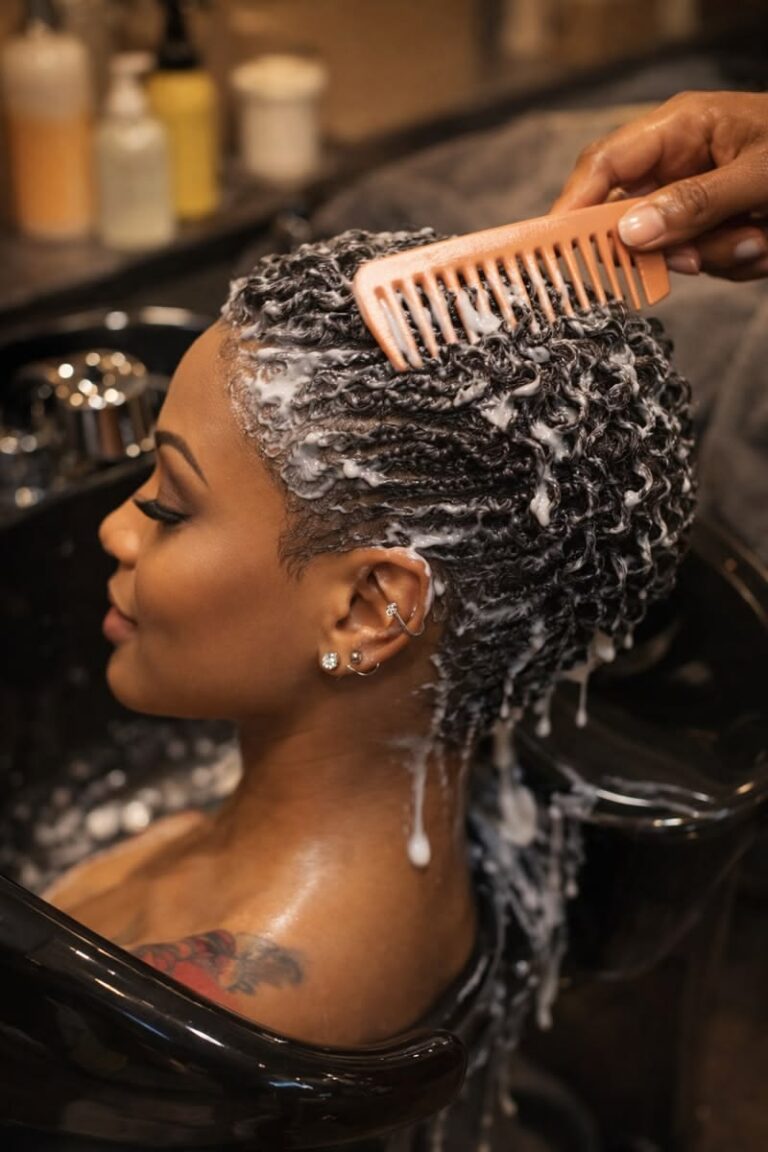

The Best Detangling Brushes For Afro Hair
Disclosure: Some of the links in this post are affiliate links. This means if you click on the link and purchase an item, I will receive an affiliate commission at no extra cost to you.
Detangling can feel like a battle when you have tightly coiled type 4 hair. A client once told me she cried during every single wash day as a child. Her mother used a fine-tooth comb, dragging it through dry, tangled hair.
That rough experience shaped how she felt about her own hair for years. When she became my client, we started fresh with gentler tools and technique. Within weeks, wash day changed from something dreaded into something calm.
The right brush does not just detangle, it protects your hair from real damage. Many naturalistas carry similar memories, associating detangling with pain rather than self-care. Changing this experience starts with understanding which tools actually work with your hair.
Choosing wisely here affects nearly every other part of your hair care journey. This post covers the best detangling tools and how to use them properly. If you have not read Understanding Type 4 Hair: A Complete Guide, that post explains why this hair type tangles so easily.
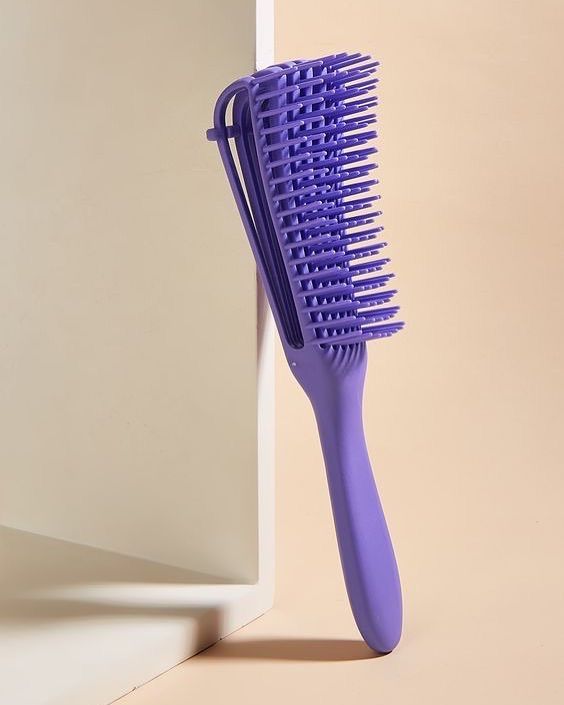
The Best Detangling Brushes For Afro Hair
Why The Right Tool Matters So Much
Type 4 hair has many bends along each strand, creating natural tangling points. A rough tool can catch on these bends, pulling and breaking fragile strands.
This is why choosing the right brush protects far more than just your time.
The wrong tool can undo weeks of careful moisture and growth work quickly. Choosing gentle, well-designed tools protects the progress your whole routine works to build.
A cheap, poorly made tool often costs more in the long run through damage. Investing in one good brush or comb saves both money and heartbreak later.
This small upfront cost protects months, sometimes years, of hair growth progress. Understanding this connection between tools and results changes how naturalistas shop for tools entirely.
Many people only learn this lesson after months of frustrating, painful wash days.
Save this for later: Length Retention Tips Every Naturalista Should Know
The Classic Detangling Brush
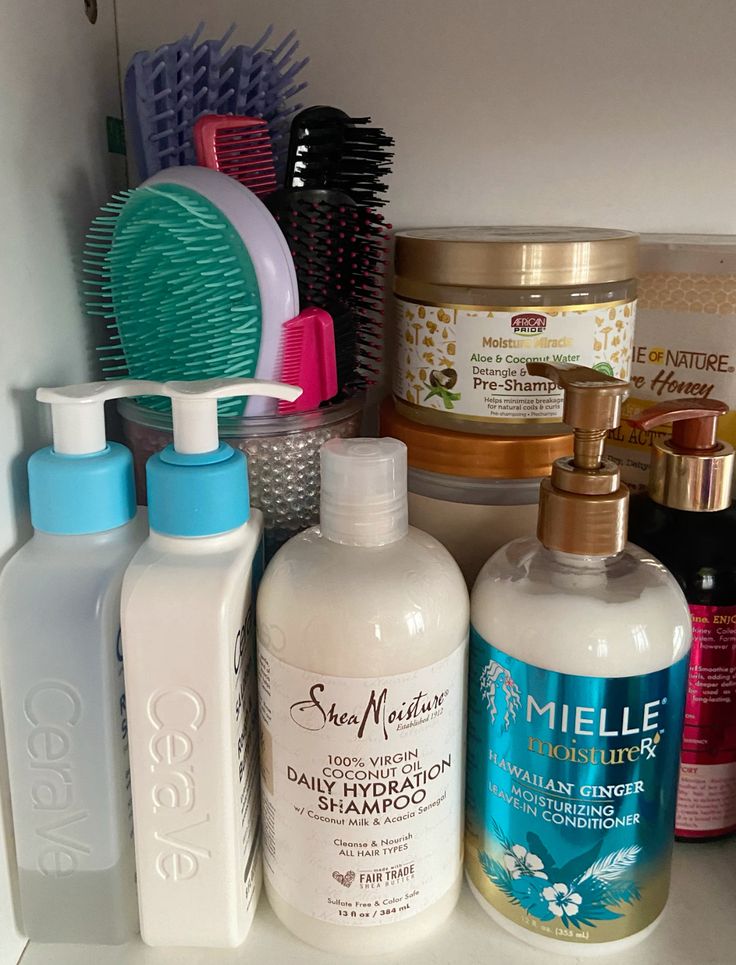
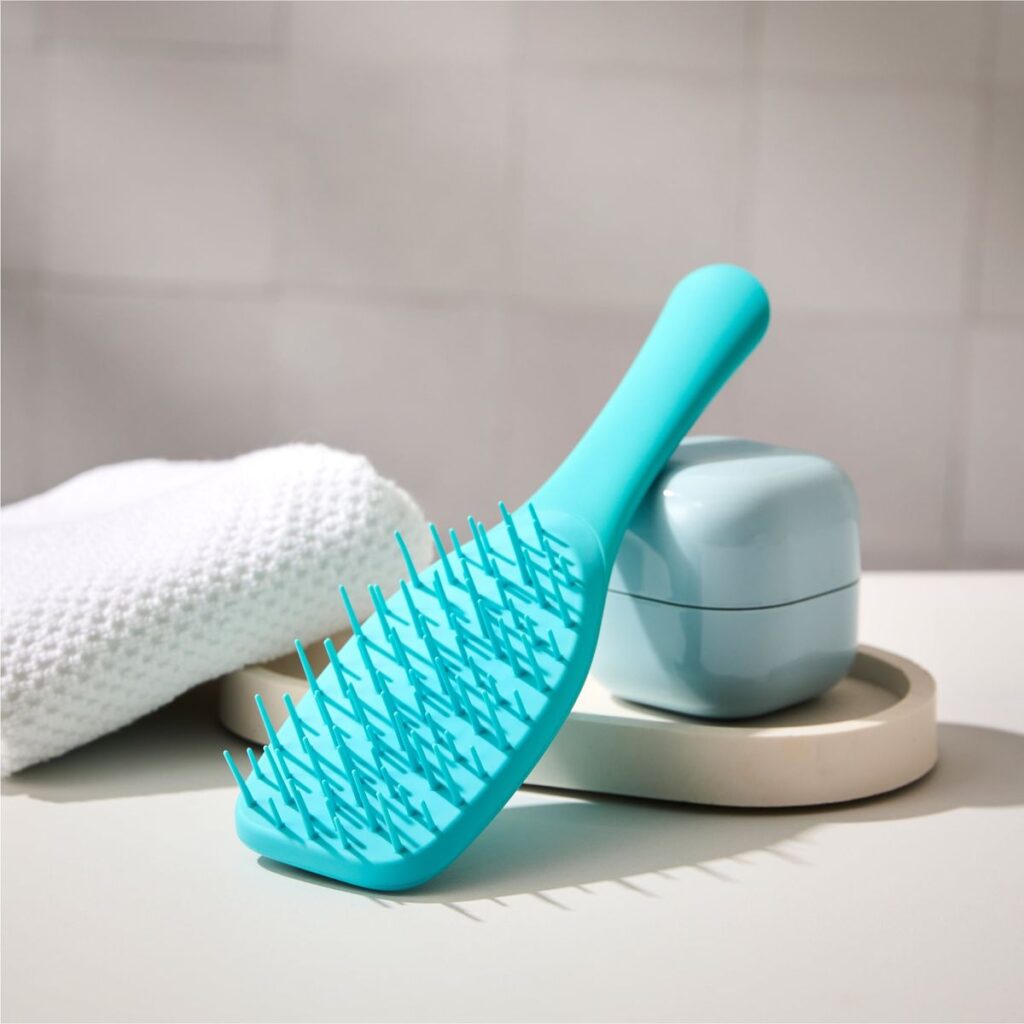
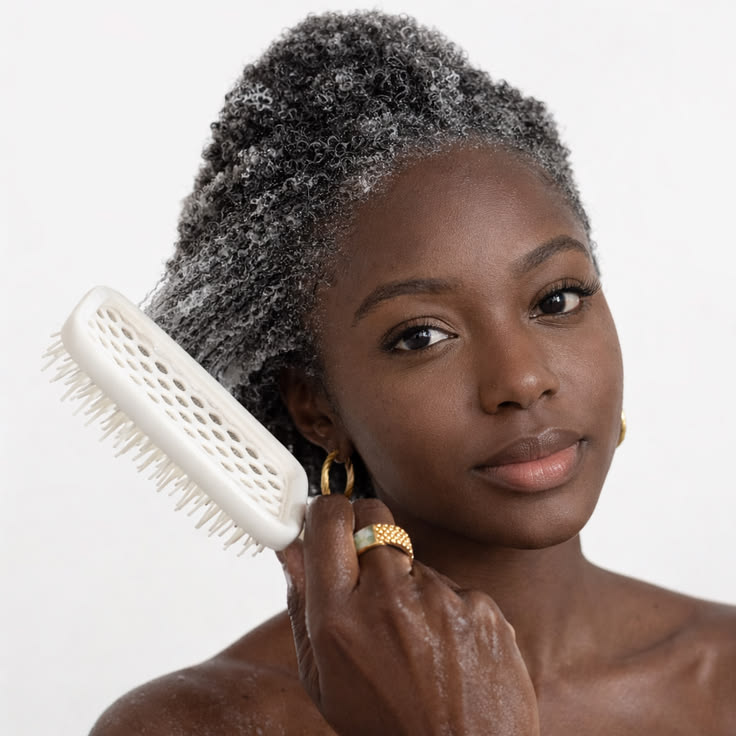
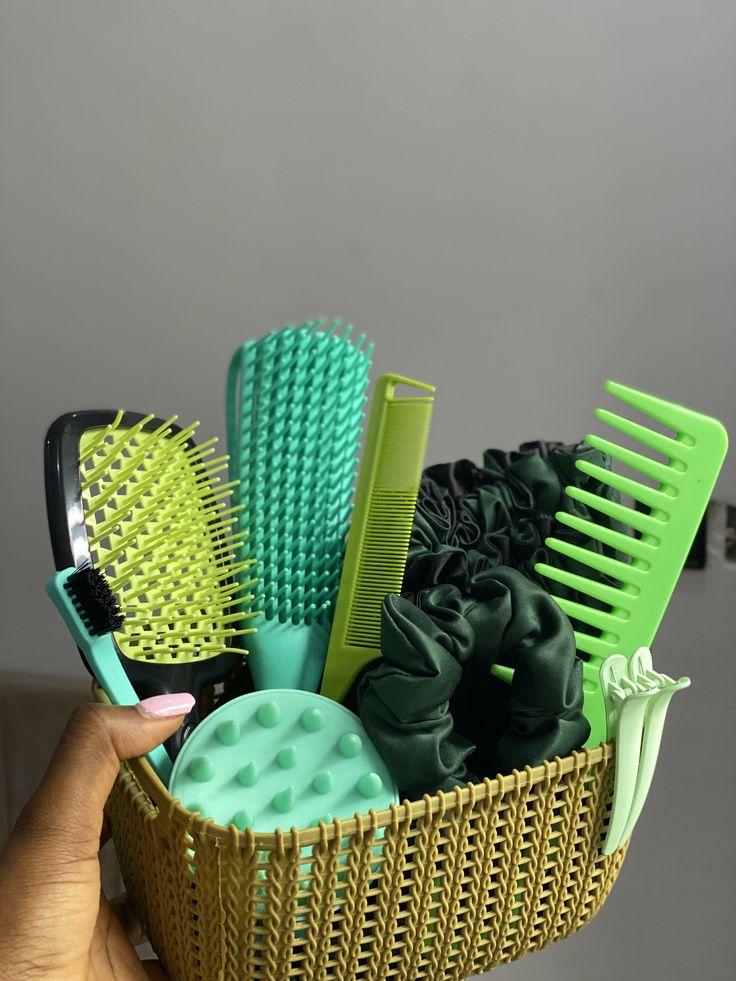
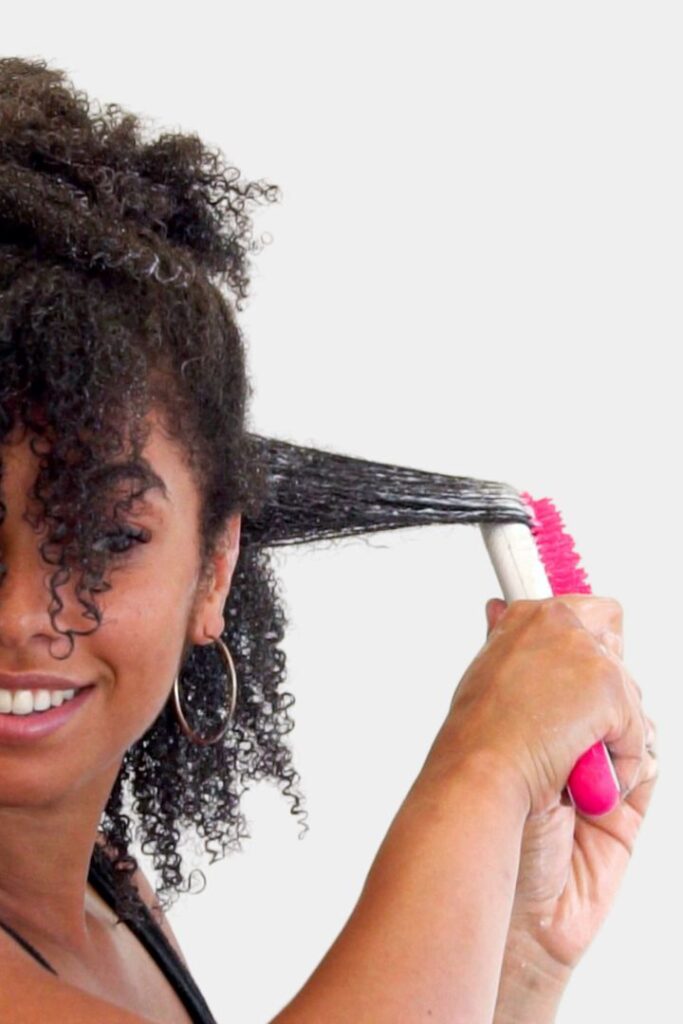
A detangling brush, with flexible, widely spaced bristles, remains a top choice for type 4 hair.
These bristles bend under tension instead of pulling tightly against knots. This flexibility makes a huge difference in how gently the brush performs.
Using this brush on wet, conditioned hair produces the gentlest, most effective results. The Best Conditioners For Type 4 Hair explains how proper slip supports this process well.
Starting with light pressure and increasing only as needed protects your scalp too. Most naturalistas find this brush becomes their most reached-for tool over time.
Its simple design makes it easy to use, even for beginners still learning technique. Many hairstylists recommend this brush as the very first tool a naturalista should own.
Its low cost and gentle design make it accessible for nearly every household budget.
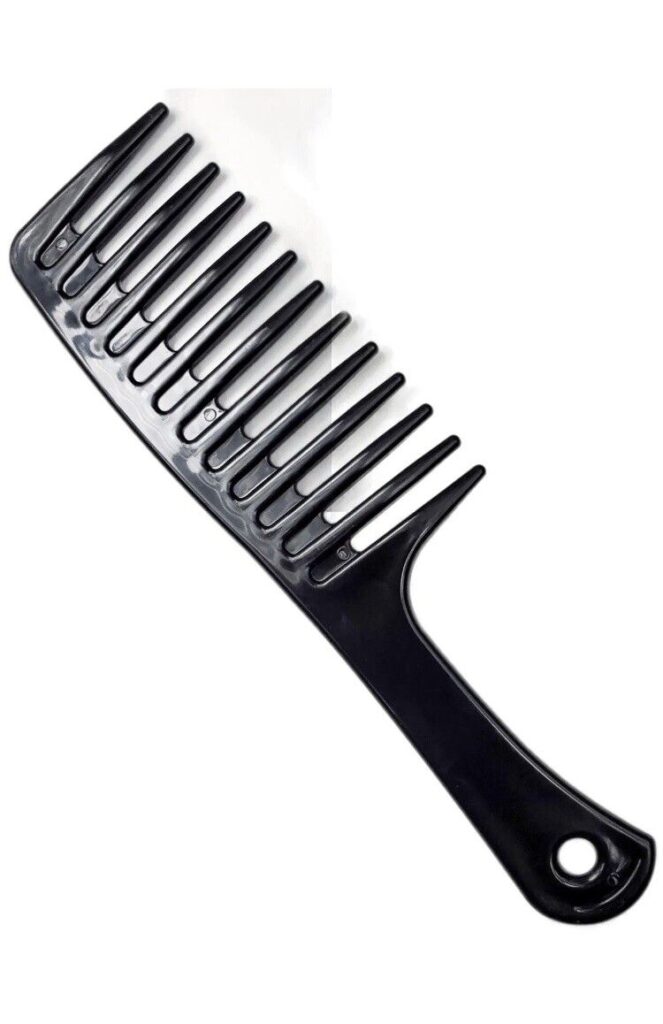
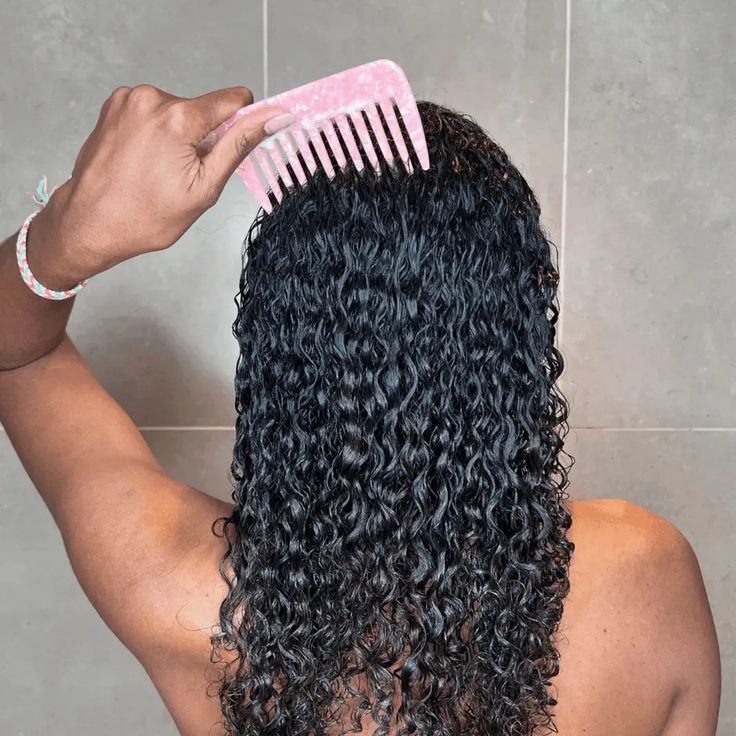
The Wide-Tooth Comb
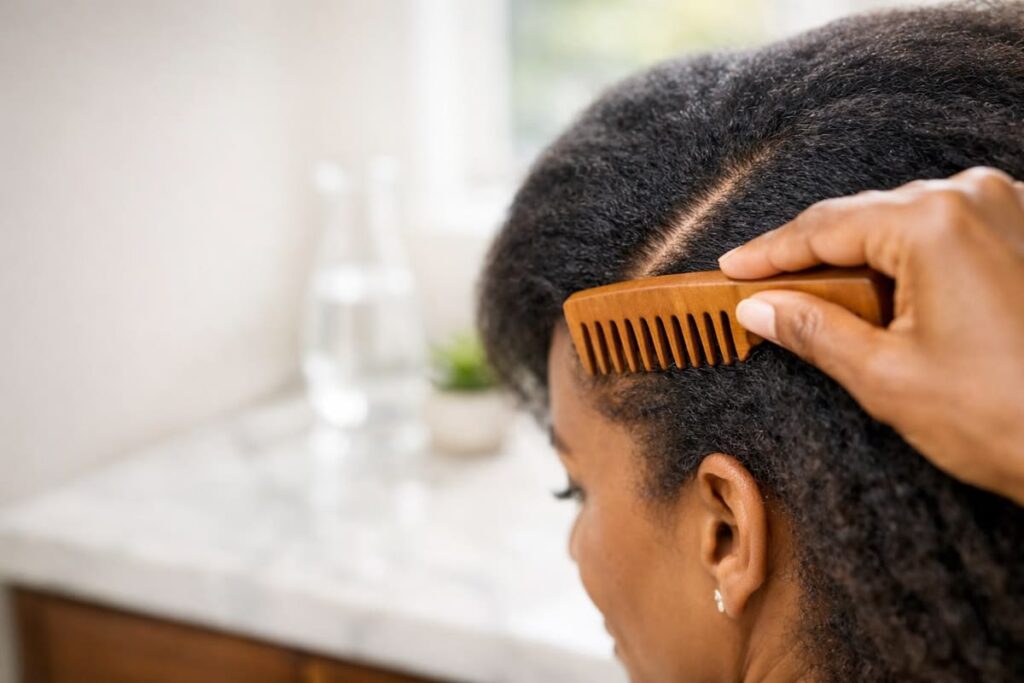
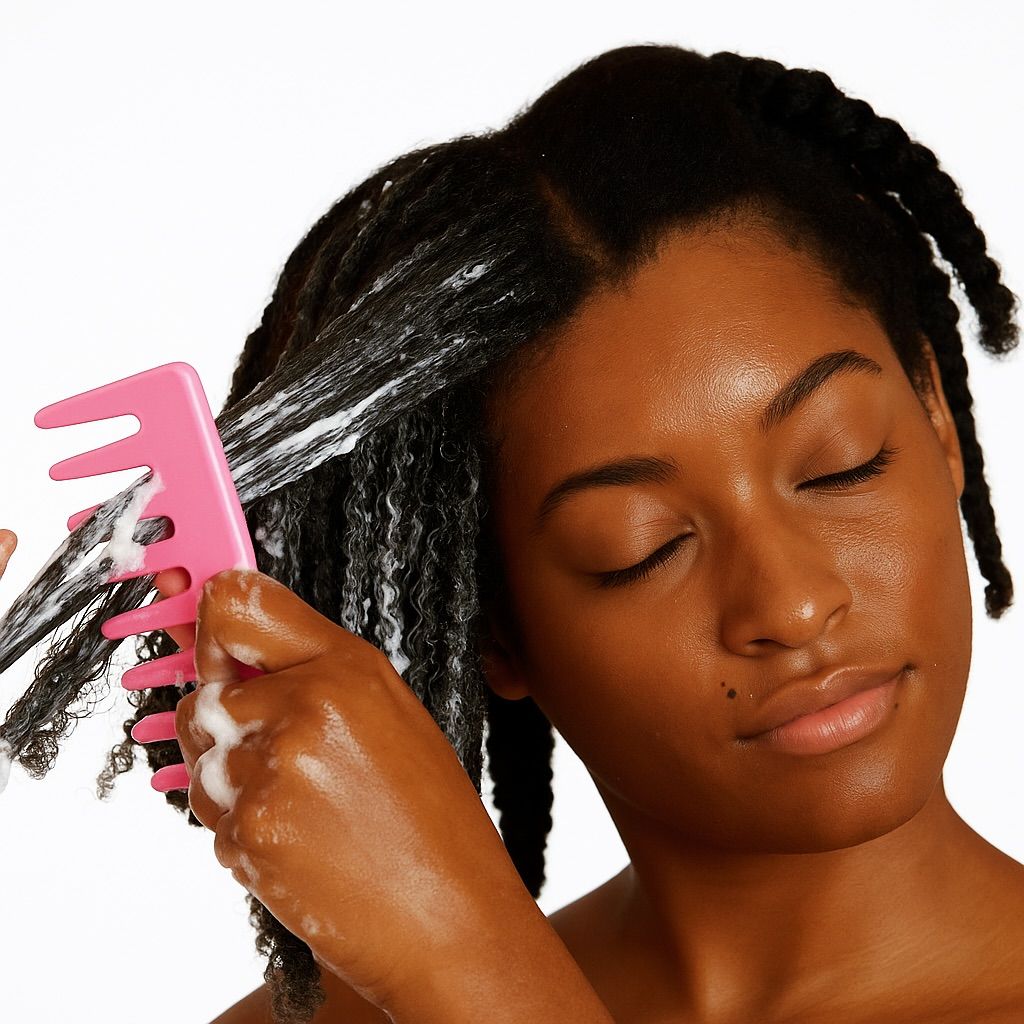
A wide-tooth comb remains one of the simplest, most reliable detangling tools available.
Its widely spaced teeth glide through hair without grabbing too many strands at once. This tool works well for both initial detangling and daily maintenance.
Choosing a seamless comb, without rough edges, protects your hair from unnecessary snagging. The Best Shampoos For Afro Hair pairs well with this tool during wash day cleansing.
This tool travels well too, fitting easily into a bag for touch-ups on busy days. A wide-tooth comb also works well for gently distributing product evenly through your hair.
Many naturalistas keep one in every bag, purse, and drawer for constant, easy access. It remains one of the most affordable, versatile tools any naturalista can own.
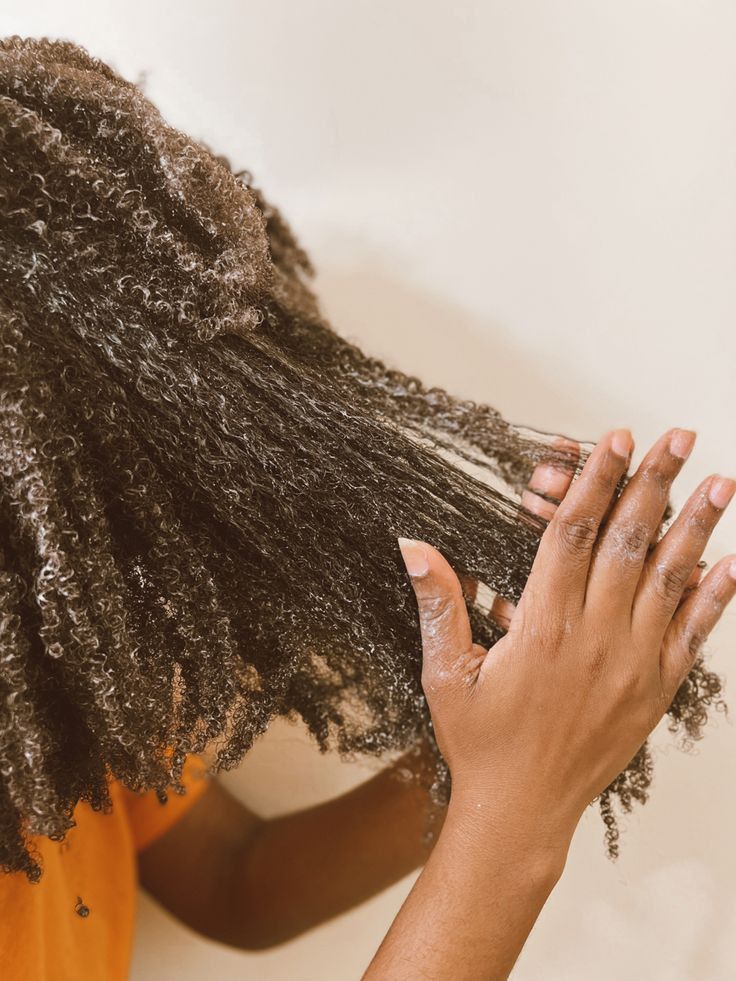
Finger Detangling
Sometimes the gentlest tool is not a tool at all, but your own fingers. Finger detangling lets you feel each knot directly, working through it with full control.
This method takes longer but often causes the least breakage overall.
Many naturalistas use fingers first, then follow with a comb or brush afterward. Low Porosity Hair Routine explains why gentle handling matters even more for certain porosity types.
This method also helps you notice tangles early, before they grow into bigger knots. Many people find finger detangling calming, almost meditative, once they settle into the rhythm.
It also costs nothing, making it accessible to absolutely everyone, regardless of budget. Some naturalistas use finger detangling exclusively, never needing a comb or brush at all.
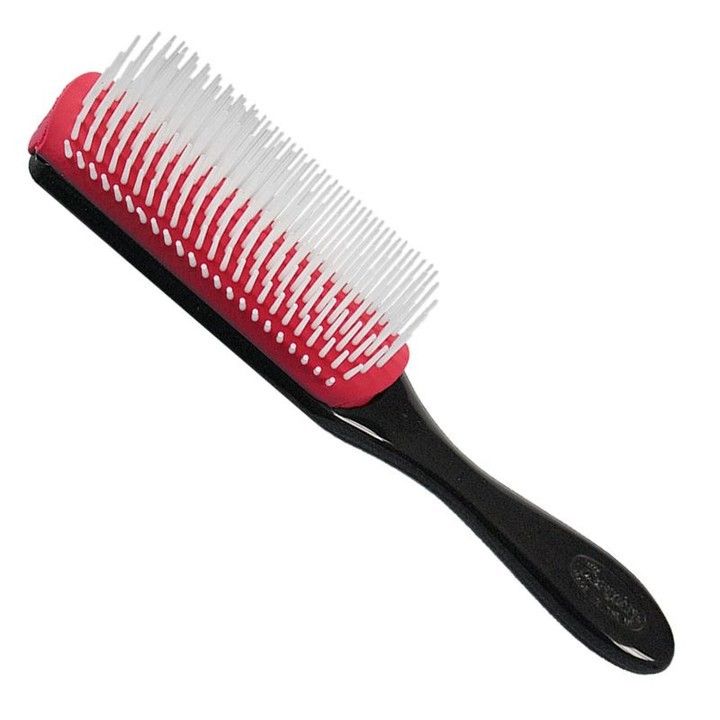
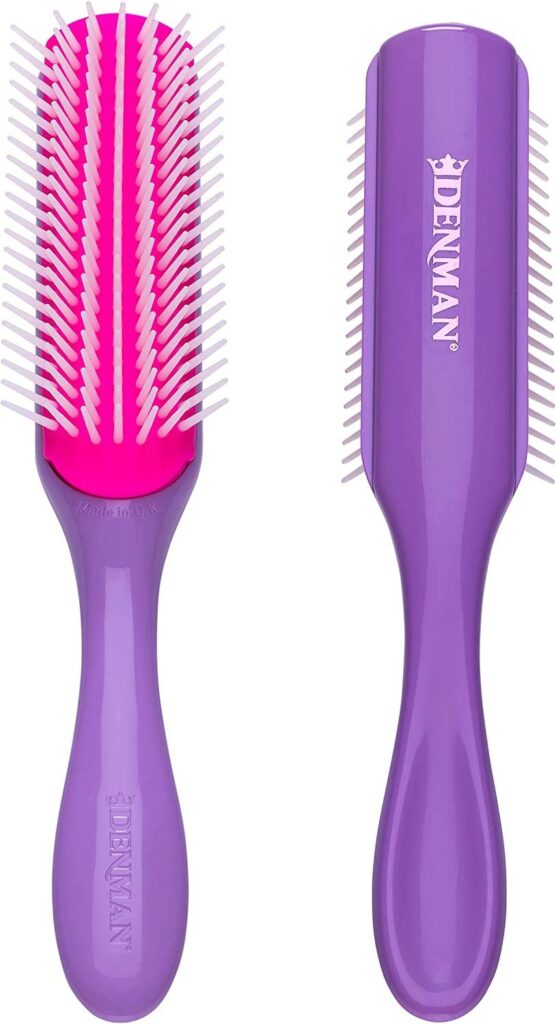
The Denman Brush
The Denman brush, with rows of firm nylon bristles, works well for defining curls during detangling. This brush suits looser patterns better than very tightly coiled hair.
Using light pressure prevents this firmer brush from causing unnecessary tension.
4A vs 4B vs 4C Hair Explained can help you understand whether this brush suits your specific pattern.
Testing this brush on a small section first helps you judge if it feels right. If it pulls or catches, switch to a gentler flexible-bristle brush instead.
Many naturalistas with tighter coils skip this brush entirely, preferring gentler alternatives instead. Those with looser 4A patterns often find this brush gives beautiful, defined curl results.
Detangling Sprays And Their Role
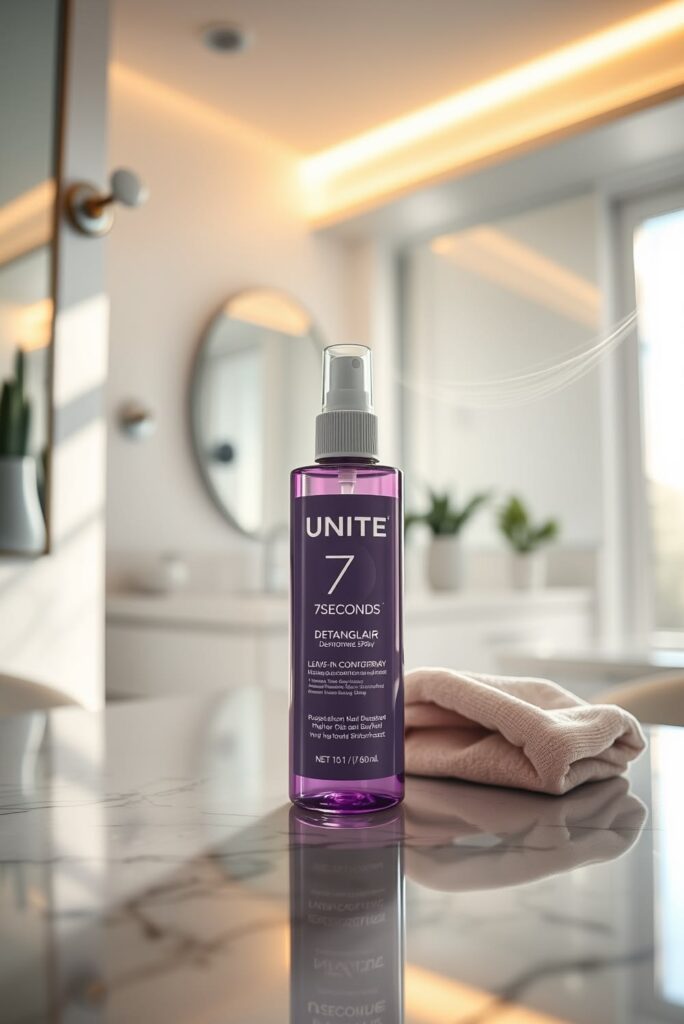
A good detangling spray adds slip, making any tool glide more smoothly through hair. These sprays often contain lightweight oils or conditioning agents for extra glide.
Keeping one on hand makes both wash day and daily detangling much easier.
The Truth About Hair Growth Oils explains how oil-based sprays actually work on your strands.
Making your own spray with water and a little conditioner also works well. This homemade option saves money while still providing the slip your hair needs.
Keep a small bottle in your bag for quick refreshes throughout a busy day. Adding a drop of oil to your spray gives even more slip for stubborn knots.
Refilling this bottle weekly keeps it fresh and ready whenever you need it.
Detangling On Wet Versus Dry Hair
Wet, conditioned hair detangles far more easily than dry, unconditioned hair. Water and conditioner add slip that helps knots loosen without excessive pulling.
Dry detangling should be reserved for gentle daily maintenance, not major tangles.
How To Grow Healthy Afro Hair Without Chasing Length explains why gentle handling supports growth so directly.
Never force a dry comb through stubborn knots, since this almost always causes breakage. If you must detangle dry hair, use a light oil or cream first for slip.
Waiting until wash day for major detangling protects your strands the very best. Daily dry detangling should stay light, quick, and focused only on small, loose tangles.
Sectioning Your Hair Before Detangling
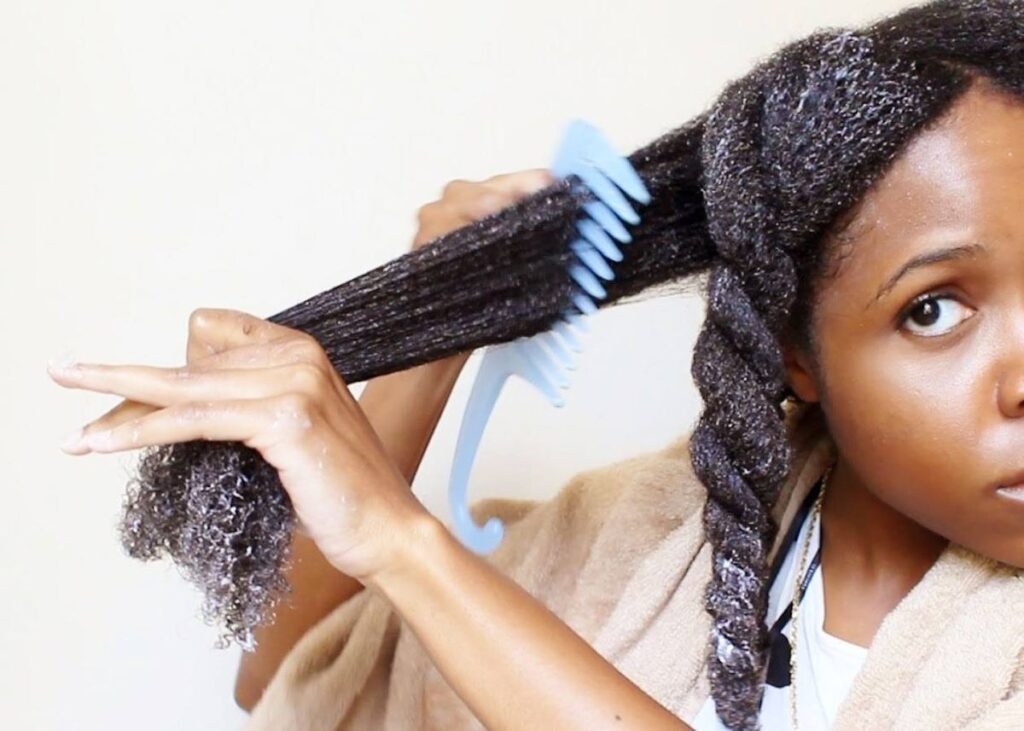
Dividing your hair into four or more sections makes detangling far more manageable.
Working through smaller sections reduces overwhelm and prevents missed, tangled areas. This method also protects your arms and hands from unnecessary fatigue.
The Best Hair Growth Routine For Afro Hair covers how sectioning fits into a full wash day routine.
Clipping each section as you finish helps you keep track of your progress clearly. This small organizational habit makes the whole process feel far less overwhelming.
Working section by section also lets you take short breaks without losing your place. Four to six sections usually work best for most hair densities and lengths.
Starting From The Ends
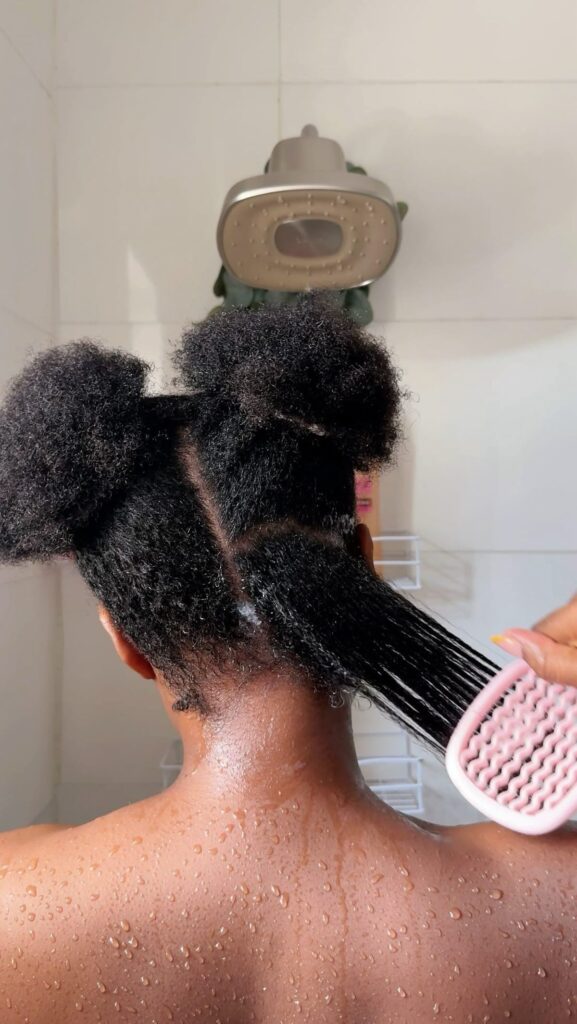
Always begin detangling from the ends of your hair, working upward slowly. This technique reduces tension and prevents pulling tight knots through your entire strand.
Rushing this step almost always leads to unnecessary breakage and pain.
What Is Hair Porosity and Why Does It Matter? explains how porosity can affect how easily hair tangles.
Patience here protects hours of growth that took months to achieve. Rushing to finish quickly almost always costs more time later through added breakage.
Working slowly through each small knot, rather than yanking, protects your length significantly. This single habit alone prevents a large share of avoidable breakage during wash day.
Choosing Tools By Curl Pattern
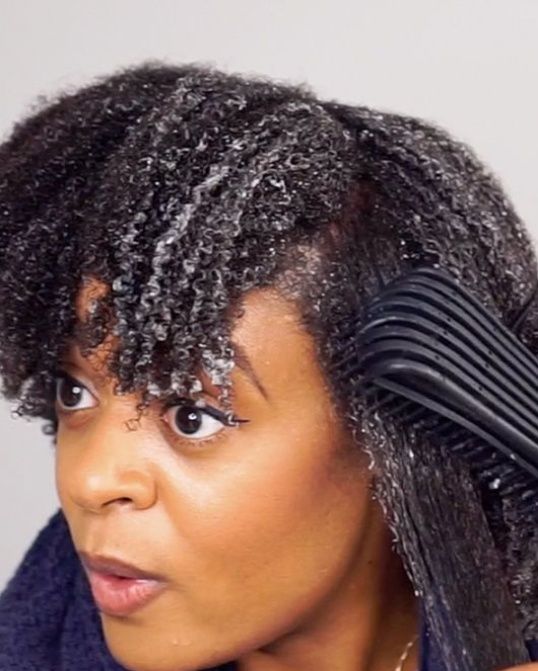
Your curl pattern can guide which detangling tool works best for your hair. Looser patterns often tolerate firmer brushes better than very tightly coiled patterns.
How To Identify Your Curl Pattern helps you understand your own hair’s specific needs.
Testing a few different tools helps you discover what your hair truly prefers.
Keeping two tools on hand, one gentle and one firmer, covers most days well. Your pattern may even vary across your head, needing more than one tool type.
Adjusting your tool choice section by section often produces the smoothest overall results. Over time, you will learn exactly which tool suits each part of your head.
Choosing Tools By Porosity
Porosity can also affect how your hair responds to different detangling tools. Drier, low porosity hair often needs extra slip from conditioner or spray.
Healthy Scalp Habits For Faster Hair Growth reminds us that gentle handling protects the scalp too.
High porosity hair, often more fragile, benefits from extra care during every detangling session.
Adding a light protein treatment occasionally can help strengthen these more fragile strands.
Watching how your hair responds after each session helps you adjust your approach over time.
Small, consistent adjustments like these protect fragile strands from unnecessary ongoing damage.
Detangling Children’s Hair Gently
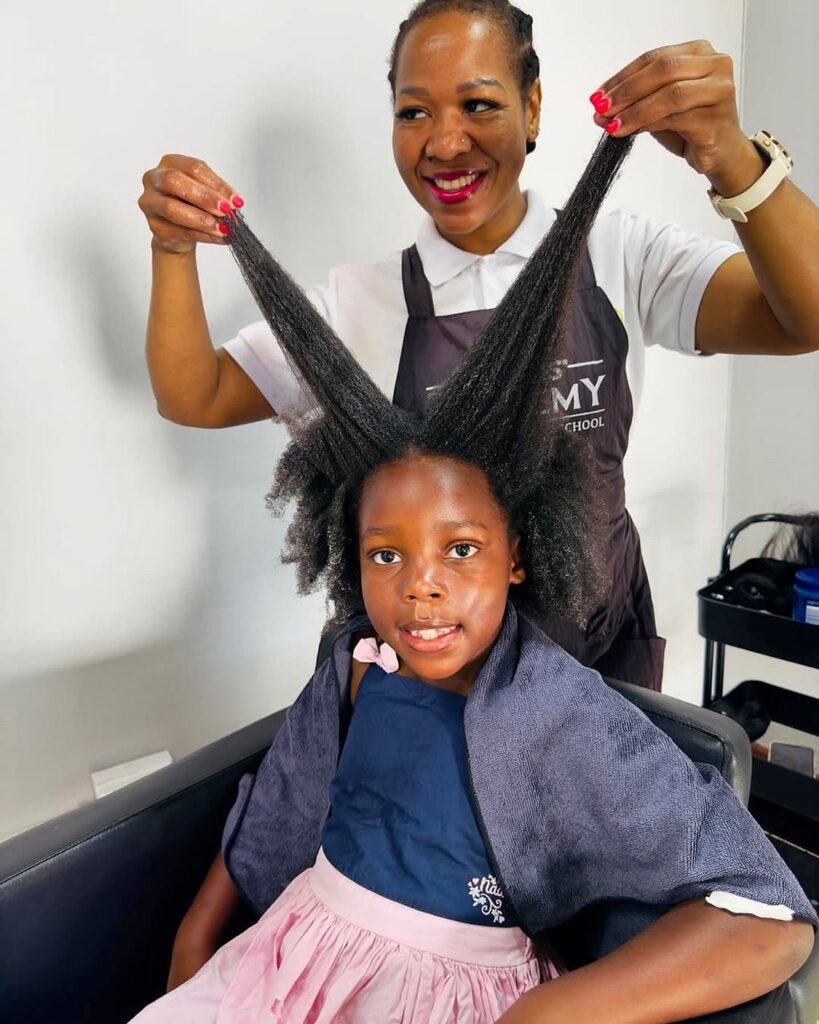
Children often have more sensitive scalps and lower pain tolerance during detangling.
Using extra conditioner and working in very small sections helps make the process easier. Distracting with music or a favorite show can also help the time pass calmly.
Teaching children to detangle their own hair gently, as they grow, builds good lifelong habits. Patience during these early years shapes how a child feels about their hair for life.
A calm, unhurried adult sets the tone for how the child experiences the whole process. Praising small moments of patience helps children stay calm through longer sessions too.
Making the experience positive early on prevents years of dread around future wash days.
Detangling Before And After Protective Styles
Thoroughly detangling before installing a protective style prevents matting underneath the style later. Trapped tangles under braids or twists can become much worse over several weeks.
Taking extra time before installation saves significant trouble once the style comes down.
After removing a protective style, detangle slowly and gently, since hair may feel more fragile. Rushing this step after weeks of protective styling often leads to unnecessary breakage.
A little extra conditioner during this session helps ease the process considerably. Give yourself extra time on removal day rather than rushing to finish quickly.
Many naturalistas set aside an entire evening just for this careful, unhurried process. Working in front of a mirror, section by section, often makes this process easier.
Seasonal Adjustments To Detangling
Dry, harmattan weather can make hair more prone to tangling and static. Adding extra moisture and slip during these months makes detangling noticeably easier.
Humid weather may cause different challenges, like frizz forming during the detangling process.
Adjusting your approach with the seasons keeps detangling manageable throughout the entire year. Paying attention to how your hair behaves each season helps you plan wash days better.
Keeping extra moisture on hand during dry months prevents most seasonal detangling struggles. Traveling to a different climate may also require a temporary change in your usual routine.
Packing extra moisturizing products for trips helps you stay prepared for unfamiliar weather.
Cleaning And Maintaining Your Tools
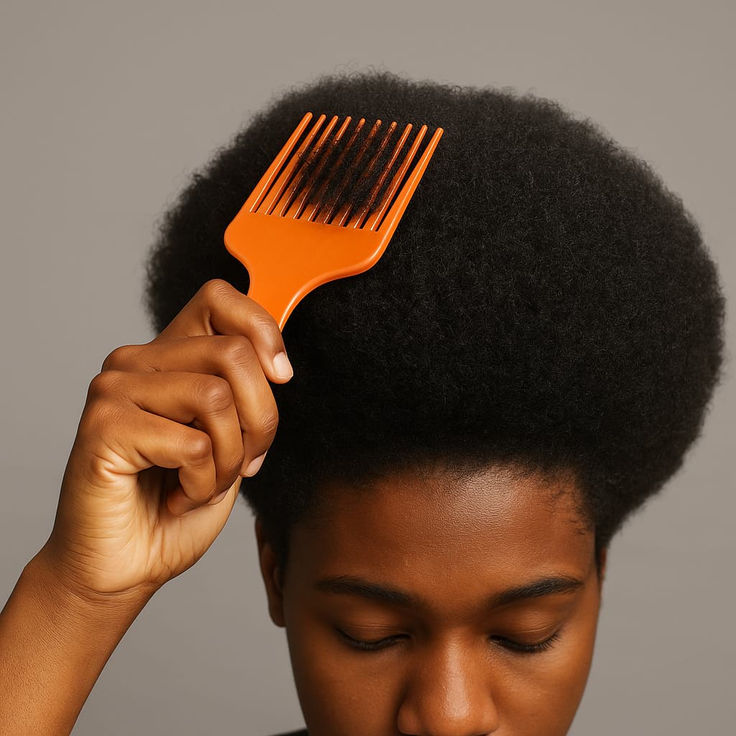
Regularly cleaning your combs and brushes removes built-up product and shed hair. A clogged tool works less effectively and can even reintroduce dirt to clean hair.
Must-Have Products For A Healthy Hair Routine lists tool care among the small habits worth building.
A quick wash with warm water and mild soap keeps tools working well for years. Doing this weekly, alongside your regular wash day, keeps the habit simple and consistent.
Drying tools fully before storing them prevents any lingering moisture from causing damage. A small brush cleaning tool can help remove trapped hair between the bristles easily.
Common Detangling Mistakes
Rushing through detangling is one of the most common, damaging mistakes naturalistas make. Using a fine-tooth comb on dry, tangled hair almost always causes breakage.
Hair Cream vs Hair Butter: Which Should You Choose? explains how proper sealing afterward protects your work.
My sister used to detangle in five rushed minutes before school every single day. Once she slowed down and used a proper brush, her breakage dropped noticeably within weeks.
Skipping conditioner before detangling is another common mistake worth avoiding completely. Pulling from the roots downward, instead of starting at the ends, is another frequent error.
Ignoring small tangles until they grow into large knots is a mistake worth avoiding too.
Comparing your detangling routine to someone else’s, instead of listening to your own hair, is another common trap.
Building Detangling Into Your Routine
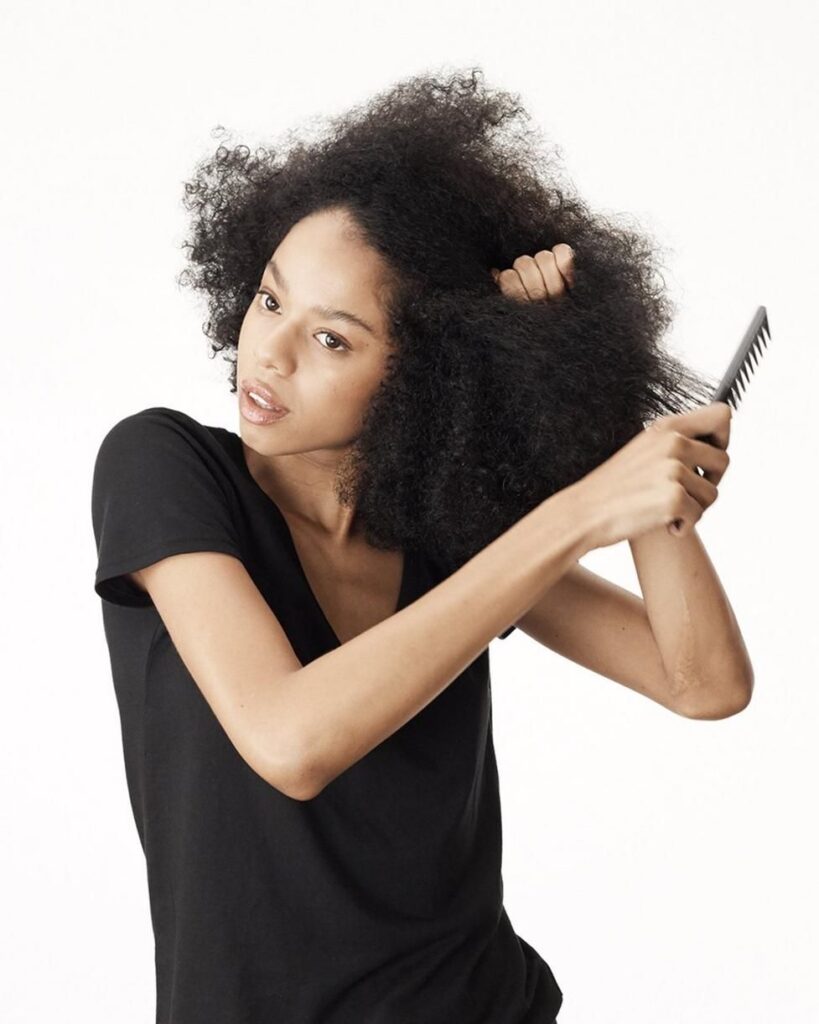
Detangling should happen consistently, not only when hair feels unbearably tangled. Regular, gentle detangling between wash days prevents knots from building into bigger problems.
This small, consistent habit protects your length far more than occasional, rushed sessions.
Setting aside a specific time each week for a light detangling session helps build this habit. Many naturalistas find that a calm, relaxed setting makes the whole process feel less like a chore.
Pairing it with something enjoyable, like a podcast, makes the time pass quickly. Over time, this dedicated time can become a small, welcome moment of self-care.
Emotional Aspects Of Detangling
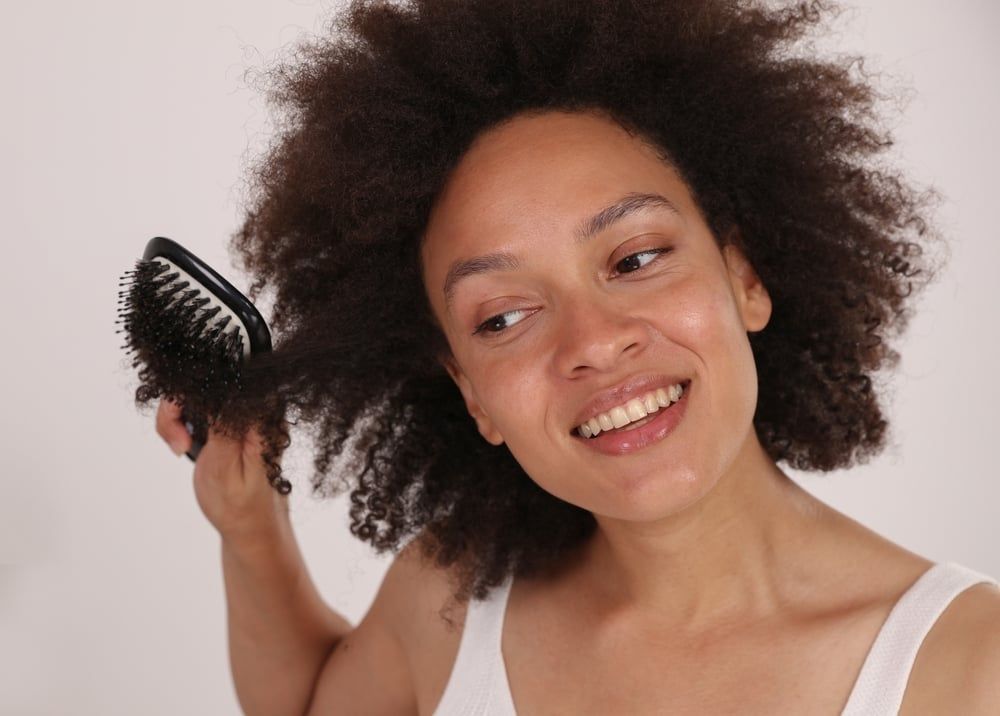
Detangling carries emotional weight for many people, often tied to childhood memories. Painful early experiences can create lasting anxiety around hair care into adulthood.
Recognizing this connection helps explain why gentle technique matters beyond just physical comfort.
Reframing detangling as a calm, caring ritual can slowly change how it feels over time. Playing music, using a favorite scent, or detangling in a comfortable chair all help.
Small changes like these can transform a dreaded task into something almost enjoyable. Over time, many naturalistas come to see this quiet time as genuinely relaxing.
Healing this relationship with detangling often improves how naturalistas feel about their whole hair journey.
Quick Answers To Common Questions
A few questions come up often about choosing the right detangling tool.
Which brush is truly the gentlest option available? A flexible-bristle detangling brush used on wet, conditioned hair is usually gentlest.
Can I detangle my hair every single day? Yes, gentle daily detangling actually prevents bigger tangles from forming later.
Is finger detangling better than using a brush? Both work well, and many naturalistas combine the two for the best results.
Do children need different detangling tools? Yes, softer, smaller tools suit young, more delicate hair much better.
How long should a detangling session usually take? This depends on hair length and tangling, though rushing should always be avoided.
Can detangling oils replace conditioner entirely? No, oils add slip but do not replace the moisture conditioner provides.
Is it normal to lose some hair while detangling? Yes, some shedding is completely normal and different from actual breakage.
Should I detangle before or after applying oil? Applying a little oil or cream first often makes detangling noticeably smoother.
Can too much detangling actually cause damage? Yes, excessive handling, even gentle handling, can add unnecessary stress over time.
Is it okay to detangle in the shower? Yes, the water and steam can add helpful slip during the process.
Can a wide-tooth comb replace a detangling brush completely? Yes, many naturalistas use only a comb with great success.
Should I detangle before or after deep conditioning? Detangling while your deep conditioner is still in your hair works best.
Is finger detangling too slow for busy mornings? It can be, so save it for wash days and use a comb daily instead.
A Few Final Things Worth Knowing
Choosing the right detangling tool protects your hair from unnecessary pain and breakage. Gentle brushes, wide-tooth combs, and even your own fingers all have their place.
Detangling on wet, conditioned hair with proper technique makes the biggest difference. Understanding your own curl pattern and porosity helps you choose tools that truly fit.
Take your time during this step, since rushing almost always costs you more later. Your hair will reward patience and gentleness with softer, stronger, longer-lasting results.
Remember the client from the beginning, who once dreaded every wash day as a child. With gentler tools and slower technique, wash day became something she genuinely looked forward to.
That same change is possible for you too, no matter how detangling has felt until now.
Building a calm, consistent detangling habit protects far more than just your length. It protects your relationship with your own hair, session after session, year after year.
Choose your tools thoughtfully, handle your strands gently, and give yourself the time this step deserves.