
The Perfect Wash Day Routine For 4A Hair
Disclosure: Some of the links in this post are affiliate links. This means if you click on the link and purchase an item, I will receive an affiliate commission at no extra cost to you.
Your hair type affects your wash day plans. What works for tighter curls may not work well for your looser 4A pattern at all.
4A hair has a soft, springy curl. It needs its own specific care to truly thrive.
Using the wrong products or steps can leave your curls feeling flat, greasy, or oddly weighed down. A tailored routine solves this problem completely.
If your hair still feels dry no matter what you try, that struggle often starts with the wrong routine. Read why your afro hair feels dry all the time to understand the root cause first.
This guide walks you through a full 4A wash day, step by step. Simple, clear, and easy to actually follow.
By the end, you will have a repeatable routine that genuinely works for your specific curl pattern.
The Perfect Wash Day Routine For 4A Hair
Why 4A Hair Needs Its Own Routine
Many naturals follow generic routines meant for tighter curl patterns. This often leaves 4A hair feeling weighed down or greasy.
4A curls are looser and hold moisture a bit differently than 4B or 4C textures. Your routine should reflect that difference.
Long, exhausting wash days can also make this worse. Learn how to cut your wash day in half without sacrificing healthy hair to keep things simple.
A shorter, smarter routine still gives your curls everything they need to stay healthy and defined.
Following a routine built for your texture also saves you money on products that were never right for your hair.
Once you switch to the correct approach, most people notice a real difference within just a few wash days.
Understanding Your 4A Curl Pattern
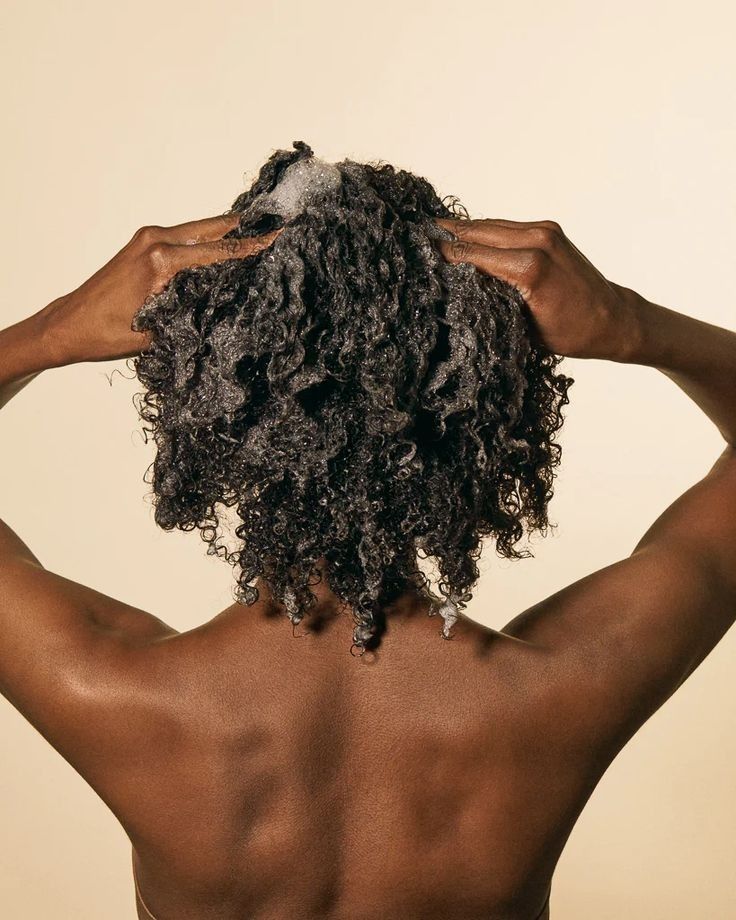
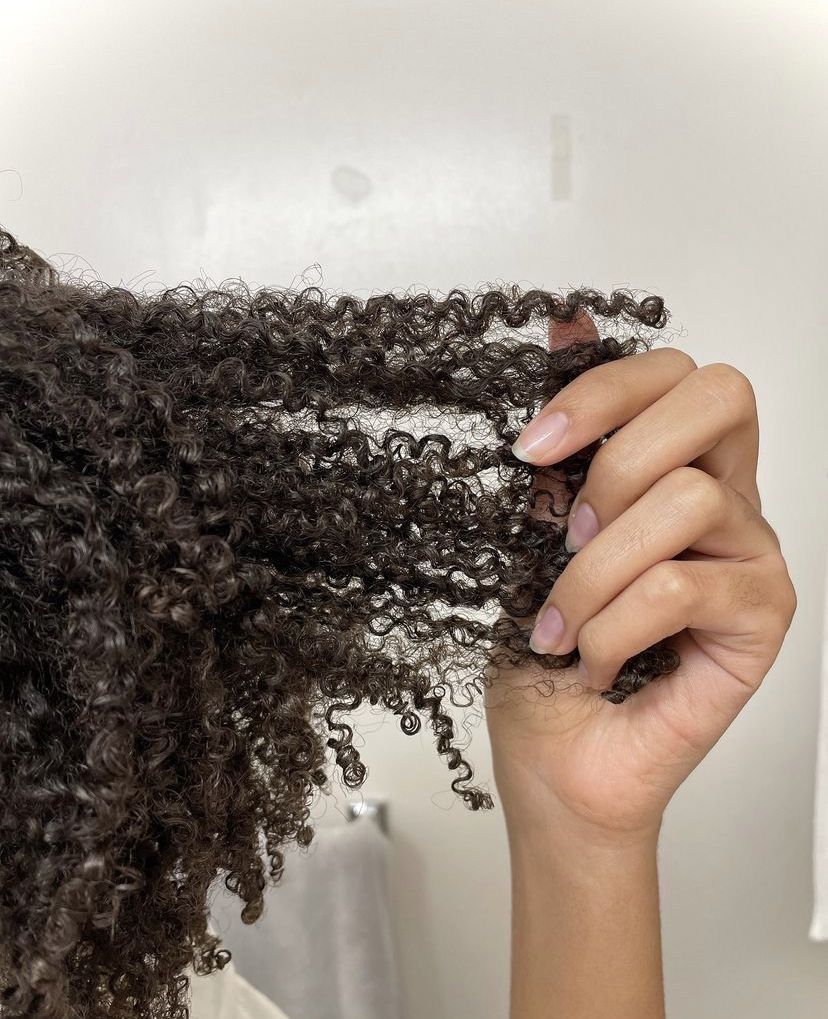
4A hair typically forms a well defined S shape curl. It tends to be springy and holds styles fairly well.
This texture can still range from fine to thick strands. Everyone’s exact 4A pattern looks a little different.
If your curls feel tighter than this description, the perfect wash day routine for 4B hair might suit you better.
If your curls feel much tighter, the perfect wash day routine for 4C hair may be a better fit.
Knowing your exact pattern helps you choose the right products and techniques from the very start.
Take a moment to observe your curls after a fresh wash, without any product applied. This shows your true, natural pattern clearly.
Comparing your curls to others rarely helps. Focus instead on what your own strands genuinely respond to best.
Step One: Pre-Wash Detangling
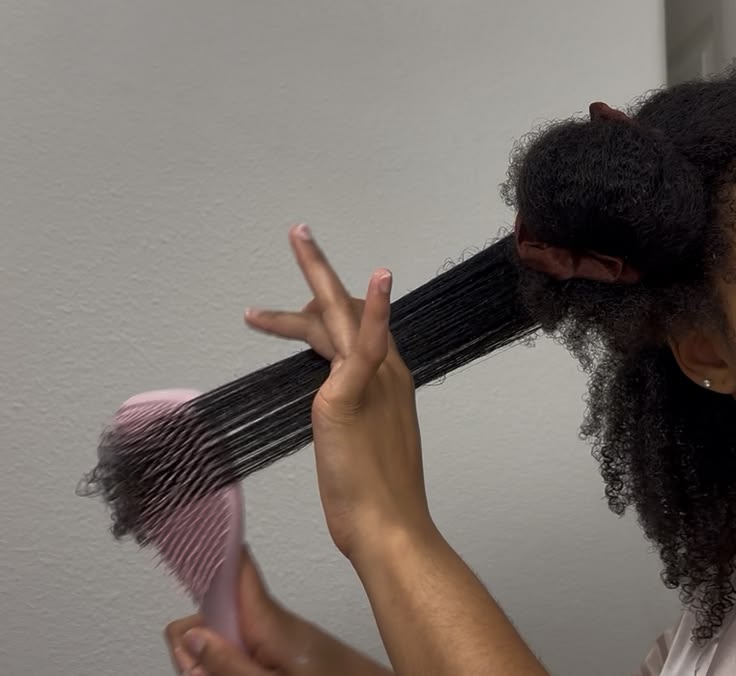
Always detangle your hair before you even wet it. This step, called pre-detangling, prevents unnecessary tangling once water gets involved.
Use a wide tooth comb or your fingers to gently work through knots. Start from the ends and move upward slowly.
Take your time here. Rushing this step often leads to more breakage later in your routine. Working in small sections makes detangling far easier and gentler on your strands overall.
Applying a light oil or slip product before detangling can make knots slide apart more easily.
Detangling while your hair is dry, before you even wet it, prevents extra tangling once water gets involved.
This upfront effort saves you time and frustration once your actual wash routine begins properly.
Step Two: The Pre-Poo Treatment
A pre-poo treatment is applied before shampooing. It usually involves oil, conditioner, or a simple mix of both.
This step protects your hair from the drying effects of shampoo. It also makes detangling even easier during the wash itself.
Leave your pre-poo on for about fifteen to twenty minutes before moving to the next step. You can apply gentle heat during this time, using a warm towel, to help the treatment absorb.
This simple step alone can noticeably reduce dryness and tangling during your entire wash routine.
Many naturals skip this step to save time, but it genuinely makes the rest of wash day easier. Consider it a small investment that pays off throughout your entire routine.
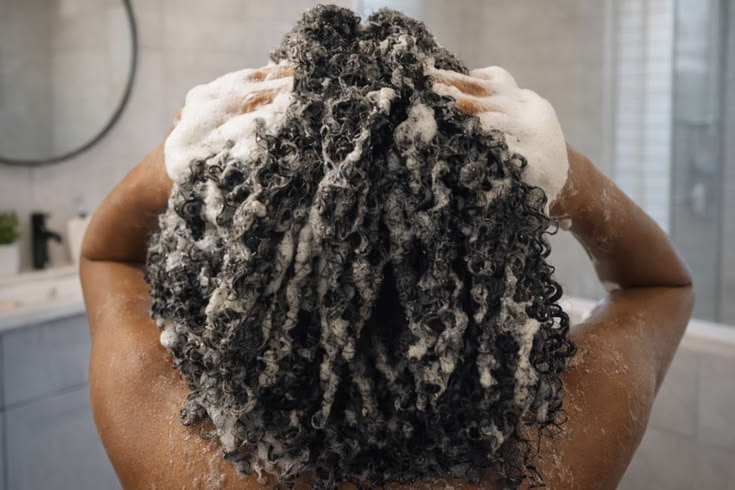
Step Three: Shampooing Properly
Choose a gentle, sulfate free shampoo for your 4A curls. Harsh shampoos strip natural oils your hair actually needs.
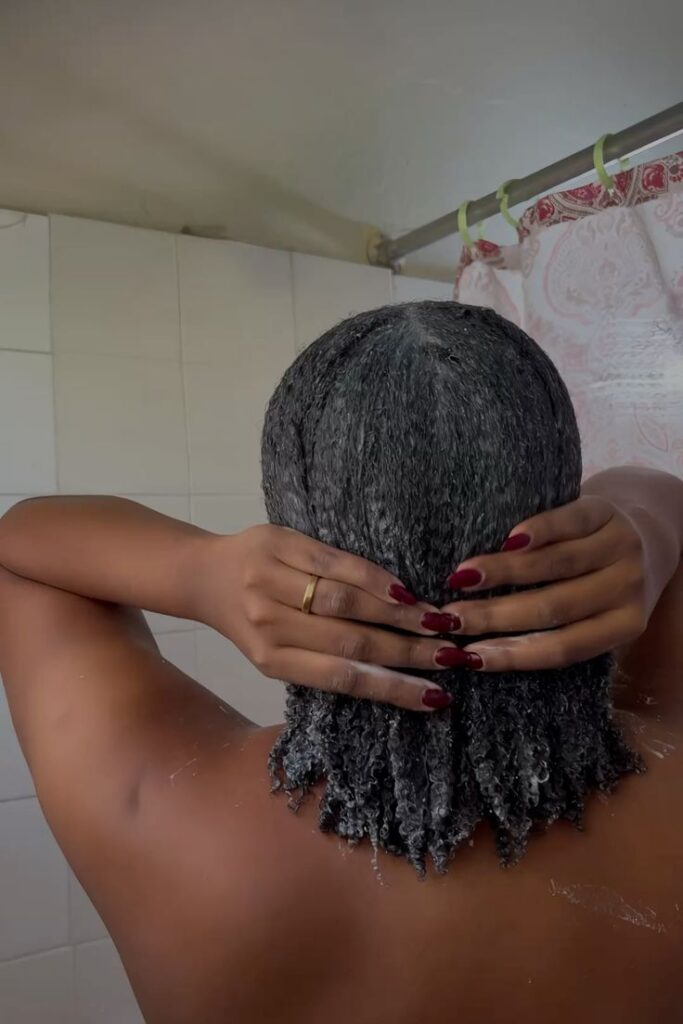
Focus your shampoo mainly on your scalp, not your entire length. Let the suds rinse down naturally through your strands.
Skipping this step, or shampooing too roughly, is one of the 15 wash day mistakes that could be causing breakage.
Massage your scalp gently with your fingertips, never your nails, while shampooing to avoid unnecessary irritation.
Two gentle shampoo sessions, back to back, work better than one aggressive scrub for removing buildup.
The first shampoo removes surface dirt, while the second one cleanses your scalp more thoroughly.
Avoid scrubbing your lengths directly, since shampoo can leave them feeling stripped and unnecessarily dry.
Step Four: Deep Conditioning
Deep conditioning is not optional for healthy 4A hair. This step restores moisture that shampoo can strip away.
Apply your deep conditioner generously, focusing on your ends. Leave it on for at least twenty minutes, longer if possible.
Skipping this step regularly can quietly contribute to excessive shedding over time. Read how to stop excessive hair shedding if this sounds familiar to you.
Using a plastic cap while your conditioner sits helps trap heat and boost how well it absorbs.
Detangle gently one more time while the conditioner is still in your hair for extra smoothness.
Sitting under a warm hooded dryer, if you own one, helps the conditioner penetrate even deeper into your strands.
If you do not have one, simply wrapping a warm towel around your head works well too.
Step Five: Rinsing The Right Way
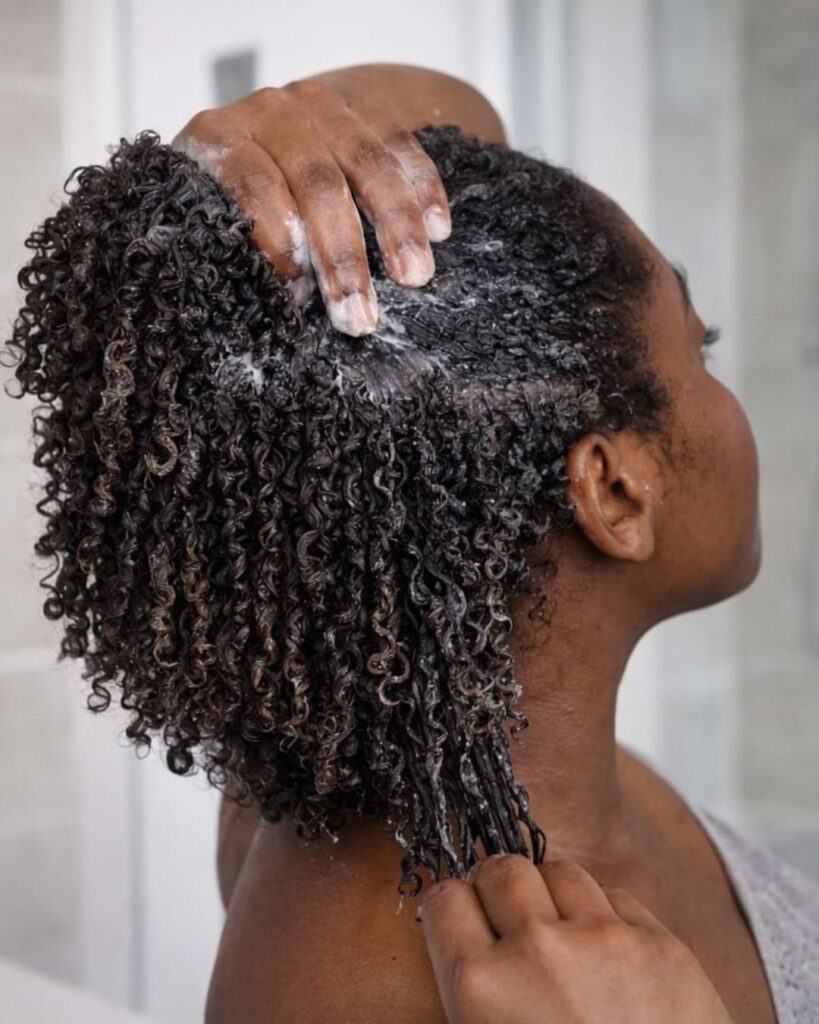
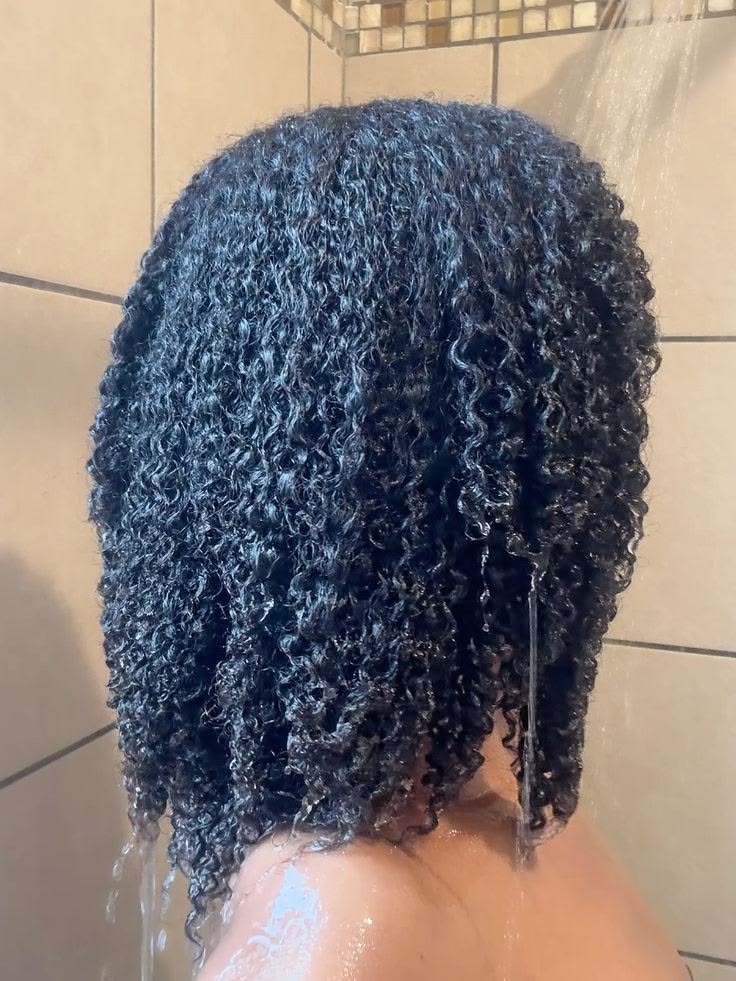
Rinse your conditioner out with cool or lukewarm water. Hot water can strip moisture and leave your scalp feeling unusually dry.
If your scalp feels tight, or unsure if it is dry or dehydrated, water temperature might be the issue. Read how to tell if your scalp is dry or just dehydrated to understand this better.
Rinse thoroughly to avoid any leftover product buildup on your scalp or strands. A final cool water rinse can also help your hair cuticles close, adding extra shine to your curls.
Avoid rushing this step, since leftover product often leads to dullness and unwanted buildup later.
Run your fingers gently through your strands while rinsing to check for any slippery residue still remaining.
Take your time here, since a thorough rinse sets the stage for the rest of your routine.
Step Six: Applying Leave-In Products
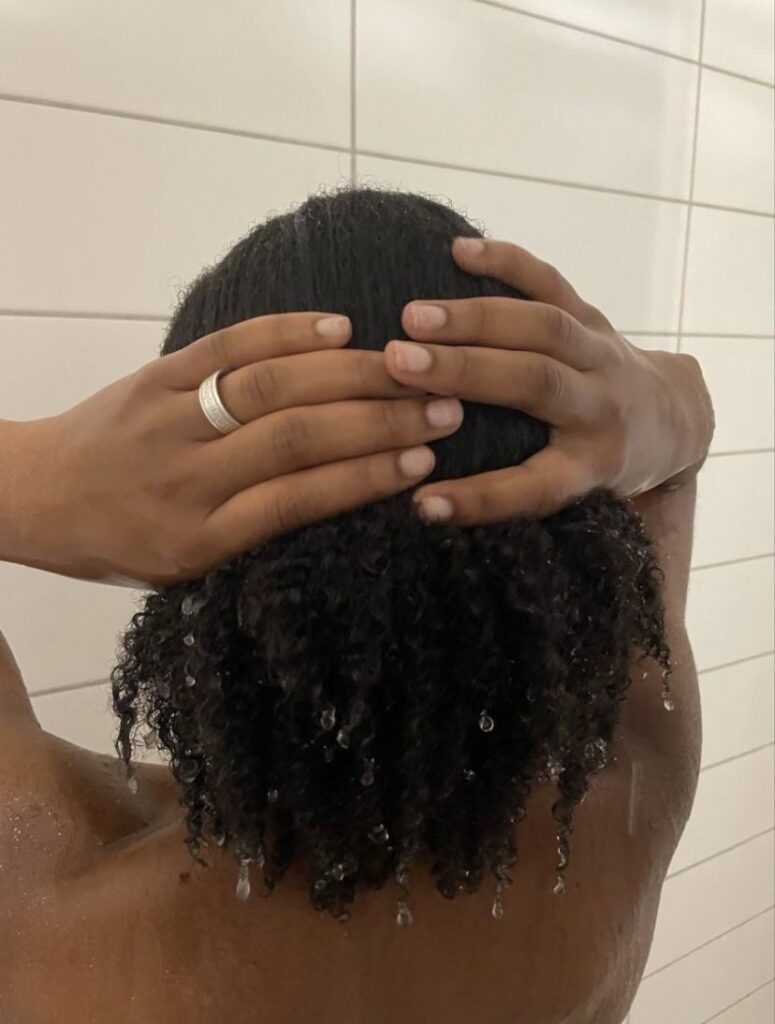
While your hair is still soaking wet, apply a leave-in conditioner. This locks in moisture from your entire wash routine.
Use the LOC or LCO method here, layering liquid, oil, and cream in the right order for your hair.
Applying products on wet hair, rather than dry hair, helps your 4A curls absorb moisture far more effectively.
Apply your products in small sections to make sure every strand gets even, thorough coverage.
Avoid overloading your hair with too many products at once, since this can weigh down lighter 4A curls. Start with a small amount and add more only if your hair genuinely needs it.
You can always add more product later, but removing excess buildup mid routine is far more difficult.
Step Seven: Styling For Definition
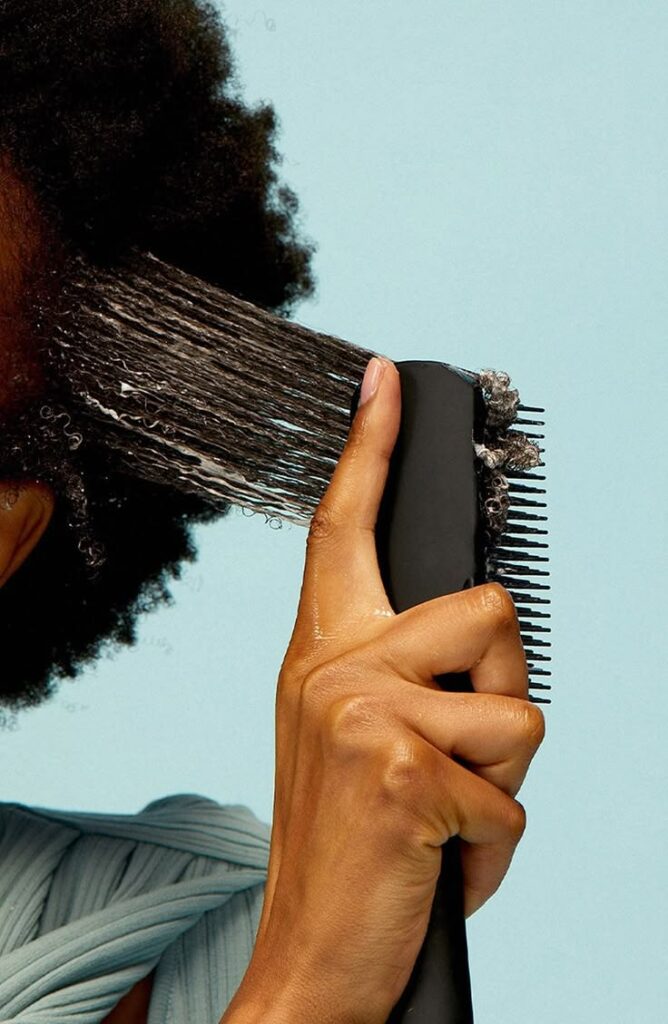
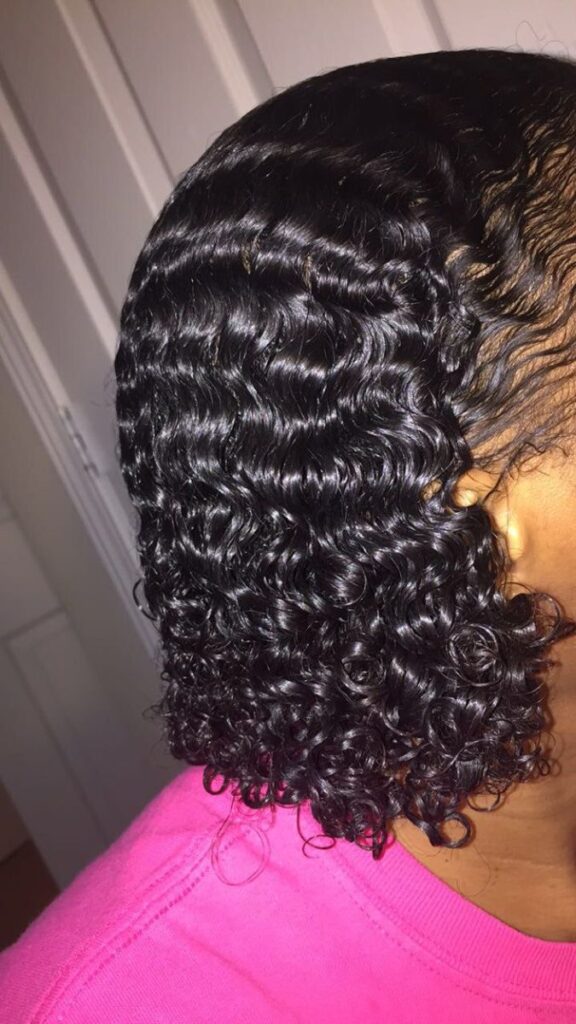
4A curls respond well to gentle finger coiling or simple twist outs. Both methods enhance your natural curl pattern nicely.
Avoid brushing your curls once they are styled, since this can disrupt your curl pattern and create unwanted frizz.
Let your styling products fully absorb before touching your hair again. Patience here leads to better curl definition.
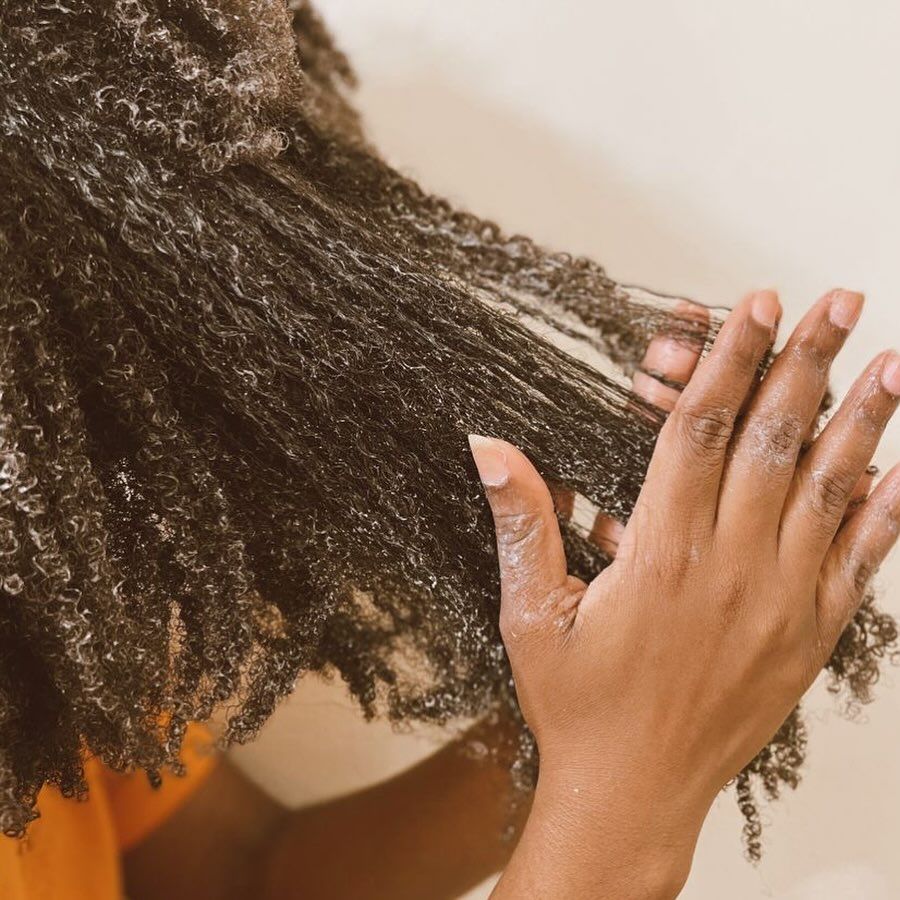
Try the praying hands method to smooth product through each section evenly before letting curls form naturally.
Avoid fluffing or touching your curls while they are still wet, since this often creates unwanted frizz.
Once your curls are fully dry, you can gently separate them with your fingers for a fuller look.
Try scrunching your curls upward gently while applying products, rather than pulling downward against their natural direction.
This technique encourages your curls to clump together more naturally, creating better overall definition.
Step Eight: Drying Methods For 4A Hair
Air drying works beautifully for 4A hair, though it takes more time overall. Avoid touching your curls too much while they dry.
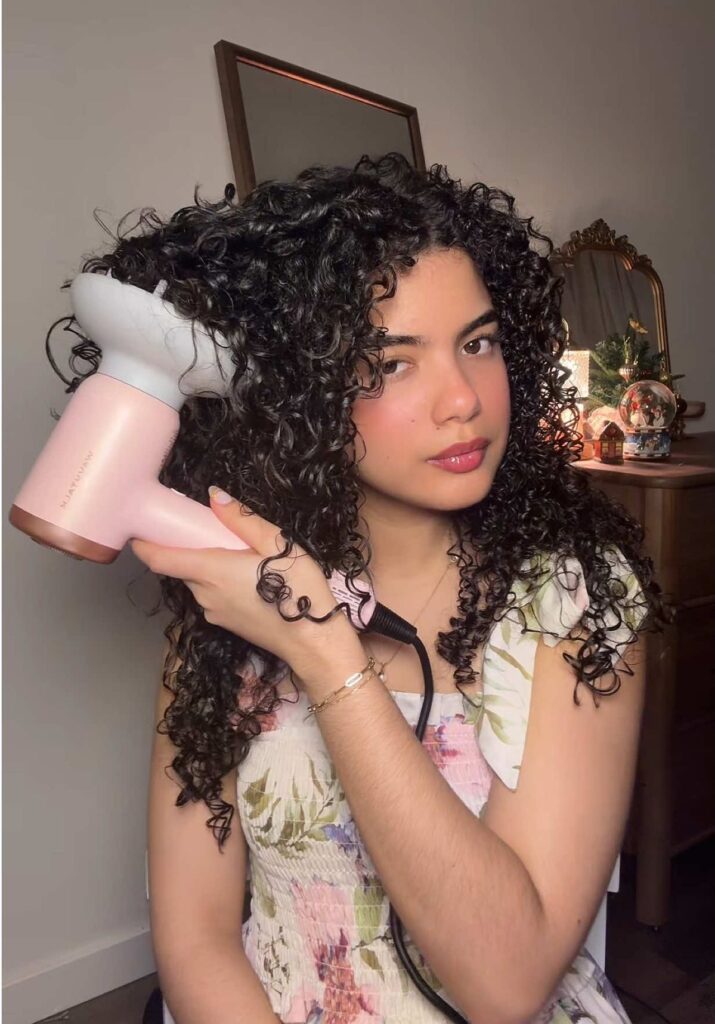
If you prefer faster drying, use a diffuser attachment on low heat. High heat can quickly damage your curl pattern.
Avoid rough towel drying completely. A microfiber towel or an old cotton shirt works far more gently on your curls.
Plopping your hair with a soft cloth can also help shape your curls while reducing overall drying time.
Whichever method you choose, avoid disturbing your curls too much until they are almost completely dry.
Patience during this step protects your curl pattern and prevents unnecessary frizz from forming.
If you are short on time, focus the diffuser mainly on your roots first, then move to your ends. Cool air settings can also help set your curls once they are almost completely dry.
How Often To Wash 4A Hair
Most 4A hair does well with washing once every one to two weeks. Washing too often can strip natural oils unnecessarily.
Your personal activity level, climate, and scalp condition all affect how often you should actually wash.
Pay attention to how your scalp and strands feel between washes, and adjust your schedule accordingly over time.
If your scalp feels heavy or your curls look dull, this is often a sign wash day is due.
On the other hand, feeling stripped or unusually dry might mean you are washing more often than needed.
Trust your own hair’s signals over any fixed schedule you read somewhere online.
Some people also benefit from a mid week refresh instead of a full wash, using just water and leave-in.
This keeps curls looking fresh without going through the entire routine every single time.
Common Mistakes That Damage 4A Hair
Using too much product can weigh down your naturally lighter 4A curls. Less is often more with this particular texture.
Ignoring your scalp entirely while focusing only on your strands is another common, hidden mistake. Read the hidden scalp mistakes that slow hair growth to avoid repeating this error.
Skipping regular trims also allows small damage to slowly spread further up your strands over time.
Using products meant for tighter curl patterns can also leave 4A hair feeling greasy and weighed down quickly.
Sleeping without any protection at all causes unnecessary friction and frizz that builds up night after night.
Using cotton pillowcases or towels instead of satin also quietly pulls moisture from your strands over time.
Small swaps like these protect your curls far more than most people realize at first.

Protecting 4A Hair Between Washes
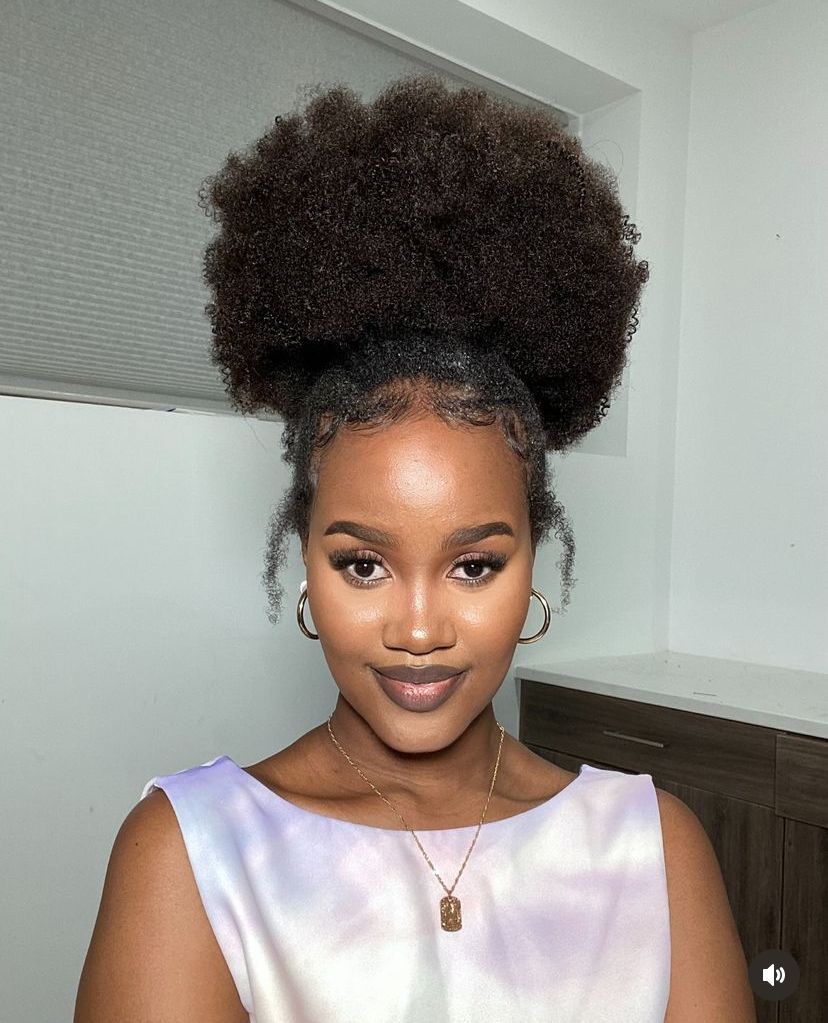
Protective styles, like buns or braids, help your curls stay defined between wash days. They also reduce daily manipulation significantly.
Wigs can also work well here, giving your natural hair a real rest. Read our beginner’s guide to wearing wigs over natural hair if you want to try this approach.
A silk or satin bonnet at night protects your curls from friction while you sleep.
Loose protective updos, like pineappling your curls before bed, also help preserve definition overnight.
Refreshing your curls in the morning with a light water spray can revive them without a full rewash.
A small spritz bottle with water and a bit of leave-in works perfectly for this quick daily refresh.
This tiny habit can genuinely extend the life of your curls between full wash days.
Scalp Care During Wash Day
Your scalp deserves just as much attention as your visible curls. A healthy scalp genuinely supports better hair growth overall.
Explore healthy scalp habits that lead to healthier hair to build simple habits into your regular wash day routine.
If your scalp constantly feels itchy during or after washing, something likely needs adjusting. Read why your scalp always feels itchy and how to fix it to solve this properly.
Gently massaging your scalp during wash day also improves circulation and supports healthier growth over time.
Never ignore ongoing scalp discomfort just because your curls look fine on the surface.
A comfortable, healthy scalp genuinely supports stronger growth and fewer wash day frustrations overall.
Make scalp checks a normal part of every single wash day, not just an occasional afterthought.
Confidence In Your 4A Wash Routine
Following the right routine for your specific hair type builds real confidence over time. You start trusting your own hair again.
Confidence grows alongside consistency, not perfection. Read how to build confidence wearing your natural hair for more support on this journey.
Give yourself grace as you learn what genuinely works best for your unique curls. There is no need to rush this process or expect perfect results right from your very first try.
Every small improvement you notice is worth celebrating along the way. Trust that consistency will pay off, even on wash days that feel a little frustrating at first.
Your curls are learning your new routine, just as much as you are learning them.
When Your 4A Hair Needs Extra Attention
Sometimes you will notice more breakage or shedding than usual, even with a solid routine in place. This happens to everyone occasionally.
Understanding the difference between breakage and shedding helps you figure out exactly what your hair is experiencing.
If your scalp feels heavy or off despite your regular routine, it might need a proper reset. Check signs your scalp needs a detox to see if this applies to you.
Do not panic over small setbacks. Most issues respond well to a few simple adjustments over time.
Staying observant and patient helps you catch problems early, before they become bigger concerns.
Keeping a simple record of any unusual changes helps you notice patterns over several weeks or months. This awareness protects both your hair health and your overall peace of mind.

Choosing The Right Products For 4A Hair
4A hair generally does best with lightweight, water based products. Heavy butters and oils can weigh these curls down quickly.
Look for ingredients like glycerin or aloe vera near the top of your product labels. These support real hydration.
Avoid products loaded with heavy silicones, since they can coat your strands without actually adding moisture underneath.
Testing new products one at a time helps you clearly see what works and what does not for your hair.
Keep a small shelf of trusted staples instead of constantly switching between random new products every wash day.
Reading online reviews from people with similar hair texture can also help guide your product choices.
Give any new product at least three full wash cycles before deciding whether it truly works for you.
Adjusting Your Routine With The Seasons
Your 4A hair may need different care depending on the season and current weather conditions around you.
During dry, cold months, your curls may need extra moisture and heavier sealing to stay soft and defined.
During humid seasons, lighter products often work better, since your hair already absorbs moisture easily from the air.
Paying attention to these shifts helps you avoid both dryness and unwanted frizz throughout the entire year.
Do not be afraid to adjust your routine slightly as the seasons change around you.
Keep a lighter moisturizer for warmer months and a richer one ready for colder, drier seasons.
This flexibility helps your curls stay balanced no matter what the weather brings.
Troubleshooting Common 4A Wash Day Problems
Sometimes your curls come out flat instead of springy, even after following every single step correctly.
This often happens from using too much product or not fully rinsing out your conditioner beforehand.
If your curls feel crunchy after drying, try scrunching gently to break the cast and reveal softer curls underneath.
If your hair feels greasy quickly after washing, you may be using products too heavy for your specific texture.
Adjusting small details like product amount or water temperature often solves most common wash day frustrations.
If your roots look flat while your ends stay curly, try focusing more product application near your scalp area.
Small tweaks like these, made gradually, help you fine tune your routine over time.
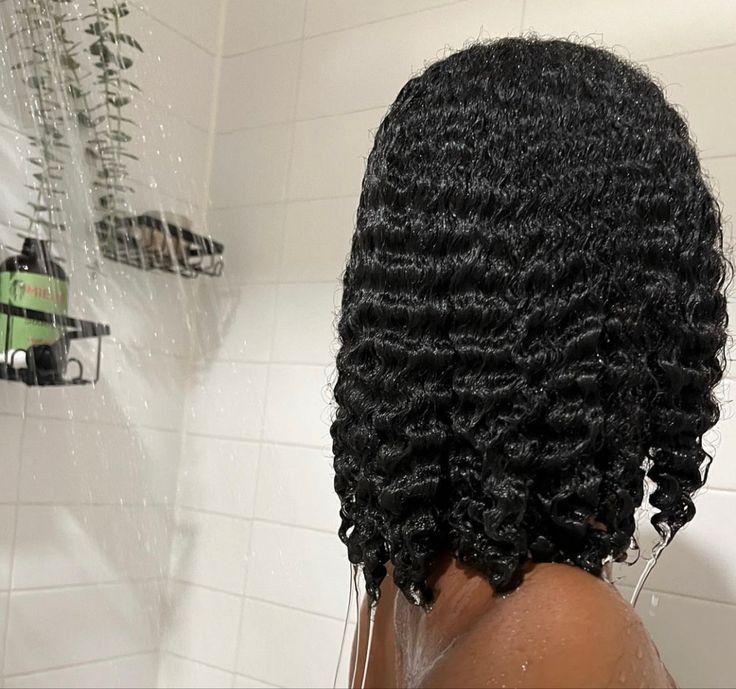
Final Thoughts On The Perfect 4A Wash Day
A proper wash day routine makes a real difference for 4A hair. Small, consistent steps lead to noticeably healthier curls over time.
Do not rush the process or skip important steps just to save time. Your curls genuinely respond to patience and proper care.
Stick with this routine consistently, and your 4A hair will reward you with softness, definition, and real strength.
Track your progress along the way, whether through photos or simple notes about what worked best.
Your curls are worth the extra care and attention this routine asks of you.
Every wash day is a chance to learn a little more about what your hair truly needs.
With time, this routine will feel less like a chore and more like a comforting, familiar ritual.