
Why Your Afro Hair Feels Dry All The Time
Disclosure: Some of the links in this post are affiliate links. This means if you click on the link and purchase an item, I will receive an affiliate commission at no extra cost to you.
Your afro hair feels dry, yeah? You are not the only person, or even the first person, complaining to me about it. Some of my clients do complain about that too. I hear it almost every week in my chair.
Someone sits down, touches their hair, and sighs, “Why does my hair feel like straw?” I get it. Dry afro hair is one of the most common problems I deal with as a stylist. It is also one of the most misunderstood.
Most people think dry hair just means “add more oil” and move on. But it goes deeper than that. Some of it comes from your hair type, Some of it comes from your habits, While some of it even comes from things you touch every single day, like your pillow or your water.
Before we fix anything, you need to understand why it happens in the first place. If you have ever wondered why your hair shed so much too, dryness is usually connected. Dry hair does not just look dull, it also behaves badly. It tangles faster, snaps easier, and refuses to hold any style for long.
This is why so many naturals feel stuck in a cycle of trying product after product with no real change. The good news is that dryness almost always has a clear cause behind it.
Once you find that cause, fixing it becomes a lot simpler than people expect. Let’s break down every reason your afro hair feels dry, one by one, in plain simple terms.
Why Your Afro Hair Feels Dry All The Time
Your Hair Type Naturally Holds Less Moisture
Afro hair, especially type 4 hair, has a curl pattern that works against moisture. Your strand curls and coils many times before it even reaches your scalp.
This shape is beautiful, but it makes it hard for natural oils to travel down the hair shaft. Straight hair lets oil slide down easily. Coily hair fights it at every twist and turn.
This is not something you did wrong. It is just how your hair is built. Once you understand this, you stop blaming yourself for something that is simply biology.
Your job now is to work with your hair type, not against it. That means you will always need a little more help keeping moisture in. This single fact explains a lot about dry hair struggles.
It also explains why some naturals deal with more breakage than shedding, and you can read more on the difference between breakage and shedding if you are still confused about the two.
Type 4 hair itself is not one single texture. It ranges from soft, springy curls to tight, dense coils. Some strands even carry more than one pattern on a single head.
Your crown might curl differently from your nape or your edges. This mix is completely normal and very common among afro hair textures.
It also means your moisture needs might differ across different parts of your own head. A one size fits all approach rarely works well for hair like this.
Paying attention to these small differences helps you moisturize smarter, not harder. It also explains why a product working wonders for your friend might do nothing for you.
Your curl pattern, your porosity, and even your scalp condition all play a part in the final result.
Sebum Struggles To Travel Down Coily Strands
Your scalp makes natural oil called sebum. This oil is supposed to travel down each strand and coat it, keeping it soft and shiny.
But with tightly coiled hair, sebum barely makes it past your roots. This is why your scalp can feel oily while your ends feel bone dry at the same time.
It sounds strange, but it happens all the time. I see this often with clients who have 4C hair, since their curl pattern is the tightest of all textures.
If this sounds like your hair, you should check out the perfect wash day routine for 4C hair because it is built around this exact problem.
Understanding sebum flow changes how you approach moisture completely. You cannot rely on your scalp oil alone to moisturize your ends.
You have to bring the moisture to your hair yourself, every single time.
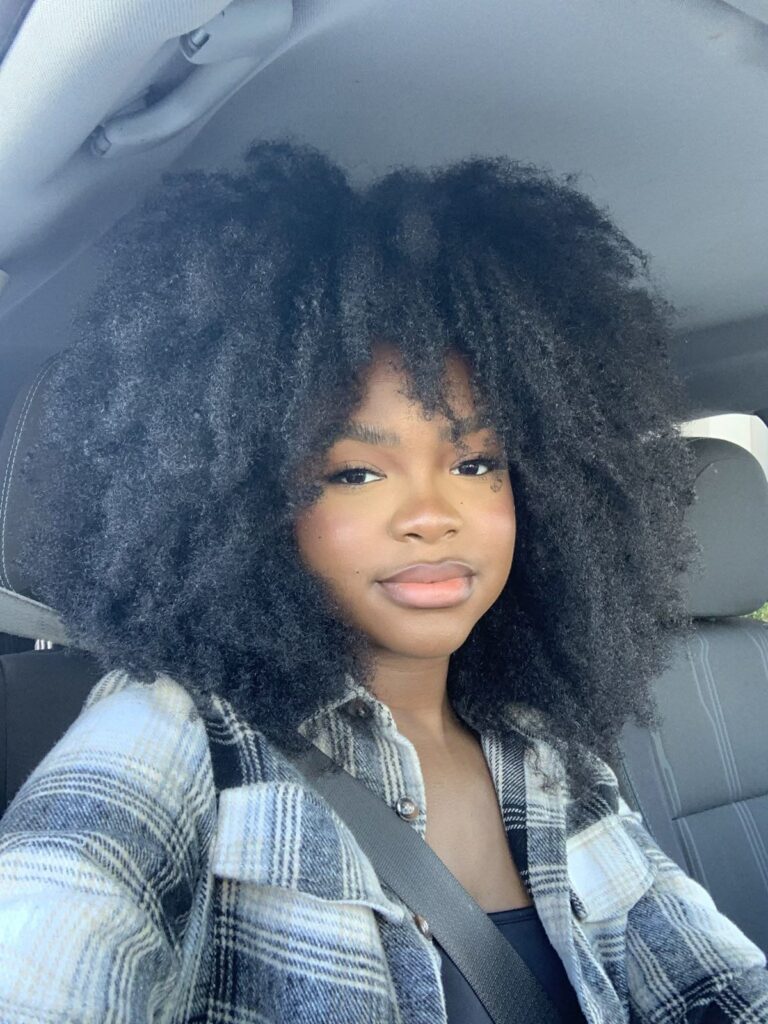
Your Hair’s Porosity Changes How It Holds Moisture
Porosity means how easily your hair lets moisture in and out. Low porosity hair has tightly closed cuticles, so water struggles to get inside at all.
High porosity hair has raised or damaged cuticles, so moisture rushes in but escapes just as fast. Both extremes can leave your hair feeling dry, just for completely different reasons.
Low porosity hair often looks dry because products sit on top instead of soaking in. High porosity hair looks dry because it cannot hold onto whatever moisture it did absorb.
Knowing your porosity changes how you should moisturize completely. Low porosity hair benefits from lighter products and gentle heat during deep conditioning.
High porosity hair needs heavier creams and butters to help seal moisture in longer. A simple strand test in a glass of water can help you figure out where your hair falls.
Once you know your porosity, guessing games around dryness become a lot less confusing.
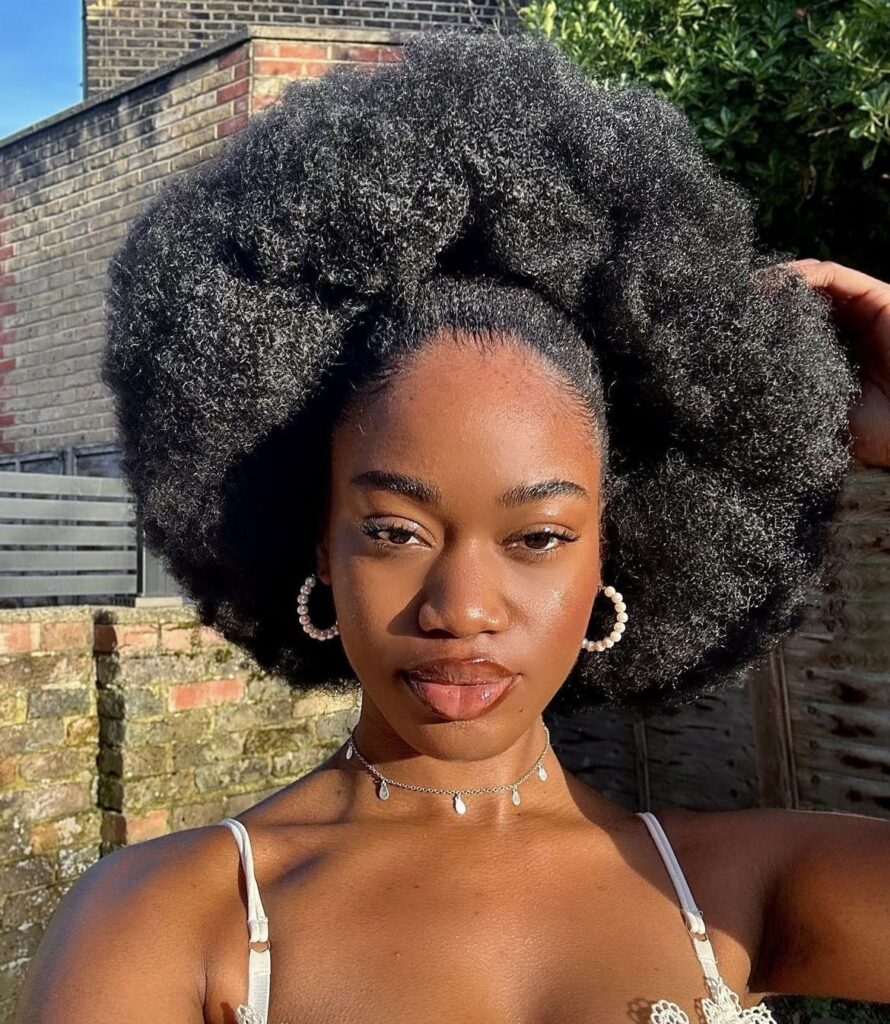
You Are Using The Wrong Products For Your Hair
A lot of dryness comes from what is sitting on your shelf right now. Some products are made for looser curls or straighter textures.
They will not do much for type 4 hair. Others are packed with alcohol, which dries your strands out fast. Read your labels.
Look out for ingredients like isopropyl alcohol near the top of the list. Also avoid products that leave your hair feeling coated instead of soft.
Your hair needs water-based moisturizers, not just oil-based ones. Oil alone cannot moisturize hair that has no water in it yet. Oil is a sealant, not a moisturizer.
This mix-up causes so much confusion and so much dryness. Before you blame your hair type again, check your product shelf first.
This one mistake is actually one of the 15 wash day mistakes that could be causing breakage, and it happens more than people realize.
Fragrance heavy products can also cause trouble, especially for sensitive scalps. A strong smell might feel nice in the shower, but it can leave your scalp dry and irritated afterward.
Look for products with humectants like glycerin, honey, or aloe vera near the top of the ingredient list. These pull moisture into your strands instead of just sitting on the surface.
Building a small shelf of products that actually match your hair type saves you time and money in the long run.
It also saves your hair from months of unnecessary dryness caused by products working against your texture instead of for it.
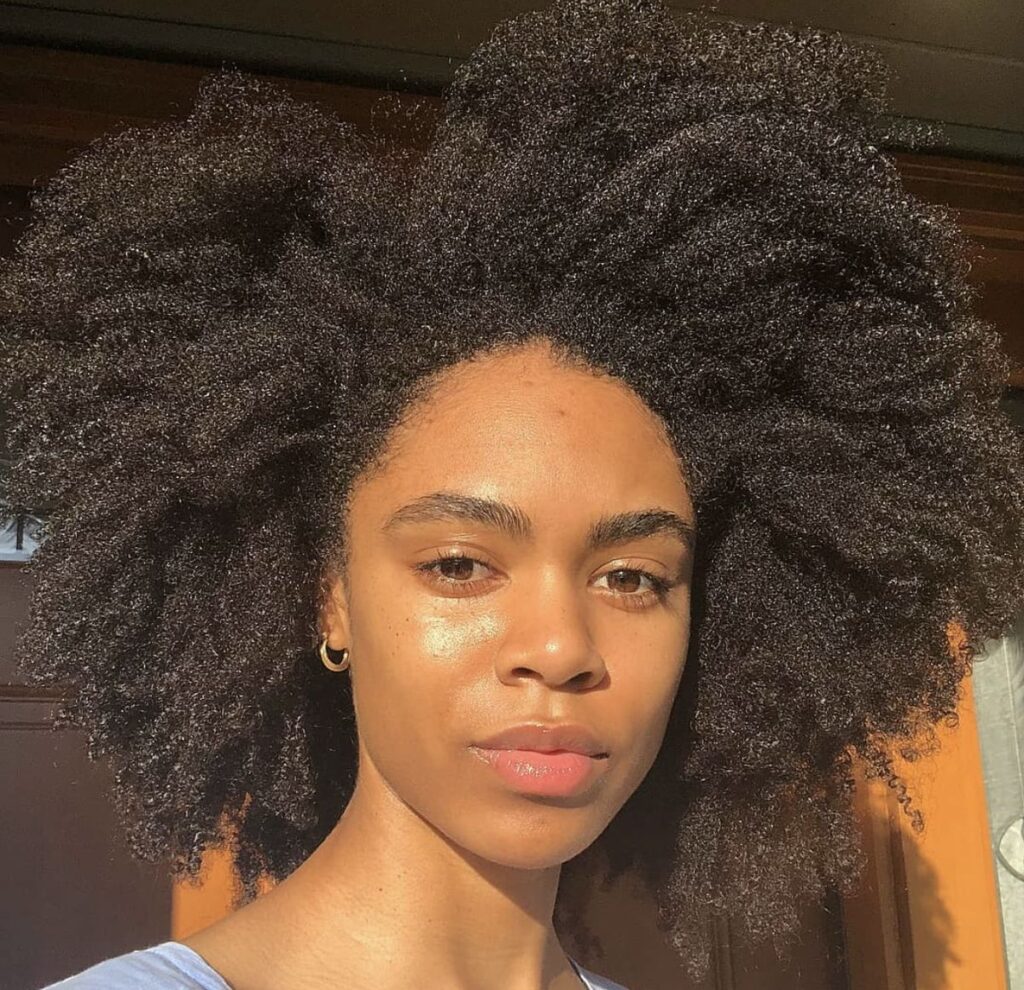
You Wash Your Hair The Wrong Way
Wash day can either help your hair or hurt it badly. Using the wrong shampoo, scrubbing too hard, or skipping conditioner all lead to dryness.
Some people also wash too often, stripping every bit of natural oil from their scalp. Others wash too rarely, letting product buildup block moisture from getting in. Both extremes cause problems.
Your wash routine needs balance, not guesswork. This is one reason I always tell my clients to follow a proper structure instead of just wetting and hoping for the best.
If your wash day currently feels long, stressful, or confusing, you might want to look at how to cut your wash day in half without sacrificing healthy hair.
A shorter, smarter routine still keeps your hair moisturized and healthy.
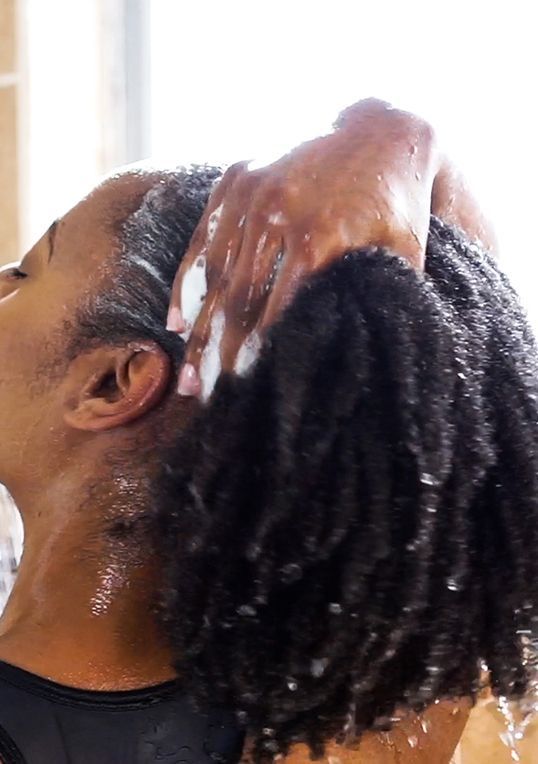
Hard Water Could Be Drying Out Your Strands
This one surprises almost everyone I mention it to. The water coming out of your tap might contain minerals like calcium and magnesium.
These minerals build up on your hair over time. This buildup blocks moisture from getting into your strands at all. Your hair feels rough, dull, and dry no matter how much product you use.
If you live in an area with hard water, this could be your main problem. A simple clarifying rinse or a shower filter can help remove this buildup.
Your scalp also feels this buildup, not just your strands. Mineral deposits can clog your scalp and slow down healthy hair growth over time.
A good clarifying shampoo once every few weeks helps strip this buildup away completely. Follow it with a deep conditioner to replace whatever moisture the clarifying wash removed.
This combination keeps your scalp clean without leaving your strands feeling stripped or rough afterward.
Clients who travel between cities often notice their hair reacts differently depending on the local water quality.
Save this for later: healthy scalp habits that lead to healthier hair
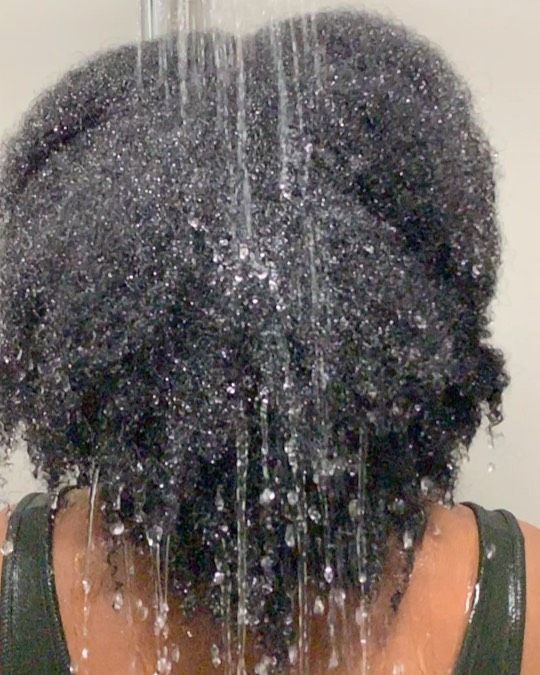
You Are Skipping Deep Conditioning
Deep conditioning is not optional for afro hair. It is one of the most important steps in your entire routine.
A quick rinse-out conditioner does not go deep enough into your strands. Deep conditioners, especially with heat, open your cuticle layer and push moisture inside.
Skipping this step regularly leaves your hair thirsty no matter what you do afterward.
Some of my clients used to skip this step to save time, and their hair paid the price. Once they added it back weekly, their dryness reduced within a few washes.
If your curl pattern leans more toward 4A, deep conditioning matters even more, since your curls are already looser and lose moisture faster in certain climates.
You can follow the perfect wash day routine for 4A hair to see exactly where deep conditioning fits into your week.
A client of mine once told me she never had time for deep conditioning during the week.
We worked out a simple plan where she left the conditioner on during her shower routine instead of adding extra time.
Small adjustments like this make consistency possible, even on busy weeks. You do not need an hour under a steamer every single time.
Even twenty minutes with a warm towel wrapped around your head makes a noticeable difference over weeks of consistent use.
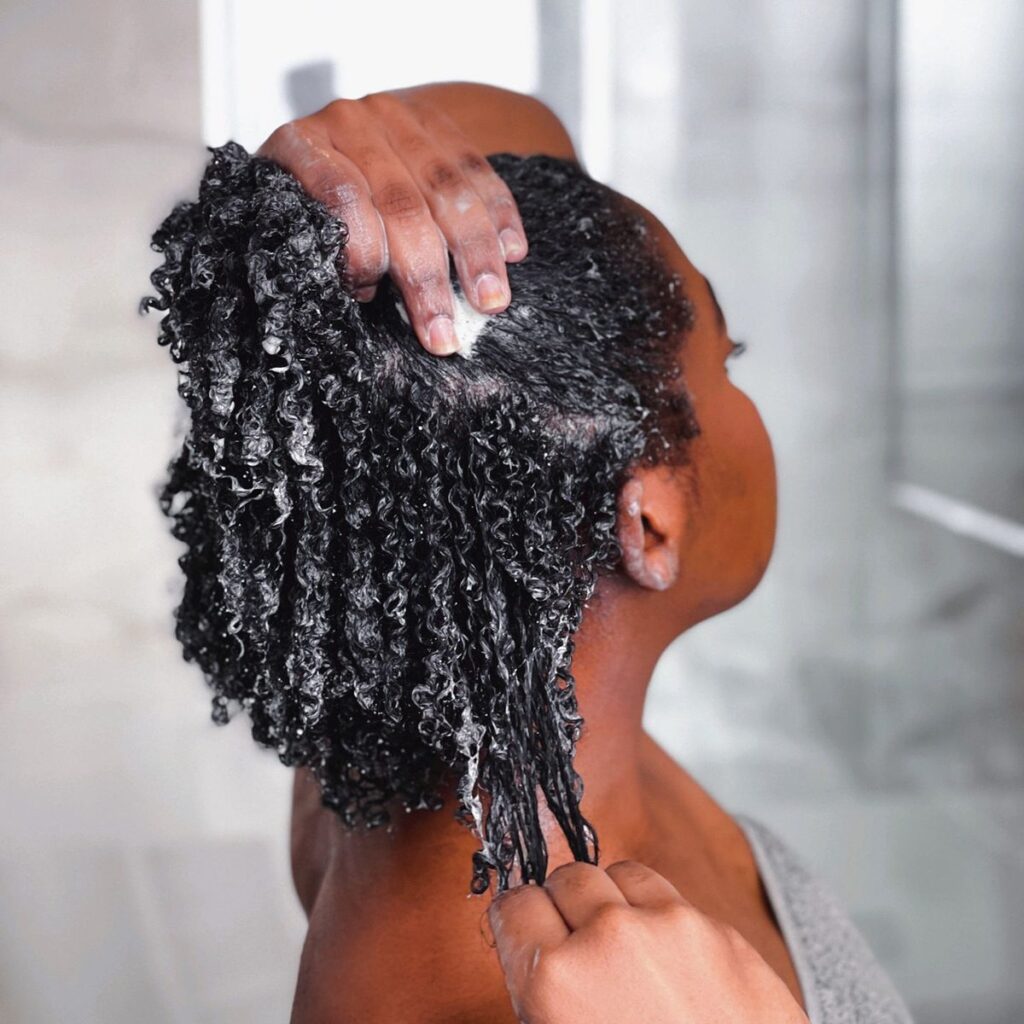
Protein Overload Is A Hidden Culprit
Protein is good for your hair, but too much of it causes serious dryness. Your strands need a balance between protein and moisture to stay strong and soft.
When you use too many protein products without balancing them with moisture, your hair becomes stiff, brittle, and straw-like.
This is called protein overload, and many naturals do not even know it exists.
They keep adding more protein thinking it will fix the dryness, but it makes things worse. Your hair actually needs the opposite at that point.
This mix-up between protein needs and moisture needs is very common, and it ties closely into scalp health too, since a stressed scalp reacts to product changes.
If your scalp constantly feels off after switching products, read how to tell if your scalp is dry or just dehydrated to understand what is really going on underneath.
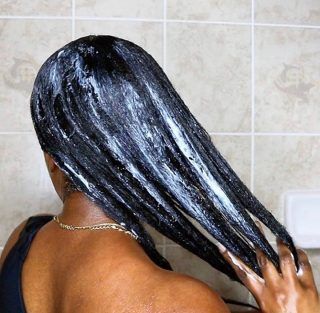
Your Hair Needs The LOC Or LCO Method
LOC stands for liquid, oil, cream. LCO stands for liquid, cream, oil. Both methods layer moisture in a specific order to lock it into your strands.
Skipping this order, or skipping steps entirely, is a huge reason your hair stays dry. Water goes in first because it is the actual moisturizer.
Oil or cream comes after to seal that moisture inside your strand. Without this sealing step, water evaporates fast, and your hair dries out again within hours.
This method works differently depending on your curl pattern and porosity. If your curls sit in the 4B range, your method may need slight tweaks compared to looser or tighter textures.
You can see this laid out clearly in the perfect wash day routine for 4B hair, which walks through the right order step by step.
Choosing between LOC and LCO depends mostly on your hair’s thickness and porosity. Thicker, drier hair often does better with oil applied before the cream layer.
Finer or lower porosity hair sometimes prefers cream first so it does not feel weighed down. There is no single correct order that works for every single person.
Testing both methods on different wash days helps you figure out which one your hair responds to best. Once you find your match, stick with it consistently for the best results.
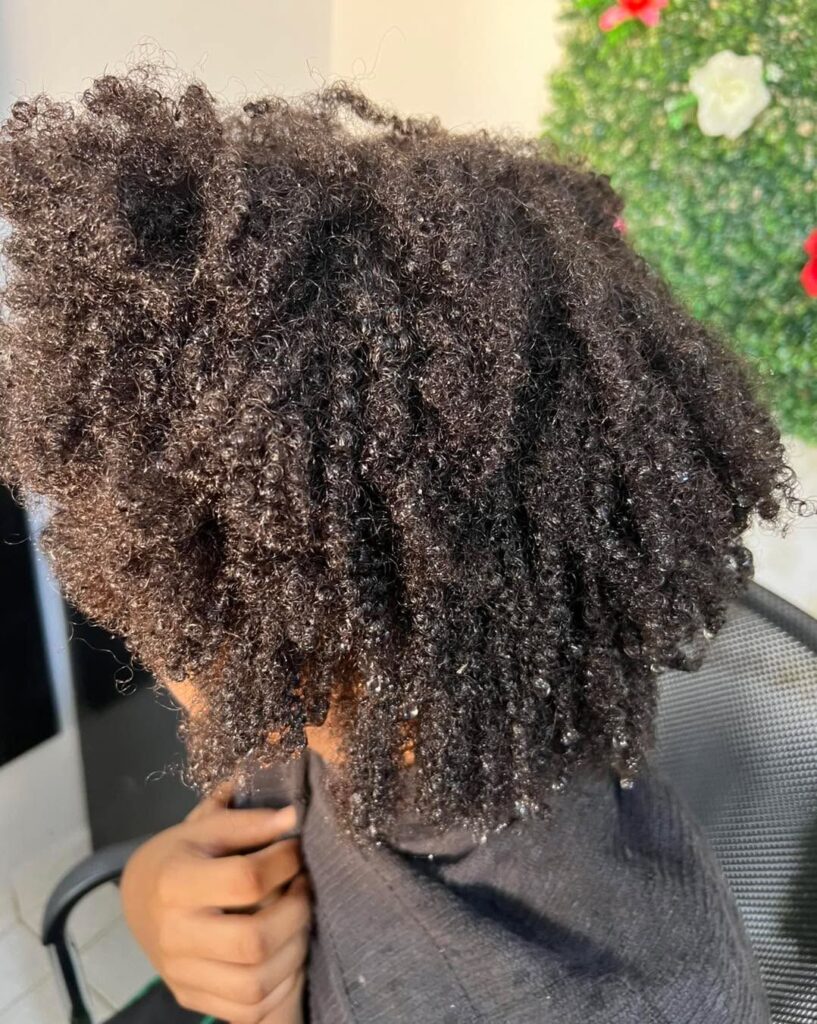
Heat Styling Is Stealing Your Moisture
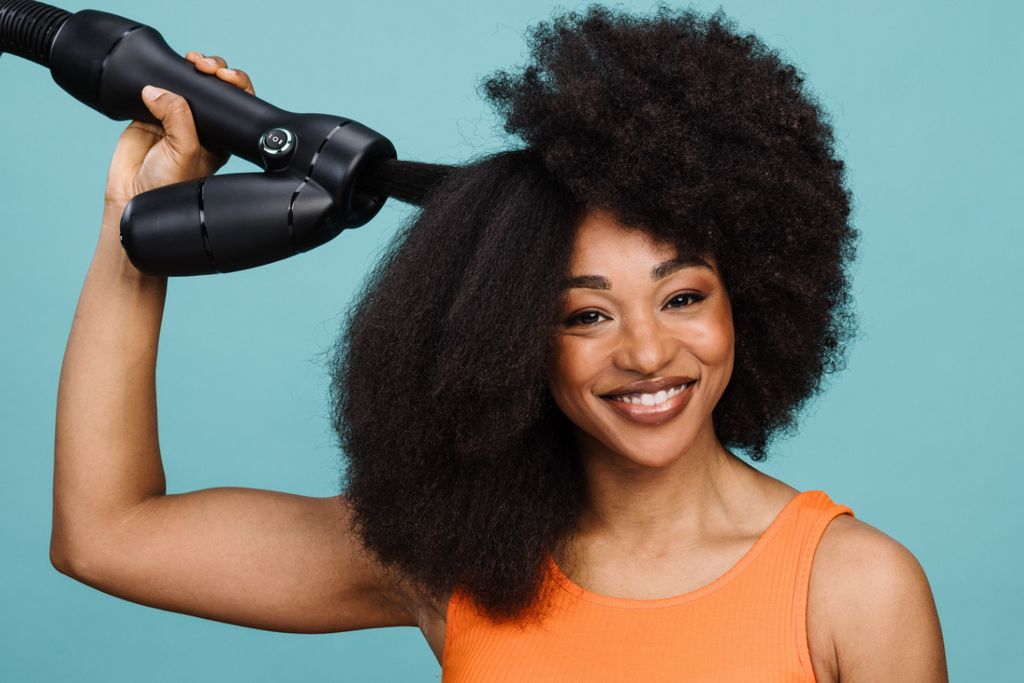
Blow dryers, flat irons, and curling wands all pull moisture out of your hair through heat. Every time you use high heat without protection, your strands lose water content fast.
Over time, this leads to hair that feels dry even right after moisturizing. Heat damage is sneaky because it builds up slowly.
You might not notice it until your curls stop bouncing back the way they used to. Always use a heat protectant before styling with any hot tool.
Keep your tool on the lowest setting that still gets the job done. Give your hair breaks between heat sessions so it can recover.
Heat damage also connects to scalp stress, especially when tools get too close to your roots repeatedly.
Limiting heat styling to once every few weeks instead of every single wash day gives your strands real time to recover.
Air drying or using stretching methods like braid outs can achieve similar looks without any heat at all.
Don’t miss this: the hidden scalp mistakes that slow hair growth
You Are Not Sealing In Moisture Properly
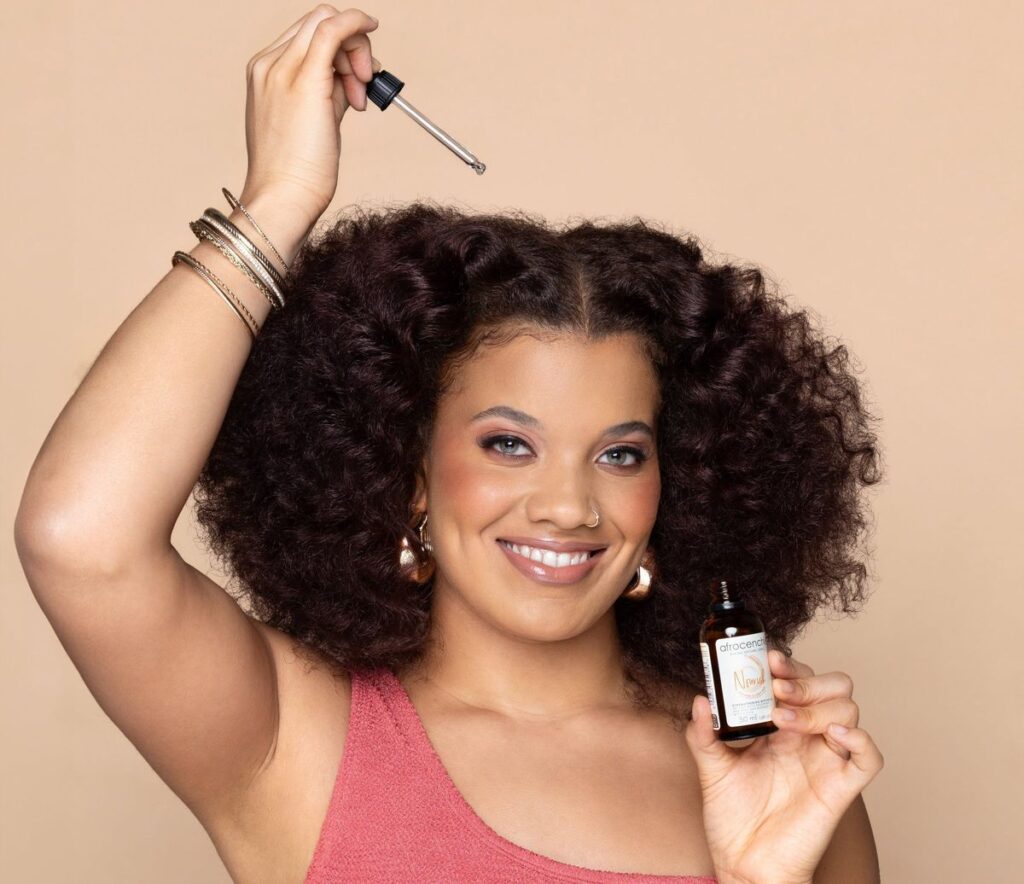
Moisturizing without sealing is like filling a cup with a hole in the bottom. Your hair soaks up the water, but it leaks right back out if you do not seal it in.
Sealing means applying an oil or butter right after your water-based moisturizer. This locks the moisture inside your strand instead of letting it evaporate into the air.
A lot of people skip this step because they think oil alone is enough. But oil without water first does very little for actual hydration.
This single fix has helped so many of my clients turn their dry hair around within a week. Butters like shea and mango work well for sealing, especially on thicker strands that need extra help.
Lighter oils, like jojoba or grapeseed, suit finer hair that gets weighed down easily. Applying your sealant while your hair is still damp locks in the most moisture possible.
Waiting until your hair is fully dry means there is less water left to actually seal in.
Your scalp needs attention here too, since dryness on your scalp often shows up as constant itching that never seems to go away no matter what you try.
Trust me, you’ll want to read this: why your scalp always feels itchy and how to fix it
Weather Changes Affect Your Hair More Than You Think
Your hair reacts to the weather around you, whether you notice it or not. Dry, cold air pulls moisture straight out of your strands.
Hot, humid air can either help or hurt, depending on your hair’s porosity. Many of my clients notice their hair feels driest during harmattan season or cold winter months.
The air itself has less moisture, so your hair has less to draw from. This means your routine should shift with the seasons instead of staying exactly the same all year.
Adding extra moisture during dry seasons, and adjusting your products, keeps your hair from suffering every time the weather changes.
Air conditioning and heating systems indoors can also dry out the air around you, even when the weather outside seems mild.
A leave-in conditioner or light water spritz throughout the day can help combat this indoor dryness.
See what everyone’s talking about: signs your scalp needs a detox
Your Hair Might Be Heat Damaged From Silk Presses Or Blow Dries
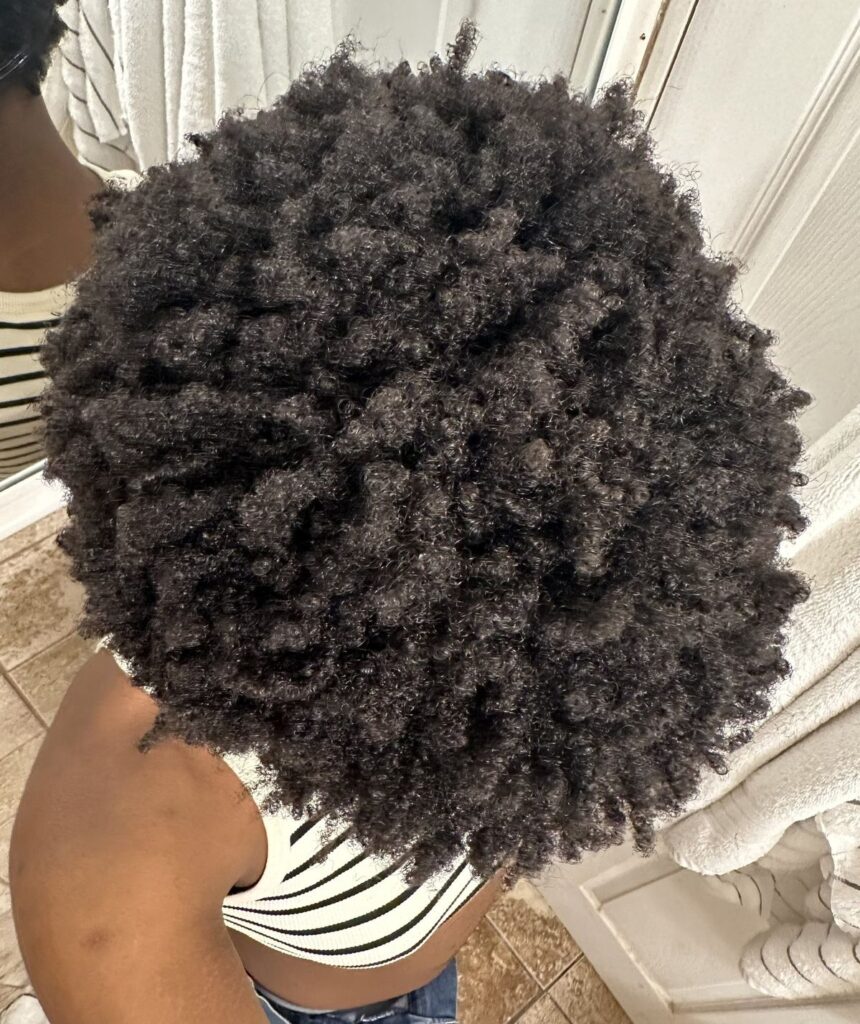
If you get frequent silk presses or blow dries, your curl pattern might be changing without you realizing it.
Heat damaged hair loses its natural curl definition and becomes permanently straighter in patches. This damaged hair cannot hold moisture the same way healthy curls can.
It feels dry no matter how much product you pour on it. The cuticle layer gets disturbed, and moisture just slides right off instead of soaking in.
If you notice random straight pieces mixed in with your curls, this could be the reason.
Heat damage is different from normal dryness, and it is also different from regular breakage, even though people often confuse the two.
Knowing the difference between breakage and shedding can help you figure out exactly what your hair is going through.
You Are Not Trimming Your Ends Regularly
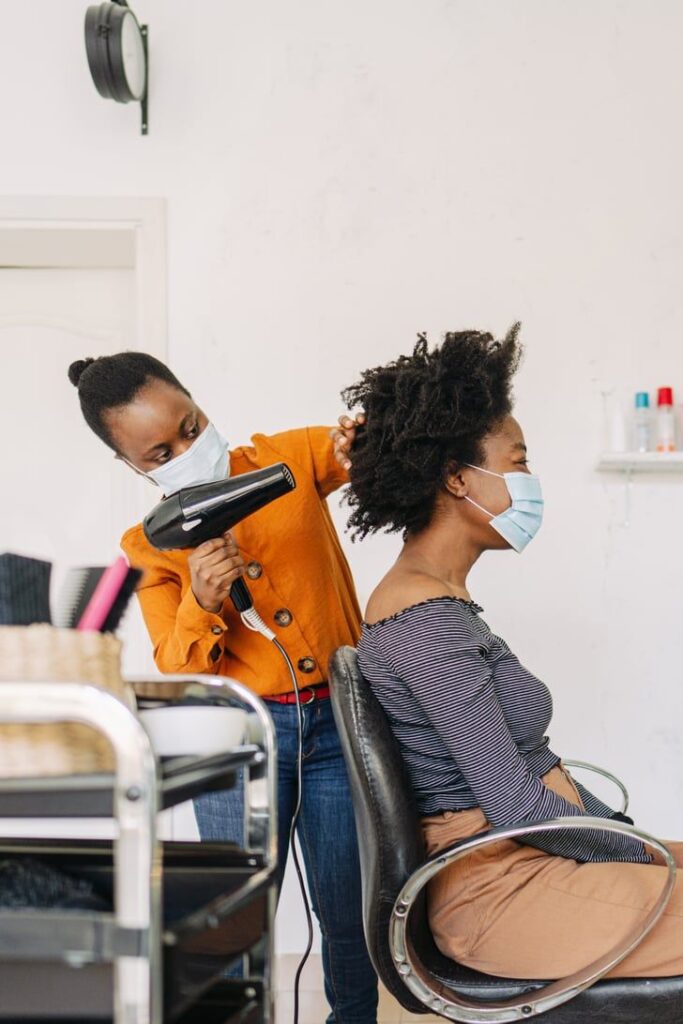
Split ends do not stay small forever. They travel up the hair shaft over time, making more of your strand dry and rough.
Regular trims remove this damage before it spreads further. Skipping trims for too long means you are constantly fighting dryness that starts right at those damaged tips.
Your ends are also the oldest, most fragile part of your hair. They have been through the most washing, styling, and manipulation.
Giving them a little care through regular trims keeps the rest of your hair from suffering too.
A trim every couple of months, or whenever you notice roughness at the tips, keeps damage from spreading.
You do not need to cut off length dramatically to see the benefit. Even a small dusting trim removes the weakest, driest parts of your strand.
This becomes even more important if you switch between wigs and your natural hair often, since tucking away damaged ends under a wig will not fix them.
Keep this handy: beginner’s guide to wearing wigs over natural hair
Stress And Poor Sleep Show Up In Your Hair Too
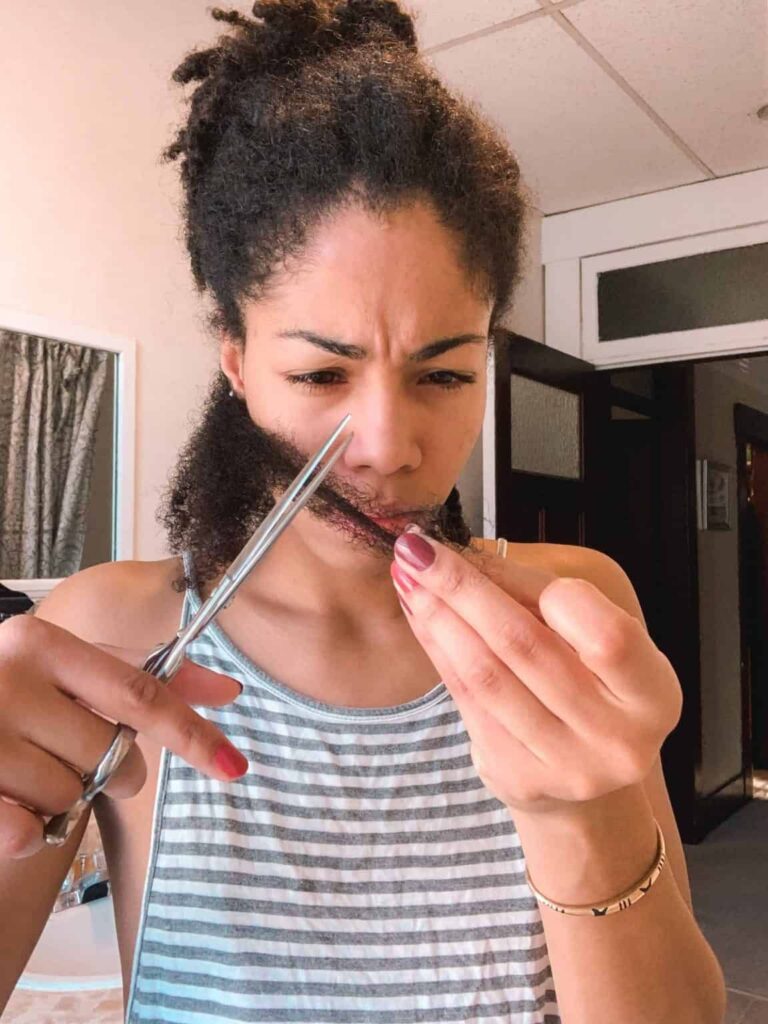
Your body reacts to stress in ways you might not expect. High stress levels can affect your scalp’s oil production and your overall hair health over time.
Poor sleep does something similar, since your body repairs itself mostly while you rest.
Hair that never gets a proper recovery cycle can end up looking dull and feeling dry no matter what products you use.
This does not mean stress alone causes dryness, but it can make existing dryness feel worse.
Building small habits like a proper night routine and reduced stress can support your hair alongside your regular moisture routine.
Your scalp especially benefits from this kind of care, since a stressed scalp often shows visible signs before your strands do.
Your Diet And Water Intake Matter Too
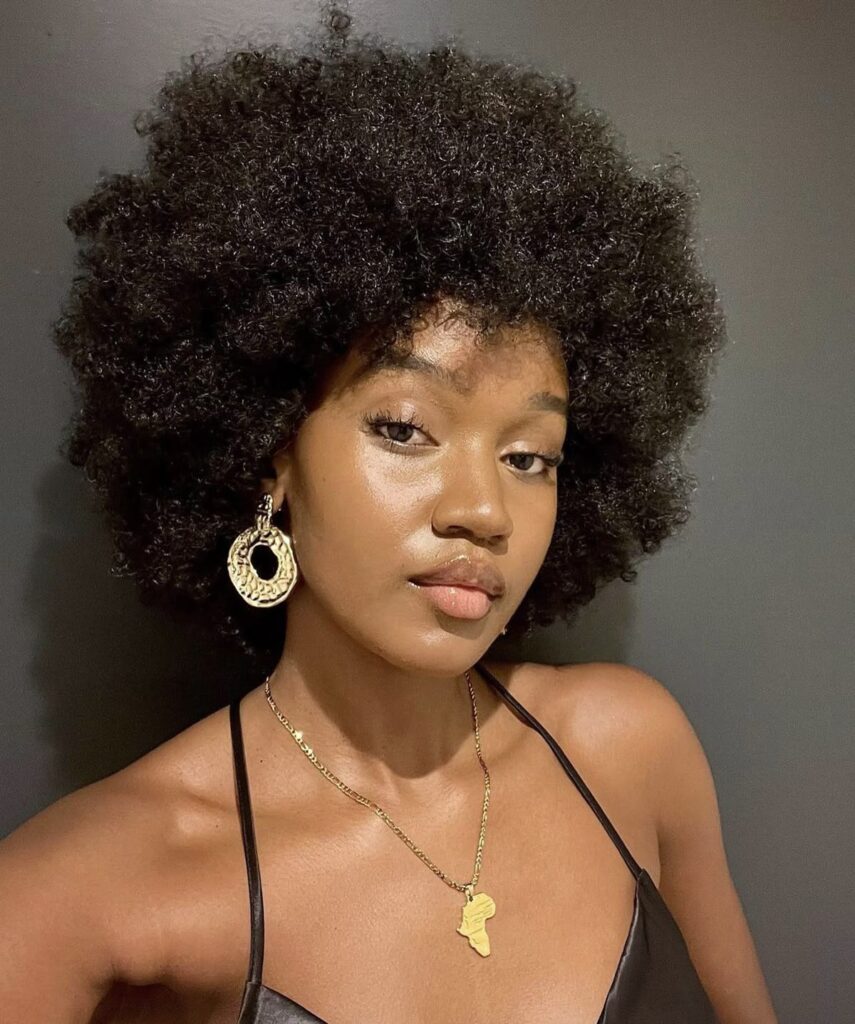
What you put into your body shows up on your head eventually. Hair that lacks proper nutrients from food struggles to stay moisturized from within.
Drinking enough water daily supports your whole body, including your scalp and strands. A diet low in healthy fats can also make your hair feel drier over time.
This does not mean you need a complicated meal plan. Small changes, like drinking more water and eating enough protein and healthy fats, support hair health from the inside.
My own sister used to complain about dry hair for months. Once she started drinking more water daily, she noticed a real difference within weeks.
Foods rich in omega fatty acids, like fish, nuts, and avocado, support your scalp and strands from within.
Iron and biotin also play a role in keeping your hair strong and less prone to dryness. None of this replaces your topical routine, but it works alongside it well.
Feeling good about your hair also means feeling confident wearing it, and that confidence often grows once your hair actually feels healthy again, which you can read more about in how to build confidence wearing your natural hair.

Your Satin Or Silk Protection Routine Matters At Night
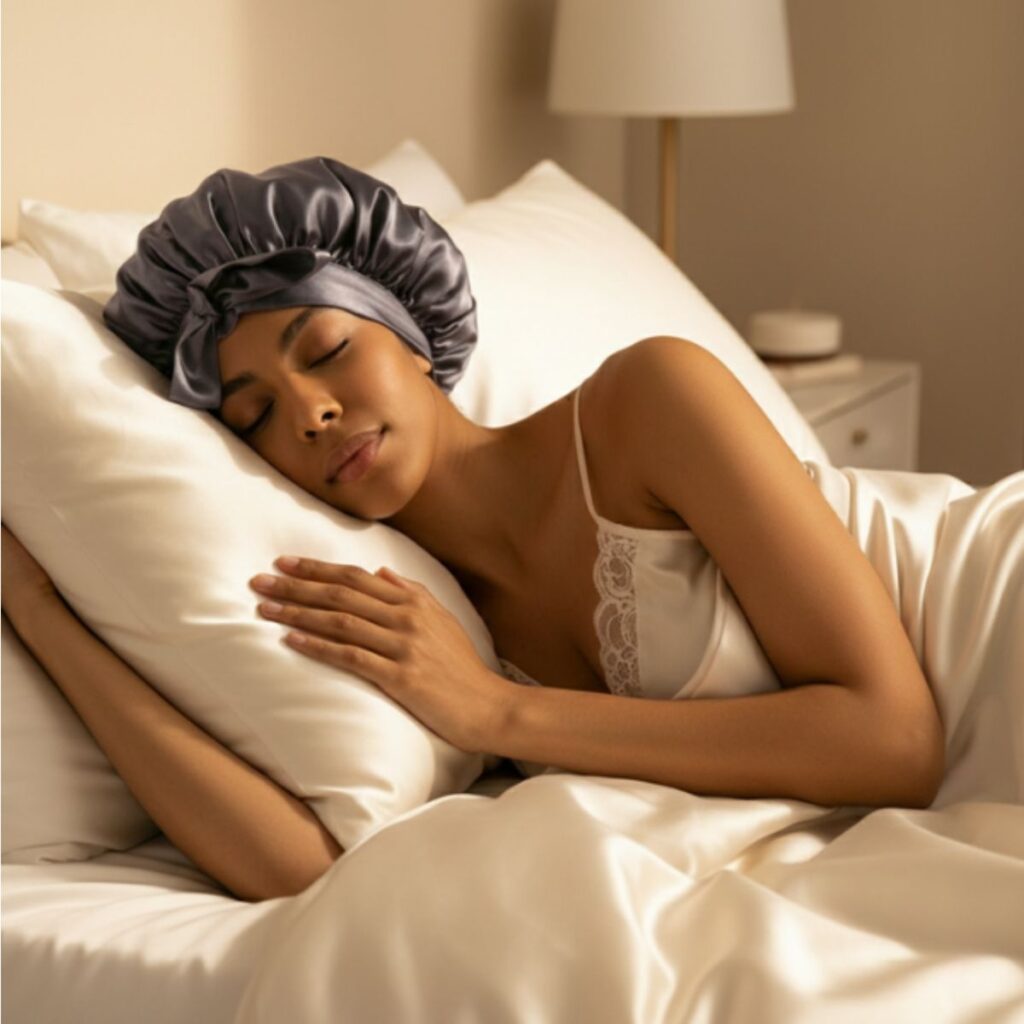
Cotton pillowcases and rough fabric bonnets pull moisture straight out of your hair while you sleep.
Cotton fibers absorb water from your strands instead of letting your hair keep it. This happens every single night, adding up to serious dryness over weeks and months.
Switching to a satin or silk bonnet, or a satin pillowcase, protects your hair while you rest. This tiny change costs very little but makes a noticeable difference.
A neighbor of mine complained for months about her dry, frizzy hair every morning. She had no idea her old cotton scarf was the problem the whole time.
Once she switched to satin, her mornings looked completely different.
How Often You Should Moisturize Based On Your Curl Pattern
Moisture needs differ depending on whether you have 4A, 4B, or 4C hair. Looser 4A curls usually need moisture every two to three days.
Tighter 4C curls often need daily moisture since oil struggles more to travel down the shaft.
Figuring out your specific pattern helps you build a routine that actually works instead of guessing.
Over-moisturizing or under-moisturizing both cause problems, just in different ways.
Take time to observe how your hair feels a day after moisturizing. That feedback tells you exactly what your hair needs going forward.
Your wash day routine should reflect this too, since 4C hair generally needs a gentler, more moisture-focused approach than looser patterns.
4B hair usually sits somewhere in between, needing moisture every one to two days depending on the climate.
Protective styles can stretch these timelines out a little, since your hair loses less moisture when it is tucked away.
Always adjust based on how your hair actually feels, rather than sticking rigidly to any fixed schedule you read online.
Signs Your Hair Is Finally Getting Enough Moisture
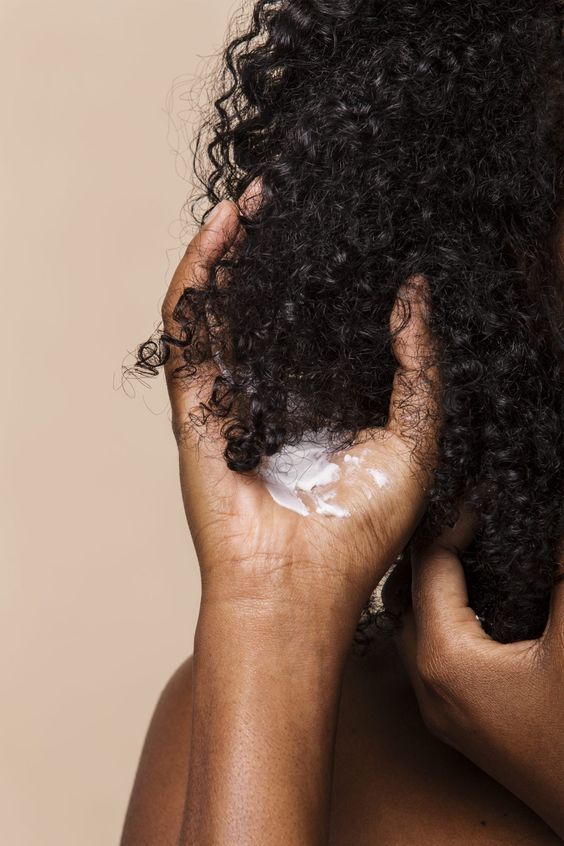
You will know your moisture routine is working when your curls bounce back after stretching. Your hair will feel soft to the touch, not rough or straw-like.
It will hold styles longer without frizzing up within hours. Your ends will stop snapping off every time you detangle.
Your scalp will also feel calmer, without constant itching or tightness. These signs take time to show up, so be patient with your new routine.
Small consistent changes matter more than one perfect wash day. Give your hair a few weeks before judging whether something is working.
Keep a simple mental note, or even a short list, of what you tried and when. This helps you spot patterns instead of relying on guesswork every single time.
Hair changes slowly, so patience matters just as much as the products you choose.
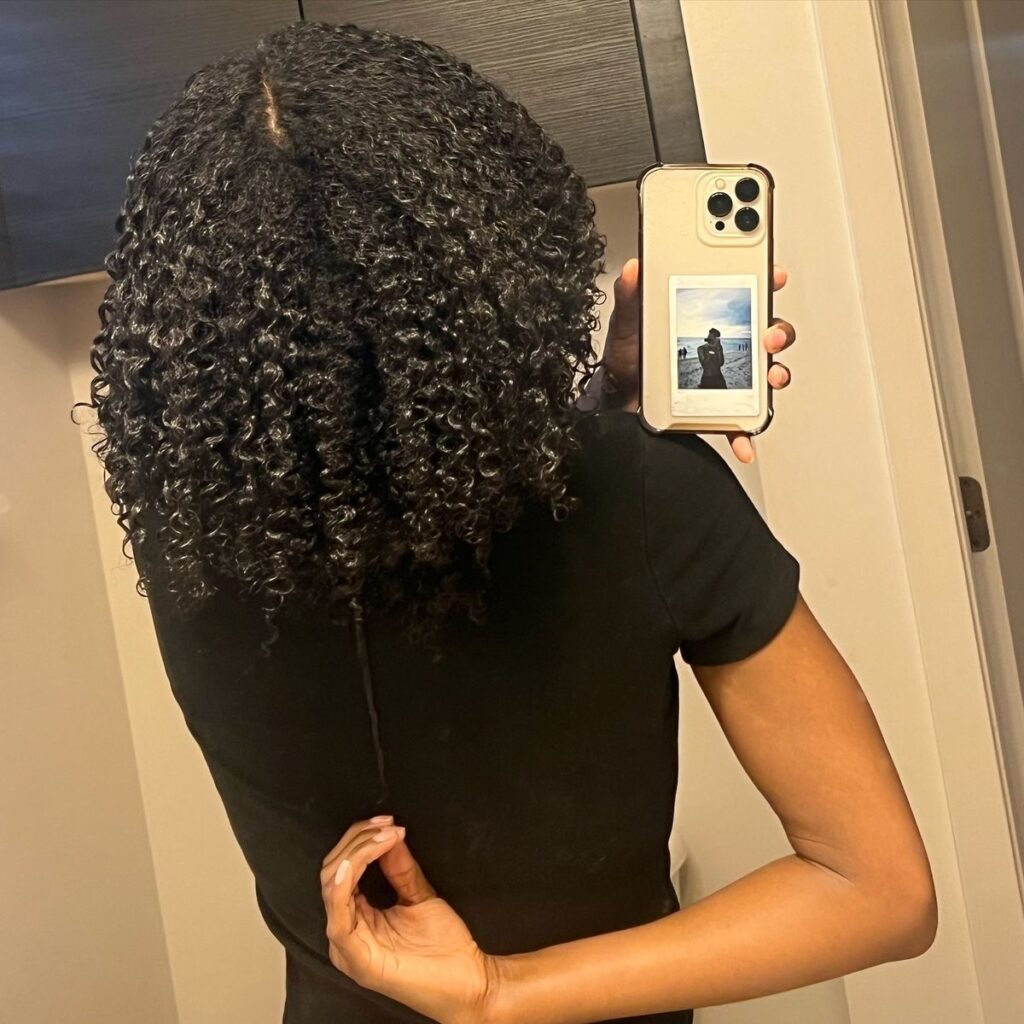
Final Thoughts On Dry Afro Hair
Dry afro hair is common, but it is not something you have to live with forever. Once you understand your curl pattern, your product choices, and your daily habits, everything starts to make sense.
Small changes add up fast when you stay consistent with them. Your hair did not get dry overnight, so give yourself grace as you fix it.
Every client I have worked with saw real change once they understood their own hair better. Start with one or two changes instead of trying to fix everything at once.
Maybe begin with sealing your moisture properly or switching to a satin bonnet at night. Watch how your hair responds over the next couple of weeks before adding another change.
Dry hair is frustrating, but it is also very fixable once you know what to look for. You can get there too, one wash day at a time.