
How to Keep Afro Hair Moisturized All Week
Disclosure: Some of the links in this post are affiliate links. This means if you click on the link and purchase an item, I will receive an affiliate commission at no extra cost to you.
Moisture does not stay in your hair on its own, and that is the whole problem. You can moisturize on Sunday and still feel dry, brittle strands by Wednesday.
Afro hair loses water fast, so keeping it soft all week takes a plan, not luck. That plan is simpler than most people think, and it starts on wash day.
Think of your hair like a houseplant, which needs water often but not all at once. Small, steady care keeps it healthy, while a big flood only makes a mess.
In this guide, you will learn how to build moisture, seal it in, and top it up through the week. Each step is small, and each one fits into a busy schedule.
Dry days can feel discouraging, and how to learn to love your natural hair again can help. Be patient with yourself, because soft hair is built one day at a time. Let us start with why your hair loses moisture so quickly.
How to Keep Afro Hair Moisturized All Week
Why Moisture Fades So Fast
Afro hair grows in tight coils, and that shape makes moisture hard to hold. Scalp oil struggles to travel down every bend, so the ends often stay dry.
Knowing how hair is formed: a beginner-friendly guide makes this easier to understand. The outer layer lifts at every curve, and water slips out through those gaps.
Weather plays a big part too, since dry air pulls water from your strands. Heaters, air conditioners, and wind can all leave your curls feeling parched.
Habits matter as well, like washing too often or using harsh shampoo. Rough towels, tight styles, and heat tools quietly steal even more water.
Moisture is not a single step, so one big session will not last. Your hair needs a rhythm of gentle top-ups from Monday to Sunday.
Think of it like drinking water, because you do not do it once a month. Small sips through the day beat one giant glass every Sunday night.
Dry hair is not a sign that you did something wrong. It only means your hair needs a routine that fits its shape.
Once you see why moisture escapes, you can plug each leak one by one. That is exactly what the next steps in this guide will do.
Even the healthiest hair loses water every day, so top-ups are normal. That is just how coils work, and it is not your fault.
Do not worry if your hair feels dry right now, because every day is a fresh start. Soft, bouncy curls are much closer than you think they are.
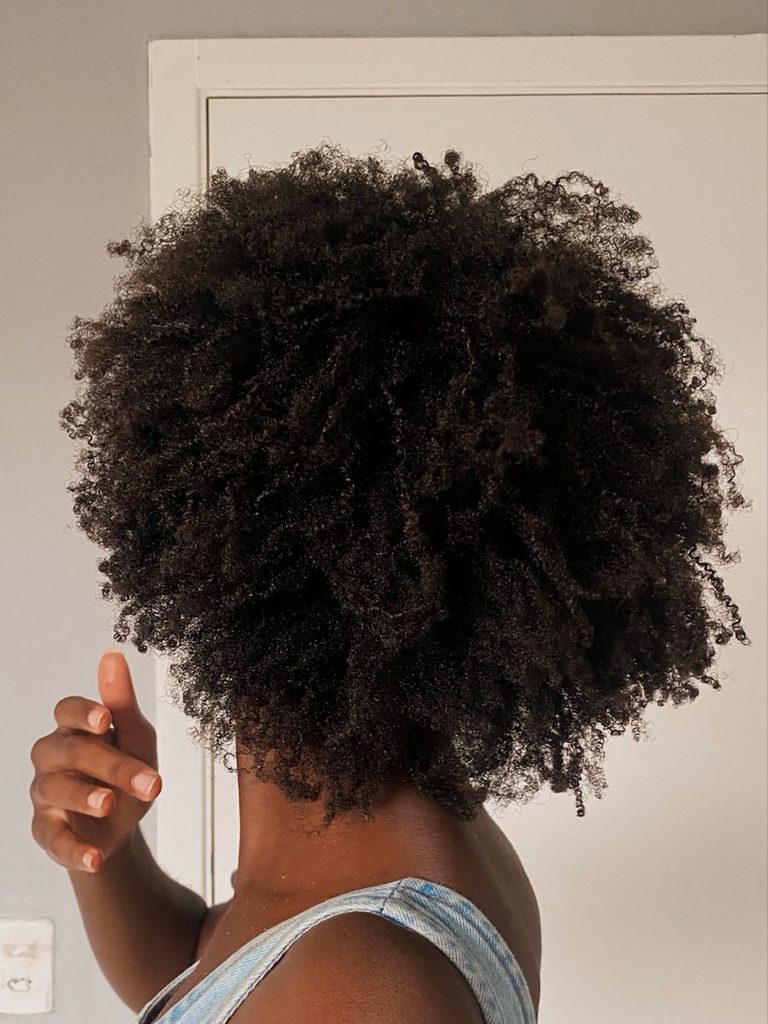
Build the Base on Wash Day
Your week of moisture starts on wash day, so make it count. A clean, well-conditioned base holds water far better than dirty, coated hair.
Pick one day that you can protect, like Sunday afternoon or Saturday morning. Give yourself two or three hours so you never have to rush.
Set out everything first, and a tidy space makes wash day smoother. If you need ideas, browse 50 wash day setups every naturalista will love.
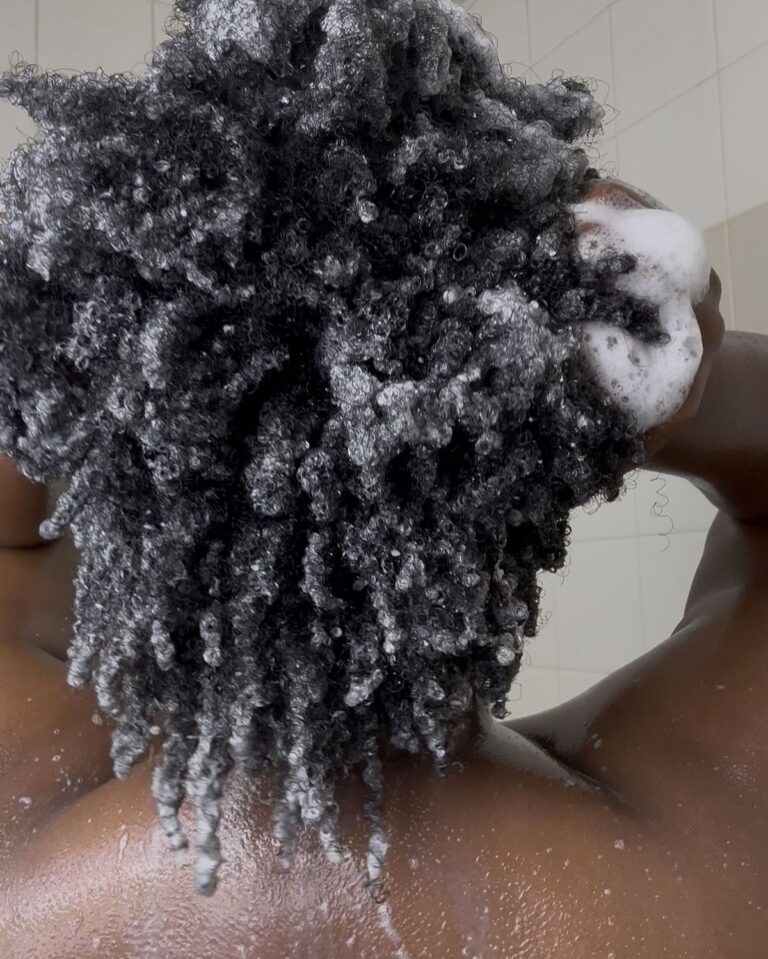
Start with a pre-poo of oil or conditioner to cushion your strands. Then shampoo only the scalp, and let the suds rinse down the lengths.
Clarify once a month to clear buildup that blocks water from soaking in. Do not clarify every week, since that dries out your curls.
Natalie, a nurse from Arizona, washed her hair twice a week and wondered why it felt dry. She cut back to once a week, and her curls stayed softer for days.
Rinse with cool water at the end to help the cuticle lie flat. Then squeeze out extra water with a soft cotton tee, never a rough towel.
Leave your hair damp, not dripping, before you add any product. Damp hair drinks up moisture, while dry hair just repels it.
Use lukewarm water for shampooing, since hot water strips natural oils. Keep your fingers gentle, and never scrub the lengths hard.
A good wash day takes effort, but it saves you effort all week long. Your hair will feel softer, and your mornings will feel easier.

Deep Condition and Balance Protein
Deep conditioning is the heart of a moisture-rich week for coily hair. Never skip it, even when you feel short on time.
Apply a thick conditioner to damp hair, section by section, from ends to roots. Cover it with a plastic cap to trap the warmth.
Leave it on for twenty to thirty minutes while you relax. Heat from a warm towel or a hooded dryer helps it sink in deeper.
Hair is mostly protein, and what keratin does for afro hair explains why balance matters. Too little protein leaves strands weak, and too much makes them stiff.
Mushy hair that stretches too far may need a protein treatment. Hard, straw-like hair that snaps may need more moisture instead.
Use a light protein treatment once every four to six weeks. Always follow it with a moisturizing deep conditioner to restore softness.
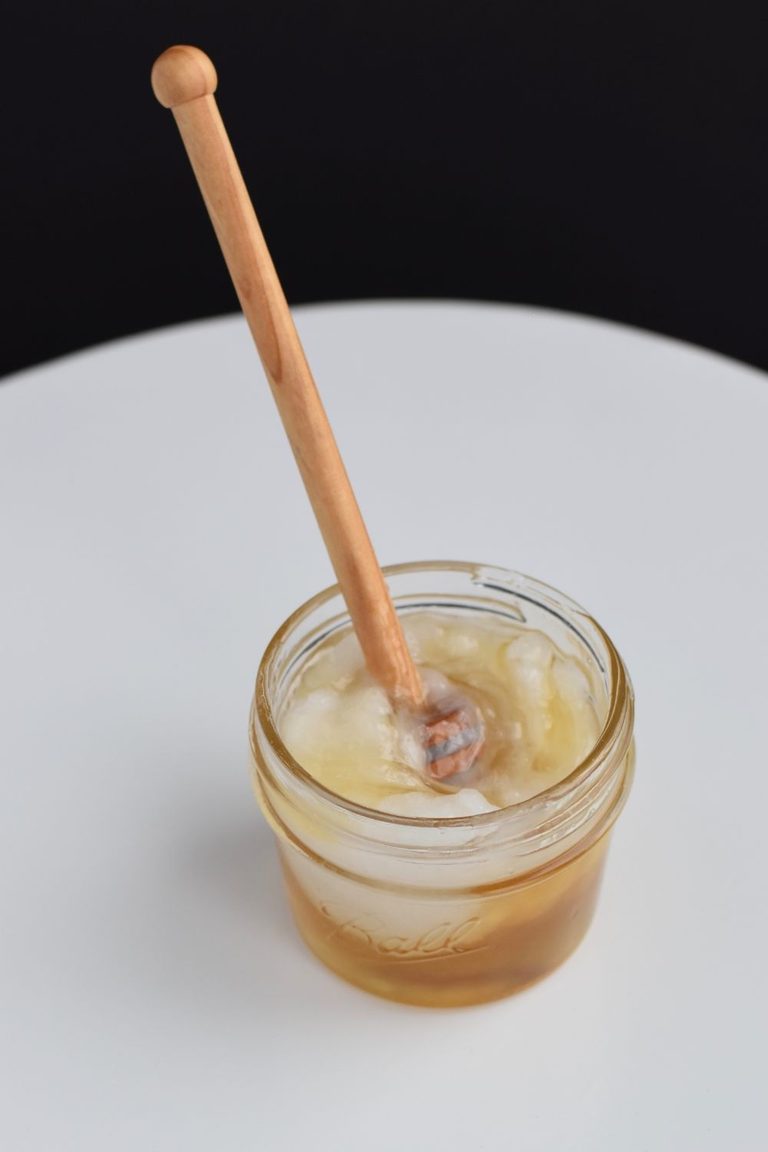
Look for shea butter, aloe, honey, and glycerin on the label. These ingredients pull water into the strand and hold it there.
Rinse with cool water, and notice how soft your curls feel. That softness is the foundation for everything that comes next.
Add a few drops of oil to your conditioner for extra slip. Detangling gets much easier, and your strands break far less.
If your hair is fine, deep condition every two weeks instead. Thick, dense hair often loves a deep conditioning session every week.

Layer Your Products the Right Way
The order of your products matters as much as the products themselves. Water goes first, then cream, and oil seals everything in.
This is called the LCO method, which stands for liquid, cream, oil. Some people prefer LOC, which simply puts the oil before the cream.
Start with a water-based leave-in on damp hair, working in small sections. A pea-sized amount for each section is usually more than enough.
Next, smooth on a cream to add softness and a bit of hold. Thicker hair loves rich creams, while fine hair prefers lighter lotions.
Finish with a light oil to seal in the water. Press it on gently, and avoid dragging it down the strands.
Try each method for two weeks before you judge it. Write down what you used and how your hair felt.
If you need more ideas, browse 60 healthy hair routine ideas you’ll actually use and pick what fits. Your hair will tell you which order it likes best.
Do not pile on too much, because more product is not more moisture. Heavy layers can leave white residue and sticky, weighed-down strands.
Take your time with each section, since rushing leaves dry patches. Slow, even coverage gives you the best week of moisture.
Smooth products down the strand instead of rubbing them in circles. Rubbing creates frizz, while smoothing keeps your curl pattern neat.

Seal the Ends Every Time
Your ends are the oldest and driest part of your hair. They have lived through months of combing, styling, and weather.
That is why sealing them well keeps your length from snapping off. Every inch you protect is an inch you get to keep.
Growth is slow, and understanding the afro hair growth cycle shows why protecting length matters. Most hair grows only about half an inch each month.
Light oils like jojoba, grapeseed, and avocado work well on most heads. Heavier butters, like shea and mango, suit thick and dense strands.
Warm a small amount between your palms before you touch your hair. Press it onto the ends, and work upward only a little.
Keep thick butters away from your scalp, since they can clog follicles. Save the heavy stuff for the lengths and the very ends.
Seal again whenever your ends start to feel crunchy or rough. A quick dab can rescue a dry day in under a minute.
Trim split ends every few months, since sealing cannot fix a split. Small, regular trims keep the rest of your hair healthy.
Do not forget the hair at your nape, since it rubs on collars all day. Give that spot a little extra oil and some gentle care.
Sealing only takes a minute, but it protects your hair all week. It is truly the smallest step with the biggest payoff.

Your Seven-Day Moisture Plan
Here is how a full week can look, and you can shift the days to fit your life. The goal is steady care, not a perfectly planned calendar.
Sunday is wash day, with a pre-poo, shampoo, deep conditioner, and a full layering of products. Style your hair for the week once it is fully moisturized.
Monday and Tuesday need almost nothing, because your hair is still fresh. A light mist and a pea of oil on the ends is enough.
By Wednesday, your curls start to pull up and feel a bit dry. That tightening is exactly why afro hair shrinks so much as moisture fades.
Give Wednesday a real refresh with water, a little leave-in, and a quick seal. This midweek boost keeps your hair soft until the weekend.
Thursday and Friday are for light touch-ups, especially around the ends and edges. Pat on a little cream wherever your hair feels dry.
Saturday is a good day to check in and prep for wash day. Detangle gently, and plan your products for the next round.
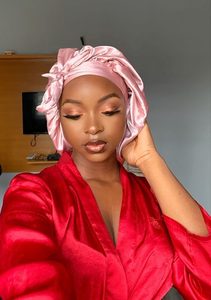
Every night, wear a satin bonnet, because night is when moisture slips away. This habit alone can help your hair stay soft much longer.
Plan your refresh for the same time each week, like Wednesday night. A fixed time makes the habit much easier to keep.
Adjust the plan if your hair is fine, thick, or very dry. Add a day of refreshing if your curls feel tight.
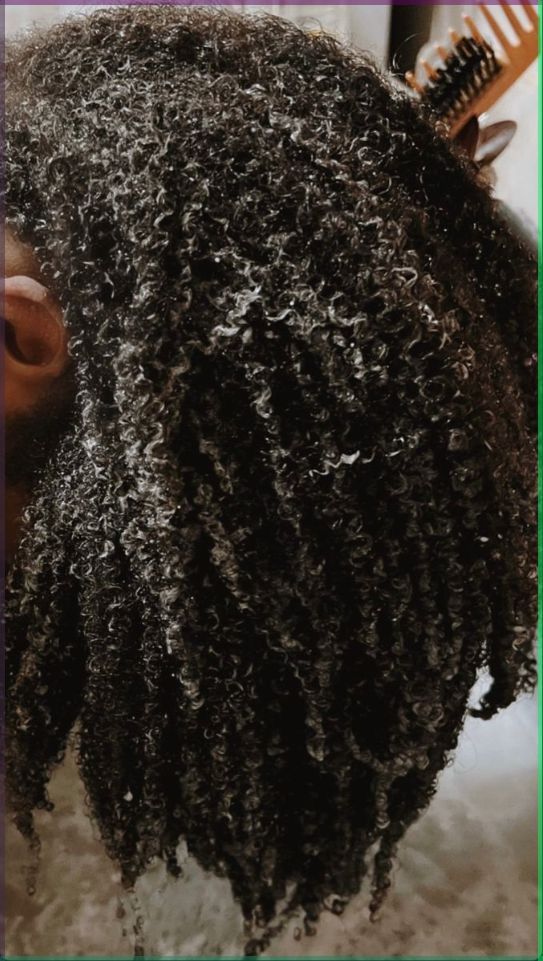
Check Your Hair’s Moisture Level
Do not guess how your hair feels, because it will tell you the truth. A few simple checks show if it needs water, protein, or nothing at all.
Gently stretch one clean, damp strand between your two fingers. Healthy hair stretches a little and then springs right back.
That bounce is called elasticity, and understanding afro hair elasticity helps you read it. Hair that snaps right away is usually dry and thirsty.
Hair that stretches a lot and does not return may need protein. Hair that feels hard and stiff may need more water.
Try the water test too, by dropping a clean strand in a glass. If it floats for a long time, your hair resists water at first.
Notice how your hair feels on day three, day five, and day seven. Those moments show you where your routine needs more help.
Chris, a bus driver from Washington, kept a simple note on his phone. After three weeks, he saw that Thursday was always his driest day.
He added a Wednesday night refresh, and his curls stayed soft through the weekend. Small notes can lead to very smart changes in your routine.
Check your hair at the same time each week, so the results are easy to compare. A calm five-minute check beats many weeks of simple guessing.
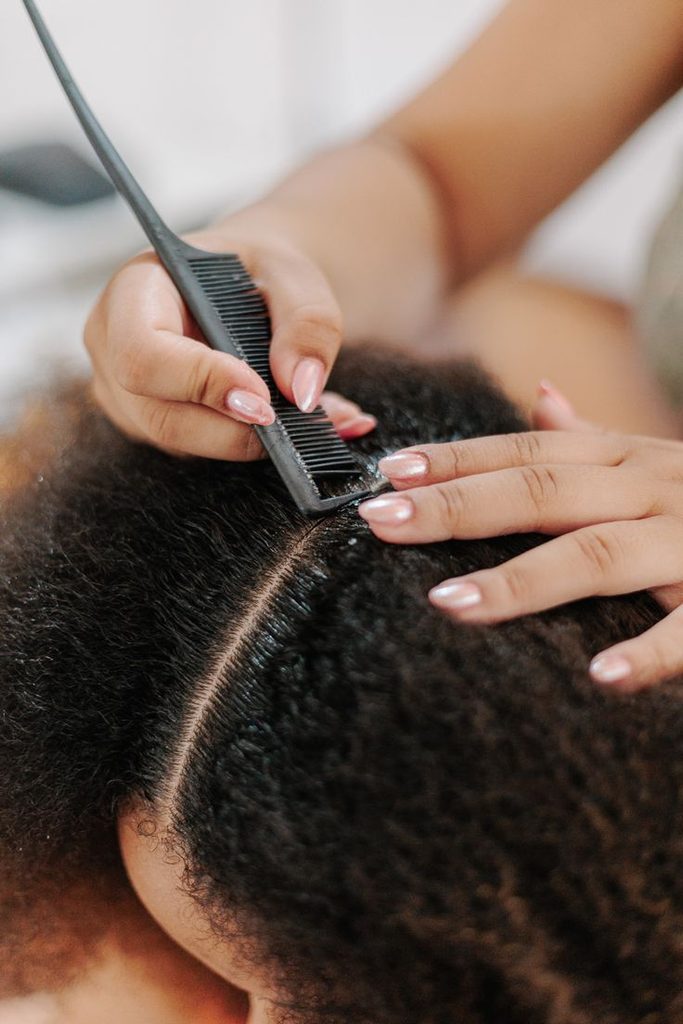
Choose Styles That Hold Moisture
Some hairstyles lock moisture in, while others let it escape. Your style choice can make or break your moisture for the week.
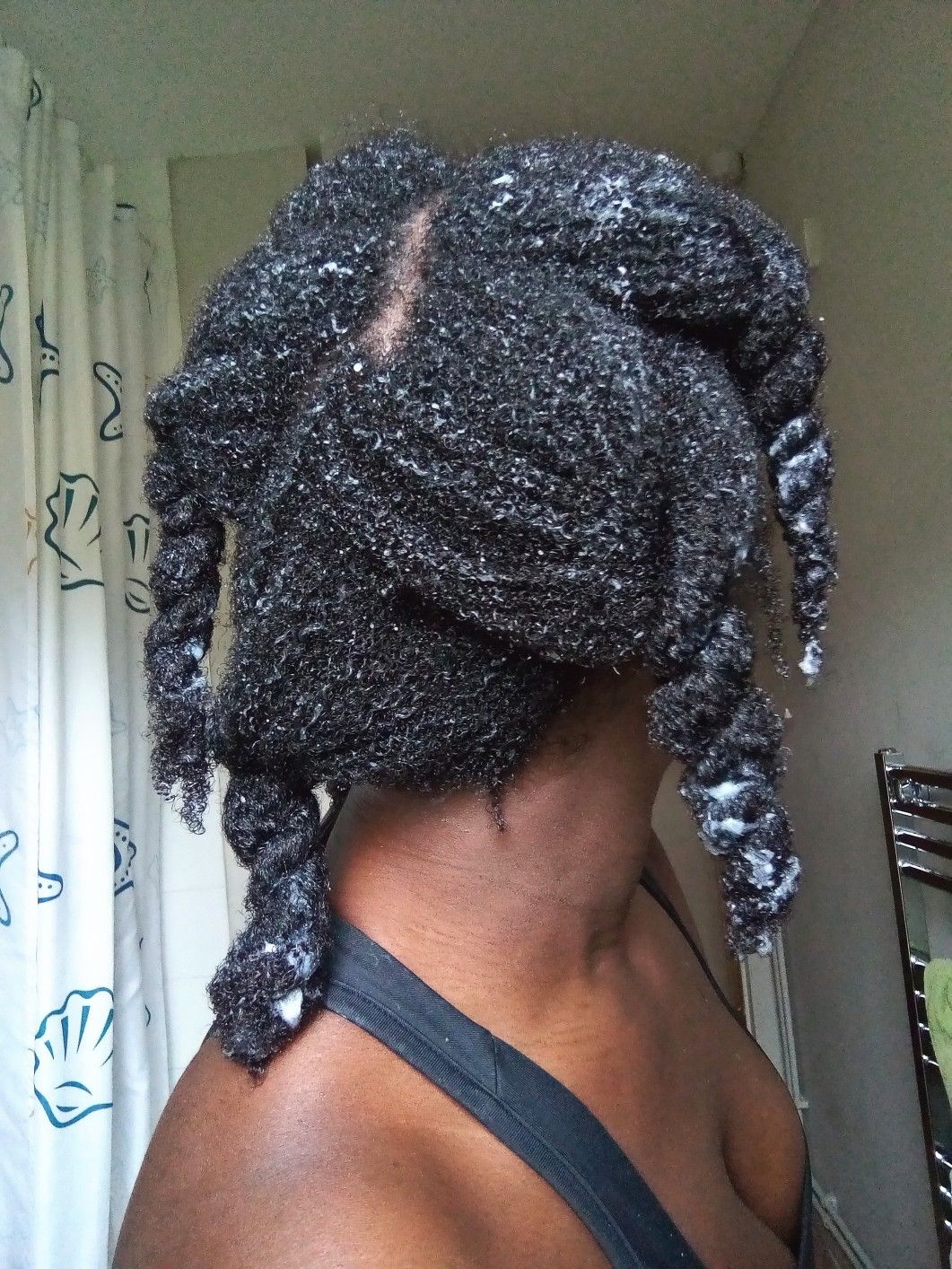
Twists, braids, and buns keep your ends tucked away from the air. That means less rubbing, less drying, and far fewer tangles.
Two-strand twists on damp, moisturized hair are a favorite for the week. For fresh ideas, check out 45 twist hairstyles that never go out of style.
Chunky twists last about four or five days and take less time. Smaller twists can last a week or more when you care for them.
Save looks you love so that you can rotate them easily. A big collection like 100 afro hairstyles to save before your next salon visit keeps your week fun.
Wash-and-gos look beautiful, but they can dry out faster than twisted styles. Use more cream and gel to hold the water in.
Avoid styles that pull tight on your roots or edges. Tension dries out hair and can cause breakage over time.
Mist your style lightly every two or three days to refresh it. Do not soak it, or you may end up with frizz.
Keep one easy style on standby for your lazy, busy weeks. A simple puff or two big twists can save the day.
Pick a style that fits your week, not just your mood. A hairstyle you can keep neat is a hairstyle that protects moisture.

Moisture Under Protective Styles
Braids, twists, and wigs shield your hair, but they can hide dryness. Hair under a style still needs water every few days.
Mix water and a little leave-in in a spray bottle for easy refreshing. Spritz the scalp and the lengths two or three times a week.
Choose a style that fits your goals, and browse 75 protective styles for every hair goal. Pick something that feels light and comfortable on your scalp.
Rub a little light oil on your scalp once a week. Keep the scalp clean, because buildup under braids causes itching and flaking.
Cleanse with a diluted shampoo mix every two or three weeks. Rinse well with a spray bottle so no residue is left behind.
Pay close attention to your edges, since they dry out fastest of all. A tiny dab of cream and oil each night protects them.
Do not keep a protective style in for too long. Six to eight weeks is plenty for most braided looks.
Wigs and weaves need a silk or satin cap underneath. Let your natural hair rest and breathe whenever you take the wig off.
Do not forget to keep the hair at the nape and ears moisturized. Those spots rub on clothes and dry out quickly under braids.
Takedown day should be gentle, slow, and full of patience. Use plenty of water and conditioner, and detangle with your fingers first.

Protect Your Hair at Night
Nighttime is when your hair loses the most moisture all week. Cotton pillowcases act like sponges and pull water from your strands.
A satin bonnet or silk scarf fixes that problem right away. Your hair glides smoothly instead of rubbing against rough fabric.
A silk or satin pillowcase adds a second layer of protection. If your bonnet slips off, your curls are still safe.
Before bed, mist your hair lightly and add a bit of cream. Loosely twist or pineapple it so that nothing gets tangled.
Online videos often show long nighttime routines with a dozen steps. It helps to learn how to stop comparing your hair to influencers before you copy them.
Olivia, a teacher from Tennessee, tried a ten-step night routine she saw online. She quit in a week, then settled on three steps and stuck with them.
Her hair felt softer every morning, and her nights felt calm again. Simple routines almost always last longer than fancy ones do.
Make sure your bonnet is not too tight, since that can pull your edges. Wash it every week or two to keep it fresh.
Good night habits take only a few minutes, but they protect a whole week of work. Your future self will thank you every single morning you wake up.

Keep Your Confidence Steady
Some weeks your hair will look amazing, and other weeks it will not. Both kinds of weeks are a normal part of the journey.
Confidence grows when you keep showing up, and how to build confidence through your afro hair journey shows how. Small wins matter far more than any perfect hair day does.
Talk to your hair the way you would talk to a friend. Skip harsh words like bad hair or difficult hair altogether.
No hair type is hard or bad, since every texture has its own needs. Yours simply needs steady moisture and a very gentle touch.
Stand in front of the mirror and say one kind thing. It sounds silly, but it changes how your day starts.
Wear something that makes you feel bold, like a bright scarf or earrings. Your outfit and your curls can work as a team.
Ask your friends with natural hair for their favorite tips. A little community makes every hard week feel much lighter.
Do not let one dry day ruin your whole mood. Fix it with water, cream, and one slow, deep breath.
Your hair has carried you through every season of life. It deserves your patience, your kindness, and a little pride.
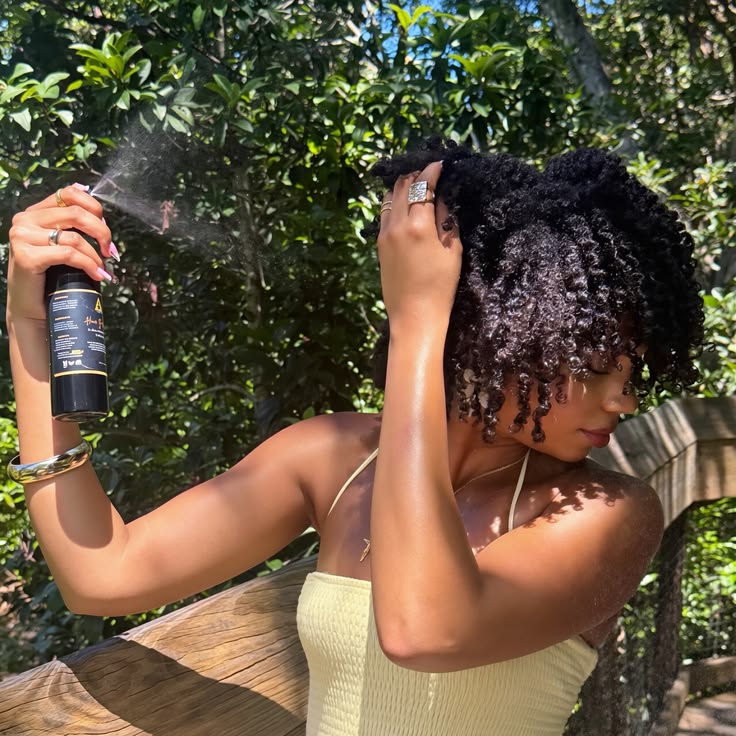
Track What Works Each Week
Tracking your routine is the easiest way to improve it over time. A simple weekly record shows you exactly what your hair loves.
Take a photo of your hair every Sunday in the same light. Compare them after a month, and you will spot changes you missed.
Write short notes on what products you used and how your hair felt. A few simple words each day are more than enough.
Rate your hair from one to five each night before bed. Soft and bouncy gets a five, while dry and rough gets a one.
Look for patterns in your notes after two or three weeks. You may find that certain products or days keep causing dryness.
Make your goals visible, and how to create a healthy hair vision board walks you through it. Fill the board with the soft, healthy hair you want.
Hang it near your mirror or save it as your phone background. Seeing it every day keeps your habits steady and strong.
Set one tiny goal each month, like fewer tangles or softer ends. Small goals are easier to reach and keep you motivated.
Keep your notes in one place, like a small notebook or a phone app. A single spot makes it easy to look back later.
Change one thing at a time, so you know what made the difference. Changing everything at once only makes the results confusing to read.
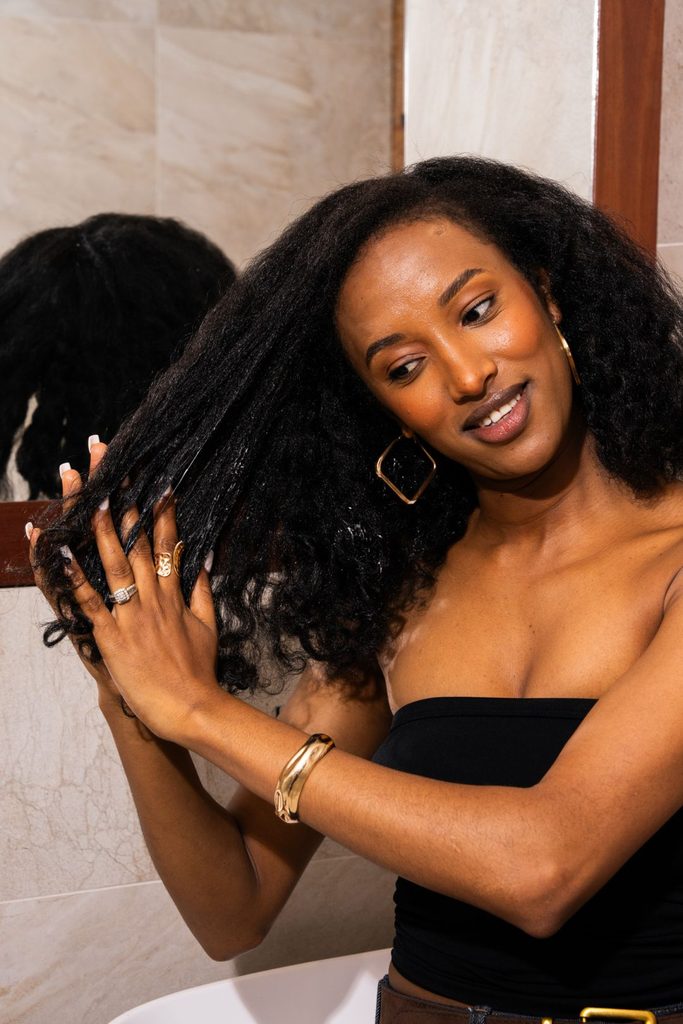
Celebrate Your Progress Each Week
Every soft, bouncy day is a win, so give yourself credit. Healthy hair is built from many small and ordinary days.
There is real joy in noticing, and how to celebrate every stage of afro hair growth is full of ideas. Every stage of your journey has its own special kind of beauty.
At the end of each week, ask what went well. Maybe your twists lasted longer, or your ends felt softer.
Say your wins out loud, or share them with a friend. Good news always feels even better when you share it.
Treat yourself with a warm drink, a face mask, or a good book. Rewards turn your routine into something you look forward to.
Look back at old photos and notice how far you have come. Growth is easy to miss when you see your hair every day.
Do not wait for a big milestone before you feel proud. A calm wash day and a soft Friday are worth smiling about.
Your hair does not need to match anyone else’s timeline. It only needs to be healthier than it was last month.
Pick a small treat for every month of steady care. Mark the date on your calendar, and enjoy it without any guilt.
Keep going, one week at a time, and the results will stack up. Soon, soft and bouncy curls will feel like your normal.

Final Thoughts on Keeping Hair Moisturized All Week
Keeping afro hair moisturized all week comes down to a few steady habits. Build your base on wash day, layer your products, and seal the ends.
Refresh midweek, protect your hair at night, and check in with how it feels. Small touches add up to big results by the end of the week.
Be patient, because real softness builds slowly over many weeks. Keep your plan flexible, and change it as your hair and seasons change.
Pick one step from this guide and try it this week. Your hair will reward you with softer, stronger, shinier curls.
Thank you for reading, and happy moisturizing all week long.