
Understanding Type 4 Hair: A Complete Guide
Disclosure: Some of the links in this post are affiliate links. This means if you click on the link and purchase an item, I will receive an affiliate commission at no extra cost to you.
Type 4 hair is often the most misunderstood hair type in the natural hair world. A new client once sat in my chair, convinced her hair was simply “hard to manage.” She had spent years using products made for looser curl patterns, wondering why nothing worked.
The truth was simple once we looked closely at her strands together. She had classic type 4 hair, and she had never actually learned what that meant.
Once she understood her hair’s real needs, her whole approach to care changed completely. This guide is meant to give you that same clarity, from the very basics.
Whether you are new to natural hair or simply curious, this post breaks things down clearly. If you want to understand your specific curl pattern within this type, How To Identify Your Curl Pattern is a great next step after this.
Understanding Type 4 Hair: A Complete Guide
What Type 4 Hair Actually Means
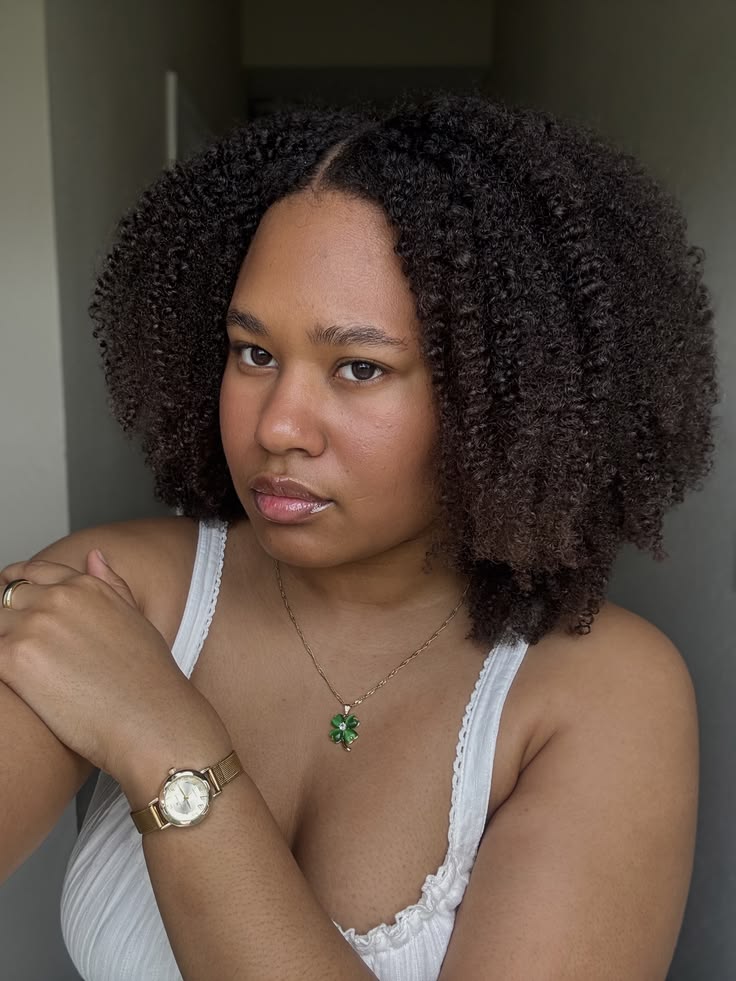
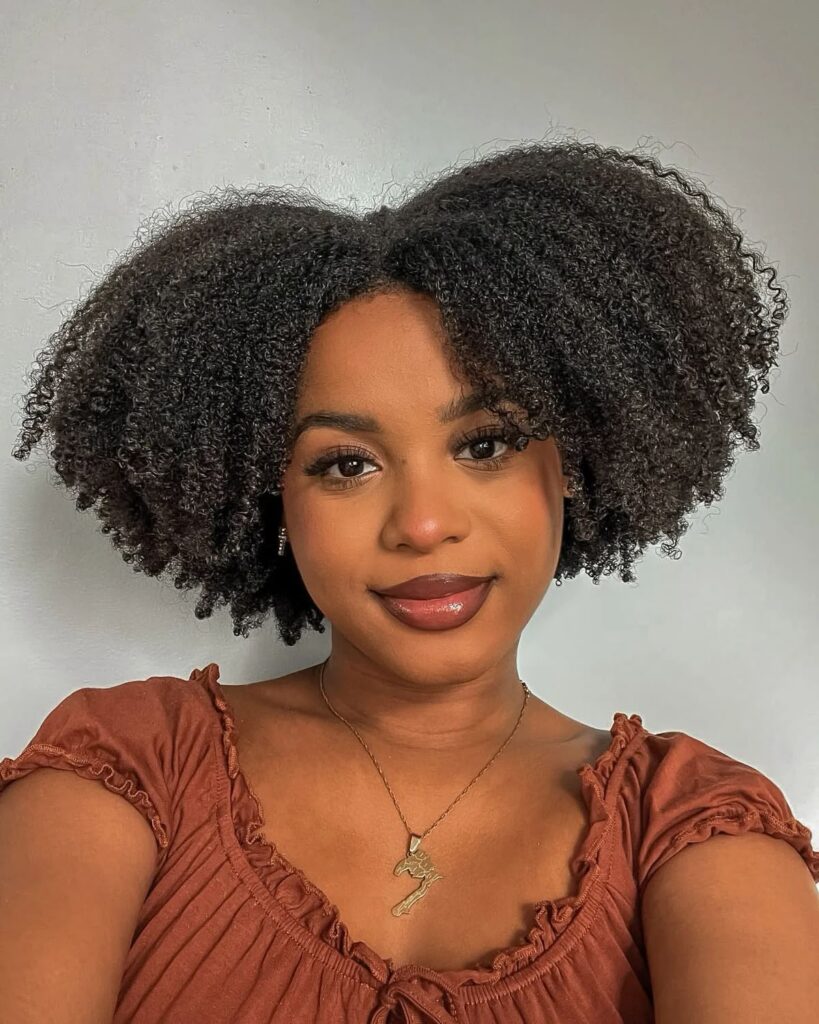
Type 4 hair refers to the tightest curl pattern within the natural hair typing system. It ranges from tight, springy coils to very compact, dense zigzag patterns.
This hair type is common among people of African and African diaspora descent.
The typing system itself was created to help categorize different curl and coil patterns. Type 1 is straight, type 2 is wavy, type 3 is curly, and type 4 is coily.
Each main type also has subcategories, labeled A, B, and C, based on tightness.
Save this for later: 4A vs 4B vs 4C Hair Explained
Where Type 4 Hair Comes From
Type 4 hair’s structure comes from the shape of the hair follicle itself. Oval or asymmetrical follicles produce curlier, coilier strands compared to round follicles.
This is a natural, genetic trait, not something that needs fixing or changing.
Understanding this origin helps remove some of the shame often attached to type 4 hair. This hair type is not a problem to solve, simply a texture to understand.
Working with its natural structure produces far better results than fighting against it.
The Unique Structure Of Type 4 Strands
Type 4 hair has more bends and twists along each strand than other hair types. These bends make the hair naturally more fragile at each turning point.
This structural difference explains many of the challenges naturalistas experience daily.
Why Type 4 Hair Feels Different To The Touch
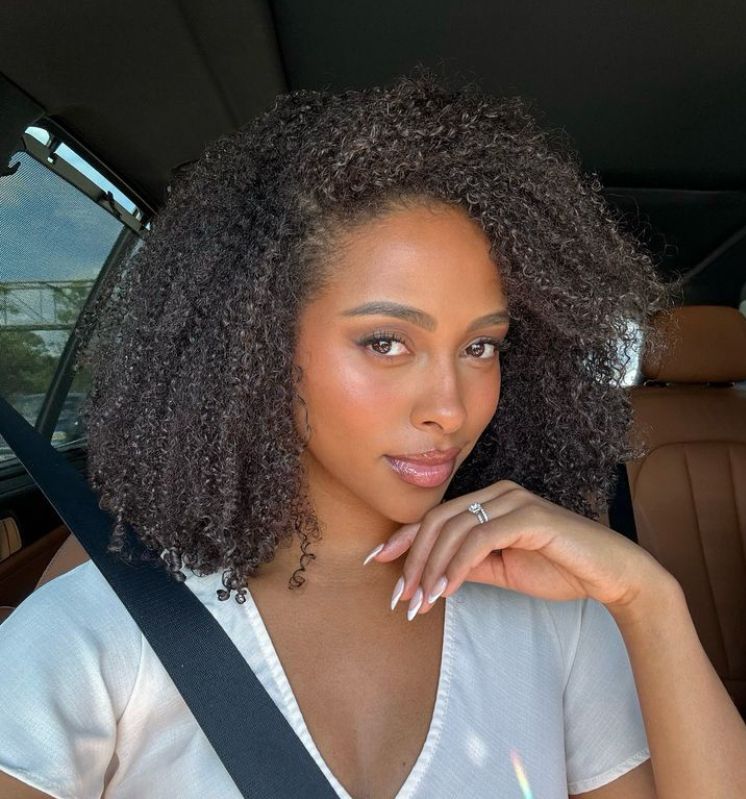
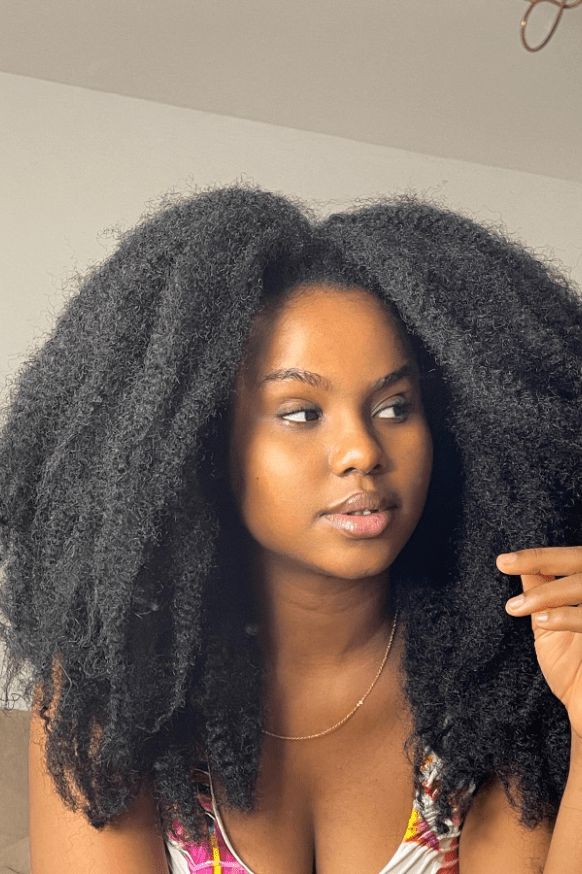
Type 4 hair often has a cottony or wiry texture, depending on the specific subtype. This texture differs greatly from the smoother feel of looser curl patterns.
Neither texture is better, they simply behave differently under similar conditions.
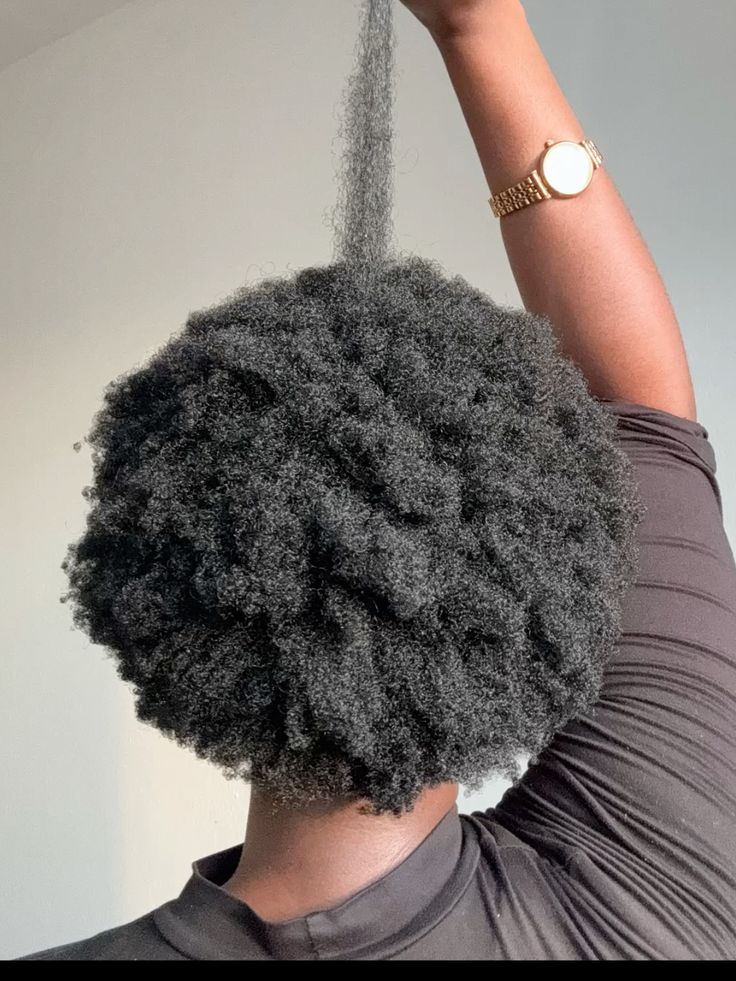
The tight coil pattern also means type 4 hair often appears shorter than it actually is. Shrinkage, where hair coils up tightly when dry, can hide true length significantly.
Understanding shrinkage prevents unnecessary worry about slow or stalled growth.
Why Type 4 Hair Tangles More Easily
The many bends along each strand create more opportunities for hair to catch on itself.
This is why type 4 hair often tangles more than looser textures do. Gentle, regular detangling becomes especially important for this specific hair type.
Take a peek: The Best Detangling Brushes For Afro Hair
Porosity And Type 4 Hair
Porosity describes how well hair absorbs and retains moisture over time. Type 4 hair can fall into any porosity category, though low porosity is common.
Understanding your specific porosity changes how you approach moisture and product choice.
Bookmark this post: What Is Hair Porosity and Why Does It Matter?

Why Porosity Matters So Much For This Hair Type
Type 4 hair already tends toward dryness because of its structure and many bends. Porosity determines how easily moisture enters and how quickly it escapes again.
Getting this wrong often leads to hair that feels perpetually dry, no matter the product used.
A Simple Way To Check Your Porosity
Drop a clean strand of hair into a glass of room-temperature water. Hair that floats for a while often indicates low porosity. Hair that sinks quickly often points toward high porosity instead.
Read this next: Low Porosity Hair Routine
Moisture Needs Of Type 4 Hair
Type 4 hair generally needs more moisture than looser curl patterns require. Natural oils from the scalp struggle to travel down tightly coiled strands easily.
This means moisture often needs to be added more intentionally through products.
Why Water Should Always Come First
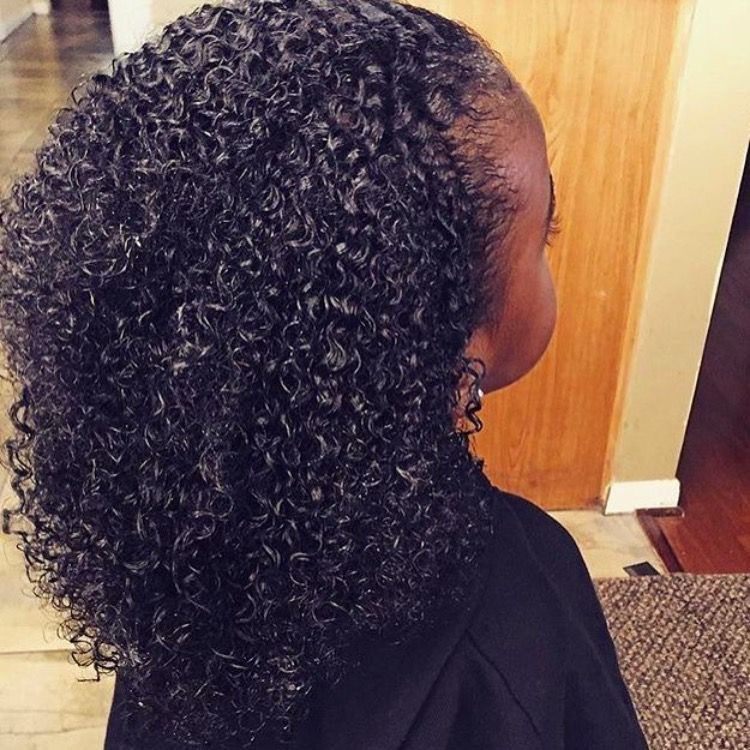
Water remains the most effective hydrator for any hair type, including type 4. Oils and creams work best when they seal in water that is already present.
Skipping water and going straight to oil rarely solves ongoing dryness problems.
Building A Moisture-Focused Routine
A consistent moisture routine matters more for type 4 hair than for other textures. The Best Hair Growth Routine For Afro Hair walks through a full weekly structure worth following.
Consistency here prevents the constant dryness many naturalistas struggle with regularly.
Don’t miss this: How To Grow Healthy Afro Hair Without Chasing Length
Choosing Products For Type 4 Hair
Not every product on the market suits type 4 hair’s specific needs well. Heavier, richer formulas often work better than lightweight options designed for looser curls.
Understanding this helps you avoid wasting money on mismatched products.
Shampoos Suited To Type 4 Hair
Harsh, sulfate-heavy shampoos can strip type 4 hair of much-needed natural oils quickly. The Best Shampoos For Afro Hair explains which gentler formulas work better for this texture.
Conditioners Suited To Type 4 Hair
Rich, slip-heavy conditioners help detangle type 4 hair more comfortably during wash day. The Best Conditioners For Type 4 Hair covers options that add real moisture and softness.
Worth a look: The Truth About Hair Growth Oils
Sealing And Styling Products
Sealing moisture into type 4 hair usually requires slightly heavier products than other textures. Creams and butters both play a role here, depending on your specific porosity.
Choosing Between Cream And Butter
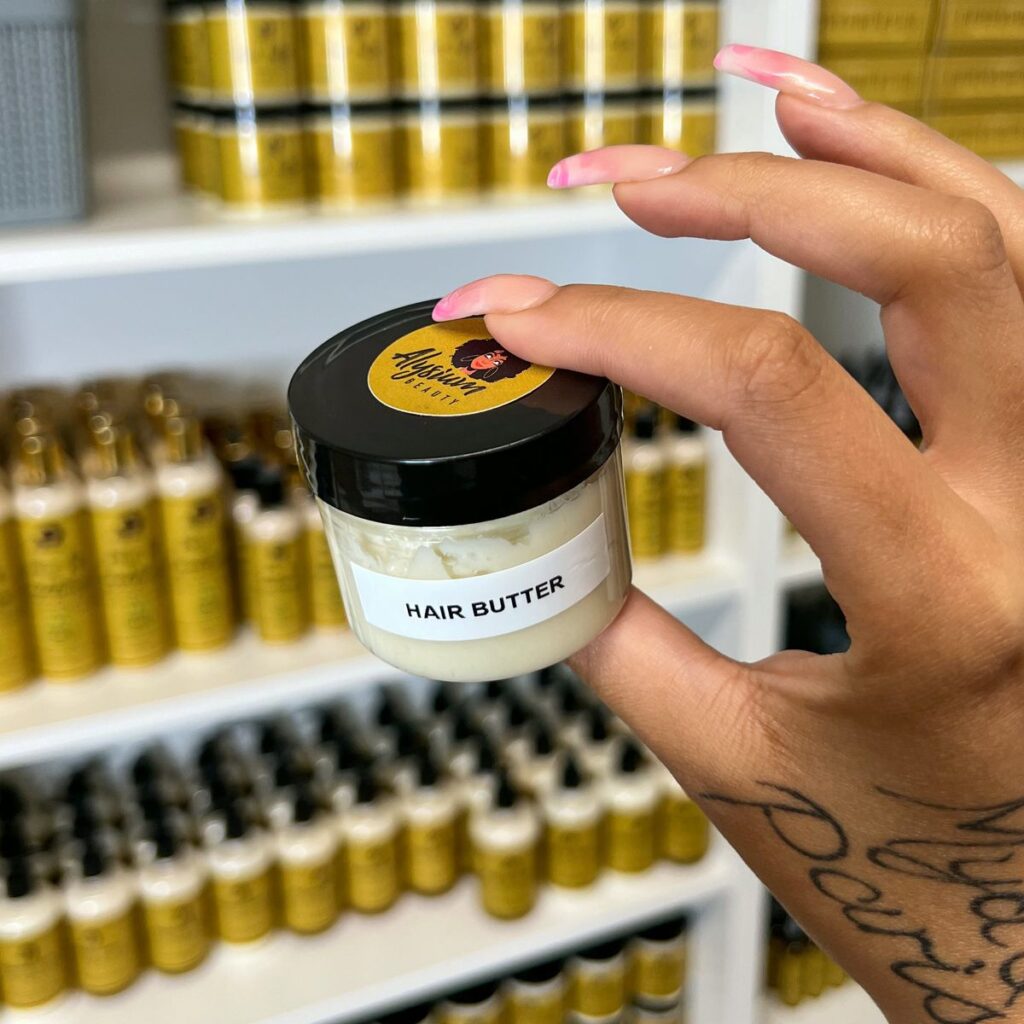
Hair Cream vs Hair Butter: Which Should You Choose? breaks down which sealant suits different needs. Heavier butters often work well for very dry, low porosity type 4 hair specifically.
Explore more ideas: Must-Have Products For A Healthy Hair Routine
Common Myths About Type 4 Hair
Many myths surround type 4 hair, often leading to poor care choices. Addressing these directly helps naturalistas approach their hair with more confidence and accuracy.
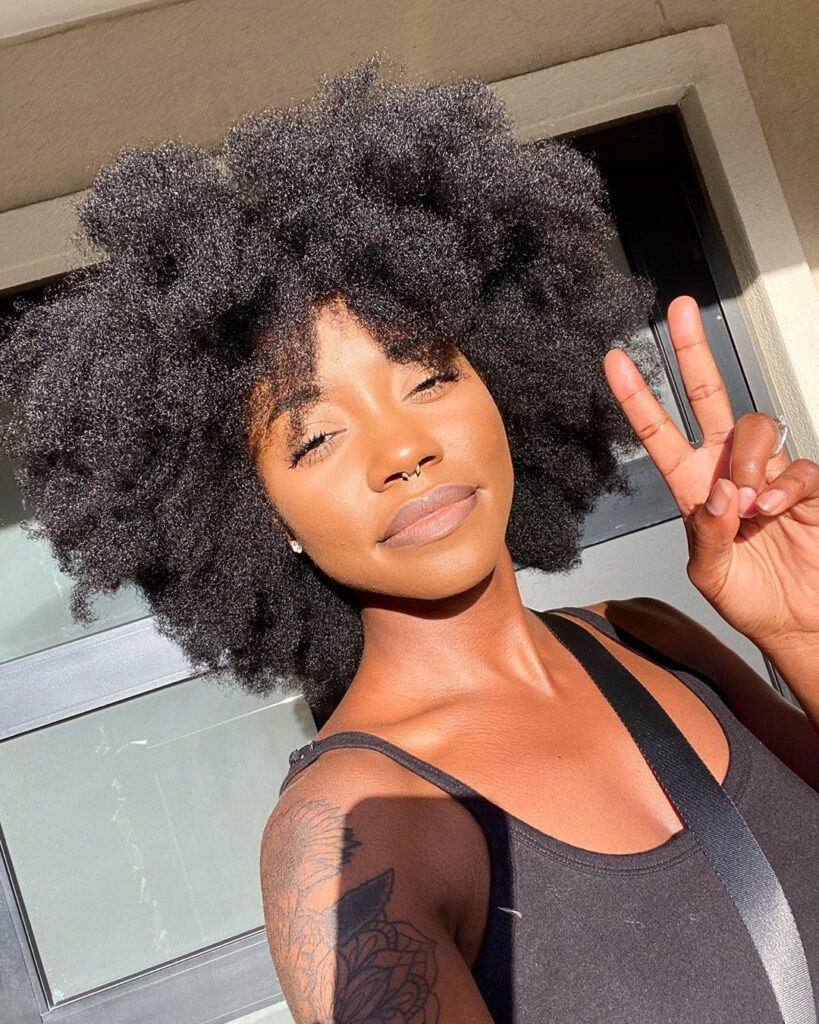
Myth: Type 4 Hair Cannot Grow Long
This myth persists despite plenty of evidence showing otherwise regularly. Type 4 hair grows at the same general rate as other hair types. The difference often lies in retention, not in growth speed itself.
Myth: Type 4 Hair Does Not Need Trims
Some believe trimming slows down growth, which is simply not true scientifically. Removing damaged ends actually protects the length you already have.
Skipping trims often leads to more breakage further up the strand eventually.
Myth: All Type 4 Hair Is The Same
Type 4 hair varies widely between individuals, even within the same subtype category. Density, porosity, and strand thickness all differ from person to person naturally.
Treating all type 4 hair identically often leads to disappointing results for many people.
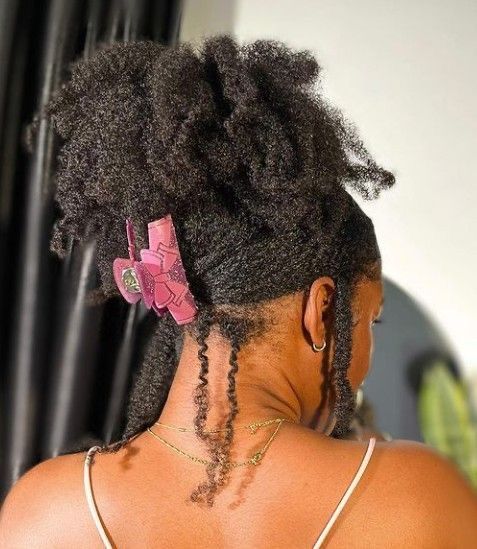
Handling Type 4 Hair Gently
Gentle handling matters enormously for type 4 hair, given its fragile structure. Rough combing, pulling, or rushed styling all increase the risk of breakage significantly.
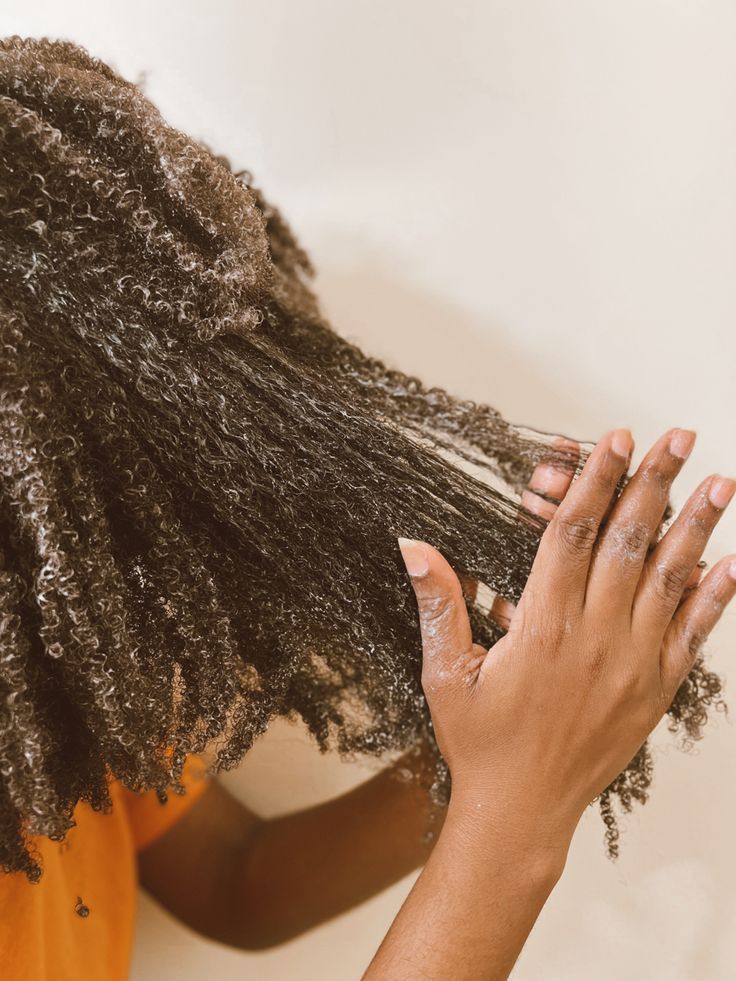
Detangling Type 4 Hair Properly
Always detangle on wet or damp hair, using a slippery conditioner for ease. Start from the ends, working upward slowly to avoid unnecessary tension.
Rushing this step often causes more damage than the tangles themselves would.
My client, the one mentioned earlier, used to detangle her hair completely dry. Switching to wet detangling with proper slip reduced her breakage dramatically within weeks.
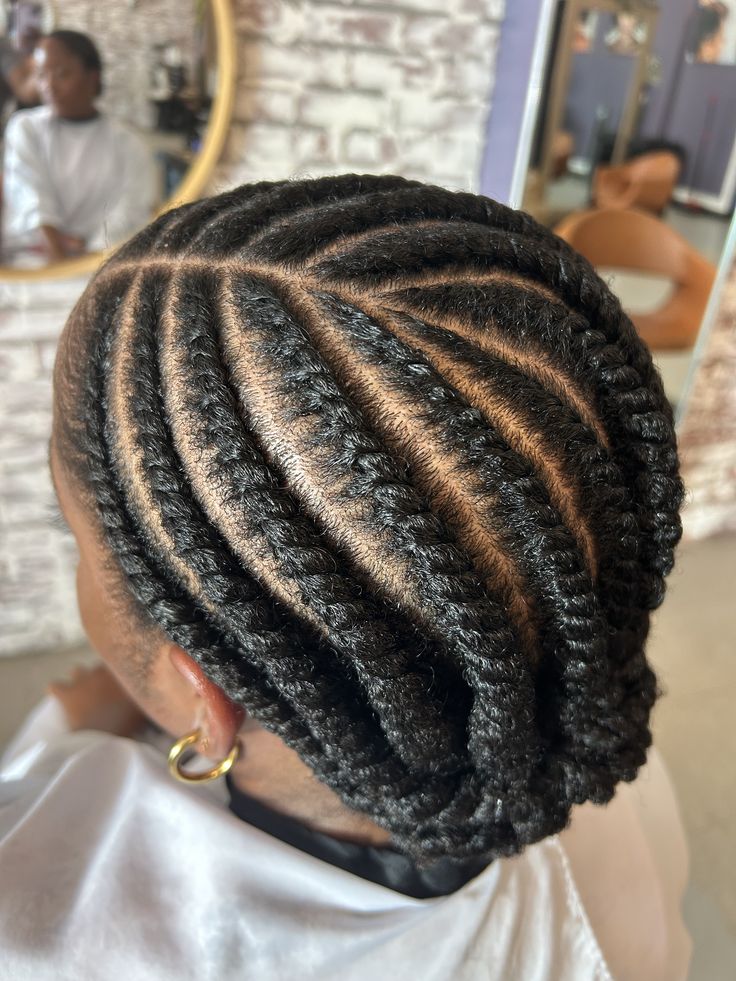
Protective Styling For Type 4 Hair
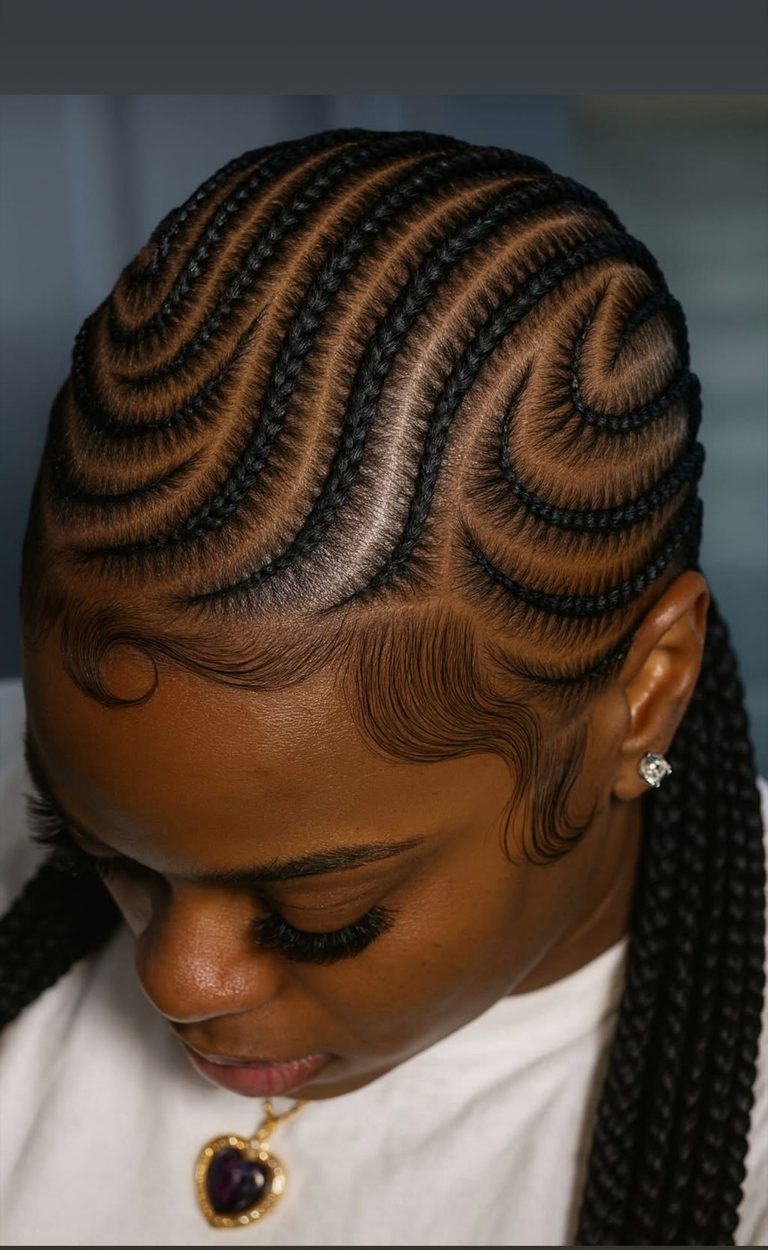
Protective styles work especially well for type 4 hair, given its tendency to tangle. Braids, twists, and buns all reduce daily manipulation significantly for this texture.
Choosing Styles That Respect Your Hair’s Needs
Avoid styles that pull too tightly at the edges or hairline. Type 4 hair, especially finer strands, is particularly vulnerable to tension-related thinning.
Comfortable, well-installed styles protect both your scalp and your length over time.
Scalp Care For Type 4 Hair
Type 4 hair’s density can sometimes make scalp access more difficult during care routines. This makes intentional, thorough scalp care even more important for this specific texture.
Pin this for later: Healthy Scalp Habits For Faster Hair Growth
Why Scalp Health Matters So Much Here
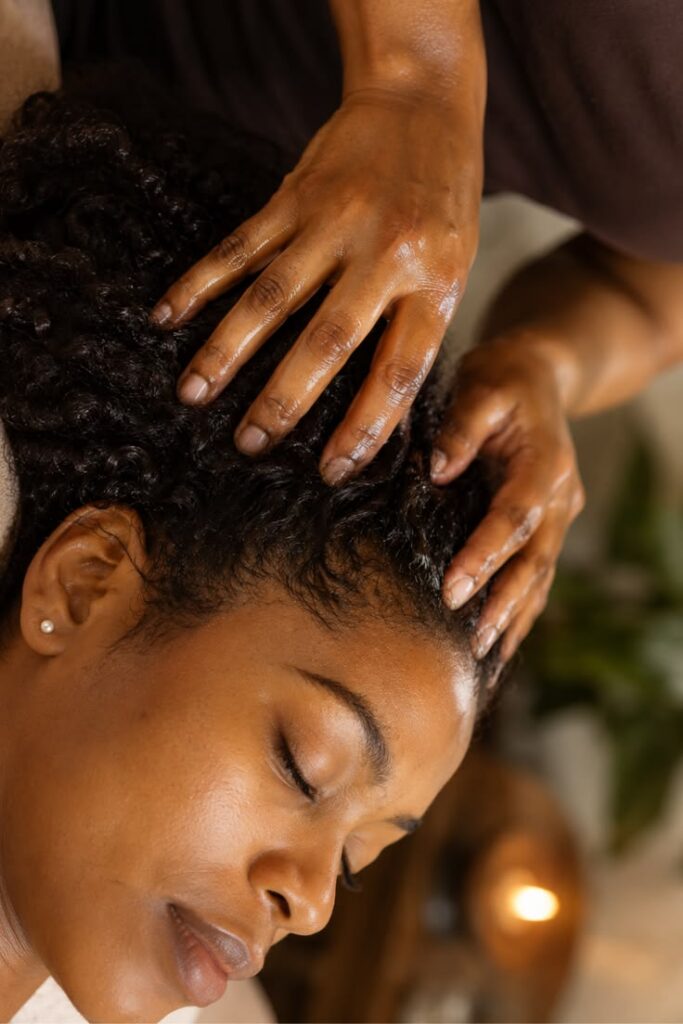
A neglected scalp can slow down growth for any hair type, including type 4. Regular massage, proper cleansing, and balanced moisture all support healthier growth from the root.
Type 4 Hair And Length Retention
Retention often matters more than growth speed for type 4 hair specifically. Understanding how to protect your length changes your entire approach to hair care.
Save this for later: Length Retention Tips Every Naturalista Should Know
Why Retention Is Especially Important Here
The many bends in type 4 strands create natural weak points prone to breakage. Protecting these weak points through moisture and gentle handling supports better overall retention.
This focus often produces more visible results than chasing faster growth alone.
Curl Pattern Variation Within Type 4 Hair
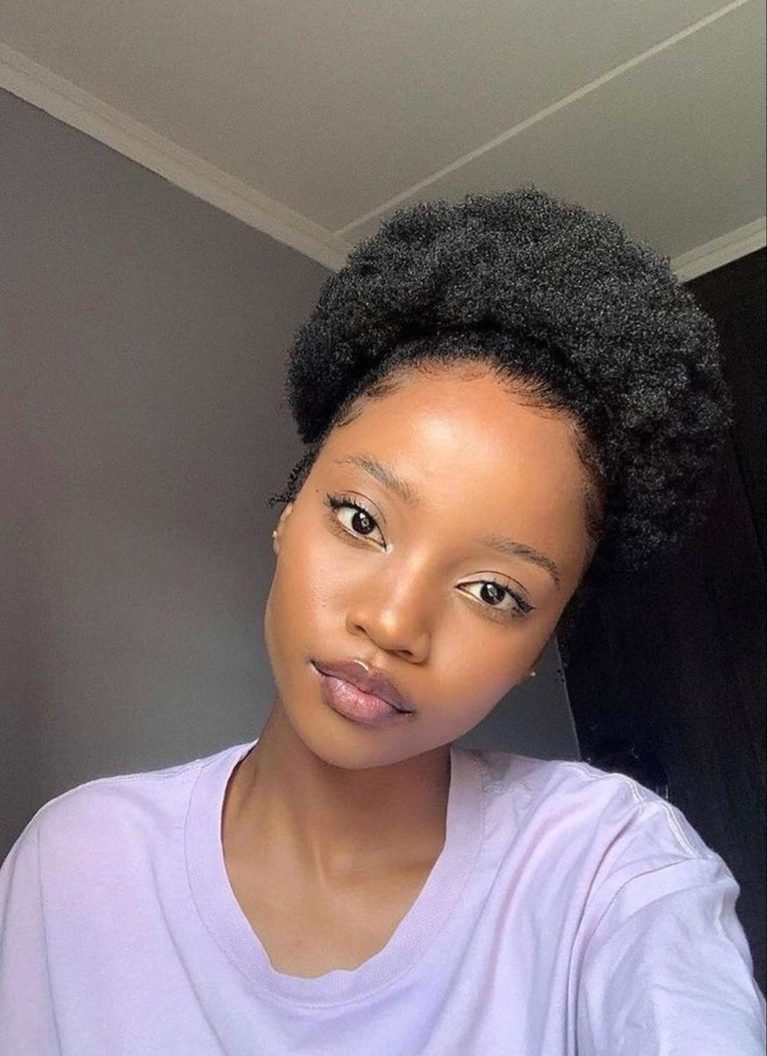
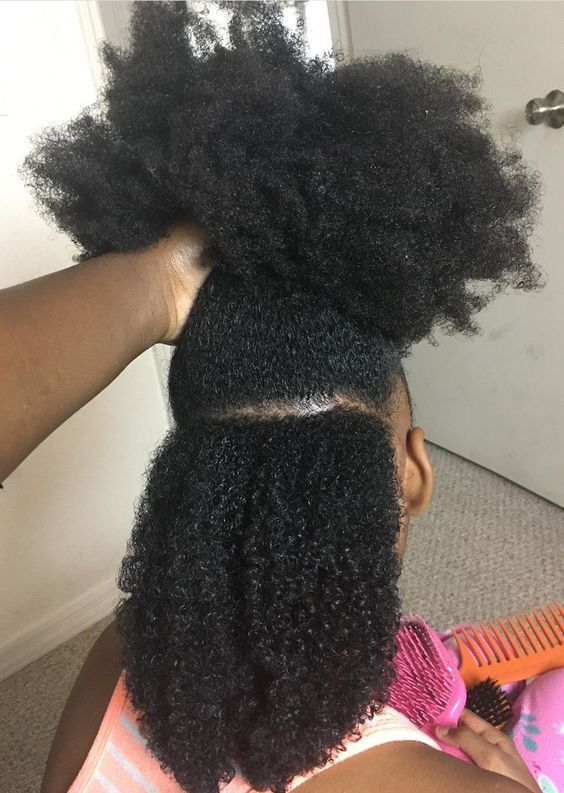
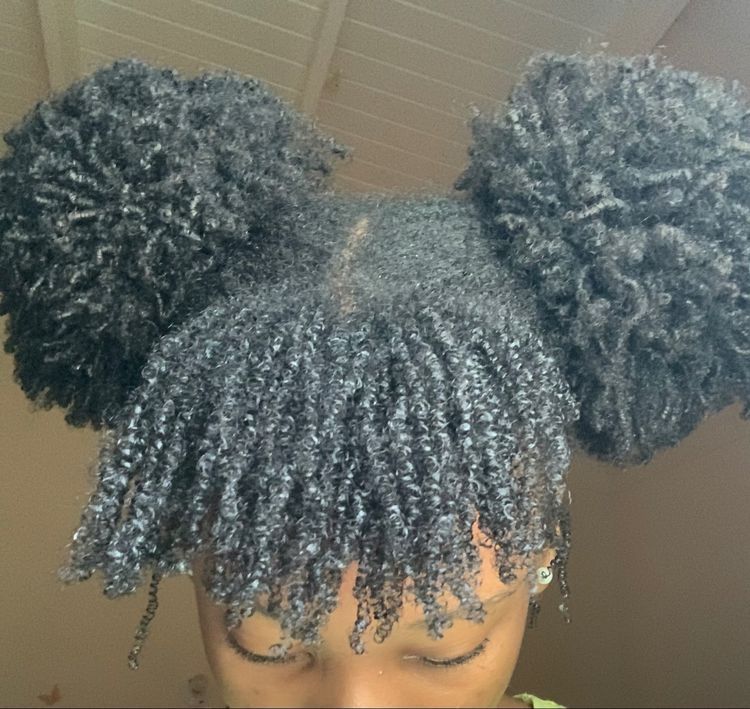
Type 4 hair is not one single, uniform pattern across every head. It includes a range of coil shapes and tightness levels within the same category.
Recognizing Your Own Pattern
Some people have looser, springier coils, often labeled 4A. Others have tighter, more zigzag patterns, often labeled 4B or 4C.
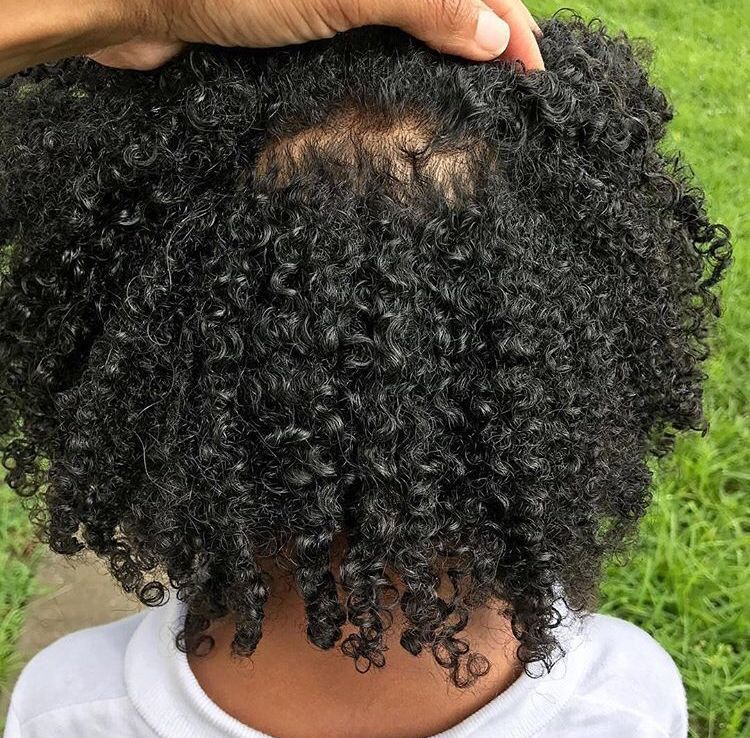
Many people actually have a mix of these patterns across different areas of their head.
Understanding this mix helps you tailor products and routines to specific sections. A one-size-fits-all approach often overlooks these natural variations within a single head of hair.
Building A Routine Around Type 4 Hair
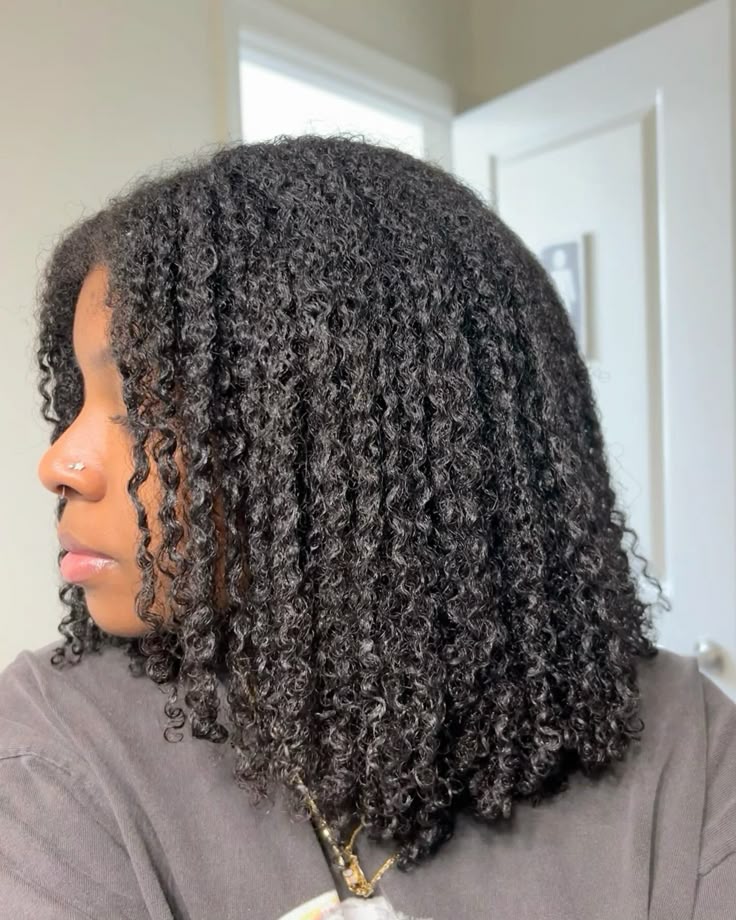
A consistent, well-structured routine supports type 4 hair better than sporadic, random care. Understanding your hair type is simply the first step toward building that structure.
Combining Everything You Have Learned
Cleansing gently, moisturizing consistently, sealing properly, and protecting your ends all matter deeply.
Each of these steps should reflect your specific porosity, density, and curl pattern. This personalized approach produces far better results than following generic advice blindly.
Hair Density Versus Porosity
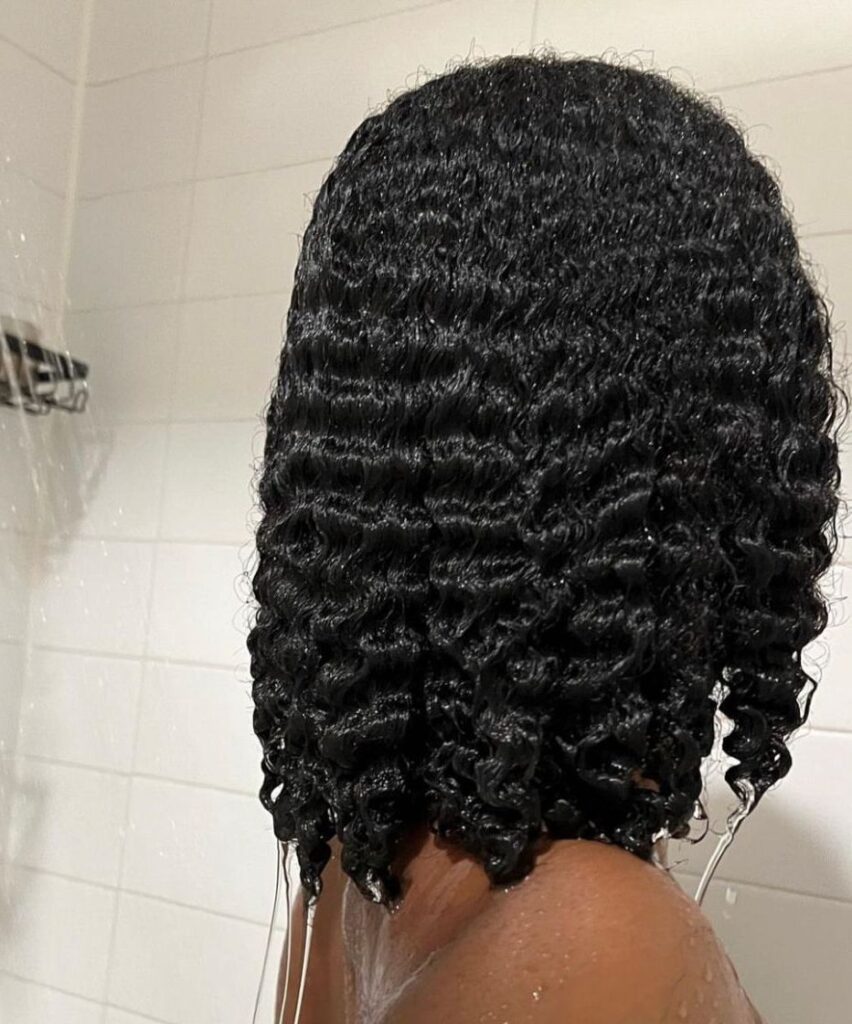
Density and porosity are two separate qualities people often confuse with each other. Density refers to how many strands grow per square inch of your scalp.
Porosity refers to how well each individual strand absorbs and holds moisture.
Why This Distinction Matters
A person can have high density but low porosity, or low density but high porosity. These combinations require completely different approaches to products and styling choices.
Confusing the two often leads to using the wrong products for the wrong problem.
Checking Your Own Density
Take a small section of hair between two fingers and look at your scalp. If you can barely see scalp, your density is likely high. If your scalp is easily visible, your density is likely low or medium.
Density affects styling choices too, since thicker density often holds styles longer naturally. Lower density hair may need gentler handling to avoid looking thin or sparse.
Neither density level is better, they simply require slightly different care approaches.
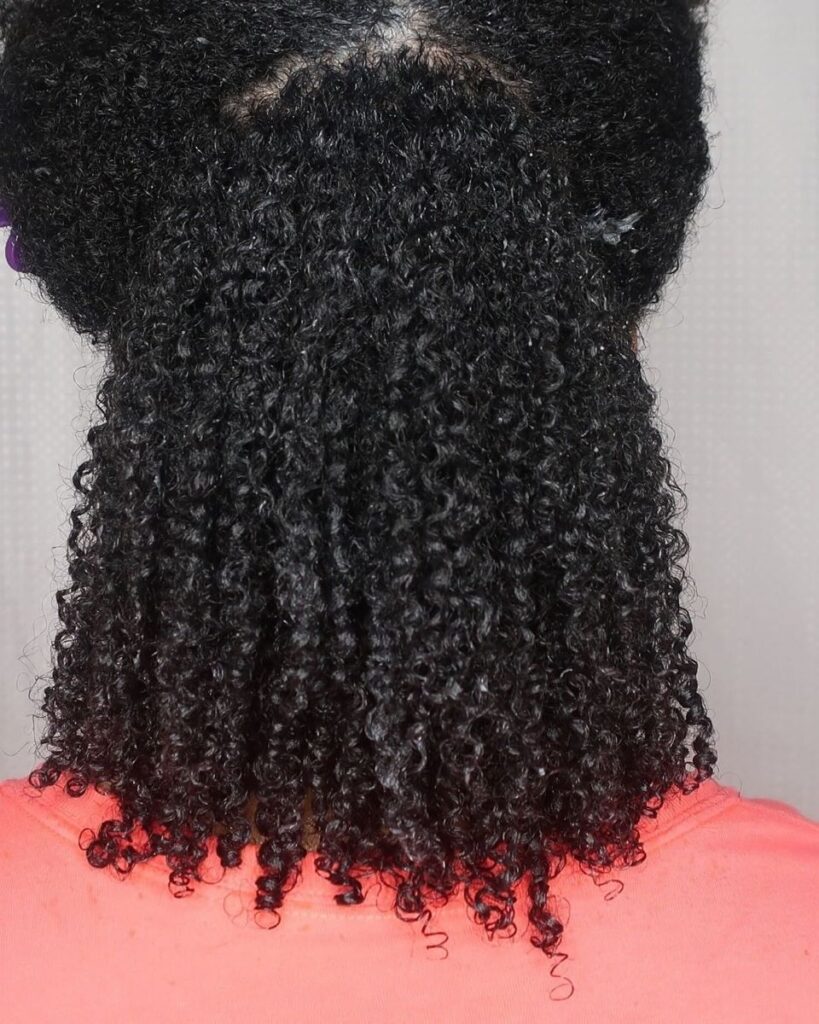
Elasticity And Strand Strength In Type 4 Hair
Elasticity refers to how well your hair stretches and returns to its original shape. Healthy type 4 hair should stretch somewhat without snapping immediately under gentle pressure.
Poor elasticity often signals dryness, protein imbalance, or general damage building up.
Testing Your Hair’s Elasticity
Take a single strand of clean, wet hair and gently stretch it. Healthy hair stretches slightly and bounces back without breaking easily.
Hair that snaps immediately, without any stretch, likely needs more moisture or protein.
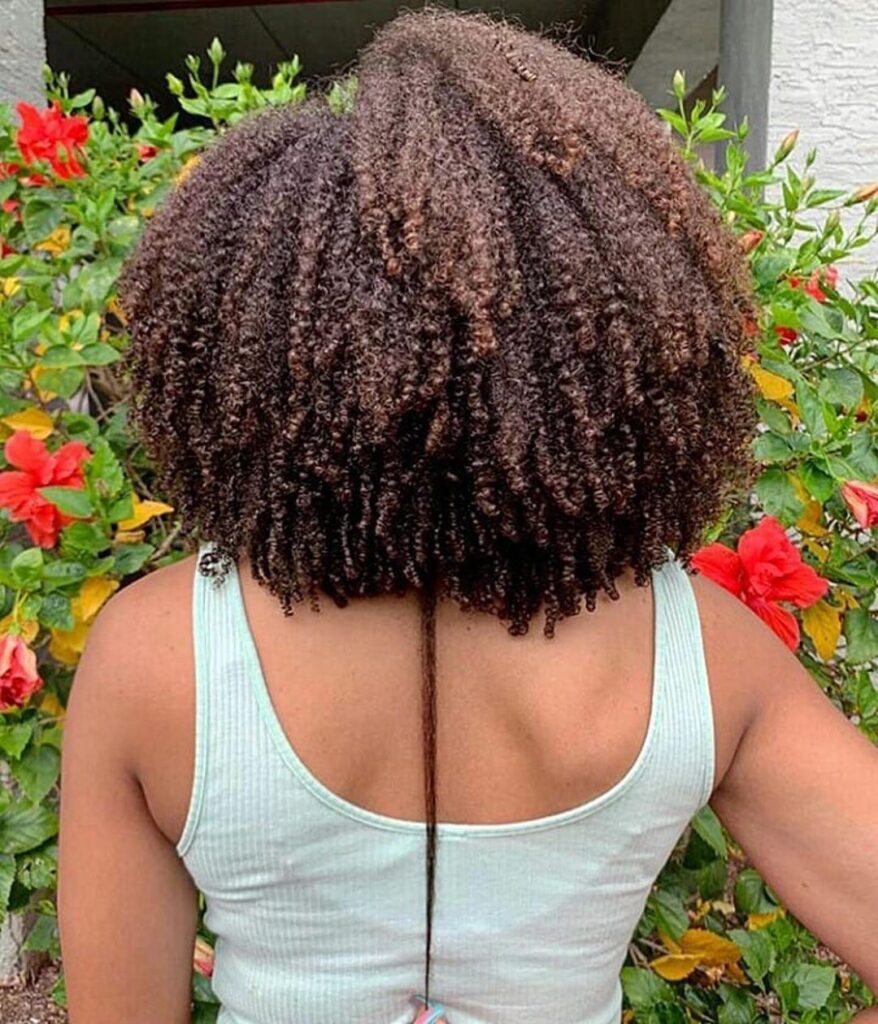
Balancing Moisture And Protein
Type 4 hair needs a careful balance between moisture and protein to stay strong. Too much protein can leave hair feeling stiff and prone to breaking.
Too little protein can leave hair feeling weak, mushy, and equally fragile.
A simple deep conditioning treatment every few weeks helps maintain this balance naturally.
Alternating between moisture-focused and protein-focused treatments keeps your strands resilient over time.
Environmental Factors That Affect Your Curls
Your surrounding environment plays a bigger role in type 4 hair health than many realize. Weather, water quality, and even indoor heating or air conditioning all matter here.
How Weather Impacts Type 4 Hair
Dry, harmattan-style weather pulls moisture from tightly coiled strands especially fast. Humid weather can sometimes help retain moisture, though it may also cause frizz.
Adjusting your routine with the seasons keeps your hair balanced throughout the year.
Water Quality And Its Effect On Your Strands
Hard water, high in minerals, can leave buildup on type 4 hair over time. This buildup often makes hair feel dry, dull, or difficult to manage.
A clarifying shampoo periodically helps remove this mineral buildup effectively.
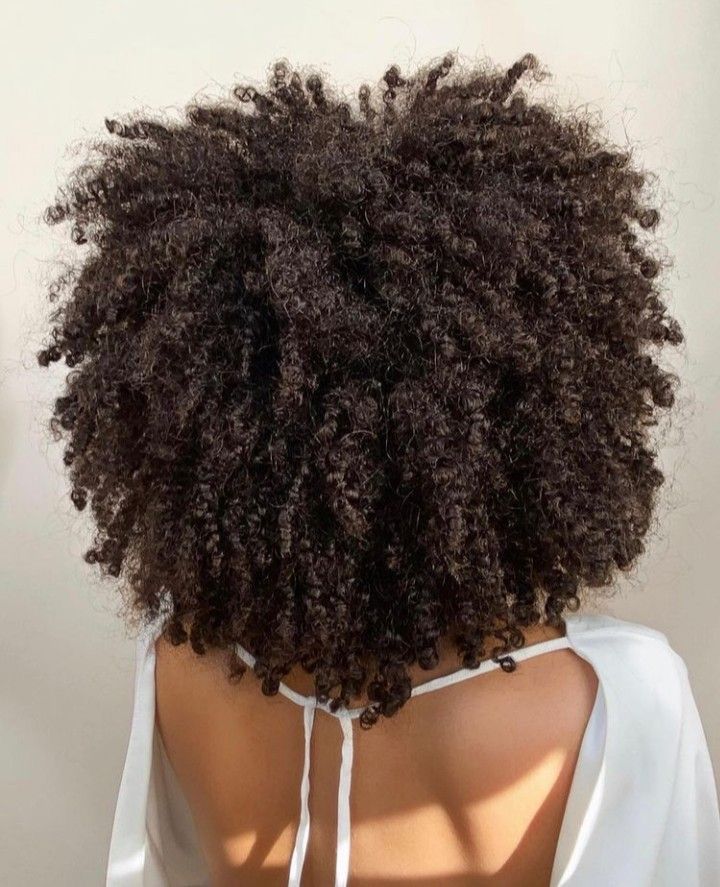
Type 4 Hair Across Different Life Stages
Type 4 hair does not stay exactly the same throughout a person’s entire life. Childhood, puberty, pregnancy, and aging can all bring noticeable texture changes.
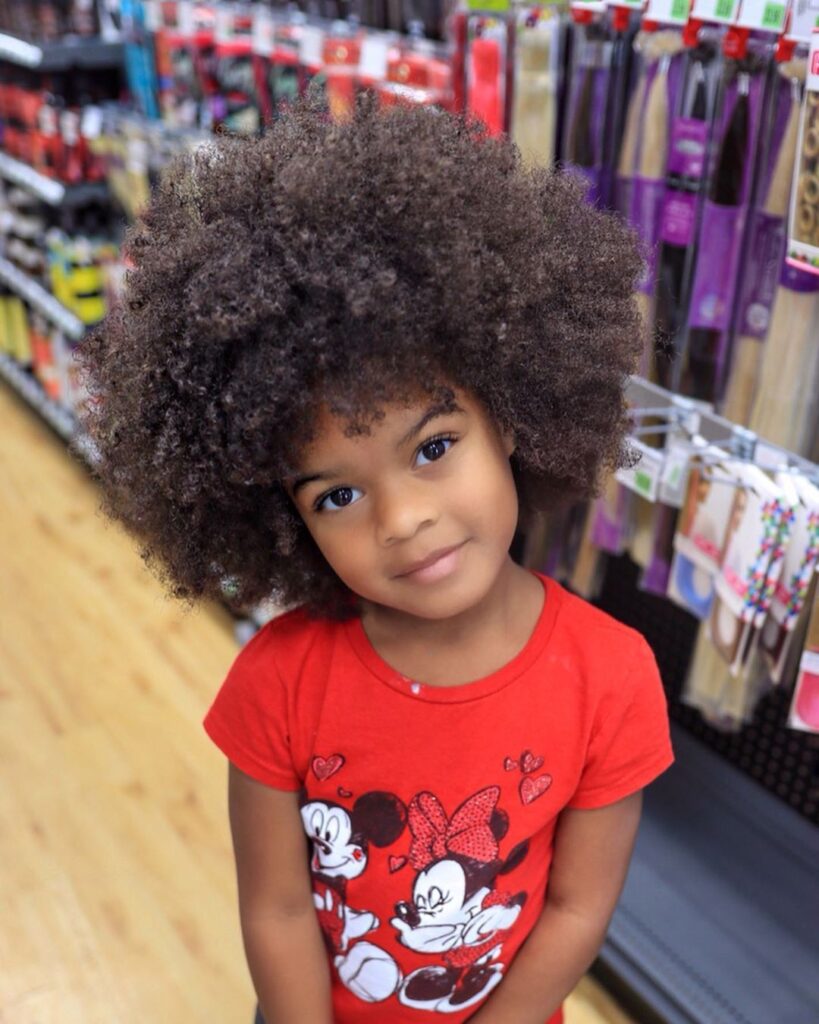
Type 4 Hair In Children
Children’s type 4 hair is often softer and slightly different from adult texture. Gentle handling becomes even more important, since young scalps are especially sensitive.
Building healthy habits early creates a strong foundation for lifelong hair care.
Type 4 Hair During Pregnancy And Postpartum
Pregnancy hormones can temporarily thicken type 4 hair for many women. Postpartum shedding, which follows a few months later, is a normal, temporary phase.
Understanding this cycle prevents unnecessary panic during a naturally fluctuating period.
Type 4 Hair As You Age
Aging can bring thinner strands and reduced natural oil production over time. Adjusting products to gentler, more hydrating options often helps during this life stage.
Type 4 hair, like any hair type, benefits from routines that evolve with you.

Emotional And Cultural Significance Of Natural Hair
Type 4 hair carries deep cultural and personal significance for many people. Understanding this significance adds another layer to why proper care and confidence matter so much.
Moving Past Negative Stereotypes
Historically, type 4 hair has faced unfair stereotypes calling it “unmanageable” or “unprofessional.” These stereotypes have caused real harm, pushing many people away from their natural texture.
Learning to care for and celebrate this hair type pushes back against that harmful narrative.
My client, mentioned earlier, admitted she avoided her natural texture for years because of these stereotypes.
Learning proper care techniques gave her the confidence to fully embrace her natural hair. This emotional shift often matters just as much as the physical care itself.
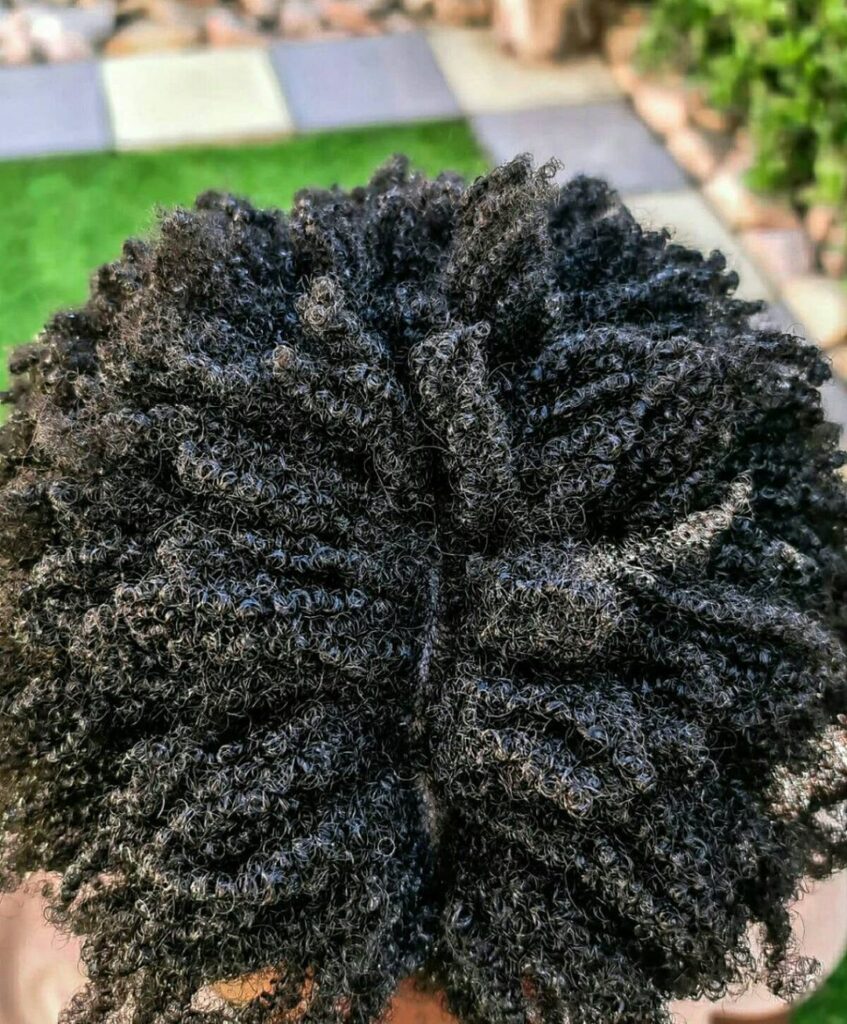
Common Struggles Naturalistas Face With Type 4 Hair
Understanding common struggles helps normalize the challenges many people experience along their journey. You are not alone if you have faced any of these specific difficulties.
Dealing With Dryness That Never Seems To End
Persistent dryness, despite regular moisturizing, often points to a mismatch between product and porosity.
Reassessing your porosity and adjusting your routine accordingly usually resolves this frustrating cycle.
Struggling With Constant Breakage
Ongoing breakage despite gentle handling may point toward a need for protein treatments. It could also point toward overly tight styles or excessive heat use over time.
Identifying the actual cause matters more than simply adding more products blindly.
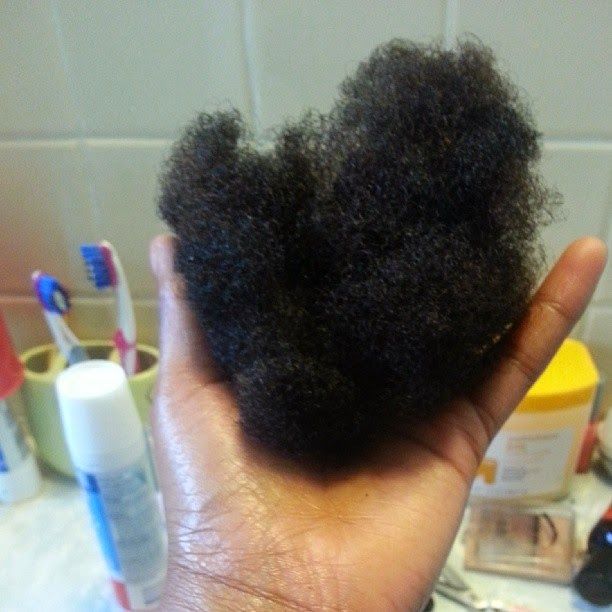
Feeling Overwhelmed By Product Choices
The sheer number of products marketed toward type 4 hair can feel overwhelming quickly.
Starting with a few simple basics, then adjusting gradually, prevents unnecessary confusion and cost.
Tools And Techniques That Work Best for Coily Textures
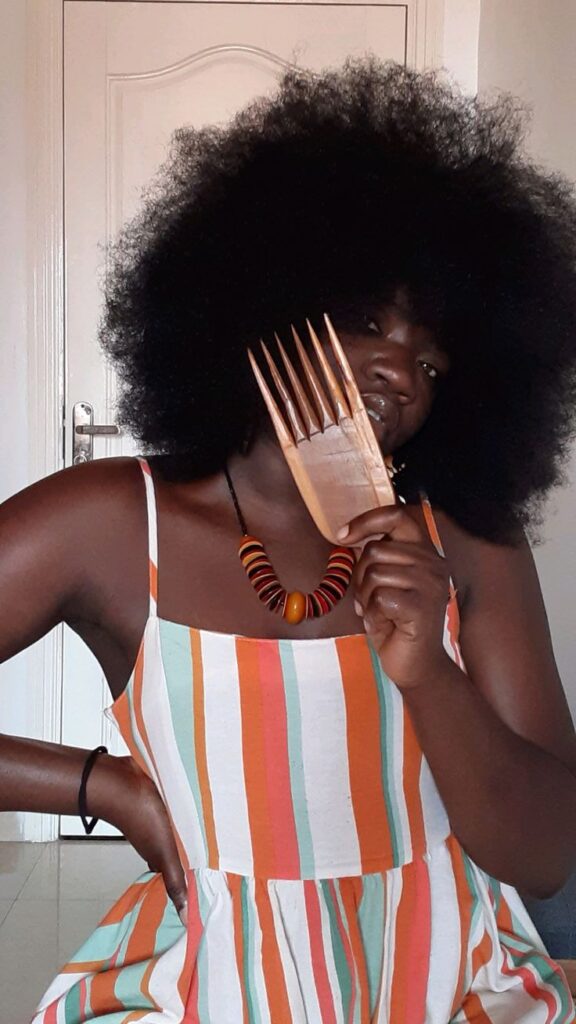
Certain tools work better than others when handling type 4 hair specifically. Choosing the right tools reduces breakage and makes daily care noticeably easier.
Wide-Tooth Combs And Detangling Brushes
Wide-tooth combs allow gentler passage through tightly coiled strands compared to fine-tooth options.
Detangling brushes designed for coily hair often feature flexible, spaced bristles for this purpose. Both tools work best when used on wet, conditioned hair rather than dry strands.
Applicator Bottles For Precise Product Placement
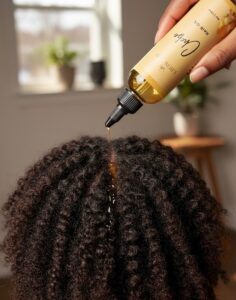
Applicator bottles help direct product exactly where needed, especially at the scalp. This precision reduces waste and prevents overloading the length with unnecessary product.
Many naturalistas find this small tool makes wash day noticeably more efficient overall.
Satin And Silk Accessories
Satin bonnets, pillowcases, and scarves reduce friction against type 4 hair overnight. This friction reduction helps preserve moisture and prevents unnecessary breakage while sleeping.
Cotton, by contrast, tends to absorb moisture and increase friction against coily strands.

Can Heat Styling Damage Your Curls?
Heat styling remains popular among naturalistas wanting occasional straight or stretched looks. Understanding how heat affects type 4 hair specifically helps you use it more safely.
Risks Of Frequent Heat Use
Type 4 hair’s structure makes it particularly vulnerable to heat damage over time. Repeated heat exposure can weaken the hair’s protein structure, leading to increased breakage.
Limiting heat styling frequency protects your hair’s long-term health and elasticity.
Using Heat More Safely
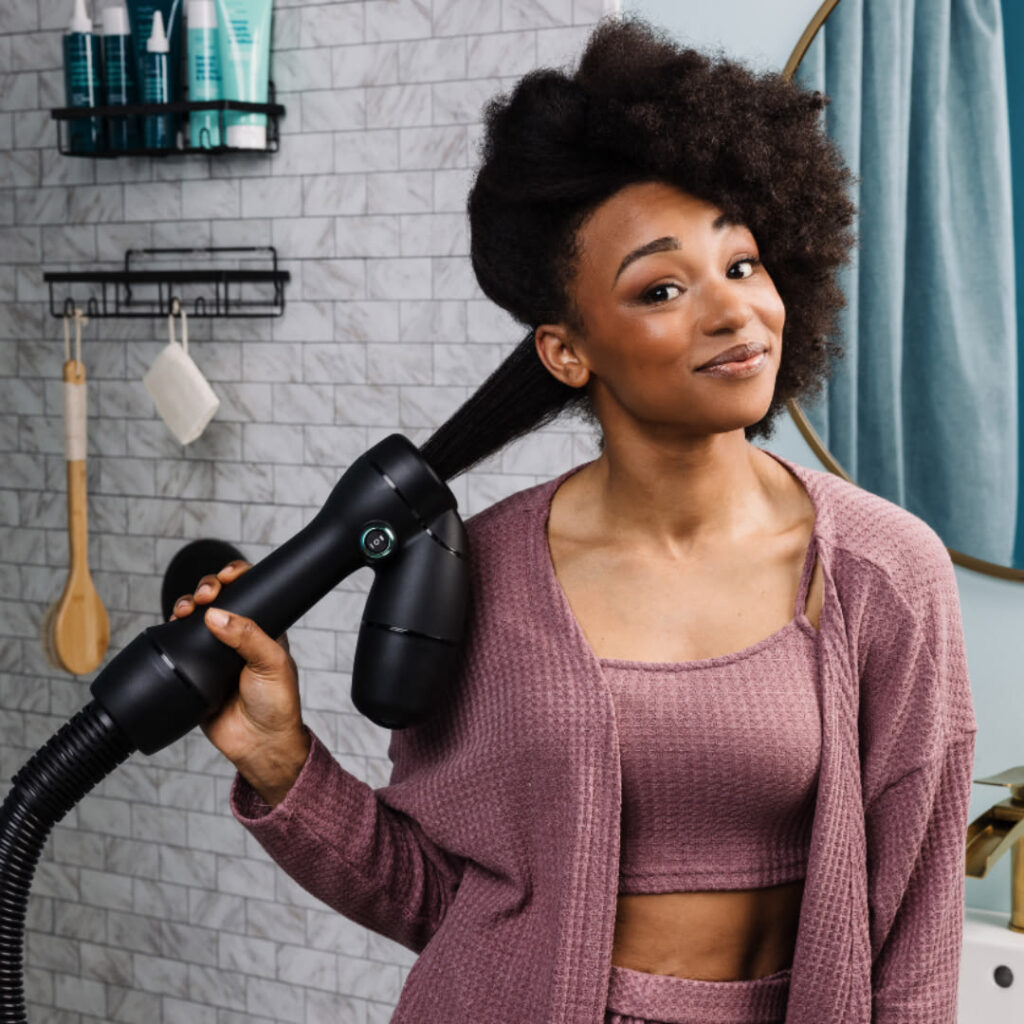
Always apply a heat protectant before using any hot tool on your hair. Lower heat settings, combined with slower, more careful sectioning, reduce damage risk significantly.
Reserving heat styling for special occasions, rather than routine use, protects your hair best.
Combining Knowledge Into A Confident Routine
Understanding type 4 hair thoroughly changes how you approach every part of your routine. Confidence replaces confusion once you know exactly what your hair needs and why.
Trusting Your Own Observations
Your own hair’s reactions matter more than generic advice found online or from friends. Paying attention to how your specific strands respond builds real, lasting expertise over time.
This personal knowledge becomes more valuable than any single product or trending technique.
Adjusting As Your Hair Changes
Type 4 hair can shift over time due to health, age, or environmental factors. Staying flexible and willing to adjust your routine keeps your care approach realistic and effective.
What worked perfectly last year may need small tweaks as your hair evolves.
Debunking Comparisons Between Type 4 And Other Hair Types
Naturalistas often compare type 4 hair unfavorably to looser curl and wave patterns. This comparison rarely helps and usually leads to unnecessary frustration or self-criticism.
Why Comparisons Miss The Point
Every hair type has its own strengths, challenges, and ideal care approach. Type 4 hair is not “worse” simply because it behaves differently from type 3 or type 2.
Judging one texture by the standards meant for another texture rarely makes sense.
Focusing On Your Own Hair’s Potential
Instead of comparing textures, focus on what healthy, well-cared-for type 4 hair looks like. This shift in focus removes unnecessary pressure and encourages more realistic, sustainable goals.
Your hair’s potential is best measured against its own healthy baseline, not someone else’s texture.
The Role Of Patience In Understanding Type 4 Hair
Learning to work with type 4 hair takes time, especially for those newer to natural hair care. Mistakes along the way are a normal, expected part of this learning process.
Giving Yourself Room To Learn
Trial and error is often necessary before finding products and routines that truly work. Being patient with yourself during this process makes the journey far less frustrating overall.
Small, consistent adjustments over months usually produce better results than constant, drastic changes.
Celebrating Small Wins Along The Way
Notice small improvements, like softer texture or easier detangling, rather than only chasing length.
These small wins often indicate genuine progress happening beneath the surface. Recognizing them keeps motivation steady throughout a sometimes slow and gradual journey.
My neighbor spent nearly a year learning her type 4 hair before feeling truly confident.
She now describes her hair care routine as simple, calming, and something she genuinely enjoys.
Quick Answers To Common Questions
A few questions come up often when people are learning about type 4 hair.
Is type 4 hair naturally more dry than other hair types? Generally, yes. Its structure makes it harder for natural oils to travel down the strand.
Does type 4 hair require more products than other textures? Often yes, though quality and consistency matter more than sheer quantity of products used.
Can type 4 hair be low maintenance with the right routine? Yes, once a consistent routine is established, type 4 hair becomes far easier to manage.
Is shrinkage a sign of unhealthy hair? No, shrinkage is a completely normal trait of healthy, well-hydrated type 4 hair.
Can type 4 hair be color treated safely? Yes, though extra moisture and protein care become even more important afterward.
Chemical processes always add some stress to already fragile, tightly coiled strands.
Why does my type 4 hair look different in humidity versus dry weather? Humidity often causes swelling and frizz, while dry air can cause tightening and shrinkage.
Both reactions are completely normal responses to changes in moisture in the air.
Should I comb my type 4 hair daily? Not necessarily. Daily combing can increase manipulation and breakage risk unnecessarily.
Gentle finger detangling between wash days often works better for many naturalistas.
A Few Final Things Worth Knowing
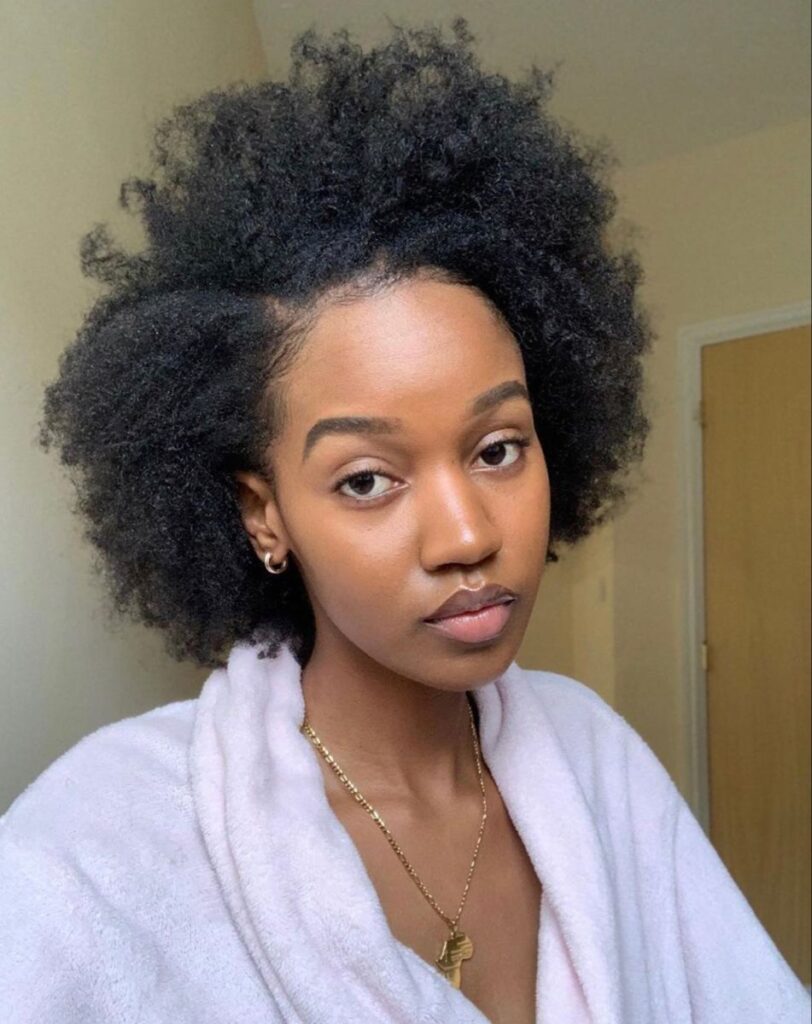
Type 4 hair is unique, resilient, and full of natural beauty worth understanding fully. Its tighter coils and bends require specific care, but nothing about it is a flaw.
Learning your hair’s real needs replaces frustration with confidence and genuine understanding.
Moisture, gentle handling, and consistent scalp care all support this hair type deeply. Understanding your specific subtype and porosity helps you fine-tune your routine even further.
None of this requires expensive products, only consistent, informed attention over time.
Density, elasticity, and environmental factors all play their own quiet roles too. Recognizing these details helps you respond to your hair’s real needs, rather than guessing constantly.
Your type 4 hair can thrive, grow, and retain length just like any other texture. The journey simply requires patience, the right knowledge, and care suited to your unique strands.
Trust what your hair shows you over time, and let that guide every decision you make going forward.
Every naturalista’s relationship with their type 4 hair looks a little different, and that is completely fine.
Some people love experimenting with styles, while others prefer simple, low-manipulation routines.
Whatever your approach, understanding the fundamentals in this guide gives you a solid, informed starting point.
From here, the rest of the journey is simply about paying attention, adjusting gently, and staying consistent with the basics you now understand clearly.