

Beginner’s Guide to Wigs for Natural Hair
Disclosure: Some of the links in this post are affiliate links. This means if you click on the link and purchase an item, I will receive an affiliate commission at no extra cost to you.
Most people think wigs are a shortcut for lazy hair days. They’re actually one of the smartest tools for protecting your natural hair long term. A good wig routine gives your strands a real break from heat, manipulation, and daily styling stress.
It also opens up a world of looks without touching your actual hair texture. That said, wigs come with their own learning curve, especially the first time around. Get the basics wrong, and you risk irritation, damaged edges, or a wig that never sits right.
A wig bought in a rush, without any real research, often ends up in the back of a closet. None of that means wigs aren’t worth trying, though, just that they deserve a little homework first. If you’ve read the complete beginner’s guide to silk presses, you already know heat styling well. But heat styling isn’t the only path to a great look.
Wigs offer an entirely different approach, one built on protection rather than direct styling. This guide walks you through everything a beginner needs to know before buying and wearing your first wig.

Beginner’s Guide to Wigs for Natural Hair
Why Wigs Are Worth Considering
Wigs give your natural hair a genuine break from daily manipulation and heat exposure. That break alone can make a noticeable difference in how your hair feels over time.
Beyond protection, wigs also let you experiment with styles without any commitment.
Want to try a bold color or a completely different length? A wig lets you test it out without touching your actual strands. That flexibility is part of why so many people fall in love with wearing them.
Busy mornings also get easier once a wig becomes part of your routine. No more rushing through styling before work or school on a tight schedule.
A well fitted wig can be ready to wear in just a few minutes.
Confidence tends to grow the more comfortable you get with your wig routine. What feels awkward in the first week often feels effortless within a month.
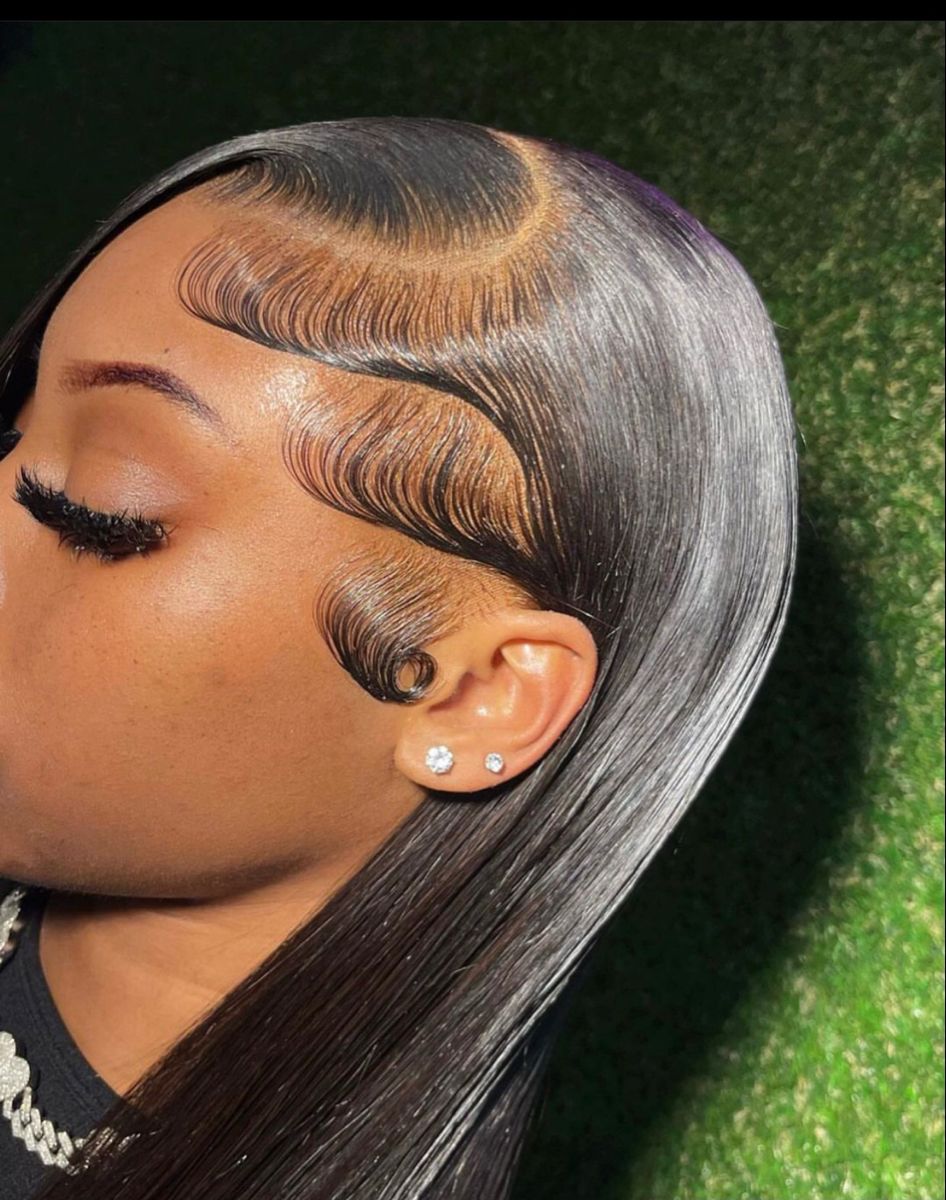
Types of Wigs: Lace Front vs Full Lace vs Closure
Lace front wigs have lace only along the front hairline, creating a natural looking part. Full lace wigs use lace across the entire cap, allowing versatile parting anywhere.
Closure wigs use a smaller lace piece, usually paired with wefted hair for the rest.
Each type offers different levels of realism, breathability, and price. Lace front wigs tend to be more affordable and beginner friendly overall.
Full lace wigs cost more but offer the most natural, flexible styling options.
For a first wig, a lace front is often the easiest starting point. It offers a good balance of realism, cost, and ease of application. As you gain confidence, you can explore full lace or other styles later.
There’s no need to rush toward the most expensive or advanced option right away. Building skill and confidence with a simpler style pays off in the long run.
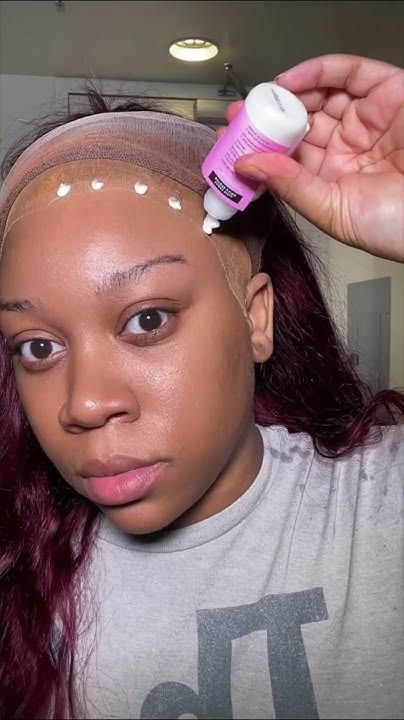
Human Hair vs Synthetic Wigs
Human hair wigs look and behave the most like your natural hair. They can be heat styled, colored, and washed much like your own strands.
Synthetic wigs, on the other hand, come pre-styled and hold their shape without heat.
Synthetic options are usually cheaper and require less daily maintenance overall. Human hair wigs cost more but last longer and offer more versatility long term.
Your budget and how much styling flexibility you want should guide this decision.
Consider how often you plan to wear a wig before deciding which type fits best. Frequent wearers often find human hair worth the extra investment over time.
Many beginners start with synthetic wigs to learn the basics before investing more. Once you’re comfortable with wig care and styling, upgrading feels less risky.
There’s no shame in starting simple and working your way up.
Both options can look great when chosen thoughtfully and cared for properly. Neither choice is inherently better, just better suited to different needs and budgets.
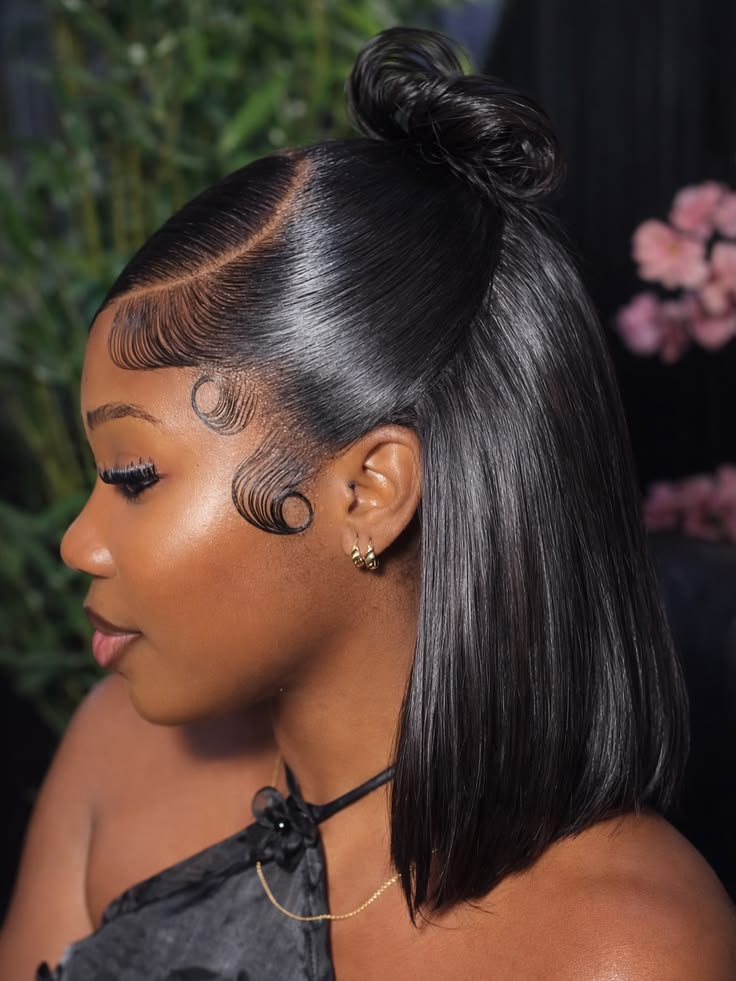
What to Look for as a First Time Buyer
Look for a wig with a breathable cap material, especially if you live somewhere warm. Adjustable straps and combs help the wig fit securely without slipping throughout the day.
Check reviews carefully, since photos alone don’t always reflect real world quality.
Avoid the temptation to buy the cheapest option available online. A slightly higher budget upfront often means a more comfortable, longer lasting first wig.
Ask friends or online communities for recommendations if you’re feeling overwhelmed by choices.
Pay attention to the density listed for each wig before ordering. Too thin looks sparse, while too thick can look unnatural and heavy.
A medium density usually works best for a natural, everyday appearance.
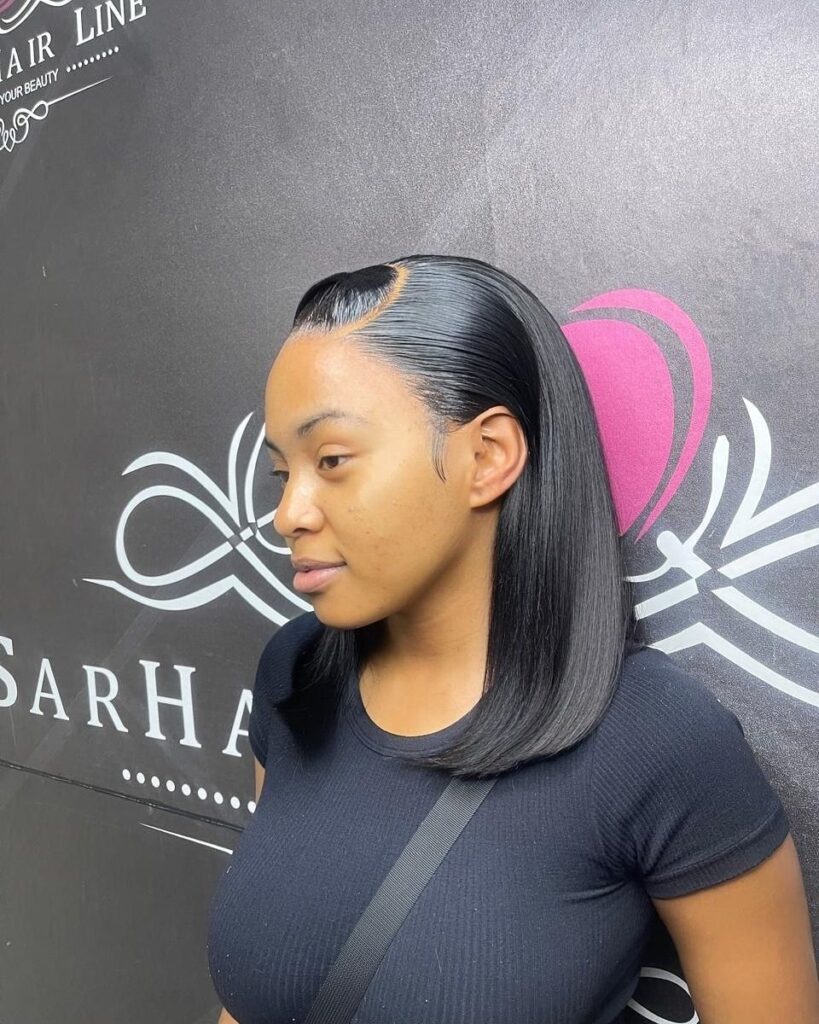
Getting the Right Size and Cap Fit
Measure your head carefully before ordering, since sizing varies between brands and styles. A cap that’s too tight can cause headaches and unnecessary tension on your scalp.
A cap that’s too loose will slide around and never look quite right.
Most wigs come with adjustable straps to help fine tune the fit at home. Take your time adjusting until the wig feels secure but not uncomfortably snug.
A proper fit makes every other part of wearing a wig easier.
Use a soft measuring tape and measure around your entire head at the hairline. Write down the number so you have it ready for future purchases too.
Accurate measurements save you from returns and disappointing first impressions.
Most brands list their cap size in the product details, so compare before buying. A few extra minutes checking sizes saves a lot of hassle later on.
Prepping Your Natural Hair Before Wearing a Wig
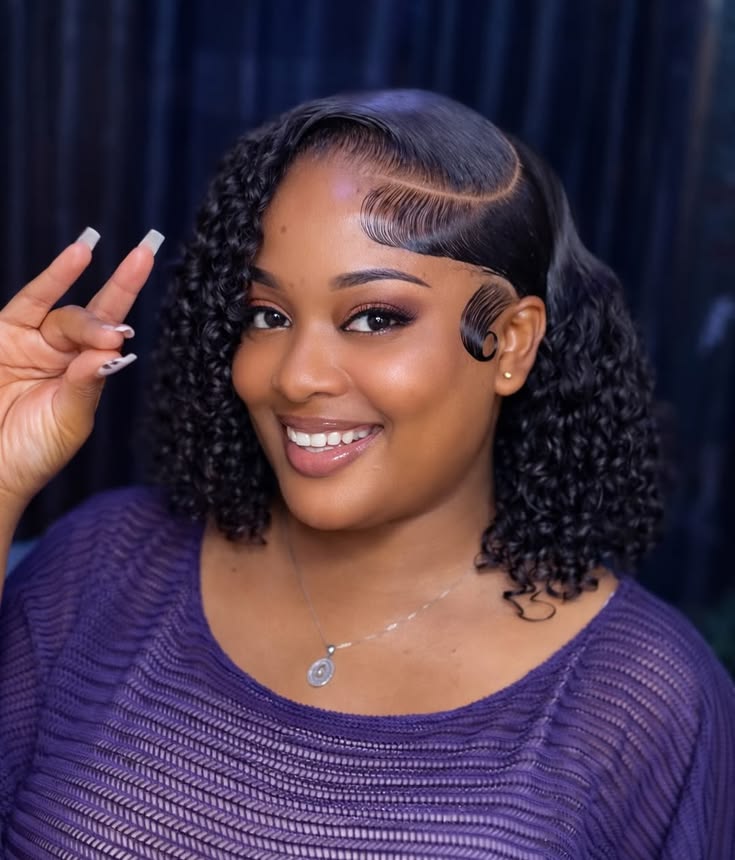
Your natural hair needs proper prep before any wig goes on top of it. Following how to prep your hair before installing a wig ensures your hair is clean, detangled, and properly laid.
Skipping this step often leads to discomfort and unnecessary tension later in the day.
Braiding or twisting your hair flat underneath helps create a smoother base. A cornrow pattern or flat twists work well for most first time wig wearers.
Good prep makes the difference between a comfortable day and a frustrating one.
Take your time with this step, even if you’re eager to try the wig on. Rushing prep often means redoing it later, which wastes more time overall.
A solid foundation underneath makes everything else about wig wearing easier.
How to Put On a Wig Correctly
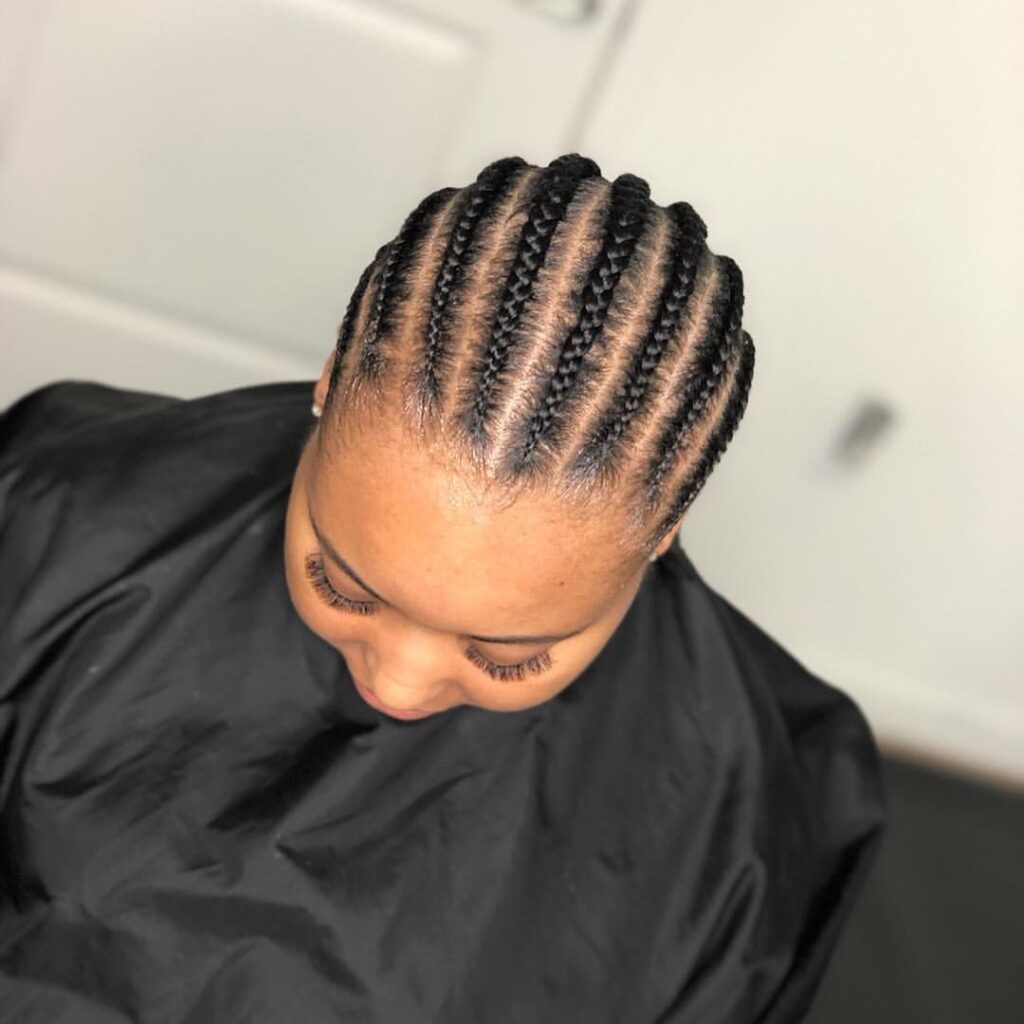
Start by putting on a wig cap to keep your natural hair fully contained. Position the wig from front to back, aligning it with your natural hairline.
Adjust the straps inside until the fit feels secure without pulling anywhere.
Use bobby pins or wig clips to anchor it in place, if needed. Check the mirror from multiple angles to make sure it’s sitting evenly.
Practice makes this process much faster and more confident over time.
Your first few attempts might take longer than you expect, and that’s normal. Give yourself extra time before an important event to avoid unnecessary stress.
Speed comes naturally once you’ve done it a handful of times.
Securing Your Wig Without Damaging Your Edges
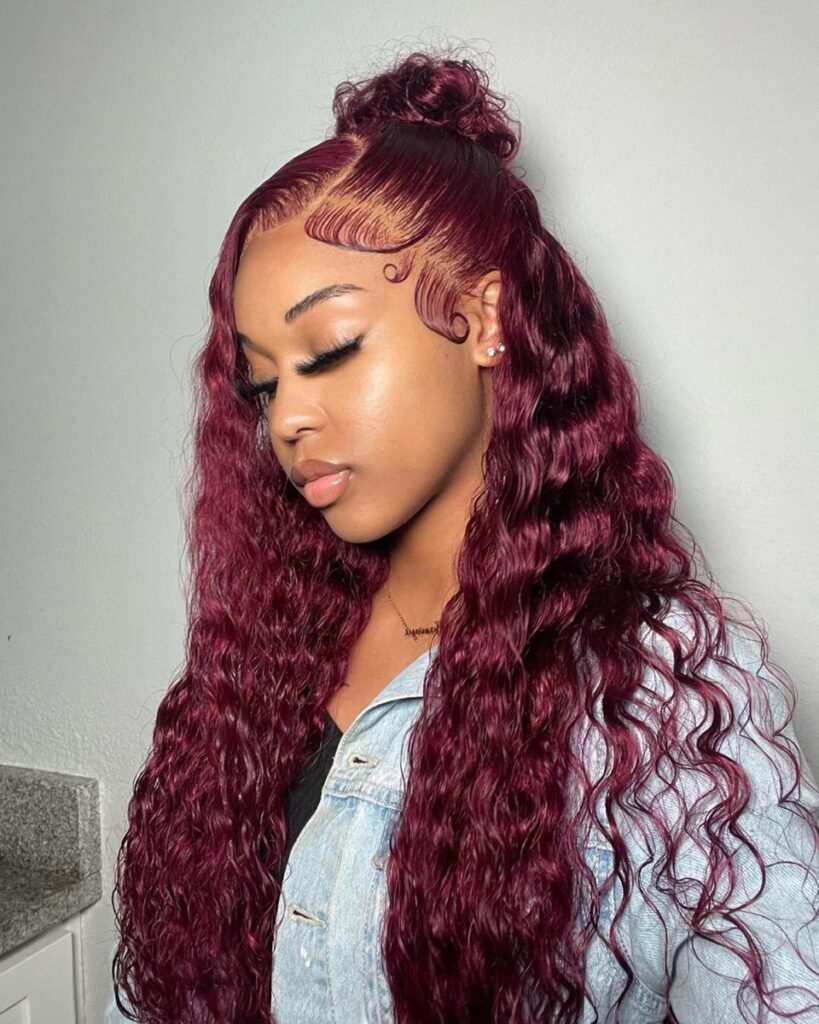
Tight elastic bands and excessive glue are common causes of edge damage over time. Choose adjustable straps and combs instead of relying purely on tension to hold it in place.
This connects to a bigger question, like whether your favorite hairstyle is damaging your hairline more than you realize.
If you do use adhesive, choose a gentle, skin friendly option made for sensitive areas.
Give your edges regular breaks from any kind of tension or adhesive. Healthy edges matter more than a slightly more secure hold.
Test any new adhesive on a small patch of skin before full application. Some people react to certain ingredients without realizing it beforehand.
A little caution here prevents irritation and protects your skin long term.

Styling Your Wig to Look Natural
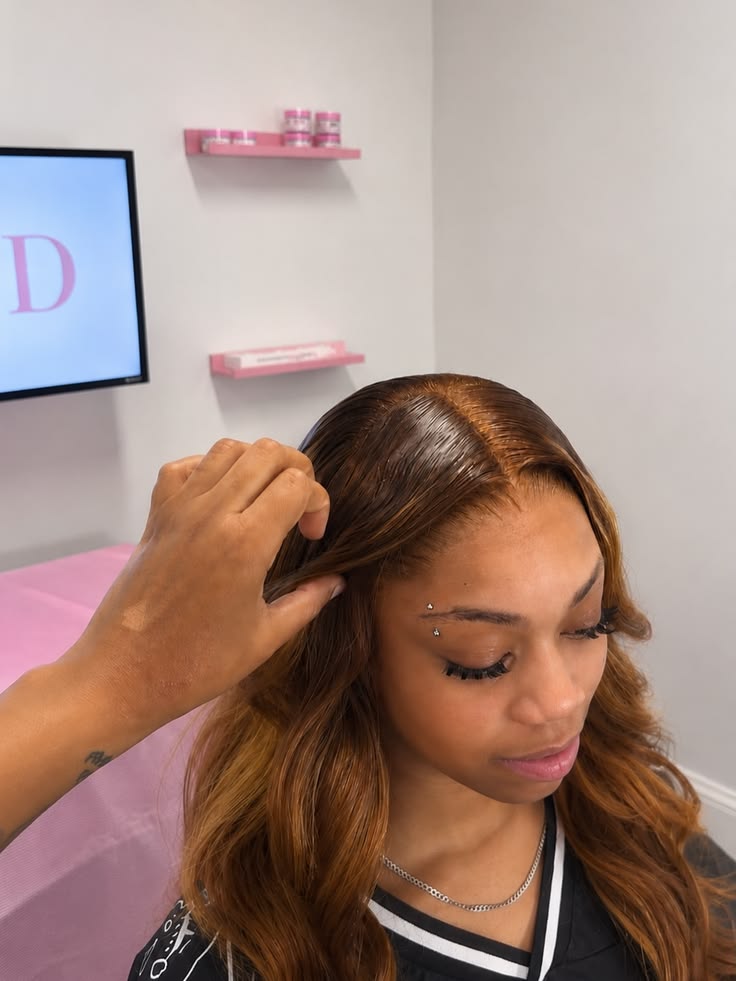
A little styling goes a long way toward making a wig look like your own hair. Plucking the hairline slightly can soften the look of a lace front wig.
Adding some baby hairs along the edges also helps blend things naturally.
This connects to the same careful technique covered in how to blow dry afro hair without damage. Gentle handling matters here too, not just with natural hair.
Use low heat if you’re styling a human hair wig, just as you would your natural hair.
Apply heat protectant before styling a human hair wig, the same way you would your own strands.
Watch out for common heat protectant mistakes that apply just as much to wig hair as natural hair. Rushing this step is one of the fastest ways to end up with an obviously fake looking wig.
Take your time blending the hairline, since this is what sells the natural look. A patient, careful approach here pays off every time someone looks closely.

Caring for Your Wig Between Wears
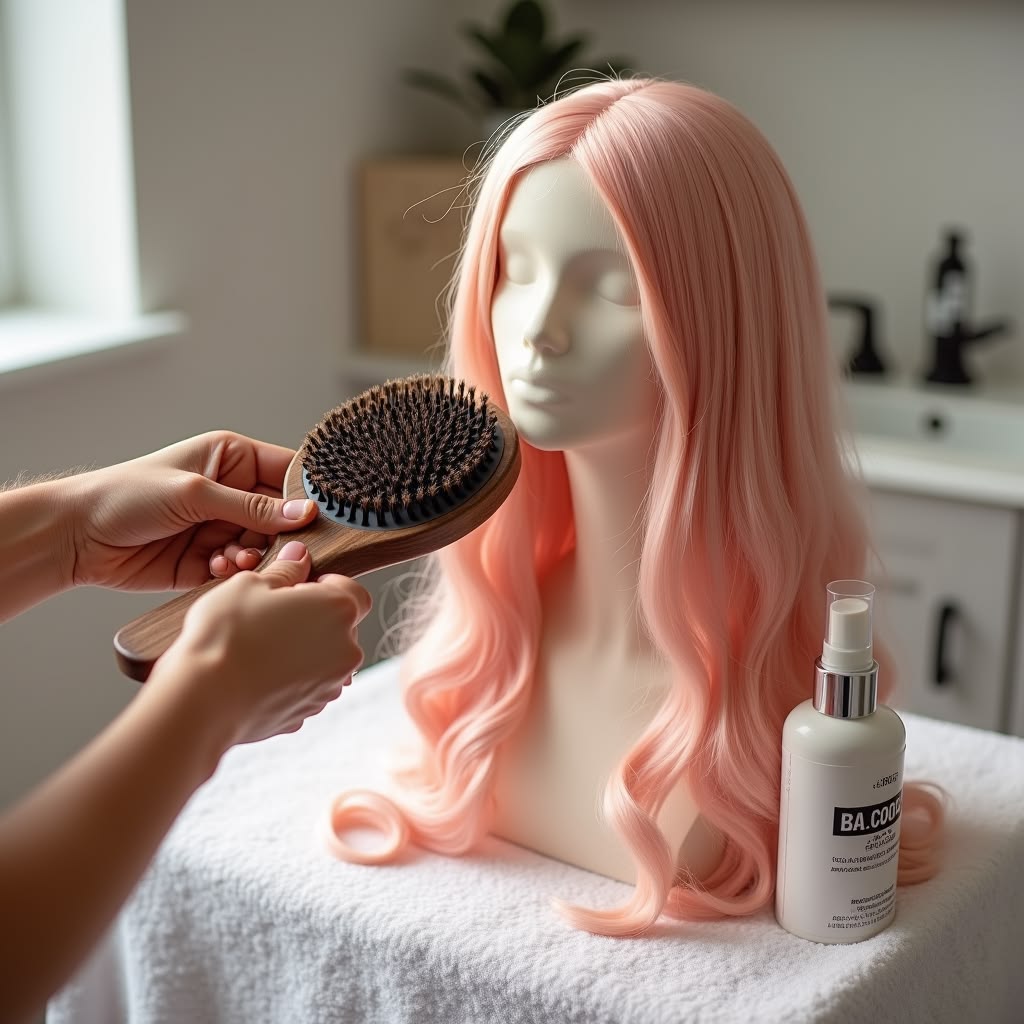
Store your wig on a stand or mannequin head to help it keep its shape. Brush it gently with a wig specific brush to prevent tangling and matting.
Avoid sleeping in your wig regularly, since friction can shorten its lifespan significantly.
Wash it every few weeks, depending on how often you wear it. Use products specifically made for wigs, rather than regular shampoo and conditioner. Good care can help a quality wig last well over a year.
Let your wig air dry fully before storing or wearing it again. Direct heat from a blow dryer can shorten a synthetic wig’s lifespan considerably.
Patience during drying protects your investment just as much as gentle daily handling does.
Keep a small dedicated storage space just for your wig and its accessories. A tangled wig shoved in a drawer rarely looks good the next time you reach for it.
Caring for Your Natural Hair Underneath
Your natural hair still needs attention, even while it’s hidden under a wig. Learning how to care for afro hair under a wig keeps your scalp and strands healthy throughout.
Moisturize regularly and check in on your hair’s condition every few days.
If you’re noticing more shedding than usual, it’s worth investigating further before continuing your routine.
Sometimes this connects to bigger questions, like why your afro hair isn’t growing the way you’d expect. A wig should protect your hair, not quietly cause new problems underneath.
Set a reminder to check under your wig every few days, even briefly. A quick peek helps you catch buildup, dryness, or irritation before it worsens.
Your natural hair deserves the same attention whether or not it’s on display.

How Long You Can Wear a Wig Safely
Most wigs can be worn safely for one to two weeks before needing a break. Learning how long you should wear a wig continuously helps you avoid unnecessary tension and buildup.
Longer wear times require more careful attention to your scalp underneath.
Give your scalp a proper wash and rest between installs, even short ones help. Constant wear without breaks can lead to buildup, odor, and irritation over time.
Your comfort and hair health should always guide your wearing schedule.
Listen to your scalp rather than following a strict calendar rule. Some people need breaks sooner, while others can comfortably go a bit longer.
Pay attention to how your scalp actually feels, not just the calendar date.

Common First-Timer Mistakes
Buying a wig that’s the wrong size is one of the most common early mistakes. Skipping proper prep underneath is another habit that leads to discomfort and damage.
Watch out for the biggest wig mistakes that damage your hair, since many stem from rushing the basics.
My sister Rachel bought her first wig without measuring her head properly. It slipped constantly throughout her first day wearing it in public.
She learned quickly that proper sizing matters more than picking the prettiest style.
She now measures carefully before every purchase and keeps a note of her size. That one small habit has saved her from several disappointing online orders since.
Learning from an early mistake often saves you from repeating it later.
Other common mistakes include skipping a trial run before an important event. Testing your wig at home first prevents unpleasant surprises on the actual day.
Budgeting for Your First Wig
Wigs range widely in price, from budget synthetic options to premium human hair pieces. Start with something affordable while you’re still learning what works for you.
Factor in maintenance costs, like products, styling tools, and occasional professional care.
A cheaper wig with proper care can actually outlast a pricier one neglected. Budget for the whole routine, not just the initial purchase price.
Set aside a small monthly amount for wig care products and touch ups. This spreads the cost out and prevents surprise expenses down the line.
Planning ahead makes wig wearing feel sustainable rather than an occasional splurge.

Where to Buy Your First Wig
Beauty supply stores let you see and touch wigs before committing to a purchase. Online retailers often offer more variety, but returns can be trickier to manage.
Reading detailed reviews and watching honest video reviews helps set realistic expectations beforehand.
Ask for recommendations from people whose hair texture and goals are similar to yours. A trusted source saves you from expensive trial and error early on.
Your first wig doesn’t need to be perfect, just a reasonable starting point.
Check the return policy carefully before ordering, especially for your very first purchase. Some retailers don’t accept returns on worn wigs, even if the fit is wrong.
Knowing the policy upfront prevents frustrating surprises after your order arrives.
Local beauty supply store staff can also be a surprisingly good resource. They see hundreds of customers and often know which brands hold up best.

Wigs vs Other Protective Styles
Wigs offer more versatility than braids or twists, since you can change looks daily.
This connects to the differences discussed in silk press vs blowout, where flexibility and commitment also factor into the decision.
Braids and twists require more upfront time but need less daily maintenance afterward.
Rotating between wigs and other protective styles can give your hair the most variety.
Learning how to keep a silk press looking fresh longer also applies here, since consistent care habits transfer between styles.
There’s no single right choice, only what fits your lifestyle and hair’s needs best.
Consider your daily routine and how much time you have for styling each morning. Wigs suit people who want quick changes without much daily upkeep.
Braids and twists suit people who prefer a set it and forget it approach.

Wigs Before a Big Event
Wigs can be a great option for weddings, interviews, or other important occasions. They offer a polished, consistent look without worrying about humidity or last minute styling issues.
Practice wearing and styling your wig well before the actual event day.
A trial run removes a lot of last minute stress and surprises. Bring your wig to a stylist ahead of time if you want extra polish.
Confidence on the big day starts with feeling comfortable in your chosen look.
Pack a small emergency kit with pins, a comb, and extra adhesive if needed. Small touch ups during a long event are much easier with the right tools nearby.
Being prepared lets you relax and actually enjoy the occasion.

Signs Your Wig Routine Is Hurting Your Hair
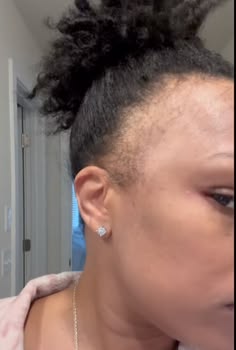
Persistent itching, unusual shedding, or thinning edges are all signs worth taking seriously. Watch out for the hidden mistake that’s breaking your hair every single week.
Small habits often cause more damage than one big mistake ever could. These signs rarely appear overnight, which makes them easy to overlook at first.
Catching problems early makes them far easier to correct than waiting too long. A quick self check every week or two helps you stay ahead of bigger issues.
Trust what you feel over what you assume should be happening.
If your hair feels different after weeks of wig wear, don’t ignore that change. Give your scalp a proper break and reassess your routine if needed.
A pattern of discomfort is worth acting on rather than pushing through.
Building a Wig Rotation Routine
Rotating between a few different wigs can reduce wear and tear on each one. It also gives your natural hair more consistent breaks between installs.
Keep track of how your scalp feels after each rotation to fine tune your schedule.
Sometimes the issue isn’t the wig itself, but dryness underneath that goes unnoticed. Check whether your hair still feels dry after moisturizing, since that can signal a bigger issue.
A simple rotation schedule, checked regularly, keeps both your wigs and your natural hair in good shape.
Label your wigs or keep a simple log of when you wore each one. This makes it easier to spot patterns in wear time and scalp comfort.
A little organization goes a long way toward a smoother long term routine.
Final Tips for Wig Beginners
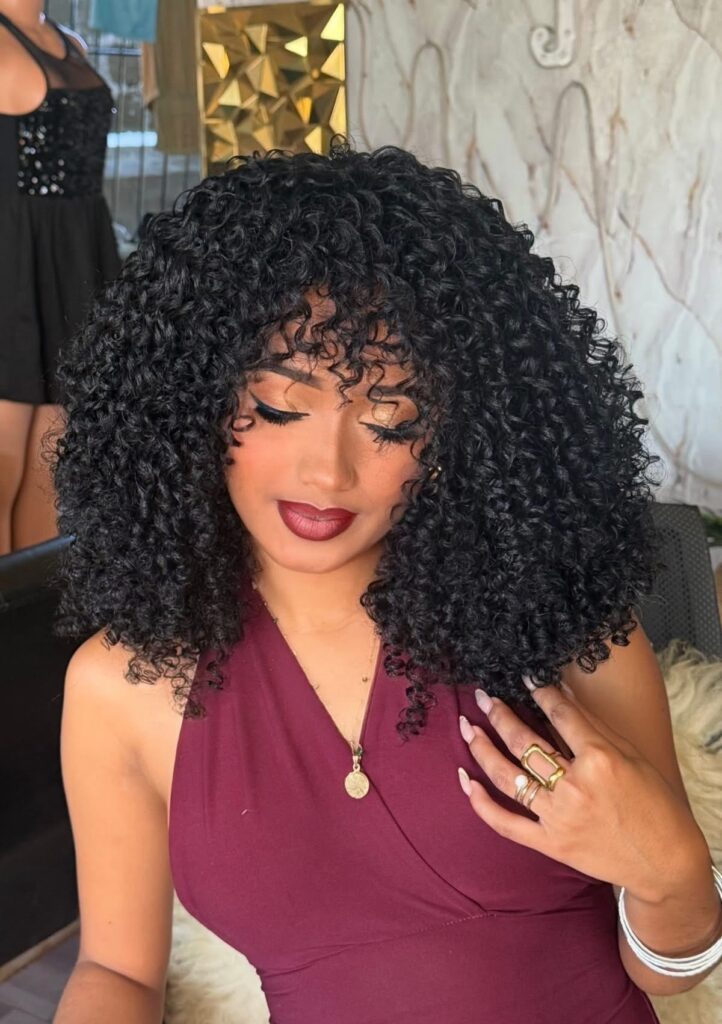
Start simple, learn the basics, and give yourself grace as you figure things out. Every new wig wearer struggles a little at first, and that’s completely normal.
Technique matters here just as much as it does with curly styles. It’s a bit like why your twist-out never looks like everyone else’s, since small habits change everything.
Small habits, practiced consistently, make the biggest difference over time. With patience, wearing a wig becomes second nature rather than a daily struggle.
Give your first few weeks time to feel more natural and confident.
Every head of hair and every wig routine looks a little different. What matters most is finding a rhythm that protects your natural hair. Trust that patience and consistency will get you there, one wear at a time.




6 Comments