
How Often Should You Wash Afro Hair?
Disclosure: Some of the links in this post are affiliate links. This means if you click on the link and purchase an item, I will receive an affiliate commission at no extra cost to you.
Your hair can be dirty without you noticing it, same thing I was telling Veronica when I was washing her hair.
In her defense, she said she didn’t know her hair was dirty because it didn’t give her any sign.
Your hair must not start itching or give you any particular sign before you know it’s dirty and wash it. You can have a set time to be washing your hair even when you feel it’s not dirty.
Think about it this way. You don’t wait until your body smells before you take a bath, You have a routine. and you shower every day or every other day because you know it’s the right thing to do, not because your body is forcing you to. Your hair deserves that same kind of attention.
A lot of people wash their hair only when it starts to feel heavy, look dull, or itch badly. By that point, the buildup on your scalp has already been sitting there long enough to slow down your hair growth and cause irritation you didn’t even notice was building.
Washing your hair on a schedule, not just when it feels dirty, is one of the simplest ways to keep your scalp healthy and your hair growing well.
But washing too often can also be a problem. There’s a balance, and this guide is going to help you find the one that works for your specific hair and lifestyle.
If you haven’t read Daily Habits That Keep Afro Hair Healthy yet, that one covers the everyday habits that work hand in hand with your wash schedule.

How Often Should You Wash Afro Hair?
1. Why Washing on a Schedule Matters
Most people wash their hair based on how it feels, not based on a plan. The problem with that approach is that your scalp doesn’t always send obvious signals when it needs to be cleaned.
Buildup from products, sweat, and natural oils collects on your scalp quietly. Over time, that buildup can block your hair follicles, slow down growth, and create an environment where bacteria and fungus can grow.
Waiting until your hair itches or feels heavy means you’ve already let things go further than they needed to go.
Having a set wash day, whether that’s once a week or once every two weeks, removes the guesswork. You wash because it’s time, not because your hair is forcing you to.
This also makes it easier to track how your hair responds to your routine. When you wash on a consistent schedule, you can tell much more clearly if a product is working or not.
For a full breakdown of how wash day should actually go, read The Complete Wash Day Routine for Afro Hair.
2. The General Rule for Afro Hair
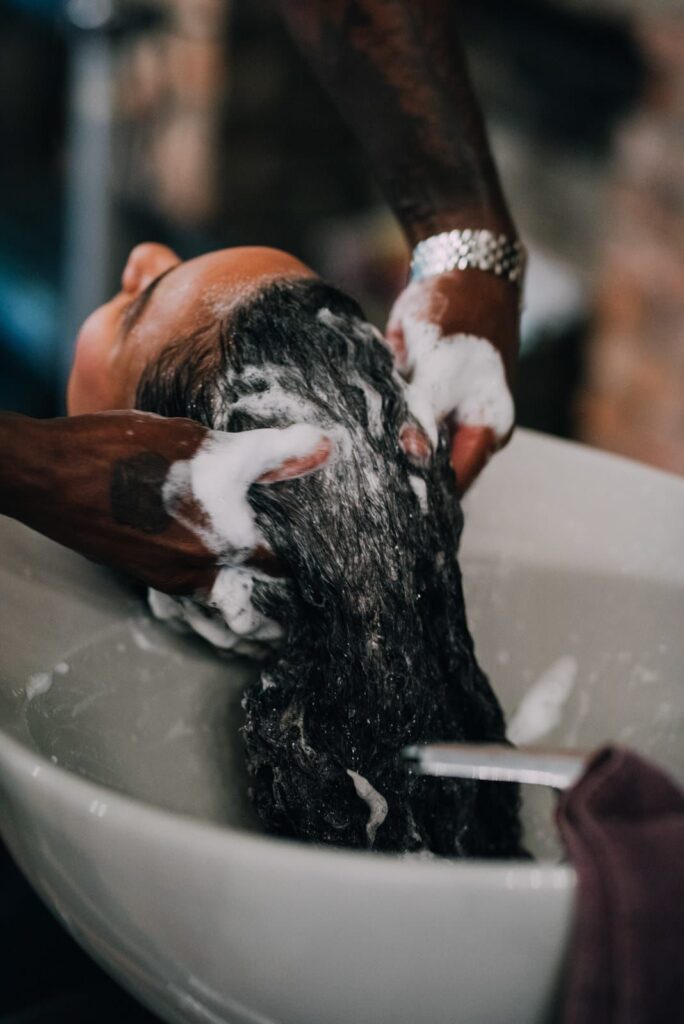
There is no single answer that works for every person with Afro hair, but there is a general range that works for most people.
Washing once a week or once every two weeks is a good starting point for most Afro hair types. Within that range, where you land depends on a few things about your specific hair and lifestyle.
Once a week works well if your scalp gets oily or itchy fast, if you work out often and sweat a lot, if you use a lot of products during the week, or if your scalp is prone to buildup or flaking.
Every two weeks works better if your hair is very dry and fragile, if your scalp stays relatively clean between washes, if you mostly wear protective styles that reduce daily product use, or if washing too often leaves your hair feeling stripped and dry.
Start with once a week and pay attention to how your hair and scalp respond. If your hair feels too dry after washing that often, stretch to every ten days or two weeks and see if that feels better.
check this out; The Ultimate Beginner’s Guide to Afro Hair Care
3. Signs You’re Washing Too Often
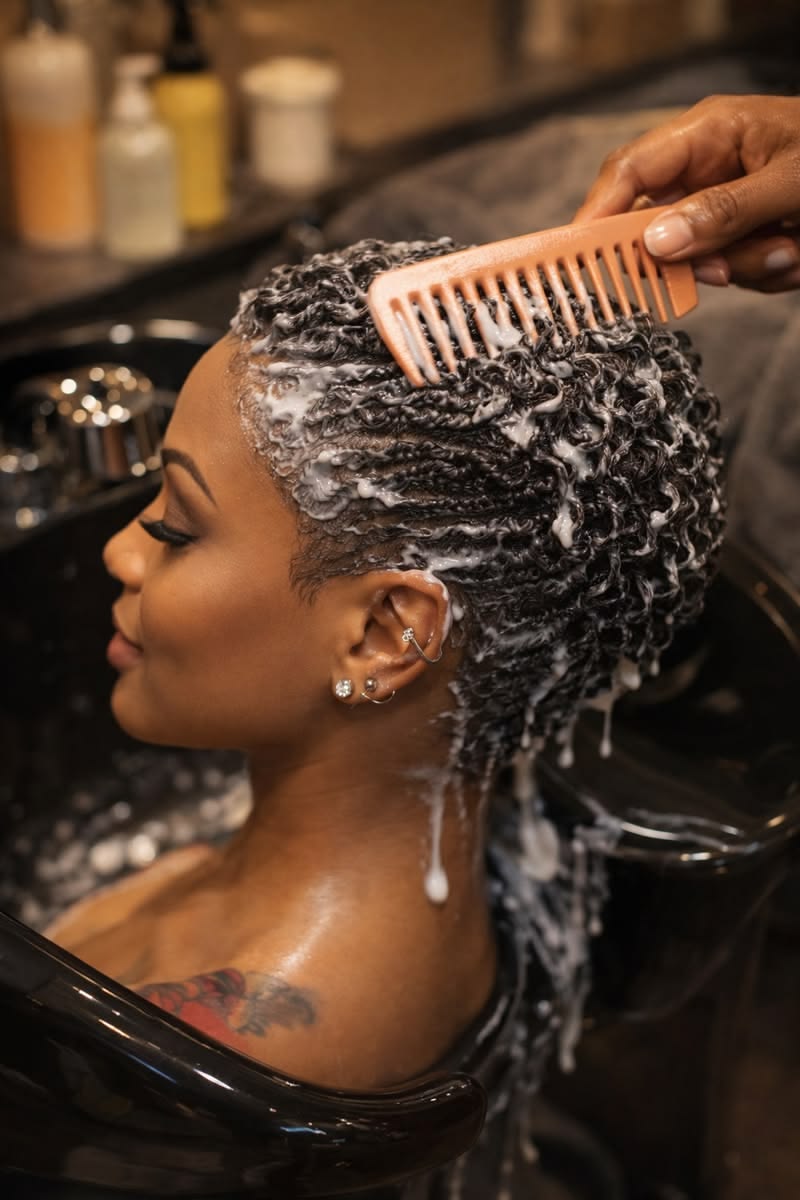
Yes, you can wash your hair too much, and for Afro hair especially, over washing is a real problem.
Shampooing strips your scalp of its natural oils, Those oils exist for a reason. They protect your scalp and coat your hair strand to keep it from drying out. When you shampoo too often, you remove those oils before your scalp has had time to replace them.
Signs that you might be washing too often include hair that feels dry and rough shortly after washing, a scalp that feels tight or itchy right after wash day, more breakage than usual during detangling, and hair that looks dull instead of healthy even right after washing.
My sister used to wash her hair three times a week because she felt like clean hair meant healthy hair. But her hair was getting drier and breaking more with each passing week.
Once she cut back to once a week and focused on moisturizing between washes instead, the dryness and breakage reduced significantly within just a month.
More washing does not mean healthier hair. The right amount of washing for your specific hair does.
You’ll want to come back to this;27 Wash and Go Hairstyles That Actually Last
4. Signs You’re Not Washing Enough
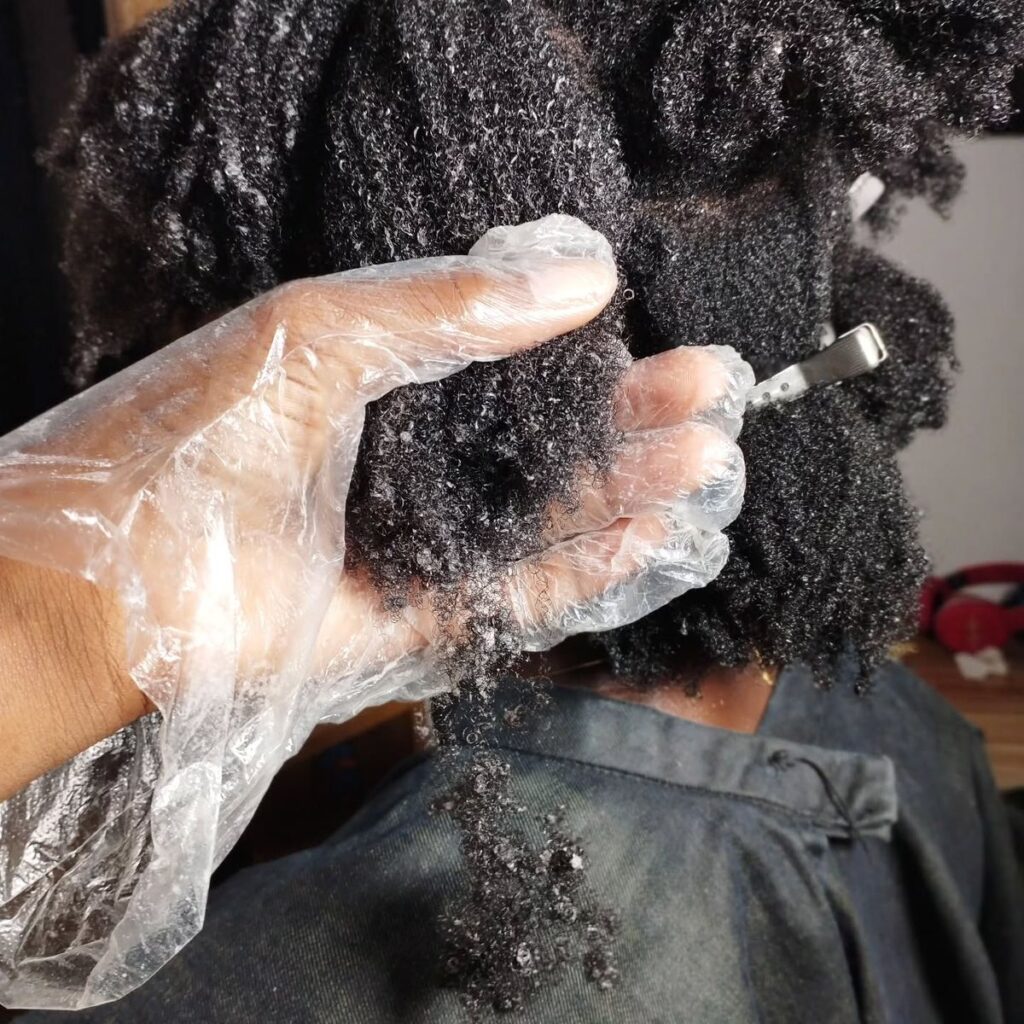
On the other side, going too long without washing your hair creates its own set of problems.
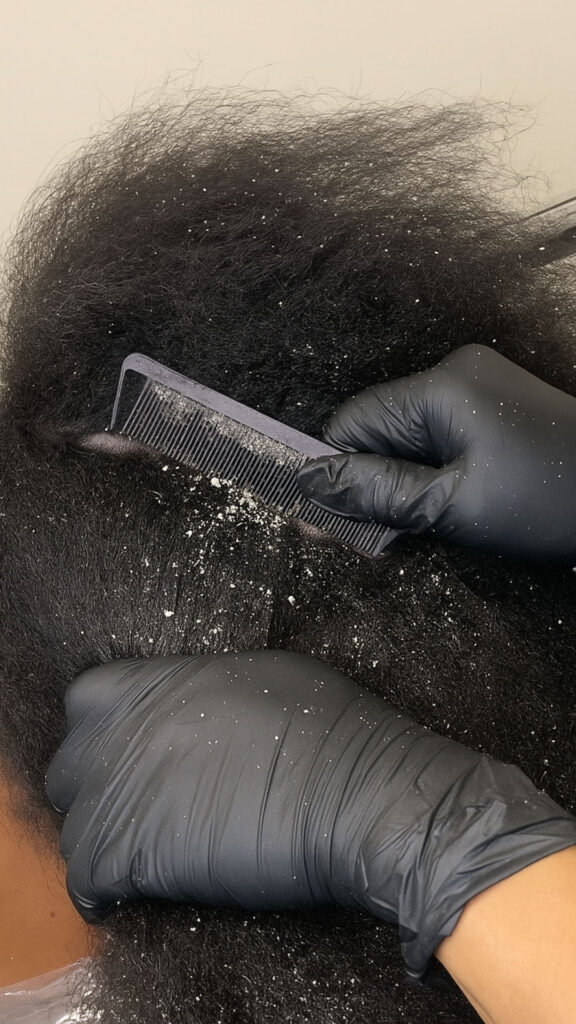
When sweat, product residue, and natural oils sit on your scalp for too long, they create buildup that blocks your follicles. This can slow down hair growth, cause scalp irritation, and make your hair feel heavy and limp no matter how much you moisturize.
Signs you might not be washing enough include a scalp that feels itchy or tight even after oiling, hair that feels heavy or coated no matter what you do, visible flaking on your scalp or in your hair, and a smell that doesn’t go away with regular moisturizing.
A client of mine wore protective styles back to back for months without washing in between. She thought keeping her hair in styles meant she didn’t need to wash as often.
But when she finally took the style down, her scalp was full of buildup and her edges had thinned from the combination of buildup and the tension from the styles.
Even in a protective style, your scalp still needs to be cleaned regularly. Don’t let a style be an excuse to skip washing for too long.
See what others are reading; 75 Beautiful Afro Hairstyles You’ll Want to Save.
5. How Protective Styles Change Your Wash Schedule
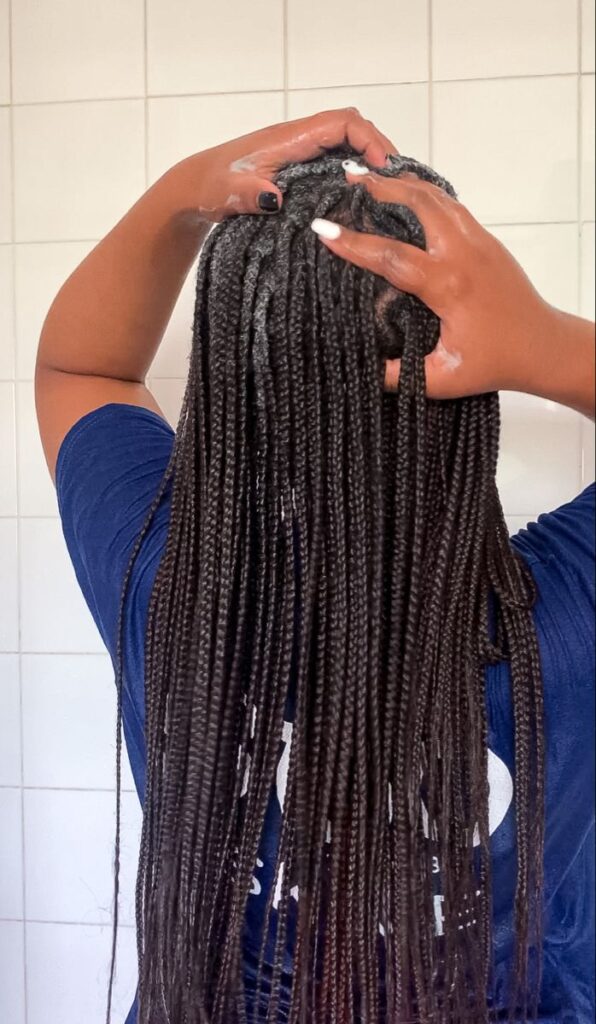
When your hair is in a protective style like braids, twists, or cornrows, your wash routine changes a little but it doesn’t stop.
You can’t always do a full wash day when your hair is in a protective style, especially with styles like box braids or knotless braids that take a long time to install. But you can still clean your scalp without fully undoing the style.
Use a applicator bottle with a diluted shampoo or a scalp cleanser to apply directly to your scalp between the parts of your style. Then rinse thoroughly and follow with a light oil on your scalp.
Do this every two to three weeks while your style is in. Don’t go the full length of a six or eight week style without cleaning your scalp at all.
For more on protective styling and how to care for your hair underneath, read Everything You Need to Know About Protective Styling.
6. How Your Workout Routine Affects Wash Day
If you exercise regularly, sweat is something you have to take into your wash schedule.
Sweat is not just water, It contains salt and other things that can dry out your hair and irritate your scalp over time. If you work out four or five times a week, you need to account for that when planning how often to wash.
This doesn’t mean you need to do a full wash day every time you work out, that would be too much for most Afro hair types.
Instead, rinse your scalp with water after heavy workouts and follow with a light oil or leave in conditioner. Save the full shampoo wash for your scheduled wash day.
If you work out every day and find your scalp getting irritated or itchy between washes, consider adding one extra scalp only wash per week using a gentle shampoo or a co wash instead of a full shampoo.
Pin this for later: Box Braids vs Knotless Braids: Which Is Better?
7. Co Washing and When It Helps
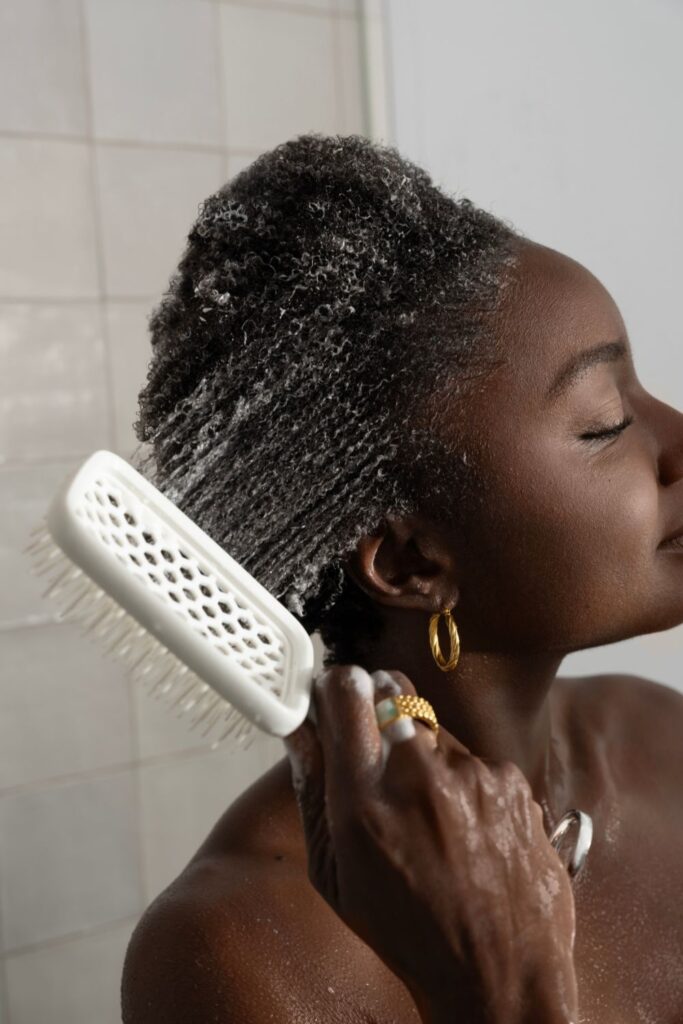
Co washing means washing your hair with conditioner only, without shampoo.
This is a good option for people whose hair gets very dry after regular shampooing, or for people who want to refresh their hair between full wash days without stripping it.
Co washing cleans the hair lightly without removing as much of the natural oil as shampoo does. It’s gentler, and it leaves hair feeling softer after washing.
But co washing alone is not enough to fully clean your scalp. Conditioner doesn’t break down product buildup the way shampoo does. So co washing should complement your regular wash days, not replace them entirely.
A good approach is to shampoo once every two weeks and co wash once in between. This gives your hair a gentle clean midweek while still doing a thorough cleanse every two weeks.
For more on how your wash day fits into your overall routine, read How to Build the Perfect Afro Hair Care Routine.
8. Children’s Afro Hair and Washing
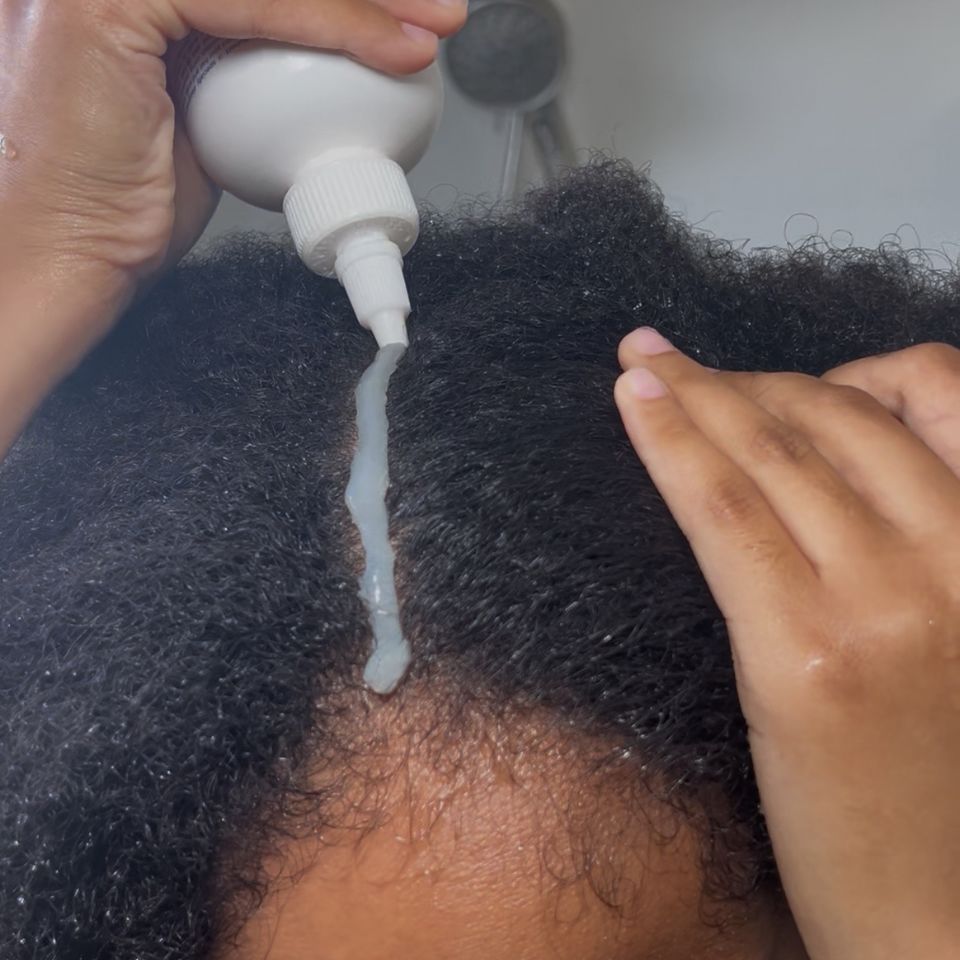
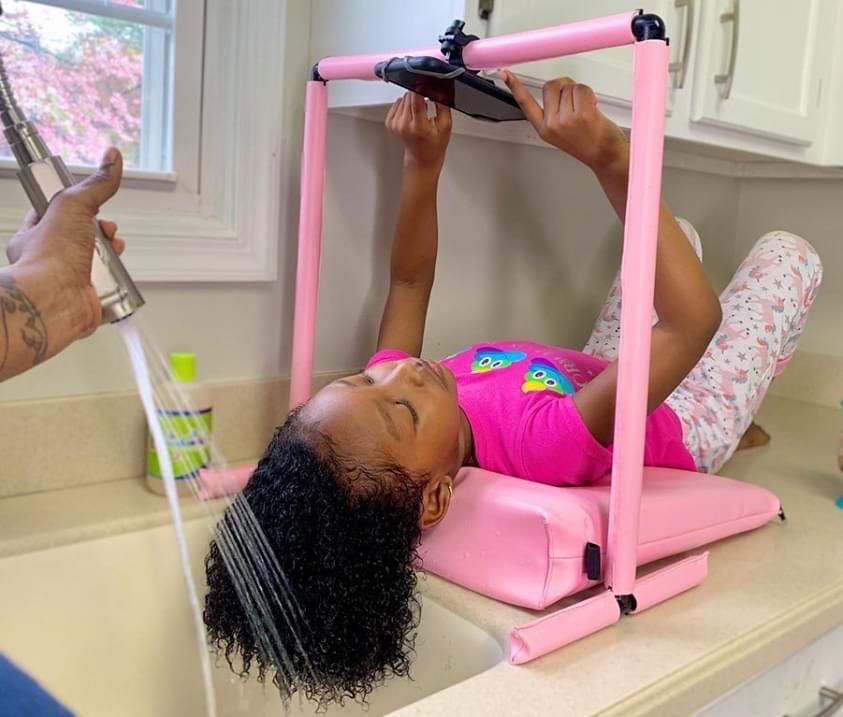
If you’re caring for a child’s Afro hair, the washing schedule works a little differently.
Children’s scalps can be more sensitive than adults, and their hair is often finer and more fragile. Washing once a week or once every two weeks is usually enough for most children with Afro hair.
Use a very gentle, mild shampoo that won’t irritate their scalp or eyes. Follow with a good conditioner and detangle carefully while the conditioner is still in.
Keep the process as calm and positive as possible. Children who have bad experiences on wash day often grow up with negative feelings about their natural hair.
Make it enjoyable by letting them pick a fun shower cap, playing their favorite music, or letting them help with simple steps.
For easy styles to put their hair in after wash day, check out 35 Easy Afro Hairstyles for Beginners.
9. Adjusting Your Wash Schedule With the Seasons
Just like your moisturizing routine changes with the seasons, your wash schedule might need to shift too.
In hot months where you sweat more, you might need to wash more often or add more scalp rinses between wash days. In cooler months where you sweat less and your scalp tends to be drier, you might find that washing every two weeks or even stretching to three weeks works better.
Pay attention to how your scalp feels as the seasons change. If it starts feeling more itchy or heavy earlier than usual, that’s a sign you need to wash sooner. If it’s feeling fine and your hair is holding moisture well, you can stretch a little longer.
Don’t feel locked into one schedule all year. Your hair’s needs shift throughout the year, and your routine should shift with it.
Here’s what everyone is saving; : Feed-In Braids That Protect Your Edges
10. How to Know If Your Current Schedule Is Working
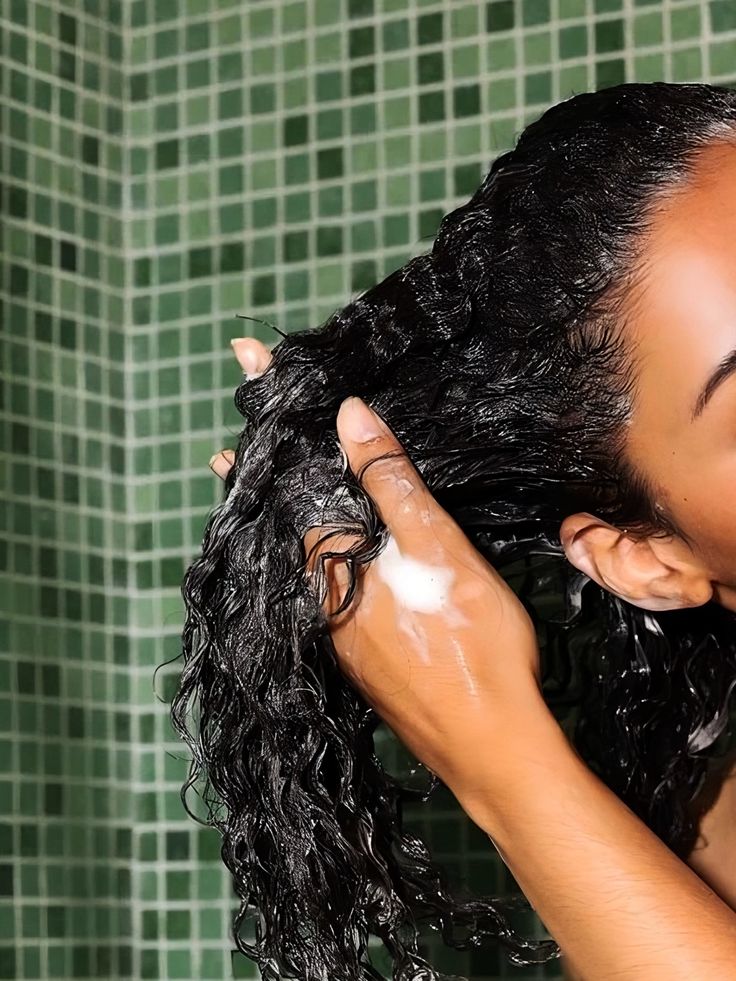
After a few weeks on your wash schedule, check in with your hair and scalp to see how things are going.
Your scalp should feel clean and comfortable in between washes, not itchy, tight, or overly oily. Your hair should feel soft and manageable after wash day, not dry and rough.
You should not be losing a lot of hair during detangling on wash day, some shedding is normal but a lot is a sign something is off.
My sister kept a simple note on her phone for two months. Every wash day, she wrote down how her scalp felt before washing, how her hair felt after washing, and how long it took before her hair started feeling dry again.
That information helped her figure out that every ten days worked better for her than every week or every two weeks.
Tracking doesn’t have to be complicated. Even just paying close attention to how your hair responds each week will tell you everything you need to know.
For styles that work well no matter what your wash schedule looks like, read 31 Quick Natural Hairstyles for Busy Mornings.
11. Building Your Wash Day Around Your Life
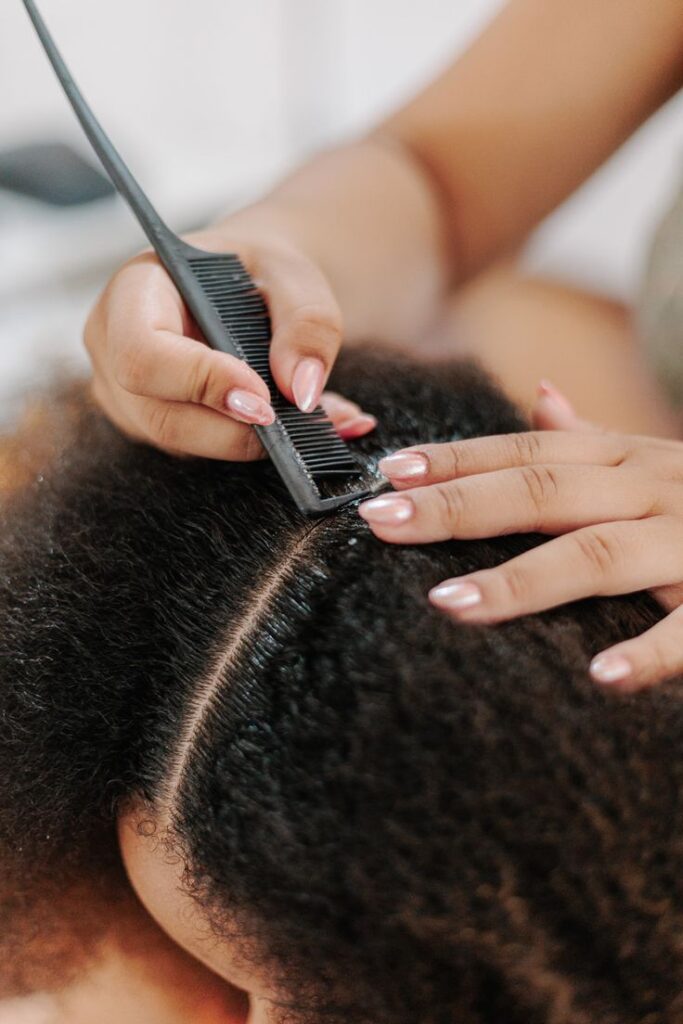
The best wash schedule is the one you can actually stick to.
If once a week feels like too much because of your schedule, don’t force it. Stretching to every ten days or two weeks and doing it properly is better than rushing through a wash day every week and not doing it well.
Think about your week and pick a day that gives you enough time to wash properly without rushing. For most people, a weekend day works best because there’s more free time. But if your weekends are busy, a weekday evening works just as well.
Once you pick your day, protect it. Try not to let other things push your wash day out consistently. Your hair responds to routine, and the more consistent you are with your schedule, the better your hair will respond over time.
For styles that are easy to wear in the days leading up to wash day when your hair needs a refresh, read 25 Afro Puff Styles You Will Love.
A Few Final Things Worth Knowing
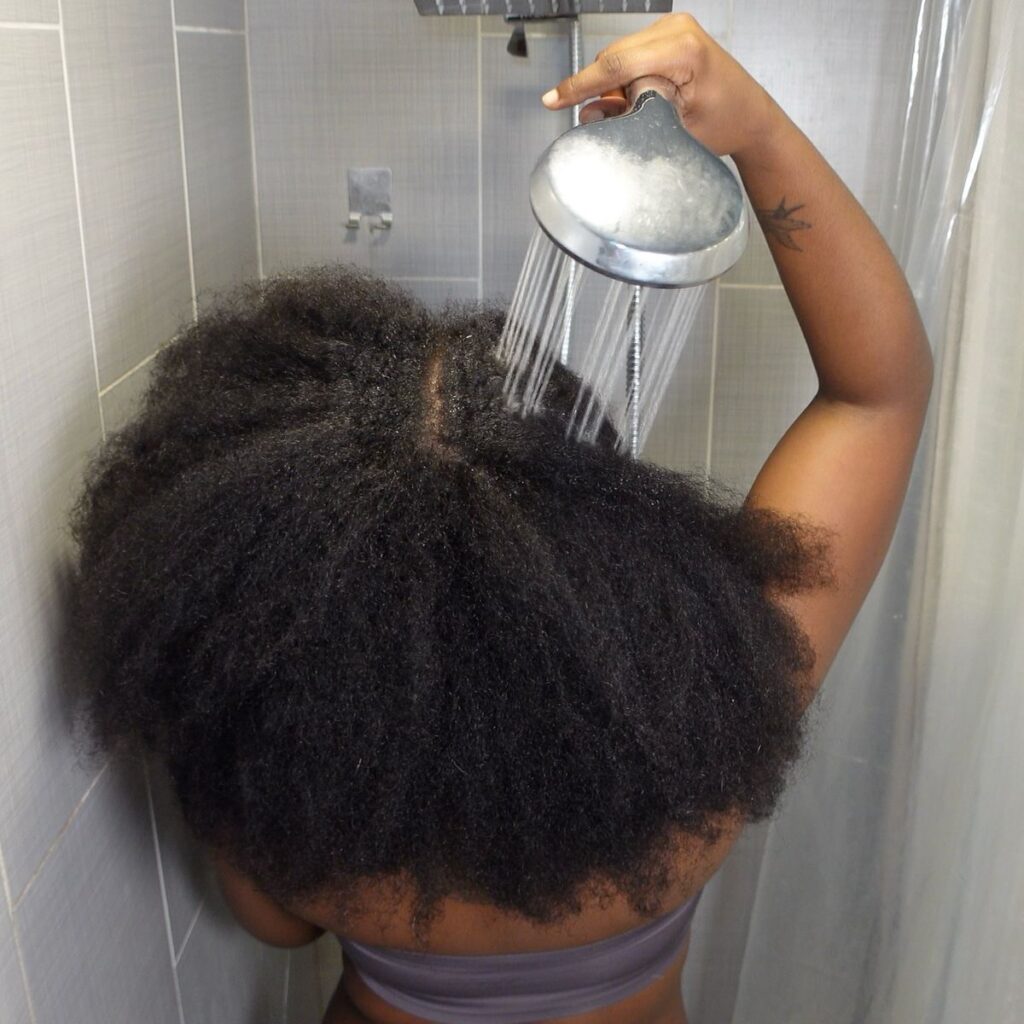
How often you wash your hair is one of the most personal parts of your hair care routine. There is no one right answer that works for everyone.
What matters is that you’re washing regularly enough to keep your scalp clean and healthy, but not so often that you’re stripping your hair of the moisture it needs to stay strong.
Start with a schedule, stick to it for at least a month, and then adjust based on what your hair is telling you. Your hair will always tell you what it needs if you pay close enough attention.
And remember, washing is just one part of a bigger routine. It works best when it’s supported by daily moisturizing, protective styling, and regular trims. All the parts work together.
For protective style ideas that pair well with any wash schedule, check out 27 Best Protective Styles for Afro Hair.