
Growing Out a TWA: Month-by-Month Guide
Disclosure: Some of the links in this post are affiliate links. This means if you click on the link and purchase an item, I will receive an affiliate commission at no extra cost to you.
How long does it actually take to grow out a TWA into something longer? That question crosses almost every natural hair wearer’s mind at some point. The honest answer is that growth speed depends on genetics, care, and patience.
But there’s still a general pattern most people follow along the way. Knowing what to expect each month can turn frustration into steady confidence instead. Real answers replace vague guessing, and that alone can change how this whole journey feels.
If you haven’t read our first guide, how to care for a twa lays the groundwork this post builds on. Once those basics feel solid, this month-by-month breakdown will guide you through what comes next.
Think of this guide as a map rather than a strict, unbending schedule. Your own timeline may run faster or slower, and that’s completely normal. What matters most is understanding the pattern, not hitting an exact date.

Growing Out a TWA: Month-by-Month Guide
What to Expect When You Start Growing Out a TWA
Growth isn’t a straight line, even though we often wish it were. Some months feel exciting, while others feel painfully slow and uneventful.
Understanding this rhythm early prevents a lot of unnecessary disappointment later on.
Most people also underestimate how much daily habits shape their overall results.
Small, boring, repeated actions matter more than any single dramatic change. This guide focuses on those small habits, month by realistic month.
Hair typically grows about half an inch every single month on average. Curly and coily hair often looks like it’s growing slower than it truly is.
Shrinkage hides real length, especially during these early, shorter stages.
Before diving into each month, it helps to understand your hair at a basic level. Reading how hair is formed: a beginner-friendly guide gives useful context for everything ahead.
Once you understand the structure, the growth process makes a lot more sense.
This background knowledge also makes future decisions easier to understand later.
When you know why your hair behaves a certain way, panic turns into patience. That shift in mindset carries you through every single month ahead.
Month 1: Settling Into Your New Length
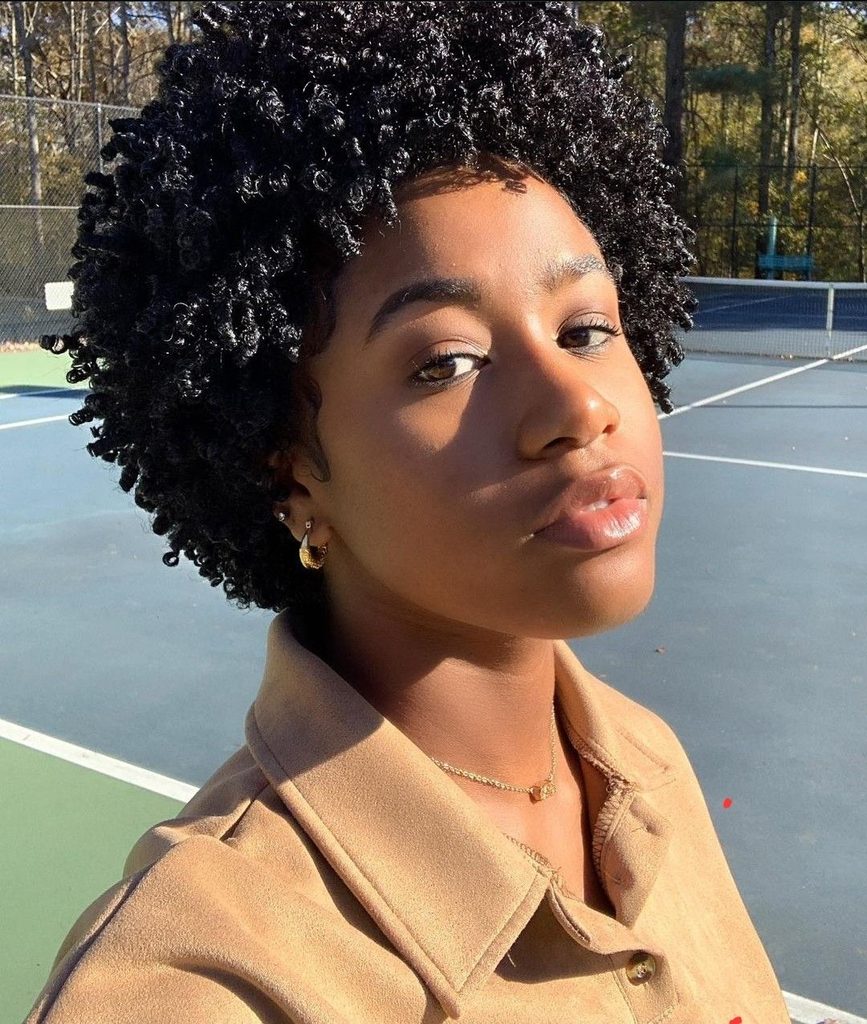
The first month after a big chop often feels like an adjustment period. You’re still learning your curl pattern, your face shape, and your new routine.
Give yourself grace here instead of rushing to judge anything too soon.
Focus heavily on moisture and gentle handling during this early stage. Your hair is fragile, and your scalp is still very exposed to everything.
Simple habits matter more right now than fancy products or techniques.
Resist the urge to try every trending product during this first month. New routines take time to show results, so give each product a fair chance.
Switching too often makes it hard to know what’s actually working.
This is also a great time to learn what your strands are actually made of. Understanding what keratin does for afro hair explains why gentle handling protects your progress.
Strong strands start with respecting their basic structure from day one.
Avoid heat and harsh chemical treatments during this especially fragile first month. Your new growth hasn’t built up its full strength or resilience yet.
Gentle habits now save you real trouble several months down the road.
Month 2: Building a Real Routine
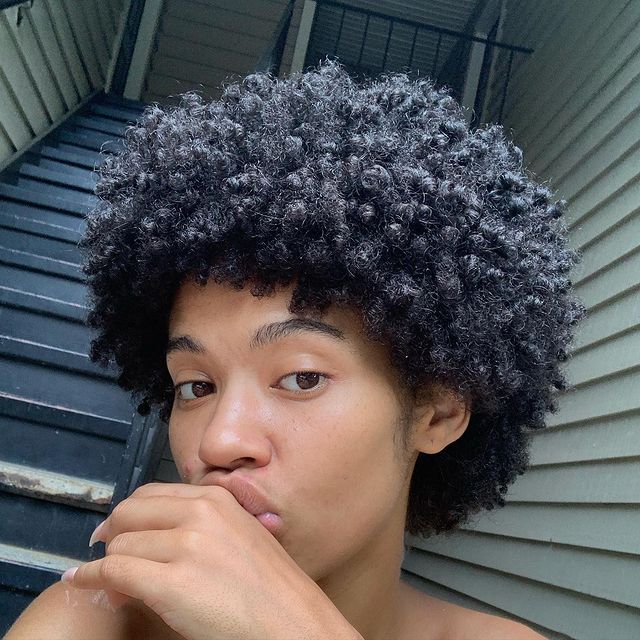
By month two, most people start settling into a workable weekly rhythm. Wash days become more predictable, and product choices start feeling less overwhelming.
This is usually when real, lasting routines finally start to stick.
Danielle, a reader from Georgia, said month two felt like her turning point.
She stopped guessing and started following a simple, repeatable schedule instead. That consistency, she said, made every month after feel easier.
She also started prepping her products the night before each wash day. That tiny bit of planning removed most of the friction she used to feel.
Small systems like hers often matter more than any single product choice.
Growth itself follows patterns that are worth understanding at this stage too.
Reading understanding the afro hair growth cycle helps explain why some weeks feel slower than others. Knowing the science behind it can ease a lot of everyday worry.
Your hair moves through active growth, rest, and shedding phases on rotation. Not every strand grows at the same time or the same speed.
That variation is completely normal and part of a healthy cycle.
Month 3: Handling the First Growth Spurt
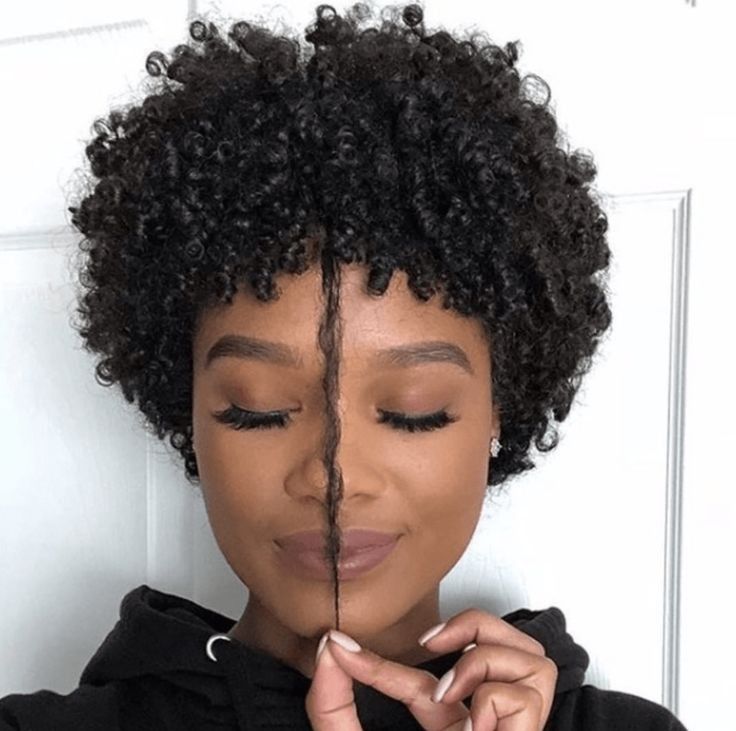
Around month three, many people notice their first real growth spurt happening.
Curls start feeling slightly denser, and detangling may take a bit longer. This is actually a great sign that things are moving forward.
With more length comes more visible shrinkage than you saw before. That can feel discouraging if you don’t understand why it happens.
Shrinkage is simply a sign of healthy elasticity, not slowed progress.
If shrinkage worries you at this stage, some quick reading can help. The topic of why afro hair shrinks so much explains the science behind that natural process.
Once you understand it, shrinkage stops feeling like a setback.
A simple stretch test can reveal how much length you’re actually carrying. Wet hair, gently pulled straight, often shows several extra inches instantly.
That quick check can turn discouragement into genuine excitement fast.

Month 4: Working Through Awkward Angles
Month four often brings a stage many people call the “awkward length” phase. Your hair is too long for a TWA but too short for many bigger styles.
This stretch tests patience more than almost any other month.
Try not to fight this stage by constantly changing your whole approach. Instead, lean into a few simple, repeatable styles that work for now.
Consistency beats constant experimenting during this particular in-between transition period.
Remind yourself that awkward length is temporary, even when it feels endless.
Every natural hair journey passes through this exact same stretch eventually. You’re not doing anything wrong; you’re simply in between two stages.
Thankfully, there are real strategies for working through this exact challenge.
Our guide on how to style awkward-length natural hair walks through several practical solutions. A few smart techniques can make this stage feel far less frustrating.
Braid-outs and two-strand twists both tend to work well during this awkward window.
They add length through stretch without requiring heat or harsh manipulation. A little creativity goes a long way during this particular month.
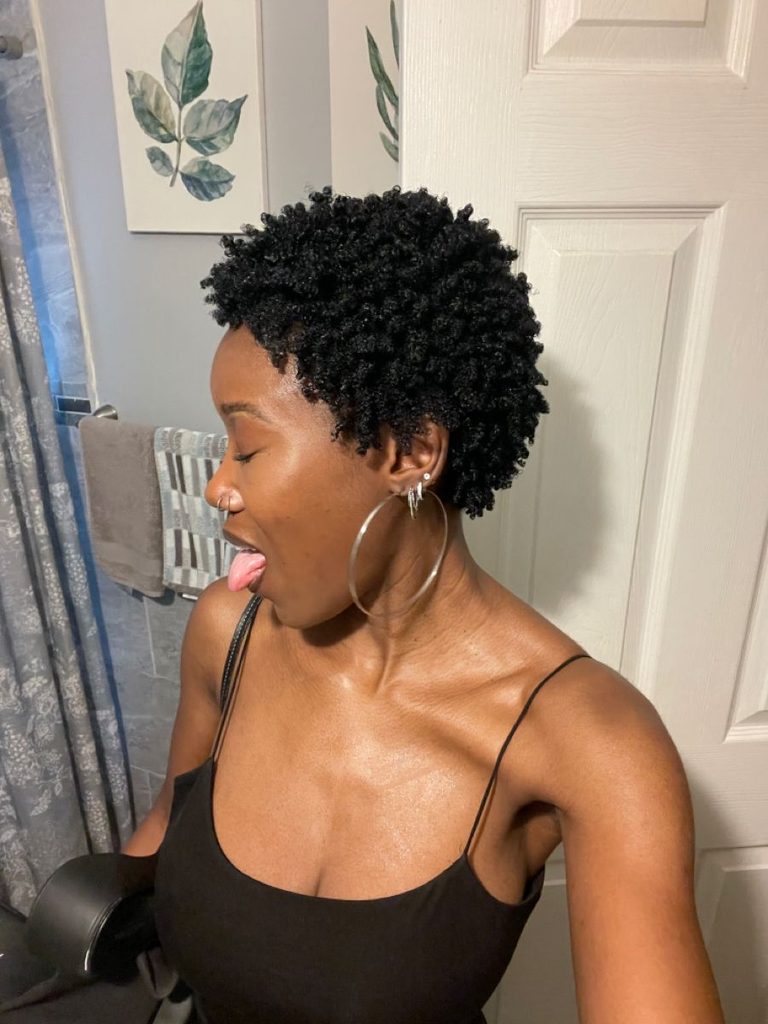
Month 5: More Styling Freedom
By month five, most people notice a real jump in styling options available. Twist-outs hold longer, braids stay in better, and definition improves noticeably.
This is often when the journey starts feeling genuinely fun again.
Take advantage of this new length by trying a few different looks. Small experiments help you learn what actually flatters your face and texture. There’s no rush to settle on one signature style just yet.
Ask friends or a trusted stylist for honest feedback on new styles. A second opinion can highlight options you might not have considered trying.
Confidence grows faster when you feel genuinely good about how you look.
For inspiration during this exciting stretch, check out some curated ideas.
Our list of 21 best hairstyles for one-inch afro hair offers plenty of fresh options to try. Variety keeps things exciting while your hair keeps steadily growing.
Don’t feel pressured to try every single style within this one month. Pick two or three that genuinely suit your lifestyle and schedule.
Mastering a few reliable looks beats juggling too many half-finished experiments.
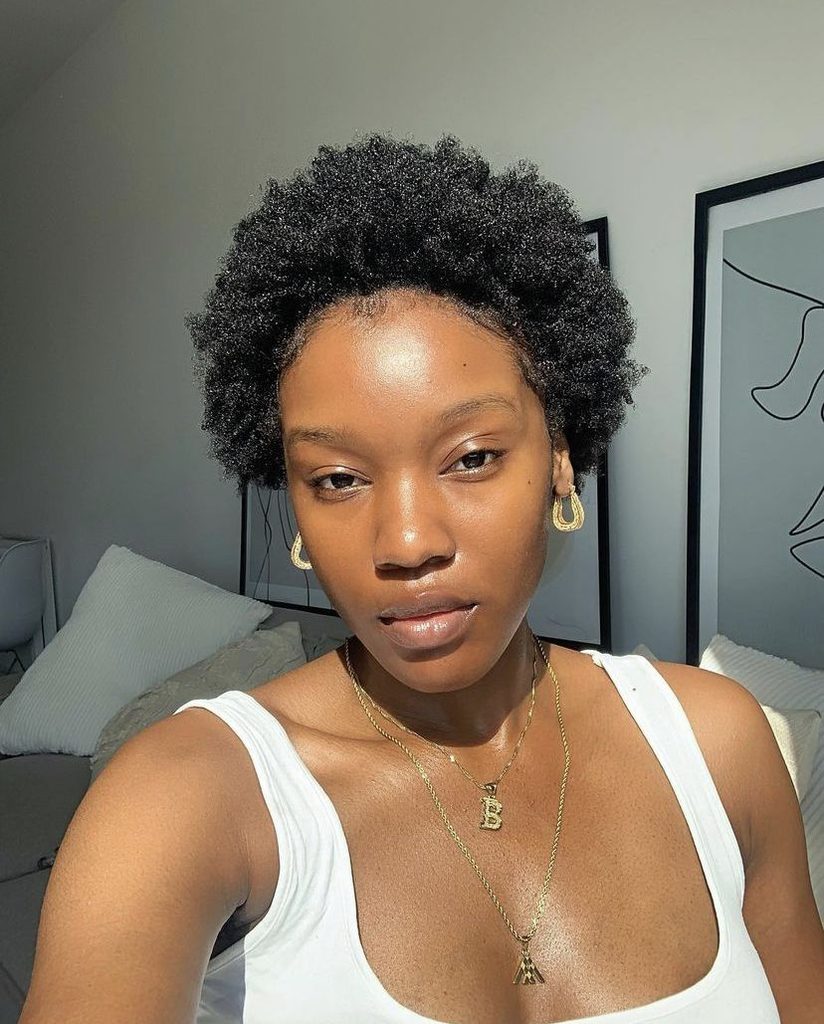
Month 6: Reaching Medium Length
Six months in, many natural hair wearers officially reach medium length territory.
This shift usually means updating both your routine and your product lineup. What worked on shorter hair may not work quite the same way now.
This milestone is worth celebrating, even in a small, personal way. Six months of consistent care deserves genuine recognition, not just a quiet shrug.
Treat yourself to something small as a thank-you for the effort.
Heavier creams and richer oils often perform better at this longer length. Your hair can finally hold a bit more product weight than before.
This is a welcome change after months of needing lighter formulas.
Styling also becomes easier since longer strands hold curl patterns more reliably. Twist-outs and braid-outs both tend to last noticeably longer at this stage.
You’ll likely notice styling sessions take a bit less effort overall.
To adjust smoothly, a dedicated routine can help guide the transition. A medium-length afro hair care routine walks through exactly what to change and why.
Small routine shifts made now prevent much bigger struggles later on.
Detangling tools may also need an upgrade around this particular stage. A wide-tooth comb that worked before might now feel too small.
Small equipment changes can make a surprisingly big daily difference.

Signs Your Hair Is Progressing Well
Length isn’t the only marker of healthy progress worth paying attention to.
Softness, shine, and reduced breakage all signal that your routine is working. Learning to read these signs helps you trust the process fully.
Less breakage on your pillow or in your comb is a genuinely good sign. Fewer strands on the bathroom floor usually means your routine is protecting length well.
Pay attention to these quiet, everyday clues along the way.
Elasticity is one of the clearest indicators of overall hair health. Hair that stretches gently and bounces back is generally in great shape.
Brittle, snapping strands usually point toward a need for more protein or moisture.
Reading understanding afro hair elasticity can help you interpret these small daily signals correctly.
Once you know what healthy elasticity feels like, you’ll worry less about normal changes. Trust your fingers as much as you trust the mirror.
Check a few strands from different areas of your head regularly. Crown hair often behaves differently than hair near your nape or edges.
Noticing these small differences helps you adjust care more precisely.

Common Growth Plateaus and What They Mean
Almost everyone hits a plateau where growth seems to stall completely. This is usually a perception issue rather than an actual growth problem.
Shrinkage and styling can both hide real length that’s genuinely there.
Comparing yourself to strangers online often makes plateaus feel worse than they are.
Everyone’s hair, texture, and timeline look completely different from one another. Focus on your own consistent effort instead of someone else’s highlight reel.
Stress, poor nutrition, or inconsistent care can occasionally slow things down too. If a plateau lasts several months, it’s worth reviewing your full routine.
Small tweaks often restore momentum faster than starting completely from scratch.
Seasonal changes can also affect how a plateau feels day to day. A summer hair care routine for afro hair can help you push through slower summer months.
Adjusting for the season often restores visible progress fairly quickly.
Sweat and chlorine can both quietly stall progress during warmer months especially.
Rinsing more often and clarifying regularly helps prevent buildup from settling in. A plateau is often just buildup wearing a discouraging disguise.
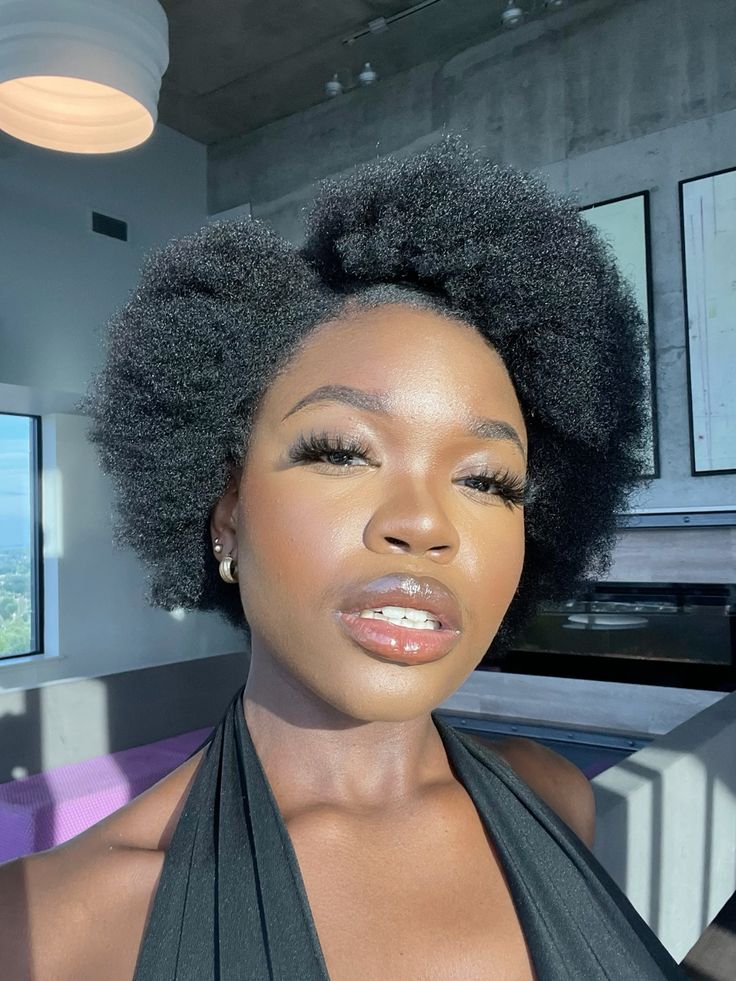
Protective Styling as You Grow
Protective styles can genuinely speed up your growing-out journey when used correctly.
Braids, twists, and buns all reduce daily manipulation and everyday friction. Less friction usually means fewer broken ends along the way.
Choose styles that don’t pull too tightly around your hairline or edges. Tension over many months can cause thinning that’s difficult to reverse later.
Comfort should always guide your choice over how a style simply looks.
Don’t leave protective styles in for too long without proper maintenance. Neglect during a protective style can undo weeks of otherwise healthy progress.
Balance protection with regular scalp care throughout the entire style’s duration.
Fall is a particularly popular season for trying out protective styles. Our fall hair care tips for type 4 hair cover seasonal adjustments worth making during that stretch.
Planning styles around the season can make maintenance noticeably easier.
Cooler temperatures also mean less sweat, which extends how long styles can last. This makes fall an ideal season for slightly longer protective installs.
Plan your bigger style changes around these natural seasonal advantages.
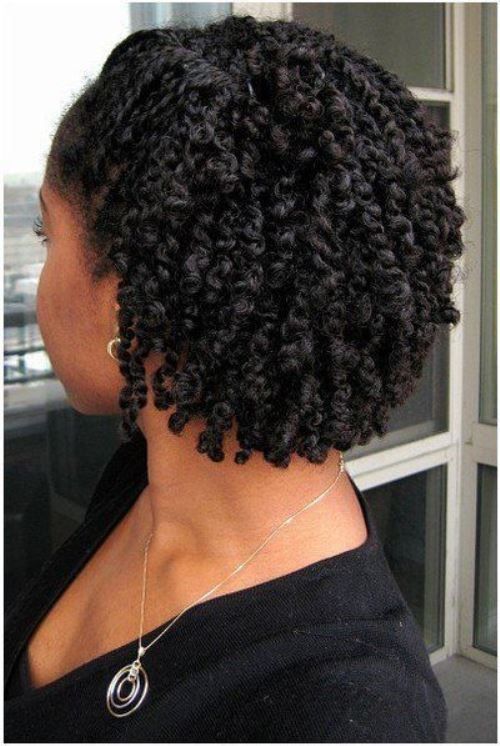
Adjusting Your Wash Routine Over Time
Your wash routine won’t stay exactly the same throughout this entire journey.
As length increases, detangling takes longer and technique needs to shift slightly. Build in extra time instead of rushing through longer wash days.
Set aside a full weekend afternoon once your hair reaches a longer stage.
Rushing wash day at this point usually leads to more tangles and breakage. A relaxed pace protects both your patience and your progress.
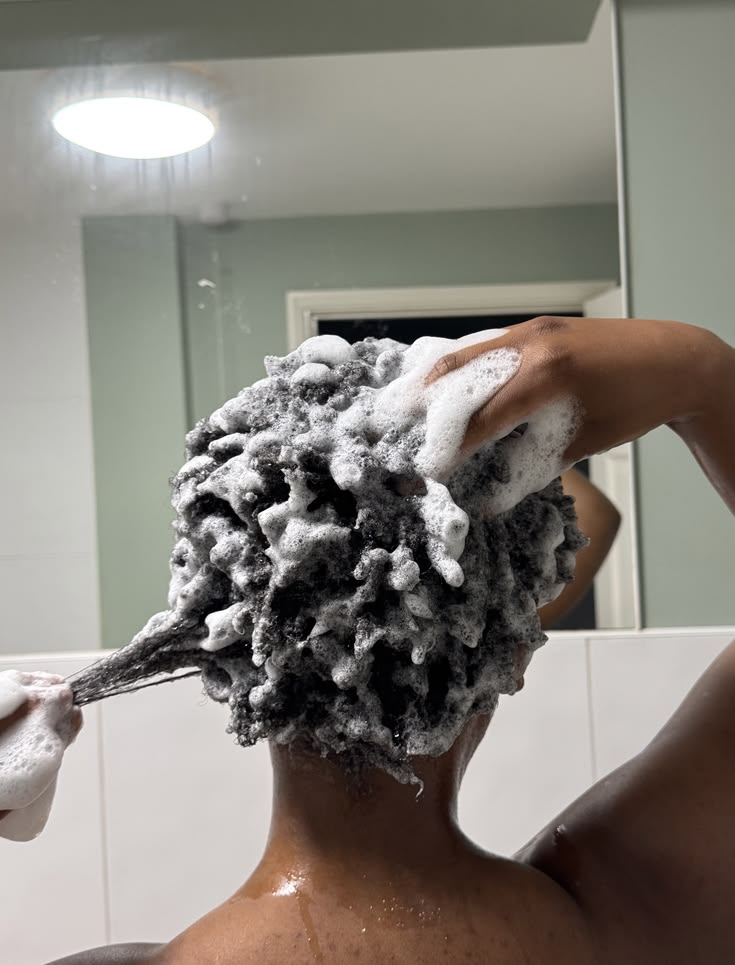
Consider washing in sections once your hair reaches a longer, denser stage. This method reduces tangling and makes the whole process feel more manageable.
Many people find sectioned washing far less overwhelming than washing everything at once.
Humidity can also complicate wash day results more as your hair grows longer. Our post on how to protect afro hair from humidity offers helpful tips for keeping frizz under control.
A few small adjustments can save an entire wash day from frustration.
Anti-humidity sprays and gel-based stylers both help styles hold up longer outdoors. Testing a few products before a big event saves real disappointment later.
Small preparation steps protect hours of styling effort from humid weather.
Nutrition’s Role in Steady Growth
What happens on the inside truly shapes what shows up on the outside.
Protein, vitamins, and healthy fats all support consistent, steady hair growth. Diet alone won’t replace good care, but it strongly supports it.
Colorful vegetables and whole grains round out a hair-friendly plate nicely too. Variety in your meals usually means a wider range of useful nutrients.
Think balance across a whole week, not perfection at every single meal.
Iron and biotin deficiencies are commonly linked to slower, weaker growth patterns. A simple blood test can rule out deficiencies if progress feels unusually slow.
Addressing nutrition gaps often improves results more than switching products ever could.
Consistency matters far more than any single “superfood” or trendy supplement.
Steady, balanced eating over many months beats short bursts of perfect eating. Treat nutrition as a background habit, not a quick fix.
Hydration deserves just as much attention as any specific food choice. Dry hair often mirrors a dehydrated body more than people realize.
A full water bottle can be part of your hair care routine too.

Sleep and Protection Through Every Month
Nighttime protection remains important no matter how long your hair grows. Satin or silk pillowcases and bonnets protect moisture at every single stage.
This habit should carry through your entire growing-out journey without exception.
As hair gets longer, some people switch from bonnets to silk wraps instead. Wraps can better contain longer hair without flattening curls unevenly overnight.
Choose whichever option keeps your curls fully intact by morning.
Consistent sleep habits also support your body’s natural hair growth processes.
Poor sleep affects hormones that influence growth cycles more than people realize. Protecting your hair at night is protecting your progress too.
A consistent bedtime routine benefits both your hair and your overall wellbeing.
Winding down calmly each night supports better rest and steadier hormone balance. Small nightly habits quietly support a much bigger, longer journey.

Dealing With Frustration Mid-Journey
Somewhere around the middle of this journey, frustration tends to peak for many people.
The excitement of the big chop has faded, and full length still feels far away. This emotional dip is extremely common, and it’s usually temporary.
Marcus, mentioned earlier in our TWA guide, said month four nearly broke his motivation completely.
He pushed through by focusing on small weekly wins instead of the finish line. That mindset shift, he said, changed everything about how the journey felt.
Remind yourself why you started this journey whenever motivation starts slipping. Reconnecting with your original reason often restores patience surprisingly quickly.
Growth continues even during the months that feel emotionally the hardest.
Consider a small reward for reaching each new monthly milestone along the way. A new accessory or a fun styling session can renew your motivation.
Celebrating progress keeps the journey feeling worthwhile instead of endless.

Tracking Progress the Right Way
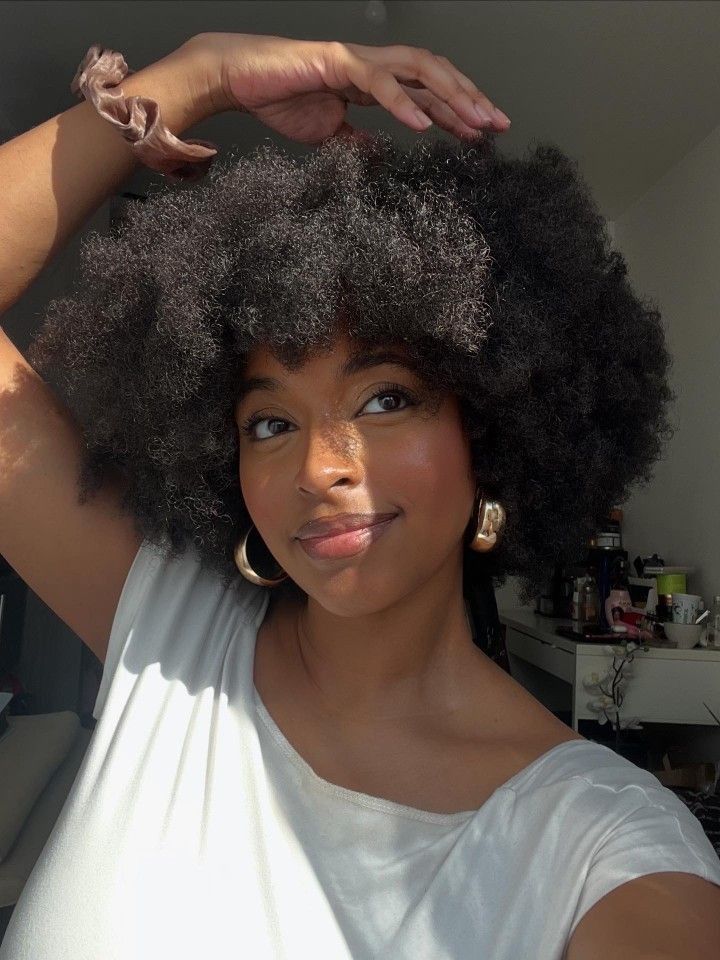
Photos remain one of the most reliable ways to track real progress. Take them under the same lighting, in the same pose, every single month.
Consistency in tracking makes comparisons far more accurate and meaningful over time.
Measuring length occasionally can also help counter the illusion created by shrinkage. A simple stretched measurement gives a clearer picture than a glance in the mirror.
Numbers offer a kind of reassurance that photos alone sometimes can’t provide.
Avoid tracking too obsessively, since daily checking rarely shows meaningful change.
Weekly or monthly check-ins strike a healthier, more encouraging balance overall. Progress is easier to see with a little distance and patience.
Keep old photos organized in one folder so comparisons stay simple later. A quick scroll back can instantly boost motivation on a discouraging day.
Visual proof often speaks louder than how your hair feels in the moment.
Weather’s Impact on Your Growing-Out Journey
Weather plays a bigger role in your growing-out journey than most people expect. Each season brings its own challenges and its own small opportunities.
Planning ahead for seasonal shifts keeps your routine from falling apart.
Cold, dry air during winter months can slow visible progress through added breakage.
A winter moisture routine for natural hair helps protect length during those harsher, drier months. Extra moisture in winter often means less breakage by spring.
Indoor heating adds another layer of dryness on top of cold outdoor air. Running a humidifier overnight can meaningfully soften this seasonal moisture loss.
Small environmental fixes often protect more length than any single product.
Spring naturally invites a reset after months of heavier winter products.
A spring hair reset checklist can help clear buildup and prepare your routine for warmer weather. Treat each seasonal shift as a small, useful checkpoint along your journey.
Lightening up your routine each spring mirrors the fresh energy of the season. Swapping heavy oils for lighter creams often feels like a small relief.
Your routine should breathe and shift right along with the calendar.

When to Trim During the Growth Process
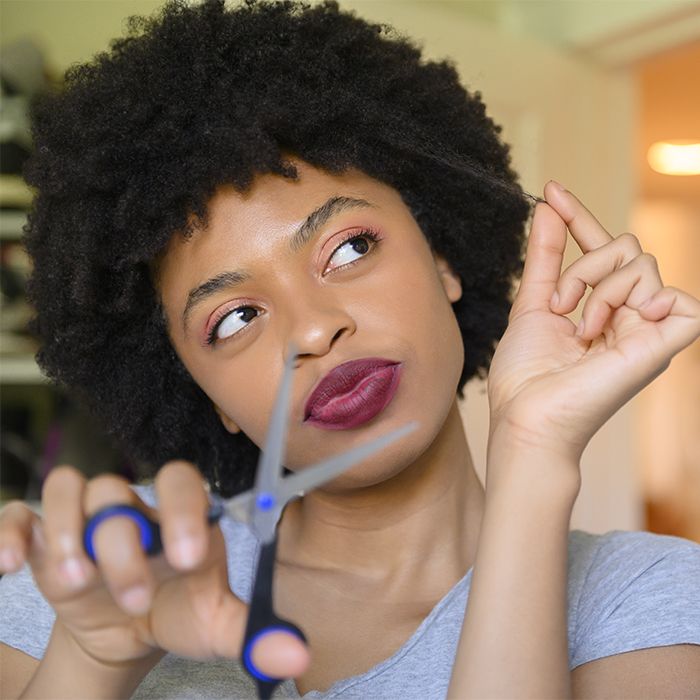
Trimming during a growing-out journey can feel counterintuitive to a lot of people. But regular trims actually support faster, healthier-looking growth over time.
Removing damage prevents breakage that would otherwise slow visible progress.
A slightly uneven trim is far less costly than months of unchecked split ends.
Trust a skilled stylist over your own nerves during this particular step. Healthy ends really do support the length you’re working toward.
Aim for a small trim every couple of months throughout this journey.
You’re removing weak ends, not sacrificing meaningful length in the process. Healthy ends hold styles better and split far less often too.
Mark trim dates on a calendar so they don’t slip your mind. Consistent trimming becomes far easier once it turns into a fixed habit.
A predictable schedule beats trimming only when damage finally becomes obvious.
Watch for single-strand knots, which become more common as hair grows longer. These tiny knots can cause breakage if they’re left completely unaddressed.
A careful trim removes them before they cause bigger problems later.
Regular deep conditioning also helps reduce how often these tiny knots form. Well-moisturized strands tend to tangle and knot far less than dry ones.
A little extra conditioning effort prevents a lot of future snipping.
Ask a trusted stylist for a professional opinion if you’re ever unsure. A second, trained eye can catch damage before it becomes a bigger issue.
Regular check-ins support the progress you’re working so hard to build.
Wrapping Up: Celebrating Every Month of Growth
Growing out a TWA is a journey measured in months, not days. Each stage brings its own challenges, lessons, and small, worthwhile victories.
Trying to rush the process usually only adds unnecessary frustration along the way.
Look back at where you started whenever the middle stretch feels discouraging. The distance you’ve already covered is often bigger than it feels day to day.
Perspective, more than any product, carries most people through this journey. Celebrate small wins instead of waiting for one final, dramatic transformation.
A great wash day, a compliment, or an easy detangling session all count. These small moments add up into the bigger journey you’re building.
Trust the process, stay consistent, and give your hair the time it needs. Every stage you pass through becomes part of a story worth telling later.
Your hair, and your patience, are both growing stronger every single month.
Future you will look back on this stretch with real, well-earned pride. Keep showing up for your hair, one simple month at a time. That steady effort is really all this whole journey ever asks of you.



10 Comments