
The Complete Wash Day Routine for Afro Hair
Disclosure: Some of the links in this post are affiliate links. This means if you click on the link and purchase an item, I will receive an affiliate commission at no extra cost to you.
Having a hair that smells good all the time is a big flex. Keeping your hair neat is the first step to a healthy hair.
But keeping your hair neat goes beyond just looking good on the outside. It starts with a proper wash day routine that cleans your scalp, feeds your hair with moisture, and sets everything up for the rest of the week.
A lot of people think washing their hair means just putting shampoo on it and rinsing it off. But there is so much more to it than that. The order you follow, the products you use, the way you handle your hair during the process, all of it matters more than most people realize.
When your wash day is done right, your hair feels soft, your scalp feels clean, and your curls look their best. When it’s done wrong or rushed, you end up with more tangles, more breakage, and hair that feels dry again before the week is even halfway through.
This guide is going to walk you through a complete wash day routine for Afro hair, step by step, so you know exactly what to do, in what order, and why each step matters.
If you haven’t read How Often Should You Wash Afro Hair? yet, start there first. It will help you figure out the right wash schedule before you build your wash day routine around it.

The Complete Wash Day Routine for Afro Hair
1. Prepare Before You Start
The biggest mistake people make on wash day is jumping straight into the shower without any preparation. Preparation is what makes the difference between a smooth wash day and a frustrating one.
Before water touches your hair, you need to do three things. Detangle your hair, section it, and gather everything you need.
Trying to detangle after washing is one of the fastest ways to cause breakage. Wet Afro hair that hasn’t been detangled first becomes a tangled mess under running water, and trying to work through it after the fact takes twice as long and removes twice as much hair.
Gather your shampoo, conditioner, deep conditioner, leave in conditioner, oil, and cream before you step into the shower. Having everything within reach means you don’t have to stop mid wash to search for something, which keeps the process smooth and consistent.
For a full picture of the products you need on wash day, read How to Build the Perfect Afro Hair Care Routine.
2. Detangle First, Always
Detangling before washing is not optional, it is the step that protects your hair from the most damage on wash day.
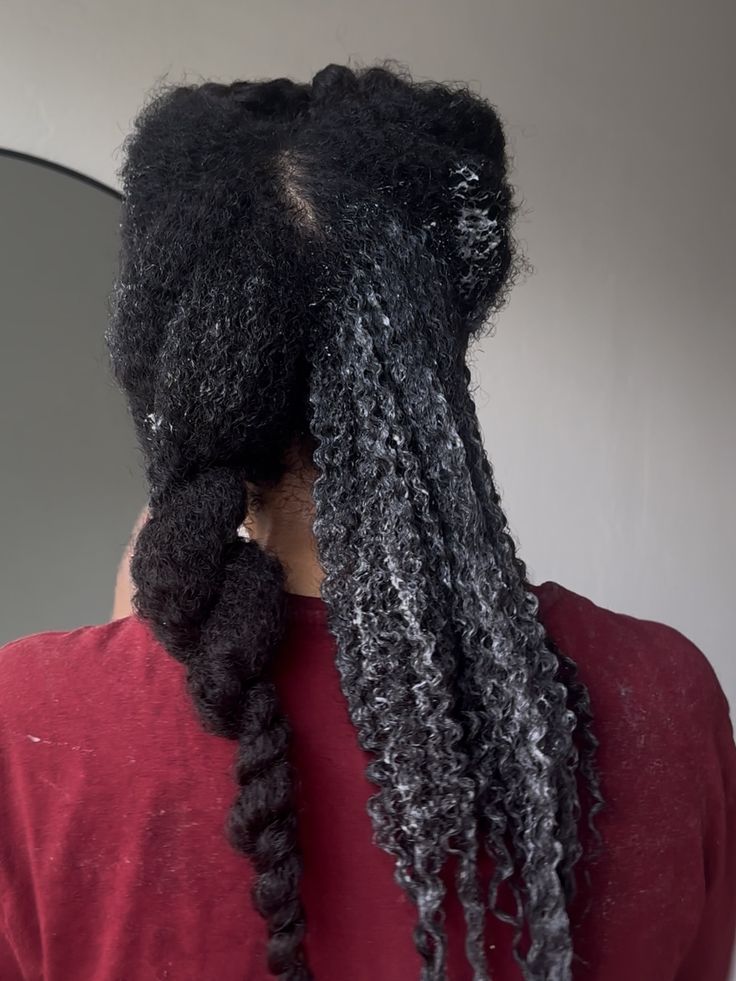
Start by applying a generous amount of a leave in conditioner or a detangling product to your dry hair. This adds slip to your strands and makes it easier for your fingers and comb to move through without pulling and snapping.
Use your fingers first. Go through each section gently and separate the bigger knots by hand before bringing in a comb. Your fingers can feel the knots and work around them more carefully than a comb can.
Once your fingers have done the first pass, use a wide tooth comb to go through each section from the ends up to the roots. Never start from the root and drag down. Starting from the ends and working up releases knots gradually instead of forcing them tighter.
Divide your hair into four sections before you start and work through one section at a time. Clip each section away once you’re done so it doesn’t tangle back into the others.
A neighbor of mine used to skip detangling before wash day because she thought the conditioner in the shower would be enough to work through her knots.
Every wash day ended with a lot of hair in her hands and a lot of frustration. Once she started detangling properly before getting into the shower, her wash days became calmer and she lost noticeably less hair each time.
save this idea: 75 Beautiful Afro Hairstyles You’ll Want to Save
3. Shampoo Your Scalp the Right Way
Once your hair is detangled and sectioned, it’s time to shampoo. But shampooing Afro hair correctly looks different from what most people were taught growing up.
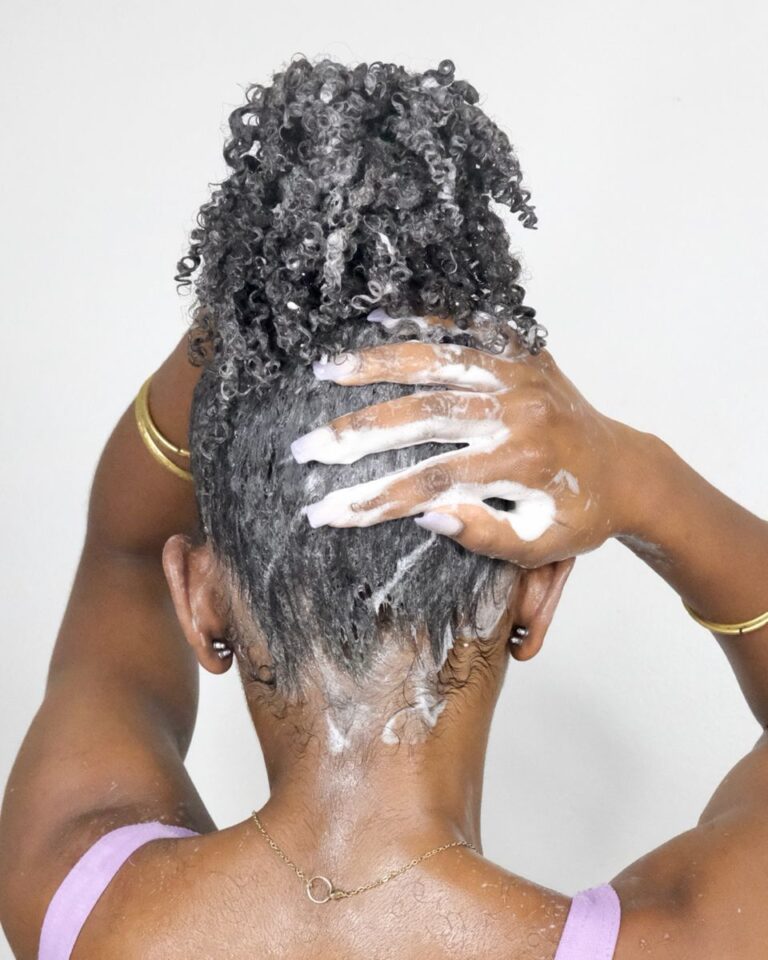
The goal of shampooing is to clean your scalp, not to scrub your hair strands. Your scalp is where oil, sweat, and product build up. Your hair strands don’t need that kind of direct scrubbing.
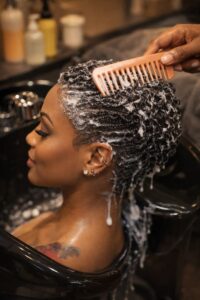
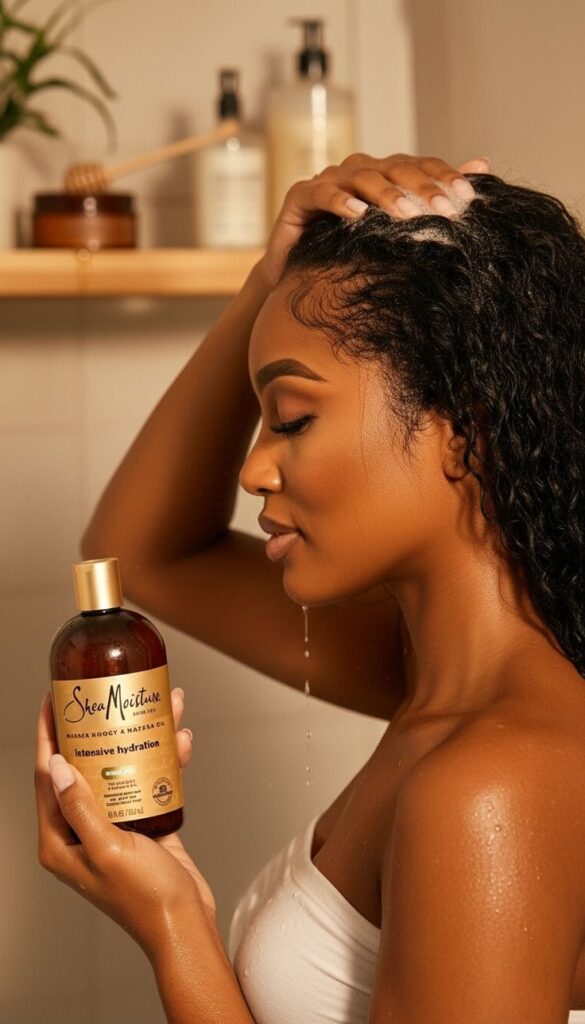
Apply your shampoo directly to your scalp and use the pads of your fingers to massage it in gently. Work through each section, focusing all your attention on the scalp.
Let the shampoo and water run down the length of your hair as you rinse. That’s enough to clean the rest without over stripping it.
Use a sulfate free shampoo. Shampoos with sulfates are very strong and strip too much moisture from Afro hair, leaving it dry and rough after every wash. A sulfate free shampoo cleans just as well without taking everything out.
Don’t pile your hair on top of your head and scrub it all together. This creates massive tangles that are almost impossible to work through after rinsing. Keep your sections intact while shampooing and rinse each section carefully before moving to the next.
Trust me, you’ll want to read this: 27 Wash-and-Go Hairstyles That Actually Last
4. Don’t Forget Your Scalp
Wash day is also the best time to give your scalp a proper treatment, not just a clean.
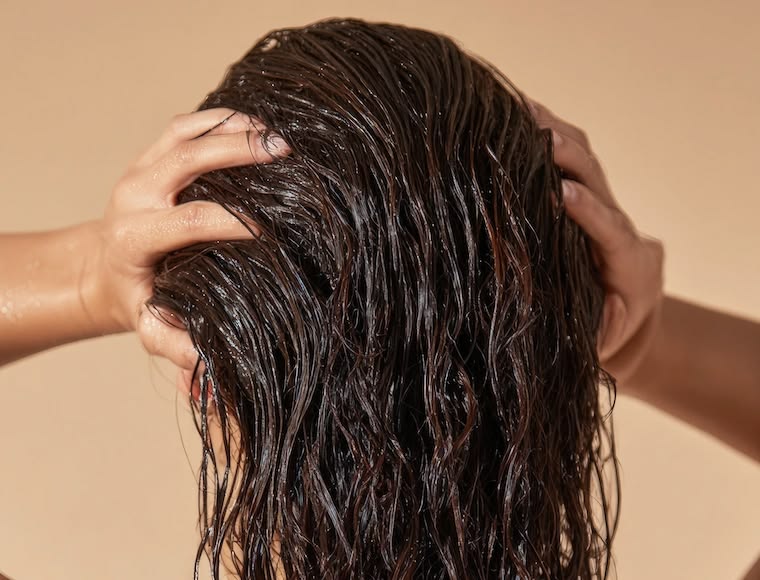
After rinsing out your shampoo and before applying conditioner, take a moment to massage your scalp with your fingertips. This stimulates blood flow to your roots and helps with growth over time.
If your scalp is dry or flaky, you can apply a light scalp oil after your wash day is complete. Oils like tea tree, peppermint diluted in a carrier oil, or jojoba work well for scalp health.
Pay attention to how your scalp feels after each wash day. It should feel clean, comfortable, and balanced. If it feels tight, dry, or itchy immediately after washing, your shampoo might be too harsh for your hair type.
A neighbor of mine switched to a gentler shampoo after noticing her scalp always felt tight and uncomfortable after wash day. Within two washes, her scalp felt much better and the flaking she’d been dealing with for months reduced significantly.
For more on scalp care between wash days, read The Ultimate Beginner’s Guide to Afro Hair Care.
5. Condition Right After Shampooing and Scalp Massage
Shampooing cleans your scalp and hair, but it also opens up the hair strand and removes moisture in the process. Conditioning right after shampooing puts some of that moisture back and closes the hair back up.
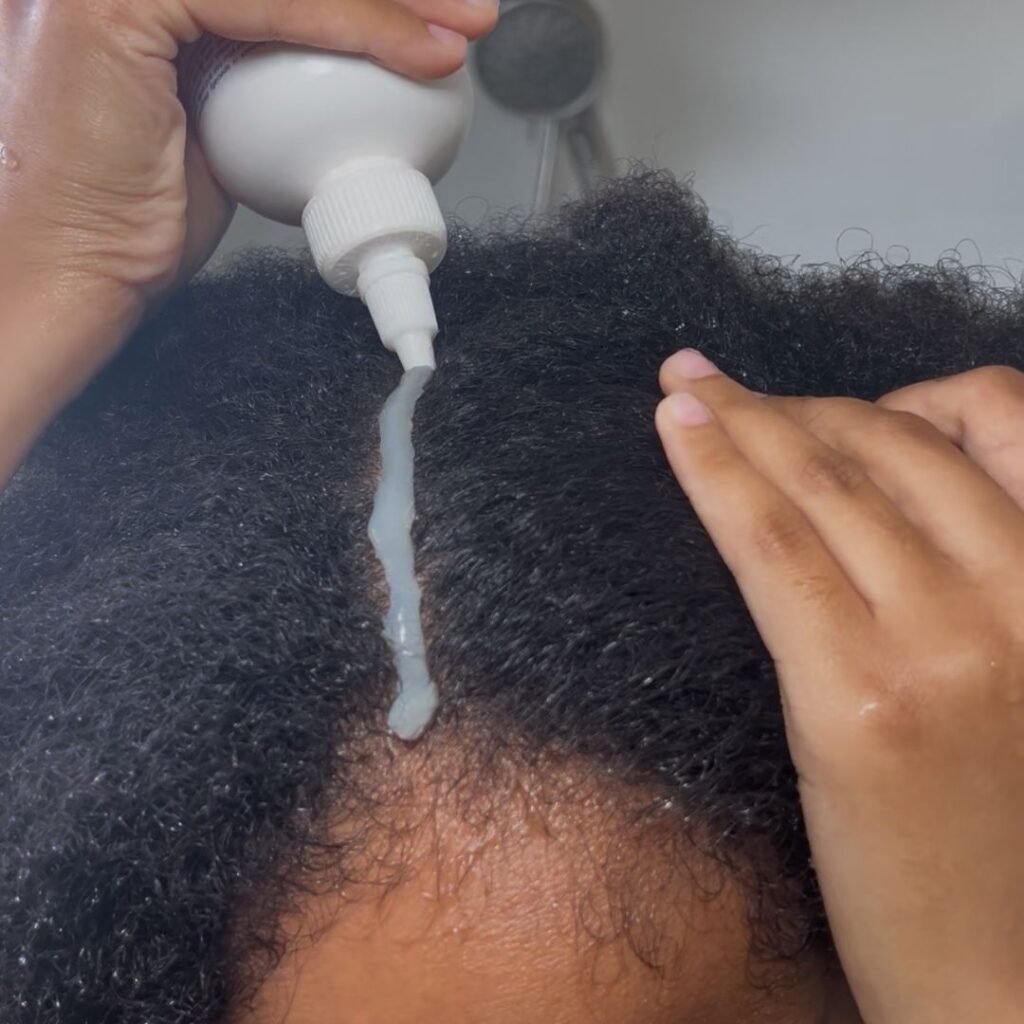
Apply your conditioner from the mid length of your hair down to the ends. You don’t need to apply it heavily to your scalp since that area gets enough natural oil. Focus on the parts that need the most help, which is usually the ends.
Leave the conditioner in for at least three to five minutes before rinsing. Use this time to gently detangle your hair again with your fingers or a wide tooth comb while the conditioner is in.
The slip from the conditioner makes detangling under the shower much easier than doing it on dry hair.
Rinse with cool or lukewarm water. Hot water strips moisture and leaves your hair feeling rougher than it should after conditioning.
Read this next: 25 Afro Puff Hairstyles You’ll Love.
6. Deep Condition Every Single Wash Day
If regular conditioner is good for your hair, deep conditioner is better. And for Afro hair, it’s not something you should skip.
A regular conditioner works on the surface of your hair strand. A deep conditioner goes further into the strand and adds back the strength, softness, and moisture that daily handling and washing slowly remove over time.
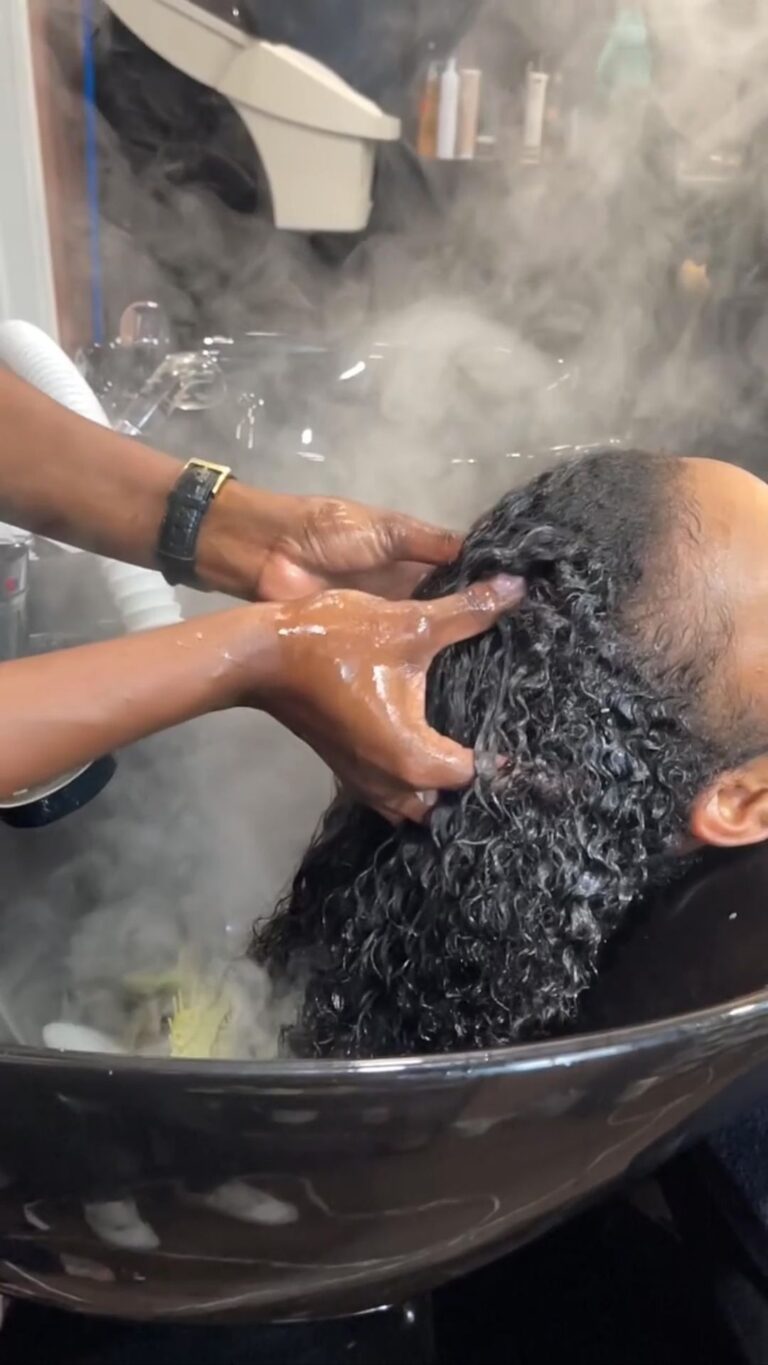
Apply your deep conditioner generously after rinsing out your regular conditioner. Cover every section from root to tip and make sure no part of your hair is missed.
Put on a plastic shower cap once the product is in. The warmth from your head under the cap helps the deep conditioner penetrate the strand more effectively than just leaving it on open hair.
Leave it on for at least twenty to thirty minutes, always set a timer if you tend to rush this step. The longer you leave it within reason, the more work it can do.
A client of mine used to skip deep conditioning completely because she thought regular conditioner was enough. Her hair was always dry, always breaking, and never really felt healthy no matter what else she did.
Once she added deep conditioning to every wash day, the change in her hair’s softness and strength showed up within just a few weeks.
Rinse with cool water when the time is up. Cool water closes the hair cuticle and helps lock in everything the deep conditioner just added.
For more on how deep conditioning fits into your overall routine, read Daily Habits That Keep Afro Hair Healthy.
7. End With a Cool Rinse
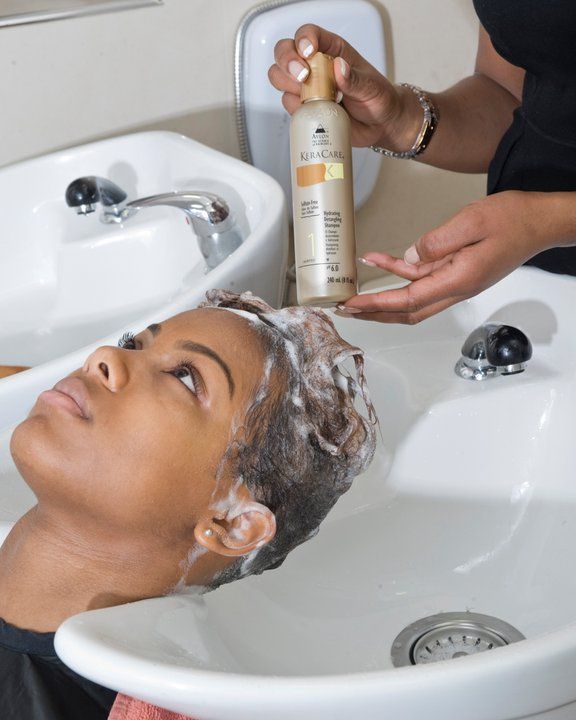
Every rinse during your wash day should end with cool water, not hot.
Hot water opens the hair cuticle and strips moisture. It feels good in the shower but it leaves your hair more vulnerable to dryness afterward. Cool water closes the cuticle back up, smooths the hair strand, and helps all the moisture you just added stay locked inside.
If a fully cold rinse feels like too much, start with warm water and then finish with cool at the very end. Even just thirty seconds of cool water at the end of your rinse makes a difference you’ll feel once your hair dries.
This is one of the smallest steps on wash day, but it’s also one that a lot of people skip simply because they don’t know about it. Now you do.
For protective styles to wear after wash day that keep your freshly washed hair protected, read 27 Best Protective Styles for Afro Hair.
8. Gently Squeeze Out Excess Water
This is a small step that a lot of people get wrong without realizing it.
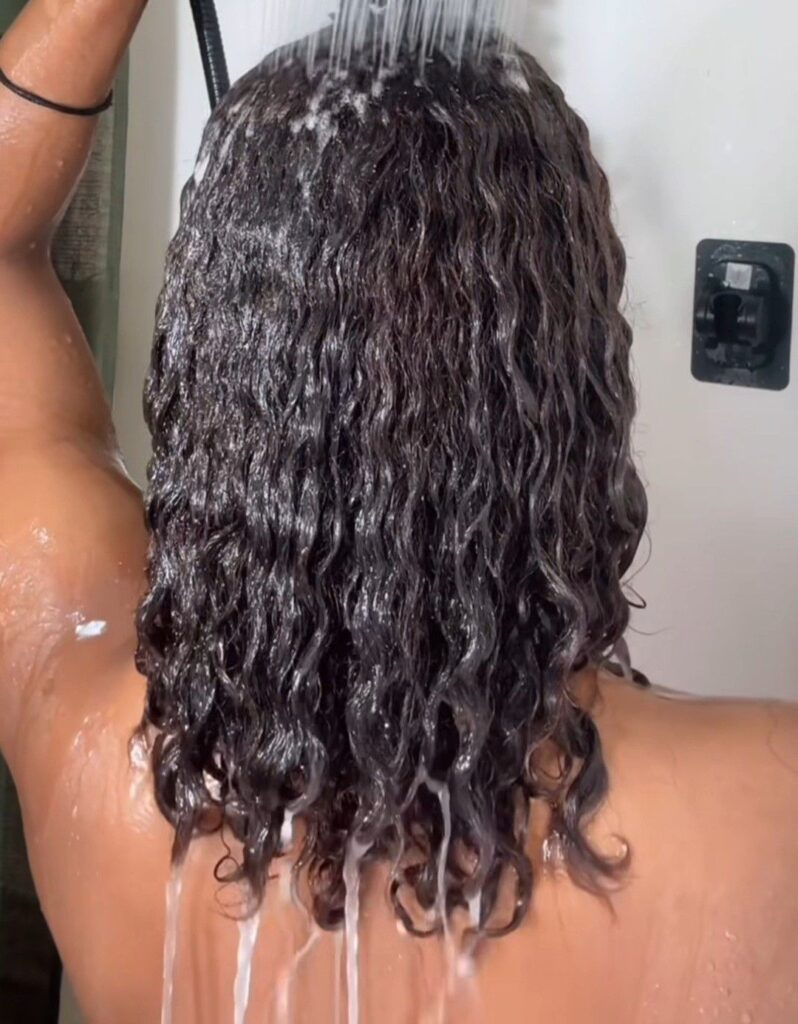
After rinsing out your deep conditioner, your hair will be soaking wet. The way you handle it at this point matters.
Don’t rub your hair with a towel. Rubbing creates friction that roughens up the hair cuticle and causes frizz and breakage. Instead, gently squeeze sections of your hair with your hands to push out the excess water.
If you want to use a towel, use a microfiber towel or an old cotton t-shirt. These are much gentler on Afro hair than regular towels. Press and squeeze, don’t rub.
Your hair should be damp after this step, not dripping wet and not completely dry. Damp hair is the best state for applying your leave in conditioner and the rest of your moisturizing products.
Readers also loved this: Everything You Need To Know About Protective Styling
9. Apply Your Leave In Conditioner
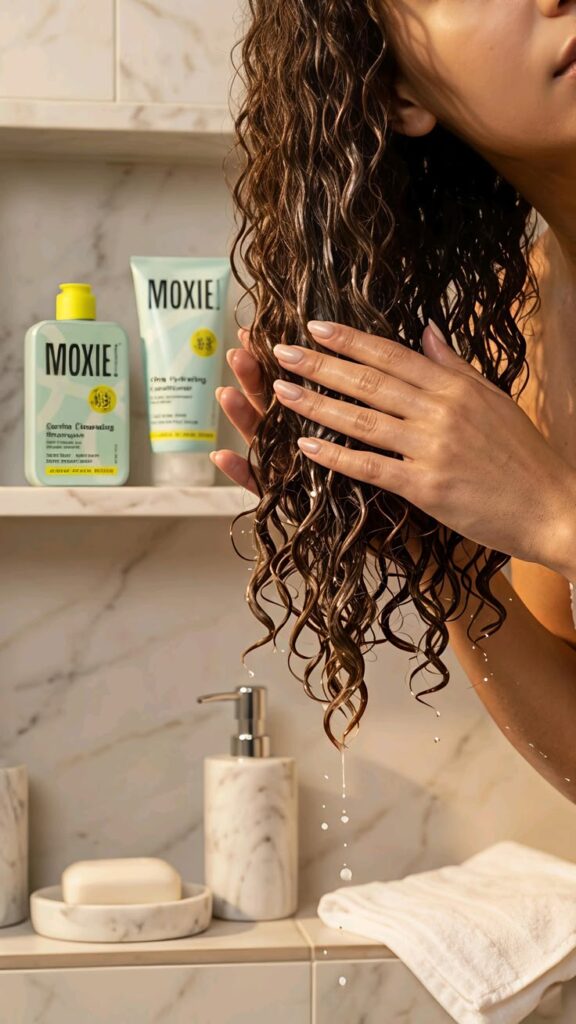
With your hair still damp, it’s time to start the moisturizing process. And it always starts with a leave in conditioner.
A leave in conditioner is lighter than a regular conditioner and is designed to stay in your hair without being rinsed out. It adds a layer of moisture and helps keep your hair soft and manageable throughout the day.
Apply it section by section, working it through from roots to ends. Make sure every part of your hair gets covered, paying extra attention to your ends since they are the oldest and driest part of your hair.
Use enough product to feel it on your strands but not so much that your hair feels heavy or coated. A little goes a long way with most leave in conditioners, so start with a small amount and add more if needed.
Find your favorite: Box Braids vs Knotless Braids: Which is Better?
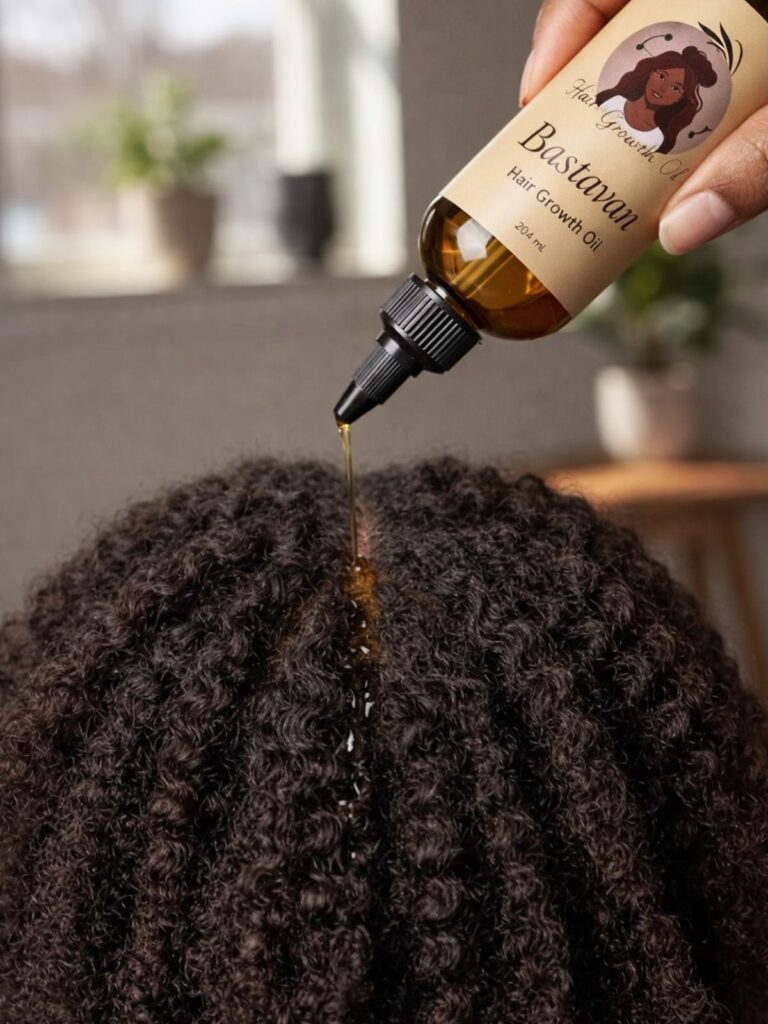
10. Seal With Oil
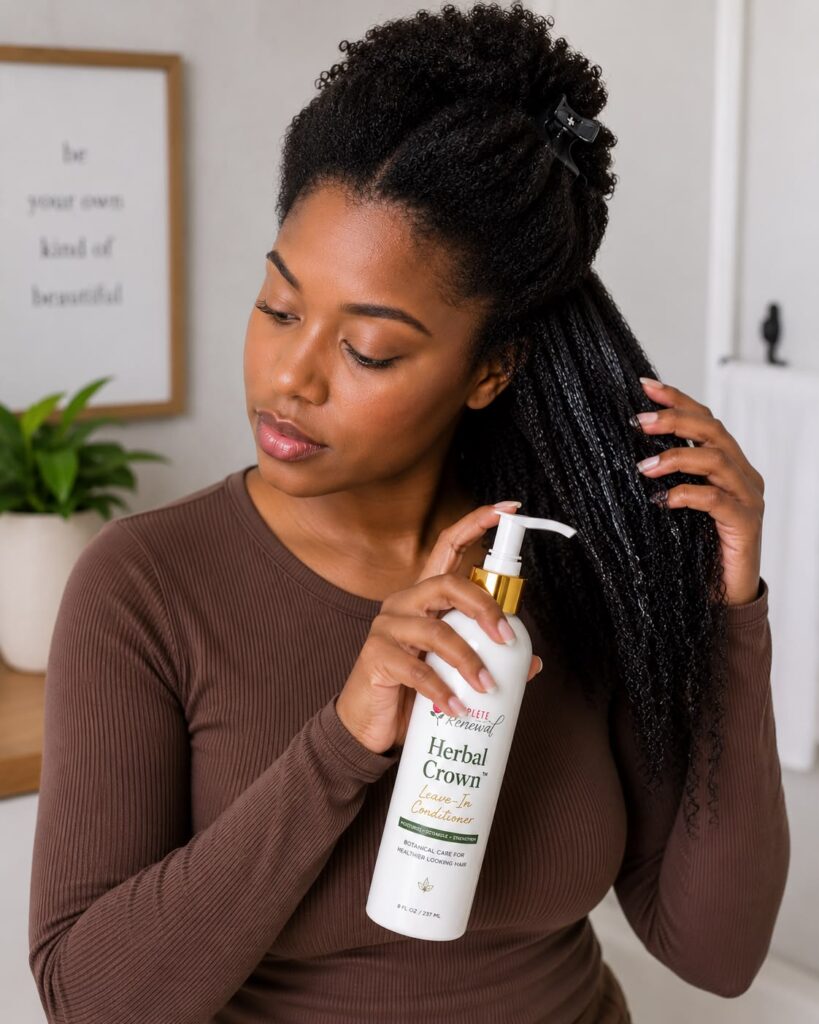
Once your leave in conditioner is in, follow immediately with an oil to seal all that moisture inside the hair strand.
Oil creates a barrier on the outside of your hair that slows down moisture loss. Without this step, the moisture from your leave in conditioner will evaporate within a few hours and your hair will be dry again before the day is done.
Lightweight oils like jojoba, argan, or grapeseed work well for sealing without making hair feel heavy. If your hair is very dry, a slightly heavier oil like castor oil mixed with a lighter oil works better.
Apply the oil the same way you applied your leave in conditioner, section by section, from roots to ends. Rub it between your palms first to warm it up slightly before applying, which helps it spread more evenly through the hair.
A friend of mine used to apply oil as the first step on dry hair and wonder why her hair never stayed soft. Oil on dry hair just seals in dryness. Once she started using it as the second step after a leave in conditioner on damp hair, her hair held moisture for days longer than it used to.
Don’t miss this: Knotless Braids: Complete Beginner’s Guide
11. Add a Cream or Butter to Lock Everything In
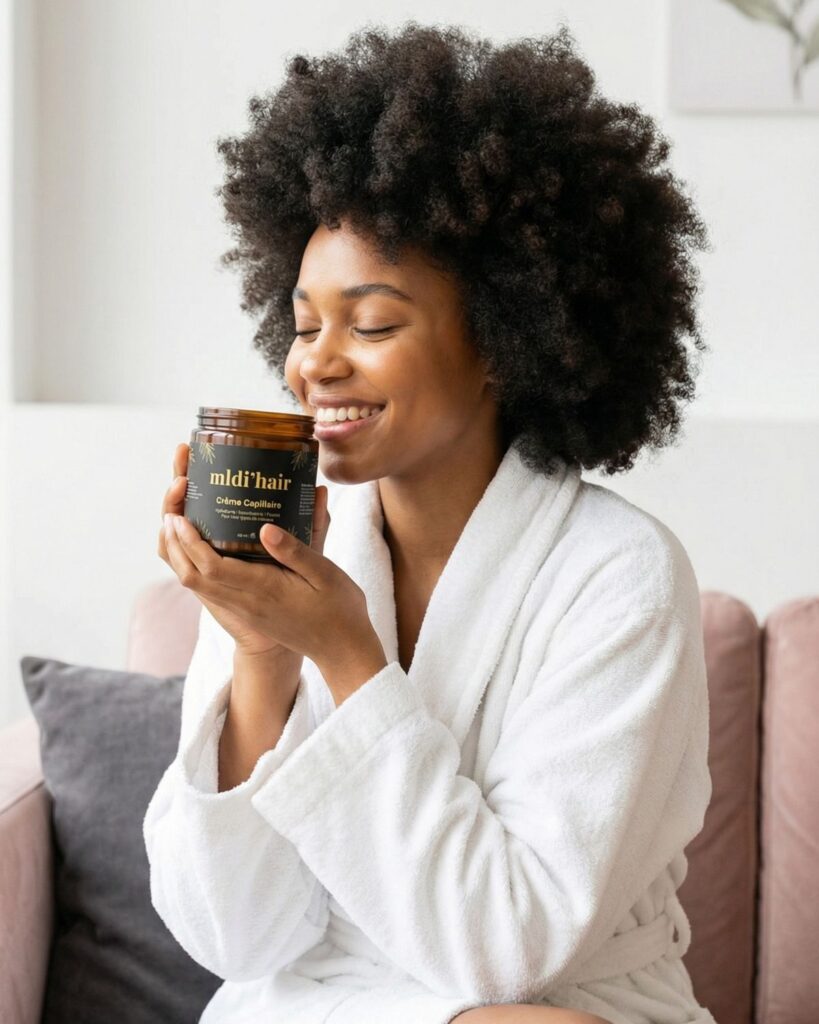
The final step of your moisturizing process is a cream or butter. This is the thickest layer and it sits on top of the oil to give extra hold, definition, and long lasting moisture.
Not everyone needs this step every wash day. If your hair holds moisture well after just the leave in and oil, you can skip the cream on some days. But if your hair tends to dry out fast, a cream or butter on top makes a big difference.
Apply it the same way as the other products, working through each section and focusing especially on your ends.
This three step process of leave in, oil, and cream is what most people call the LOC method. When done in the right order on damp hair, it gives your hair the best chance of staying moisturized all week long.
Pin this for later: Feed-In Braids That Protect Your Edges
12. Style Gently After Wash Day
After all that careful washing and moisturizing, the last thing you want to do is put your hair through rough handling during styling.
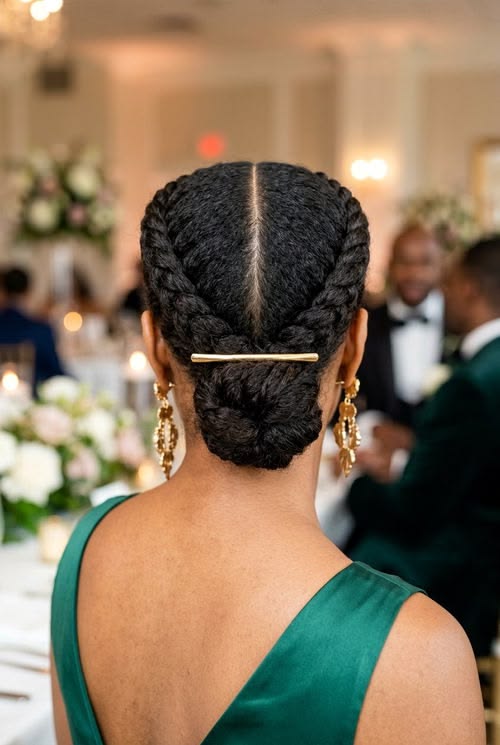
Choose styles that don’t require a lot of pulling, heat, or manipulation right after wash day. Your hair is at its most vulnerable when it’s freshly washed because the strand is more open and softer than usual.
Twist outs, braid outs, and simple puffs are great wash day styles because they work with your hair’s natural texture and don’t require heat. They also look great the next day once they’ve dried and set.
If you want to blow dry your hair, use a low heat setting and a heat protectant. Never use high heat on freshly washed Afro hair.
For easy styles to wear right after wash day, check out 35 Easy Afro Hairstyles for Beginners.
A Few Final Things Worth Knowing
Wash day is the most important day of your hair care routine. Everything you do during the rest of the week is just maintaining what wash day sets up.
When your wash day is done right, your hair starts the week in the best possible condition. It’s clean, moisturized, and ready to respond well to whatever you do next.
Don’t rush it. Set aside enough time to go through every step properly without feeling like you need to cut corners. For most people with Afro hair, wash day takes anywhere from one to three hours depending on hair length and thickness. That time is worth it.
Also remember that your wash day routine doesn’t have to look exactly like anyone else’s. The steps in this guide are a solid foundation, but your specific hair might need small adjustments here and there.
Maybe you need to deep condition for longer, or you need an extra detangling session. Maybe one product works better for you than another.
Pay attention to how your hair feels after each wash day and adjust as you go. Over time you’ll develop a wash day routine that feels natural, easy, and completely your own.
For styles to wear between wash days that keep your hair looking neat and protected, read 31 Quick Natural Hairstyles for Busy Mornings.