
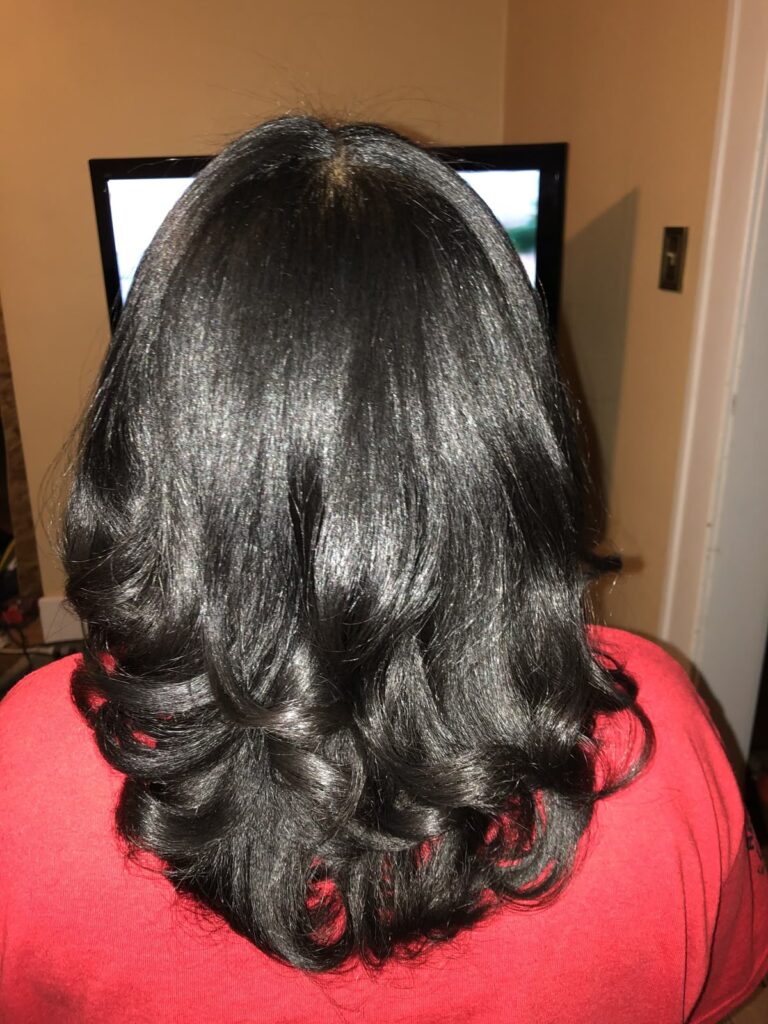
How to Keep a Silk Press Looking Fresh Longer
Disclosure: Some of the links in this post are affiliate links. This means if you click on the link and purchase an item, I will receive an affiliate commission at no extra cost to you.
Have you ever left the salon with a flawless silk press, only to watch it fall apart in three days? It happens more often than people admit, and it’s rarely because of your hair type. Most people blame their hair texture, but the real issue is almost always aftercare. How is your aftercare like?
A silk press takes hours of work, real money, and real patience to get right. Watching it unravel within a week can feel discouraging, especially after all that effort. If you started with the complete beginner’s guide to silk presses, you already know the work involved.
That guide covers the styling itself, but styling is really just half the story. What happens after you leave the salon chair matters just as much as what happens inside it. So why let all that effort disappear in less than a week?
The good news is, keeping a silk press fresh comes down to a handful of simple habits. None of them are complicated, and none of them require expensive tools. Let’s break down exactly what those habits look like, one by one.
How to Keep a Silk Press Looking Fresh Longer
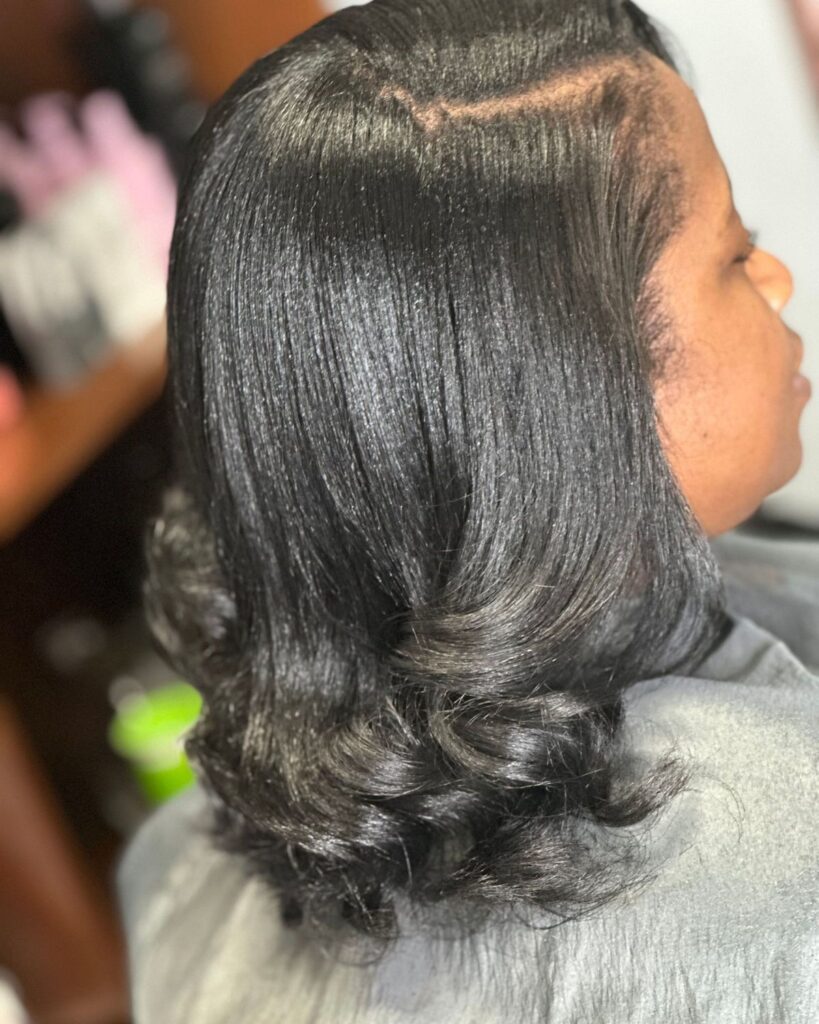
Why Your Silk Press Doesn’t Have to Fade Fast
A silk press fading fast usually isn’t bad luck, it’s a missing routine. Most damage happens at night or during random moments you don’t even notice.
Sweat, water, and friction are the three biggest culprits behind an early fade.
Once you know what’s working against you, protecting your style gets a lot easier. It’s less about buying expensive products and more about building small daily habits.
A few smart choices each day can stretch your silk press from days into weeks.
Think about the last time your style fell apart faster than expected. Chances are, one of these three culprits was quietly at work behind the scenes.
Once you can spot the pattern, fixing it becomes a lot more straightforward.
The First 48 Hours Matter Most
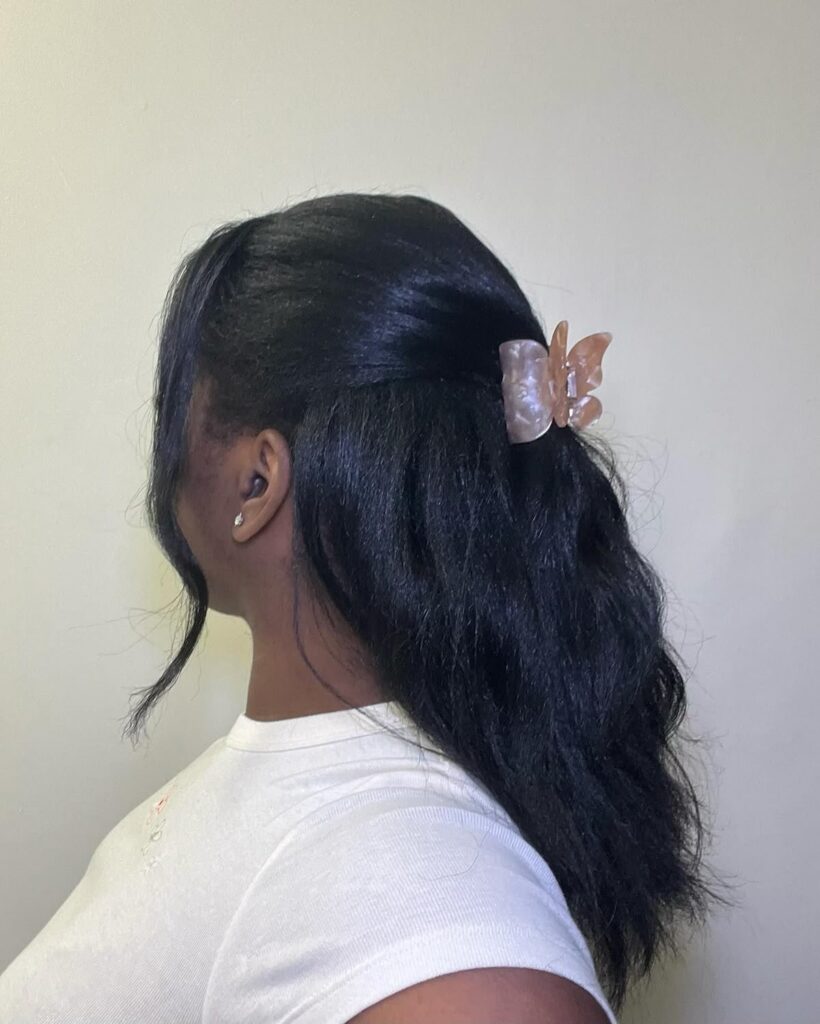
The first two days after a silk press set the tone for how long it lasts. Your hair is still settling into its new shape during this window.
Avoid heavy activity, sweating, or tying your hair up too tightly right away.
Skip the gym for a day or two if you can manage it. Let your hair rest and adjust before you throw any stress at it. Small sacrifices early on save you from bigger frustrations later in the week.
Even simple things, like resting your head against a rough car seat, can leave a dent. Try to sleep on your back for the first night or two.
This small change can prevent flat spots before they even have a chance to form.
Wrapping Your Hair the Right Way Every Night
Wrapping is the single most important habit for keeping a silk press fresh. Use a wide tooth comb to smooth your hair before you start wrapping.
Wrap around your head in the direction your hair naturally lays flat.
A loose wrap that shifts around at night defeats the entire purpose of wrapping. Secure it gently with a clip, but never pull it too tight against your scalp.
Practice makes this easier, so don’t worry if your first few tries look messy.
A lot of people give up on wrapping after a few frustrating attempts. Stick with it, since your hands get quicker and more confident with practice.
Within a week or two, wrapping will start to feel like second nature.
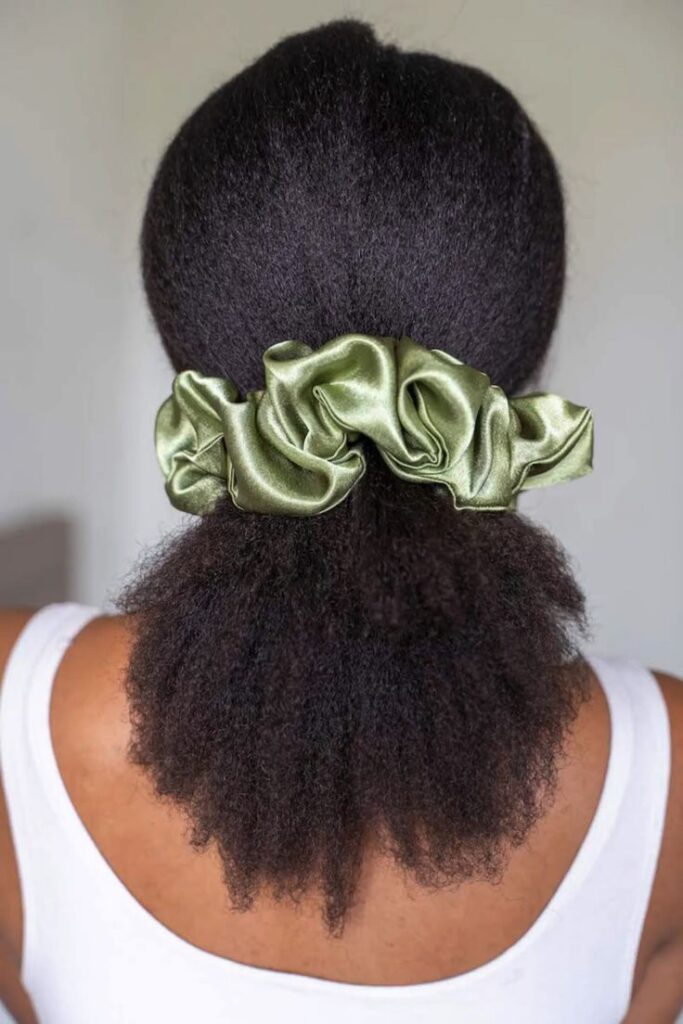
Choosing the Right Scarf or Bonnet
Not all scarves are created equal, and the material really does matter here. Silk and satin are your best friends, since they don’t absorb moisture from your strands.
Cotton, on the other hand, soaks up oils and adds frizz overnight. Some people even layer both a scarf and a bonnet for extra hold.
A bonnet with a tight elastic band can leave marks along your hairline. This connects to a bigger question, like whether your favorite hairstyle is damaging your hairline over time.
Choose a scarf or bonnet that stays snug without digging into your skin.
Double lined bonnets tend to hold their shape better through the night. They also don’t slip off as easily as thinner, single layer versions do.
Investing in a couple of good quality options is worth it in the long run.
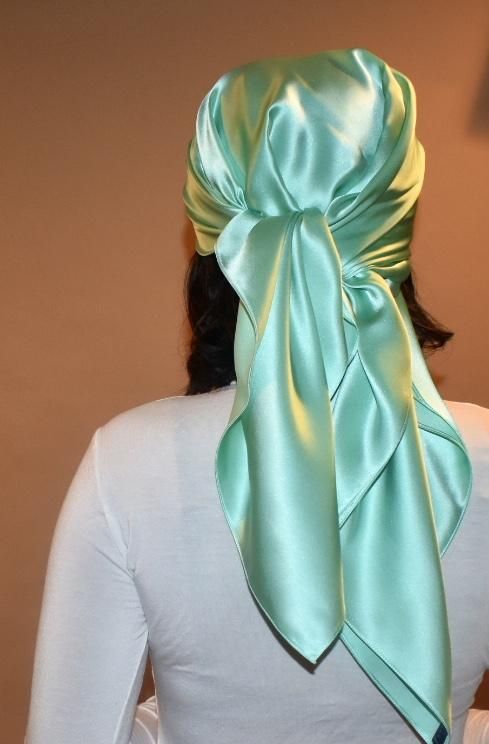
Protecting Your Edges While You Sleep
Your edges are some of the most fragile hair on your entire head. They break easily under tension, friction, or too much heat exposure.
A silk scarf tied gently around your hairline can prevent unnecessary pulling at night.
Avoid tying your wrap directly over freshly styled edges whenever possible. Lay them down softly with a boar bristle brush instead of pulling them tight.
Healthy edges take time to grow, so treat them with extra care daily.
Once edges thin out, they can take months, sometimes much longer, to fully recover. It’s much easier to protect your edges now than to rebuild them later on.
A gentle daily habit today can save you a lot of frustration down the road.

How to Avoid Humidity Reversal
Humidity can undo hours of styling in what feels like just a few minutes. Moisture in the air causes hair to swell and revert to its natural curl pattern.
This is especially true for finer hair around your edges and nape.
Anti humidity sprays can offer a small layer of protection on sticky days. An umbrella is still your most reliable defense against sudden rain or heavy humidity.
Planning your outfit and hairstyle around the weather forecast really does help.
Always remember to check the forecast before booking any appointment near a rainy season.
Rainy season doesn’t mean giving up on silk presses entirely, though. It just means planning around the weather instead of ignoring it.
A little preparation goes a long way toward saving your style and your patience.
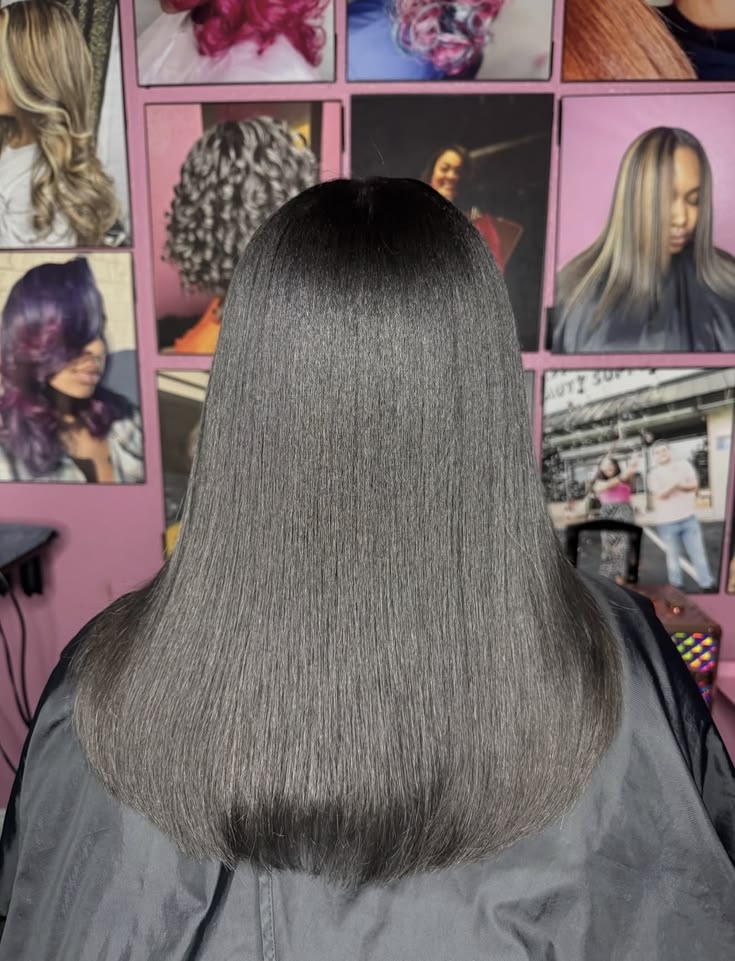
Managing Sweat Without Ruining Your Style
Sweat behaves a lot like water once it touches your hair strands. A light workout with minimal sweating usually won’t cause much visible damage.
Heavier sessions call for a sweatband or a protective wrap around your hairline.
Pat your scalp dry with a clean towel right after any intense activity. Letting sweat sit and dry naturally can lead to frizz and odor buildup.
A quick touch up afterward can restore your style without a full redo.
If you exercise often, consider planning your silk press appointments around lighter training weeks.
Timing your style around your schedule saves both time and money over the long run. It also means less overall heat exposure from constant repair touch ups.
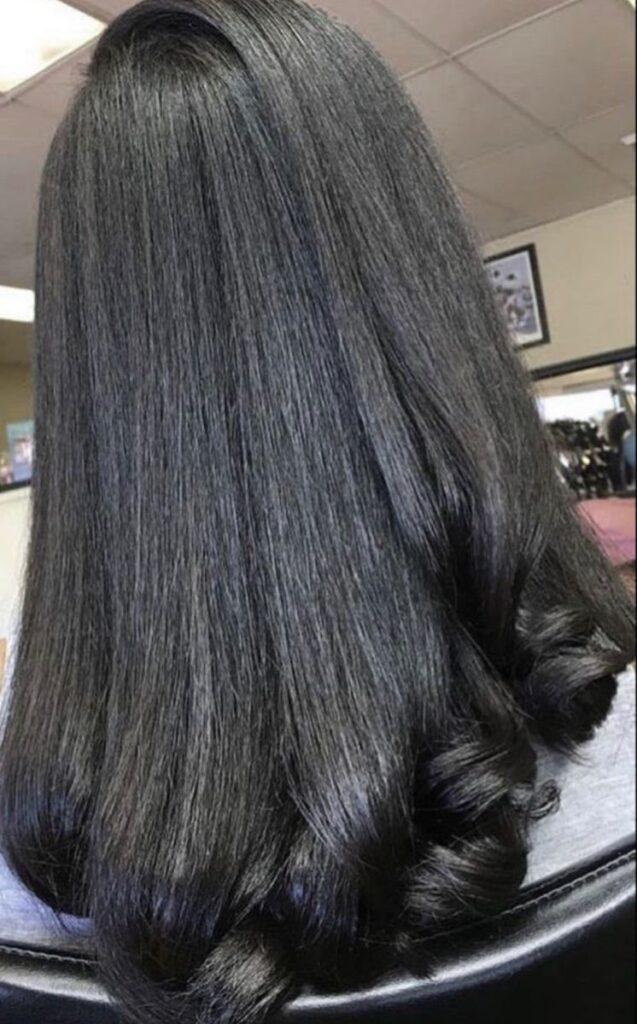
Touch-Up Techniques That Actually Work
Light touch ups can add days, sometimes even a full week, to your silk press.
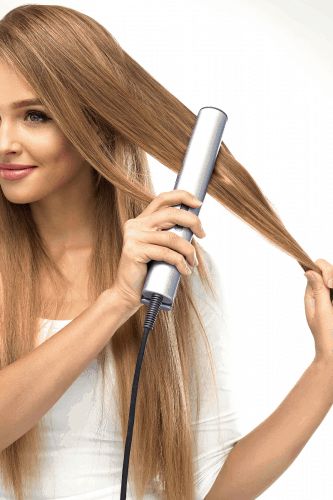
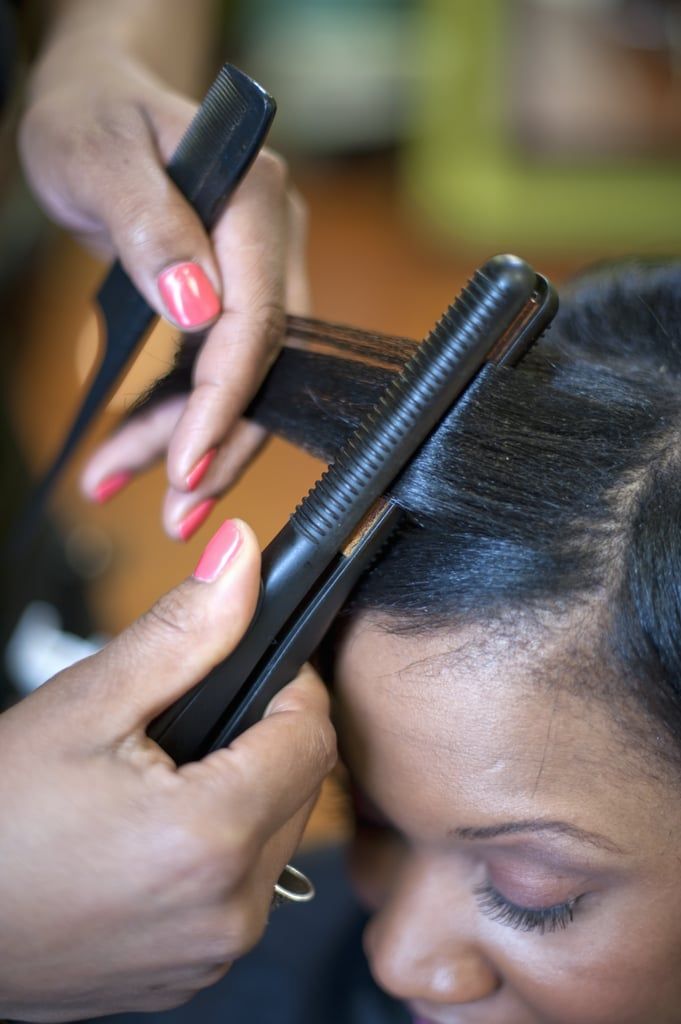
Focus on small sections instead of running the flat iron over your whole head. This keeps heat exposure low while still refreshing your overall look.
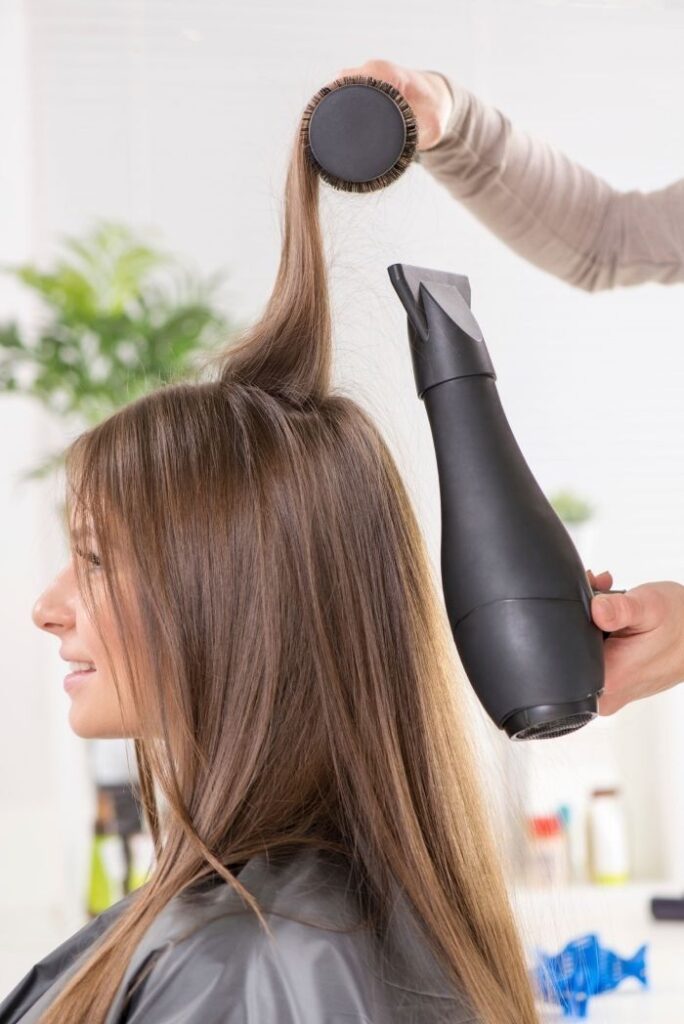
A round brush and low heat blow dryer work well for quick root touch ups. Avoid touching up daily, since that adds up to serious heat damage fast.
Save touch ups for when your style truly needs the extra help.
Always reapply a light layer of protectant before any touch up session. Skipping this step is one of the classic heat protectant mistakes people make without realizing it.
A quick spray takes seconds but protects your strands from repeated heat exposure.
Keep your flat iron on the lowest setting that still gets the job done. Higher heat doesn’t always mean better results, especially for a quick refresh.
Going gentle here protects the length you already worked hard to grow out.
When and How to Use Dry Shampoo
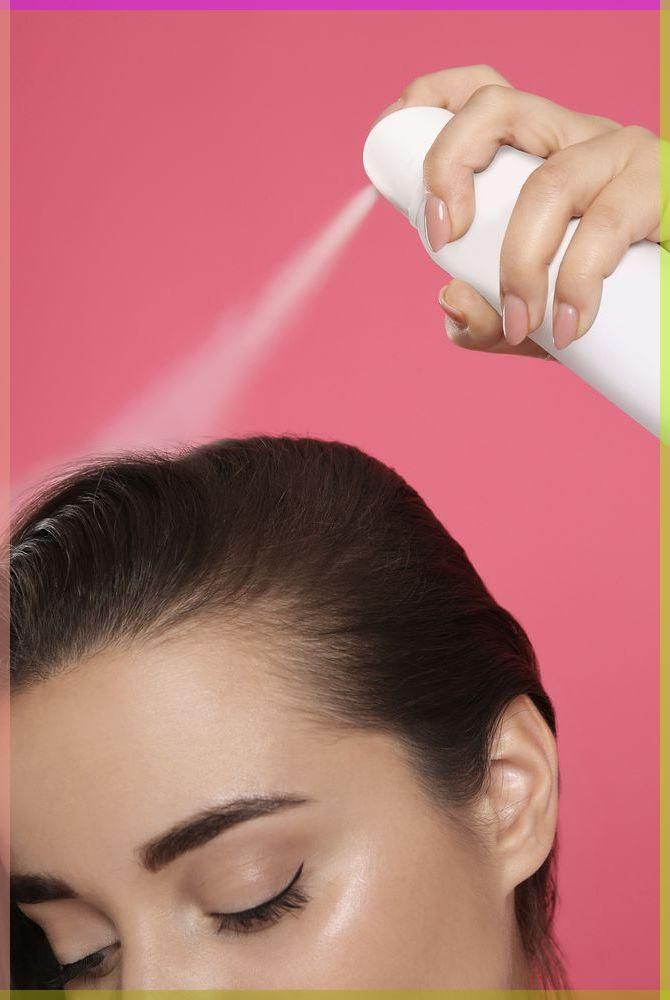
Dry shampoo is a lifesaver for oily roots between silk press sessions. Spray it at the roots, wait a minute, then work it in with your fingers.
This absorbs excess oil without weighing your hair down or leaving it greasy.
Don’t overuse it, since buildup can leave your scalp feeling itchy over time. Once or twice a week is usually more than enough for most people.
Brush it through gently so it blends instead of sitting visibly on your scalp.
Choose a formula made for your hair color, since some leave a visible cast. A tinted dry shampoo blends more naturally into darker roots than a plain white one.
Testing a small amount first can save you from an awkward surprise later.
Brushing and Styling Without Adding Frizz
The way you brush your hair can either help or hurt your silk press. A soft bristle brush smooths the surface without disturbing the layers underneath.
Brushing too aggressively can rough up the hair cuticle and create frizz fast.
Always brush in the same direction your hair was originally styled. Going against the grain creates unnecessary friction and undoes your stylist’s careful work.
Gentle, consistent strokes keep your silk press looking smooth for much longer.
Technique matters here just as much as it does with curly styles. It’s a bit like why your twist-out never looks like everyone else’s, since small habits change the whole result.
Paying attention to the small details is what separates a good result from a great one.
Avoiding Product Buildup Between Washes
Using too much product between washes can leave your hair looking greasy and flat.
A little goes a long way, especially with serums, oils, or edge control. Start with a small amount and add more only if you really need it.
Buildup doesn’t just affect your look, it can also weigh down your style. If your hair starts feeling heavy or looking dull, that’s usually a sign of buildup. A light clarifying rinse can help if things get out of hand.
Pay attention to your scalp too, not just the visible strands. An itchy or flaky scalp often means product is sitting there longer than it should.
Simplifying your routine is usually more effective than adding another product to fix it.
Protecting Your Silk Press in the Rain
Rain is one of the fastest ways to lose a silk press overnight. Even a light drizzle can cause noticeable frizz around your hairline and nape. Always carry a small umbrella or scarf if rain looks even slightly likely.
If your hair does get wet, don’t panic or immediately reach for the flat iron. Blot gently with a towel and let it air dry if possible first.
Reapplying heat to already wet hair can cause more damage than the rain itself.
If reversion does happen, treat it as a natural reset rather than a failure. Sometimes the smartest move is simply pinning your hair up until you can restyle.
A bad weather day doesn’t mean your whole silk press is ruined for good.
Workout Days: What to Do Differently
Workout days call for a slightly different approach than your usual routine. Tie your hair up loosely instead of leaving it down and exposed to friction.
A silk headband can protect your edges while still keeping hair out of your face.
This is similar to thinking through how to blow dry afro hair without damage. Both approaches call for gentle and genuinely patient handling overall.
Rushing through either one tends to cause more harm than good. Avoid tight ponytails that pull at your hairline during intense movement.
Cool down properly so sweat doesn’t sit against your scalp for too long.
Some people also switch to a workout wig on heavy gym days. It keeps their natural hair fully protected while they focus on training.
This connects to how long you should wear a wig continuously, since rotating styles like this can work well together.

Nighttime Routine Checklist
A consistent nighttime routine is what separates a silk press that lasts from one that doesn’t.
Start by gently brushing your hair to remove any tangles from the day. Apply a light serum if your ends feel dry or rough to the touch.
Wrap your hair carefully, checking that no sections are left loose or exposed. Secure your scarf or bonnet, then check your reflection before heading to bed.
This small routine takes less than five minutes but makes a noticeable difference.
Try keeping your scarf and brush on your nightstand so you never skip the step. Out of sight often means out of mind, especially after a long, tiring day.
Making the routine convenient is half the battle when it comes to staying consistent.

Common Mistakes That Shorten a Silk Press’s Life
Sleeping without any protection is probably the most common mistake people make. Over washing your hair too soon is another habit that shortens your style’s life.
Some people also reach for the flat iron far too often between salon visits.
Watch out for the hidden mistake that’s breaking your hair every single week without you even noticing.
Small daily habits, repeated often enough, cause more damage than one big mistake ever could. Awareness is really the first step toward breaking these patterns for good.
Another overlooked mistake is ignoring how your hair feels, not just how it looks. A style can look perfect while quietly getting drier and weaker underneath.
Checking in with your hair regularly helps you catch problems before they become serious.

How Often You Should Touch Up With Heat
Touch ups should stay occasional, not a daily part of your routine. Two or three light touch ups over several weeks is a reasonable amount.
If you’re reaching for the flat iron every single day, that’s a warning sign.
Frequent heat use adds up quickly, even if each session feels small on its own. Give your hair breaks between touch ups so it has time to recover.
Your hair’s condition should guide your decisions more than a fixed schedule ever should.
Listening to your hair beats following a rigid, one size fits all rule. Trust what you see and feel over any generic online advice.
Keep a mental note of how often you’re actually using heat each week. Most people underestimate their real usage until they start paying closer attention.
A small journal or reminder on your phone can help you stay honest about it.
Signs It’s Time to Wash and Start Over
There’s a point where touch ups stop helping and a full wash becomes necessary. If your roots are constantly reverting, that’s usually a sign you’ve reached that point.
Heavy product buildup or a dull, flat look are other common signs to watch for.
Sometimes the deeper issue is dryness, not just poor timing on your wash day. That question ties back to why your hair still feels dry after moisturizing no matter what you try.
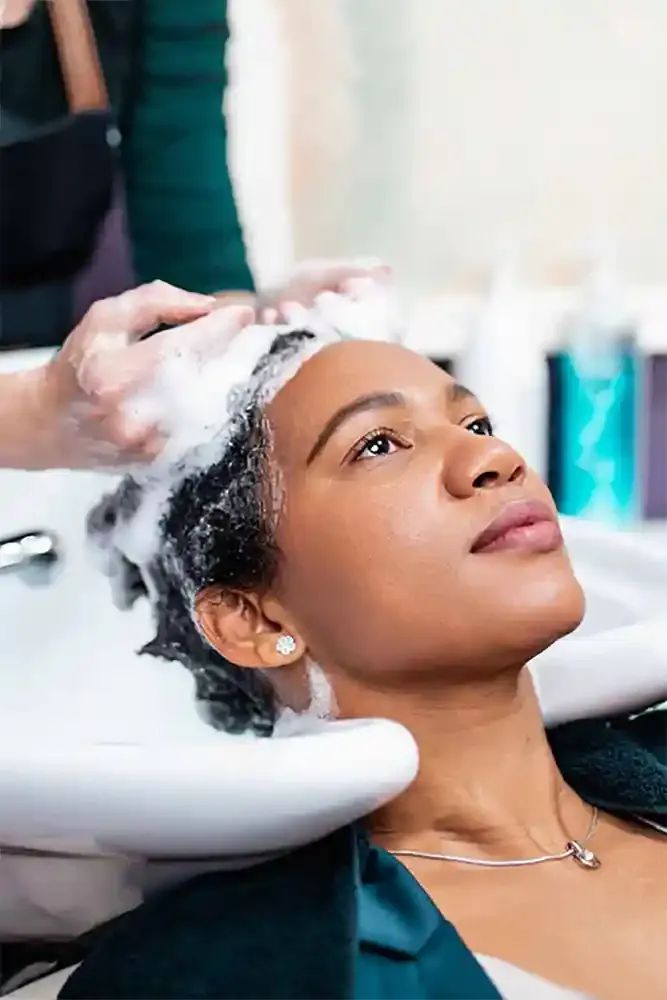
Starting fresh with a proper wash and deep condition resets everything for your next style. Don’t be afraid to wash out earlier than planned if your hair needs it.
If shedding feels heavier than usual, it might point to something bigger. That question ties into why your afro hair isn’t growing the way you expect.
Heat styling alone isn’t always the cause, so look at your whole routine honestly. Diet, stress, and sleep all play a role in how your hair behaves over time.
Combining a Silk Press With Protective Styles
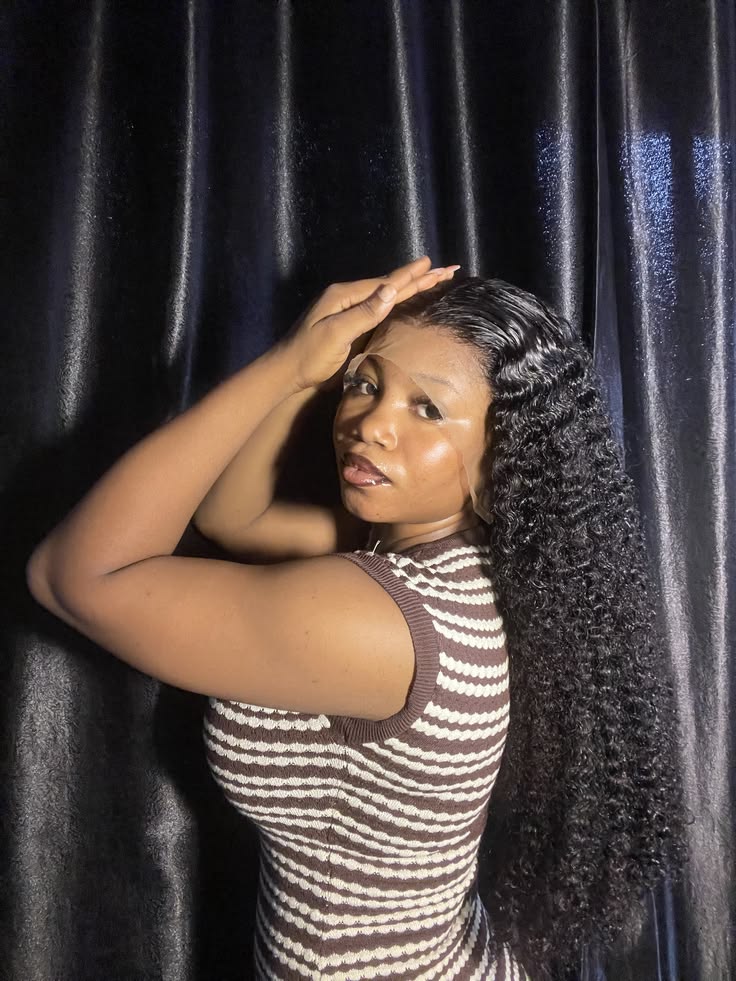
Some people extend the life of a silk press by pairing it with protective styles. Wearing a wig over your silk press can keep it hidden and protected.
This connects to the beginner’s guide to wigs for natural hair, which many people explore for exactly this reason.
Just make sure your scalp still gets proper airflow and care underneath. Learning how to care for afro hair under a wig becomes especially useful if you’re layering styles like this.
Rotating between approaches can give your hair variety without constant heat exposure.
Before you install anything over your silk press, prep still matters just as much. Following how to prep your hair before installing a wig protects the style you already worked hard for.
Skipping that prep is one of the biggest wig mistakes that damage your hair over time.
Give your scalp regular breaks between wig installs, even short ones help. Constant tension from wig bands can slowly wear down your hairline if you’re not careful.
Alternating your approach keeps both your silk press and your natural hair in better shape.
Storing Your Tools and Products Properly
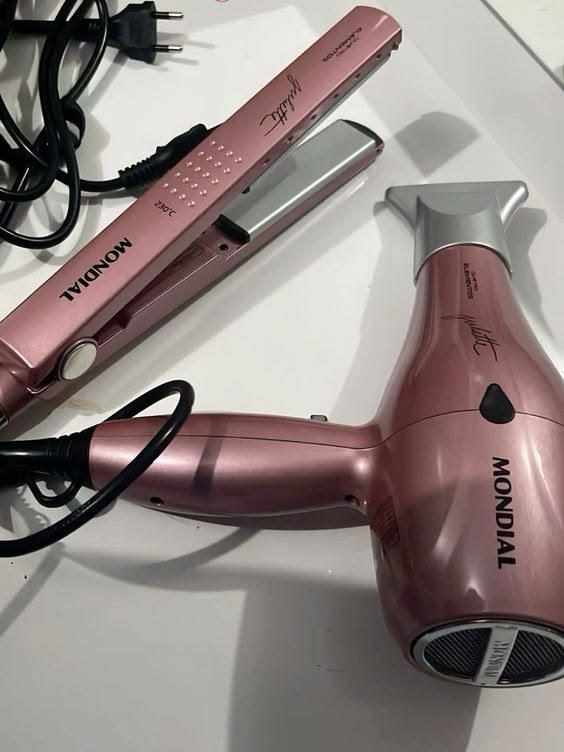
Your flat iron and blow dryer deserve proper care too, not just your hair. Store them somewhere dry, away from moisture that can damage their internal components.
Clean the plates regularly so buildup doesn’t transfer onto your hair during future sessions.
Keep your products tightly sealed to prevent them from drying out or losing effectiveness.
A little organization goes a long way toward making your routine faster and easier. Good tools, properly cared for, last longer and perform better every single time.
Check cords and heat settings every so often, especially with older tools. A worn out cord or inconsistent heat setting can actually damage your hair unexpectedly.
Replacing a tool before it fails is cheaper than repairing the damage it causes.
Wipe down your flat iron plates carefully after every single use, once they’ve cooled completely.
Leftover product residue can transfer heat unevenly and scorch your hair the next time. A clean tool is a small habit that protects both your hair and your investment.
Final Tips for a Silk Press That Lasts
Keeping a silk press fresh really comes down to small, consistent daily habits. Protect your hair at night, manage sweat and humidity, and avoid unnecessary heat.
If you’re curious how this connects to other styles, look into silk press vs blowout for a broader comparison.
Every head of hair responds a little differently, so pay attention to what works for yours. Give yourself permission to adjust your routine as you learn more about your hair.
With a bit of practice, a fresh looking silk press can easily last three to four weeks.
None of this requires expensive products or a complicated routine to follow. A scarf, a little patience, and some consistency will take you most of the way there.
Start with one habit at a time instead of trying to change everything at once.
Small, steady changes add up faster than most people expect them to. Give yourself a few weeks to notice the real difference in how your style holds up.
Your future self, waking up to a still fresh silk press, will thank you for it.

3 Comments