
Everything You Need to Know About Protective Styling
Disclosure: Some of the links in this post are affiliate links. This means if you click on the link and purchase an item, I will receive an affiliate commission at no extra cost to you.
All hairstyles are beautiful and amazing when made carefully. But then again, you have to know the kind of hair you have, how strong or weak it is before choosing a hairstyle so as to know which hairstyle will fit your hair type and protect your hair and edges.
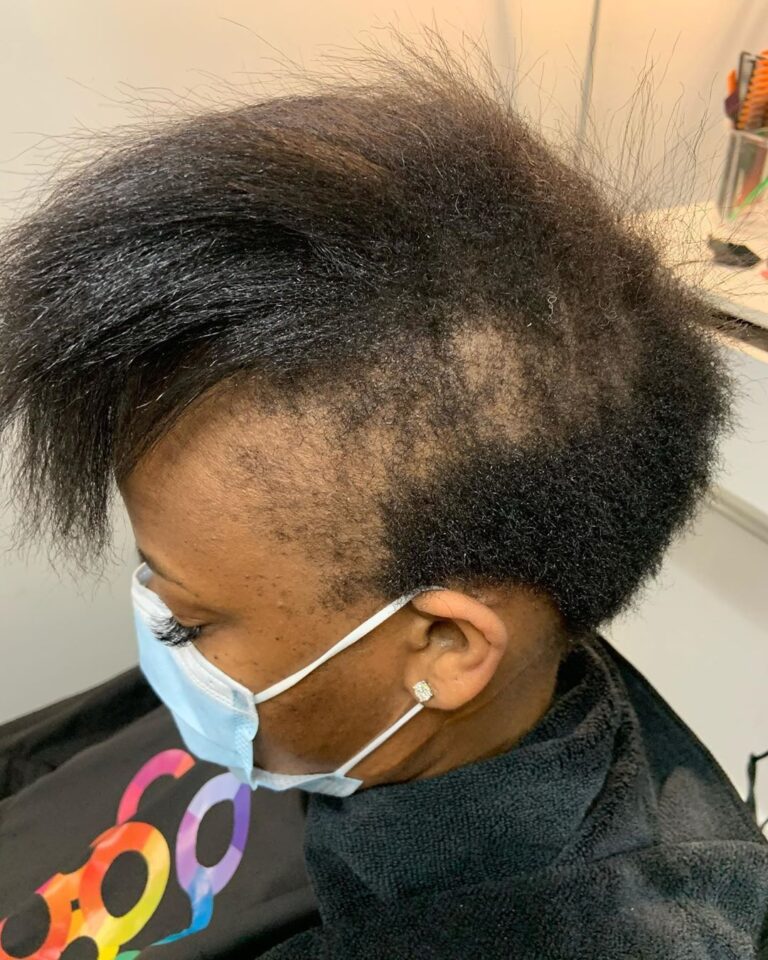
A lot of people have damaged their edges and lost hair simply because they chose a style that was too heavy or too tight for their hair.
They saw it on someone else, loved it, and went ahead without thinking about whether their own hair could handle it.
That’s why protective styling is a conversation that goes beyond just picking a pretty style.
It’s about understanding what your hair needs, what it can handle, and how to keep it healthy while still looking good.
Protective styling done right is one of the most powerful tools in your natural hair journey.
It reduces the amount of daily manipulation your hair goes through, protects your ends from constant friction and breakage, and gives your hair the rest it needs to grow and retain length over time.
But protective styling done wrong, with styles that are too tight, left in too long, or installed on hair that isn’t properly moisturized, can cause more damage than no protective style at all.
This guide covers everything you need to know about protective styling so you can make choices that actually protect your hair rather than quietly damaging it.
If you haven’t read The Ultimate Beginner’s Guide to Afro Hair Care yet, go there first. It sets the foundation for everything in this guide.
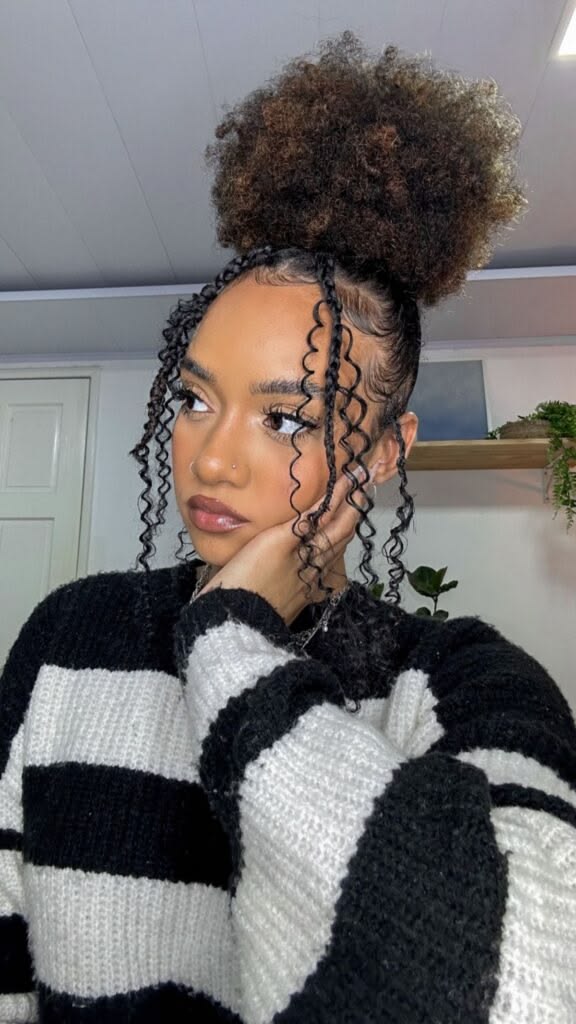
Everything You Need to Know About Protective Styling
What Protective Styling Actually Means
A protective style is any hairstyle that keeps your ends tucked away and reduces how much your hair gets touched, manipulated, or exposed to friction on a daily basis.
The ends of your hair are the oldest and most fragile part of every strand. The more they rub against your clothes, your pillow, and your hands throughout the day, the more they break.
Protective styles reduce that exposure significantly. Less daily manipulation means less breakage, and less breakage means your hair holds onto length better over time.
A style being called protective doesn’t automatically make it safe for your hair though.
The way it’s installed, how long it stays in, and how well you care for your hair underneath all determine whether the style actually protects or causes damage.
Knowing this difference is what separates people who grow their hair successfully and those who stay at the same length for years despite trying many different styles.
Read this next: How to Build the Perfect Afro Hair Care Routine
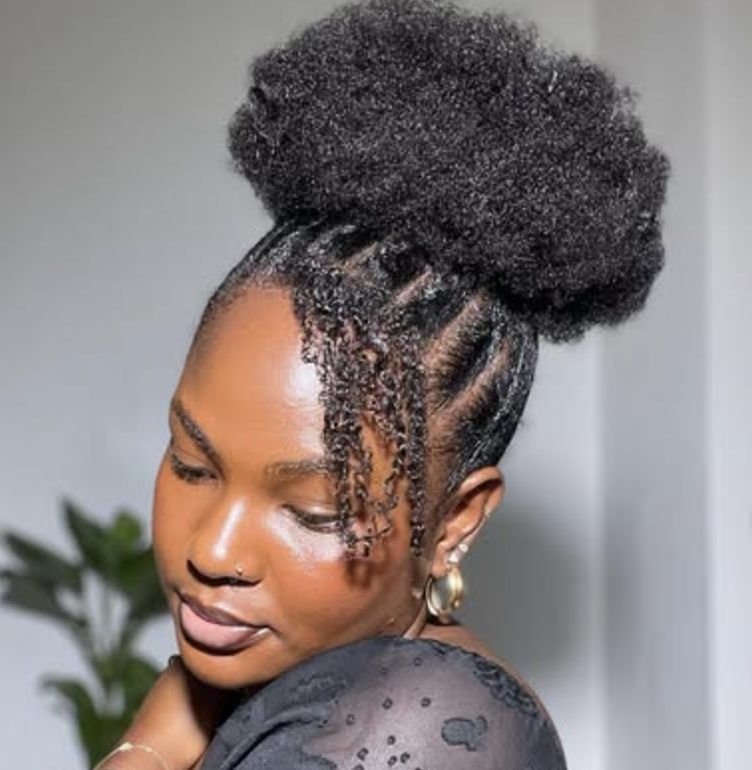
Why Protective Styling Matters for Afro Hair
Afro hair is particularly vulnerable to breakage because of its tight coil structure. The coils create natural weak points along the strand where the hair can snap under tension or pressure.
Daily styling, constant touching, and friction from clothing and pillowcases all add up to significant breakage over time. Protective styling reduces all of these things at once.
It also gives your scalp a break from the weight and tension of daily styling. This helps your hair grow in a healthier environment overall.
For people who are trying to grow their Afro hair longer, protective styling is one of the most reliable strategies available.
Combined with a solid wash day routine and daily moisture habits, it makes a very noticeable difference in how much length you retain from month to month.
Many people are surprised when they take down a protective style after six weeks and find significantly more length than they expected.
That growth was always happening, the protective style just stopped breakage from eating it up.
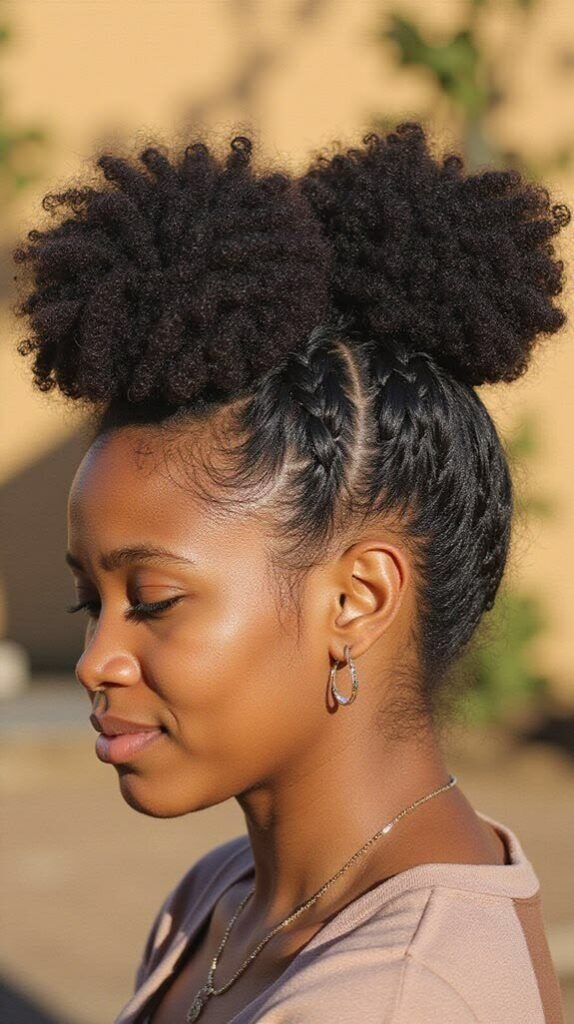
The Most Important Rules of Protective Styling
Before choosing any protective style, there are rules you need to understand and follow every single time without exception.
Breaking even one of these rules consistently can lead to damage that takes months to repair. Read through each one carefully and commit to following them before installing any style.
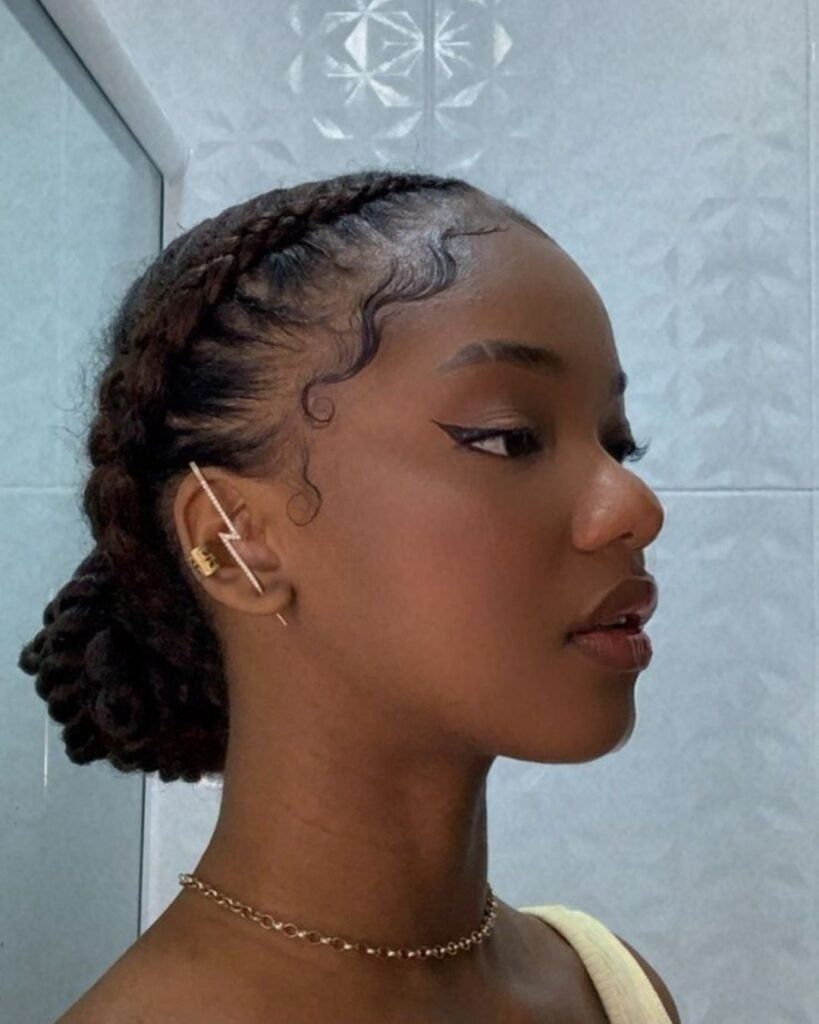
Rule 1: Never Install a Tight Style
Tension is one of the biggest causes of hair loss and edge damage in Afro hair. A style should feel snug and secure, never painful or tight.
If it hurts during or after installation, it is too tight. Ask your stylist to redo it looser before you leave the salon.
Persistent tightness along the hairline leads to traction alopecia over time, which is permanent hair loss caused by repeated tension on the follicles.
This type of damage is very difficult to reverse once it sets in.
Always communicate clearly with your braider or stylist about how the tension feels. A good stylist will always accommodate you without making you feel bad for asking.
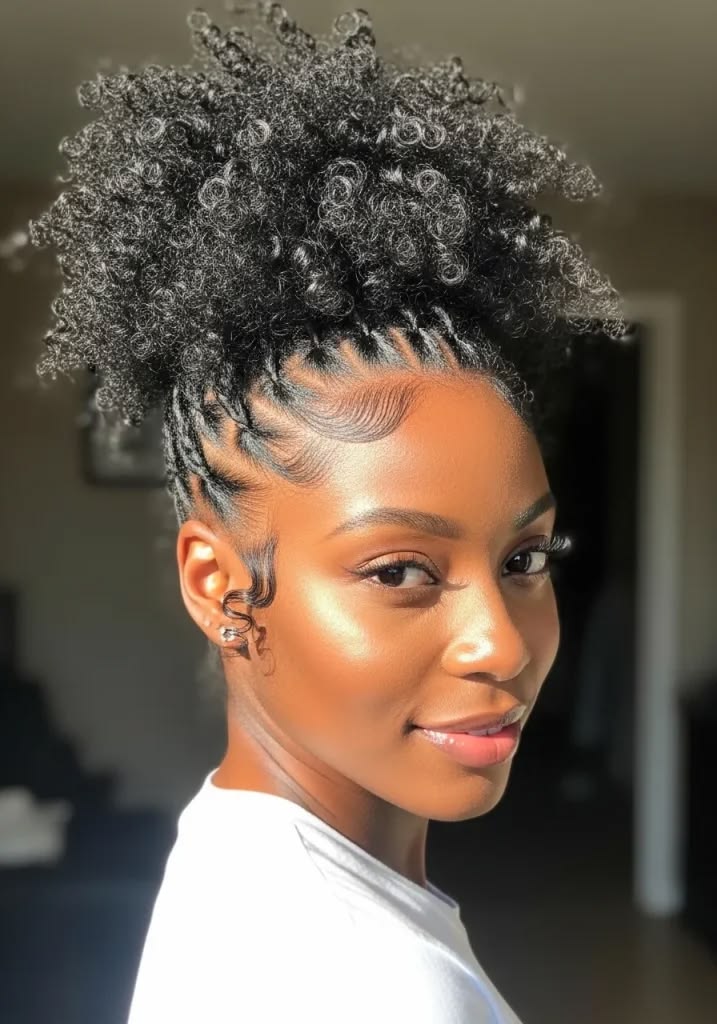
Rule 2: Always Start With Clean, Moisturized Hair
Installing a protective style on dirty or dry hair traps the dryness and buildup underneath for weeks. Your hair sits in that condition the entire time the style is in.
Clean and deeply condition your hair on wash day before installing any protective style. This gives your hair the best possible starting point before it goes under a style for several weeks.
Deep conditioning before installation also helps your hair stay moisturized longer while the style is in, since well conditioned hair holds onto moisture better than dry, neglected hair does.
You’ll thank yourself later: How Often Should You Wash Afro Hair?
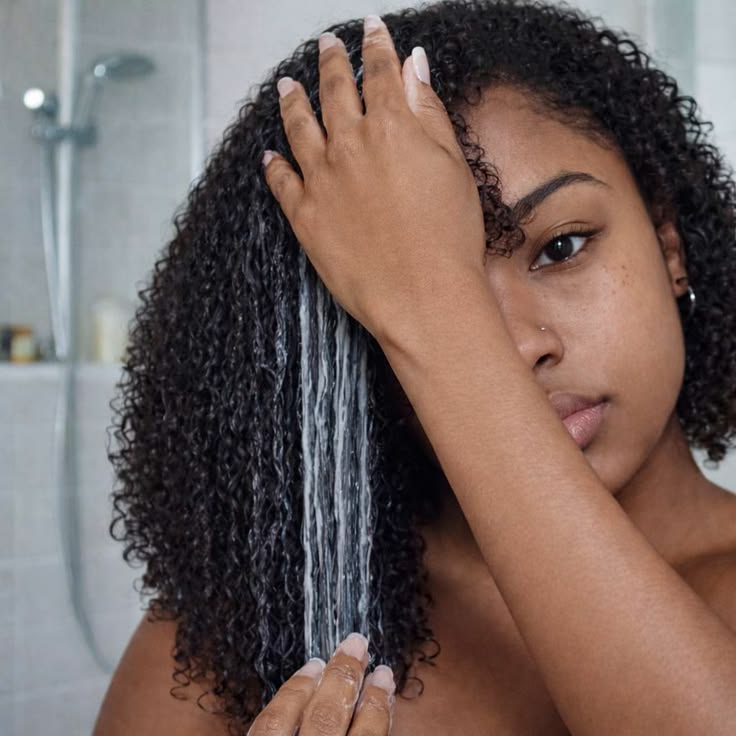
Rule 3: Don’t Leave Styles in Too Long
Every protective style has a maximum recommended wear time.
Going beyond that time leads to matting, single strand knots, and severe tangling that causes serious breakage when you try to take the style down.
The new growth that comes in while the style is in can also lock around the older strands if left too long, creating tangles that are impossible to remove without cutting the hair.
Follow the recommended wear time for every style and take your protective style down on schedule, even if it still looks good on the outside.
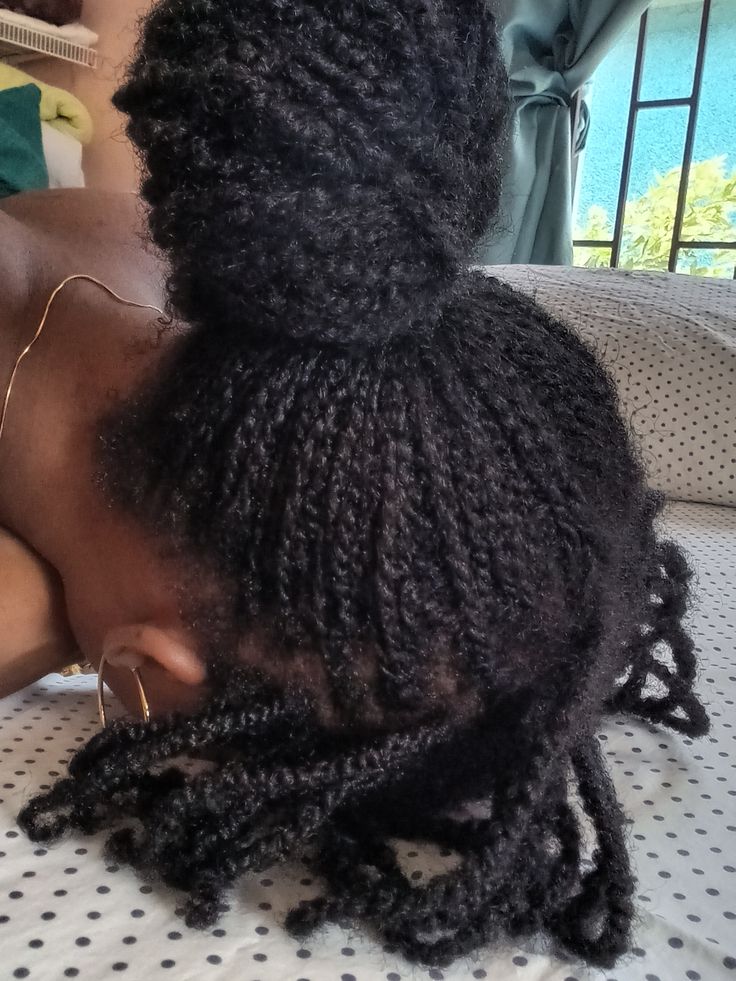
Rule 4: Keep Moisturizing Underneath
A protective style does not mean you stop caring for your hair. Your scalp and accessible hair still need moisture regularly while the style is in.
Use a spray bottle with water and a little leave in conditioner to mist your scalp and hair every two to three days. Follow with a light oil applied directly to the scalp with an applicator bottle.
A dry scalp under a protective style is uncomfortable, causes itching, and can slow down the growth you’re trying to protect. Don’t let the style be an excuse to ignore your hair completely.
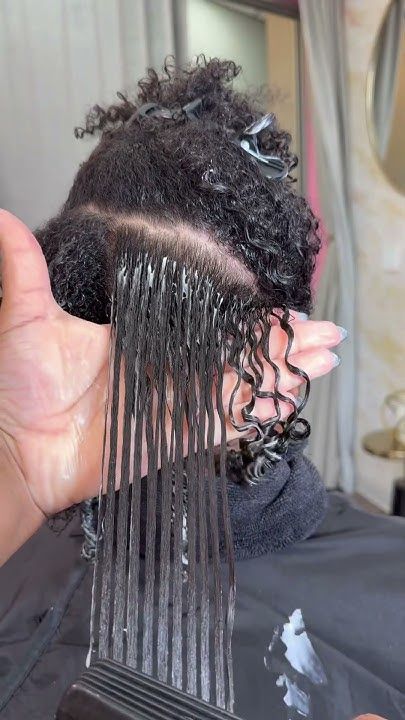
Rule 5: Take It Down Gently
How you remove a protective style matters just as much as how you install it. Rushing the takedown causes unnecessary breakage that undoes all the protection the style provided.
Apply a generous amount of detangling conditioner or oil before you begin removing the style. This softens the hair and reduces friction and snagging during removal.
Work in small sections, be patient, and never pull or yank at tangled sections. Take down protective styles slowly on a day when you have plenty of time to do it properly.
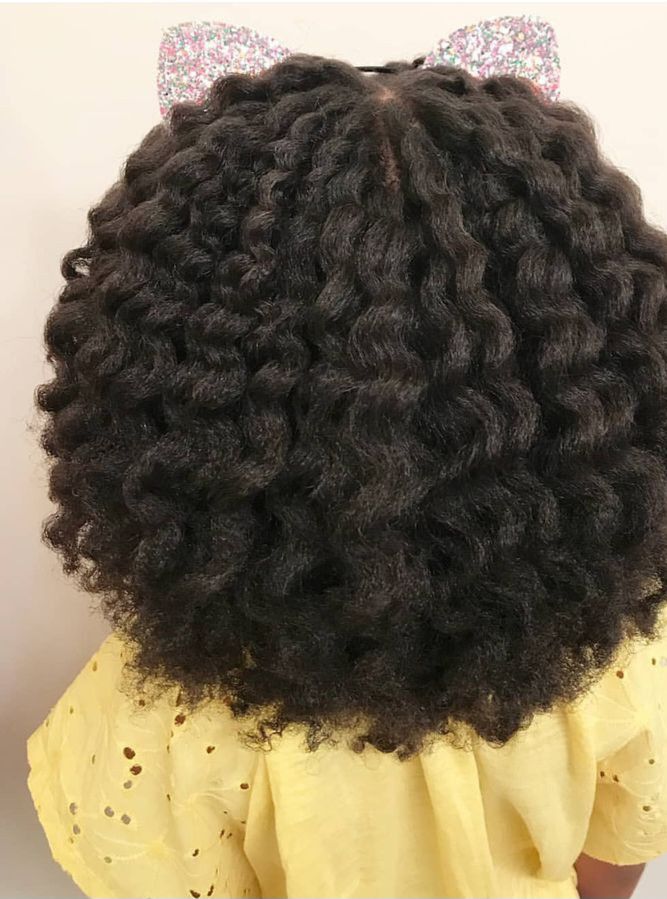
Types of Protective Styles for Afro Hair
Not all protective styles work the same way or suit every hair type. Understanding the different categories helps you make better choices for your specific hair and lifestyle.
Braided Protective Styles
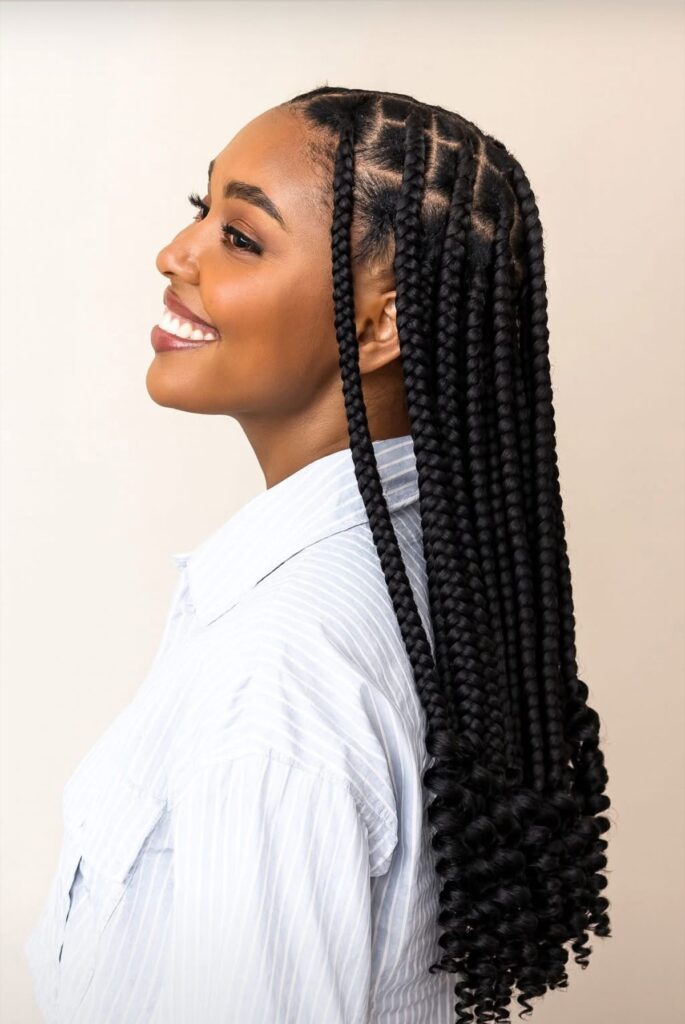
Braids are one of the most popular and effective protective style categories for Afro hair.
They tuck the ends completely away, reduce daily manipulation significantly, and can last several weeks with proper care.
The most important thing to watch with braided styles is tension. Braids installed too tightly, especially along the hairline, are one of the leading causes of traction alopecia in Afro hair.
Always communicate with your braider about keeping the tension comfortable, especially around your edges and nape. Those areas are the most vulnerable and the most visible when damaged.
Popular braided protective styles include box braids, knotless braids, cornrows, feed in braids, and Ghana braids.
Each one has a different installation method and a different tension level associated with it.
Knotless braids are currently one of the most recommended options because the feed in technique means there is no heavy knot at the root.
This significantly reduces tension on the scalp compared to traditional box braids.
For a full breakdown of knotless braids, read Knotless Braids: Complete Beginners Guide.
Feed in braids are another excellent low tension option, particularly for protecting the edges. For more on this, read Feed-In Braids That Protect Your Edges.
For a comparison of box braids and knotless braids to help you decide which is right for your hair, check out Box Braids vs Knotless Braids: Which Is Better?.
Twisted Protective Styles
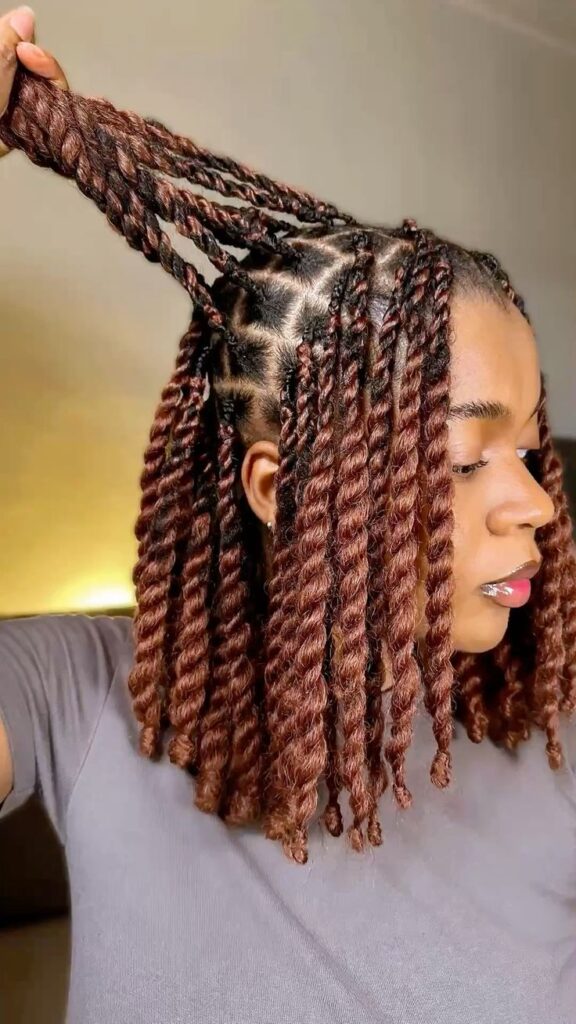
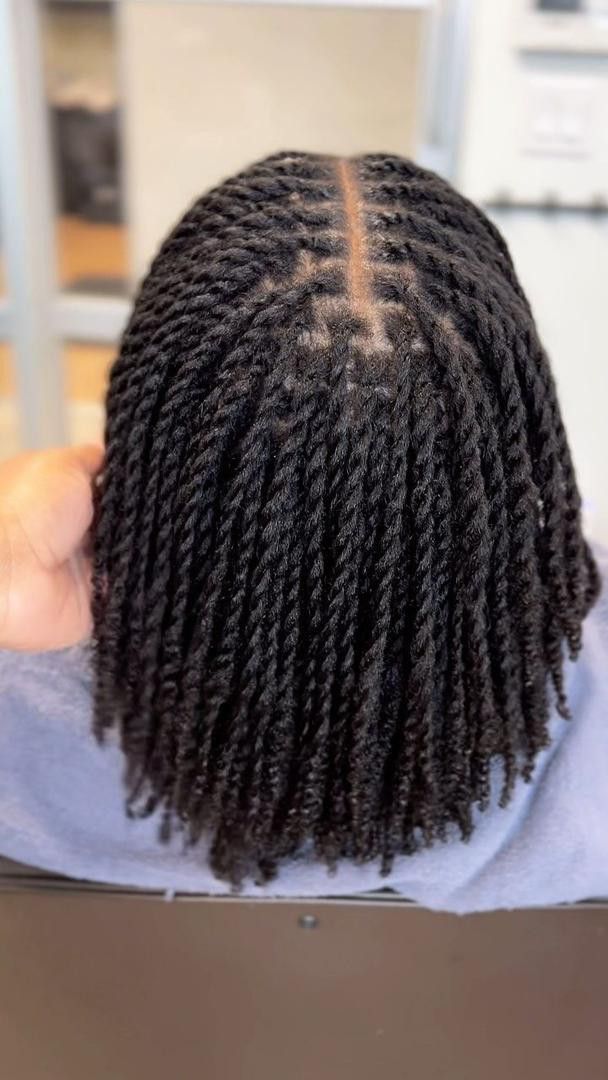
Two strand twists and flat twists are gentler protective options compared to braids because they use less tension during installation and put less stress on the scalp and hairline.
They don’t last as long as braids, typically two to three weeks compared to four to eight weeks for braids. But they are easier to install at home without professional help.
Twists also come down more easily than braids, which means the takedown process causes less manipulation and breakage to your natural hair underneath.
For beginners who are just getting into protective styling, starting with twists before moving to braids is a very smart and gentle approach that gives your hair time to adjust.
See what everyone’s talking about: 35 Easy Afro Hairstyles for Beginners
Bun and Updo Protective Styles
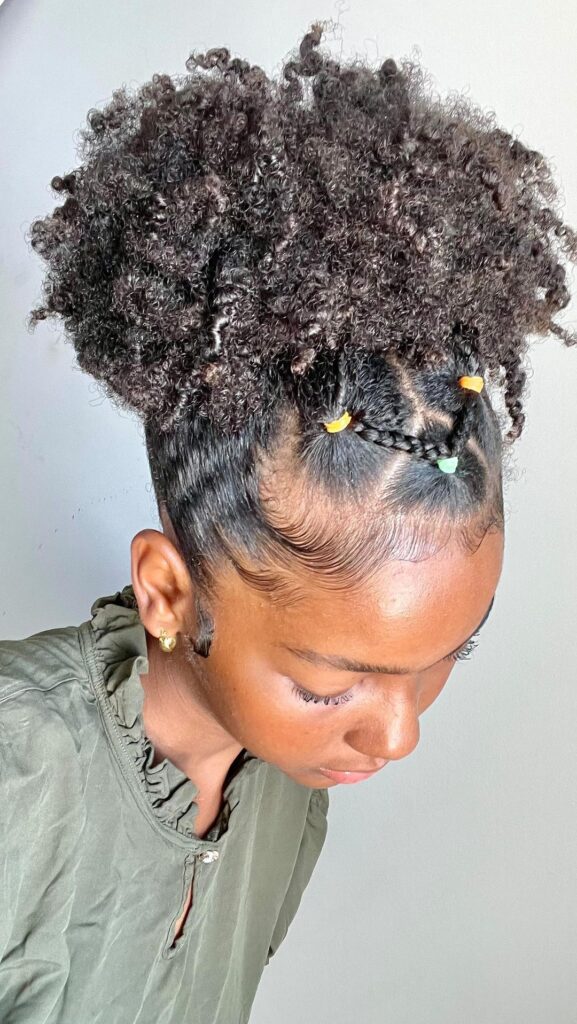
Buns and updos are the simplest form of protective styling because they don’t require any braiding or twisting technique at all.
You simply gather your hair and secure it so your ends are tucked away from friction.
They are easy to do at home, take very little time, and cause minimal tension when done correctly with a satin covered hair tie.
The limitation of buns and updos as protective styles is that they don’t last as long as braids or twists. They tend to come loose or need to be restyled more frequently throughout the week.
They are most effective as protective styles when combined with satin accessories at night, like a bonnet or scarf, to keep the ends protected during sleep as well as during the day.
Read this next: 31 Quick Natural Hairstyles for Busy Mornings
Crochet Protective Styles
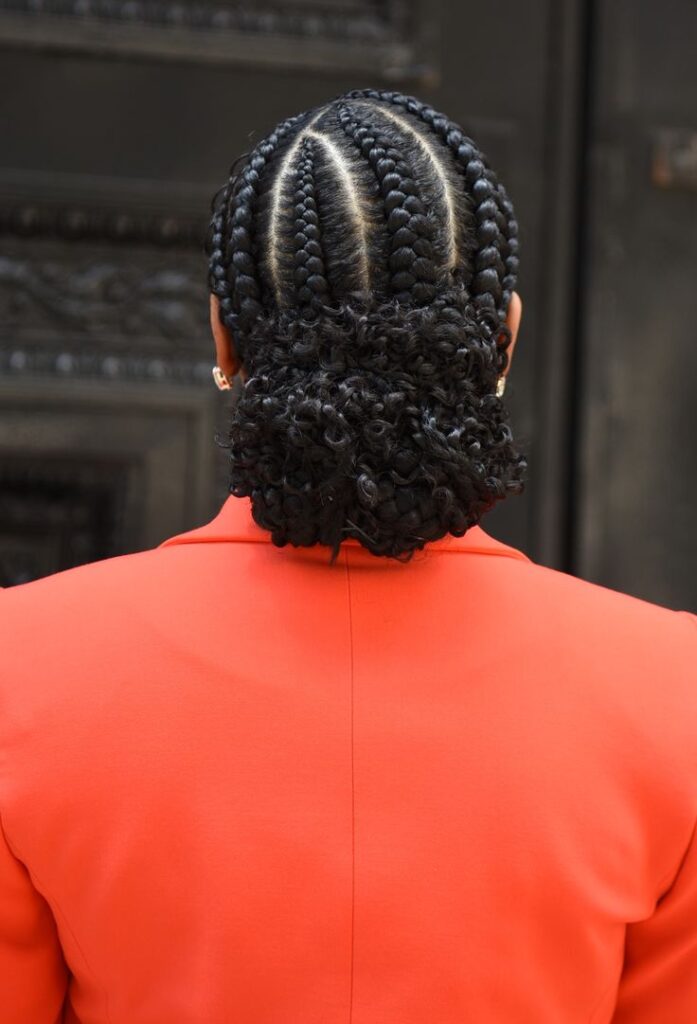
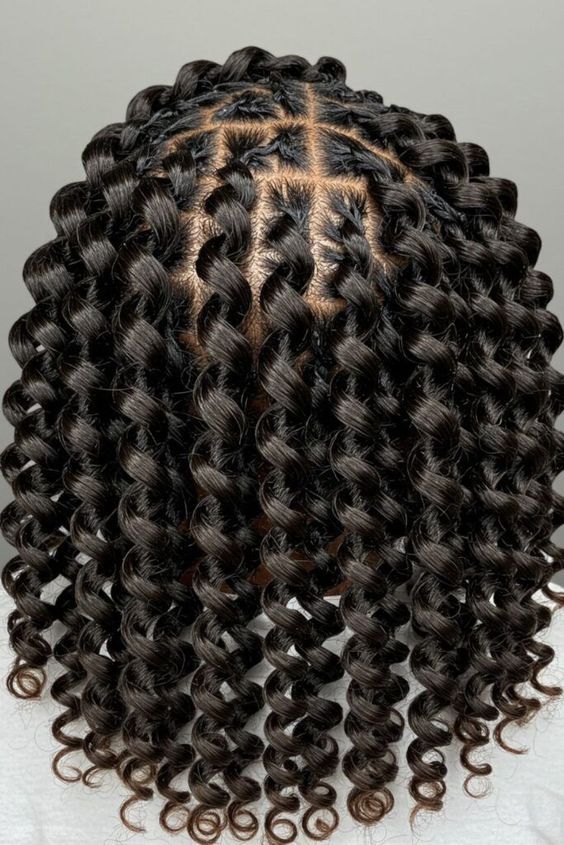
Crochet styles involve crocheting pre made extension hair onto a cornrow base, which gives a full, voluminous look without the hours of installation that individual braids require.
The cornrow base underneath should always be installed with low tension to protect the scalp.
The crochet hair itself should also not be too heavy for your natural hair to support comfortably.
Crochet styles are a great option for people who want the look of a full protective style without spending many hours in a salon chair, since the installation is typically much faster than box braids or individual twists.
Wig Protective Styles
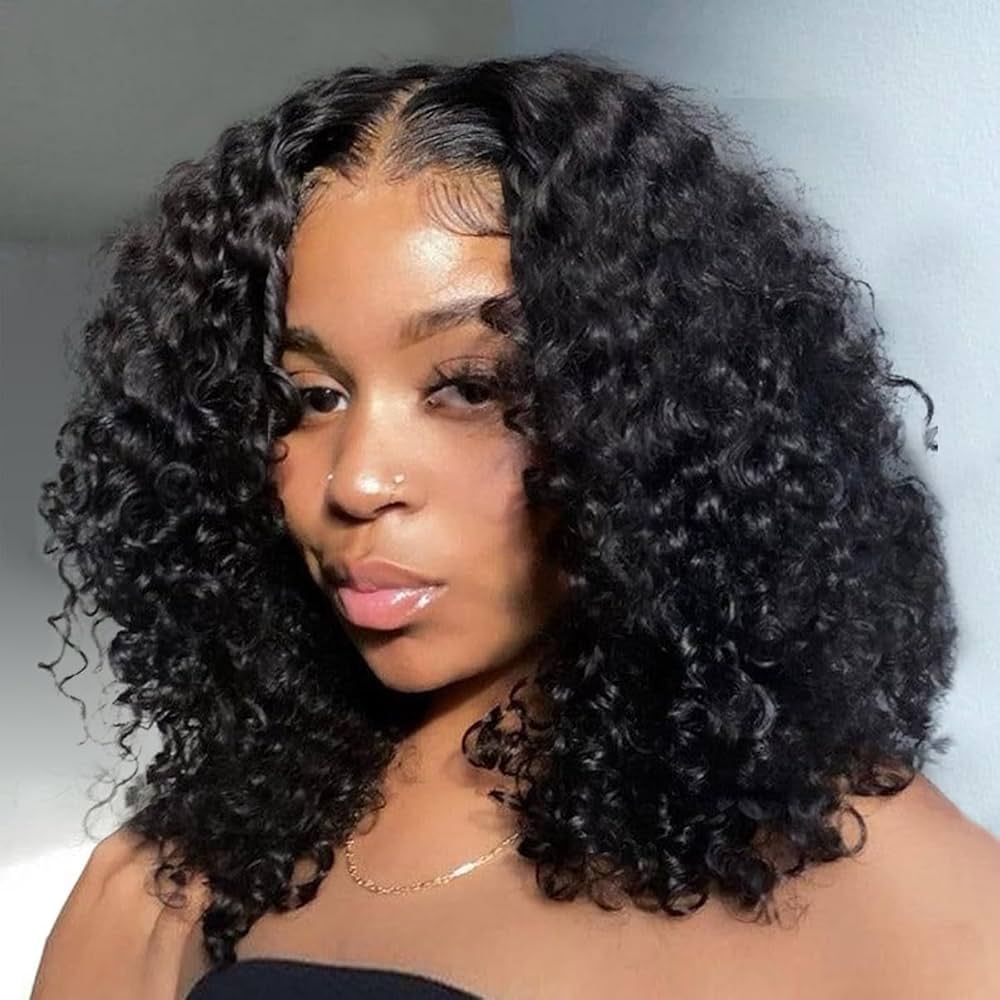
Wigs are one of the most versatile protective options because they completely cover your natural hair without putting any tension or manipulation on it at all.
The key to wigs working as a genuine protective style is the preparation underneath.
Your natural hair should be cleanly washed, well moisturized, and neatly cornrowed or flat twisted flat against your scalp before the wig goes on.
Wearing a wig on poorly prepared, dry natural hair doesn’t protect anything. It just adds another layer on top of hair that is already struggling underneath.
Change and clean your wig regularly and give your natural hair wash days even while wearing wigs to keep the scalp and hair underneath in good health throughout the wear period.
You’ll want to read this: 27 Wash and Go Hairstyles That Actually Last
How to Care for Your Hair While in a Protective Style
Installing a protective style is just the beginning. What you do during the weeks the style is in determines whether your hair comes out in better or worse condition than when it went in.
A lot of people make the mistake of thinking a protective style means their hair gets to rest completely without any attention from them. That’s not how it works.
Your hair still needs moisture, your scalp still needs cleaning, and your edges still need to be checked regularly throughout the entire time the style is in.
Moisturize Your Scalp Regularly
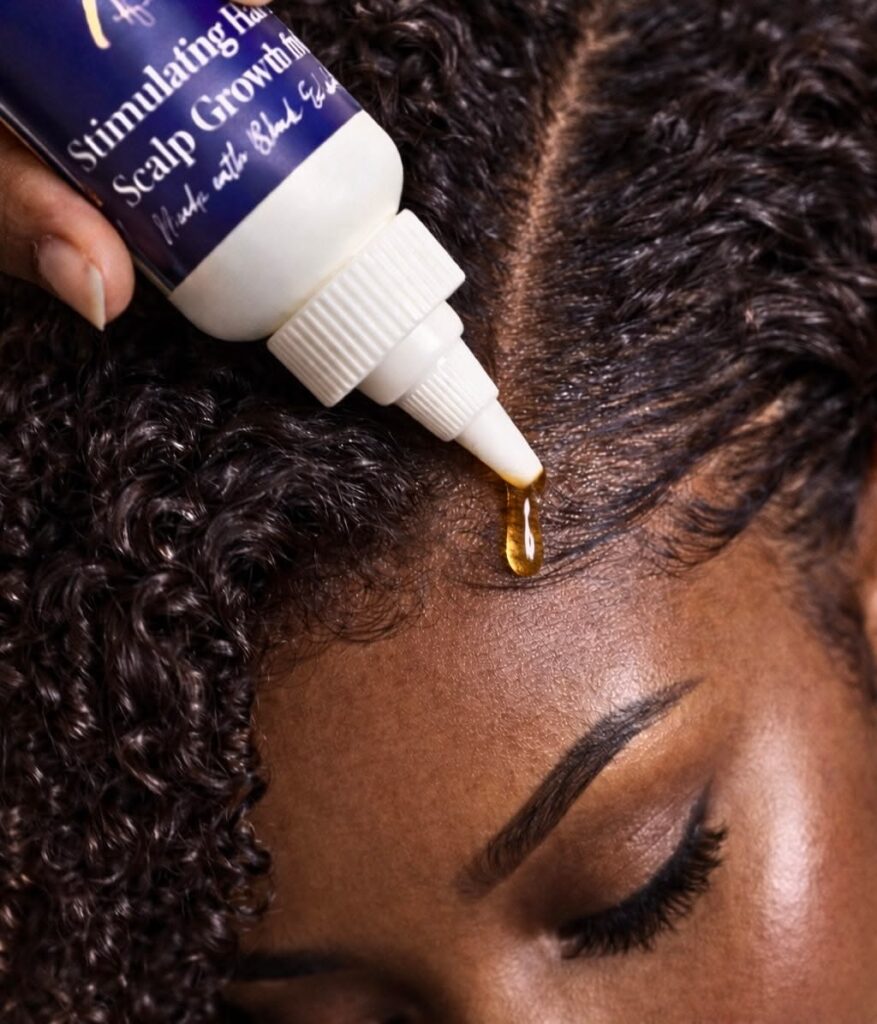
Use a spray bottle filled with water and a little leave in conditioner to mist your scalp and accessible hair every two to three days while your protective style is in.
Focus on the scalp first since that is where new growth is happening and where dryness causes the most discomfort and potential damage.
Then mist along the length of any accessible hair and follow with a light oil applied directly to the scalp with an applicator bottle to seal in the moisture and reduce any itching or dryness between wash days.
Wash Your Scalp During the Style
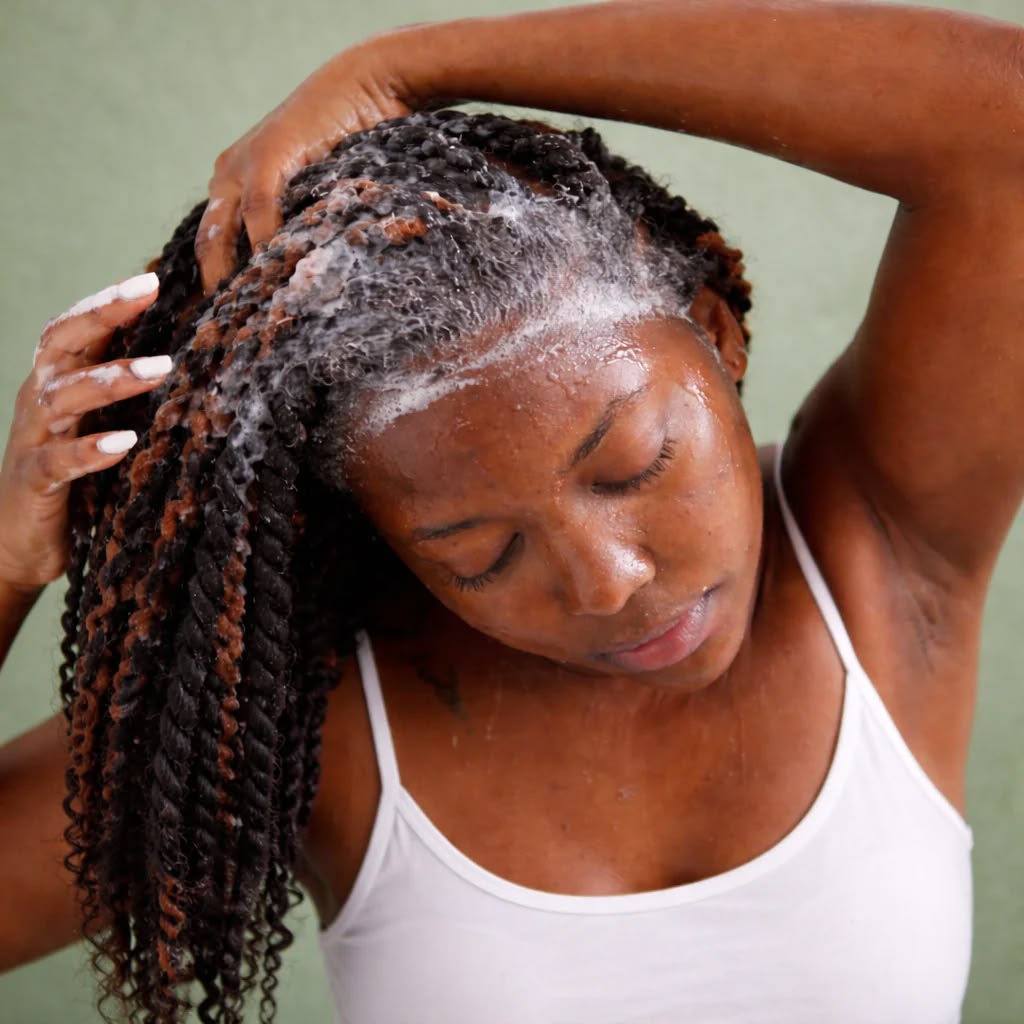
A protective style doesn’t mean your scalp stops needing to be cleaned. Product buildup, sweat, and natural oils accumulate on the scalp even while a style is in.
Use a diluted shampoo in an applicator bottle to clean your scalp directly through the parts of your style without disturbing the style itself. Rinse thoroughly and follow with a light oil.
Aim to do a scalp wash at least every two to three weeks while your style is in, even if it’s not a full wash day with all your regular steps.
Don’t lose this: The Complete Wash Day Routine for Afro Hair
Protect Your Style at Night
Sleep with a satin bonnet or on a satin pillowcase every night while your protective style is in. This protects both the style itself from frizzing and your edges from friction against rough fabric overnight.
For bun and updo styles, loosening the style slightly before bed and rewrapping with a satin scarf protects the gathered hair from compression and breakage while you sleep.
This step is one of the easiest and most affordable things you can do to extend the life of your protective style and keep your hair healthier underneath it.

Watch for Warning Signs
Pay attention to how your scalp and edges feel throughout the time the style is in. Persistent itching, soreness along the hairline, or visible thinning of the edges are all signs that something is wrong.
Catch these signs early rather than pushing through them. Removing a style a week or two early is always better than leaving it in and causing damage that takes months to recover from.
Check your edges every few days by gently feeling along your hairline to make sure the skin doesn’t feel sore or inflamed under the style.
How Long Should a Protective Style Stay In
Every protective style has a maximum wear time that should not be exceeded regardless of how good the style still looks on the outside.
Box braids and knotless braids: four to eight weeks maximum.
Cornrows and feed in braids: two to six weeks depending on the size and neatness of the install.
Two strand twists: two to four weeks.
Flat twists: one to three weeks.
Buns and updos: no fixed maximum since they are redone regularly, but the hair underneath should still be washed and moisturized on a regular schedule regardless.
Wigs: the wig itself can be worn as long as needed but the natural hair underneath should be washed and cared for every one to two weeks without exception.
Going beyond these time frames leads to new growth matting against the old hair, severe tangling, and a takedown process that causes significant breakage.
Worth a look: 25 Afro Puff Styles You Will Like
Taking Down Your Protective Style
The takedown is one of the most critical moments in your protective styling journey. Rushing this step undoes all the protection the style provided.
Start by applying a generous amount of detangling conditioner or oil to the style before beginning to take it down. This softens the hair and reduces the friction and snagging that causes breakage during removal.
Work in small sections and be patient. Don’t pull or yank at tangled sections, work through them slowly with your fingers before using a wide tooth comb.
Set aside enough time to take the style down properly. If your schedule doesn’t allow enough time, split the takedown over two sessions rather than rushing through it in one go.
Once the style is fully down, do a full wash day before restyling. Deep condition thoroughly to restore moisture and strength to the hair that was under the style.
Take before and after photos so you can track whether the style helped you retain length. Over time these photos will show you clearly which protective styles work best for your specific hair.
Readers also loved this: Daily Habits That Keep Afro Hair Healthy
Giving Your Hair Rest Between Protective Styles
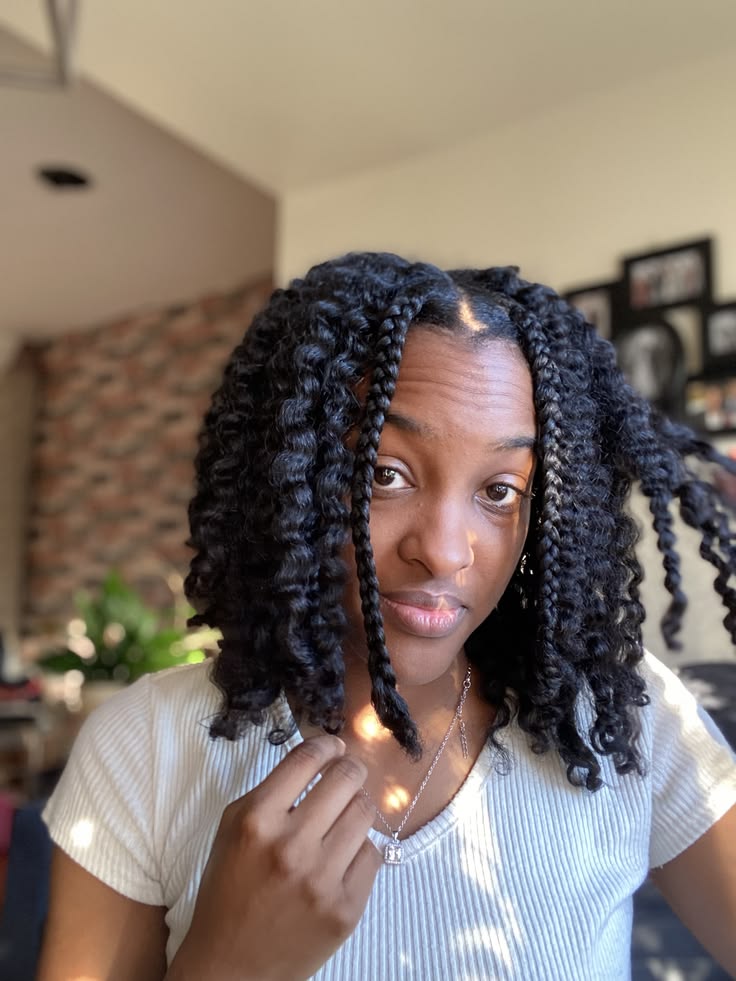
One of the most overlooked parts of protective styling is the rest period between styles.
Many people take one style down and immediately install the next one without giving their hair any time to breathe.
Your scalp and edges need recovery time between installs.
At least one to two weeks of wearing your hair loose between protective styles allows your follicles and hairline to recover before going back under tension again.
Use this rest period to do a full wash day, deep condition thoroughly, and assess the condition of your hair honestly. Look at your edges, feel the strength of your strands, and check your ends for damage.
If your edges are thin or your hair feels weak, give it more rest time and focus on strengthening treatments before going back into a protective style.
This rest period is not wasted time. It’s a necessary investment that keeps your hair healthy enough to benefit from protective styling in the long run.
Protective Styling for Hair Growth
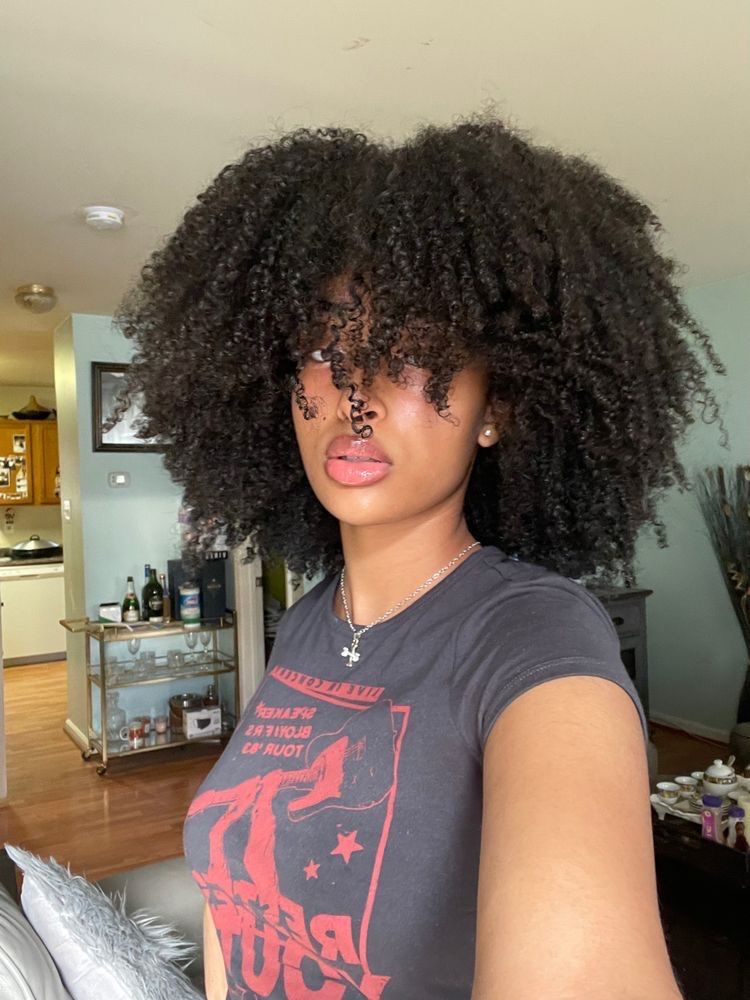
Protective styling and hair growth go hand in hand when done correctly.
The combination of reduced breakage and consistent scalp care creates the ideal environment for retaining the length your hair is already growing.
Afro hair grows at roughly the same rate as other hair types, about half an inch per month on average.
The reason it often doesn’t appear to grow is that breakage is happening at the same rate as growth, keeping the length the same.
Protective styling stops that breakage cycle. When your ends are tucked away and your hair is handled gently, more of the growth your hair is already producing stays on your head instead of breaking off.
Over six months of consistent protective styling combined with proper care, the length difference is very visible and motivating.
Many people see several inches of retained length in that time that they never would have kept before.
See why this is so popular: 75 Beautiful Afro Hairstyles You’ll Want to Save
Common Protective Styling Mistakes to Avoid
Knowing what not to do is just as important as knowing what to do. These are the most common mistakes people make with protective styling and how to avoid them.
Installing styles that are too tight is the most damaging mistake and the most common one. Always prioritize comfort over how neat or tight the style looks.
Leaving styles in too long is the second most common mistake. The outside of the style can look fine while the hair underneath is severely matted and tangled.
Neglecting moisture while the style is in is another very common error. Dry hair under a protective style breaks just as easily as dry hair without one.
Skipping the rest period between styles is something many people do because they want to keep their hair protected constantly. But your scalp needs breaks just like the rest of your body does.
Rushing the takedown is the final common mistake. Be patient when removing any protective style and give yourself enough time to do it gently and properly.
A Few Final Things Worth Knowing
Protective styling is a tool, not a magic solution. It works best when it is part of a complete hair care routine that includes regular washing, deep conditioning, and daily moisturizing.
A well installed protective style on healthy, moisturized hair will always give better results than the same style installed on dry, neglected hair.
Be honest with yourself about the condition of your hair before choosing a protective style.
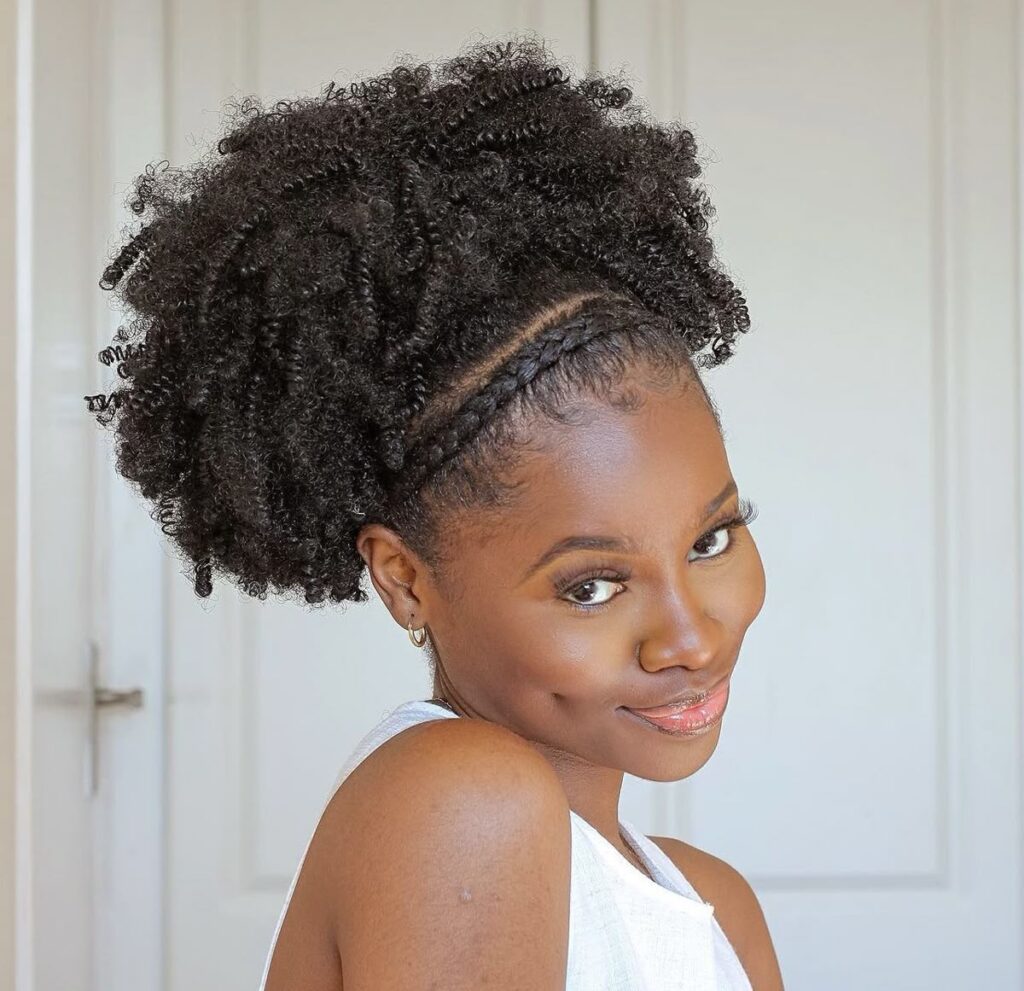
If your hair is already damaged or your edges are already thin, start with the gentlest options like buns and twists rather than jumping straight into long term braided styles.
Your hair will tell you what it needs if you pay close enough attention. Listen to it and adjust your protective styling choices accordingly.
For inspiration on which protective styles to try first, read 27 Best Protective Styles for Afro Hair.