
Low Porosity Hair Routine
Disclosure: Some of the links in this post are affiliate links. This means if you click on the link and purchase an item, I will receive an affiliate commission at no extra cost to you.
Low porosity hair often gets a bad reputation for being stubborn and hard to moisturize. A client once told me she felt like she was fighting her hair every single wash day.
She used the same rich products her sister used, yet her hair stayed dry and dull. Her sister had high porosity hair, while she had low porosity hair, though neither of them knew this.
Once we identified her porosity properly, everything about her routine finally started to make sense. Low porosity hair is not actually difficult, it simply needs a different, more intentional approach.
Many naturalistas give up too early, assuming their hair is simply impossible to please. Others spend money on countless products, not realizing the real issue was technique, not product quality.
This post walks you through a complete routine built specifically for low porosity hair. If you have not read What Is Hair Porosity and Why Does It Matter?, that post explains the basics behind everything covered here.
Low Porosity Hair Routine
Understanding Low Porosity Hair First
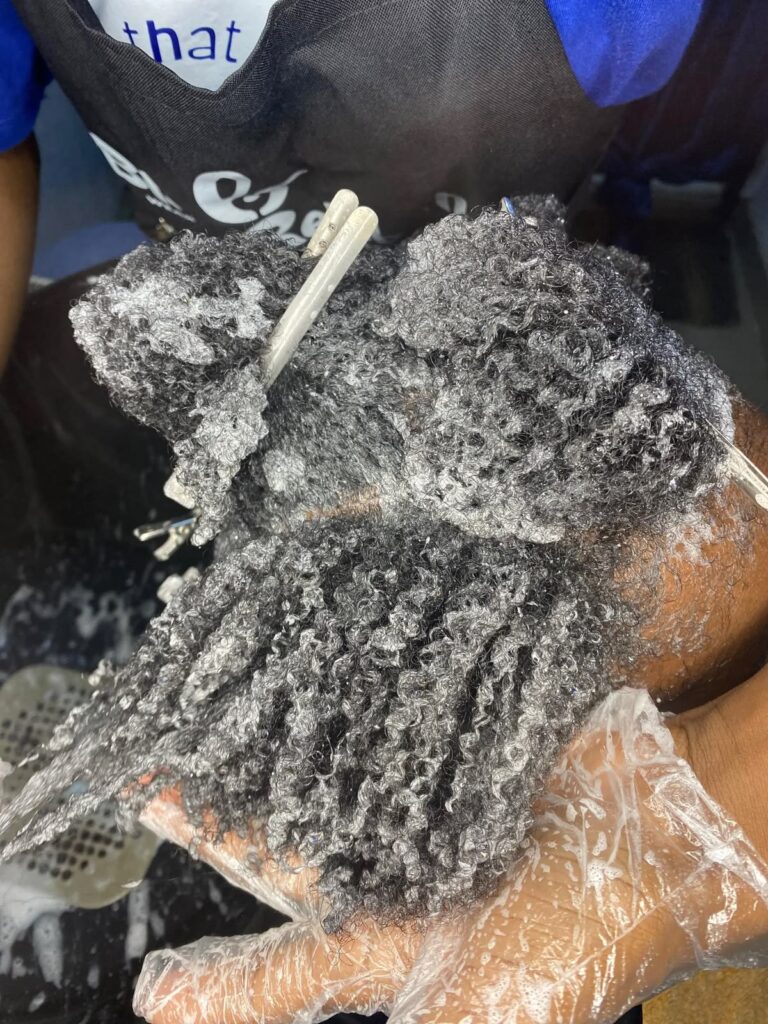
Low porosity hair has cuticles that lie flat and tight against the hair shaft. This structure makes it harder for moisture and products to enter the strand easily.
It also means products often sit on top of the hair instead of soaking in.
Why This Happens
Genetics largely determine whether your hair naturally leans toward low porosity. This is not something to fix, simply something to understand and work with.
Recognizing this early prevents years of frustration with mismatched products and techniques.
Save this for later: How To Identify Your Curl Pattern
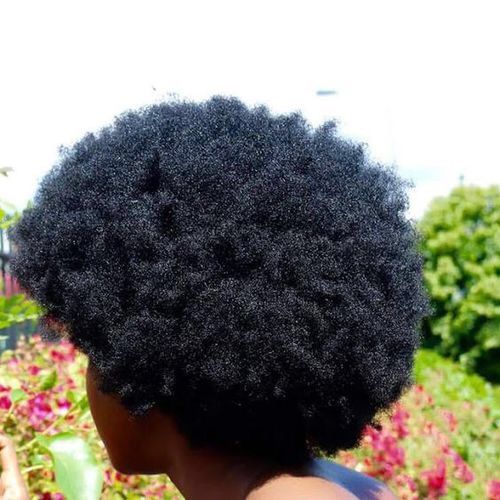
Signs You Likely Have Low Porosity Hair
Recognizing the signs of low porosity hair helps confirm what your testing already suggested.
Common Signs To Watch For
Products often sit on top of your hair rather than absorbing properly. Your hair takes a long time to become fully wet during washing.
Buildup tends to accumulate quickly, even with moderate product use.
Take a peek: Understanding Type 4 Hair: A Complete Guide
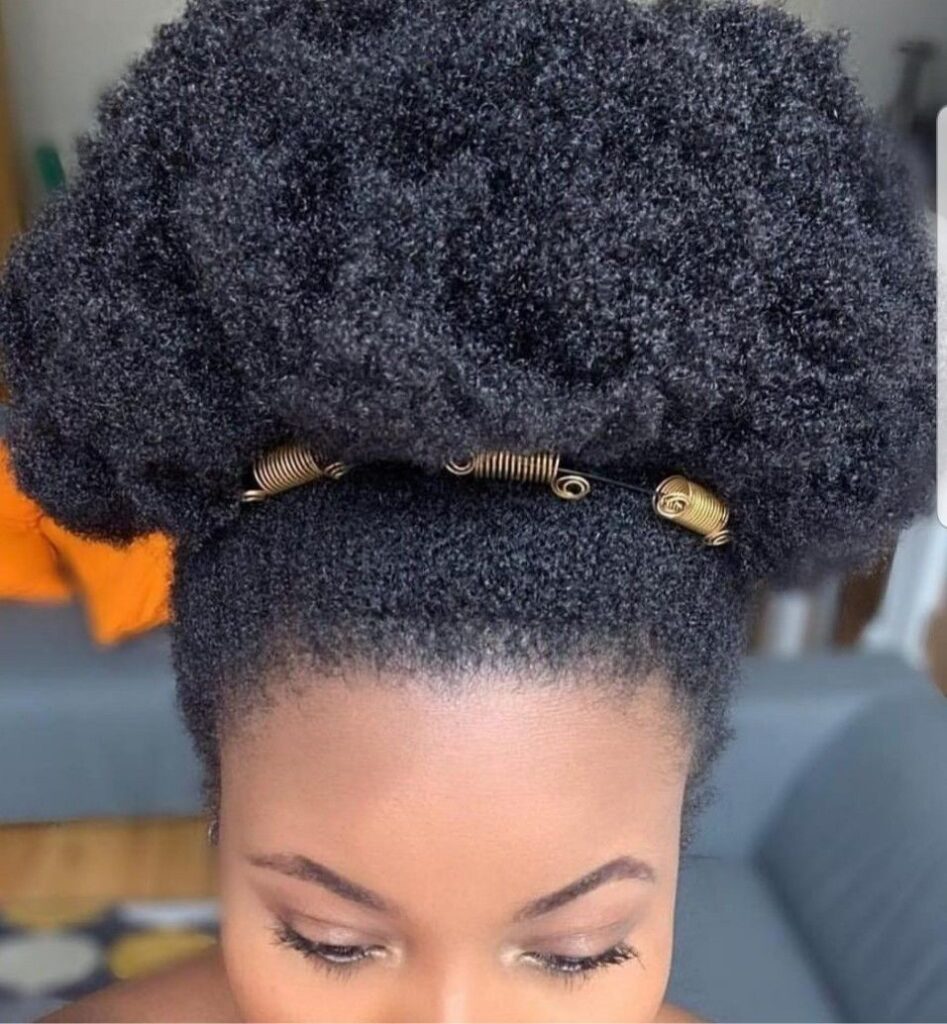
The Foundation Of A Low Porosity Routine
A successful low porosity routine focuses on helping products actually penetrate the hair shaft. This foundation changes how you approach cleansing, conditioning, and moisturizing every single time.
Using Heat To Your Advantage
Warmth helps lift the cuticle slightly, allowing products to absorb more effectively. Using a warm towel or steamer during deep conditioning makes a noticeable difference.
This simple addition often transforms how well your products actually work.
Bookmark this post: The Best Hair Growth Routine For Afro Hair
Applying Products To Soaking Wet Hair
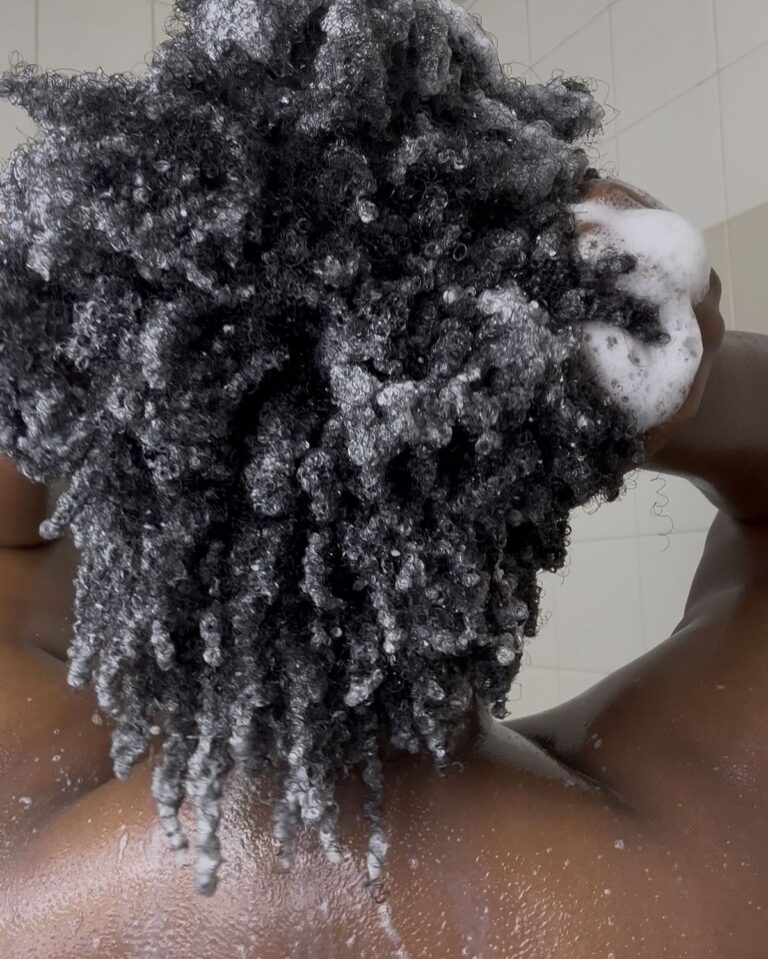
Low porosity hair absorbs best when products are applied to fully soaked hair. Damp hair alone often is not wet enough for proper absorption with this porosity type.
This small adjustment can make a significant difference in daily results.
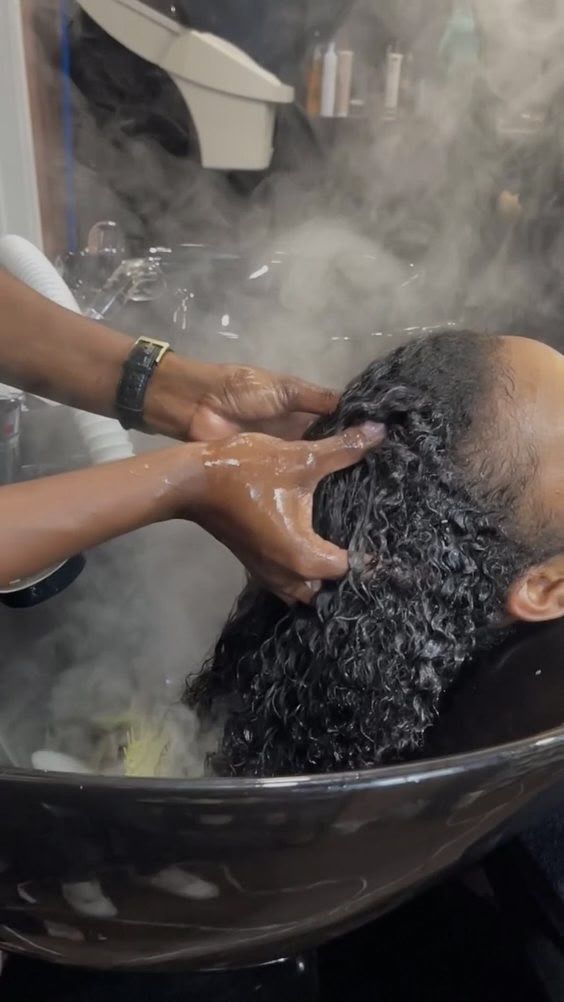
Cleansing Low Porosity Hair Properly
Cleansing plays an important role in preventing the buildup low porosity hair is prone to.
Choosing The Right Shampoo
A gentle, clarifying shampoo helps remove buildup without stripping your hair completely. The Best Shampoos For Afro Hair explains which formulas work best for this porosity type.
How Often To Cleanse
Low porosity hair often benefits from cleansing weekly to prevent buildup from accumulating. Skipping washes for too long can leave products sitting on the hair unnecessarily.
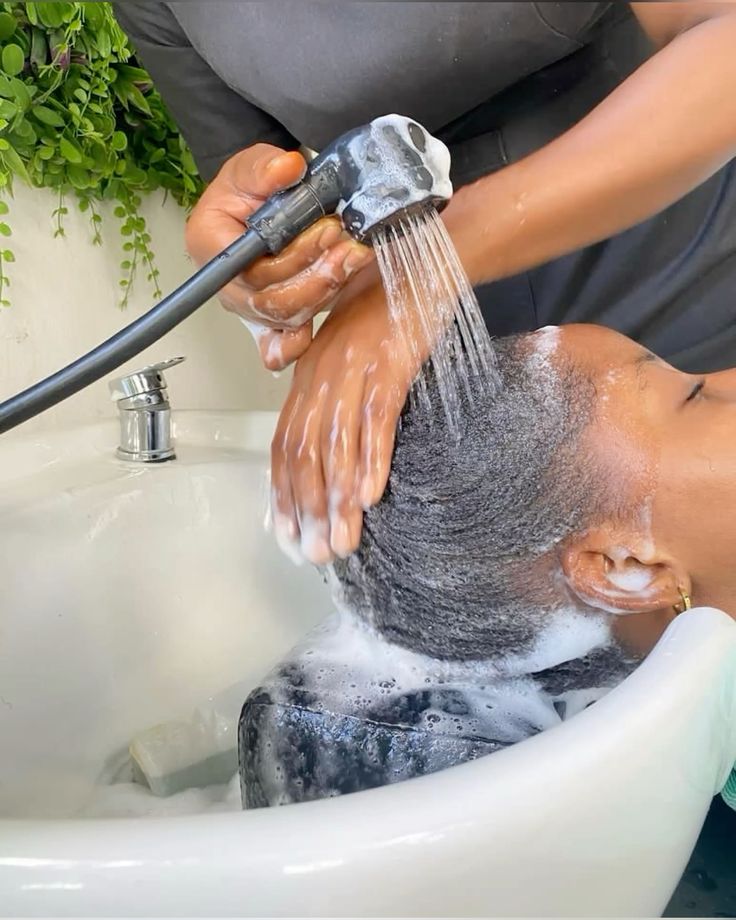
Conditioning Low Porosity Hair Effectively
Conditioning is where many low porosity naturalistas see the biggest improvement once technique changes.
Deep Conditioning With Heat
Apply your deep conditioner, then sit under a warm towel or steamer for extra absorption. This step significantly improves how much moisture your hair actually retains afterward.
The Best Conditioners For Type 4 Hair can help you choose an effective formula.
Rinsing With Cool Water
Finish conditioning with a cool water rinse to help seal the cuticle closed. This locks in the moisture you just worked to add during the conditioning step.
Moisturizing Low Porosity Hair Daily
Moisturizing requires a specific approach to actually benefit low porosity hair effectively.
Don’t miss this: How To Grow Healthy Afro Hair Without Chasing Length
The LCO Method For Low Porosity Hair
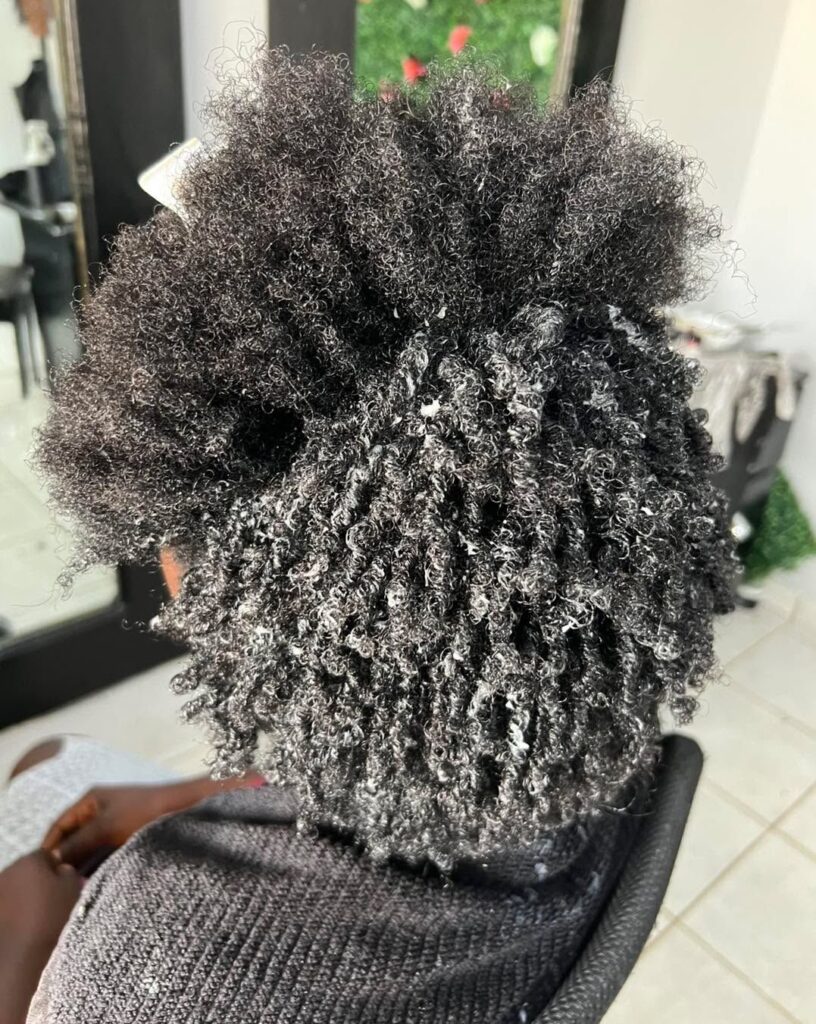
Many naturalistas with low porosity hair prefer the LCO method over LOC. Liquid first, then cream, then a light oil to seal works well here. This lighter layering approach avoids the heaviness that thicker layering methods sometimes cause.
Choosing Lightweight Products
Heavy creams and butters often sit on top of low porosity hair without absorbing. Lighter, water-based leave-ins tend to work far better for this porosity type overall.
Sealing Low Porosity Hair Correctly
Sealing still matters for low porosity hair, though the approach differs slightly from other types.
Choosing The Right Sealant
Light oils, applied sparingly, work better than heavy oils for this porosity type. Hair Cream vs Hair Butter: Which Should You Choose? explains which option suits lighter application needs.
Avoiding Buildup With Low Porosity Hair
Buildup is one of the most common frustrations naturalistas with low porosity hair experience.
Worth a look: The Best Detangling Brushes For Afro Hair
Preventing Buildup Before It Starts
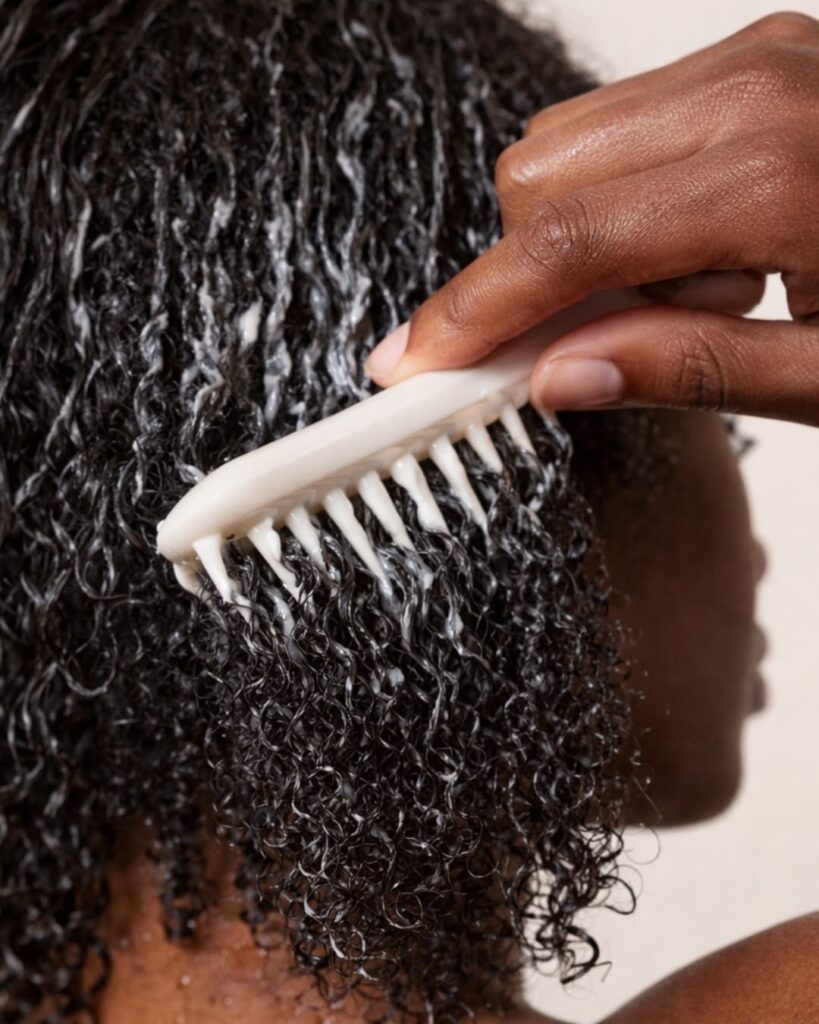
Use lighter products consistently rather than layering multiple heavy products at once. Clarify regularly, roughly every three to four weeks, to keep buildup under control.
Scalp Care For Low Porosity Hair
Scalp health remains important regardless of porosity, though buildup risk requires extra attention here.
Pin this for later: Healthy Scalp Habits For Faster Hair Growth
Why This Matters More For Low Porosity Hair
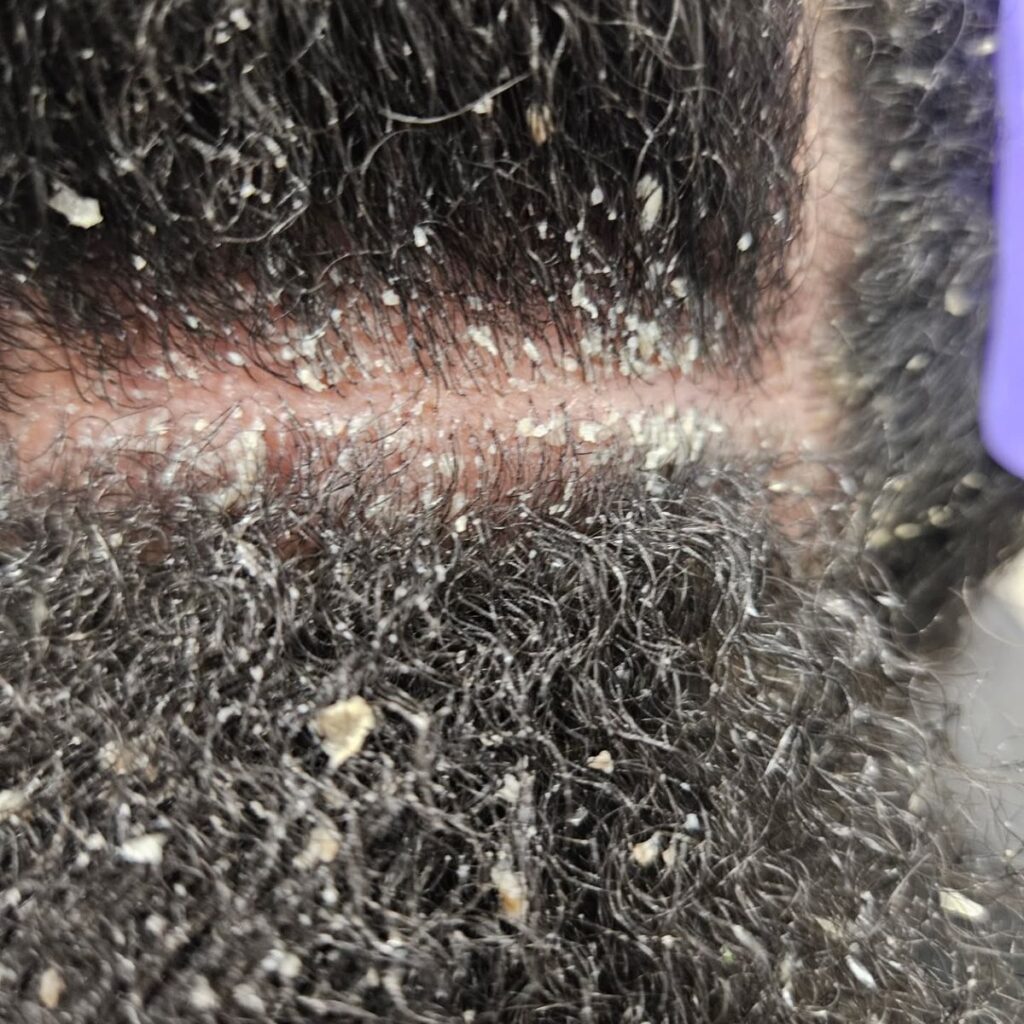
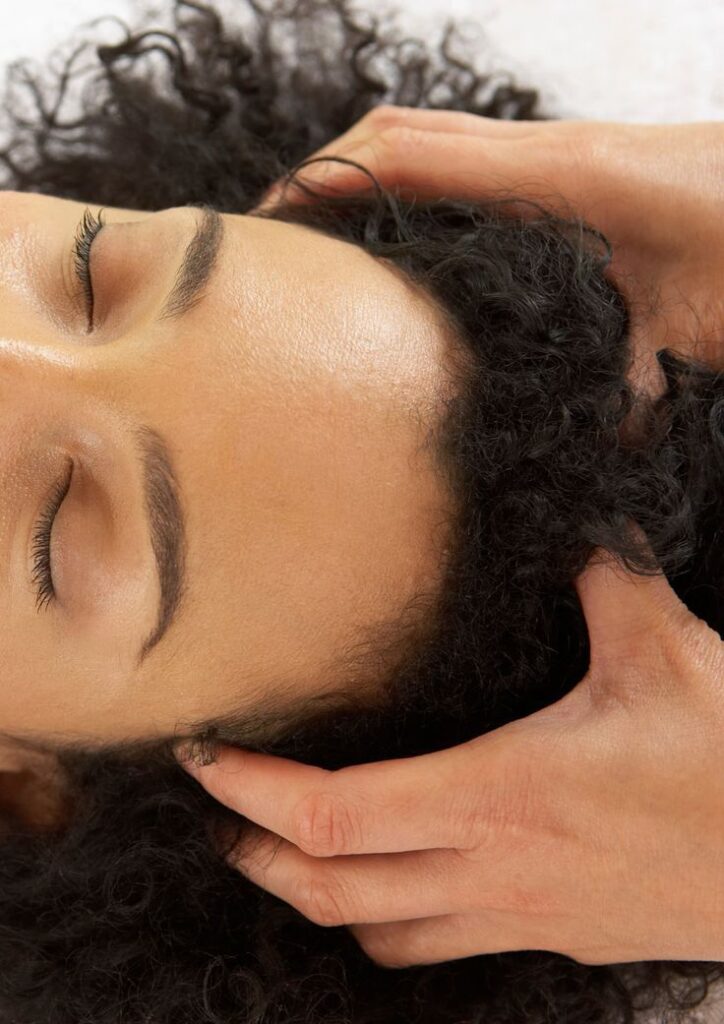
Buildup near the scalp can clog follicles more easily with low porosity hair. Regular, thorough cleansing helps prevent this buildup from affecting scalp health over time.
Protective Styling With Low Porosity Hair
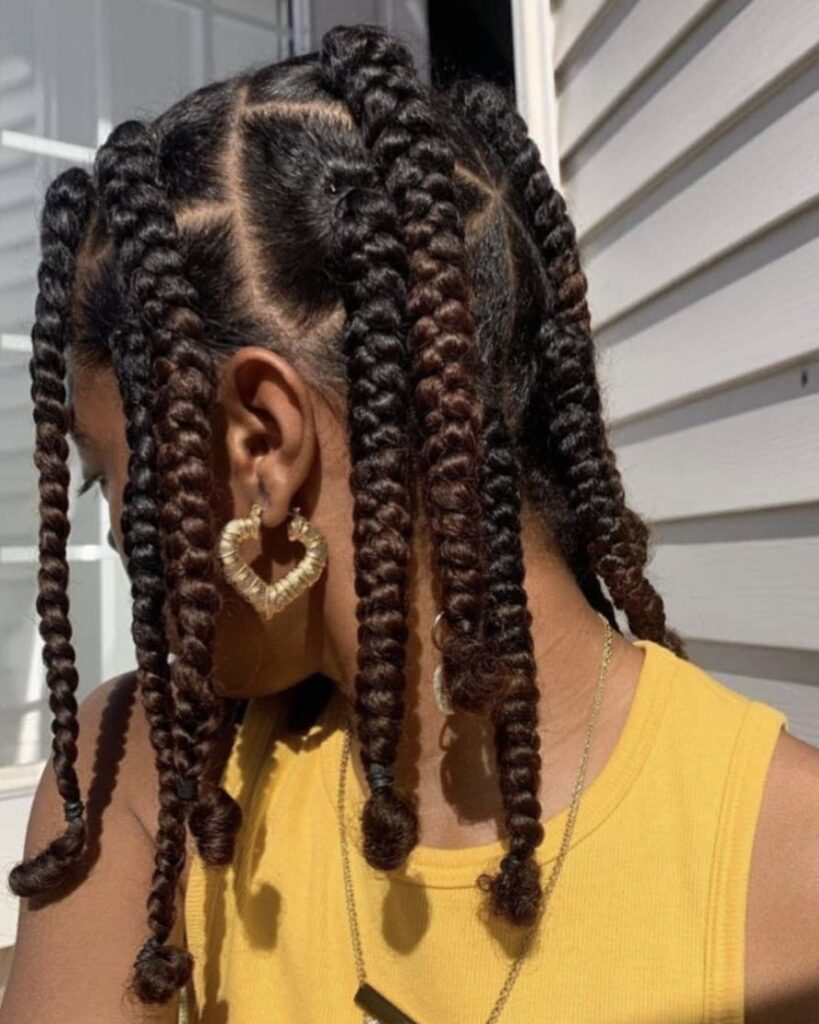
Protective styles work well for low porosity hair, provided moisture is applied properly beforehand.
Explore more ideas: Length Retention Tips Every Naturalista Should Know
Preparing Hair Before A Protective Style
Deep condition thoroughly before installing any protective style to ensure proper hydration underneath. This preparation step matters even more for low porosity hair, given its moisture challenges.
Using Oils Correctly With Low Porosity Hair
Oil choice and application technique both matter significantly for this porosity type.
Read this next: The Truth About Hair Growth Oils
Applying Oil The Right Way
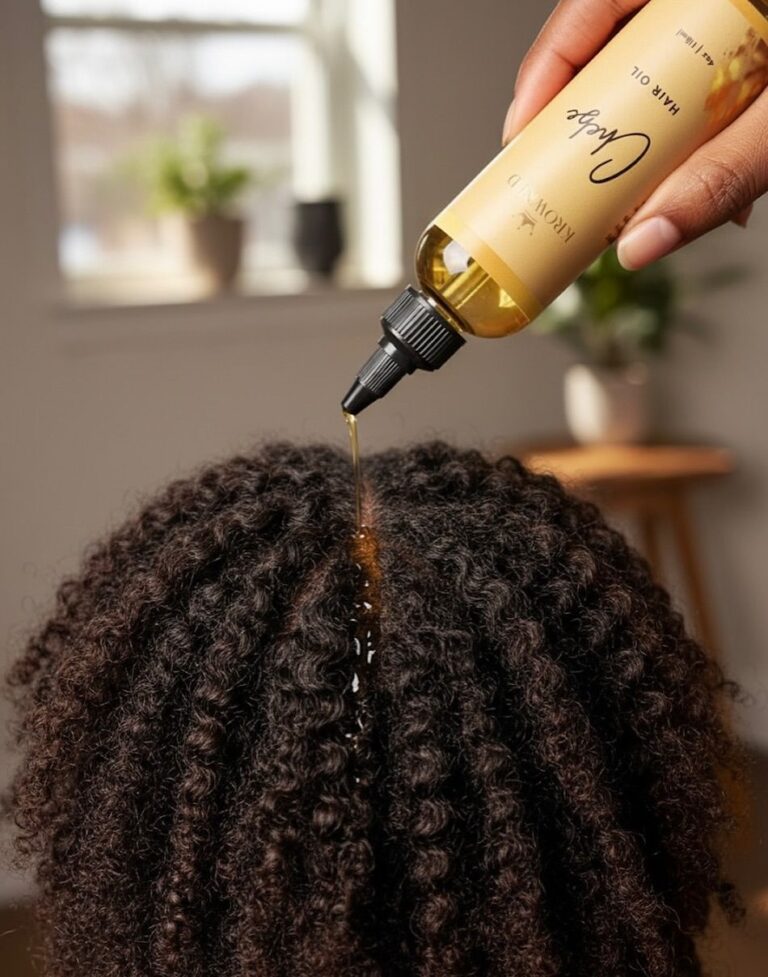
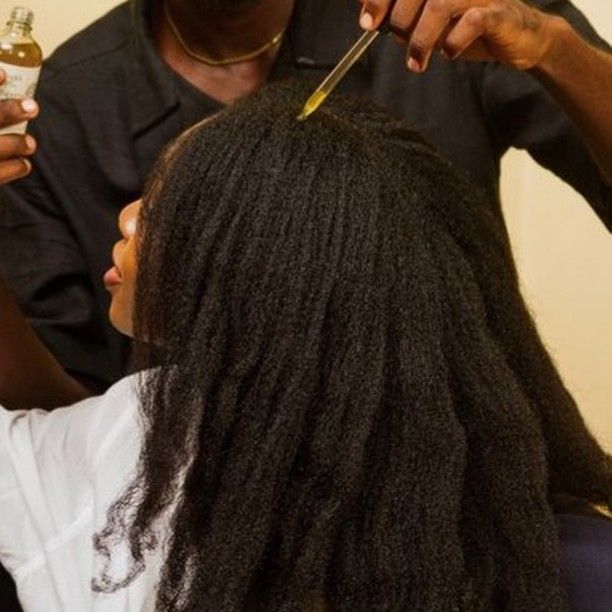
Apply light oils to soaking wet hair rather than dry strands for better absorption. Warming the oil slightly before application can also help it penetrate more effectively.
Building A Product Shelf For Low Porosity Hair
Understanding your porosity helps you build a more focused, effective product collection overall.
Save this for later: Must-Have Products For A Healthy Hair Routine
What Belongs On Your Shelf
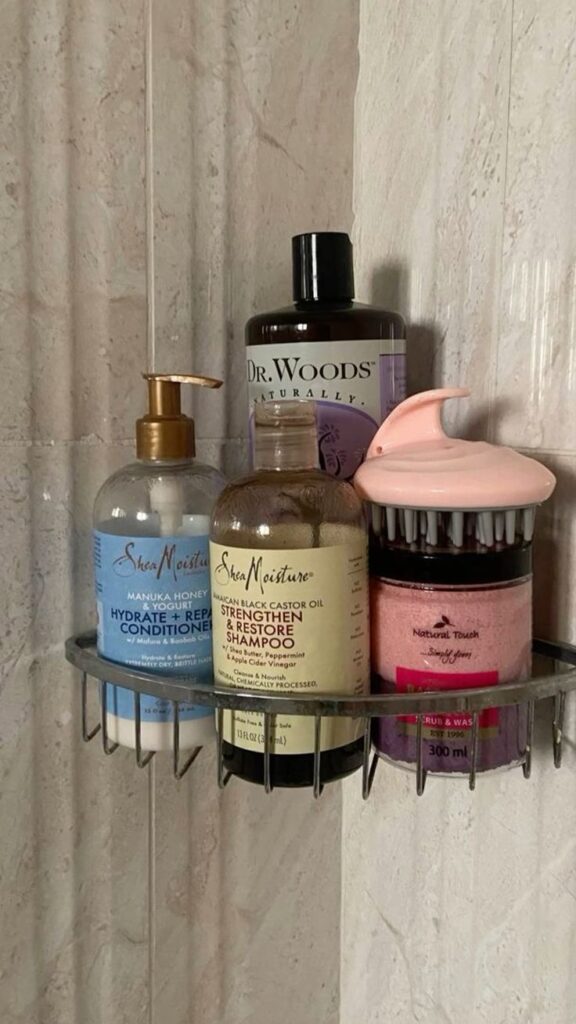
A lightweight leave-in, a light oil, and a gentle clarifying shampoo cover most needs. Keeping your shelf simple prevents unnecessary buildup and daily confusion during your routine.
Common Mistakes With Low Porosity Hair
A few common mistakes often undermine an otherwise well-intentioned low porosity routine.
Using Products That Are Too Heavy
Heavy butters and creams often sit on top of low porosity hair without absorbing properly. Switching to lighter formulas usually resolves this common, frustrating issue quickly.
Skipping Heat During Deep Conditioning
Skipping heat during conditioning significantly reduces how much moisture your hair actually absorbs. Adding this simple step often transforms disappointing results into genuinely effective ones.
My sister, mentioned earlier, skipped heat for years, assuming it was an unnecessary extra step. Once she added a warm towel to her routine, her hair finally began holding moisture properly.
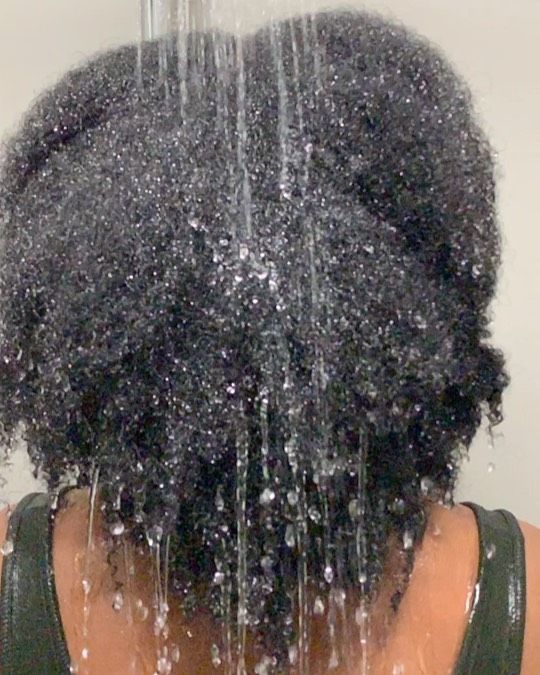
Low Porosity Hair Across Different Curl Patterns
Low porosity can occur across any curl pattern within the type 4 category. Understanding both traits together gives you a more complete, accurate picture of your hair.
Fan favorite: 4A vs 4B vs 4C Hair Explained
Why Curl Pattern And Porosity Both Matter
A person with 4A hair can have low porosity, just as a person with 4C hair can. Neither trait determines the other, so understanding both separately matters.
This combination helps you fine-tune your routine beyond porosity alone.
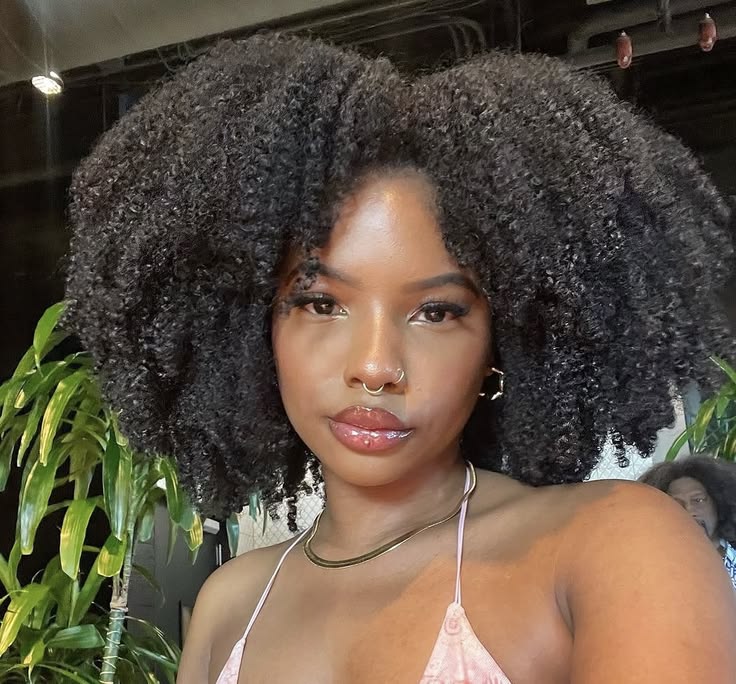
Testing Your Porosity Before Building A Routine
Before committing to a low porosity routine, confirming your porosity accurately matters greatly. Skipping this step can lead to following advice that does not actually apply to your hair.
Simple Ways To Confirm Low Porosity
Drop a clean strand into water and watch whether it floats for several minutes. Notice how long your hair takes to become fully saturated during washing.
Combining a few methods gives a more reliable, accurate confirmation overall.

Adjusting Your Routine By Season
Low porosity hair can behave slightly differently depending on the season and surrounding climate.
Low Porosity Hair In Dry Weather
Dry weather can make low porosity hair’s natural resistance to moisture even more noticeable. Increasing heat use during conditioning becomes especially helpful during these drier months.
Low Porosity Hair In Humid Weather
Humidity can sometimes help low porosity hair absorb a bit more moisture from the air. This does not replace a proper routine, but it can offer some natural relief.
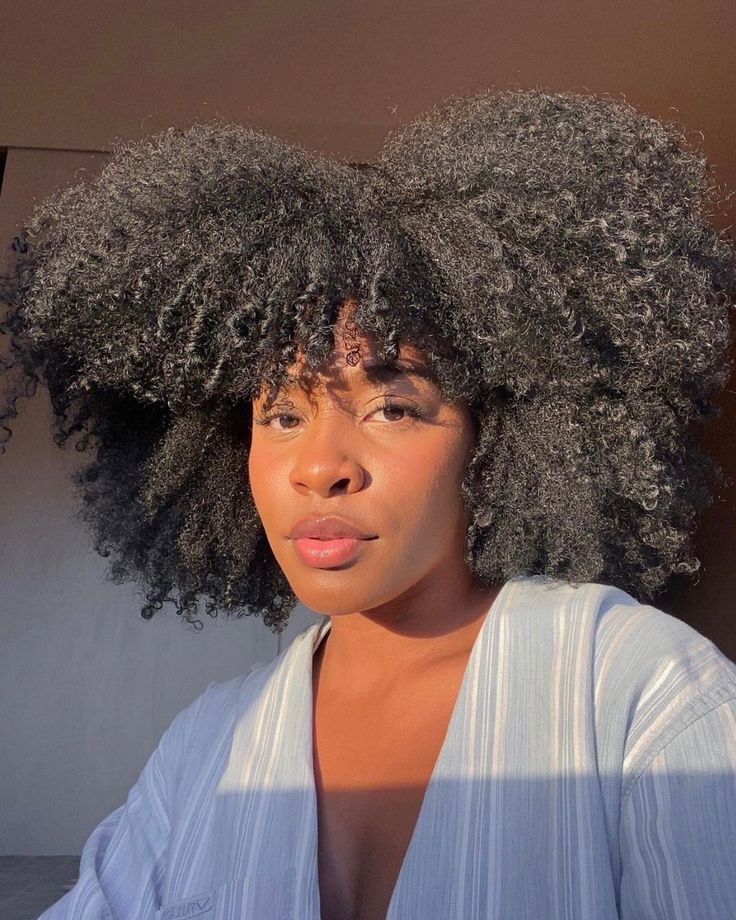
Detangling Low Porosity Hair Gently
Detangling requires particular care with low porosity hair, given its tendency toward dryness.
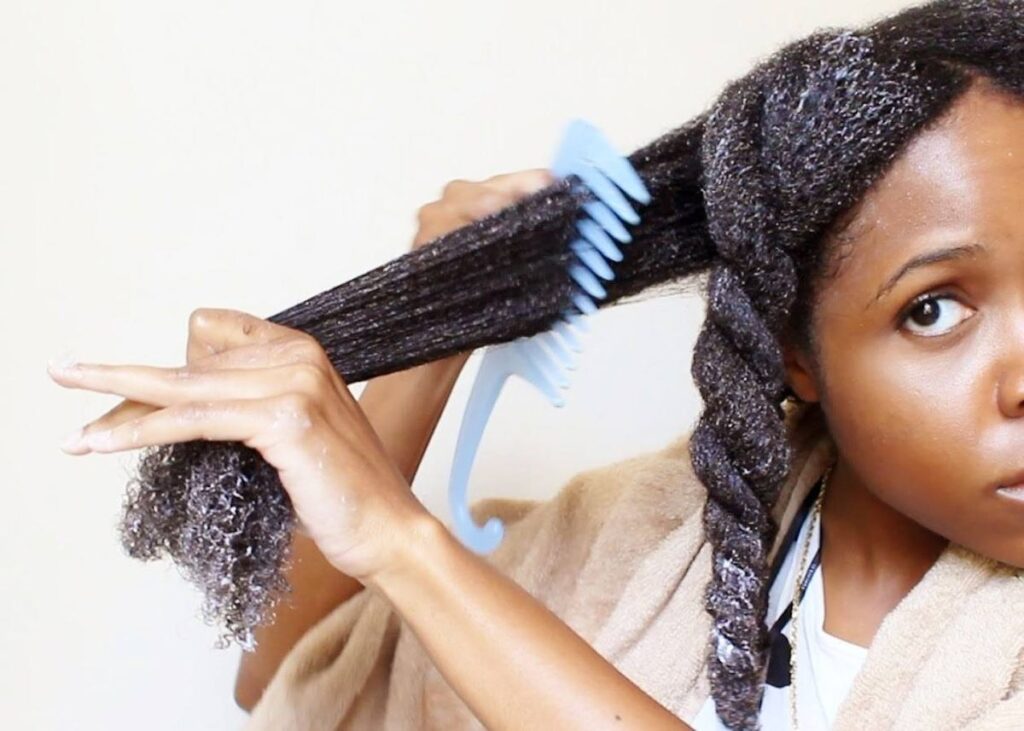
Best Practices For Gentle Detangling
Detangle only after your hair is properly saturated and conditioned during wash day. A slippery, lightweight conditioner helps reduce friction without adding unnecessary heaviness.
Patience during this step prevents unnecessary breakage on already moisture-resistant strands.
Recognizing Progress With Low Porosity Hair
Improvement with low porosity hair often looks different from other porosity types.
Signs Your Routine Is Working
Notice whether your hair absorbs products more quickly than it used to. Check whether your hair feels soft and hydrated a day after moisturizing.
These small signs indicate your adjusted routine is genuinely working for your specific hair.
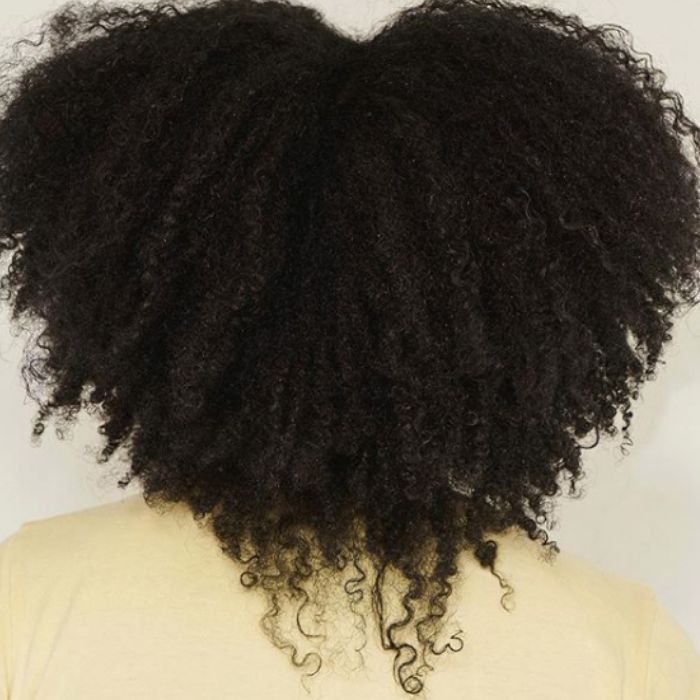
My client, mentioned earlier, noticed her hair finally felt soft by day three of her new routine. This was a significant improvement from her previous experience of dryness within hours.
Why Steam Treatments Work So Well
Steam treatments are especially effective for low porosity hair, more so than for other types.
How Steam Helps
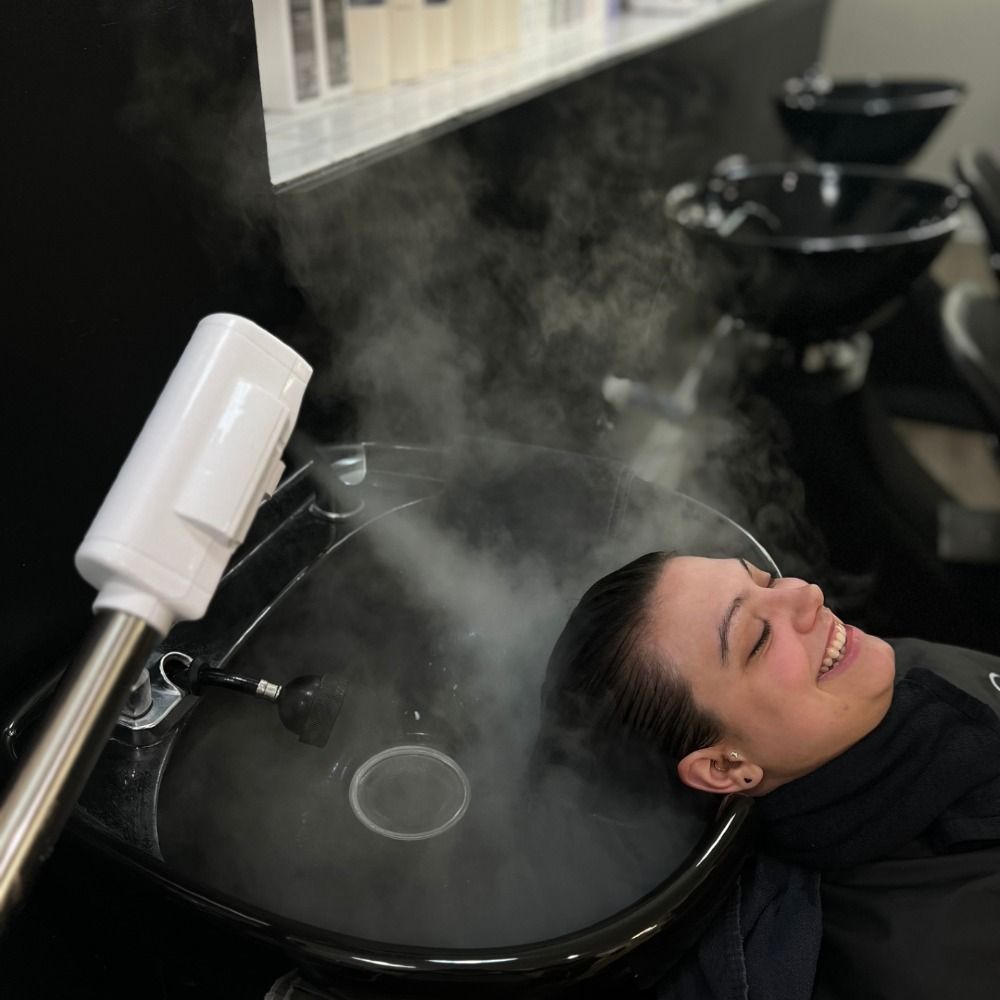
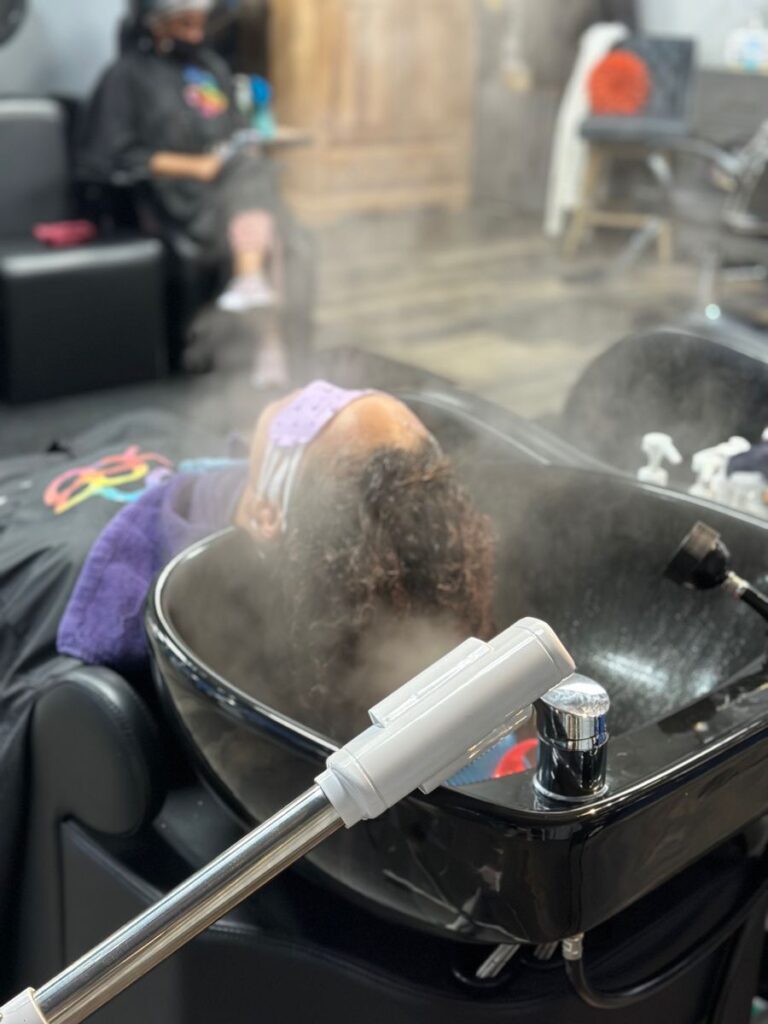
Steam gently lifts the cuticle, allowing moisture and product to enter more easily. This effect is temporary but powerful enough to noticeably improve absorption during treatment.
Many salons offer steam treatments, though at-home steamers work well too.
Using An At-Home Steamer
Apply your deep conditioner, then sit under a handheld or hooded steamer for fifteen minutes. Follow with a cool water rinse to help seal the cuticle closed afterward.
This combination often produces some of the best results for low porosity hair.
The Role Of Clarifying In A Low Porosity Routine
Clarifying plays a bigger role in low porosity routines than in other porosity types.
Why Buildup Happens So Easily
Since products already struggle to absorb, any excess simply sits on the hair’s surface. This surface buildup accumulates faster than it would on higher porosity hair.
Regular clarifying prevents this buildup from making an already tricky porosity type even harder to manage.
How Often To Clarify
Clarifying every three to four weeks usually works well for most low porosity naturalistas. Adjust this frequency based on how quickly you notice buildup forming after each wash.
Signs of buildup include dullness, stiffness, or products suddenly seeming less effective than before.
Layering Products Without Overloading Your Hair
Layering too many products, even lightweight ones, can still overwhelm low porosity hair.
Finding The Right Balance
Start with fewer products and add more only if your hair genuinely needs it. Overloading with several thin layers can still create the same heaviness one thick layer would.
Observing your hair’s response after each addition helps you find your ideal balance.
Simplifying When Needed
If your hair starts feeling weighed down, remove a step rather than adding another. Simplifying your routine often solves problems that seem to call for more product.
This principle applies especially strongly to low porosity hair specifically.
Protein And Low Porosity Hair
Protein treatments require a careful, thoughtful approach when working with low porosity hair.
Why Caution Matters Here
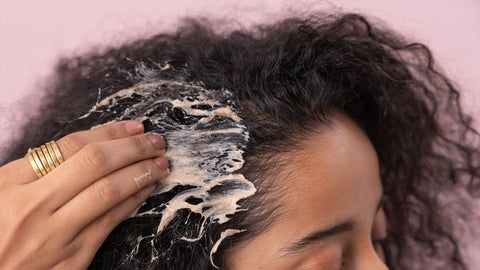
Low porosity hair can feel stiff or straw-like if protein is used too heavily. This happens because protein sits on the hair’s surface without balancing moisture underneath.
Light, infrequent protein treatments usually work better than heavy, frequent ones for this porosity type.
Balancing Protein With Moisture
Always follow a protein treatment with a proper moisture-focused deep conditioning session. This balance prevents the stiffness that protein alone can sometimes cause.
Paying attention to how your hair responds helps you fine-tune this balance over time.
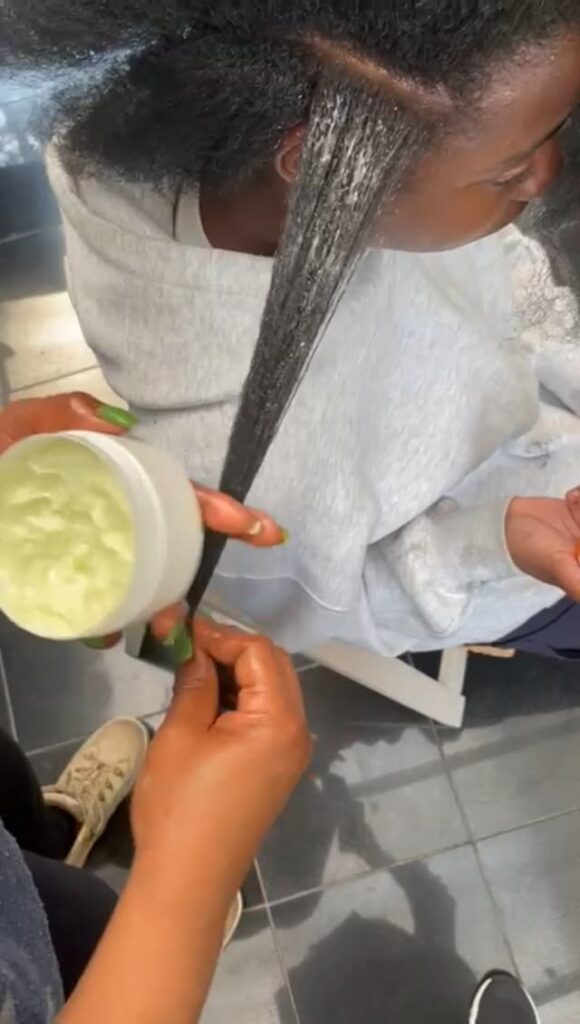
Nighttime Care For Low Porosity Hair
Nighttime routines can support or undermine your daytime efforts, depending on the habits you follow.
Simple Nighttime Habits Worth Adopting
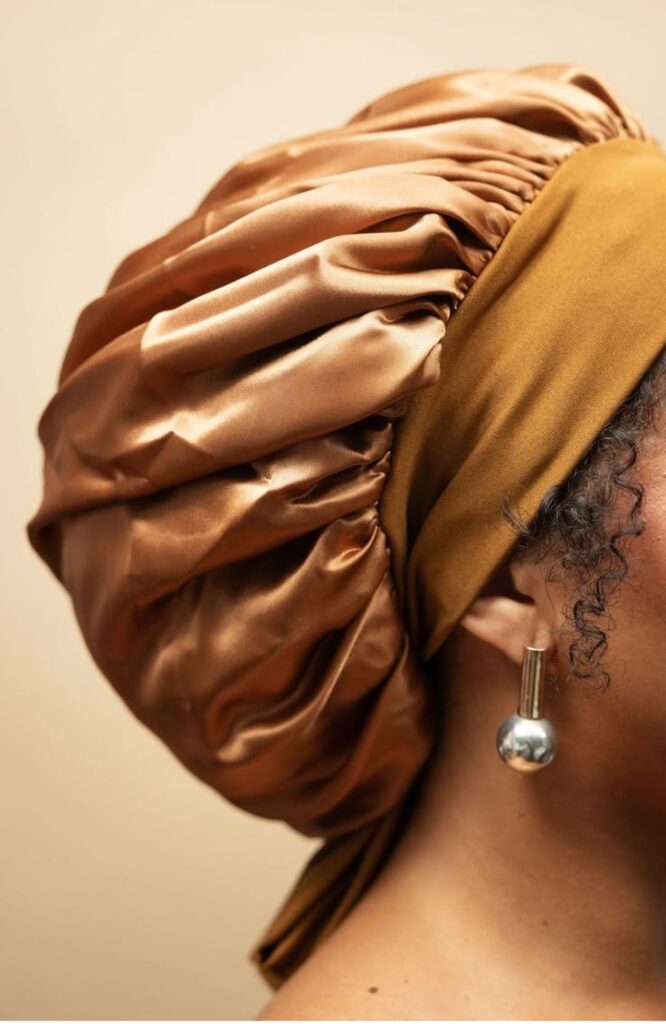
A satin bonnet or pillowcase reduces moisture loss and friction while you sleep. A light spritz of water before bed can help refresh dryness without adding heavy product.
These small habits protect the progress made during your regular wash day routine.
Common Myths About Low Porosity Hair
Several myths circulate about low porosity hair, often leading to unnecessary frustration or confusion.
Myth: Low Porosity Hair Cannot Be Moisturized
With the right technique, low porosity hair absorbs moisture perfectly well. The issue is usually technique, not an inherent inability to hold moisture.
Adjusting your approach, rather than giving up, typically solves this common misconception.
Myth: Heavy Products Always Work Better
Many assume heavier products provide better moisture, but this often backfires with low porosity hair. Heavy products frequently sit on top rather than absorbing into the strand.
Lighter, well-applied products usually outperform heavier ones for this specific porosity type.
Myth: Low Porosity Hair Never Needs Protein
While caution is important, some protein remains beneficial even for low porosity hair. The key is moderation and pairing protein use with proper moisture afterward.
Avoiding protein completely can sometimes leave hair feeling weak rather than strong.
Building Patience Into Your Routine
Adjusting to a new routine takes time, especially after years of using the wrong approach.
Why Results Take Time To Show
Your hair needs time to respond to a genuinely suited routine and technique. Expecting overnight results often leads to premature frustration and unnecessary product switching.
Give any new routine at least four to six weeks before evaluating its effectiveness.
Staying Consistent Through The Adjustment Period
Consistency during this adjustment period matters more than perfection with every single step. Small, steady improvements are a good sign your routine is working correctly.
Trust the process, even when progress feels slower than you originally hoped.
Combining Techniques For Maximum Effectiveness
The most effective low porosity routines usually combine several techniques rather than relying on just one.
A Sample Effective Wash Day Sequence
Start with a gentle clarifying shampoo to remove any existing buildup thoroughly. Apply a deep conditioner and add heat through a steamer or warm towel.
Rinse with cool water, then apply a lightweight leave-in to soaking wet hair.
Why Combining Techniques Works Best
Each technique addresses a different part of the moisture challenge low porosity hair presents.
Heat helps absorption, lightweight products prevent buildup, and cool water seals everything in place.
Together, these techniques create a routine far more effective than any single step alone.
Adjusting Store-Bought Products For Low Porosity Hair
Not every product needs to be specifically marketed for low porosity hair to work well.
Simple Adjustments You Can Make
Dilute heavier products slightly with water to make them lighter and easier to absorb. Apply smaller amounts more frequently rather than large amounts less often.
These small adjustments can make many standard products work better for your specific porosity.
Reading Labels With Low Porosity In Mind
Look for lightweight, water-based formulas rather than heavy, oil-based ones. Avoid products where oil or butter appears as the very first ingredient listed.
This small habit helps you make better choices even when shopping without prior research.

When To Reassess Your Low Porosity Routine
Even a well-built routine may need occasional adjustments as your hair or circumstances change.
Signs It Might Be Time To Adjust
Persistent dryness despite consistent effort may signal a need for routine changes. Sudden changes in how your hair responds could indicate a shift in porosity itself.
Regularly checking in with your hair’s actual behavior keeps your routine relevant and effective.
Low Porosity Hair And Professional Salon Services
Professional treatments can complement your at-home low porosity routine when used thoughtfully.
Salon Steam Treatments
Many salons offer steam treatments specifically designed to help low porosity hair absorb moisture.
These treatments can be a helpful addition, especially before special occasions or major styling changes.
Regular at-home care remains important even when supplementing with occasional professional treatments.
Consulting A Stylist Familiar With Porosity
A stylist who understands porosity can offer tailored advice specific to your hair’s needs. Bringing up your porosity during a consultation helps them recommend more suitable services and products.
This collaboration often produces better results than guessing alone.
Low Porosity Hair And Everyday Lifestyle Habits
Daily habits outside your hair routine can also influence how your low porosity hair behaves.
Hydration And Overall Health
Drinking enough water supports your body’s overall hydration, which can indirectly benefit your hair. While water intake will not fix porosity issues alone, it supports general hair health.
Combining internal and external hydration efforts gives your hair the best possible support.
Reducing Unnecessary Product Switching
Constantly switching products prevents you from truly understanding what works for your specific hair. Give each new addition several weeks before deciding whether to keep or replace it.
This patience prevents the constant confusion that frequent switching often creates.
Quick Answers To Common Questions
A few questions come up often from naturalistas managing low porosity hair.
Why does my hair take so long to get wet? This is a common trait of low porosity hair, due to its tightly closed cuticle structure.
Can I still use protein treatments with low porosity hair? Yes, though sparingly, since too much protein can leave this porosity type feeling stiff.
Will heat damage my low porosity hair over time? Gentle, occasional heat for conditioning is generally safe and different from daily heat styling.
Is low porosity hair naturally healthier than other porosity types? No, health depends on care, not porosity type itself.
photo credit
A Few Final Things Worth Knowing
Low porosity hair simply needs a different, more intentional approach than other porosity types. Heat, lightweight products, and proper application technique all make a significant difference over time.
Understanding this removes the frustration many naturalistas feel before identifying their porosity accurately.
Consistency remains just as important here as with any other hair type or porosity level. Give your adjusted routine several weeks before judging whether it truly works for your hair.
Trust the process, and your low porosity hair will respond well with the right approach.
Low porosity hair is not a flaw to fix, simply a trait to understand and work with thoughtfully. With the right technique, this hair type can be soft, moisturized, and easy to manage daily.
Approach your routine with patience and consistency, and the results will follow naturally over time.