
Beginner’s Guide To Wearing Wigs Over Natural Hair
Disclosure: Some of the links in this post are affiliate links. This means if you click on the link and purchase an item, I will receive an affiliate commission at no extra cost to you.
Thinking about trying a wig for the first time? You are definitely not alone in this. So many naturals start here at some point.
Maybe you want a break from daily styling. Maybe you simply want to try a new look without cutting or coloring your real hair.
Wigs can feel intimidating at first. But once you learn the basics, they become one of the easiest styling tools you own.
A good wig routine can also support how you feel about your hair day to day. Read how to build confidence wearing your natural hair to see how the two connect.
This guide walks you through everything a beginner needs to know. No confusing terms, just simple, clear steps to follow.
By the end, you will feel ready to try your very first install with real confidence.
You will also know exactly how to protect your natural hair while you enjoy every single wig you own.
There is truly no reason to feel lost or overwhelmed starting out. This guide has you fully covered.

Beginner’s Guide To Wearing Wigs Over Natural Hair
Why Wear A Wig Over Your Natural Hair
Wigs give your natural hair a real break from daily styling. Less daily manipulation often means less unnecessary hair loss.
If you have been dealing with excessive shedding lately, a wig can help reduce the stress on your strands. Read how to stop excessive hair shedding to understand this connection better.
Wigs also save time on busy mornings. You get a full, styled look without touching your natural hair at all.
For many women, wigs also offer a chance to experiment with new colors, lengths, and textures. This can feel fun and freeing.
You never have to commit permanently to any single look. Simply switch your wig whenever you feel like a change.
Wigs also work well for special occasions, travel, or seasons when you simply want lower maintenance styling.
Some people use wigs seasonally, wearing them during colder months and returning to their natural hair when the weather warms.

Prepping Your Hair Before Installing A Wig
Never install a wig over dirty or product heavy hair. This traps buildup against your scalp for days at a time.
Wash and deep condition your hair properly before every install. A clean base supports healthier hair underneath your wig.
Avoiding 15 wash day mistakes that could be causing breakage matters even more, since your hair stays hidden a while.
Dry your hair fully before installing your wig. Trapping moisture underneath can lead to an unpleasant smell over time.
Apply a lightweight leave-in conditioner before installing, especially if you plan to keep the wig on for a while.
Taking these extra few minutes before install saves you real trouble later on down the road.
Rushing this step is one of the most common mistakes beginners make when starting their wig journey.

Protecting Your Edges Before Install
Your edges are the most fragile part of your entire head. Tight wig bands can quietly damage them over time.
This kind of damage often looks like breakage rather than normal shedding. Read the difference between breakage and shedding to understand what you might be seeing.
Using a silk or satin wig band underneath your wig cap adds a gentle layer of protection. This small step matters more than people think.
Avoid pulling your edges too tightly when laying them down. Gentle styling protects your hairline for the long run.
If you ever feel real tension or pain along your hairline, that is a clear sign something needs adjusting immediately.
Your edges take a long time to grow back once damaged. A little extra care now saves you months of regret later.
Consider massaging your edges gently with a light oil before every install to keep them soft and resilient.
Choosing The Right Wig Cap For Your Scalp
Not all wig caps are created equal. Some trap heat and moisture more than others.
If your scalp constantly feels dry, or unsure if it is dehydrated, your cap material could be the problem. Read how to tell if your scalp is dry or just dehydrated to check where you stand.
Breathable materials, like mesh caps, allow your scalp to breathe more easily during long wear. This small choice can prevent a lot of discomfort.
Avoid caps made from thick, non breathable fabric if you plan on wearing your wig for many hours daily.
Testing a few different cap types early on helps you figure out what genuinely feels best for your own scalp.
Some people even prefer wearing two thinner caps instead of one thick one for better airflow.

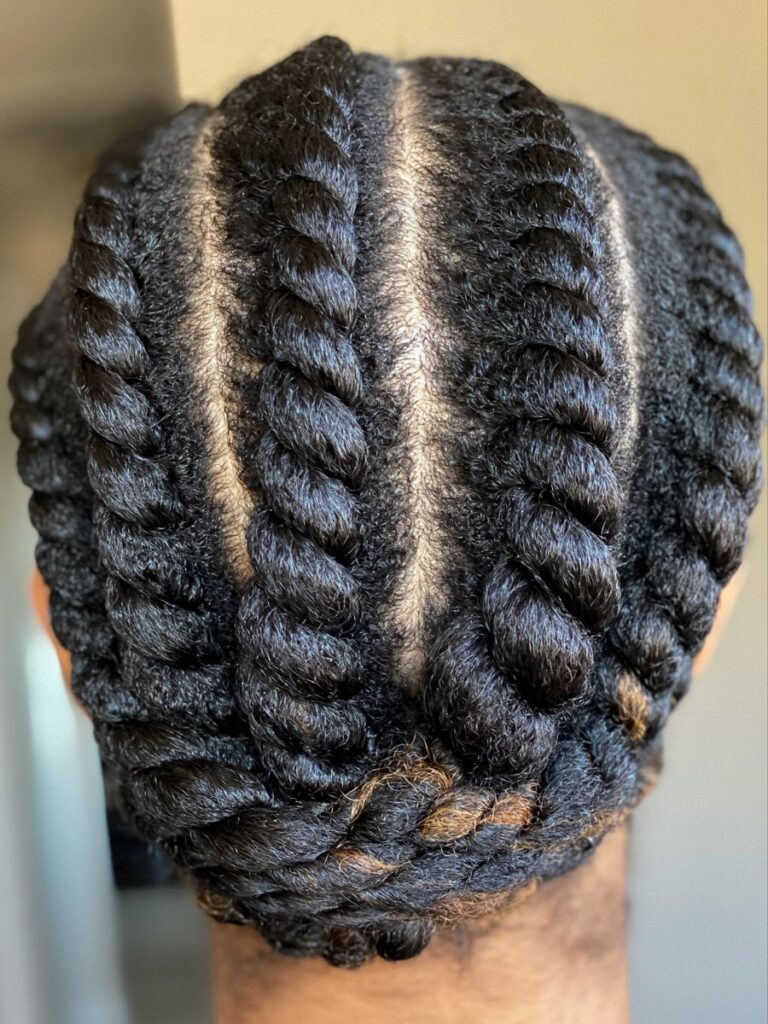
Cornrowing Or Flat Twisting Your Hair Underneath
Cornrows or flat twists create a smooth, flat base for your wig to sit on. This also protects your natural hair while it rests.
Avoid braiding too tightly against your scalp. Tight braids can cause tension and discomfort over several days.
Ask your stylist for a pattern matching your wig’s part, whether it sits in the middle or the side.
If you are doing this yourself, take your time and keep each section even. Rushed braiding often looks lumpy underneath a wig.
A neatly done base makes the biggest difference in how smooth and natural your final wig install looks.
Some people prefer simple straight back cornrows for everyday wigs, while others choose more detailed patterns for special occasions.
Whichever pattern you choose, keeping the tension even throughout helps avoid unnecessary pulling on any single section
Sizing Your Wig Properly
A wig that fits poorly causes more problems than most people expect. Too tight, and it presses on your scalp constantly.
Too loose, and it can slide around throughout your day. Neither situation feels comfortable or looks natural.
Measure your head properly before buying any new wig. Most wigs come with adjustable straps to help with small fit issues.
A properly fitted wig should feel snug but never painful. You should be able to move naturally without any slipping.
Take a moment to check the fit in a mirror from multiple angles before heading out for the day.
If a wig constantly feels too tight after several wears, consider adjusting the straps or trying a slightly larger size.
Lace Front Versus Regular Wig Caps
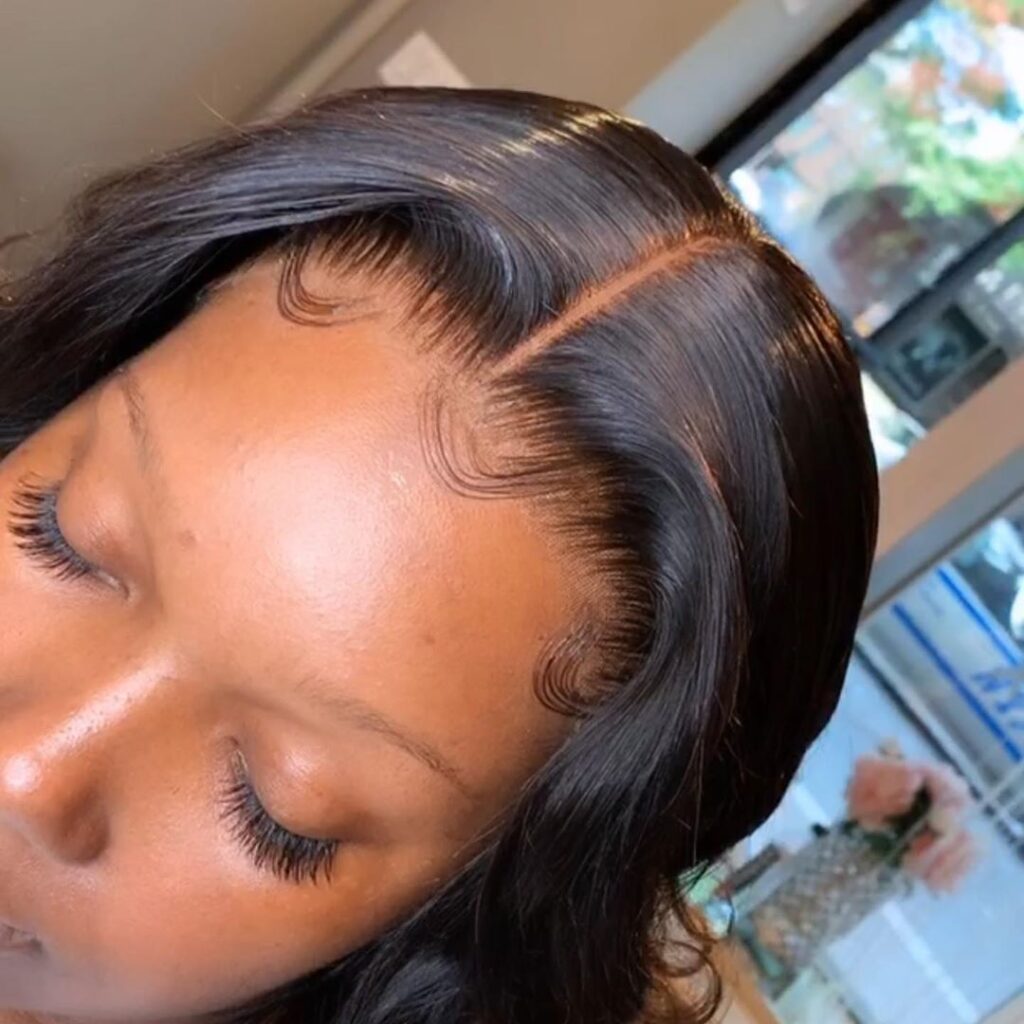
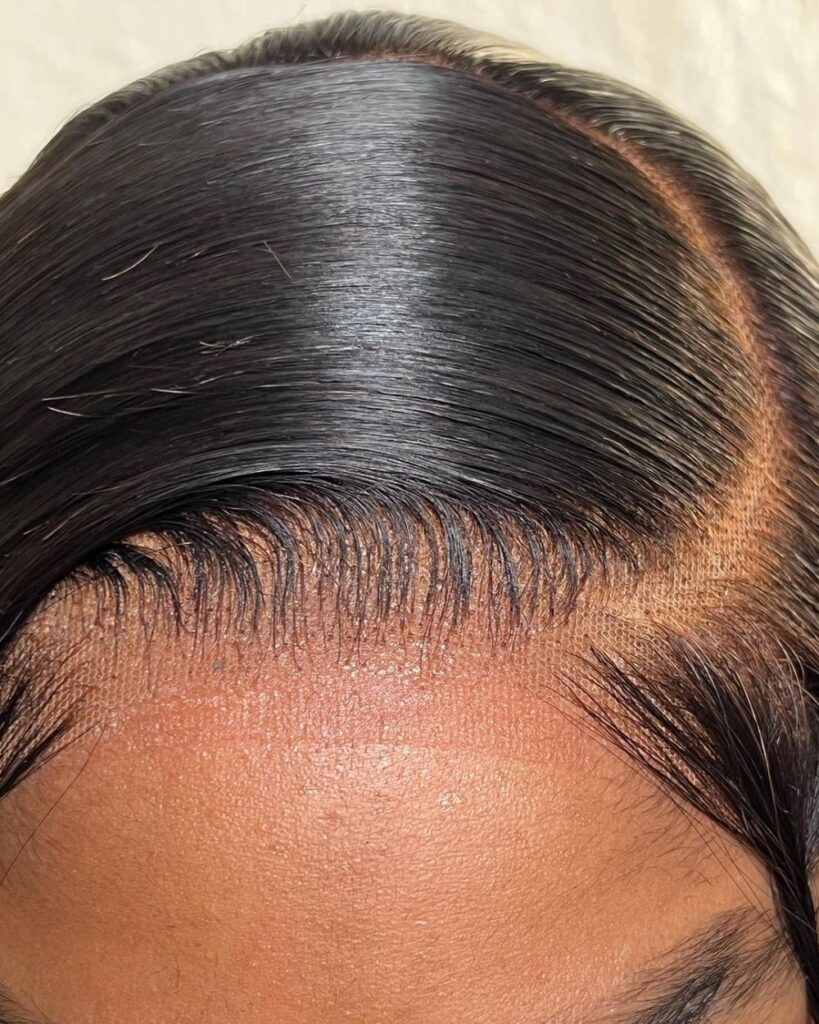
Lace front wigs create a more natural looking hairline along your forehead. They require a bit more skill to install properly.
Regular wig caps are simpler and faster to put on. They work well for everyday wear and quick styling needs.
Beginners often find regular caps easier to start with. You can move toward lace fronts once you feel more confident.
Lace fronts also require special glue or adhesive for a secure, natural finish. This adds an extra learning curve for beginners.
Do not feel pressured to jump straight into lace fronts. Building your skills gradually leads to far better results overall.
Many experienced wig wearers still choose regular caps simply because they are quicker and more comfortable for daily use.
There is no single right answer here. Choose whichever option matches your lifestyle and comfort level best.
How To Install Your Wig Securely
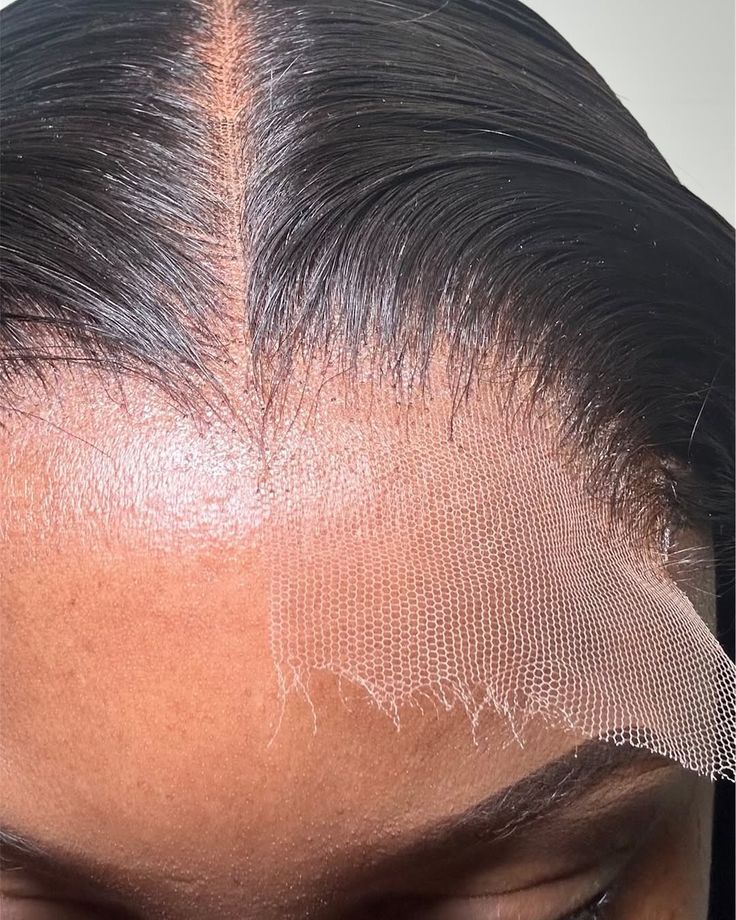
Start by placing your wig cap over your cornrows or twists. Smooth it down gently to avoid any lumps or bumps.
Position your wig starting from your forehead, then adjust it backward until the part lines up properly.
Use wig clips, an adjustable strap, or a small amount of glue, depending on your preferred method. Secure it evenly on both sides.
Check your part and edges carefully in the mirror before considering the install complete. Small adjustments now save frustration later.
Practice this process a few times before wearing it out in public. Comfort with the steps builds real confidence quickly.
Recording yourself during practice sessions can help you spot small mistakes you might otherwise miss in the mirror.
Ask a friend to check your install from the back, since this angle is hardest to see alone.
Choosing Wigs Based On Your Curl Pattern
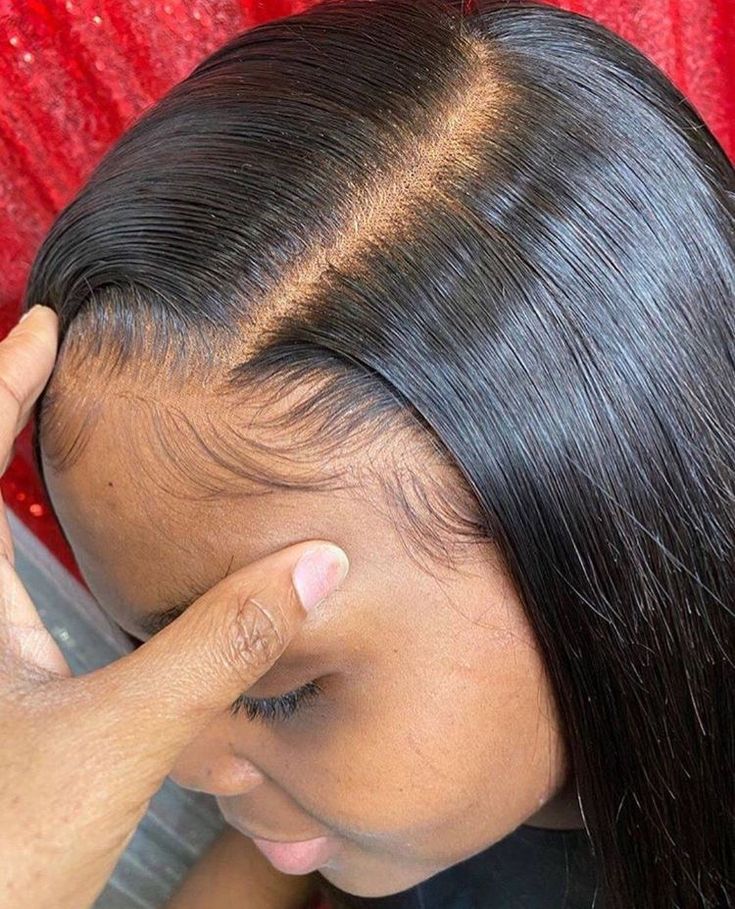
Some people prefer wigs that closely match their own natural curl pattern underneath. This makes switching between looks feel more seamless.
If your natural hair is 4A, following the perfect wash day routine for 4A hair keeps it healthy between installs. The same applies for other textures.
If you have 4B hair, the perfect wash day routine for 4B hair helps maintain your strands during rest periods.
If your hair is 4C, the perfect wash day routine for 4C hair supports your coils while protected underneath.
Whichever texture you have, keeping your own routine consistent behind the scenes matters just as much as the wig itself.
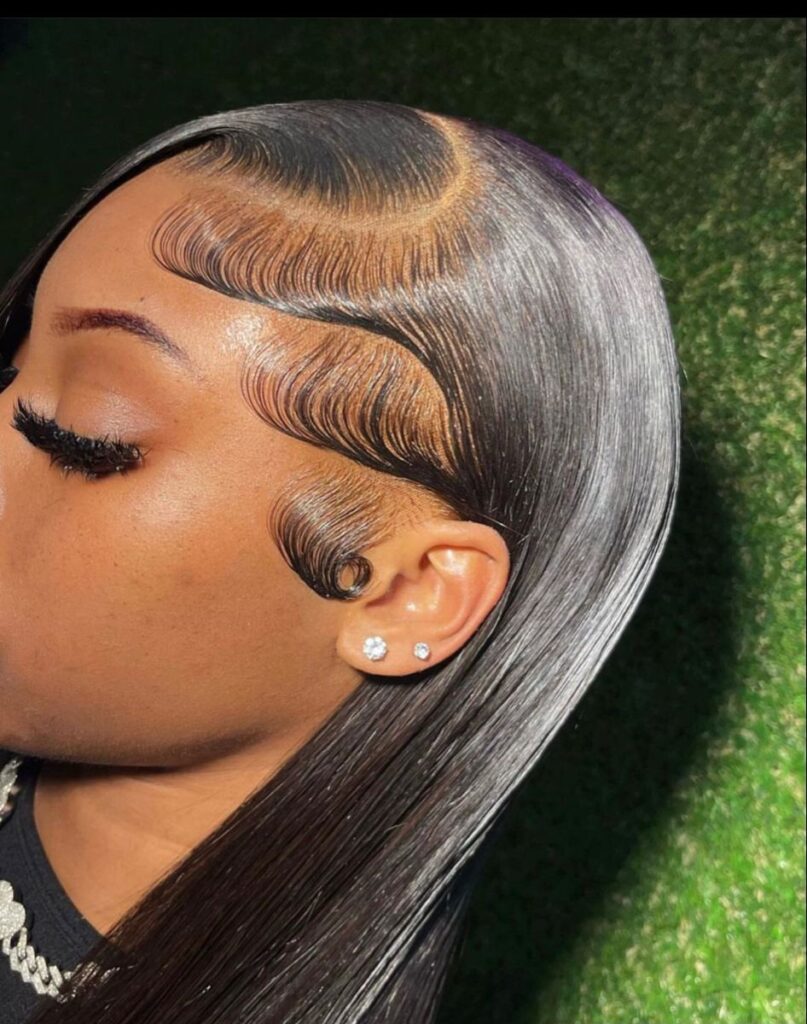
Daily Care For Your Natural Hair Underneath
Just because your hair is hidden does not mean it needs no attention at all. Daily care still matters, even under a wig.
A light spray of water or leave-in conditioner keeps your hair from drying out completely while installed.
Keeping your routine simple makes this easier to maintain. Learn how to cut your wash day in half without sacrificing healthy hair to support this process.
Set aside just a few minutes each night to check on your hair, even while it stays hidden underneath.
This small habit prevents small problems from quietly growing into bigger ones over several weeks of wear.
Keep a small mirror nearby so you can quickly check your hairline and part without removing the entire wig.
Even a quick daily glance helps you catch issues early, before they turn into anything more serious.

Moisturizing Your Hair While Wearing A Wig
Many people assume their hair cannot dry out under a wig, but it absolutely still can. Trapped heat does not replace real moisture.
If your hair already struggles with constant dryness, wearing a wig without proper care makes things worse. Read why your afro hair feels dry all the time for a deeper understanding.
Moisturize your scalp and strands lightly a few times a week, even while your wig stays installed.
A light water based spray works well for this, since heavier products can feel greasy trapped under a cap.
Consistency here protects your hair’s health, even during weeks when it stays completely out of sight.

Wigs And Your Scalp Health
A healthy scalp supports healthier hair, wig or no wig. Ignoring your scalp for weeks at a time causes real problems.
Simple habits, like gentle cleansing and regular moisture, protect your scalp during long install periods. Explore healthy scalp habits that lead to healthier hair to build a solid foundation.
Your scalp deserves the same attention as your visible strands, even when it is covered up.
Set a reminder to check in on your scalp weekly, especially during longer install periods lasting several weeks.
Neglecting your scalp for too long can undo all the benefits a protective style is meant to offer.

How Often To Remove And Wash Your Wig
Most wigs should come off every one to two weeks for proper cleansing underneath. Longer than this invites buildup and odor.
Washing your natural hair regularly, even during a wig routine, keeps both your scalp and strands genuinely healthy.
Set a simple reminder on your phone if you tend to forget. Consistency matters more than perfection here.
Skipping this step for too long allows buildup to settle deep into your scalp and natural strands.
Treat this removal schedule as a non negotiable part of your overall hair care routine, not an optional extra.
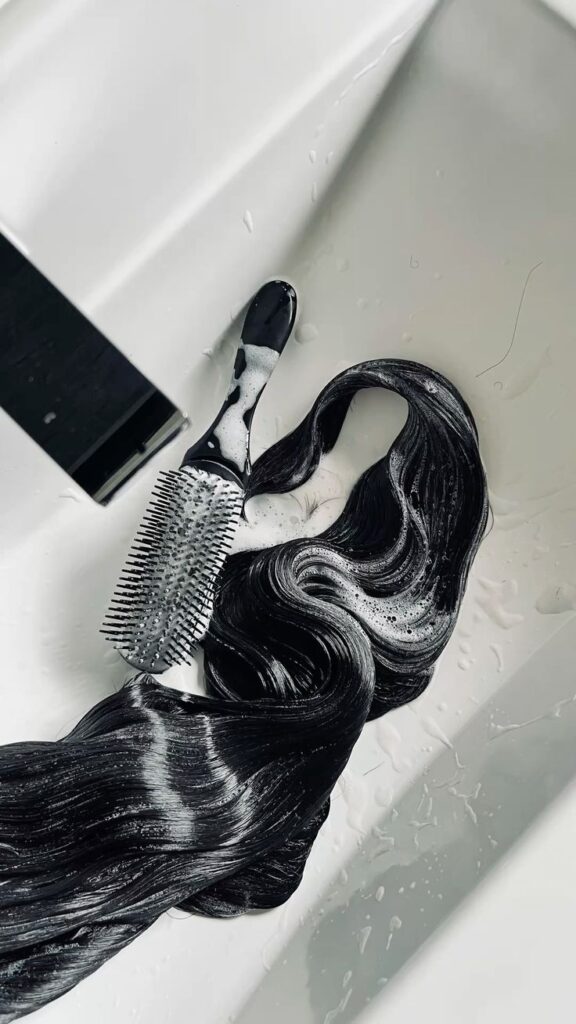
Removing Your Wig Gently
Take your time when removing any wig, especially if glue or adhesive was used. Rushing can pull on your edges unnecessarily.
Use a gentle adhesive remover if needed, rather than pulling the wig off by force. Patience protects your hairline significantly.
Once removed, immediately check your scalp and hair underneath for any early buildup or tension.
Gently massage your scalp right after removal to boost circulation and help release any built up tension.
Give your hair a day or two of rest before installing anything new again right away.
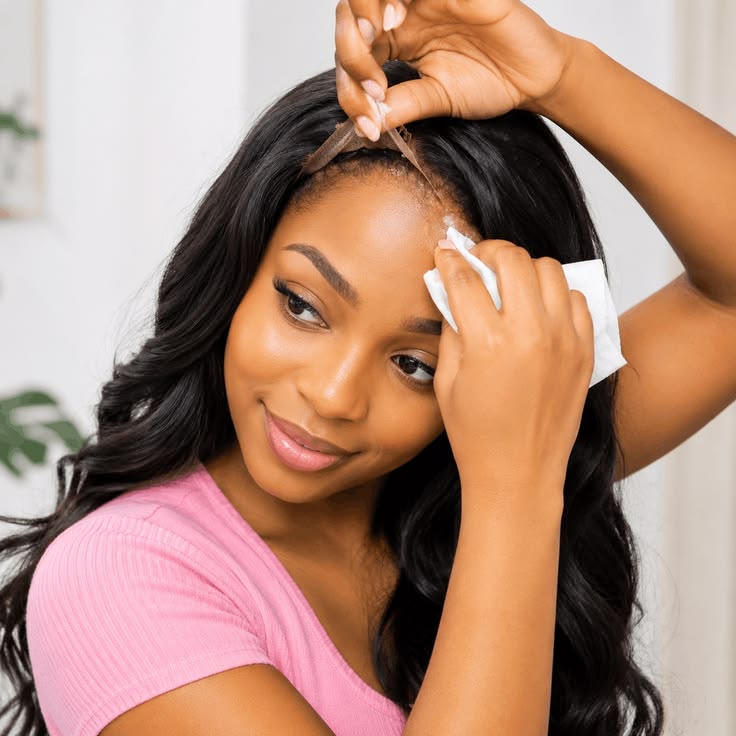
Common Wig Mistakes That Damage Natural Hair
Sleeping in a wig every single night without ever removing it causes serious strain over time. Give your scalp regular breaks.
Skipping proper hair prep before installing also leads to hidden damage underneath. Read the hidden scalp mistakes that slow hair growth to avoid repeating these same errors.
Reusing dirty wig caps without washing them can also introduce buildup and bacteria to your scalp.
Applying too much glue directly onto your skin can cause irritation over repeated use as well.
Being mindful of these small mistakes protects both your natural hair and your overall scalp comfort.

Wig Care Between Wears
Store your wig properly on a stand to help it keep its shape between wears. This also protects the actual wig material.
Just as your scalp needs regular cleaning, so does your wig itself. Buildup on a wig can transfer right back to your scalp.
If your own scalp starts feeling heavy or off during your wig routine, it might genuinely need a proper reset. Check signs your scalp needs a detox to see if this applies to you.
Wash your actual wig every few wears using products made specifically for wig fibers.
Letting your wig air dry fully before storing it helps prevent any unwanted odor or mildew buildup.
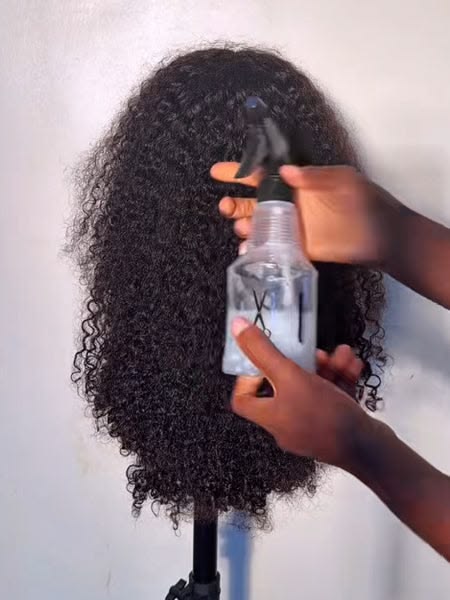
Signs Your Natural Hair Needs A Break From Wigs
Constant itching underneath your wig is not something to simply ignore. Read why your scalp always feels itchy and how to fix it if this keeps happening to you.
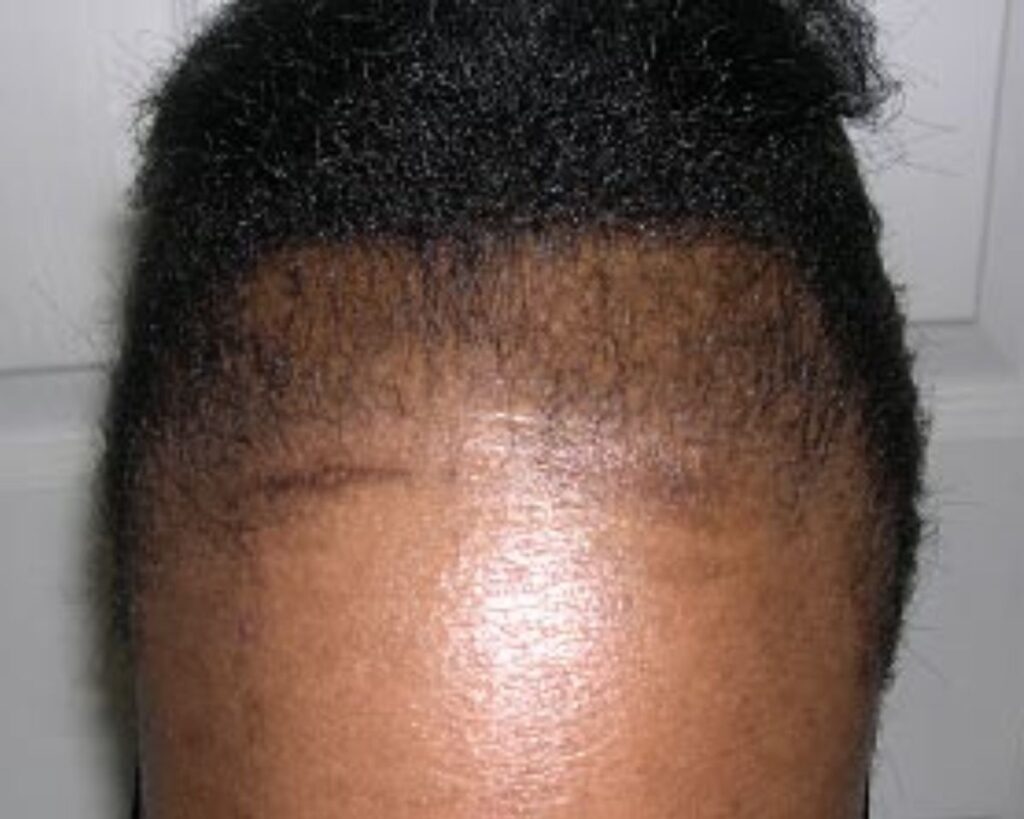
Noticeable thinning around your edges is another clear warning sign. Give your hair a proper break the moment you notice this.
Listening to your scalp and strands protects your hair for the long run, wigs or no wigs.
Persistent tenderness, unusual shedding, or visible bald spots are all serious signs worth taking seriously right away.
Do not wait until damage feels permanent before finally giving your hair the rest it clearly needs.
Building Confidence In Your Wig Journey
Wearing a wig well takes practice, just like any new skill. Do not expect perfection during your very first few tries.
Watching simple tutorials on days you do not need to leave the house can help build your comfort level.
Over time, installing and caring for your wig will start to feel completely natural and effortless.
Give yourself permission to make small mistakes along the way. Every experienced wig wearer started exactly where you are now.
Each attempt teaches you something new, whether about fit, styling, or simply what feels comfortable for you personally.

Final Thoughts On Wearing Wigs Over Natural Hair
Wigs can be a genuinely wonderful tool when used correctly. They protect your natural hair while giving you exciting new styling options.
Take proper care of both your wig and your natural hair underneath. Neither should be neglected for the sake of the other.
With a little practice and consistency, wigs can become one of the easiest parts of your entire hair care routine.
Take things one step at a time, and trust that your comfort and skill will grow with every single wear.
Your natural hair, and your confidence, both benefit when wigs are worn and cared for the right way.
Every wig you wear from now on can be a genuine act of care, not a cover up.
Enjoy the process, trust yourself, and let your hair rest easy underneath.