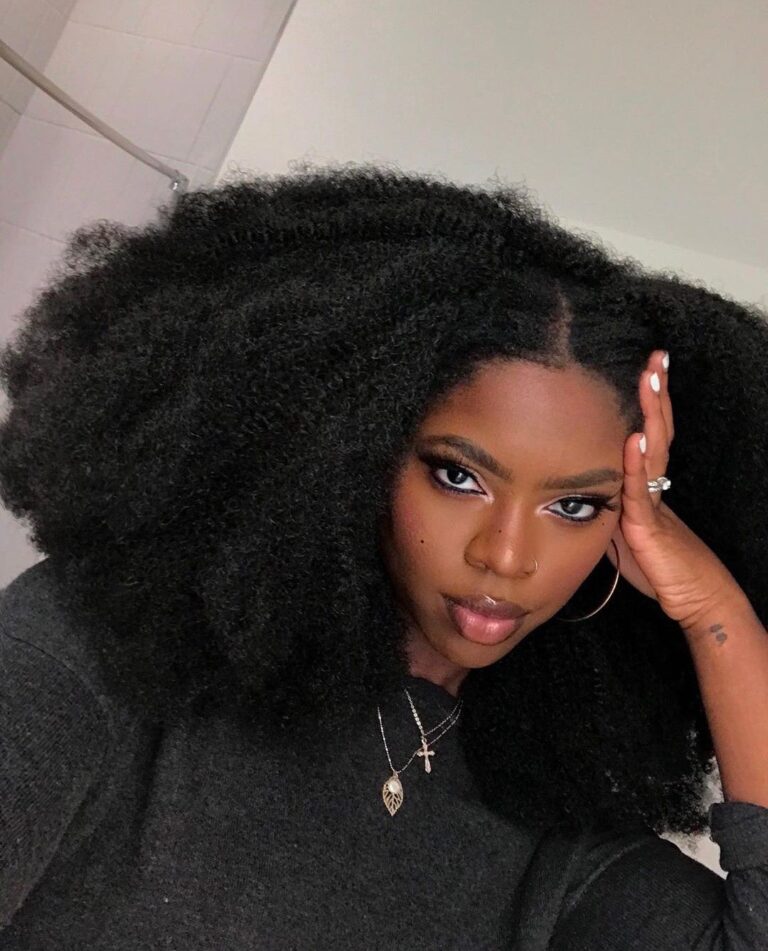

The Best Conditioners For Type 4 Hair
Disclosure: Some of the links in this post are affiliate links. This means if you click on the link and purchase an item, I will receive an affiliate commission at no extra cost to you.
Conditioner is often treated as an afterthought, something quickly applied and rinsed away in a hurry. For type 4 hair, this mindset causes more damage than most people realize.
A client once told me she considered conditioner “just a step before the real products.” She would spend ten seconds applying it, rinse immediately, and move straight to styling creams. Her hair stayed rough, tangled easily, and never held moisture the way she wanted.
She assumed her hair was simply difficult, since nothing seemed to soften it properly. Once we slowed down and gave conditioning the attention it deserved, everything shifted. Within a few wash days, her hair felt noticeably softer and detangled far more easily. This single change reshaped how she approached every other part of her routine.
Many naturalistas make this same mistake, treating conditioner as a minor, forgettable step. Type 4 hair, with its tight coils and many bends, actually depends on this step more than most textures. Skipping proper conditioning undoes much of the good work done by other products.
Conditioner is not filler between shampoo and styling, it is one of the most important steps in your entire routine. For type 4 hair specifically, with its many bends and natural dryness, this step carries even more weight.
Understanding the different types of conditioner, and how to use them properly, changes everything. This post breaks down exactly how to choose and use conditioner properly for this hair type. If you have not read Understanding Type 4 Hair: A Complete Guide, that post explains why this texture needs such intentional care.
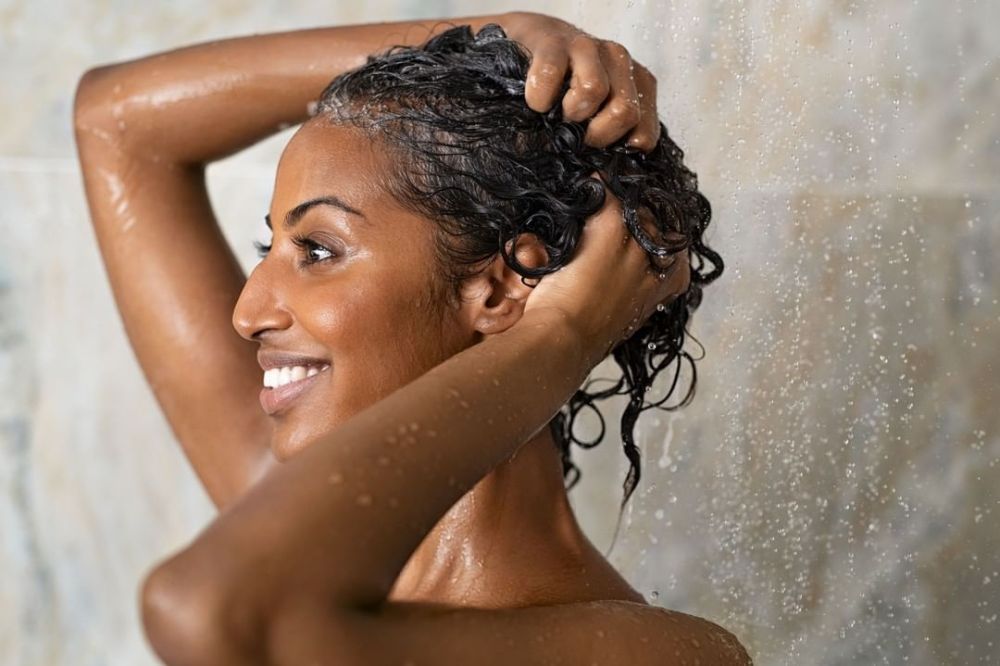
The Best Conditioners For Type 4 Hair
Why Conditioner Matters For Type 4 Hair
Type 4 hair has more bends along each strand than looser curl patterns. These bends make it naturally harder for moisture and oils to travel down the hair shaft.
Conditioner helps compensate for this structural challenge in a way few other products can.
A good conditioner softens the hair, closes the cuticle, and restores moisture lost during cleansing. This softening effect also makes detangling significantly easier and less damaging overall.
Skipping or rushing this step often leads to rough, tangled, difficult-to-manage hair.
Conditioner also plays a supporting role in every other step of your routine. Oils and creams applied afterward absorb more effectively into properly conditioned hair.
This makes conditioner a foundation, not simply one isolated step among many.
Save this for later: What Is Hair Porosity and Why Does It Matter?
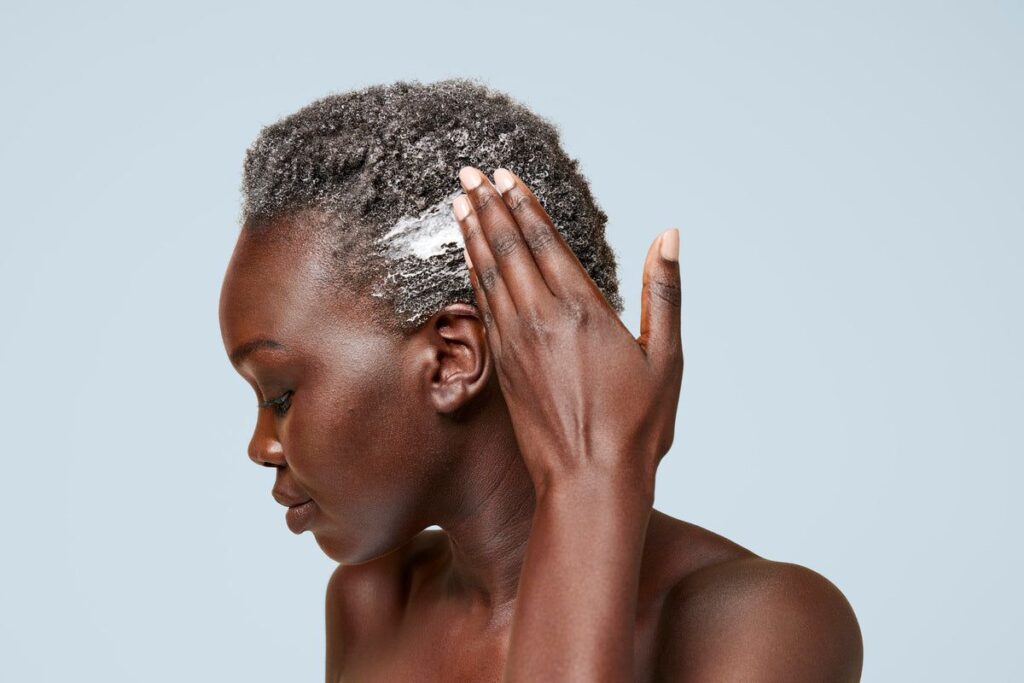
What To Avoid In A Conditioner
Certain ingredients can undermine a conditioner’s effectiveness for type 4 hair specifically.
Ingredients Worth Avoiding
Heavy silicones can coat the hair without truly conditioning the strand underneath. Strong drying alcohols can counteract the very moisture a conditioner should provide.
Excessive fragrance can also irritate sensitive scalps during regular use.
Reading Labels Effectively
Look for water listed as the first ingredient, since this indicates a lighter formula. Beneficial oils and butters listed higher up suggest a richer, more nourishing conditioner.
A shorter, simpler ingredient list often signals a more effective, gentle formula.

Understanding Price Versus Quality In Conditioners
Expensive conditioners do not automatically outperform more affordable, well-formulated alternatives.
Ingredient quality and suitability matter far more than price when judging likely effectiveness. Many budget-friendly conditioners work just as well as premium, heavily marketed options.
Avoiding Overly Drying Formulas
Some conditioners marketed for “volume” or “clarifying” can be too drying for type 4 hair. These formulas often prioritize lightness over the deep moisture this hair type needs.
Reserving these for occasional use, rather than every wash day, protects your hair’s moisture balance.
Understanding Common Beneficial Ingredients
Shea butter and glycerin often appear in conditioners suited to type 4 hair. These ingredients help attract and lock in moisture along tightly coiled strands.
Recognizing these ingredients helps you shop more confidently, even among unfamiliar brands.
Natural Versus Synthetic Ingredients
Natural ingredients are not automatically better, and synthetic ones are not automatically worse.
What matters most is how a specific ingredient functions and whether your hair responds well.
Judging formulas by actual performance, rather than marketing labels, leads to better choices.
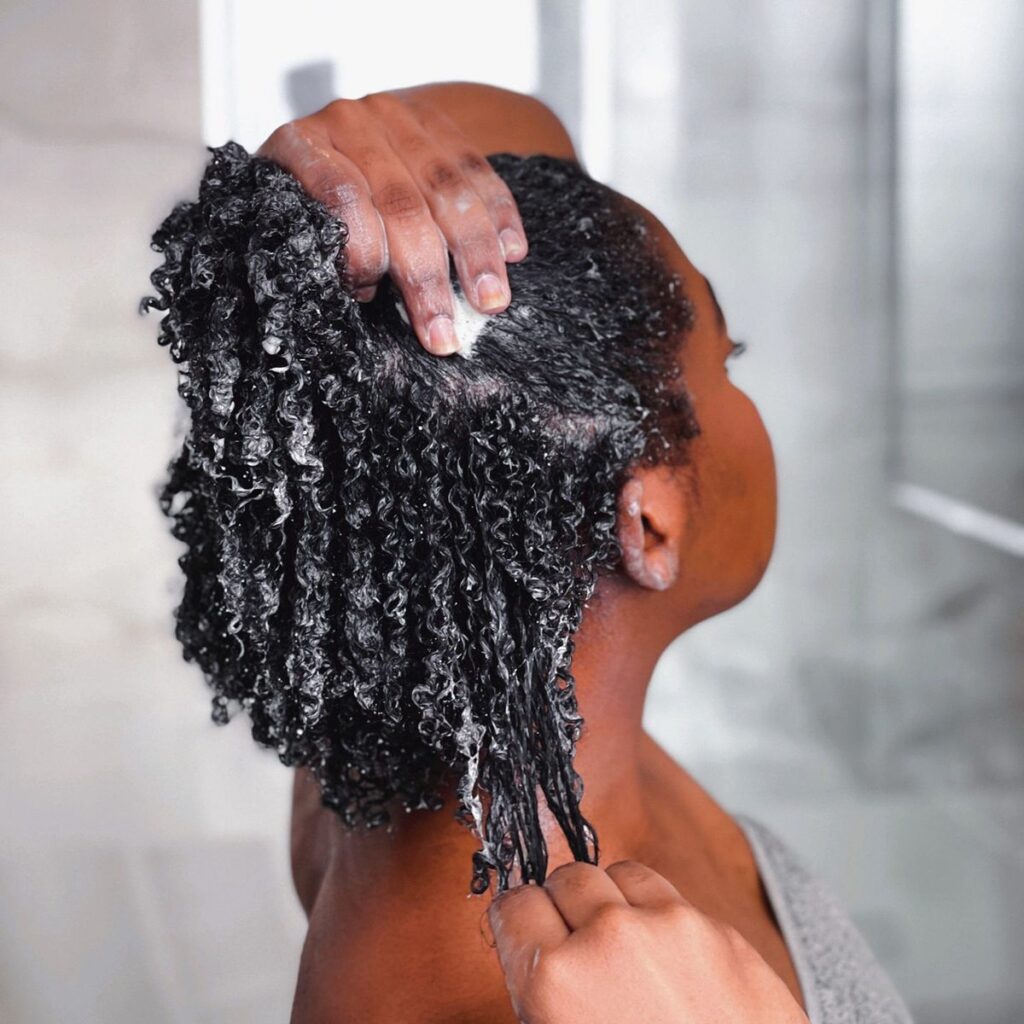
Rinse-Out Conditioners Explained
Rinse-out conditioners are used immediately after shampooing and washed out shortly afterward.
How Rinse-Out Conditioners Work
These conditioners smooth the cuticle and add temporary moisture before styling begins. They work quickly, making them ideal for regular wash day use.
Choosing a rich, creamy formula benefits type 4 hair’s naturally dry texture well.
Take a peek: The Best Shampoos For Afro Hair
Getting The Most From A Rinse-Out Conditioner
Leave the conditioner in for at least five minutes before rinsing thoroughly. This short waiting period allows the formula to properly soften and coat each strand.
Rinsing too quickly limits the benefit this step can actually provide.
Rinsing Technique That Preserves Moisture
Rinse with lukewarm water rather than very hot water to avoid stripping added moisture. A final cool water rinse can help seal the cuticle before moving to styling products.
This small technique adjustment protects the benefits your conditioner just provided.
Timing Your Rinse For Best Results
Rinsing too soon after application limits how much moisture the hair actually absorbs. Waiting the full recommended time, even a few extra minutes, often improves results noticeably.
This small patience during rinsing pays off in softer, more manageable hair afterward.
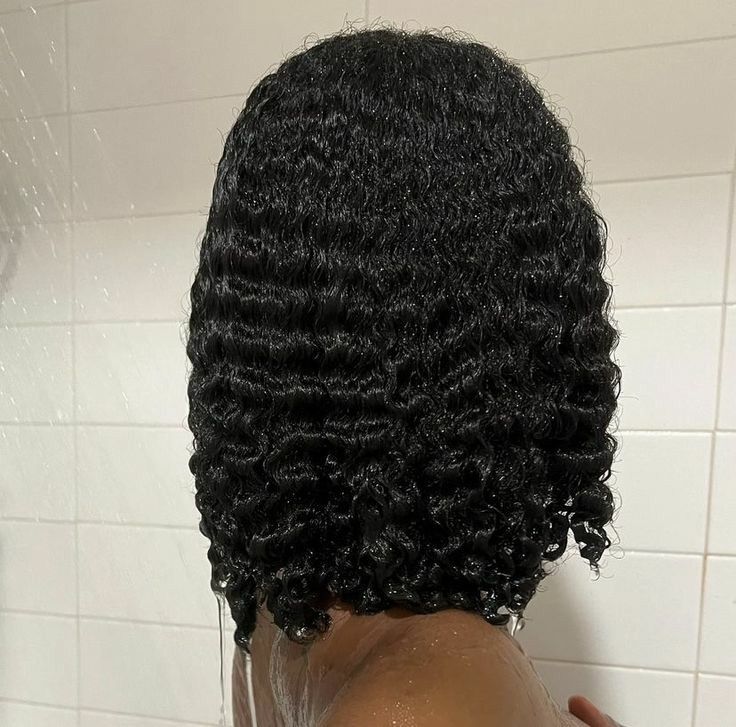
Deep Conditioners Explained
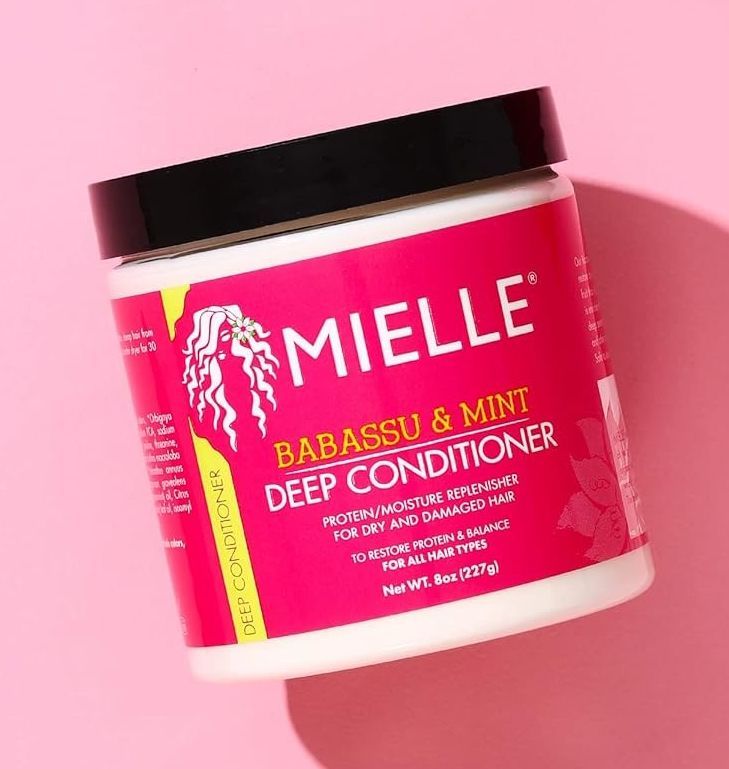
Deep conditioners stay on the hair longer and penetrate more deeply than rinse-out formulas.
How Deep Conditioners Work
Deep conditioners often include added heat or extended time to boost absorption. This extra time allows moisture and nutrients to reach deeper into the hair shaft.
Type 4 hair benefits significantly from regular deep conditioning sessions.
Using Heat With Deep Conditioners
A warm towel, steamer, or hooded dryer can dramatically improve deep conditioner absorption. This added warmth helps open the cuticle slightly, allowing moisture to penetrate further.
Fifteen to thirty minutes under heat usually produces noticeably softer, more hydrated results.
Choosing Between Moisture And Protein Deep Conditioners
Moisture-focused deep conditioners hydrate and soften, while protein-focused ones strengthen the hair’s structure.
Alternating between the two, based on your hair’s current needs, produces the most balanced results.
Overusing either type alone can create the opposite problem you were trying to solve.
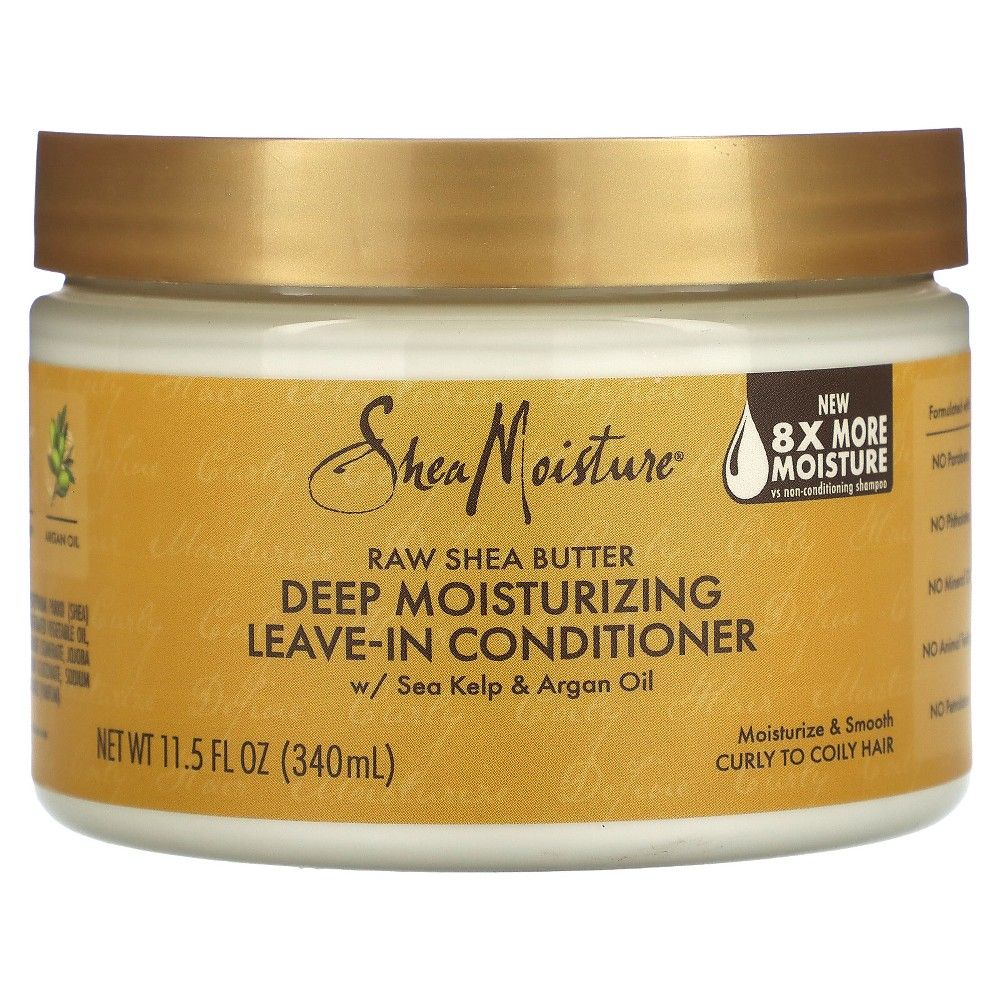
Leave-In Conditioners Explained
Leave-in conditioners remain in the hair after washing, providing ongoing moisture throughout the day.
How Leave-In Conditioners Work
These lighter formulas add moisture without needing to be rinsed out again.
They form the first layer in many popular moisturizing methods, like LOC or LCO. How To Grow Healthy Afro Hair Without Chasing Length explains these methods in more detail.
Choosing The Right Leave-In Formula
Lighter, water-based leave-ins suit low porosity hair, while richer creams suit high porosity hair.
Applying leave-in to soaking wet hair generally improves absorption for most hair types. Reapplying lightly every few days helps maintain moisture between full wash days.
Layering Leave-In With Other Products
Leave-in conditioner typically comes first, before oils, creams, or butters are applied afterward.
This order helps each product perform its intended role without interfering with the others. Skipping this order can leave later products unable to absorb properly into the hair.
Best Conditioners For Low Porosity Hair
Low porosity hair needs conditioners that can actually penetrate its tightly closed cuticle.
What To Look For
Lightweight, water-based conditioners work better than heavy, oil-based formulas for this porosity type.
Low Porosity Hair Routine explains how heat can help improve conditioner absorption further.
Application Tips For Low Porosity Hair
Apply conditioner to soaking wet hair, then add gentle heat during the waiting period.
This combination significantly improves how well the conditioner actually absorbs into the strand.
Avoid heavy, creamy formulas that tend to sit on top without penetrating properly.
Avoiding Buildup With Low Porosity Hair
Rinse thoroughly after conditioning to prevent residue from accumulating on the hair’s surface.
This porosity type is especially prone to buildup, given its naturally resistant cuticle structure.
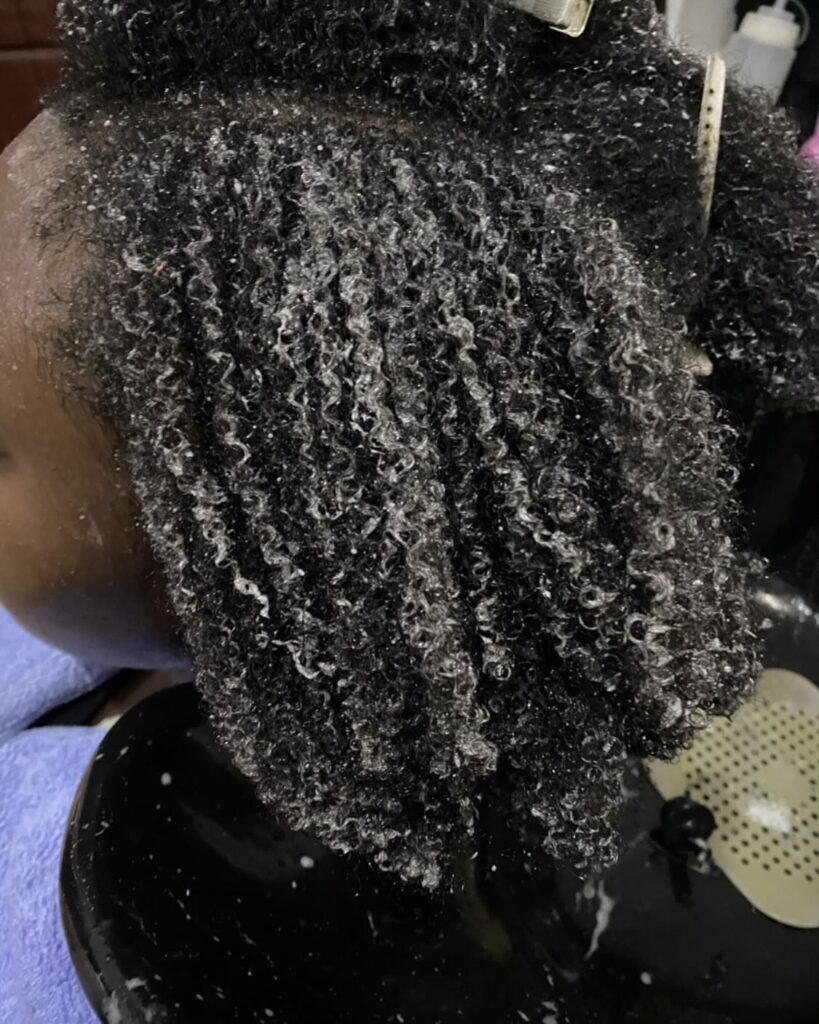
Best Conditioners For High Porosity Hair
High porosity hair needs conditioners that help seal in moisture more effectively.
What To Look For
Richer conditioners containing proteins and heavier oils help support this more fragile porosity type.
Balancing protein and moisture remains especially important for high porosity hair specifically.
Application Tips For High Porosity Hair
Apply conditioner to damp, not soaking wet, hair for better initial absorption control. Finish with a cool water rinse to help seal the cuticle and lock in moisture.
This combination helps counteract this porosity type’s tendency to lose moisture quickly.
Combining Protein And Moisture For High Porosity Hair
High porosity hair often benefits from alternating protein and moisture-focused conditioners regularly.
This rotation helps rebuild strength while still maintaining the softness this hair type needs. Paying attention to how your hair responds helps you fine-tune this rotation over time.
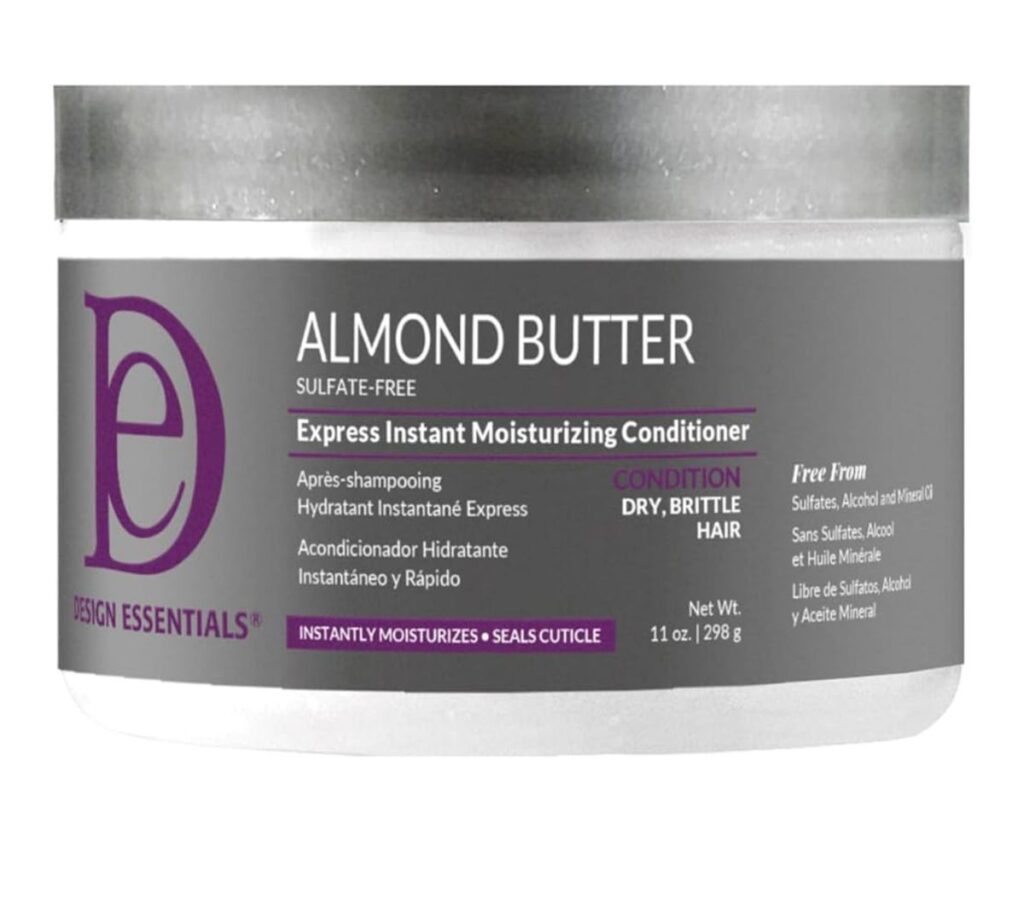
Protein Conditioners And When To Use Them
Protein conditioners strengthen the hair shaft, though they require careful, moderate use.
Using Protein Conditioners Correctly
Use protein treatments occasionally, not with every single wash, to avoid overloading your hair.
Always follow a protein treatment with a moisture-focused conditioner afterward. This balance prevents the stiffness that too much protein alone can cause.
Bookmark this post: 4A vs 4B vs 4C Hair Explained
Recognizing When Your Hair Needs Protein
Hair that feels mushy, stretches excessively, or breaks easily may need more protein. Hair that feels stiff, brittle, or straw-like may already have too much protein.
Balancing these signals helps you adjust your protein use appropriately over time.
Choosing A Gentle Protein Formula
Light protein conditioners, containing hydrolyzed proteins, tend to work well for most naturalistas.
Heavier, more intense protein treatments should be reserved for occasional, more significant repair needs.
Starting gentle and adjusting based on results prevents overcorrecting into stiffness.
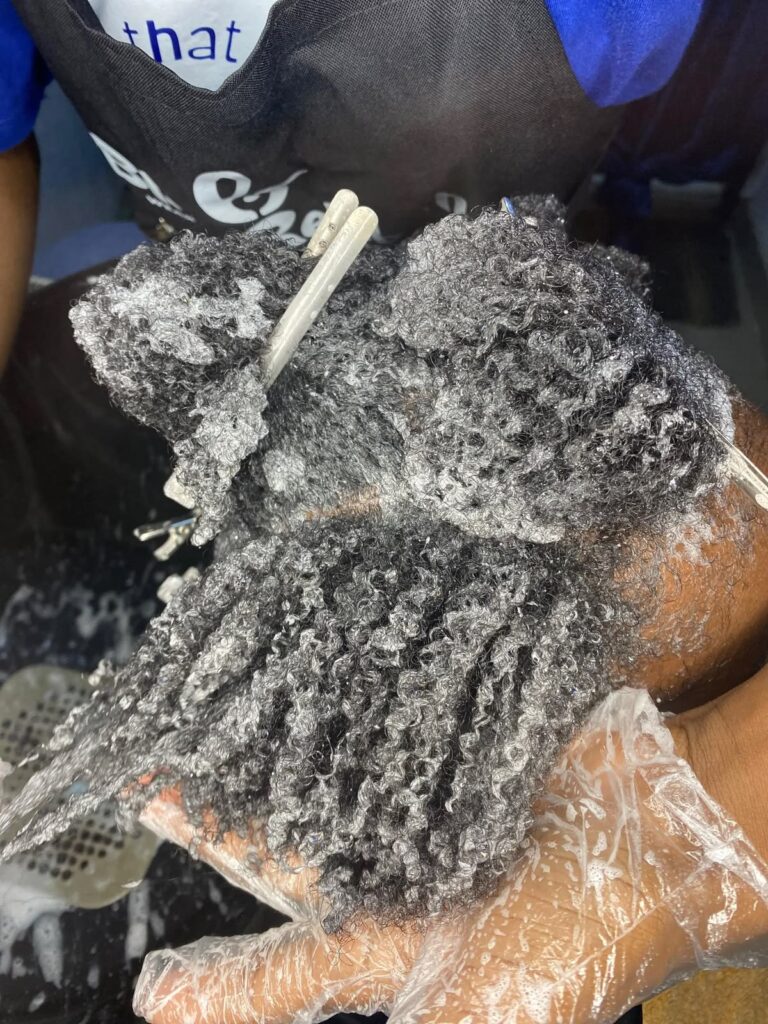
Conditioning For Detangling
Conditioner plays a crucial role in making detangling gentler and less damaging overall.
Choosing A Conditioner With Good Slip
Slip refers to how easily fingers or a comb glide through conditioned hair. Rich, creamy conditioners typically offer more slip than lighter, watery formulas.
The Best Detangling Brushes For Afro Hair pairs well with a good slippery conditioner.
Detangling Technique With Conditioner
Apply conditioner generously, then detangle starting from the ends and working upward gradually.
This method reduces tension and prevents unnecessary pulling through stubborn knots. Patience during this step protects your strands throughout the entire detangling process.
Sectioning Hair For Easier Detangling
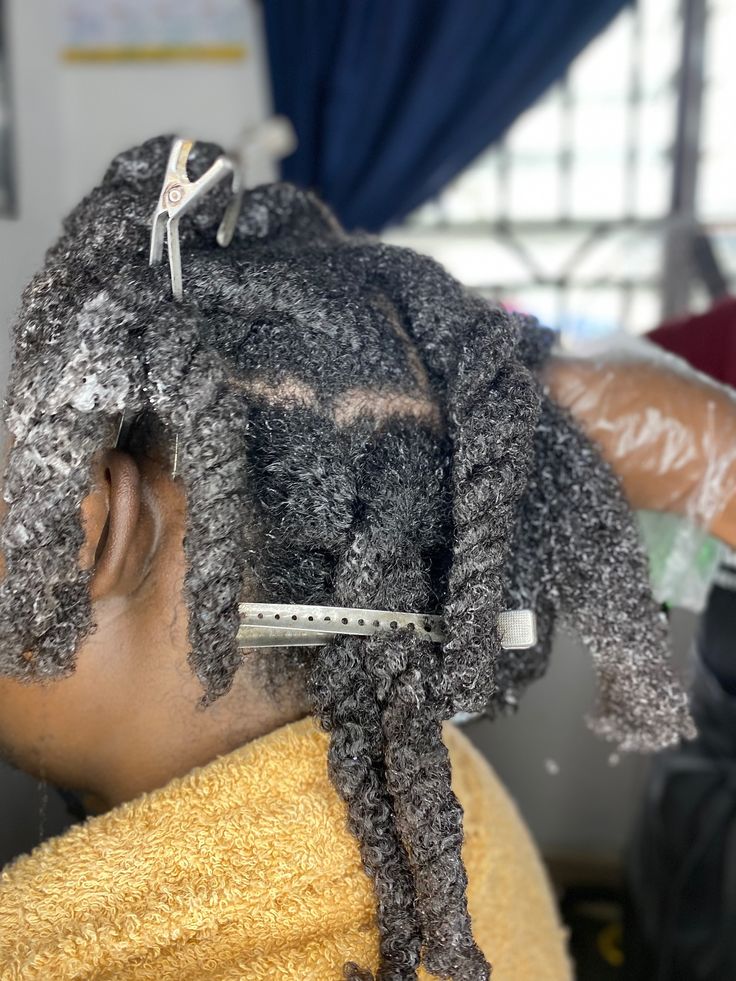
Divide hair into four or more sections before applying conditioner and beginning detangling.
Working through smaller sections reduces overwhelm and makes each knot easier to address. This method also helps ensure no area of your hair gets missed or rushed.
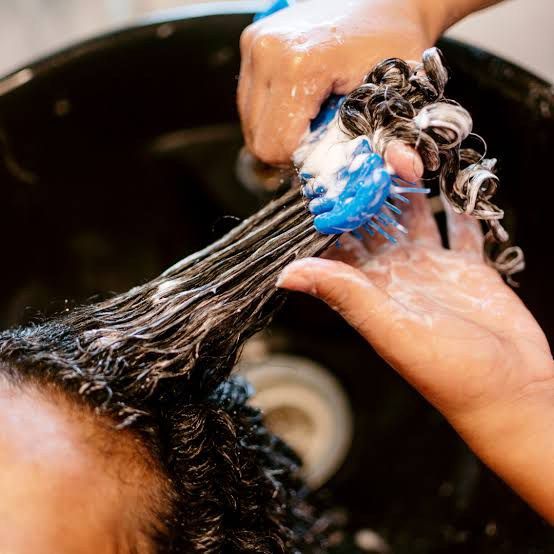
Conditioning And Scalp Health
Conditioner should support scalp health, not just the length of your hair.
Applying Conditioner Thoughtfully
Focus rinse-out conditioner mainly on the length, avoiding heavy buildup at the scalp. Healthy Scalp Habits For Faster Hair Growth offers more guidance on keeping your scalp balanced.
Following with a light oil can further support scalp comfort afterward. Take a peek: The Truth About Hair Growth Oils
Avoiding Buildup Near The Scalp
Heavy conditioners applied too close to the roots can clog follicles over time. Focusing richer products on the length, with lighter application near the scalp, prevents this issue.
This small adjustment protects scalp health without sacrificing moisture along your strands.
Balancing Scalp Comfort With Moisture Needs
Some naturalistas avoid conditioner near the scalp entirely, fearing buildup or irritation.
A light, occasional application near the roots can still support scalp comfort without causing problems.
Observing how your scalp responds helps you find the right balance for your hair.
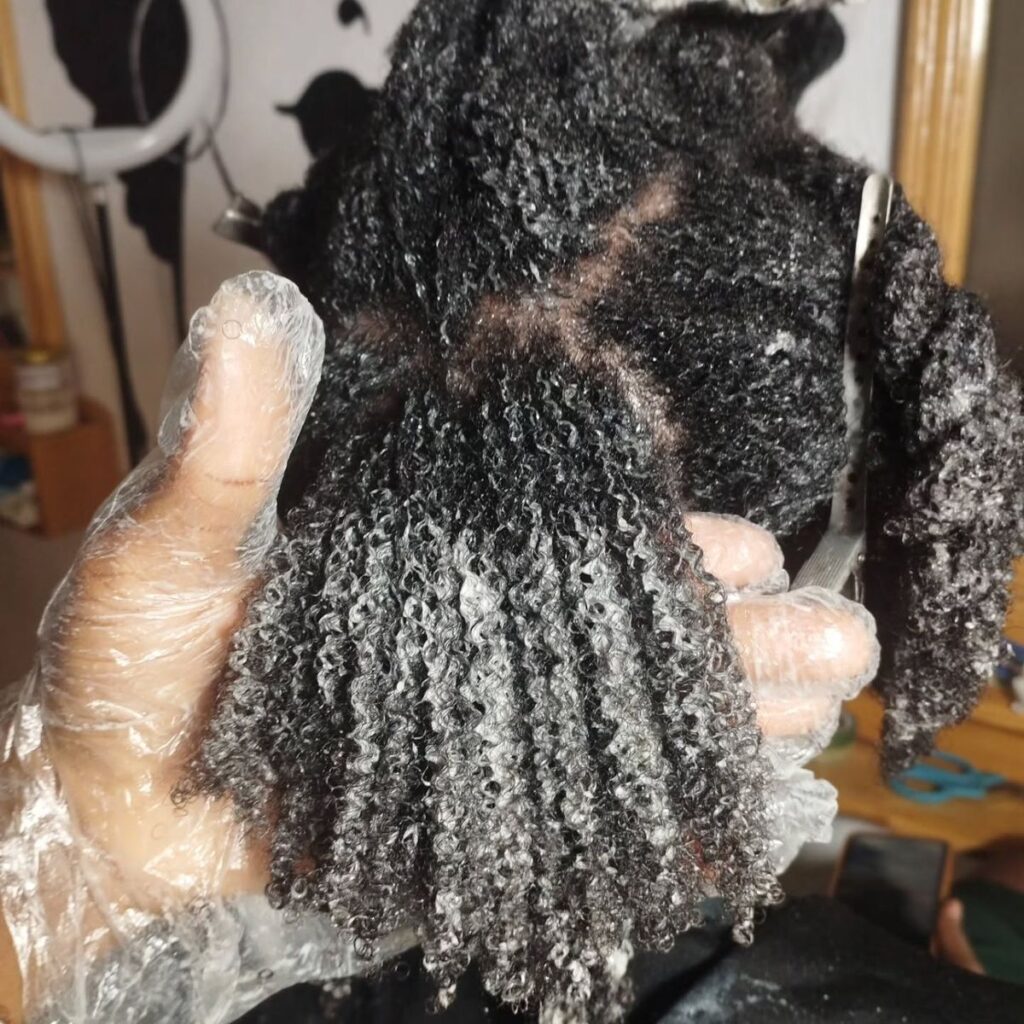
Conditioning And Curl Pattern Considerations
Your curl pattern can influence which conditioner texture and richness work best for you.
Matching Conditioner To Your Pattern
Looser patterns often do well with lighter conditioners that will not weigh curls down. Tighter, more compact patterns usually benefit from richer, creamier formulas.
How To Identify Your Curl Pattern can help guide this specific choice further.
Adjusting For Mixed Patterns
Many naturalistas have a mix of patterns across different sections of their head. Applying richer conditioner to tighter areas and lighter conditioner to looser areas helps balance results.
This section-based approach often produces more even, satisfying results overall.
Testing Conditioner Across Different Sections
Try applying the same conditioner to different sections and observe how each area responds.
This simple test reveals whether one formula truly suits your entire head evenly. Adjusting application based on these observations improves consistency across your whole hair.
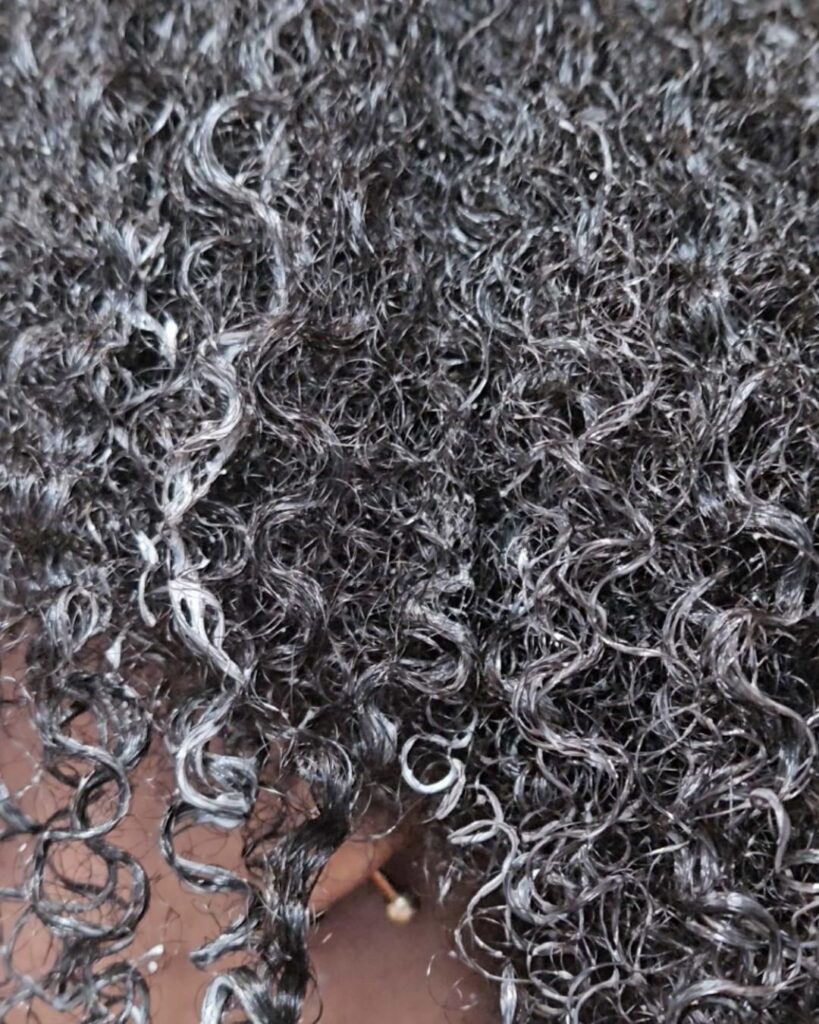
How Often To Deep Condition
Deep conditioning frequency depends on your hair’s porosity, dryness, and overall condition.
Finding Your Ideal Frequency
Most naturalistas with type 4 hair benefit from deep conditioning weekly or biweekly. Very dry or high porosity hair may benefit from slightly more frequent sessions.
The Best Hair Growth Routine For Afro Hair covers this timing within a full routine.
Adjusting Frequency By Season
Dry, harmattan months may call for more frequent deep conditioning than usual. Humid months may allow for slightly less frequent sessions without noticeable dryness returning.
Adjusting seasonally keeps your routine responsive to your hair’s actual changing needs.
Adjusting Frequency By Lifestyle
Frequent swimming, heat styling, or protective styling can all affect how often you need to deep condition.
Increasing frequency during these periods helps counteract additional stress placed on your hair. Returning to your normal schedule once these factors ease keeps your routine balanced.
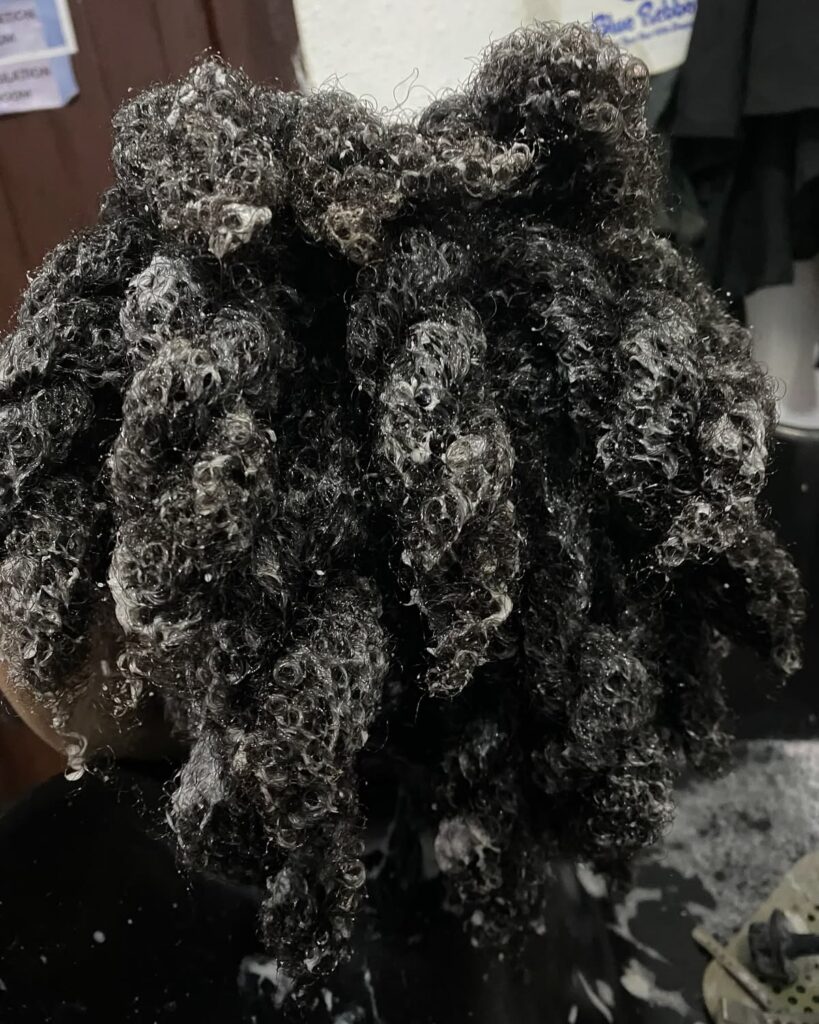
Building A Conditioner Routine Around Your Hair
Once you understand your hair’s needs, building a conditioner routine becomes much simpler.
Combining What You Have Learned
Choose a rich rinse-out conditioner, a proper deep conditioner, and a lightweight leave-in. Must-Have Products For A Healthy Hair Routine rounds out the rest of your product shelf.
Explore more ideas: Hair Cream vs Hair Butter: Which Should You Choose?
Keeping Your Routine Simple And Consistent
A focused, well-matched routine tends to outperform a complicated one full of unnecessary products.
Consistency, rather than constantly switching formulas, produces the most reliable results over time.
Revisit your routine occasionally, but avoid changing everything without a clear, specific reason.
Adjusting Your Routine As Your Hair Changes
Life changes, seasons, and even age can shift what your hair needs from conditioner. Staying flexible and willing to reassess keeps your routine relevant and genuinely effective.
What worked perfectly a year ago may need small updates as your hair evolves.
Common Conditioner Mistakes To Avoid
A few common mistakes can undermine even a well-chosen conditioner’s effectiveness.
Mistakes Worth Correcting
Rinsing conditioner out too quickly prevents proper absorption into the hair shaft. Using only rinse-out conditioner, without ever deep conditioning, limits overall moisture and strength.
Skipping leave-in conditioner afterward removes an important layer of ongoing daily moisture.
Read this next: Length Retention Tips Every Naturalista Should Know
My sister rushed through conditioning for years, treating it as an unnecessary extra step. Once she started leaving conditioner in for a full fifteen minutes, her hair transformed noticeably.
Overloading Hair With Too Many Formulas
Layering multiple rich conditioners at once can leave hair feeling heavy and weighed down.
Choosing one well-suited formula per step usually produces better, more balanced results. Simplicity often outperforms an overly complicated, product-heavy approach.
Ignoring Your Hair’s Feedback
Continuing to use a conditioner that leaves hair feeling dry or stiff rarely helps. Paying attention to how your hair responds after each wash guides better future choices.
Switching to a better-suited formula often resolves issues that seemed stubborn before.
Applying Conditioner Unevenly
Focusing conditioner only on easy-to-reach areas often leaves other sections under-conditioned.
Sectioning your hair ensures every part receives fair, even attention during application. This small habit prevents patchy results that can appear inconsistent across your head.
Quick Answers To Common Questions
A few questions come up often when naturalistas are choosing a conditioner.
Can I skip rinse-out conditioner if I deep condition regularly? No, both serve different purposes and work best together.
How long should I leave deep conditioner in my hair? Fifteen to thirty minutes, with heat, usually gives the best results.
Is leave-in conditioner necessary every single day? Not necessarily, though many naturalistas benefit from refreshing it every few days.
Can conditioner alone fix severely dry, damaged hair? No, conditioner should be paired with proper oils and gentle handling.
Should I condition before or after detangling? Apply conditioner first, then detangle while it is still in your hair.
Can too much conditioner weigh my hair down? Yes, especially with heavier formulas on finer or lower density hair.
Is it normal for conditioner to feel different across seasons? Yes, weather can affect how your hair responds to the same formula.
Do I need a separate conditioner for my scalp? Not necessarily, though applying more lightly near the roots helps prevent buildup.
Can I mix a deep conditioner with oil for extra benefit? Yes, adding a small amount of oil can boost slip and moisture retention.
A Few Final Things Worth Knowing
Choosing the right conditioner protects and restores the moisture type 4 hair constantly needs.
Rinse-out, deep, and leave-in conditioners each serve a distinct, important role in your routine.
Understanding your porosity and curl pattern helps you select the most effective formulas.
Give conditioning the time and attention it deserves, rather than rushing through it.
This single adjustment often produces some of the most noticeable improvements in your entire routine.
Your hair’s softness, detangling ease, and overall health all depend heavily on this one consistent step.
Remember that conditioner works best as part of a complete, balanced routine, not in isolation.
Pairing it with proper cleansing, sealing, and gentle handling produces the strongest overall results.
Approach conditioning with patience, and your hair will reward that patience with real, visible progress.
Every naturalista’s ideal conditioning routine looks slightly different, based on porosity, pattern, and lifestyle.
Use this guide as a starting point, then adjust based on how your own hair responds. Trust the feedback your hair gives you above any single product or trend.
Conditioning is not a step to rush past on the way to something more exciting. It is the quiet, consistent work that makes every other part of your routine actually succeed.
Give it the time it deserves, and your hair will show you the difference clearly.