
How To Tell If Your Scalp Is Dry Or Just Dehydrated
Disclosure: Some of the links in this post are affiliate links. This means if you click on the link and purchase an item, I will receive an affiliate commission at no extra cost to you.
Your scalp feels tight, flaky, or uncomfortable. But is it actually dry, or simply dehydrated? Most people use these two words like they mean the same thing. They genuinely do not.
Dry and dehydrated scalps need completely different fixes. Using the wrong fix can leave you stuck in the same frustrating cycle for months.
If your hair also feels constantly dry, that struggle often starts right here at your scalp. Read why your afro hair feels dry all the time to see how deeply connected these two things really are.
This guide breaks down the real difference, so you can finally treat your scalp correctly. By the end, you will know exactly which category your scalp falls into, and what to do next.
We will cover the signs, the causes, and the simple fixes for both, one at a time. Nothing here requires expensive treatments, just a little awareness and a few consistent habits.
How To Tell If Your Scalp Is Dry Or Just Dehydrated
What Dry Scalp Actually Means
A dry scalp lacks oil. Your skin simply is not producing enough natural sebum to stay balanced.
This can happen due to genetics, weather, harsh products, or even certain skin conditions entirely.
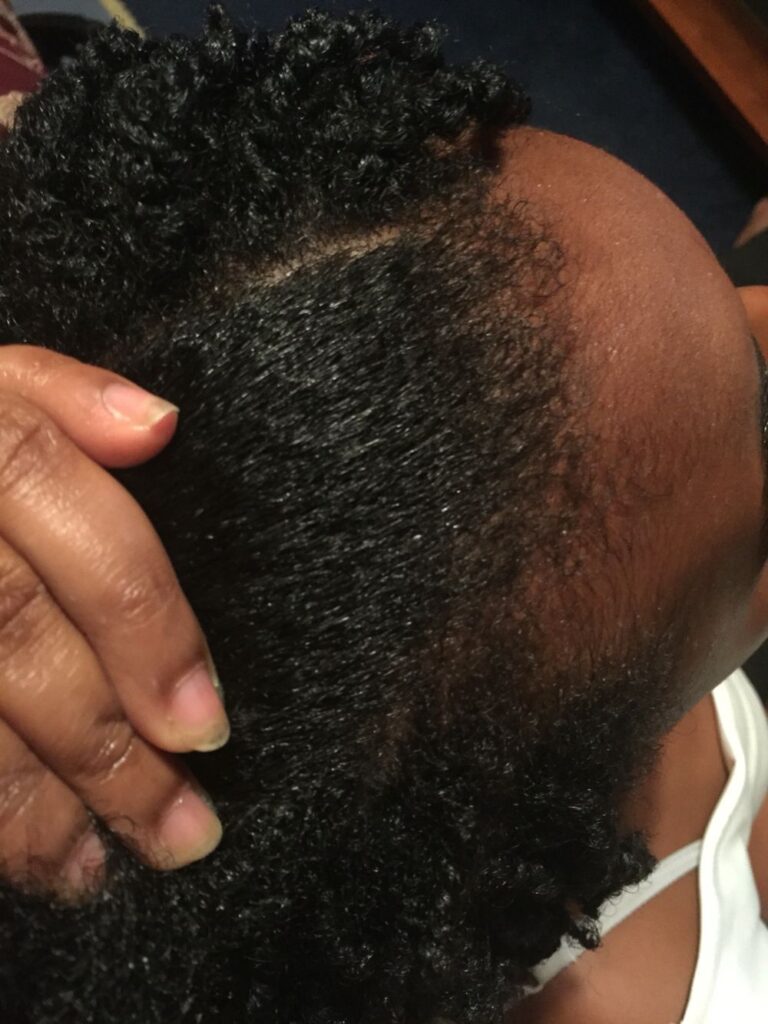
Dry scalp often feels rough, flaky, and sometimes visibly scaly across different areas of your head. It is a lack of oil, not a lack of water, which makes the fix quite specific.
Many people mistake this for simple dandruff, though the two are not always exactly the same thing.
Understanding the actual root cause helps you choose the right treatment from the very start.
Dry scalp can affect anyone, regardless of hair type, texture, or overall hair health. It is simply a skin condition, not something tied to how well you care for your strands.
What Dehydrated Scalp Actually Means
A dehydrated scalp lacks water. Your skin might actually have plenty of oil, yet still feel parched underneath.
This often happens due to harsh products, excessive heat, or simply not drinking enough water daily.
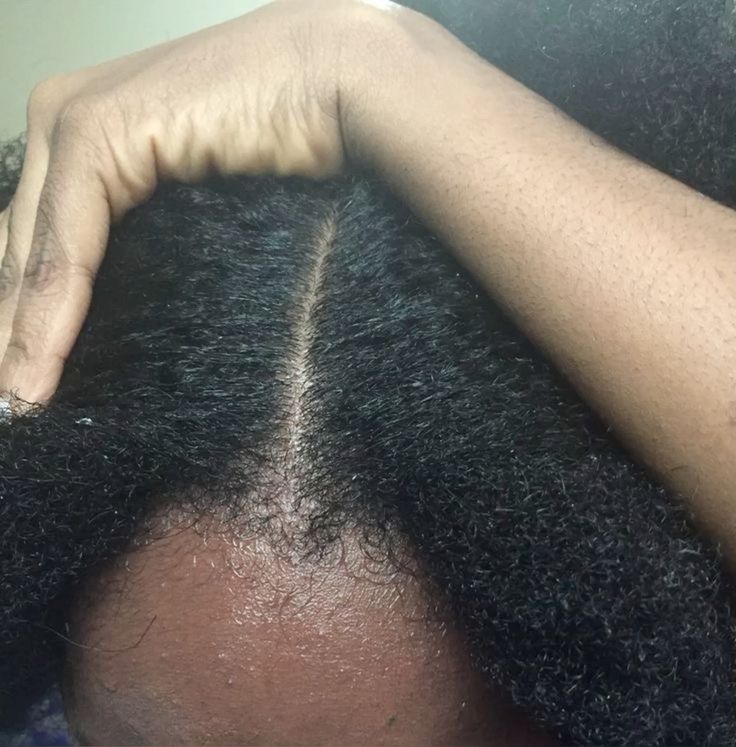
Dehydrated scalp can feel tight and uncomfortable, even when it looks shiny or slightly oily on the surface.
It is a lack of water, not oil, which means oily products alone will not solve the problem. This confusion trips up so many naturals, since oily skin usually signals the opposite problem entirely.
Recognizing this contradiction is often the first real step toward finding an actual solution. This surprising mix of oily yet tight often leaves people confused about what to actually do.
Recognizing this pattern clearly is often the turning point toward finally solving the real issue.
The Key Difference Between The Two
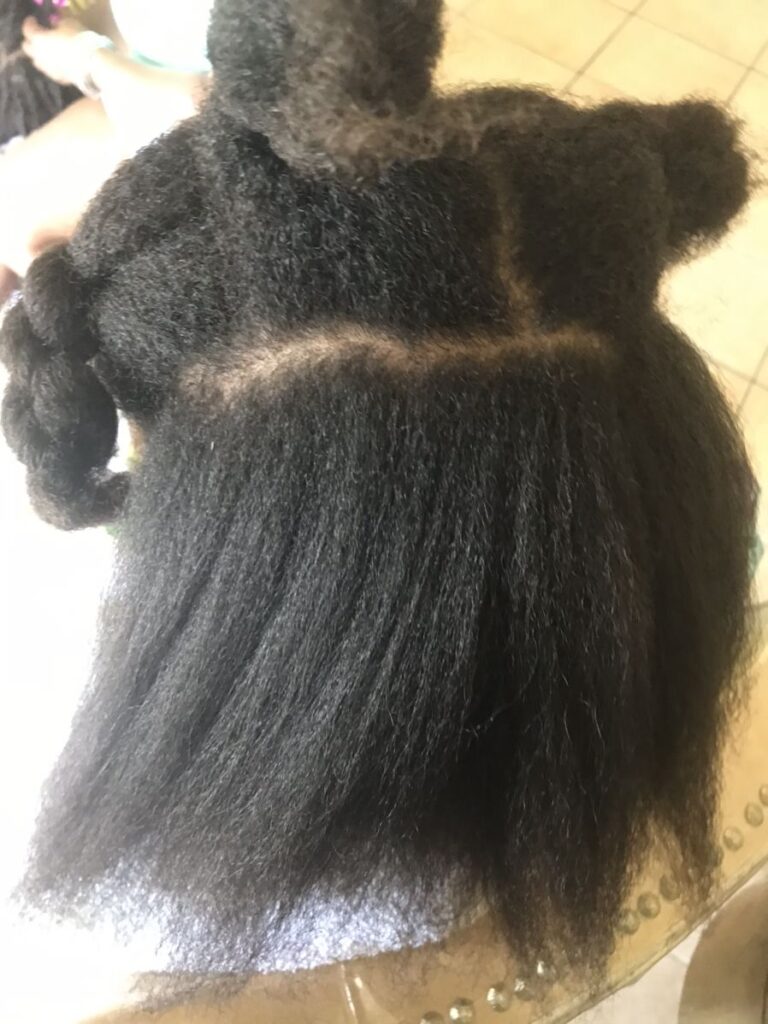
Dry scalp needs oil. Dehydrated scalp needs water. Confusing the two often makes things worse instead of better.
Adding heavy oil to a dehydrated scalp can trap the problem underneath without ever actually solving it.
Adding only water to a genuinely dry scalp may bring brief relief, but it will not last.
Just like the difference between breakage and shedding, this scalp distinction changes how you actually treat the problem.
Getting this right the first time saves you weeks, sometimes months, of frustrating trial and error.
Think of it as choosing the right tool for the right job every single time.
Mixing up the two approaches wastes effort and can genuinely prolong your discomfort unnecessarily.
Common Signs Of A Dry Scalp
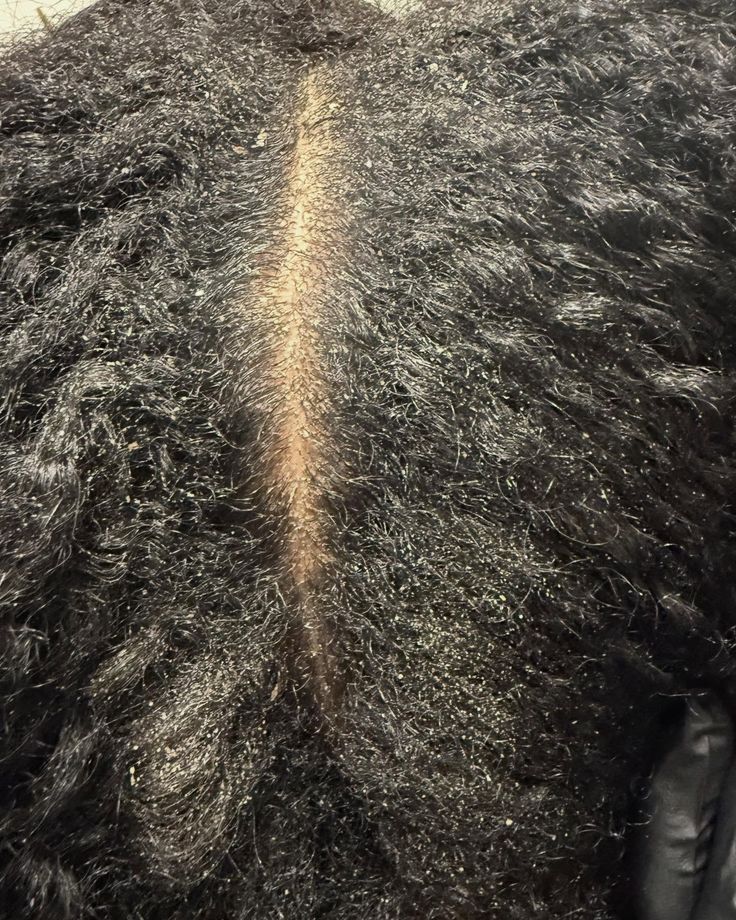
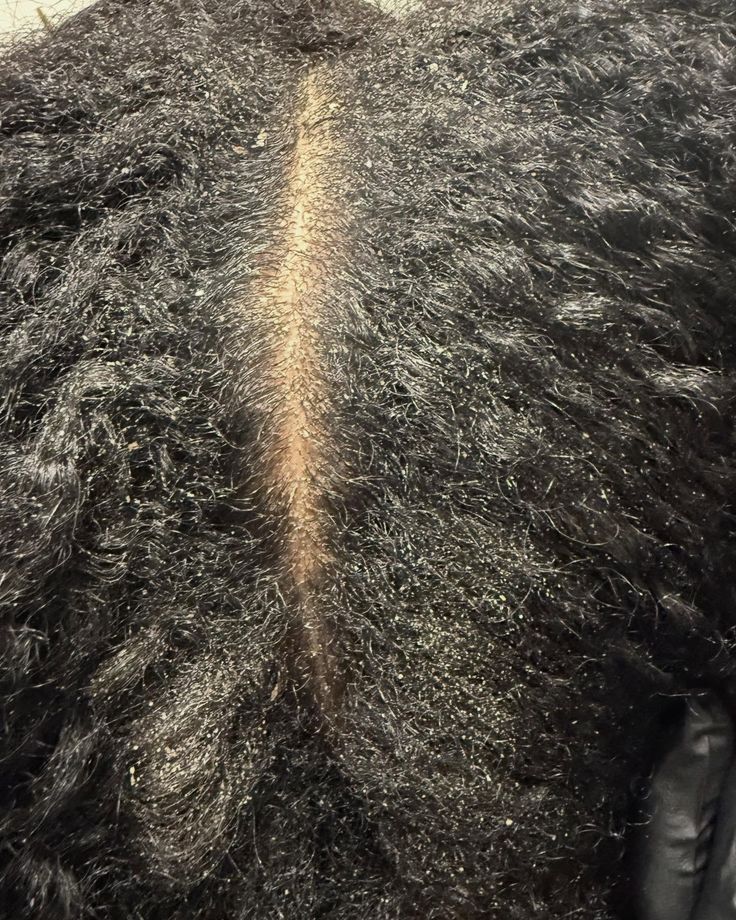
Visible flakes are one of the clearest signs of a genuinely dry scalp. Your scalp may also feel rough to the touch, almost like slightly cracked or chapped skin.
This dryness often gets worse during colder months or in low humidity environments specifically.
If flaking persists no matter what you try, oil deficiency is likely part of your real issue.
You might also notice your scalp feels tighter than usual right after shampooing with strong cleansers.
Some people even notice small cracks or rough patches across their scalp during especially dry seasons.
Your scalp might also feel itchy in a rough, sandpaper like way that feels different from tightness.
Notice whether flakes appear white and dry, since this often points more clearly toward dryness.
Common Signs Of A Dehydrated Scalp
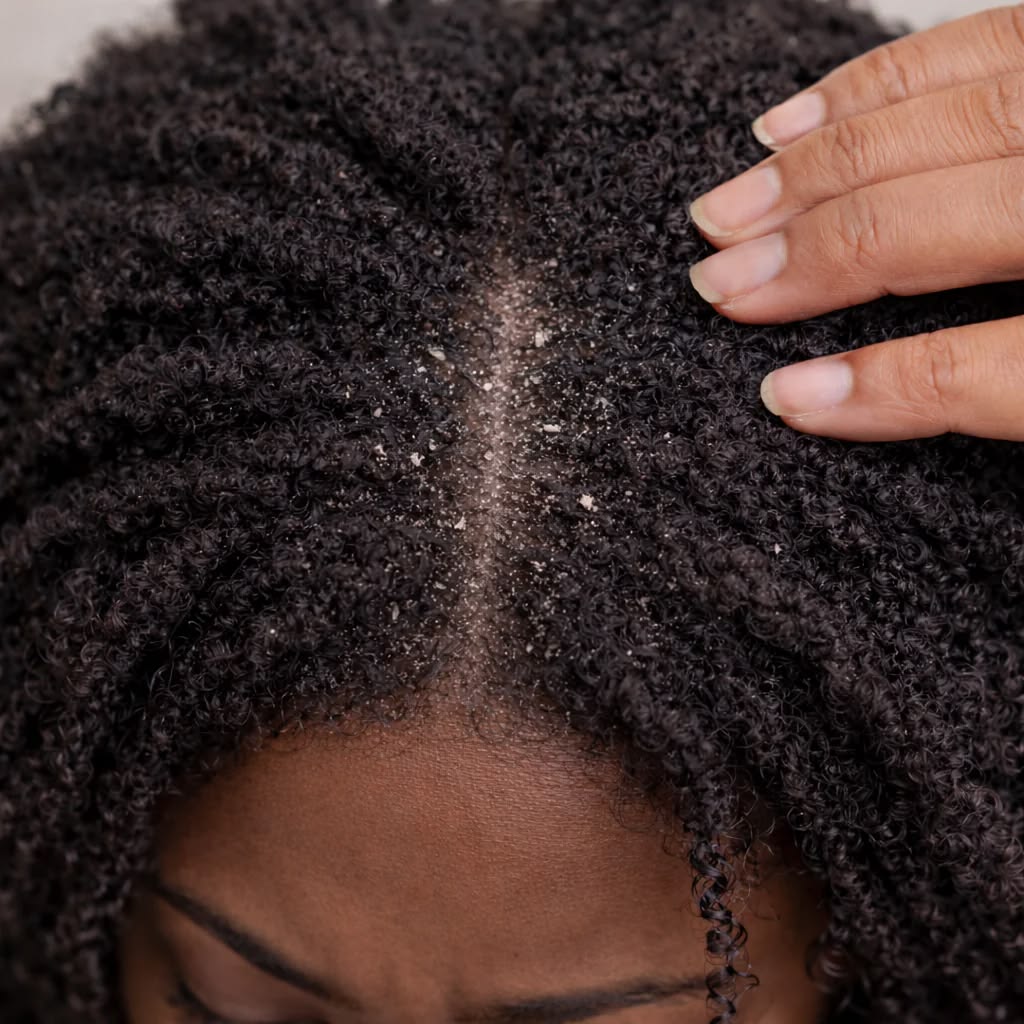
A dehydrated scalp often feels tight, especially right after washing or when the weather turns dry.
You might notice this tightness without seeing any actual visible flakes at all.
Your scalp may also feel oily on the surface while still somehow feeling tight and uncomfortable underneath.
This unusual combination is a strong clue that dehydration, not dryness, is the real underlying issue.
You might also notice your scalp feels more sensitive than usual, reacting quickly to new products.
This sensitivity often comes and goes depending on the weather or your recent water intake.
You might also notice your scalp feels smoother than flaky, just uncomfortably tight throughout the day.
This tightness sometimes eases slightly after applying a lightweight, water based product directly.
The Simple Touch Test
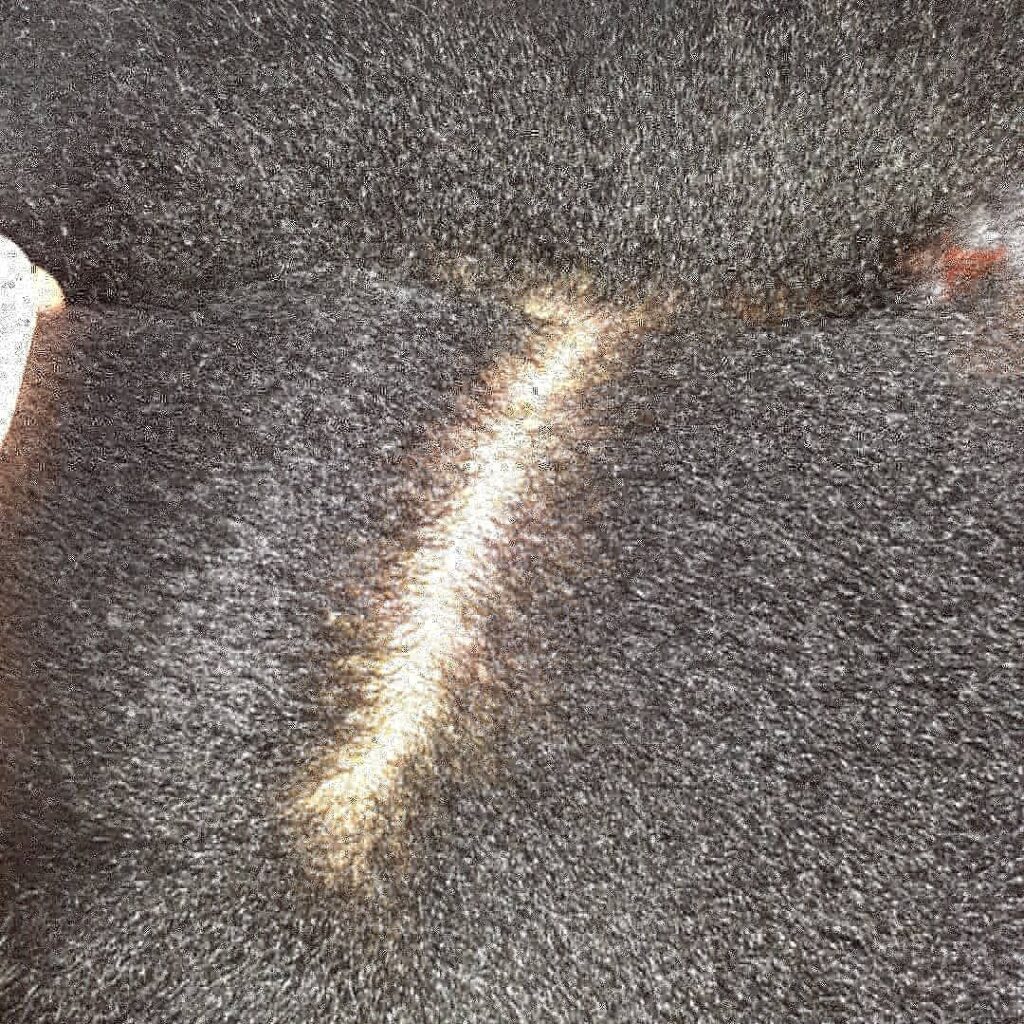
Gently press your fingers against different sections of your scalp and pay close attention to how it feels.
Rough, flaky texture usually points toward dryness caused by a genuine lack of oil.
Tight, uncomfortable texture, even without visible flakes, usually points toward dehydration caused by a lack of water.
This simple check takes only seconds but genuinely helps clarify what your scalp actually needs.
Try this test a few times throughout the week, since your scalp can shift depending on the day.
Keeping a small mental note of your results helps you track patterns over time. Doing this test right after washing, and again a day later, gives you a fuller picture.
Comparing these two moments often reveals whether your scalp bounces back or stays uncomfortable.
Why This Distinction Actually Matters
Treating the wrong problem wastes both your time and your money on products that were never meant for you.
It can also leave you feeling frustrated, since nothing seems to genuinely work no matter what you try.
Understanding this connects directly to your overall shedding too. Read how to stop excessive hair shedding if your scalp struggles have led to noticeable hair loss.
Once you know exactly what your scalp needs, fixing it becomes so much simpler. You stop wasting money on random products that were never actually designed for your real problem.
This clarity alone brings a sense of relief to many naturals who have struggled for years. Knowing exactly what to look for turns a confusing guessing game into a clear, simple plan.
This clarity saves you from cycling through random products hoping one eventually works.
What Causes A Dry Scalp
Harsh shampoos, especially those containing strong sulfates, can strip away your scalp’s natural oil supply.
Cold weather and low humidity also reduce your scalp’s ability to retain its own natural moisture.
Certain skin conditions, like eczema or psoriasis, can also contribute to genuine, ongoing dryness.
Some of these causes trace back to everyday habits. Avoiding 15 wash day mistakes that could be causing breakage can meaningfully reduce dryness too.
Genetics also plays a role for some people, regardless of how carefully they care for their scalp. Age can affect natural oil production too, with oil levels often decreasing as you get older.
Diet can also play a subtle role, especially if your meals lack healthy fats consistently. Overwashing with strong, drying shampoos can compound this problem even further over time.
What Causes A Dehydrated Scalp
Overusing heat tools near your scalp can pull water directly out of your skin over time.
Not drinking enough water daily also affects your scalp’s hydration levels more than most people realize.
Using products with drying alcohols can leave your scalp feeling tight, even if it still has enough oil.
Environmental factors, like air conditioning or heating, can also quietly dehydrate your scalp throughout the day.
Frequent swimming in chlorinated water can also pull moisture from your scalp over time.
Certain medications can also contribute to dehydration as an unexpected side effect worth being aware of.
Excessive sun exposure without protection can also draw moisture away from your exposed scalp.
Frequent flying, due to low cabin humidity, can also leave your scalp feeling unusually parched.
How To Fix A Dry Scalp
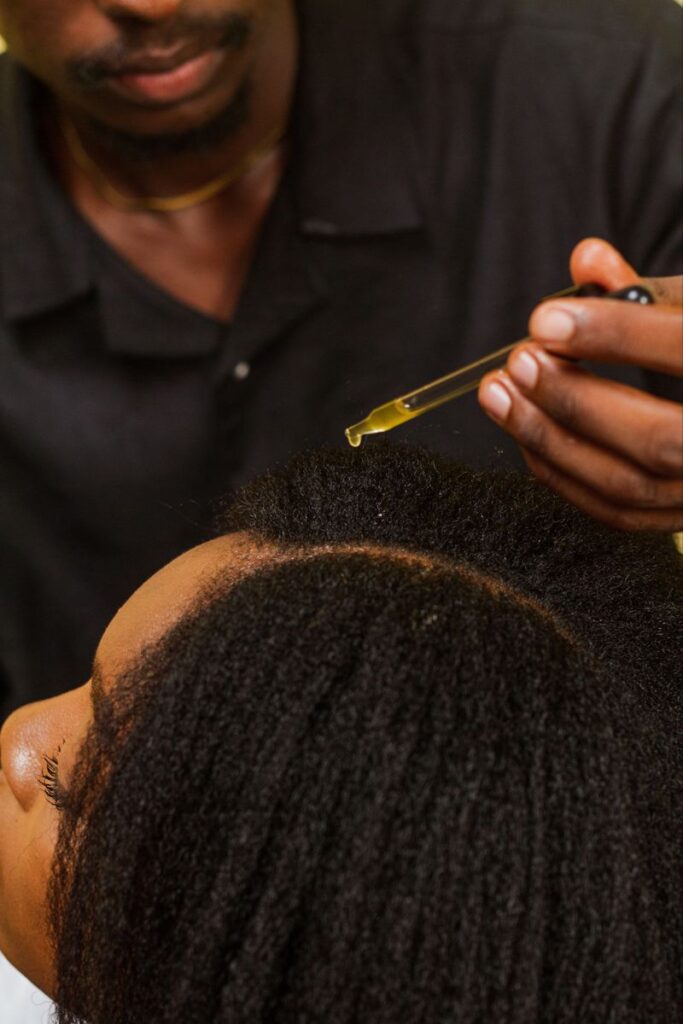
Focus on adding oil back into your scalp through gentle, nourishing oils like jojoba or castor oil.
Avoid harsh, sulfate heavy shampoos that strip away the very oil your scalp needs to stay balanced.
Building consistent, gentle habits genuinely helps here. Explore healthy scalp habits that lead to healthier hair for a solid, lasting foundation.
Give your scalp time to rebuild its natural oil balance, since this rarely happens overnight.
Applying oil directly to your scalp, rather than just your strands, makes a noticeable difference.
A warm oil treatment once a week can also help restore balance more effectively over time.
Massaging this oil in gently also boosts circulation, supporting the whole process even further.
Choose oils that absorb well, rather than ones that sit heavily on the surface.
How To Fix A Dehydrated Scalp
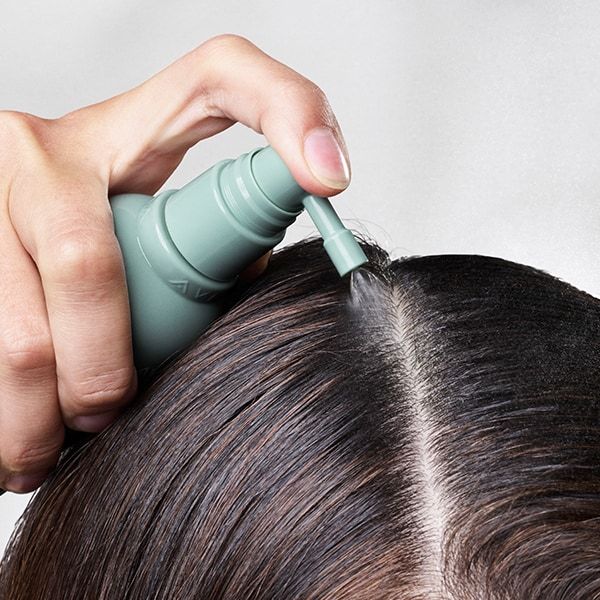
Focus on adding water back into your scalp through lightweight, water based leave-in products and sprays.
Increase your daily water intake, since internal hydration genuinely shows up in your skin and scalp.
Avoid alcohol heavy products that pull moisture away instead of adding it back in.
A humidifier at home can also help during especially dry seasons or in dry climates generally.
Spritzing your scalp with water throughout the week can also provide quick, refreshing relief.
Layering a water based moisturizer under a light sealant helps lock that hydration in longer.
Reducing your caffeine intake slightly can also support better overall hydration throughout your entire body.
Choose lightweight, gel based products over heavy creams when your goal is genuine hydration.
Scalp Care During Wash Day
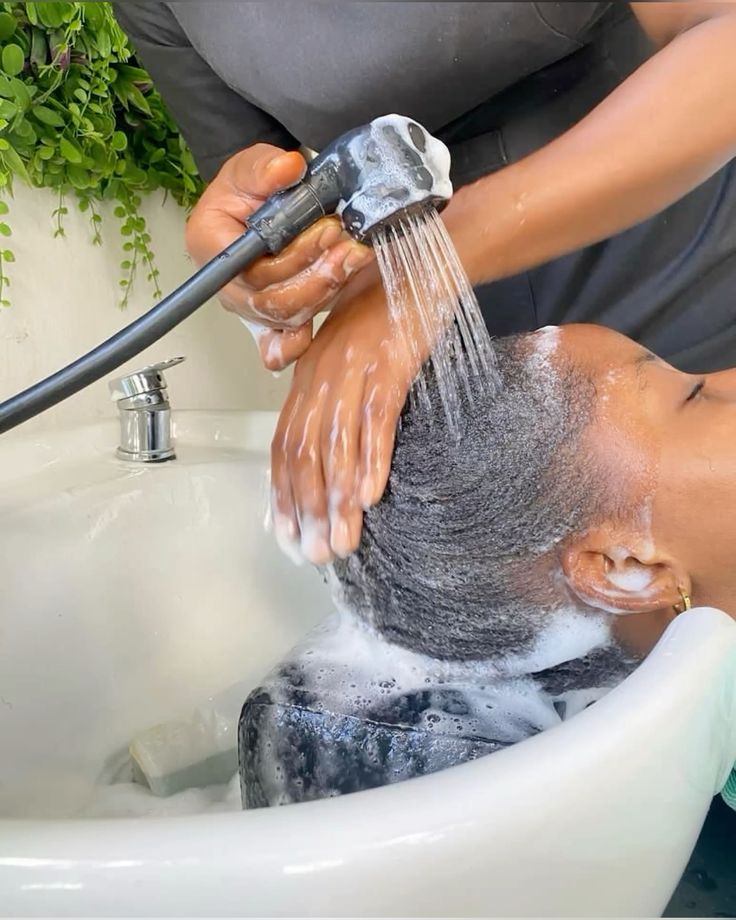
Wash day is the perfect time to address whichever issue your scalp is genuinely dealing with.
Even a shorter, faster routine can still include real scalp care without adding much extra time. Learn how to cut your wash day in half without sacrificing healthy hair to see how this fits together.
Consistency during every wash day matters more than any single, occasional deep treatment. Try incorporating a quick scalp check into your routine before you even begin shampooing.
This small habit helps you notice changes early, before they become bigger, harder problems.
Treating wash day as a checkpoint, not just a cleaning ritual, changes your entire perspective. Use this time to genuinely observe, rather than just rushing through your usual steps.
When Itching Signals Something Deeper
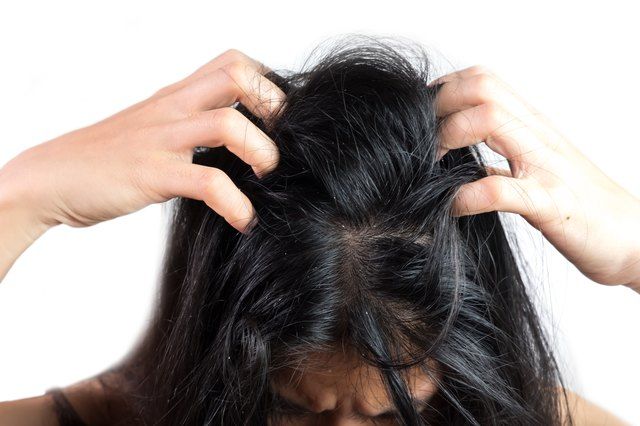
Both dry and dehydrated scalps can cause itching, though the itch often feels a little different.
Dry scalp itching tends to feel rough and flaky, while dehydrated itching often feels tight and uncomfortable.
If itching has become constant, read why your scalp always feels itchy and how to fix it for solutions.
Solving the root cause solves the itch far more effectively than temporary relief ever could.
Scratching may feel satisfying in the moment, but it usually worsens whichever issue you are actually facing.
Address the underlying cause first, and the itching almost always follows close behind.
Patience here matters, since real relief usually takes a few days of consistent care to appear. Give any new routine at least a week before judging whether it truly works.
Hidden Habits That Make This Worse
Some everyday habits quietly worsen both dryness and dehydration without you ever realizing the connection.
Over-washing, harsh detangling, and skipping moisture steps all contribute to this ongoing struggle.
Read the hidden scalp mistakes that slow hair growth to catch these patterns before they cause further damage.
Small corrections here often lead to noticeably better results within just a few weeks of consistent effort.
Reviewing your full routine honestly helps you spot patterns you might have missed before.
Even small, seemingly harmless habits can quietly work against your scalp over many months.
Being honest with yourself during this review makes the biggest difference in spotting real problems.
Ask a trusted friend or stylist for a second opinion if you feel unsure.
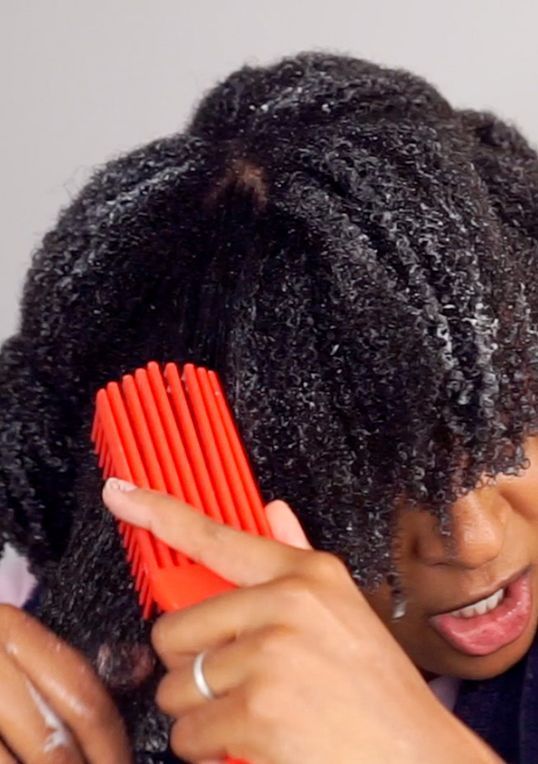
When Your Scalp Needs A Detox
Sometimes buildup makes it hard to tell whether your scalp is dry, dehydrated, or simply congested.
A proper detox clears this buildup, giving you a clean slate to properly assess what your scalp actually needs.
Check signs your scalp needs a detox to see whether this extra step applies to your current situation.
Starting fresh after a detox makes diagnosing your real issue significantly easier and more accurate.
This step is not needed every single wash day, but it helps occasionally throughout the year.
A clean starting point genuinely removes the guesswork from figuring out what your scalp truly needs.
Pair your detox with a proper moisturizing step afterward to avoid leaving your scalp feeling stripped.
This combination gives you the clearest, most accurate picture of your scalp’s true condition.
Protecting Your Scalp Under Wigs
Wigs can trap heat and reduce airflow, which can worsen both dryness and dehydration if left unchecked.
Checking on your scalp regularly, even while wearing a wig, helps you catch problems early.
If you wear wigs often, our beginner’s guide to wearing wigs over natural hair covers proper scalp care underneath too.
Your scalp needs the same consistent attention, whether it is visible or currently covered up.
Trapped heat under a wig can worsen either dryness or dehydration if left unaddressed for too long.
Removing your wig periodically to check on your scalp helps you catch issues before they grow.
Choosing breathable wig caps also helps reduce trapped heat and moisture loss underneath.
Applying a lightweight moisturizer to your scalp before installing a wig also helps.
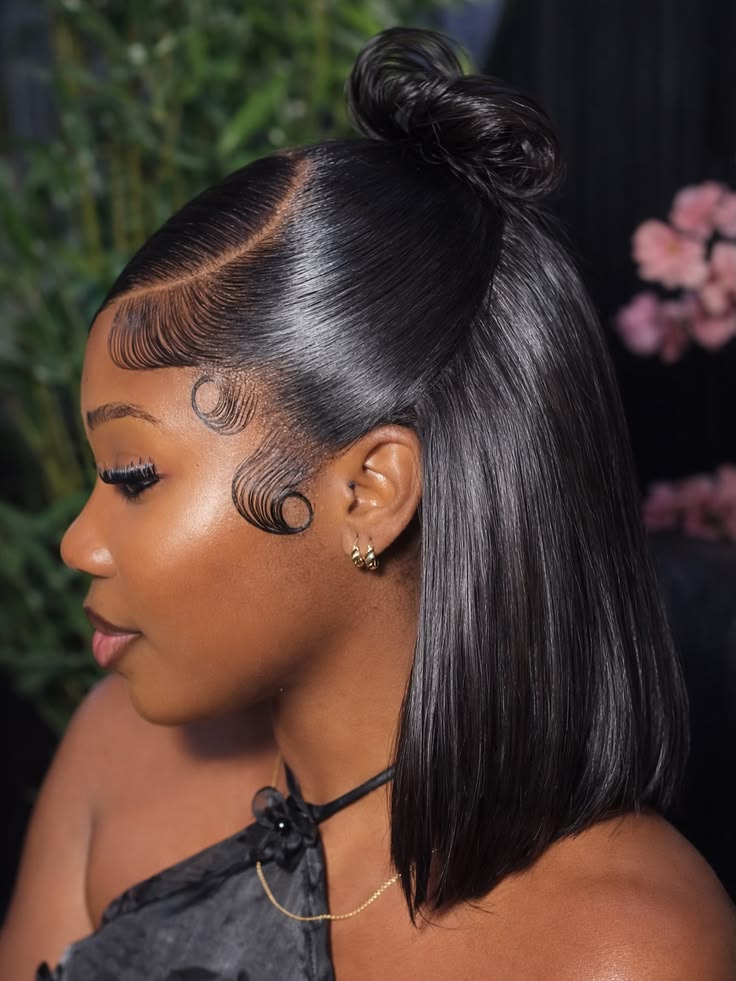
Your Scalp And Your Curl Pattern
Different curl patterns can affect how quickly your scalp loses moisture throughout the day.
If you have 4A hair, the perfect wash day routine for 4A hair includes guidance suited to looser textures. If your hair is 4B, the perfect wash day routine for 4B hair offers similar support for your specific pattern.
If your curls are 4C, the perfect wash day routine for 4C hair addresses tightly coiled hair’s unique needs.
Understanding your texture helps you build a scalp routine that genuinely fits your specific needs.
Tighter curl patterns often experience oil traveling more slowly down the strand, affecting overall scalp balance.
Looser patterns may lose moisture faster, since oil moves more freely along the hair shaft. Neither pattern is better or worse, they simply need slightly different scalp care approaches.
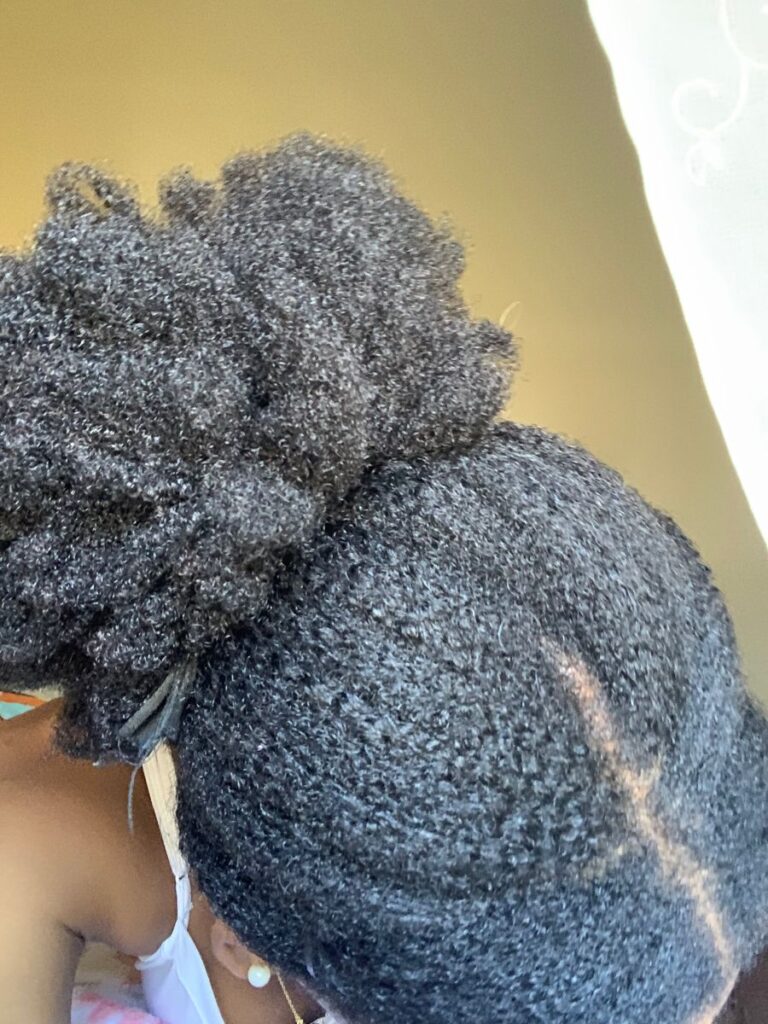
Confidence Comes From A Comfortable Scalp
A scalp that constantly feels tight, flaky, or uncomfortable can quietly affect how confident you feel daily.
Solving this issue does more than improve comfort, it also supports how you feel about your hair overall. Read how to build confidence wearing your natural hair to see how these two things connect.
Comfort and confidence genuinely grow together once your scalp finally feels balanced and calm.
You stop thinking about your scalp constantly and start actually enjoying your hair instead.
This mental shift alone makes the effort of fixing your scalp genuinely worth it.
You deserve to feel fully comfortable in your own skin, starting right from your scalp.
Diet And Lifestyle Also Play A Role
What you eat and drink genuinely affects your scalp’s overall balance over time.
Staying properly hydrated throughout the day supports your scalp from the inside, not just the outside.
Foods rich in healthy fats, like avocado and nuts, can support your scalp’s natural oil production.
Stress and poor sleep can also quietly worsen both dryness and dehydration without you realizing the connection.
Building healthier daily habits supports your scalp alongside any topical products you choose to use.
None of this replaces proper scalp care, but it strengthens your results considerably over time.

Final Thoughts On Dry Versus Dehydrated Scalp
Dry and dehydrated scalps look similar on the surface but need genuinely different solutions underneath.
Taking the time to properly identify your specific issue saves you both time and unnecessary frustration.
Pay attention to your scalp’s signals, run the simple touch test, and adjust your routine accordingly.
With the right approach, your scalp can finally feel calm, balanced, and genuinely comfortable again.
Give yourself permission to experiment slightly as you learn what your scalp genuinely responds to.
Small, consistent adjustments almost always outperform any single dramatic change made all at once.
Trust the process, stay observant, and your scalp will guide you toward what genuinely works.