
How to Care for a TWA (Teeny Weeny Afro)
Disclosure: Some of the links in this post are affiliate links. This means if you click on the link and purchase an item, I will receive an affiliate commission at no extra cost to you.
All natural hairs are not the same so their care is likely not to be the same as well. Each has a separate way of caring for it. A teeny weeny afro, often called a TWA, sits right after a big chop, when your curls are still short and just finding their shape.
This stage looks small on the outside, but it carries a lot of change underneath. Your scalp becomes more exposed, your true curl pattern shows itself fully, and your daily habits need a real reset. Many people jump into this stage without any real plan at all.
They feel discouraged within the first few weeks simply because nobody explained the basics. That doesn’t have to be your story once you understand what your hair truly needs right now. If you want the full picture first, how hair is formed: a beginner-friendly guide is a great place to start.
It explains the basics behind every stage that follows this one. But for now, let’s focus fully on your TWA and how to treat it right from day one, so you can move through this stage with real confidence instead of guesswork.

How to Care for a TWA (Teeny Weeny Afro)
What Is a TWA and Why It Needs Special Care
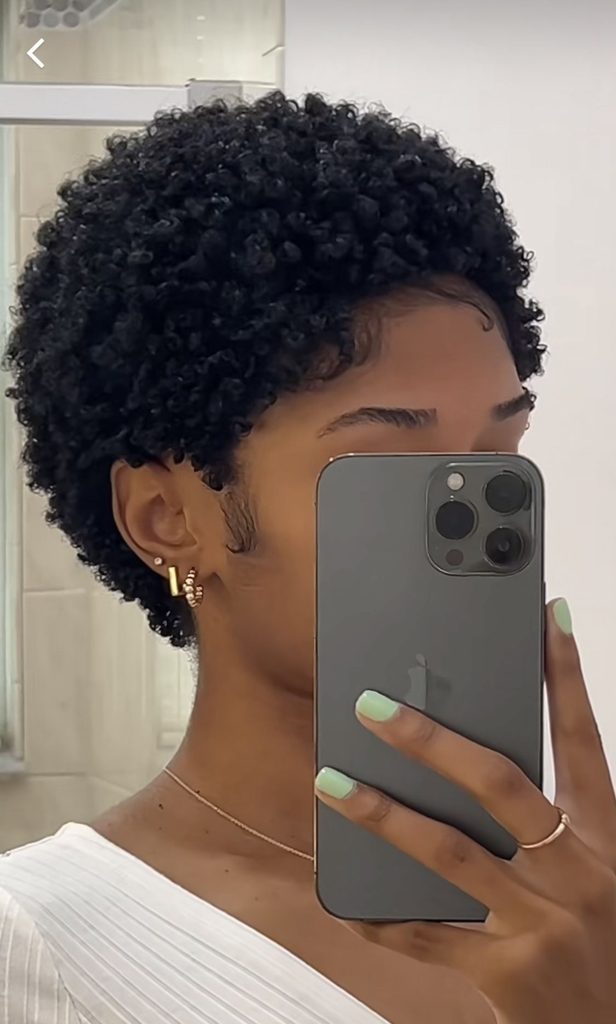
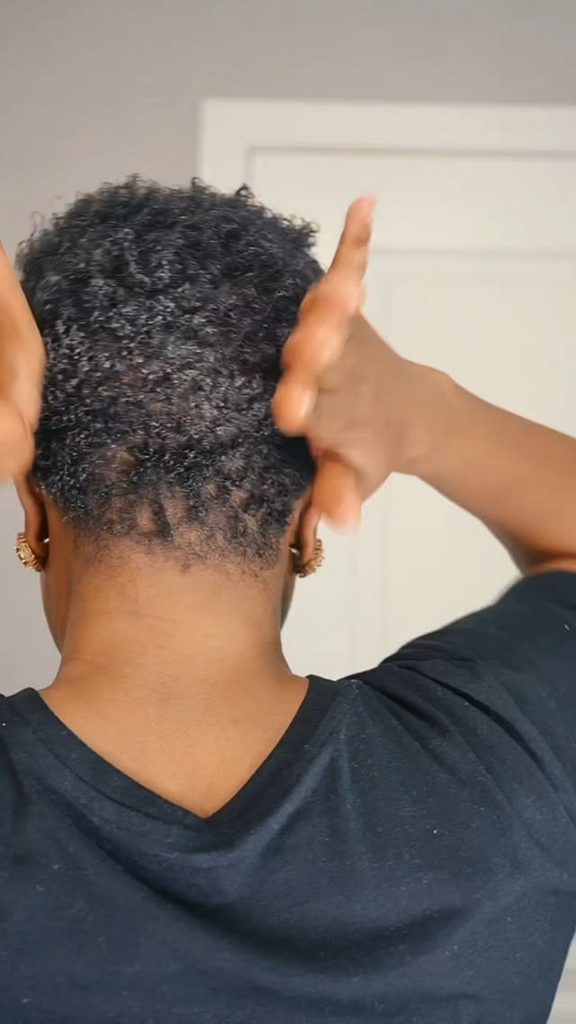
A TWA is the short, coily hair left after you cut off relaxed or damaged ends. It usually measures somewhere between half an inch and two inches long.
At this length, your hair has no weight to pull curls down. That means shrinkage looks bigger and styling feels trickier than before.
Many people underestimate how different this stage is from longer natural hair. Products behave differently, styles hold differently, and even washing feels new again.
Your scalp is also far more exposed than it used to be. That exposure means sun, wind, and product buildup all show up faster.
Even detangling changes completely once your hair reaches this short length. There’s less length to snag, but curls can feel tighter and denser.
Learning your new hair’s habits takes a few honest weeks of trial.
Sarah, a client from Ohio, called her TWA “the awkward toddler stage of hair.” She said it needed patience more than products.
That patience pays off fast if you follow the right steps early on. Most people who struggle with this stage are simply rushing the process.
Give yourself permission to learn as you go without judging every bad hair day.
Think of this stage as a fresh chapter rather than an awkward pause. Your curls are showing their true texture for the first time in years.
That honesty is worth celebrating, even on the days it frustrates you.
If you’re curious what comes next, growing out a twa: month-by-month guide covers the full timeline. It maps out what to expect month by month ahead.
Start With the Right Cleansing Routine
Short hair still needs regular cleansing, just like longer hair does. Skip harsh sulfates since they strip your scalp of natural oils fast.
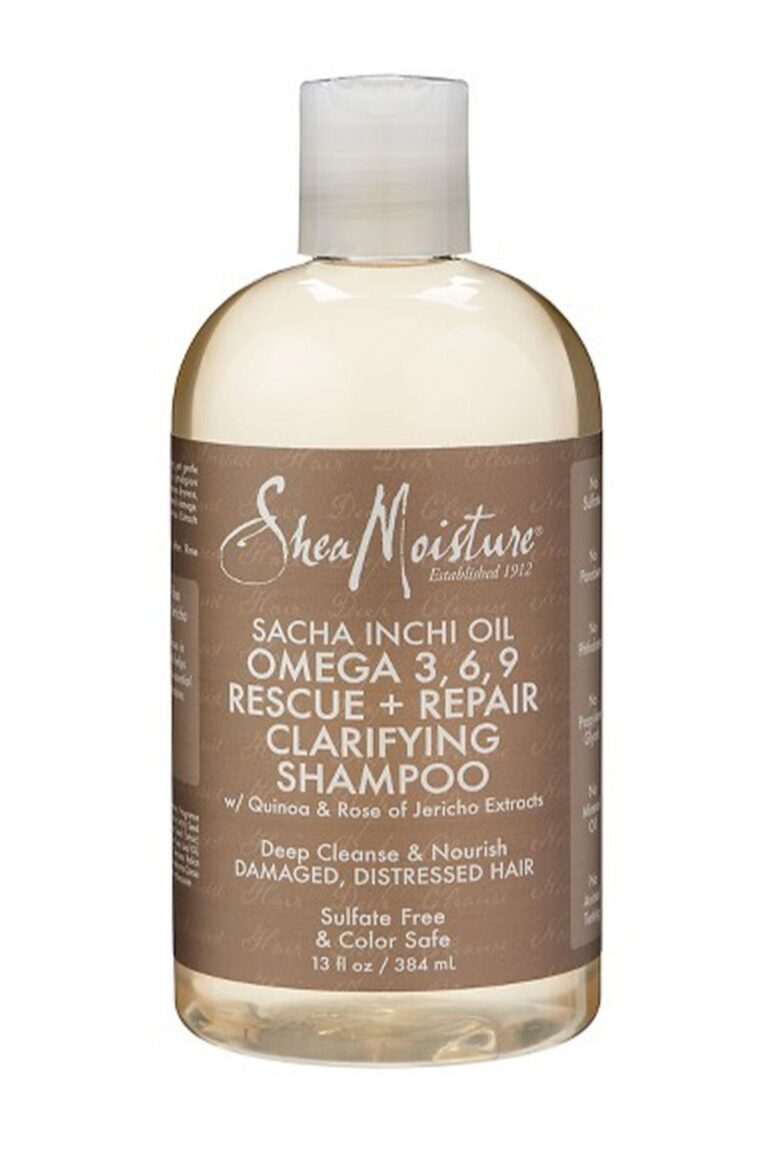
A gentle, sulfate-free shampoo keeps your scalp calm and your curls soft.
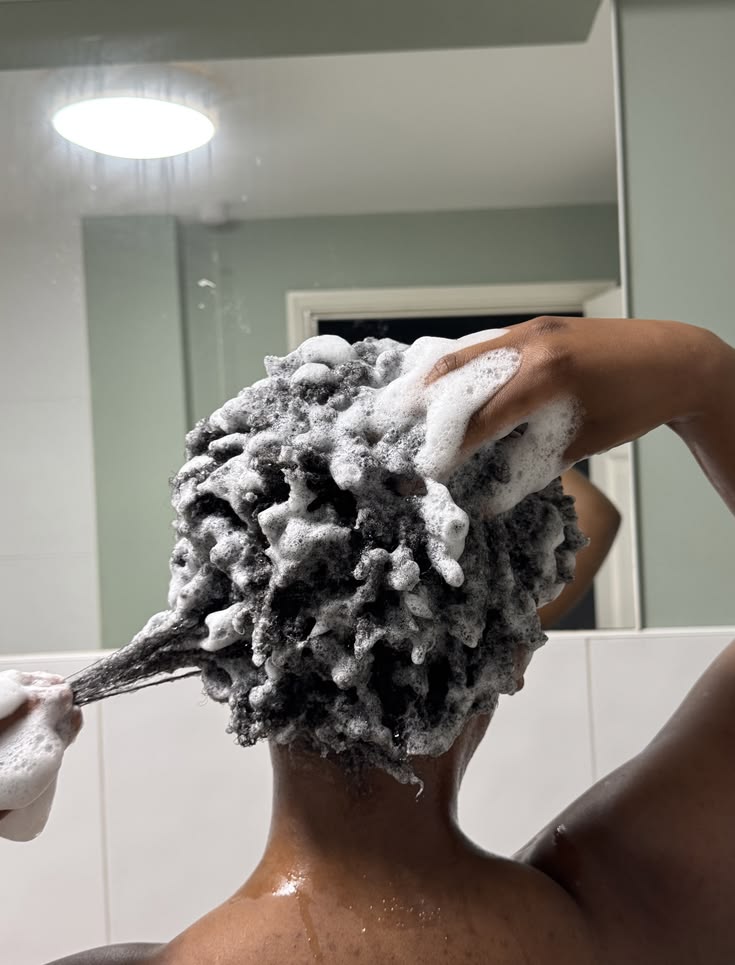
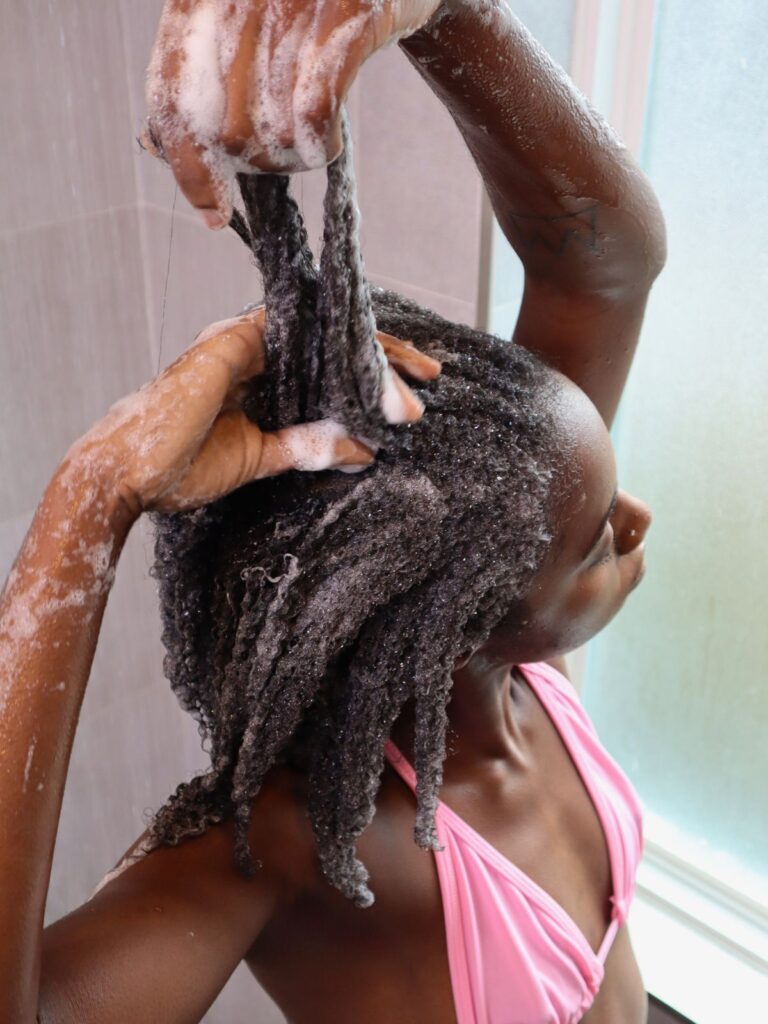
Focus on massaging your scalp, not scrubbing your strands hard. Your fingertips do the real work of lifting buildup and dirt. Rinse with lukewarm water instead of hot water whenever you can.
Apply shampoo in small sections rather than piling it on all at once. This spreads product evenly and helps you avoid missed, buildup-prone spots.
A methodical approach beats a rushed, all-over scrub every time.
Hot water tends to dry out already fragile new growth. Cold water seals things down, but lukewarm strikes the best balance.
Try sectioning your hair into small parts before you cleanse it. This makes it easier to reach your scalp evenly all around.
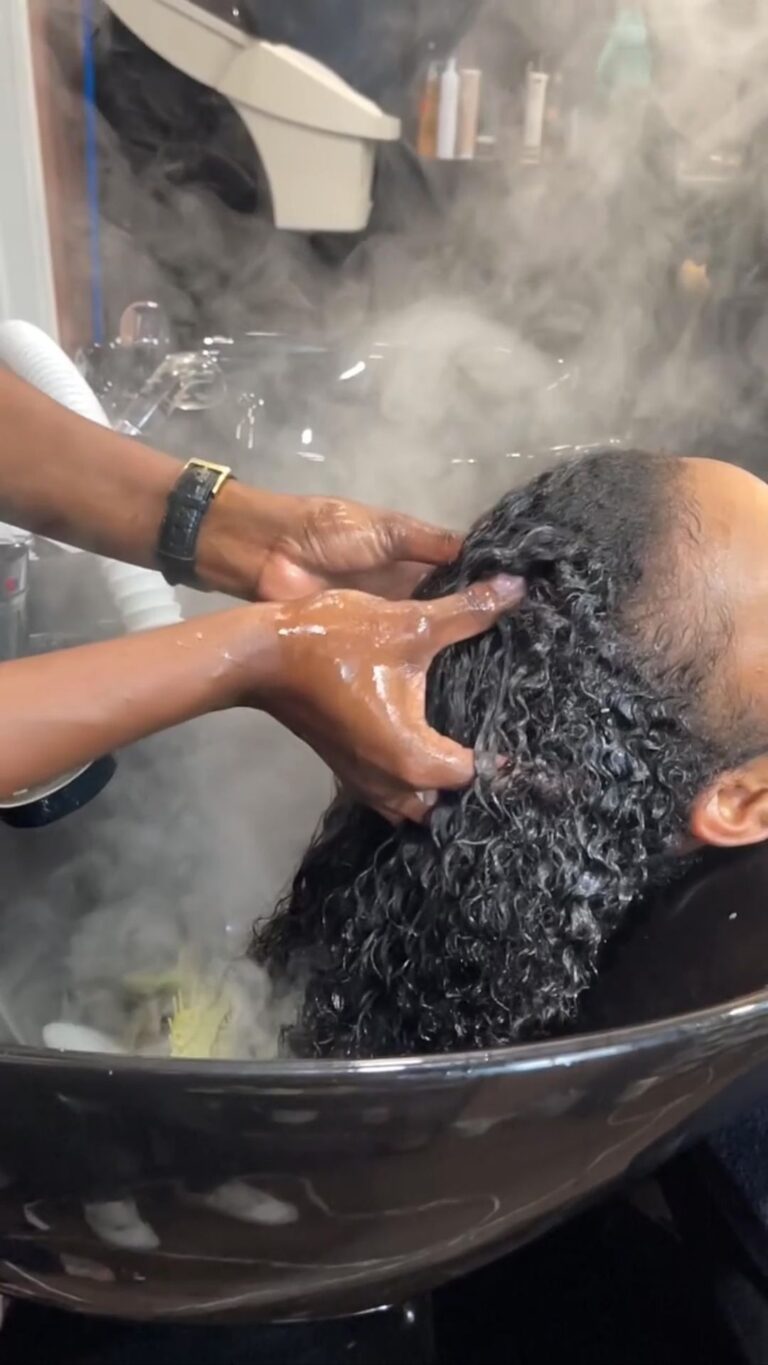
A co-wash between full shampoo days can help too, if your scalp allows it. It cleanses lightly without stripping away moisture your curls still need.
This routine protects the keratin structure inside each strand you’re growing. Understanding what keratin does for afro hair helps explain why gentle cleansing matters so much here.
Don’t rush this part of your routine, even on busy mornings. Massaging for a full minute or two really does make a difference. Your scalp will thank you with less itching and fewer flakes.
Moisture Is Your TWA’s Best Friend
Short hair dries out faster than most people expect it to. There’s simply less length to hold onto moisture throughout the day. That’s why a daily moisture routine matters more now than ever.
Try the LOC method: liquid, oil, then cream, applied in that order. Water-based leave-ins work best as your liquid layer for real hydration. Oils like jojoba or grapeseed seal that moisture in nicely afterward.
Some people prefer the LCO method instead, swapping the last two steps around. Test both and see which one your hair actually responds to better.
There’s no single right answer, only what keeps your curls soft.
Cold months make this challenge even bigger for short natural hair. That’s part of why a winter moisture routine for natural hair exists as its own topic.
Layering thin coats of product often works better than one thick layer. Don’t wait until your curls feel crunchy to add moisture back in.
Carry a small spray bottle with water and leave-in for midday touch-ups. Even thirty seconds of extra moisture can rescue a dry, frizzy afternoon. Small habits like this add up over a full week.
Choosing Products for Very Short Hair
Heavy creams and butters can weigh down a TWA in strange ways. They often sit on top of short strands instead of sinking in. Lighter, water-based products tend to work far better on short hair.
Look for curl creams with slip and a light, whipped texture. Avoid anything with mineral oil sitting near the top of the list. Mineral oil coats the hair but doesn’t actually add real moisture.
Read your labels carefully, since many “natural” products still contain heavy fillers. A short ingredient list is usually a good early sign of quality.
Sample sizes let you test new products before buying a full bottle.
As your hair grows longer, your product needs will shift again too. A medium-length afro hair care routine calls for slightly richer products than this stage does.
For now, keep things light, simple, and focused on hydration. Less product, applied well, often beats a heavy layer applied badly.
Keep a small notebook of what you’ve tried and how your hair responded. This makes shopping easier and stops you from repeating past mistakes. Over time, you’ll build a short list of true favorites.

How Often Should You Wash a TWA
Washing too often can strip your scalp of needed natural oils. Washing too rarely can lead to buildup, itching, and slower growth. Most TWA wearers do well with washing once or twice weekly.
Between washes, try a light water spritz to refresh your curls. Add a small amount of leave-in conditioner to lock moisture back in. This keeps your hair feeling soft without a full wash session.
Pay attention to how your scalp actually feels between wash days. Itching, tightness, or visible flakes usually mean it’s time to cleanse again.
Everyone’s scalp behaves a little differently, so track your own pattern.
Summer often changes this rhythm because of sweat and higher humidity levels.
A summer hair care routine for afro hair usually means washing a bit more often. Listen to your scalp and adjust the schedule as seasons shift.
Workouts and outdoor days both call for a little extra attention afterward. A quick rinse or refresh keeps sweat from settling into your scalp.
This small step prevents odor and buildup before either becomes a problem.

Protecting Your Scalp During This Stage
Your scalp is more visible now than it’s been in years. That means sun exposure and dryness can affect it more directly. A little scalp oil goes a long way toward keeping things calm.
Massage in small amounts of lightweight oil a few times weekly. This boosts blood flow and may support healthier growth over time.
Watch for flaking, redness, or tightness, since those signal real dryness.
Try scalp massage for a few quiet minutes before bed each night. It relaxes you while it also supports circulation across your whole scalp. Two small benefits come from one simple, calming nightly habit.
A wide-brimmed hat can help protect your scalp on sunny days out. Sunscreen made for scalps also exists if you’re outside often.
Small habits like these prevent long-term sun damage most people never expect.
Growth itself follows a natural rhythm most people never learn about. Reading understanding the afro hair growth cycle can help you set realistic expectations for progress.
Healthy growth starts at the scalp, so treat it gently every single day.
Stress and harsh styling can both interrupt this cycle without you even noticing. Give your scalp regular breaks from tight styles and heavy tension.
A relaxed scalp usually means a healthier, steadier growth pattern overall.
Nighttime Care for a Teeny Weeny Afro
Cotton pillowcases pull moisture straight out of short, coily strands overnight. Switch to satin or silk to protect your hair while you sleep.
This one small swap makes a noticeable difference within a few weeks.
A satin bonnet or scarf offers even more protection than a pillowcase alone.
Wrap loosely so you don’t flatten your curls while you rest. Tight wrapping can actually cause breakage right along your hairline.
Some people add a light leave-in before bed for extra overnight moisture. Others simply fluff their curls gently and wrap without adding anything new.
Both approaches work, so pick whichever fits your hair’s needs best.
Some people worry that short hair shrinks too much overnight anyway. The topic of why afro hair shrinks so much has a lot to do with your curl pattern and moisture level.
Nighttime care won’t stop shrinkage, but it does protect your ends.
A pineapple-style loose gather can also help preserve curl shape overnight. It’s not always practical on very short hair, but it’s worth trying.
Every small experiment teaches you something new about your own curls.

Dealing With Uneven Growth Patterns
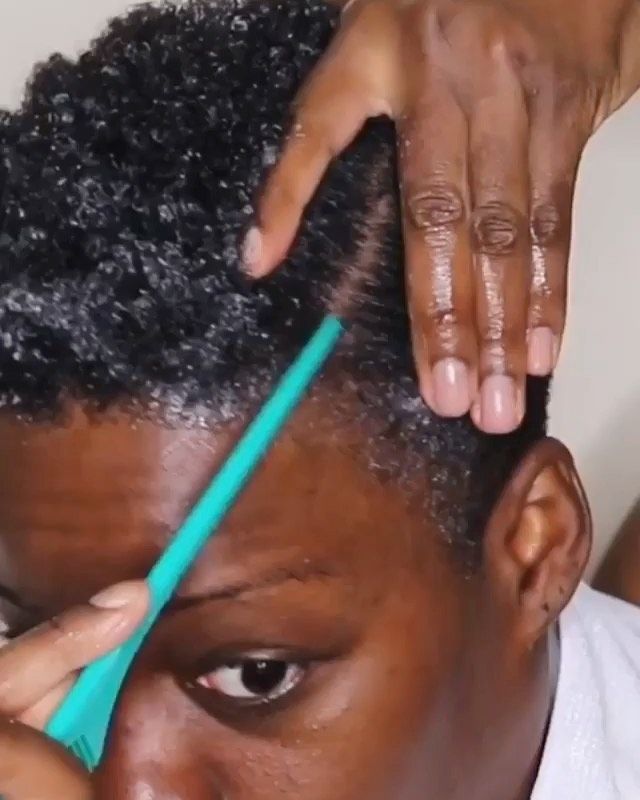
Not all hair on your head grows at exactly the same speed. Some sections may look shorter or patchier than others for a while. This is completely normal and usually evens out with time.
Avoid comparing your progress to someone else’s hair journey online. Genetics, hair history, and even stress levels all play a role. Focus on consistent care instead of chasing a specific timeline.
Uneven patches often show up most around the crown and edges. These areas experience more friction and manipulation than the rest of your head.
Gentle handling in those spots can help them catch up over time.
If uneven length is bothering you, some simple tricks can help blend things. Our guide on how to style awkward-length natural hair walks through several ways to work with uneven sections.
Patience and the right styles make this stage easier to manage.
A light twist-out often blends uneven sections better than wearing hair fully out. It adds definition everywhere, so shorter patches blend into longer ones.
Small styling choices like this hide unevenness while your hair catches up.

Styling Options for a TWA
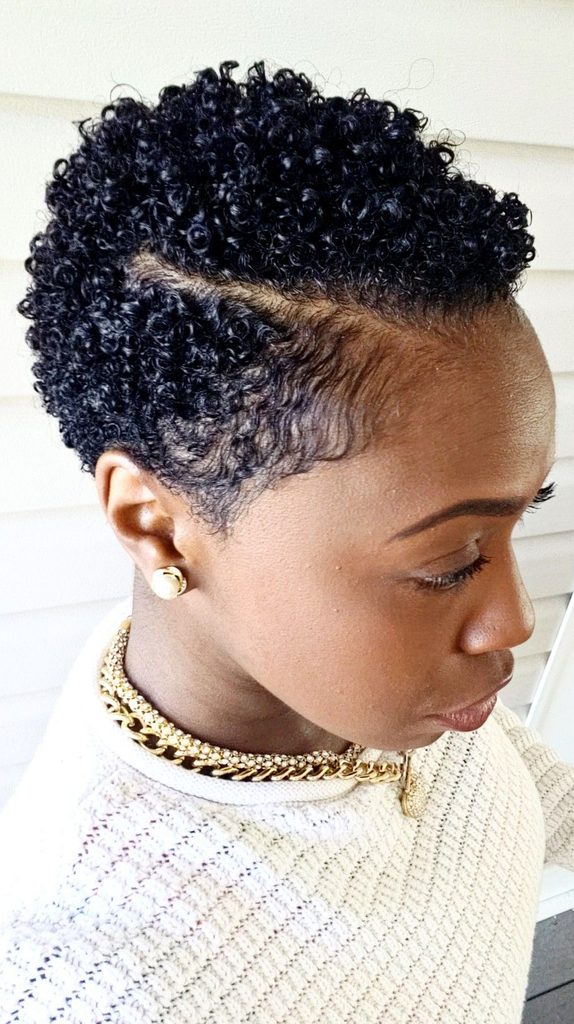
Short hair actually offers more styling freedom than most people realize at first. You can wear it out in a soft, defined curl look. You can also try finger coils, twist-outs, or a sleek pixie shape.
Marcus, a friend who wears his TWA proudly, likes finger coils on wash day. He says they define his curls without much extra product needed.
Small experiments like this help you find what actually works for you.
Try a flat twist along your hairline for a slightly dressed-up look. Add a bold lip color or earrings to shift the whole vibe. Confidence really does most of the heavy lifting at this stage.
Accessories also add variety without needing extra hair length at all. Headbands, silk scarves, and small clips can change your whole look instantly.
For more ideas, 21 best hairstyles for one-inch afro hair has plenty of inspiration to try.
Don’t be afraid to repeat a style you love several times a week. Consistency in styling actually gives your curls a chance to rest. Save the bold experiments for days when you have extra time.

Common Mistakes People Make With TWAs
Over-manipulating short hair is one of the biggest mistakes people make early on.
Constant combing, touching, or restyling can lead to unnecessary breakage over time. Try to style once and leave your curls alone afterward.
Another common mistake is skipping deep conditioning because the hair feels short.
Short hair still needs deep treatments just as much as longer hair does. Aim for a deep condition session at least once every week.
Using the wrong tools is another mistake that trips a lot of people up. Fine-tooth combs and stiff brushes can snag and break short, tender curls.
A wide-tooth comb or your fingers usually works much better here.
Rushing through detangling is a mistake too, especially on busy mornings. Slow down and work in small sections from the ends upward.
Patience here prevents breakage that takes months to grow back.
Weather is another factor people often forget to plan around properly. Our post on how to protect afro hair from humidity offers useful tips for frizz-prone days.
Small adjustments like these prevent a lot of frustration down the road.
Keeping a travel-size product kit in your bag helps on unpredictable weather days.
A small comb, a tiny spray bottle, and one product cover most emergencies. Being prepared beats reacting to frizz after it already happens.

How Weather Changes Affect Your TWA
Weather shifts can throw your whole hair routine off balance fast. What worked in one season may stop working just months later. Staying flexible with your routine makes a real difference here.
Cooler months often call for richer, more protective products than usual. These fall hair care tips for type 4 hair cover helpful adjustments for that seasonal shift.
Layering products slightly differently can prevent dryness before it even starts.
Indoor heating dries out the air just as much as cold weather outside. A humidifier in your bedroom can help balance that moisture loss overnight.
Small environmental tweaks like this often get overlooked completely by busy people.
Spring brings its own reset moment for many natural hair wearers too. A spring hair reset checklist can help you clear out old buildup and refresh your routine.
Treat each season as a small checkpoint, not a total overhaul.
A clarifying wash once a season clears away months of product residue.
Follow it with a rich deep conditioner to restore softness right after. This simple reset habit keeps your routine feeling fresh year-round.

Building a Simple Daily Routine
Consistency matters more than complexity when it comes to short natural hair. A simple daily routine beats an elaborate one you can’t stick to.
Keep your steps few, quick, and genuinely easy to repeat daily.
In the morning, a quick spritz and light oil can refresh your curls. At night, protect your hair with a satin bonnet before bed. That’s really all a basic daily routine needs to include.
Keep your products in one small basket so your routine feels effortless. When everything is within reach, you’re far more likely to stay consistent.
Small friction points are often the real reason routines fall apart.
Set a phone reminder if mornings tend to feel rushed and chaotic. A thirty-second routine still counts, even on your busiest days. Something is always better than skipping your hair care entirely.
Elasticity plays a bigger role in your daily routine than most people think. Reading understanding afro hair elasticity can help you know how much your curls can safely stretch.
Healthy, elastic strands bounce back instead of snapping under stress.
A quick stretch-and-release test can tell you a lot about your hair’s health. Strands that snap easily usually need more protein and less heavy moisture.
Strands that stretch too far often need the opposite balance instead.

When to Trim and Why It Matters
Trimming might feel scary right after a big chop, but it still matters. Small trims remove weak or split ends before they travel further up. This keeps your growth looking healthy instead of thin and wispy.
Aim for a light trim roughly every eight to twelve weeks or so. You’re not cutting for length here, just removing damage at the ends.
A good trim actually supports healthier, faster-looking growth over time.
Skipping trims to chase length usually backfires within just a few months. Split ends travel upward and eventually force a bigger cut later.
A small, regular trim protects the length you’re working so hard to grow.
Ask your stylist to trim dry hair so shrinkage is visible clearly. This helps avoid cutting off more length than you actually meant to lose. A careful trim protects all the progress you’ve already made so far.
If you trim at home, use sharp, dedicated hair shears only. Dull scissors crush the ends instead of cutting them cleanly. Clean cuts heal and grow out far better than crushed ones do.
Good lighting and a handheld mirror make home trims far more accurate.
Take your time and trim small sections instead of rushing the whole head. A slow, careful trim beats a fast, uneven one every time.
Nutrition and Hair Growth Basics
What you eat shows up in your hair just like it does anywhere else. Protein, iron, and healthy fats all support strong hair growth from within.
A balanced diet works alongside your topical routine, not instead of it.
Try adding more leafy greens, eggs, nuts, and fatty fish to your meals. These foods carry nutrients your scalp and strands genuinely need to thrive.
Staying hydrated also supports moisture levels from the inside out.
Sleep and stress management matter here too, even though people forget them.
Poor sleep and chronic stress can both slow down healthy hair growth. Treat your whole body well, not just the hair on your head.
A short evening walk or a few deep breaths can lower daily stress. Lower stress often shows up later as calmer, healthier-looking new growth.
Whole-body habits quietly support the hair care routine you already have. Supplements can help too, but food should always come first if possible.
Talk to a doctor before starting anything new, especially if you take medication. Small, steady nutrition habits build real results over several months.
Meal prepping on Sundays can make healthy eating far easier during busy weeks. Even small swaps, like nuts instead of chips, add up over time. Your hair reflects weeks of habits, not just one good meal.

Patience and Mindset During the TWA Stage
The TWA stage tests patience more than almost any other hair stage. Growth feels slow, styling feels limited, and shrinkage can feel discouraging some days.
Remember that this stage is temporary and part of a bigger journey.
Take photos every few weeks to actually track your real progress. Shrinkage and everyday changes can hide growth that’s genuinely happening underneath.
Looking back at old photos often reveals more progress than expected.
Measure your hair occasionally too, since photos alone can be misleading. A simple ruler check every month gives you a clearer, honest picture. Numbers can be reassuring on days your eyes deceive you.
Journaling how your hair feels can also help you notice small wins. Softer curls, less breakage, or easier detangling all count as real progress.
Celebrate these small shifts instead of waiting for one big transformation.
Jenny, a reader from Texas, kept a simple weekly hair journal for months. She said noticing small wins kept her motivated on the hardest days. A few honest sentences a week can shift your whole mindset.
Surround yourself with people who understand and support your natural hair journey.
A little encouragement goes further than you might think during tough weeks. Your TWA won’t last forever, so try to enjoy the process.
Online communities and local natural hair meetups can offer real support too.
Hearing other people’s TWA stories often makes your own journey feel less lonely. You’re not the only one figuring this stage out right now.

Wrapping Up: Loving Your TWA Journey
Caring for a TWA comes down to a few consistent habits done well. Gentle cleansing, steady moisture, protective sleep, and patience all work together here.
None of these steps need to be complicated or expensive to matter.
Give yourself grace as your hair grows and changes shape slowly. Every twist-out, every trim, and every good hair day adds up over time. Your TWA is simply the starting line, not the whole race.
Look back at your very first big chop photo every once in a while. You’ll likely see more change than you gave yourself credit for. Growth is happening even on the days it feels invisible.
Keep learning as your hair grows, since every stage brings new questions. The habits you build now will carry into every length that follows.
Enjoy this short, bold chapter of your natural hair story, one wash day at a time.
You’ll look back on this stage fondly once your hair grows past it. For now, embrace the boldness that comes with wearing your hair this short.
It takes real confidence, and you’re already showing it every day.


13 Comments