
How to Style Awkward-Length Natural Hair
Disclosure: Some of the links in this post are affiliate links. This means if you click on the link and purchase an item, I will receive an affiliate commission at no extra cost to you.
I’ll be honest: awkward-length hair is the stage nobody really warns you about. It’s too long to be a TWA, but too short for most longer styles. Your twists barely hold, your puffs look uneven, and nothing quite falls right.
This stretch tests patience more than almost any other point in your journey. The good news is that awkward length is temporary, and it responds well to the right techniques. A few smart techniques can make this stage feel far less chaotic.
If you’re currently growing out a twa: month-by-month guide, you already know roughly where you stand. This post focuses specifically on styling through this tricky, in-between stretch with confidence.
Think of this stage as a creative challenge instead of a frustrating obstacle. The techniques ahead will help you feel put together no matter your exact length. Let’s get into the styles and strategies that actually work here.
How to Style Awkward-Length Natural Hair
What Counts as “Awkward-Length” Natural Hair
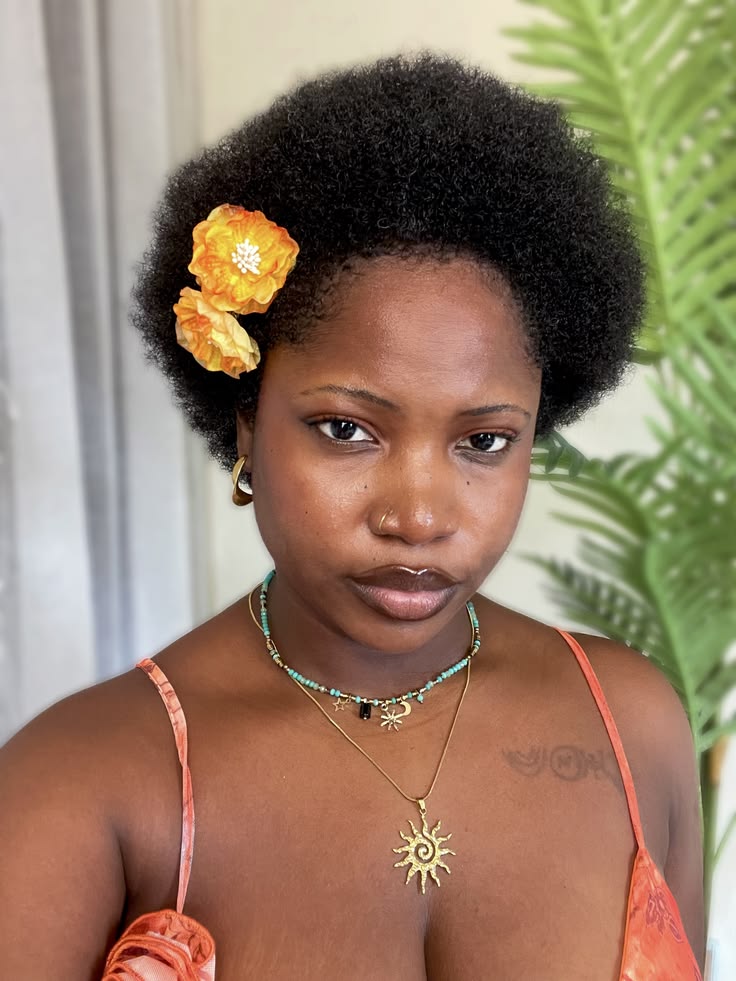
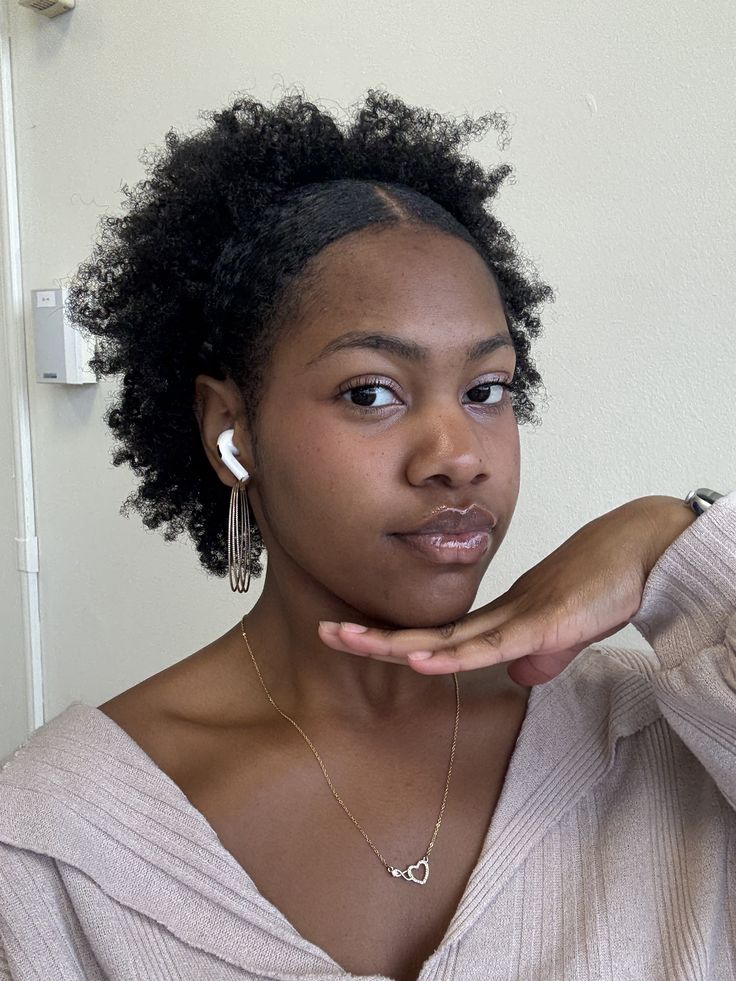
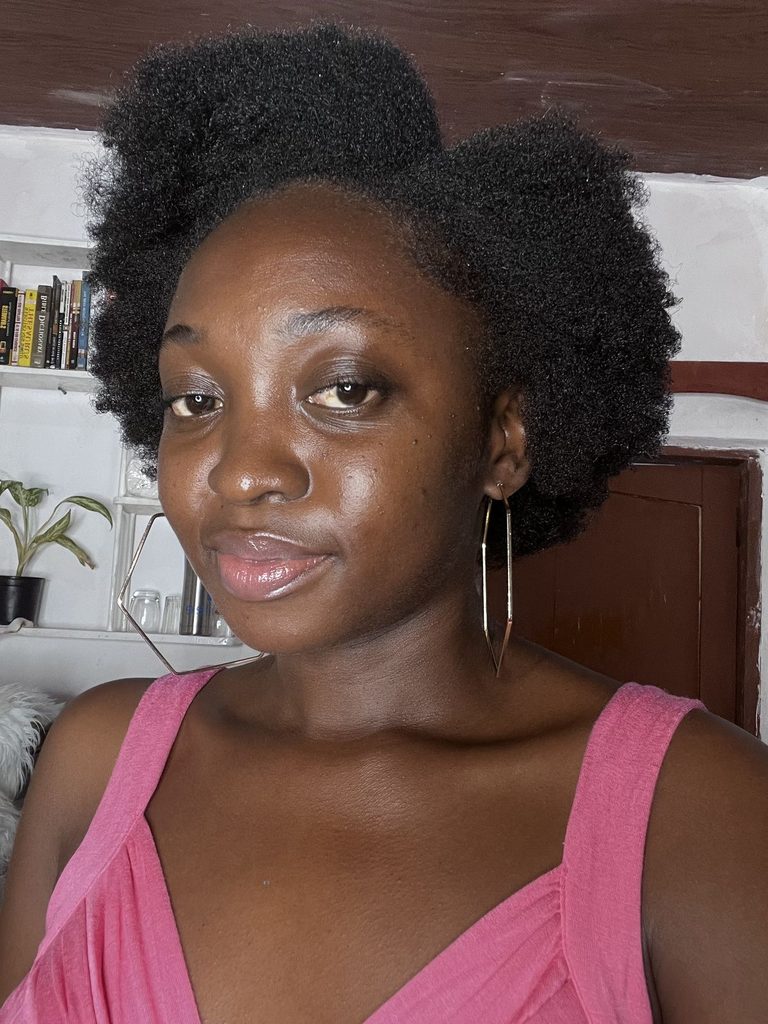
Awkward length usually falls somewhere between two and five inches, depending on your curl pattern. It’s long enough to have real weight, but too short for most updos.
Shrinkage makes this stage feel even shorter than it actually measures.
Curl pattern also affects how long this particular stage tends to last. Tighter curl patterns often stay in this stretch a bit longer than looser ones.
Knowing this ahead of time can help set realistic, honest expectations.
Every natural hair journey passes through this exact stretch at some point. It’s not a sign that anything has gone wrong with your hair.
It’s simply a natural, expected part of the overall growing process.
Some people move through this stage quickly, while others linger there for months. Both experiences are completely normal and shaped by many individual factors.
There’s no universal timeline everyone is supposed to follow exactly.
If your basics still feel shaky, it helps to revisit the fundamentals first. Our guide on how to care for a twa covers care habits that still apply here.
A strong foundation makes every style on this list easier to pull off.
Measuring exact length matters less than understanding how your hair currently behaves.
Pay attention to how it holds curls, handles moisture, and responds to styling. That awareness matters more than any specific inch marker on a ruler.
Why This Stage Feels So Frustrating
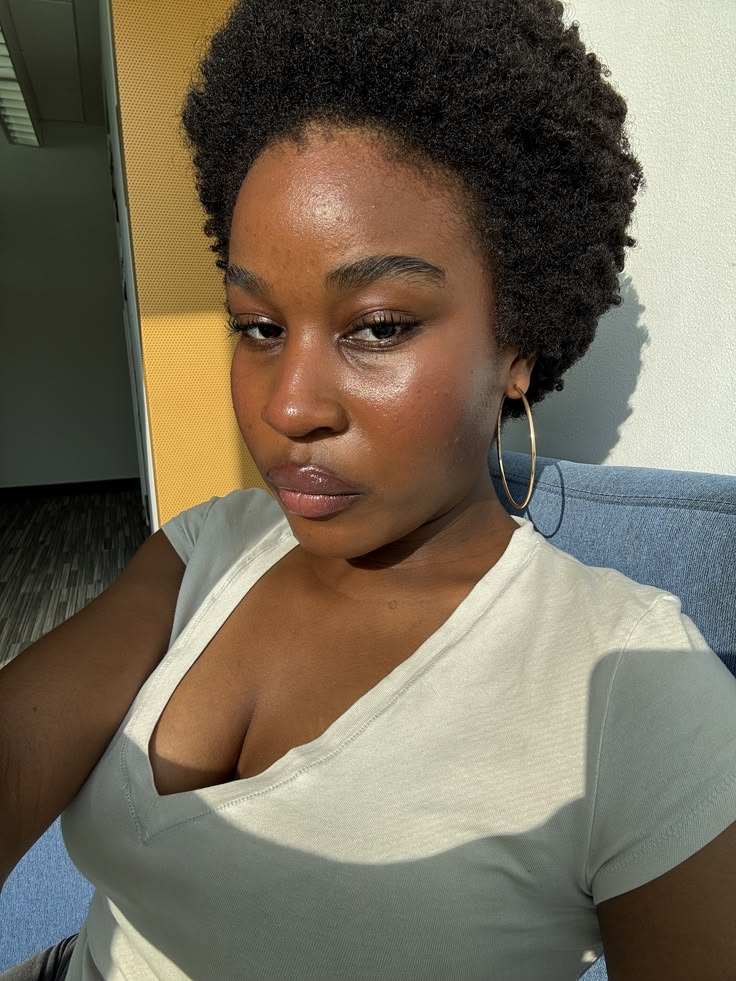
Awkward length frustrates people because styles that used to work suddenly stop working. A wash-and-go might look uneven, and a bigger updo might not stay secure.
This gap between “too short” and “long enough” feels genuinely uncomfortable.
Comparing your hair to someone further along in their journey rarely helps either. Everyone passes through this exact stretch, even people with beautiful, longer hair now.
Give yourself permission to feel a little frustrated without judging your progress harshly.
Social media often shows finished results without revealing the messy stages in between.
Remember that every long-haired natural once had an awkward-length stretch too. Their current photos rarely tell the full, honest story of their journey.
Understanding how your hair actually grows can ease some of that discomfort. Reading understanding the afro hair growth cycle explains why some sections seem to lag behind others.
Once you understand the science, awkward length feels far less personal.
Remember that hair grows in cycles, with some strands resting while others actively grow. This natural variation explains a lot of the unevenness people notice daily.
Patience becomes easier once you understand what’s actually happening beneath the surface.
Embracing Protective Styles During This Phase
Protective styles genuinely shine during the awkward-length stage more than almost any other.
Braids, twists, and buns all reduce daily manipulation while length keeps building. Less daily fuss usually means fewer bad hair days overall.
Choose styles that don’t pull too tightly, especially around thinner, more fragile edges. Comfort should always outweigh how tight or dramatic a style initially looks.
A comfortable style is far more sustainable over several consecutive weeks.
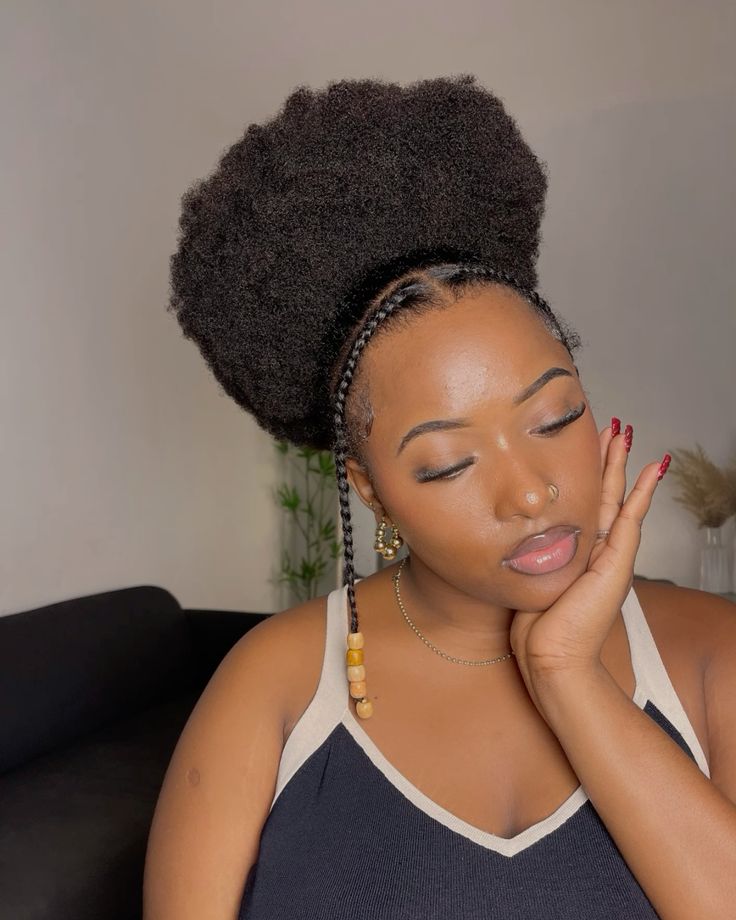
Small twists or braids can help even out visually uneven sections too. They add consistent texture across your whole head regardless of length differences underneath.
This creates the illusion of more uniform length while you keep growing.
As your hair approaches medium length, your protective style options only expand further. A medium-length afro hair care routine explains how product needs shift once you get there.
For now, simple protective styles carry you through this tricky in-between window.
Rotate between two or three go-to protective styles to avoid daily decision fatigue. Having a small, reliable rotation removes stress from busy or unpredictable mornings.
Simplicity during this particular stage genuinely beats constant, exhausting experimentation.
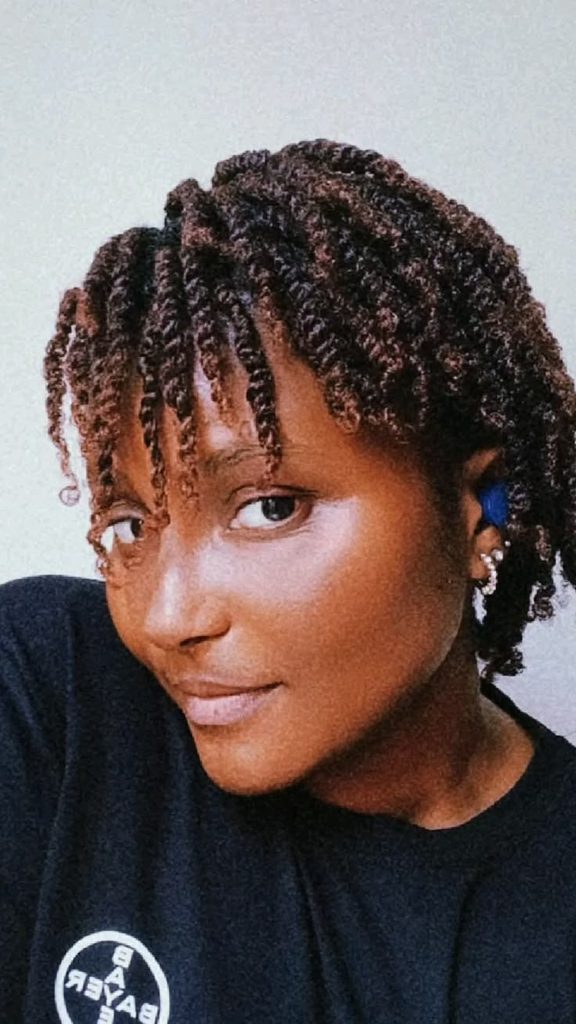
Twist-Outs and Braid-Outs for Extra Length
Twist-outs and braid-outs are two of the best tools for awkward-length hair. Both techniques stretch your curls, creating the appearance of extra length instantly.
This makes shorter, uneven sections blend more smoothly with longer ones.
Braid-outs tend to create looser waves, while twist-outs create tighter, springier curls. Try both to see which texture works better with your specific curl pattern.
Neither option is objectively better; it really comes down to personal preference.
Combine both techniques on different sections for a more textured, dimensional final look. This blended approach can add visual interest while still hiding uneven length nicely.
Small experiments like this often lead to a genuinely unique personal style.
For even more styling inspiration at various stages, check out curated style lists.
Our 21 best hairstyles for one-inch afro hair post has plenty of techniques worth adapting. Many of those styles translate beautifully to slightly longer, awkward lengths too.
Adjust section sizes slightly larger as your hair gains more length overall. Bigger sections generally work better once you have more hair to work with.
Small technique tweaks like this keep familiar styles looking fresh and current.
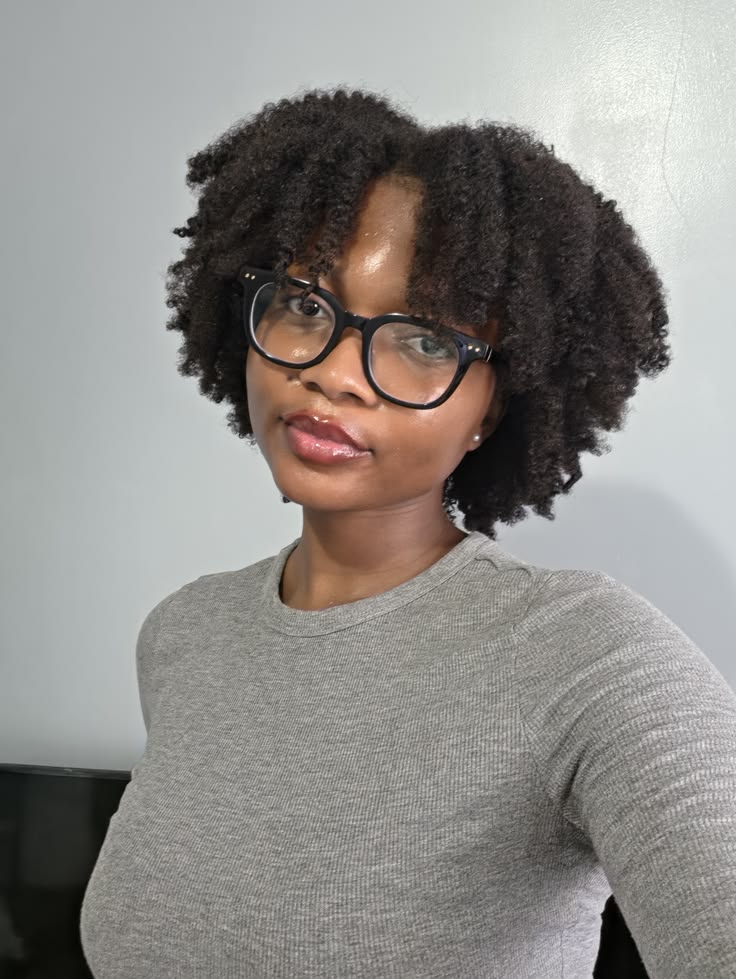
Half-Up Styles That Blend Length Differences
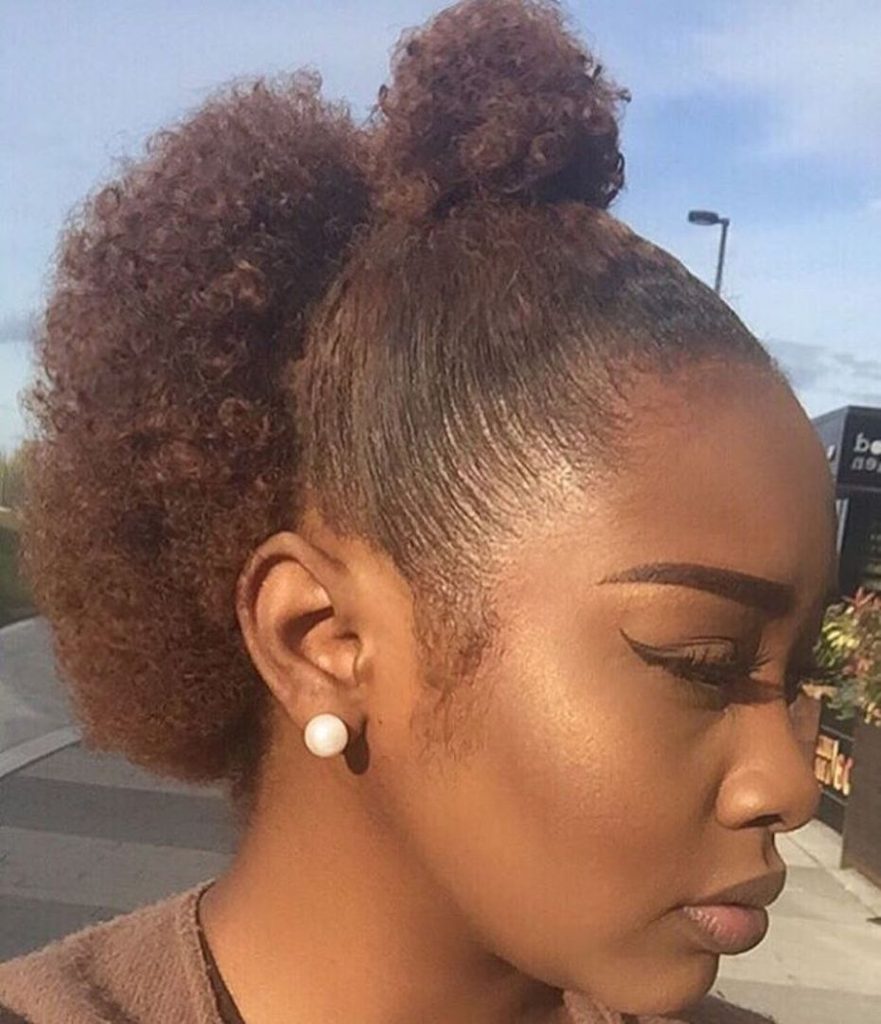
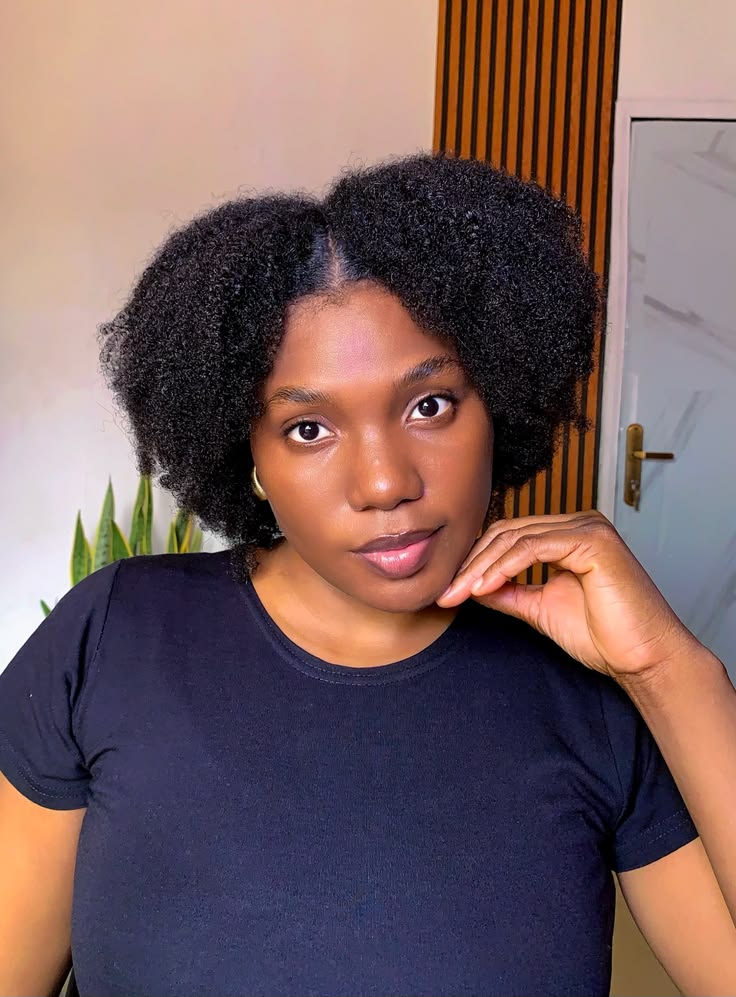
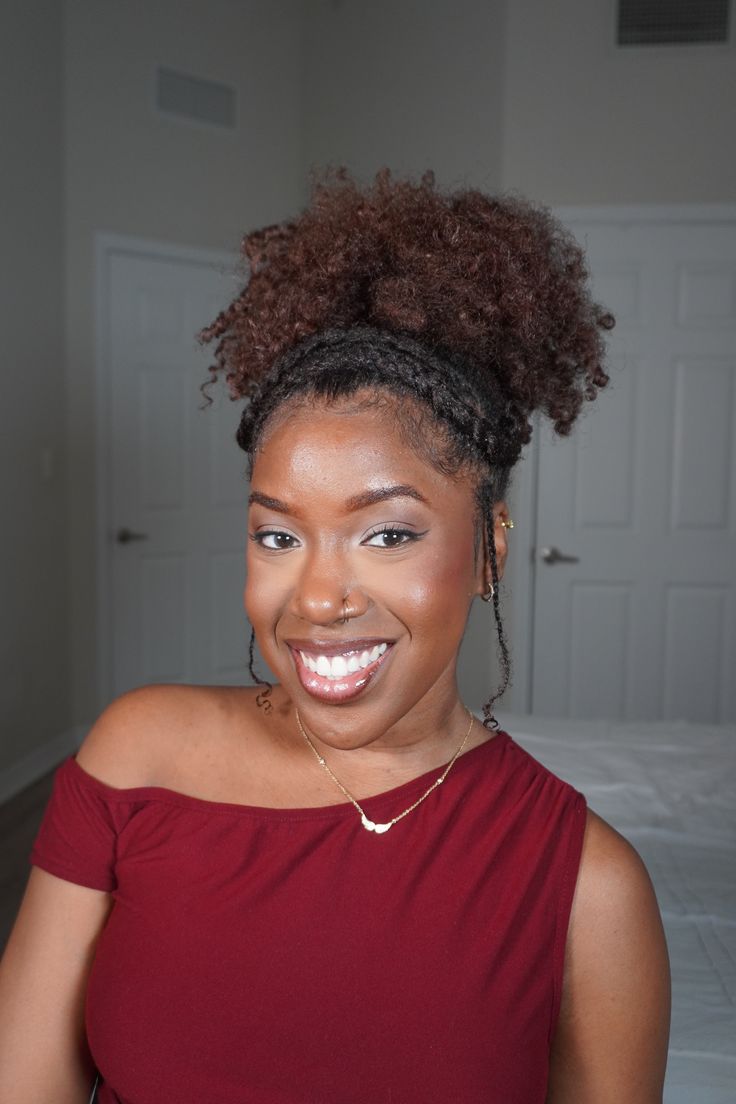
A half-up style is one of the most forgiving looks for uneven length. Pull the top section up while leaving the rest of your hair down.
This instantly balances shorter top layers with longer sections underneath.
This style also works well over freshly done twist-outs or braid-outs. Combining two techniques often creates a more polished, intentional finished look overall.
Layering styling methods gives you more variety without much extra effort.
Secure the top puff loosely so it doesn’t pull attention to any unevenness. A relaxed, slightly messy puff often looks more intentional than a tight one.
This small adjustment makes a noticeable difference in the finished result.
Curl elasticity plays a real role in how well half-up styles actually hold. Reading understanding afro hair elasticity can help you predict how your curls will behave.
Healthy, elastic strands generally create the most reliable half-up results.
A silk-lined hair tie prevents unnecessary breakage right at the base of your puff.
This small swap protects fragile strands that experience the most daily tension. Small equipment choices like this add up to real, visible protection.
Using Accessories to Disguise Uneven Sections
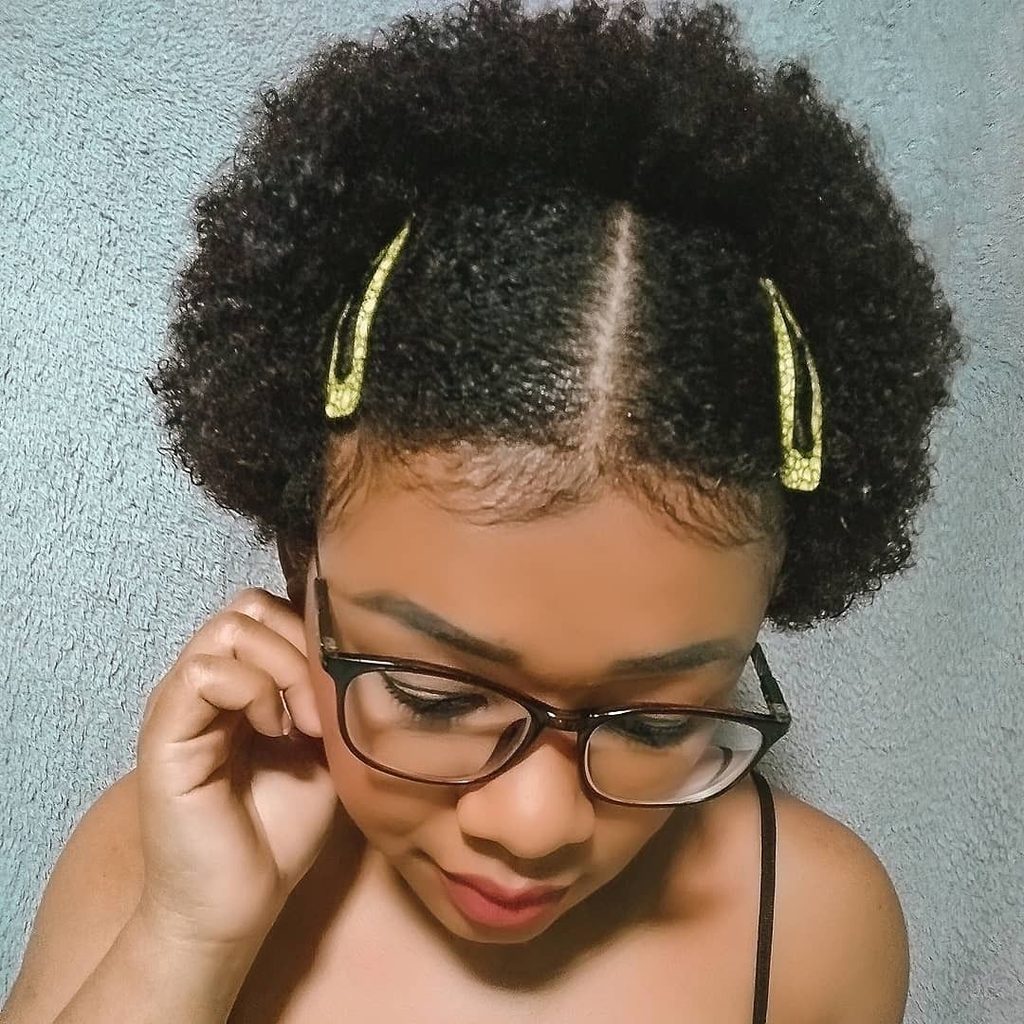
Accessories are secretly one of the best tools for awkward-length styling struggles.
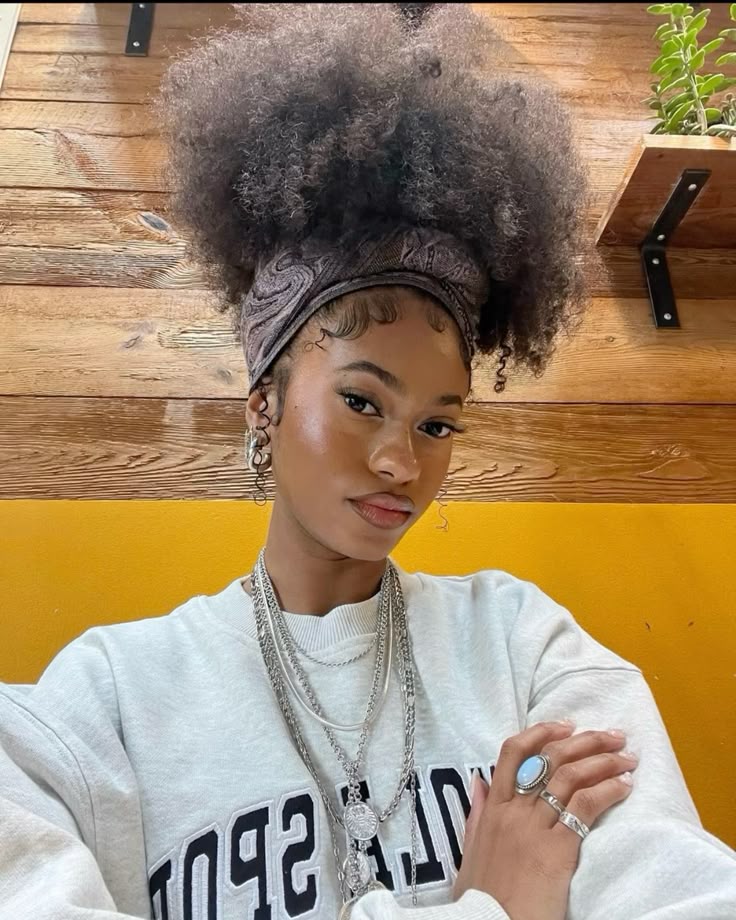
Headbands, scarves, and clips can all hide sections that aren’t cooperating that day. A little strategic placement goes a long way toward a polished look.
Don’t underestimate how much a bold accessory can shift someone’s entire first impression.
Confidence paired with a great accessory often outweighs any concern about actual length. People notice energy and presentation more than precise inch measurements.
Wrap a scarf around shorter sections while leaving longer pieces out and visible. This creates intentional-looking contrast instead of accidental, frustrating unevenness overall.
Accessories turn a styling challenge into a genuine creative opportunity instead.
Keep a small collection of go-to accessories specifically for tricky hair days. Having options ready removes decision fatigue on already stressful, rushed mornings.
A five-minute fix can completely transform how confident you feel leaving the house.
Store accessories somewhere visible so you actually remember to reach for them. A small basket near your mirror works better than a drawer you forget about.
Visibility genuinely increases how often useful tools actually get used.
Working With Layers and Uneven Growth
Some people have layers or uneven growth patterns that make styling extra tricky.
Certain sections may grow faster, especially around the crown or nape area. This unevenness is common and doesn’t mean anything is wrong.
Genetics, past damage, and even sleeping position can all influence uneven growth patterns.
There’s rarely one single cause behind noticeably uneven sections of hair. Focus on caring for what you actually have right now.
Ashley, a reader from Michigan, said her crown grew noticeably faster than her edges.
She learned to style around it instead of fighting the natural difference. That shift in approach made her daily routine far less stressful overall.
She now uses accessories on faster-growing sections to blend everything more evenly. This simple trick saved her hours of frustration during particularly stubborn weeks.
A little creativity often solves problems that products alone genuinely cannot.
Shrinkage can also exaggerate how uneven your hair actually looks day to day. The topic of why afro hair shrinks so much explains why some sections appear shorter than others.
Stretched styles like twist-outs often reveal a much more even length underneath.
Banding is another simple technique that stretches hair without any heat involved. Small elastic bands placed along damp hair sections gently pull length downward.
This technique works especially well before a twist-out or braid-out session.
Wash Day Adjustments for This Stage
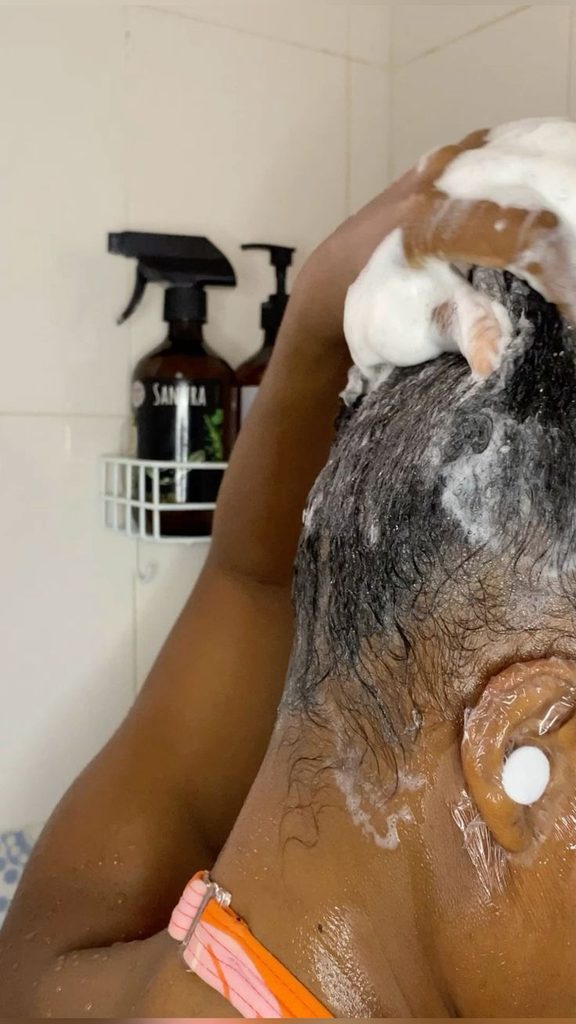
Wash day changes significantly once you reach the awkward-length stage of growth. Detangling takes longer, and product application requires a bit more strategy now.
Build extra time into your schedule instead of rushing through the process.
Set aside an entire relaxed afternoon rather than squeezing wash day into a rushed morning.
Rushing at this stage usually leads to more tangles and unnecessary frustration. A slower pace protects both your patience and your actual hair length.
Section your hair into four or six parts before starting your wash routine. This makes detangling, cleansing, and product application far more manageable overall.
Working in smaller sections also reduces unnecessary tangling and breakage. Use clips or hair ties to keep each section separate throughout the entire process.
This prevents accidentally mixing detangled sections back into tangled, unfinished ones. A little extra organization saves real time over the course of wash day.
Understanding your hair’s actual structure can also improve your wash day results. Reading how hair is formed: a beginner-friendly guide explains why certain techniques work better than others.
That basic knowledge makes every step of wash day feel more intentional.
Finger detangling before reaching for a comb can prevent a lot of unnecessary breakage. Your fingers feel knots more gently than any tool ever could.
This extra step takes time but genuinely protects your length over the long run.
Product Choices That Help Awkward Lengths
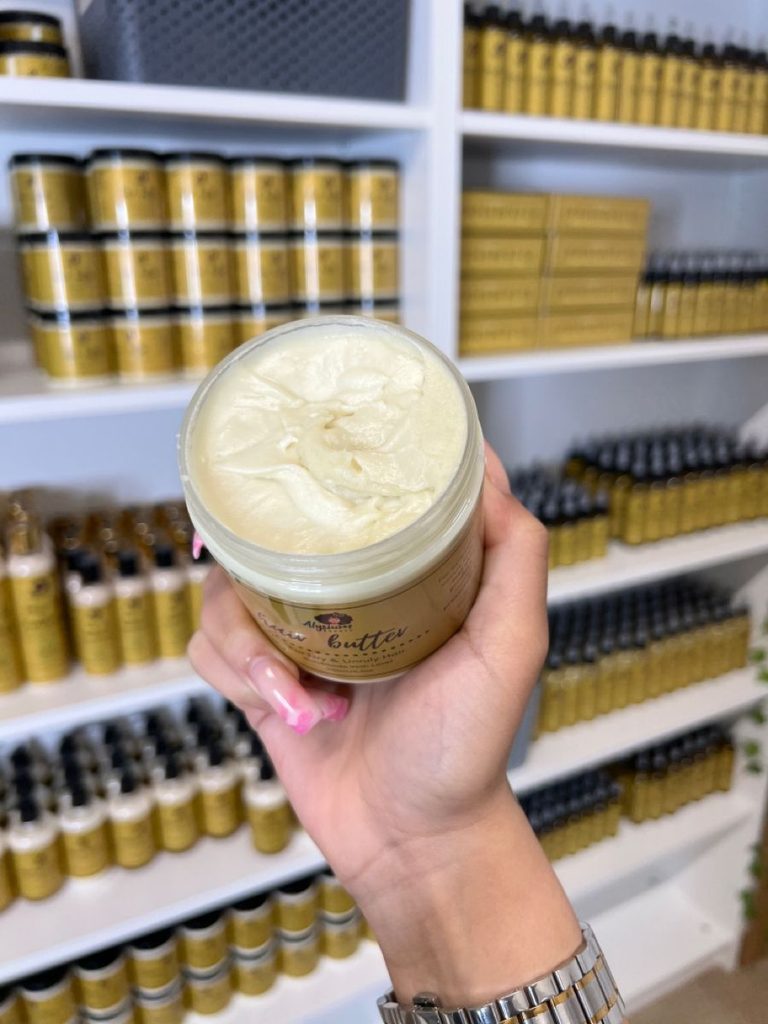
Product needs shift once your hair gains a little more length and weight. Lighter products that worked on shorter hair may now feel less effective.
Slightly richer creams and butters often perform better at this particular stage.
Don’t throw out your old products completely, since some may still work well. Test them again before assuming they no longer fit your current needs.
Your hair’s preferences shift gradually, not overnight, as it continues growing.
Look for products with good slip to help ease detangling at this length. Slip reduces friction, which means less breakage during your regular styling routine.
A good detangling product can honestly transform how wash day feels overall.
Healthy strands respond best to any product, regardless of length or stage. Reading what keratin does for afro hair explains why strong strands hold styles more reliably.
Protecting that internal structure supports every single style on this list.
Protein treatments occasionally help strengthen strands that feel weak or overly stretchy. Balance protein with moisture, since too much of either can cause problems.
A well-balanced routine keeps strands strong enough to hold any style well.
Protecting Your Ends During Transition
Your ends are the oldest, most fragile part of your hair at any length. Awkward-length hair often has ends that have survived a full big chop cycle.
Protecting them becomes even more important as your hair keeps growing.
Tuck your ends away in protective styles whenever your schedule allows for it. Exposed ends face more friction from clothing, pillowcases, and everyday activities.
A little extra protection now pays off in smoother, healthier length later.
Seal your ends with a light oil after every single styling session. This simple step locks in moisture and reduces split ends over time.
Healthy ends support longer, smoother-looking hair as your length continues increasing.
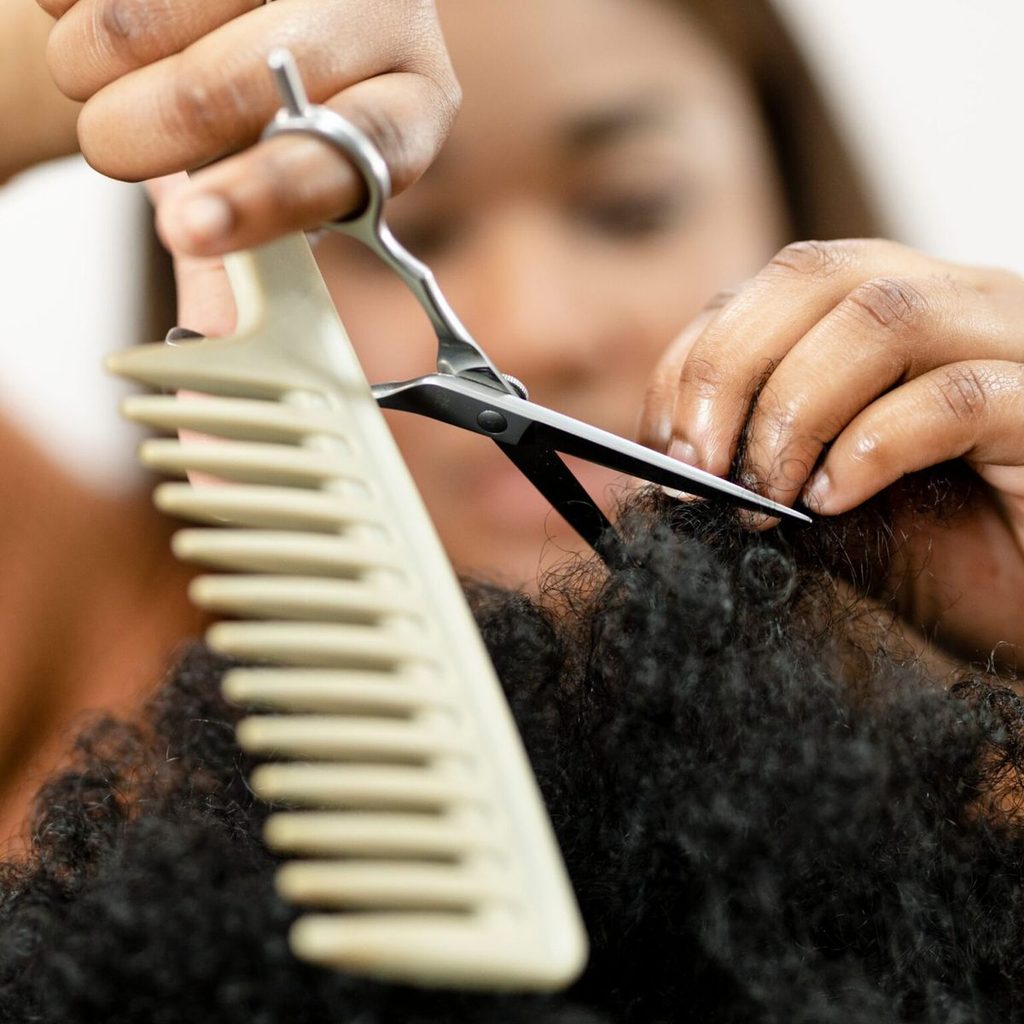
Trim regularly to prevent old damage from traveling further up your strands. A small trim every couple of months protects the length you’re actively growing.
Healthy ends genuinely make every style on this list look more polished.
Check your ends regularly for dryness, thinning, or visible splitting between trims.
Catching damage early prevents it from spreading further up healthy strands. A quick monthly check takes only a minute but saves real length.
Styling for Special Occasions at This Length
Special occasions can feel stressful when your hair is stuck in this tricky stage.
Elevated twist-outs, pinned styles, or accessorized looks all work beautifully for events. You don’t need long hair to look polished and put together.
Confidence, more than length, is what actually carries a look on special occasions.
A well-styled short or awkward length often outshines a rushed, longer style. Own whatever length you’re currently working with, fully and completely.
Practice your chosen style a few days before any important occasion. This gives you time to troubleshoot without the added pressure of a deadline.
A practice run also builds real confidence before the actual event arrives.
Keep a backup plan ready in case your first choice doesn’t cooperate. Having a second option removes pressure and keeps event-day stress to a minimum.
Flexibility matters just as much as preparation during this particular styling stage.
Consider booking a professional stylist if you want extra reassurance for a big day. A trained eye can suggest options you might not have considered yourself.
Sometimes a second opinion makes all the difference in how you feel.
Bring reference photos to your appointment so your stylist understands your exact vision.
Clear communication leads to far better results than vague, general descriptions. A shared vision helps everyone feel confident walking into a big event.
Common Mistakes During the Awkward Stage
Over-styling is one of the most common mistakes during this particular stage. Constantly changing styles daily can lead to unnecessary breakage and frustration.
Stick with a few reliable go-to looks instead of experimenting constantly.
Using too much heat is another mistake people lean on during frustrating weeks. Heat can temporarily smooth awkward sections but often causes damage over time.
Reserve heat styling for rare occasions rather than a regular daily habit.
Skipping moisture is another mistake people often make without realizing the impact.
Longer hair still needs consistent hydration, just like shorter hair always did. Don’t let a busy schedule become an excuse to skip proper hair care.
Keep a small spray bottle handy for quick midday moisture touch-ups. Thirty seconds of extra hydration can rescue an otherwise dry, frustrating afternoon.
Small habits like this protect your progress even on your busiest days.
Humidity can also complicate styling more as your hair gains additional length.
Our post on how to protect afro hair from humidity offers useful tips for frizz-prone days. A few small adjustments can prevent a lot of unnecessary frustration.
Comparing your journey to filtered, curated photos online is another common mistake people make.
Real hair, in real lighting, rarely looks exactly like a perfect online photo. Give yourself grace and remember most photos don’t show the full story.
Seasonal Styling Adjustments
Seasons affect awkward-length styling just as much as they affect any other stage.
Each one brings its own specific challenges and its own small opportunities. Planning ahead keeps your routine from falling apart during transitions.
Keep a small seasonal checklist to remind yourself what to adjust and when. A quick review each season prevents small problems from becoming bigger frustrations.
This habit takes minutes but saves real time throughout the entire year.
Summer heat and sweat call for lighter products and more frequent refreshing. A summer hair care routine for afro hair can help you adjust for warmer weather. Winter, meanwhile, demands richer products and extra protection from dry indoor air.
A winter moisture routine for natural hair helps prevent breakage during those colder, drier months. Spring often invites a lighter reset after a heavier winter routine.
A spring hair reset checklist can help clear buildup and refresh your whole approach.
Fall sits nicely between these two extremes, favoring balanced, moderate care. Our fall hair care tips for type 4 hair cover useful adjustments worth making during that transition.
Treat every season as a small checkpoint rather than a total overhaul.
Mindset Shifts That Make This Stage Easier
Your mindset genuinely shapes how difficult this stage feels on a daily basis.
Viewing awkward length as a problem to fix creates constant, low-grade frustration. Viewing it as a phase to embrace changes the entire experience.
Journaling your feelings about this stage can help you process the frustration honestly.
Writing things down often makes emotions feel more manageable and less overwhelming. A few honest sentences a week can shift your entire daily outlook.
Danielle, mentioned in our growth journey guide, said reframing helped her the most.
She stopped chasing “finished” hair and started appreciating each stage individually. That mental shift made daily styling feel far less like a burden.
Celebrate small styling wins instead of only celebrating length milestones. A great twist-out or a compliment from a friend both genuinely count.
These small moments make the entire journey feel more rewarding along the way.
Surround yourself with people who understand and support this particular stage of growth.
Their encouragement can make a frustrating week feel far more manageable. You don’t have to navigate this stretch entirely on your own.
When Awkward Length Starts to Resolve
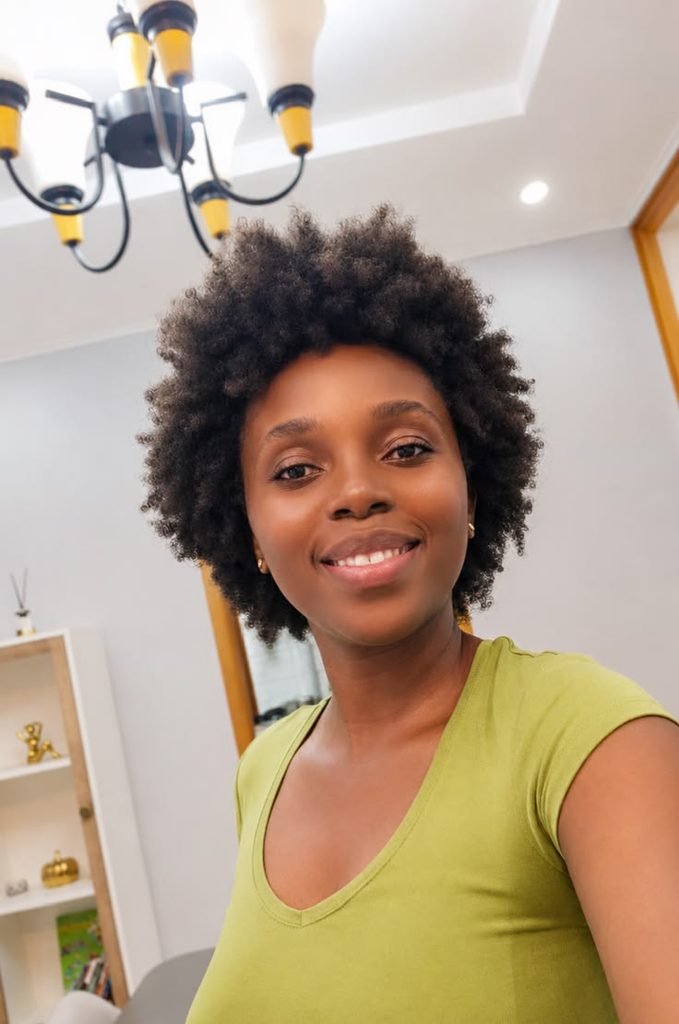
Awkward length doesn’t last forever, even though it can feel that way sometimes. Most people notice styling becoming easier somewhere around six to nine months.
Twists hold longer, updos stay secure, and options multiply noticeably.
Every journey moves at its own pace, so use this timeline loosely, not strictly. Your own experience might resolve faster or take a little longer instead.
Focus on consistent care rather than watching the calendar too closely.
You’ll know you’re through this stage when styles start working reliably again.
Puffs stop looking lopsided, and braid-outs finally reach a consistent, even length. That shift often happens gradually rather than all at once.
Celebrate this transition when it finally arrives, since you earned it through consistent effort.
Months of patience and protective care led directly to this exact moment. Take a photo to mark the occasion before moving into the next stage.
Keep documenting your journey through photos, even during the hardest weeks.
Looking back later reveals just how far your hair has actually come. Progress is often clearer in hindsight than it feels in the moment.
Many people report this stage passing faster than they originally expected it to. Time has a way of moving quickly once you stop watching the clock.
Stay consistent, and this awkward stretch will resolve before you know it.
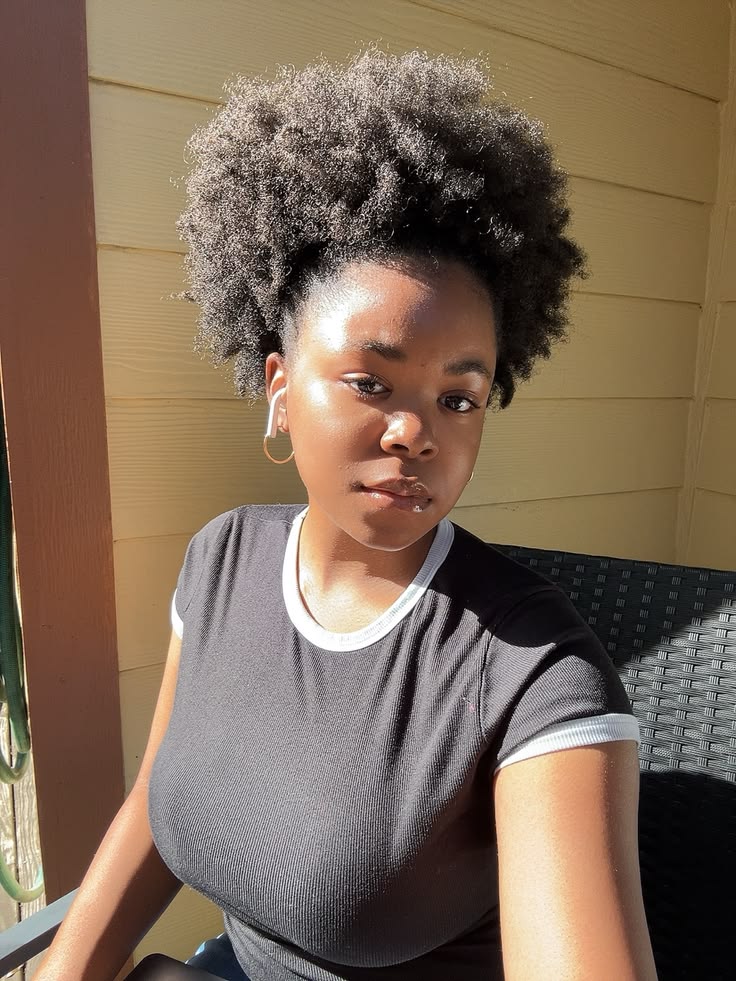
Wrapping Up: Owning This In-Between Stage
Awkward-length hair is a real, valid stage, not a mistake to fix quickly. With the right techniques, this stretch can actually feel creative and fun.
Protective styles, smart products, and a shifted mindset all make a genuine difference.
Revisit this guide anytime you feel stuck during a particularly frustrating week. A quick refresher can remind you of techniques you may have forgotten.
Small reminders often restore momentum faster than starting completely from scratch.
Give yourself grace on the days that feel harder than others. Every natural hair journey includes this exact stretch, no matter how it looks online.
You’re not doing anything wrong; you’re simply in between two stages.
Lean on the wider natural hair community whenever this stage feels particularly isolating.
Others have walked this exact path and understand the frustration firsthand. You’re never as alone in this journey as it sometimes feels.
Keep experimenting, keep protecting your ends, and keep trusting the process fully.
This in-between stage is temporary, but the confidence you build here will last. Own this stage instead of just waiting for it to pass.
Your hair is doing exactly what it’s supposed to do right now. Trust that consistent, gentle care will carry you through to the next chapter.
Awkward length is simply one small part of a much bigger story.

7 Comments