
Spring Hair Reset Checklist
Disclosure: Some of the links in this post are affiliate links. This means if you click on the link and purchase an item, I will receive an affiliate commission at no extra cost to you.
Clear out the closet, clean the windows, and don’t forget your hair. Spring cleaning applies to more than just your home once winter finally loosens its grip. Months of heavier products, protective styles, and drier air leave real residue behind.
Your hair deserves the same fresh start you’re giving the rest of your life. If you followed a winter moisture routine for natural hair, this reset builds directly on those habits. Think of spring as a checkpoint, a chance to clear out what no longer serves your hair. Let’s walk through exactly how to reset your routine and start the season strong.
Think of this checklist as a gentle guide rather than a rigid, strict rulebook. Every hair type and lifestyle will approach these steps slightly differently. Adapt each suggestion to fit what genuinely works for your specific hair.

Spring Hair Reset Checklist
Why Your Hair Needs a Spring Reset
Winter leaves behind more than just memories of cold, dry days. Heavier products, less frequent washing, and constant protective styles all leave residue.
That buildup can weigh down your hair and block new products from working well.
Your hair’s structure also shifts slightly as it adjusts between seasonal extremes.
Reading how hair is formed: a beginner-friendly guide explains why strands respond differently to temperature and humidity.
Understanding this helps explain why a seasonal reset genuinely matters.
Porosity and elasticity both respond to environmental shifts more than people usually realize. A reset helps recalibrate your routine to match your hair’s current, actual needs.
Seasons change, and your hair’s needs genuinely change right along with them.
Looking back at how you prepared for winter can inform how you approach spring.
Our fall hair care tips for type 4 hair cover the habits that originally carried you into the colder months. Now it’s time to reverse some of those earlier choices.
Think of the full year as one connected cycle rather than separate, isolated seasons. Each season’s routine sets up the transition into the next one.
Understanding this rhythm helps you plan more effectively throughout the entire year.

Clarifying Away Winter Buildup
A clarifying wash is the true starting point of any proper spring reset. Months of heavier butters, oils, and styling products leave real buildup behind.
This buildup can make hair look dull and feel weighed down.
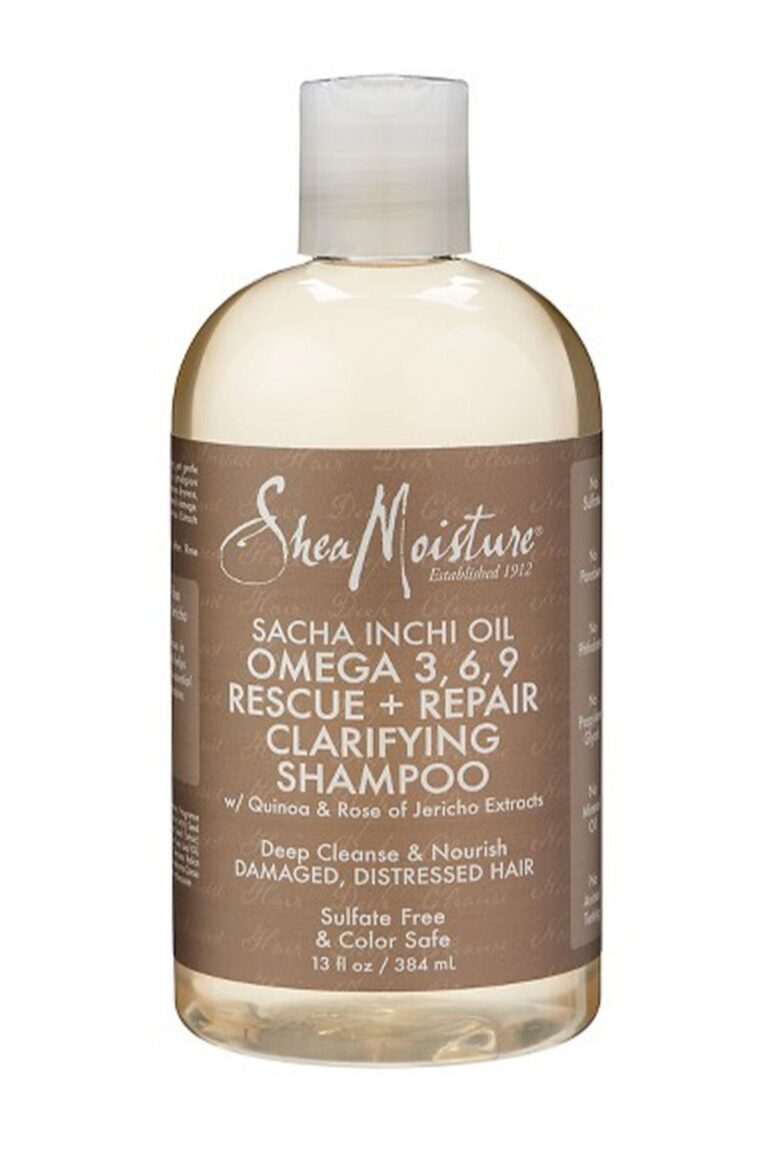
Choose a clarifying shampoo specifically formulated to remove stubborn product residue. Focus on your scalp first, then work the lather gently through your lengths.
Follow immediately with a rich conditioner to restore moisture afterward.
Don’t skip the follow-up conditioner, since clarifying shampoos can feel drying on their own. Pairing the two steps prevents your hair from feeling stripped afterward.
This combination cleans thoroughly while still respecting your hair’s moisture needs.
Healthy strands respond best to a clean, buildup-free foundation going into spring. Reading what keratin does for afro hair explains why removing buildup helps your hair’s internal structure function.
A clean start genuinely sets the tone for the entire season ahead.
Consider a light protein treatment after clarifying if your hair feels weak. Removing buildup can sometimes reveal underlying weakness that products were previously masking.
Addressing this early prevents bigger problems as the season progresses.

Deep Conditioning to Restore Softness
Winter months are hard on hair, even with a diligent, careful routine. A deep conditioning session helps restore softness that harsh weather may have stripped.
This step deserves real priority during your spring reset process.
Choose a moisture-focused deep conditioner if your hair feels stiff or brittle. Choose a protein-focused option if your hair feels limp or overly stretchy.
Reading your hair’s specific signals helps you choose the right treatment.
Alternate between both types over the following weeks if you’re genuinely unsure. This balanced approach addresses multiple potential issues without guessing incorrectly.
Your hair will usually tell you which direction needs more attention.
Elasticity often takes a hit during winter’s harsh, drying conditions. Reading understanding afro hair elasticity helps explain why deep conditioning restores that healthy bounce and stretch.
Restored elasticity is one clear sign your reset is working.
Test your hair’s elasticity before and after your deep conditioning session for comparison. Noticing genuine improvement can feel motivating and confirm your reset is working.
This small check turns an invisible process into something you can actually feel.

Trimming Away Winter Damage
Winter often leaves behind some degree of dryness and breakage, even with careful care. A spring trim removes this damage before it travels further up healthy strands.
Starting the season with healthy ends supports everything else in your routine.
Don’t fear this trim, even if winter felt like it slowed your progress. Removing damage now actually supports faster, healthier-looking growth going forward.
A small trim is an investment in the months of growth still ahead.
Ask your stylist to assess exactly how much length genuinely needs removing. Trust their trained eye over guesswork, especially after months of protective styling.
A careful trim protects the length you worked hard to maintain all winter.
If trimming at home, use sharp, dedicated shears rather than regular household scissors.
Dull tools crush ends instead of cutting them cleanly and precisely. Clean cuts heal and grow out far better than crushed, jagged ones.
Winter dryness can sometimes make hair appear shorter than it truly is. The topic of why afro hair shrinks so much explains how moisture loss affects visible curl length.
A good trim combined with restored moisture often reveals more length than expected.
Measure your hair stretched before and after your reset for an honest comparison. This simple check often reveals encouraging progress hidden underneath winter’s shrinkage.
Numbers can reassure you when your reflection tells a more discouraging story.

Lightening Up Your Product Routine
Heavier winter products often feel too rich once spring weather starts warming up.
Switching to lighter formulas prevents that greasy, weighed-down feeling as temperatures rise. This transition should happen gradually rather than all at once.
Swap thick butters for lighter creams as humidity levels slowly begin increasing. Save your richest winter products for next year’s coldest, driest stretches.
Your product shelf should evolve right alongside the changing seasons outside.
Store winter products properly so they remain usable when cold weather eventually returns. A cool, dry storage spot helps preserve texture and effectiveness over many months.
This small habit saves money and prevents unnecessary yearly repurchasing.
As your hair grows and changes, your spring product needs may shift too.
A medium-length afro hair care routine explains how longer hair often needs different spring adjustments than shorter styles. Product needs depend on both season and length working together.
Revisit your product notes from last spring if you kept any records. Past experience often provides better guidance than starting completely from scratch again.
Your own documented history becomes more valuable with each passing year.

Reassessing Your Wash Day Routine
Wash day habits that worked during winter may need adjusting for spring weather. Warmer temperatures often mean more frequent washing becomes necessary again.
Pay attention to how your scalp responds as conditions gradually change.
Consider shortening the stretch between washes as temperatures start climbing steadily. Your scalp naturally produces more oil once warmer weather returns.
Adjusting your schedule prevents buildup from accumulating too quickly again.
Pay close attention during this transitional period, since needs can shift week to week. Early spring may still feel wintry, while late spring starts feeling like summer.
Flexibility during this changeable season genuinely serves your hair well.
Growth continues steadily through every season, regardless of your current wash routine.
Reading understanding the afro hair growth cycle helps explain why consistent care matters through every seasonal shift. A healthy scalp supports growth no matter the season outside.
Spring’s renewed energy can be a great motivator for recommitting to scalp care. Use this seasonal momentum to build habits that carry through the rest of the year.
Motivation now can support consistency well beyond just the spring months.

Refreshing Your Protective Style Rotation
Your protective style choices may need updating as weather patterns shift toward spring. Heavier winter styles can feel less comfortable once temperatures rise even slightly.
Lighter, more breathable options often work better for the season ahead.
Consider slightly shorter-lasting styles as the weather continues warming through the season. A style you refresh every few weeks may suit rising temperatures better.
There’s no rule that every protective style must last exactly one month.
Take down any long-standing winter styles and assess your hair’s current condition. This gives you a clear picture before deciding on your next style.
A style break also lets your scalp breathe after months of continuous coverage.
Use this style break to deep condition and trim before installing anything new. This sequence ensures your next style sits on the healthiest possible foundation.
A little preparation now supports the style you choose for weeks ahead.
For fresh spring styling inspiration, curated lists can genuinely help guide you.
Our 21 best hairstyles for one-inch afro hair post includes techniques that work beautifully as the weather warms. Many styling principles there adapt easily to spring’s changing conditions.
Experiment with lighter accessories like colorful clips or floral headbands this season.
Small seasonal touches can make a familiar style feel fresh and current again. Spring is a great time to play with color and texture.

Scalp Detox and Renewal
Your scalp deserves real attention during any thorough spring reset process. Months of heavier products and less frequent washing can leave residue behind.
A scalp detox helps clear this buildup and support renewed, healthy growth.
Try a scalp scrub or exfoliating treatment once during your reset process. This helps remove dead skin cells and product buildup more thoroughly than shampoo alone.
Follow with a nourishing scalp oil to restore balance afterward.
Choose a gentle scrub formulated specifically for the scalp rather than the body. Harsh exfoliants can irritate sensitive scalp skin more than people often expect.
A gentle approach still delivers real benefits without unnecessary discomfort.
Revisiting foundational care habits can help during this important seasonal transition. Our guide on how to care for a twa covers scalp basics that remain relevant at any length.
Strong fundamentals support every single stage of your hair’s journey. A healthy scalp genuinely supports every single goal you might set this season.
Whether you’re focused on length, thickness, or overall health, it all starts here. Prioritizing scalp care first sets up everything else for success.

Preparing for Rising Humidity
Spring often brings the first real humidity of the year after a dry winter. This shift can catch people off guard if they haven’t adjusted their routine.
A little preparation now prevents frustration once humid days fully arrive.
Your hair may need a few weeks to adjust to rising humidity levels. Don’t panic if your first humid spring day brings unexpected frizz.
This adjustment period is completely normal as your routine catches up.
Our post on how to protect afro hair from humidity offers strategies worth implementing before conditions become fully humid.
Building these habits early makes the transition into summer feel far smoother. Preparation always beats scrambling once frizz-prone weather actually shows up outside.
Stock up on anti-humidity products before the season’s demand drives up prices.
Planning ahead financially is just as practical as planning ahead for your routine. A little foresight saves both money and last-minute styling stress.
Speaking of summer, it helps to plan slightly ahead for what’s coming next. A summer hair care routine for afro hair can give you a preview of adjustments still to come.
Spring is the perfect bridge between winter’s dryness and summer’s heat.
Use spring to test lighter products before fully committing for the summer season.
This trial period helps you identify favorites before you truly need them. A little experimentation now saves guesswork once summer heat fully arrives.
Updating Your Tool Kit
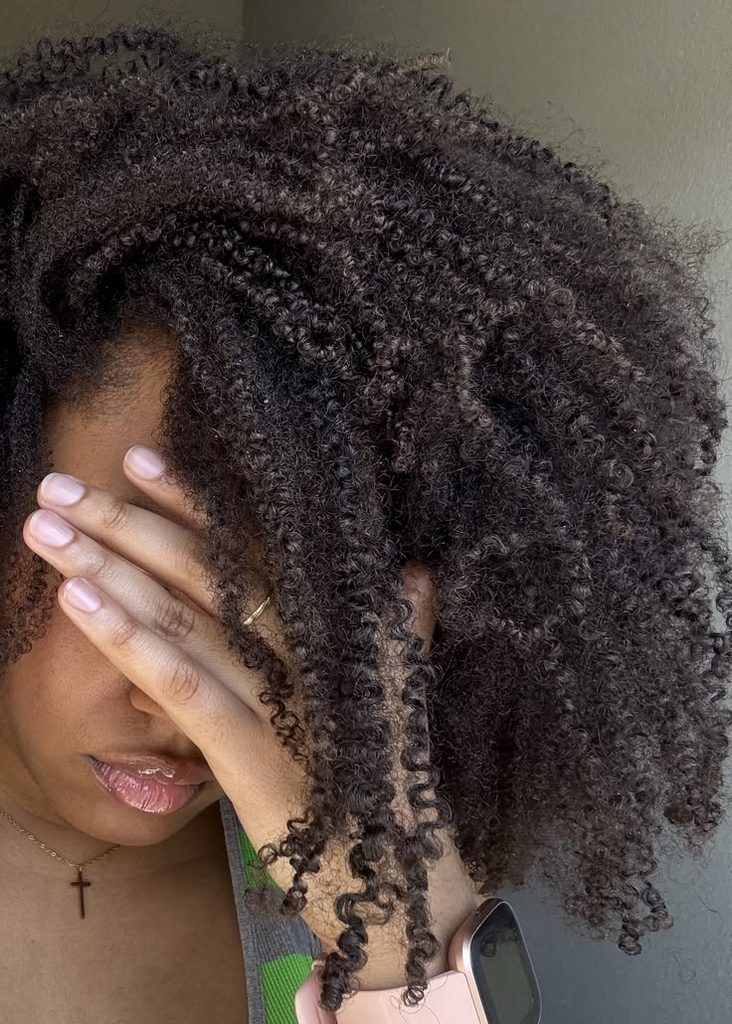
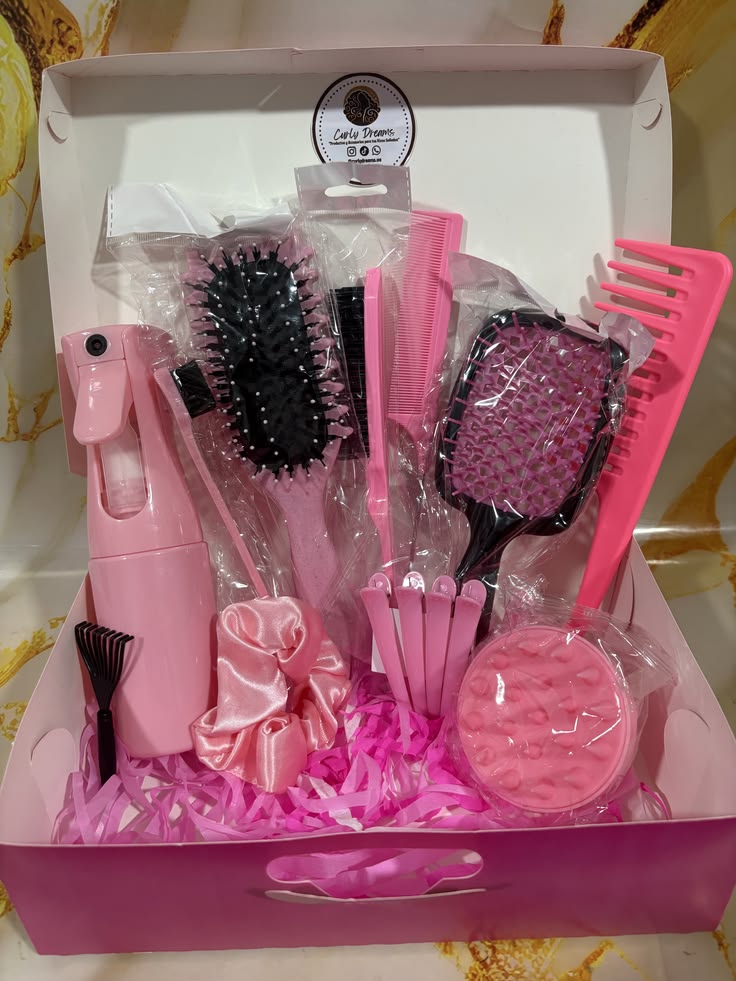
Your styling tools deserve a spring check just as much as your products do. Combs, brushes, and clips can accumulate product buildup over many months.
A quick clean or replacement keeps your tools working effectively.
Soak combs and brushes in warm, soapy water to remove built-up residue. This simple step restores their effectiveness and prevents transferring old product onto clean hair.
A five-minute soak makes a noticeable difference in how tools perform.
Inspect elastic bands and hair ties for signs of wear or damage. Worn elastics can snag and cause unnecessary breakage during regular styling sessions.
Replacing these small items is an inexpensive way to protect your hair.
Opt for silk-covered or seamless elastics whenever possible for gentler daily wear. These options reduce friction and breakage compared to standard rubber bands.
Small tool upgrades often deliver surprisingly noticeable protection over time.
If you’re navigating tricky in-between lengths, the right tools matter even more. Our guide on how to style awkward-length natural hair covers tool recommendations for this transition period.
Good tools genuinely make every single styling session feel far easier.
A rat-tail comb and duckbill clips both help with precise, detailed styling work. These small tools make a genuine difference when working with tricky, uneven lengths.
Investing in a few quality tools pays off across many future styling sessions.
Revisiting Your Nutrition and Hydration Habits
Spring is a great time to reassess habits beyond just your topical hair routine. What you eat and drink continues shaping your hair’s health from within.
A quick seasonal check-in can reveal small gaps genuinely worth addressing.
Winter comfort foods sometimes crowd out the fresh produce your hair genuinely needs. Spring naturally offers a chance to rebalance your plate toward lighter, fresher choices.
Small dietary shifts alongside your hair routine support results from the inside out.
Add more fresh produce to your meals as spring produce becomes widely available. Seasonal fruits and vegetables often provide nutrients your hair genuinely benefits from.
Eating with the season is both practical and genuinely supportive of your goals.
Leafy greens, berries, and citrus fruits all offer nutrients that support healthy hair.
These foods are often more affordable and flavorful when they’re actually in season. Eating seasonally benefits both your wallet and your overall wellbeing.
Increase water intake gradually as temperatures start rising throughout the spring. Your body’s hydration needs shift alongside the weather, just like your hair’s needs do.
Small internal adjustments support the external results you’re working toward.
Set a simple daily water goal to build this habit consistently through spring. Tracking intake, even loosely, tends to improve consistency more than good intentions alone.
Small, measurable goals almost always outperform vague, well-meaning resolutions entirely.

Setting New Hair Goals for the Season
Spring’s fresh-start energy makes it a natural time to set new hair goals.
Maybe you want to focus on length retention, or maybe styling experimentation. Whatever your goal, write it down to make it feel more concrete.
Be specific with your goals rather than choosing something vague like healthier hair. A goal like reducing breakage by trimming regularly is easier to actually track.
Specificity genuinely turns a vague wish into something you can actually act on.
Break larger goals into smaller, monthly milestones you can actually track. This makes progress feel achievable rather than overwhelming or vague.
Celebrate small wins along the way rather than waiting for one big result.
Revisit your goals monthly to check progress and adjust course if needed. Goals aren’t meant to be rigid; they’re meant to guide your ongoing effort.
Flexibility keeps your goals useful rather than a source of pressure.
If you’re still growing out a twa: month-by-month guide, spring is a great checkpoint to reassess your progress.
Compare where you are now to where you started your journey. Reflection like this often reveals more progress than you initially realized.
Pull up old photos from last spring to see just how far you’ve come. This comparison often feels far more encouraging than daily, in-the-moment observation.
Distance and time reveal progress that’s hard to notice up close.

Decluttering Your Product Shelf
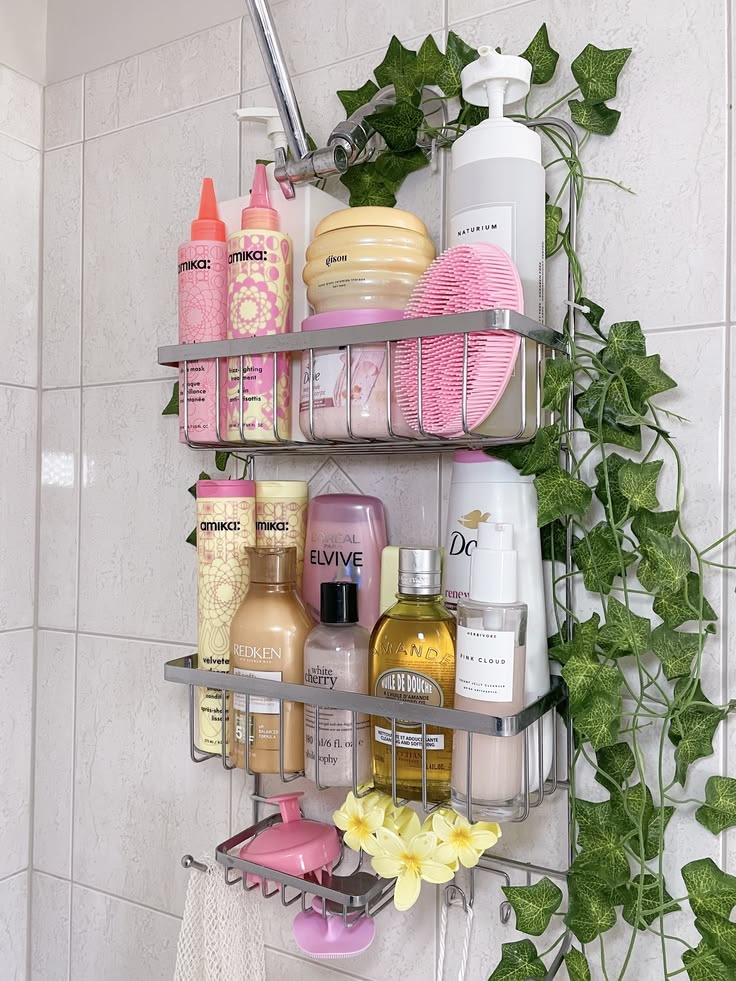
Spring cleaning extends naturally to your entire hair product collection too. Expired, unused, or ineffective products take up space without providing real value.
A thorough declutter makes your routine feel simpler and more intentional.
Set aside twenty minutes to go through every single product you currently own. This focused session prevents the task from feeling endless or overwhelming.
A dedicated block of time makes decluttering feel genuinely manageable.
Check expiration dates, since natural products often have shorter shelf lives than expected.
Discard anything that smells off or has changed in texture or color. Fresh products perform better and pose less risk to your scalp’s health.
Write the opening date on products without a clear expiration listed on the label.
This small habit helps you track freshness for future reference. A little organization now prevents unnecessary guesswork down the road.
Keep only products that genuinely earn a place in your current routine. If something hasn’t worked in months, it’s probably safe to let go.
A streamlined shelf makes your daily routine faster and less overwhelming.
Donate unopened products you simply don’t want rather than letting them go to waste. Someone else might genuinely benefit from a product that wasn’t quite right for you.
A little generosity turns decluttering into something more genuinely meaningful.
Nighttime Routine Refresh
Your nighttime routine deserves a small refresh alongside your daytime changes.
Winter’s heavier nighttime products may feel too rich as temperatures rise. Lighter leave-ins and oils often work better during warmer spring nights.
Reassess your bonnet or scarf choice too, since preferences can shift seasonally. A breathable option may feel more comfortable as nights gradually grow warmer.
Comfort supports consistency, and consistency supports genuine, lasting hair protection.
Wash and refresh your satin or silk pillowcases and bonnets during your reset. These items accumulate oils and product residue over months of regular use.
A clean sleep setup supports everything else in your nighttime routine.
Follow the manufacturer’s washing instructions carefully to preserve silk’s delicate, protective texture.
Improper washing can damage the very qualities that make silk genuinely beneficial. A little care extends the life of these worthwhile investments.
Small nighttime adjustments protect the progress you’re building throughout your spring reset.
Consistency here matters just as much in spring as it did all winter. Don’t let a seasonal transition become an excuse to skip this step.

Common Spring Reset Mistakes
Rushing the entire reset process in a single day is a common mistake. Trying to clarify, trim, deep condition, and restyle all at once overwhelms your hair.
Spread these steps across a week or two for better, gentler results.
Your hair benefits from a gradual transition rather than an abrupt, jarring overhaul.
Spacing out these steps also makes the entire process feel less exhausting. There’s no prize for finishing your reset as quickly as possible.
Switching every product at once is another common reset mistake worth avoiding.
This makes it hard to identify what’s actually working in your new routine. Introduce changes gradually so you can track what genuinely helps.
Change one product category at a time, waiting a couple of weeks between swaps.
This methodical approach makes it far easier to identify genuine improvements. Patience during this process pays off with a routine you actually trust.
Skipping the reset entirely because winter care already feels thorough is a mistake too. Even careful winter routines leave some residue and damage behind.
A reset, however small, genuinely benefits every single hair type and routine.
Even a scaled-down version of this checklist offers real, meaningful value. You don’t need to complete every single step to benefit from the process.
Something is always better than skipping a seasonal reset entirely.
Wrapping Up: Stepping Into Spring Confidently
A spring reset isn’t about starting completely over from nothing at all. It’s about clearing away what no longer serves you and refreshing what does.
This small seasonal ritual sets a strong tone for the months ahead.
Think of this checklist as a tool you can return to year after year. Each season brings its own version of this same, useful renewal process.
The specifics may shift, but the underlying principle always stays the same.
Take your time moving through each step of this checklist thoughtfully. Rushing defeats the purpose of a reset meant to feel restorative and intentional.
Your hair, and your routine, both deserve this unhurried attention.
A reset isn’t a race, even if spring’s energy makes everything feel urgent. Give yourself permission to move at whatever pace genuinely feels sustainable.
Slow, thoughtful progress beats rushed, exhausting effort every single time.
Step into spring with a lighter product shelf and a clearer routine. Your hair survived winter, and now it’s ready to thrive in new ways. Here’s to a season of growth, both visible and genuinely felt.
Revisit this checklist next year when winter loosens its grip once again. Seasonal resets become easier and more intuitive with each year of practice.
Your hair care journey keeps evolving, one season at a time.




3 Comments