
How to Moisturize Afro Hair the Right Way
Disclosure: Some of the links in this post are affiliate links. This means if you click on the link and purchase an item, I will receive an affiliate commission at no extra cost to you.
Afro hair needs a lot of moisture it can get, and not just the moisture, but doing it the right way matters more than the moisturizing.
So many people layer cream on dry hair daily and still get brittle, rough strands. The product is rarely the real problem here, and the method is where things go wrong.
This guide walks you through every step, from damp hair to sealed ends, in plain words. If you want the science first, read how hair is formed: a beginner-friendly guide. Then come back, because the real work starts right now.

How to Moisturize Afro Hair the Right Way
Why Afro Hair Loses Moisture So Fast
Afro hair grows in tight curls and coils, and that shape changes how moisture travels. Natural scalp oil slides easily down straight hair, but it struggles to climb every bend of a coil.
So the ends often stay dry, even when your scalp feels perfectly fine. The outer layer of each strand also lifts more at the curves, which lets water escape faster.
It also helps to know what keratin does for afro hair, since that protein keeps each strand strong. Dry strands feel rough, tangle easily, and snap when you comb them.
That snapping is not bad luck, it is a clear sign that the strand needs water. Moisture also controls how far a strand can stretch before it breaks.
Humid air can help, but dry winter air pulls water out fast. Heat tools, tight styles, and rough towels add even more damage.
None of this means your hair is bad or hard to manage. It simply means your hair needs a routine built around its own shape.
Curly hair is also more fragile because it bends so much along each strand. Those bends are weak spots where breakage likes to start.
Think of each strand as a tiny sponge that needs regular refills. Once you accept that, moisturizing stops feeling like a battle.

Start With Clean, Damp Hair
Moisturizer works best when it lands on clean strands that are still damp. Product on dirty hair just sits on top of buildup and never gets inside.
So wash day sets the stage for everything that comes after it. Most of us rush this part, and then wonder why products feel heavy.
A simple shampoo, a rich conditioner, and a gentle rinse are all you need. If your wash day feels messy, try 50 wash day setups every naturalista will love.
Clarify once a month to clear out oils, butters, and hard water buildup. Follow with a deep conditioner and let it sit for fifteen to twenty minutes.
A shower cap helps trap warmth, which lets the conditioner sink in deeper. Rinse with cool water at the end to help the cuticle lie flat.
Do not towel dry hard, because rough cotton lifts the cuticle and causes frizz. Squeeze the water out gently with an old cotton tee or a microfiber towel.
Dry, dusty hair also soaks up water slowly, so your products never work properly. Clean strands take in water faster and feel softer after styling.
Leave the hair damp, not dripping, and then you are ready to moisturize.

Know How Thirsty Your Hair Really Is
Not every head of afro hair drinks water the same way. Some strands soak up moisture fast and lose it just as fast.
Others resist water at first, then hold on to it for days. A quick test helps: drop a clean strand into a glass of water.
If it floats for a long time, your hair likely resists water at first. If it sinks quickly, your hair drinks fast and needs more sealing afterward.
Dry curls also pull up tight, and that is exactly why afro hair shrinks so much. Shrinkage is normal, but very dry hair shrinks harder and feels tighter on the scalp.
Pay attention to how fast your hair feels dry after a wash. Write down what you notice for a week, and patterns will show up.
There is no shame in having hair that drinks up everything you give it. It just means you will enjoy the benefits of a good routine even more.
That little notebook can save you money on products you do not need. Your hair also changes with seasons, so recheck every few months.

Water Is Your First and Best Moisturizer
Here is something that surprises people: creams and oils do not create moisture. Water does that job, and everything else just helps hold it in.
So always start with a spray bottle filled with plain water. Mist each section until the strands feel cool, soft, and slightly stretchy. That stretch is a good sign, and understanding afro hair elasticity explains why it matters.
Warm water opens the cuticle a little, which helps strands drink more. Cool water closes it again, so finish with a splash of cool mist.
My friend Megan used to skip water and wondered why her twists felt like straw. She started misting first, and within two weeks her hair felt soft again.
Now she keeps a bottle by her bed, and her morning routine feels easy. Do not worry about getting your hair soaking wet every day.
Plain tap water works fine for most people, so you do not need anything fancy. A basic spray bottle from the dollar store does the job beautifully.
A light mist is enough for daily refreshing between full wash days.

The LOC and LCO Methods, Explained Simply
Two popular methods keep showing up in every curl group online. LOC means liquid, oil, then cream, and LCO means liquid, cream, then oil.
The liquid is water or a water-based leave-in, and it comes first every time. Oil traps that water, while cream adds softness and a bit of hold.
Think of it like layering clothes on a chilly day. Each layer has a job, and skipping one leaves a gap.
Water hydrates, cream softens, and oil seals the deal at the end. Thicker hair often needs the cream layer, while fine hair may not.
Try one method for two weeks, then switch if your hair still feels dry. Your strands will tell you which order they like best.
Write down what you used, so you can repeat what works. You can find more routine ideas in 60 healthy hair routine ideas you’ll actually use.
Some people mix the two and call it a custom method, and that works too. The goal is always the same, which is hydrate first and seal second.
Do not worry about the perfect order, because consistency beats perfection every single time.

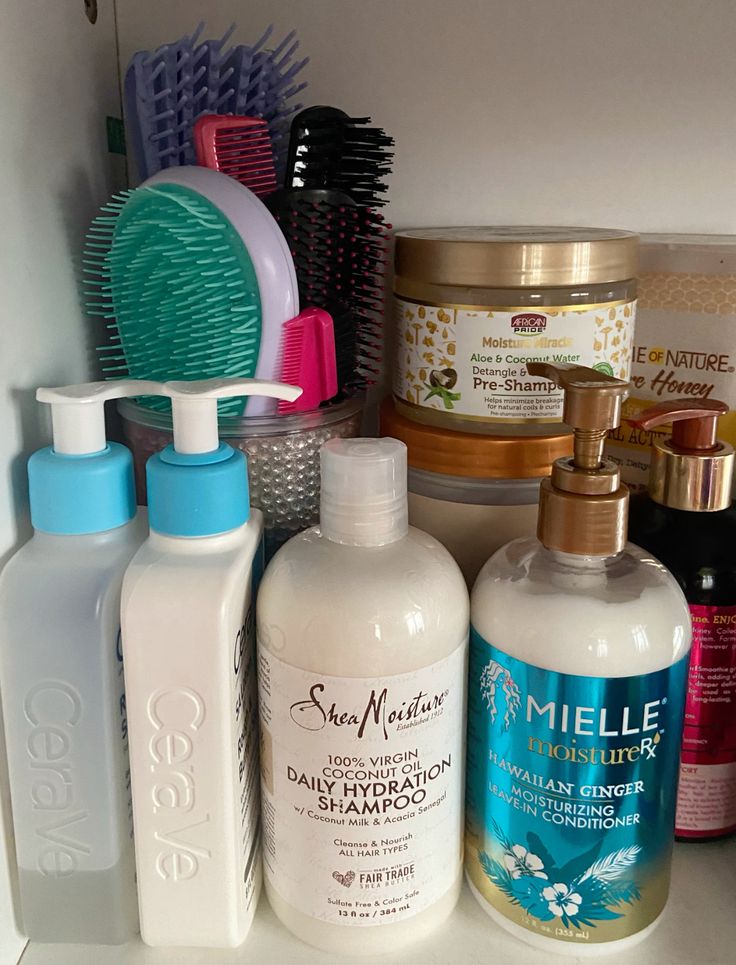
Pick a Leave-In and Cream That Actually Work
Walk down any beauty aisle and the labels start shouting at you. Look for water as the first ingredient, because that tells you the product hydrates.
Read labels slowly, because the first five ingredients make up most of the product. Aloe vera, glycerin, and shea butter are friendly picks for most coily hair.
A leave-in conditioner should feel light and slippery, not thick and tacky. Cream should add slip and softness, which makes detangling much easier.
Fragrance and alcohol high on the list can leave hair feeling dry. Heavy products with lots of mineral oil can sit on the hair and block water.
Skip the hype, and do not buy something just because a creator loves it. Everyone’s hair is different, and it helps to learn how to stop comparing your hair to influencers.
Price does not decide quality, so a cheap bottle can beat a pricey jar. What matters is how your hair feels two days after you use it.
A cream that makes their curls shine might leave yours coated and heavy. Test any new product on one small section before you commit to a full head.

Seal It In With Oils and Butters
Oils and butters get a lot of credit, but they do not hydrate on their own. Their real job is to seal the water in after your leave-in has soaked in.
Jojoba, grapeseed, and avocado oil are light and work well on fine strands. Shea butter and mango butter feel richer, so they suit thick, dense hair.
Apply oil to damp hair, because oil on dry hair just coats the strand. Seal the ends first, then work up toward the middle of each section.
A thin layer is enough to keep the water from escaping. Castor oil is thick, so mix a drop with a lighter oil first.
Use a little less than you think you need, then add more only if required. Sealing fits neatly into a weekly routine, so build it in there.
Coconut oil works for some people, but it can feel stiff on other hair types. Trust your own hands, because they will tell you how the hair really feels. That trust is a skill, and how to build confidence through your afro hair journey helps you grow it.
Heavy butters on the scalp can clog follicles, so keep thicker products on the lengths. The ends are the oldest, driest part, so they deserve the most attention.

Use the Right Amount of Product
More product does not mean more moisture, and that is a hard lesson for many of us. Too much cream leaves white residue, sticky strands, and flakes that look like dandruff.
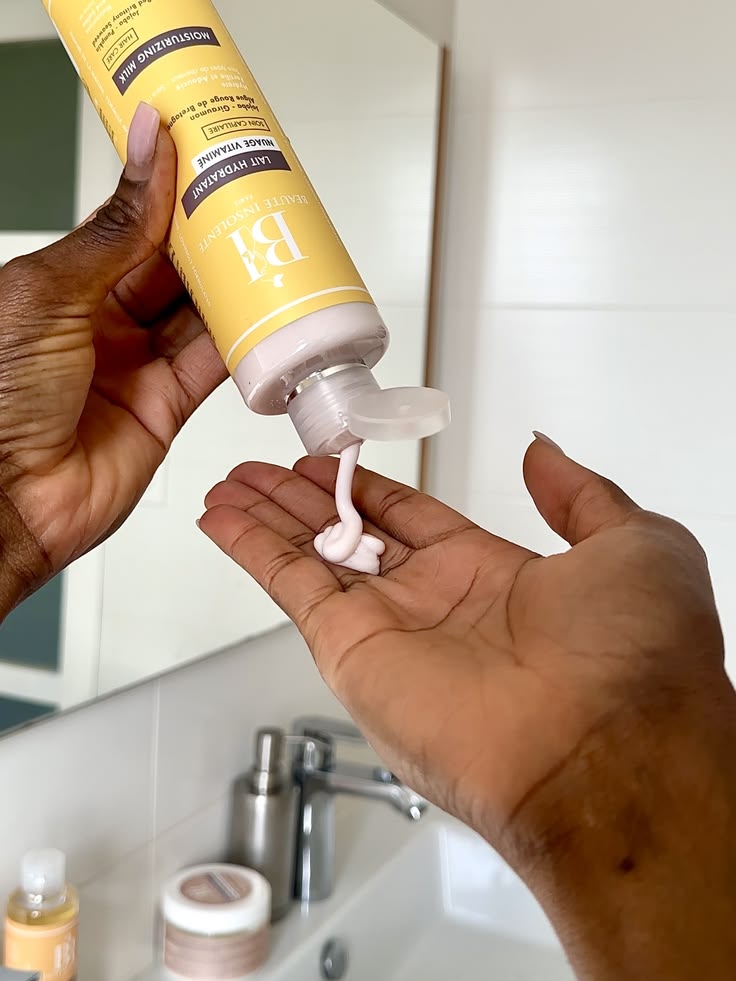
Lots of people measure with their eyes, and that usually leads to overdoing it. Start with a coin-sized amount for each small section and add as needed.
Jessica, a nurse from Ohio, once told me she used half a jar per wash day. Her hair felt greasy for days, so she cut the amount by half.
Her curls looked lighter and bouncier, and loving them felt easier. If you are struggling with that love, read how to learn to love your natural hair again.
If your hair feels weighed down, you probably used too much. If it feels stiff and dry, you may need a little more.
Adjust slowly, and give each change a few days before you decide. Hair that is thick and long will need more than short, fine hair.
Wash day products pile up fast, so rinse well before you start the next layer. Fresh, clean strands always take product better than coated ones.
Smooth the product down the strand rather than rubbing it in circles. Rubbing creates frizz, while smoothing keeps the curl pattern neat and defined.
Moisturize in Small Sections
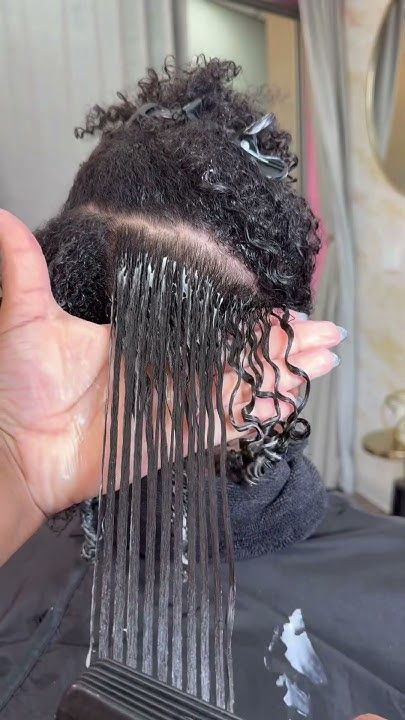
Slapping product all over your head in one go leaves patchy results. Divide your hair into four to six sections and clip them out of the way.
Work on one section at a time, from the ends up toward the roots. Detangle gently with fingers or a wide-tooth comb while the strands are still slick.
Clips and hair ties keep each section from tangling with the next. A tidy setup makes the whole routine faster and much less stressful.
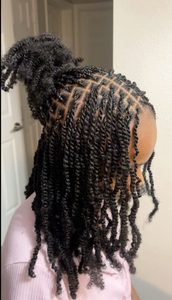
Neat sections also give you better definition for twist-outs and other looks. Twisting each section right after moisturizing helps lock in that softness for longer.
If twisting is your thing, 45 twist hairstyles that never go out of style will give you plenty of options. Put on a favorite show and treat it like a calm, slow ritual.
A mirror in good light helps you see every part of your head clearly. Take your time, because slow and steady always wins with coily hair.
Rushing through sections is how you miss the dry spots at the nape. Finish by checking each section for dry spots, especially around the edges.
A Quick Morning Moisture Refresh
Mornings are rushed, so your moisture routine should take five minutes, tops. Mist your hair lightly with water, then seal with a pea-sized amount of oil.
Do not soak the hair, since wet strands under a hat can get frizzy. Focus on the ends and any spots that feel dry or crunchy.
A step-by-step version is easy to build around your own mornings. Keep a small spray bottle and a mini oil by your bathroom sink.
That setup makes it easy to refresh your hair without any big mess. On busy days, even a thirty-second mist is better than nothing at all.
Fluff gently with your fingers and avoid brushing dry curls at all costs. Pat your edges down with a soft brush and a tiny dab of cream.
Skip heavy butters in the morning, because they can make hair look greasy by noon. Light oils and a quick mist keep things soft without any weight.
Tape a picture board near your mirror, and how to create a healthy hair vision board shows you how. Seeing your goals every morning keeps you steady through busy weeks and slow days.
Your hair loves consistency more than it loves a long, perfect routine.
Lock It In at Night
Nighttime is when your hair loses the most moisture, thanks to cotton pillowcases. Cotton acts like a sponge and pulls water right out of your strands.
A satin bonnet or a silk pillowcase stops that moisture theft completely. Silk and satin let your hair glide instead of rubbing against the sheets.
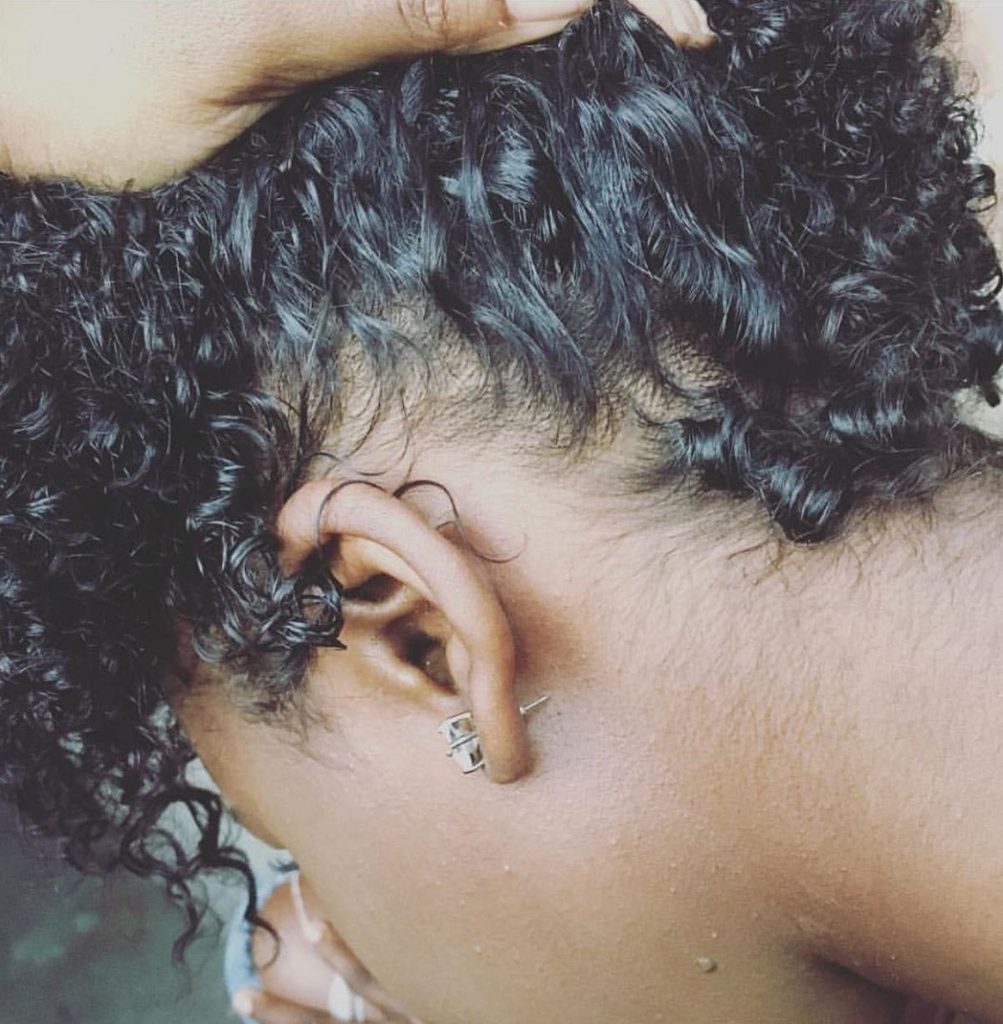
That glide cuts down on friction, which means fewer snapped strands each morning. Before bed, mist lightly, add a bit of cream, and twist your hair loosely.
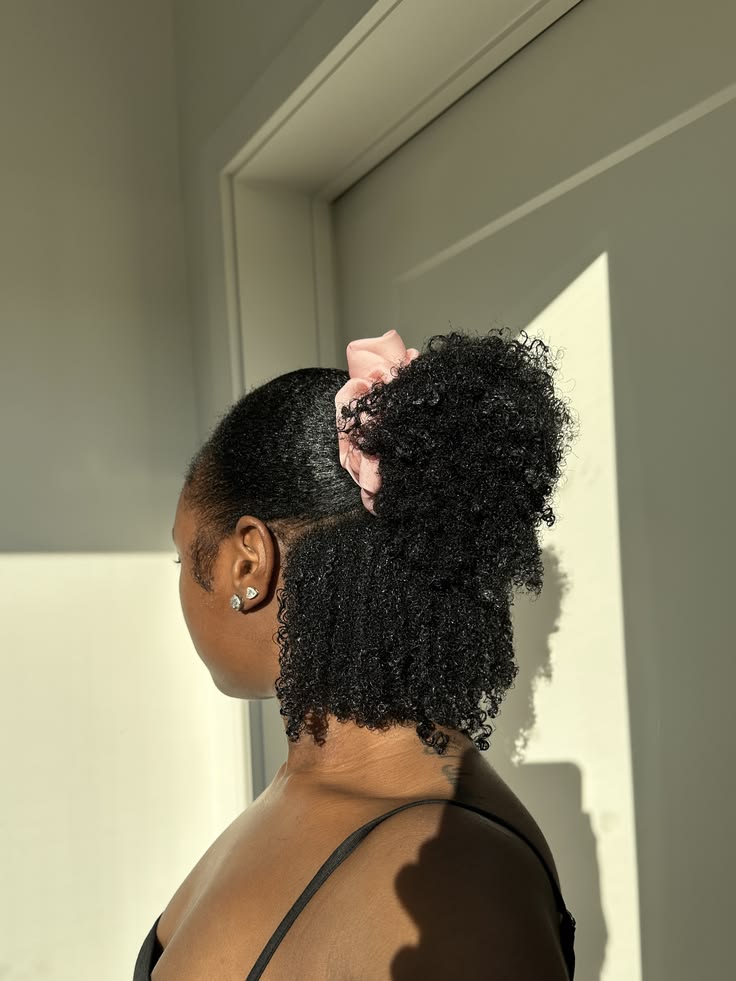
Loose twists or a high puff keep tangles away and protect your curls.
If bonnets feel tight, try a silk scarf or a wide, stretchy band. Retie your bonnet if it slips off, because a loose bonnet protects nothing.
Many people feel silly wearing a bonnet at first, but the benefits show quickly. After a week, most people say they would never go back.
Dry hair at night wakes up even drier, so never skip this step. Wake up, mist again, and you will notice softer hair by morning.

Keep Moisture Going Under Protective Styles
Braids, twists, and wigs protect your ends, but they can also trap dryness. People forget that hair under a style still needs water every few days.
Use a mix of water and leave-in in a spray bottle to refresh your scalp and lengths. Aim for two to three light moisture sessions each week while the style is in.
Pay close attention to your edges, since they dry out fastest of all. Wigs and weaves need the same care for the hair hidden beneath them.
Choosing a gentle style matters too, because tight styles pull on the roots and edges. If growth is your goal, pick low-tension looks that rest easy on the scalp.
For ideas that fit any hair goal, browse 75 protective styles for every hair goal. Everyday wear matters as well, so choose styles you can live in.
Tiny styles need extra care, since small parts tangle easily at the roots. Never rush a takedown, and detangle with plenty of water and conditioner.
Scalp care matters here too, so rub a light oil on the scalp once a week. Keep the scalp clean, because buildup under braids can cause itching and flaking.

Moisturize for Every Hairstyle Day
Hairstyles change, but your moisture rules stay the same underneath them. Think of moisturizing as the primer, and hairstyles as the makeup on top.
Brittany, a teacher from Texas, learned this when her braid-out kept frizzing by noon. She had skipped the leave-in because she thought her hair already felt soft enough.
Once she added it, her braid-out lasted three whole days without drama. Soft, hydrated hair gives braid-outs and twist-outs the same long, easy payoff.
Flat twists also hold moisture beautifully, and updos look best on soft, hydrated strands.
At the office, well-moisturized hair looks neat, polished, and professional all day long. And when you want endless inspiration, start with 100 afro hairstyles to save before your next salon visit.
Always start a styling session with hair that feels soft and bendy. If it feels dry and stiff, add water and cream before you do anything else.
Dry hair never holds a style well, no matter how skilled the stylist is. Soft hair gives you better definition, longer wear, and far less frizz.

Mistakes That Quietly Dry Out Your Hair
Even careful people slip into habits that undo all their hard work. Moisturizing dry hair without water first is mistake number one for most people.
Another big one is using only oil and expecting soft, hydrated curls. Hot water and harsh shampoo also strip natural oils faster than you realize.
Skipping a bonnet, using too much heat, and rough combing add to the problem. Many people believe that moisture alone will speed up growth, but growth runs on its own schedule.
To see how that schedule works, read understanding the afro hair growth cycle. Moisture protects what you already grew, and that protection helps you keep your length.
Washing too often can dry the hair, so most people do fine with weekly washes. Check your routine every month and drop whatever is not helping.
Using products that do not match your hair type is another common slip. Ask yourself honestly if a product helps your hair, or if you just like the smell.
Mistakes are normal, and fixing them is easier than most people think.

Be Patient and Enjoy the Progress
Soft, healthy hair does not show up overnight, even with a perfect routine. Give any new method at least four weeks before you judge the results.
On the tough days, take a breath and remember how far you have come. Take photos each month, because small changes are easy to miss in the mirror.
Little wins deserve a party, and how to celebrate every stage of afro hair growth shows you how. Share them with a friend who gets your hair journey.
Some weeks your hair will look amazing, and other weeks it will not. Both kinds of weeks are part of a normal hair journey.
Be kind to yourself, and treat your hair the way you treat a friend. Your hair does not need to match anyone else’s timeline to be healthy.
Moisture is a long game, and your hair rewards the people who stay steady. Stick with the basics, and you will see the difference in your curls.
Healthy hair simply feels soft, bends without breaking, and holds a style well. Keep your routine simple, and the results will show up soon enough.
Final Thoughts on Moisturizing Afro Hair
Moisturizing afro hair the right way comes down to a few simple habits. Start with clean, damp hair, add water first, and then seal with oil or butter.
Use only the amount of product your hair truly needs. Protect your strands at night, and refresh them lightly through the week.
Be patient with your hair, because real softness builds slowly over time. Moisture is not a trick or a trend, it is simple daily care.
Pick one change from this guide and try it this week. Your hair will thank you with softer curls, fewer snaps, and a stronger shine.
If you ever feel lost, go back to the basics of water, cream, and oil. Those three steps will carry you through almost every hair day you face.
Thank you for reading, and happy moisturizing to your gorgeous curls.