
The Best Shampoos For Afro Hair
Disclosure: Some of the links in this post are affiliate links. This means if you click on the link and purchase an item, I will receive an affiliate commission at no extra cost to you.
Choosing the right shampoo can make or break your entire hair care routine. A client once told me she dreaded wash day because her hair felt stripped afterward.
She was using a strong shampoo made for oily, straight hair textures. Once we switched her to a gentler, sulfate-free formula, everything changed completely.
Her hair felt softer, cleaner, and far less dry after every single wash. This post breaks down what makes a shampoo suitable for afro hair specifically.
If you have not read Understanding Type 4 Hair: A Complete Guide, that post explains why this hair type needs different care.
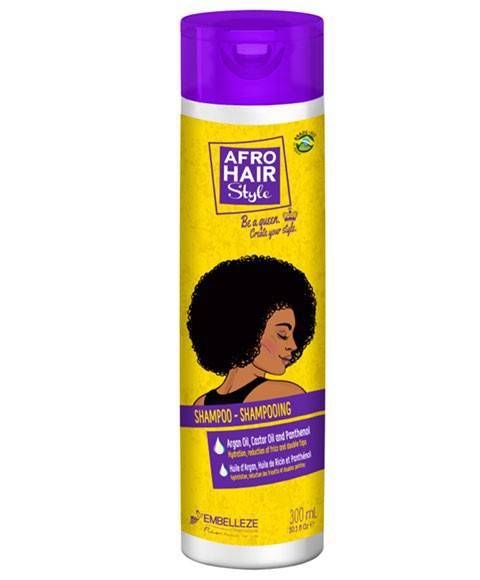
The Best Shampoos For Afro Hair
Why Shampoo Choice Matters For Afro Hair
Afro hair tends to be naturally drier than looser, straighter hair textures. Harsh shampoos strip away oils that this hair type desperately needs to retain.
Choosing the wrong shampoo can undo weeks of careful moisture-building effort quickly.
The right shampoo cleanses without leaving hair feeling rough or overly dry afterward. This balance matters more for afro hair than for almost any other texture.
Understanding this helps you shop with more confidence and less confusion.
Many naturalistas assume any gentle-sounding shampoo will automatically suit their hair. Marketing language like “gentle” or “natural” does not always match the actual ingredient list.
Learning to check ingredients directly protects you from misleading packaging claims.
Save this for later: What Is Hair Porosity and Why Does It Matter?
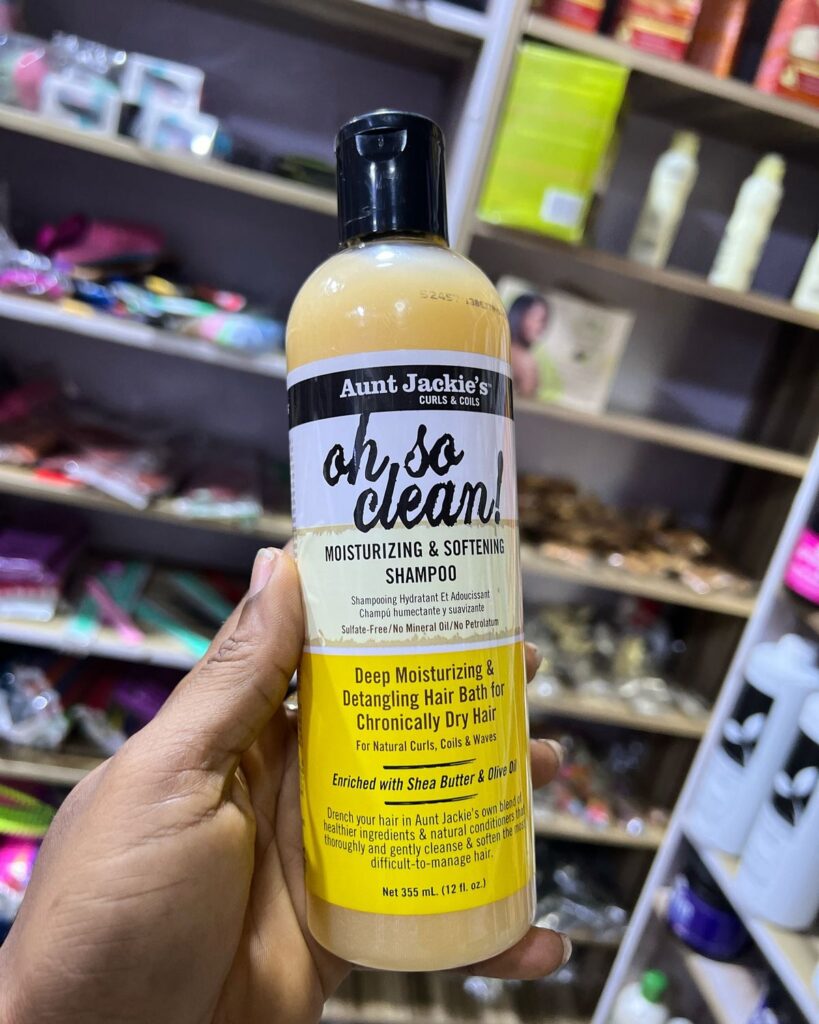
What To Avoid In A Shampoo
Certain ingredients commonly found in shampoos can be especially harsh on afro hair.
Ingredients Worth Avoiding
Sulfates, particularly sodium lauryl sulfate, can strip natural oils aggressively. Heavy alcohols near the top of an ingredient list often contribute to dryness.
Strong synthetic fragrances can also irritate sensitive scalps over time.
Silicones And Buildup Concerns
Some silicones coat the hair strand without truly conditioning it underneath. Over time, this coating can build up and block moisture from properly entering the hair.
Water-soluble silicones are generally gentler and less likely to cause this kind of buildup.
Reading Labels With Confidence
Ingredients are listed in order of concentration, from highest to lowest amount. If a harsh ingredient appears near the top, the formula likely contains a significant amount.
A shorter, simpler ingredient list is often a good sign for sensitive, dry hair types.
Understanding Price Versus Quality
Expensive shampoos do not automatically outperform more affordable, well-formulated options.
Reading ingredients matters far more than price when judging a shampoo’s likely effectiveness. Many budget-friendly, sulfate-free options work just as well as pricier alternatives.
Seasonal Adjustments To Shampoo Choice
Dry, harmattan months may call for slightly more moisturizing shampoo formulas than usual. Humid months may allow for slightly lighter, less rich formulas without added dryness.
Adjusting seasonally keeps your routine responsive to your hair’s actual, changing needs.
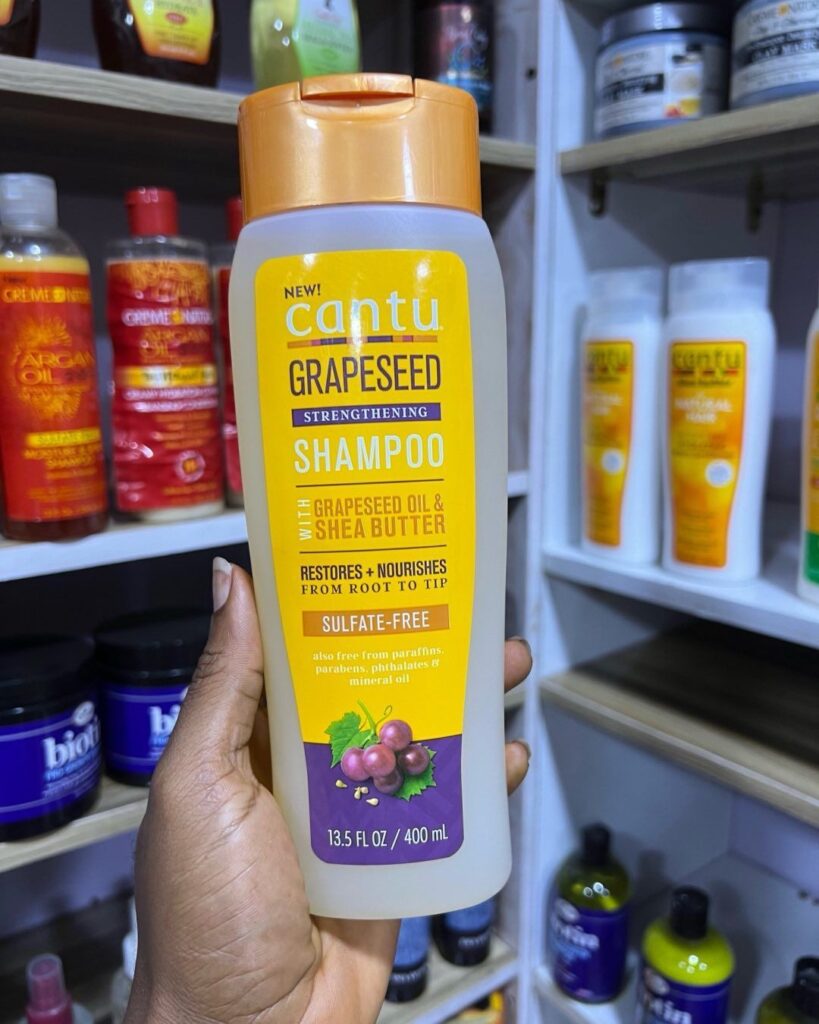
Sulfate-Free Shampoos Explained
Sulfate-free shampoos have become popular among naturalistas for good reason.
Why Sulfate-Free Formulas Work Better
These formulas cleanse gently without stripping away necessary natural oils. This gentler cleansing helps maintain moisture balance throughout your entire routine.
Most naturalistas with afro hair benefit significantly from switching to sulfate-free options.
Adjusting Expectations With Sulfate-Free Formulas
Sulfate-free shampoos may lather less than traditional formulas, which is completely normal. Lather amount does not indicate how well a shampoo actually cleanses your hair.
Judging effectiveness by how your hair feels, not how much foam forms, gives better results.
Transitioning To Sulfate-Free Shampoo
Switching from sulfate-heavy formulas can cause a short adjustment period for some people.
Hair may feel slightly different during the first few washes as it recalibrates. This adjustment period usually passes within two to three wash cycles.
Take a peek: How To Grow Healthy Afro Hair Without Chasing Length
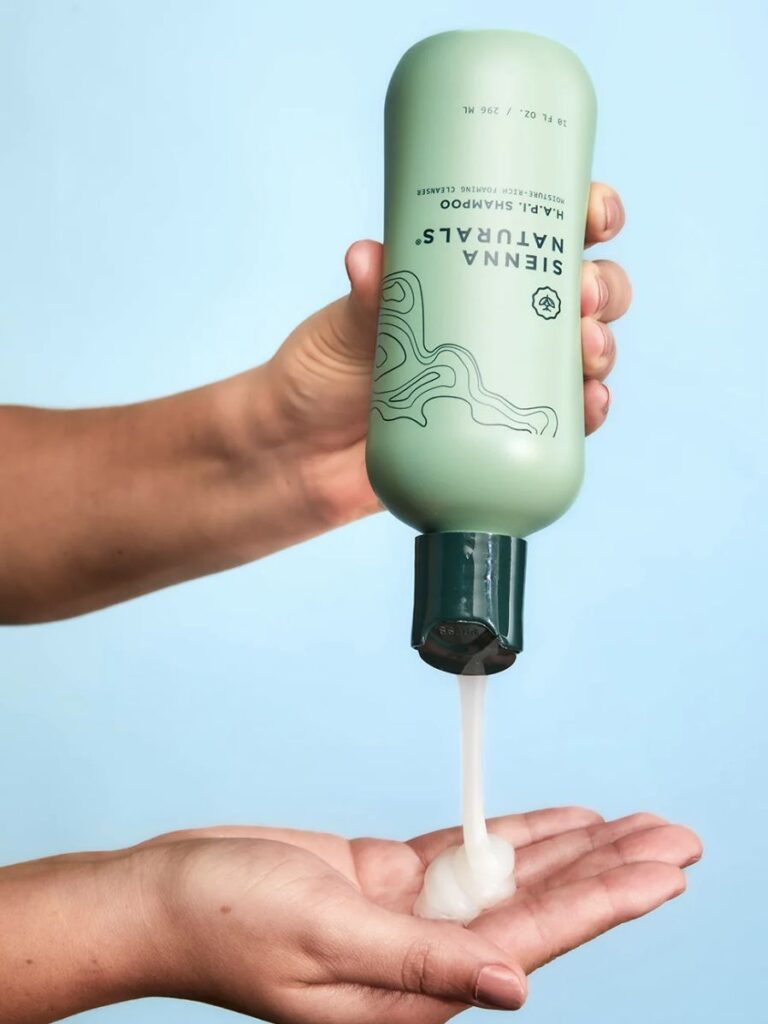
Best Shampoos For Low Porosity Hair
Low porosity hair benefits from shampoos that help lift the cuticle slightly during cleansing.
What To Look For
Choose lightweight, sulfate-free formulas that will not leave residue behind.
Clarifying shampoos, used occasionally, help prevent buildup common with this porosity type. Low Porosity Hair Routine covers this connection in much more detail.
Application Tips For Low Porosity Hair
Apply shampoo to soaking wet hair, focusing on the scalp rather than the length. Warm water can help open the cuticle slightly, improving cleansing effectiveness.
Rinsing thoroughly prevents the residue buildup this porosity type is especially prone to.
Avoiding Common Mistakes With Low Porosity Hair
Using overly rich shampoo formulas can leave low porosity hair feeling coated rather than clean.
Sticking with lighter, water-based formulas usually produces better, more consistent results overall.
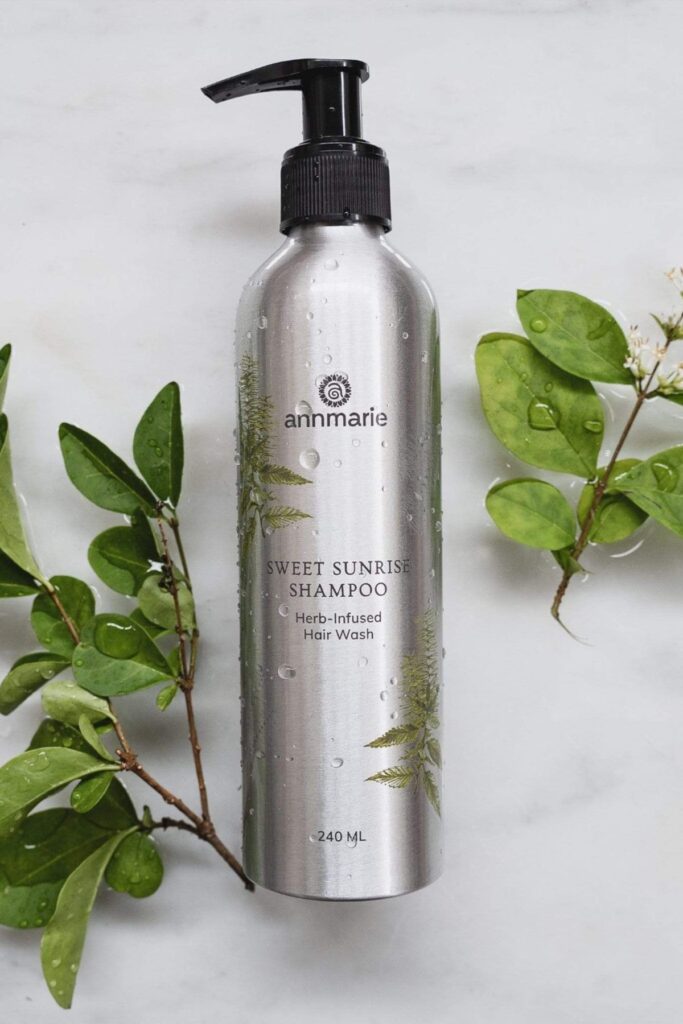
Best Shampoos For High Porosity Hair
High porosity hair benefits from shampoos that include gentle, moisturizing ingredients.
What To Look For
Look for formulas containing humectants and light proteins to support the hair’s structure.
Avoid overly harsh clarifying shampoos too frequently, since this porosity type is already fragile.
Application Tips For High Porosity Hair
Use cool water at the end of your shampoo routine to help close the cuticle. Avoid excessive scrubbing, since this porosity type can be more prone to breakage.
Follow immediately with a rich, moisturizing conditioner to restore balance after cleansing.
Protein-Infused Shampoos For High Porosity Hair
Shampoos containing light hydrolyzed protein can help temporarily strengthen high porosity strands.
Overuse can cause stiffness, so alternating with purely moisturizing formulas works best. Balance remains key when incorporating protein into any cleansing routine.
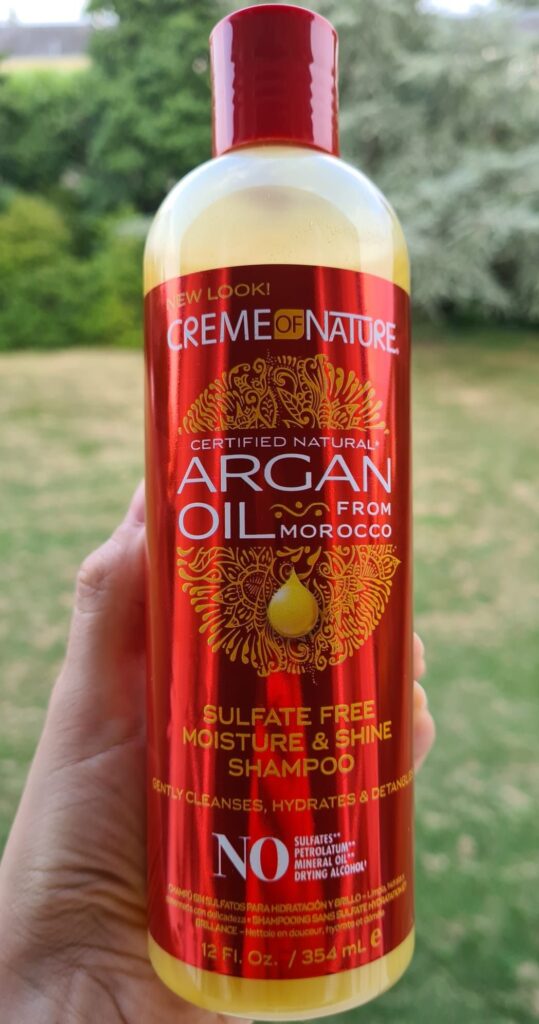
Best Shampoos For Dry, Type 4 Hair
Type 4 hair, regardless of specific subtype, generally needs extra moisture during cleansing.
What To Look For
Cream-based or moisturizing shampoos work particularly well for this naturally dry hair type. 4A vs 4B vs 4C Hair Explained explains how subtype can further guide your specific choice.
Choosing Between Formulas
Gel-based shampoos often feel lighter but may cleanse more aggressively than cream formulas.
Cream-based shampoos usually leave hair feeling softer immediately after rinsing. Testing both types can help you determine which formula your specific hair prefers.
Combining Pre-Wash Oils With Shampooing
Applying a light oil before shampooing can help protect strands during the cleansing process.
This pre-wash step, sometimes called pre-pooing, softens hair and eases detangling afterward. Rinsing thoroughly ensures the oil does not interfere with the shampoo’s cleansing ability.
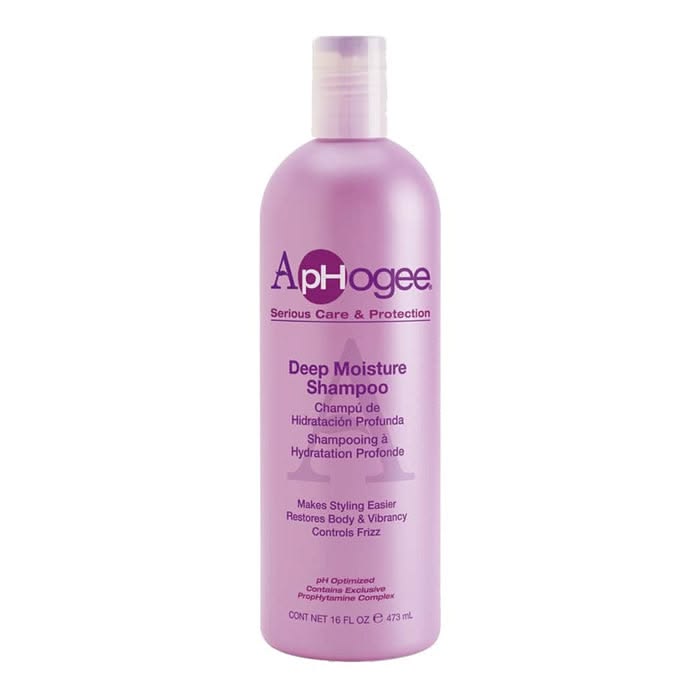
Clarifying Shampoos And When To Use Them
Clarifying shampoos serve an important, though occasional, role in any hair care routine.
When To Reach For One
Use a clarifying shampoo when you notice buildup, dullness, or reduced product effectiveness.
Once monthly is usually sufficient for most naturalistas with afro hair. Always follow with a deep conditioner to restore any moisture lost during clarifying.
Bookmark this post: The Best Conditioners For Type 4 Hair
Signs You Need To Clarify Sooner
Hair that feels waxy or looks dull despite recent washing often signals buildup. Products suddenly seeming less effective than usual can also indicate accumulated residue.
Increasing clarifying frequency temporarily can help resolve these specific, noticeable signs.
Choosing A Gentle Clarifying Formula
Not all clarifying shampoos are equally harsh, so reading labels still matters here. Look for formulas that clarify effectively without containing extremely aggressive stripping agents.
Following clarifying with extra deep conditioning helps offset any additional dryness this step causes.
DIY Clarifying Alternatives
Some naturalistas use diluted apple cider vinegar rinses as a gentler clarifying alternative.
This method can help remove light buildup without the intensity of a strong clarifying shampoo.
Testing this alternative occasionally can offer a milder option between full clarifying sessions.
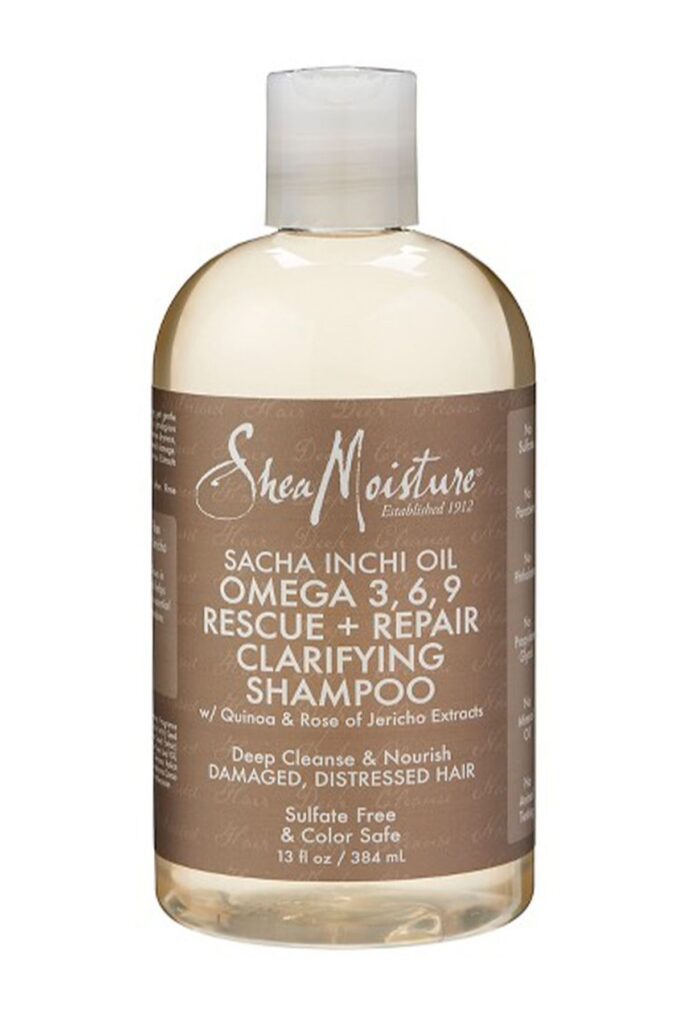
Co-Washing As An Alternative
Co-washing, or conditioner washing, offers a gentler alternative for some wash days.
How Co-Washing Works
A cleansing conditioner gently removes light dirt without stripping natural oils significantly. This method works well between full shampoo washes, especially for drier hair types.
Co-washing should not fully replace shampoo, since some buildup still needs proper removal.
Balancing Co-Washing With Regular Shampoo
Alternating between co-washing and a gentle shampoo often works well for many naturalistas.
This balance provides moisture on lighter wash days while still allowing thorough cleansing periodically.
Finding your own ideal balance takes some observation and gentle experimentation over time.
Who Benefits Most From Co-Washing
Naturalistas with very dry, high porosity, or frequently heat-styled hair often benefit most. Those with oilier scalps may find co-washing insufficient for proper, thorough cleansing.
Testing this method over a few weeks helps you determine if it suits your hair.
Choosing A Cleansing Conditioner
Look for a cleansing conditioner specifically formulated for co-washing rather than a regular conditioner.
Regular conditioners typically lack the mild cleansing agents needed to remove light dirt properly. Using the wrong product for co-washing can leave hair under-cleansed over time.
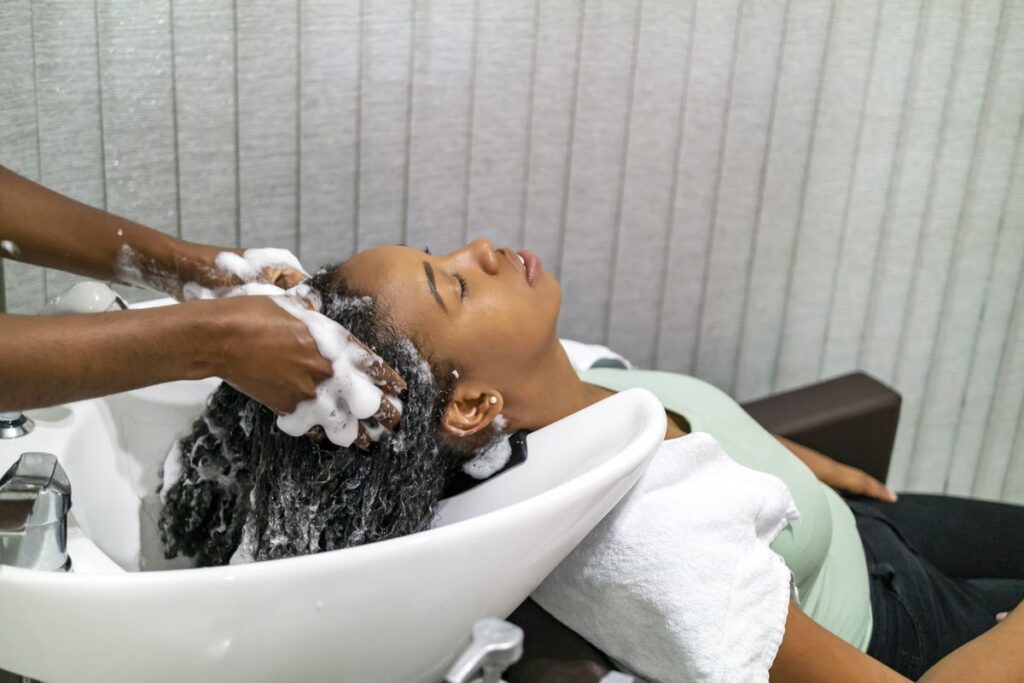
Shampoos For Sensitive Scalps
Sensitive scalps require extra consideration when choosing an appropriate shampoo formula.
What To Look For
Fragrance-free or lightly scented formulas reduce the risk of irritation significantly.
Ingredients like aloe vera or oat extract can help soothe sensitive skin. Healthy Scalp Habits For Faster Hair Growth offers more guidance on overall scalp care.
Patch Testing New Formulas
Apply a small amount of a new shampoo to a small scalp area first. Wait twenty-four hours to check for redness, itching, or irritation before full use.
This simple precaution helps prevent a full, uncomfortable reaction across your entire scalp.
Managing Ongoing Scalp Sensitivity
If irritation persists across multiple products, consulting a dermatologist may be worthwhile.
Underlying conditions like eczema or psoriasis sometimes require more specialized shampoo formulas.
Professional guidance can help you navigate particularly stubborn or unusual sensitivity issues.
Building Trust With A Sensitive Scalp Over Time
Introducing new products slowly, one at a time, helps you track reactions accurately. Keeping a simple log of what you have tried can reveal helpful patterns over months.
This patience pays off through a routine that truly respects your scalp’s specific needs.
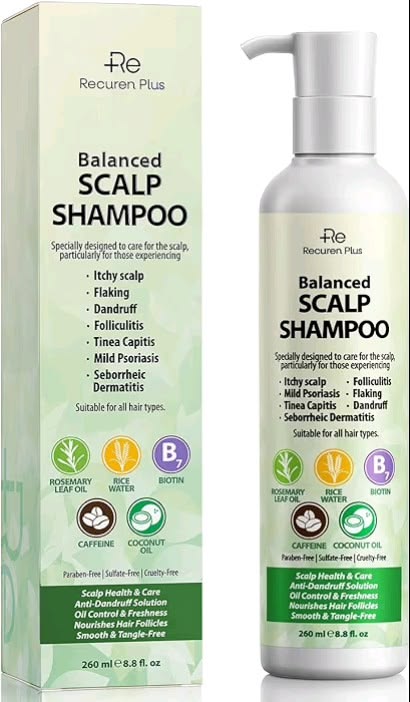
How Often To Shampoo Afro Hair
Washing frequency depends on your specific hair type, porosity, and lifestyle habits.
Finding Your Ideal Frequency
Most naturalistas with afro hair do well washing weekly or every two weeks. Oilier scalps may need slightly more frequent washing than drier ones.
Pay attention to how your scalp and hair feel rather than following rigid rules.
Don’t miss this: The Best Hair Growth Routine For Afro Hair
Adjusting Frequency For Activity Level
Regular exercise or heavy sweating may call for slightly more frequent washing. Protective styles can extend the time between full wash days considerably.
Adjusting based on your actual lifestyle produces better results than following generic advice.
Signs You Are Washing Too Often Or Too Rarely
Persistent dryness or dullness may indicate you are washing more than your hair needs. Excessive itching or visible buildup may indicate you are washing too infrequently.
Adjusting gradually, based on these signs, helps you find your true ideal frequency.
Balancing Frequency With Protective Styles
Wearing protective styles can naturally extend the time between full wash days significantly. During these periods, focus on scalp refreshing rather than full shampoo sessions.
Returning to your normal frequency once the style comes down keeps your routine balanced.
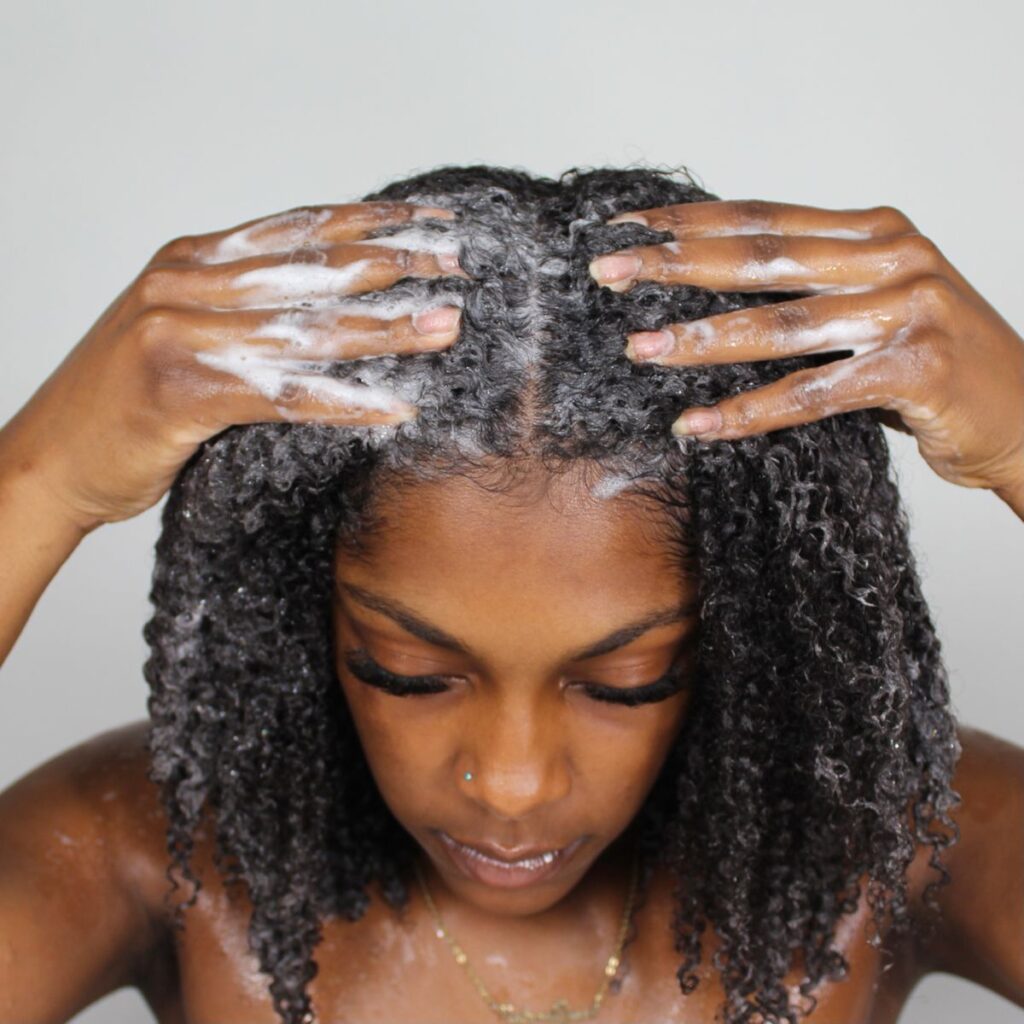
Shampooing Technique That Protects Your Hair
How you shampoo matters just as much as which shampoo you actually choose.
Gentle Technique Worth Adopting
Focus cleansing motion directly on the scalp rather than the length of your hair. Use your fingertips, never your nails, to avoid unnecessary scratching or irritation.
Rinse thoroughly to prevent any shampoo residue from remaining in your hair.
Worth a look: The Best Detangling Brushes For Afro Hair
Sectioning Hair During Shampooing
Dividing hair into four or more sections makes thorough cleansing significantly easier. This approach ensures every part of your scalp receives proper attention consistently.
Sectioning also reduces tangling that can occur during vigorous, unsectioned washing.
Avoiding Excessive Rubbing Or Scrubbing
Aggressive scrubbing motions can cause unnecessary tangling and breakage during shampooing.
Gentle, deliberate massaging motions cleanse just as effectively without this added risk. Patience during this step protects your strands throughout the entire washing process.
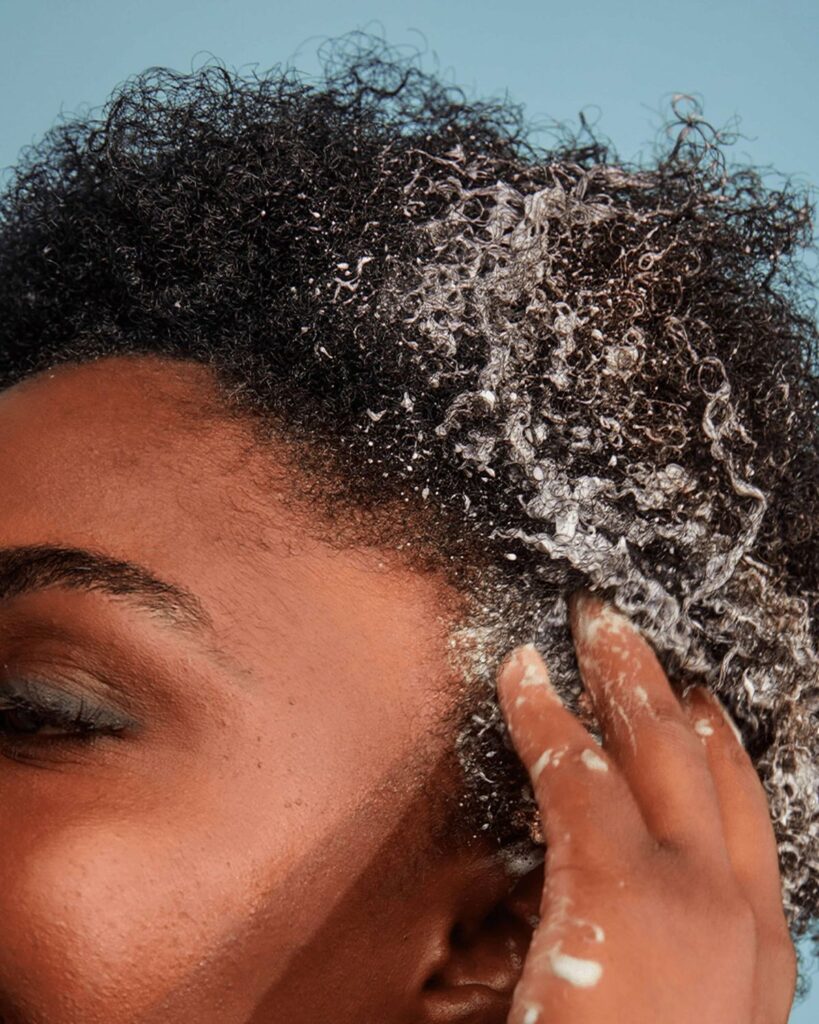
Shampoo And Scalp Health
A good shampoo supports scalp health just as much as it supports the hair itself.
Why This Connection Matters
A clean, balanced scalp creates a healthier environment for hair to grow properly. Choosing a gentle, well-suited shampoo protects this environment during every single wash day.
Following shampoo with a light oil can further support this balance. Take a peek: The Truth About Hair Growth Oils
Recognizing Scalp Reactions To Shampoo
Persistent itching or tightness after washing may signal your shampoo is too harsh. Switching to a gentler formula often resolves this discomfort within a few washes.
Listening to your scalp’s feedback helps guide better long-term shampoo choices.
Shampoo’s Role In Preventing Scalp Buildup
Regular, proper cleansing prevents the kind of buildup that can clog follicles over time. This supports healthier growth conditions, regardless of your specific hair type or porosity.
Neglecting this basic step can quietly undermine even the best overall hair care routine.
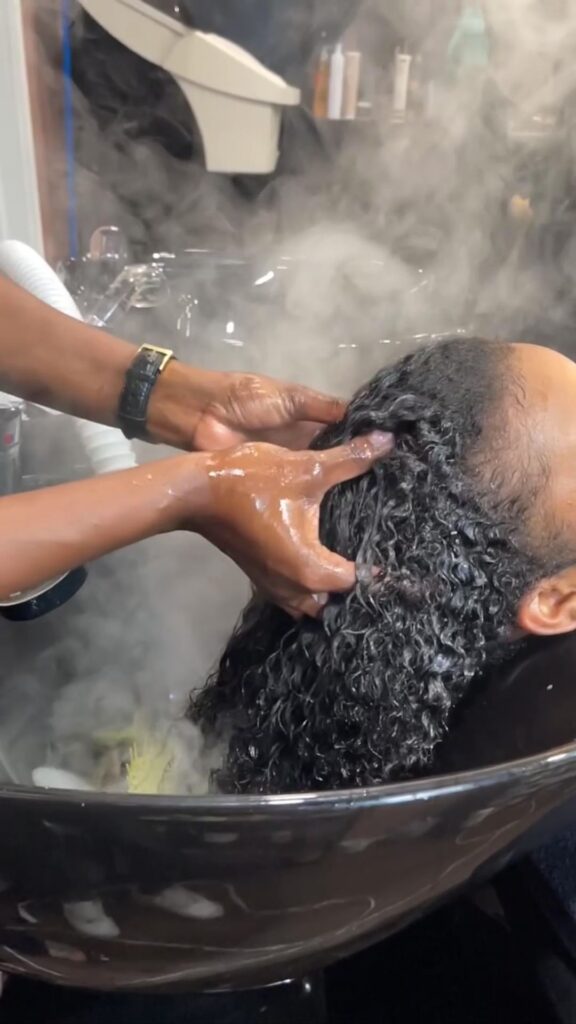
Shampoo And Curl Pattern Considerations
Your curl pattern can also influence which shampoo texture and formula work best.
Matching Shampoo To Your Pattern
Looser patterns may tolerate slightly stronger cleansing without excessive dryness afterward.
Tighter, more compact patterns usually benefit from gentler, more moisturizing formulas. How To Identify Your Curl Pattern can help you understand this connection further.
Why Pattern Variation Matters Here
Since many people have mixed patterns across their head, one formula may not suit every section equally.
Focusing cleansing more gently on tighter, more fragile areas helps protect the whole head evenly. This attention to detail often produces more consistent, even results overall.
Adjusting Technique For Denser Hair
Denser hair may require more thorough sectioning to ensure every strand gets properly cleansed.
Taking extra time during this step prevents missed areas that could develop buildup unnoticed.
Technique Adjustments For Finer Strands
Finer strands may need a gentler touch to avoid unnecessary tangling during cleansing.
Working through hair in smaller, more manageable sections helps protect these more delicate strands.
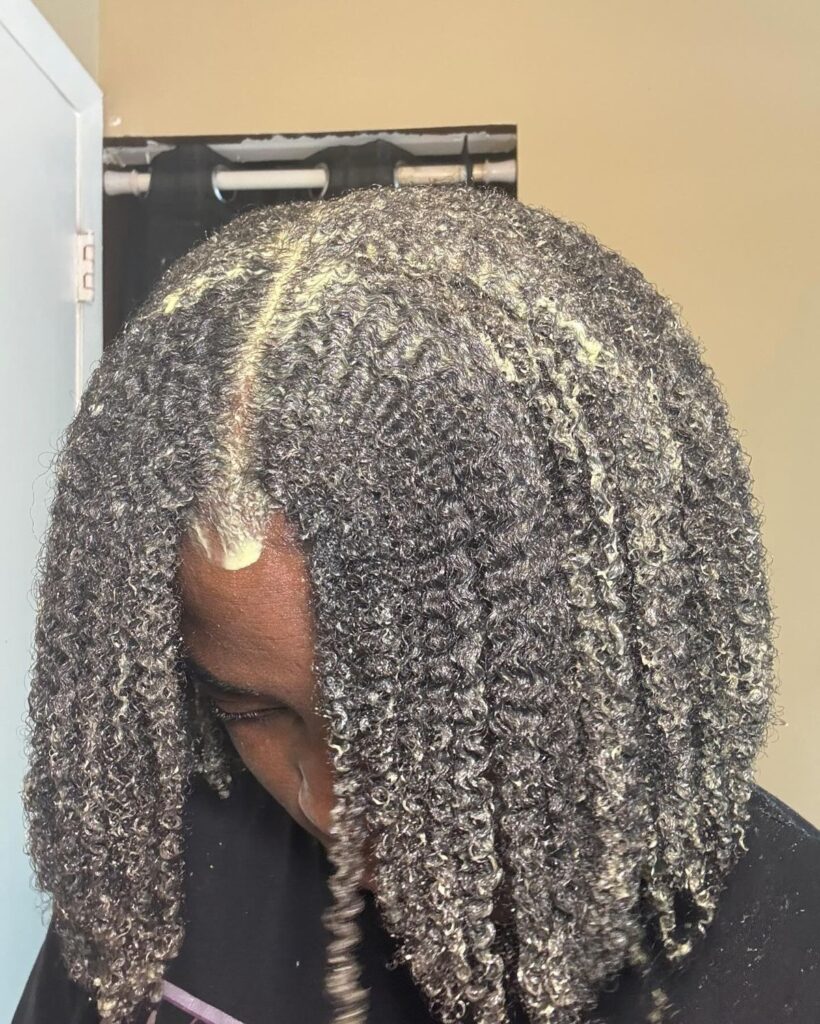
Building A Shampoo Routine Around Your Hair
Once you understand your hair’s needs, building a shampoo routine becomes much simpler.
Combining What You Have Learned
Choose a gentle, sulfate-free shampoo suited to your specific porosity and pattern.
Add a clarifying shampoo monthly to prevent buildup from accumulating over time. Must-Have Products For A Healthy Hair Routine rounds out the rest of your shelf.
Explore more ideas: Hair Cream vs Hair Butter: Which Should You Choose?
Keeping Your Routine Simple And Consistent
A simple, well-matched routine tends to outperform a complicated one full of unnecessary products.
Consistency, rather than variety, produces the most reliable, long-term results for afro hair. Revisit your routine occasionally, but avoid switching too frequently without good reason.
Adjusting Your Routine As Your Hair Changes
Life changes, seasons, and even age can shift what your hair needs from a shampoo. Staying flexible and willing to reassess keeps your routine relevant and genuinely effective.
What worked perfectly a year ago may need small updates as your hair evolves.
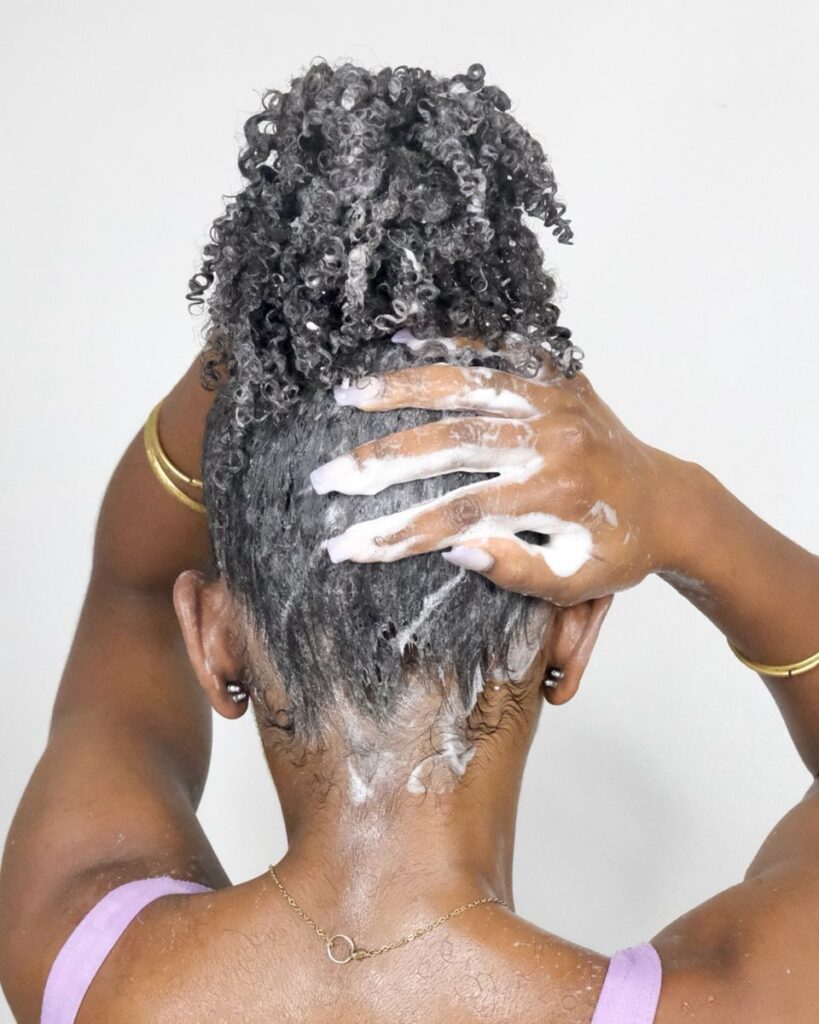
Common Shampoo Mistakes To Avoid
A few common mistakes can undermine even a well-chosen shampoo’s effectiveness.
Mistakes Worth Correcting
Using a shampoo that does not suit your specific porosity often causes ongoing frustration.
Washing too frequently can strip natural oils, while washing too rarely allows buildup. Skipping deep conditioning after shampooing leaves hair feeling rough and undernourished afterward.
Read this next: Length Retention Tips Every Naturalista Should Know
My friend switched shampoos five times in one month, confusing her scalp and hair completely.
Sticking with one well-suited formula for several weeks finally revealed clear, positive results.
Overlooking Water Temperature
Very hot water can strip natural oils and leave hair feeling dry after washing. Lukewarm water during shampooing, followed by cool water during rinsing, works best overall.
This small adjustment often improves results without changing any products at all.
Rushing Through The Rinsing Process
Leaving shampoo residue behind due to insufficient rinsing can cause ongoing dullness and buildup.
Taking extra time to rinse thoroughly, especially at the scalp, prevents this common oversight.
This small patience often makes a noticeable difference in how clean and light hair feels afterward.
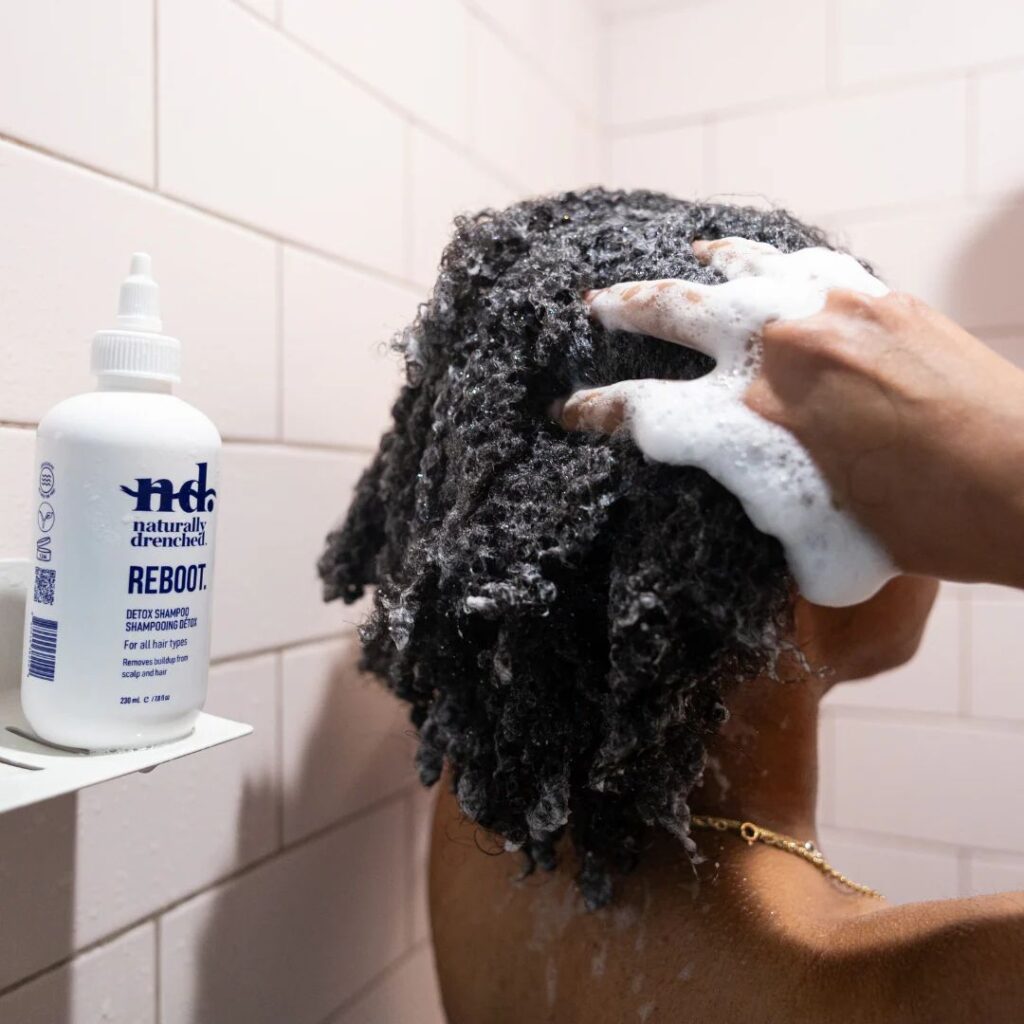
Quick Answers To Common Questions
A few questions come up often when naturalistas are choosing a shampoo.
Are sulfate-free shampoos always better for afro hair? Generally yes, since they cleanse gently without stripping necessary natural oils.
How do I know if my shampoo is too harsh? Persistent dryness or tightness right after washing often signals a shampoo mismatch.
Can I use the same shampoo year-round? Not always. Seasonal changes may call for slightly different formulas or frequency.
Should I avoid all sulfates entirely? Occasional use in a clarifying shampoo is fine, though daily use is usually too harsh.
Can a shampoo alone fix severely dry hair? No, shampoo should be paired with proper conditioning and moisturizing for real results.
Is it normal for hair to feel different right after switching shampoos? Yes, a short adjustment period is common and usually resolves within a few washes.
Do I need different shampoos for different seasons? Not strictly, though adjusting richness slightly with the weather can improve results.
Can men and women with afro hair use the same shampoo? Yes, shampoo needs depend on hair type and porosity, not gender.
Is it bad to share shampoo with a family member? Sharing is fine, as long as everyone’s hair type and scalp needs are reasonably similar.
Can a good shampoo reduce shedding? A gentle shampoo supports scalp health, which can indirectly help reduce excessive shedding over time.
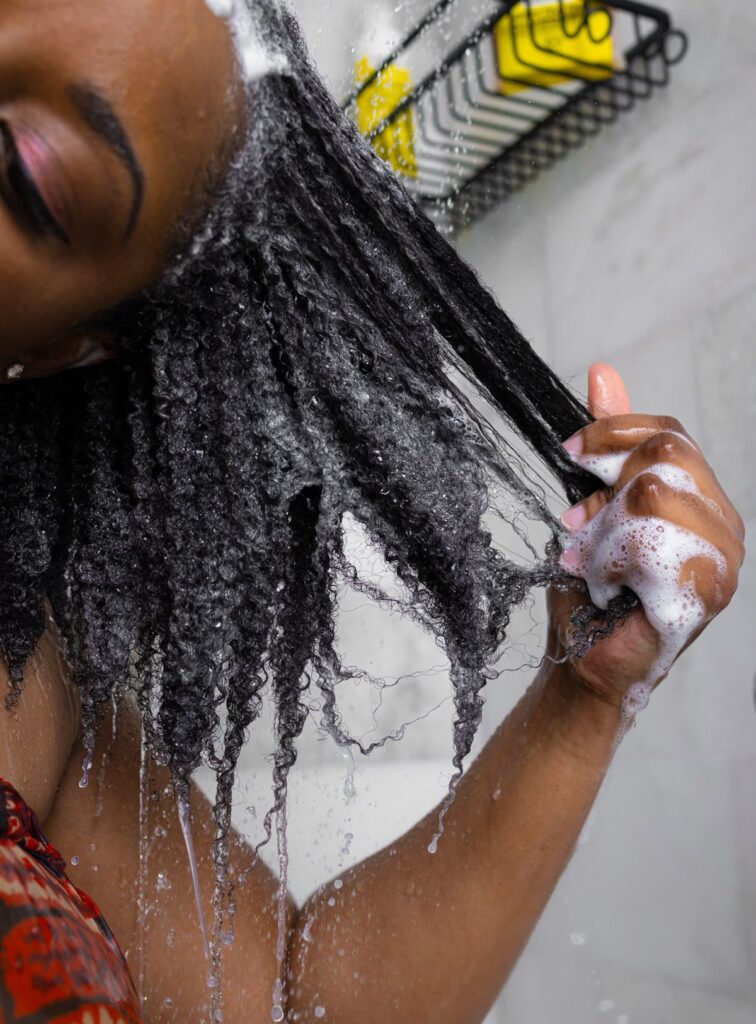
A Few Final Things Worth Knowing
Choosing the right shampoo protects the moisture and health you work hard to maintain.
Gentle, sulfate-free formulas generally suit afro hair better than harsher, stripping alternatives. Understanding your porosity and curl pattern helps you narrow down the best options further.
Reserve clarifying shampoos for occasional use, and pair them with proper deep conditioning afterward. Pay attention to how your specific hair and scalp respond to any formula you try.
Your own hair’s feedback remains the most reliable guide toward the right shampoo choice.
Take your time when testing new products, and avoid switching too frequently without clear reason.
A consistent, well-matched shampoo routine forms one of the strongest foundations for healthy afro hair. Build from this foundation, and the rest of your routine will feel far more effective.
Remember that shampoo is only one part of a much larger hair care picture. Conditioning, moisturizing, and gentle handling all work alongside cleansing to support truly healthy hair.
Approaching your routine as a complete system, rather than isolated steps, produces the best long-term results.
Give yourself permission to experiment thoughtfully until you find a shampoo that genuinely works. Every head of hair is different, and what suits one naturalista may not suit another.
Trust your own hair’s response above any trend, review, or recommendation you come across.