
How to Protect Afro Hair From Humidity
Disclosure: Some of the links in this post are affiliate links. This means if you click on the link and purchase an item, I will receive an affiliate commission at no extra cost to you.
There’s a specific kind of heartbreak that comes from watching your perfect twist-out turn into a frizzy halo within an hour. Humidity has a way of undoing hours of careful styling in minutes flat. This happens because moisture in the air interacts directly with your hair’s outer layer.
Understanding this process is the first step toward actually managing it effectively. A summer hair care routine for afro hair often gets people thinking about humidity for the first time. But humidity isn’t just a summer problem, and it deserves its own dedicated strategy. Let’s walk through exactly how to protect your hair from humidity, no matter the season.
Think of humidity as a variable to manage rather than an enemy to defeat. Nothing here promises to eliminate frizz completely, since that’s rarely realistic. A few thoughtful strategies can genuinely reduce how much humidity disrupts your styling.
How to Protect Afro Hair From Humidity
Why Humidity Affects Afro Hair So Much
Humidity refers to the amount of moisture present in the surrounding air. When that air is more humid than your hair, moisture rushes toward your strands.
Afro hair’s structure makes it especially prone to absorbing this extra moisture quickly.
Your hair’s outer layer contains tiny scales that lift when moisture is present. This lifting lets extra moisture in, causing strands to swell and frizz.
Understanding this mechanism helps explain why humidity feels so hard to control.
This reaction happens quickly, sometimes within minutes of stepping into humid air. There’s little you can do to stop the mechanism itself from happening.
Your real power lies in preparing your hair before that moisture arrives.
Reading how hair is formed: a beginner-friendly guide explains why coily hair’s structure is particularly reactive to environmental moisture.
That same reactivity that causes frizz also makes your hair naturally moisture-seeking. Working with this tendency, rather than against it, changes your entire approach.
The curves and bends in coily hair also create more surface area than straighter hair types. More surface area means more opportunity for humidity to interact with your strands.
This structural reality explains a lot about why afro hair frizzes so readily.
Humidity isn’t only a summer concern, even though it often feels that way. A spring hair reset checklist often addresses the season’s first real humidity after a dry winter.
Our fall hair care tips for type 4 hair also cover humidity as it fluctuates during that season.
Even winter can bring unexpected humidity during certain climates or specific weather patterns. Assuming humidity only matters in summer can leave you unprepared during other seasons.
A year-round mindset genuinely serves your hair better than seasonal assumptions.
Understanding Your Hair’s Porosity
Porosity describes how easily your hair absorbs and releases moisture from its environment.
High porosity hair absorbs moisture quickly, which often means faster, more dramatic frizz. Low porosity hair resists absorption initially but can still frizz eventually.
Knowing your porosity type helps you predict how your hair will behave in humidity. This knowledge shapes which products and techniques will actually work for you.
Guessing without this information often leads to frustrating trial and error.
A simple float test can help you identify your hair’s porosity at home. Clean strands that sink quickly generally indicate higher porosity hair types.
Strands that float longer generally indicate lower porosity, moisture-resistant hair.
Elasticity and porosity are closely connected in how your hair responds to moisture.
Reading understanding afro hair elasticity helps explain why some hair types resist humidity better than others.
Healthy, elastic strands generally handle environmental moisture changes more gracefully.
Damaged hair, regardless of natural porosity, often frizzes more easily in humid conditions. Prioritizing overall hair health supports better humidity resistance than any single product could.
A holistic approach genuinely beats chasing one single perfect anti-humidity formula.
Pre-Styling Prep for Humid Days
Preparation before styling matters more on humid days than almost any other factor. Starting with genuinely clean, well-moisturized hair gives you the best possible foundation.
Skipping this step often means fighting an uphill battle from the very start.
Check the forecast before committing to a time-intensive style on a humid day.
Knowing what’s coming lets you plan your styling approach more strategically. A quick weather check can save you real disappointment later.
Deep condition the night before a humid day if your schedule allows for it. Well-hydrated hair actually resists external humidity better than dehydrated, thirsty strands do.
This counterintuitive fact surprises many people encountering it for the first time.
Thirsty hair absorbs available moisture more eagerly than hair that’s already well-hydrated. Satisfying your hair’s moisture needs beforehand reduces its urge to grab humidity later.
This simple principle underlies much of truly effective humidity management overall.
Strong internal structure also plays a role in how your hair handles humidity. Reading what keratin does for afro hair explains why healthy strands maintain their shape better under humid conditions.
Protecting that internal structure supports every humidity-proofing strategy that follows here.
A monthly protein treatment can help reinforce strands that struggle with humidity resistance.
Balance protein carefully with moisture, since too much of either causes problems. The right balance genuinely improves how your hair handles humid conditions.
Choosing Anti-Humidity Products
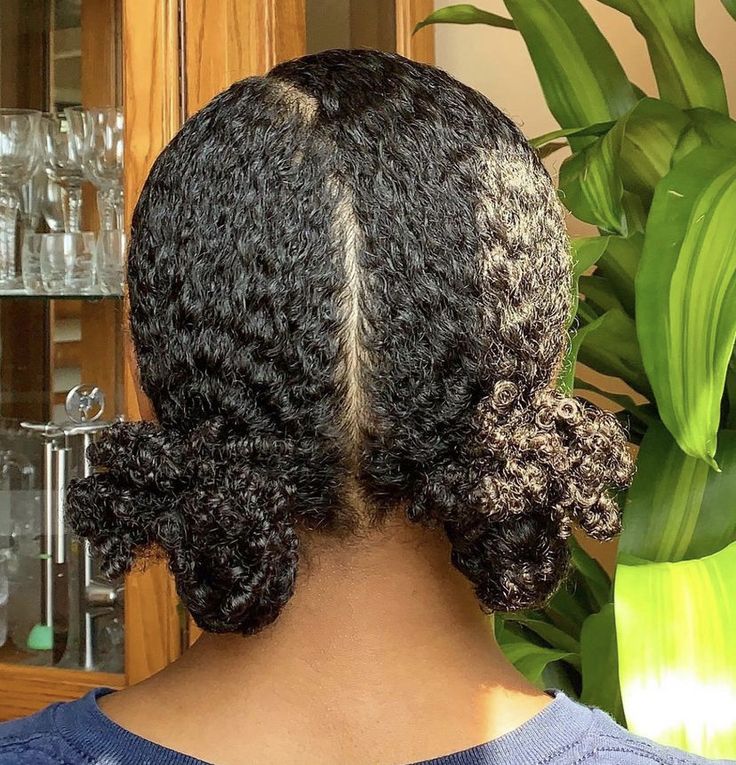
Anti-humidity products create a protective barrier that helps block excess moisture absorption. Look for ingredients like silicones or film-forming polymers on product labels.
These ingredients help seal your hair’s outer layer against environmental moisture.
Not all silicones work the same way, so a little research helps here. Water-soluble silicones rinse out easily, while others require clarifying shampoo for removal.
Understanding this difference helps you choose products that fit your routine.
Apply anti-humidity products as a finishing step after your regular styling routine. Layering them over your usual products adds an extra defensive barrier.
This final step can make a noticeable difference on particularly humid days.
A little goes a long way with most anti-humidity formulas available today. Overapplication can leave hair feeling coated or weighed down unnecessarily.
Start light and add more only if your hair genuinely needs it.
As your hair grows and changes, your anti-humidity product needs may shift too.
A medium-length afro hair care routine explains how longer hair sometimes requires different humidity strategies than shorter styles.
Product needs depend on both humidity levels and your current length.
Longer hair may need product applied in more sections for thorough coverage. Shorter hair often needs less product but still benefits from careful, even application.
Adjust your approach based on your actual length rather than a generic rule.
The Gel Cast Method Explained
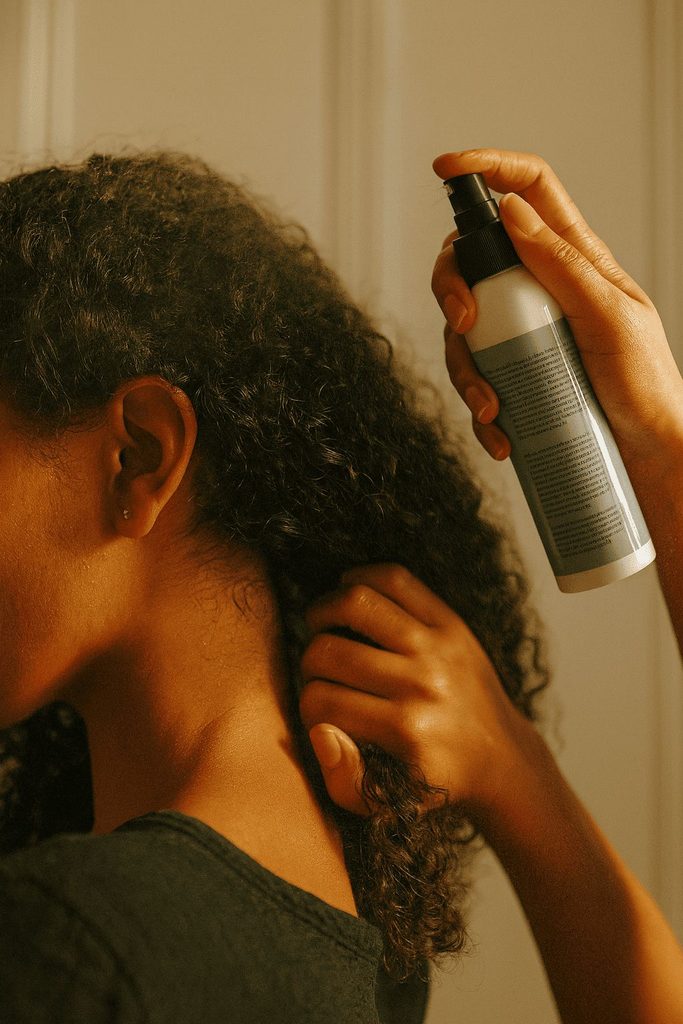
The gel cast method uses a strong-hold gel to create a protective outer shell. Apply gel generously to soaking wet hair, then let it dry completely undisturbed.
This hardened cast resists humidity far better than softer, uncast styles.
Avoid touching your hair while the cast dries, since disturbing it causes frizz. Patience during the drying process directly affects how well the final cast holds.
Air drying or a diffuser both work, as long as you resist touching.
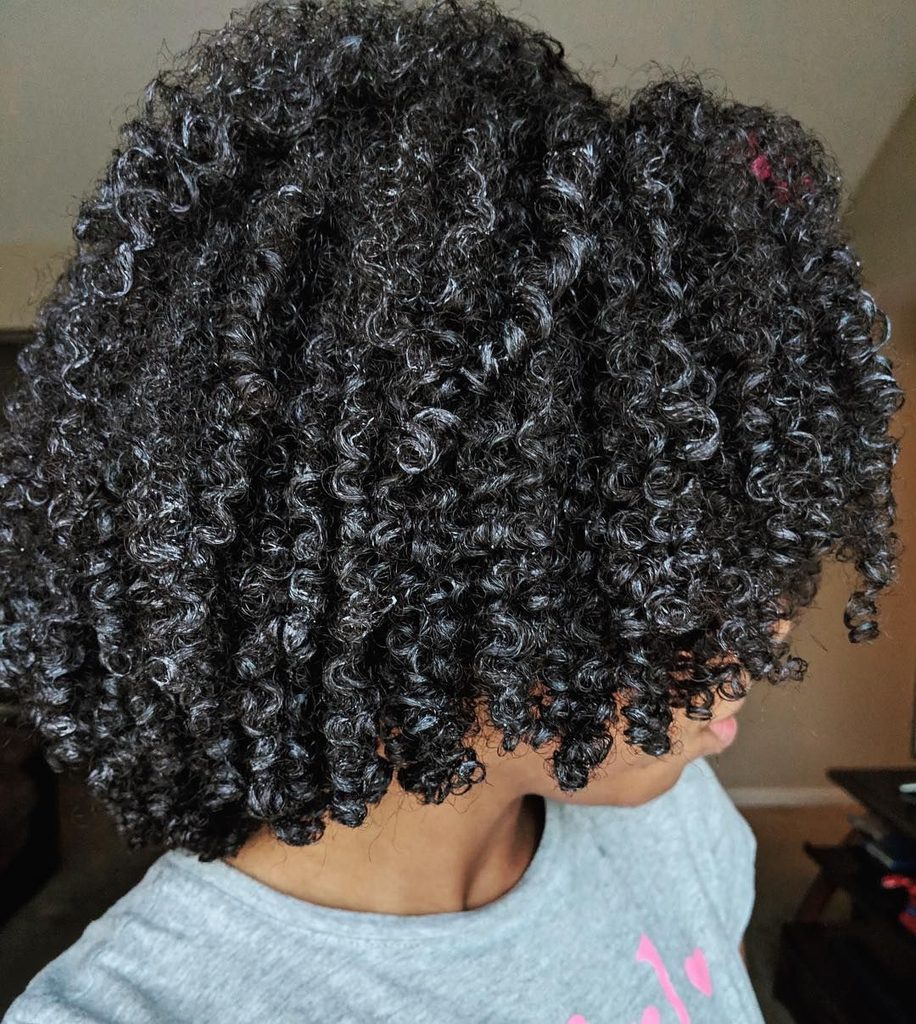
Once fully dry, scrunch out the crunch to reveal soft, defined curls underneath. This technique delivers both hold and softness without sacrificing either quality.
Many people find this method transforms their humid-weather styling results significantly.
Scrunch gently rather than aggressively to avoid disrupting your hard-earned curl definition.
A light touch breaks the crunchy cast while preserving the shape underneath. This final step reveals the soft, bouncy result most people are after.
For style inspiration that pairs well with this humidity-resistant technique, curated lists can help.
Our 21 best hairstyles for one-inch afro hair post includes several looks that work beautifully with a gel cast approach.
Many of the styling principles there adapt surprisingly well to humid conditions.
Experiment with gel strength to find what works best for your specific hair type. Firmer holds resist humidity longer but may feel stiffer while wet.
Softer holds feel more natural but may need more frequent anti-humidity touch-ups.
Protective Styles That Resist Humidity
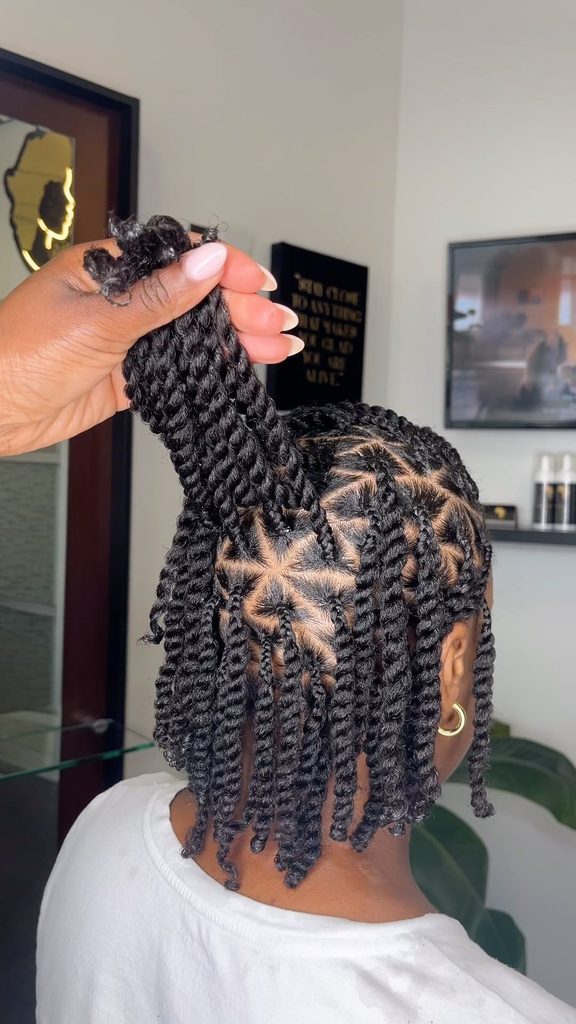
Protective styles genuinely shine when humidity threatens to undo your styling efforts. Braids, twists, and buns all resist frizz better than loose, exposed styles.
Less exposed surface area means less opportunity for humidity to interfere.
Consider protective styles specifically for important events during unpredictable humid seasons.
This removes the stress of wondering whether your style will survive the day. Peace of mind alone is a real benefit genuinely worth considering.
Choose tighter, more structured styles specifically for the most humid stretches. Looser styles tend to frizz and lose shape faster in high humidity.
Structure and coverage become your best allies during genuinely challenging weather.
Flat twists and cornrows both offer excellent structure for the most humid days. Their close-to-scalp design leaves little room for humidity to cause frizz.
These styles genuinely earn their reputation as humid-weather reliable options.
If you’re navigating tricky in-between lengths, humidity-resistant styling matters even more.
Our guide on how to style awkward-length natural hair covers techniques that also help manage humid-weather frizz. A few reliable tricks can rescue almost any styling emergency.
Uneven lengths can sometimes frizz unevenly too, making this challenge feel compounded. Targeted product application on problem areas can help balance the overall result.
A little extra attention to trouble spots genuinely improves your finished look.
Quick Fixes for Midday Frizz
Even the best preparation sometimes falls short once humidity levels spike unexpectedly.
Having quick fixes ready helps you handle frizz without a complete restyle. A small emergency kit can save an entire day’s styling effort.
Keep this kit small and portable so it’s easy to carry throughout the day. A tiny pouch with just a few essentials covers most common emergencies.
Being prepared removes a lot of the stress around unpredictable weather.
Anti-frizz serum applied to dry hair can smooth flyaways without adding excessive weight.
Focus application on the surface rather than saturating your entire head. A light touch often works better than a heavy-handed application.
A small amount of oil rubbed between your palms works as a simple alternative. This household trick smooths surface frizz without requiring a specialized product.
Sometimes the simplest solutions work just as well as specialized ones.
Revisiting foundational care habits can help even during frustrating, humid-weather emergencies. Our guide on how to care for a twa covers basics that remain relevant no matter your current length.
Strong fundamentals support you through every single challenging weather scenario you face.
Sometimes returning to basics resolves frustration better than chasing complicated new techniques. Simple, consistent care often outperforms elaborate routines during genuinely difficult weather.
Trust the fundamentals whenever advanced strategies start to feel overwhelming.
Humidity-Proofing Your Wash Day
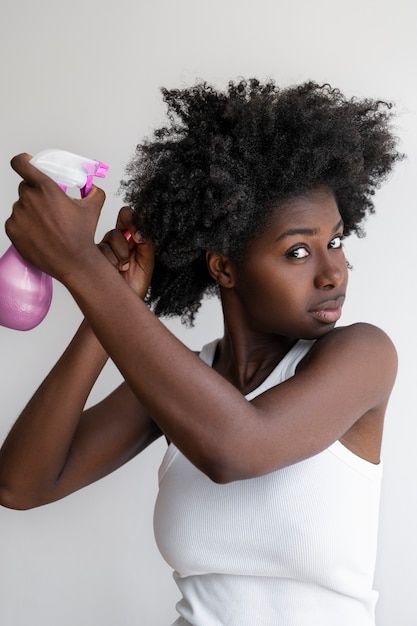
Wash day technique can significantly influence how your style holds up in humidity. Rinsing with cool water at the end helps seal your hair’s outer layer.
This small step can improve how well your style resists frizz.
This cool rinse takes just seconds but genuinely improves your styling results afterward. Small technique adjustments like this often matter more than expensive specialized products.
Technique and consistency usually outperform any single product used alone.
Avoid excessive heat during blow-drying, since heat can leave hair more porous afterward. More porous hair absorbs humidity faster, undermining your styling efforts before they even begin.
Air drying or low, cool heat settings often produce more humidity-resistant results.
A diffuser attachment can speed drying while still protecting your hair’s natural structure. This tool distributes heat more gently than a direct, concentrated airflow would.
Investing in the right tools genuinely supports your humidity-proofing goals.
Growth continues regardless of humidity levels, though styling challenges may fluctuate seasonally.
Reading understanding the afro hair growth cycle helps explain why consistent wash day care matters through every condition.
A healthy foundation supports styling success no matter the humidity.
Don’t let humidity frustration become an excuse for inconsistent wash day habits. Consistent care through challenging weather genuinely supports your hair’s long-term health.
Growth and styling success both depend on this underlying consistency.
Sealing Techniques That Actually Work
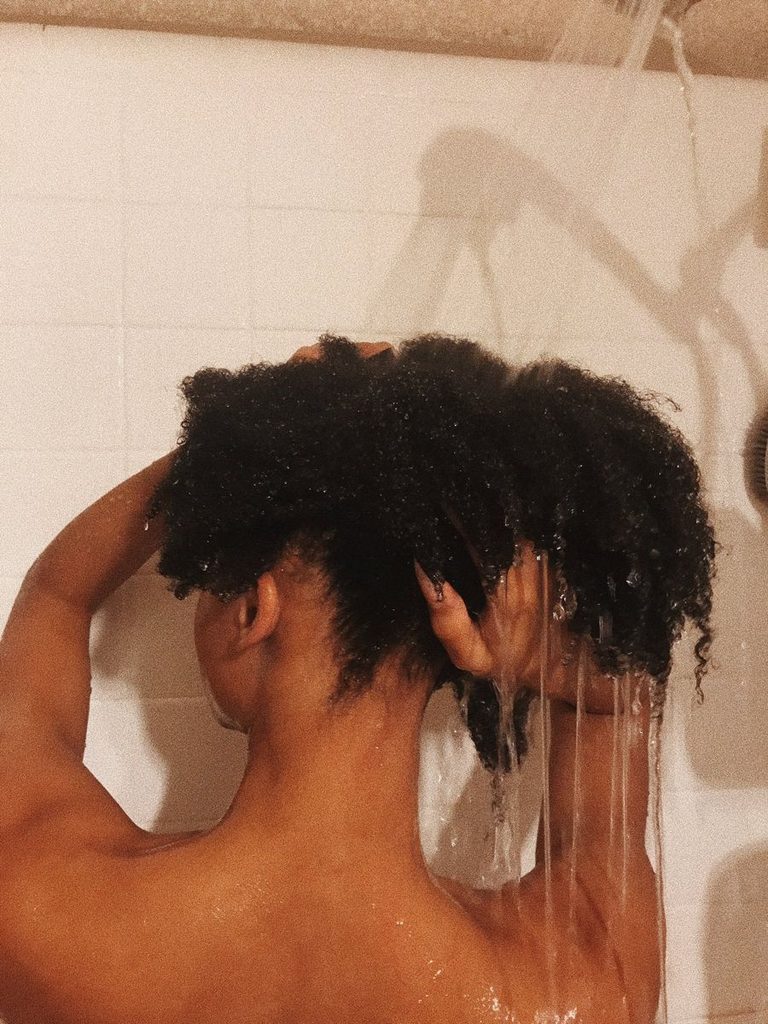
Sealing your hair properly is one of the most effective humidity defenses available. A heavy oil or butter applied after moisturizing helps lock out excess humidity.
This barrier prevents external moisture from disrupting your internal hydration balance.
Think of sealing as building a wall around the moisture you’ve already added. This wall keeps your hydration in and unwanted excess humidity out.
A well-sealed head of hair genuinely resists frizz more effectively.
Focus sealing efforts on your ends and any areas prone to frizzing quickly. These vulnerable spots benefit most from an extra protective layer.
Thorough sealing throughout your entire head produces the most reliable results.
Don’t neglect your hairline and edges, since these areas often frizz first. A little extra sealant here can noticeably extend how polished your style looks.
Small, targeted attention pays off in your overall finished appearance.
Shrinkage and humidity are often connected in ways people don’t immediately realize. The topic of why afro hair shrinks so much explains how moisture absorption affects visible curl length and shape.
Proper sealing genuinely helps manage both frizz and unwanted shrinkage together.
A well-sealed style often maintains its shape and length better throughout a humid day.
This dual benefit makes sealing worth the extra few minutes it requires. Both frizz control and length retention improve with this single habit.
Accessories as a Humidity Strategy
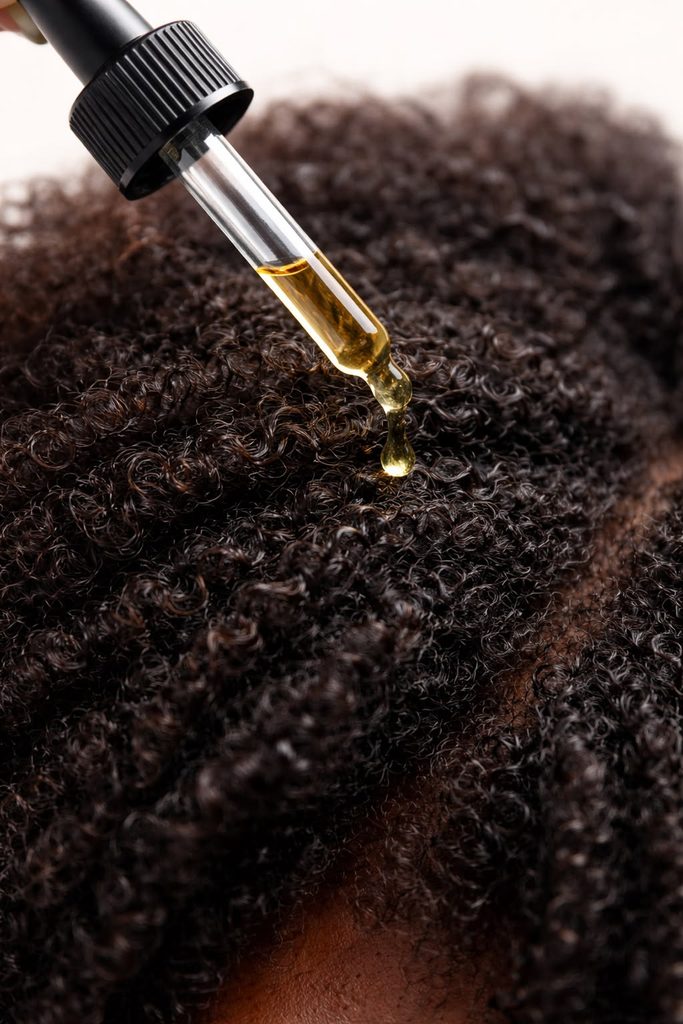
Accessories offer a practical backup plan when humidity threatens your styling efforts. Headwraps, scarves, and headbands can all disguise frizz while looking intentional.
A little strategic placement turns a humidity problem into a styling opportunity.
A bold headwrap can instantly elevate a frizzy day into an intentional, stylish look.
This reframing shifts your mindset from damage control to genuine creative expression. Sometimes the best solution is also the most fashionable one.
Keep a small collection of go-to accessories specifically for unpredictable weather days. Having options ready removes stress on days when humidity catches you off guard.
A five-minute fix can completely transform your confidence for the rest of the day.
Store these accessories somewhere visible so you actually remember to grab them. A basket near your mirror works better than a drawer you tend to forget.
Visibility genuinely increases how often useful tools actually get used.
If you’re still growing out a twa: month-by-month guide, accessories can help bridge tricky humid-weather styling challenges.
They offer flexibility while your hair continues its steady, ongoing progress. Function and style can absolutely work together during unpredictable weather.
Different growth stages may call for different accessory strategies throughout your journey.
What works on shorter hair may need adjusting as your length continues increasing. Stay flexible and willing to adapt your approach as you grow.
Traveling to Humid Climates
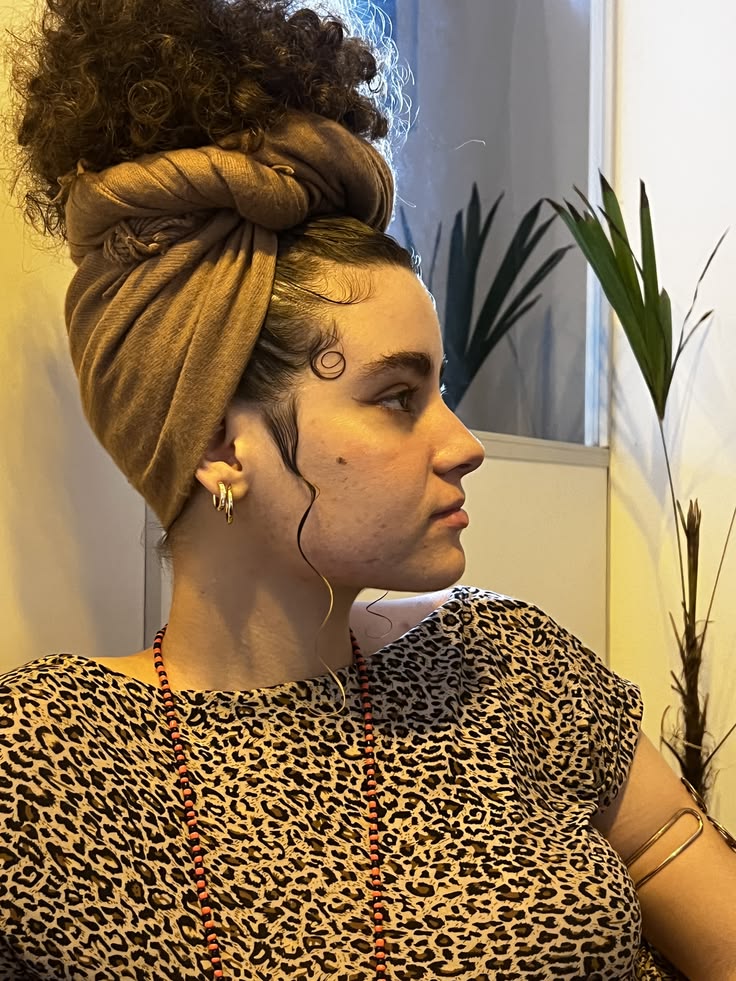
Travel to a more humid climate than you’re used to requires some advance preparation. Research your destination’s typical humidity levels before you even start packing.
This knowledge helps you choose appropriate products and styling strategies in advance.
Weather apps and travel guides both offer reliable humidity information for most destinations.
A quick search prevents unpleasant surprises once you actually arrive. A little research genuinely improves your entire travel styling experience.
Pack anti-humidity products you may not typically use in your regular climate. A destination with different conditions may call for a temporarily different routine.
Preparation genuinely prevents most common travel-related styling disappointments and everyday frustrations.
Consider a protective style for the trip if your destination is particularly humid. This removes daily styling stress, letting you focus on enjoying your travels.
A low-maintenance style can make vacation hair care nearly effortless.
If you’re traveling from a dry winter climate, this adjustment can feel especially dramatic.
A winter moisture routine for natural hair focuses on retaining moisture, while humid destinations require the opposite approach.
Understanding this contrast helps you pack and prepare more effectively.
Your hair may need a few days to adjust to a dramatically different climate. Don’t panic if your first day brings unexpected frizz or texture changes.
This adjustment period is completely normal when switching between very different environments.

Scalp Care in Humid Weather
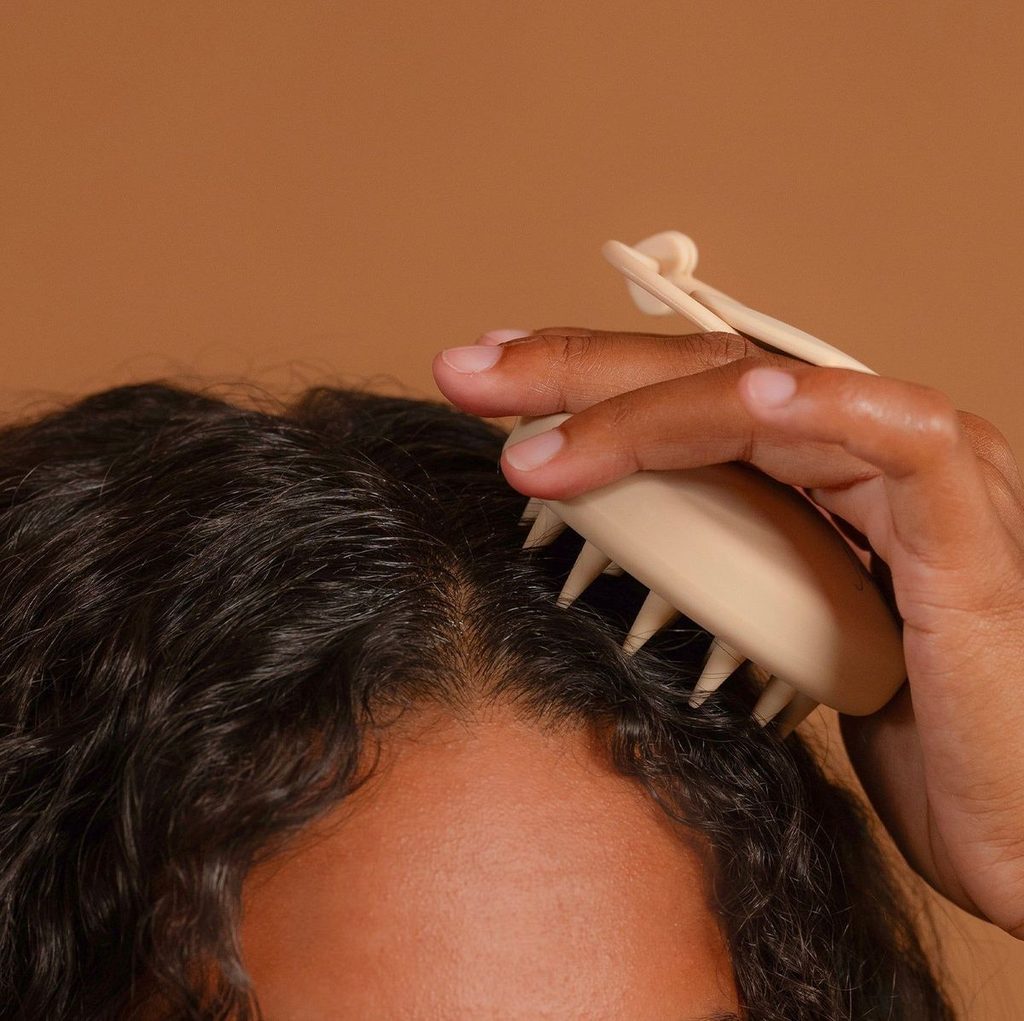
Scalp care remains important even when humidity is your primary styling concern. Excess moisture combined with sweat can sometimes lead to scalp discomfort or buildup.
Regular cleansing keeps your scalp comfortable despite challenging humid conditions.
Humid climates can sometimes encourage more frequent washing than you’re used to. Listen to your scalp’s signals rather than sticking rigidly to your usual schedule.
Flexibility here genuinely improves your comfort in unfamiliar, humid conditions.
Lightweight scalp products work better than heavier options in humid weather generally. Heavy oils can feel greasy and uncomfortable when combined with natural humidity.
A lighter touch keeps your scalp comfortable without sacrificing necessary protection.
Water-based scalp sprays can offer refreshment without the heaviness of traditional oils. These lighter formulas work especially well during particularly hot, humid stretches.
Comfort and effectiveness can genuinely coexist with the right product choice.
Consistency in scalp care supports healthy growth regardless of what the weather brings. A comfortable, well-maintained scalp makes every other humidity strategy work more effectively.
Foundation always matters, even when styling feels like the primary challenge.
Nighttime Protection in Humidity
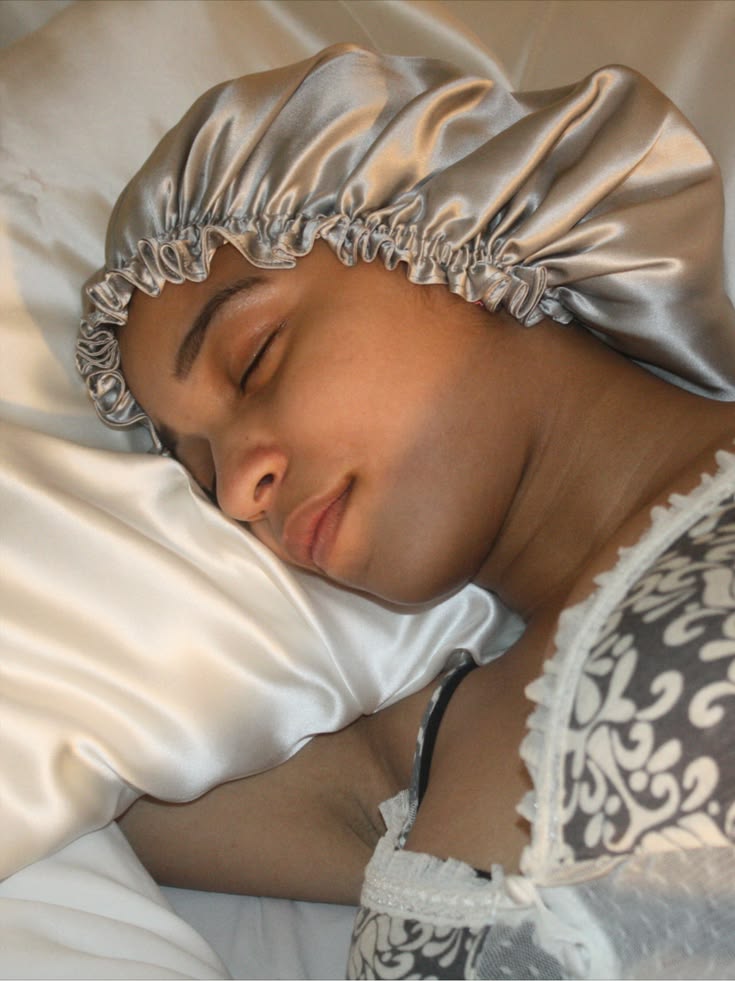
Nighttime protection helps preserve your style even through humid overnight conditions. Satin or silk pillowcases and bonnets remain essential regardless of humidity levels.
These materials reduce friction while offering some protection against environmental moisture.
A loosely wrapped style tends to fare better than a tightly compressed one overnight. Tight wrapping can flatten curls in ways that are hard to fully reverse.
Gentle, breathable coverage protects your style without sacrificing its shape.
Consider a lighter wrap if a full bonnet feels too warm in humid weather. Comfort matters just as much as protection during genuinely sticky, humid nights.
Find whichever combination lets you sleep comfortably while still protecting your style.
Protecting your hair overnight matters in every climate and every season equally. This consistency genuinely supports the styling efforts you put in during the day.
Small nighttime habits add up to real, visible protection over time.
Common Humidity Mistakes
Skipping anti-humidity products because it’s not that humid today is a common mistake. Humidity levels can shift throughout a single day more than people expect.
Building anti-humidity steps into your routine consistently prevents unwelcome surprises.
Weather can change quickly, especially during transitional seasons like spring and fall. A seemingly dry morning can turn humid by afternoon without much warning.
Consistent habits protect you regardless of how the day actually unfolds.
Over-styling in response to frizz is another common, counterproductive mistake people make. Constantly touching and restyling frizzy hair often makes frizz noticeably worse.
Sometimes the best response is minimal intervention rather than constant fussing.
Excessive touching transfers oils and disrupts curl pattern more than people often realize. Training yourself to leave your hair alone genuinely improves your overall results.
Patience, more than product, often solves this particular frustrating cycle.
Ignoring your hair’s porosity when choosing products is also a frequent misstep. Products that work beautifully for one porosity type may fail for another.
Understanding your specific hair type genuinely improves every humidity strategy you try.
When to Just Embrace the Frizz
Sometimes, despite every effort, humidity simply wins the battle for the day. Learning to embrace some frizz can genuinely reduce your overall styling stress.
Not every day needs to be a perfectly controlled, frizz-free showcase.
Mental flexibility here matters just as much as any physical styling technique. Accepting what you can’t fully control frees up energy for what you can.
This mindset shift often improves your relationship with your hair overall.
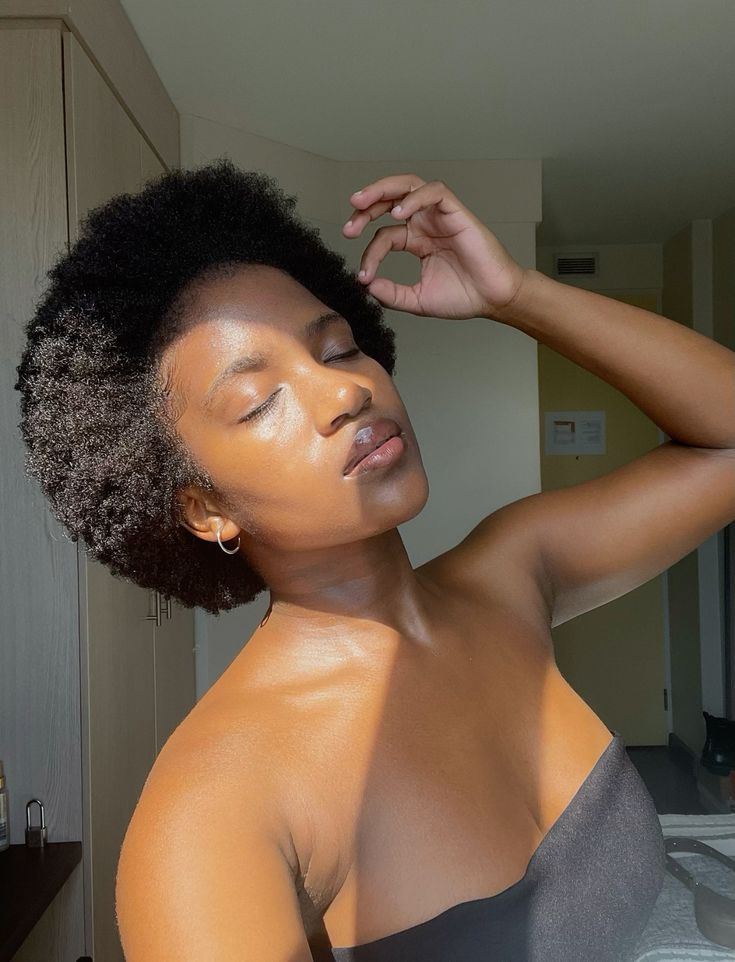
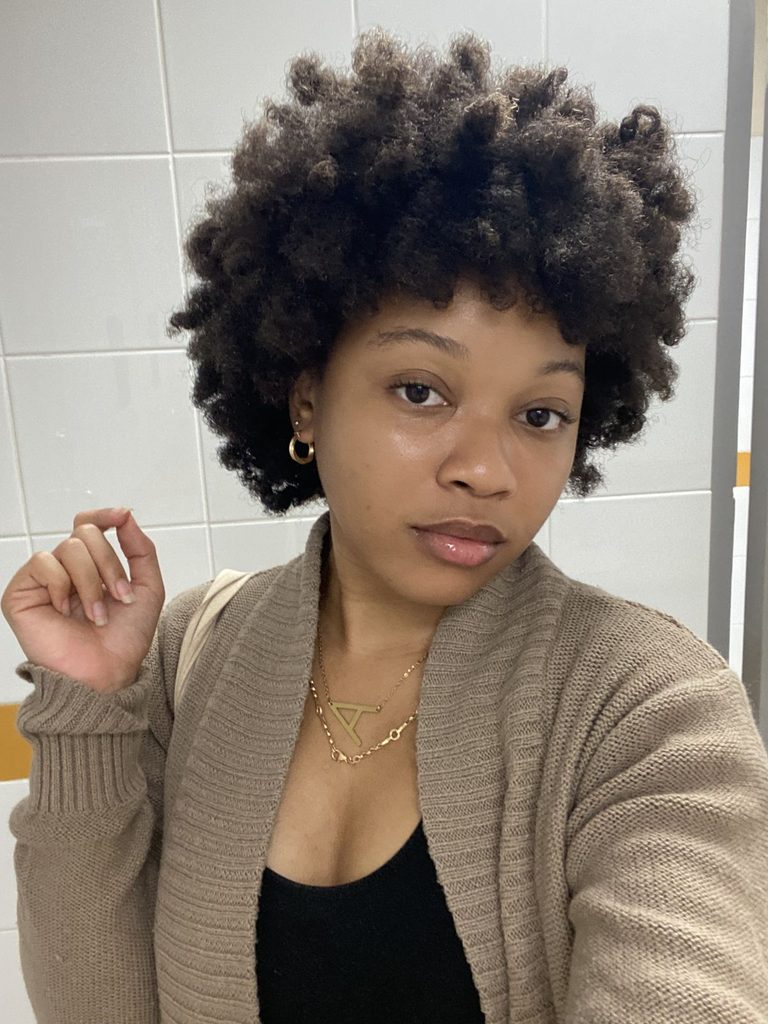
A curly or coily style with some natural frizz still looks beautiful and intentional. Society’s obsession with perfectly sleek hair doesn’t reflect how healthy hair actually behaves.
Confidence often matters more than perfect control over every single strand.
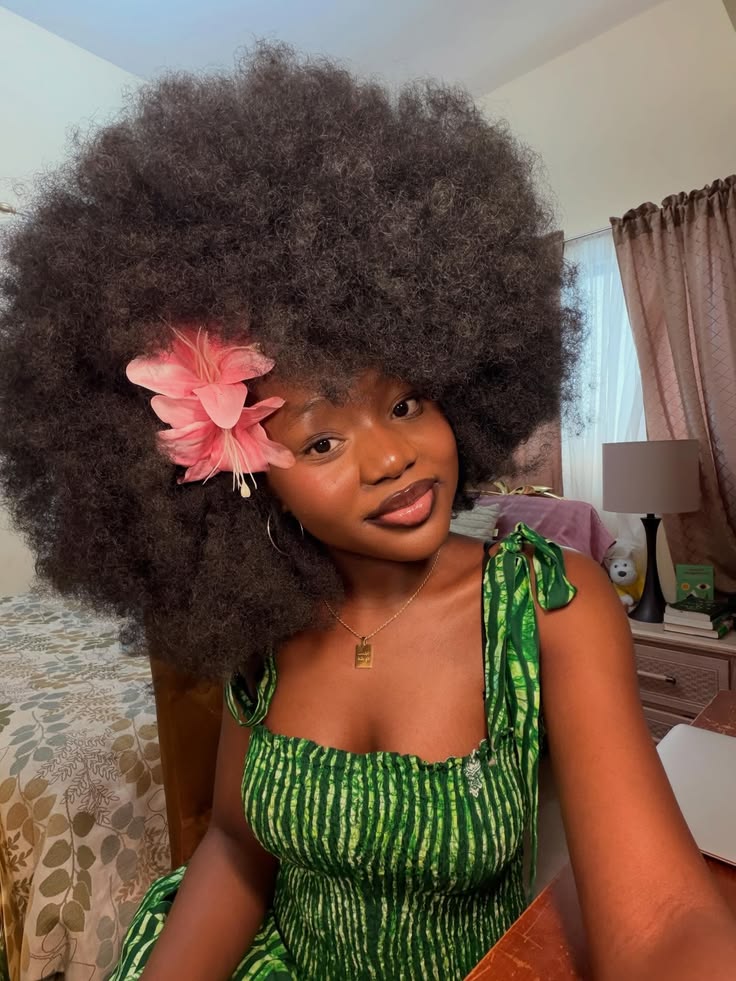
Some of the most striking natural hairstyles embrace volume and texture rather than fighting it. Let humidity add some drama to your look instead of viewing it as failure.
Sometimes the most beautiful hair days are the ones we stop trying to control.
Wrapping Up: Making Peace With Humidity
Humidity doesn’t have to be your hair’s constant enemy throughout the year. With the right techniques, you can genuinely work with humidity instead of against it.
Preparation, smart products, and occasional acceptance all play a role.
Revisit this guide whenever a new humid season catches you off guard. A quick refresher can remind you of strategies you may have forgotten.
Small reminders often restore confidence faster than starting completely from scratch.
Stay flexible and willing to adjust your approach as humidity levels shift. What works on a mildly humid day may not work during a genuine downpour.
Responsiveness matters more than rigidly sticking to one fixed strategy.
Your hair’s relationship with humidity will keep evolving as you learn its patterns. Each humid day teaches you something new about what genuinely works for you.
Over time, humidity starts to feel manageable instead of unpredictable and frustrating.

9 Comments