
Hair Cream vs Hair Butter: Which Should You Choose?
Choosing between cream and butter confuses many naturalistas trying to seal in moisture. A client once asked me why her hair felt dry, even though she used cream daily.
She had high porosity hair, but her cream was too light to hold moisture in. Once we switched her to a richer butter, her hair stayed soft for days. This simple change fixed a problem she thought needed expensive new products. Many people walk into stores and grab whatever looks nice on the shelf.
They never stop to ask what their hair actually needs to stay healthy. Cream and butter both help your hair, but they work in different ways. Knowing the difference saves you money and stops you from guessing every wash day.
This post explains the real difference, so you always pick the right one. We will also look at how your shampoo and conditioner choices connect to this decision too. If you have not read What Is Hair Porosity and Why Does It Matter?, read that one first.
Hair Cream vs Hair Butter: Which Should You Choose?
What Hair Cream Actually Does
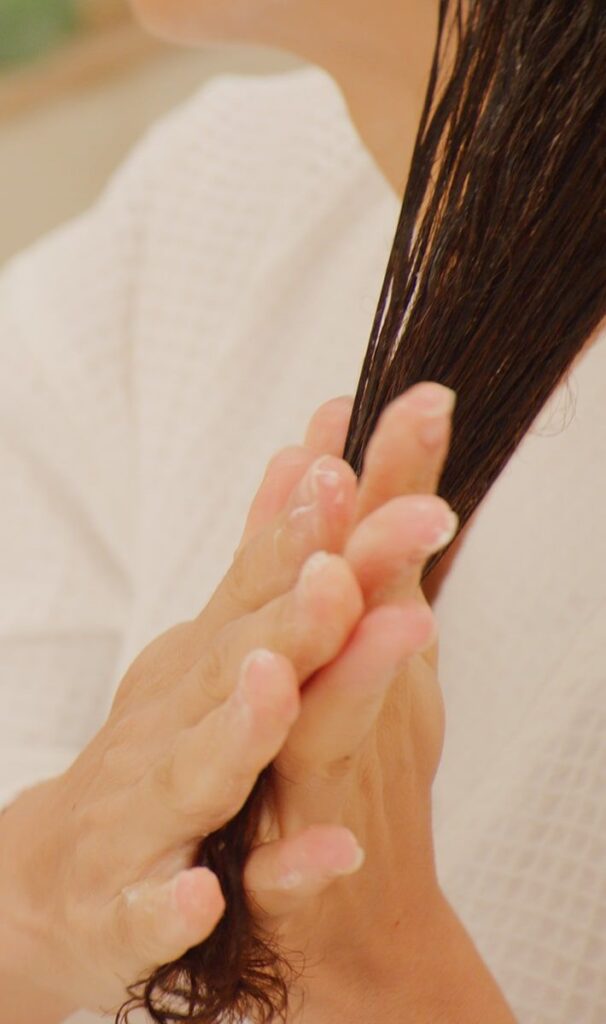
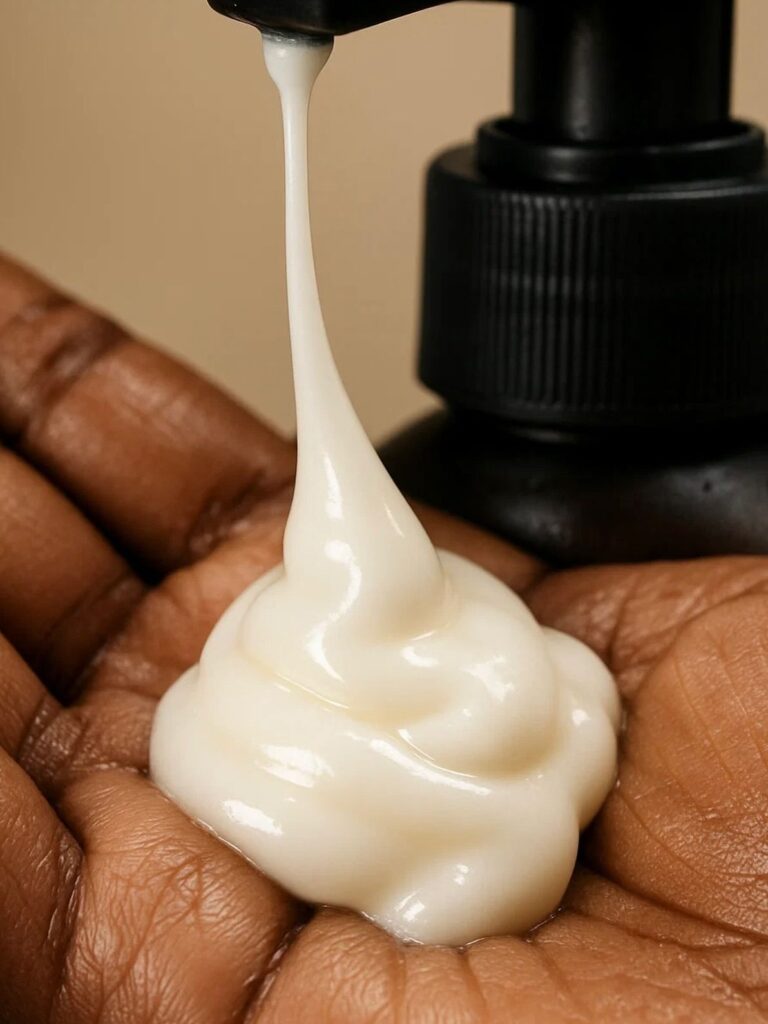
Hair cream is usually light and soft, blending water with light oils. It spreads easily and sinks into the hair without feeling heavy. Cream works well as a daily moisturizer for many hair types.
Most creams contain more water than oil, which makes them hydrating first. This water content helps thirsty strands drink in moisture quickly.
Cream is often the first product many naturalistas reach for after washing.
Cream also tends to feel cooler and lighter against the scalp and skin. This makes it a comfortable choice for daily use, even in warm weather.
Many naturalistas apply cream every single day without any trouble at all.
Some creams also include light proteins to help strengthen the hair while moisturizing.
This combination can be especially helpful for hair that feels weak or stretchy. Always check the label to see exactly what your cream contains.
Save this for later: How To Grow Healthy Afro Hair Without Chasing Length
What Hair Butter Actually Does
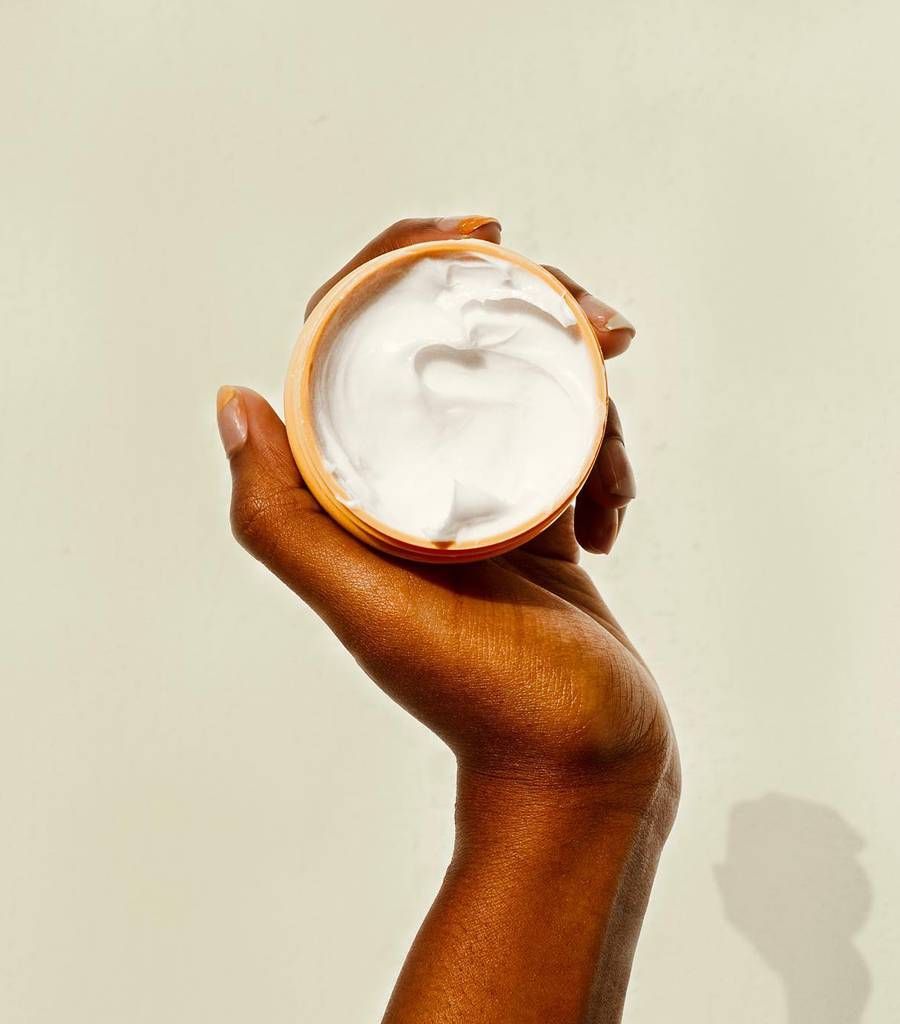
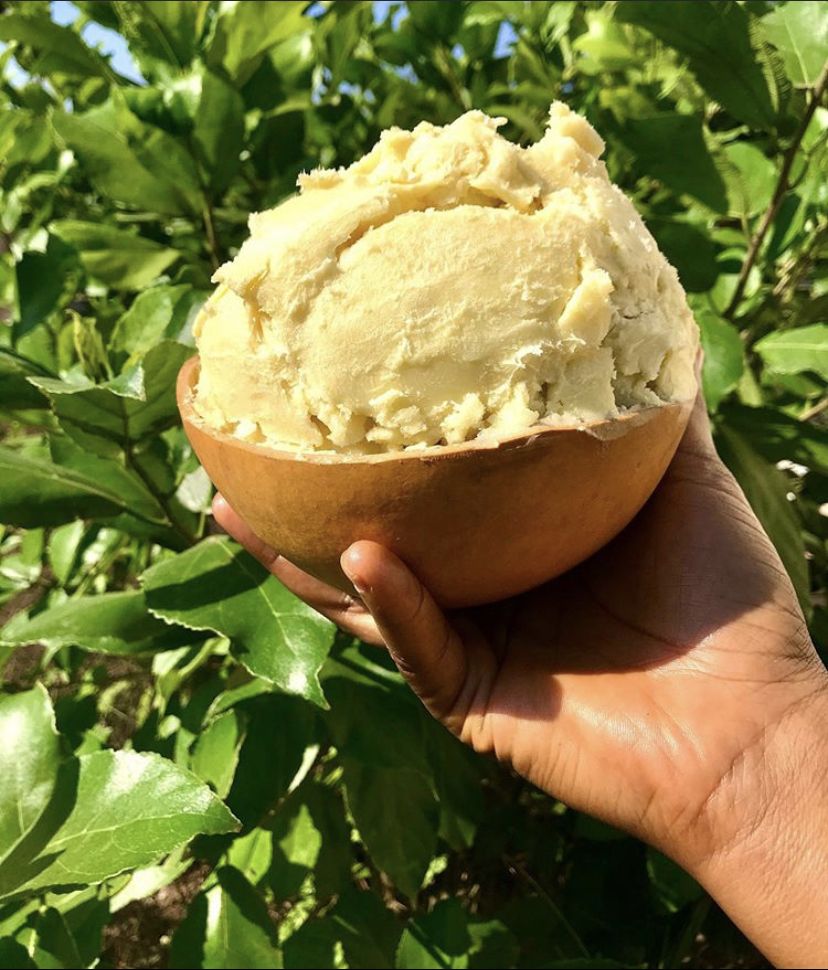
Hair butter is thicker and richer, made mostly from things like shea or mango butter.
It coats the hair strand and seals moisture already inside. Butter works best as a sealant, not as the main source of moisture.
Because butter is heavier, a little goes a very long way. Using too much can leave hair looking greasy or weighed down.
Butter shines brightest when applied after water and cream, not before them.
Butter also protects hair from outside elements like wind, dust, and dry air. This protective layer helps hair stay soft even during harsh weather conditions.
Many naturalistas save butter for nighttime or for sealing in protective styles.
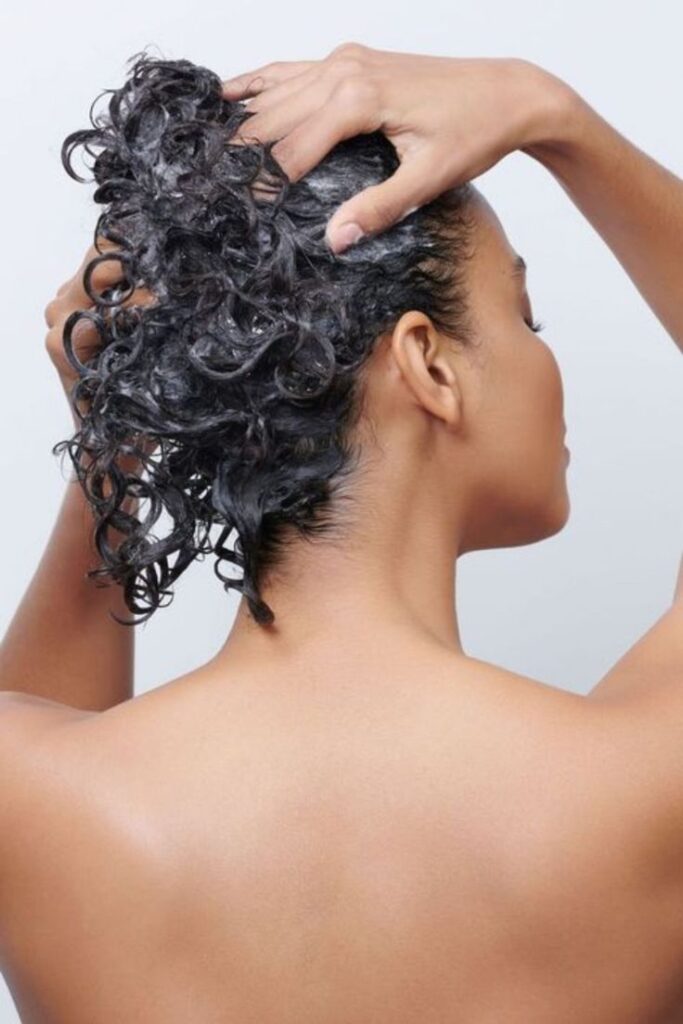
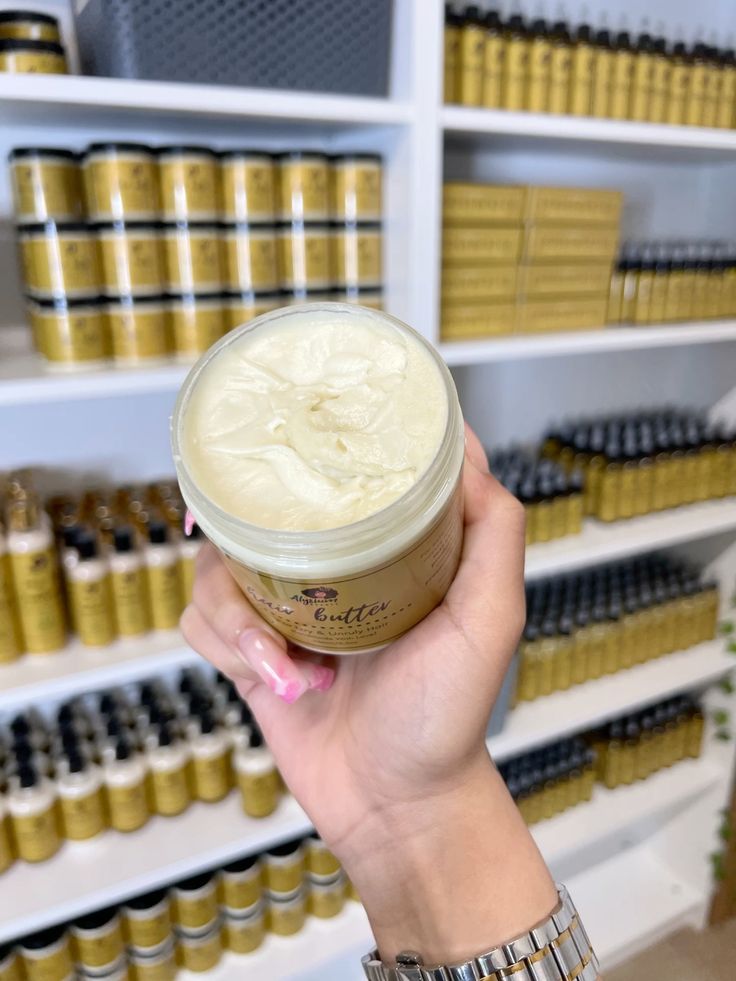
Whipped butter, made by beating butter until fluffy, feels lighter than solid butter.
This texture can be easier to apply and spread evenly through the hair. Whipping does not change what the butter does, only how it feels.
Take a peek: Understanding Type 4 Hair: A Complete Guide
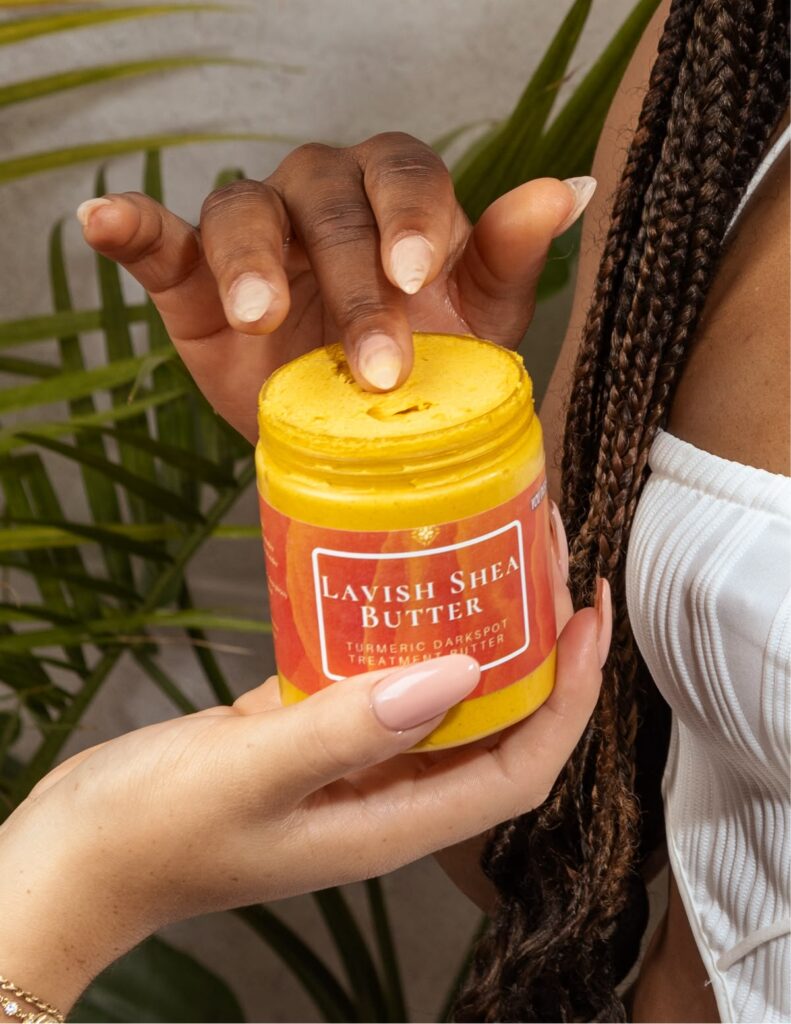
Cream Versus Butter: The Simple Difference
Think of cream as a drink of water and butter as a raincoat. Cream hydrates the hair, while butter locks that hydration inside.
Using only one without the other often leads to disappointing results.
Many naturalistas make the mistake of picking just one product forever. In reality, most healthy hair routines use both cream and butter together.
Understanding this difference removes a lot of guesswork from your shopping.
A simple way to remember this is water first, then cream, then butter last. Each product plays its own small part in a bigger, complete picture.
Some people worry this sounds complicated, but it becomes automatic after just a few tries. Soon you will not even need to think about the order at all.
Bookmark this post: 4A vs 4B vs 4C Hair Explained
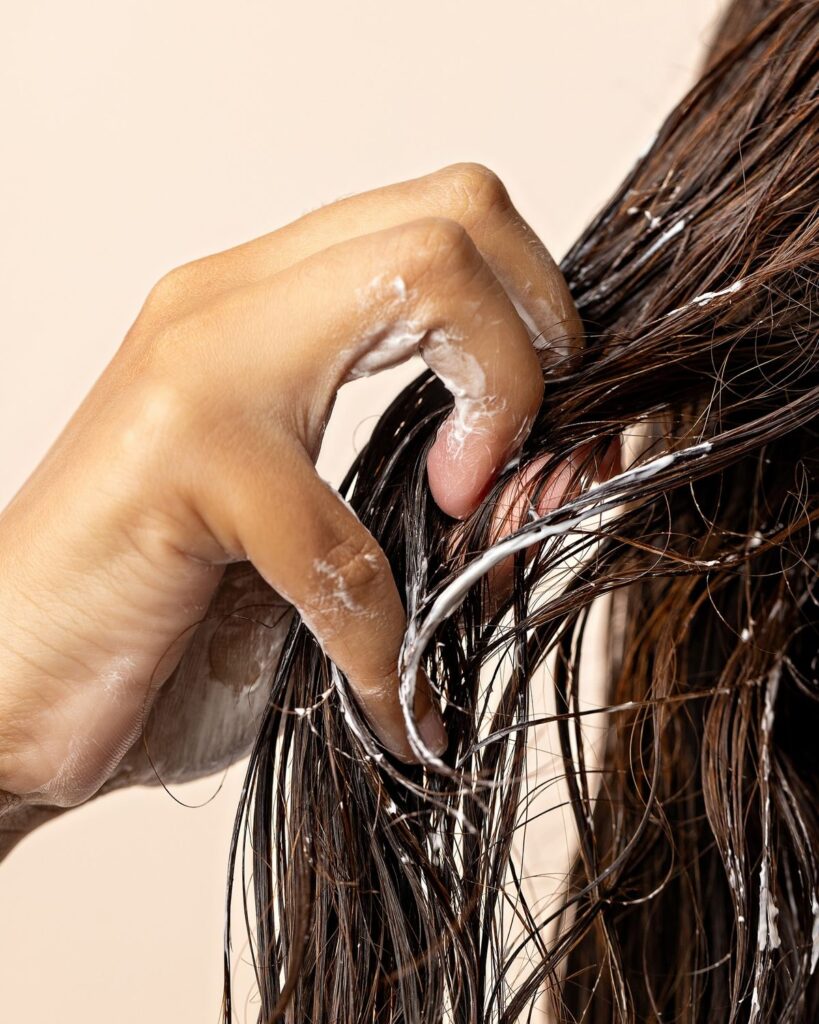
How Shampoo And Conditioner Set The Stage
Before cream or butter can work well, your hair needs a clean, well-conditioned start.
The Best Shampoos For Afro Hair explains how gentle cleansing protects your natural moisture. A harsh shampoo can undo the good work your cream and butter try to do.
Conditioner also plays an important part in preparing your hair for sealing products.
The Best Conditioners For Type 4 Hair explains how softened, conditioned hair absorbs cream better. Skipping this step often means cream and butter cannot do their job properly.
Think of shampoo and conditioner as building the foundation of a house.
Cream and butter are the walls and roof that finish the job. Without a strong foundation, even the best walls will not stand firm.
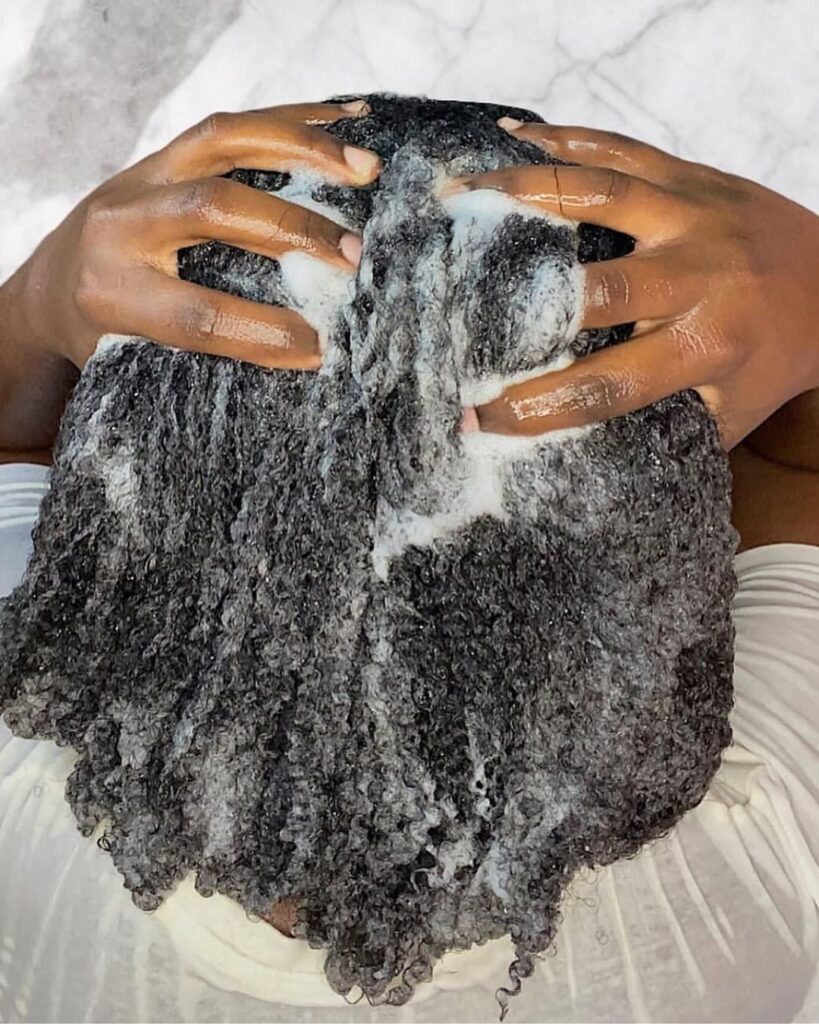
Choosing Based On Your Porosity
Porosity plays a big role in whether cream or butter suits you better. Low porosity hair often does better with lighter cream, since butter can sit on top.
High porosity hair often needs the heavier hold that butter provides.
Low Porosity Hair Routine explains why lighter products absorb better into this specific hair type.
Testing your own porosity helps you shop with far more confidence and less waste.
Medium porosity hair often does well with either product, depending on the season. Paying attention to how your hair feels after each use helps guide future choices.
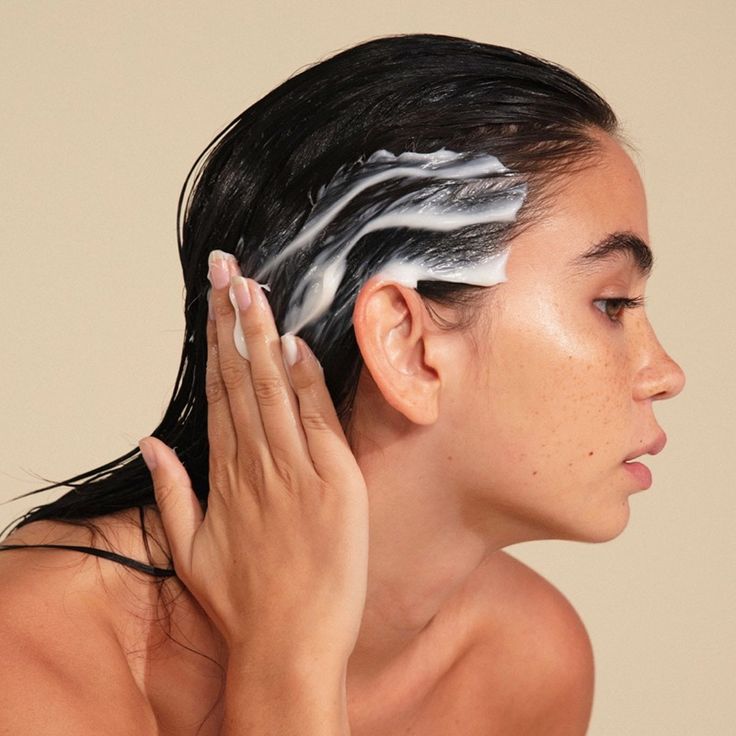
Choosing Based On Your Curl Pattern
Your curl pattern can also guide whether cream or butter feels right for you.
Looser patterns often prefer light cream, since butter can weigh curls down. Tighter, coilier patterns often love the richer feel that butter provides.
How To Identify Your Curl Pattern can help you understand your own hair’s specific needs. Once you know your pattern, shopping becomes much simpler and far less confusing.
Many people have more than one pattern across their head, which is completely normal. Using lighter cream on looser areas and butter on tighter areas often works best.
This section-by-section approach takes a little extra time but produces much more even results. Over time, this careful attention becomes a normal, easy part of your routine.
How Weather Changes Your Choice
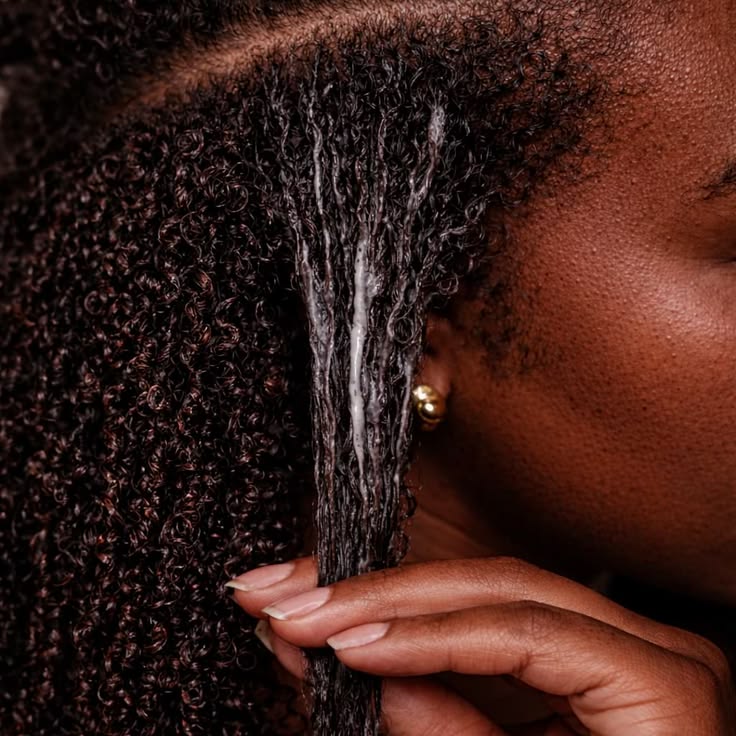
Weather can shift which product your hair needs on any given day. Dry, harmattan weather often calls for heavier butter to stop moisture loss.
Humid weather might only need a light layer of cream instead.
Paying attention to the season helps you adjust your routine wisely. Your hair’s needs are not fixed, they change along with the world around you.
Keeping both cream and butter on hand lets you adjust quickly without needing new products. This flexibility saves money and keeps your hair comfortable all year long.
A small travel-size cream and butter kept in your bag also helps on busy days. Quick touch-ups keep your hair comfortable even when you are away from home.
Using Cream And Butter Together
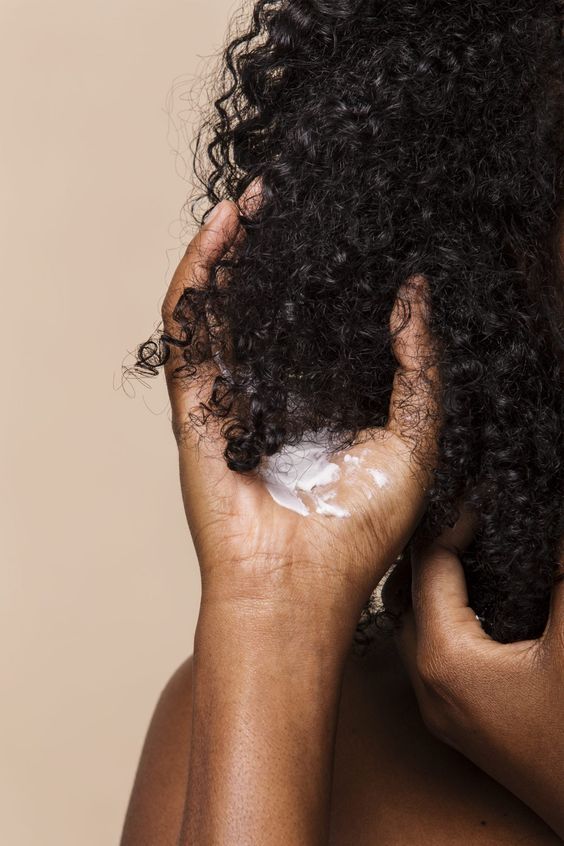
Many naturalistas find the best results come from layering both products smartly.
Apply water first, then a light cream, then finish with a sealing butter. This method is often called LOC, for liquid, oil, and cream.
The Best Hair Growth Routine For Afro Hair explains this layering method in much greater detail. Getting the order right makes a bigger difference than most people expect.
Some naturalistas prefer LCO instead, swapping cream and oil around based on their hair.
There is no single correct order, only the order that works best for you. Testing both orders helps you discover which one your hair truly prefers.
Common Mistakes With Cream And Butter
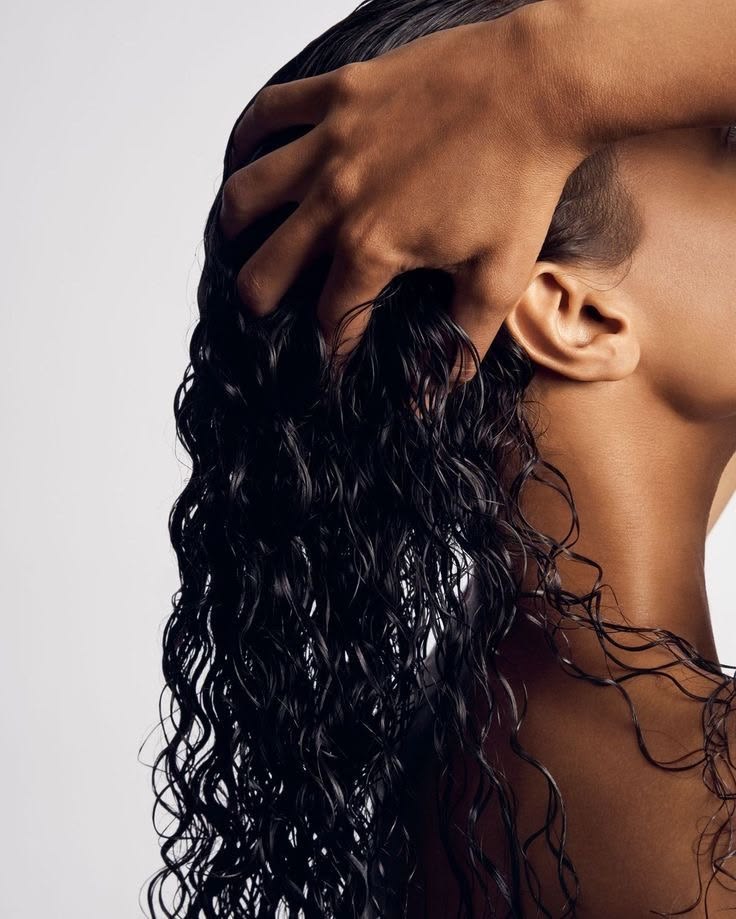
Some naturalistas apply butter to completely dry hair, expecting instant softness.
This rarely works well, since butter cannot add moisture that is not already there. Applying it to dry hair often just leaves a greasy coating on top.
Others use too much butter, thinking more product means better results. A small amount, applied to damp hair, usually works far better than a lot.
Learning this balance saves both money and frustration over time.
A third common mistake is skipping cream entirely and jumping straight to butter. Without cream’s water content first, butter has nothing helpful to seal in.
Always remember, water and cream come before butter, never the other way around.
Cream And Butter For Scalp Health
Your scalp benefits from lighter products, since heavy butter can clog hair follicles.
Save richer butters for your length, keeping your scalp area much lighter. Healthy Scalp Habits For Faster Hair Growth gives more tips on this important topic.
A clogged scalp can slow down healthy hair growth over time. Choosing wisely protects both your scalp and the length you are trying to grow.
If your scalp ever feels itchy or greasy, try using less product near the roots. Your scalp will usually tell you clearly when something needs to change.
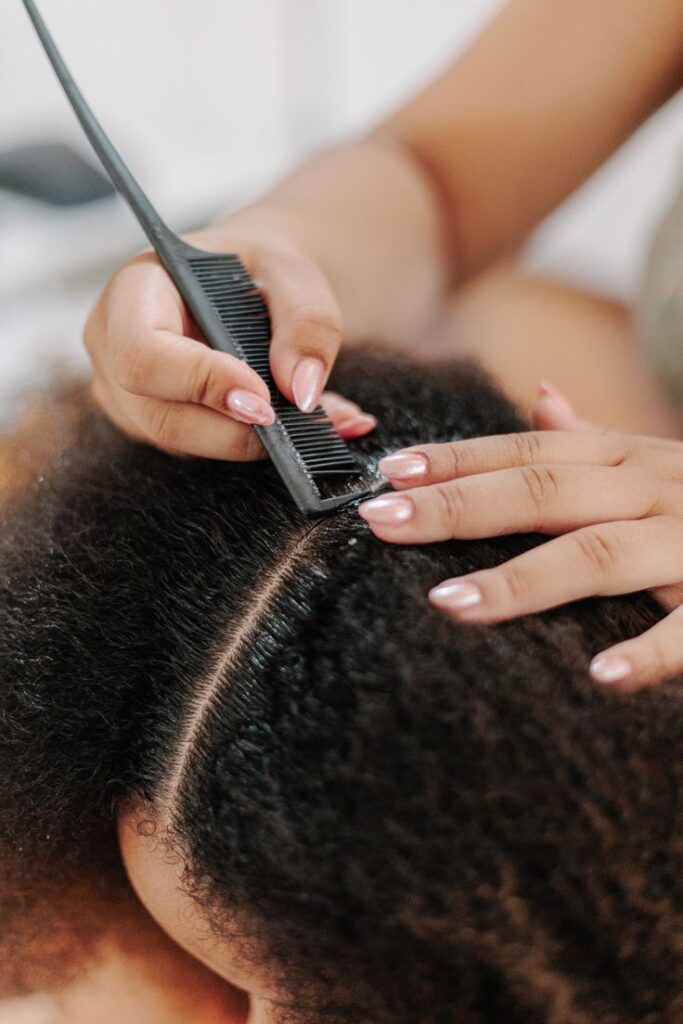
Cream And Butter For Detangling
A good cream or butter can make detangling far less painful and slow. Rich, slippery products help your fingers or comb glide through tangles gently.
The Best Detangling Brushes For Afro Hair pairs well with a good, slippery product.
My sister used to detangle with nothing but water, and it always hurt. Once she added a creamy leave-in first, her wash days became so much calmer.
A comb glides smoothly through hair that has enough slip from cream or conditioner. Dry, unconditioned hair pulls and snaps far more easily during detangling.
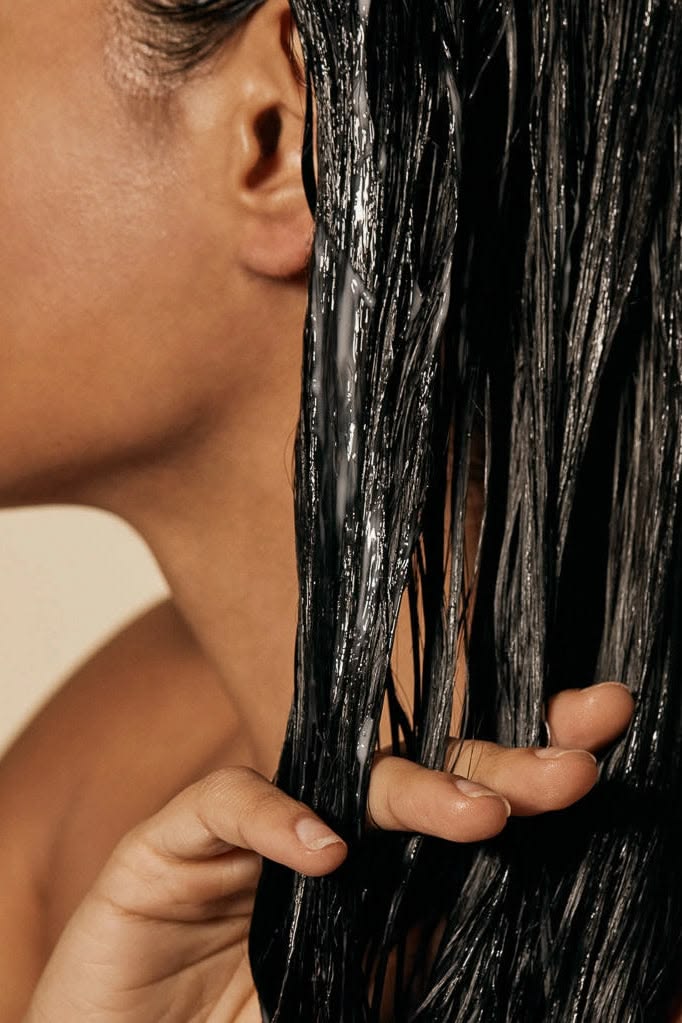
Cream And Butter With Protective Styles
Protective styles benefit from a light layer of butter to seal in moisture. This helps stop your hair from drying out under braids or twists.
Reapplying a light cream to your scalp keeps things comfortable underneath the style.
Length Retention Tips Every Naturalista Should Know explains why sealing moisture protects your length so well. Small, consistent habits like this protect your hair during every single style.
Checking your scalp every few days during a protective style helps you catch dryness early. A quick spray of water, followed by a little cream, often solves the problem.
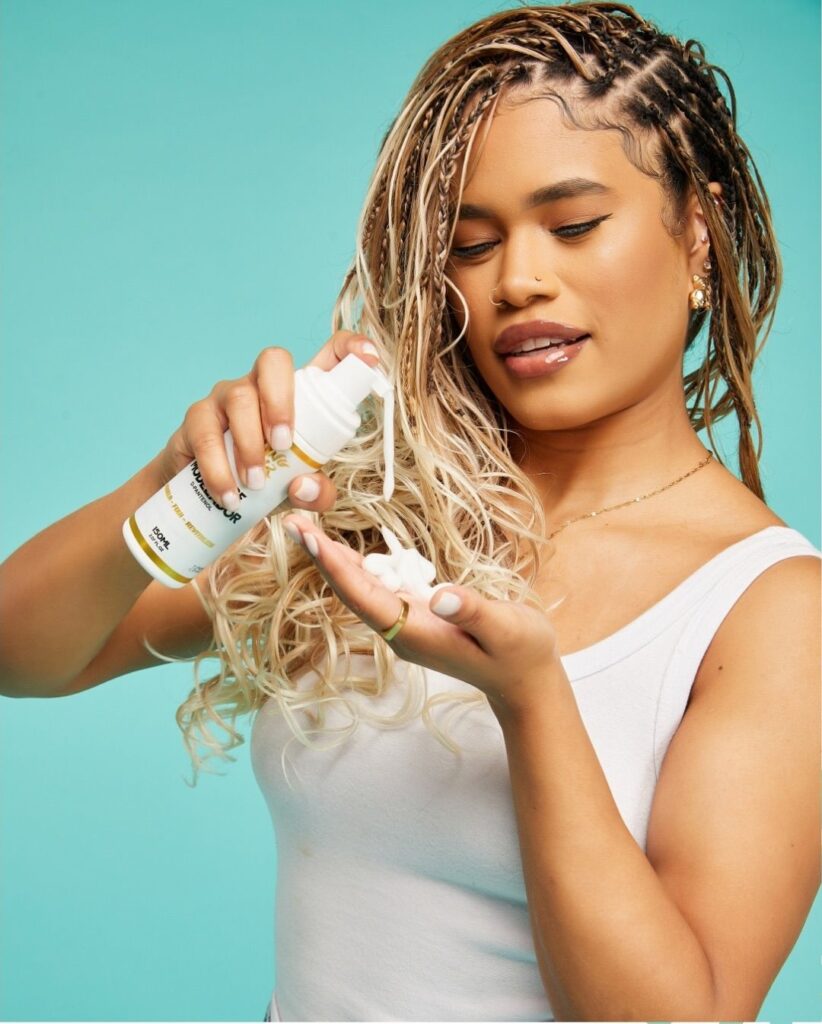
Reading Labels On Cream And Butter Products
Always check where water sits on the ingredient list before buying any product.
If water is first, you likely have a lighter, cream-like formula. If oil or butter sits first, you likely have a heavier sealant instead.
This simple check helps you know exactly what you are buying every time. Understanding labels removes the guessing game that confuses so many shoppers.
Looking past pretty packaging and marketing words helps you find products that truly work. The ingredient list always tells the real story, no matter what the front label says.
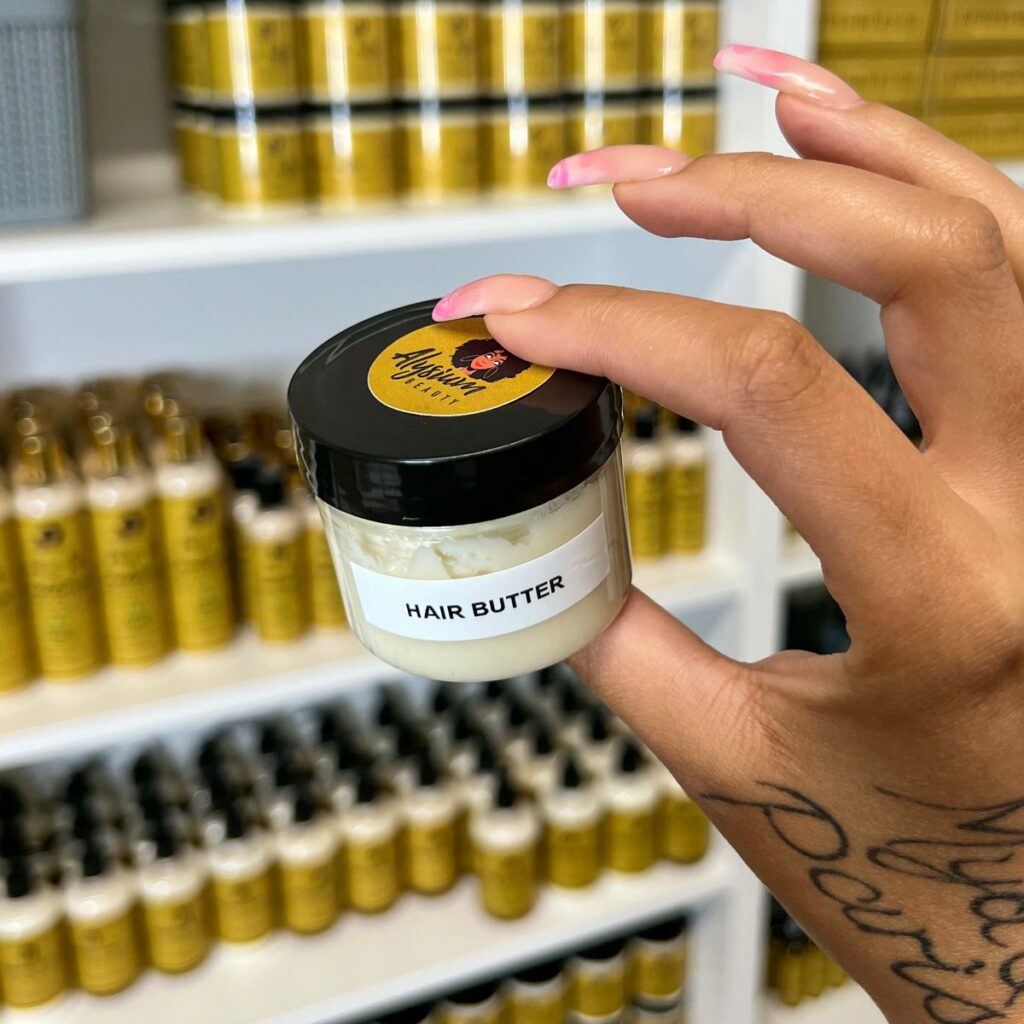
Building These Into A Full Routine
Cream and butter both deserve a place on your shelf, alongside a few other basics.
Must-Have Products For A Healthy Hair Routine lists everything else worth having nearby. The Truth About Hair Growth Oils explains how oil fits into this same picture too.
A simple shelf, with one good cream and one good butter, covers most needs. You do not need ten products to have a healthy, working routine.
Keeping your shelf simple also makes shopping and packing for trips much easier. A short, trusted list of products removes decision fatigue on busy mornings.
Cream And Butter For Different Densities And Life Stages
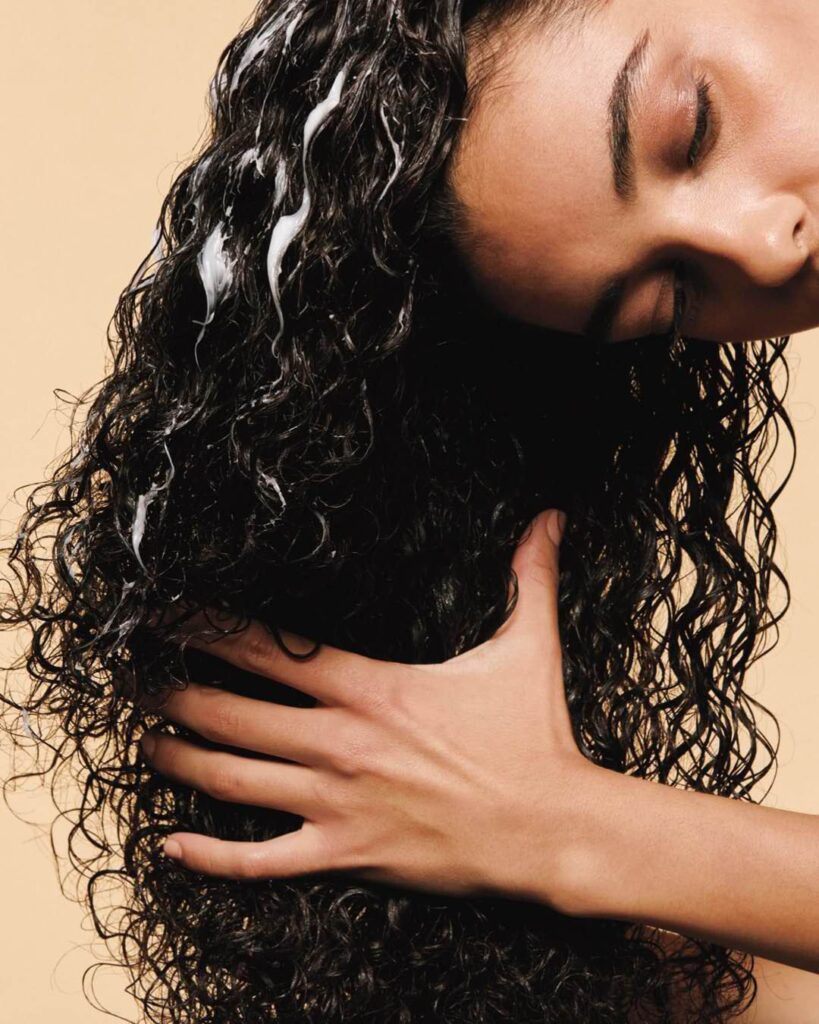
Thicker, denser hair often needs more butter to properly coat every single strand.
Thinner, less dense hair may only need a small amount to avoid feeling heavy. Adjusting the amount you use, based on your density, prevents wasted product.
Testing a small amount first always helps you find your own perfect balance.
Fine, low density hair can look weighed down quickly if too much butter is used. Watching for early signs of heaviness helps you adjust before your style looks flat.
Adjusting During Pregnancy Or Hormonal Changes
Hormonal shifts can change how oily or dry your scalp feels for a period. Paying attention during these times helps you adjust your cream and butter use accordingly.
What worked before these changes may simply need a small, temporary adjustment.
Adjusting As You Age
Hair often becomes slightly drier with age, needing a bit more sealing than before.
Increasing butter use gradually, as you notice this change, keeps your hair comfortable. Aging hair is not a problem, simply a signal to adjust your approach slightly.
Making A Homemade Cream Or Butter Mix
Some naturalistas like to mix their own cream and butter blend at home. Combining a small amount of shea butter with a water-based cream creates a custom mix.
This lets you control exactly how light or rich the final product feels.
Testing small batches first helps you avoid wasting large amounts of product. Homemade mixes can be a fun, affordable way to find your perfect balance.
Always store homemade mixes in a clean, sealed container to avoid unwanted bacteria growth. Making smaller batches more often keeps your mix fresh and safe to use.
Cream And Butter For Children’s Hair
Children often have softer, more delicate hair that needs gentler products.
Light cream usually works better for young hair than heavy, rich butter. Save thicker butter for special styles or particularly dry areas only.
Always patch test any new product before using it fully on a child’s scalp. Gentle, simple products protect young, growing hair the very best.
Involving children in simple, gentle hair care can help them enjoy the process. Letting them choose between two safe products can make wash day feel more fun.
Quick Answers To Common Questions
A few questions come up often about choosing between cream and butter.
Can I use both every single day? Yes, many naturalistas use both together daily without any issues.
Is butter always heavier than cream? Generally yes, though some cream-butter blends fall somewhere in between.
Will butter make my hair greasy? Only if you use too much or apply it to already dry hair.
Can children use cream and butter too? Yes, though lighter products often suit young, delicate hair best.
Do I need both if my hair is very oily? Even oily hair benefits from proper sealing, though smaller amounts work best.
Can I switch between cream and butter with the seasons? Yes, adjusting with the weather often gives you the best results.
Is homemade butter safer than store-bought butter? Not automatically, both can be safe if made or stored properly.
Can I use butter on my scalp at all? A very small amount is fine, though most butter belongs on your length.
Troubleshooting When Neither Product Seems To Work
Sometimes naturalistas try both cream and butter, yet their hair still feels dry. This usually means the real problem lies earlier in the routine, not with sealing products.
Going back to check your washing and conditioning steps often reveals the true cause.
Checking Your Water Step First
Remember that cream and butter both work best when applied to damp, not dry hair.
If your hair is bone dry before applying these products, results will always disappoint. Spritzing your hair with water before applying cream often solves this problem instantly.
Checking For Product Buildup
Sometimes old, built-up product blocks new cream or butter from actually absorbing properly.
A gentle clarifying wash can clear this buildup and give your products a fresh start. Signs of buildup include dullness, stiffness, and products that suddenly seem to stop working.
Reassessing Your Actual Porosity
If you have never properly tested your porosity, this is a good time to do so. Many ongoing moisture problems trace back to using the wrong type of product entirely.
A simple float test at home can help confirm what your hair truly needs.
Introducing New Products Slowly
Switching products too quickly can make it hard to know what is actually working. Use a new cream or butter alone for two full weeks before adding anything else.
Take notes on how your hair feels, looks, and behaves during this testing period.
Jumping from product to product every week prevents your hair from ever settling into a rhythm.
Sticking with one trusted cream and one trusted butter for several months usually works best.
Consistency, more than variety, is what truly transforms the health of your hair over time.
A Few Final Things Worth Knowing
Cream and butter are not rivals, they are teammates in your hair care routine. Cream brings the moisture, and butter locks that moisture safely inside.
Knowing your porosity, pattern, and density helps you choose the right balance.
Start light, watch how your hair responds, then adjust as you learn more. Your own hair will always tell you exactly what it truly needs.