
Healthy Scalp Habits For Faster Hair Growth
Healthy scalp is 80% everything you need to have any hair length you desire. This is something I tell every client who sits in my chair complaining about slow growth.
Most people spend all their money on serums, vitamins, and expensive treatments for their strands. But they completely forget the one place where all hair actually begins growing.
Your scalp is the soil, and your hair is simply what grows out of that soil. No matter how good your seeds are, poor soil will never produce strong, healthy plants. A client of mine learned this the hard way after two years of frustration.
She had tried everything for her hair except actually caring for her scalp properly. Once we shifted her focus there, her results changed within just a few months. This post will walk you through exactly why your scalp matters so much, from the roots up.
If you want the full picture on growth first, read How To Grow Healthy Afro Hair Without Chasing Length before continuing here, since it explains why health always comes before length.
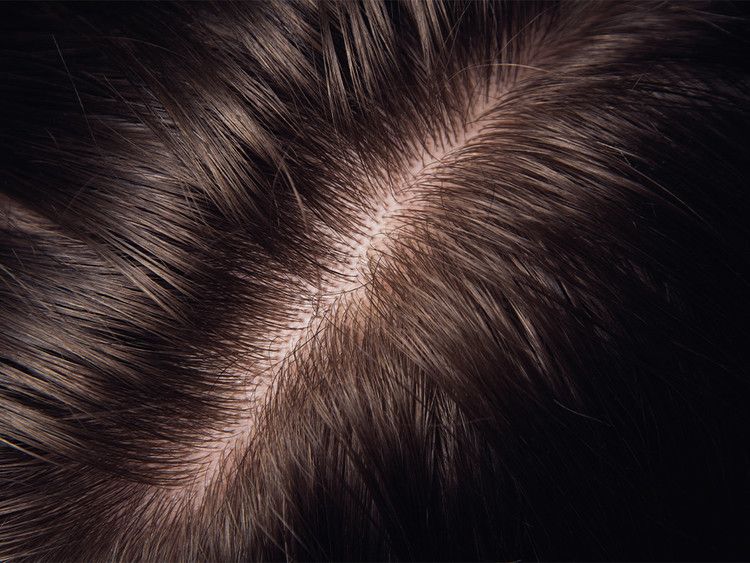
Healthy Scalp Habits For Faster Hair Growth
Why The Scalp Deserves More Attention
Most hair care conversations focus on strands, products, and styles almost entirely.
The scalp gets mentioned occasionally, usually only when something already feels wrong. But your scalp is living skin, full of follicles that determine how your hair grows.
It works quietly in the background, even when nobody pays attention to it.
A healthy scalp has good blood flow, balanced oil production, and no ongoing irritation. When any of these things are off, hair growth slows down noticeably over time.
This is why some people can use every growth product available and still see nothing. Their strands are being fed, but their roots are being ignored completely.
Ignoring your scalp is like watering a plant’s leaves while ignoring its roots completely. The roots are where real nourishment happens, not the visible parts on top.
Shifting your attention to the scalp changes almost everything about your results. It is a small mental shift that produces very real, physical change.
Length retention also depends heavily on scalp health, more than people usually realize.
Weak roots produce weak new growth, which breaks off before it ever gets long. Length Retention Tips Every Naturalista Should Know explains this connection in more detail.
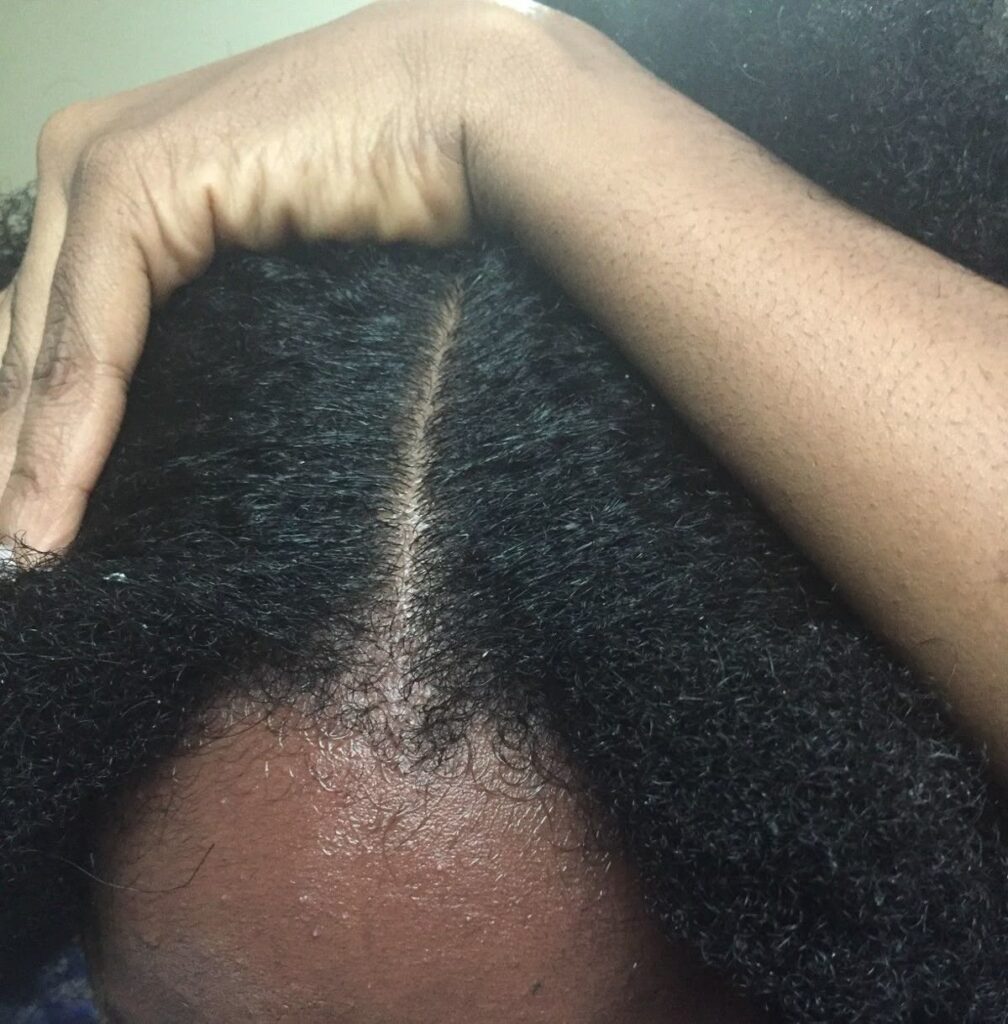
The Scalp And Hair Growth Cycle
Every strand of hair on your head goes through a natural growth cycle. This cycle includes a growing phase, a resting phase, and a shedding phase eventually.
A healthy scalp supports longer growing phases, which means longer hair over time.
An unhealthy scalp can shorten this growing phase without you even realizing it. This means hair may shed sooner than it should, slowing down visible progress.
Supporting your scalp properly gives each strand a better chance to grow fully.
Stress, poor diet, and harsh products can all disrupt this natural cycle quietly. Recognizing these disruptions early helps you correct course before real damage builds up.
A little awareness here goes a long way toward steady, lasting growth.
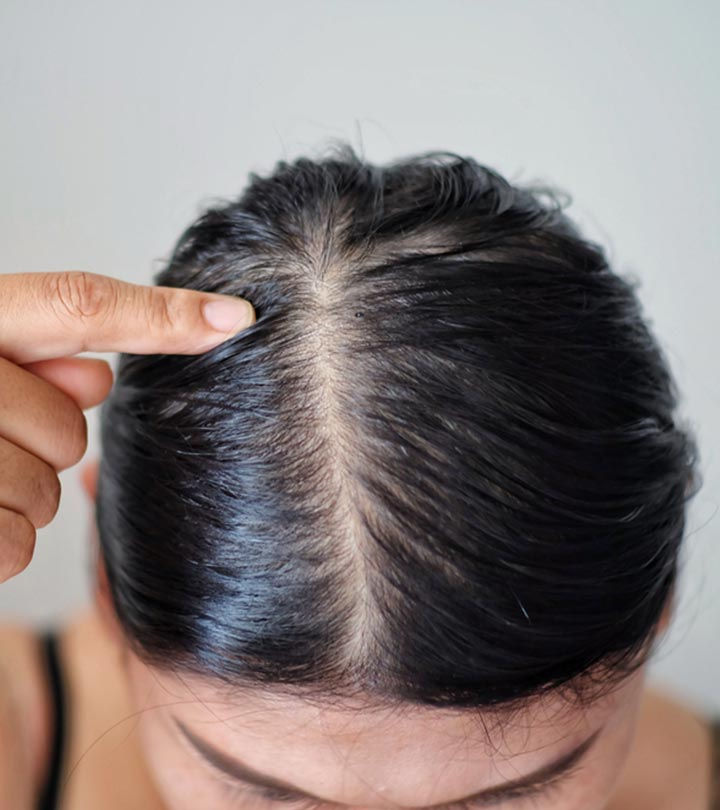
Signs Of A Healthy Versus Unhealthy Scalp
Knowing what a healthy scalp looks and feels like helps you catch problems early. A healthy scalp should feel comfortable, without constant itching or tenderness anywhere.
It should also look calm, without redness, flaking, or visible irritation of any kind.
An unhealthy scalp often shows warning signs long before hair loss becomes obvious. Persistent itching, flaking, tightness, or a burning feeling are all common signals.
Excess oil or unusual dryness can also point to an imbalance that needs attention.
Save this for later: What Is Hair Porosity and Why Does It Matter?
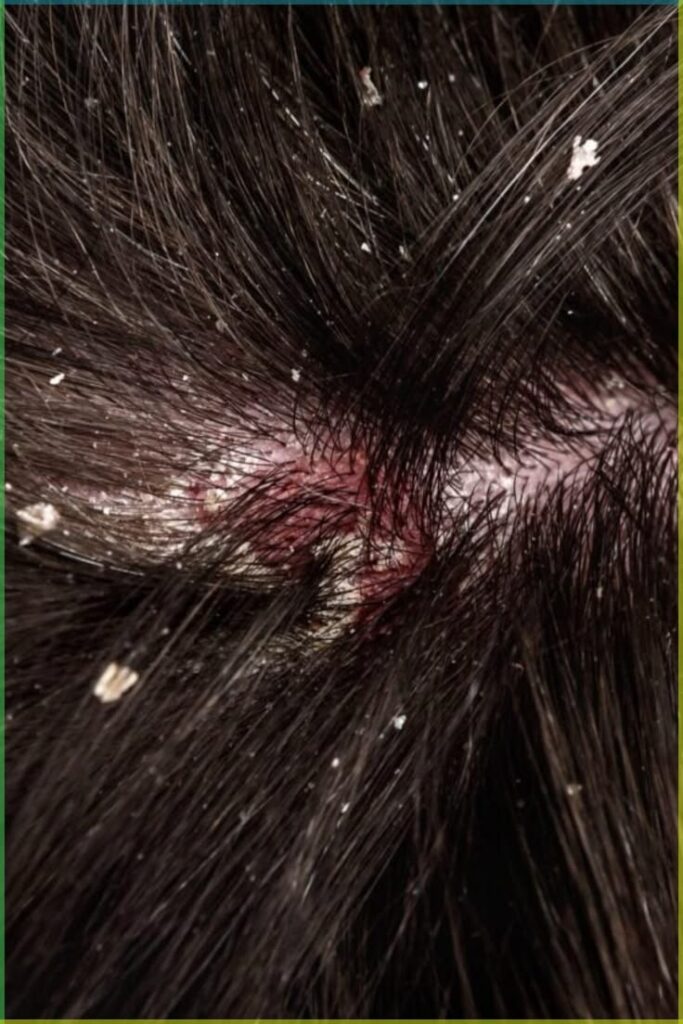
Simple Ways To Check Your Own Scalp
Part your hair in a few different sections and look closely at your skin. Check for flakes, redness, or any areas that look unusually shiny or dry.
Doing this monthly helps you notice changes before they become bigger problems later.
Gently press different areas of your scalp and notice any tenderness or discomfort. A healthy scalp should not feel sore or sensitive to normal touch.
If certain spots consistently feel tender, that area may need extra care and attention.
Keep a simple note of anything unusual you find during these monthly checks. Comparing notes over time helps you notice slow changes you might otherwise miss.
This habit takes only a few minutes but pays off in early detection.
Cleansing Your Scalp Properly
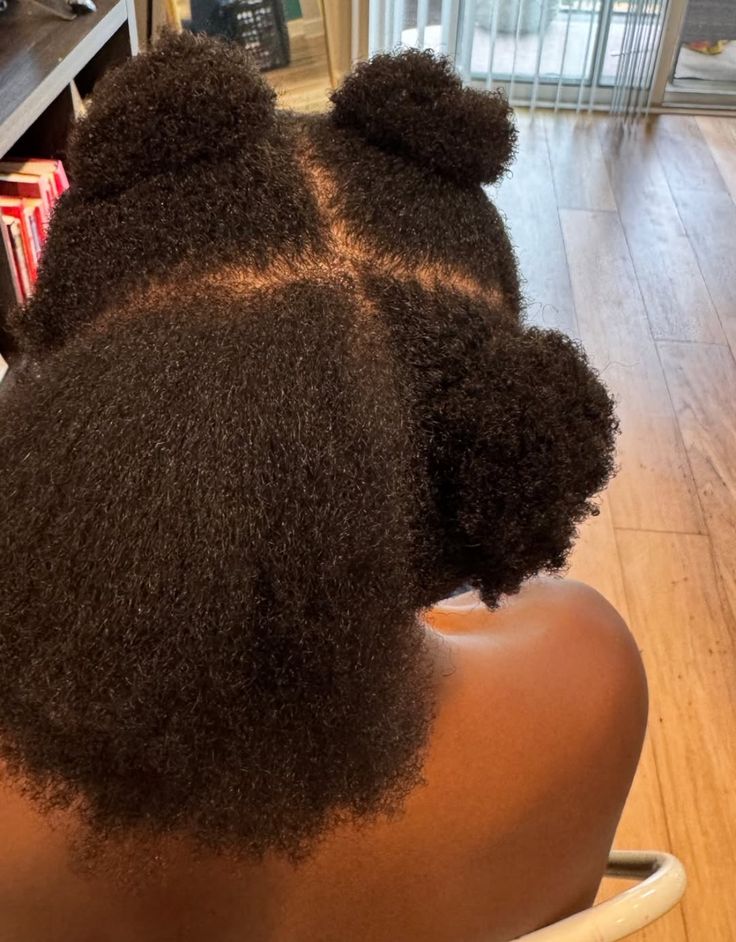
A clean scalp is a foundation for healthy hair growth, plain and simple. Buildup from products, sweat, and natural oils can clog follicles over time.
This buildup blocks new growth and can even cause irritation or an unpleasant odor.
Take a peek: The Best Shampoos For Afro Hair
How Often Should You Cleanse
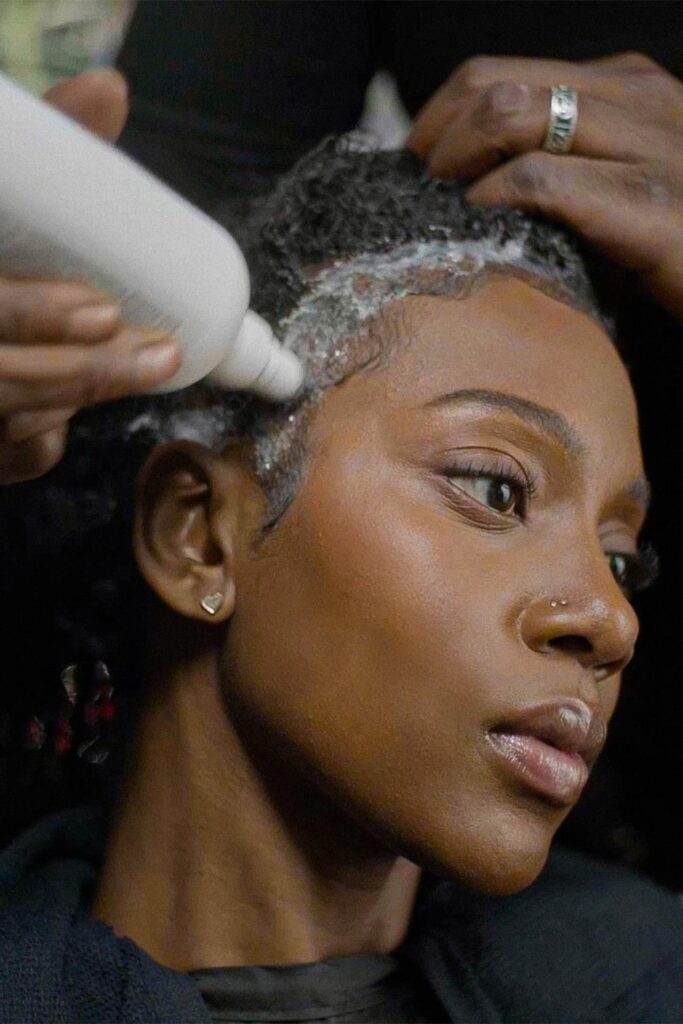
There is no single washing schedule that works perfectly for everyone equally. Oily scalps may need cleansing weekly, while drier scalps can go longer between washes.
Pay attention to how your scalp feels rather than following a fixed rule blindly.
Over-washing can strip natural oils, leaving your scalp dry and irritated quickly. Under-washing allows buildup to accumulate, which can clog follicles and slow growth.
Finding the right balance takes some observation and small adjustments over time.
Choosing The Right Cleansing Method
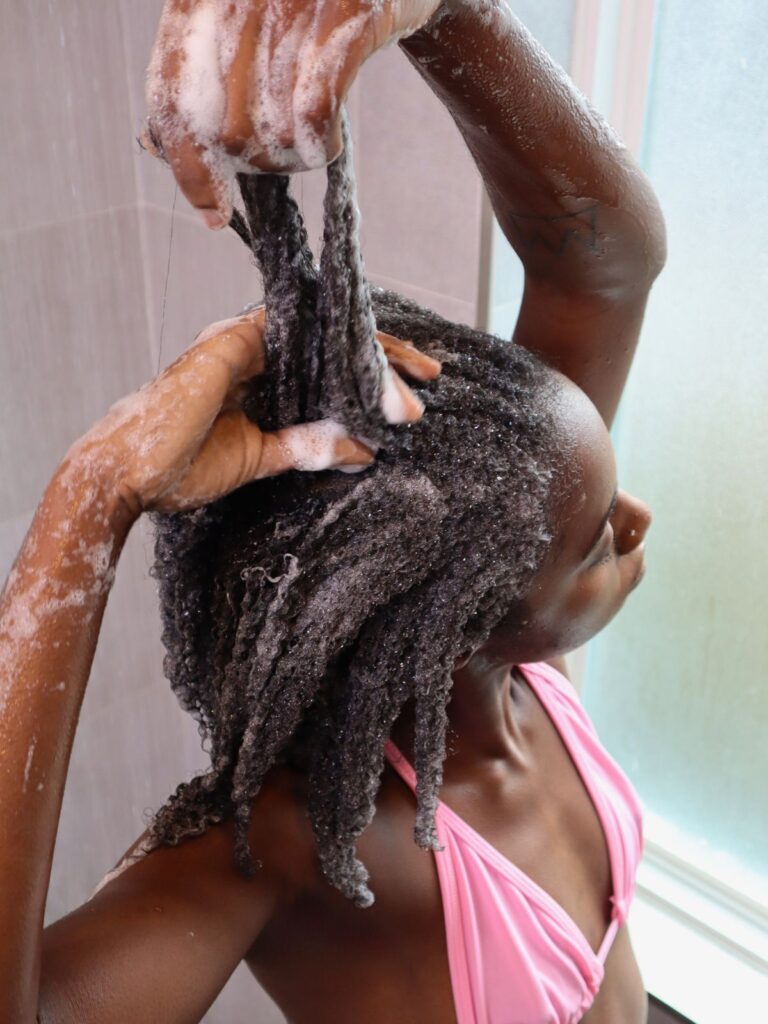
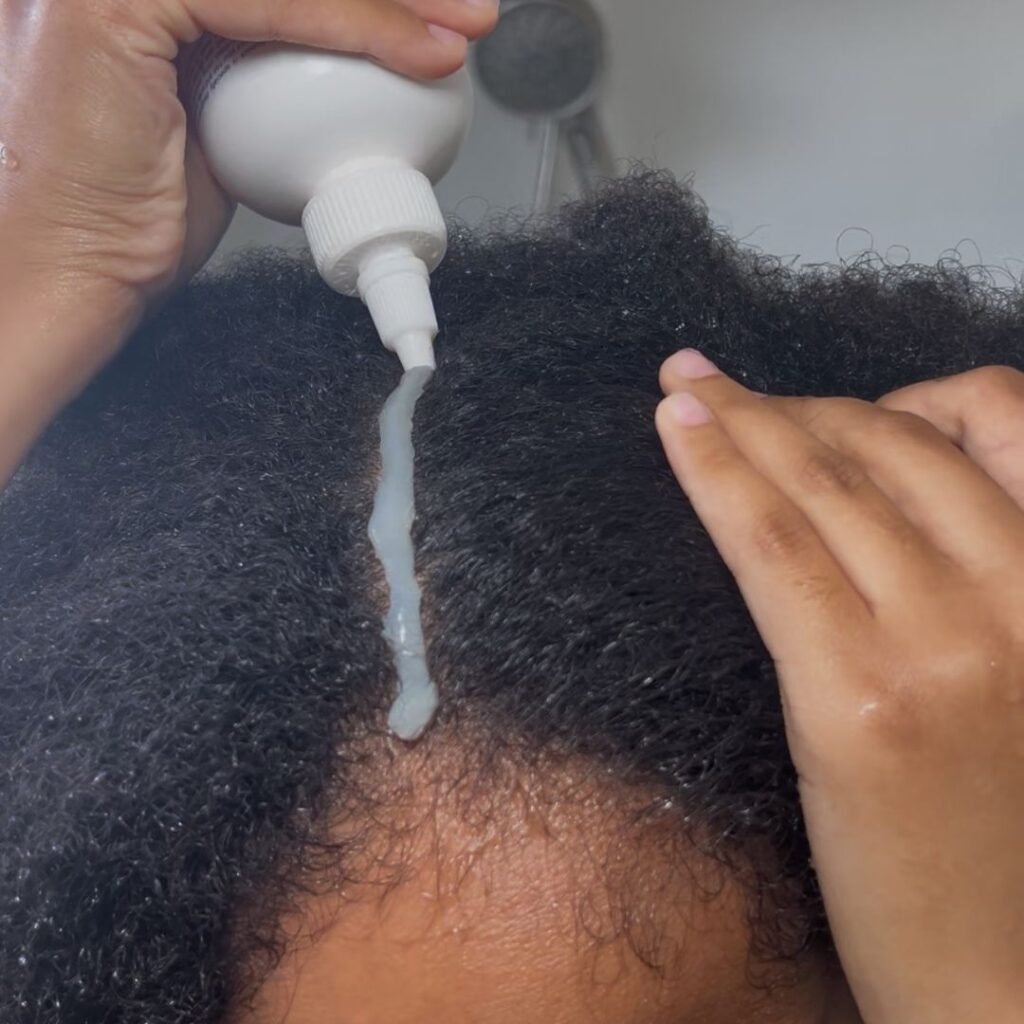
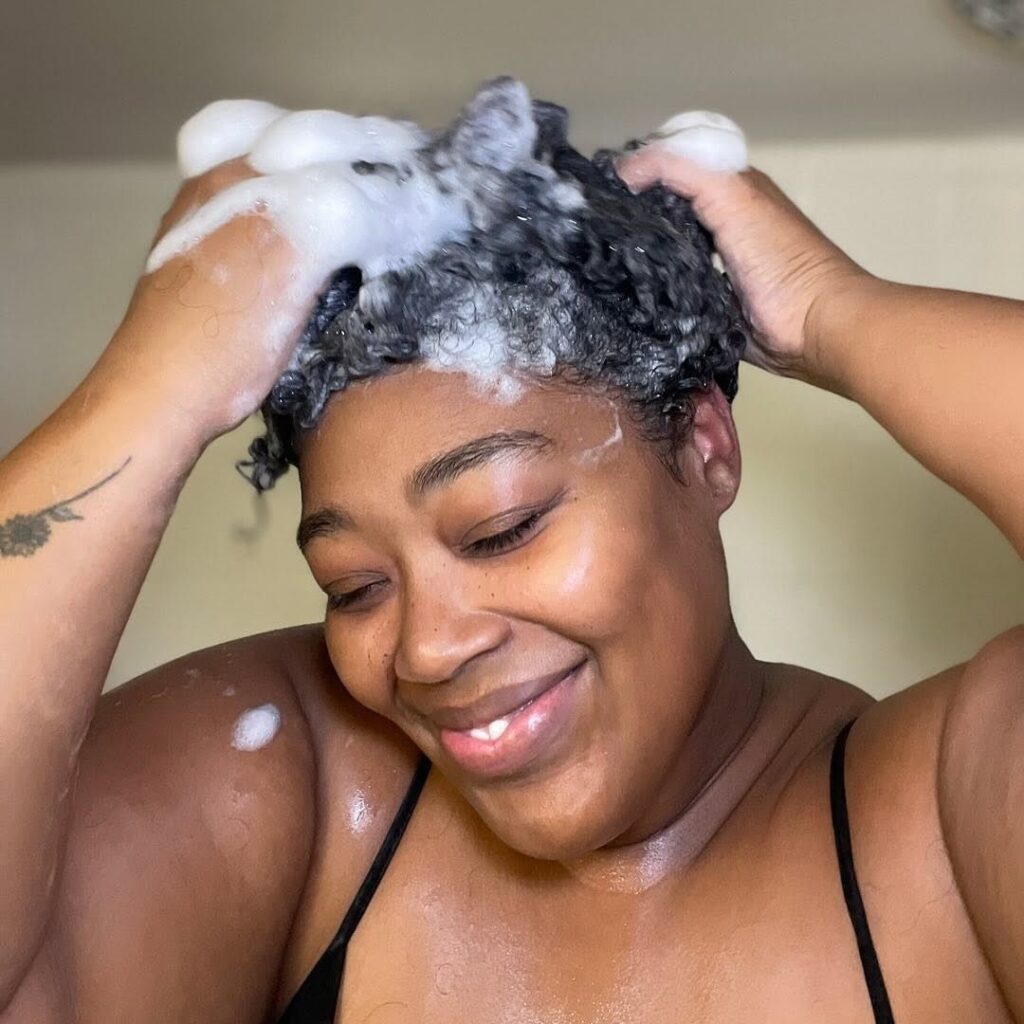
A gentle, sulfate-free shampoo usually works best for most type 4 hair scalps. Focus your cleansing motion directly on the scalp, not just the length of hair.
Use your fingertips, never your nails, to avoid scratching the skin unnecessarily.
Rinse thoroughly to remove all shampoo residue, since leftover product can cause buildup too.
A clarifying shampoo once a month helps remove stubborn residue that regular washing misses. Follow immediately with a deep conditioner to restore any lost moisture afterward.
Bookmark this post: The Best Conditioners For Type 4 Hair
Massaging Your Scalp Regularly
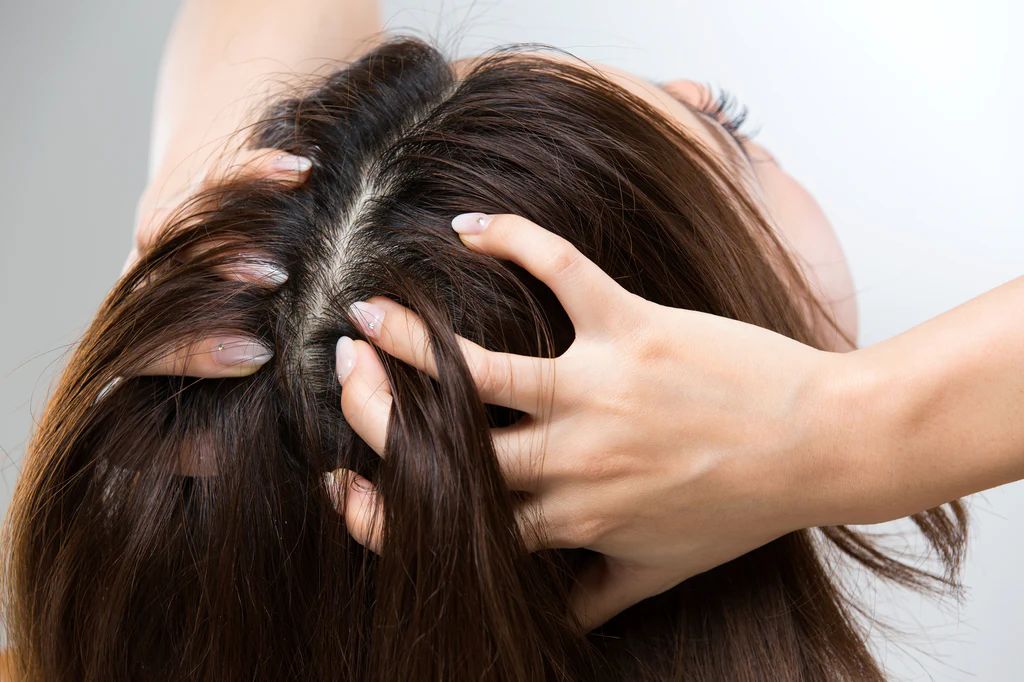
Scalp massage is one of the simplest, most effective habits for hair growth. It improves blood circulation, which brings more nutrients and oxygen to your follicles.
This small habit costs nothing and takes only a few minutes each week.
Read this next: The Best Hair Growth Routine For Afro Hair
A Simple Scalp Massage Method
Section your hair into four parts before starting your massage routine. Use your fingertips, applying gentle circular pressure across each section slowly.
Spend about two minutes on each section, moving from front to back evenly.
Do this two to three times a week for the most noticeable results. Consistency matters far more than pressure, so keep your touch gentle throughout.
Over time, this simple habit supports stronger, healthier growth from the root itself.
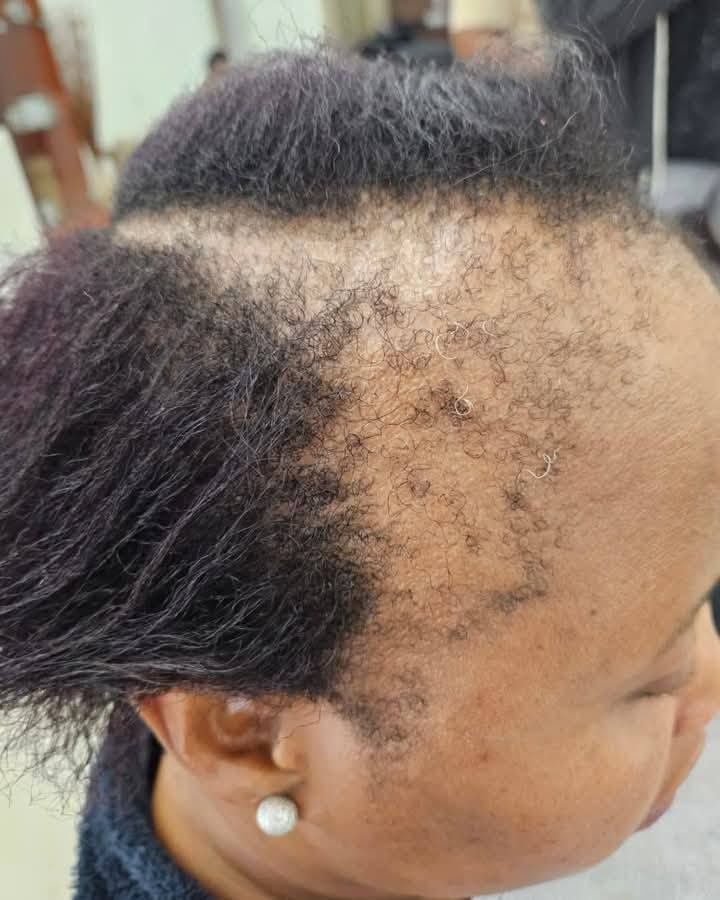
My neighbor started this habit after noticing thinning near her temples last year. She massaged her scalp nightly with a light oil for about three months straight.
She noticed baby hairs filling in that area before the three months were even over.
Using Tools For Scalp Massage
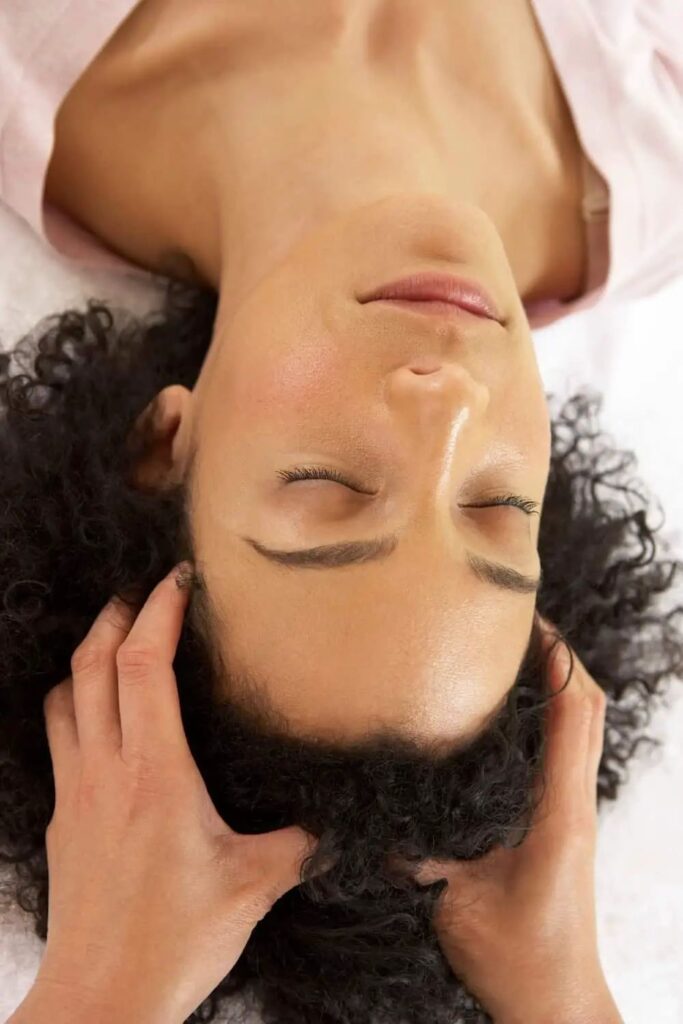
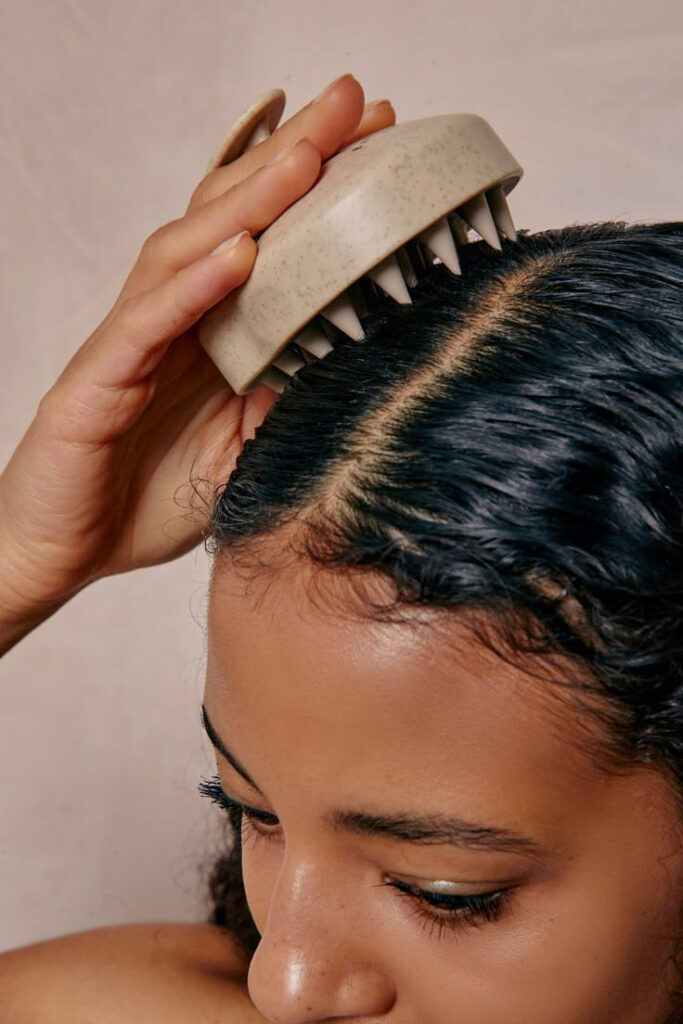
Scalp massage tools, like small silicone brushes, can make this habit easier for some people. These tools are not necessary, but they can help if your hands tire quickly.
Whichever method you choose, gentleness should always come before intensity.
Avoid pressing too hard, since aggressive massage can irritate rather than stimulate the scalp.
A light, consistent touch produces better results than an occasional, overly forceful one. Think firm but soft, never rough or rushed during the process.
Balancing Oil Production On Your Scalp
Your scalp naturally produces oil, called sebum, which protects and moisturizes the skin. Too much oil can clog follicles, while too little can leave your scalp dry.
Balance here supports better growth than either extreme on its own.
Understanding your hair type helps you understand your scalp’s natural oil tendencies too.
Understanding Type 4 Hair: A Complete Guide touches on how texture and scalp behavior are connected closely.
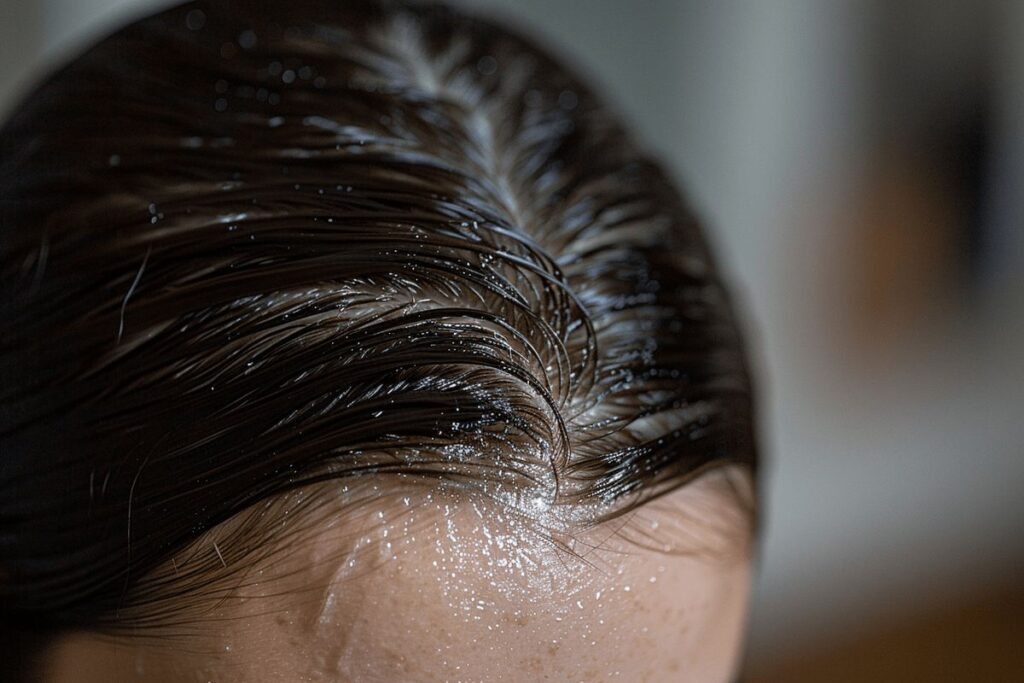
Managing An Oily Scalp
An oily scalp often needs slightly more frequent cleansing than a dry one does. Avoid heavy oils and butters directly on the scalp if it already feels greasy.
Focus heavier products on the length of your hair instead of the roots.
Clay-based treatments can help absorb excess oil without stripping the scalp completely. Using these once every week or two can help keep oil production balanced.
Managing A Dry Scalp
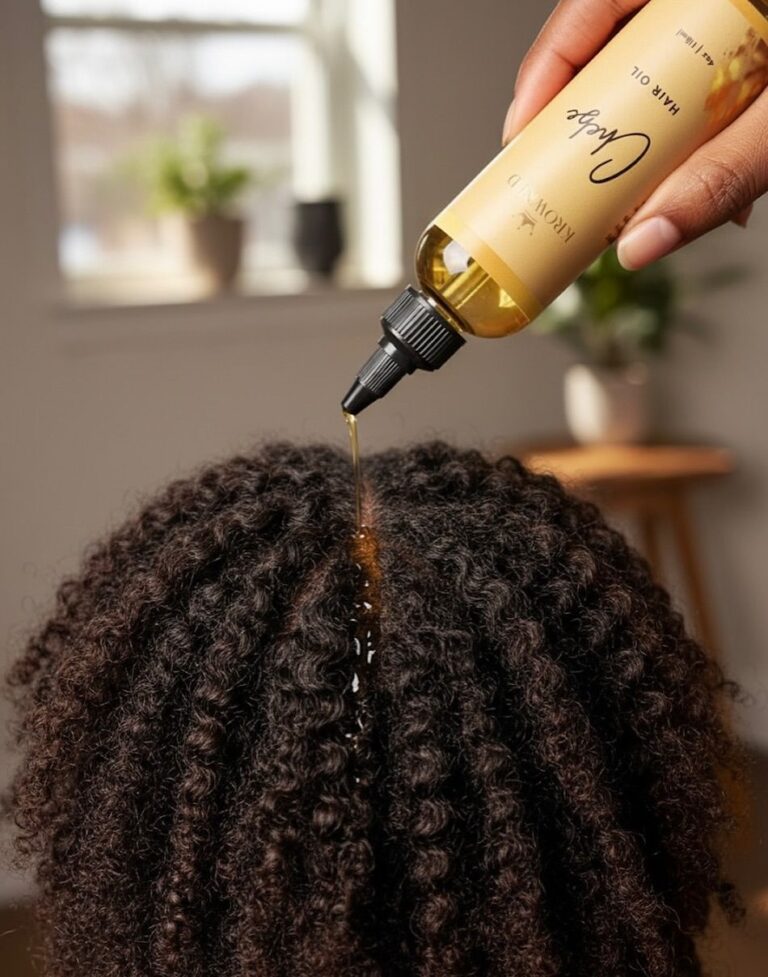
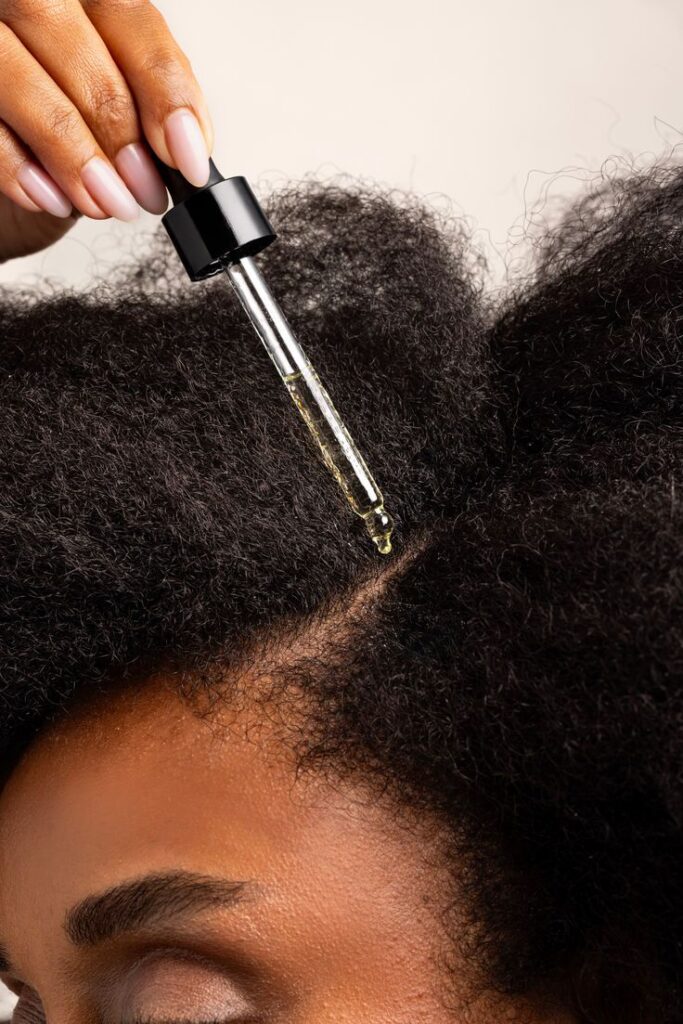
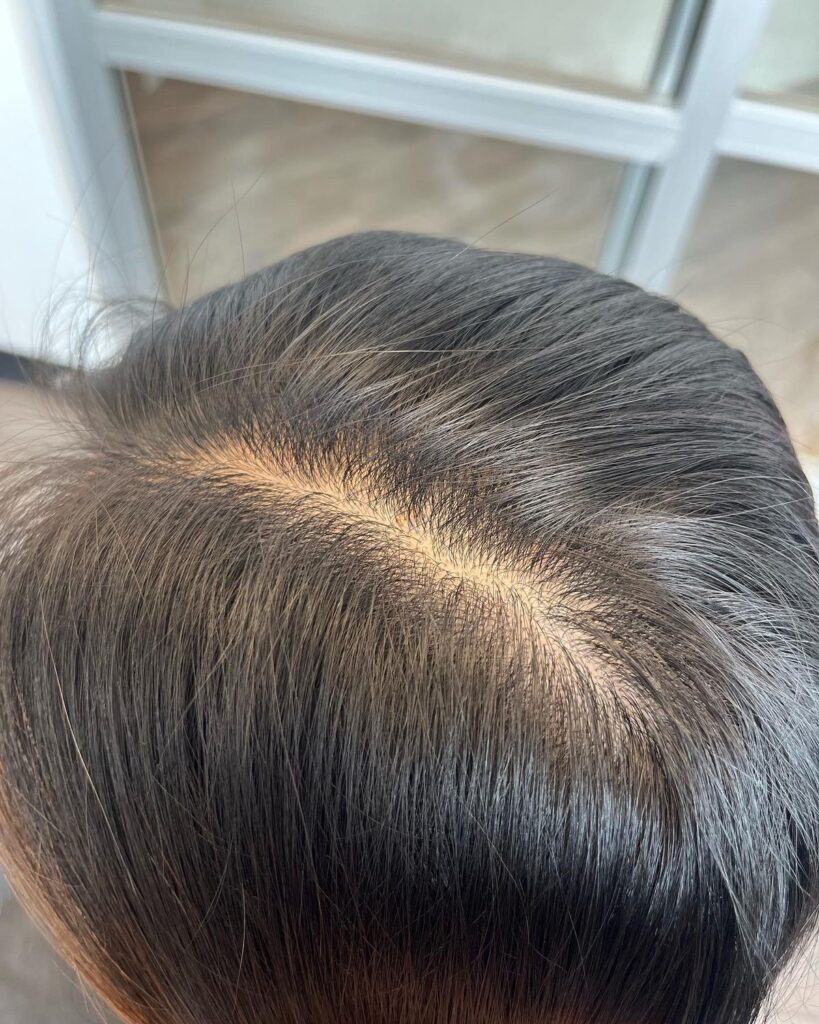
A dry scalp benefits from lightweight oils that absorb quickly without feeling heavy. Coconut, jojoba, or grapeseed oil are common gentle choices for this purpose.
Avoid over-washing, since this can strip away the little natural oil already present.
Pin this for later: The Truth About Hair Growth Oils
Layering a light leave-in spray before oil can also help dry scalps hold moisture longer.
This small step prevents the tight, uncomfortable feeling many dry scalps experience daily.
Protecting Your Scalp From Damage
Daily habits can either protect or slowly damage your scalp without you noticing. Tight hairstyles, harsh products, and constant heat all play a role here.
Being mindful of these factors protects the very foundation your hair grows from.
Avoiding Tension And Tight Styles
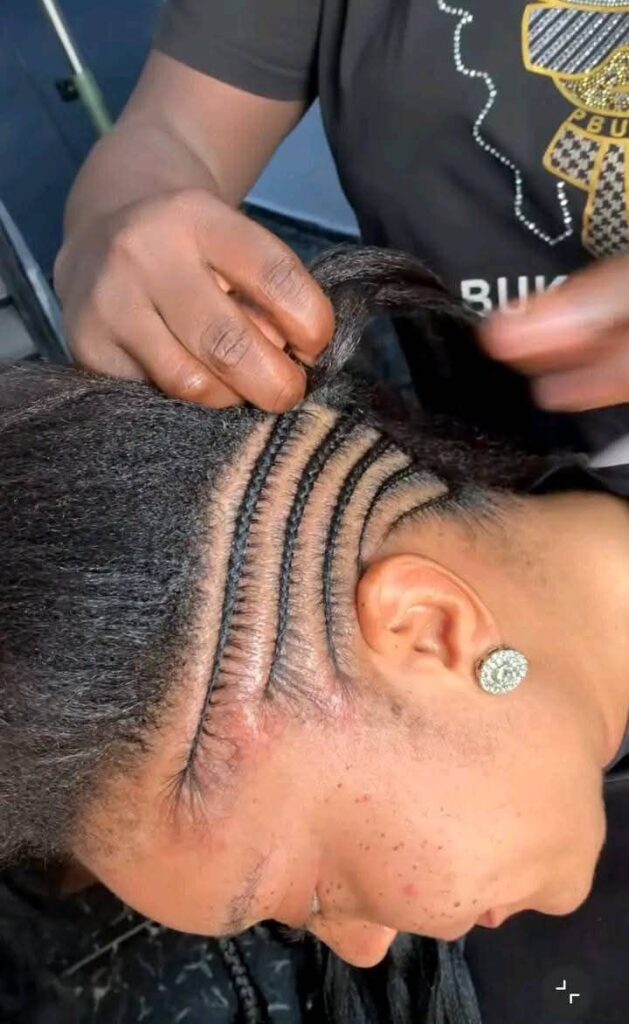
Styles pulled too tight at the roots create constant stress on your scalp. Over time, this tension can lead to thinning, especially near the hairline and temples.
Choosing looser styles protects both your scalp and your edges long term.
Don’t miss this: The Best Detangling Brushes For Afro Hair
If you notice bumps, redness, or soreness after a style, it was likely too tight. Taking the style down early prevents lasting damage to your follicles.
Comfort should always come before how neat a style looks initially.
Knowing your curl pattern also helps you choose styles that suit your hair naturally. How To Identify Your Curl Pattern can guide you toward styles that need less tension overall.
Reducing Heat And Chemical Exposure
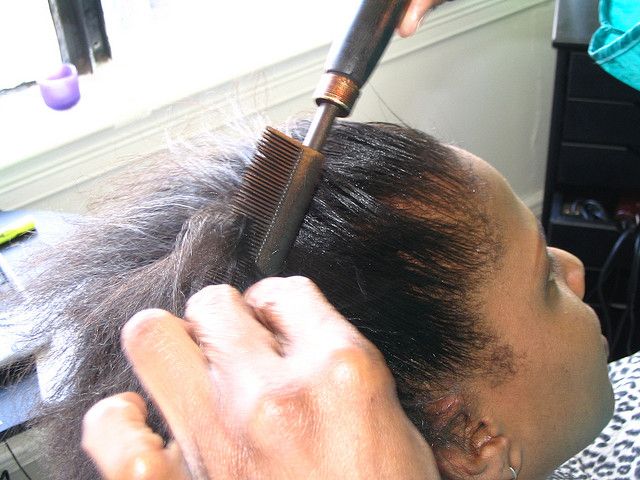
Heat styling tools can affect your scalp just as much as your strands. Direct heat exposure can dry out the scalp and cause irritation over time.
Using lower heat settings and reducing frequency protects your scalp’s natural balance.
Chemical treatments, like relaxers or dyes, can also irritate a sensitive scalp if misused. Following proper timing and application instructions reduces this risk significantly.
When in doubt, professional application is safer than experimenting at home alone.
Nutrition And Its Effect On Scalp Health
What you eat affects your scalp just as much as any product you apply. Your scalp needs proper nutrients to support healthy follicles and steady growth.
Poor nutrition can show up as a dry, flaky, or weak scalp over time.
Nutrients Worth Paying Attention To
Protein supports the structure of your hair from the follicle outward. Iron and zinc support healthy circulation and cell function within the scalp.
Omega-3 fatty acids, found in foods like fish and flaxseed, support scalp hydration too.
A friend of mine dealt with constant flaking for months, blaming her shampoo entirely. After adjusting her diet to include more iron-rich foods, her scalp slowly improved.
This showed her that scalp health is not only about what you apply outside.

Staying Hydrated For Scalp Health
Drinking enough water supports overall skin health, including the skin on your scalp. Dehydration can contribute to dryness and flaking, even with a good product routine.
Simple daily water intake plays a bigger role than most people realize.

Choosing Products That Support Your Scalp
Not every product marketed for hair actually benefits your scalp directly. Some ingredients can clog follicles or irritate sensitive skin over time.
Choosing wisely protects the very foundation your entire hair routine depends on.
Reading Labels For Scalp Safety
Avoid products with heavy synthetic fragrances if your scalp tends to react easily. Strong alcohols near the top of an ingredient list can also cause dryness.
A shorter, simpler ingredient list is often gentler on sensitive scalps overall.
Look for calming ingredients like aloe vera or tea tree oil in small amounts. These can help soothe irritation without overwhelming a sensitive scalp.
Patch testing new products on a small area first reduces the risk of reactions.
Worth a look: 4A vs 4B vs 4C Hair Explained

Building A Scalp-Friendly Product Shelf
A well-rounded routine does not need dozens of scalp-specific products to work well.
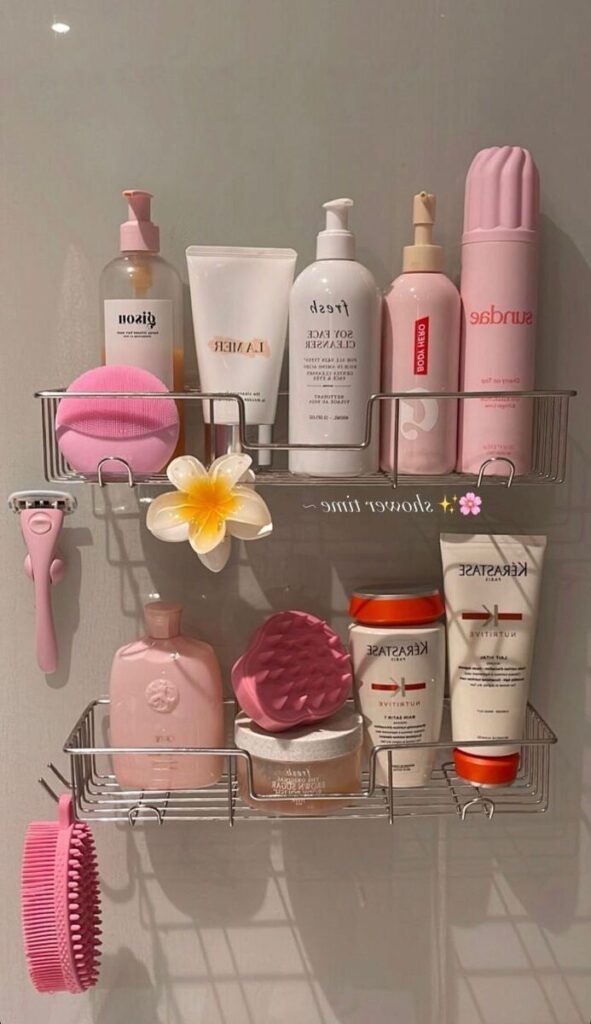
A gentle cleanser, a light oil, and an occasional treatment usually cover the basics. Must-Have Products For A Healthy Hair Routine outlines other essentials worth having too.
Choosing the right sealant also matters, even for scalp-adjacent areas like the hairline. Hair Cream vs Hair Butter: Which Should You Choose? explains which option suits lighter application near the roots.
Scalp Care During Protective Styles
Protective styles can sometimes lead people to forget about their scalp entirely. But scalp care remains just as important while wearing braids, twists, or wigs.
Neglecting this step during protective styles often leads to dryness and buildup underneath.
Refreshing Your Scalp Underneath Styles
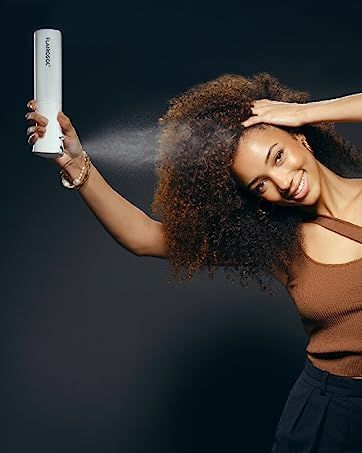
A light spray bottle mix of water and leave-in works well for refreshing dryness. Apply this directly to the scalp, focusing on areas that feel tight or itchy.
This keeps your scalp comfortable without disturbing the style itself.
Avoid scratching an itchy scalp with your nails while wearing a protective style. Use a soft brush tip or scalp massager instead for gentle relief.
Persistent itching that does not improve may signal a need to remove the style early.
Explore more ideas: Low Porosity Hair Routine
Cleansing Your Scalp While Styled
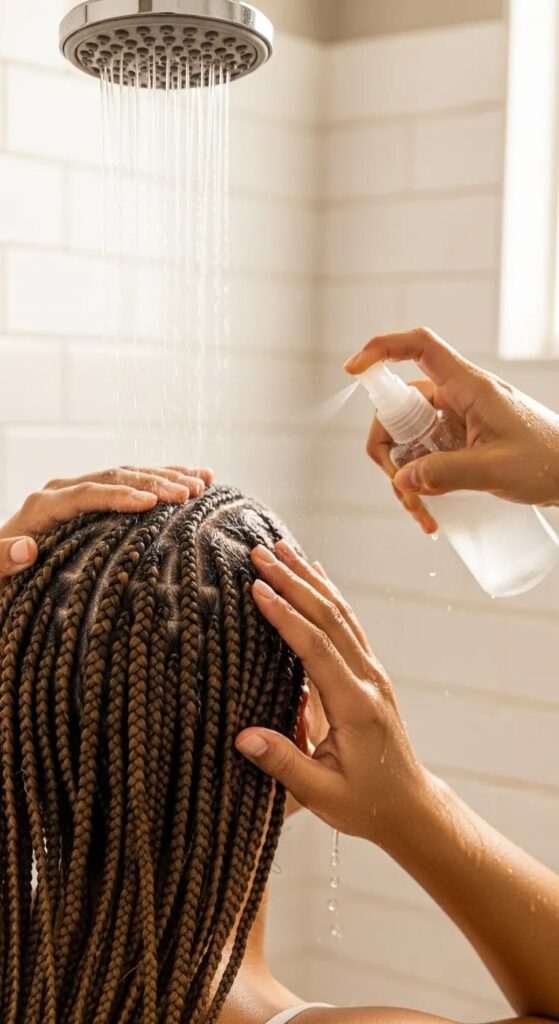
Diluted shampoo applied with a small applicator bottle can help cleanse the scalp gently. Focus only on the roots, avoiding excessive manipulation of the style itself.
This method keeps your scalp clean without unraveling braids or twists too soon.
Common Scalp Mistakes That Slow Growth
Many naturalistas unknowingly make mistakes that quietly work against their scalp health. Skipping scalp care entirely, focusing only on the strands, is one common error.
This leaves the actual source of growth neglected and under-supported.
Overloading The Scalp With Heavy Products
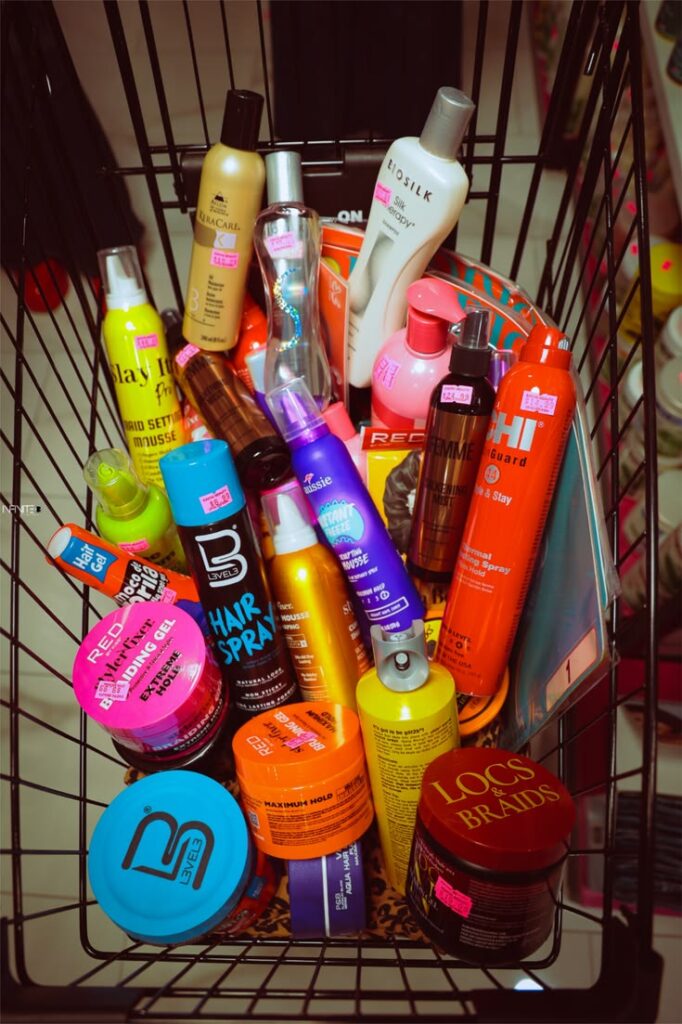
Applying thick butters or heavy oils directly to the scalp can clog follicles over time. These products are often better suited for sealing the length of your hair instead.
Reserve lighter oils for the scalp and heavier products for your strands.
Ignoring Persistent Symptoms
Some people ignore ongoing itching or flaking, assuming it will resolve on its own eventually.
Persistent symptoms often point to an imbalance that needs a change in routine.
Addressing these early prevents bigger issues, including slower growth, down the line.
My sister ignored constant flaking for almost a year, assuming it was simply dandruff. It turned out her scalp was reacting to a harsh sulfate shampoo she used daily.
Switching products resolved the issue within just a few weeks completely.
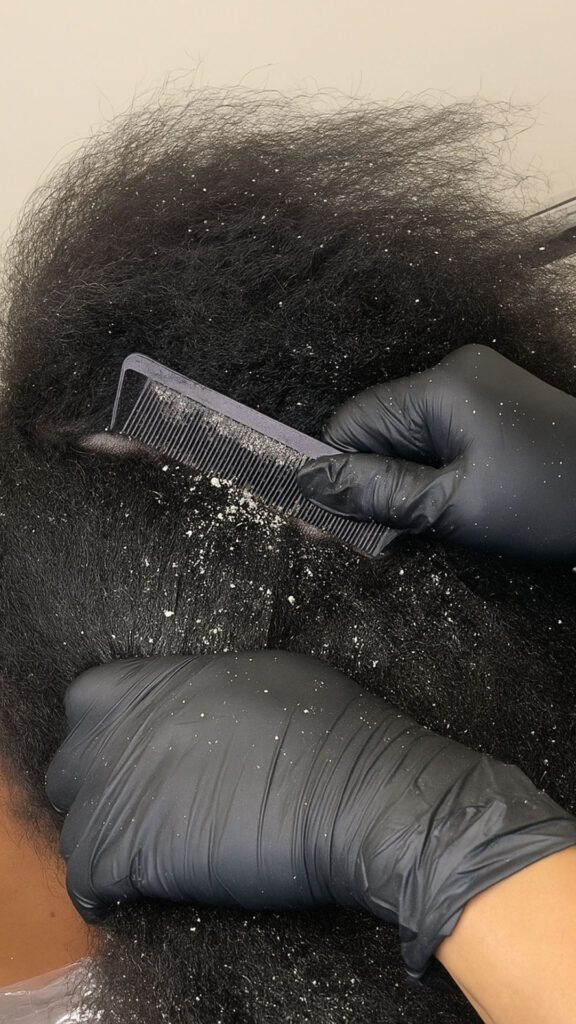
Building Scalp Care Into A Monthly Rhythm
Scalp care works best when it follows a simple, repeatable monthly rhythm. Trying to remember random tasks without structure often leads to skipped steps.
A basic monthly plan removes the guesswork and keeps your scalp consistently cared for.
In week one, focus on a thorough cleanse and a gentle scalp massage session. This resets your scalp after any buildup from the previous weeks.
Pay close attention to how your scalp feels right after this deep cleanse.
In week two, shift focus toward moisture and balance, especially if your scalp runs dry. Light oiling, a hydrating leave-in, and continued gentle massage support this stage well.
This is also a good time to reassess your current product choices.
In week three, check for any warning signs that may have been missed earlier. Look for flaking, tenderness, or unusual oiliness that might need addressing.
Small adjustments here prevent bigger problems from building up over the following weeks.
In week four, use a clarifying shampoo if buildup feels noticeable at this point. Follow with a deep conditioner to restore any moisture lost during clarifying.
This closes out the month and prepares your scalp for the next cycle ahead.
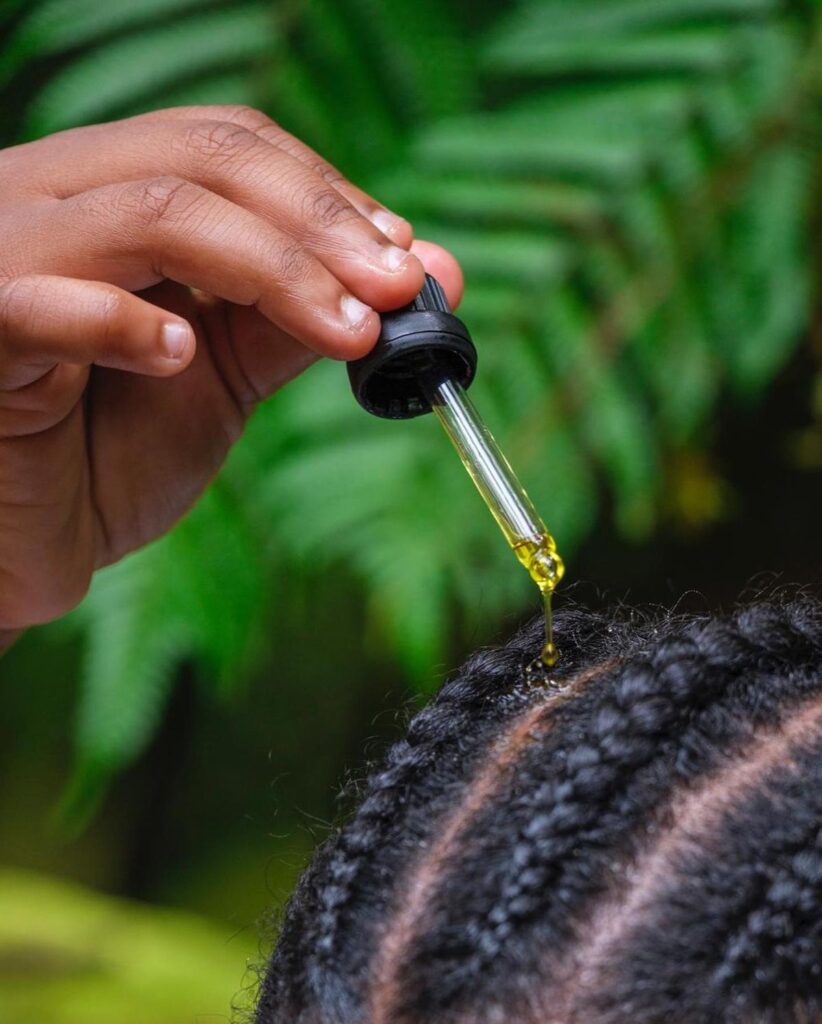
Adjusting This Rhythm To Fit Real Life
This four-week structure is a guide, not a strict, unbending rule to follow. Busy months may mean combining steps or skipping one week’s extra task entirely.
What matters most is returning to the rhythm as soon as things settle down.
Seasonal changes may also require small shifts within this monthly structure. Dry, harmattan months might call for extra moisture weeks instead of just one.
Rainy or humid months may allow lighter, simpler care throughout most weeks.
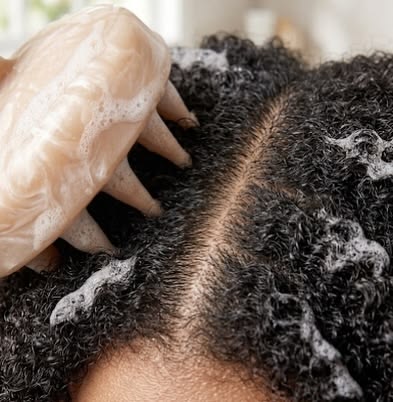
How Age And Hormones Affect Your Scalp
Scalp health is not always static, since age and hormones can shift things over time. Teenagers, pregnant women, and people going through menopause often notice scalp changes.
Understanding this helps you avoid panic when your usual routine suddenly feels different.
Hormonal Shifts And Scalp Behavior
Pregnancy often brings noticeably thicker, healthier-feeling hair for many women temporarily.
This usually reverses somewhat after childbirth, which can feel alarming without proper context.
Knowing this is a normal hormonal shift helps ease unnecessary worry during that period.
Menopause can bring the opposite effect, with thinning and increased scalp sensitivity for some.
Adjusting products to gentler, more soothing options often helps during this transition.
Patience and consistency remain just as important during hormonal changes as at any other time.
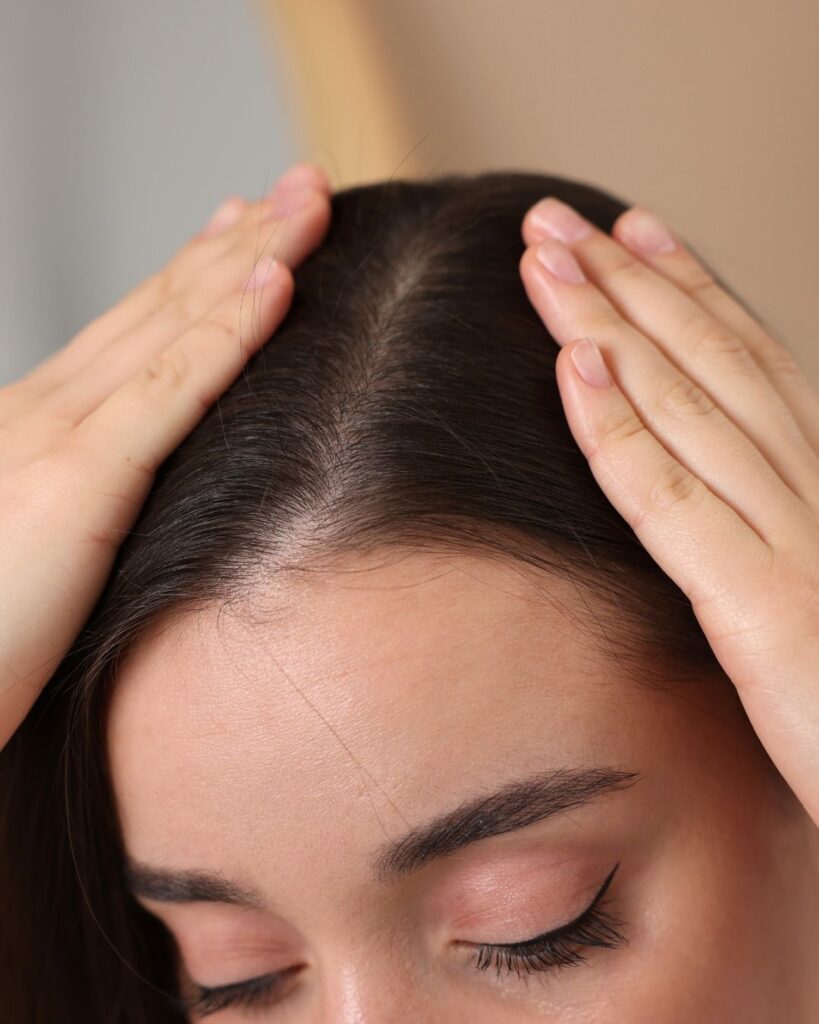
Aging And Natural Scalp Changes
As people age, scalp oil production often naturally decreases over time. This can mean drier scalps later in life, even for people who were oily before.
Adjusting your routine as you age keeps your care realistic and effective.
Hair follicles can also naturally slow down production with age, which is completely normal.
Supporting your scalp well throughout life still helps you retain as much healthy hair as possible.
Many people panic when they notice slower growth in their thirties or forties. But this slowdown is often simply a natural part of aging, not a failure of care.
Adjusting expectations, while still maintaining good habits, leads to a healthier relationship with your hair overall.
Genetics also play a role here that no routine can fully override, no matter how consistent you are.

When To See A Professional
Some scalp issues go beyond what home care alone can fix effectively. Persistent bald patches, severe itching, or ongoing pain deserve professional attention promptly.
A dermatologist or trichologist can identify issues that are not visible to the naked eye.
Delaying professional help when symptoms persist can allow deeper problems to develop further. Seeking help early often leads to faster, more effective solutions overall.
There is no shame in getting expert support for a stubborn scalp issue.
How Climate Affects Your Scalp
Weather plays a bigger role in scalp health than most people ever consider. Dry, dusty conditions can pull moisture from the scalp faster than usual.
Humid, rainy weather can sometimes trap sweat and buildup closer to the skin.
Caring For Your Scalp In Dry Weather
During dry seasons, increase how often you moisturize your scalp directly. Lightweight oils applied a few times a week help prevent tightness and flaking.
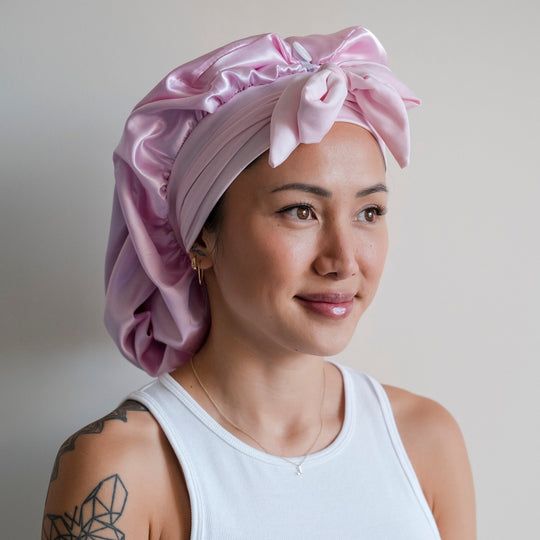
Covering your hair at night also helps retain whatever moisture you add during the day.
Drinking more water during dry months supports your scalp from the inside as well. Dry air affects your whole body, not just the visible parts of your skin.
Small adjustments during these months prevent bigger dryness problems later on.
Caring For Your Scalp In Humid Weather
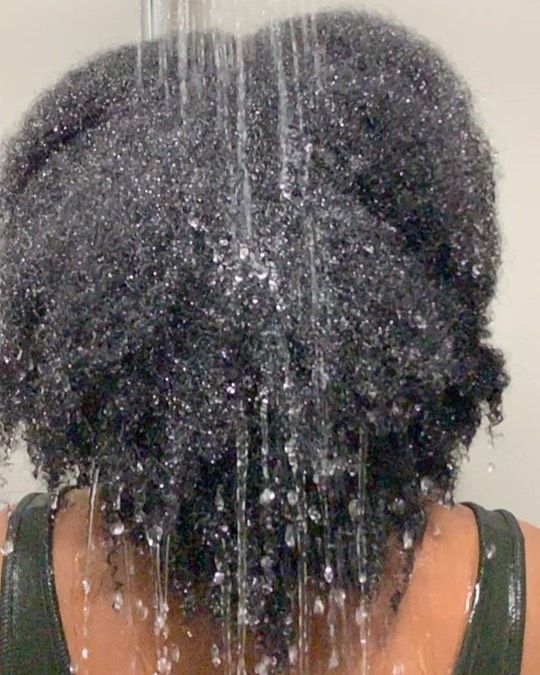
Humid weather can increase sweat and oil production on the scalp noticeably. This may call for slightly more frequent cleansing during these particular months.
Lighter products also tend to work better than heavy oils in humid conditions.
Protective styles can trap heat and moisture against the scalp during humid periods. Checking in on your scalp more often during these months helps catch irritation early.
A quick rinse or refresh spray can offer real relief between full wash days.
Tools That Support Scalp Health
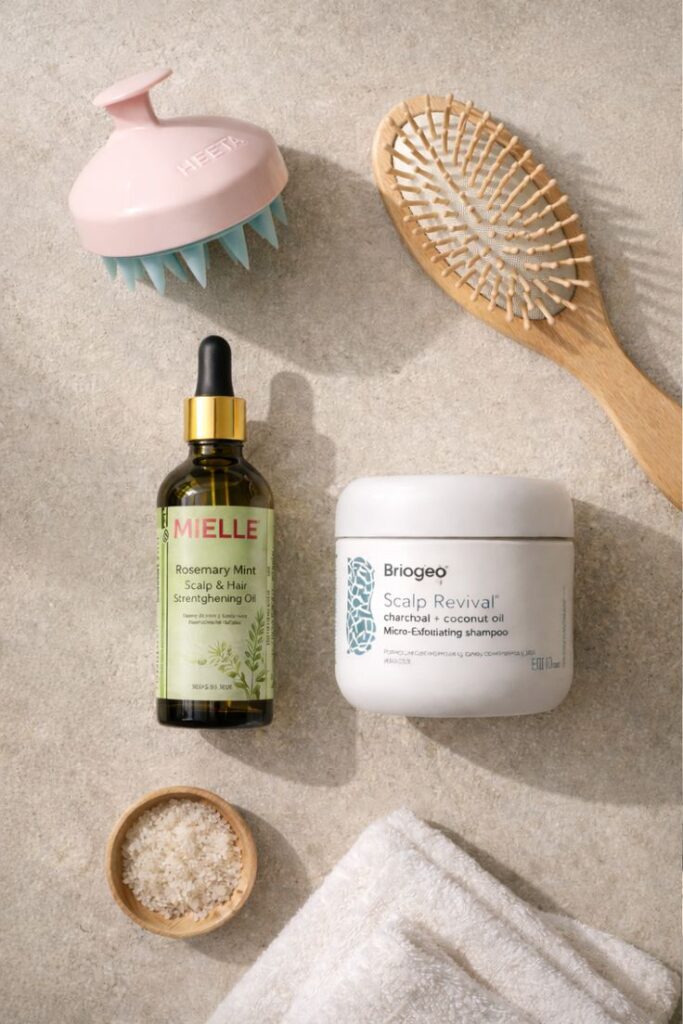
A few simple tools can make consistent scalp care noticeably easier over time. None of these require a large budget or complicated shopping trips to find.
Having the right tools nearby often makes the difference between consistency and skipped habits.
A soft-bristled scalp brush helps distribute oil and stimulate circulation gently. An applicator bottle makes it easier to reach the scalp directly without mess.
A wide-tooth comb supports gentle detangling that does not pull unnecessarily at the roots.
Keeping these tools clean is just as important as using them regularly. Buildup on tools can transfer bacteria and residue right back onto a clean scalp.
A simple monthly clean, using warm water and gentle soap, keeps tools truly effective.
Quick Answers To Common Questions
A few questions come up often when people start focusing on scalp health.
How long before scalp care shows results in hair growth? Most people notice improved comfort within a few weeks of consistent care.
Visible growth changes usually take two to three months to become noticeable.
Can scalp massage alone fix slow growth completely? No, massage helps circulation, but it works best alongside proper cleansing and nutrition.
It is one part of a bigger scalp care picture, not a standalone fix.
Is dandruff the same as a dry scalp? Not always. Dandruff often involves fungal buildup, while dryness is simply a lack of moisture.
Identifying which one you have helps you choose the right treatment approach.
Should I oil my scalp every single day? Not necessarily. Daily oiling can lead to buildup for some people, especially those with oilier scalps.
Two to three times a week is often enough for most hair types.
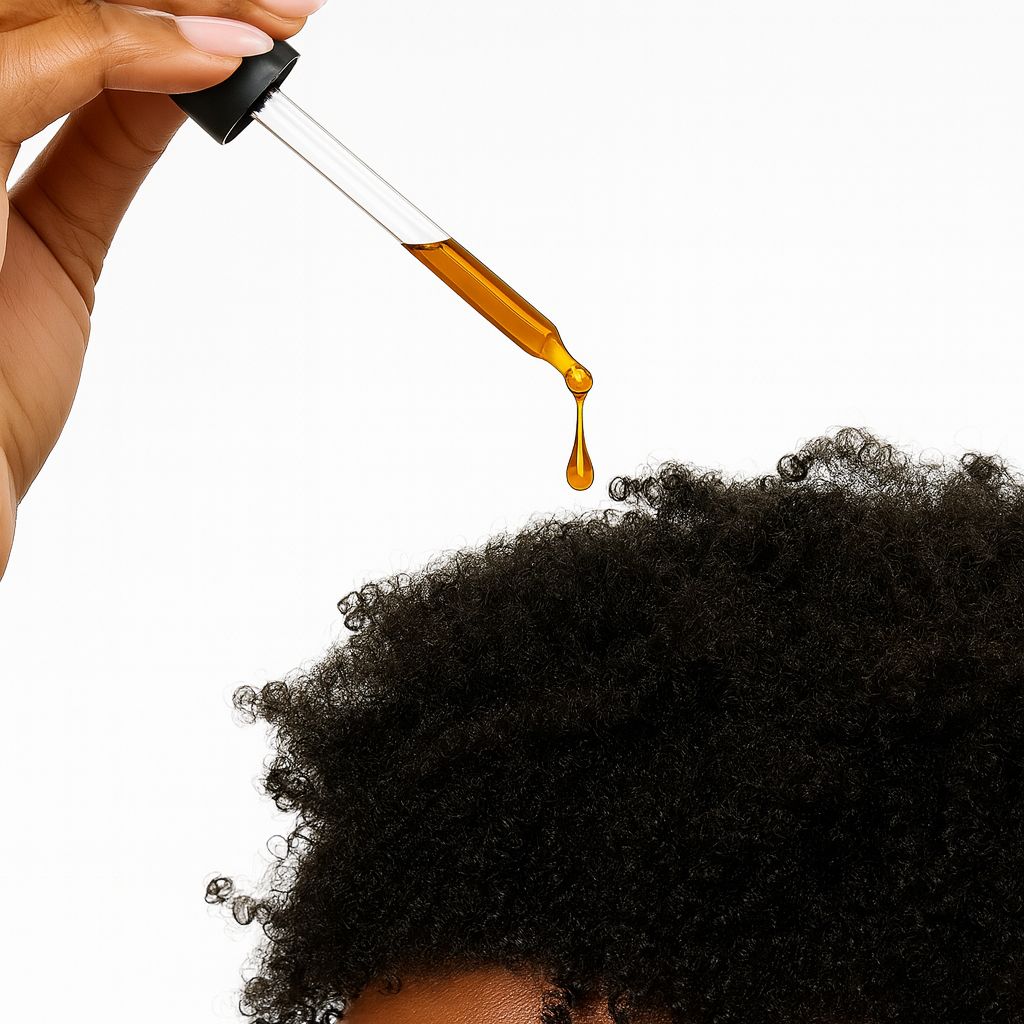
Building Confidence In Your Own Scalp Journey
Scalp care can feel overwhelming at first, especially with so many steps to remember. But most naturalistas find that it becomes second nature after just a few weeks.
Repetition turns these habits into something automatic rather than something to think about constantly.
Trust the process, even when results feel slow in the beginning stages. Scalp health improves gradually, often in ways you feel before you can visibly see.
Comfort, reduced itching, and less flaking are all early signs worth celebrating along the way.
Avoid judging your progress against someone else’s scalp or someone else’s timeline. Every scalp responds differently, based on genetics, lifestyle, and starting condition.
Focus on your own steady improvement instead of comparing yourself to others constantly.
My client, the one from the beginning of this post, needed almost four months. She stayed consistent even when nothing seemed to be changing at first.
By the fourth month, her hairline had visibly filled in, and her scalp felt calm.
That kind of result rarely comes from one single product or one single week of effort. It comes from small, boring, repeated habits done consistently over time.
This is the real secret behind almost every healthy scalp success story worth sharing.
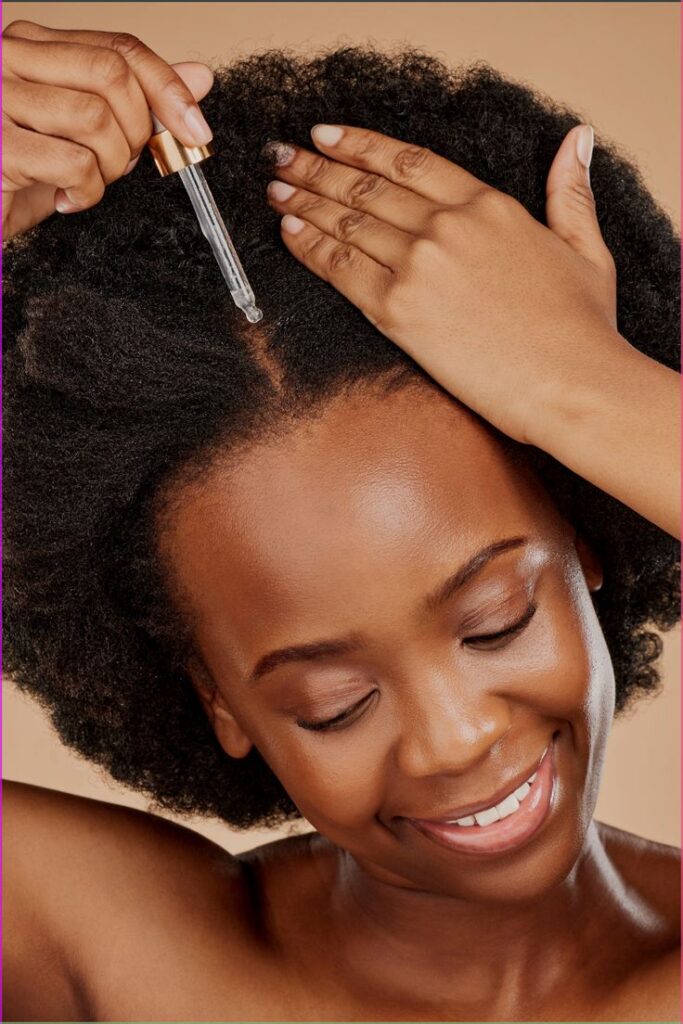
A Few Final Things Worth Knowing
Your scalp is the true starting point for every hair growth goal you have. Cleansing, massaging, balancing oil production, and protecting it from damage all matter deeply.
Skipping scalp care while focusing only on strands limits your results significantly.
Nutrition, hydration, and gentle daily habits all support a healthier scalp over time. None of these steps require expensive products or complicated routines to work well.
Simple, consistent care is what your scalp truly needs most.
Give your scalp the same attention you give the rest of your hair routine. Once it is healthy and balanced, faster, stronger growth tends to follow naturally.
Think of this post as a starting map, not a final destination to reach quickly. Revisit these habits whenever your scalp feels off, dry, or simply neglected again.
A calm, well-cared-for scalp will always be the quiet foundation behind healthy, growing hair.