
Why Your Scalp Always Feels Itchy (And How To Fix It)
Disclosure: Some of the links in this post are affiliate links. This means if you click on the link and purchase an item, I will receive an affiliate commission at no extra cost to you.
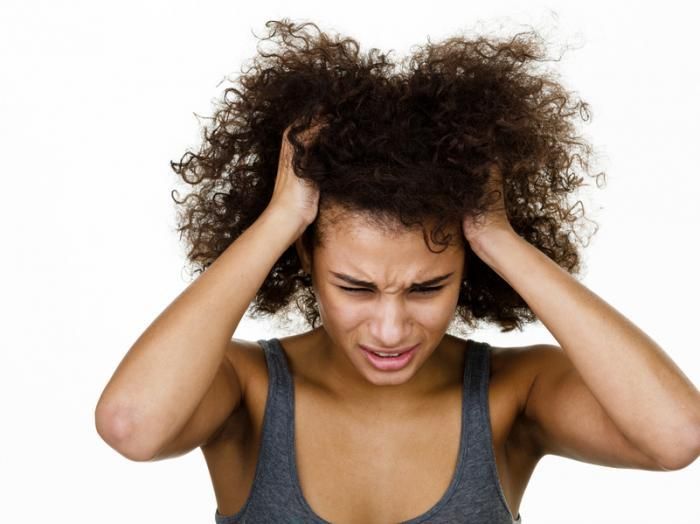
Does your scalp itch no matter what you try? You are definitely not alone in this frustration.An itchy scalp is one of the most common complaints naturals bring to me during consultations.
The good news is this. Most itching has a clear, identifiable cause once you know where to look.
If your hair also feels constantly dry, that struggle often connects directly to your itchy scalp too. Read why your afro hair feels dry all the time to see how these two issues overlap.
This guide walks you through the most common causes of itching, along with real, practical fixes.By the end, you will understand exactly why your scalp itches, and what to actually do about it.
We will cover everything from simple daily habits to signs that mean you should see a doctor.Many naturals feel embarrassed bringing this up, but itching is genuinely more common than people admit.
You are not doing anything wrong simply by dealing with this frustrating, ongoing issue.Let’s walk through this together, one honest step at a time.
Why Your Scalp Always Feels Itchy (And How To Fix It)
Why An Itchy Scalp Is So Common
Your scalp is skin, just like the rest of your body, and skin reacts to many different triggers.Products, weather, stress, and even your own natural oil levels can all play a part.
This means itching rarely comes from just one single cause acting completely alone.
Understanding the range of possible triggers helps you narrow down what is actually happening to you.
Most people experience itching from more than one of these causes overlapping at the same time.
This is exactly why a single quick fix rarely solves the problem completely on its own. A thoughtful, layered approach usually works far better than chasing one miracle product.
Naturals often feel this frustration deeply, since afro hair textures can trap heat and product easily.
This does not mean your hair type is the problem, only that it needs a slightly different approach. Once you understand your own triggers, managing this becomes far less overwhelming.

Dry Or Dehydrated Scalp As A Cause
Both dry and dehydrated scalps commonly cause persistent, uncomfortable itching throughout the day.
These two conditions need different fixes, so telling them apart genuinely matters here. Read how to tell if your scalp is dry or just dehydrated to understand which one applies to you.
Once you identify the real issue, the itching often improves significantly within just a few days.
Do not assume every itch means the same thing, since the correct fix depends entirely on the actual cause.
Testing this distinction first saves you from trying random products that were never right for you.
Once you know your actual scalp type, choosing the correct products becomes far easier.
This clarity alone often leads to noticeable improvement within a surprisingly short amount of time.
Product Buildup As A Hidden Cause
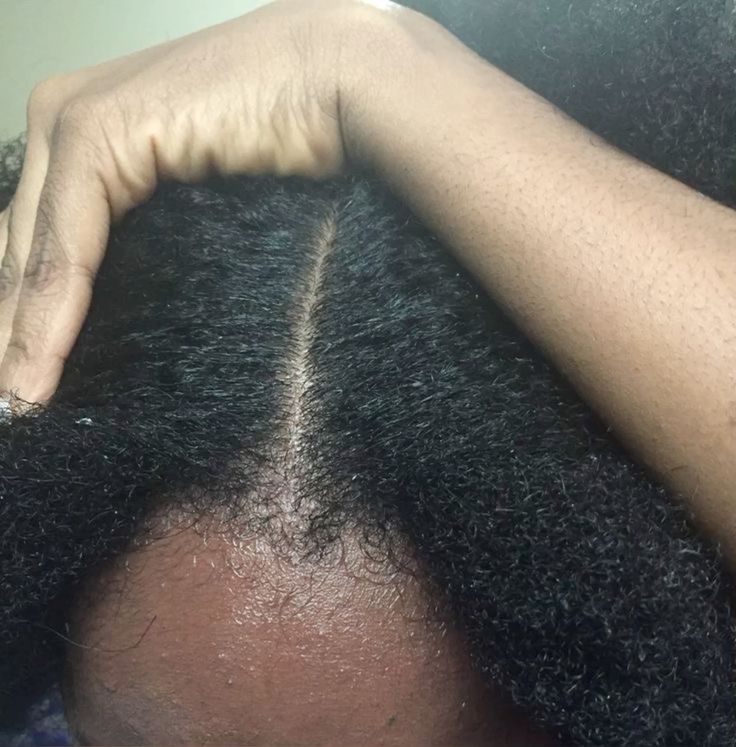
Heavy products, layered without proper washing, can clog your scalp and quietly cause irritation over time.
This buildup traps sweat, oil, and dead skin cells against your scalp, creating an itchy environment.
Many common wash day habits contribute to this problem without people ever realizing it. Avoiding 15 wash day mistakes that could be causing breakage can meaningfully reduce this kind of buildup.
Regular, thorough cleansing prevents this buildup from ever becoming a real, ongoing problem. Pay attention to how many products you layer during each wash day session.
Simplifying your routine often reduces buildup significantly, without sacrificing how your hair actually looks.
Fewer, better chosen products almost always outperform a shelf full of unnecessary extras.
Sensitivity To Certain Ingredients
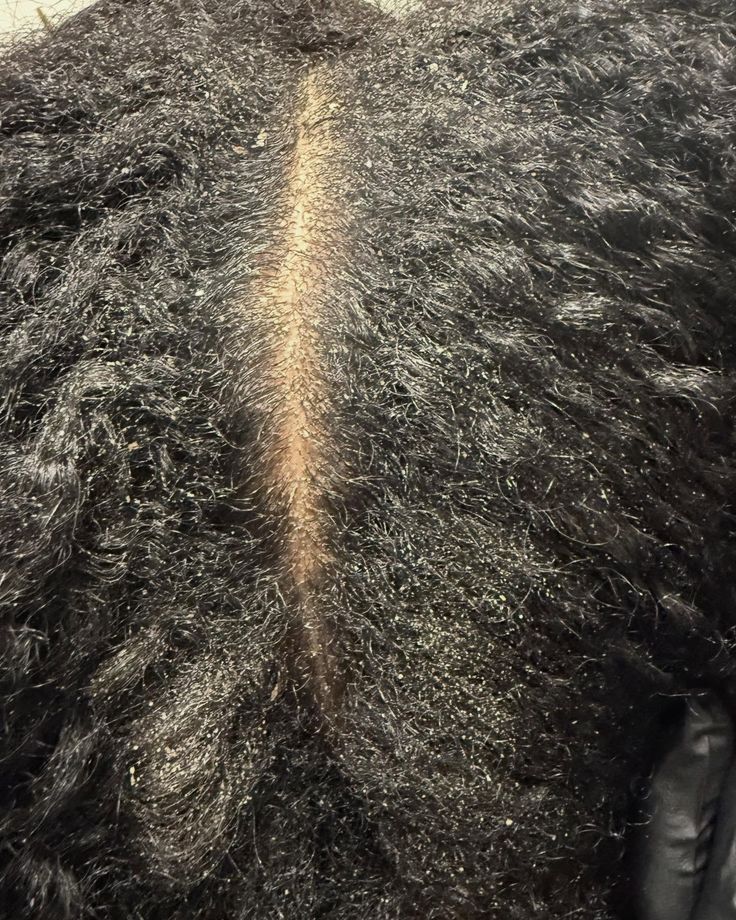
Some ingredients, like strong fragrances or certain alcohols, can genuinely irritate sensitive scalps.
This reaction can happen even with products marketed specifically for natural or curly hair.
Reading your ingredient labels carefully helps you spot potential irritants before they cause real discomfort.
If a new product causes itching soon after use, that timing is rarely just a coincidence. Introducing one new product at a time makes it much easier to spot the actual culprit.
Keep a simple mental note of any product that seems to trigger discomfort shortly after use. This awareness helps you avoid repeating the same reaction with similar products in the future.
Sweat And Heat As Triggers
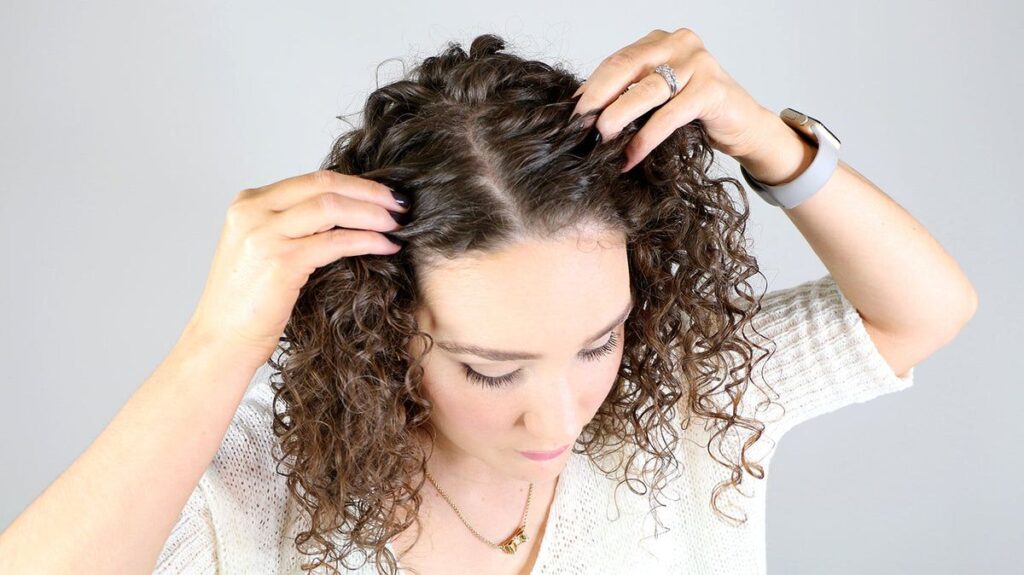
Excessive sweating, especially during workouts or hot weather, can irritate your scalp considerably over time.
Leaving sweat sitting on your scalp for too long creates a genuinely uncomfortable, itchy environment.
Rinsing your scalp with water after sweating heavily can provide real relief without a full wash.
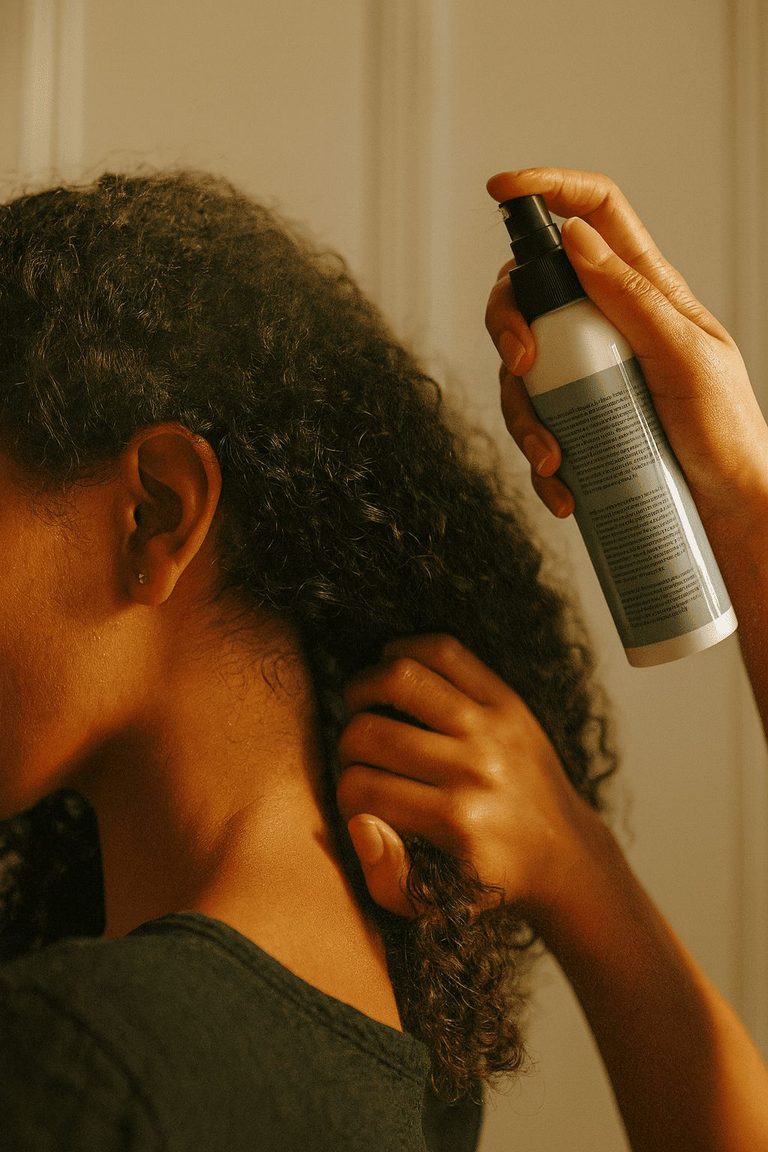
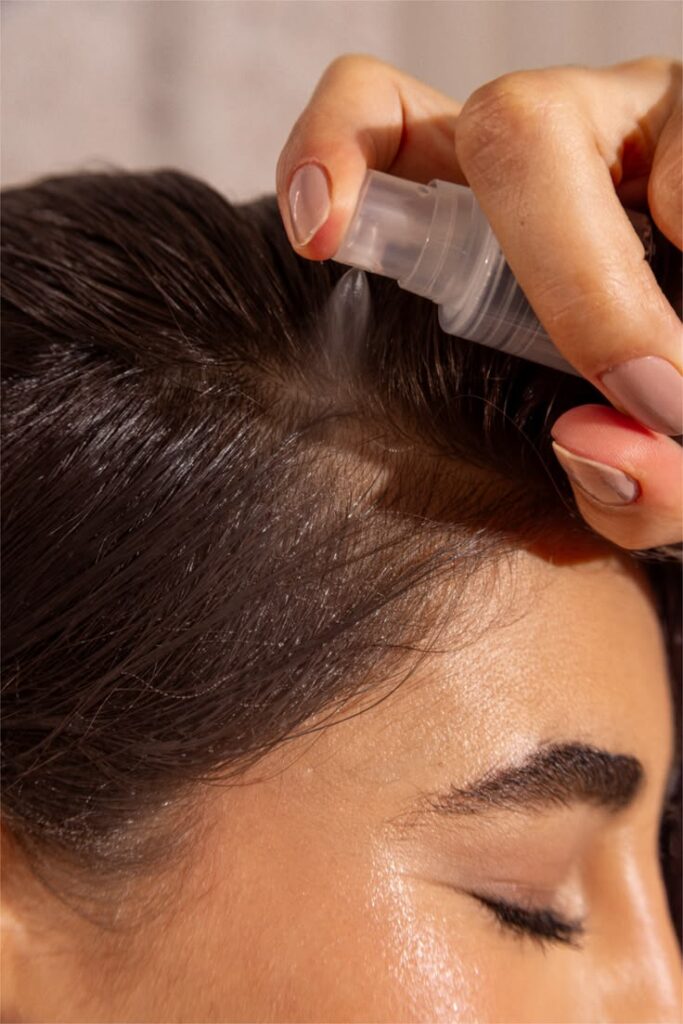
This simple habit prevents sweat from sitting and irritating your skin for extended periods. Keeping a light spray bottle nearby makes this quick rinse habit far easier to maintain.
Hot, humid weather can also intensify this problem, making regular rinsing even more important.
Adjusting your routine seasonally helps you stay ahead of weather related irritation throughout the year.
Fungal Or Bacterial Causes
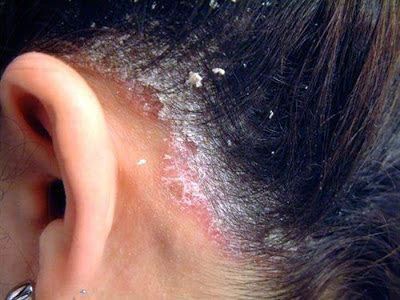
Sometimes itching comes from an actual fungal or bacterial imbalance on your scalp’s surface.
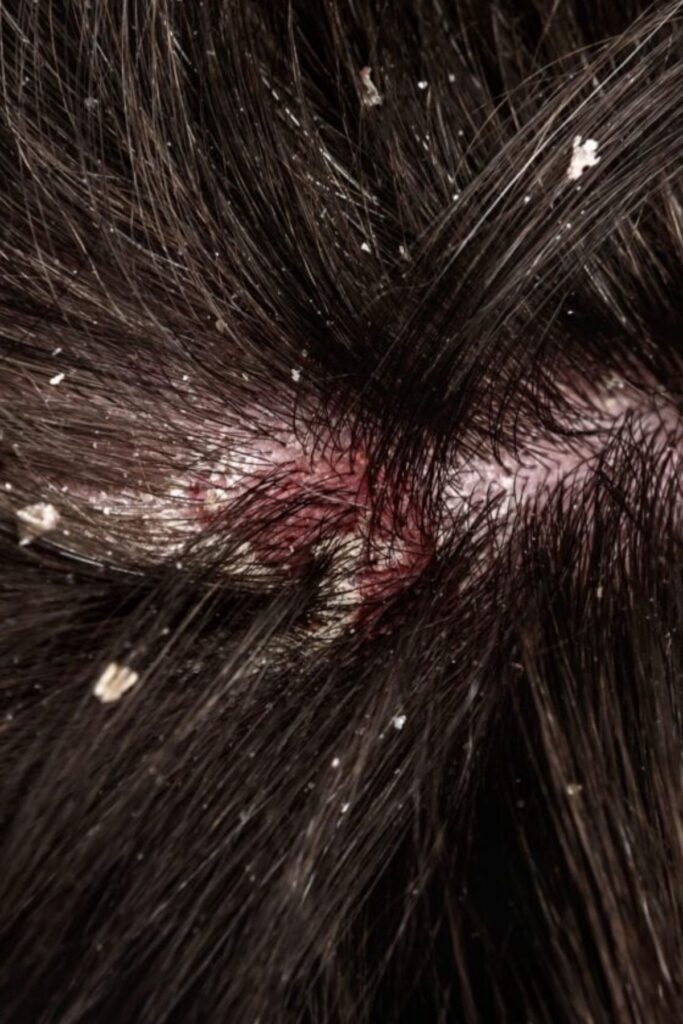
Conditions like seborrheic dermatitis or scalp psoriasis can cause persistent, sometimes severe itching.
These conditions often need medical treatment beyond simple home remedies or regular product adjustments.
If your itching feels unusually intense, or comes with redness, please consider seeing a professional.
These conditions are more common than many people realize, and there is no shame in seeking help.
Early diagnosis usually leads to faster, more effective treatment than waiting things out alone.
Waiting too long can allow these conditions to spread further or become more difficult to manage.
A simple prescription or medicated shampoo often resolves these conditions faster than expected.

Tight Hairstyles And Scalp Tension
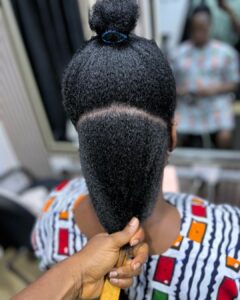
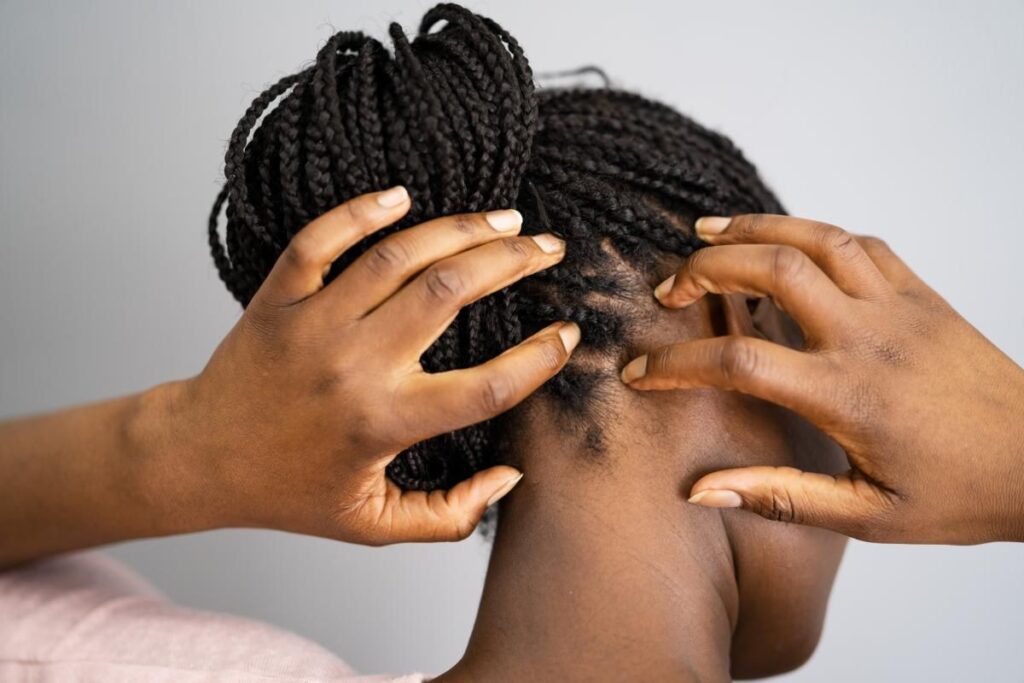
Braids, weaves, and tight ponytails can create tension that leads directly to itching and discomfort.
This tension can also contribute to actual damage over time, not just temporary irritation. Understanding the difference between breakage and shedding helps you notice when tight styles have gone too far.
Loosening your styles, or giving your scalp regular breaks, genuinely reduces this kind of itching.
Pay attention to how your scalp feels during and right after any new style installation.
Real pain or excessive tightness is never something you should simply push through and ignore.
Speak up early if a style feels too tight, rather than waiting for real discomfort to build. A good stylist will always welcome this kind of honest, important feedback from you.
Wash Day Mistakes That Cause Itching
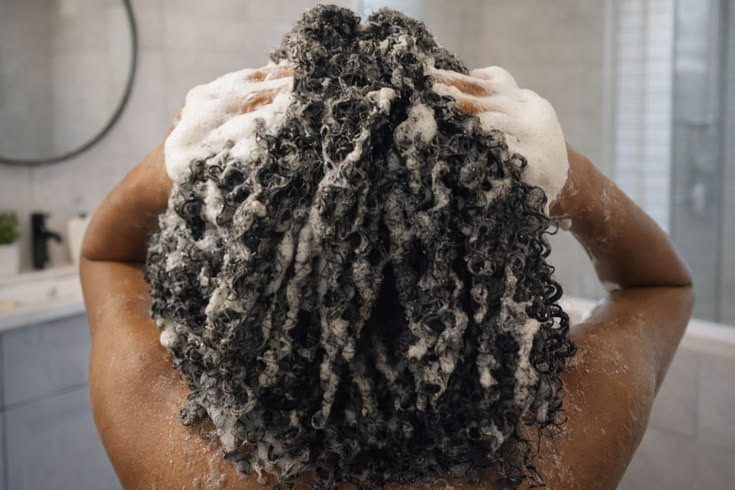
Rushing through wash day often means leftover product stays trapped against your scalp afterward.
This residue can irritate your skin, leading to itching that lingers for days after washing.
A shorter routine does not have to mean a rushed one. Learn how to cut your wash day in half without sacrificing healthy hair to stay thorough while saving time.
Taking the extra few minutes to rinse properly genuinely prevents this common, avoidable problem.
Run your fingers through your scalp during rinsing to check for any remaining slipperiness. This small check ensures your scalp is genuinely clean before you move on to styling.
Rinsing at the very end with cool water also helps calm your scalp down afterward. Take an extra minute here rather than rushing straight into your next styling step.
How Wigs Can Contribute To Itching
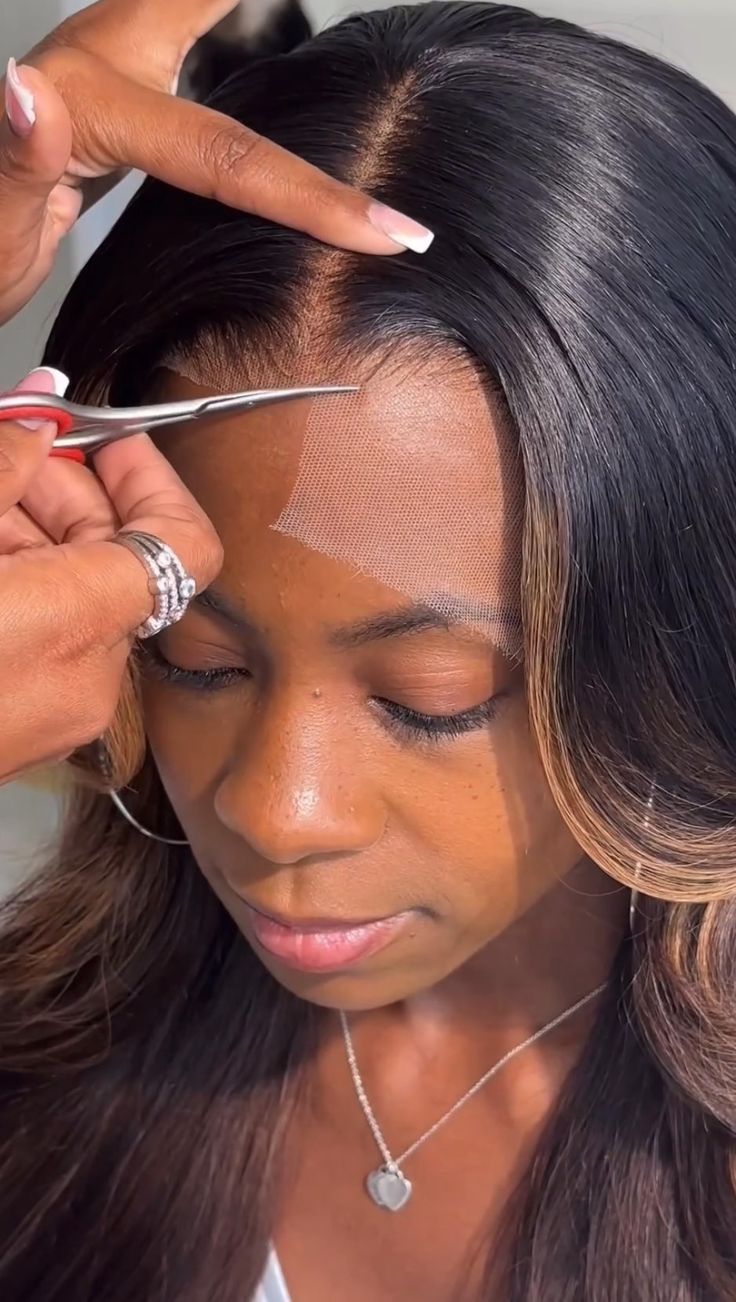
Wigs can trap heat and sweat against your scalp, creating conditions that lead to itching.
Poor quality wig caps or unclean wigs can also irritate sensitive skin considerably over time.
If you wear wigs often, our beginner’s guide to wearing wigs over natural hair covers proper scalp care underneath too.
Choosing breathable materials and cleaning your wig regularly helps prevent this specific kind of itching.
Removing your wig periodically to let your scalp breathe also genuinely helps prevent buildup. A clean, well cared for wig protects both your comfort and your scalp’s overall health.
Give your scalp a proper break between installs to reduce this kind of ongoing irritation. Even a day or two without a wig gives your scalp real time to recover.

Stress And Its Surprising Role
Stress affects your entire body, including your skin, in ways many people never expect.
High stress levels can trigger or worsen scalp itching, even without any other obvious cause present.
This connection also ties into hair health more broadly. Read how to stop excessive hair shedding if stress related itching has come alongside noticeable hair loss.
Managing your stress levels genuinely supports a calmer, less reactive scalp over time.
Simple habits, like deep breathing or regular movement, can lower stress levels meaningfully over several weeks.
Your scalp, much like the rest of your skin, responds well to a calmer nervous system.
Prioritizing rest and downtime supports more than just your energy, it also supports your skin.
Even small pockets of rest throughout your week can make a genuine, noticeable difference.

Simple Fixes For Everyday Itching
A cooling, soothing product, like one containing peppermint or tea tree oil, can provide quick relief.
Avoid scratching directly, since this often worsens irritation and can even damage your fragile strands.
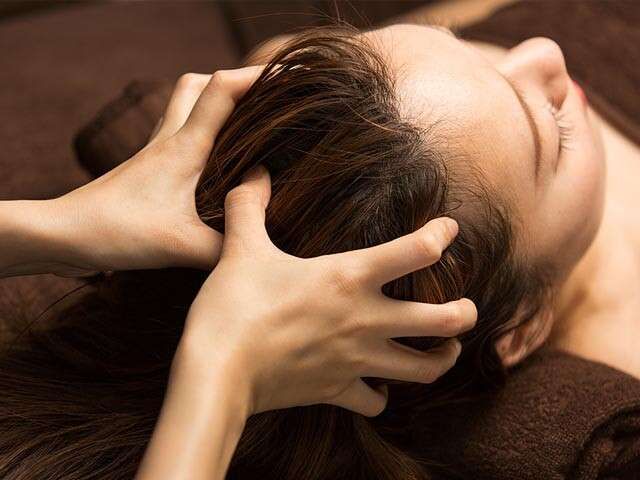
Gentle scalp massage, rather than scratching, can relieve itching while also improving circulation.
Simple lifestyle adjustments, like drinking more water, can also support a calmer, more balanced scalp.
Applying a cool, damp cloth briefly can also provide quick relief during a particularly itchy moment.
Keep a small kit of go-to soothing products ready for whenever irritation flares up unexpectedly.
Having these on hand means you can respond quickly instead of letting irritation linger. A calm, prepared approach genuinely beats scrambling for a solution mid flare up.
When To See A Dermatologist
Most itching responds well to simple home adjustments and a little patience over time.
But persistent, severe, or worsening itching deserves proper medical attention rather than continued guessing.
If you notice redness, swelling, or visible sores, please book an appointment without delaying too long.
A dermatologist can properly diagnose conditions that home remedies alone genuinely cannot fix.
Bring notes about when your itching started and anything that seemed to trigger it. This information helps your dermatologist reach an accurate diagnosis far more quickly.
Do not feel embarrassed bringing up scalp concerns, since doctors see this constantly. Getting proper treatment early often prevents months of continued frustration and discomfort.
Building Healthy Scalp Habits To Prevent Itching
Consistent, gentle scalp care prevents most causes of itching before they even have a chance to start.
Explore healthy scalp habits that lead to healthier hair for simple, sustainable habits worth building into your routine.
Small, regular habits genuinely protect you more than occasional, intense treatments ever could.
Prevention truly is easier, and far more comfortable, than constantly managing ongoing irritation.
Building these habits gradually makes them far easier to actually stick with long term. A calm, well maintained scalp rarely surprises you with sudden, unexplained itching.
Think of these habits as ongoing maintenance, not a one time fix you complete and forget. Small, steady care beats sporadic, intense effort every single time when it comes to your scalp.
The Role Of A Proper Scalp Detox
Sometimes regular washing is not quite enough to clear away deep, stubborn buildup.
A proper scalp detox removes this buildup completely, often bringing noticeable, immediate relief from itching.
Check signs your scalp needs a detox to see whether this deeper step applies to your situation.
A clean, reset scalp often feels calmer and significantly less prone to itching afterward.This step works especially well when regular washing alone no longer feels like quite enough.
Pair your detox with proper moisture afterward to avoid leaving your scalp feeling stripped.
This combination often provides the most complete, lasting relief from stubborn buildup and itching.Consider this step a reset button, not a step you need to repeat constantly.
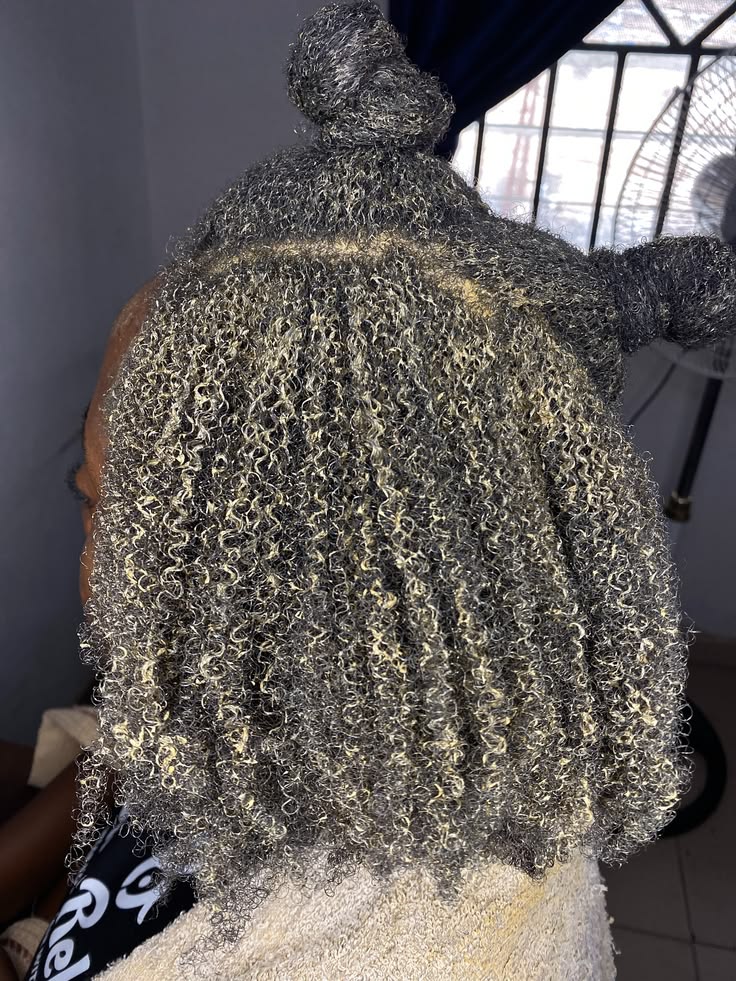
Hidden Mistakes That Keep The Itch Going
Some everyday habits quietly keep your itching going without you ever making the connection.
Small, overlooked mistakes can undo your best efforts if left uncorrected for too long. Read the hidden scalp mistakes that slow hair growth to catch these patterns before they cause further damage.
Fixing these small habits often brings relief that other treatments alone could never fully achieve.
Reviewing your entire routine honestly helps you spot patterns you might have overlooked before.
Small, consistent corrections genuinely add up to noticeably better results over several weeks.
A little extra awareness goes a long way toward protecting your comfort long term. Revisit your routine every few months to check for any habits worth reconsidering.
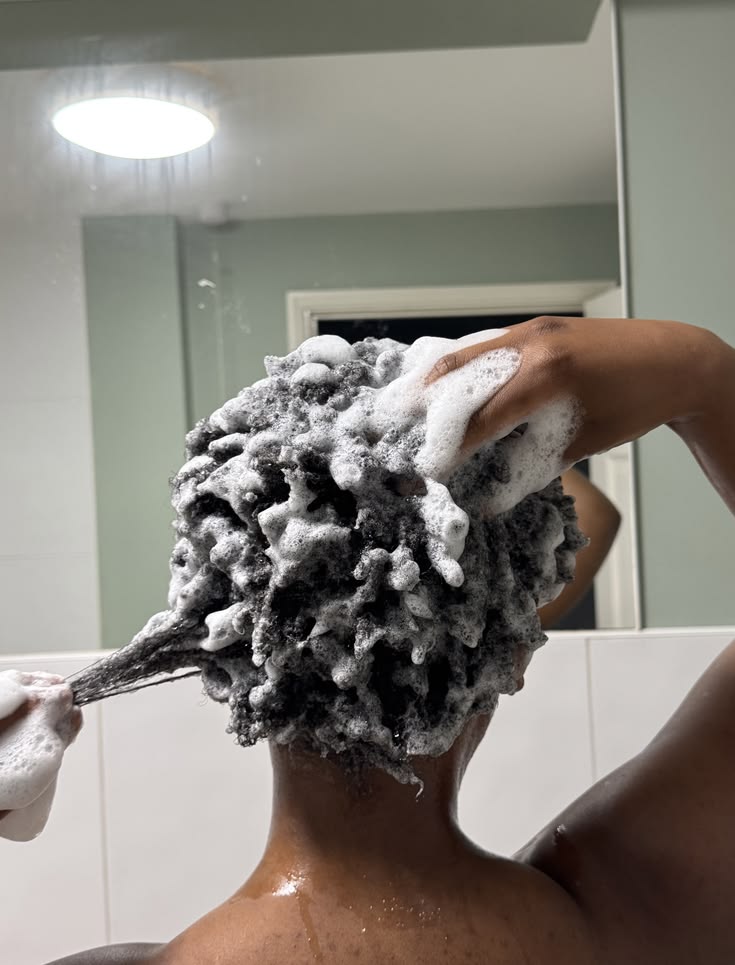
How Curl Pattern Affects Scalp Sensitivity
Different curl patterns interact with products and moisture differently, which can affect scalp sensitivity too.
If you have 4A hair, the perfect wash day routine for 4A hair includes guidance suited to your specific texture. If your hair is 4B, the perfect wash day routine for 4B hair offers similar tailored support.
If your curls are 4C, the perfect wash day routine for 4C hair addresses this denser texture’s unique needs.
Following a routine built for your actual texture often reduces unnecessary irritation significantly.
Products meant for a completely different texture can quietly cause reactions you might not expect.
Matching your routine to your real curl pattern removes much of this unnecessary guesswork. This small alignment often solves irritation that seemed mysterious or unexplained before.
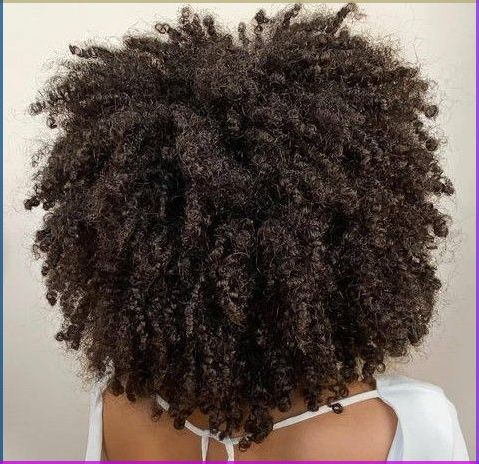
Confidence While Managing An Itchy Scalp
Dealing with constant itching can feel discouraging, especially in social or professional settings.
Please know this struggle is common, and it does not reflect poorly on you or your hygiene.
Feeling comfortable in your hair matters for more than just physical comfort alone. Read how to build confidence wearing your natural hair for support on this part of your journey.
Solving the itch supports both your comfort and your overall sense of confidence. Constant scratching or discomfort can quietly distract you throughout your entire day.
Once resolved, you free up mental space to simply enjoy your hair again. That mental relief is genuinely worth the effort of solving this problem properly.
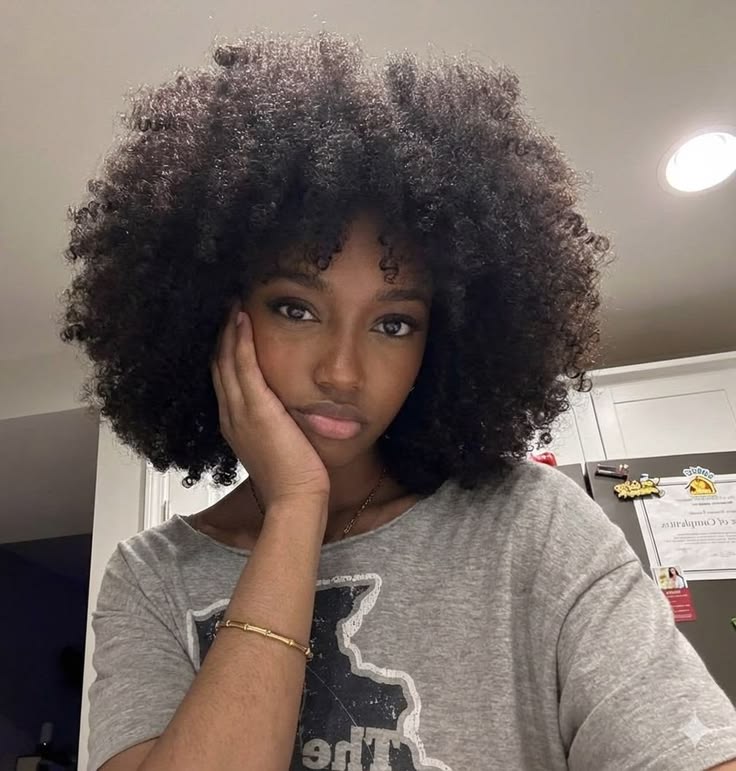
Diet And Hydration Support A Calmer Scalp
What you eat and drink can genuinely influence how your scalp behaves over time.
Staying properly hydrated supports your skin’s overall balance, including the skin covering your scalp.
Foods rich in omega fatty acids, like fish and walnuts, can support a calmer, less reactive scalp.
Excessive sugar and processed foods may worsen inflammation for some people, though this varies individually.
None of this replaces proper topical care, but it genuinely works alongside it well. Small, sustainable changes to your diet tend to stick better than sudden, drastic ones.

Final Thoughts On Fixing An Itchy Scalp
An itchy scalp is frustrating, but it almost always has a clear, identifiable cause behind it. Take time to observe your own scalp, testing small changes until you find real, lasting relief.
Patience matters here, since most fixes take a few days to show their full effect. With the right approach, your scalp can finally feel calm, comfortable, and genuinely itch free.
Give yourself grace as you experiment, since finding your exact trigger sometimes takes a little time.
Small, consistent efforts almost always outperform any single dramatic change made all at once.