
The Complete Beginner’s Guide to Silk Presses
Disclosure: Some of the links in this post are affiliate links. This means if you click on the link and purchase an item, I will receive an affiliate commission at no extra cost to you.
Your natural hair is sensitive, which is why it needs to be handled with care. One wrong move with a flat iron, and you’re looking at months of recovery. That’s the reality a lot of people learn the hard way, usually after their very first try.
A silk press can give you smooth, bouncy hair without any chemicals at all. The results can genuinely surprise you, especially the very first time. But it’s easy to get wrong if you don’t already know what you’re doing.
There are a lot of tools and small steps involved. Some people confuse it with a silk press vs blowout treatment, since both leave the hair straight and shiny. The truth is, the two processes are close cousins, but not quite the same thing. Getting a silk press right takes more than just heat and a good flat iron.
It takes the right prep, the right products, and a stylist who actually knows your hair. This guide walks you through everything you need to know before you book your very first silk press appointment. It covers washing, prep, styling, and aftercare in full detail.
The Complete Beginner’s Guide to Silk Presses
What Exactly Is a Silk Press?
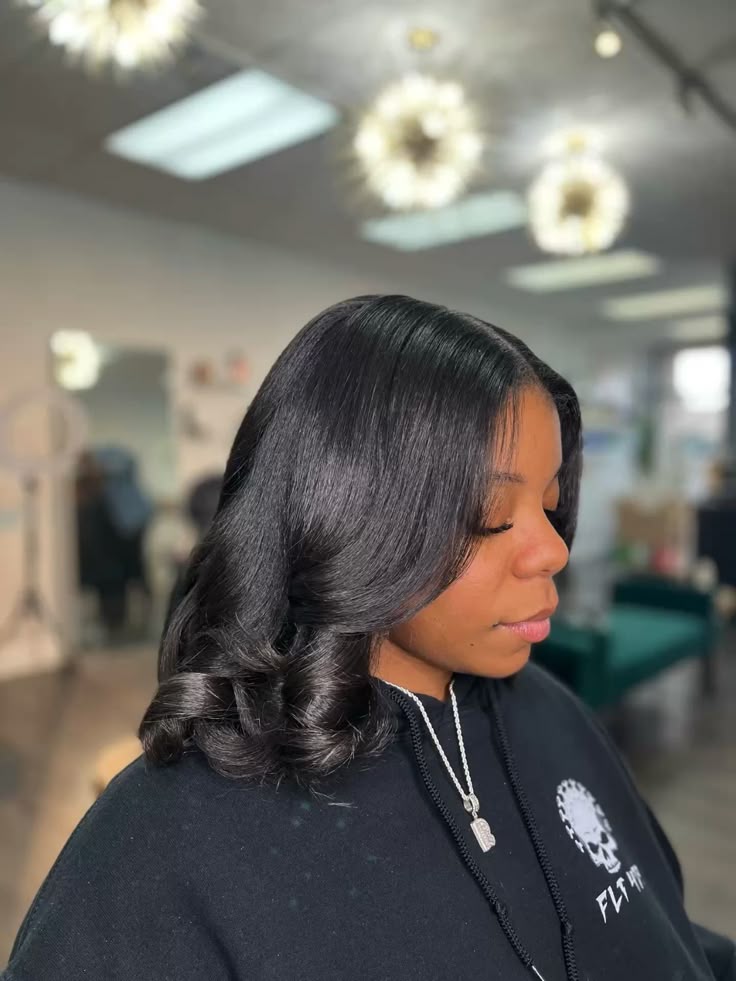
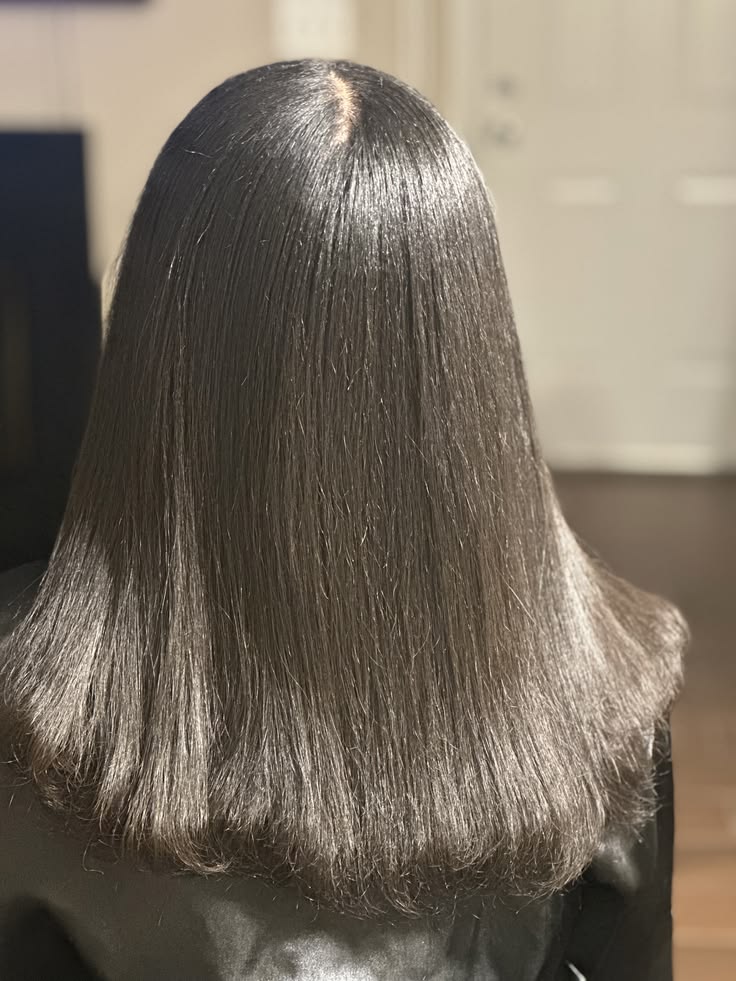
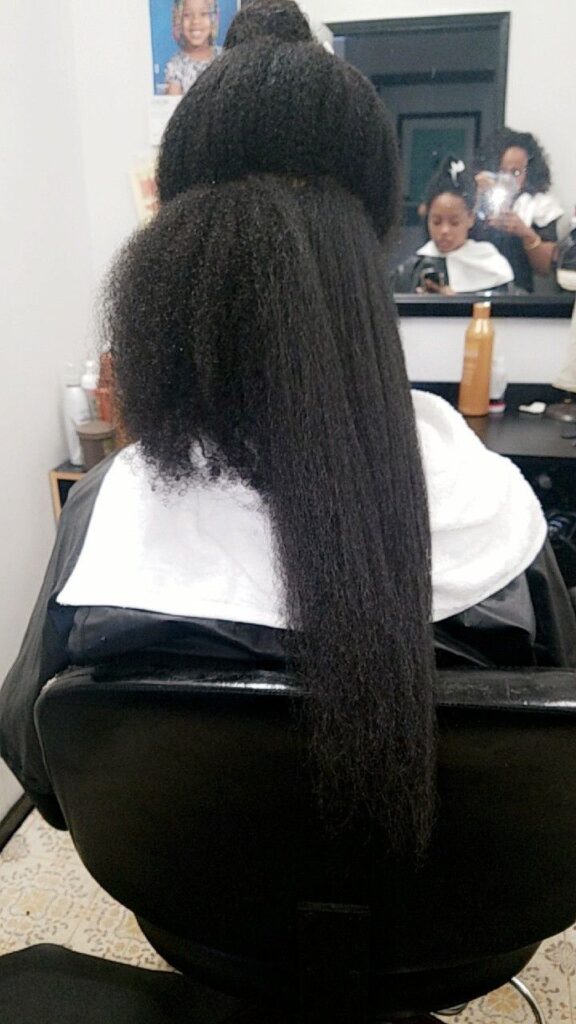
A silk press is a styling method, not a chemical process at all. Your stylist washes, dries, and flat irons your hair until it’s sleek.
The curl pattern stays underneath, ready to come back after your next wash. Think of it as a temporary style, not a permanent change to your strands.
My neighbor Mia tried her first silk press last year for a wedding. She said her hair felt like a completely different texture for two whole weeks.
She kept touching it, almost like she didn’t trust it was really hers. That’s a common reaction, especially the very first time you try it.
Unlike a relaxer, nothing here changes the actual bonds inside your hair strands. Water is really the only thing that can undo a silk press.
That’s why humidity, sweat, and rain are the biggest threats to the style. Understanding this difference helps you plan your week around the weather properly.
It also explains why gym sessions and swimming pools are tricky during silk press weeks. A quick jog in the rain can undo an entire afternoon of styling.
Knowing what the style can and can’t handle saves you a lot of frustration later.
Who Should Try a Silk Press?
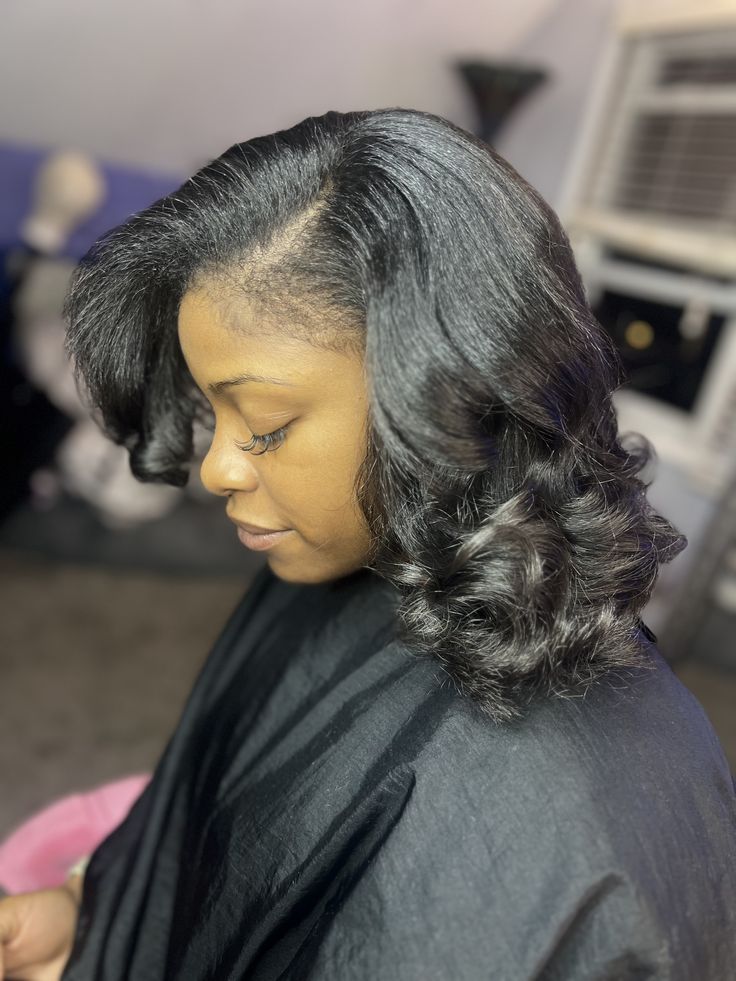
Almost anyone with natural hair can try a silk press, as long as their hair is healthy. If your hair is already breaking or thinning, you might want to hold off for now.
A stylist should always check your hair’s condition before picking up any hot tools.
People who want a break from twists, braids, or a beginner’s guide to wigs often turn to silk presses instead.
It gives your scalp room to breathe while still looking polished for weeks. It’s also a great option before a big event, like a graduation or a wedding.
Still, a silk press isn’t for everyone, and that’s completely fine to admit. If your hair has a lot of heat damage already, more heat only makes things worse.
Talk honestly with your stylist about your hair’s history before booking an appointment. They can tell you if your strands are ready for the process right now.
What You Need Before Your First Silk Press
You don’t need a mountain of products, but a few basics make a big difference. A clarifying shampoo, a deep conditioner, and a good heat protectant are non negotiable.
You’ll also want a blow dryer with a comb attachment and a ceramic flat iron.
Cheap tools tend to drag on the hair and cause more damage than good. A flat iron with uneven heat can scorch one section while barely touching another.
It’s worth spending a bit more upfront to protect your hair long term. Think of good tools as an investment, not just another expense.
Set aside a full afternoon, since rushing through a silk press rarely ends well. Rushing leads to missed sections, uneven results, and hair that reverts within a day.
Give yourself time, put on a good show, and let the process unfold slowly. Your hair will thank you for the patience later on.
Washing and Prepping Your Hair the Right Way
Everything starts with a clean scalp and clean strands, no shortcuts allowed here. Product buildup will block moisture and make your blowout uneven once you start styling.
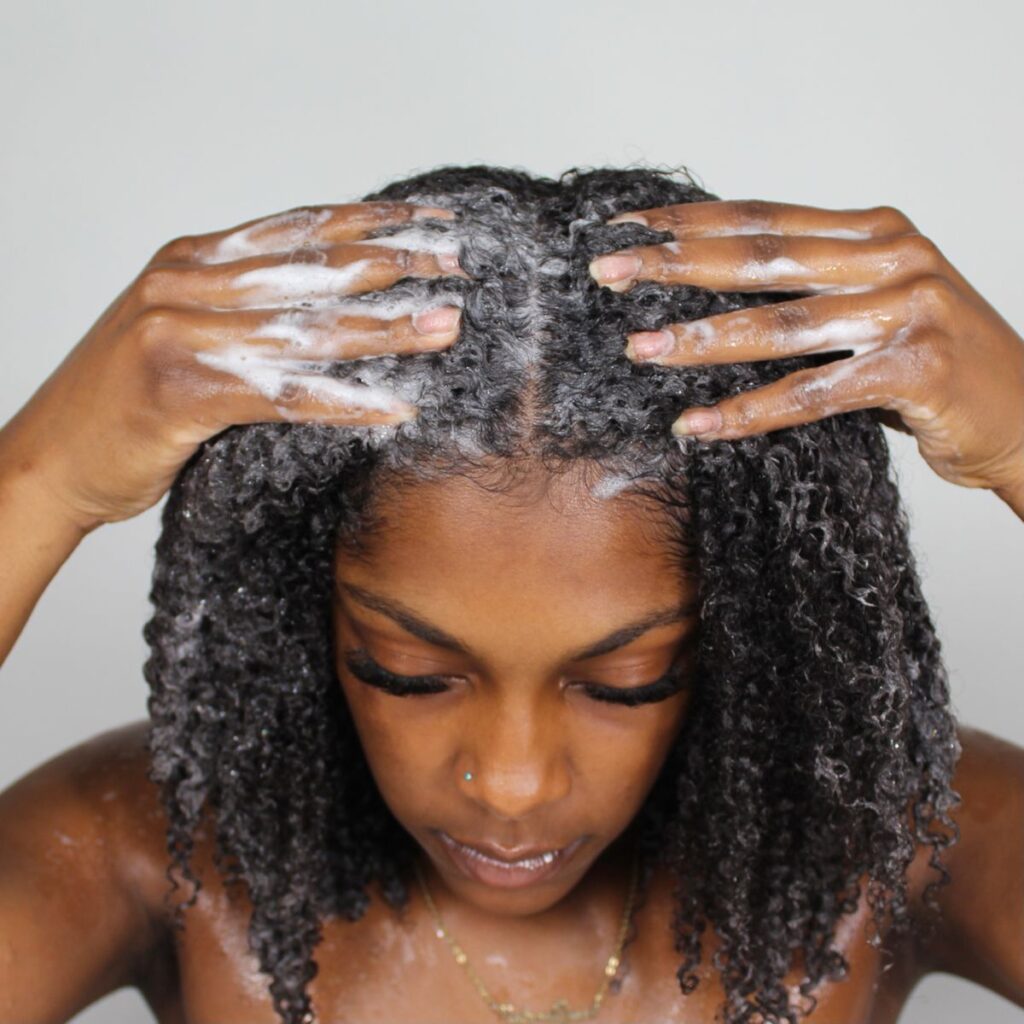
Use a clarifying shampoo first, then follow with a moisturizing one to soften things.
Rinse thoroughly, because leftover shampoo can leave your hair looking dull under heat.
Even a small amount of residue can affect how smooth your final result looks. Take your time in the shower instead of rushing to the next step.
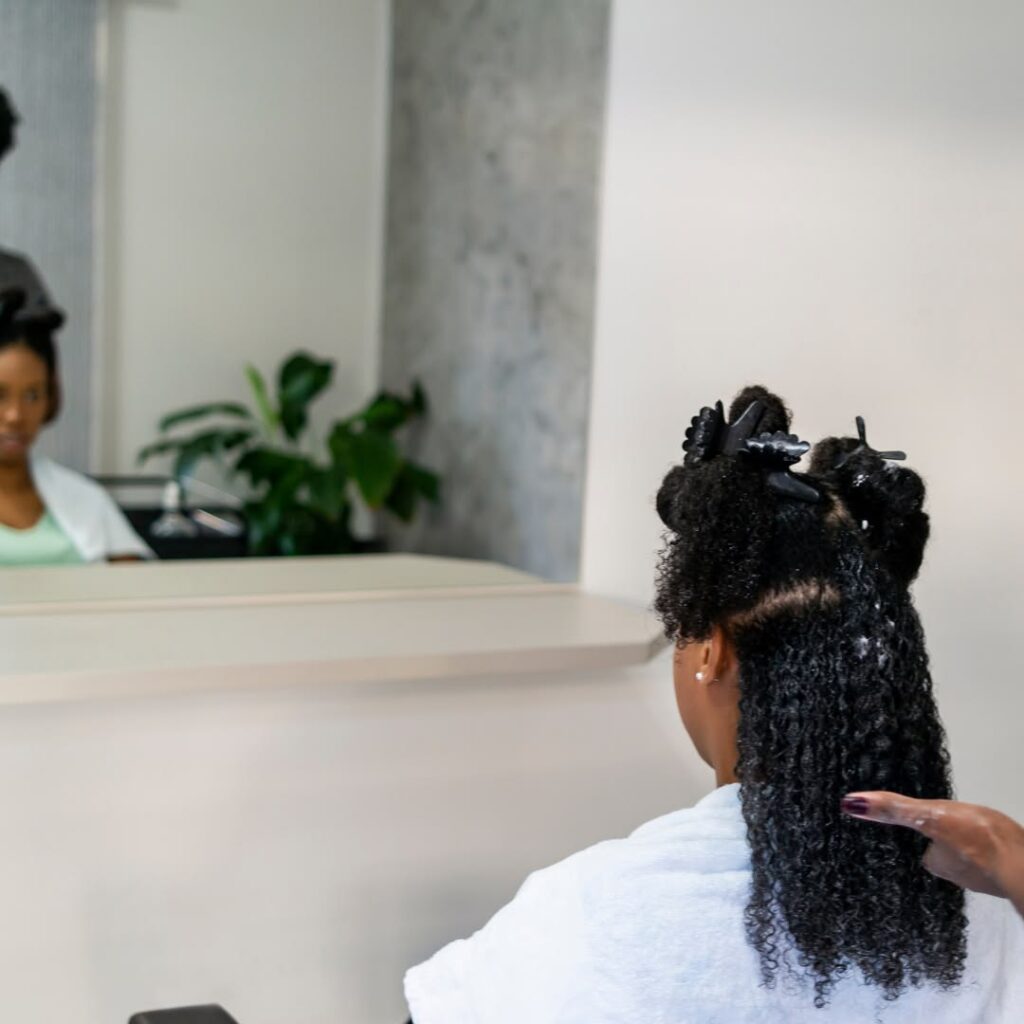
Section your hair into four or six parts before you even reach for conditioner. Smaller sections make washing more thorough, especially near your scalp and edges.
Detangle gently with your fingers first, then follow up with a wide tooth comb. Skipping this step often leads to more breakage once the flat iron comes out.
Deep Conditioning: Why You Can’t Skip This Step
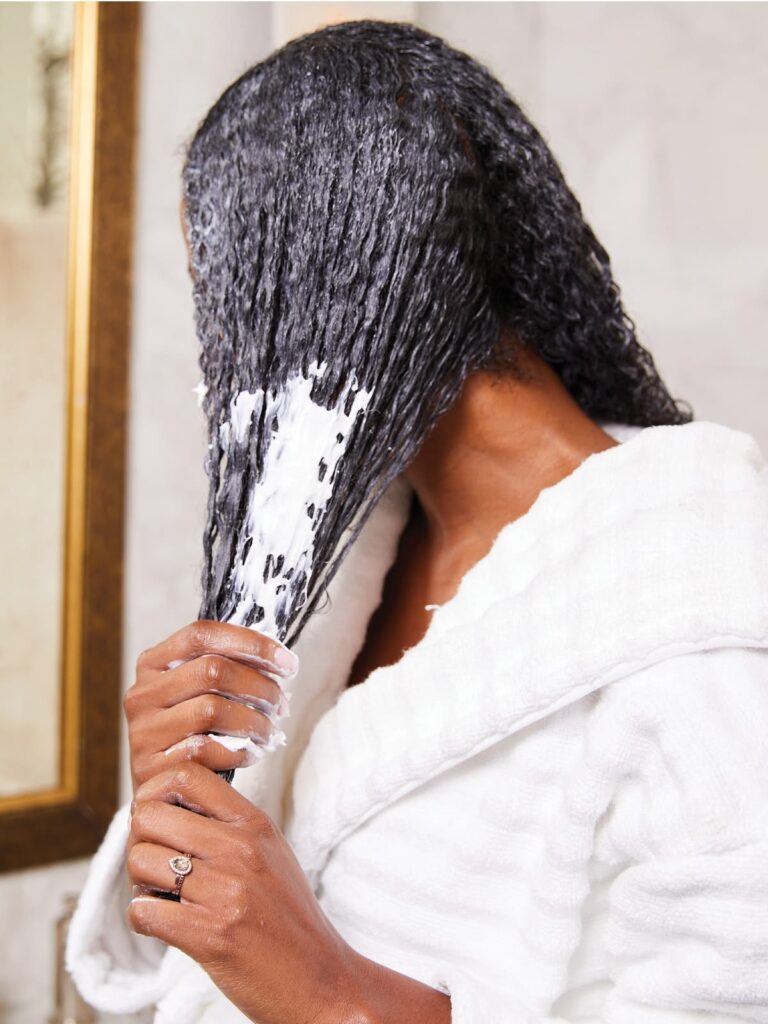
Skipping deep conditioning is one of the fastest ways to damage a silk press. Heat pulls moisture out of your hair, so you need to load it up first.
Sit under a steamer or hooded dryer for at least twenty to thirty minutes.
This step protects your strands from the flat iron that comes later in the process. Think of it as giving your hair a drink before a long, dry journey.
A well conditioned head of hair also holds a silk press longer, with less frizz.
Look for conditioners with real moisturizing ingredients, not just fragrance and filler water. Protein treatments can help too, but only if your hair actually needs the strength.
Too much protein without enough moisture can leave your strands feeling stiff and brittle. Balance is the goal here, not just piling on random products.
Blow Drying Your Hair Before the Press
Blow drying is where a lot of first timers go wrong, and it shows later. You want to stretch the hair fully, not just dry it quickly.
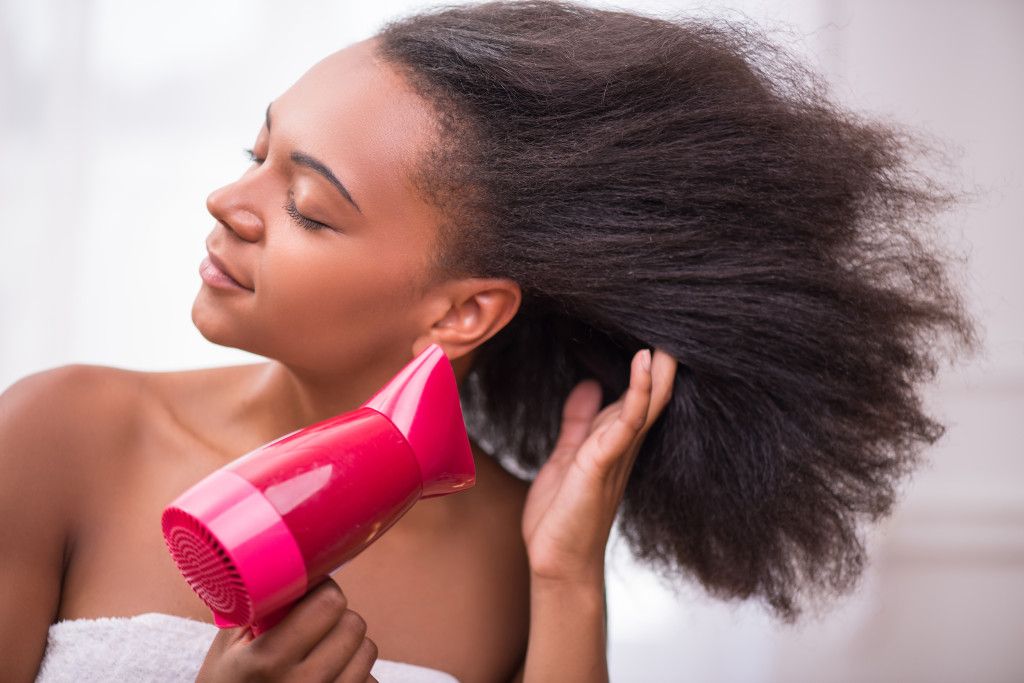
A blow dry afro hair without damage approach means using medium heat, not the highest setting.
Move the dryer constantly and never leave it sitting in one spot too long. Holding heat in one place, even for a few seconds, can weaken your strands.
Use a comb attachment to stretch each section as you dry it fully.
Your hair should be completely dry and stretched before the flat iron ever touches it. Any dampness left behind can cause steam damage once the flat iron hits it.
That steam can actually boil the moisture inside your strand, which is worse than dry heat. Patience during this stage sets up everything that comes after it.
Choosing the Right Heat Protectant
A heat protectant is not optional, no matter how healthy your hair looks right now. It creates a barrier between your strands and the flat iron’s direct heat.
Some products claim to protect but actually just add shine without real protection underneath.
Watch out for common heat protectant mistakes you might be making like applying too little or skipping sections entirely.
Many people spray it once on top and call it done, but that’s not enough. Every section needs its own light coating before any heat touches it.
Apply it evenly, section by section, right before you start blow drying. Let it sit for a moment so it can actually absorb into the strand.
Reapplying lightly before the flat iron step adds an extra layer of safety. Don’t skip this just because your hair already got protectant during blow drying.

Picking the Right Flat Iron for Your Hair
Not every flat iron works well on thick, coily hair, so choose carefully. Ceramic or tourmaline plates tend to glide better and cause less friction on strands.
Cheaper plates can snag hair and create hot spots that damage certain areas.
Ask your stylist what heat setting works best for your specific hair type. Thinner hair usually needs lower heat, while thicker hair can handle a bit more.
There’s no single perfect number that works for every single head of hair.
A good flat iron is an investment you’ll use for years to come. Look for adjustable temperature settings so you’re never guessing at the right heat.
Floating plates also help distribute pressure evenly across each section you’re straightening. Spend the extra money here if your budget allows for it.
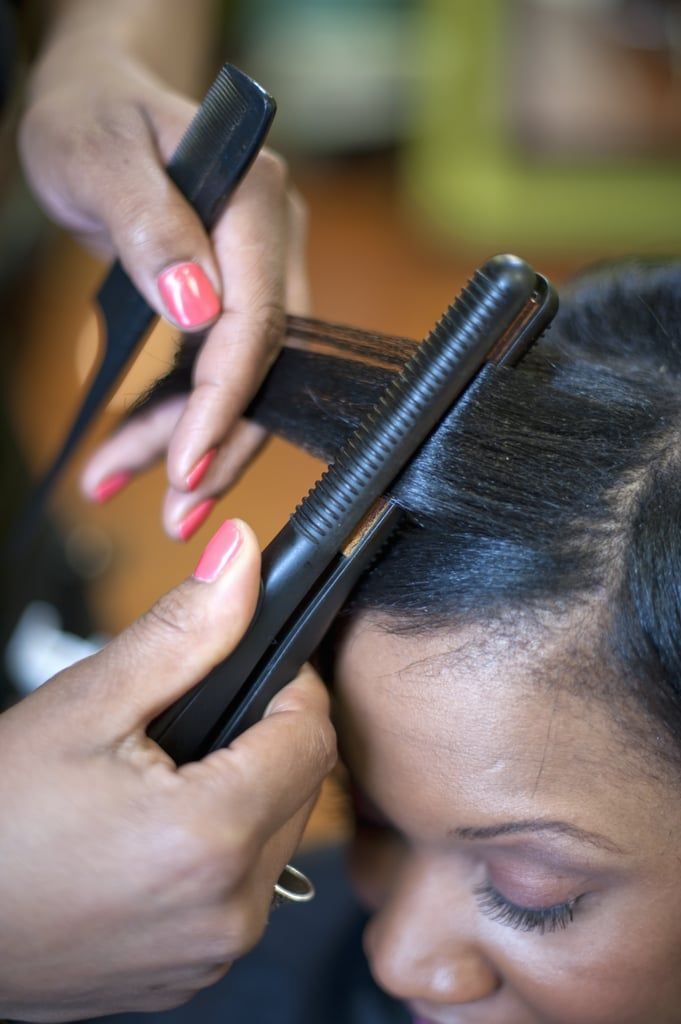
Sectioning Your Hair Properly
Small, neat sections make a silk press look smoother and last longer overall. Rushing through big chunks of hair leads to uneven results and missed spots.
Some stylists section differently depending on the final look you’re going for that day. It’s a bit like why your twist-out never looks like everyone else’s, since technique changes everything.
If you’re planning something protective afterward, like prepping before you install a wig, your stylist might section a bit differently.
Ask them to explain their approach so you understand what’s happening throughout. Clip each section out of the way so you’re not working with tangled hair.
Patience here pays off in the final look you walk out with. A rushed sectioning job often means the back of your head gets less attention.
Take a moment to check every section before the flat iron even comes out.
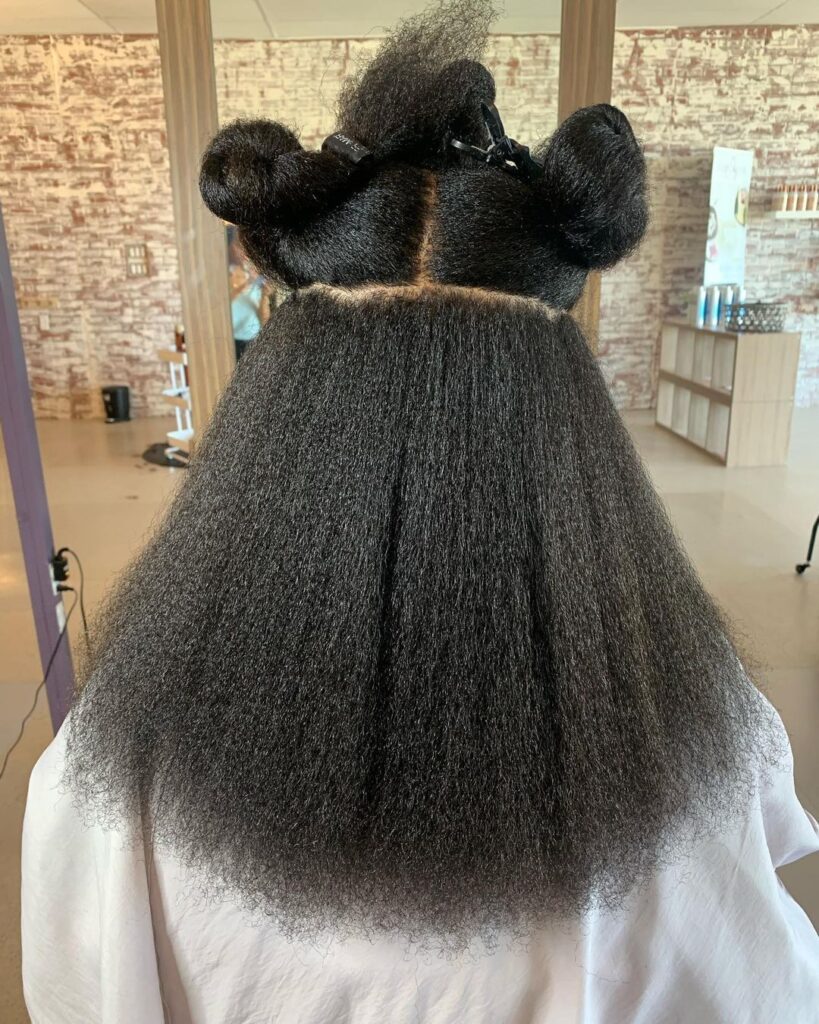
The Actual Silk Press Process, Step by Step
Your stylist will work section by section, using a comb and flat iron together.
Each pass should be slow and steady, never rushed through in one quick swipe. The comb guides the hair while the flat iron follows right behind it.
Too much heat in one pass can scorch the hair instead of just smoothing it. A single pass is usually enough if the prep work was done properly.
Going over the same section repeatedly adds unnecessary heat exposure for little extra benefit.
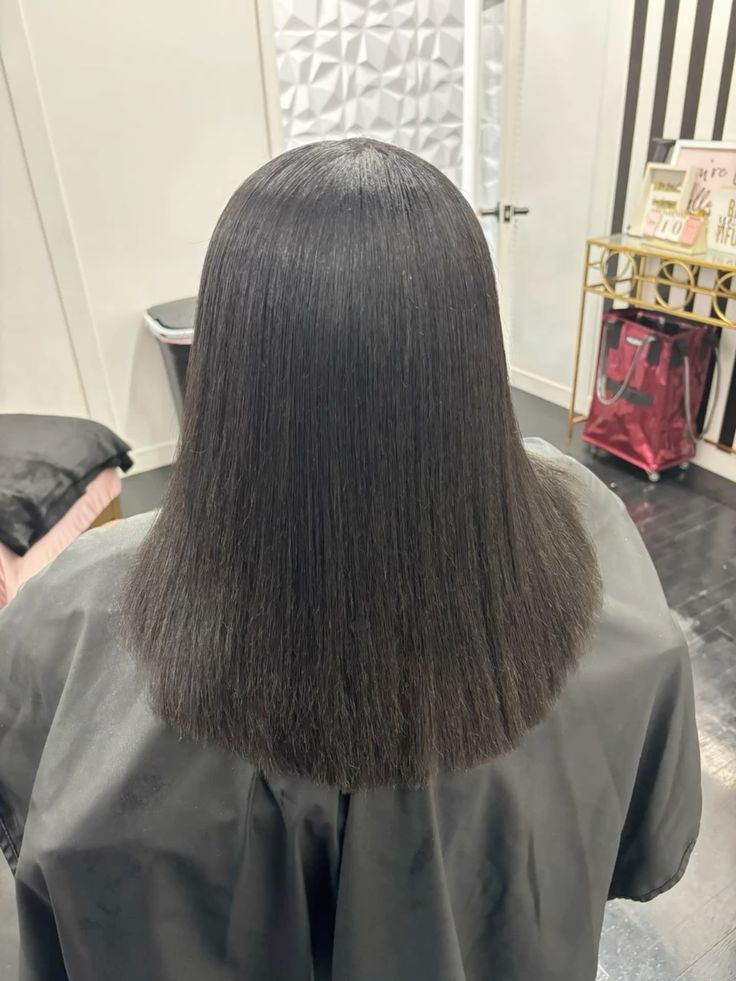
By the end, your hair should feel silky, not stiff or crunchy to the touch. Crunchy strands usually mean too much heat or too much product buildup.
A good silk press moves when you touch it and catches the light nicely.
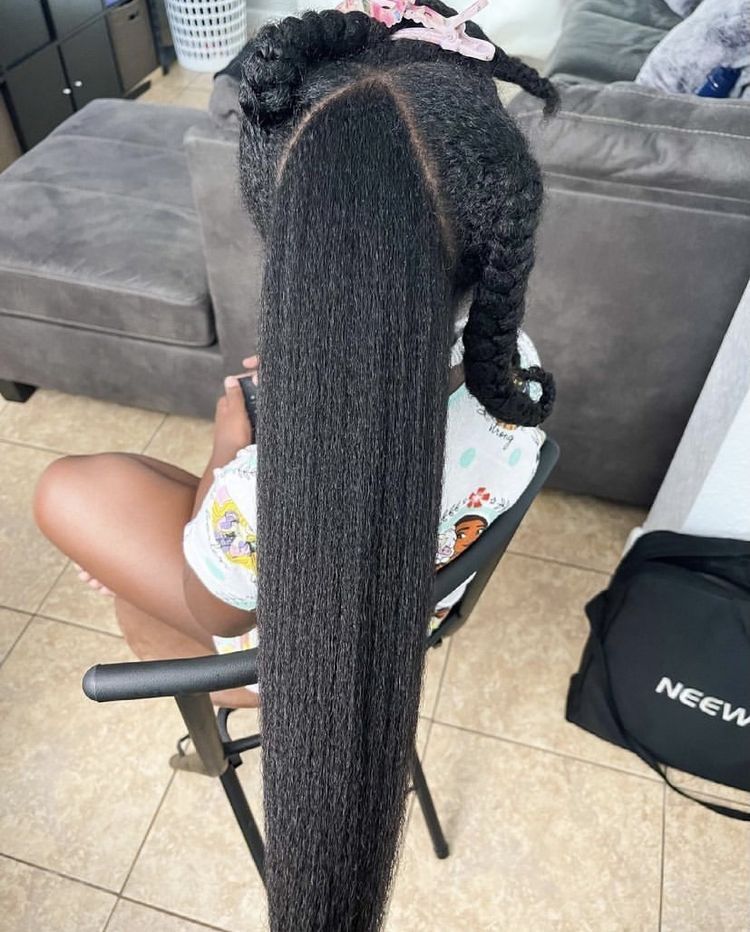
How Long a Silk Press Should Take
A full silk press usually takes between two and four hours, start to finish. Longer, thicker hair naturally takes more time than shorter or finer hair types.
If your stylist rushes through it in under an hour, that’s often a red flag.
Good results take patience, especially during the wash, dry, and flat iron stages.
Each of those three stages deserves real attention, not a quick rushed pass. Cutting corners in any one stage usually shows up in the final result.
Budget your whole afternoon so you’re not stressed about the clock the entire time.
Bring a book, a podcast, or good company to make the time pass easier. Rushing your stylist rarely leads to a result you’ll actually be happy with.
If you’re doing it yourself at home, expect the process to take even longer. Working alone on the back sections is harder and usually slower than having help.
Give yourself grace the first few times, since speed comes naturally with practice.
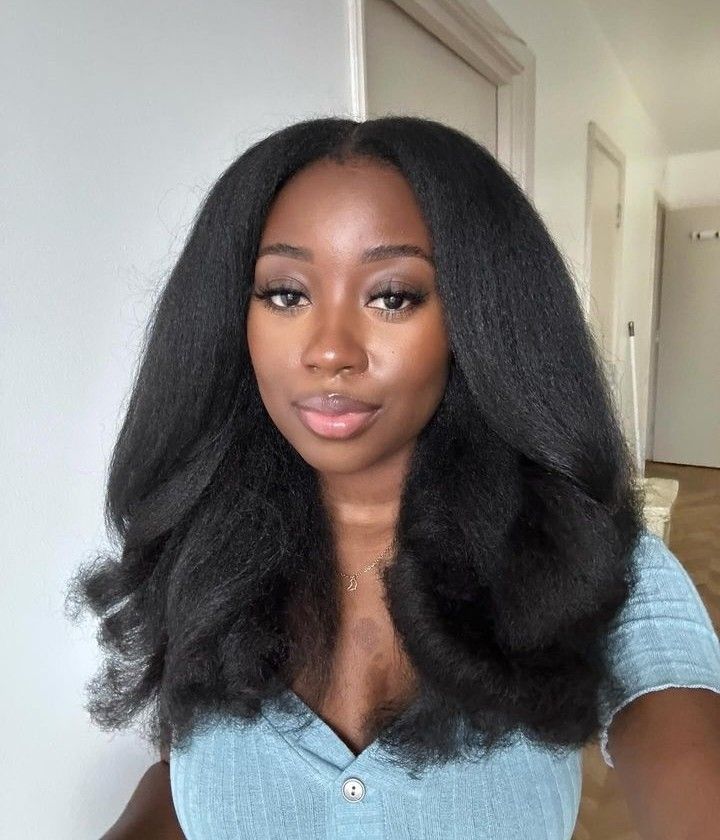
Common First-Timer Mistakes to Avoid
A lot of first timers make small errors that lead to bigger problems later. Using too much heat too fast is probably the most common mistake around.
Others skip the clarifying wash and wonder why their silk press falls flat quickly.
Watch out for the kind of hidden mistake that’s breaking your hair every single week.
It often hides in ordinary daily habits you barely notice. Small things, like brushing too roughly or sleeping without protection, add up fast.
My client Tega once used her regular flat iron on wet hair by mistake. Her ends snapped off within days, and she had to cut a few inches.
It was a hard lesson, but she learned to always check for dryness first. Now she double checks every section before any heat tool touches it.

How to Sleep With a Silk Press
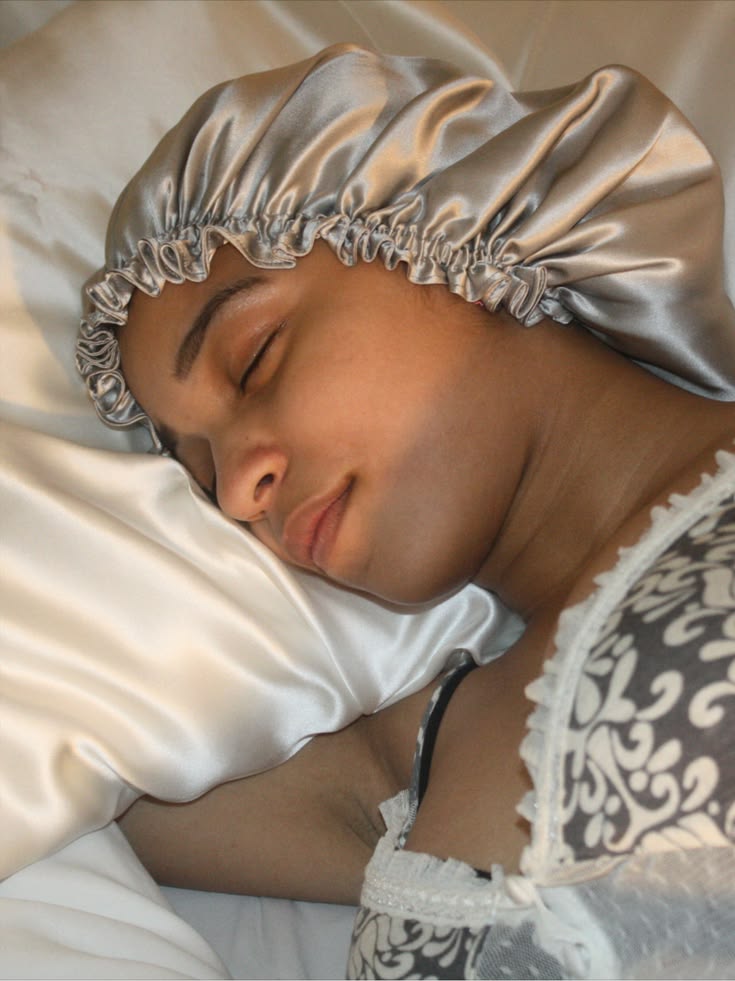
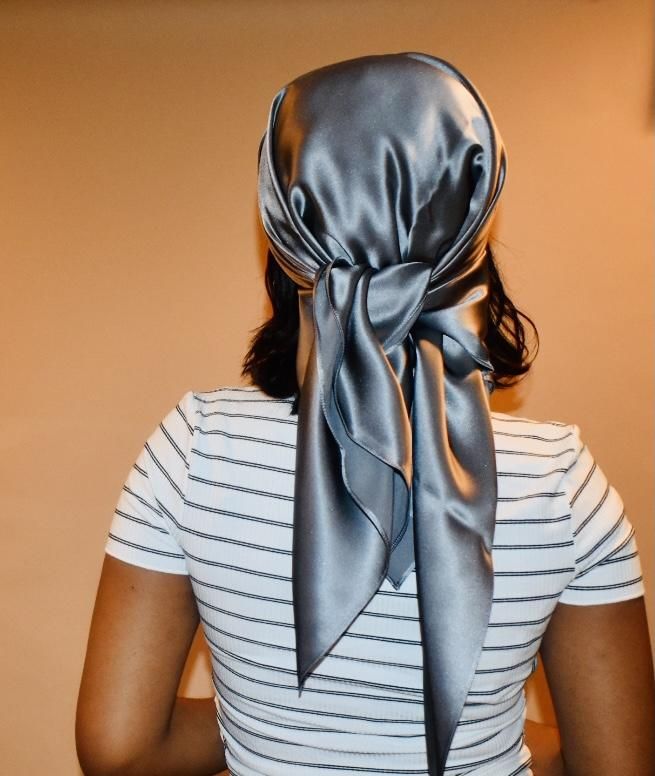
Sleeping wrong can undo hours of work in just one single night. Wrap your hair with a silk or satin scarf before you go to bed. A bonnet works too, as long as it’s made from the same smooth material.
Avoid cotton pillowcases, since they pull moisture and add frizz while you sleep. Cotton fibers grab onto your hair and create friction throughout the whole night.
Switching to a silk pillowcase is a small change that makes a big difference.
Some styles even affect your hairline, so ask if your favorite hairstyle is damaging your hairline.
That question matters before you commit to a tight wrap every night. A wrap that’s too tight can pull at your edges over time.
How to Refresh Your Silk Press Between Washes
Your silk press doesn’t have to look tired after just one week of wear. Light heat touch ups on humid days can bring back that fresh, sleek finish.
Dry shampoo at the roots helps absorb oil without weighing your hair down.
Learning how to keep a silk press looking fresh longer saves you money on frequent salon visits. A soft bristle brush can help smooth flyaways without adding extra heat.
Roller sets at the roots overnight can also revive volume without a flat iron.
Just don’t overdo the heat, or you’ll damage your hair while chasing perfection. Two or three light touch ups over several weeks is usually more than enough.
If you’re reaching for the flat iron daily, it might be time to wash out.
Signs Your Silk Press Is Damaging Your Hair
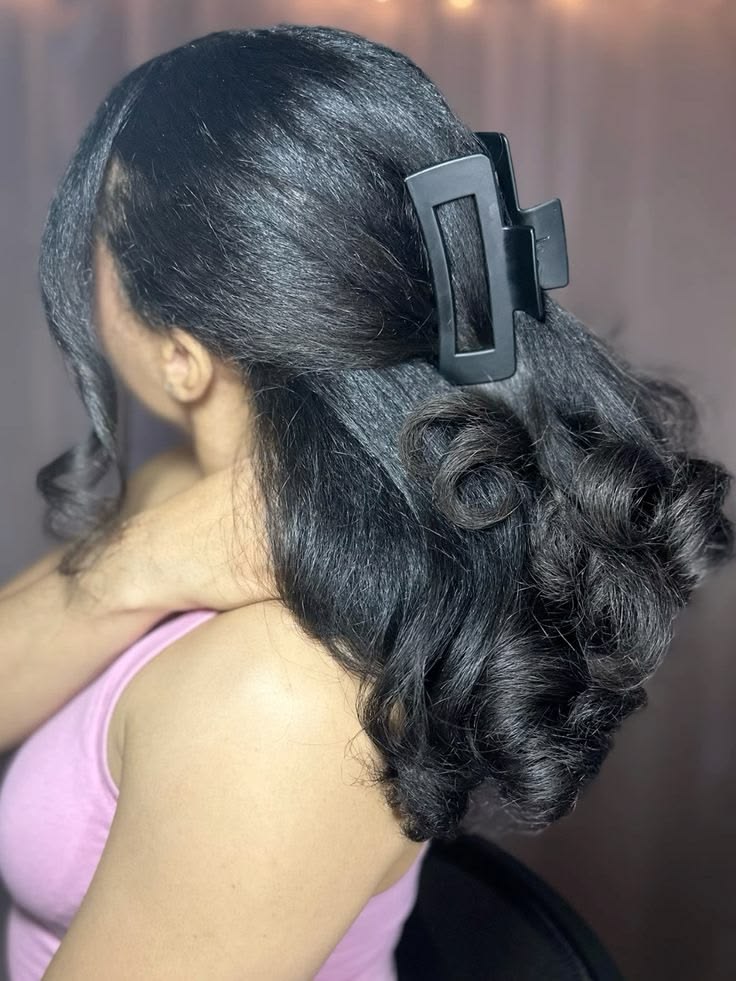
Pay attention to how your hair feels after each and every silk press session. If your ends feel brittle or your curls don’t fully return, that’s a warning sign.
Excessive shedding during wash day is another clue something isn’t quite right.
Sometimes the issue isn’t heat at all, but stubborn dryness underneath. Ask yourself if your hair still feels dry after moisturizing, no matter what you try.
That kind of dryness often points to damaged hair that can’t hold moisture anymore. Deep conditioning treatments can help, but sometimes a trim is the real fix.
Don’t ignore these signs, since early damage is much easier to reverse. Catching a problem early might just mean cutting back on heat for a while.
Waiting too long often means cutting off the damaged length entirely instead.
Silk Press vs Other Straightening Methods
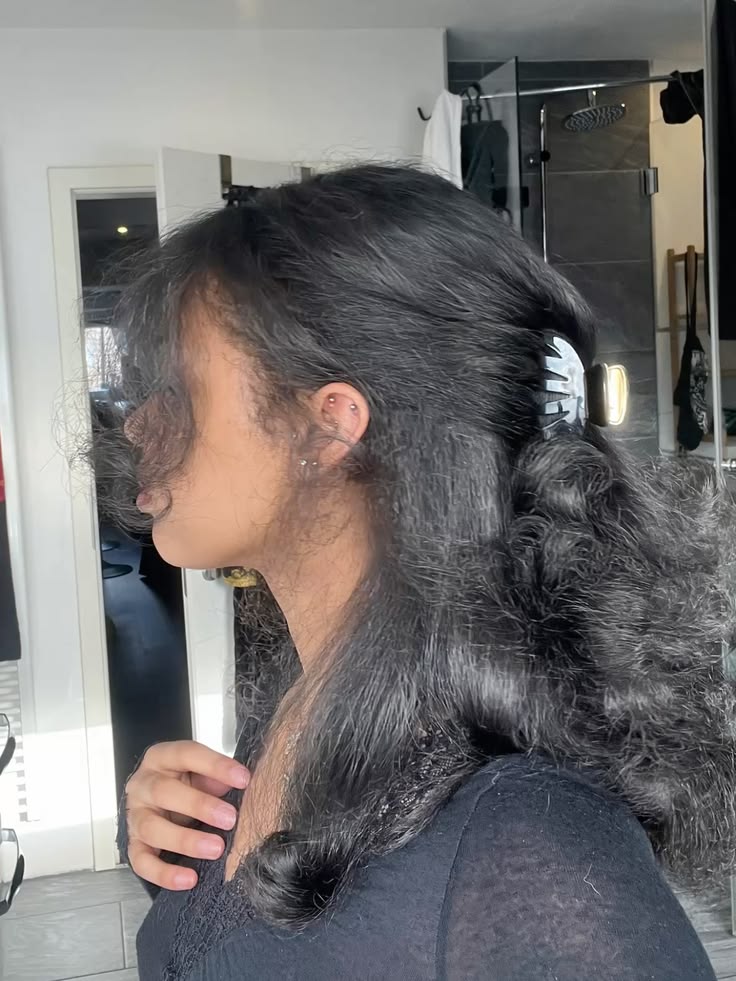
Silk presses aren’t the only way to get a sleek, straight look these days. Chemical relaxers are another option, but they change your hair’s texture permanently over time.
A silk press stays temporary, which makes it a gentler choice for most people.
Some people prefer protective styles instead, like wigs, as a way to switch things up. Learning how to prep your hair before installing a wig can make that switch much smoother.
Wigs protect your real hair underneath while still giving you a similar sleek appearance.
Neither choice is automatically better, since it really depends on your goals and hair health.
Some people rotate between both, using a silk press for events and wigs for daily wear. Listen to your hair and adjust your routine based on how it responds.
How Often You Should Get a Silk Press
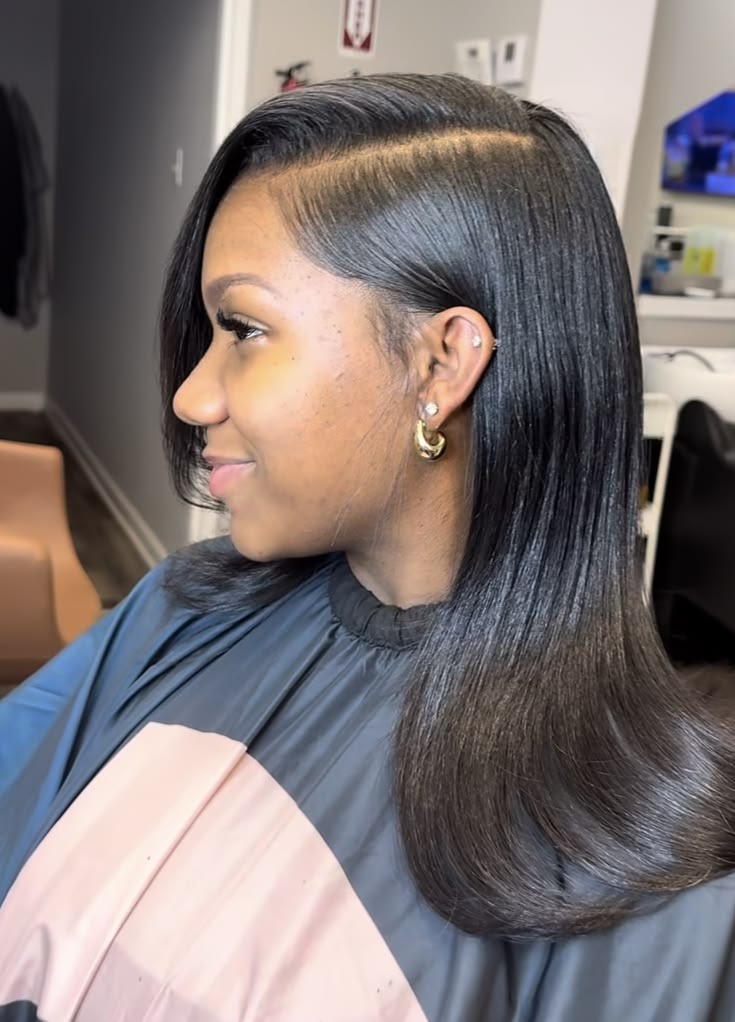
Most people space out their silk presses every four to six weeks or so. Getting one too often means more heat exposure, which adds up over time.
If you notice your hair thinning or breaking, that’s worth investigating further.
Sometimes the real issue is bigger, tied to things like why your afro hair isn’t growing at all. That question matters even when you feel like you’re doing everything right.
Heat alone isn’t always the culprit, so look at your whole routine honestly. Diet, stress, and even how you sleep can all play a role too.
Give your hair breaks between presses so it has time to recover properly. A month with no heat at all can make a noticeable difference in strength.
Your hair will usually tell you when it needs a longer break than usual.
Protecting Your Silk Press in Humidity or Rain
Humidity is a silk press’s biggest enemy, especially during rainy or sticky seasons. Moisture in the air causes your hair to revert back toward its natural curl.
Your edges and nape usually revert first, since they’re often finer than the rest.
Some people wear protective styles during humid months instead of fighting the weather. Tips on how to care for afro hair under a wig can keep your real hair safe underneath.
A silk scarf or umbrella can buy you extra time on unpredictable weather days. Anti humidity sprays exist too, though results really do vary by hair type.
Just accept that some reversion is normal, and it isn’t a sign of failure. Fighting the weather constantly will just add more heat exposure than your hair needs.
Sometimes the smartest move is simply planning your style around the forecast.
When to Wash Out and Start Over
There’s a point where touch ups stop helping and a full wash makes more sense. If your roots are reverting constantly or your hair feels weighed down, it’s time.
Product buildup from touch ups can make your hair look dull instead of shiny.
Watch out for the biggest wig mistakes that damage your hair if you switch styles often. The transition between silk presses and wigs matters just as much as either style alone.
Going straight from a tight wig into another silk press without a break can stress your hair out.
Starting fresh with a wash and deep condition resets your hair for the next style. Don’t be afraid to wash out early if your hair is asking for a break.
Your hair’s condition should always guide your schedule, not a fixed number of weeks.
Final Thoughts Before You Book Your First Silk Press
A silk press can be a beautiful, low fuss way to switch up your look. Just remember that prep and aftercare matter just as much as the actual styling.
Take your time, protect your hair at night, and don’t overdo the heat.
If you’re curious about combining styles, look into how long you should wear a wig continuously. That question helps you plan a routine that works for both styles.
Rotating between the two can actually give your hair more variety and more rest overall.
With the right care, your first silk press can be the start of a good routine. Pay attention to how your hair responds, and adjust as you learn more.
Your hair will guide you toward what actually works best for you.
Every head of hair is different, so don’t compare your journey to someone else’s timeline. What works beautifully for your friend might need a few tweaks for you.
Give yourself room to experiment, and trust that healthy hair takes time to build.


One Comment