
Medium-Length Afro Hair Care Routine
Disclosure: Some of the links in this post are affiliate links. This means if you click on the link and purchase an item, I will receive an affiliate commission at no extra cost to you.
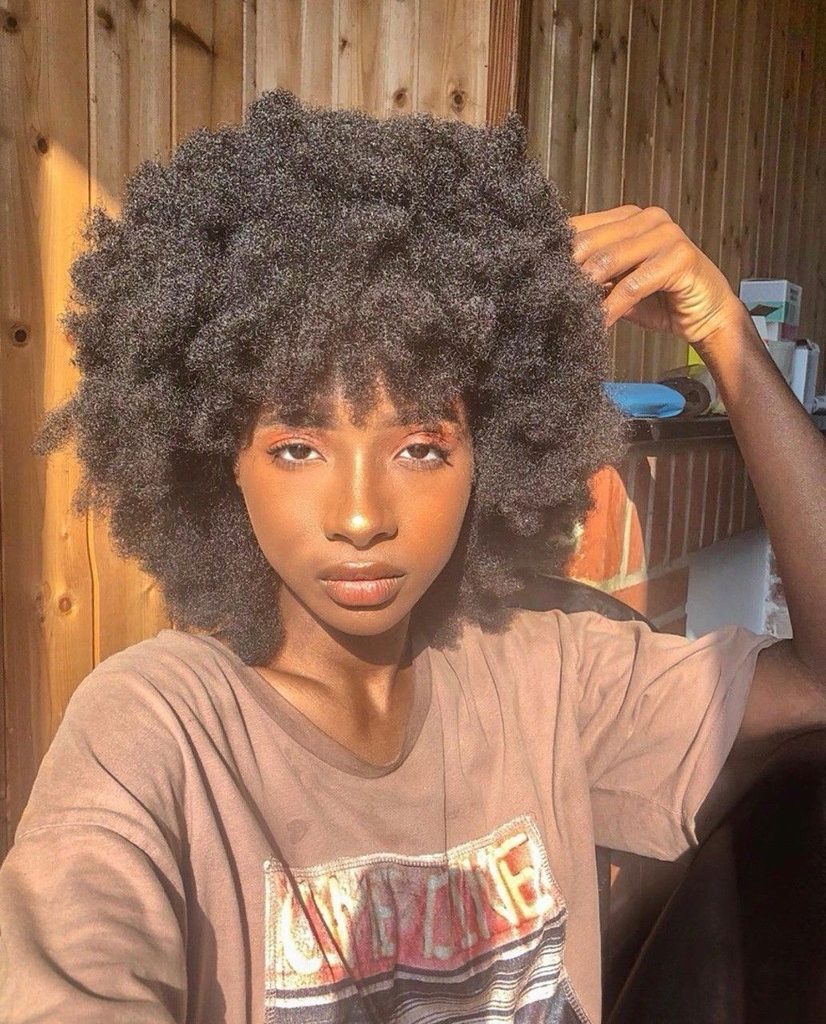
Medium length is where your natural hair routine finally gets to grow up. You’ve moved past the fragile early stages, and your hair now has real weight and shape. This length brings exciting new styling options, but it also asks more from your daily care.
Products, techniques, and even your mindset all need a genuine update at this point. If you’re still working through how to style awkward-length natural hair, this routine shows what’s waiting next. Once your hair reaches medium length, everything from washing to sleeping starts to shift slightly. Let’s walk through exactly how to build a routine that supports this exciting new stage.
Think of this guide as an upgrade to habits you’ve already built successfully. Nothing here replaces your foundation; it simply builds on top of it. Small, thoughtful adjustments now will support many more months of healthy growth.

Medium-Length Afro Hair Care Routine
What Changes at Medium Length
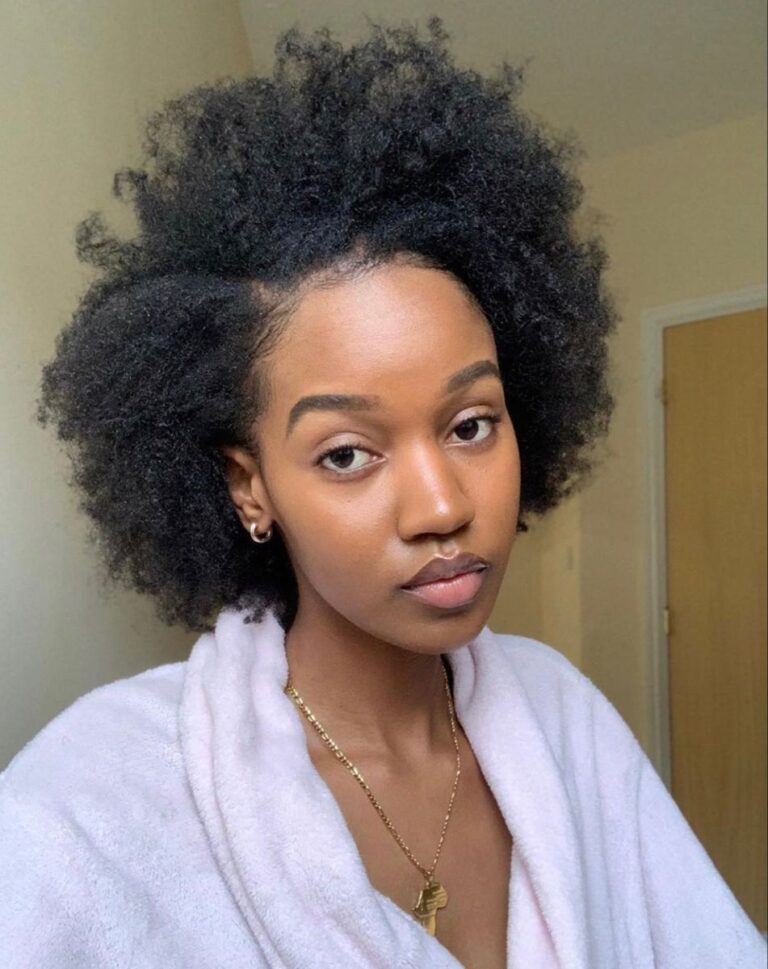
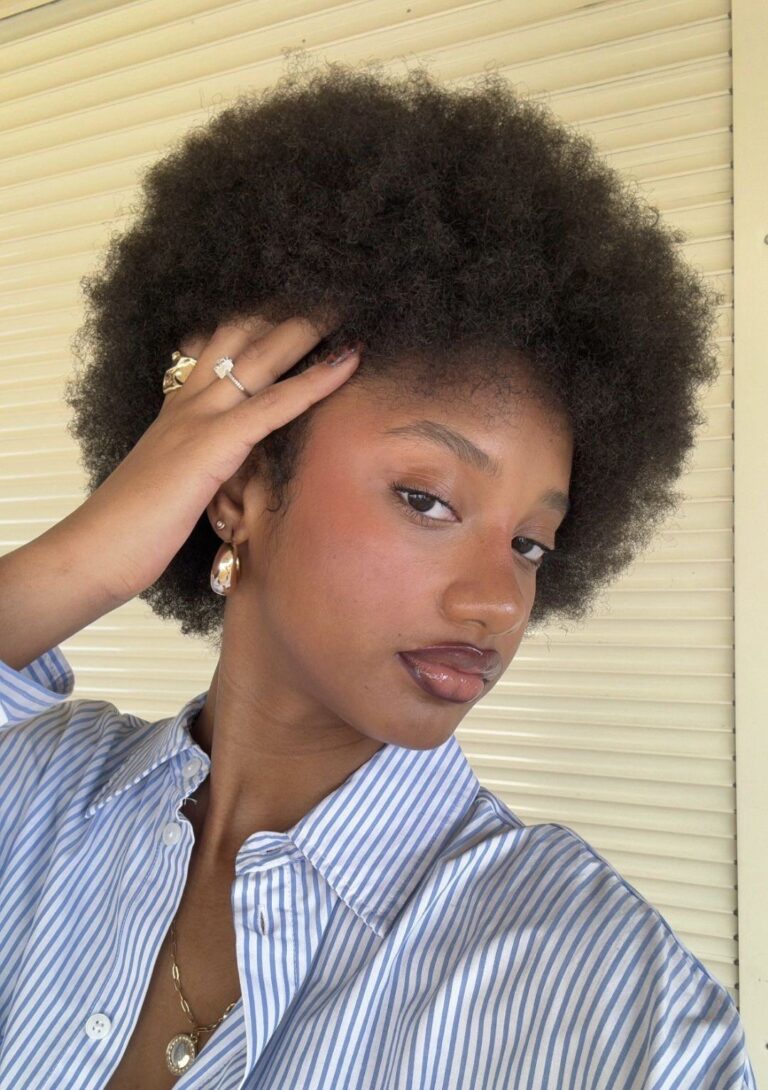
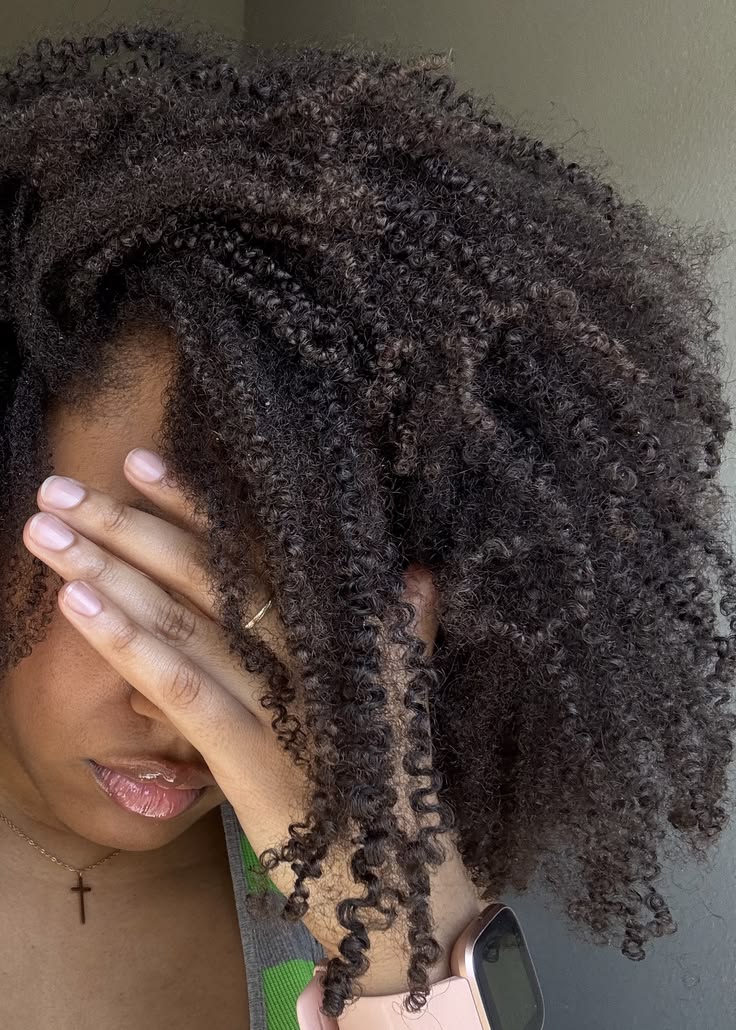
Medium length usually falls somewhere between your ears and your shoulders. At this stage, hair has real weight, which changes how curls hang and behave.
Shrinkage still happens, but stretched length becomes far more visible and dramatic.
This added weight also changes how products distribute across your entire head.
What felt like enough product before may now feel noticeably insufficient. Expect to recalibrate your routine gradually as your hair keeps evolving.
Your hair also holds more moisture overall, simply because there’s more surface area. That sounds helpful, but it also means dryness takes longer to notice and fix.
Staying proactive with moisture matters more now than it did at shorter lengths.
Check your ends specifically, since they dry out faster than the rest of your hair.
A quick daily glance can catch dryness before it becomes a bigger problem. Small, proactive checks save you from bigger styling headaches later.
Looking back at how far you’ve come can genuinely boost your motivation here. Reading how to care for a twa feels like a distant memory once you reach this stage.
The habits you built back then still matter, just in a slightly different form.
Gentle handling, consistent moisture, and regular trims remain the backbone of any good routine. Only the specific products and techniques change as your length continues increasing.
The core principles carry you through every single stage of this journey.
Cleansing Routine for Medium-Length Hair
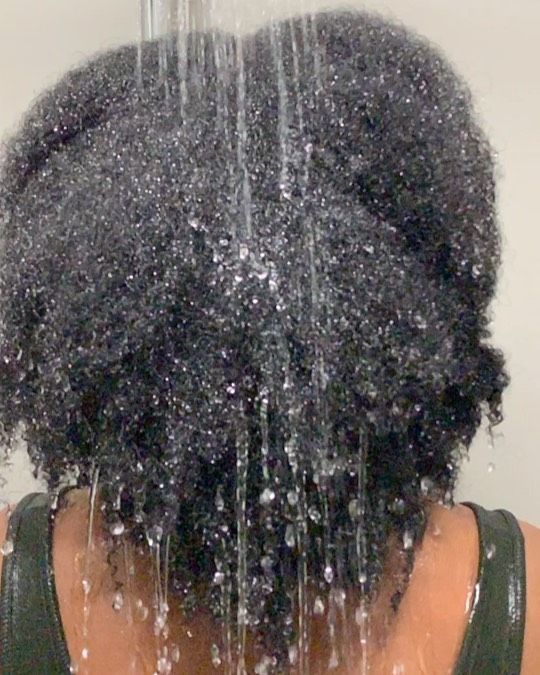
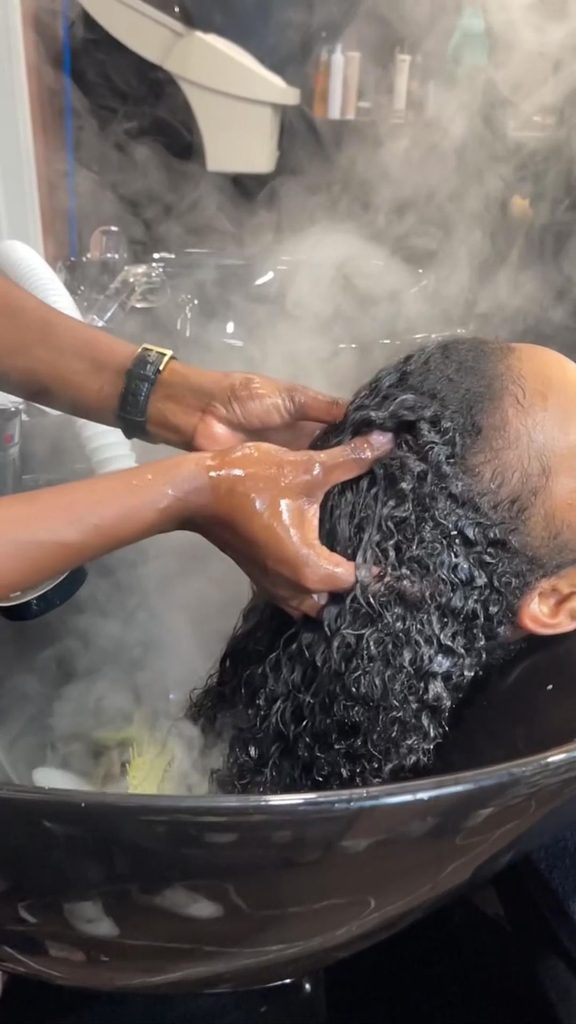
Cleansing takes a little more time and technique once your hair reaches medium length. Full coverage matters more, since product and buildup can hide in denser strands.
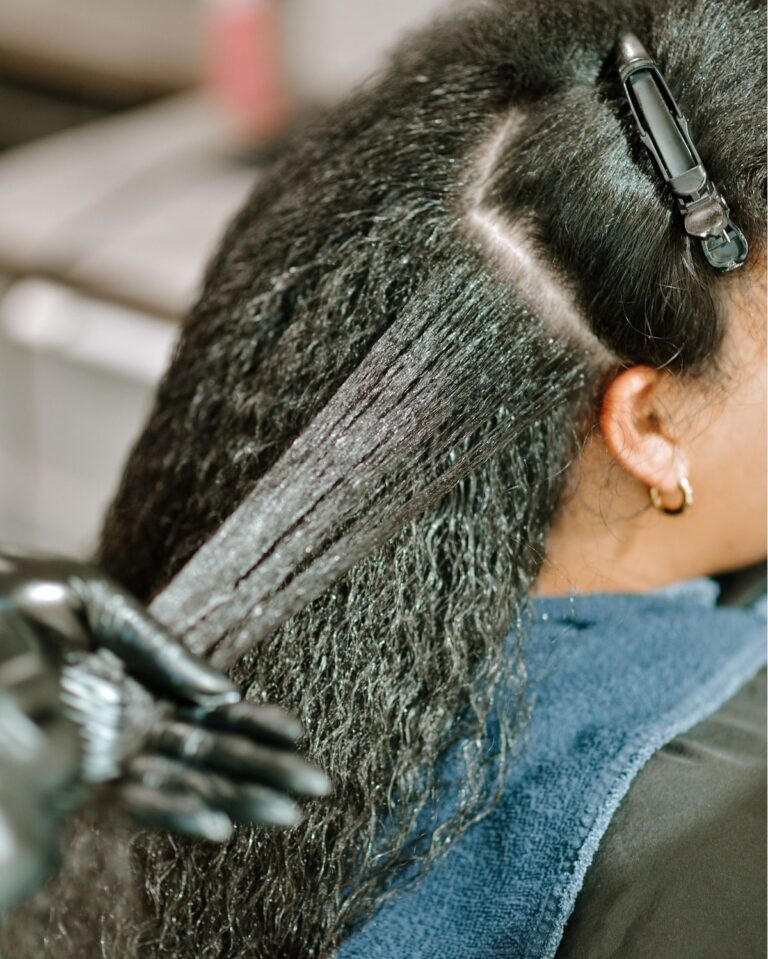
Section your hair before shampooing to make sure you reach every area evenly.
Build in extra time for wash day rather than rushing through the process. A relaxed pace produces a cleaner scalp and far less unnecessary tangling.
Treat wash day as dedicated self-care time rather than a chore to rush.
A sulfate-free shampoo remains the safest choice at nearly any hair length. Focus your scrubbing motion on your scalp, letting suds cleanse the length as they rinse.
This protects delicate strands while still getting your scalp genuinely clean.
Understanding your hair’s basic structure helps explain why cleansing technique matters so much.
Reading how hair is formed: a beginner-friendly guide breaks down the science behind healthy strands. That foundational knowledge makes every step of your routine feel more intentional.
A clarifying wash once a month helps remove buildup that regular shampoo may miss. This deeper cleanse keeps your scalp healthy and your products working effectively.
Follow any clarifying wash with a rich conditioner to restore softness afterward.
Deep Conditioning Becomes Non-Negotiable
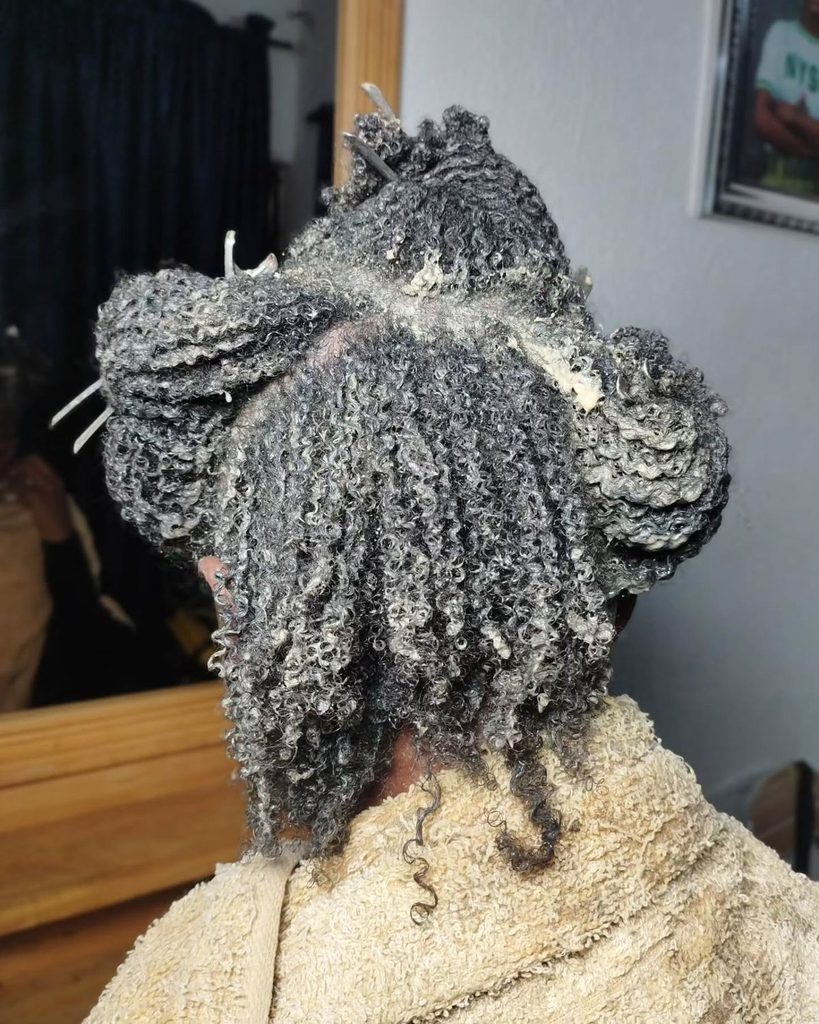
Deep conditioning shifts from optional to essential once your hair reaches medium length. Longer strands experience more manipulation, more friction, and more everyday wear and tear.
A weekly deep condition session helps counteract all of that ongoing stress.
Set a recurring reminder if deep conditioning tends to slip your busy schedule. Consistency matters more than any single premium product you could buy.
A cheaper conditioner used weekly beats an expensive one used only occasionally.
Apply your deep conditioner generously, focusing extra product on your ends specifically.
Cover your hair with a plastic cap and add gentle heat if possible. Heat helps the product penetrate more deeply into each individual strand.
Strong strands hold up better under the demands of medium-length styling routines. Reading what keratin does for afro hair explains why deep conditioning supports your hair’s internal structure.
Healthy keratin bonds are what actually keep your strands strong.
Alternate between protein-focused and moisture-focused deep conditioners depending on how your hair feels.
Overly stretchy strands often need protein, while stiff, brittle strands need more moisture. Learning to read these signals takes practice but genuinely improves your results.
Detangling Without the Drama
Detangling becomes more involved as your hair gains length and natural density. Skipping this step, even once, can lead to painful, tangled knots later.
Make detangling a consistent part of every single wash day routine.
Put on a favorite show or podcast to make detangling feel less tedious. Pairing the task with something enjoyable genuinely helps the time pass faster.
A relaxed mindset also reduces tension, which can prevent unnecessary breakage.
Always detangle on wet, well-conditioned hair using a wide-tooth comb or your fingers. Start from your ends and slowly work your way up toward your roots.
This method reduces breakage far more than starting from the roots downward.
Elastic, healthy strands detangle far more easily than dry, brittle ones do. Reading understanding afro hair elasticity explains why some hair types tangle more than others.
Well-moisturized strands stretch and release instead of snapping under tension.
Apply a slippery detangling conditioner generously before working through any stubborn knots. The extra slip reduces friction and makes the entire process noticeably faster.
A frustrating detangling session usually means more product, not more force, is needed.
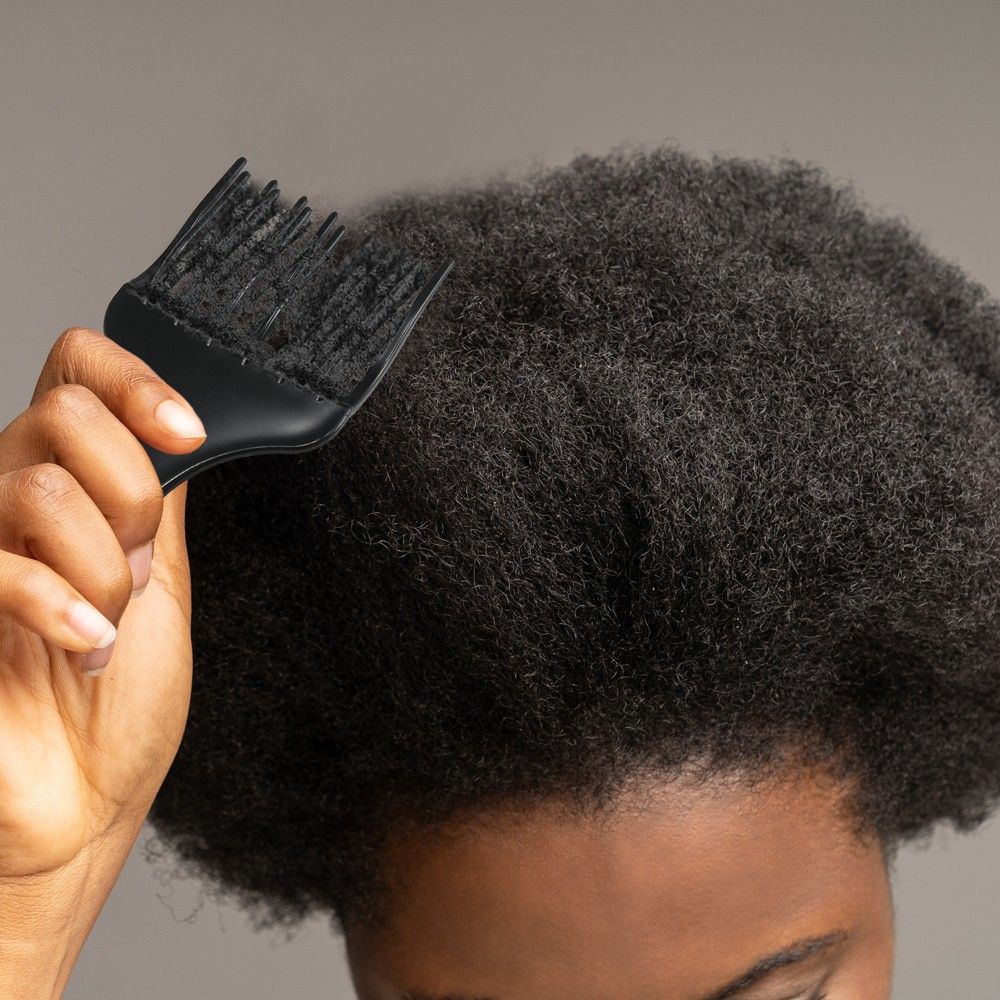
Moisture and Sealing at This Length
Moisture needs shift as your hair gains more length and natural weight. The LOC or LCO method still works well, though quantities may need adjusting.
Apply products in sections to make sure every part gets even coverage.
Work in four to six sections rather than trying to moisturize all at once. This ensures every strand actually receives product instead of just the surface.
A little extra time here prevents dry patches from going unnoticed.
Sealing becomes especially important once your hair reaches medium length overall. A heavier oil or butter helps lock moisture in for longer stretches.
This matters even more if you live somewhere naturally dry or windy.
Seal your ends specifically, since they’re the oldest and most vulnerable part of each strand.
A small amount of oil rubbed between your palms works well for quick sealing. This tiny habit protects length that took months of patience to grow.
Humidity can complicate moisture retention more as your hair gains additional length.
Our post on how to protect afro hair from humidity offers useful strategies for frizz control. A few small adjustments can protect hours of careful styling effort.
Anti-humidity sprays or a light gel cast can help styles hold up longer outdoors.
Testing products ahead of a big event saves real disappointment on the actual day. A little preparation goes a long way during unpredictable weather.
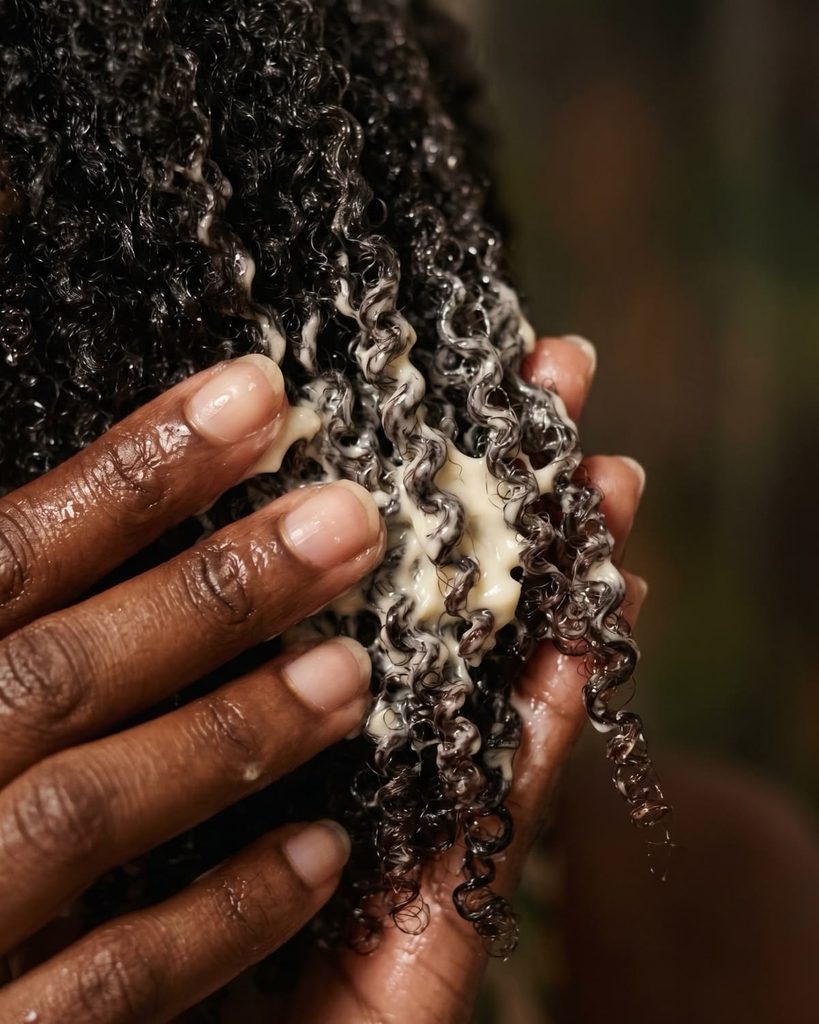
Choosing Richer Products
Product needs genuinely shift as your hair transitions into medium length territory. Lighter formulas that worked earlier may no longer feel like quite enough.
Richer creams, heavier butters, and stronger-hold gels often perform better now.
Read labels carefully, since “medium-length formulas” aren’t always clearly marked on packaging.
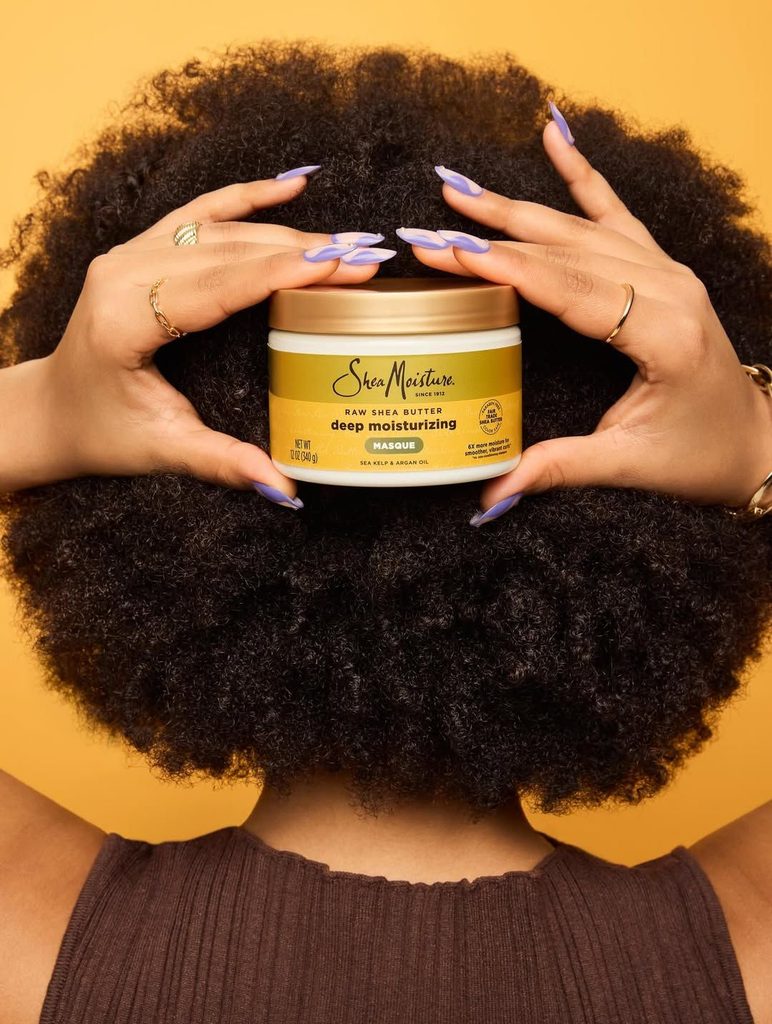
Look instead for thicker textures and ingredients like shea butter or heavy oils. These tend to provide the coverage that longer, denser strands actually need.
Sample sizes let you test richer formulas before committing to a full-size bottle.
This small step saves money on products that ultimately don’t suit your hair. Building a reliable product lineup takes a little trial and error.
If you’re still growing out a twa: month-by-month guide, product needs will keep shifting further. Expect another product update once you move from medium into longer lengths.
Your routine should always evolve gradually alongside your changing hair.
Keep a small notebook tracking which products worked well at each length. This record makes future transitions easier since you’ll already know your preferences.
Your own documented experience often beats any generic online recommendation.
Protective Styling for Medium Length
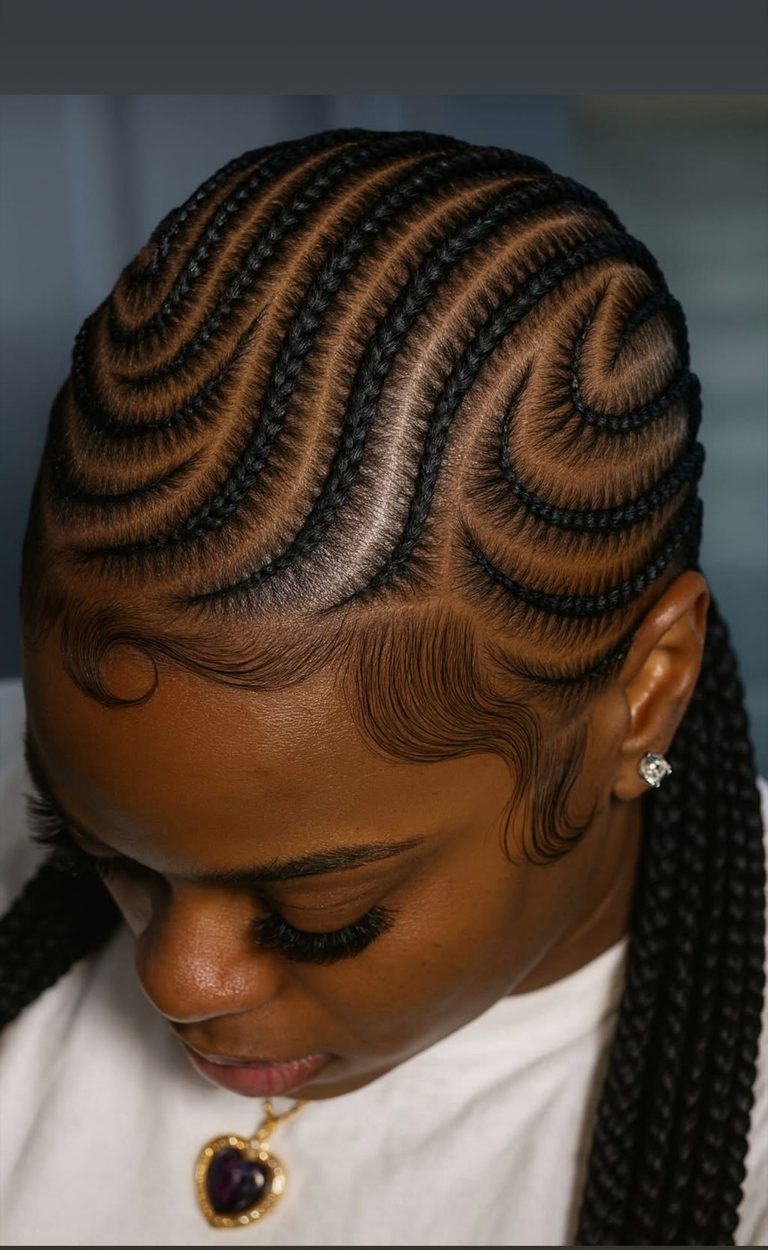
Protective styles open up significantly once your hair reaches medium length. Braids, twists, buns, and updos all become easier to create and maintain.
These styles reduce manipulation while letting your length continue growing steadily.
Rotate between two or three reliable protective styles throughout any given month.
This variety prevents tension on any single area from becoming a lasting issue. Balance is just as important as protection when choosing your styles.
Choose styles that don’t pull too tightly around your hairline or edges. Medium-length hair still carries real weight, which can strain fragile edge areas.
Comfort should always guide your styling choices over dramatic visual impact.
For fresh styling inspiration at any length, curated lists can genuinely help. Our 21 best hairstyles for one-inch afro hair post has techniques worth adapting for longer hair too.
Many foundational styling principles carry over regardless of your exact length.
Adjust section sizes and product amounts to match your current, longer length. Techniques that worked on shorter hair often need slight scaling to work well now.
A little experimentation helps you find what actually translates successfully.
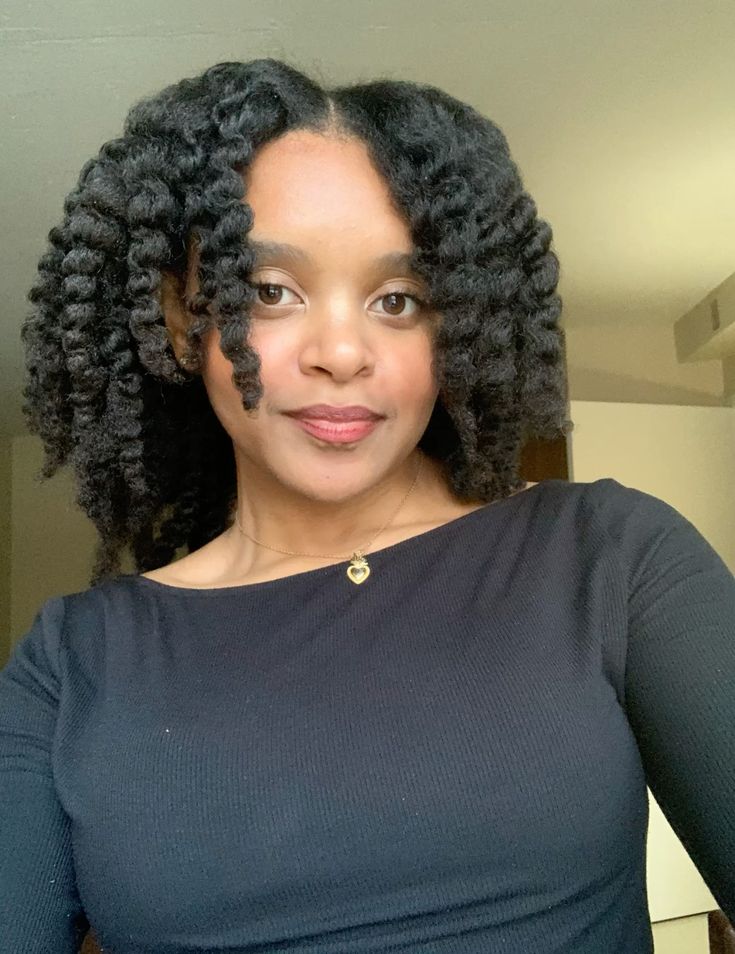
Daily and Weekly Styling Options
Daily styling becomes more flexible once your hair reaches medium length overall.
A quick puff, simple twist-out, or loose bun all work well for busy mornings. You don’t need an elaborate routine to look pulled together every day.
Keep a short list of five-minute styles ready for your busiest mornings. Having reliable go-to options removes decision fatigue when time feels especially tight.
Simplicity on rushed days genuinely beats an elaborate style you don’t have time for.
Weekly styling sessions can focus on longer-lasting looks that carry you through several days. Braid-outs, flat twists, or protective updos all hold well at this length.
Investing a little extra time on wash day saves time throughout the week.
Refresh longer-lasting styles with a light spritz and oil between full wash days.
This small maintenance step keeps styles looking fresh without requiring a full restyle. A quick refresh can add several extra days to any given look.
Keep a small rotation of reliable styles rather than reinventing your routine daily. Consistency reduces manipulation while still keeping your everyday look feeling fresh.
A few trusted, reliable styles genuinely beat constant, exhausting experimentation.
Managing Increased Shrinkage
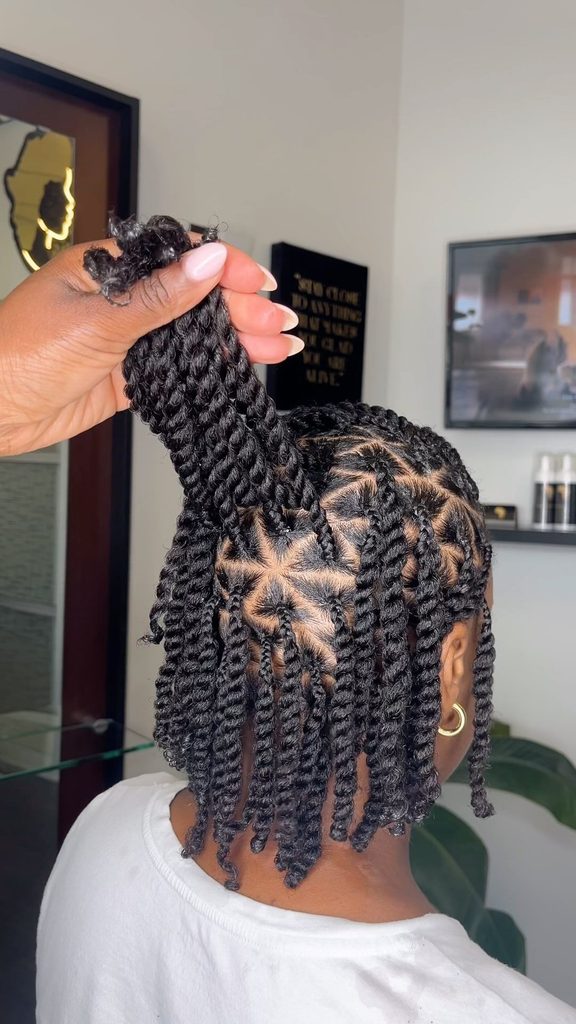
Shrinkage becomes more noticeable, not less, as your hair continues gaining length. Longer hair has more length to lose visually when it springs back tightly.
This can feel discouraging if you don’t understand the underlying process.
Remember that shrinkage percentage often stays fairly consistent throughout your entire journey.
It simply looks more dramatic now because there’s more length involved overall. This is a good sign your curl pattern remains healthy and unchanged.
The topic of why afro hair shrinks so much explains exactly why this happens more at medium length.
Understanding the science helps you appreciate your hair’s natural elasticity. It’s a sign of health, not a sign that something has gone wrong.
Measure your hair while stretched to get an honest sense of real progress. This simple check often reassures people who feel discouraged by daily shrinkage.
Trust the tape measure more than your reflection on a shrinkage-heavy day.
Stretched styles like twist-outs and braid-outs reveal your true length more clearly.
Use these techniques whenever you want to see your actual progress. Shrinkage is simply part of the deal with healthy, coily hair.

Scalp Care as Hair Gets Longer
Scalp care remains essential even as your hair gains more length and coverage.
Longer hair can sometimes make it harder to reach and massage your scalp directly. Make an extra effort to part and access your scalp regularly.
Use a scalp applicator bottle to reach your roots without disturbing your finished style. This small tool makes regular scalp care far more convenient overall.
A little convenience often means the difference between consistency and neglect.
Growth still happens at the scalp, regardless of how long your hair has become.
Reading understanding the afro hair growth cycle helps you appreciate why scalp health still matters most. Healthy growth patterns start at the root, not at the ends.
Stress, poor sleep, and inconsistent care can all interrupt this natural cycle over time.
Supporting your whole body ultimately supports the hair growing out of it. Whole-body wellness quietly shapes the results you see in the mirror.
Massage your scalp gently a few times weekly to support healthy circulation.
This simple habit takes only a few minutes but offers real long-term benefits. A healthy scalp supports every single inch of hair you’re growing.
Watch for flaking, tightness, or unusual odor, since these signal deeper scalp issues.
Addressing problems early prevents them from affecting the quality of new growth. A comfortable, balanced scalp is the true foundation of healthy hair.
Nighttime Routine Adjustments
Nighttime protection remains just as important at medium length as it was before. Satin or silk pillowcases and bonnets continue protecting moisture while you sleep.
Longer hair may require a slightly larger bonnet or a full wrap instead.
A silk scarf wrapped fully around your head often works better than a small bonnet.
It contains more length while still staying comfortable throughout the night. Find whichever option keeps your curls intact without feeling restrictive.
Consider a pineapple technique to preserve curl definition through the entire night.
Gather your hair loosely at the top of your head before securing it. This method works especially well for maintaining twist-outs or wash-and-go styles.
Use multiple soft pineapples spaced around your head for a fuller, more even effect. A single high pineapple can flatten curls unevenly across different areas.
This small adjustment makes a real difference in your morning styling results.
Protecting your length overnight prevents unnecessary breakage from friction and tangling.
A few extra minutes before bed genuinely protects the progress you’re building daily. Small nighttime habits add up to real, visible results over time.

Trimming at Medium Length
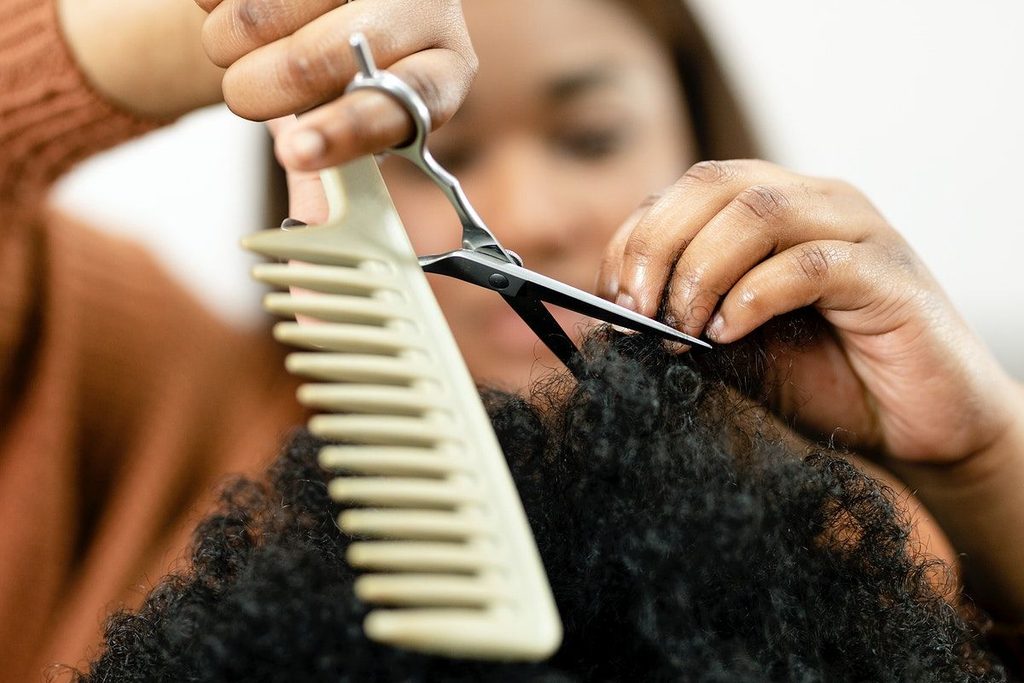
Trimming remains important throughout every stage of your natural hair journey. At medium length, split ends can travel further before you even notice them.
Regular trims prevent existing damage from spreading up healthier sections of hair.
Don’t fear trims simply because you’re finally seeing exciting, visible length.
A small trim actually protects and supports the length you’ve worked hard for. Healthy ends will always outlast unhealthy length in the long run.
Aim for a trim every two to three months, adjusted for your hair’s condition. Some people need trims more often, especially if they use heat regularly.
Others can stretch trims out longer with excellent, consistent care.
Check your ends monthly for dryness, thinning, or visible splitting between scheduled trims. Catching damage early prevents it from traveling further up otherwise healthy strands.
A quick check takes only a minute but protects real, hard-earned length. A skilled stylist can help assess exactly how much length actually needs removing.
Trust their trained eye over guesswork, especially for a longer, more complex head of hair. A careful trim protects the length you’ve worked so hard to grow.
Seasonal Care Through the Months
Seasonal changes affect medium-length hair just as much as they affected shorter styles. Each season brings its own unique challenges and its own small opportunities.
Adjusting your routine seasonally keeps your hair healthy throughout the entire year.
Keep a simple seasonal checklist to remind yourself what needs adjusting each time. A quick review prevents small seasonal issues from becoming bigger frustrations later.
This habit takes only minutes but protects your hair throughout the year.
Summer heat calls for lighter products and more frequent refreshing between washes. A summer hair care routine for afro hair helps you navigate sweat and higher humidity levels.
Winter demands richer products and extra protection from dry indoor heating.
Layering products slightly differently each season keeps your hair prepared for changing conditions.
What works in July rarely works exactly the same way in January. Staying flexible with your routine prevents a lot of seasonal frustration.
A winter moisture routine for natural hair helps prevent breakage during colder, drier months.
Spring often calls for a lighter reset after heavier winter routines. A spring hair reset checklist can help clear buildup and refresh your entire approach.
Fall favors balanced, moderate care between these two seasonal extremes.
Our fall hair care tips for type 4 hair cover useful adjustments worth making during that transition. Treat every season as a small checkpoint in your routine.
Cooler air often means less sweat, which can extend how long styles genuinely last.
Use this season to try slightly longer-lasting protective styles if you’d like. Fall is a natural window for experimenting with new techniques.

Common Mistakes at This Stage
Overloading your hair with too much product is a common mistake at this length.
More length doesn’t always mean more product is genuinely necessary or helpful. Apply products in thin layers, building up only if your hair actually needs it.
Product buildup can weigh down curls and make hair look greasy or dull. A clarifying wash can fix this, but prevention saves time and frustration.
Start light, then add more only if your hair genuinely asks for it.
Neglecting regular trims is another mistake people make once styling becomes more exciting. Focusing only on length can accidentally sacrifice overall hair health over time.
Balance growth goals with consistent, ongoing maintenance for the best long-term results.
Skipping deep conditioning to save time is another common, costly mistake at this stage.
Longer hair genuinely needs this step more, not less, than shorter hair did. Cutting corners here often shows up as dryness and breakage later.
Ignoring humidity is a mistake that becomes more costly as your hair gains length. Frizz control matters just as much at this stage as it did before.
A few small adjustments can save hours of frustrating, wasted styling effort.
Check the forecast before committing to a time-intensive style on a humid day. A quick check can save you from disappointment after a long styling session.
Planning ahead genuinely protects both your time and your finished look.
Nutrition and Growth Support
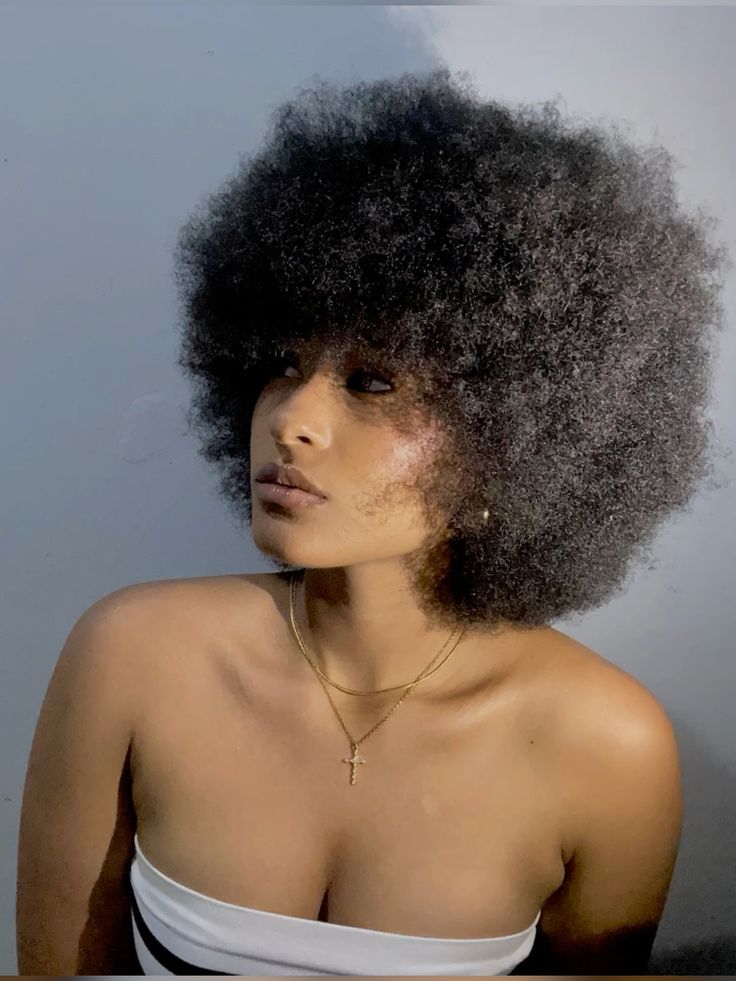
What you eat continues supporting your hair’s health at every single length. Protein, healthy fats, and key vitamins all support strong, resilient strands.
A balanced diet works alongside your topical routine, not as a replacement for it.
Leafy greens, eggs, salmon, and nuts all offer nutrients your hair genuinely benefits from. A colorful, varied plate usually beats any single trendy superfood or supplement.
Balance across your whole week matters more than any one perfect meal.
Hydration matters just as much internally as externally for genuinely healthy hair.
Drinking enough water supports moisture levels throughout your entire body, hair included. Small daily habits like this quietly support your visible hair care results.
Sleep and stress management also play a quiet but genuine role in hair health. Poor sleep and chronic stress can both slow down healthy growth patterns.
Caring for your whole self ultimately supports the hair growing from it.
Consistency in nutrition, much like consistency in styling, builds results over time. Don’t expect overnight changes from a single healthy meal or one good week.
Steady, balanced habits over many months make the biggest visible difference.
Think of nutrition as a quiet, background habit rather than a dramatic quick fix. Small, boring, repeated choices genuinely outperform occasional extreme efforts over time.
Your hair, like your body, responds best to steady consistency.

Wrapping Up: Enjoying Medium-Length Hair
Medium length is a genuinely exciting stage worth celebrating and enjoying fully. You’ve built real habits, learned your hair’s needs, and expanded your styling options.
This stage rewards the patience and consistency you’ve shown throughout your journey.
Keep adjusting your routine as your hair continues to grow and change. What works today may need small tweaks again a few months from now.
Flexibility and attentiveness will always serve you better than a rigid, unchanging routine.
Stay curious and open to trying new techniques as your hair keeps evolving. What worked perfectly last year may need refreshing again this year.
Curiosity keeps your routine feeling engaging instead of stale or repetitive.
Take a moment to appreciate how far your hair has genuinely come. From a fragile TWA to confident medium length, this journey reflects real dedication.
Enjoy this stage fully, since an even longer, exciting chapter still lies ahead.
Share your progress with a friend or online community who understands the journey.
Celebrating milestones with others often makes them feel even more meaningful. Your medium-length hair is proof of months of consistent, patient care.

7 Comments