
15 Reasons Your Afro Hair Isn’t Growing (Even Though You’re Doing Everything Right)
Disclosure: Some of the links in this post are affiliate links. This means if you click on the link and purchase an item, I will receive an affiliate commission at no extra cost to you.
You’ve followed every rule in the book, and your hair still looks the same length it did eight months ago. Deep conditioning, protective styles, expensive oils, you’ve tried it all without much to show for it.
That kind of stalled progress is exhausting, especially when you feel like you’re doing everything right. It’s also isolating, since everyone around you seems to offer a different explanation. Here’s the frustrating truth nobody likes to hear: doing “everything right” according to one article doesn’t guarantee results.
Growth depends on a long list of small factors, and missing even a few quietly stalls your progress. Some of these factors are about technique, and some have nothing to do with your routine at all. If you read the biggest wig mistakes that damage your hair, some of these reasons might already sound familiar.
This list breaks down fifteen possible reasons your hair isn’t growing the way you expect. Not all of them will apply to you, but a few probably will.
15 Reasons Your Afro Hair Isn’t Growing (Even Though You’re Doing Everything Right)
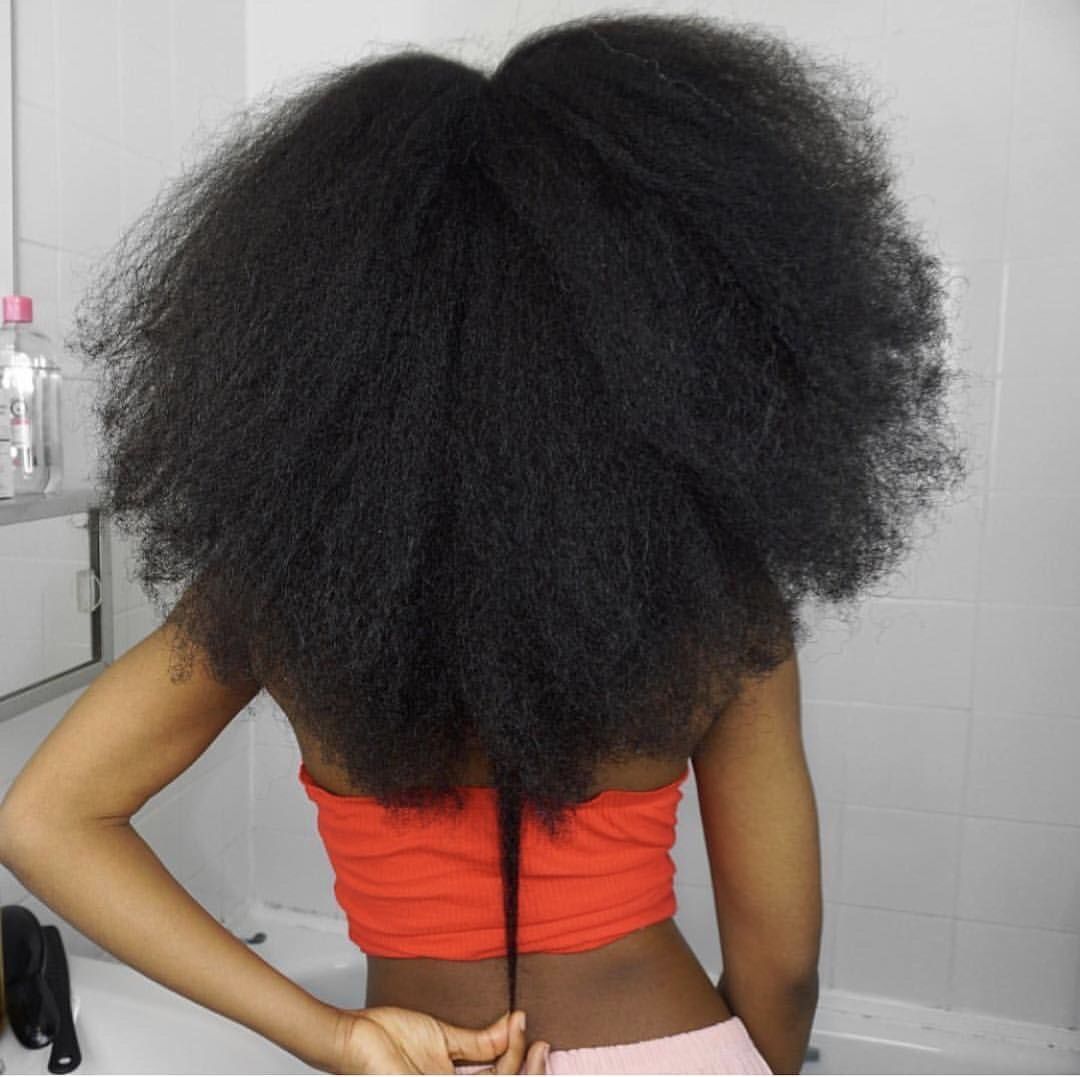
1. You’re Not Actually Retaining Length
Your hair might be growing just fine, but breakage is quietly canceling out the progress. Growth and retention are two completely different things, even though people often confuse them.
If your ends snap off as fast as your roots grow, length never accumulates.
This connects to the same careful handling covered in how to blow dry afro hair without damage. Technique affects retention just as much as it affects the final style.
Gentle detangling, proper moisture, and minimal heat all support keeping the length you’ve grown. Measure your hair’s actual growth rate separately from how long it currently looks.
If you’re rotating between styles, learning how long you should wear a wig continuously also supports retention.
Giving your hair planned breaks reduces the manipulation that so often causes silent breakage.
A rotation schedule doesn’t need to be rigid, just consistent enough to give your hair regular rest.
Track your progress with monthly length checks rather than daily glances in the mirror. Daily changes are nearly impossible to notice, which makes them feel discouraging.
Monthly comparisons reveal whether your retention efforts are actually working.
A simple photo taken under the same lighting each month works better than memory alone.
Memory tends to distort small changes, especially when you’re looking for dramatic results. Objective photo comparisons give you a clearer, more honest picture over time.
Consistency in your photo setup, same angle and same lighting, makes comparisons far more reliable.
2. You’re Using Too Much Heat
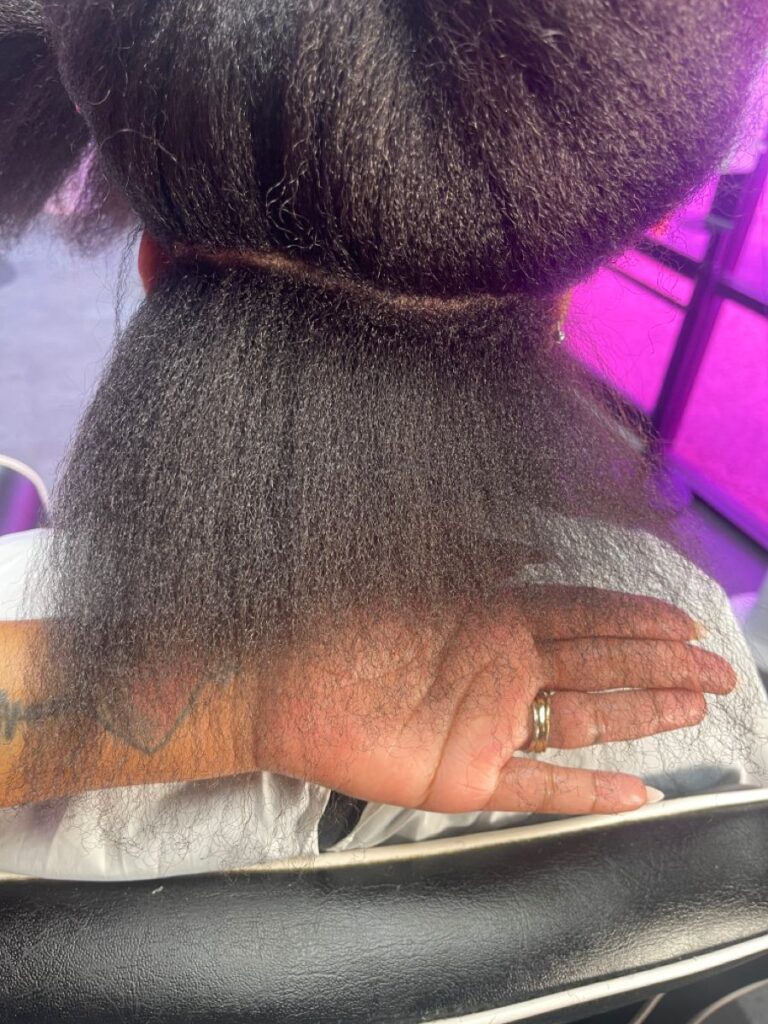
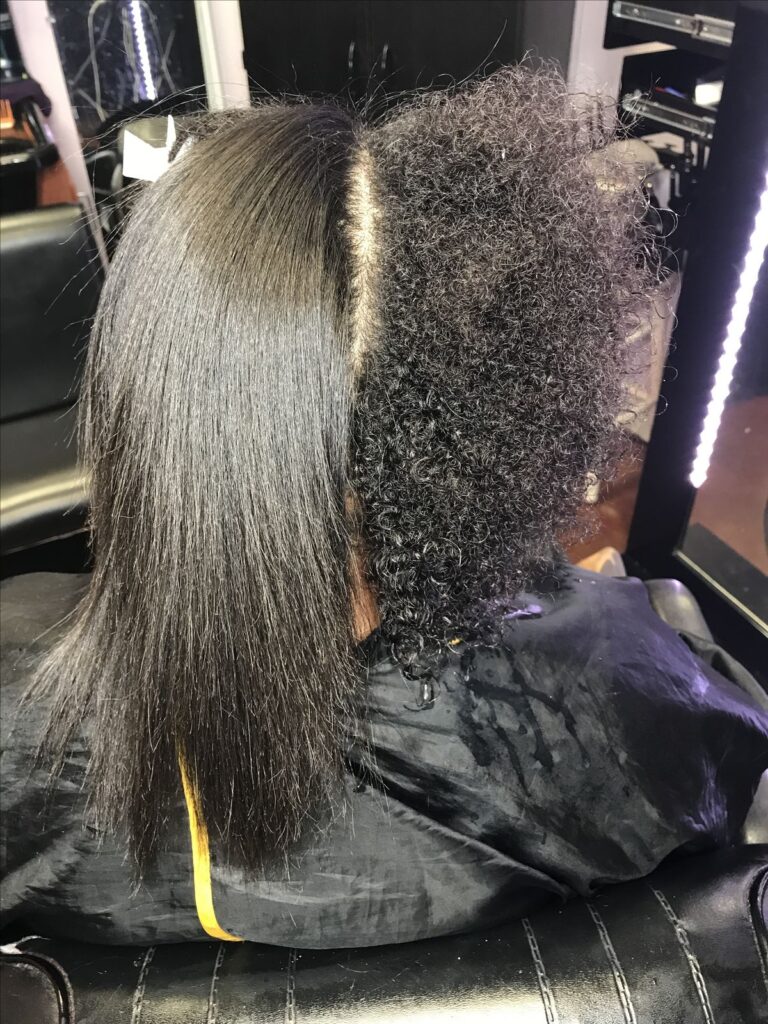
Frequent flat ironing or blow drying puts consistent stress on already fragile strands. Over time, that stress leads to breakage that outpaces your natural growth rate.
Watch out for common heat protectant mistakes, since skipping this step accelerates the damage significantly.
Cutting back on heat frequency, even slightly, often shows noticeable improvement within a few months.
Your hair doesn’t need to be heat free forever, just used with real intention. Small reductions in frequency can make a surprisingly large difference over time.
Try spacing out heat styling sessions by an extra week or two at first. That single adjustment alone often reduces breakage more than people expect.
Give your hair a few months before judging whether the change actually helped.
Alternating heat styles with protective, heat free styles gives your hair regular recovery windows. This rotation approach protects growth without requiring you to give up heat completely.
Keep a simple record of how often you’re actually using heat each month. Most people underestimate their real frequency until they start tracking it honestly.
3. Your Ends Are Overdue for a Trim
Split ends travel up the hair shaft if they’re left untrimmed for too long. That splitting eventually causes breakage higher up, undoing months of careful growth.
Regular trims, even small ones, actually support length retention rather than working against it.
Technique matters here just as much as it does with curly styles. It’s a bit like why your twist-out never looks like everyone else’s, since small habits shape the outcome. A trim every few months keeps your ends healthy enough to actually hold length.
Many people avoid trims out of fear of losing hard earned length. In reality, skipping trims usually costs more length through breakage than trims ever remove.
Reframing trims as protective, not punitive, changes how people approach this step entirely.
A quarter inch trim every three to four months rarely makes a visible difference right away. Over a year, though, it prevents the kind of splitting that causes much bigger losses.
Find a stylist who trims conservatively if you’re worried about losing too much length. Clear communication about how much to remove prevents unwanted surprises during the appointment.
4. You’re Skipping Deep Conditioning
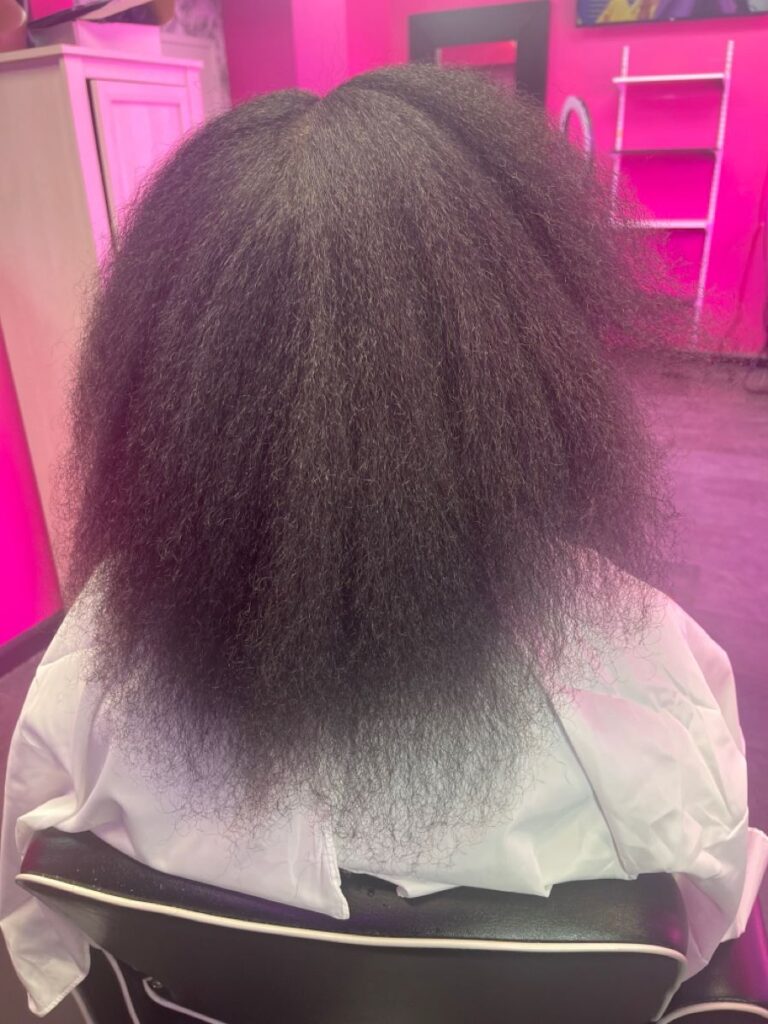
Dry, under conditioned hair breaks more easily, no matter how fast it’s technically growing. Deep conditioning restores moisture and strength that daily styling gradually strips away.
If you’ve read the complete beginner’s guide to silk presses, you already know conditioning plays a role there too.
Weekly or biweekly deep conditioning sessions make a real difference over several months. Skipping this step to save time often costs you more time later in repair.
Consistency here matters more than any single expensive product you might buy.
Set aside a specific day each week dedicated to this one habit alone. Treating it as a scheduled ritual, rather than an optional extra, keeps you consistent.
Your hair notices the difference between occasional care and dependable, weekly attention.
Pair deep conditioning with a task you already do, like laundry or a weekend routine. Attaching a new habit to an existing one makes it far easier to remember.
If you’re short on time, even a shorter conditioning session under a warm towel helps. Some benefit almost always beats skipping the step entirely because of a busy week.
5. Your Protective Styles Are Too Tight
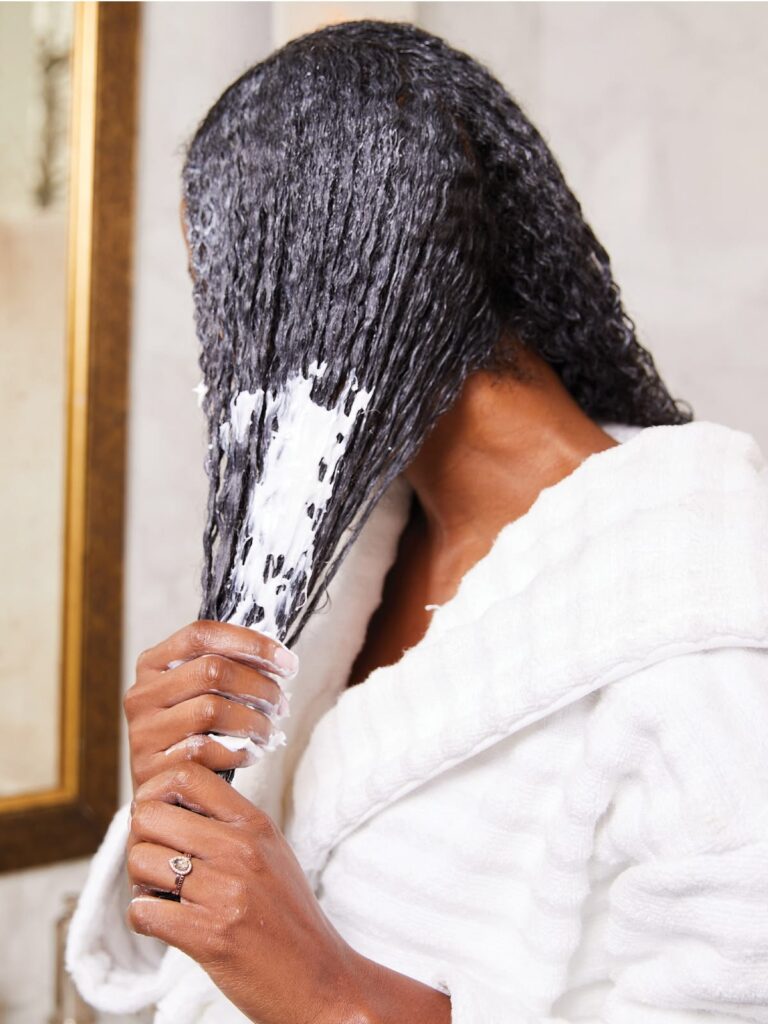
Tight braids, tight wigs, or tight twists all put ongoing tension on your hairline. That tension leads to breakage and thinning, especially around your edges.
Following how to prep your hair before installing a wig helps you start any protective style on the right foot.
This connects to a bigger question, like whether your favorite hairstyle is damaging your hairline more than you realize.
A style that hurts during installation will likely cause damage over time. Comfort should never be sacrificed for a slightly neater looking finish.
Traction alopecia, a form of hair loss from repeated tension, is a real and documented risk. It develops gradually, which is exactly why it’s so easy to ignore early warning signs.
Speaking up about discomfort during installation protects your hairline for years to come.
If your stylist dismisses your comfort in favor of a tighter finish, consider finding a new one. Your hairline’s long term health matters more than a single day’s neat appearance.
Bring reference photos and clearly state your tension preference before the appointment begins.
Setting expectations upfront prevents miscommunication once the styling process is already underway.
6. You’re Not Moisturizing Consistently
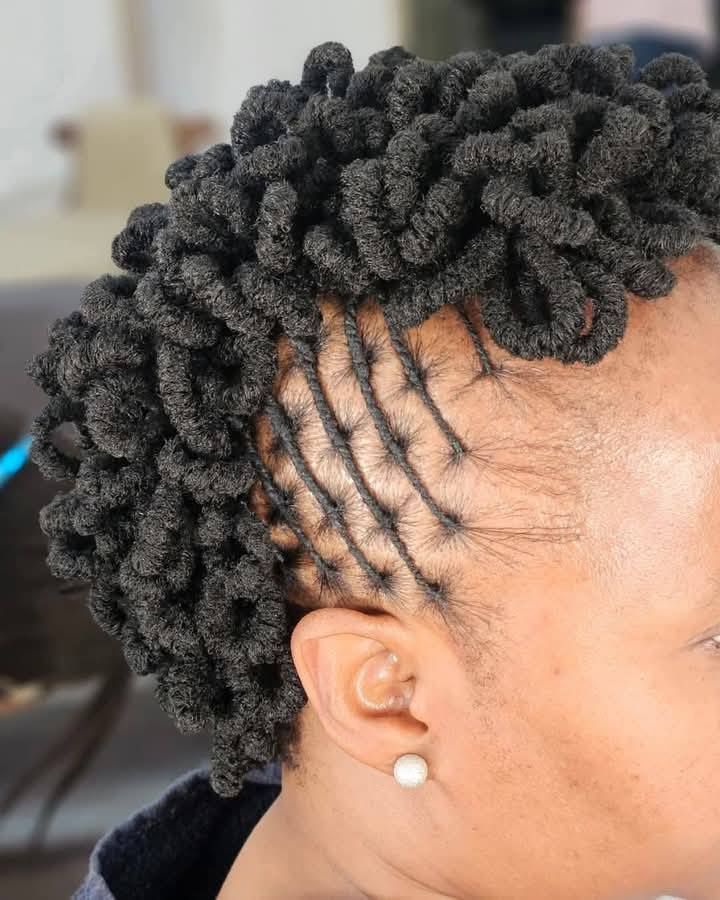
Inconsistent moisture leaves your hair vulnerable to dryness, brittleness, and eventual breakage. A routine you follow occasionally doesn’t offer the same protection as one you follow reliably.
Ask yourself honestly if your hair still feels dry after moisturizing, since that’s a clear signal something needs adjusting.
Building a simple, repeatable moisture routine matters more than chasing the perfect product. Water based products, sealed with an oil, offer a solid foundation for most hair types.
Small, consistent habits protect growth far more effectively than occasional intensive treatments.
Keep your moisturizing products somewhere visible, so the habit becomes easy to remember. Out of sight often really does mean out of mind for daily routines.
A simple visual cue can be the difference between consistency and constant forgetting.
Try the LOC or LCO method, layering liquid, oil, and cream in a sequence that works for you. Experimenting with order and products helps you find what truly locks in moisture best.
Porosity affects which method and product order works best for your specific hair type. Low porosity hair often benefits from lighter layers applied to slightly damp strands.
High porosity hair, by contrast, often needs richer, heavier products to hold onto moisture longer.
7. You’re Overdoing Protein Treatments
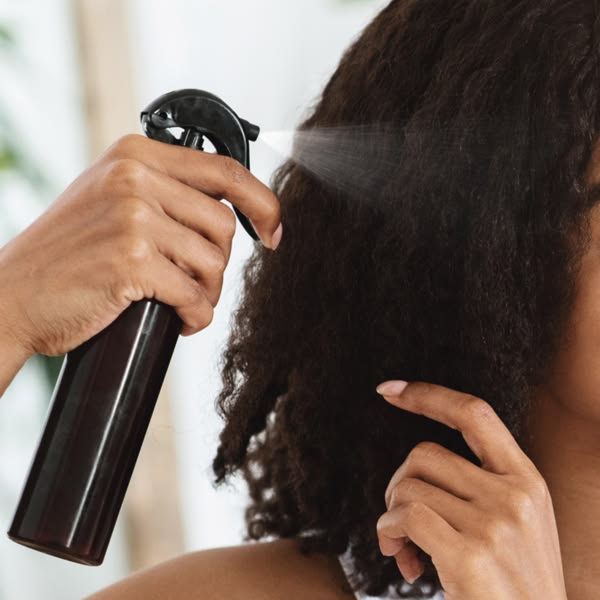
Protein strengthens hair, but too much without enough moisture makes strands stiff and brittle. Overly protein heavy routines often lead to unexpected breakage that feels confusing at first.
Balance is the key factor most people overlook when protein treatments become popular.
If your hair feels hard or straw like after a treatment, that’s a sign of overuse. Space out protein treatments and follow them immediately with a moisturizing conditioner.
Listening to how your hair responds matters more than any fixed schedule you find online.
My friend Amanda once used a protein treatment every single week, convinced more was better. Her hair became increasingly stiff and started breaking at the ends within a month.
Once she cut back to once a month, her hair felt noticeably softer and stronger.
She now checks in with how her hair actually feels before reaching for another treatment. That simple habit has kept her routine balanced ever since her initial mistake.
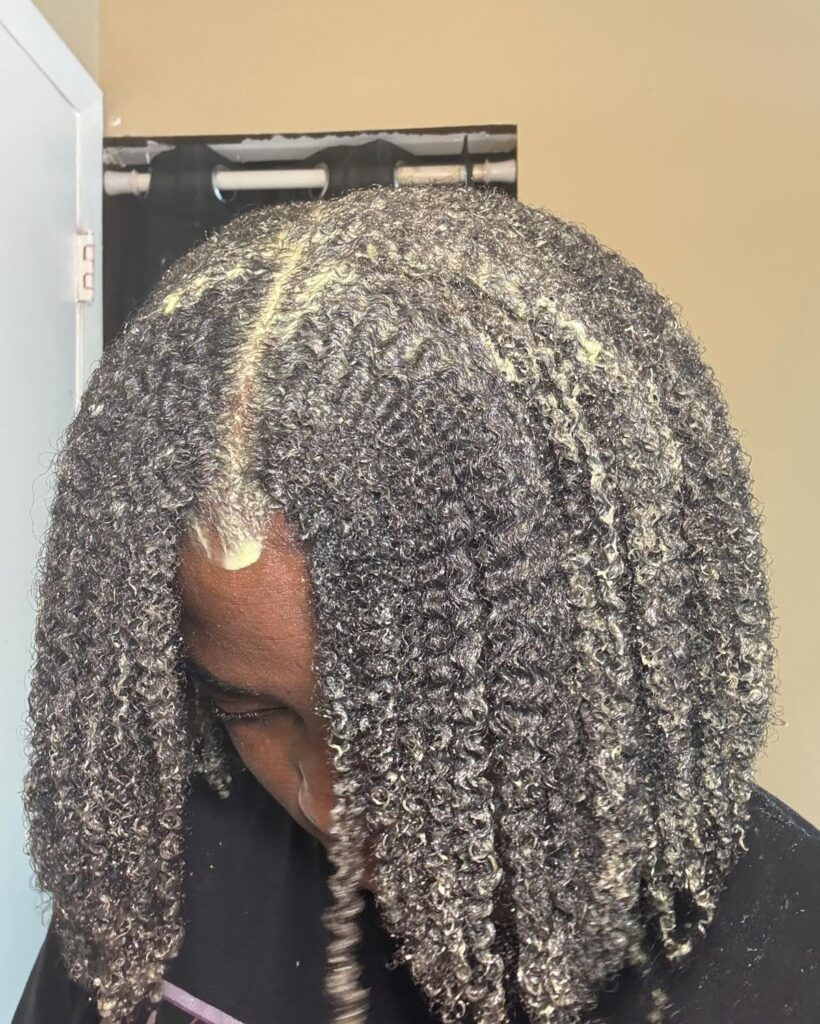
8. Your Diet Is Missing Key Nutrients
Hair growth depends partly on nutrients like protein, iron, and essential vitamins. A diet lacking in these building blocks can slow growth, regardless of your external routine.
This isn’t about chasing trendy supplements, just covering basic nutritional needs consistently.
Simple changes, like more protein or leafy greens, can support healthier growth over time. Consult a doctor if you suspect a more significant nutritional deficiency might be involved.
Your hair often reflects your overall health more than most people realize.
Blood tests can reveal deficiencies you might not otherwise suspect, like low iron or vitamin D. Addressing these gaps sometimes produces noticeable improvement within a few months.
It’s worth ruling out before assuming your hair care routine is entirely to blame.
Biotin and other popular supplements aren’t magic fixes without an underlying deficiency to correct. If your diet already covers your basic needs, extra supplements likely won’t add much benefit.

9. You’re Not Managing Stress
Chronic stress can push hair follicles into a resting phase, slowing visible growth noticeably. This isn’t just a minor factor, it’s a well documented physiological response in many people.
Managing stress, even imperfectly, can have a real impact on your hair’s growth cycle.
Sleep, exercise, and simple daily routines all play a role in managing stress levels. You don’t need a complete lifestyle overhaul, just consistent small improvements over time.
Give your body and your hair the same grace during genuinely difficult seasons.
Stress related shedding often shows up two to three months after the stressful period itself. That delay makes the connection easy to miss if you’re not specifically looking for it.
Recognizing this pattern helps you avoid unnecessary panic over what’s often a temporary phase.
Journaling major life events alongside hair changes can help you spot patterns over time. This kind of tracking removes some of the guesswork from an otherwise confusing situation.

10. You’re Sleeping Without Protection
Cotton pillowcases and unprotected hair create friction that leads to breakage overnight. This connects to the same nighttime habits covered in how to keep a silk press looking fresh longer.
Protection matters just as much here as it does there. Repeated friction, night after night, adds up to real, measurable damage.
Switching to a silk or satin pillowcase, or wrapping your hair, reduces this friction significantly.
It’s one of the easiest, cheapest changes on this entire list. Small nighttime habits protect the length you’re actively trying to grow.
Even a simple bonnet, worn consistently, makes a measurable difference over several months.
Consistency matters more than which specific method you choose to protect your hair. Pick whichever option you’ll actually stick with every single night.
If you tend to remove your bonnet in your sleep, a silk pillowcase offers a reliable backup. Layering both methods gives you the most complete protection possible.

11. You’re Over-Manipulating Your Hair
Constant styling, restyling, and touching your hair adds up to real cumulative stress. Every comb pass, every retwist, and every adjustment carries some risk of breakage.
Reducing unnecessary manipulation gives your strands a real break from constant handling. A beginner’s guide to wigs for natural hair approach can help you cut back significantly.
Low manipulation styles let your hair grow without constant interference or handling. This doesn’t mean never touching your hair, just being more intentional about when and how.
Fewer, more careful sessions beat frequent, casual daily manipulation every time.
Fidgeting with your hair throughout the day counts as manipulation too, even if it feels harmless.
That habit is easy to overlook since it doesn’t feel like active styling. Becoming aware of it is often the first step toward reducing it.
Ask a friend or family member to point it out if you tend to fidget unconsciously. Outside observation often catches habits we’ve stopped noticing in ourselves.
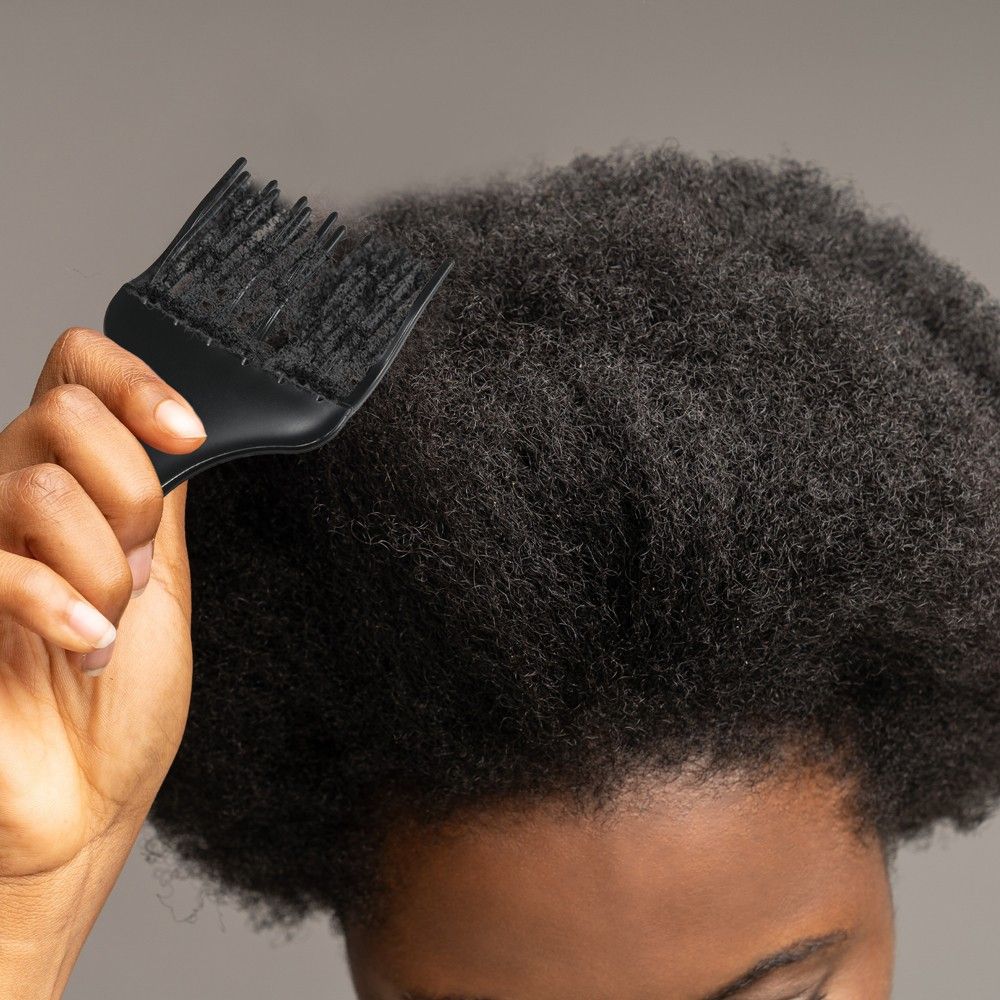
12. You Have Undiagnosed Scalp Issues
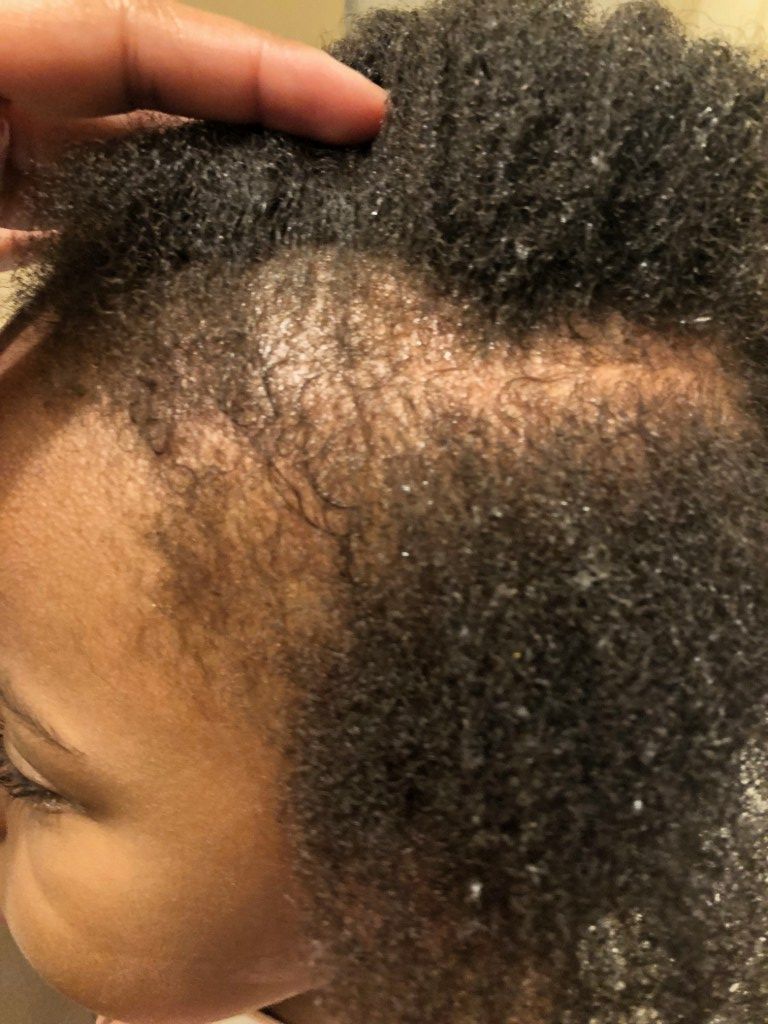
A healthy scalp is the actual foundation for healthy hair growth, often overlooked entirely. Flaking, excessive oiliness, or persistent irritation can all signal an underlying scalp condition.
Watch out for the hidden mistake that’s breaking your hair every single week. Scalp neglect often hides in plain sight, unnoticed until symptoms become obvious.
If basic scalp care doesn’t resolve persistent symptoms, consider consulting a dermatologist. Some scalp conditions genuinely require professional treatment beyond typical hair care routines.
Addressing the root cause, quite literally, often unlocks growth that felt stalled for months.
Conditions like seborrheic dermatitis or fungal infections are more common than people assume. They’re also usually very treatable once properly identified by a professional.
Don’t let embarrassment or assumption keep you from seeking real answers.
A scalp that feels tight, tender, or unusually sensitive is worth mentioning at your next checkup. These symptoms sometimes get dismissed as minor, but they can point to something worth treating.
13. You’re Not Drinking Enough Water
Dehydration affects your whole body, including the health of your hair and scalp. Hair that lacks internal hydration often becomes more prone to dryness and breakage.
This simple factor gets overlooked constantly in favor of more complicated explanations.
Aim for consistent water intake throughout each day, not just occasional large amounts.
Pairing internal hydration with external moisture creates a more complete approach to hair health. Sometimes the simplest explanation really is the correct one after all.
Keep a water bottle visible throughout your day as a simple, effective reminder. Small, consistent sips add up to meaningful hydration by the end of each day.
This tiny habit costs nothing but genuinely supports your hair’s overall health.
Herbal teas and water rich foods also contribute to your overall hydration levels. You don’t need to rely solely on plain water to meet your daily needs.

14. Your Hormones Are Shifting
Pregnancy, menopause, thyroid changes, and other hormonal shifts can all affect hair growth. These changes are often temporary, though they can feel frustrating while they’re happening.
If growth has suddenly changed without any change in your routine, hormones are worth considering.
A doctor can help rule out or confirm hormonal causes behind changes in growth. Patience matters here, since many hormonal related changes eventually stabilize on their own.
Not every growth issue traces back to your hair care routine specifically. It’s worth ruling out the internal causes before assuming the problem is purely external.
Postpartum shedding is one of the most common examples people experience firsthand. It usually resolves on its own within several months, without any special treatment needed.
Understanding this pattern can ease a lot of unnecessary worry during that stressful time.
Thyroid issues are another common, often overlooked cause worth ruling out with a simple blood test. Catching and treating these conditions early usually restores normal growth patterns fairly quickly.
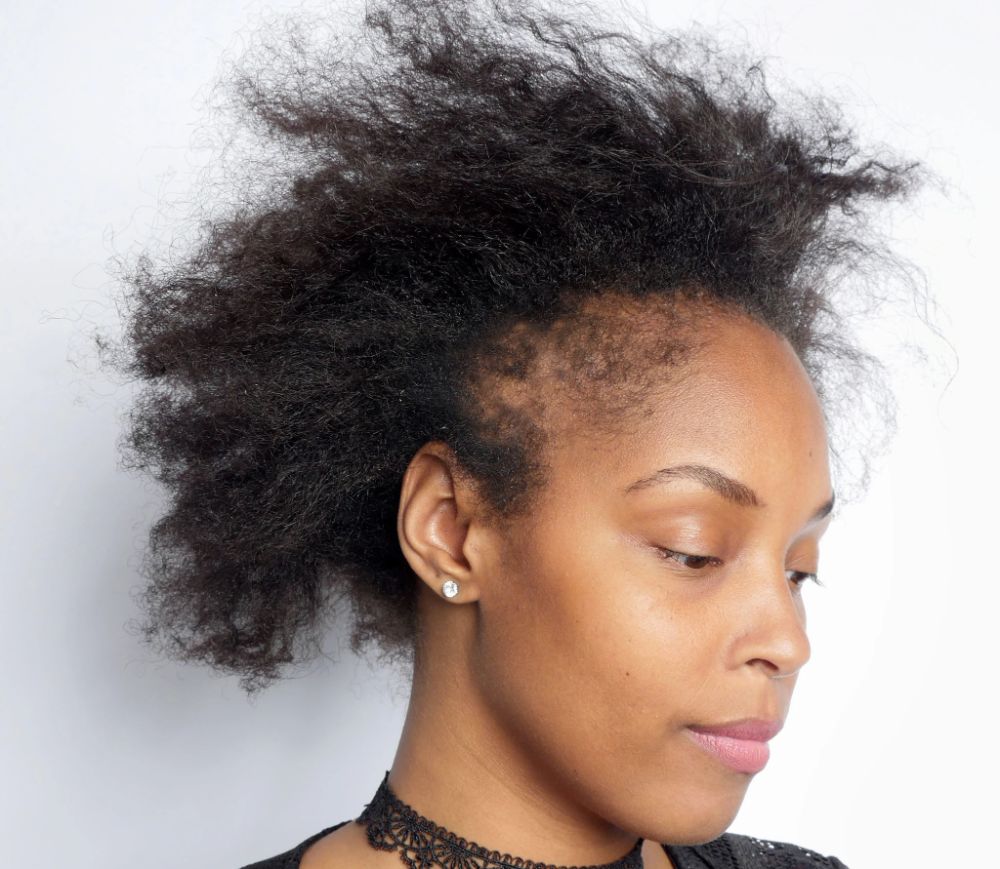
15. You’re Comparing Growth to Unrealistic Timelines
Social media often shows dramatic transformations that leave out months of unglamorous, gradual progress.
This connects to the same unrealistic comparisons people make between silk press vs blowout results and their own hair. Real hair growth is slow, steady, and rarely as dramatic as viral videos suggest.
Average growth rates are measured in inches per year, not overnight transformations. Comparing your timeline to a curated online highlight reel sets you up for disappointment.
Trust your own pace, and measure progress against your own hair’s history.
Many viral transformation videos use extensions, filters, or simply skip months between clips. What looks instant online often represents a much longer, more realistic timeline in reality.
Keep that context in mind before judging your own progress too harshly.
Following accounts that show slow, honest, unfiltered progress can help reset your expectations.
Realistic comparisons make patience easier than constantly measuring yourself against curated perfection.
Final Thoughts on Supporting Real Growth
Growth stalls for a combination of reasons, rarely just one single cause. Learning how to care for afro hair under a wig connects many of these factors together in one consistent routine.
Working through this list honestly helps you identify what’s actually holding your hair back.
Small, consistent changes usually matter more than any single dramatic overhaul. Give any new habit at least a few months before expecting visible results.
Your hair is capable of healthy growth, even if progress currently feels frustratingly slow.
Pick just one or two reasons from this list to focus on first. Trying to fix everything at once usually leads to burnout rather than results.
Patience, paired with consistency, tends to accomplish far more than urgency ever does.


3 Comments