
Fall Hair Care Tips for Type 4 Hair
Disclosure: Some of the links in this post are affiliate links. This means if you click on the link and purchase an item, I will receive an affiliate commission at no extra cost to you.
Sweater weather and pumpkin spice arrive, and your hair routine needs to catch up too. Fall marks a real turning point for type 4 hair, even before winter fully arrives. Cooler air, shifting humidity, and the first hints of indoor heating all change what your hair needs.
What worked during a summer hair care routine for afro hair starts falling short as September rolls in. This season sits between summer’s heat and winter’s harshness, asking for its own specific approach.
The good news is that a few thoughtful adjustments can ease this transition significantly. Let’s walk through exactly how to care for type 4 hair as fall settles in.
Think of fall as a bridge season rather than an afterthought between summer and winter. It deserves its own attention, not just leftover habits from warmer months. A little intentionality now pays off throughout the entire year ahead.

Fall Hair Care Tips for Type 4 Hair
Why Fall Is a Turning Point for Type 4 Hair
Fall brings a noticeable shift in both temperature and humidity levels. Air gradually becomes drier as the season progresses toward winter’s harsher conditions.
Your hair needs to adjust before these changes become more extreme.
This transitional period offers a genuine opportunity to reset your routine thoughtfully. Rather than reacting to winter dryness once it fully arrives, fall lets you prepare.
Small proactive adjustments now prevent bigger struggles once temperatures drop further.
Many people wait until winter’s harshest days before making any real changes. By then, damage has often already started, making recovery slower and harder.
Fall’s gentler pace offers a much easier window for adjustment.
Understanding your hair’s basic structure helps explain why seasonal transitions matter so much.
Reading how hair is formed: a beginner-friendly guide explains why porosity affects how strands respond to shifting humidity. That knowledge helps you anticipate changes before they take hold.
High porosity hair often reacts faster to fall’s shifting conditions than low porosity hair. Knowing your porosity type helps you time your seasonal adjustments more effectively.
This small bit of knowledge genuinely improves how smoothly your transition goes.
Transitioning Away From Summer Products
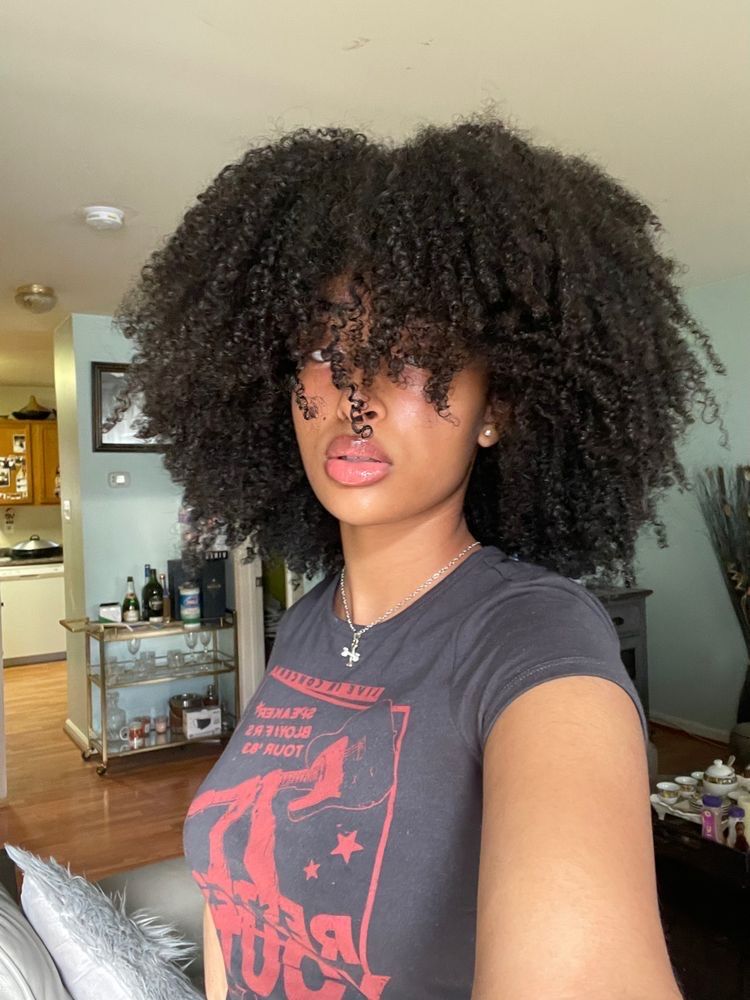
Lightweight summer products that worked well in heat may feel insufficient come fall. As humidity drops, hair often needs slightly richer formulas for adequate moisture.
This transition should happen gradually rather than switching everything overnight.
Start incorporating richer creams or butters a few times weekly as September arrives. Full commitment to heavier products can wait until temperatures drop further.
This gradual approach lets your hair adjust without any sudden, jarring shifts.
Keep both summer and fall products on hand during this transitional window. Some days may still feel warm enough for lighter formulas to work well.
Flexibility during this changeable stretch genuinely serves your hair best.
As your hair grows longer, your fall product needs may shift too. A medium-length afro hair care routine explains how length affects seasonal product adjustments throughout the year.
Both season and length genuinely influence what your hair needs most.
Longer hair may need product applied in more sections for full coverage. Shorter hair often needs less overall product but still benefits from the same technique.
Adjust quantities based on your actual length rather than a generic rule.

Adjusting Wash Frequency as Temperatures Drop
Wash frequency often needs adjusting as temperatures gradually begin dropping in fall. Your scalp may produce less oil as heat and humidity decrease.
This can mean stretching wash days slightly longer than you did in summer.
Pay close attention to how your scalp actually feels during this transition. Itching, tightness, or visible flakes still signal it’s time to cleanse.
Let your scalp’s signals guide your schedule rather than a fixed summer routine.
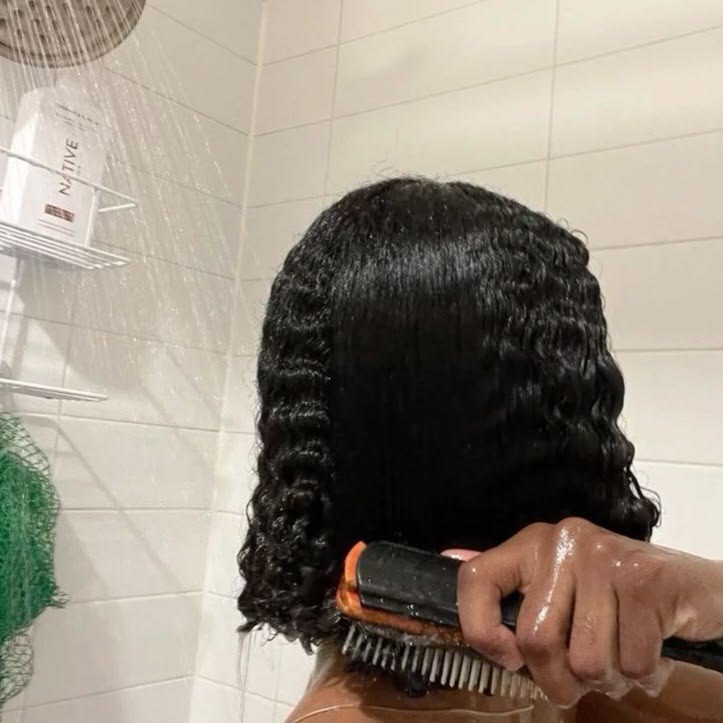
Warm, not hot, water remains the better choice as temperatures continue dropping. Hot water feels comforting but strips more moisture than lukewarm water does.
This small adjustment protects your hair through every wash day this season. Growth continues steadily through fall, regardless of shifting wash day habits.
Reading understanding the afro hair growth cycle helps explain why consistent care matters through every seasonal transition. A healthy scalp supports growth no matter what season it is.
Don’t let a busy fall schedule become an excuse for inconsistent scalp care. A simple, quick routine still counts, even during your busiest weeks.
Consistency through fall genuinely supports the growth you’re working to maintain.
Deep Conditioning to Prep for Winter
Deep conditioning becomes increasingly important as fall progresses toward winter’s harsher conditions.
Building moisture reserves now helps your hair handle drier months ahead. A consistent weekly session genuinely strengthens your hair’s overall resilience.
Set a recurring reminder if deep conditioning tends to slip your busy fall schedule.
Consistency matters more than any single premium product you could purchase. A simple, regular routine beats an occasional, elaborate treatment session.
Consider alternating between protein and moisture treatments throughout the fall season. This balanced approach prepares your strands for winter’s specific, demanding challenges.
Strong, well-moisturized hair handles seasonal transitions far more gracefully overall.
Pay attention to how your hair responds after each type of treatment. Overly stretchy strands often signal a need for more protein support.
Stiff, brittle strands usually signal a need for more moisture instead.
Strong internal structure supports everything else in your hair care routine.
Reading what keratin does for afro hair explains why deep conditioning strengthens strands before winter’s harshest conditions arrive.
Protecting that structure now genuinely pays dividends throughout the colder months.
Heat during deep conditioning sessions helps products penetrate more deeply into each strand. A hooded dryer or warm towel both work well for this purpose.
This small addition boosts the effectiveness of every single treatment.

Protective Styling for Fall Weather
Fall is an excellent season for trying longer-lasting protective styles. Cooler temperatures mean less sweat, which often extends how long styles genuinely last.
This makes fall a popular season for braids, twists, and other installs.
Booking appointments early becomes especially important as fall’s popularity increases demand significantly.
Stylists often fill up quickly once the season’s cooler, style-friendly weather arrives. Planning ahead genuinely helps you secure your preferred appointment time.
Choose styles that offer good coverage without feeling too heavy or restrictive. Moderate protection genuinely works well during this in-between seasonal stretch.
Fall doesn’t yet demand winter’s most aggressive, intensive protective measures. Consider styles that transition well into winter without requiring immediate takedown.
A style installed in October might comfortably last well into December. Thoughtful timing can save you an unnecessary extra styling session.
For style inspiration that works beautifully during cooler fall weather, curated lists can help.
Our 21 best hairstyles for one-inch afro hair post includes techniques that adapt nicely to autumn’s mild, changing conditions. Many principles there apply regardless of the specific season outside.
Look specifically for styles that offer coverage without feeling overly bulky or warm. Fall’s mild temperatures allow more flexibility than winter’s harsher demands require.
Function and style can balance nicely during this comfortable, in-between season.

Managing Static as Humidity Drops
Static becomes a more noticeable issue as fall humidity levels start declining. Drier air combined with layered clothing creates more friction and unwanted static.
A few simple strategies can help manage this frustrating seasonal shift.
Sweaters, scarves, and hats all contribute to fall’s increased static buildup. Silk or satin linings inside hats can meaningfully reduce this friction.
A small fabric swap can genuinely improve your daily styling experience.
Anti-static sprays or a light leave-in can help calm flyaway strands effectively. Rubbing a small amount of oil between your palms also works surprisingly well.
This simple trick smooths static without adding unnecessary weight to your hair.
Keep a small anti-static product in your bag for unexpected midday touch-ups. Static often appears at inconvenient moments, so being prepared genuinely helps.
A quick fix takes seconds but restores your hair’s polished appearance.
For more comprehensive strategies on managing unpredictable seasonal hair behavior, dedicated guides help further.
Our post on how to protect afro hair from humidity offers tips that overlap with managing fall’s drier, static-prone conditions. Both challenges ultimately relate to your hair’s overall moisture balance.
Too little moisture causes static, while too much unmanaged moisture causes frizz instead.
Finding your hair’s ideal balance solves both problems at their shared root. This balance naturally shifts as fall gradually transitions toward winter.

Scalp Care During the Seasonal Shift
Scalp care deserves extra attention as fall’s drier conditions begin settling in. Flaking and tightness can increase gradually as summer’s humidity fully disappears.
A consistent scalp routine helps ease this seasonal transition comfortably.
Don’t ignore early signs of scalp dryness simply because they still feel mild. Small symptoms now often signal bigger issues once winter fully arrives.
Addressing them early prevents a far more uncomfortable transition later on.
Massage a lightweight oil into your scalp a few times weekly throughout fall. This supports healthy circulation while adding gentle protection against increasing dryness.
Consistency here matters more than any single premium product choice.
Jojoba and grapeseed oils both work well without feeling heavy on your scalp. Save richer, heavier oils for winter’s more demanding, harsher conditions instead.
Matching product weight to seasonal need genuinely improves your overall comfort.
Revisiting your foundational care habits can help during this important transition period. Our guide on how to care for a twa covers scalp basics that remain relevant no matter your current length.
Strong fundamentals support you through every single seasonal shift each year.
A healthy scalp genuinely supports every hair goal you might have this season. Whether focused on growth, thickness, or overall health, it starts at the scalp.
Prioritizing this foundation genuinely sets up everything else for success.

Layering Products for Cooler Days
Layering becomes more important as fall temperatures continue dropping toward winter. A single lightweight product may no longer provide adequate coverage and protection.
Building thoughtful layers helps your hair stay properly moisturized throughout the day.
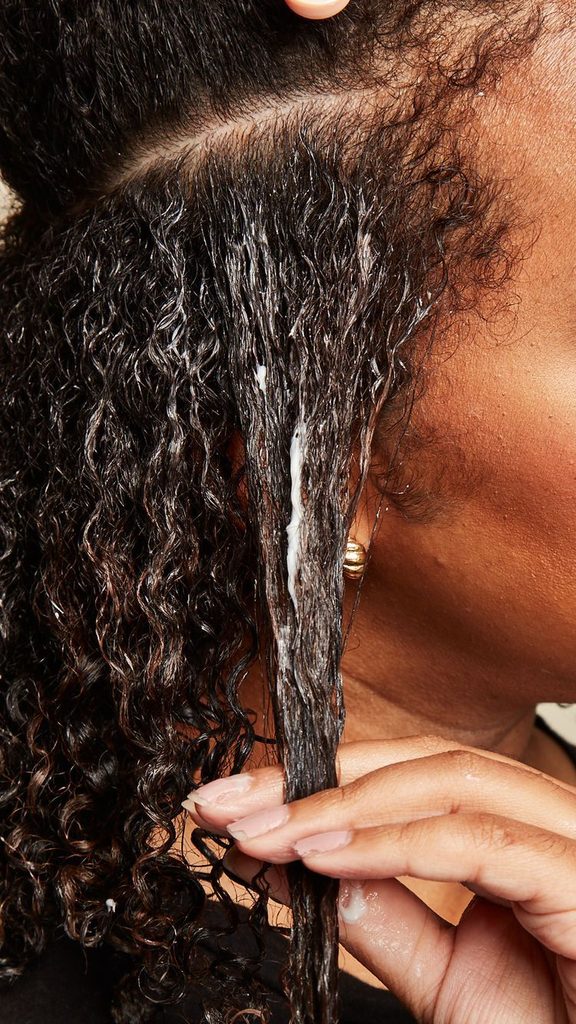
Work in small sections when layering to ensure every strand receives adequate product. Skipping sections during this process often leads to uneven, patchy dryness later.
A methodical approach genuinely pays off as conditions continue changing.
Start with a water-based liquid, followed by an oil, then a cream. This LOC method becomes increasingly important as fall weather grows progressively drier.
Each layer serves a specific purpose in protecting your hair’s moisture.
Some people prefer the LCO method instead, swapping the final two steps. Test both throughout fall to see which one your hair genuinely prefers.
There’s no single right answer, only what keeps your curls soft.
Getting ahead of winter’s demands now makes the eventual transition feel smoother. A winter moisture routine for natural hair builds directly on the layering habits you establish during fall.
Think of fall as practice for winter’s more intensive moisture needs.
Practicing these techniques now means winter’s demands feel familiar rather than overwhelming.
Muscle memory built during fall carries you smoothly into the harder months ahead. Preparation genuinely beats scrambling once winter conditions become fully harsh.
Trimming Before Winter Arrives
Fall is an ideal time to schedule a trim before winter’s harsher conditions arrive. Removing existing damage now gives your hair a stronger foundation for the season ahead.
This small preventive step can meaningfully reduce winter breakage overall.
Summer activities like swimming and sun exposure often leave behind some damage. A fall trim addresses this before winter adds further stress to already-compromised ends.
Starting the colder months with genuinely healthy ends really matters.
Ask your stylist to assess exactly how much length genuinely needs removing. A fall trim focuses on prevention rather than addressing existing significant damage.
Starting winter with healthy ends supports everything else in your routine.
If trimming at home, use sharp, dedicated shears rather than regular scissors. Dull tools crush ends instead of cutting them cleanly and precisely.
Clean cuts heal and grow out far better than crushed ones.
Understanding shrinkage helps you evaluate your hair’s true condition before this important trim.
The topic of why afro hair shrinks so much explains why stretched styles reveal length more accurately than shrunken hair. Assess your hair while stretched for the most honest picture.
A twist-out or braid-out before your trim appointment gives your stylist better visibility.
Stretched hair reveals damage and length more clearly than fully shrunken curls. This small preparation step leads to a more accurate, effective trim.

Nighttime Routine Adjustments
Nighttime protection remains important as fall weather continues shifting toward winter.
Satin or silk pillowcases and bonnets protect moisture that’s becoming harder to maintain. Consistency here matters just as much in fall as any other season.
Check your bonnet or pillowcase for wear after a full summer of use. Worn-out fabric loses some of its protective, moisture-retaining qualities over time.
Fall is a good time to replace anything showing genuine signs of wear.
Consider a pineapple technique to preserve curl definition through cooler fall nights. This method works especially well for maintaining twist-outs or wash-and-go styles.
A little extra care overnight protects your styling investment from the previous day.
Multiple loose pineapples spaced around your head often work better than one high one. This distributes protection more evenly across your entire head of curls.
A small technique adjustment can meaningfully improve your morning styling results.
If you’re navigating tricky in-between lengths, nighttime protection matters even more this season.
Our guide on how to style awkward-length natural hair covers techniques that also help preserve moisture overnight. Protecting your progress matters at every single stage and season.

Combating Dryness From Early Heating
Indoor heating often starts running earlier than people expect during fall months. This early heating pulls moisture from indoor air well before winter officially arrives.
Being proactive now prevents dryness from catching you off guard later.
Many people don’t notice heating has started until their hair already feels dry. Paying attention to your home’s temperature settings helps you anticipate this shift.
A little awareness prevents an unpleasant and unexpected styling surprise later.
A humidifier in frequently used rooms can meaningfully offset this early heating effect. Running it even occasionally during fall helps your hair adjust more gradually.
This small addition makes a genuine difference as heating season begins.
Bedrooms benefit especially, since you spend many consecutive hours there overnight. A humidifier running while you sleep supports both comfort and hair health.
This small investment pays off throughout the entire heating season ahead.
Elasticity often suffers when hair experiences unexpected, early seasonal dryness.
Reading understanding afro hair elasticity helps explain why proactive moisture matters even before winter’s harshest conditions arrive.
Healthy, elastic strands handle these early seasonal shifts far more gracefully.
Test your hair’s elasticity periodically as fall progresses to catch early dryness. A gentle stretch test reveals whether your routine is genuinely keeping pace.
Catching problems early makes them far easier to correct quickly.

Nutrition Support for Fall Growth
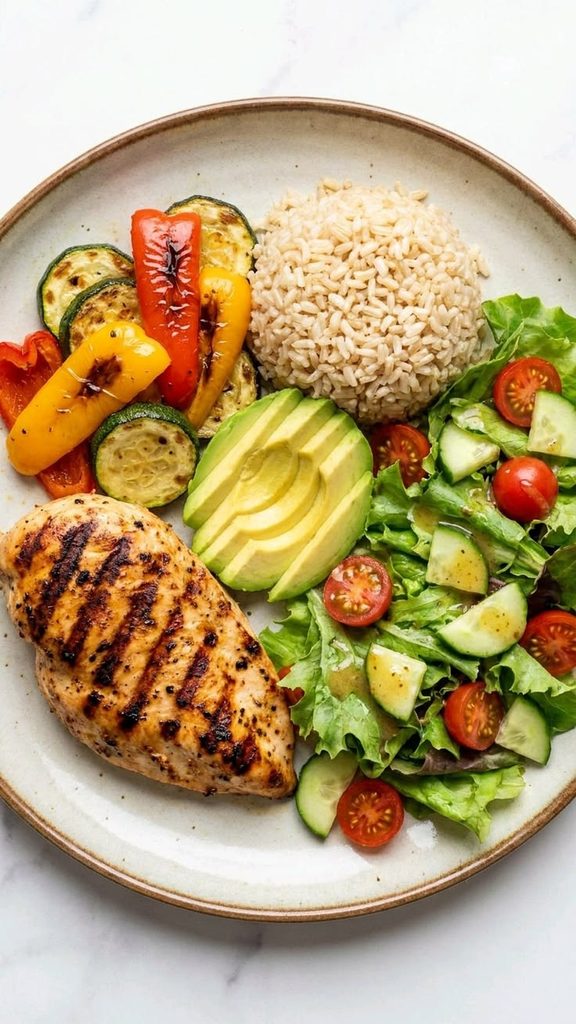
What you eat continues supporting your hair’s health as seasons change throughout the year. Fall’s harvest brings nutrient-rich foods that genuinely benefit your hair.
Seasonal eating supports both your overall health and your hair’s condition.
Comfort food season can sometimes crowd out the fresh produce your hair genuinely needs. Balance seasonal treats with nutrient-dense choices throughout your regular weekly meals.
Moderation lets you enjoy the season without sacrificing your hair’s health.
Add more squash, sweet potatoes, and leafy greens as they become available. These foods provide vitamins and minerals that support healthy, resilient hair growth.
Eating with the season is both practical and genuinely beneficial.
These foods are often more affordable and flavorful when actually in season. Eating seasonally benefits both your grocery budget and your overall wellbeing.
Small, seasonal food choices support your hair goals throughout the year.
Staying hydrated remains important even as temperatures cool and thirst decreases naturally.
Cooler weather can make people forget to drink enough water throughout the day. Consistent hydration continues supporting your hair from the inside out.
Styling Options for Fall Occasions
Fall brings its own calendar of gatherings, celebrations, and cozy seasonal occasions.
Elevated twist-outs, pinned styles, or textured updos all work beautifully for fall events. You don’t need elaborate styling to look polished and put together.
Practice your chosen style a few days before any important fall gathering. This gives you time to troubleshoot without the pressure of an approaching deadline.
A practice run genuinely builds confidence before the actual event arrives.
Rich, warm-toned accessories complement fall’s natural color palette especially well. Deep oranges, browns, and golds can elevate even a simple, everyday style.
Small seasonal touches make familiar styles feel fresh and genuinely current.
Swap out summer’s bright accessories for fall’s deeper, richer tones instead. This small seasonal swap keeps your styling feeling current without much extra effort.
A few new accessories can refresh your entire everyday rotation.
If you’re still growing out a twa: month-by-month guide, fall styling options continue expanding as your hair progresses.
Each month brings new techniques and looks worth exploring during this transitional season. Enjoy experimenting as your hair continues its steady, ongoing journey.

Common Fall Hair Mistakes
Delaying seasonal adjustments until winter fully arrives is a common fall mistake.
Waiting too long means playing catch-up once conditions become genuinely harsh. Proactive fall care prevents this reactive scramble later in the year.
Small, gradual changes throughout fall feel far easier than one abrupt winter overhaul.
Spreading adjustments across several weeks genuinely reduces stress and confusion. Your hair also adjusts more comfortably to gradual rather than sudden shifts.
Sticking rigidly to summer routines despite changing conditions is another common misstep. Your hair’s needs shift gradually throughout fall, requiring gradual routine adjustments too.
Flexibility during this seasonal transition genuinely serves your hair well.
Check in with your routine weekly rather than assuming nothing needs to change. A quick weekly assessment helps you catch and correct small issues early.
This habit keeps your fall routine genuinely responsive instead of stagnant.
Neglecting scalp care because cooler weather feels less demanding is also a mistake.
Scalp needs actually increase as air grows drier throughout the fall season. Consistent attention here prevents bigger problems once winter fully sets in.
Don’t assume cooler weather automatically means less scalp maintenance is needed. The opposite is often true as humidity levels continue dropping steadily.
Consistent care remains important regardless of how comfortable the temperature feels.

Preparing Your Routine for Winter
Fall naturally sets the stage for the more intensive routine winter demands. Use this season to test richer products before fully committing for winter.
This trial period helps identify favorites before you genuinely need them most.
Sample sizes let you test winter formulas without committing to full-size bottles. This small step saves money on products that ultimately don’t suit your hair.
Building a reliable winter lineup takes a little trial and error.
Stock up gradually on winter essentials as fall progresses toward the colder months. Waiting until winter arrives often means dealing with sold-out favorites or rushed decisions.
A little foresight during fall saves both stress and money later.
Watch for sales on richer winter products as retailers begin seasonal transitions.
Stocking up during a sale genuinely saves money compared to rushed, full-price purchases. A little planning benefits both your routine and your budget.
Building strong habits now creates a solid foundation for winter’s demanding conditions. Consistency during fall genuinely eases the transition into the year’s harshest, driest stretch.
Think of fall as thoughtful preparation rather than a separate, unrelated season.
Keep notes on what worked well throughout fall for future reference next year. This record becomes genuinely valuable when preparing for the following autumn.
Your own documented experience often beats generic advice found elsewhere.

Wrapping Up: Easing Into Fall With Healthy Hair
Fall doesn’t have to feel like an abrupt, jarring shift from summer routines. With thoughtful, gradual adjustments, your hair can transition smoothly through this in-between season.
Richer products, consistent scalp care, and proactive moisture make the biggest difference.
Revisit this guide whenever fall weather shifts and your routine needs a refresh. A quick reread can remind you of adjustments you may have forgotten.
Small reminders often restore momentum faster than starting completely from scratch.
Stay attentive to your hair’s needs as fall weather continues gradually shifting. What works in early September may need adjusting again by November.
Responsiveness matters more than rigidly sticking to one fixed routine all season.
Eventually spring will return, bringing its own reset and renewed energy. A spring hair reset checklist will help you circle back once winter finally passes.
For now, embrace fall’s cozy energy and let your hair transition right alongside it.
Each season teaches something new about your hair’s changing, evolving needs. Fall’s lessons carry forward into winter, and winter’s lessons carry into spring.
The full cycle, repeated each year, builds real, lasting expertise about your own hair.


2 Comments