
Heat Protectant Mistakes You Might Be Making
Disclosure: Some of the links in this post are affiliate links. This means if you click on the link and purchase an item, I will receive an affiliate commission at no extra cost to you.
How most people go about with heat protectant; your hair is freshly washed, freshly blow dried, and ready for the flat iron. You reach for the heat protectant, give it one quick spray, and move on. That single spray might be the reason your hair keeps thinning at the ends.
Heat protectant isn’t a box to check quickly before styling begins. It’s an active shield, and how you use it decides whether it actually works. Most people assume any spray labeled “protectant” automatically keeps their hair safe.
That assumption is exactly where most of the damage quietly begins. If you followed the steps in how to blow dry afro hair without damage, you already know protectant matters. But blow drying is only half the story, since the flat iron brings its own risks.
This post breaks down the most common heat protectant mistakes people make without realizing it.
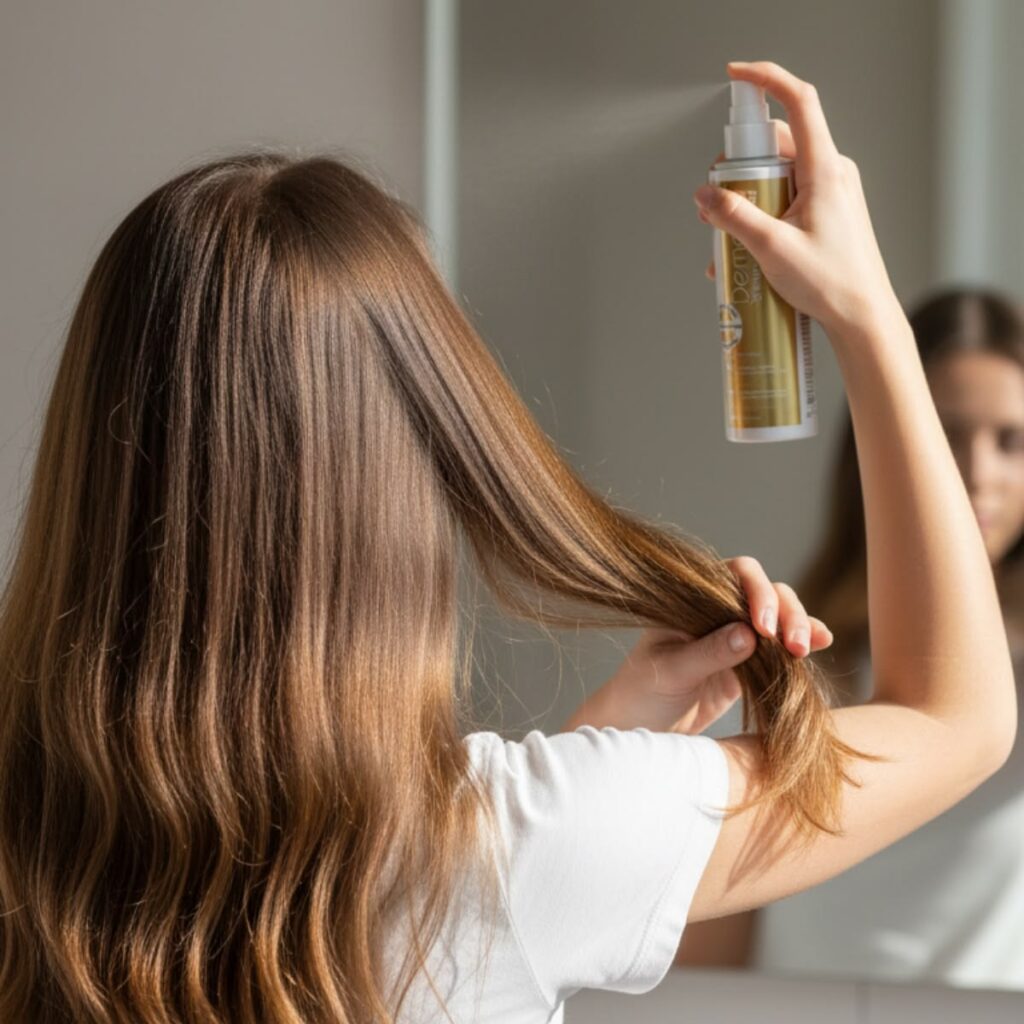
Heat Protectant Mistakes You Might Be Making
Why Heat Protectant Isn’t Optional
Heat protectant creates a barrier between your hair and direct, intense heat. Without it, your strands absorb heat far more aggressively than they should.
Over time, that repeated stress weakens the protein structure inside each strand.
Skipping protectant even once in a while adds up more than people realize. It’s not about a single bad day, but a pattern of small, repeated risks.
Treating it as essential, not optional, changes how carefully you actually apply it.
Think of it the same way you’d think about sunscreen on a sunny day. Skipping it once might seem harmless, but the damage builds up over repeated exposure.
Consistency, not perfection, is what actually keeps your hair protected long term. Small daily choices, repeated over months, shape your hair’s overall health.
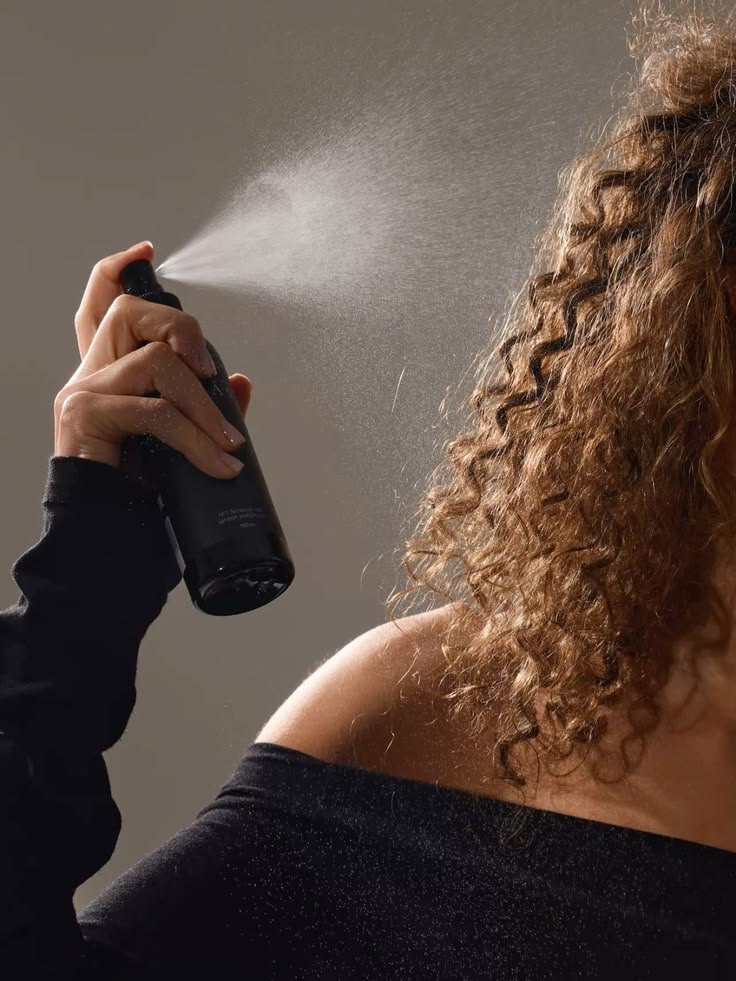
Mistake: Skipping Sections Entirely
Spraying the top layer of your hair and calling it done is a common shortcut. Underneath sections, especially near the nape, often get missed completely.
Those unprotected sections take the full brunt of the flat iron’s heat.
Work section by section, the same way you would for the styling itself. Every part of your head deserves the same level of care and attention.
Rushing this step defeats the entire purpose of using protectant in the first place.
It helps to apply protectant right after you’ve sectioned your hair for styling. That way, no section moves forward without its own coating first.
This small habit closes one of the most common gaps in people’s routines.
A mirror on both sides can help you check for missed spots near the back. Most people never fully see the back of their own head without help.

Mistake: Using Too Little Product
A light misting isn’t the same as full, even coverage across your hair. Many people underuse protectant, worried about product buildup or a heavy, greasy feel.
That fear often leads to inadequate protection exactly where it’s needed most.
Aim for a light but thorough coating on every section before any heat touches it. You should be able to see a slight sheen without your hair feeling soaked.
Finding that balance takes a bit of practice, but it’s worth getting right.
Start with slightly more product than feels comfortable and adjust from there. It’s easier to notice excess product than to catch gaps you can’t see.
Trust the process, even if it feels like more than you’re used to.
A spray bottle with a fine, even mist can help you apply more consistently. Some formulas work better in cream form, applied section by section with your hands.

Mistake: Not Letting It Absorb First
Spraying protectant and immediately reaching for the flat iron skips a crucial step. Most products need a minute or two to actually absorb into the strand.
Rushing straight into heat means the protectant sits on the surface instead of protecting from within.
Give it time to settle before you start styling that section. This small pause makes a real difference in how effective the product actually is.
Patience here costs you almost nothing but saves your hair from real damage.
Use the waiting time productively by prepping your next section instead. This keeps your workflow moving while still giving each section proper absorption time.
A little planning turns a waiting period into an efficient part of your routine.
Set a mental timer, even a rough one, to build this pause into your habit. Over time, it stops feeling like an extra step and becomes second nature.
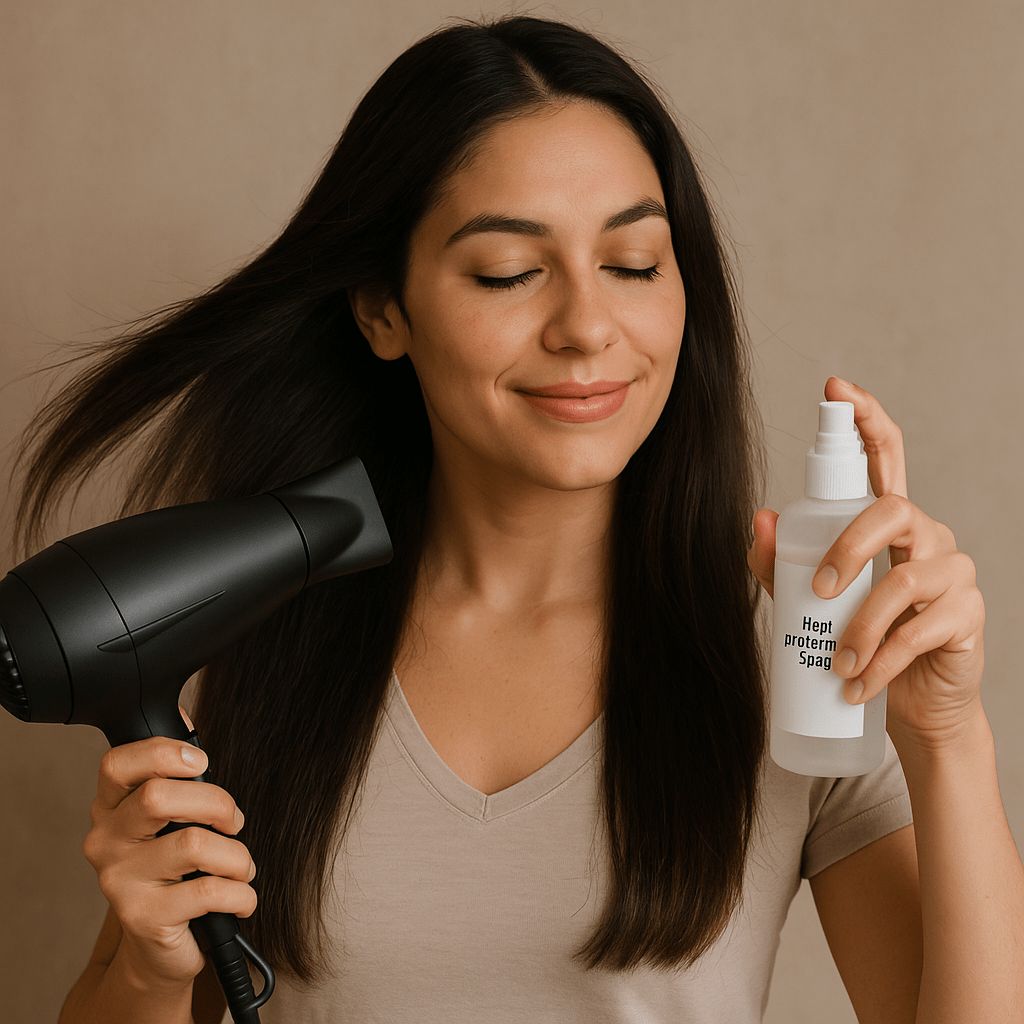
Mistake: Using the Wrong Type for Your Hair
Not every heat protectant works the same way on every hair type. Thicker, coarser hair often needs a richer, more emollient formula than finer strands.
Using a lightweight spray meant for fine hair may not offer enough protection for thicker textures.
This matters just as much when you’re prepping hair for a protective style. If you’re following a beginner’s guide to wigs for natural hair, the right protectant still matters underneath.
Choosing a formula suited to your specific hair type makes a noticeable difference over time.
Don’t assume a product that worked for a friend will automatically work for you. Hair porosity, thickness, and texture all affect how well a formula performs.
Testing a small amount before committing to a full bottle saves you disappointment later.
High porosity hair tends to absorb product quickly but also loses it quickly. Low porosity hair often needs lighter formulas that won’t sit heavily on the surface.
Knowing your own hair’s porosity helps you choose more wisely from the start.

Mistake: Applying It to Already Dry Hair
Some people wait until their hair is fully dry before applying protectant. By that point, the hair has already been exposed to blow drying heat unprotected.
Protectant works best when it’s part of the process, not an afterthought before the flat iron.
Apply it right after detangling, before you even start blow drying. This protects your strands through both stages of heat exposure, not just the final one.
Building this habit early makes the rest of your routine much safer overall.
Think of protectant as something you apply at the start, not near the end. Front loading this step protects your hair through every stage that follows.
A small shift in timing changes how much protection you actually get.
Mistake: Assuming More Product Means More Protection
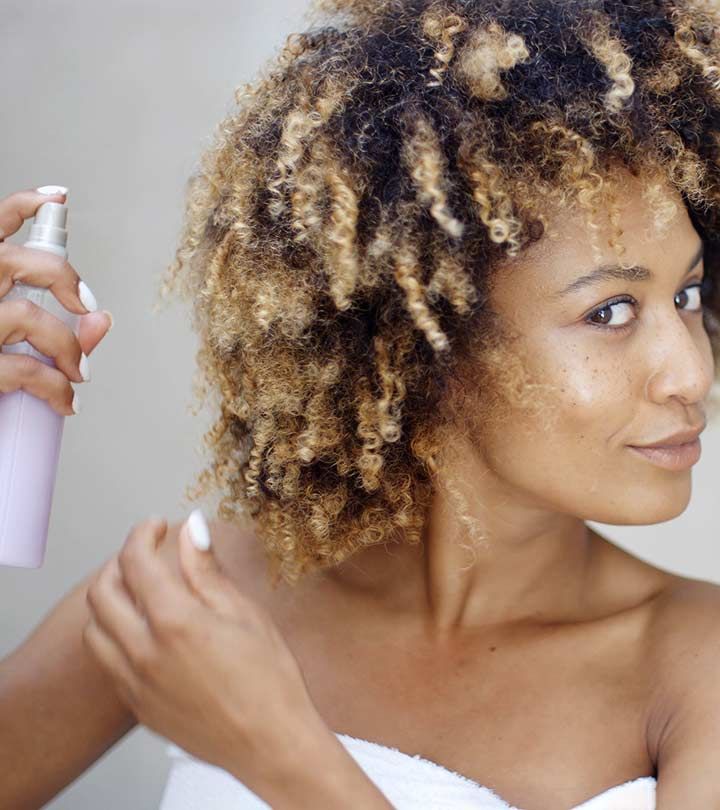
Piling on extra protectant doesn’t automatically translate into stronger protection for your hair. Too much product can actually weigh your hair down and cause buildup over time.
Buildup then interferes with how evenly heat distributes across your strands.
More isn’t always better when it comes to hair products of any kind. Focus on even, consistent coverage instead of simply using more product.
A well applied light layer beats a heavy, uneven one every single time. This is one of those cases where restraint actually works in your favor.
If your hair feels sticky or heavy after applying, you’ve likely used too much. Scale back and focus on technique rather than sheer quantity of product.
Even coverage, applied thoughtfully, always outperforms a rushed, heavy handed approach.
Mistake: Skipping Reapplication Before Touch Ups
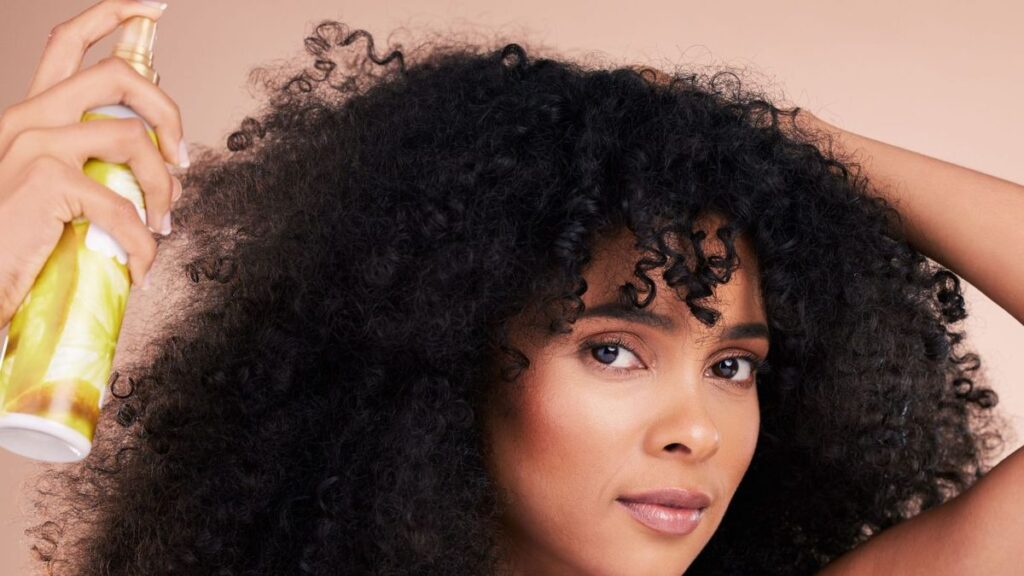
A lot of people apply protectant once and consider that step finished for the day. Touch ups later, even small ones, still expose your hair to fresh heat.
Skipping reapplication at that point leaves those sections unprotected all over again.
This connects directly to habits covered in how to keep a silk press looking fresh longer. Touch ups are common there, and protectant matters just as much.
Keep a small travel size protectant on hand for exactly these moments. A quick reapplication takes seconds but protects your hair every single time you reach for heat.
Get into the habit of checking your bag before heading out for the day. A small bottle takes up almost no space but saves you real trouble later.
Being prepared beats scrambling for protection after the heat has already been applied to your hair.

Mistake: Trusting Fragrance Over Ingredients
A protectant that smells amazing isn’t automatically doing its job effectively. Fragrance says nothing about how well a product actually shields your hair from heat.
Some heavily scented products even contain alcohol, which can dry out your strands further.
Check the ingredient list instead of relying on scent or flashy packaging. Look for silicones or polymers designed specifically to handle high heat.
A less glamorous bottle with the right ingredients beats a beautifully scented one that underperforms.
Marketing language on the front of the bottle can be misleading too. Words like “professional” or “salon quality” don’t guarantee real heat protection.
Flip the bottle over and read the actual ingredient list before you decide. A minute spent reading labels can save you months of avoidable damage.
Mistake: Using Expired or Old Product
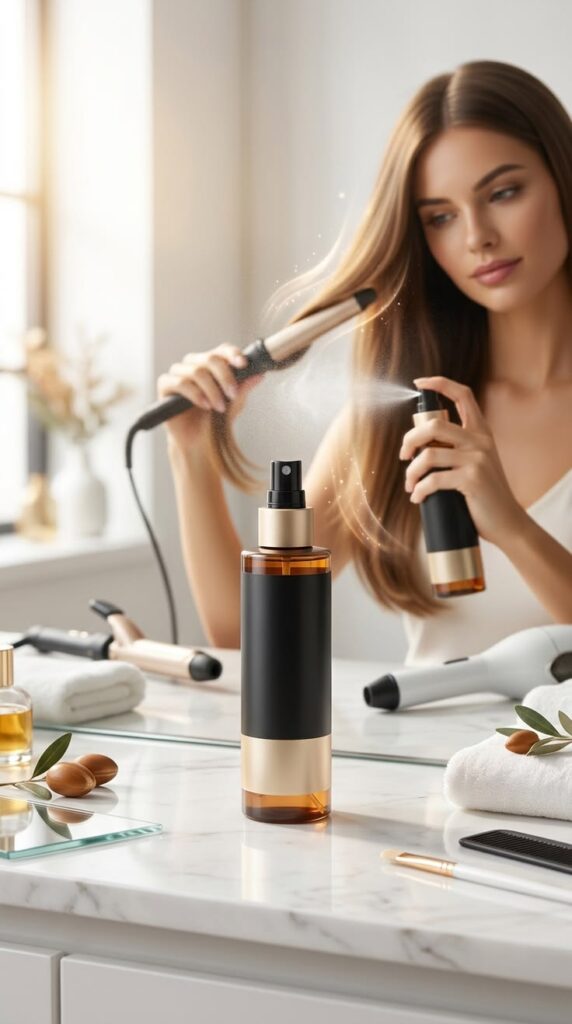
Heat protectants, like most hair products, don’t last forever once opened. Old formulas can separate, lose effectiveness, or even smell slightly different than when fresh.
Using an expired product gives you a false sense of security during styling.
Check expiration dates, especially on products that have been sitting around for a year or more. If a product changes texture, color, or smell, it’s time to replace it.
Fresh, properly stored protectant works far more reliably than anything past its prime.
Store your products away from direct sunlight and extreme heat when not in use. Bathroom heat and humidity can actually speed up how quickly products break down.
A cool, dry storage spot helps your protectant last as long as it should.
Mistake: Ignoring Your Hair’s Actual Heat Tolerance
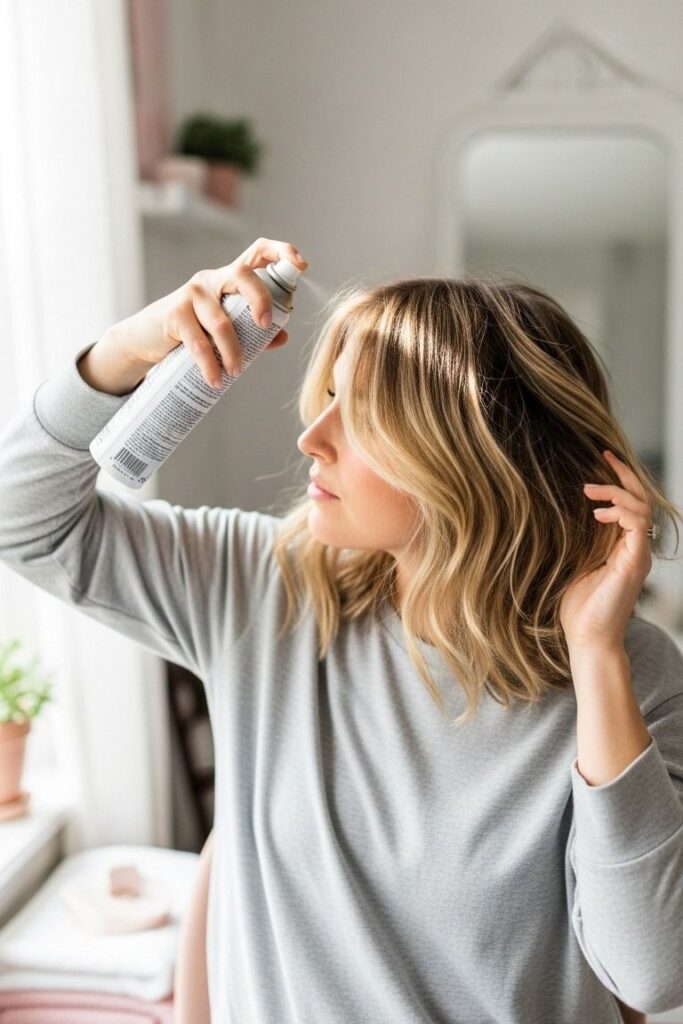
Every head of hair has a different tolerance for heat, even with protectant applied. Some people assume protectant makes any heat setting automatically safe, which simply isn’t true.
Protectant reduces risk, but it doesn’t eliminate it entirely, no matter how much you use.
If you’re dealing with slow growth, that’s worth exploring as a separate concern. Looking into why your afro hair isn’t growing can help you rule out related causes.
Heat tolerance often drops when hair is already stressed or damaged. Pay attention to your hair’s actual condition, not just the product label’s promises.
Even the best protectant can’t fully compensate for consistently high heat settings.
Pair a good product with reasonable heat choices for the safest overall results. The two work together as a team, not as substitutes for one another.
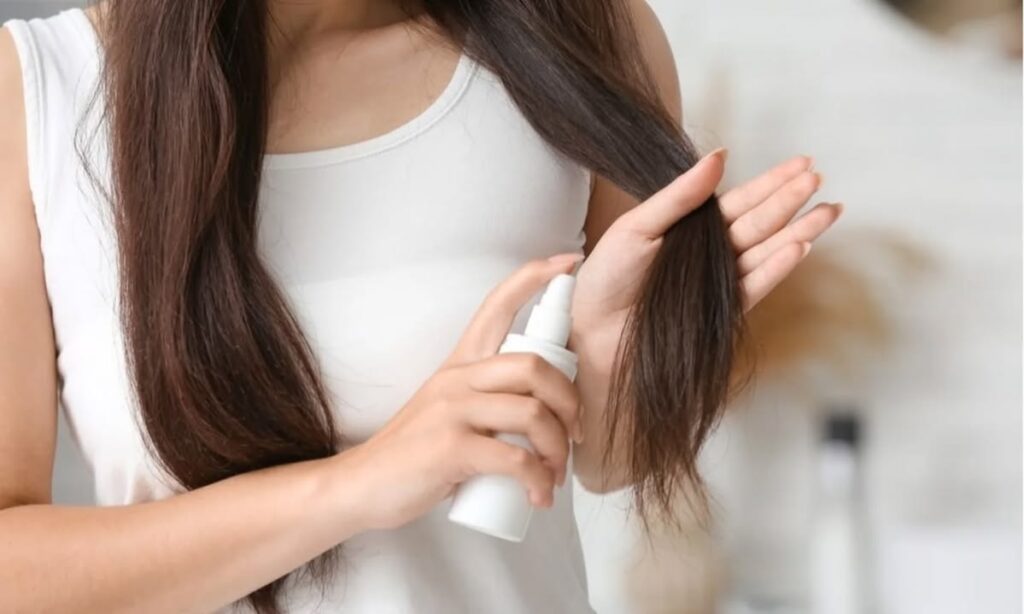
Mistake: Not Protecting Before Blow Drying Too
Many people only think about protectant right before the flat iron comes out. Blow drying, especially with a comb attachment, still applies real heat to your strands.
Skipping protectant during that stage leaves your hair exposed earlier than most people realize.
If you’ve already read the complete beginner’s guide to silk presses, you know blow drying comes first. It’s step one, not a warm up you can rush through.
Treat both heat sources with the same level of care and preparation. Your hair experiences the cumulative effect of every heat source you use.
Two rounds of unprotected heat exposure add up to more damage than one. Treating blow drying as a separate, lower risk step is a common misunderstanding.
Give it the same respect you’d give the final flat iron pass.

Mistake: Forgetting Protectant Before Installing a Wig
Even if you’re covering your hair with a wig afterward, protectant still matters. Any heat styling underneath, whether blow drying or flat ironing, still stresses your natural hair.
Skipping protectant just because it will be hidden is a mistake many people make.
Nobody sees your natural hair once the wig goes on, but it still needs care. Treating hidden hair as less important than visible hair is a costly assumption.
Your hair’s health matters whether or not it’s on display that day.
Following how to prep your hair before installing a wig properly includes this step, not just detangling and stretching.
Your natural hair needs protection whether or not anyone sees it afterward. What’s underneath the wig matters just as much as what’s on top.
This becomes even more important the longer you plan to keep a wig in. Learning how long you should wear a wig continuously helps you decide how often to refresh your protectant underneath.
Longer wear times mean your natural hair needs even more consistent care.
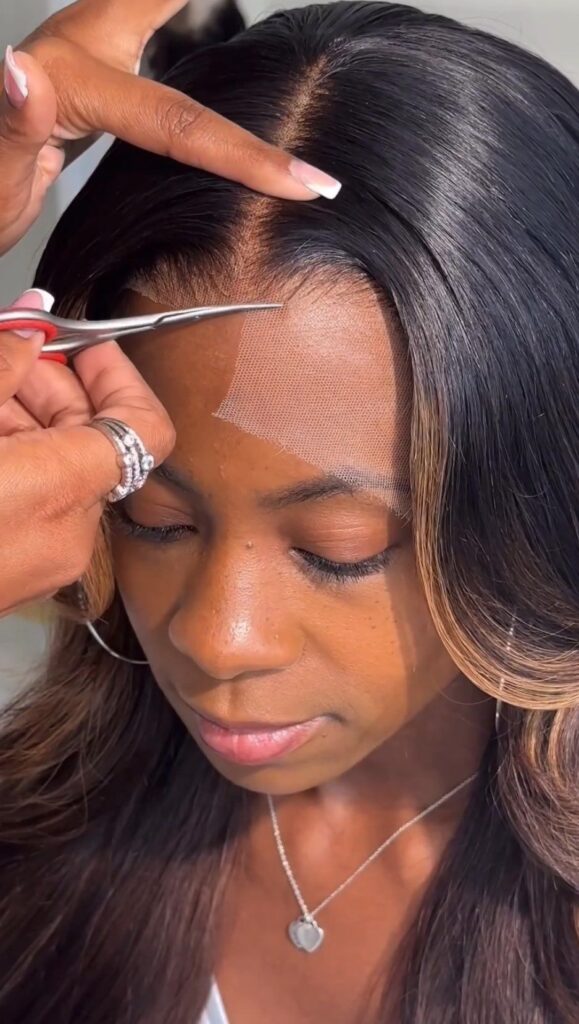
Mistake: Skipping It During Touch Ups Between Silk Presses
Quick root touch ups between full silk press appointments still involve real heat exposure.
Many people skip protectant here, assuming a small touch up doesn’t need the same care. Those small, repeated exposures add up faster than people expect over several weeks.
This connects closely to the differences discussed in silk press vs blowout, where technique and habits often overlap.
Keep your protectant routine consistent, whether you’re doing a full style or a quick refresh. Consistency protects your hair far more than occasional, inconsistent effort ever could.
A five minute touch up deserves the same protectant habit as a full appointment. Cutting corners because a session feels small is exactly how damage sneaks in.
Build the habit so it applies automatically, no matter the size of the session.
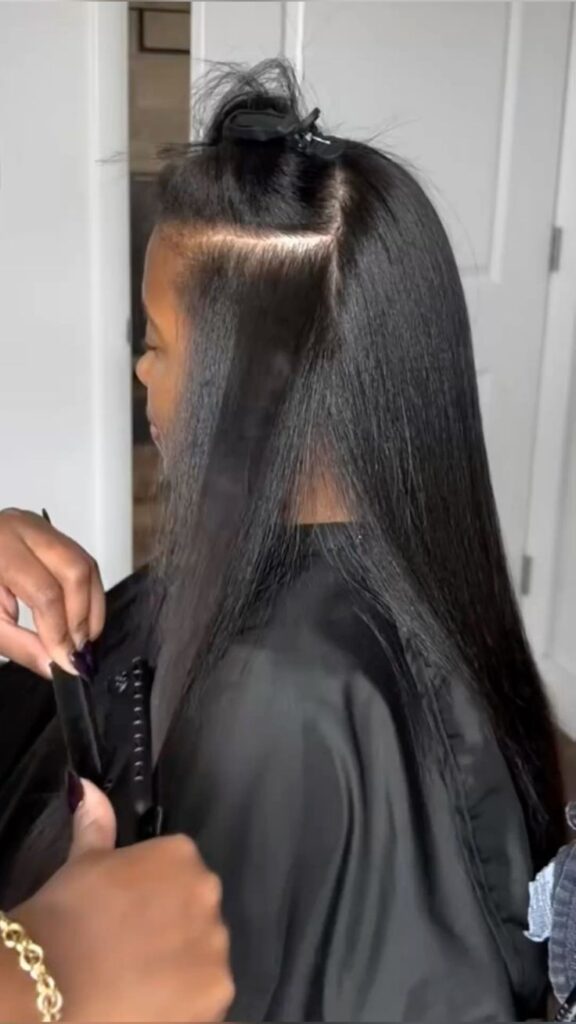
How to Tell If Your Protectant Is Actually Working
Your hair should feel smooth and manageable after styling, not stiff or crunchy. If your ends feel brittle despite using protectant, something in your routine needs adjusting.
A properly protected style should also hold up reasonably well against everyday wear.
Watch out for the biggest wig mistakes that damage your hair, since some overlap with poor protectant habits.
Pay attention to how your hair responds over several sessions, not just one. Patterns over time tell you more than any single styling day can.
Keep a simple mental note of how your hair feels week to week. Sudden changes in texture or strength are worth paying closer attention to.
Your hair usually gives you warning signs before serious damage sets in.

Signs You’ve Been Making These Mistakes for a While
Increased breakage, thinning ends, and persistent dryness are all signs worth taking seriously. Sometimes the deeper issue connects to broader questions worth investigating separately.
Ask yourself if your hair still feels dry after moisturizing, no matter what you try. These signs rarely appear overnight, which makes them easy to dismiss at first.
My coworker Jessica ignored her thinning ends for months, blaming it on the weather.
Once she switched protectants and started applying more thoroughly, her hair slowly recovered. It took patience, but the change was worth the effort in the end.
Looking back, she realized the signs had been there for a while. She just hadn’t connected them to her actual styling habits.
A little awareness earlier on could have saved her months of frustration and a lot of unnecessary breakage.
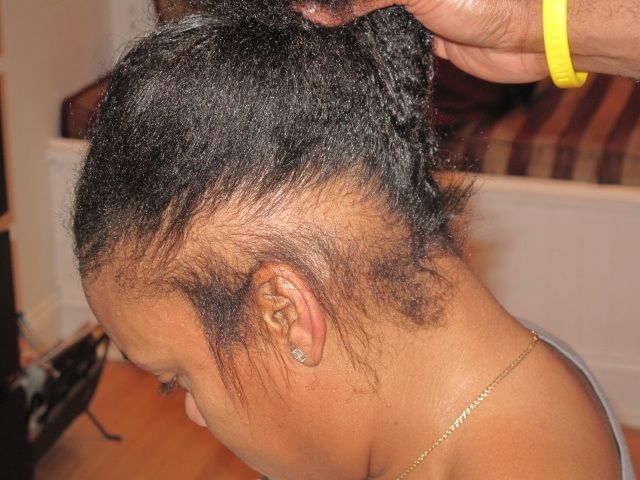
How to Choose a Protectant That Actually Works
Look for products with silicones, polymers, or other heat resistant ingredients listed clearly. Avoid products that rely mostly on fragrance and marketing claims without real backing.
Reading reviews from people with similar hair textures can also point you in the right direction.
Watch out for the hidden mistake that’s breaking your hair every single week. The wrong product often plays a bigger role than people realize.
Following how to care for afro hair under a wig also means paying attention to your protectant routine underneath.
Sample sizes let you test a product before committing to a full size bottle. A little research upfront saves you money and frustration down the road.
Ask your stylist for their honest recommendation if you’re still unsure where to start. They see a wide range of hair types and products in their daily work.
Their experience can point you toward something that actually works for your hair.
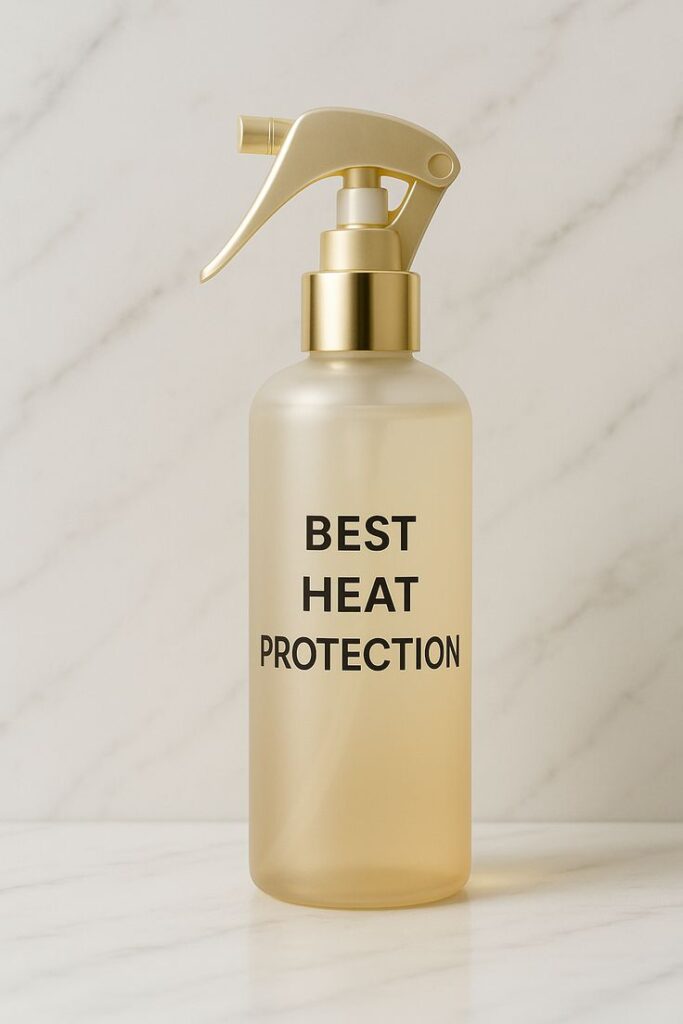
Building a Consistent Protectant Habit
Consistency matters more than finding the single perfect product on the market. Apply protectant every single time you use heat, without exception, even for quick touch ups.
Keep it in the same spot in your routine so it never gets skipped.
Some styles put more pressure on certain areas than others do. It’s worth checking whether your favorite hairstyle is damaging your hairline in ways connected to inconsistent protectant use.
Building the habit takes a few weeks, but it becomes automatic with enough repetition.
Pair the habit with something you already do consistently, like detangling or sectioning. Attaching a new habit to an existing one makes it stick faster.
Within a month, reaching for protectant should feel completely automatic and effortless.

What to Do If You’ve Been Skipping It
If you’ve been skipping protectant, don’t panic, since most damage can be managed with care.
Start applying consistently from today, rather than dwelling on past mistakes. Give your hair a break from heat while it recovers from the neglect.
Deep conditioning treatments can help rebuild some strength in already stressed strands.
Technique matters here too, similar to why your twist-out never looks like everyone else’s, since small habits shape big results.
Consistent, careful habits going forward matter more than anything you did in the past.
A trim can also help remove the most damaged, unprotected ends. Starting fresh, both with your habits and your hair, sets you up for better results. Progress from here matters far more than perfection in the past.

Final Thoughts on Protecting Your Hair from Heat
Heat protectant only works when it’s used correctly, consistently, and thoughtfully every time.
Skipping sections, using too little, or trusting fragrance over ingredients all undermine its purpose. Small, consistent habits protect your hair far more than expensive products used carelessly.
Give your routine an honest look and adjust wherever these mistakes might be hiding.
Your hair will respond to consistent, thoughtful care faster than you might expect. Protecting your strands today means healthier, stronger hair for years to come.
None of these fixes require a complete overhaul of your entire routine. Small, deliberate adjustments, applied consistently, add up to real, lasting change.
Start with just one mistake this week and build from there.


3 Comments