
What Keratin Does for Afro Hair
Disclosure: Some of the links in this post are affiliate links. This means if you click on the link and purchase an item, I will receive an affiliate commission at no extra cost to you.
Every time you see a product boasting about keratin, it’s tapping into something your hair already makes on its own. Keratin isn’t some rare, exotic ingredient added from outside your body. It’s the actual protein your hair is built from, strand by strand.
Understanding what keratin does helps explain nearly every hair care recommendation you’ll ever encounter. If you haven’t already, how hair is formed: a beginner-friendly guide covers the basic structure keratin helps create.
Once you understand that foundation, keratin’s specific role becomes much easier to appreciate. Let’s walk through exactly what this protein does and why it matters so much.
This guide keeps things simple, focusing on practical understanding over technical chemistry. You don’t need a science background to benefit from what follows here. By the end, keratin will feel like a familiar concept rather than confusing jargon.
What Keratin Does for Afro Hair
What Keratin Actually Is
Keratin is a fibrous structural protein found throughout your hair, skin, and nails. It belongs to a family of proteins designed specifically for strength and protection.
This same protein exists across many different animals, not just humans.
Keratin proteins arrange themselves in long, twisted chains that bundle together tightly. This bundling creates the rope-like structure that gives hair its characteristic strength.
Without this specific arrangement, hair would be far weaker and more fragile.
Think of individual keratin strands like threads twisted into a much stronger rope. Each individual thread is relatively weak, but the twisted bundle becomes genuinely strong.
This same principle explains why hair, though delicate-feeling, resists surprising amounts of tension.
Understanding this basic protein helps explain why foundational care matters from your very first day.
Our guide on how to care for a twa covers early habits that support healthy keratin structure. Strong foundations support every single stage of your hair journey ahead.
Early habits genuinely compound over months and years of consistent, gentle practice. Protecting keratin structure from day one prevents problems that become harder to fix later.
Prevention truly beats trying to repair damage after it has already occurred.
How Your Body Produces Keratin Naturally
Keratin production happens inside specialized cells located within your hair follicles. These cells, called keratinocytes, produce and accumulate keratin before eventually dying off.
This process is continuous, constantly building new hair from the root outward.
This process never fully stops as long as your follicle remains healthy and active. Production simply pauses during certain phases of the growth cycle before resuming again.
Understanding this continuity helps explain why hair care remains an ongoing, lifelong practice.
Your body doesn’t need dietary keratin to produce its own supply internally. Instead, your body uses amino acids from protein-rich foods to build keratin itself.
This distinction matters when evaluating keratin supplements and their actual usefulness.
Supplements marketed as containing keratin get broken down during digestion like any other protein. Your body doesn’t directly transport intact keratin molecules to your hair follicles.
Understanding this helps you evaluate supplement claims more critically and realistically.
This production process connects directly to the broader growth cycle happening simultaneously.
Reading understanding the afro hair growth cycle explains how keratin production aligns with the active growth phase. Both processes work together continuously to build every strand you see.
During resting phases, keratin production for that particular strand essentially pauses temporarily. This is another reason why not every strand behaves identically at any given moment.
Variation across your scalp is simply this ongoing process happening asynchronously.
Keratin’s Role in Hair Strength
Keratin provides the structural backbone that gives hair its tensile strength overall. Strong keratin bonds allow hair to stretch under tension without immediately breaking.
This flexibility protects hair from everyday manipulation and styling stress.
Without this flexibility, hair would snap under even minor, everyday tension and handling. This built-in resilience is exactly why hair survives detangling, styling, and daily movement.
Appreciating this resilience helps you trust your hair through normal, everyday manipulation.
These protein chains link together through several types of chemical bonds. Some bonds are weaker and break easily with water or heat exposure.
Other bonds are stronger and require significant chemical intervention to break.
This is why wet hair stretches more than dry hair during normal handling. The weaker, water-sensitive bonds temporarily loosen when hair becomes saturated with water.
This is also why gentle handling matters most while your hair is wet.
This bond structure directly influences your hair’s elasticity and overall resilience.
Reading understanding afro hair elasticity explains how these keratin bonds determine whether hair stretches safely or snaps. Healthy keratin bonds are the real foundation behind resilient elasticity.
Testing elasticity essentially tests the health and integrity of these underlying keratin bonds. A simple stretch test offers real insight into your hair’s current structural condition.
This connection makes elasticity testing a genuinely useful diagnostic tool.
Why Afro Hair Needs Extra Keratin Support
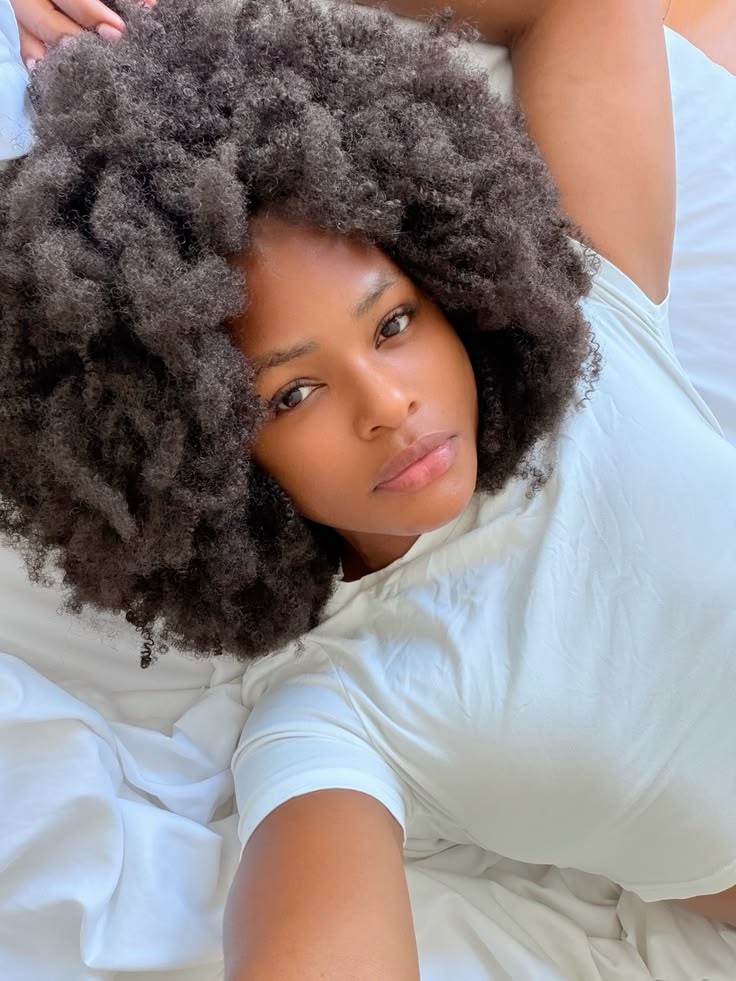
Afro hair’s unique curved structure places extra stress on keratin bonds throughout each strand. Every bend and curl represents a point where these bonds experience additional physical tension.
This structural reality explains why coily hair often needs extra protective care.
Each bend point represents a small area of concentrated structural stress over time. Multiply this across an entire strand, and the cumulative stress becomes genuinely significant.
This explains why gentle, careful handling matters more for tightly coiled hair specifically.
The tightly coiled shape also makes it harder for natural oils to travel evenly. This uneven distribution can leave certain sections more vulnerable to weakened keratin structure.
Extra moisture and protein support help compensate for this structural challenge.
This is why coily hair often benefits from more intentional, deliberate product application. Simply letting natural oils do all the work rarely provides adequate coverage.
External support compensates for what the hair’s structure makes naturally difficult.
This vulnerability connects directly to the visible shrinkage many people notice regularly. The topic of why afro hair shrinks so much explains how curl pattern and keratin structure combine to create this.
Understanding this connection helps you appreciate your hair’s natural tendencies.
Shrinkage, in this light, becomes a visible reminder of your hair’s natural, healthy elasticity. Rather than viewing it as a problem, consider it a sign of proper function.
Reframing shrinkage this way genuinely improves how you feel about your daily hair.
Signs Your Hair Needs More Protein
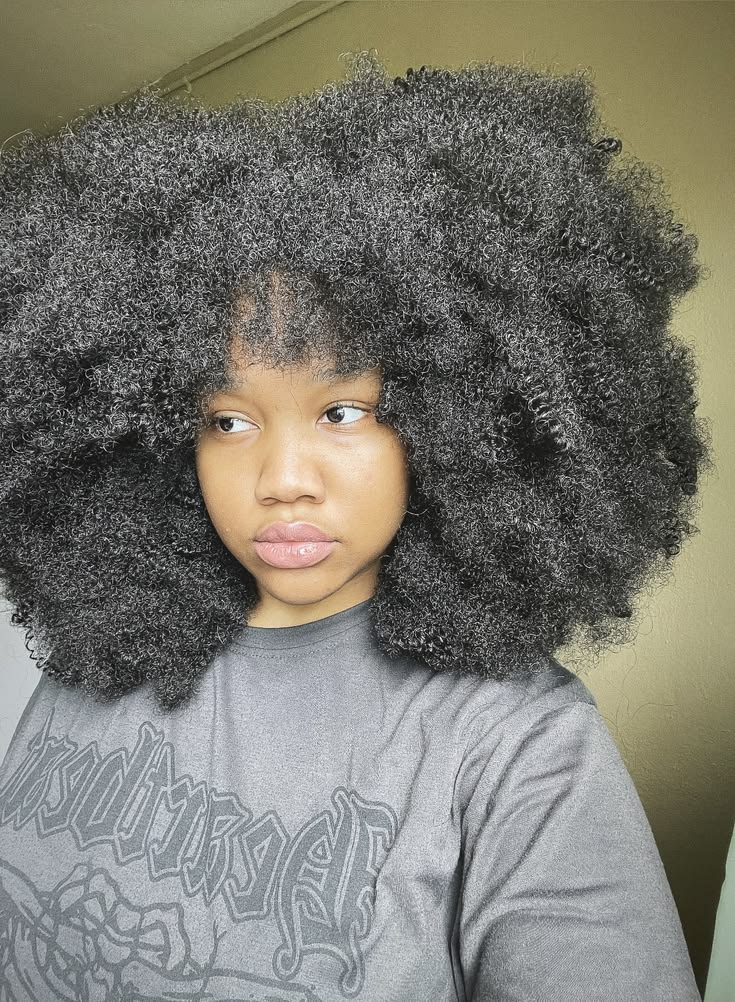
Hair lacking sufficient protein often feels limp, overly stretchy, or mushy when wet. It may lose its curl pattern quickly or stretch excessively without springing back.
These signs suggest your keratin structure genuinely needs additional reinforcement soon.
This mushy, gummy feeling when wet is a particularly reliable sign worth watching for. Healthy hair maintains some structure and resistance even when fully saturated with water.
A complete loss of that structure often points toward protein deficiency.
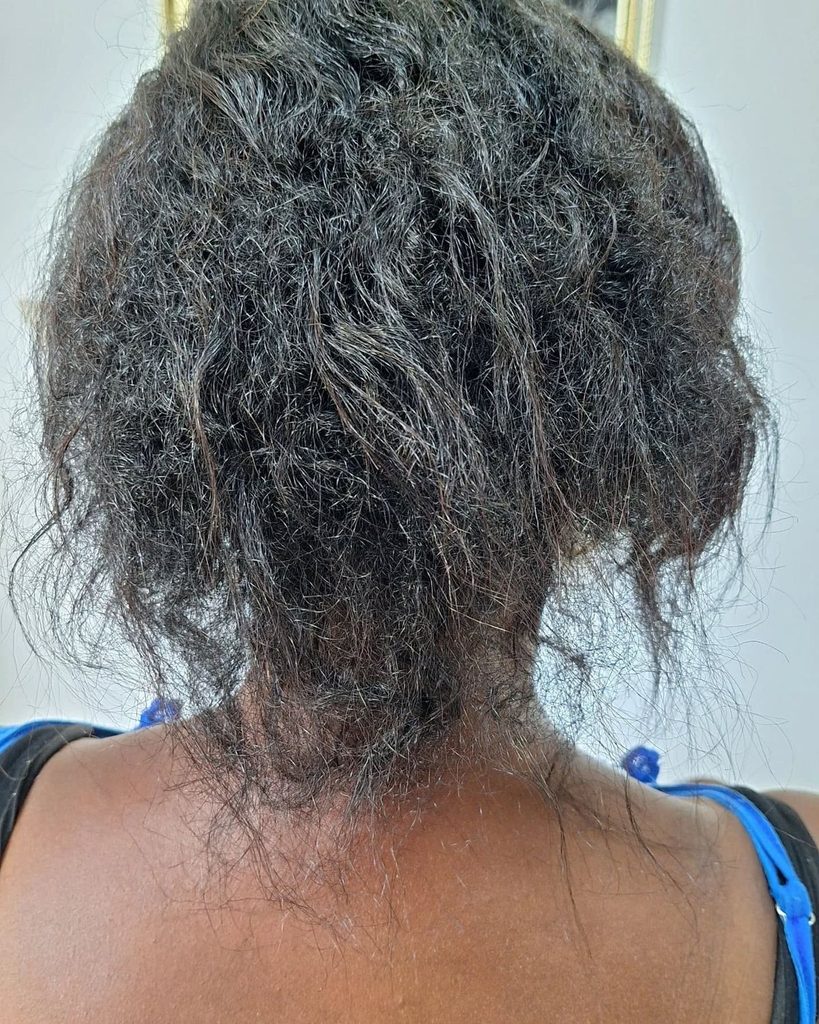
Excessive breakage, especially without much visible stretch beforehand, can also signal protein deficiency.
Healthy hair should stretch somewhat before breaking, not snap immediately under light tension. Pay attention to how your hair behaves during regular detangling sessions.
Keeping a few shed strands to examine can help you notice these subtle warning signs. Comparing texture and behavior over time reveals patterns that a single glance misses.
This small habit builds genuinely useful awareness of your hair’s changing condition.
If you’re navigating tricky in-between lengths, protein needs can shift noticeably during this transition.
Our guide on how to style awkward-length natural hair covers styling techniques, but protein support matters just as much. Strong, well-supported hair styles more reliably at every single length.
Increased manipulation during this stage can place extra demand on your hair’s protein reserves. Supporting your hair internally makes external styling efforts noticeably more effective and reliable.
Both approaches genuinely work best when combined together thoughtfully and consistently.
Signs Your Hair Has Too Much Protein
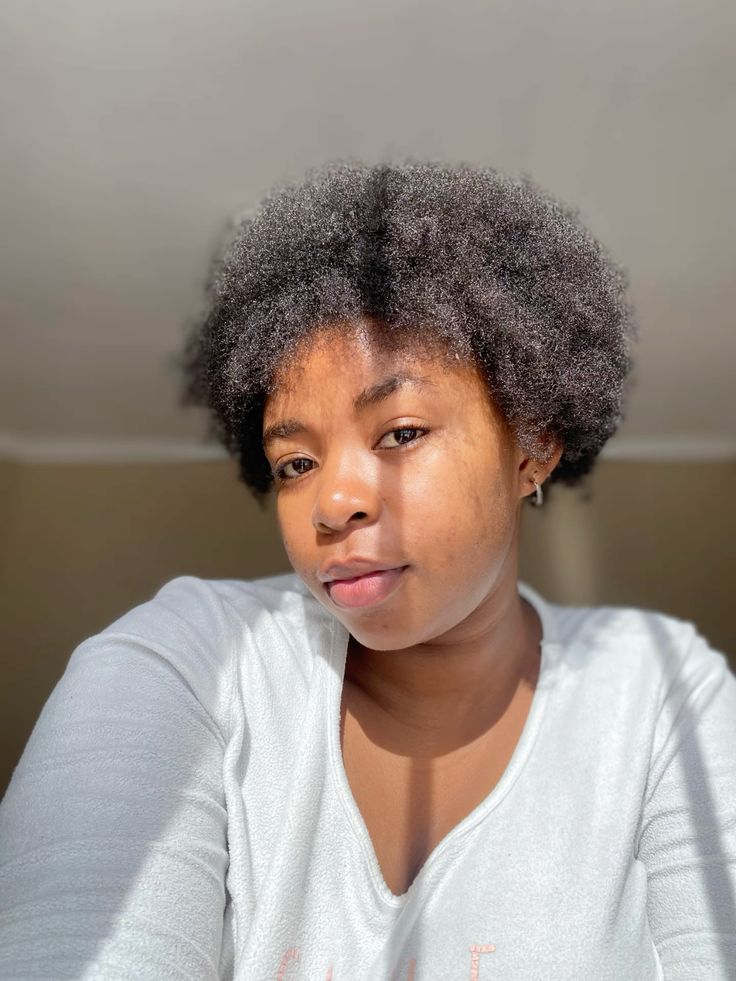
Too much protein creates the opposite problem: stiff, brittle, straw-like hair texture. Hair may feel rough, look dull, and snap easily despite feeling technically strong.
This imbalance requires moisture, not additional protein, to correct properly.
This paradox confuses many people, since brittle hair seems like it needs more strength. In reality, it needs more flexibility, which comes from moisture rather than protein.
Understanding this distinction prevents a common and frustrating troubleshooting mistake.
Excessive shedding or breakage that happens without much stretching can also indicate protein overload.
Hair that feels hard or crunchy even after moisturizing often signals this specific imbalance. Recognizing these signs prevents you from making the problem worse accidentally.
A protein detox, using only moisturizing products for a few weeks, can help rebalance things. This temporary approach lets moisture levels catch up to excessive protein buildup.
Patience during this rebalancing period genuinely pays off with improved texture.
As your hair grows longer, protein needs often shift and require closer attention.
A medium-length afro hair care routine explains how length changes affect the ideal protein-moisture balance for your hair.
Longer hair sometimes tolerates different protein levels than shorter hair does.
Older, more weathered ends often need more protein support than newer, healthier growth. This creates a genuine need for different treatment across a single head of hair.
Targeted, section-specific application often outperforms a generic, one-size-fits-all approach entirely.
How Protein Treatments Actually Work
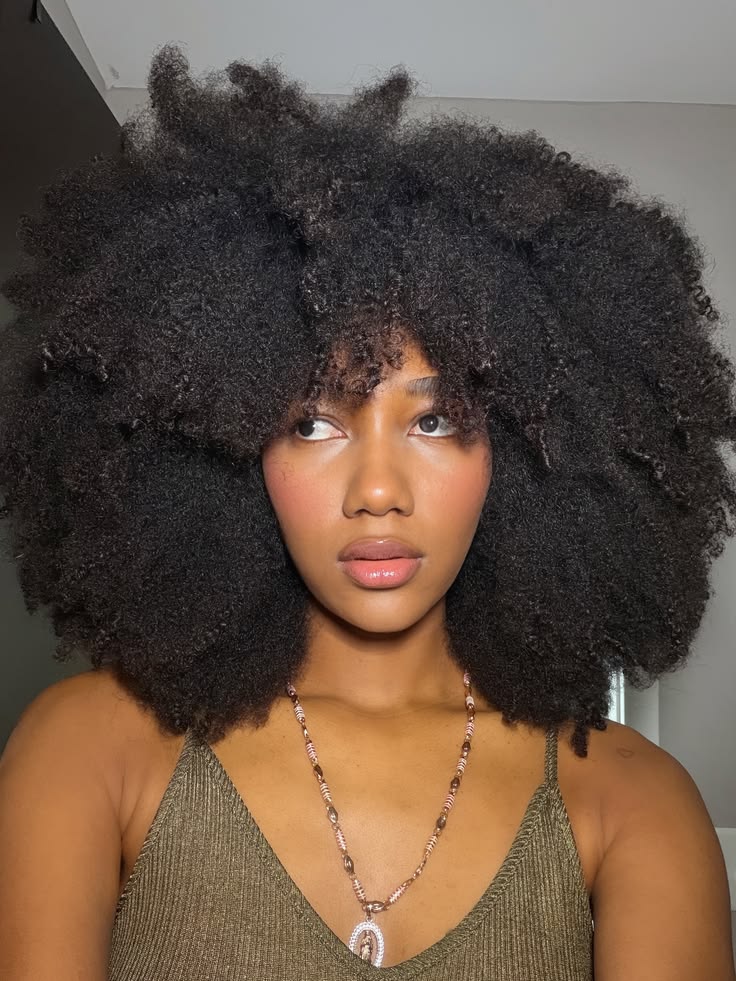
Protein treatments work by temporarily filling gaps and reinforcing weakened areas along the hair shaft.
These treatments don’t add permanent structure but provide temporary strengthening support. Regular, ongoing use helps maintain this support consistently over time.
Think of these treatments as temporary patches rather than permanent structural repairs. They genuinely help in the short term but wash away with regular cleansing.
Consistent, ongoing use maintains the benefit rather than a single, one-time application.
Light protein treatments can be used weekly, while deep treatments should be used more sparingly. Reading product labels helps you understand which category a specific treatment falls into.
Using the wrong intensity at the wrong frequency can create imbalance rather than solving it.
Start with lighter treatments if you’re unsure which category your hair currently needs. It’s easier to add more protein gradually than to correct significant overload.
A cautious, gradual approach genuinely reduces the risk of overcorrection.
Timing protein treatments around your hair’s changing needs supports better long-term results.
Our growing out a twa: month-by-month guide shows how needs evolve throughout your journey, including protein requirements.
Adjusting frequency as you grow keeps your routine genuinely responsive.
Early growth stages often need less protein than later, more weathered stages do. Adjusting your approach as you progress prevents both deficiency and overload along the way.
Flexibility throughout your journey genuinely beats a fixed, unchanging routine.

Keratin and Curl Pattern
Keratin structure directly influences how your natural curl pattern forms and holds its shape. Stronger, healthier keratin bonds generally support more defined, resilient curl patterns.
Weakened bonds can cause curls to look limp or lose definition prematurely.
This is part of why the same style can look different depending on hair health. Two people with similar curl patterns may see noticeably different styling results.
Underlying protein health quietly shapes the outcome as much as technique does.
This connection explains why protein treatments sometimes temporarily enhance curl definition and bounce.
Reinforced keratin structure helps curls hold their shape more effectively during styling. This effect is temporary, though, and requires consistent maintenance to sustain.
Many people notice their best curl days shortly after a protein treatment for this reason. This isn’t coincidence; it’s the direct, visible result of reinforced structure.
Understanding this connection helps you time treatments around important styling occasions.
For style inspiration that showcases healthy, well-defined curl patterns, curated lists can help.
Our 21 best hairstyles for one-inch afro hair post features looks that highlight strong, well-maintained curl definition.
Healthy keratin structure supports achieving these kinds of defined, bouncy results.
Before trying a new style, consider whether your hair’s current protein balance supports it.
A quick assessment can help set realistic expectations for how the style will actually turn out. Preparation genuinely improves your chances of a satisfying, reliable result.
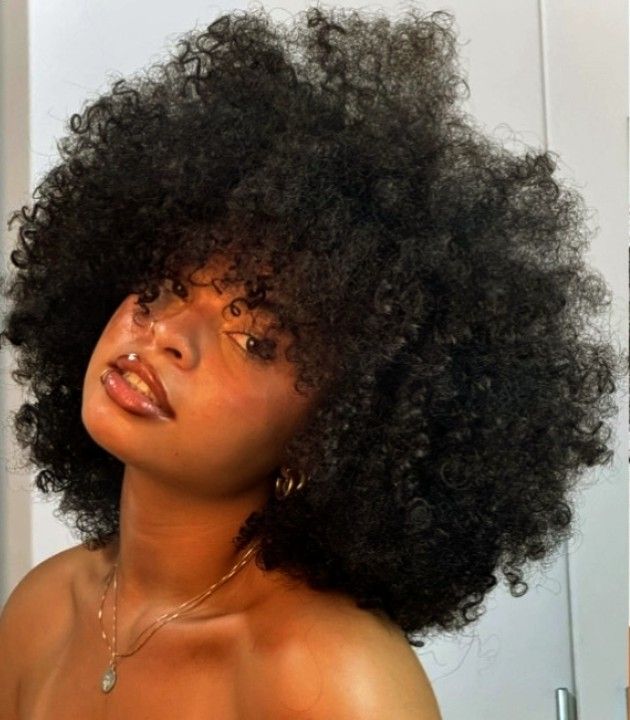
Keratin and Heat Damage
Heat styling can temporarily and sometimes permanently alter keratin’s protein structure significantly. High temperatures can break the bonds that give hair its natural strength and shape.
This is why excessive heat styling often leads to weakened, damaged-feeling hair.
Higher temperatures cause more significant, potentially permanent damage than lower, gentler settings.
Using the lowest effective temperature genuinely protects your hair’s long-term keratin health. This small adjustment makes a meaningful difference over months of repeated styling.
Heat protectants work partly by creating a barrier that reduces direct heat exposure. This barrier helps preserve keratin’s structural integrity during styling sessions involving heat tools.
Using heat protectants consistently genuinely reduces cumulative, long-term protein damage.
Never skip this step, even for what feels like a quick, occasional styling session. Cumulative damage builds up over many small, seemingly harmless exposures over time.
Consistency in protection matters just as much as consistency in any other habit.
Environmental heat and humidity both interact with keratin structure in noticeable ways too. Our post on how to protect afro hair from humidity explains how moisture affects those same protein bonds.
Both factors ultimately influence your hair’s overall keratin health together.
Combining heat styling with humid conditions can compound stress on these same protein bonds. Being mindful of both factors together offers more complete protection than addressing either alone.
A holistic approach genuinely serves your hair’s keratin health best.
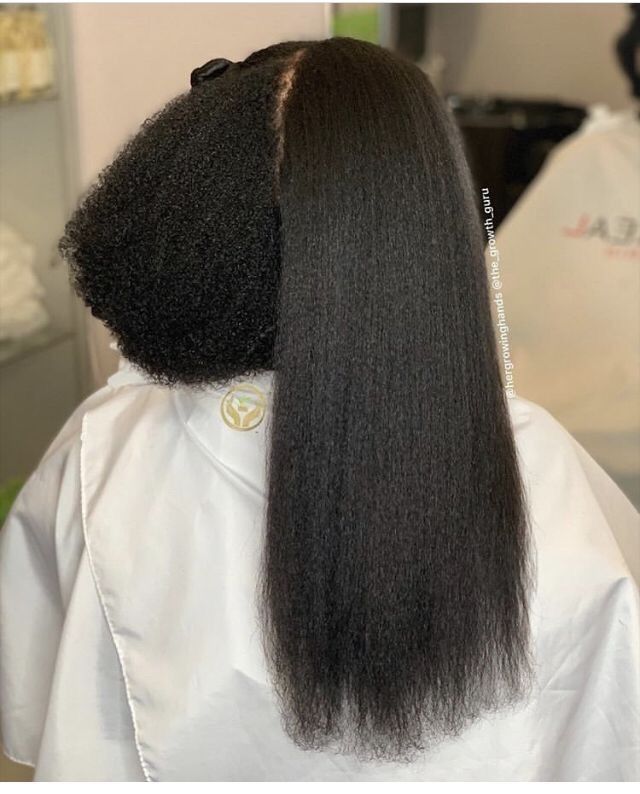
Keratin Smoothing Treatments Explained
Keratin smoothing treatments apply liquid keratin to hair, then seal it in using heat. This process temporarily coats and smooths the hair’s cuticle layer significantly.
Results typically last several weeks to a few months, depending on the treatment.
Different formulations offer varying levels of smoothing and varying treatment durations overall.
Researching specific products helps you choose one that matches your actual goals. Not every keratin treatment produces the same intensity of results.
These treatments don’t permanently alter your natural curl pattern, despite common misconceptions. They coat the hair’s surface rather than fundamentally changing its internal structure.
Understanding this distinction helps you set accurate, realistic expectations before trying one.
Some formulations do contain chemicals that alter structure more permanently than others.
Reading ingredient lists carefully helps you understand exactly what you’re actually choosing. Not all products labeled keratin treatments work through the same mechanism.
Fall’s cooler, less humid weather is often a popular time for these longer-lasting treatments.
Our fall hair care tips for type 4 hair cover seasonal considerations worth thinking about before committing to any treatment.
Timing treatments around seasonal humidity affects how long results actually last.
Humid summer conditions can shorten how long these treatments maintain their smoothing effect.
Planning treatments around drier seasons genuinely extends their visible, practical benefit. A little seasonal timing improves your overall satisfaction with the results.
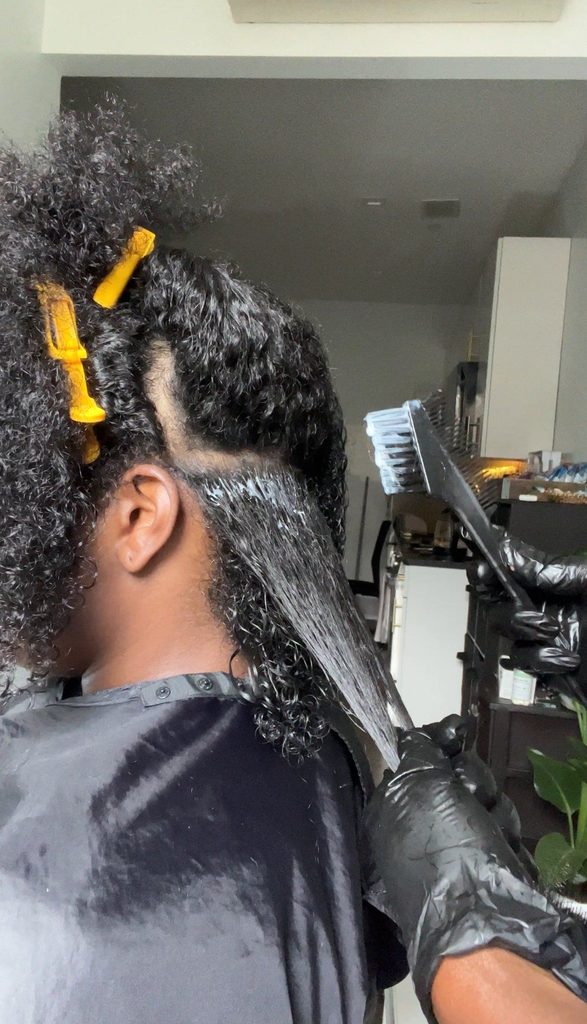
Protein Treatments and Seasonal Timing
Protein needs don’t stay fixed throughout the year; they shift alongside the seasons. Planning treatments around seasonal transitions helps you stay ahead of your hair’s changing needs.
This proactive approach beats reacting only after problems become obvious.
Many people find that a seasonal reset naturally includes a protein check-in too.
A spring hair reset checklist often prompts people to reassess their protein-moisture balance after a harsh winter. Building this check-in into an existing seasonal habit makes it easier to remember.
Mark your calendar for a seasonal protein assessment alongside other routine changes. This small habit prevents protein needs from being overlooked amid other seasonal adjustments.
Consistency across every season genuinely supports your hair’s long-term health.
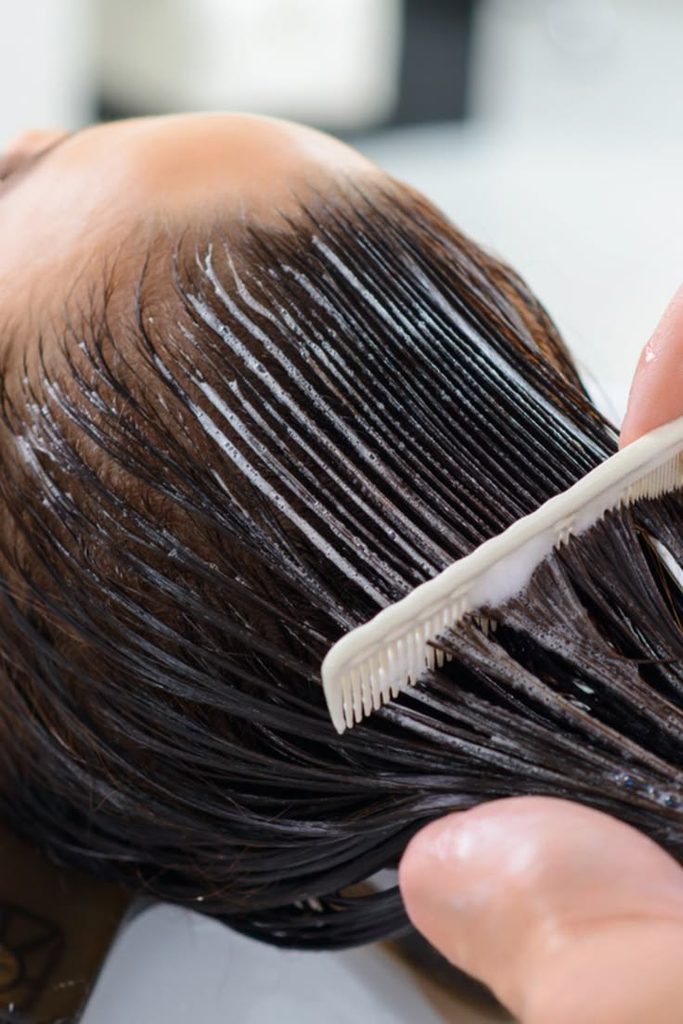
Diet and Natural Keratin Production
Your body needs adequate protein intake to produce healthy keratin consistently. Amino acids from dietary protein serve as the actual building blocks for this process.
A protein-poor diet can genuinely limit your body’s keratin production capacity.
This is one area where internal nutrition directly and measurably affects external hair results. No topical product can fully compensate for consistently inadequate dietary protein intake.
Nutrition truly forms the foundation that topical products can only support.
Biotin, zinc, and iron all support the biological processes involved in healthy keratin formation. Deficiencies in these nutrients can show up as weaker, more fragile hair over time.
A balanced diet supports keratin production more effectively than any external product alone.
A simple blood test can identify specific deficiencies if you suspect a genuine nutritional gap.
Guessing at supplements without testing can waste money and occasionally create new imbalances. Working with a doctor provides more reliable guidance than guessing alone.
Seasonal eating habits can support this nutritional foundation in practical, simple ways.
A summer hair care routine for afro hair often naturally incorporates protein-rich foods that support this internal process.
Supporting nutrition through every season keeps your keratin production running smoothly.
Grilled proteins, fresh seafood, and seasonal produce all naturally support this goal in summer. Eating with the season makes supporting your hair feel effortless rather than forced.
Small, natural rhythms support the bigger biological rhythm happening beneath the surface.
Keratin Myths Worth Knowing
A common myth suggests that keratin treatments permanently straighten naturally curly hair. In reality, most keratin treatments only smooth and reduce frizz temporarily.
Your natural curl pattern returns once the treatment fully grows out or washes away.
This misconception leads some people to expect permanent results from a temporary treatment. Understanding the real, temporary nature helps prevent disappointment once results eventually fade.
Realistic expectations genuinely improve satisfaction with any treatment you choose to try.
Another myth suggests that eating gelatin or collagen directly boosts hair keratin levels. Your body must break down and rebuild these proteins before using them for hair.
Direct supplementation doesn’t work as simply as many marketing claims suggest.
This doesn’t mean these supplements offer zero benefit, just not the direct mechanism often claimed. Any protein source can theoretically support overall keratin production through normal digestion.
The specific source matters less than simply getting adequate protein overall.
Understanding these myths helps you make more informed, realistic decisions about products and treatments. Marketing claims often oversimplify or exaggerate the actual science behind keratin.
A little skepticism protects both your hair and your wallet from ineffective solutions.
Building a Protein-Moisture Balance
Healthy hair requires a careful, ongoing balance between adequate protein and adequate moisture.
Too much of either creates problems, even though both are genuinely necessary. Finding your hair’s specific balance takes some observation and experimentation over time.
Think of this balance like a seesaw that needs constant, gentle attention. Tipping too far in either direction eventually creates a problem worth addressing.
Regular, small adjustments keep this seesaw genuinely balanced over the long run.
Pay attention to how your hair responds after different types of treatments. This feedback helps you adjust your routine before small imbalances become bigger problems.
Your hair’s signals are usually more reliable than a generic, one-size-fits-all schedule.
Keep a simple log noting how your hair felt after different treatments over time. This record helps you identify patterns that might otherwise go unnoticed.
Your own documented experience genuinely beats generic advice found elsewhere online.
This balance shifts seasonally, requiring ongoing attention rather than a single, fixed solution.
A winter moisture routine for natural hair often requires more moisture relative to protein during harsh, dry months.
Adjusting this balance seasonally supports healthier hair throughout the entire year.
Summer’s humidity often shifts this balance in the opposite direction toward more protein. Staying attentive to seasonal shifts prevents you from applying a static routine year-round.
Your hair’s needs are dynamic, and your routine should genuinely reflect that.
Keratin’s Role Across Every Hair Length
Keratin’s fundamental role remains consistent whether your hair is one inch or twelve inches long.
Every strand, regardless of length, depends on this same protein for its basic structure. Understanding this consistency helps you apply keratin knowledge at any stage.
This universal principle means the knowledge in this guide never becomes outdated as you grow. What you learn here applies whether you’re just starting out or years into your journey.
This makes understanding keratin a genuinely worthwhile investment for the long term.
Longer hair often shows keratin damage more visibly, simply due to more time and exposure. Older growth near the ends has experienced more manipulation than newer growth near the roots.
This explains why ends often need more protein support than newer growth.
Regardless of your current length, protecting keratin structure remains a consistent, worthwhile priority.
Gentle handling, appropriate protein support, and balanced moisture all serve this same underlying goal. These principles apply universally, even as your specific techniques evolve with length.
When to Seek Professional Guidance
Sometimes protein imbalance or damage feels too complex to diagnose and fix alone. A trusted stylist can offer a trained, experienced perspective on your hair’s actual condition.
Their hands-on assessment often catches details that self-diagnosis alone might miss.
Persistent breakage that doesn’t respond to typical protein or moisture adjustments deserves closer attention.
This could signal a deeper issue worth investigating with professional help. Don’t hesitate to seek guidance when your usual troubleshooting isn’t producing results.
A dermatologist can help if scalp issues seem to be affecting your hair’s overall health. Scalp conditions sometimes require treatment beyond what typical hair products can address.
Professional guidance complements, rather than replaces, the everyday care habits covered throughout this guide.
Wrapping Up: Respecting Your Hair’s Natural Protein
Keratin is the quiet, essential foundation behind nearly every visible aspect of your hair. Understanding its role transforms confusing product claims into logical, memorable principles.
This knowledge genuinely empowers better decisions about products and treatments.
You don’t need to become a chemist to benefit from this understanding. Simply recognizing signs of protein imbalance already puts you ahead of guesswork alone.
Small adjustments based on real signals genuinely improve your everyday hair care results.
Respect this protein’s role, and your hair will reward you with genuine resilience. Every strand’s strength ultimately traces back to this fundamental, fascinating biological building block.
Understanding keratin means understanding one of your hair’s most important foundations.
Revisit this guide anytime a product claim or styling result leaves you confused. Understanding the science behind keratin makes every future decision feel more grounded.
Your hair care journey genuinely benefits from this deeper, foundational understanding.
15 Comments