
Nighttime Afro Hair Routine for Healthy Hair
Disclosure: Some of the links in this post are affiliate links. This means if you click on the link and purchase an item, I will receive an affiliate commission at no extra cost to you.
I used to think nighttime hair care meant tossing on a bonnet and hoping for the best. Then I watched my own curls wake up dry, tangled, and flat, night after night. The truth is that your hair spends hours rubbing against fabric while you sleep. Without a plan, that friction dries out your strands and creates knots by morning.
A real nighttime routine takes about ten minutes, and it protects everything you did all day. It also gives your hair hours of quiet protection while you sleep. You do not need a shelf full of products or a long list of steps. You need a few gentle habits that you can repeat even when you feel tired.
Some nights the mirror feels harsh, and how to learn to love your natural hair again can soften that mood. Be gentle with yourself, because caring for your hair is an act of kindness. Here is a simple plan you can follow from the moment you kick off your shoes. Grab your bonnet, and let us make tonight count for your curls.

Nighttime Afro Hair Routine for Healthy Hair
Why Night Care Matters for Afro Hair
Your hair does most of its resting while you sleep, so nighttime is its repair window. What you do before bed decides how it looks and feels tomorrow.
Cotton sheets pull moisture out of your strands, and tossing around rubs them rough. Over weeks, that friction leads to frizz, tangles, and snapped ends.
Knowing how hair is formed: a beginner-friendly guide shows why each coil is so easy to rub raw. Those tiny scales on the surface lift when they rub against rough fabric.
A good night routine fixes all of that with a few small habits. None of them cost much, and none of them take long.
Think of it as tucking your hair in for the night. Gentle care now means an easier and softer morning later on.
Most hair damage happens in small, quiet ways that you never see at the time. Night care stops those tiny hits before they pile up.
Kayla, a nurse from Illinois, used to skip all of this after long shifts. Once she added five minutes of night care, her mornings got far easier.

Wind Down and Detangle Gently
Start by taking out any clips, pins, or tight bands from the day. Let your hair rest freely for a minute before you touch it.
Finger detangle first, working from the ends up toward the roots. Go slowly, and never force a knot that will not budge.
A wide-tooth comb can follow once the big tangles are gone. Use a little water or conditioner so the comb glides instead of snagging.
Healthy hair stretches and bounces back, and understanding afro hair elasticity explains why wet detangling is so much kinder. Dry hair has little give, so it breaks instead of bending.
Take your time, because rushing at night leads to broken strands by morning. Put on a show or some music, and make it relaxing.
If your hair is very thick, split it into four sections first. Clip each one up, and release them one at a time.
Never detangle in a rush, since tired hands tend to pull too hard. Slow hands protect your strands, and that is what matters most.
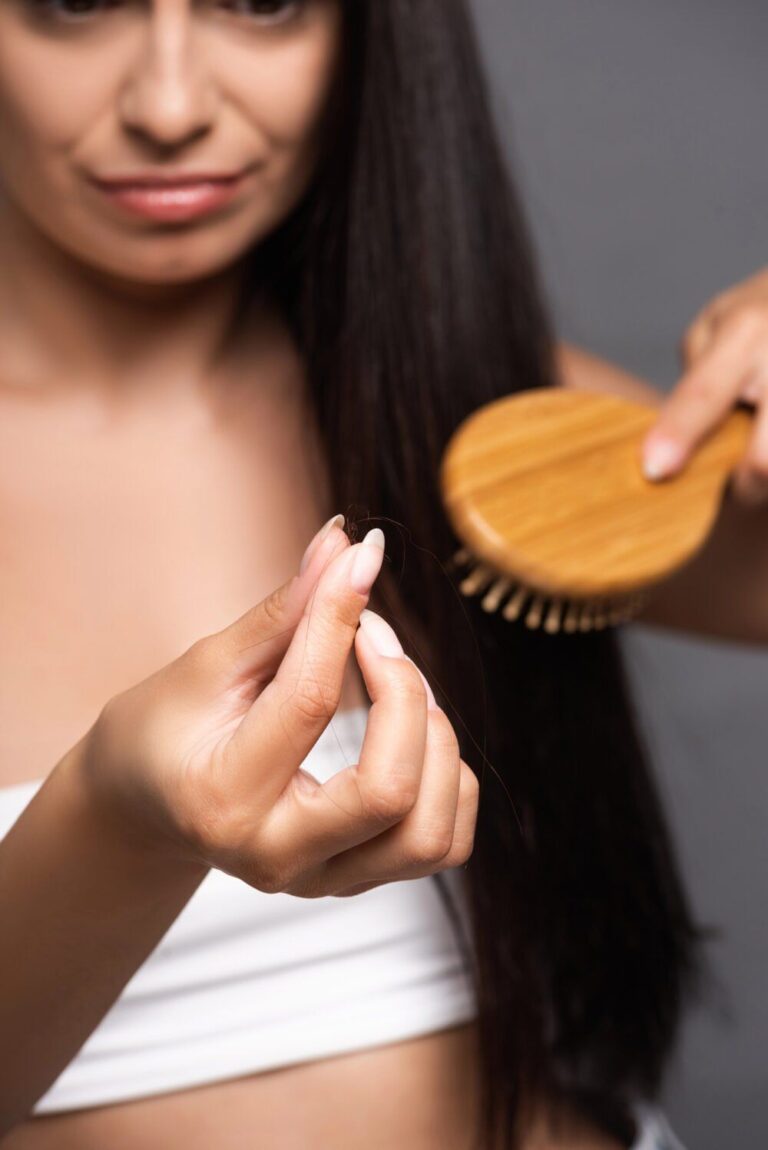
Collect any shed hair in your hands, and toss it away. Shed hair is normal, and a little each night is nothing to fear.

Cleanse the Day Away
Your hair collects dust, sweat, and product through the day. A quick cleanse at night keeps your scalp fresh and your strands light.
You do not need a full wash, and you should not shampoo every night. Wipe your edges and hairline with a damp cloth to remove edge control.
Product buildup can itch and flake, and it can block fresh moisture from sinking in. Clean skin and clean strands soak up night care much better.
Save your real wash for wash day, and prepare for it well. If you want a tidy setup, try 50 wash day setups every naturalista will love.
On days you sweat a lot, rinse with plain water or co-wash gently. Pat dry with a soft cotton tee, and never rub hard.
Take off your makeup and wash your face before you wrap your hair. Face products can rub onto your pillow and then onto your edges.
A soft cloth with a little water works well for quick cleanups. Keep a few folded by the sink so they are always ready.
Hannah, a college student from Colorado, said this tip stopped her breakouts along her hairline. Clean edges also made her hair feel lighter by morning.

Mist and Moisturize Before Bed
Dry hair at bedtime wakes up even drier, so moisture is a must. Start with a light mist of water, and focus on the ends.
Next, add a small amount of water-based leave-in or cream. Smooth it down each section, and avoid heavy globs of product.
Damp hair is easier to twist and style, and it holds moisture longer overnight. Soaking wet hair, though, can lead to a musty smell.
If you stretch your curls at night, they will look longer in the morning. Dry curls pull up tight, and that is exactly why afro hair shrinks so much.
Gentle stretching with twists or braids can reduce shrinkage without heat. Heat tools dry out hair, so skip them when you can.
Rub a tiny bit of cream on your hands before you touch each section. That keeps the product light and even on every strand.
Try spraying a little rose water or aloe juice for a soft, fresh scent. Plain water works just as well if your budget is tight.
Skip any product with strong alcohol, since it can dry your hair out overnight. Check the labels, and keep your formulas short and simple.

Seal the Ends
Sealing is what keeps the water you added from escaping all night. Use a light oil or a bit of butter on the ends.
Ends are the oldest part of each strand, so they need the most protection. They have faced months of combing, styling, and rough weather.
Hold on to the length you grow, and understanding the afro hair growth cycle shows how slow it really is. Every inch you save tonight is an inch you keep.
Jojoba, avocado, and grapeseed oil are light and work for most hair. Shea butter suits thicker, denser hair that drinks up product.
Warm a drop between your palms, and press it onto the ends. Do not drag it through, since that can cause frizz.
Start with a small amount, because too much oil can stain your bonnet. You can always add more if a spot still feels dry.
Do not forget the hair around your nape, since it rubs against collars and pillows. Give that spot a little extra oil and some gentle care.
Derek, a dad from Florida, laughed at this step until his daughter’s ends stopped splitting. Now he gently reminds her to seal her ends every single night.

Treat Your Scalp Kindly
Your scalp is where every strand begins, so give it a little love. A healthy scalp grows stronger and softer hair over a long time.
Follicles build each strand from protein, and what keratin does for afro hair explains how that process works. Good blood flow helps feed those busy little hair factories.
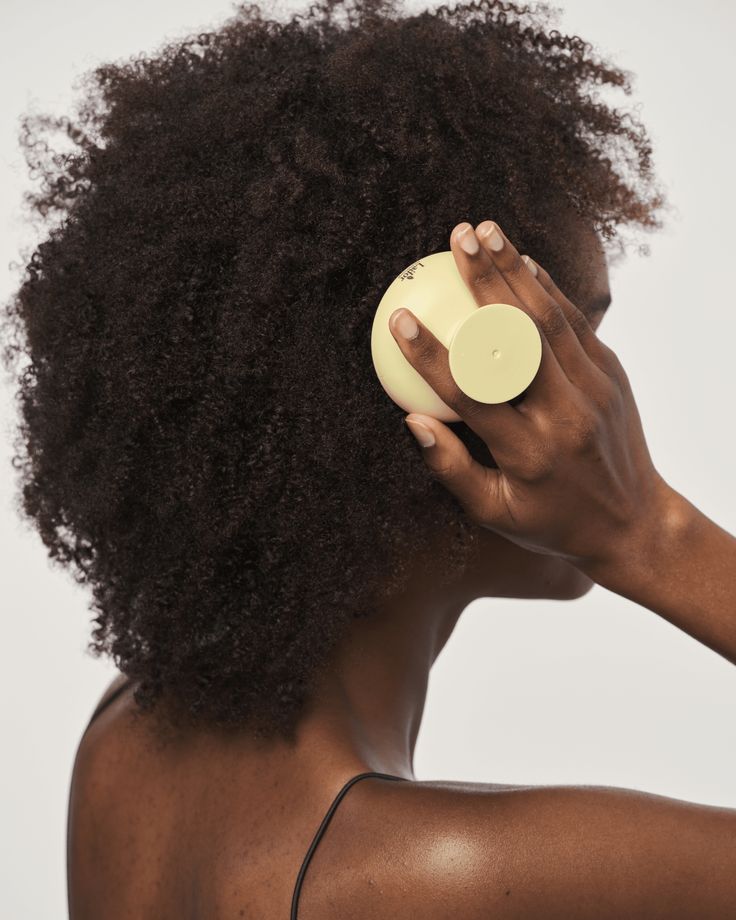
Massage your scalp with your fingertips for one or two minutes. Use small circles, and press gently without scratching with your nails.
A few drops of light oil can help a dry or tight scalp. Peppermint or tea tree oil feels nice, but dilute it first.
Skip heavy butters on the scalp, since they can clog pores. If you see flakes or sores, check in with a doctor.
Massage also helps you relax before bed, so it works double duty. Many people fall asleep faster after a few quiet minutes.
Wash your hands first, so you do not push dirt into your scalp. Clean hands help keep itching and small breakouts far away.
Notice any tender spots, because tight styles can leave your scalp sore. Soreness is a warning, so loosen your style if it hurts.
Pick a Night Style That Protects
How you wear your hair to bed matters as much as what you put on it. The goal is simple: less rubbing, less pulling, and fewer tangles.
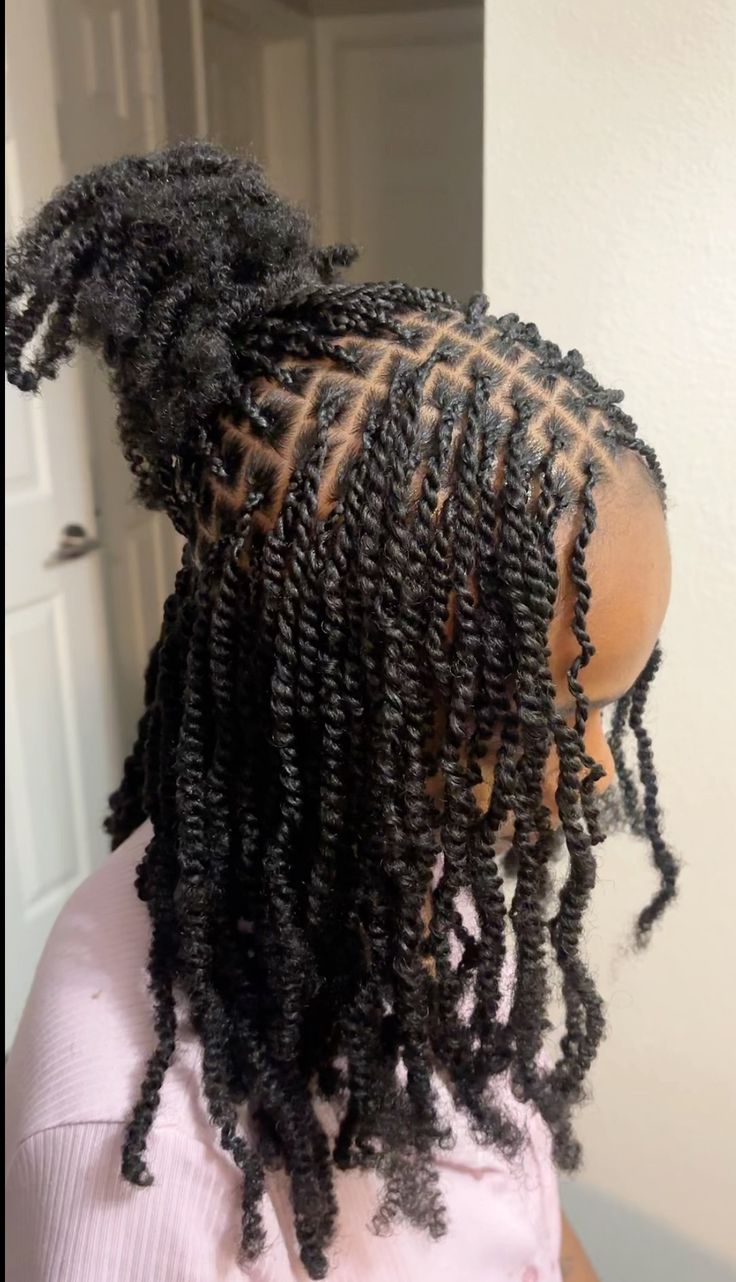
Loose two-strand twists are a favorite, and they keep curls neat all night. For fresh ideas, check out 45 twist hairstyles that never go out of style.
A pineapple works well for looser coils and shorter hair. Gather your hair gently at the top with a soft scrunchie.
Big loose braids also protect your hair and stretch it a little. Make them chunky, so they do not pull at your roots.
A high puff keeps everything off your neck and away from your pillow. Use a wide, stretchy band, and never a thin, tight elastic.
Avoid tight ponytails or buns at night, since they pull at your edges for hours. Loose is always better than tight when you are asleep for hours.
Test a new night style on a quiet weekend, when you have time to adjust it. A style that feels tight at first will not get better by morning.
Try a few styles for a week each, and see what your hair likes. The best style is the one that wakes up soft and tangle-free.

Protective Styles for Sleep
Some people keep a protective style in all week, and it needs night care too. Braids, twists, and wigs all need a plan for bedtime.
If you want a style that fits your goals, browse 75 protective styles for every hair goal. Choose one that stays comfortable when you lie down at night.
Tie long braids up in a loose bun or a big scarf. That stops them from tugging at your roots when you roll over.
Mist the scalp lightly every two or three days, and add a drop of oil. Hair under a style still needs water to stay soft.
Wigs need a silk or satin cap underneath, and you should take them off at night. Your natural hair needs room to rest and breathe while you sleep.
Check your edges for tension every few nights, and loosen the style if needed. Edges grow back very slowly, so protect them early and often.
Short on time at night, then use a quick spritz and a loose scarf. You can always do the full routine on the weekend.
Do not leave a style in too long just because it still looks neat. Hair under it keeps shedding, and old shed hair can tangle.
Choose the Right Bonnet or Scarf
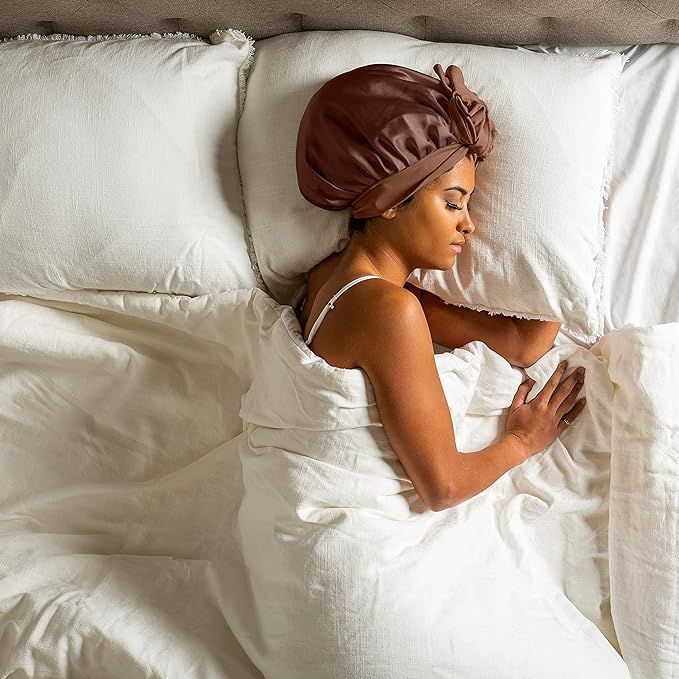
A bonnet is your hair’s best friend at night, and it is worth buying a good one. Pick satin or silk, since both let your hair glide.
Cotton drinks up moisture, and it grabs at your strands as you move. Satin lets your curls slide, so there is far less friction.
Look for a bonnet that is lined with satin on the inside. Some cheap ones have only a thin outer layer, and that does not help.
The band should hold firm without leaving a red line on your forehead. An adjustable band or a wide soft elastic works best.
A silk scarf is a good option if bonnets feel too loose. Wrap it snugly, but never so tight that it pulls your edges.
Pick a size that fits your hair, especially if you wear big twists or locs. A bonnet that is too small squishes your style flat.
Wash your bonnet every week or two, since it collects oil and sweat. A clean bonnet keeps your scalp and your pillow fresh.
Travel with a small bonnet in your bag, so you are covered anywhere. Hotels and guest rooms often have rough cotton sheets that dry hair.
Keep a spare by your bed, so you never skip it on a tired night. Habits stick best when they are easy to follow every single night.

Swap Your Pillowcase
A silk or satin pillowcase gives you a second layer of protection. If your bonnet slips off, your hair still glides instead of snagging.
Pillowcases cost less than a salon visit, and they last for months. Many people notice softer hair within just a couple of weeks.
Look for a pillowcase labeled mulberry silk or a good quality satin. A hidden zipper keeps your pillow in place all night.
Wash it gently on a cool cycle, and let it air dry. Harsh heat can ruin the smooth finish after only a few washes.
Sleeping on a satin pillow also helps your skin, since there is less tugging. Your face and your hair both get a little extra care.
Build this into a bigger plan with 60 healthy hair routine ideas you’ll actually use. Mix and match until your night routine feels easy and natural.
Keep a spare pillowcase in the closet for laundry days. You never want a good habit to break because of one dirty sheet.
Silk feels cool at first, which is a lovely bonus in warm weather. Satin costs less, and it works nearly as well for most people.
If you sleep with a partner or a kid, tell them why you do this. Their support makes it so much easier to stay consistent.

Plan Tomorrow’s Style
A little planning at night saves you stress in the morning. Decide what you will wear, and choose a hairstyle to match.
Save a few ideas on your phone, so you never stand there guessing. A collection like 100 afro hairstyles to save before your next salon visit makes choosing fun.
Pick a style that matches your schedule, not just your mood. A busy day calls for a simple puff or a bun.
Twist-outs and braid-outs start tonight, since your hair needs time to set. Twist damp hair in the evening, and take it down in the morning.
Set out your accessories, like clips, scarves, and a small mirror. Having them ready saves you from rushing around while half asleep.
Check the weather for tomorrow, and think about humidity or rain. Wet weather may call for a style that fights frizz.
Lay out your outfit next to your accessories, and picture the full look. A clear plan makes the morning feel calm and easy.
Do not stress if you change your mind in the morning. Plans are only a starting point, and hair is flexible.

Build a Routine You Can Keep
A routine only works if you can follow it, even on your worst night. Pick steps that fit your own energy, not someone else’s life.
Online videos show long routines with ten products and a dozen steps. It helps to learn how to stop comparing your hair to influencers before you copy them.
Their hair, budget, and free time are different from yours. Your hair has its own needs, so listen to it.
Start with just three steps, which are moisturize, seal, and cover. Add more only when those three steps feel automatic to you.
On lazy nights, do the bare minimum: a quick mist, a seal, and a bonnet. Doing something is always better than doing nothing at all.
Track what you do for two weeks, and notice what changes. Your hair will clearly tell you which steps are really working.
Ask yourself each week what felt easy and what felt like a chore. Drop the chores, and keep only the steps that feel good.
Adjust your plan with the seasons, since winter hair needs more than summer hair. Flexible routines last far longer than strict, rigid ones do.
End the Day With Confidence
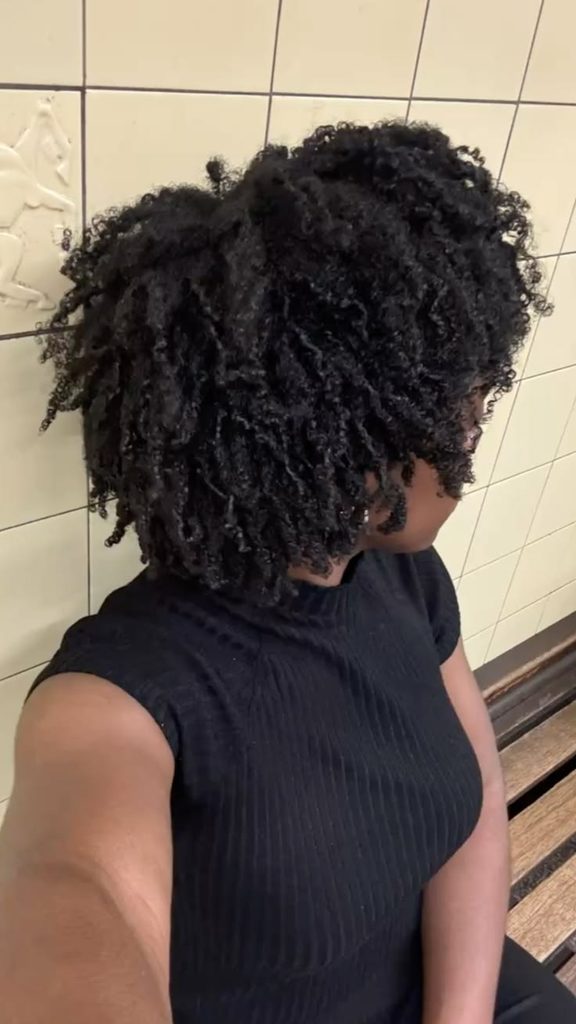
Bedtime is a good moment to be kind to yourself. Say something nice about your hair before you turn off the light.
It may feel silly at first, but kind words change how you see yourself. Over time, you slowly start to believe the things you say.
Confidence is built in small moments, and how to build confidence through your afro hair journey shows how to start. Nighttime is a quiet place to practice, with no one watching.
Think about one thing your hair did well for you today. Maybe it held a style, or maybe it just stayed soft.
Let go of any harsh thoughts you carried around all day. Your hair is not a problem to fix, but a part of you to care for.
Take a few deep breaths while you tie your scarf. Slow breathing helps your body relax and get ready to sleep.
Write down one kind thought in a notebook by your bed. Reading those notes later can lift you on harder days.
Hug yourself a little, or smile at your reflection before bed. It sounds small, but it sets a warm tone for sleep.
A calm mind helps you sleep, and good sleep helps your hair grow. Rest is a real part of every healthy hair plan you follow.

Celebrate Small Night Wins
At the end of the day, take a moment to notice what went right. Even a tiny win deserves a small cheer from you tonight.
Maybe your twists held up, or maybe your edges stayed smooth. Those small moments add up to real and lasting progress over time.
There is joy in noticing, and how to celebrate every stage of afro hair growth is full of simple ideas. Every stage of growth has its own kind of beauty to enjoy.
Snap a quick photo of your hair before you wrap it up. Looking back at those pictures a few months later feels amazing.
Share your progress with a friend, or tell someone in your family. Good news always feels even better when it is shared.
Reward yourself with a warm drink, a face mask, or a good book. Treating yourself reminds your brain that this routine is a gift.
Keep a small jar and drop in a note for each good hair night. Open it at the end of the year, and enjoy the memories.
Do not wait for a huge milestone before you feel proud. Small, steady care is already something to be happy about.

Dream Big Before You Sleep
Before you close your eyes, picture the hair you are growing toward. Dreams give your daily habits a bigger and clearer purpose.
A picture board makes dreams easy to see, and how to create a healthy hair vision board helps. Tape it near your bed or your mirror where you will see it.
Fill it with photos of healthy curls, soft textures, and styles you want to try. Add a few words that describe how you want to feel.
A quick glance at your board before sleep plants good ideas in your mind. You might even wake up with fresh energy and new ideas.
Set one small goal for the week, like fewer tangles or softer ends. Write it down, and check it off when you reach it.
Review your board every few months, and update it as your hair changes. Your dreams will grow over time, and so will your hair.
Imagine how proud you will feel in six months of steady care. That feeling is a strong reason to keep going every night.
Healthy hair takes patience, and patience is easier with a clear picture. Keep showing up each night, and trust the slow process.
Final Thoughts on Your Nighttime Routine
A great nighttime routine for afro hair is simple, gentle, and steady. Detangle, cleanse, moisturize, seal, and cover your hair every night.
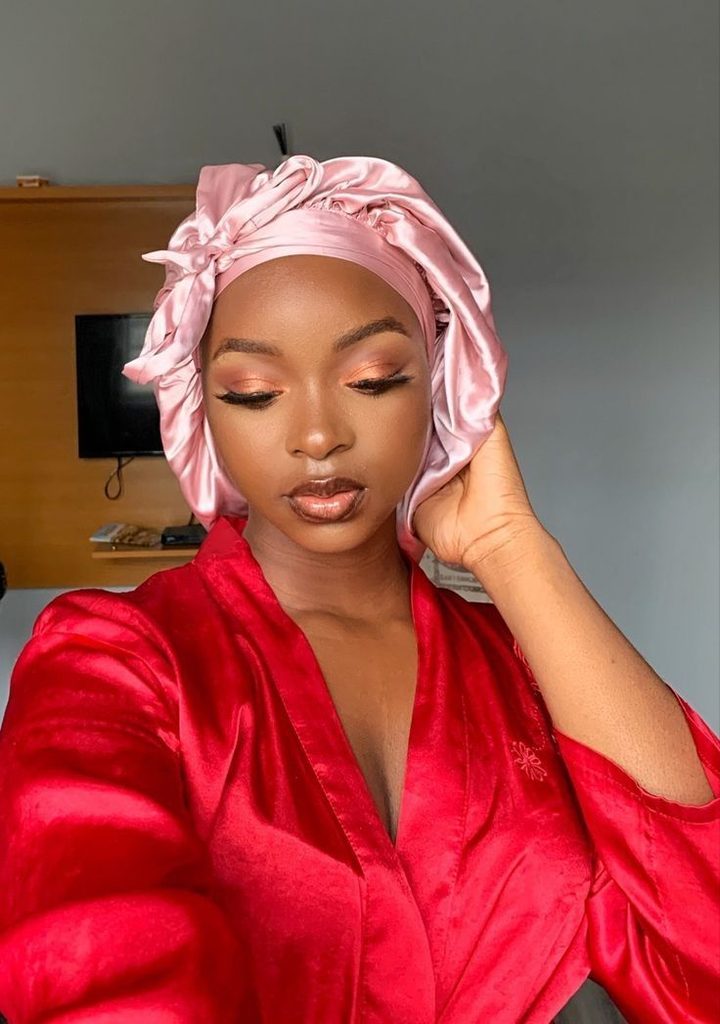
Choose a style that protects, and wear a satin bonnet or scarf. Add a silk pillowcase for a little extra protection and comfort.
Be kind to yourself, since progress is slow and perfection is not needed. Keep the routine flexible, and let it grow with you.
Start tonight with one small step, and add the rest as you go. Your hair will thank you with softer, stronger curls tomorrow morning.
Your night routine is a gift to your future self. Give it a try this week, and notice how your mornings change.
Thank you for reading, and sweet dreams to you and your curls.