
Must-Have Products For A Healthy Hair Routine
Walking into a beauty store can feel overwhelming when you have type 4 hair. Shelves are packed with bottles promising growth, shine, and instant transformation.
A client once brought me a bag with fourteen different products, unsure what half of them did. She had spent so much money, yet her hair still felt dry and unmanaged.
She had three oils but no proper leave-in conditioner at all. Also she had two clarifying shampoos but nothing gentle for regular washing.
This happens often, since marketing can be very convincing to shoppers. Naturalistas often buy what looks exciting instead of what their hair truly needs.
The truth is, a healthy hair routine does not need dozens of products.
It needs a small number of well-chosen basics, used consistently and correctly. This post walks through exactly what belongs on your shelf, and why it matters.
Each item below plays its own small, specific role in your bigger routine.
If you have not read The Best Hair Growth Routine For Afro Hair, that post shows how these products fit together in practice.

Must-Have Products For A Healthy Hair Routine
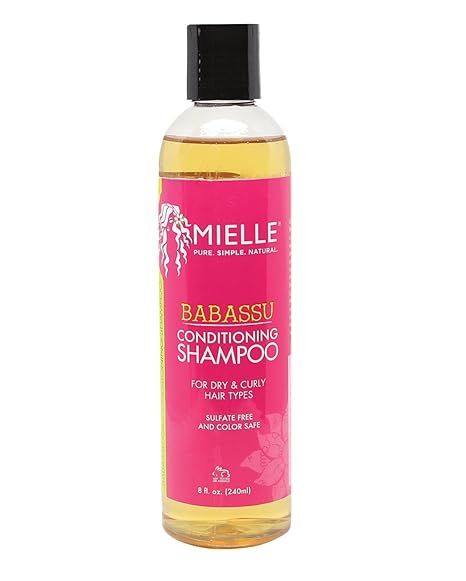
A Gentle, Sulfate-Free Shampoo
Every healthy routine starts with proper cleansing, and shampoo is where that begins. A gentle, sulfate-free formula cleans your scalp without stripping away natural oils.
Harsh shampoos can undo weeks of careful moisture work in just one wash.
The Best Shampoos For Afro Hair explains exactly what to look for on the label. Choosing the right shampoo protects everything else you do afterward in your routine.
This first step sets the tone for how well every later product performs.
A good shampoo should leave your scalp feeling clean, never tight or itchy. If your current shampoo causes discomfort, it may be time to try something gentler.
Most naturalistas only need to wash once or twice a week. Watch how your scalp feels a day after washing to judge if it suits you.
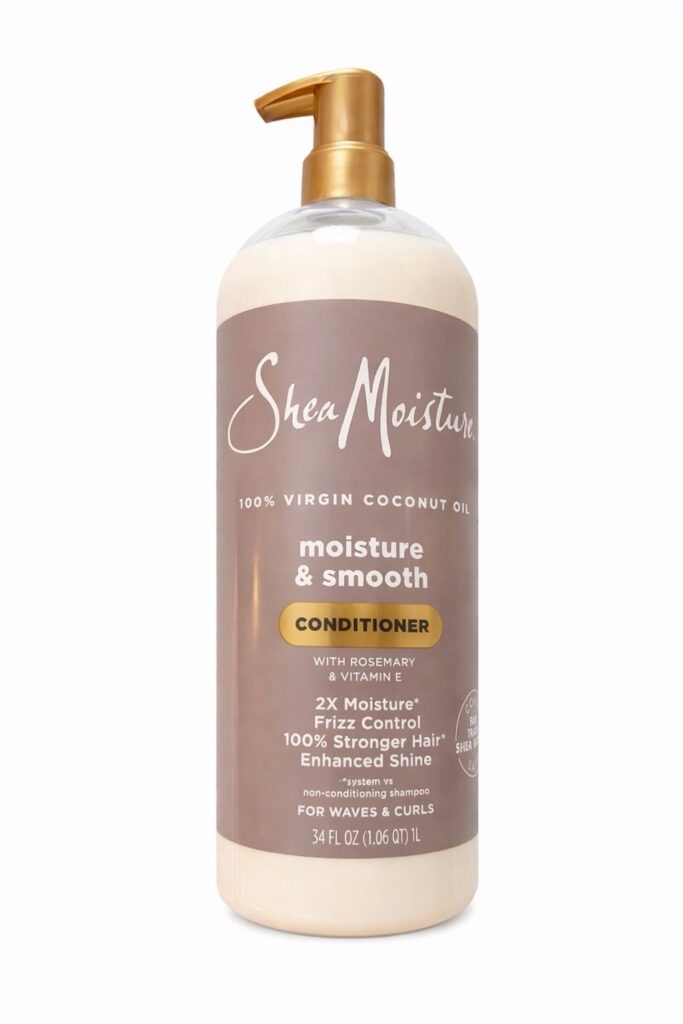
A Rich, Moisturizing Conditioner
Conditioner restores softness and moisture that shampoo can sometimes take away.
A rich, creamy conditioner works especially well for naturally dry type 4 hair. This step also makes detangling far easier and much less painful.
The Best Conditioners For Type 4 Hair breaks down the different types worth having.
Rinse-out, deep, and leave-in conditioners each serve their own important purpose. Understanding all three helps you use each one at the right moment.
Skipping conditioner, even occasionally, often leaves hair feeling rough and hard to manage. This one step protects nearly everything else your routine tries to accomplish.
Give it a few extra minutes before rinsing for the best results. This small patience pays off in noticeably softer, smoother hair.
A Proper Deep Conditioner
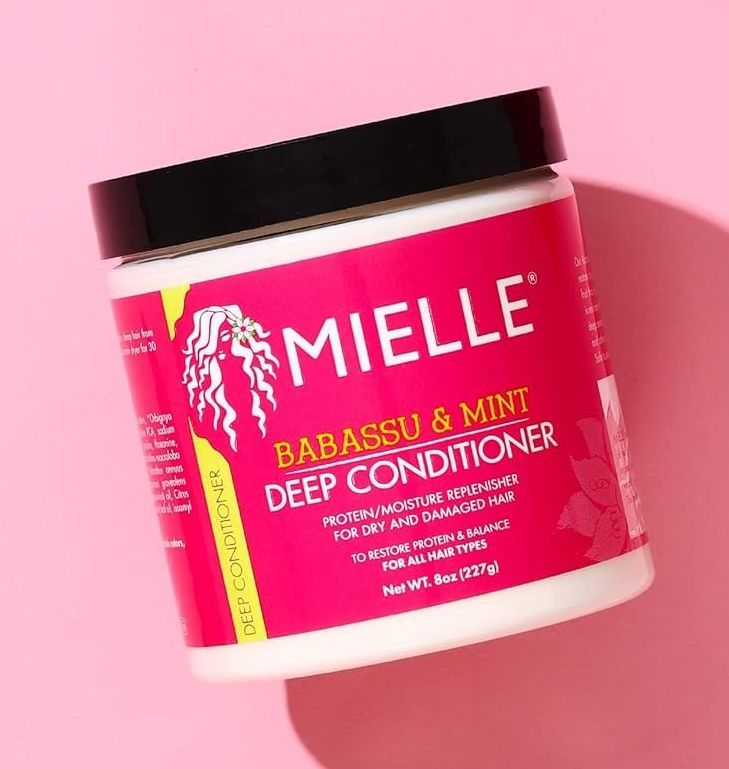
Deep conditioners go beyond a quick rinse, offering deeper, longer-lasting moisture. Used weekly or biweekly, this step keeps hair strong, soft, and less prone to breaking.
Adding heat, like a warm towel, boosts how well this product actually works. This one extra step often makes the biggest visible difference in your hair.
This step matters even more for naturally dry, tightly coiled type 4 hair. Skipping deep conditioning often leads to rough, brittle strands over time.
Consistency with this one step often shows the fastest, most visible improvement.
Choosing a deep conditioner with both moisture and light protein gives balanced results. Fifteen to thirty minutes under gentle heat usually gives the best outcome.
This small habit becomes one of the most rewarding parts of wash day. Your hair will thank you with softness that lasts for days.
A Lightweight Leave-In Conditioner
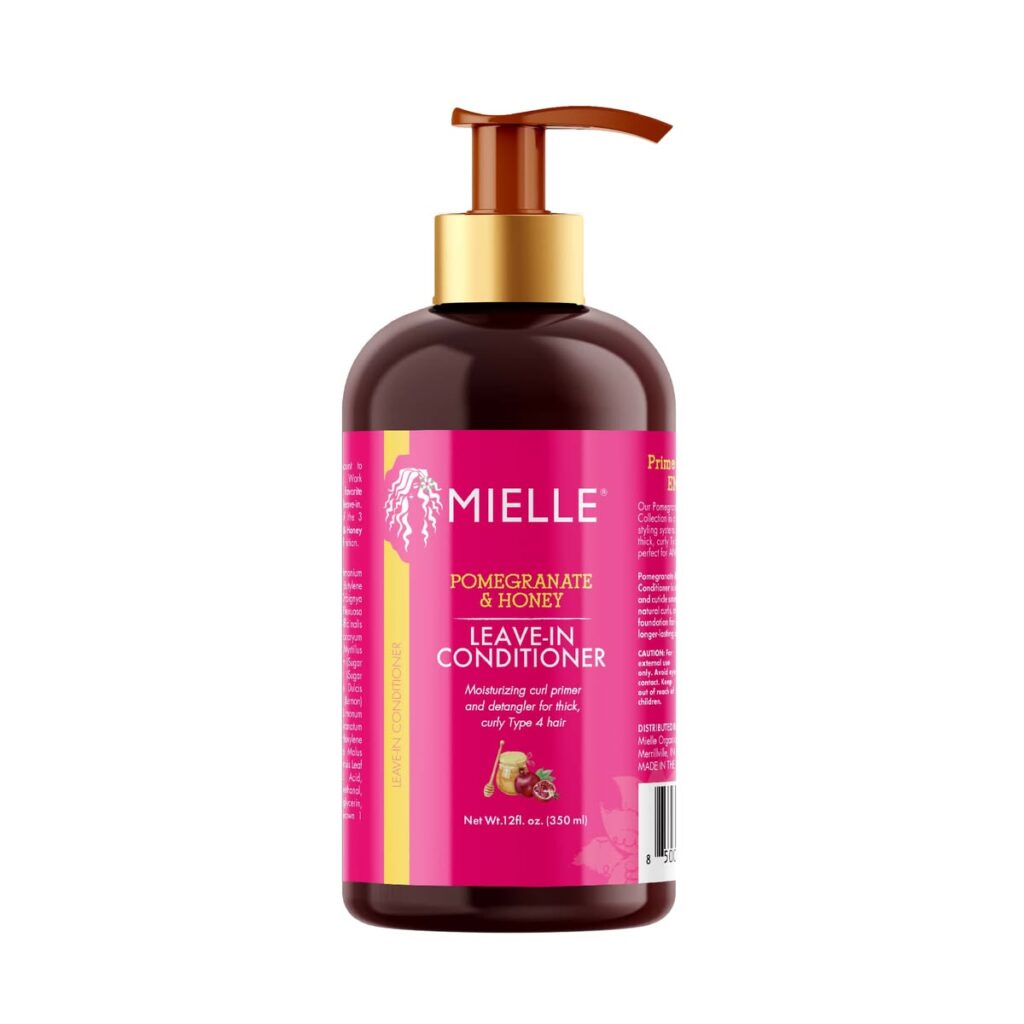
A leave-in conditioner adds moisture that stays with your hair throughout the day.
This product usually comes first in popular methods like LOC or LCO. How To Grow Healthy Afro Hair Without Chasing Length explains why this daily moisture matters so much.
This single product often makes the biggest difference in daily comfort.
Choosing a lightweight formula prevents your hair from feeling heavy or greasy. This product works especially well when applied to soaking wet hair.
Reapplying a small amount every few days keeps moisture levels steady between washes. Many naturalistas keep a bottle nearby for quick refreshing throughout the week.
This small habit prevents dryness from building up slowly over time. A little goes a long way when your hair is already damp.
A Sealing Cream Or Butter
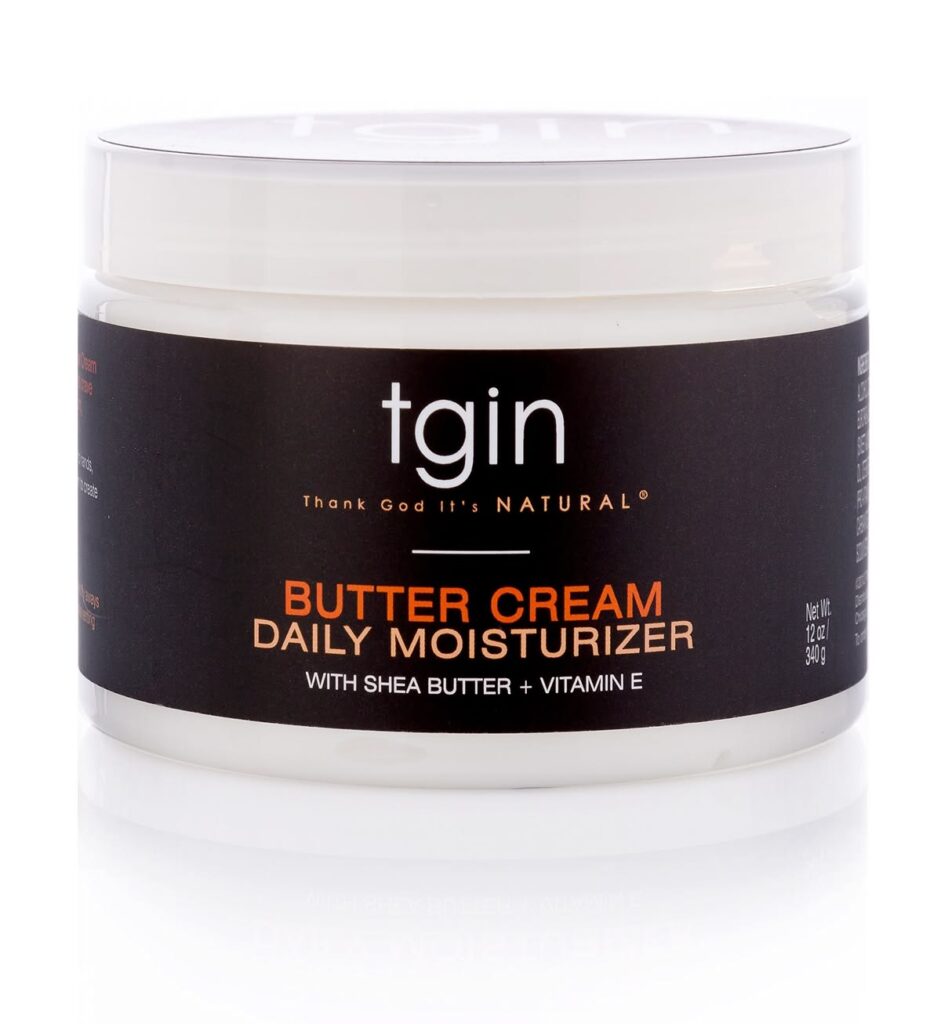
Sealing products lock in the moisture your leave-in just provided. Choosing between cream and butter depends on your porosity and personal preference.
Hair Cream vs Hair Butter: Which Should You Choose? explains this choice in full detail.
Many naturalistas keep both on hand, using whichever suits the weather or mood. Having both options gives you flexibility throughout different seasons of the year.
Applying your sealant while hair is still damp locks in far more moisture. Butter tends to work better for very dry or high porosity hair.
Cream tends to feel lighter and suits low porosity hair well. Testing both helps you learn which one your hair truly prefers.
A thin layer usually works better than a thick, heavy coating on top. Too much sealant can leave hair looking greasy instead of healthy and shiny.
Small, consistent amounts protect your hair without ever weighing it down.
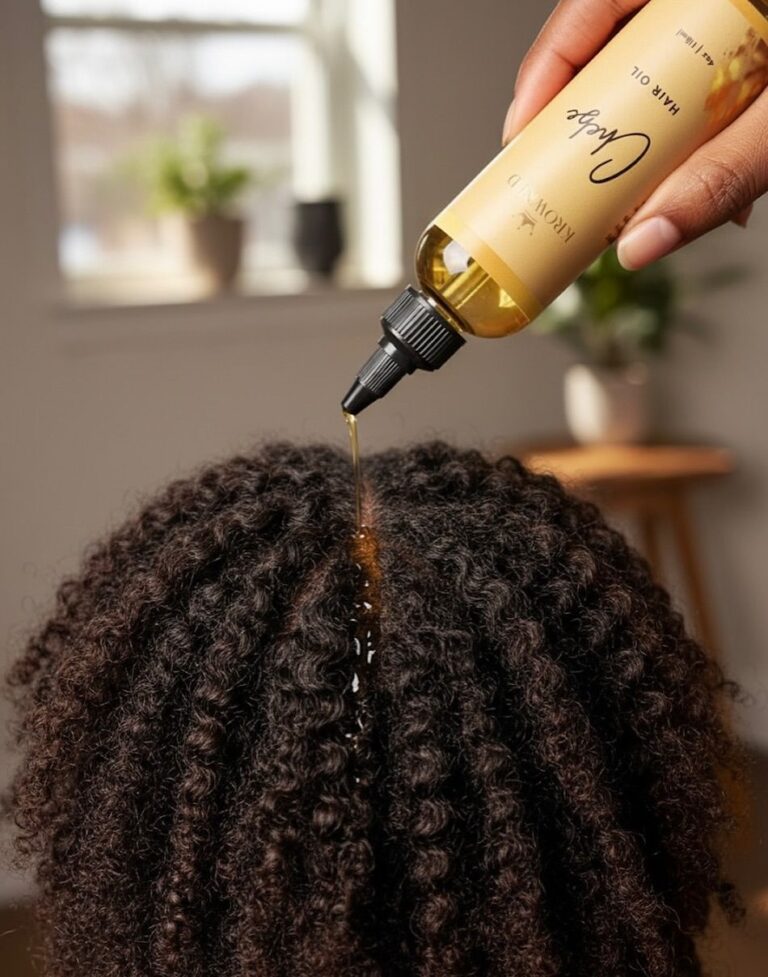
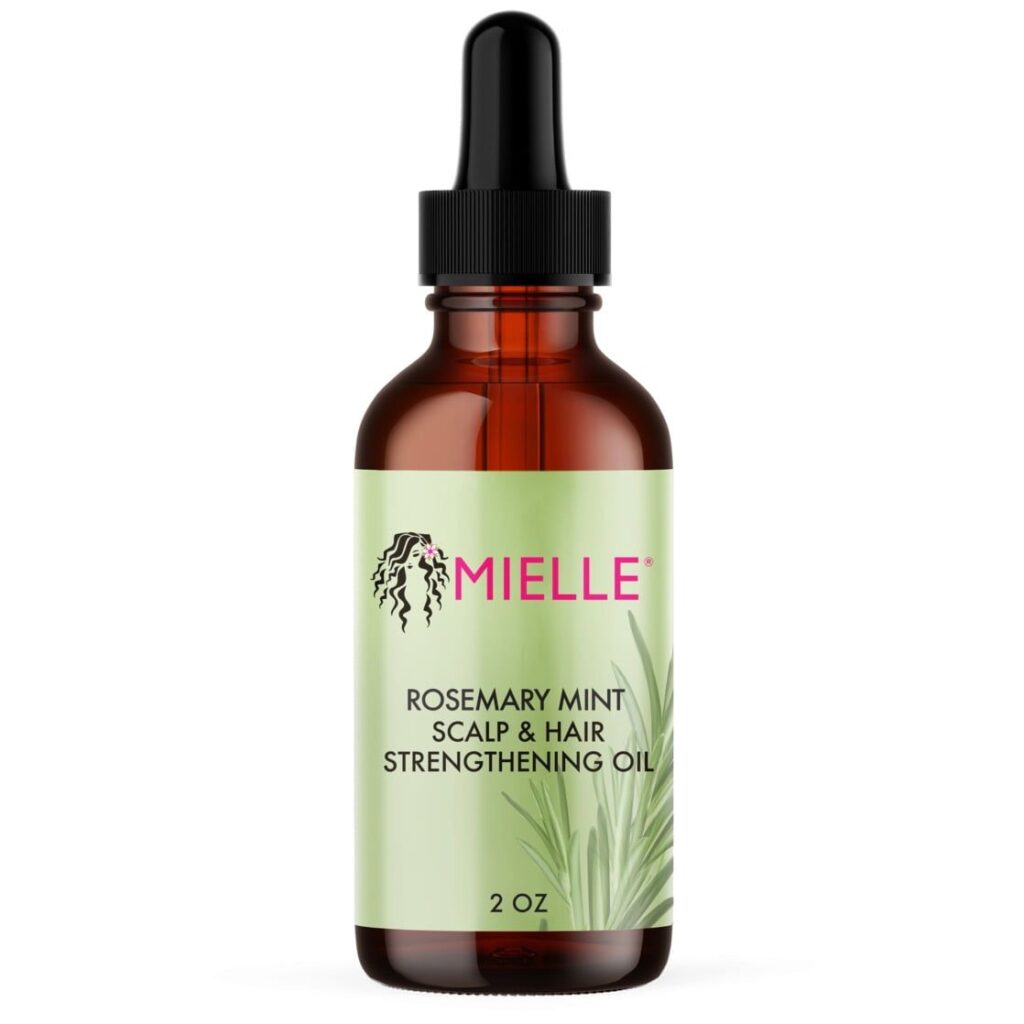
A Light, Nourishing Hair Oil
Oil helps seal moisture even further and adds a healthy, natural shine. The Truth About Hair Growth Oils explains what oil can and cannot really do.
Oil works best as a finishing touch, not as your main source of moisture. Understanding this prevents disappointment from expecting too much from one bottle.
Keeping one or two trusted oils on hand covers most everyday needs. Overbuying oils often leads to clutter and confusion on your shelf.
Applying oil to damp hair helps it absorb better than dry strands do. Warming the oil slightly before use can also improve how well it spreads.
Rotating between two lightweight oils occasionally helps you notice what suits you.
A little oil goes further than most people initially expect. This small amount, used correctly, protects your hair for the whole day.
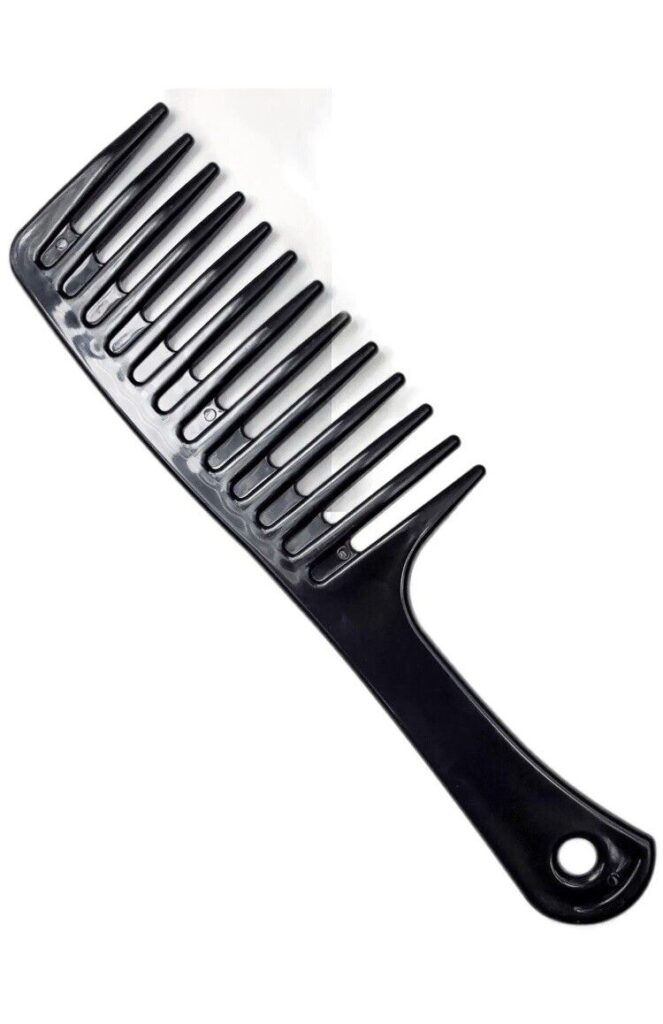
A Wide-Tooth Comb
A wide-tooth comb gently separates your hair without causing unnecessary breakage.
This simple tool works well for both wet and dry detangling sessions. The Best Detangling Brushes For Afro Hair covers other gentle tools worth considering too.
Cheap, plastic combs with rough edges can snag and damage fragile strands. Investing in one good comb saves your hair from repeated daily stress.
Choosing a seamless comb, without rough edges, protects your hair during use. Running your finger along the teeth before buying helps check for rough spots.
A good comb often lasts for years with proper care. Cleaning it regularly also keeps it working well for a long time.
Keep a second comb on hand for travel, so you never miss a wash day.
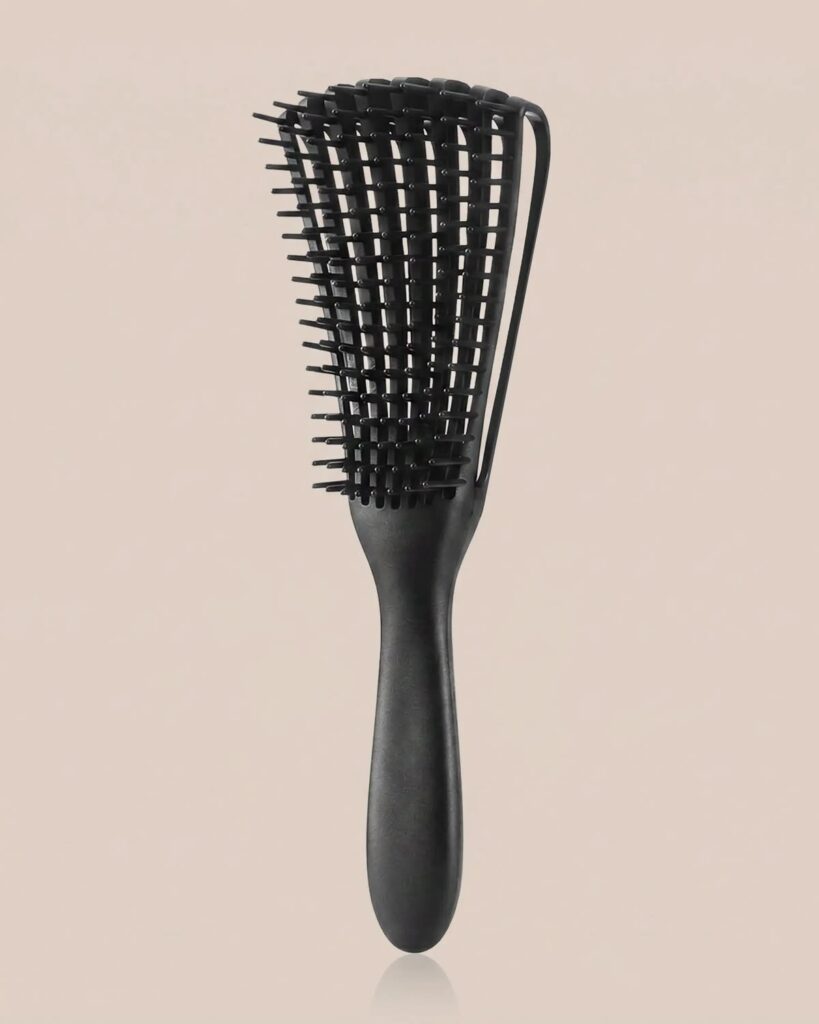
A Detangling Brush
A detangling brush, designed specifically for coily hair, makes wash day smoother. These brushes usually have flexible bristles that bend instead of pulling tightly.
Using one on wet, conditioned hair reduces breakage compared to dry brushing.
Choosing quality over cheap alternatives protects your strands in the long run.
Replace your brush occasionally, since worn bristles can start snagging hair. Testing a brush on a small section first helps you check its gentleness.
This small test can save you from a disappointing, painful purchase. A gentle brush should glide, never pull or catch on your strands.
A brush with a handle also makes reaching the back of your head easier. This small feature matters more than people expect during daily styling.
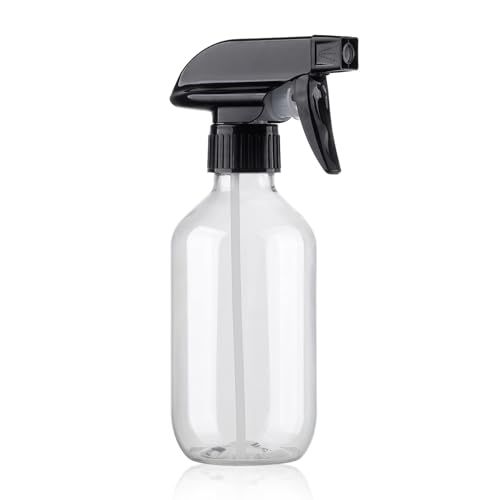
A Spray Bottle For Water
A simple spray bottle filled with water refreshes your hair between full washes.
Spritzing before applying products helps them absorb far better into strands. This small, cheap tool is one of the most useful items on any shelf.
Refilling it daily takes only seconds but makes a noticeable difference in results.
Keeping a spray bottle by your bed makes quick nighttime refreshes easy. A second bottle, mixed with a little leave-in, offers extra moisture on busy days.
This small habit keeps your hair comfortable without much daily effort. Even a quick spritz before bed can make a noticeable difference by morning.
Many naturalistas say this is the one habit they never skip.
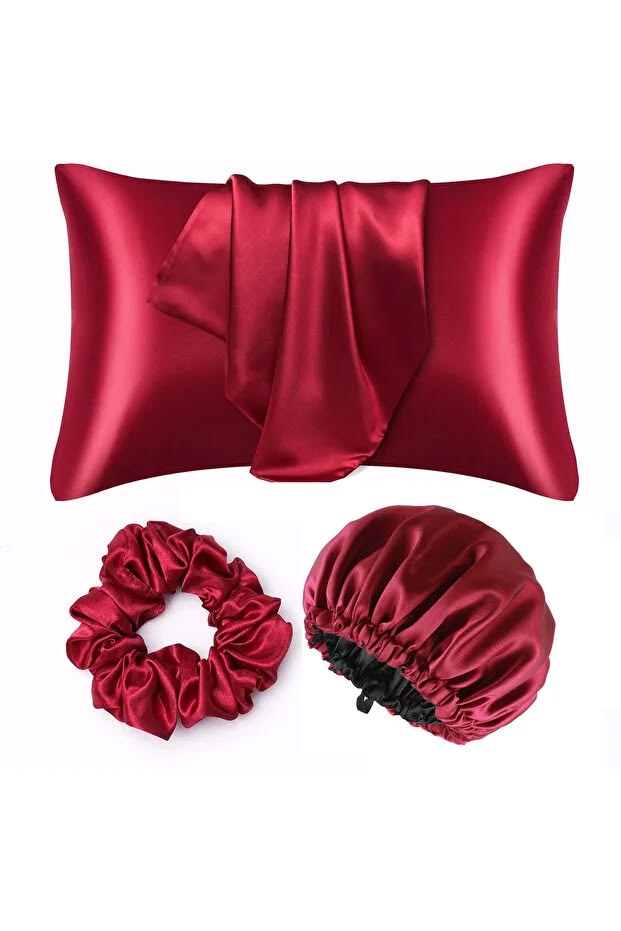
A Satin Bonnet Or Pillowcase
Protecting your hair while you sleep prevents unnecessary dryness and breakage overnight.
Cotton pulls moisture from your hair, while satin or silk helps retain it. Length Retention Tips Every Naturalista Should Know explains why this nighttime habit matters so much.
This small, inexpensive item protects hours of hard work every single night.
Choosing a bonnet that fits comfortably ensures you actually wear it consistently. A silk scarf works just as well for those who prefer wrapping instead.
Either option protects your hair while you sleep peacefully through the night.
Replacing a worn bonnet keeps this habit working as well as it should. A slightly loose fit is better than one that feels tight or slips off.
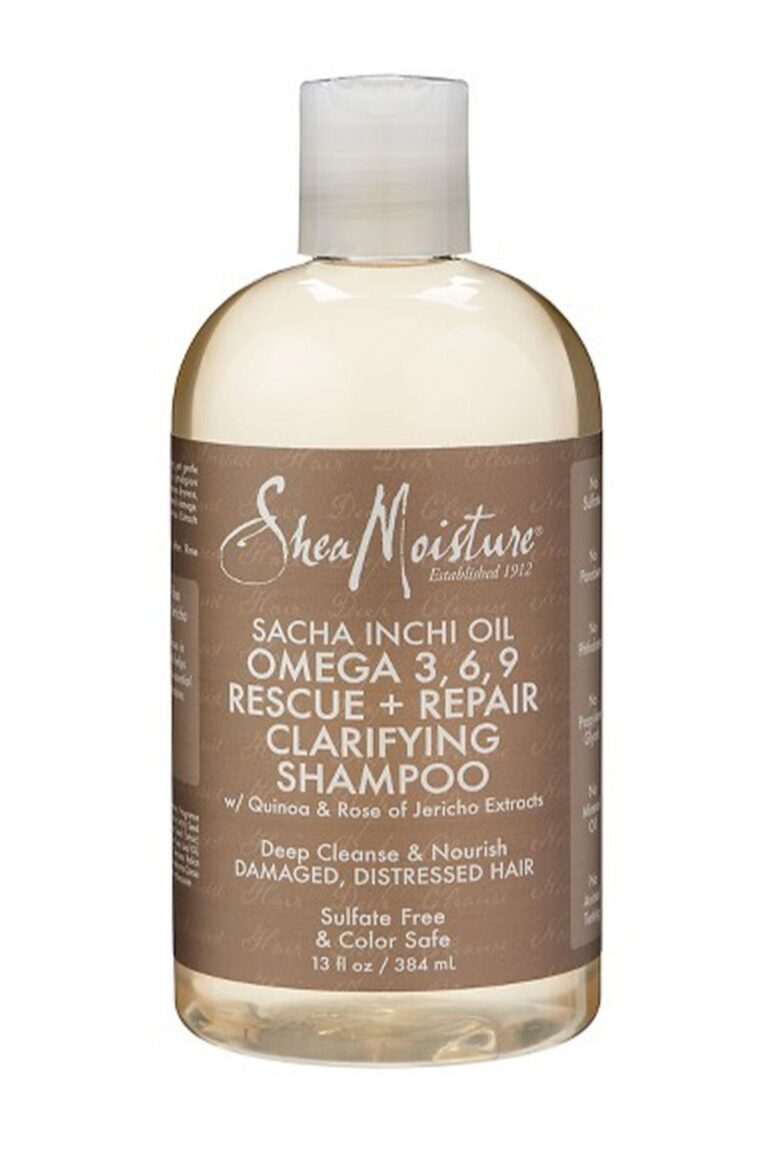
A Clarifying Shampoo
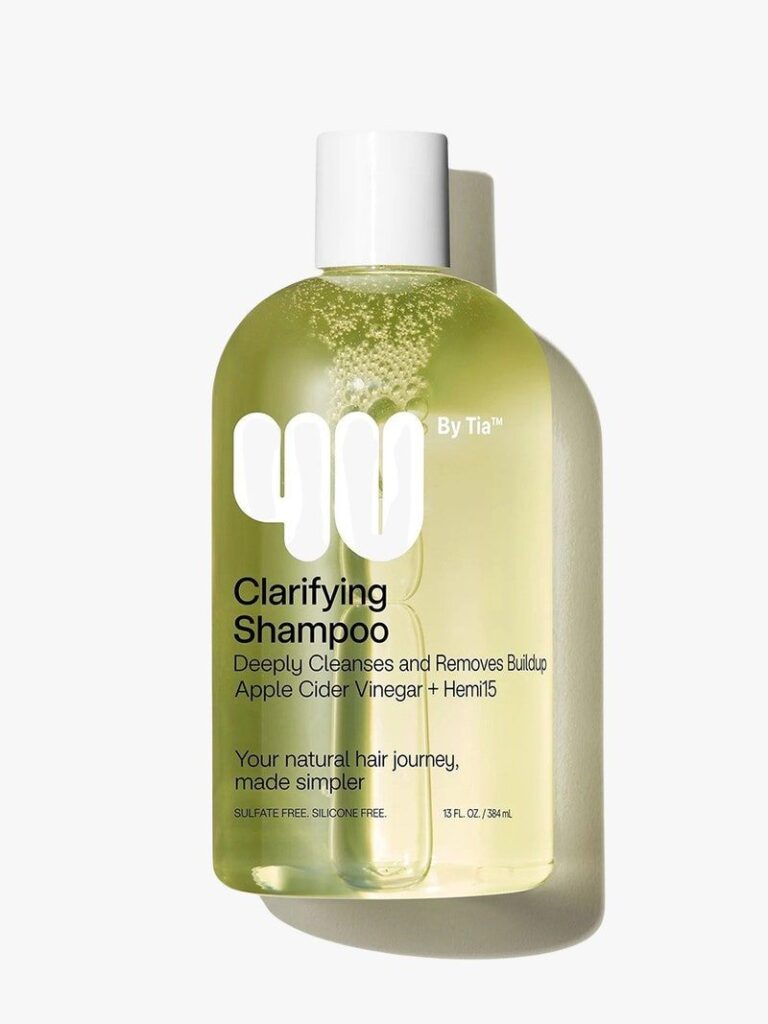
While your regular shampoo should be gentle, a clarifying formula still has its place.
Use it occasionally to remove buildup from products, sweat, and hard water. Low Porosity Hair Routine explains why this step matters even more for certain hair.
This occasional deep clean resets your hair before your regular routine continues.
Reserve this stronger formula for once a month, not for regular weekly washing.
Always follow clarifying with a deep conditioner to restore any lost moisture. Signs you need to clarify include dullness, stiffness, or products feeling less effective.
Catching these signs early keeps your hair looking and feeling its best. A once-a-month habit prevents buildup from ever becoming a bigger problem.
A Protein Treatment
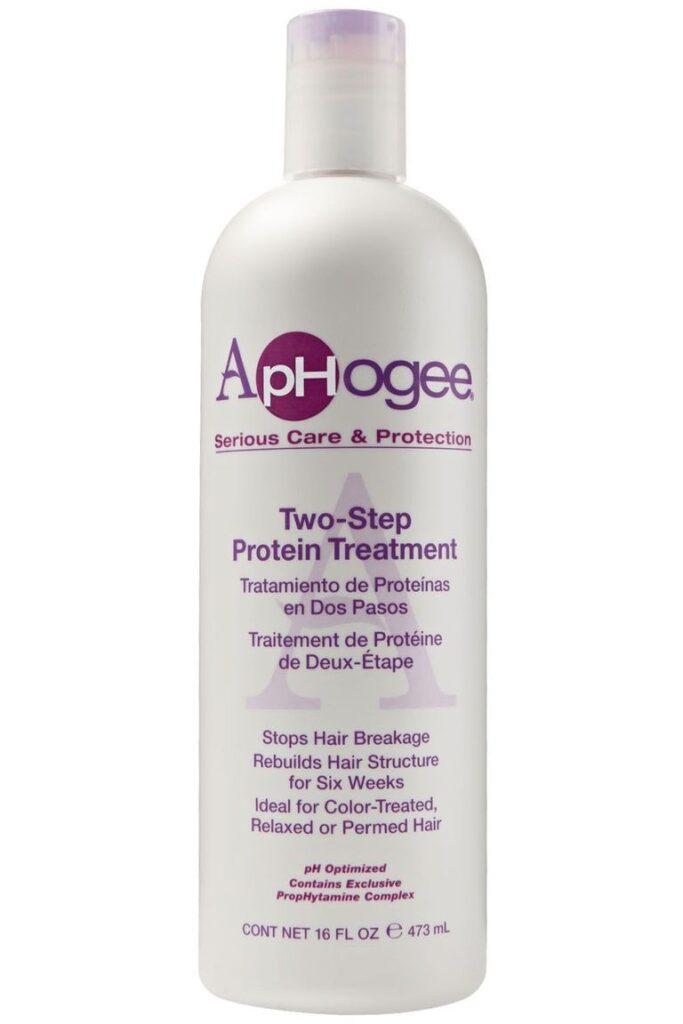
Protein treatments strengthen weak, overly stretchy, or damaged hair strands. Used occasionally, this product balances out the moisture your other products provide.
Overusing protein can leave hair feeling stiff, so moderation matters here.
Keeping one gentle protein treatment on hand covers most occasional strengthening needs.
Testing how your hair feels after each session helps you find the right frequency. Hair that feels mushy or stretches too much often needs more protein.
Hair that feels stiff or brittle usually has too much protein already. Balancing these two signals keeps your hair strong without becoming stiff.
An Applicator Bottle
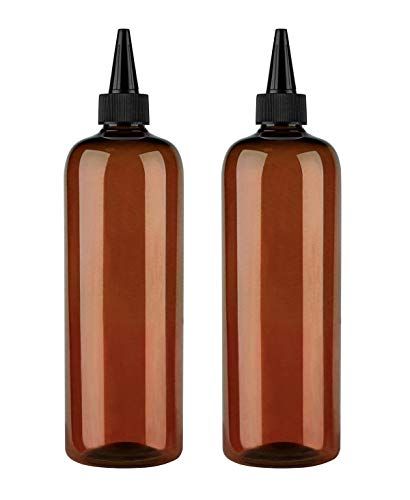
An applicator bottle helps you apply products directly to your scalp with precision. This reduces waste and prevents unnecessary product buildup along your hair’s length.
Healthy Scalp Habits For Faster Hair Growth explains why targeted application supports scalp health. This precision matters most when applying treatments meant only for your roots.
This inexpensive tool makes scalp treatments and oils far easier to apply evenly.
A clean, well-maintained applicator bottle lasts for years with proper care. Rinsing it thoroughly after each use prevents leftover product from clogging the tip.
Keeping a spare tip on hand solves this small problem quickly. This tool costs very little but saves both time and wasted product.
Understanding Your Hair Type First
Before buying anything, understanding your hair type shapes every other decision you make.
Understanding Type 4 Hair: A Complete Guide and 4A vs 4B vs 4C Hair Explained both help with this. Knowing your type prevents wasted money on products that were never right.
Many naturalistas skip this step and buy randomly, hoping something eventually works.
Taking a little time to learn your hair type first saves money and frustration. Spend a wash day simply observing your hair before buying anything new.
This small investment of time pays off once you finally start shopping. Understanding your hair upfront changes how confidently you shop from that point on.

Understanding Your Porosity And Curl Pattern
Porosity and curl pattern also guide which specific products will work best. What Is Hair Porosity and Why Does It Matter? and How To Identify Your Curl Pattern explain these traits clearly.
Shopping with this knowledge in hand saves both time and money.
These two traits, combined with your hair type, give you a complete picture. Shopping without this knowledge often leads to wasted trial and error.
Write down what you learn about your porosity and pattern somewhere handy. Referring back to these notes while shopping keeps your decisions consistent.
This simple habit turns confusing shopping trips into confident, informed ones. Over time, this knowledge becomes second nature and needs no extra effort.
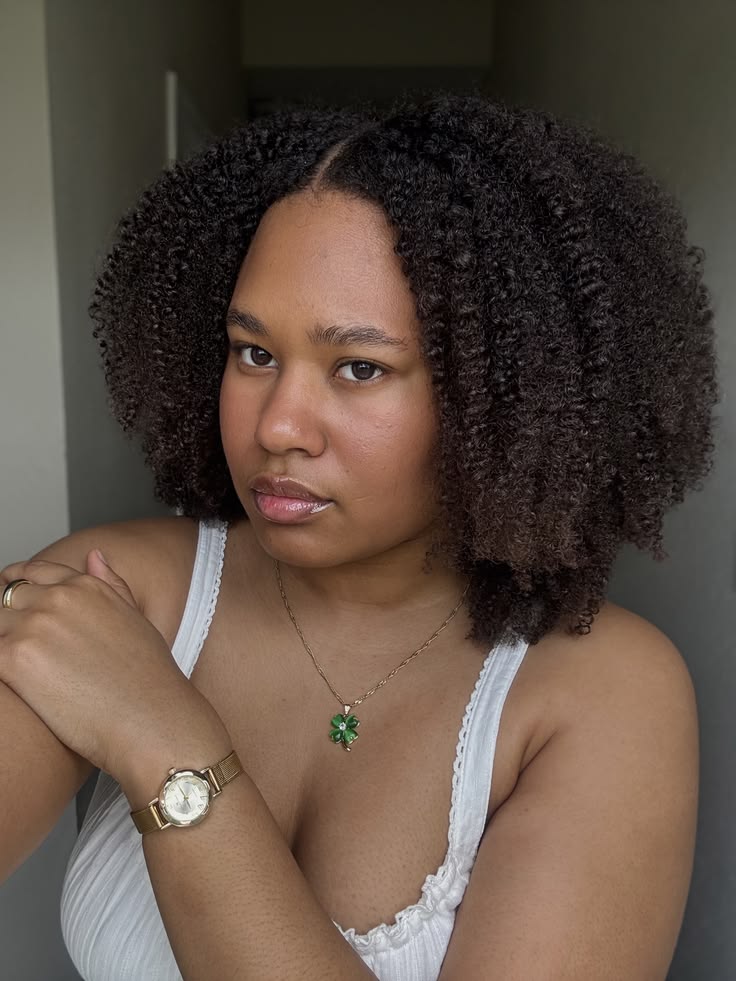
Building Your Shelf Step By Step
Start with the basics, shampoo, conditioner, leave-in, and a sealant, before anything else. Add tools like a comb, brush, and spray bottle once your basics feel solid.
This gradual approach prevents overwhelm and unnecessary spending all at once. Building slowly also helps you truly understand what each product does for you.
Once these basics feel comfortable, add a deep conditioner and clarifying shampoo next.
Save specialty items, like protein treatments, for when your hair actually needs them. Adding one item every few weeks keeps spending manageable and thoughtful.
Rushing to buy everything at once often leads to wasted money. A slower, steady pace builds a shelf that truly works for you.
This patience becomes one of the most valuable habits in your entire routine.
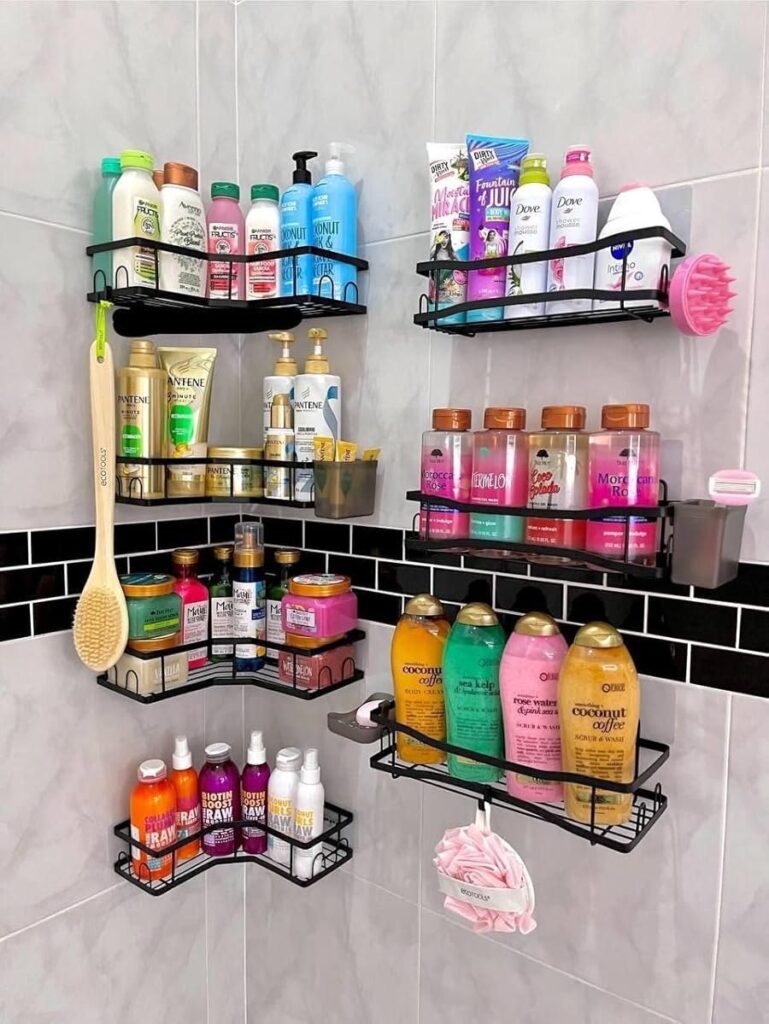
Storing And Budgeting For Your Shelf
Keeping your shelf organized helps you actually use what you own consistently. Group products by step, cleansing, conditioning, moisturizing, and sealing, for easy access.
This simple system prevents forgotten products from sitting unused in a cabinet. A tidy shelf also makes your daily routine feel calmer and faster.
Store oils and creams away from direct sunlight to protect their quality.
Building a good shelf does not require spending large amounts of money at once. Many affordable, well-formulated products work just as well as expensive ones.
Reading ingredient labels, rather than trusting price alone, helps you shop wisely. Setting a small monthly budget also keeps your spending realistic and controlled.
A thoughtful, gradually built shelf often costs less than one big shopping trip.
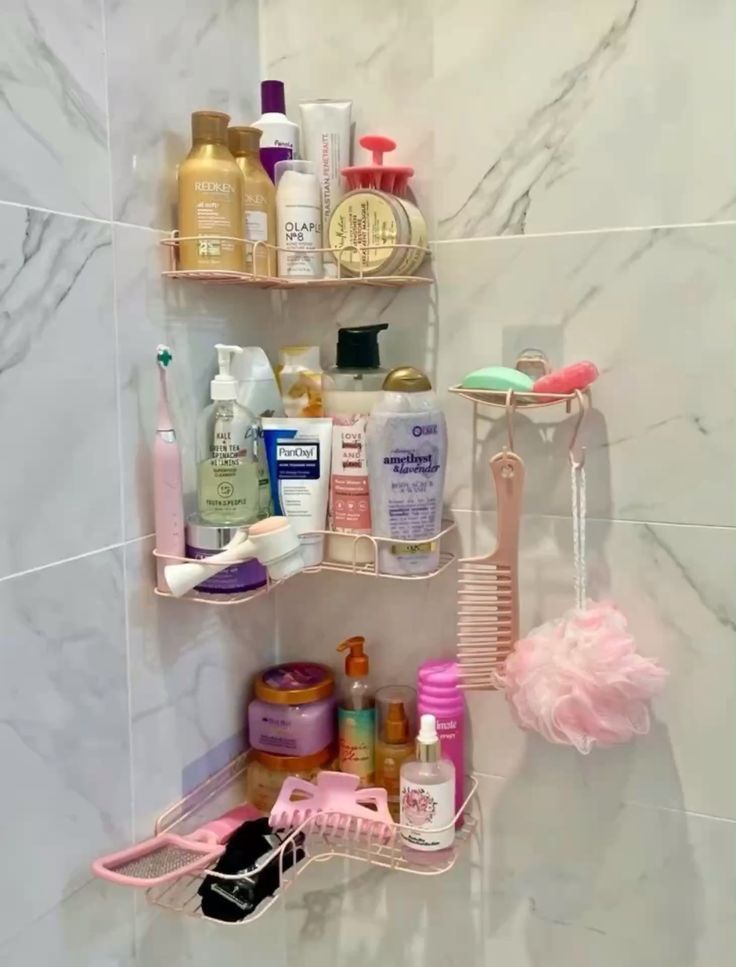
Common Mistakes When Building A Product Shelf
Many naturalistas buy products based on trends rather than their actual hair needs. Others buy far too many products at once, leading to clutter and confusion.
Learning to shop intentionally, based on real needs, saves money over time. Slowing down before each purchase prevents most of these common mistakes.
A third common mistake is buying without reading ingredient labels carefully first. This mistake alone leads to many disappointing, mismatched purchases every year.
A fourth mistake is copying someone else’s exact shelf without considering your own needs. What works for a friend’s porosity or pattern may not suit yours.
Personalizing your shelf, rather than copying blindly, gives far better results. Taking time to know your own hair always beats guessing based on someone else.
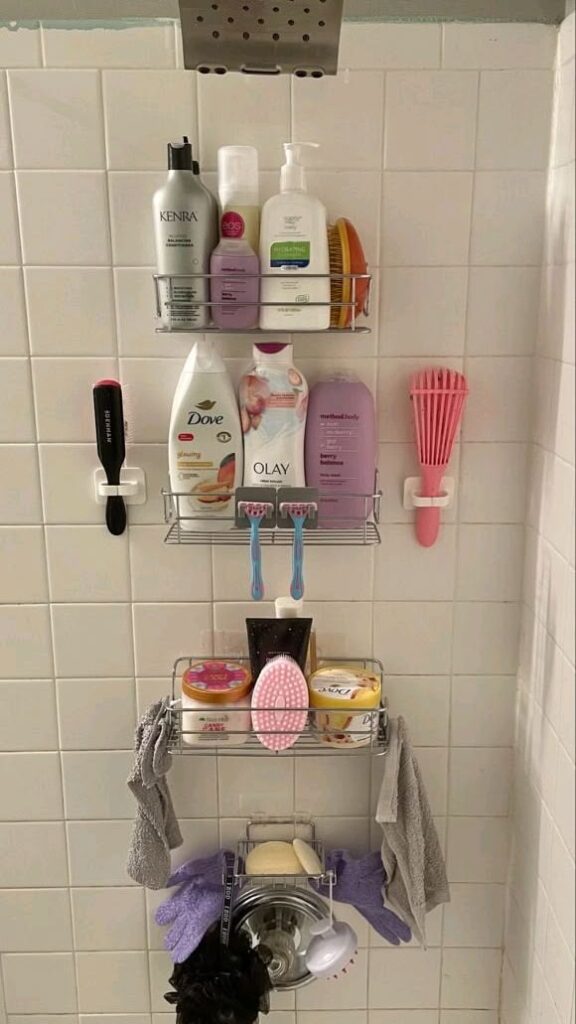
Quick Answers To Common Questions
A few questions come up often when building a product shelf.
Do I really need all these products at once? No, start small and add items gradually as needed.
Can I substitute cheaper products for expensive ones? Yes, as long as the ingredients suit your hair type.
How many oils should I actually own? One or two well-chosen oils usually cover most everyday needs.
Is a detangling brush really necessary? It helps, though a wide-tooth comb can work in a pinch.
Should children have their own separate hair products? Yes, gentler formulas often suit young hair better.
Can I skip protein treatments if my hair feels fine? Yes, only add protein when your hair shows real signs of needing it.
How often should I replace my combs and brushes? Replace them once bristles bend, break, or feel rough.
Is it fine to mix products from different brands? Yes, mixing brands works well as long as each item suits your hair.
Do I need a special shelf just for hair products? No, any clean, dry space works well for storing your basics.
Can I use adult products on my own hair if it is very fine? Yes, fine hair simply needs smaller amounts applied more carefully.
Do I need different products for summer and winter? Not always, though richer products often help during colder, drier months. Paying attention to how your hair feels each season helps you decide.
Can I travel with a smaller version of my full shelf? Yes, travel-size bottles of your basics work well for short trips away from home.

A Few Final Things Worth Knowing
Building a healthy hair care shelf does not require hype or expensive brands. It requires a small, thoughtful collection of products that truly suit your hair.
Shampoo, conditioner, leave-in, sealant, oil, and a few gentle tools cover most needs. Understanding your porosity, curl pattern, and hair type shapes every smart choice.
Every product on your shelf should have a clear, specific purpose in your routine. Start simple, watch how your hair responds, and only add what actually helps.
Building this way takes patience, but the results are always worth the wait.
My client, the one with fourteen confusing products, narrowed her shelf to seven trusted items. Her hair improved once she understood what each product was actually for.
She stopped chasing trends and started listening to what her hair needed. Trust your own hair’s feedback above any influencer, review, or trending product.
With the right basics in place, your hair care journey becomes simple and calm. This same approach can work for you, no matter where your shelf stands today.