
Winter Moisture Routine for Natural Hair
Disclosure: Some of the links in this post are affiliate links. This means if you click on the link and purchase an item, I will receive an affiliate commission at no extra cost to you.
More product doesn’t mean more moisture, and in winter, it can actually mean the opposite. Cold air, indoor heating, and constant layers all work against your hair’s natural hydration. What worked perfectly during a summer hair care routine for afro hair often stops working once temperatures drop.
Winter demands a genuinely different approach, built around retaining moisture instead of chasing it. The good news is that a few smart changes can keep your hair soft all season.
Once you understand what winter actually does to your strands, building a routine becomes far easier. Let’s walk through exactly how to keep your curls hydrated through the coldest months.
Think of winter as a season that asks for retention rather than addition. Nothing here throws out your existing routine; it simply shifts the emphasis. A few thoughtful swaps can make a genuinely huge difference in how your hair feels.
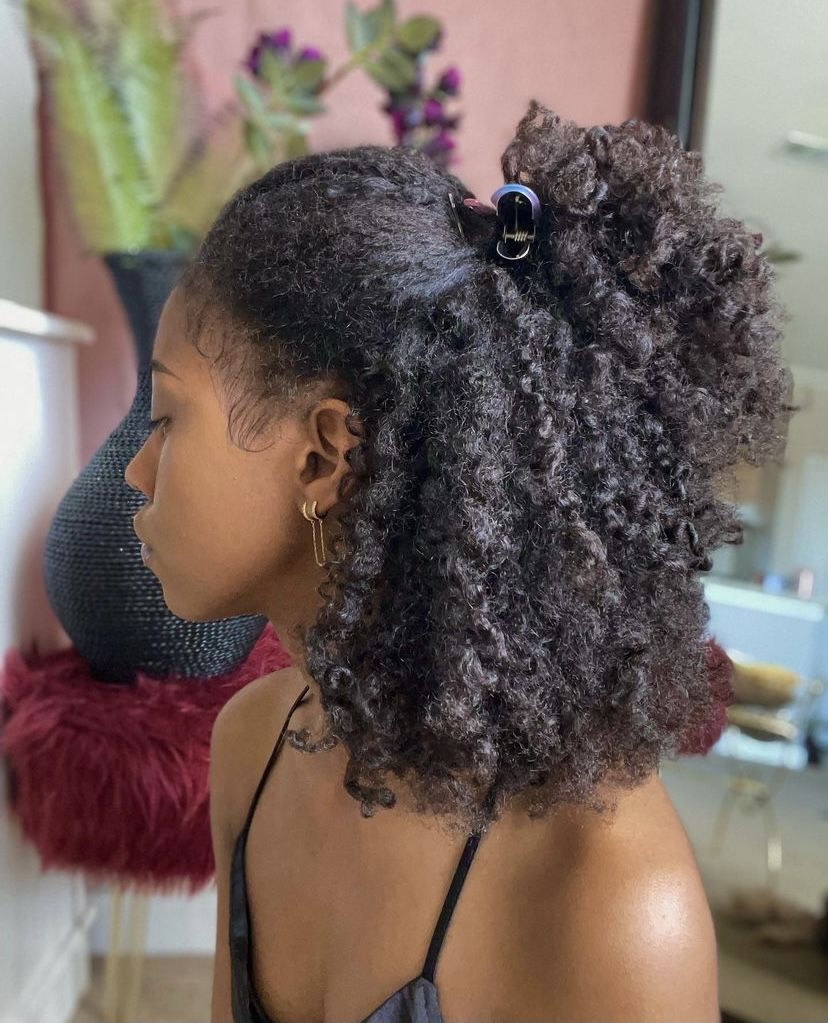
Winter Moisture Routine for Natural Hair
Why Winter Is So Hard on Afro Hair
Cold air holds far less moisture than warm air does throughout the year. This means your hair loses hydration to the environment more quickly in winter.
Indoor heating makes this problem worse by drying out the air even further.
This combination of dry outdoor air and dry indoor air creates a genuine challenge. Your hair rarely gets a break from moisture-stripping conditions during the coldest months.
Understanding this helps explain why winter routines need to work harder overall.
Your hair’s outer layer also behaves differently once temperatures drop significantly. Cold, dry conditions cause this layer to close tightly, trapping less moisture inside.
Understanding this structure helps explain why winter dryness feels so persistent.
This tightened structure also makes hair feel rougher and harder to detangle. Extra slip from your products becomes especially important during these colder months.
A little patience goes a long way when working with tightly closed strands.
Reading how hair is formed: a beginner-friendly guide explains why porous strands struggle to hold moisture in dry air.
That same porosity that helps in summer can work against you come winter. Knowing your hair’s structure helps you plan a better seasonal routine.
Low porosity hair faces different challenges, often resisting moisture absorption in the first place. Both porosity types need winter strategies, just slightly different ones from each other.
Understanding your specific type helps you avoid wasting time on the wrong approach.
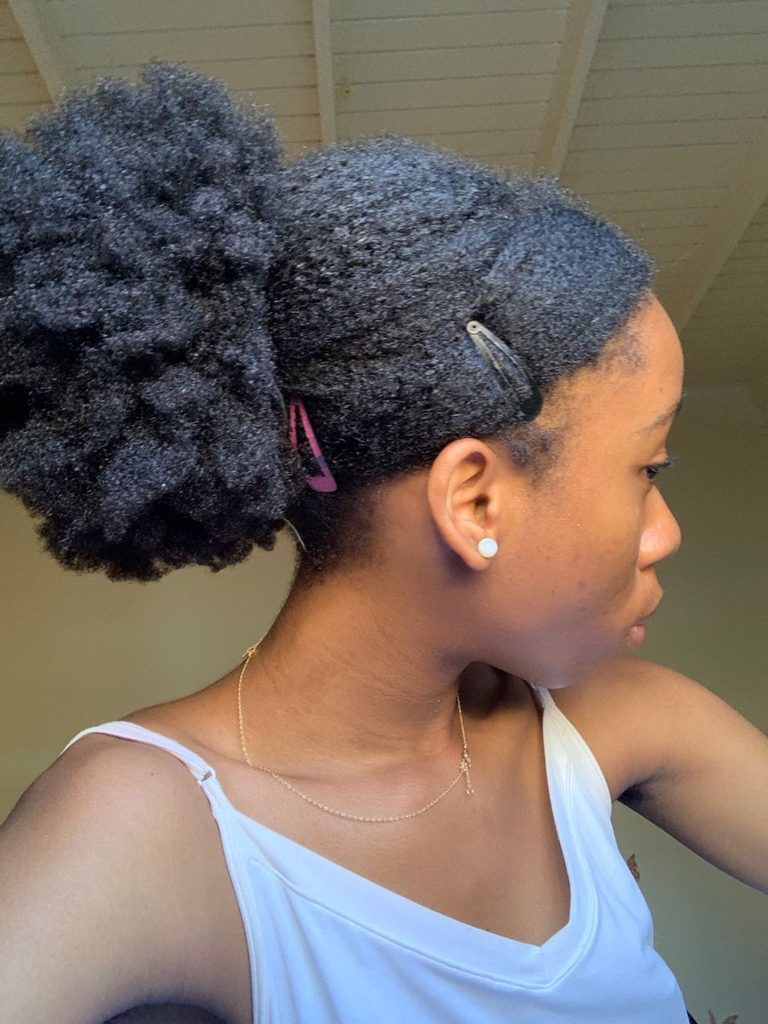
Adjusting Your Wash Frequency for Winter
Washing too often during winter can strip away oils your hair desperately needs. Consider stretching your wash days slightly longer than you would in warmer months.
Your scalp naturally produces less oil when it’s cold, which changes your needs.
Extending wash days by even a few extra days can make a real difference. Give your scalp’s natural oils a chance to build up and protect strands.
This small adjustment often reduces winter dryness more than people initially expect.
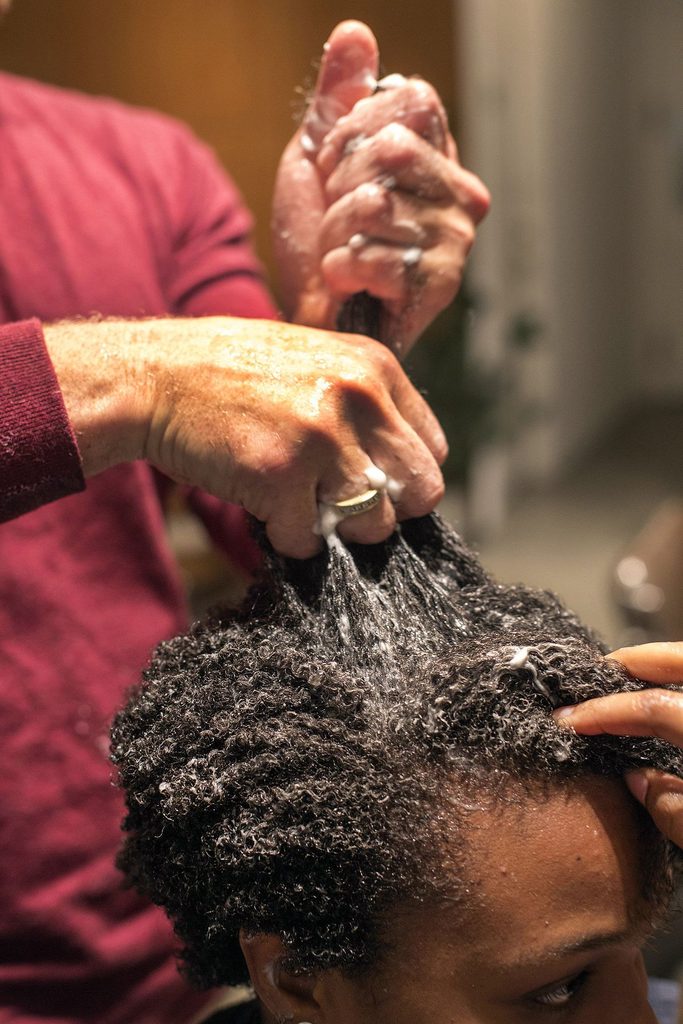
Co-washing between full shampoo sessions can help maintain cleanliness without excessive stripping. This gentler cleanse works especially well during the driest winter stretches.
Pay attention to how your scalp feels rather than following a rigid schedule.
Warm, not hot, water remains the best choice throughout the entire winter season. Hot water feels comforting but strips moisture more aggressively than lukewarm water does.
This small temperature adjustment protects your hair during every single wash day.
Growth continues through winter, even though hair often feels more fragile this season.
Reading understanding the afro hair growth cycle helps explain why consistent care matters, even during colder months. A healthy scalp supports steady growth regardless of outside temperature.
Don’t let winter’s challenges become an excuse for inconsistent scalp care habits. A simple, quick routine still counts, even during your busiest, coldest weeks.
Consistency through winter genuinely supports the growth you’re working to maintain.
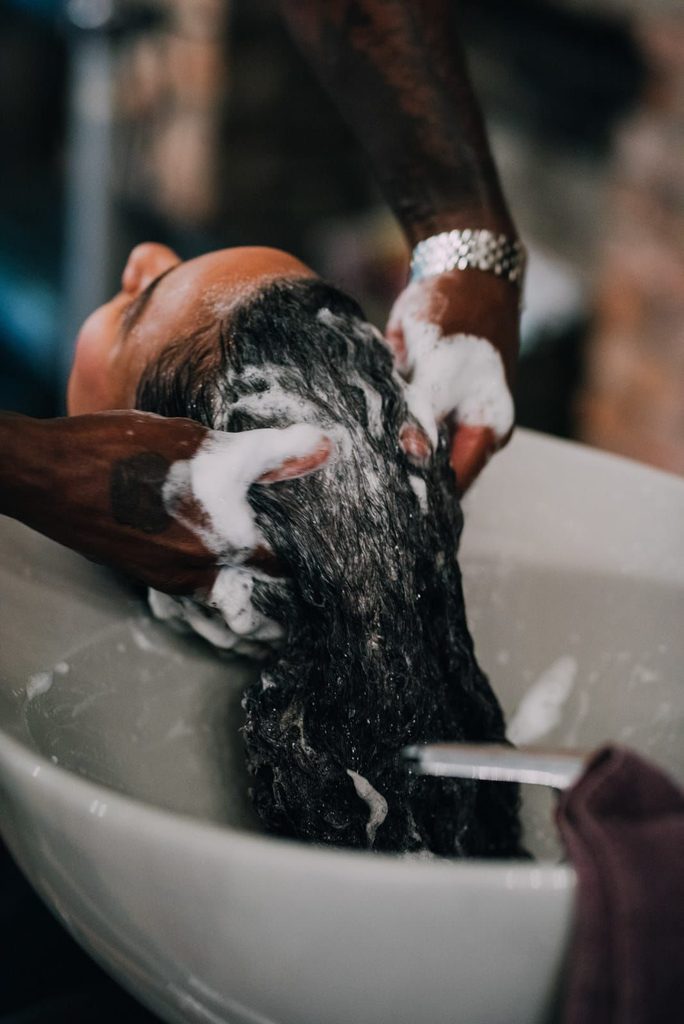
The LOC Method in Cold Weather
The LOC method, liquid, oil, then cream, becomes especially important during winter months.
Each layer serves a specific purpose in trapping and protecting moisture. Skipping steps during winter often leads to hair that feels dry within hours.
Apply your liquid layer generously to fully saturate each section before moving forward.
A water-based leave-in works best as this foundational hydrating step. Rushing this particular layer undermines everything you apply afterward.
Work in small sections to ensure every strand actually receives the liquid layer. Skipping sections during winter application often leads to noticeably uneven, patchy dryness.
A methodical approach genuinely pays off during this particular, demanding season.
Strong strands hold moisture more effectively than damaged or overly porous ones do. Reading what keratin does for afro hair explains why healthy internal structure supports better moisture retention.
Protecting that structure makes your entire winter routine noticeably more effective.
A monthly protein treatment can help reinforce strands stressed by winter’s harsh conditions.
Balance protein carefully with moisture, since too much of either can cause problems. The right balance keeps hair resilient through the season’s toughest stretches.
Choosing Heavier, Richer Products
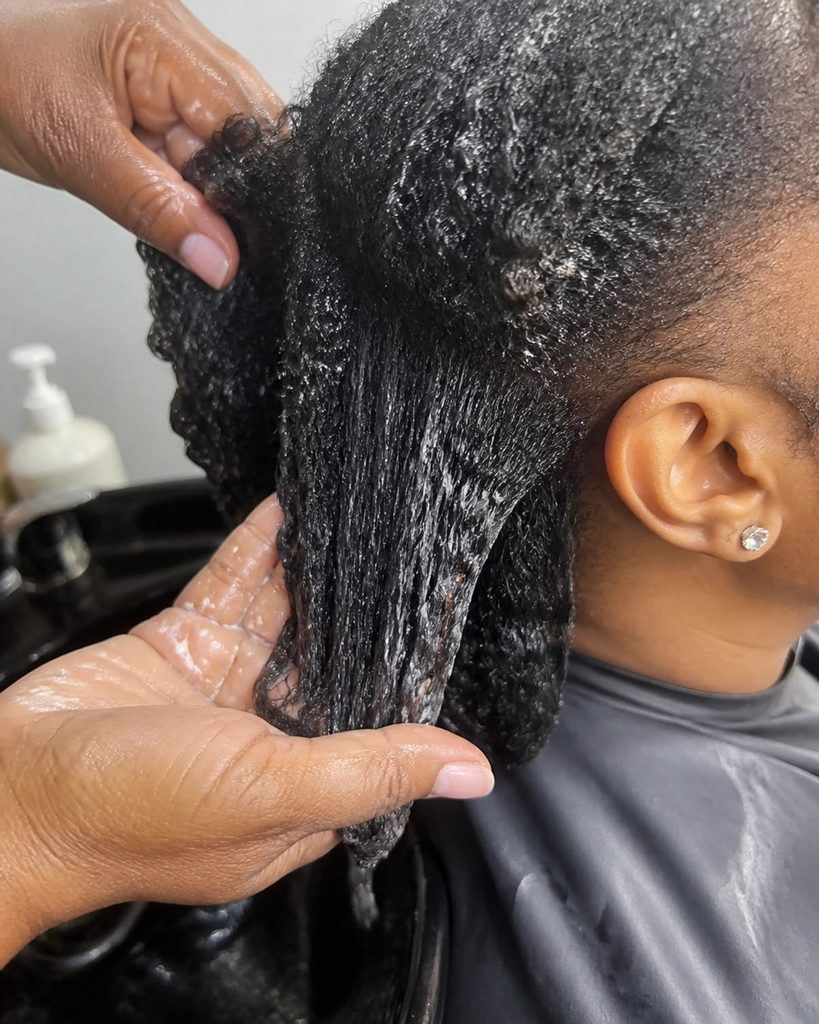
Lighter summer products often fall short once winter’s dry air fully sets in. Richer butters, thicker creams, and stronger sealants become genuinely necessary this season.
Your hair simply needs more reinforcement against the harsh, drying conditions outside.
Shea butter, mango butter, and heavier oils all work well for winter sealing.
Apply these generously to your ends, where dryness tends to show up first. Don’t be afraid to use more product than you did during summer.
Warm heavier products slightly between your palms before applying them to your hair. This makes thick butters easier to spread evenly across each section.
A small preparation step improves both application and overall product performance.
As your hair changes length, your winter product needs will shift too. A medium-length afro hair care routine explains how longer hair often requires different winter adjustments than shorter styles.
Product needs really do depend on both season and length together.
Longer hair may need product applied in more sections to ensure full coverage. Shorter hair often needs less product but still requires the same careful technique.
Adjust your approach based on your actual length, not a generic seasonal rule.
Sealing In Moisture for Maximum Protection
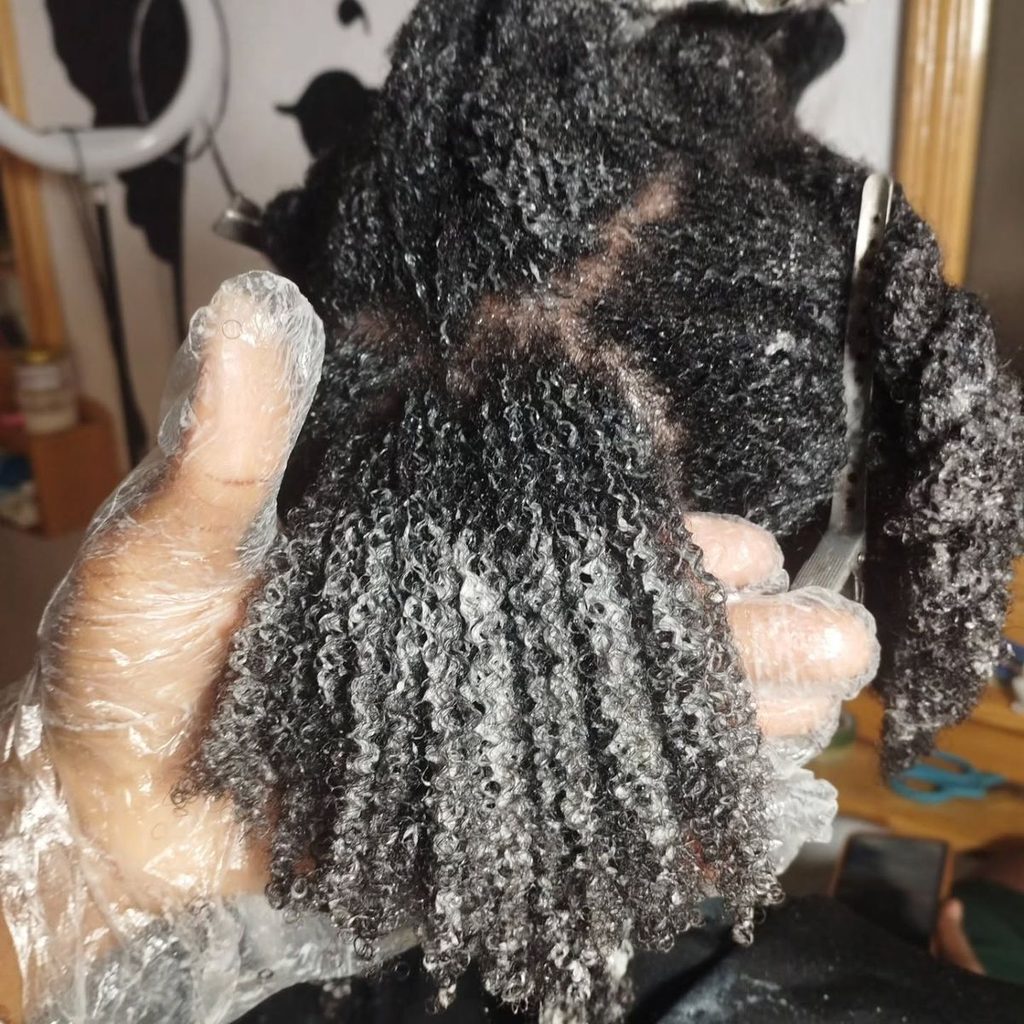
Sealing becomes the most critical step in your entire winter hair routine. Without a proper seal, moisture applied earlier evaporates far too quickly in dry air.
A heavy oil or butter should follow every single moisturizing session.
Focus extra sealing attention on your ends, since they’re naturally the driest area. Work sealants downward from mid-shaft, ensuring full coverage before styling further.
This extra step takes minutes but protects hours of moisture retention.
Consider the greenhouse effect technique for an extra moisture boost during winter. Cover moisturized hair with a plastic cap for a short period afterward.
This traps heat and humidity, helping products absorb more deeply into strands.
Elasticity depends heavily on how well your hair retains moisture throughout winter.
Reading understanding afro hair elasticity explains why sealed, hydrated strands stretch and bounce back reliably. Dry, unsealed strands become brittle and prone to snapping instead.
Test your hair’s elasticity periodically throughout winter to catch dryness early. A gentle stretch test reveals whether your sealing routine is genuinely working well.
Catching problems early makes them far easier to correct before real damage sets in.
Protective Styling for Winter Months
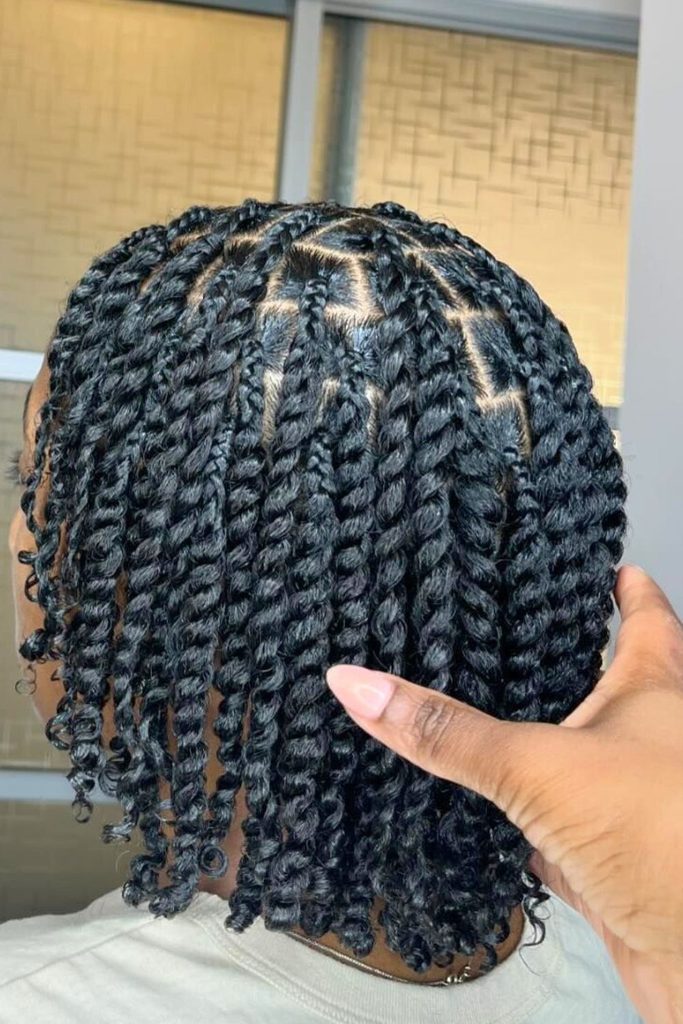
Protective styles genuinely shine during winter’s harsh, moisture-stripping conditions. Braids, twists, and buns all reduce daily exposure to cold, dry air.
Less manipulation also means less opportunity for breakage during fragile winter months.
Longer-lasting protective styles can be especially practical during the busiest winter weeks. Holiday schedules and cold weather both make quick, low-maintenance styling genuinely appealing.
A good protective style can carry you through several demanding weeks comfortably.
Choose styles that can be moisturized easily without requiring a complete takedown.
This lets you maintain hydration throughout the style’s entire duration. A style that traps dryness inside actually works against your winter goals.
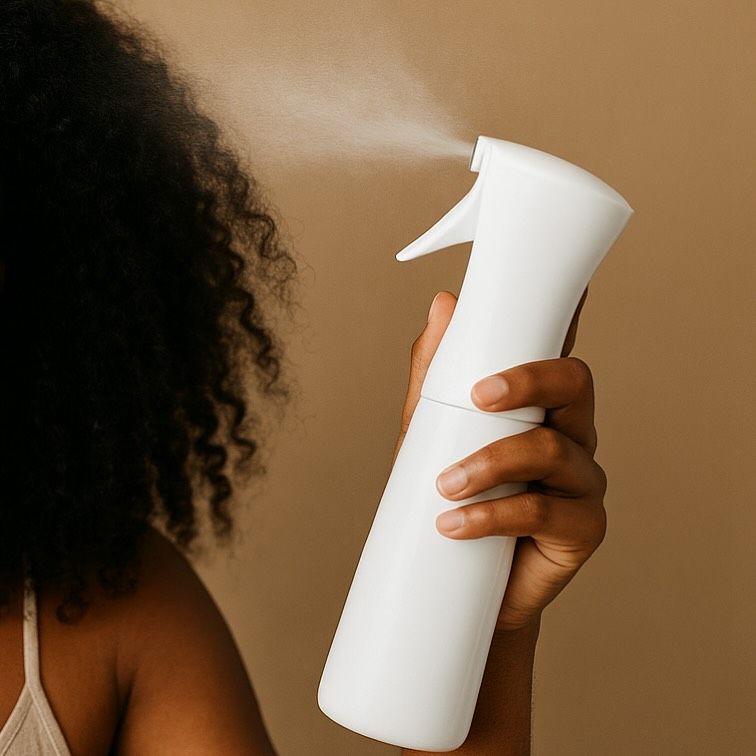
Use a spray bottle to refresh protective styles with moisture between full takedowns. This keeps hydration consistent even when your style stays installed for weeks.
A quick refresh prevents dryness from building up unnoticed underneath the style.
For fresh styling inspiration that works well in colder weather, curated lists can help. Our 21 best hairstyles for one-inch afro hair post includes techniques that adapt beautifully to winter conditions.
Many styling principles there apply regardless of the season outside.
Look specifically for styles that offer full coverage against cold, drying wind. Buns, wraps, and covered braids all provide more protection than fully exposed styles.
Function matters just as much as appearance during winter’s harshest weeks.
Combating Indoor Heating and Dry Air
Indoor heating systems pull moisture from the air just as aggressively as cold weather does. Spending hours in heated spaces can undo careful moisture work from your morning routine.
A humidifier in your bedroom can meaningfully offset this constant moisture loss.
Office buildings and heated cars both contribute additional dryness throughout a typical winter day.
A small travel spray bottle can help you refresh moisture wherever you happen to be. Being prepared for these environments genuinely protects your hair’s hydration levels.
Running a humidifier overnight adds moisture back into your immediate sleeping environment.
This small addition supports your hair while you’re not actively applying products. Many people notice a real difference within just a few nights.
Place a bowl of water near heating vents as a simple, low-cost alternative. Evaporation from the water adds a little extra humidity to the surrounding air.
Small, inexpensive tricks like this can genuinely support your winter routine.
Excessive dryness can sometimes make hair appear shorter or more tightly coiled. The topic of why afro hair shrinks so much explains how moisture loss affects visible curl length.
Restoring moisture usually restores that visible length appearance rather quickly.
A deep conditioning session often reveals more length than daily dry conditions suggest. Don’t panic if your hair looks shorter during a particularly harsh cold spell.
Consistent moisture restoration usually resolves this concern within just a week or two.
Scalp Care During Cold Months
Scalp care becomes especially important once cold, dry air starts affecting your comfort. Flaking, tightness, and itching all tend to increase during winter months.
A consistent scalp routine can prevent most of these uncomfortable symptoms.
Don’t confuse dry scalp flakes with dandruff, since the treatments differ significantly. Dry scalp usually responds well to moisture, while dandruff often needs targeted treatment.
Understanding the difference helps you choose the right approach for your symptoms.
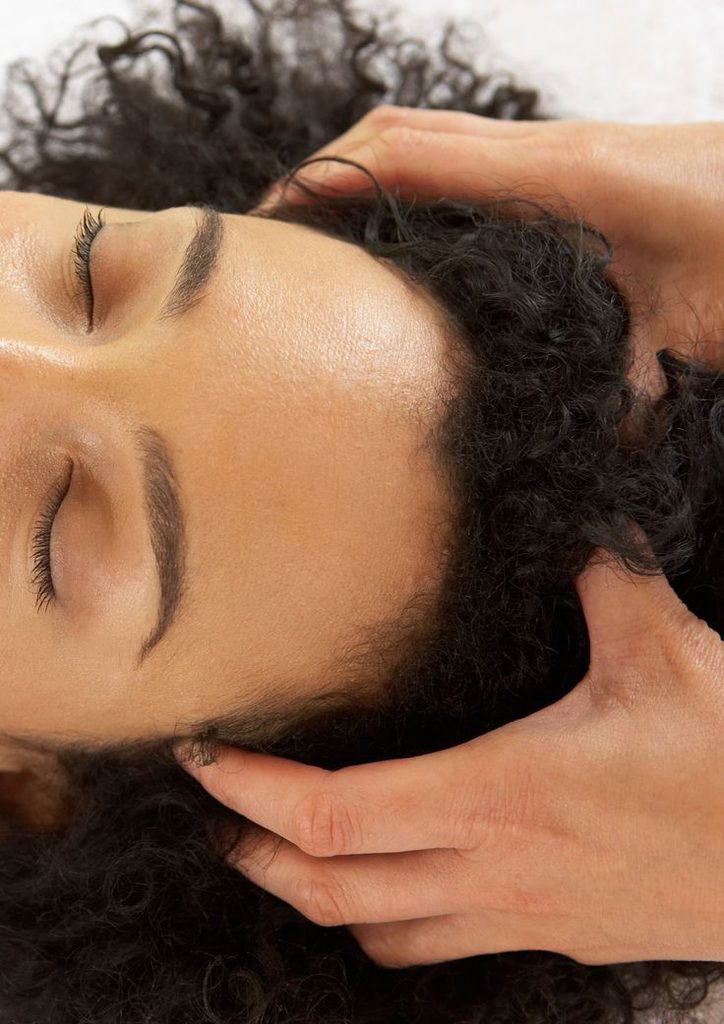
Massage a lightweight oil into your scalp a few times weekly throughout winter. This supports circulation while adding a protective barrier against dry indoor air.
Consistency here genuinely matters more than any single premium product choice.
Jojoba and grapeseed oils both absorb well without feeling heavy on the scalp. Heavier oils can sometimes clog pores if applied too generously in one sitting.
A light, consistent hand usually outperforms an occasional heavy application.
Revisiting your foundational care habits can help during this challenging season. Our guide on how to care for a twa covers scalp basics that remain relevant at any length.
Strong fundamentals support you through every difficult season your hair encounters.
Nighttime Protection in Winter
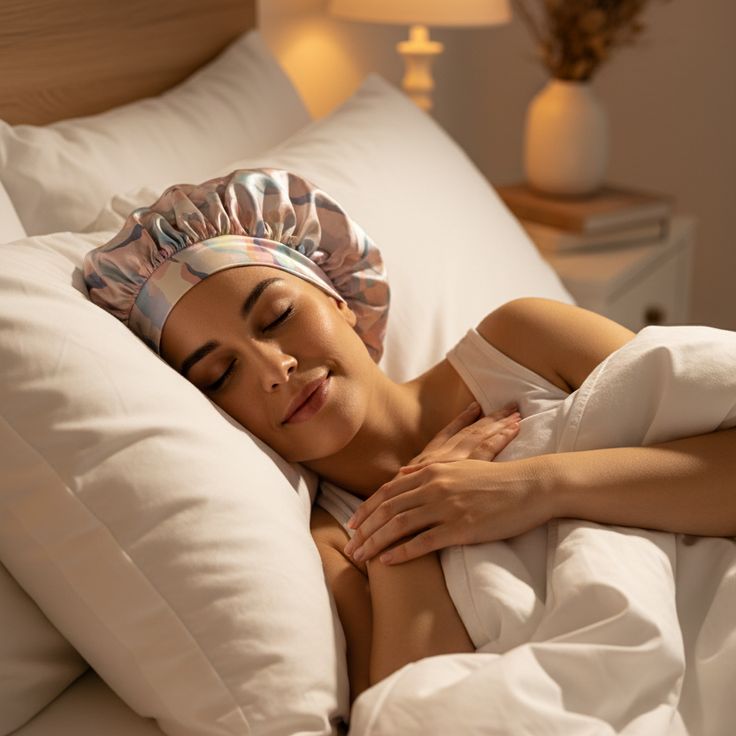
Nighttime protection becomes even more critical once winter’s dry air fully sets in. Satin or silk pillowcases and bonnets protect moisture that’s harder to replace this season.
Consider a full silk wrap for maximum protection through the longest winter nights.
Bedroom humidity levels tend to drop even further once heating runs overnight. This makes nighttime protection more important in winter than in any other season.
A consistent nighttime routine genuinely protects hours of otherwise unprotected exposure.
Apply a light leave-in or oil before bed to reinforce your daytime routine. This extra layer helps combat moisture loss that happens naturally while you sleep.
A few extra minutes before bed genuinely protects your hair’s overall health.
Keep this nighttime step light, since heavier products can feel uncomfortable under a bonnet. A small amount goes further than people often expect during overnight application.
Balance protection with comfort so the habit feels sustainable, not burdensome.
If you’re navigating awkward-length hair, nighttime protection matters even more this season.
Our guide on how to style awkward-length natural hair covers techniques that also help preserve moisture. Protecting your progress matters at every single stage and season.
Uneven lengths can make wrapping technique feel trickier during colder, drier months. Take extra time to ensure every section stays covered and protected overnight.
A thorough wrap protects every part of your hair, regardless of length differences.
Deep Conditioning as a Winter Priority
Deep conditioning shifts from beneficial to essential once winter weather fully arrives. Cold, dry air demands more restorative moisture than your regular routine typically provides.
A weekly deep condition session helps counteract the season’s harsh, drying effects.
Consider increasing to twice weekly if your hair feels particularly dry this season. There’s no fixed rule that weekly deep conditioning fits every single person.
Adjust frequency based on how your specific hair actually responds.
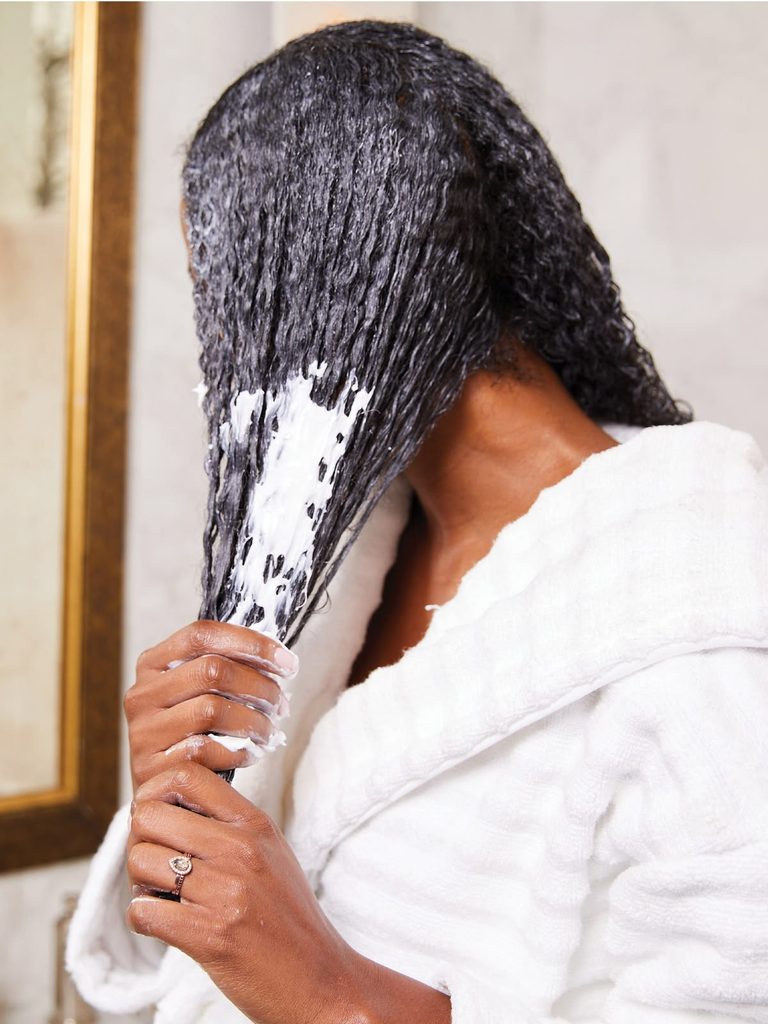
Add gentle heat during your deep conditioning sessions to boost product penetration.
A hooded dryer or warm towel both work well for this purpose. Heat helps richer winter products absorb more deeply into each strand.
A warm towel wrapped around your head offers a low-cost heat alternative. Simply heat a damp towel briefly before wrapping it around your conditioned hair.
This simple trick delivers real results without requiring any specialized equipment.
If you’re still growing out a twa: month-by-month guide, winter deep conditioning matters just as much at this stage.
Consistent care through every season supports the steady progress you’re building. Small winter habits genuinely protect months of patient, careful growth.
Winter can feel like it slows visible progress, even though growth continues underneath.
Trust that consistent care now supports the length you’ll see later. Patience through winter often pays off noticeably once spring finally arrives.
Managing Static and Frizz in Cold Air
Static becomes a genuine nuisance for many people once winter weather arrives. Dry air and synthetic fabrics both contribute to unwanted static and frizz.
A few targeted strategies can help minimize this frustrating seasonal problem.
Hats and scarves make especially heavy contributions to winter static buildup. Silk or satin linings inside hats can reduce this friction significantly.
A small fabric swap can meaningfully improve your daily winter styling experience.
Anti-static products or a light leave-in spray can help calm flyaway strands. Rubbing a small amount of oil between your palms also works well.
This simple trick smooths static without adding excessive weight to your hair.
A dryer sheet lightly brushed over your hair can also reduce static quickly. This unconventional trick works in a pinch when you don’t have other products handy.
Sometimes the simplest household solutions solve frustrating winter styling problems.
For more strategies on managing unpredictable hair behavior, dedicated guides can help further. Our post on how to protect afro hair from humidity offers tips that surprisingly overlap with static control.
Both challenges ultimately come down to managing your hair’s moisture balance.
Too little moisture causes static, while too much unmanaged moisture causes frizz. Finding your hair’s ideal moisture balance solves both problems at their root.
This balance shifts seasonally, so stay attentive as conditions continue changing.

Layering Products Without Buildup
Winter often requires more product layers, which can sometimes lead to unwanted buildup.
Balancing thorough moisture with manageable product levels takes a little practice. Apply products in thin, even layers rather than one heavy application.
Wait a few minutes between layers to let each product settle properly. Rushing straight from one layer to the next can cause pilling or clumping.
A little patience between steps produces a noticeably better finished result.
Clarify your hair every few weeks to remove accumulated winter product buildup.
This keeps your routine effective without weighing down your hair unnecessarily. Follow any clarifying wash with a rich conditioner to restore softness.
Signs of buildup include dull-looking strands, reduced product effectiveness, and a heavier feel. Notice these signals early rather than waiting for a full month to pass.
Addressing buildup promptly keeps your winter routine working as intended.
If your hair is still gaining length month by month, layering technique will keep evolving as you grow. What works on shorter hair often needs adjusting once you have more length.
Stay flexible and willing to adjust your approach throughout the season.
Common Winter Hair Mistakes
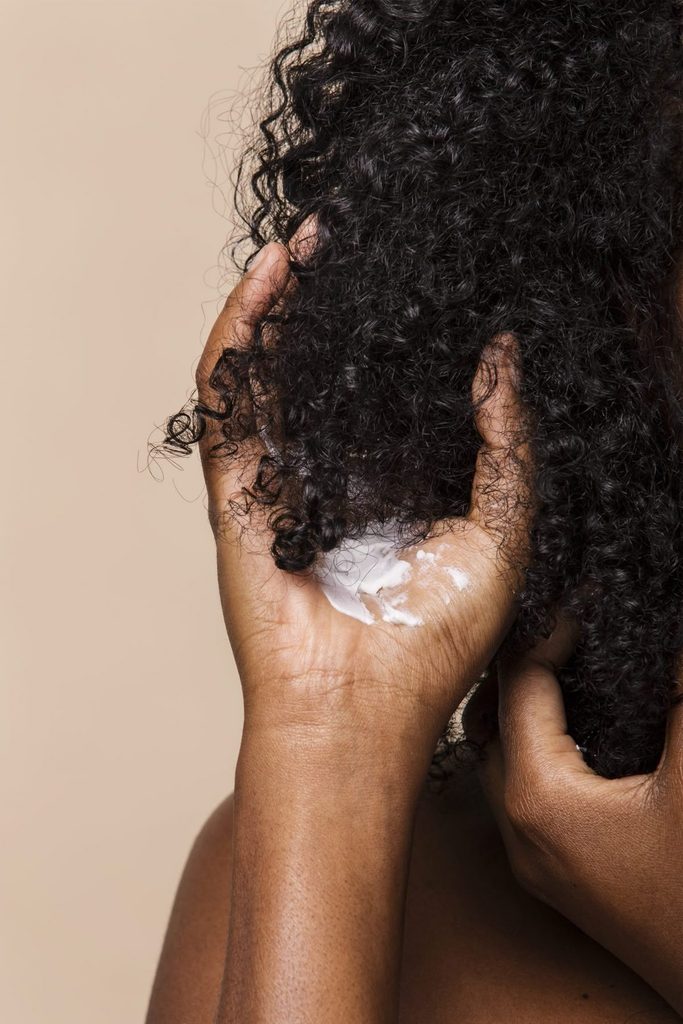
Skipping moisture because hair looks fine is a common mistake during winter months. Dryness often builds gradually and becomes obvious only once real damage appears.
Stay proactive with moisture rather than waiting for visible signs of trouble.
Set a consistent moisturizing schedule rather than relying only on how hair feels. Feelings can be deceiving, especially once your hair adapts to gradual dryness.
A fixed schedule protects against dryness you might not immediately notice.
Overusing heat tools to combat winter frizz is another common, costly mistake. Heat combined with already-dry winter air can cause significant additional damage.
Reserve heat styling for rare occasions rather than a frequent winter habit.
If you do use heat, always apply a heat protectant beforehand without exception. This small step meaningfully reduces damage even during occasional, necessary heat styling.
Never skip protection just because an occasion feels special or important.
Neglecting your ends is a mistake that becomes especially costly during winter. Ends are naturally the driest, most fragile part of your hair at any time.
Extra attention here prevents a lot of unnecessary winter breakage.
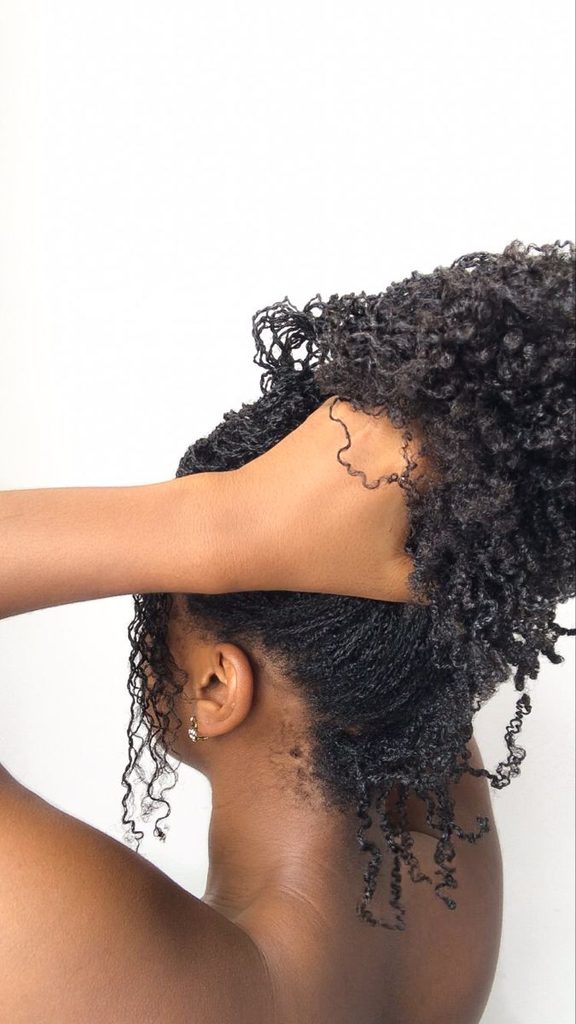
Consider a technique called ends tucking, where fragile tips stay hidden and protected.
This reduces friction from clothing, scarves, and pillowcases throughout the entire day. Small protective habits like this add up to real, visible protection.
Trimming Before and After Winter
Trimming before winter begins helps remove any existing damage before harsh weather arrives. Starting the season with healthy ends gives your hair a stronger foundation.
This small step can meaningfully reduce how much breakage you experience overall.
Schedule this trim in early fall, before temperatures drop significantly for the season. Starting winter with healthy ends genuinely sets a stronger tone for the months ahead.
A little preparation now saves real frustration once cold weather fully arrives.
A follow-up trim after winter helps address any damage that still occurred. Even with careful care, some dryness and breakage are simply unavoidable in winter.
A post-winter trim resets your hair for the upcoming warmer months ahead.
This follow-up trim also prepares your hair nicely for spring’s lighter routine. Removing winter damage first makes every spring adjustment noticeably more effective.
Think of it as closing one seasonal chapter before opening the next.
Trust a skilled stylist to assess exactly how much length genuinely needs removing. Their trained eye can spot damage you might not notice yourself.
A careful trim protects the progress you’ve worked hard to maintain.
Preparing for Spring Transition
As winter winds down, your routine needs to shift once again toward spring. Products and techniques that worked well in January may feel too heavy by April.
Planning ahead makes this seasonal transition feel smoother and more manageable.
Start lightening your routine gradually rather than switching everything all at once. A slow transition helps your hair adjust without any sudden, jarring shifts.
This gentle approach genuinely works better than an abrupt seasonal overhaul.
A spring hair reset checklist can help you clear out winter’s heavier product buildup. This reset prepares your hair and routine for warmer, more humid conditions ahead.
Treat this transition as a small, useful checkpoint in your ongoing journey.
Looking back at how you prepared for winter can also inform future seasons. Our fall hair care tips for type 4 hair cover the adjustments that originally led into this routine.
Understanding the full seasonal cycle helps you plan more effectively each year.
Keep notes on what worked and what didn’t throughout this entire winter season. This record becomes genuinely valuable when preparing for next year’s colder months.
Your own documented experience often beats generic advice found elsewhere.
Wrapping Up: Surviving Winter With Healthy Hair
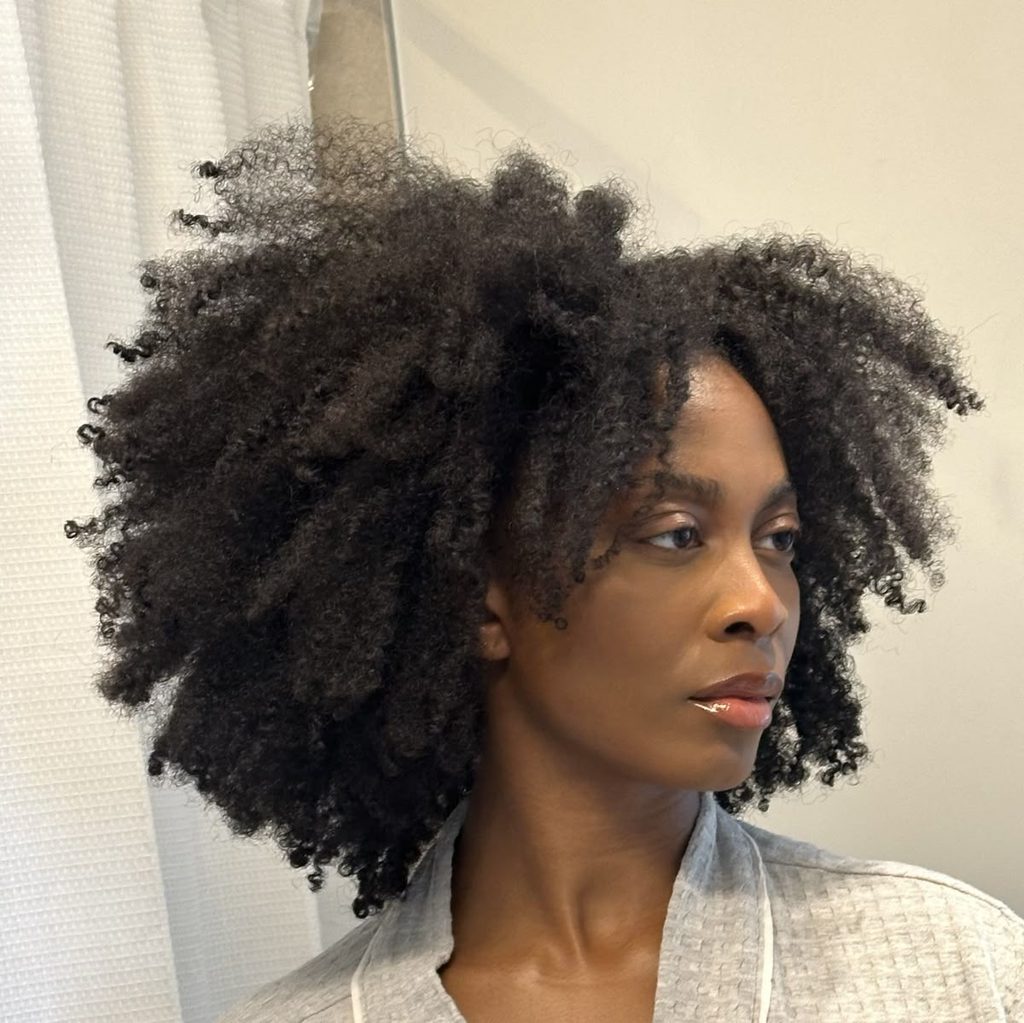
Winter hair care doesn’t have to feel like a constant, uphill battle. With the right adjustments, your hair can stay soft and healthy all season long.
Richer products, consistent sealing, and extra protection make the biggest difference.
Stay attentive to how your hair responds as winter weather continues shifting. What works during a mild stretch may not work during a harsh cold snap.
Responsiveness matters more than rigidly sticking to one fixed routine all season.
Check in with your hair weekly rather than assuming your routine needs no changes. A quick weekly assessment helps you catch and correct small issues early.
This habit keeps your winter routine genuinely responsive instead of stagnant.
Spring will eventually arrive, bringing relief from winter’s harshest, driest conditions. Until then, consistent care will carry your hair safely through the coldest months.
Healthy winter hair is absolutely possible with the right, thoughtful approach.


5 Comments