
The Best Weekly Routine for Natural Afro Hair
Disclosure: Some of the links in this post are affiliate links. This means if you click on the link and purchase an item, I will receive an affiliate commission at no extra cost to you.
It is Sunday evening, the kitchen smells like coconut oil, and your detangling comb sits ready on the counter. That small ritual is the heart of a good weekly routine.
Natural afro hair does not need fancy gadgets or twenty products. It needs a steady rhythm that you can repeat without stress.
Once you know why strands behave the way they do, planning gets easier. A short read on how hair is formed: a beginner-friendly guide makes everything here click faster.
Below, you will find a full week laid out, from wash day to bedtime. Grab a drink, get comfortable, and let us build your routine step by step.

The Best Weekly Routine for Natural Afro Hair
Why a Weekly Routine Beats Guesswork
Random hair care leads to random results, and most of us have lived that story. One week you deep condition twice, and the next week you forget to moisturize at all.
Your hair cannot learn from that kind of chaos, and neither can you. A weekly routine gives every day a small job, so nothing gets missed.
Hair grows slowly, and understanding the afro hair growth cycle shows why steady care beats big, rare efforts. Your strands spend years growing, so every habit you repeat adds up over time.
Routines also save money, since you stop buying products on impulse. You learn what works, and you stop chasing every new trend.
Best of all, a routine frees your mind on busy mornings. You do not have to think, because the plan is already there.
Think about your own week for a second, and be honest about what slips through. Most people forget moisture first, and that is the easiest thing to fix.
Think of it as a calendar for your curls, simple and kind. Start small, and add steps only when the basics feel easy.

Choose Your Wash Day and Protect It
Pick one day for wash day, and treat it like an appointment with yourself. Weekends work for most people, since you have more time and less rush.
Some people prefer Wednesday nights, and that works just as well. The best day is the one you can actually keep every single week.
Clear your schedule for about two to three hours, and keep snacks nearby. Rushing wash day is how detangling turns into breakage and stress.
Alicia, a nurse from Georgia, used to wash her hair at midnight after shifts. She was tired, her hair got yanked, and her ends paid the price.
Once she moved wash day to Sunday afternoon, her hair stopped snapping. Small timing changes like that can protect your hair more than any product.
If you are unsure how to arrange your space, browse 50 wash day setups every naturalista will love. Lay out your towels, combs, clips, and products before you start.
Tell your family or roommates that wash day is your time, and ask for space. A closed bathroom door and a little music can change the whole mood.
Set a phone reminder for Saturday night, so wash day never sneaks up on you. A little planning makes the whole routine feel lighter and easier to start.
Having everything within reach keeps you from dripping water around the house. Weekly works for most people, though some prefer every ten days or so.

Pre-Poo and Detangle Gently
Before shampoo touches your hair, give it a gentle pre-poo treatment. A pre-poo is just oil or conditioner applied to dry hair before washing.
It cushions the strands, so shampoo does not strip away every drop of moisture. Coconut oil, olive oil, or a cheap conditioner all work well for this step.
Work in small sections and finger detangle slowly, from the ends upward. Never rip through knots, because tight coils snap faster than they stretch.
Hair that bends and bounces back is healthy, and understanding afro hair elasticity explains that stretch. Test a strand by gently pulling it, and watch how far it stretches.
If it snaps right away, your hair needs more moisture or gentler handling. Leave the pre-poo on for twenty minutes while you tidy up the bathroom.
Twist each section loosely so the hair stays tangle free during the soak. A wide-tooth comb comes in only after fingers have done the hard work.
Courtney, a friend from Michigan, swears this step cut her shed hair in half. Her combing sessions went from forty minutes to under twenty.
Do not skip this step even when you feel lazy, because tangles only get worse with time. Ten minutes now can save you an hour of pain later.
Patience here pays off all week, since smooth hair is easier to style.
Shampoo the Scalp, Not Every Strand
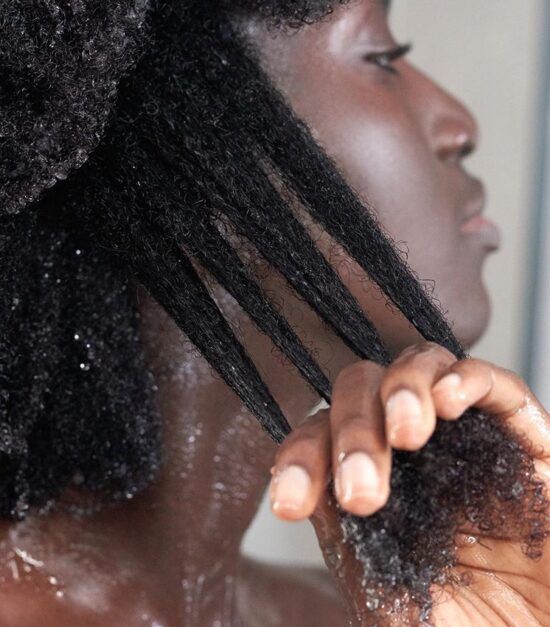
Shampoo is for your scalp, so aim it there and let the suds do the rest. The foam that runs down your lengths is plenty to clean the strands.
Scrubbing the ends hard strips oil that your coils already struggle to keep. Use the pads of your fingers, not your nails, and massage in small circles.
A good massage boosts blood flow, and it feels amazing after a long week. Choose a sulfate-free shampoo if your hair often feels tight or squeaky after washing.
Once a month, use a clarifying shampoo to clear buildup from oils and butters. Do not clarify every week, because that dries out even the strongest curls.
Rinse until the water runs clear and the scalp feels fresh and light. If your scalp stays itchy or flaky for weeks, check in with a doctor.
Some people split shampoo into two small rounds, and that can help very oily scalps. Others wash only with a gentle co-wash, and that works for dry hair.
A clean scalp gives healthy hair the best place to grow from. Keep the water lukewarm, since very hot water can irritate the skin and dry the hair.

Deep Condition for Real Softness
Deep conditioning is the step that turns dry, rough hair into soft, bendy hair. Apply a thick conditioner to damp hair, section by section, from ends to roots.
Cover your hair with a plastic cap, and sit under a warm towel or dryer. Leave it on for twenty to thirty minutes, so the conditioner can sink in deep.
This is the moment to relax, so put on music or a podcast. Rinse with cool water, and feel the difference as your curls spring back to life.
Soft hair makes loving it easier, and how to learn to love your natural hair again goes deeper. Do this once a week, or every two weeks if your hair is fine and easily weighed down.
Look for ingredients like shea butter, aloe, and honey on the label. Gentle warmth helps, but never use heat so strong that it burns your scalp.
Add a few drops of your favorite oil to the conditioner for extra slip. Your fingers will glide through each section without pulling or snagging.
If your hair is very thick, split the deep conditioning into two small batches. Thick hair soaks up product quickly, and fresh conditioner keeps every section covered.
Skipping deep conditioning is the fastest way to end up with crunchy, tangled hair. Treat this step as non-negotiable, and your whole week will feel easier.
Protein Treatments, Only When Needed
Protein builds strength, but too much of it can make hair stiff and brittle. Your strands are made mostly of protein, and what keratin does for afro hair explains why that matters.
Hair that feels mushy and stretches too far may need a protein boost. Hair that feels hard, straw-like, and snaps easily may need less protein and more moisture.
Most people do well with a light protein treatment once every four to six weeks. Use a gentle one at first, and watch how your hair reacts for a few days.
Always follow a protein treatment with a deep conditioner to bring back softness. Balance is the secret here, since moisture and protein work like a team.
Colored or heat-styled hair often needs protein more often than natural, untouched hair. Read your hair like a book, and adjust when the pages change.
Many store brands label treatments as protein packs, bond builders, or strengthening masks. They all aim to patch weak spots in the strand for a short time.
If you are unsure, start with less, because you can always add more later.

Dry Without Wrecking Your Curls
How you dry your hair matters as much as how you wash it. Rough rubbing with a bath towel creates frizz and snaps tiny, fragile strands.
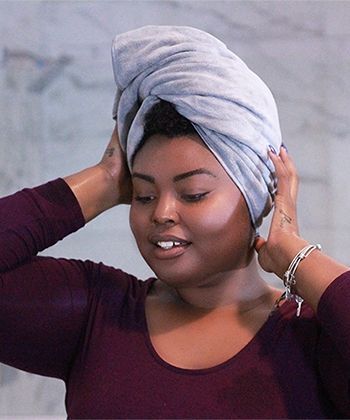
Switch to an old cotton tee or a microfiber towel for gentle squeezing. Scrunch lightly, press the water out, and never twist the towel around your head.
Once your hair dries, you will notice your curls pulling up shorter than expected. That is normal, and it is exactly why afro hair shrinks so much after every wash.
Shrinkage actually shows that your hair is healthy and full of spring. Do not fight it, and do not judge your length by how it looks wet.
Air drying takes hours, so plan wash day around that wait time. A hooded dryer on low heat speeds things up, and it saves your whole afternoon.
Pat your edges and nape dry first, since those areas stay damp the longest. Then flip your head over and let the curls fall naturally from the roots.
Do not leave hair damp for days, because that can cause a musty smell. Make sure the roots are fully dry before you put on a bonnet.
Leave-In, Cream, and Seal
Right after washing, your hair is at its thirstiest, so this step matters most. Apply a water-based leave-in to damp hair while it is still dripping a little.
Follow with a cream to add softness and hold, then seal with oil. This layering keeps water inside the strand for much longer than one product alone.
Use a bit less than you think you need, and add more only if required. Section the hair so every strand gets coated evenly from the ends upward.
If you love trying new setups, browse 60 healthy hair routine ideas you’ll actually use. Keep your products simple, with one leave-in, one cream, and one oil.
A shelf full of random bottles often means a head full of confusion. Rake the product through with your fingers, then smooth it down gently.
Take your time on the ends, since they are the oldest and driest part of your hair. Smooth a little extra cream there, and your hair will thank you all week.
Check how your hair feels the next morning, because that tells you the truth. Soft and bouncy means the routine worked, while dry and rough means adjust it.
You should see your coils clump together and shine a little when done right.

Style for the Week Ahead
Now comes the fun part, which is deciding what to wear on your head this week. Look at your calendar first, since a busy week needs an easy, low-effort style.
A wash-and-go works for relaxed days, while a puff or bun suits long workdays. Think about how much time you want to spend each morning.
Save looks you love, and 100 afro hairstyles to save before your next salon visit is a great start. Pick two or three styles, and rotate them so you never feel bored.
Detangled, moisturized hair holds any style better, and it lasts longer between touch-ups. Keep tools simple, with a wide comb, a soft brush, and a few clips.
Edge control and gel work best in small amounts, so go easy on both. Heavy gel can flake, and flakes make fresh styles look old by day two.
Be honest about your mood too, because some days you want bold and some days you want calm. Both are fine, and your hair can follow your energy.
Try one new look each month, and keep the ones your hair loves. Your style should make your week feel easier, not harder or more stressful.

Twist Styles for Easy Weeks
Twists are a favorite for busy people, and they work on almost every hair type. Two-strand twists on damp hair dry into soft, defined waves when you take them out.
Keep them for three or four days, and refresh with a light water mist. Chunky twists take less time, while smaller twists last longer and look neater.
If you want endless ideas, check out 45 twist hairstyles that never go out of style. Twist on damp hair with a bit of cream, so the strands dry with definition.
Do not twist wet hair too tightly, because it shrinks as it dries and pulls. Leave a little room at the roots to protect your edges from tension.
Sleep with a bonnet or silk scarf so your twists stay neat all week. Take them down on dry hair with a dab of oil on your fingers.
A quick finger coil here and there can fix any messy section before you leave. Keep a mini spray bottle in your bag for those unexpected frizzy moments.
Separate gently, and you will get a lovely twist-out that lasts for days.

Protective Style Weeks
Every month or two, give your hair a real break with a protective style. Braids, twists, buns, and wigs tuck your ends away from rubbing and weather.
That lowers breakage, and it saves you time on busy mornings. Browse 75 protective styles for every hair goal to find one that suits your plan.
Still keep your wash day, since hair under braids needs cleaning too. Cleanse the scalp with diluted shampoo, and rinse it well with a spray bottle.
Never keep a protective style in so long that your hair begins to mat. Six to eight weeks is a common limit for most braided styles.
Mist with water and leave-in every few days, and oil your scalp lightly. Pay close attention to your edges, since tight styles can thin them out.
Choose a stylist you trust, or learn the basics yourself with patient practice at home. Good installs feel snug and comfortable, never tight or sore.
Wigs and braided extensions need a gentle takedown, and you should never use scissors near your real hair. Take your time, and use your fingers and a bit of oil.
If something hurts, loosen it right away, because pain is never normal. Always wear protective styles with a gentle hand, and let your hair rest between sets.

Midweek and Nightly Touch-Ups
By Wednesday, your hair may feel a little dry, and that is completely normal. Mist with water, add a touch of leave-in, and seal the ends with oil.
This takes five minutes, and it keeps your hair soft until the next wash day. At night, protect your style with a satin bonnet or a silk pillowcase.
Cotton pulls moisture from your strands, while silk lets them glide and stay hydrated. Loosely twist or pineapple your hair before bed to keep curls from tangling.
Check in with your hair every few days, and notice the little wins. Maybe your curls feel softer, or your comb glides through more easily this week.
Those wins matter, and how to celebrate every stage of afro hair growth shows how to enjoy them. Say them out loud if you have to, because it feels good.
Keep your satin bonnet near the bed so it is easy to grab when you are sleepy. Tiny habits like that make your routine stick without any real effort.
A tiny nightly habit beats a perfect routine that you only do once a month.

Keep Your Routine Realistic
A routine only works if you can actually follow it, so keep it honest. Online videos show twelve steps and ten products, and that can feel overwhelming.
Your hair does not need all of that, and your wallet will thank you. Remember that creators have different hair, different budgets, and different schedules than you.
It helps to learn how to stop comparing your hair to influencers before you shop. Your journey is yours, and your hair has its own pace and pattern.
Marcus, a dad from Ohio, tried a fourteen-step routine he saw online. He quit in three weeks, then settled on four simple steps and stuck with them.
His hair looked better, and his Sunday mornings stayed calm and stress free. Cut any step that you dread, and keep the ones that make your hair feel good.
Ask yourself what you can keep doing even when life gets loud and messy. Those are the steps that belong in your weekly plan for good.
A short routine you love beats a long one that you skip.

Track Your Progress Each Month
Hair changes slowly, so you need a way to see it clearly. Take a photo on the first of every month, in the same light.
Compare the pictures after three months, and you will spot growth you missed. Write short notes about what you used and how your hair felt.
A simple notebook shows you which products help and which ones do nothing. Make it fun with a picture board, using how to create a healthy hair vision board as your guide.
Fill it with healthy hair, soft textures, and goals that excite you. Look at it often, because pictures keep you motivated on lazy days.
Set one small goal per month, like fewer tangles or softer ends. Small goals feel doable, and finishing them builds real momentum over time.
Do not forget to take photos of your hair from the front, side, and back. Those three angles show real changes that one picture can miss.
Review your notes every season, and update your routine to match what you learned.

Stay Patient and Build Confidence
Even the best routine needs time, so give it at least two months. Some weeks feel magical, and some weeks feel like a mess, and both are normal.
Confidence grows when you keep showing up, and how to build confidence through your afro hair journey helps. Talk to your hair kindly, because the words you use shape how you feel.
Skip harsh comments like bad hair or difficult hair, since no hair is either. Your coils are strong, beautiful, and full of character that no one else has.
Share your routine with friends who have natural hair, and swap tips freely. A little community goes a long way when you feel stuck or discouraged.
Hair journeys have ups and downs, and nobody gets it perfect every single week. What matters is that you keep coming back to the care you started.
Your routine will change as your hair, your job, and your seasons change. That is fine, because a good routine bends the way your hair does.

Final Thoughts on Your Weekly Routine
A great weekly routine does not need to be complicated or expensive. Pick a wash day, pre-poo, cleanse, deep condition, moisturize, and then style.
Add midweek refreshes and a bonnet at night, and you have a full week covered. Keep it realistic, track your progress, and be kind to yourself along the way.
Start with one change this week, and build from there. Soon your Sunday ritual will feel as natural as brushing your teeth.
Remember that no routine is set in stone, and you can change it anytime. The best plan is simply the one that your hair and your life can enjoy together.
Your hair will reward your steady care with softness, strength, and shine. Thank you for reading, and enjoy your best hair week yet.